
Crossovers have exploded in popularity over the past decade, offering the comfort of a sedan combined with the utility of an SUV. These vehicles often appeal to families, daily commuters, and even those seeking a more practical alternative to a traditional SUV.
However, not all crossovers are built the same when it comes to reliability. While some rarely see the inside of a mechanic’s garage for anything beyond scheduled maintenance, others seem to live there. Vehicle reliability is a mix of engineering quality, parts sourcing, ease of maintenance, and long-term durability.
The cost of upkeep, the likelihood of unexpected breakdowns, and even the design choices manufacturers make can play a large role in whether a crossover is a worry-free daily driver or a mechanical headache.
It’s not just about brand reputation either. A vehicle might come from a well-known automaker and still have frequent problems due to over-complicated electronics or poorly designed engine components. Similarly, some lesser-hyped crossovers quietly rack up hundreds of thousands of miles with only basic maintenance.
Drivers looking for long-term value, minimal repair stress, and peace of mind tend to look at how often certain models end up in the shop. Repair frequency isn’t just an inconvenience; it can seriously impact resale value, ownership costs, and day-to-day confidence in a vehicle. It’s not fun driving something you feel might leave you stranded on the side of the road.
With that in mind, this article takes a balanced look at both ends of the spectrum. We’ll go through five crossovers that are rarely touched by a mechanic, vehicles known for their durability and strong track records. Then, we’ll examine five crossovers that, unfortunately, seem to spend more time at repair shops than they should.
These aren’t just opinions; the patterns emerge from years of ownership data, real-world reports, and common issues that show up repeatedly for each model. Whether you’re in the market for a used crossover or just want to understand why some vehicles break down more than others, this list offers a clear picture of what to expect.
Also Read: 10 Cars That Rarely Fail Their Owners vs 10 That Constantly Disappoint
5 Crossovers That Rarely See the Mechanic
1. Toyota RAV4
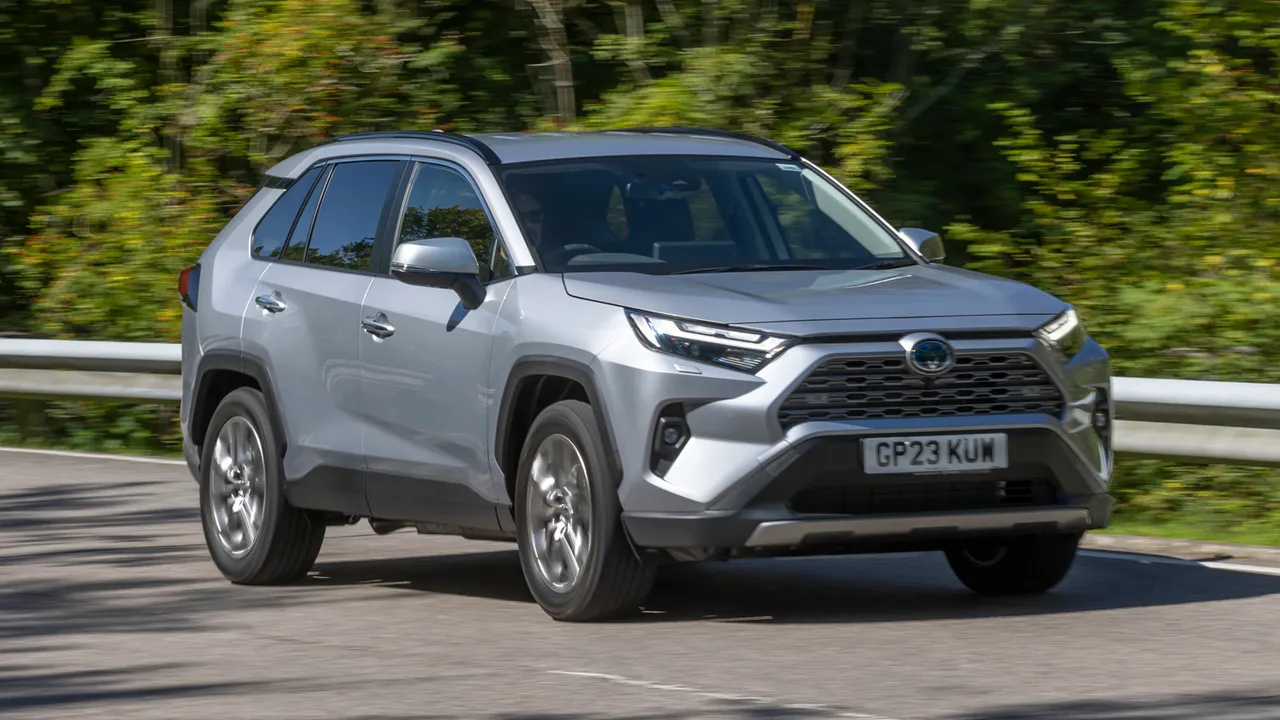
The Toyota RAV4 has earned a reputation for being one of the most reliable vehicles in the crossover segment. Over the years, it has consistently shown that it can handle daily driving, long-distance travel, and even a bit of off-road use without frequent mechanical issues.
Toyota’s approach to quality control and their decision to focus on proven, well-tested engine designs has played a major role in the RAV4’s success. Most owners report going years without anything more than oil changes, tire rotations, and basic brake service.
Another strength of the RAV4 is its relatively simple mechanical structure. While some modern vehicles lean heavily into complex turbocharged engines or overly sensitive electronic systems, the RAV4 often opts for naturally aspirated engines and more durable components.
This reduces the number of things that can go wrong. Toyota’s hybrid version of the RAV4 also holds up surprisingly well, often outlasting expectations when it comes to battery life and electric motor durability. It’s not unusual to see these vehicles surpass 200,000 miles with minimal major repairs.
Part of the RAV4’s reliability can also be attributed to the manufacturer’s wide service network and large pool of parts. Repairs, when necessary, tend to be straightforward and relatively affordable compared to other brands. Plus, mechanics are very familiar with the platform, which means fewer mistakes during servicing and shorter repair times.
The parts themselves are generally not difficult to source, which keeps downtime to a minimum for those rare occasions when a problem does occur.
Owners tend to praise the RAV4 for being worry-free, dependable, and consistent in all seasons. Whether it’s a 2012 model still running smoothly or a brand-new hybrid rolling off the lot, the RAV4 rarely surprises its drivers with unexpected issues. It’s one of those vehicles you can trust without constantly checking for warning lights or odd sounds.
2. Honda CR-V
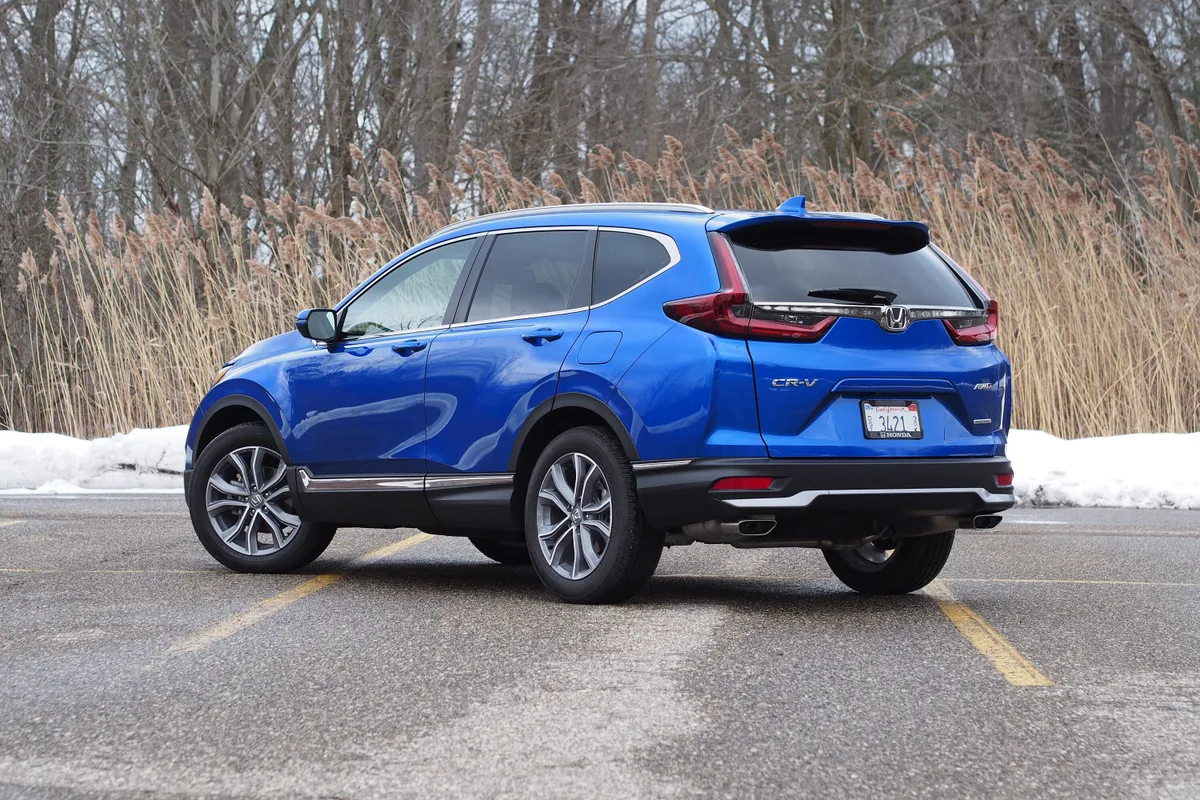
The Honda CR-V has long been one of the top choices for those seeking a reliable crossover. Like the RAV4, it has a strong reputation for lasting well beyond the 100,000-mile mark without major issues. Honda’s engineering approach tends to emphasize simplicity, efficiency, and long-term dependability, and that philosophy shows clearly in the CR-V. Its engines, particularly the 2.4-liter naturally aspirated version, are known to be some of the most resilient in the market.
Owners of the CR-V frequently note how infrequent unscheduled maintenance is, often mentioning that the car just seems to run and run without complaint.
Even when components do eventually wear out, they often do so gradually, giving drivers plenty of warning before failure. Common wear parts like brake pads, shocks, and filters are all easy to replace and widely available. Plus, labor costs are generally low due to the popularity of the vehicle and its user-friendly layout.
The CR-V has also managed to avoid many of the overly complex systems that tend to cause trouble in other models. Honda’s approach to infotainment, safety technology, and electronic integration has been measured rather than aggressive. That means fewer software bugs, less malfunctioning radar systems, and a lower chance of random dashboard warning lights. Drivers spend less time troubleshooting and more time driving.
Even in colder climates where road salt and winter conditions can eat away at vehicle components, the CR-V often performs better than expected. Its corrosion resistance and solid build quality mean that even older models still feel tight and reliable. For those who hate visiting the mechanic and want a car that simply gets the job done, the CR-V continues to be one of the top choices available.
3. Mazda CX-5
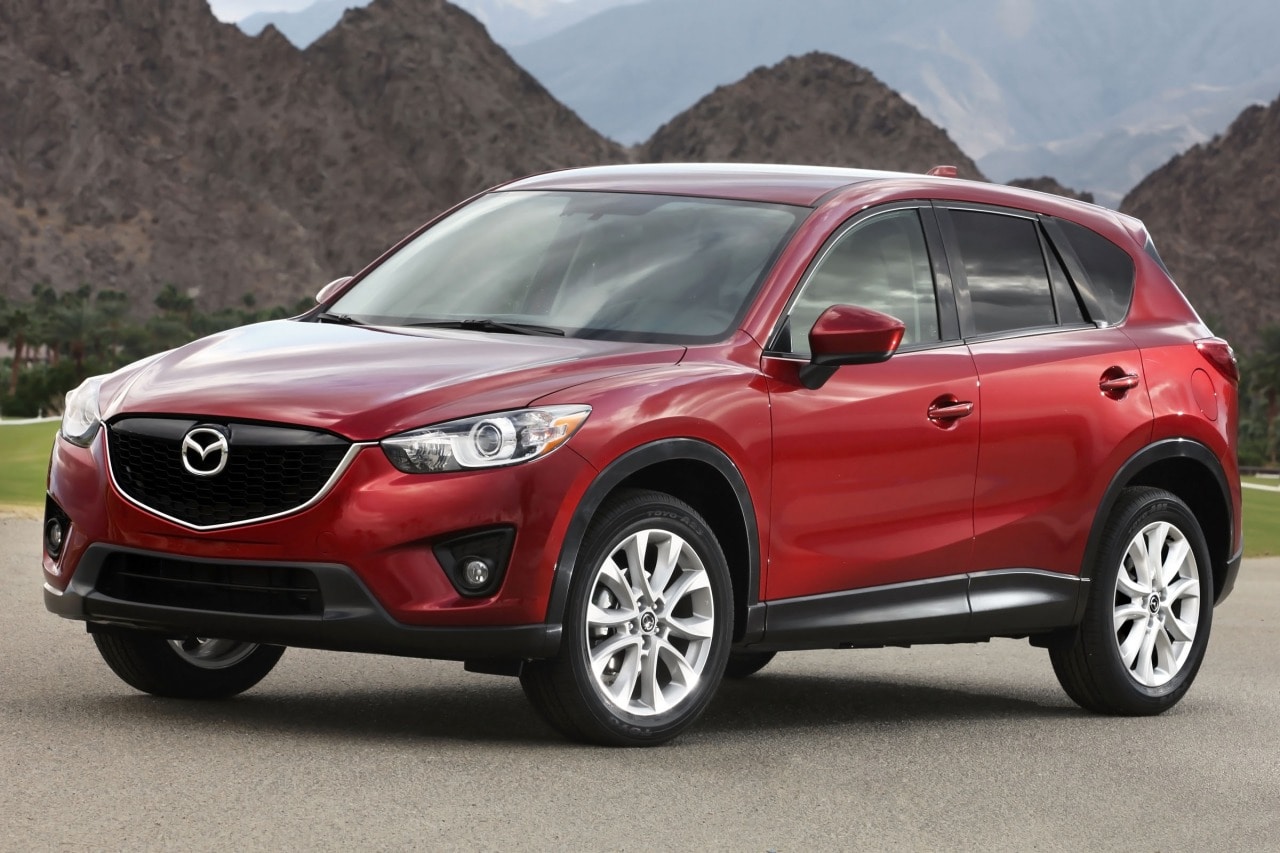
The Mazda CX-5 has made a strong name for itself not just for its sleek styling and great driving dynamics, but also for its solid track record with reliability. It might not sell in the same numbers as the RAV4 or CR-V, but those who own one often report being pleasantly surprised by how low-maintenance the vehicle turns out to be. From engine longevity to smooth transmission performance, the CX-5 rarely gives its drivers any reason to stress.
Mazda’s engineering team has taken a conservative yet thoughtful approach with the CX-5. Its naturally aspirated SkyActiv engines avoid many of the issues that plague turbocharged counterparts in other brands. These engines are designed to be efficient without compromising durability.
The transmission system, too, is tuned to last, with very few reports of failures or costly repairs. All of this adds up to a crossover that is both enjoyable to drive and incredibly dependable.
Another point in the CX-5’s favor is the build quality and attention to detail. Interior materials, panel fitment, and mechanical integration all feel like they come from a more premium vehicle. This translates to fewer rattles, better resistance to aging, and a general sense of stability over the years. Even after 80,000 miles, many CX-5s still feel relatively new, which is something not every vehicle can claim.
Maintenance costs are also on the lower side. Since the car is easy to service and not packed with delicate, failure-prone components, routine care is usually simple and inexpensive. Mechanics often comment on how straightforward Mazda’s layout is compared to more crowded engine bays from other manufacturers. As long as oil is changed regularly and brakes are checked as needed, the CX-5 tends to keep going strong.
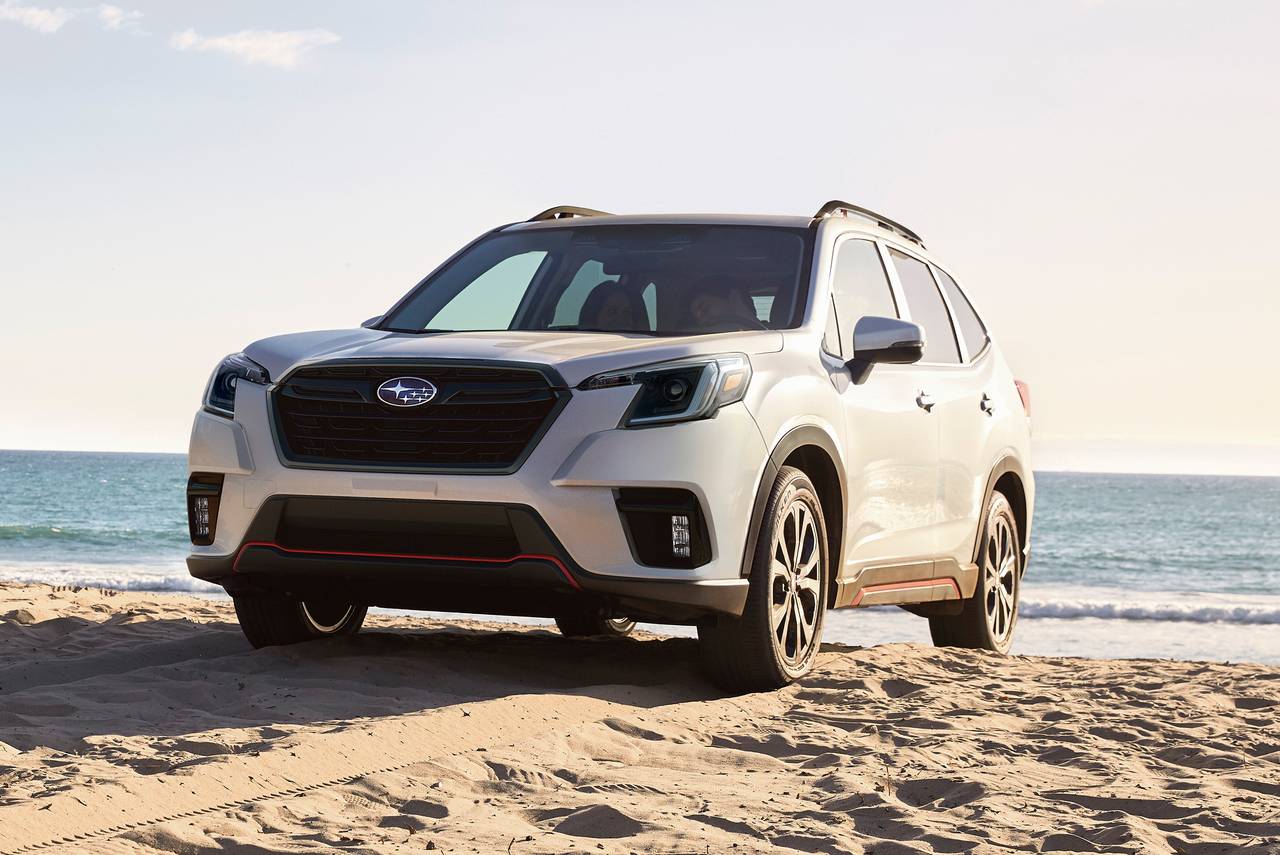
4. Subaru Forester
Subaru’s Forester has long attracted buyers looking for all-wheel-drive capability paired with a car-like driving experience. One of the standout traits of this crossover is its reliability over the long haul. While older generations had some trouble with head gasket issues, Subaru has improved their engines significantly over the last decade. Current models with the updated 2.5-liter flat-four engines show very few serious problems and tend to last a long time with proper care.
What sets the Forester apart is how it handles various terrains and weather conditions without falling apart. The all-wheel-drive system is robust, rarely requiring major attention, and works seamlessly without constant recalibration. Suspension components are also built to handle rougher roads, which helps reduce wear and tear. This makes the Forester ideal for those who live in areas with seasonal changes or who drive on a mix of pavement and gravel.
Regular maintenance on the Forester is straightforward and well-documented. Oil changes, filter replacements, and belt inspections can often be done without needing a dealer visit.
Subaru’s strong community of DIY enthusiasts has also contributed to a wealth of online resources, making it even easier to keep the vehicle running in top shape. Mechanics tend to like working on them too, since the layout is logical and the parts are widely available.
The Forester is often passed down within families, and it’s not unusual to find them still running well past the 150,000-mile mark. Drivers report consistent performance, quiet rides, and no major surprises as the mileage climbs. For a vehicle that can handle snow, rain, and mud while also requiring minimal shop visits, the Forester remains one of the better options in its class.
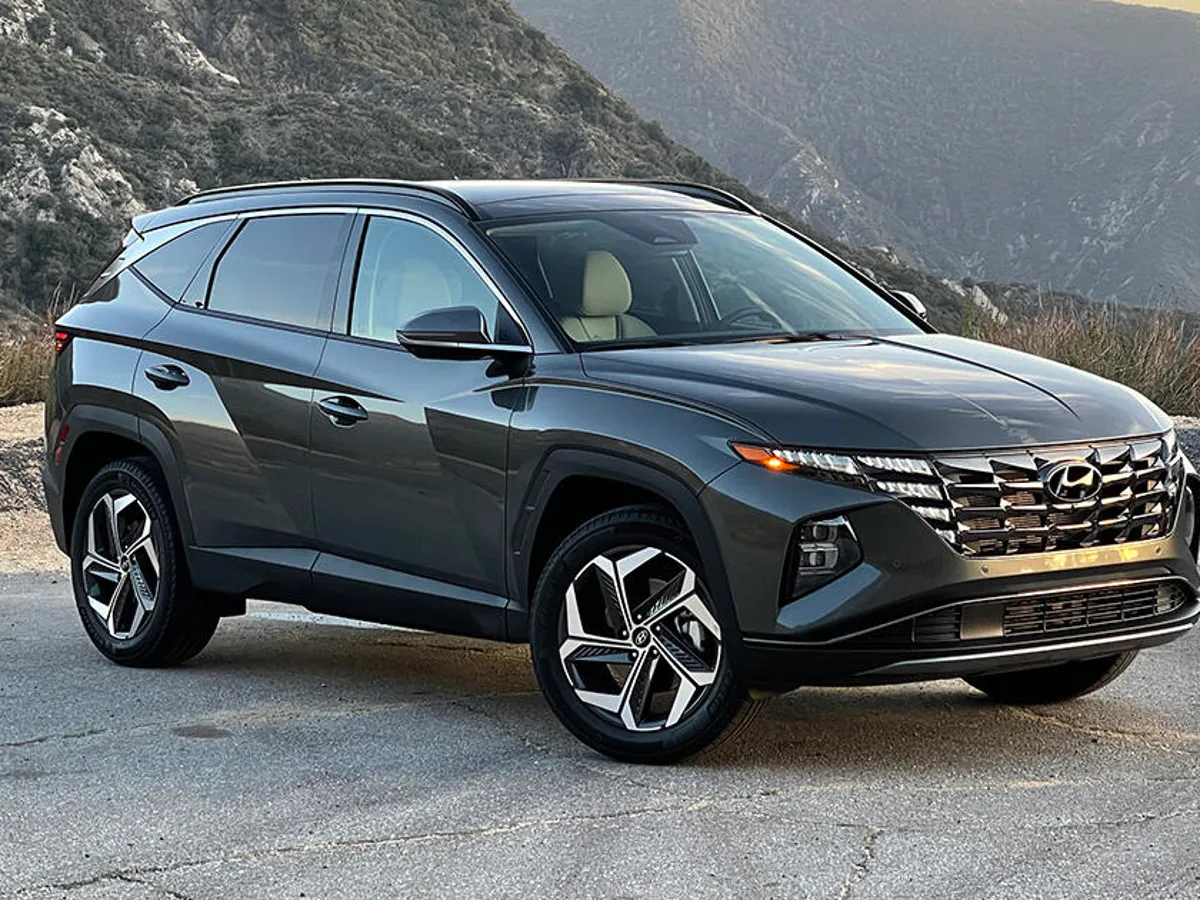
5. Hyundai Tucson (Recent Models)
Hyundai has come a long way from the budget-car image it once had. The latest generations of the Tucson are a prime example of how far the brand’s engineering and quality control have evolved. In particular, models built after 2016 have shown significant improvement in long-term reliability.
With updated powertrains, improved materials, and better electronics, the Tucson has grown into a crossover that holds up well with age and rarely ends up in the shop.
One of the strongest points in the Tucson’s favor is the simplicity of its drivetrain options. The naturally aspirated engines tend to perform consistently over time, and even the more advanced turbocharged models have shown fewer problems compared to rivals.
Hyundai also extended its warranty coverage significantly, offering a 10-year/100,000-mile powertrain warranty, which not only gives owners peace of mind but also reflects a certain confidence in the product from the manufacturer. This level of warranty support means that if a problem does occur, it is usually handled without a large out-of-pocket expense for the owner.
That reduces visits to independent mechanics and makes it easier to stay on top of scheduled maintenance. Importantly, Hyundai’s newer Tucson models avoid some of the fragile transmission issues seen in earlier versions or in rival crossovers from other brands. The switch to more refined automatic gearboxes and improved engine cooling systems has gone a long way toward preventing costly failures.
Another often-overlooked factor is Hyundai’s improvements in interior durability and electronics reliability. In the past, touchscreens, climate control systems, and digital gauge clusters from Hyundai could be hit or miss. Now, however, many Tucson owners report that the infotainment system continues working properly even years into ownership, with few glitches or breakdowns.
The seats, door handles, switches, and other tactile parts also seem to hold up well under daily use, resisting the wear and tear that typically leads to annoying mechanical issues. Hyundai has clearly put effort into refining both the physical and electronic components of the Tucson, and it shows in the real-world reliability results.
On the mechanical side, routine maintenance such as oil changes, coolant flushes, and brake service is all relatively affordable. Parts are widely available, and Tucson’s engine bay is roomy enough that mechanics don’t charge extra for labor due to cramped conditions.
There are no oddly placed filters or inaccessible components that tend to inflate repair bills. Even independent shops often stock the parts needed for common repairs on the Tucson, which means quicker turnaround times when something does need attention. The cost of ownership remains relatively low even when compared to some more established Japanese brands.
Also Read: 10 Cars Known For Smooth Ride Quality vs 10 That Become Bumpy Messes
5 Crossovers That Constantly See the Mechanic
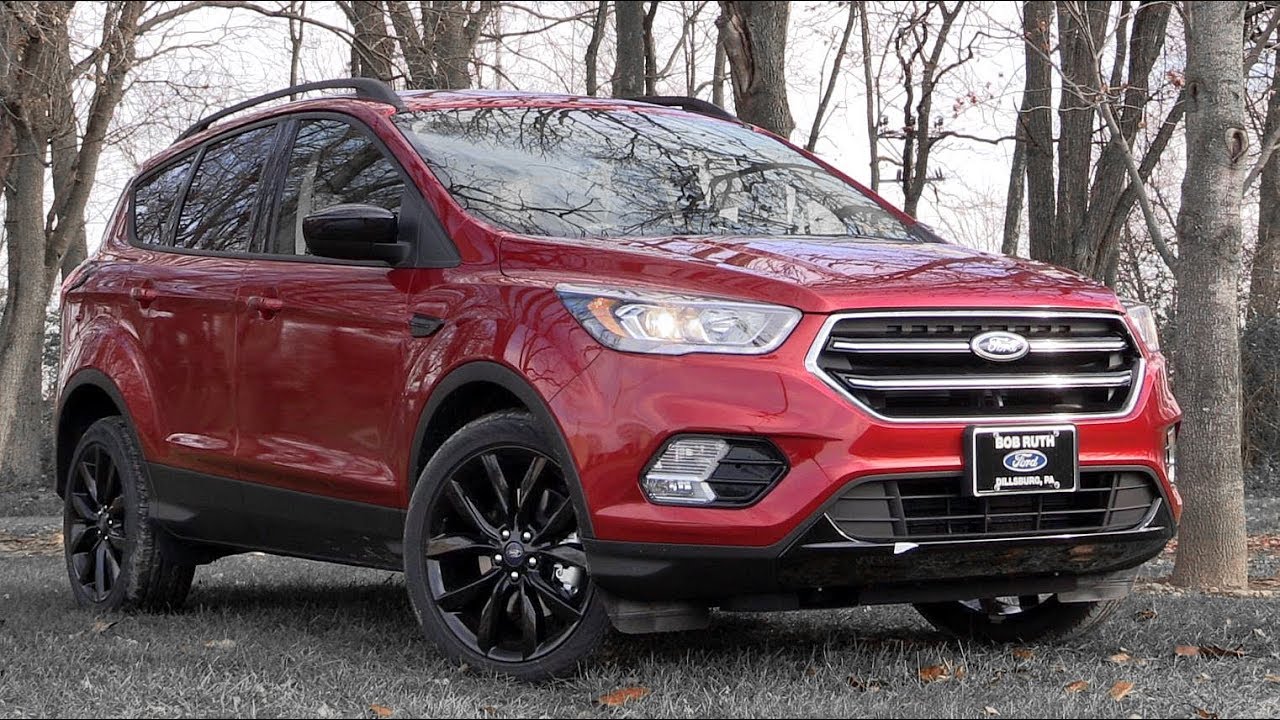
1. Ford Escape (1.5L and 2.0L EcoBoost Engines)
While the Ford Escape has been a strong seller for years, many owners have found themselves making frequent trips to the mechanic, especially with models that feature the 1.5L and 2.0L EcoBoost engines. These turbocharged engines were designed to offer good fuel efficiency without sacrificing power, but they have also been linked to a variety of persistent issues.
From coolant intrusion into the cylinders to turbocharger failures and high-pressure fuel system problems, the Escape has earned a reputation for being mechanically unpredictable. For owners, this means more check engine lights, more unplanned downtime, and often, more expensive repairs than they had anticipated.
One of the most common issues reported with these EcoBoost-equipped Escapes involves coolant leaks that lead to engine misfires, stalling, or even full engine replacement. In some cases, the head gaskets fail prematurely, or the engine block itself develops cracks.
These problems tend to show up just after the factory warranty expires, which only adds to the frustration. Because the symptoms can mimic other problems, rough idle, overheating, or loss of power, owners often go through multiple repair visits before the root issue is finally addressed. That constant back-and-forth with mechanics becomes part of the ownership experience for many Escape drivers.
Transmission issues are also not uncommon. The 6-speed automatic transmission used in many Escape models is known to exhibit rough shifting, slipping, or complete failure before hitting 100,000 miles in some cases.
Transmission repairs can be among the most expensive, and many owners are surprised to find themselves facing a $3,000–$4,000 bill for something they assumed would last longer. Even more frustrating, sometimes the problem seems intermittent, which makes diagnosis difficult and increases the number of trips to the shop.
Electrical gremlins add to the mix. Faulty sensors, glitchy infotainment systems, and malfunctioning electronic throttle controls have all been reported. While these aren’t necessarily catastrophic failures, they are irritating and add to the perception that the Escape is not a set-it-and-forget-it vehicle. For people who depend on their vehicle every day, this lack of reliability often leads to regret. Many eventually trade in their Escape early, even at a loss, just to avoid the headaches.
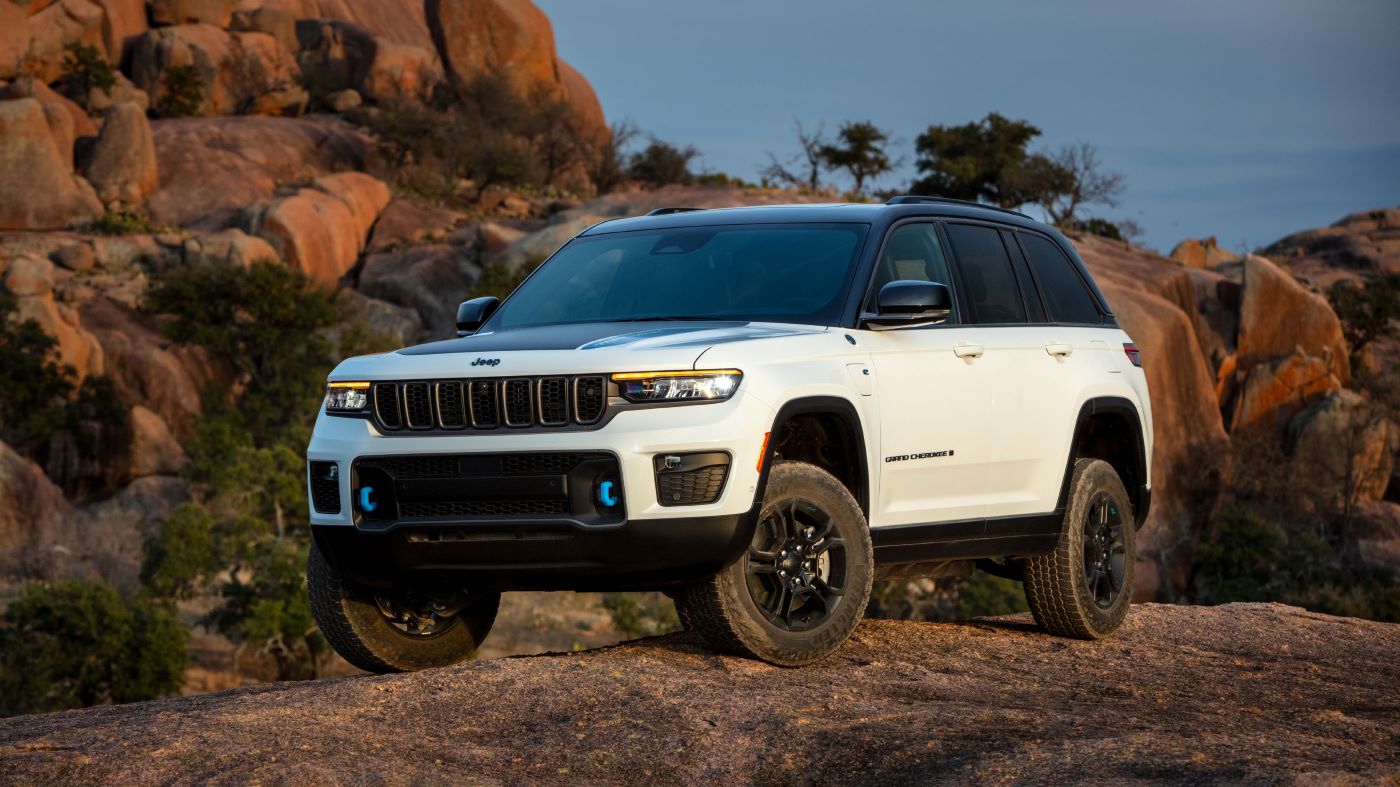
2. Jeep Cherokee (2014–2020)
The Jeep Cherokee, particularly the 2014–2020 models equipped with the 2.4L Tigershark engine or the 3.2L Pentastar V6, has developed a reputation for being a crossover that constantly demands attention from mechanics.
One of the most notorious issues is the 9-speed automatic transmission, which has been plagued by software glitches, harsh shifting, and early failure. While Jeep has released numerous software updates and technical service bulletins in an attempt to fix the issues, many owners report that the problems either persist or come back shortly after temporary fixes.
Beyond the transmission, the Tigershark engine is also known for high oil consumption. In some cases, engines can burn through more than a quart of oil every 1,000 miles, and there’s no official recall that mandates a fix. That means owners are responsible for constantly checking and refilling oil to avoid severe engine damage.
Those who don’t keep up risk engine failure or timing chain issues. This type of mechanical flaw is especially concerning for drivers who expect basic reliability in a crossover that’s marketed toward families and commuters.
Adding to the Cherokee’s woes are frequent reports of electrical system issues. From random warning lights to infotainment system failures and faulty airbag sensors, many owners find themselves dealing with one glitch after another. Sometimes the backup camera stops working.
Other times, the entire center screen goes black or reboots while driving. These problems are frustrating not just because of the inconvenience, but because they often require repeat visits to the dealership or independent shop to fully resolve.
The suspension and steering components are another area of concern. Tie rods, bushings, and control arms often wear out prematurely, leading to clunking noises and poor alignment. While these aren’t as expensive to repair as engines or transmissions, they do add to the cumulative cost of ownership.
It’s common for Cherokee owners to report spending thousands over just a few years of ownership on repairs that go well beyond basic maintenance. As a result, the Cherokee is often cited in used car circles as one to avoid if long-term reliability is a top priority.
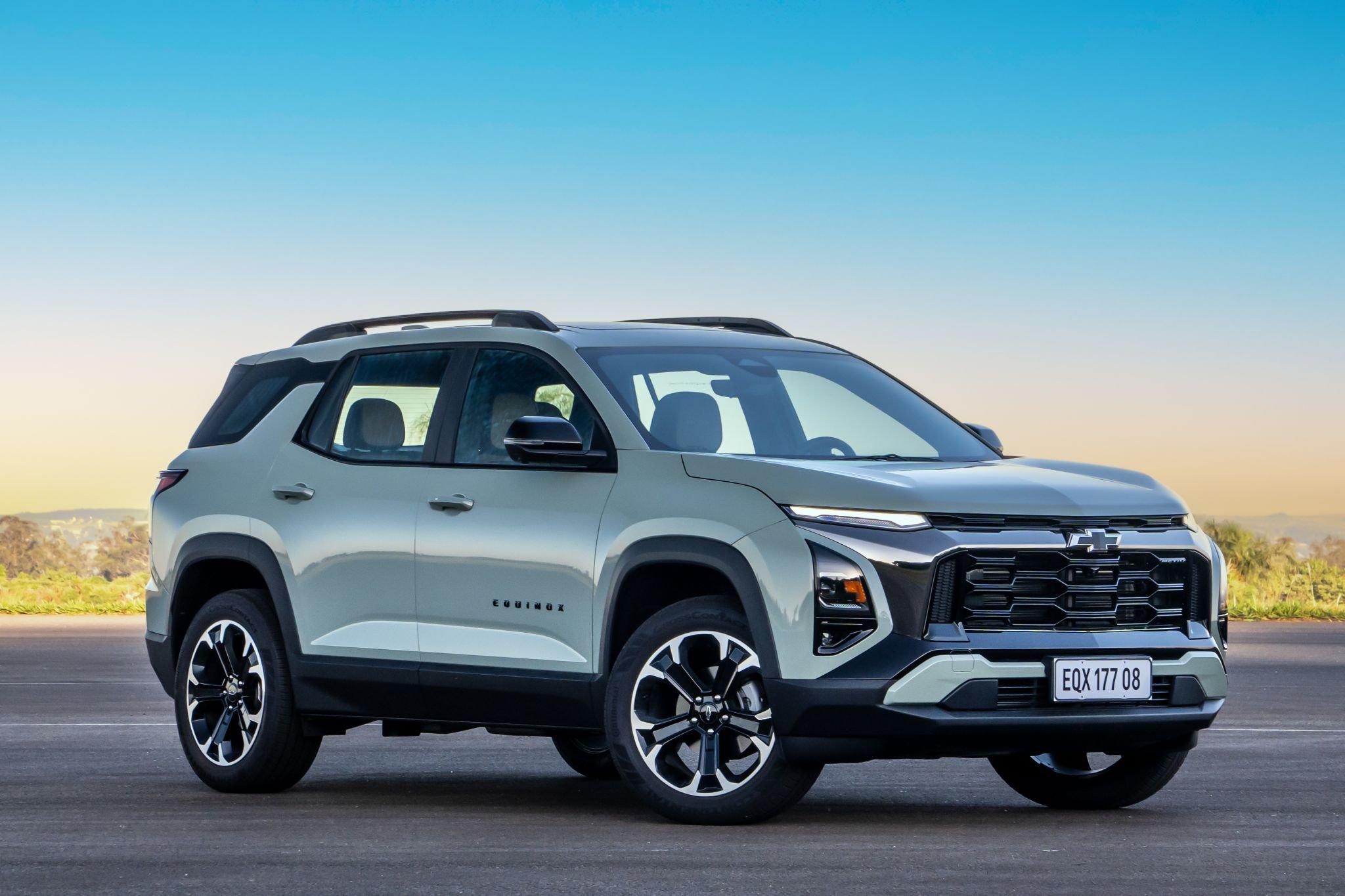
3. Chevrolet Equinox (2010–2017)
The Chevrolet Equinox is another crossover that frequently finds itself in the repair bay, especially the models produced between 2010 and 2017. The most persistent issue involves the 2.4L Ecotec engine, which is prone to excessive oil consumption, timing chain failure, and piston ring problems.
These engine issues are not just annoying, they can be financially devastating. Many Equinox owners have had to replace entire engines before reaching 100,000 miles, and even those who catch the problem early often face hefty repair bills just to prevent further damage.
What makes the Equinox particularly troublesome is how quickly these engine problems can escalate. A vehicle that seems to run fine one month can suddenly start burning oil at a rapid pace the next. Often, there’s no check engine light or warning before the damage is done.
Some owners only discover the issue when the engine seizes or stalls unexpectedly. GM did release a special coverage adjustment for some VINs, but the coverage was limited, and many customers were left to foot the bill themselves.
Transmission problems are less common but still present. Shifting delays, slipping gears, and failure to engage properly have all been reported, particularly on older models. These issues are typically not resolved by simple software updates and often require major work or full transmission replacement. For a vehicle marketed as a dependable family hauler, these kinds of recurring issues make it difficult to trust the Equinox over the long haul.
On top of the major mechanical problems, the interior quality and electronic reliability leave much to be desired. Malfunctioning door locks, broken power window regulators, and touchscreen failures are common.
Many of these issues are more of an annoyance than a deal-breaker, but they contribute to a feeling that the vehicle is aging quickly and not holding up to daily use. Combined with the serious engine concerns, these smaller problems only reinforce the perception that the Equinox demands more than its fair share of maintenance and repairs.
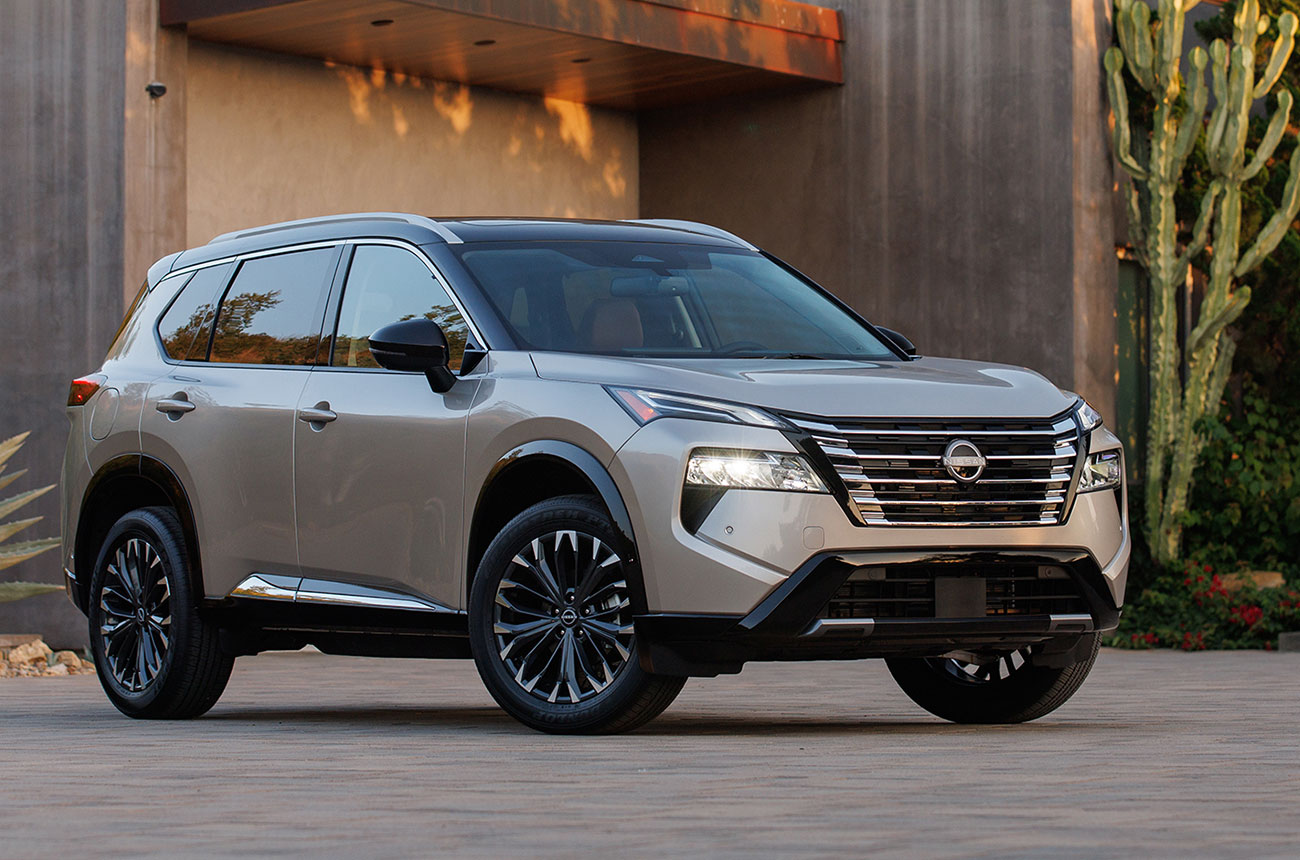
4. Nissan Rogue (2013–2019)
The Nissan Rogue, while a popular seller due to its affordability and comfortable ride, is unfortunately one of the more frequent visitors to repair shops in its segment, particularly the models produced between 2013 and 2019. The most significant problem lies with its continuously variable transmission (CVT), which has been a consistent pain point for owners.
Nissan’s CVT, designed to improve fuel economy and provide smooth acceleration, instead became known for jerking, slipping, hesitation, and, eventually, total failure. What’s more troubling is that many of these problems begin to show up well before the 100,000-mile mark, with some occurring as early as 50,000 miles.
CVT replacements or rebuilds are notoriously expensive, often costing between $3,500 and $5,000. While Nissan extended the warranty coverage for CVT issues on some vehicles, not all model years or mileage thresholds are covered, leaving many owners with a huge out-of-pocket expense.
Some dealers perform a software reprogramming in an attempt to solve the issue, but this frequently offers only temporary relief. In many cases, the transmission continues to degrade until full replacement is the only option. For those hoping to avoid major mechanical headaches, this issue alone is often enough to disqualify the Rogue from consideration.
Beyond the transmission, the Rogue also suffers from build quality concerns and a variety of electronic glitches. Dashboard warning lights may appear randomly, often without a true underlying issue, leading to unnecessary diagnostic expenses. Backup cameras sometimes stop working.
Key fobs fail to communicate with the vehicle, even with a new battery installed. Some drivers have also reported problems with the vehicle’s automatic emergency braking system engaging unnecessarily, which adds both frustration and safety concerns to the list of complaints. These are not isolated incidents, they appear in owner forums and mechanic reports with regularity.
Then there’s the issue of cabin durability. The Rogue’s interior materials often don’t age well. Seats begin to show wear prematurely, door panels rattle, and trim pieces can come loose even with average use. These cosmetic flaws might seem minor, but they add to a sense that the vehicle is wearing out faster than it should.
When combined with transmission and electrical issues, they paint a picture of a crossover that may be affordable upfront but quickly becomes a financial burden. For long-term peace of mind, many owners come to regret the decision to buy a Rogue, especially when maintenance costs start to exceed expectations.
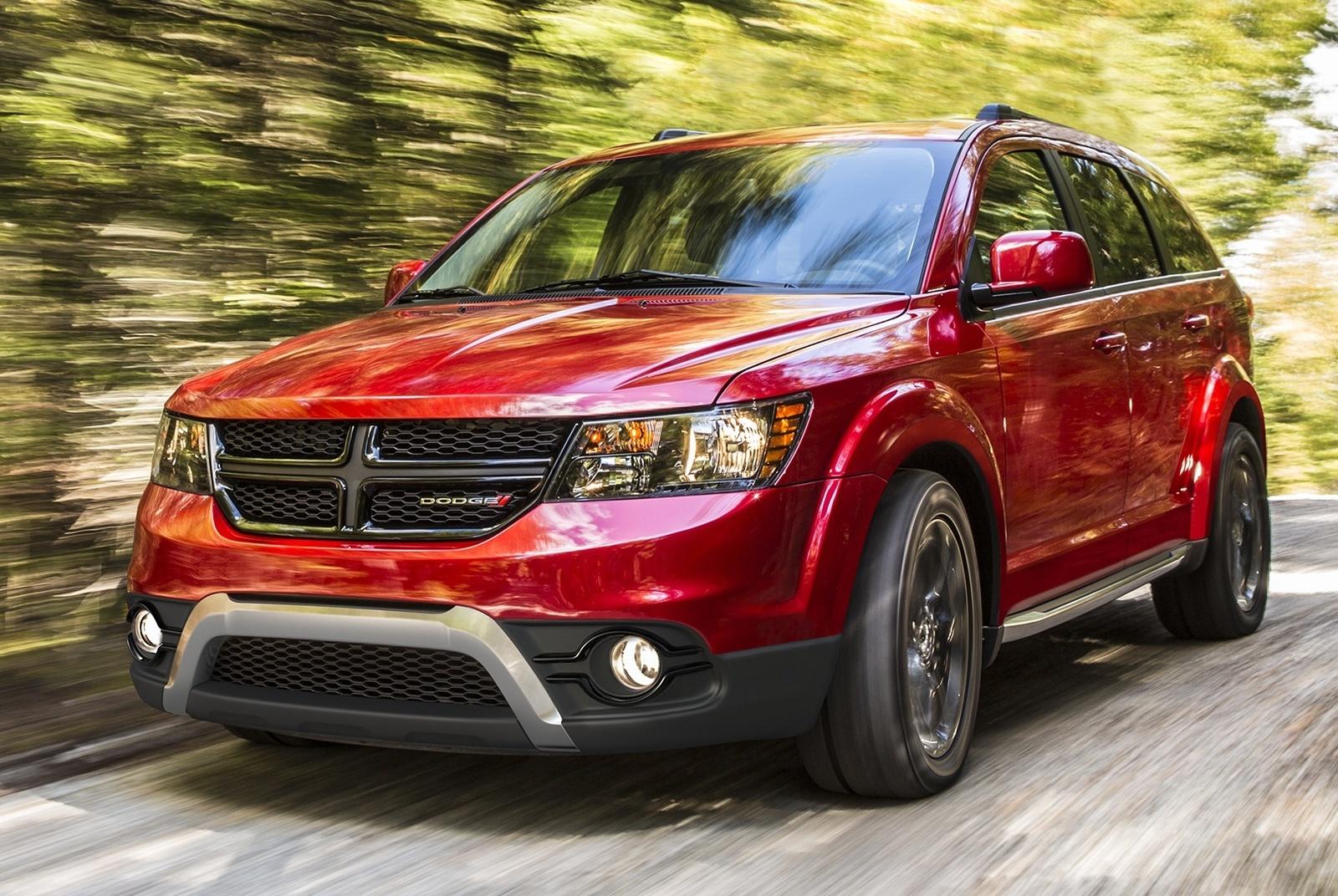
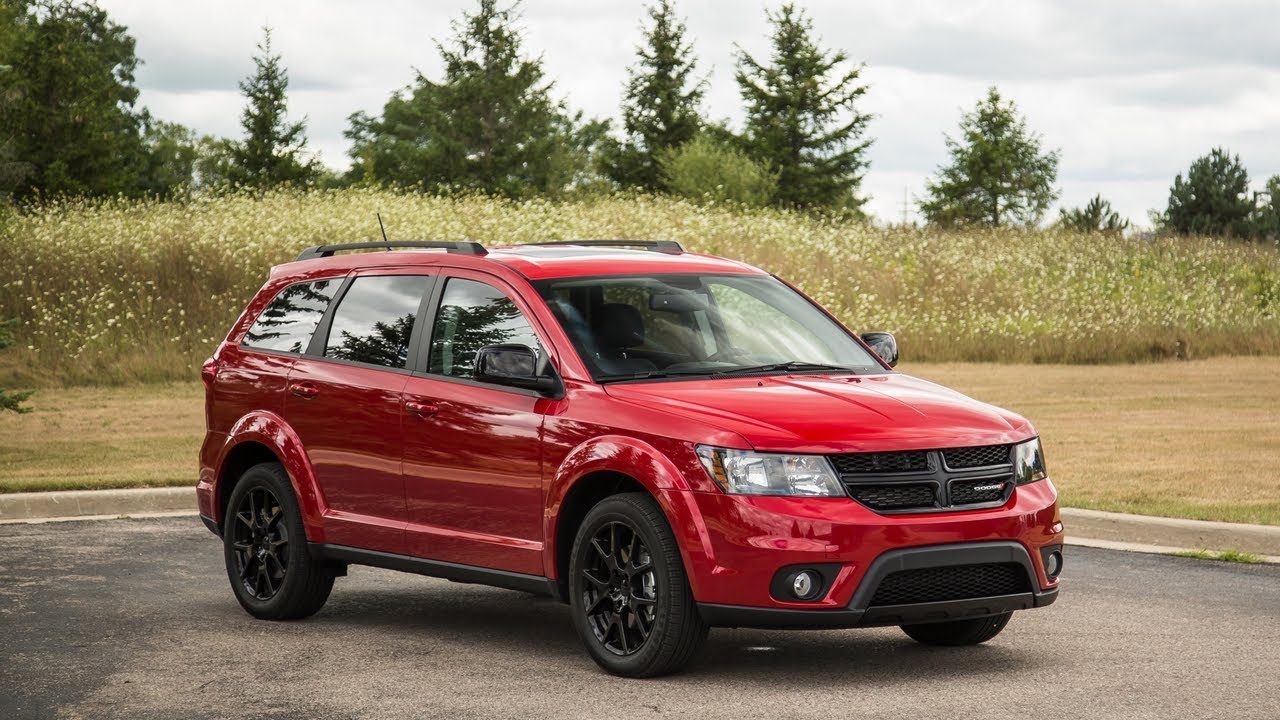
5. Dodge Journey (All Years)
The Dodge Journey has consistently landed near the bottom of reliability rankings since its introduction, and sadly, it remained plagued by problems throughout its production run until it was discontinued in 2020.
While it initially attracted buyers with a low sticker price and a roomy interior, it didn’t take long for many owners to discover that this crossover came with a long list of recurring mechanical and electronic problems. Engine issues, poor transmission performance, and a variety of electrical glitches make the Journey one of the most commonly repaired vehicles in its class. Whether it’s a base model or a higher trim, the problems seem to be baked into the design.
One of the most commonly reported issues involves the 2.4-liter inline-four engine, which struggles to keep up with the weight of the vehicle. Underpowered and overstressed, this engine often develops problems like timing chain tensioner failure, excessive oil consumption, and poor throttle response.
The V6 version, while more powerful, doesn’t fare much better in the long run. Many owners experience stalling, rough idling, or engine misfires, even with regular maintenance. In many cases, the check engine light becomes a permanent fixture on the dashboard, signaling yet another trip to the shop. Mechanics often find that repairs can be more involved than expected due to tight engine bay layouts and non-intuitive part placements.
Transmission issues are just as problematic. The automatic gearboxes used in the Journey are known for jerky shifts, failure to engage gears, and loud clunking sounds during acceleration or deceleration. These problems don’t just impact drivability, they often require full transmission replacement or costly internal repairs.
Many Dodge Journey owners report having to replace the transmission before hitting 90,000 miles. Such major issues at relatively low mileage are not only frustrating but financially draining, especially for families who purchased the vehicle expecting low-cost ownership.
Interior electronics are another frequent source of complaints. Climate control systems fail unexpectedly, touchscreen units freeze or go blank, and electrical shorts cause everything from non-functioning windows to random alarm triggers. These are not just occasional bugs, they are often recurring issues that require professional attention to fix.
Some drivers even report problems with the ignition system, where the car refuses to start despite a fully charged battery and a functional key fob. Add to that low resale value and high depreciation, and the Journey quickly becomes one of the least appealing used crossovers on the market. For mechanics, it may be a familiar vehicle to work on, but for owners, it’s often an expensive lesson in the dangers of buying based on price alone.
