
There was a time when sedans ruled the roads. Before SUVs and crossovers took over driveways and dealership lots, sedans were the dominant choice for families, business professionals, and anyone who appreciated a comfortable, well-balanced car.
Unlike modern vehicles that often prioritize efficiency and uniform design over personality, older sedans carried a certain charm. They were often built with sturdy materials, featured unique styling, and reflected the design language of their time. These cars weren’t just appliances; they had character.
Today, a growing number of car collectors and enthusiasts are turning their attention to old-school sedans. While coupes, convertibles, and sports cars have always had their place in car culture, these classic four-door vehicles are gaining serious momentum as valuable collectibles.
Part of the appeal lies in nostalgia. Many people grew up riding in the back of these cars or watching them pass by on city streets. For others, it’s about the simplicity of the mechanical engineering or the understated style that defines a different era of automotive history.
Collectors are beginning to appreciate the quiet beauty and practical engineering of vintage sedans. These vehicles offer a driving experience that’s very different from today’s models. They tend to be less dependent on digital systems, giving drivers more direct control. The engines are often simpler to work on, and the designs are more distinctive. As a result, restoring and maintaining them becomes a rewarding hobby for those who enjoy a hands-on approach to car ownership.
This shift in collector interest has also impacted prices. Cars that once sat unnoticed in dusty garages are now being hunted down, restored, and cherished. While some are still relatively affordable, values are steadily increasing as demand rises and well-preserved examples become harder to find.
What follows is a list of ten old-school sedans that are becoming favorites among collectors. These cars were not always the flashiest or fastest, but they’ve stood the test of time and are now earning the recognition they deserve.
Also Read: 10 Cars That Rarely Fail Their Owners vs 10 That Constantly Disappoint
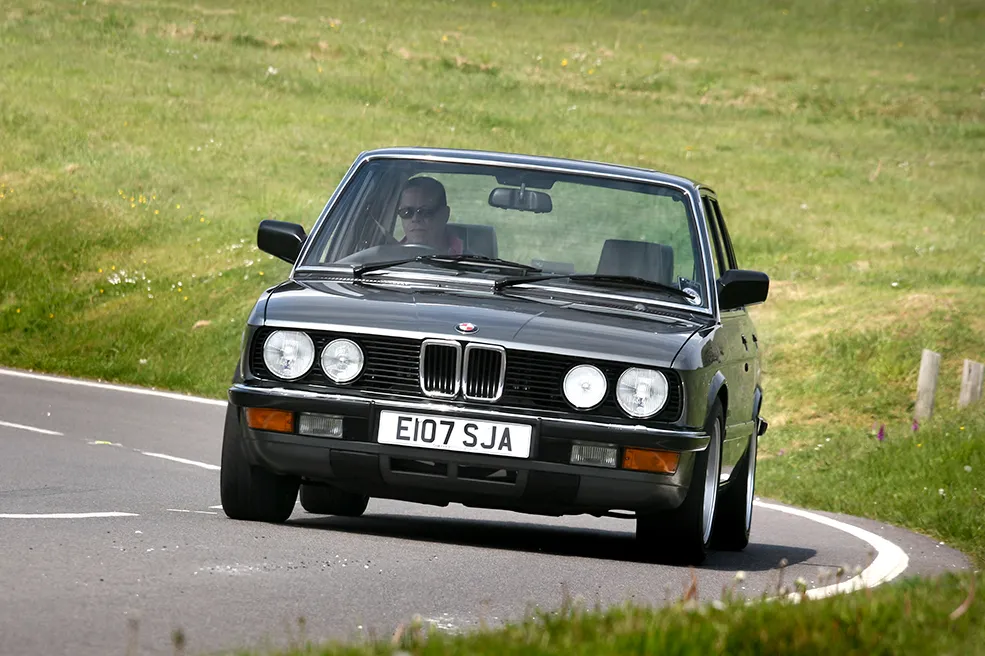
1. 1980s BMW E28 5-Series
The E28 BMW 5-Series is often credited as one of the sedans that truly bridged the gap between performance and practicality. Built between 1981 and 1988, it carried the BMW DNA of rear-wheel drive, near-perfect weight distribution, and an engaging driving feel.
Even by today’s standards, the E28 holds up remarkably well in terms of driving dynamics. Enthusiasts appreciate how responsive it feels on the road, especially when paired with the inline-six engine found in models like the 528i or 535i.
Aside from performance, the design language of the E28 gives it classic appeal. It’s boxy, clean, and free of the excessive curves or aggressive styling of modern sedans. There’s a strong sense of purpose in the way the body is shaped, which has aged gracefully over time.
The cabin is straightforward, with analog gauges, thick leather seats, and just enough tech to feel advanced for its era without being overbearing. Everything is placed where it should be, and it gives the impression of being built with precision.
The M5 variant, which came out during the E28’s final production years, is particularly valuable today. It featured a hand-built inline-six derived from the BMW M1 supercar and is considered by many as the first true “super sedan.”
Its rarity and performance credentials make it a high-dollar item in the collector market, often fetching six figures in pristine condition. However, even non-M models are seeing price increases due to rising interest and dwindling availability.
Maintenance can be manageable for DIY enthusiasts, and a well-kept E28 can provide years of driving enjoyment. Parts availability is decent thanks to BMW’s heritage program and a strong aftermarket community. As more enthusiasts recognize its potential, the E28 is being pulled from obscurity and placed into the spotlight it has long deserved.
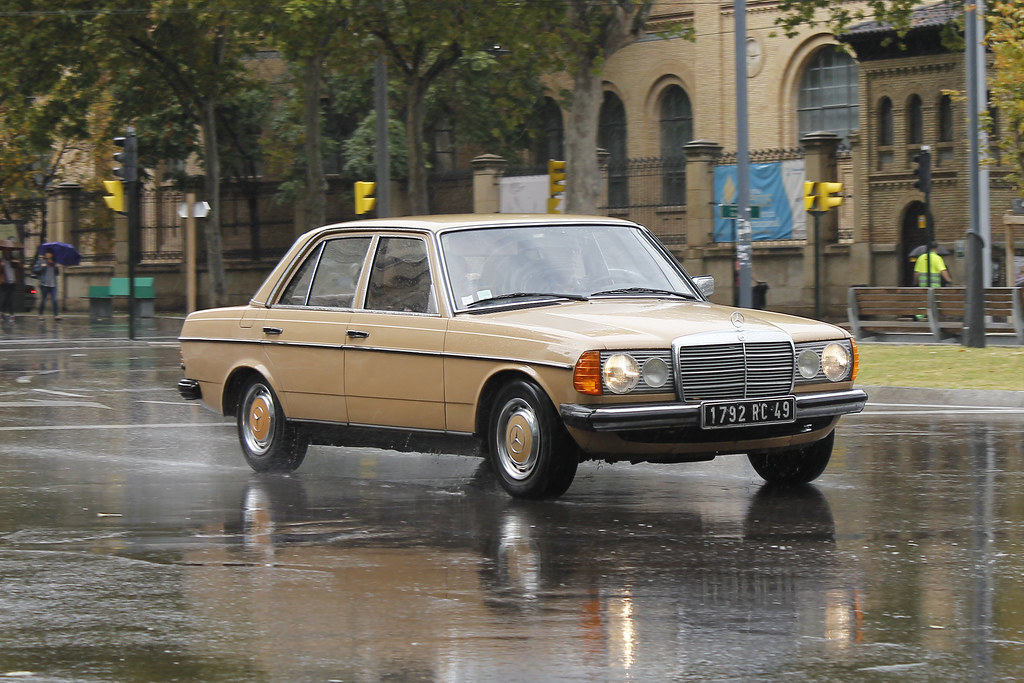
2. Mercedes-Benz W123
Produced between 1976 and 1985, the Mercedes-Benz W123 is one of the most durable and respected sedans of its era. Known for its reliability and bulletproof engineering, the W123 became a global icon. Taxi drivers, diplomats, and businesspeople all relied on these cars for dependable, comfortable transportation.
Its reputation was built on solid materials and simple, well-thought-out mechanical systems. Even after decades on the road, many W123s are still operational today, which is a testament to their quality.
Collectors appreciate the W123 not just for its build but also for its elegant simplicity. The exterior design is conservative but timeless, with a balance of sharp lines and gentle curves that give it a distinguished look. The car’s proportions are ideal for a sedan, long enough to look serious, but compact enough to be maneuverable.
The cabin is filled with high-quality materials, including real wood trim and thick upholstery that has aged gracefully in many cases.
Engine options included a range of inline-fours, inline-fives, and inline-sixes, available in both gasoline and diesel variants. The diesel models, especially the 300D, are particularly well-known for their longevity. While not quick, they offer a smooth and relaxing ride that fits the car’s personality. Because of this, the W123 has become a popular platform for restoration and even for modification among fans of classic Mercedes-Benz vehicles.
Today, clean examples are being snapped up by collectors and enthusiasts looking for a vintage car that’s as usable as it is stylish. The W123 may not scream performance, but its quiet capability and rock-solid engineering make it an increasingly valuable piece of automotive history. With Mercedes-Benz beginning to celebrate its heritage more actively, the W123 is getting the recognition it has always earned through decades of loyal service.
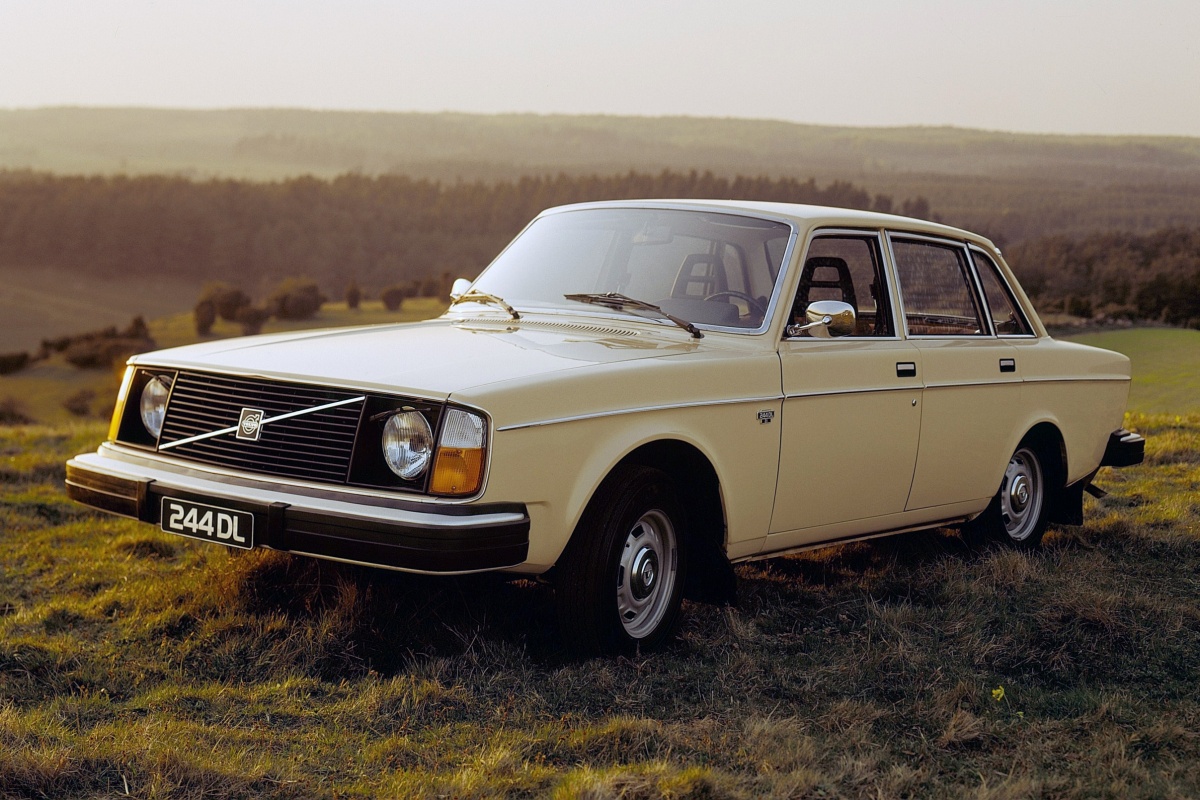
3. Volvo 240 Series
The Volvo 240 might be the most iconic vehicle ever produced by the Swedish brand. Manufactured from 1974 to 1993, the 240 series was designed with durability and safety in mind. It has long been the car of choice for pragmatists, families, and people who simply wanted a car that wouldn’t quit.
Over time, that reputation for toughness has made it an underground favorite, and it’s now experiencing a resurgence among collectors and young enthusiasts alike.
What makes the 240 special is its commitment to function over form, without losing identity. The boxy shape, square headlights, and tall greenhouse contribute to an instantly recognizable silhouette. Unlike modern vehicles that often chase sleek aesthetics at the cost of interior space, the 240’s upright design results in a spacious, airy cabin and excellent outward visibility. The controls are simple and intuitive, reflecting the car’s emphasis on ease of use.
Mechanically, the 240 is about as robust as they come. Its inline-four engine is known for running well beyond 300,000 miles with routine maintenance.
Rear-wheel drive, solid rear axles, and simple electronics make the car not only dependable but easy to work on. It was also one of the first cars to take crash safety seriously, leading to design decisions that prioritized occupant protection long before that became standard practice.
Although it was once considered a boring, utilitarian car, the 240 is now being re-evaluated. Restored examples with original paint and clean interiors are becoming more valuable, especially rare trims like the 240 Turbo. Many younger drivers are attracted to the car’s quirky, retro vibe and the vast customization potential it offers. Whether left stock or modified tastefully, the Volvo 240 is now far more than a durable commuter, it’s a desirable classic.
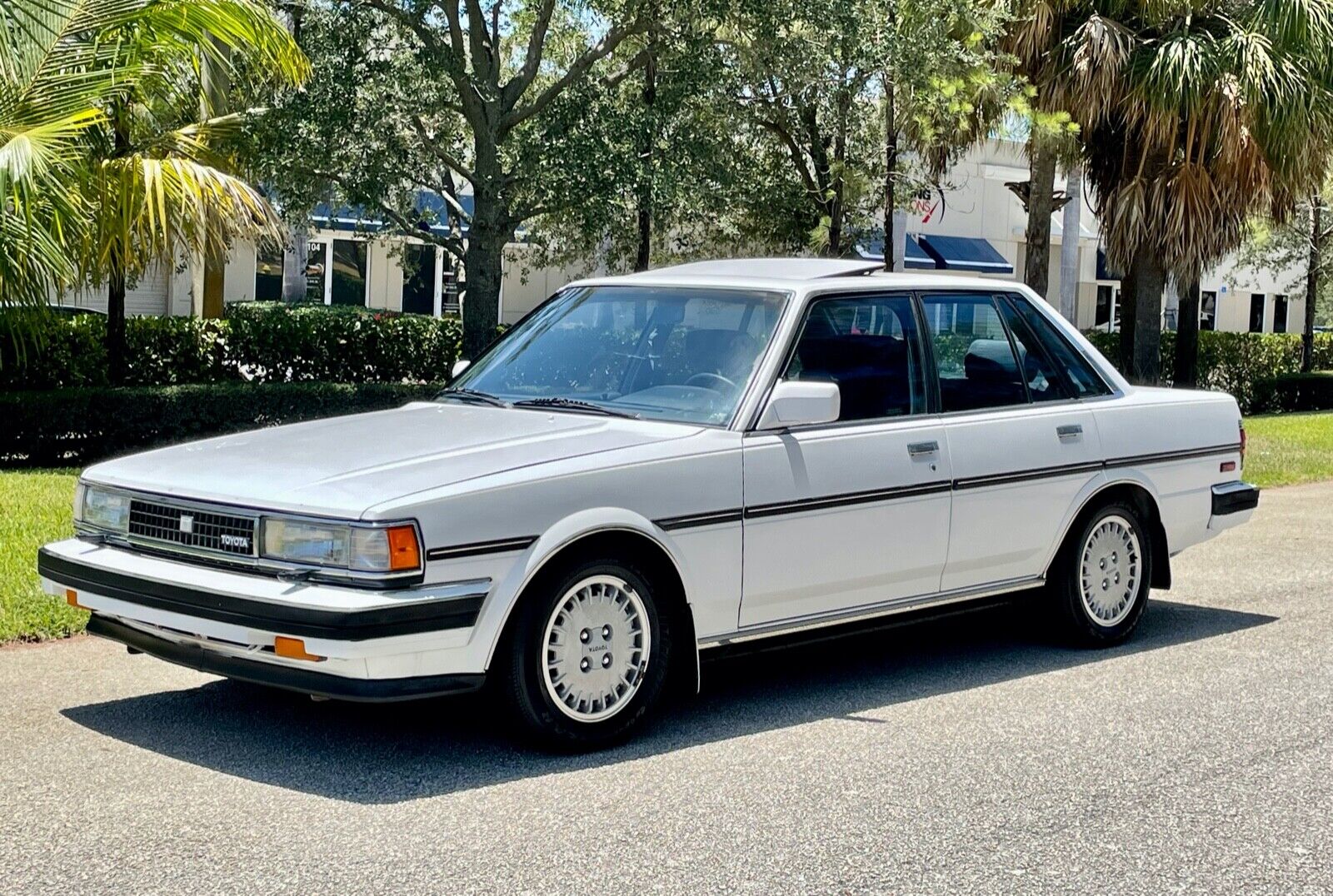
4. Toyota Cressida
The Toyota Cressida was Toyota’s flagship sedan before the arrival of the Lexus brand. Sold in various markets from the late 1970s to the early 1990s, it represented the height of Japanese engineering in a full-size, rear-wheel-drive format. Often overlooked in favor of more glamorous nameplates, the Cressida is finally being recognized for its blend of luxury, reliability, and performance potential.
At first glance, the Cressida might appear to be just another conservative sedan, but under the surface lies a well-balanced car that borrows a lot from Toyota’s performance lineage. Later models, especially those from the late ’80s, came equipped with straight-six engines and independent rear suspension. Some even shared components with the Toyota Supra, making them prime candidates for engine swaps and performance upgrades.
The interior was plush for its time, featuring digital displays, velour seats, automatic climate control, and a quiet ride that rivaled European competitors. Attention to detail was high, with quality switchgear and excellent fit and finish. The Cressida wasn’t flashy, but it projected a sense of refined confidence that appealed to buyers looking for understated luxury.
Now, the Cressida is becoming more appreciated by collectors who want a vintage Japanese sedan with potential. It’s relatively rare to find one in original condition, as many were daily drivers for years and have seen heavy use. However, examples that have been well cared for are increasing in value.
Thanks to its engineering roots and old-school charm, the Toyota Cressida has carved out a niche for itself in the collector world, where it’s no longer overshadowed by flashier nameplates.
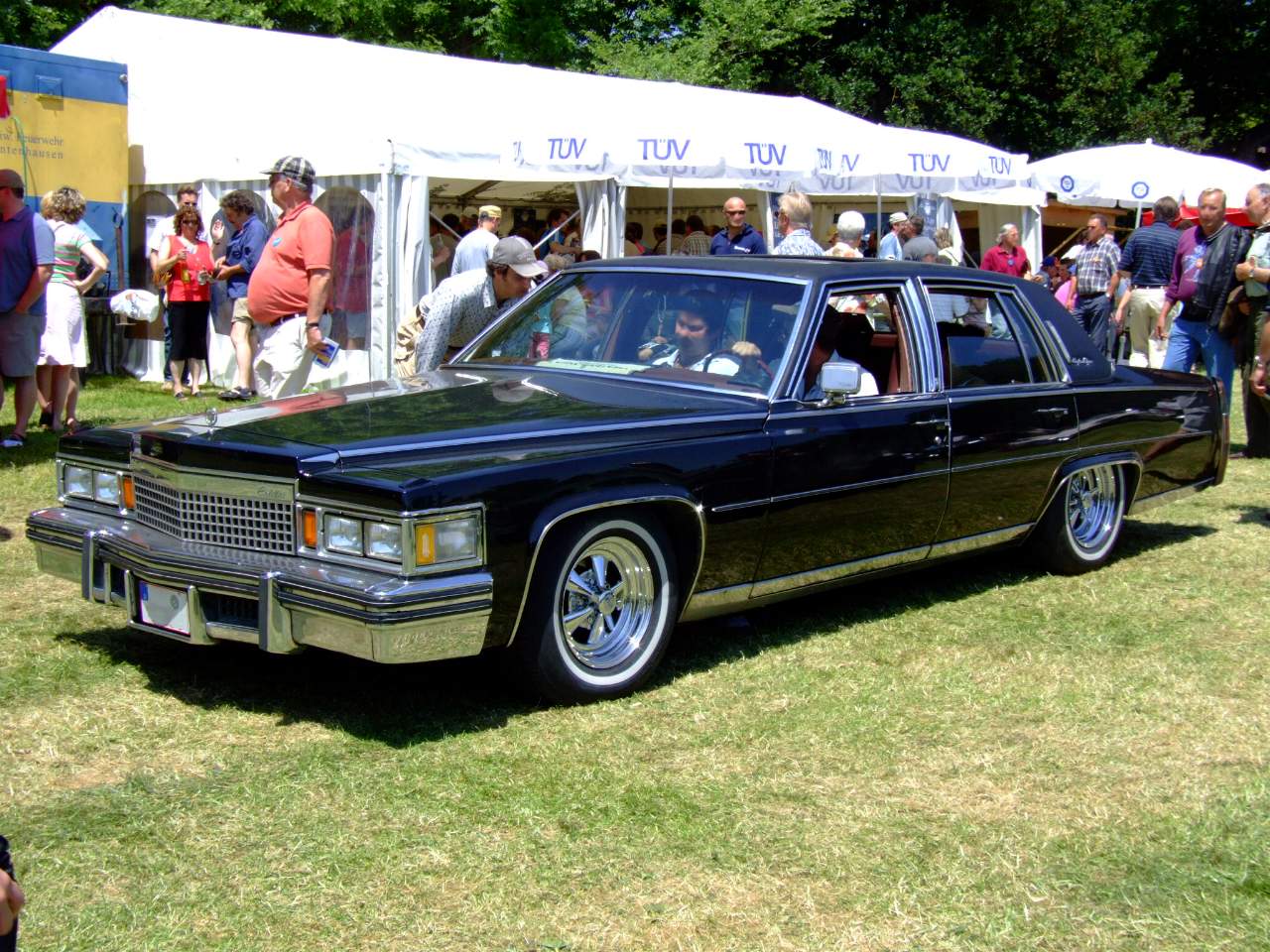
5. Cadillac Fleetwood Brougham
The Cadillac Fleetwood Brougham was the very essence of American luxury during the 1970s and 1980s. It represented a time when large size, plush interiors, and smooth rides were the hallmarks of a premium car.
For decades, the Fleetwood Brougham served as Cadillac’s most opulent offering, attracting buyers who wanted nothing less than the best from an American automaker. Today, these massive sedans are enjoying renewed attention, not just for their imposing presence, but for what they symbolize about an era that prioritized comfort above all else.
One of the defining characteristics of the Fleetwood Brougham is its sheer size. These cars were well over 18 feet long, with styling that embraced squared-off lines, chrome accents, and vinyl roofs. The extended wheelbase offered generous legroom for rear passengers, and the trunk could fit just about anything short of furniture.
Driving one was less about handling and speed and more about gliding over the road. The suspension was tuned for maximum comfort, often feeling more like a couch on wheels than a traditional automobile.
Inside, the Fleetwood Brougham lived up to its luxury billing. The interiors were filled with thick, button-tufted seats, real wood trim, and deep carpeting. Cadillac also included advanced features for the time, such as automatic climate control, power-adjustable seats, and even digital dashboards in later models.
It was a car designed to impress both occupants and onlookers, and it succeeded in doing just that for many years. Despite its age, a well-preserved Brougham can still feel surprisingly luxurious.
Collectors are now turning to the Fleetwood Brougham as a piece of automotive Americana. These cars are increasingly valued for their design, their period-specific details, and the nostalgic appeal of cruising in something that feels more like a living room than a vehicle.
Finding one in excellent condition can be a challenge, as many were heavily used and not always well-maintained, but those who manage to acquire a clean example find themselves with a genuine conversation piece. As interest in vintage American luxury cars grows, the Fleetwood Brougham is becoming more than just a memory, it’s becoming a must-have classic.
Also Read: 10 Cars Known For Smooth Ride Quality vs 10 That Become Bumpy Messes
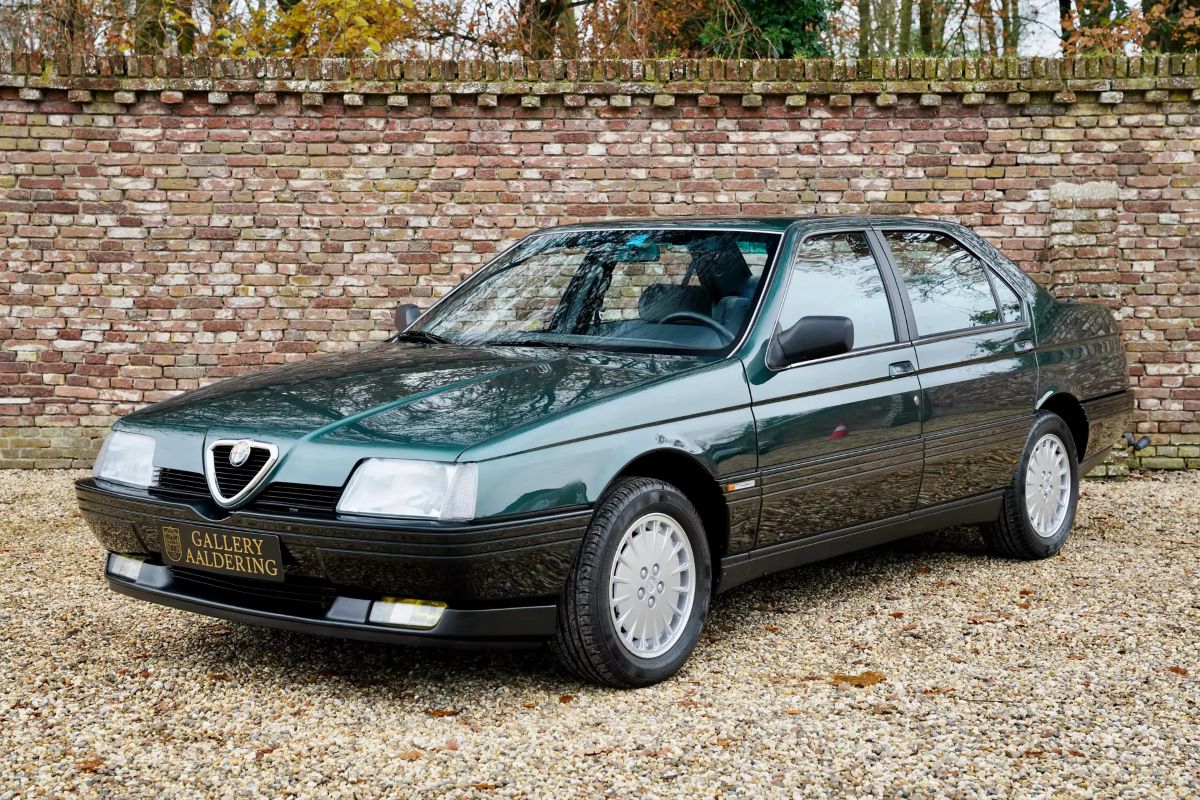
6. Alfa Romeo 164
The Alfa Romeo 164 might not be the most obvious choice when thinking about collectible sedans, but it holds a special place among enthusiasts of European design and engineering. Produced from 1987 to 1998, it was one of Alfa’s attempts to offer a high-performance executive sedan that could rival the likes of BMW and Mercedes-Benz.
Designed by Pininfarina and based on the Type Four platform shared with other European cars, the 164 combined Italian styling with surprisingly sharp dynamics. For collectors, it offers an exciting alternative to more predictable choices in the classic sedan world.
One of the key attractions of the Alfa Romeo 164 is its design. The lines are sleek and aerodynamic, with just the right amount of flair to set it apart from its competitors. The front end has a low, aggressive profile, and the sharp angles around the windows and rear give it a purposeful look that remains fresh even today.
The interior is equally distinct, with uniquely arranged controls, sculpted seats, and a cabin layout that focuses more on driver involvement than conformity. Unlike many other sedans of the period, the 164 doesn’t fade into the background.
The driving experience is another strong point. Available with several engines, including the famous 3.0-liter Busso V6, the Alfa 164 delivered performance that exceeded expectations. The engine had a distinctive exhaust note and was paired with a manual transmission in some versions, making it a favorite among driving purists.
Even front-wheel-drive models had excellent handling characteristics, with well-tuned suspension and precise steering. In a market crowded with cars focused on predictability and comfort, the 164 injected passion into the mix.
Ownership of a 164 does come with challenges. Parts can be hard to find, and maintenance requires a knowledgeable mechanic or a very dedicated owner. However, those who take the plunge are rewarded with a unique driving experience and a car that stands out at any car show or meet.
The Alfa Romeo 164 may never be a mainstream collectible, but for those who appreciate the quirks and the spirit of old-world automotive craftsmanship, it holds a growing appeal that is hard to ignore.
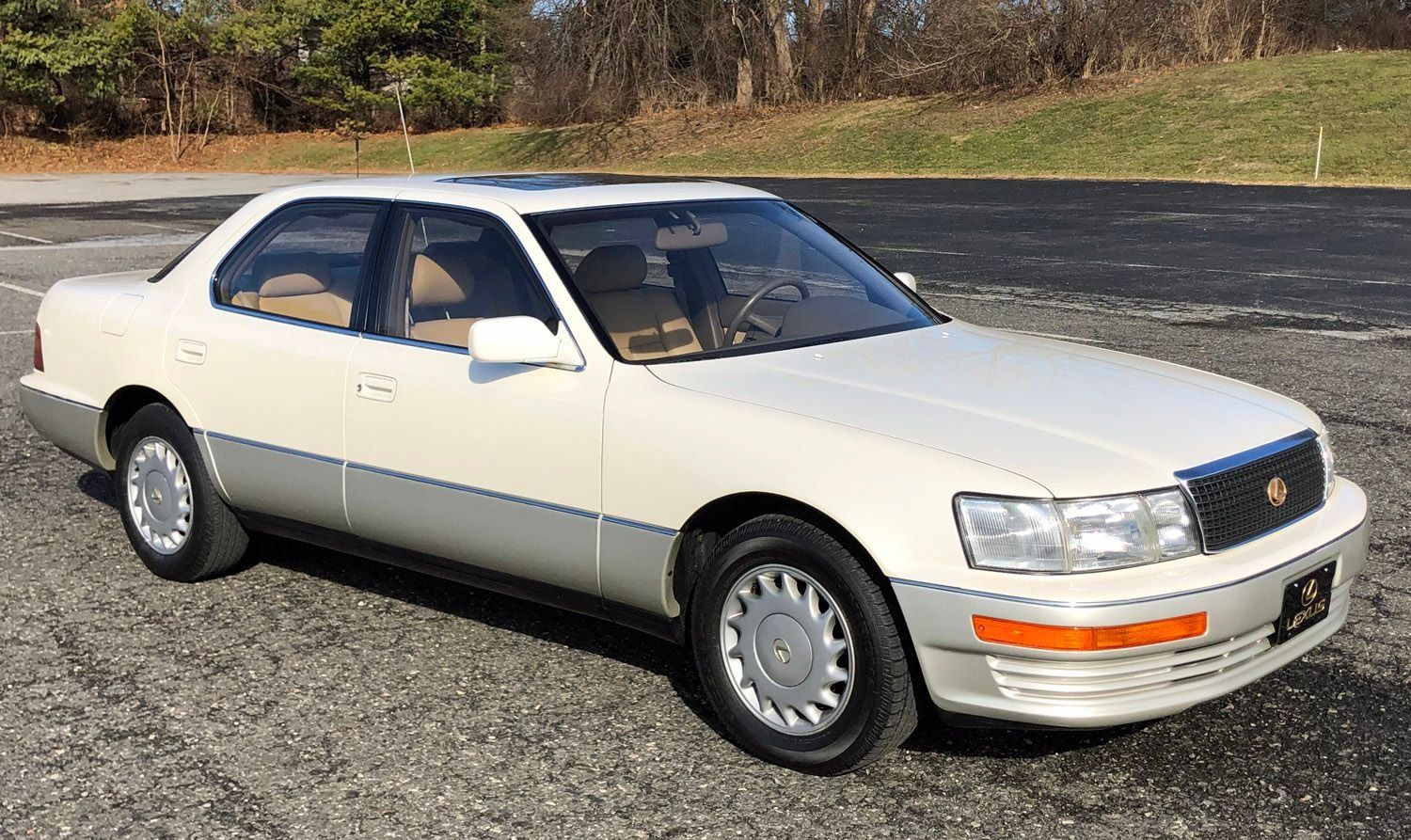
7. Lexus LS400
When the Lexus LS400 debuted in 1989, it shook up the luxury car world in a way few others have. This full-size sedan from Toyota’s new luxury division arrived with impeccable build quality, near-silent operation, and a V8 engine that combined performance with refinement.
For decades, European brands dominated the luxury sedan space, but the LS400 proved that Japanese automakers could compete on the same level, and in some ways, surpass it. Today, early models of the LS400 are becoming collector items for those who recognize the car’s historical importance and enduring quality.
The LS400’s design was understated, almost to a fault, but it was deliberate. Lexus wanted to appeal to a conservative luxury buyer, and the result was a clean, balanced shape free of excessive decoration. Its proportions were just right, with a long hood, spacious cabin, and gently sloping rear. Inside, the story was even more impressive.
The cabin was lined with leather, soft-touch plastics, and real wood accents. Everything was assembled with obsessive precision, setting new standards for what luxury buyers could expect.
Under the hood was a 4.0-liter V8 engine that ran so smoothly it reportedly surprised many journalists during early test drives. The engine delivered quiet, effortless acceleration and was mated to a four-speed automatic that shifted with near invisibility.
Suspension tuning prioritized ride comfort without completely sacrificing handling. The car floated over bumps but remained composed during highway cruising. It was a car that didn’t need to shout; it let its refinement speak for itself.
Collectors are now seeing the LS400 in a new light. Many of these sedans were driven extensively, so finding a low-mileage example is becoming more difficult. However, those that have been well-maintained are often in excellent condition thanks to the car’s exceptional durability.
Enthusiasts appreciate the LS400 not only for what it offers as a classic but for what it represents, the moment Japan entered the luxury segment and rewrote the rules. Its quiet revolution is now being honored with growing collector interest and rising values.
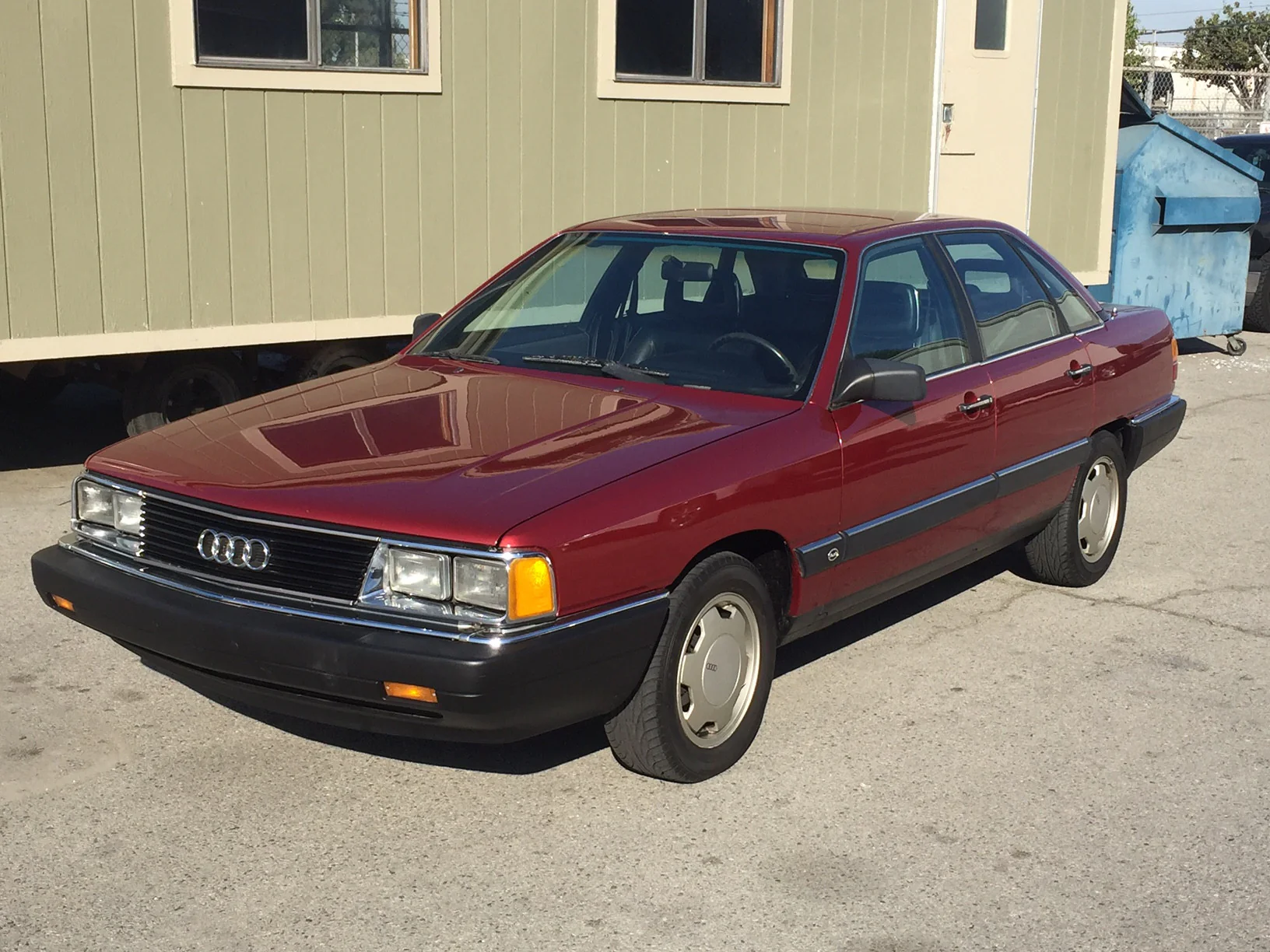
8. Audi 5000
The Audi 5000, sold in the U.S. throughout the 1980s, was Audi’s bold attempt to position itself as a forward-thinking luxury brand. Known as the Audi 100 and 200 in Europe, the 5000 in the American market featured sleek styling, advanced aerodynamics, and cutting-edge technology for its time.
It was one of the first sedans to offer features like turbocharged engines and all-wheel drive, along with a drag coefficient that beat most sports cars of the era. Though it faced controversy in the late 1980s, its legacy is being reassessed as collectors look for underappreciated classics.
The styling of the Audi 5000 was a major step forward when it arrived. The design was long, low, and modern, with flush-mounted glass and integrated bumpers that gave it a futuristic look.
The clean lines and lack of ornamentation made it stand out from boxier competitors. Audi’s focus on aerodynamics wasn’t just for show; it helped with fuel economy and high-speed stability. It also set a design direction that would influence other German brands in the years that followed.
Inside, the 5000 offered a driver-focused cockpit with features not commonly found in other sedans at the time. Power everything, digital instrumentation, and available leather made it a luxury experience, while optional Quattro all-wheel drive gave it all-weather capability that was virtually unheard of in sedans back then.
Some models also came with a turbocharged inline-five engine that provided solid performance and a unique soundtrack. It was a blend of sophistication and innovation that made a strong impression.
The 5000’s reputation was unfortunately tarnished by a media frenzy around unintended acceleration claims, which were later disproven. Still, the damage to the car’s image lingered for years. Today, however, collectors are beginning to view the 5000 more favorably.
Its importance as a pioneer in design and technology is being recognized, and well-preserved examples are becoming increasingly rare. For those who want a European sedan with a story, the Audi 5000 is stepping back into the spotlight with a renewed sense of respect.
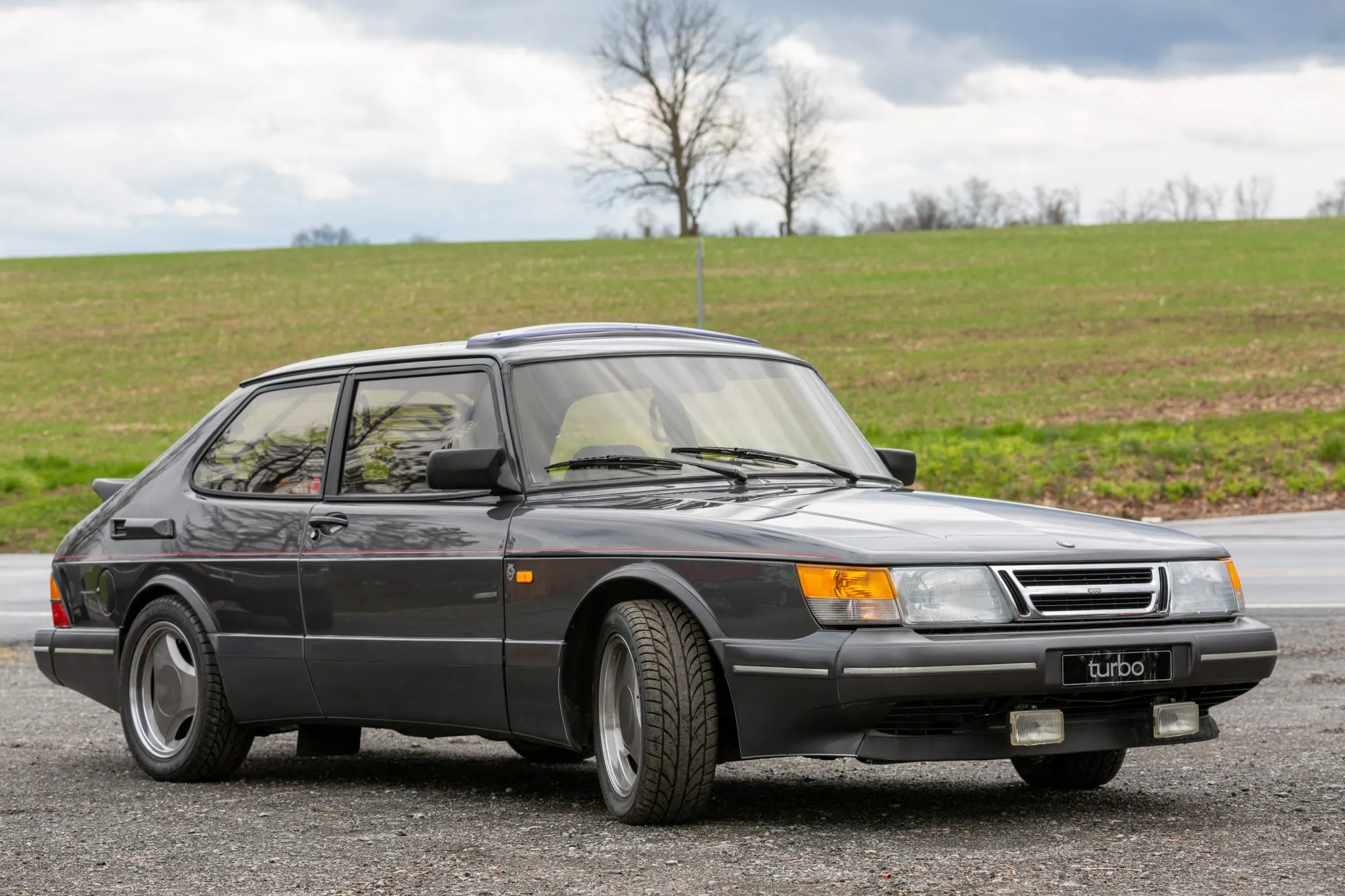
9. Saab 900 Sedan
The Saab 900 is one of those cars that never really fit the mold, and that’s exactly why it’s becoming a favorite among collectors. Produced from the late 1970s through the early 1990s, the 900 sedan was an extension of Saab’s aviation heritage, both in design and engineering philosophy. It didn’t look or feel like anything else on the road.
With its forward-hinged hood, wraparound windshield, and turbocharged engine options, the Saab 900 carved out a cult following during its production years, and that enthusiasm has only grown with time.
Visually, the Saab 900 sedan wasn’t conventionally beautiful, but it was unmistakable. The long, curved windshield and upright stance gave it an aircraft cockpit vibe, while the high beltline and sloping rear added a quirky uniqueness.
The sedan variant retained the 900’s core design elements while offering more formal styling compared to the hatchback. Inside, the dashboard was curved toward the driver, and features like the center-mounted ignition switch reinforced the Saab brand’s eccentricity.
Performance was another key factor. Turbocharged versions of the 900 sedan delivered a spirited driving experience, especially when paired with the manual transmission. Saab was one of the first manufacturers to successfully implement turbocharging in daily drivers, and it showed in the 900’s power delivery.
The car handled well, with a front-wheel-drive layout that still managed to feel agile. Its solid chassis and thoughtful ergonomics made it a pleasure to drive, even if it never aimed to be a sports sedan in the traditional sense.
Today, the Saab 900 has gained legendary status among a loyal group of enthusiasts, and the sedan variant is being appreciated as much as the hatchback. Parts can still be found through enthusiast communities and specialty suppliers, and maintaining one is often more manageable than people assume.
As Saab no longer exists as a manufacturer, these vehicles serve as living pieces of automotive history. Collectors who value originality and engineering creativity are increasingly seeking out clean examples of the 900 sedan, recognizing it as one of the last great oddballs in automotive design.
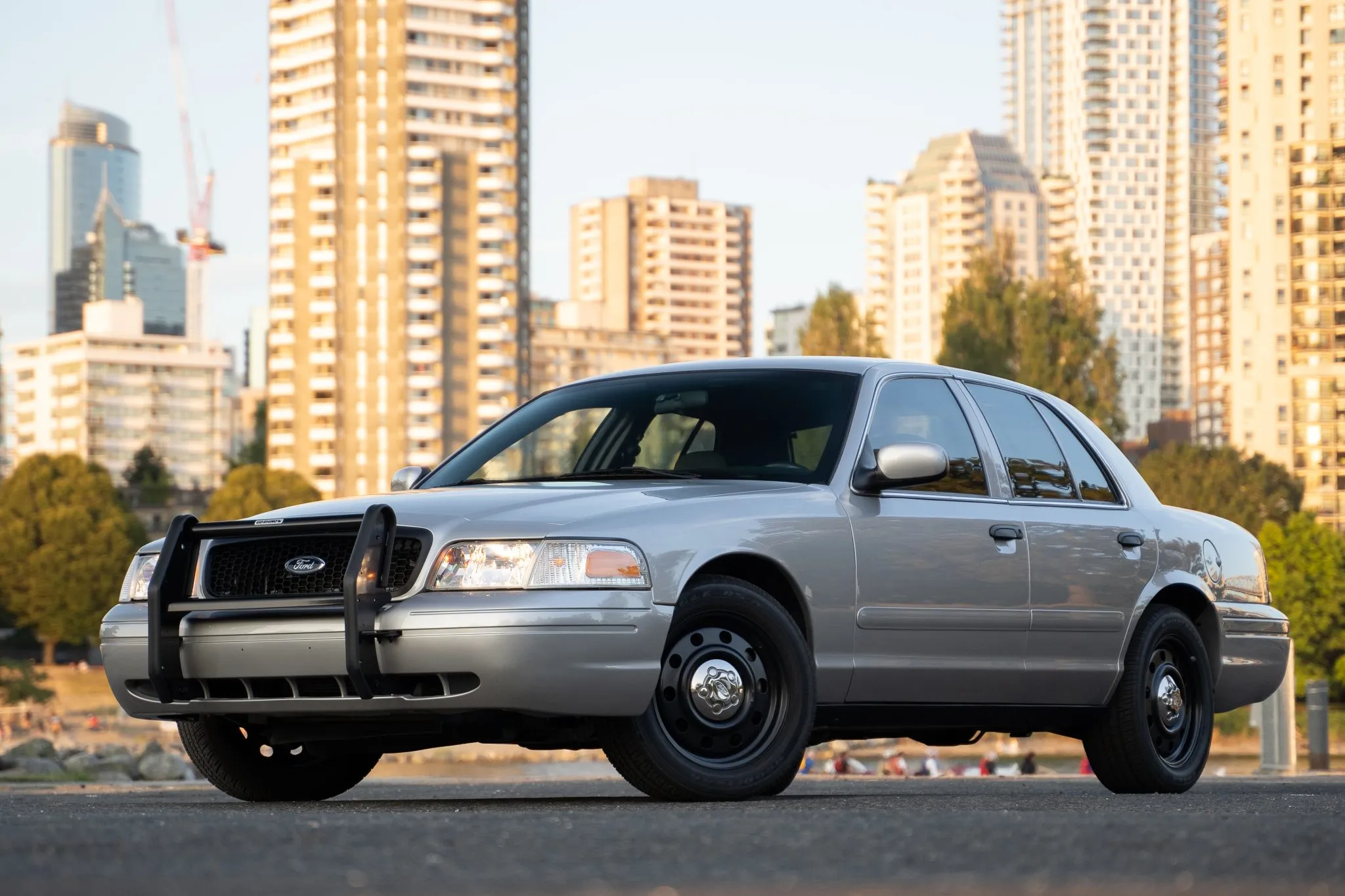
10. Ford LTD Crown Victoria
The Ford LTD Crown Victoria was a staple of American roads for decades. First introduced in the early 1980s, the Crown Vic became synonymous with durability, space, and traditional body-on-frame construction. It served as everything from a family sedan to a police cruiser and taxi, which speaks volumes about its reputation for reliability.
Though it was once a common sight, clean civilian-spec Crown Victorias are becoming harder to find, and collectors are starting to pay attention to these solid, full-size sedans from a bygone era.
One of the main reasons the Crown Victoria is finding favor with collectors is its simplicity. The car was built on the Panther platform, which prioritized ease of maintenance and durability. The V8 engine, rear-wheel drive, and robust frame made it a favorite among fleet operators and enthusiasts who wanted a straightforward, no-nonsense sedan.
There’s a charm in its honesty; what you see is what you get. It doesn’t pretend to be a sports car or a luxury vehicle; it’s simply dependable transportation built to last.
Styling was classic American fare: squared lines, chrome trim, and a grille that projected confidence. The interior was roomy, with bench seats and lots of soft materials that prioritized comfort over flash.
Controls were simple and easy to operate, and the ride quality was plush thanks to the soft suspension setup. It was the kind of car that encouraged long, relaxed drives, where comfort was king and speed was secondary. In many ways, it was the last of its kind, a full-size sedan made without compromise to modern trends.
As nostalgia for traditional American cars grows, the Crown Victoria is seeing increased interest from those who miss the old-school feel. While police models and taxis are often worn out, civilian versions, especially those with low miles and original paint, are beginning to command attention at car shows and auctions.
The LTD Crown Victoria represents a form of American car design that no longer exists, and its cultural significance is being reevaluated as more people look back fondly on the era it represents.
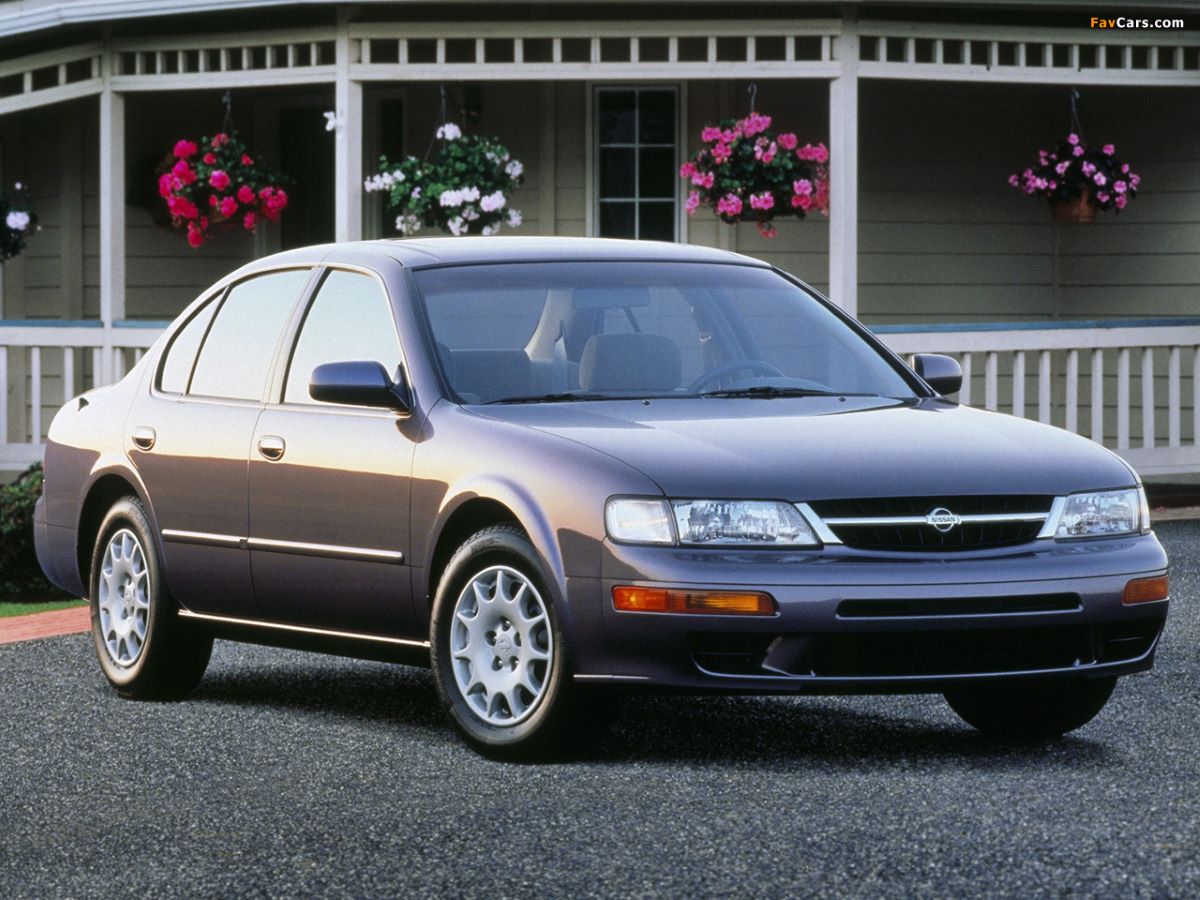
11. Nissan Maxima (Third Generation: 1989–1994)
The third-generation Nissan Maxima, produced from 1989 to 1994, marked a turning point not just for Nissan but for the image of Japanese sedans in general. Branded as the “four-door sports car” in its advertising campaign, the Maxima combined sharp handling, a responsive V6 engine, and a well-balanced chassis in a package that could comfortably transport five people.
At a time when Japanese sedans were often considered bland and utilitarian, the Maxima stood out for offering driving excitement without sacrificing everyday usability. Today, it’s becoming a quiet favorite among collectors who appreciate its understated capability and early-‘90s charm.
The design of the third-gen Maxima was clean and conservative, but it aged remarkably well. It lacked the angular excess of some competitors and instead opted for smooth lines, a subtle front grille, and a proportionally balanced silhouette. It was one of those cars that didn’t immediately grab attention, but upon closer inspection, it had a sense of purpose and refinement.
Inside, the Maxima offered a surprisingly upscale environment for its class, with soft-touch materials, a well-laid-out dashboard, and available features like a digital climate control system, leather seats, and a premium Bose audio setup.
Under the hood was Nissan’s VG30E 3.0-liter V6 engine, a powerplant known for its durability and smooth power delivery. Later models even received the VG30DE with dual overhead cams for more performance.
Paired with either a 5-speed manual or a 4-speed automatic transmission, the Maxima delivered solid acceleration and a more engaging drive than most sedans in its class.
The front-wheel-drive layout was balanced well with tuned suspension and responsive steering, making the car feel smaller and lighter than it actually was. For buyers who wanted something more interesting than a Camry or Accord, the Maxima was an easy choice.
As Japanese cars from the late ‘80s and early ‘90s gain collector interest, the third-gen Maxima is slowly rising in value and appreciation. Many examples were used extensively and discarded, so clean, unmodified versions are becoming rare.
Enthusiasts seek them out not just for nostalgia but because they offer an analog driving experience that’s disappearing fast in today’s tech-heavy automotive industry. Whether it’s the factory manual transmission, the surprisingly nimble handling, or the subtle design, the Maxima is finally earning its place among Japan’s classic sedans, and it’s doing so on its own merits.
