
The 2000s brought a huge shift in the automotive industry. It was a decade where automakers experimented with blending utility, performance, and luxury in ways that hadn’t been fully realized in previous decades. SUVs, once mostly seen as rugged family haulers or off-road tools, began evolving into refined, versatile machines.
This was the era where the SUV started dominating driveways across the world, not just for their practicality but also for their growing style and road presence.
Over time, many models that were once affordable or even overlooked started gaining a cult following. Today, we’re beginning to see that some SUVs from that decade are not just aging gracefully but also appreciating in value.
Classic car enthusiasts have often favored sports cars, muscle cars, or vintage European machines. However, as the market matures and tastes shift, the nostalgia surrounding the early SUV era is growing stronger.
Younger collectors, many of whom grew up riding in these vehicles, are now seeking them out, not only for the memories but because they recognize how rare original models are becoming.
Unlike sedans, many SUVs from the 2000s were used hard. They were driven long distances, used for towing, or sent off-road, meaning that finding well-preserved examples is becoming a challenge. This scarcity, combined with rising interest, is setting the stage for a market boom in the next few years.
What makes a 2000s SUV collectible? It’s not always about rarity alone. Some models have unique design language, mechanical durability, or significant cultural impact. Others marked key technological or engineering milestones for their manufacturers.
When you combine a strong historical story with a dwindling supply of clean examples, you have the ingredients for a future collector’s item. These vehicles might not have been given much attention at first, but like many underappreciated classics, their time in the spotlight is coming.
This list features ten SUVs from the 2000s that are quietly building momentum in the collector market. Whether you’re looking for a future investment or just want a vehicle that tells a great story, these models are worth keeping an eye on.
Also Read: 10 Cars That Rarely Fail Their Owners vs 10 That Constantly Disappoint
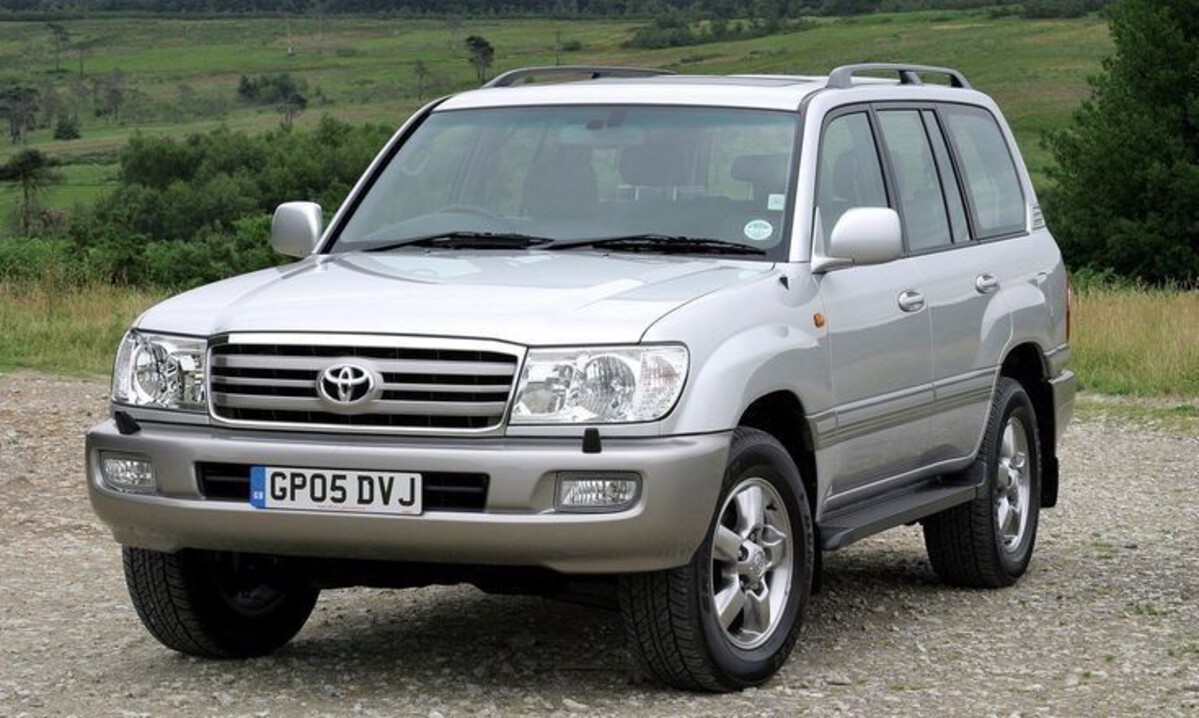
1. Toyota Land Cruiser (100 Series)
The 100 Series Land Cruiser debuted in 1998 and continued production through the 2000s, becoming a symbol of Toyota’s mastery in creating dependable, capable, and long-lasting vehicles. It blended luxury with genuine off-road ability like few others could.
Built on a solid axle platform initially, and later incorporating independent front suspension, the 100 Series was the bridge between the rugged 80 Series and the more refined 200 Series that followed. In terms of capability and comfort, it was ahead of its time.
The V8 engine in the 100 Series, particularly the 4.7-liter V8, was known for its reliability. Many of these SUVs have crossed 300,000 miles with minimal issues. In addition to its bulletproof engine, it featured full-time four-wheel drive and options like hydraulic suspension and differential locks.
The build quality was outstanding, with high-grade materials throughout the interior. At the time, it was more luxurious than most American SUVs, yet far more capable off-road.
What makes the 100 Series increasingly desirable now is the perfect balance it offers. Newer Land Cruisers are more complex and expensive to maintain, while older ones are becoming too rare or underpowered.
The 100 Series strikes the right chord for those who want modern reliability and vintage toughness. It’s still usable as a daily driver or an overlanding vehicle, yet rare enough to attract attention at car meets and auctions.
Prices for clean 100 Series models are already creeping up, especially those with factory lockers and low mileage. The collector market is beginning to recognize its significance as the last “simpler” Land Cruiser before electronics took over. If you’re sitting on a well-kept 100 Series, its value is likely to climb steadily in the coming years.
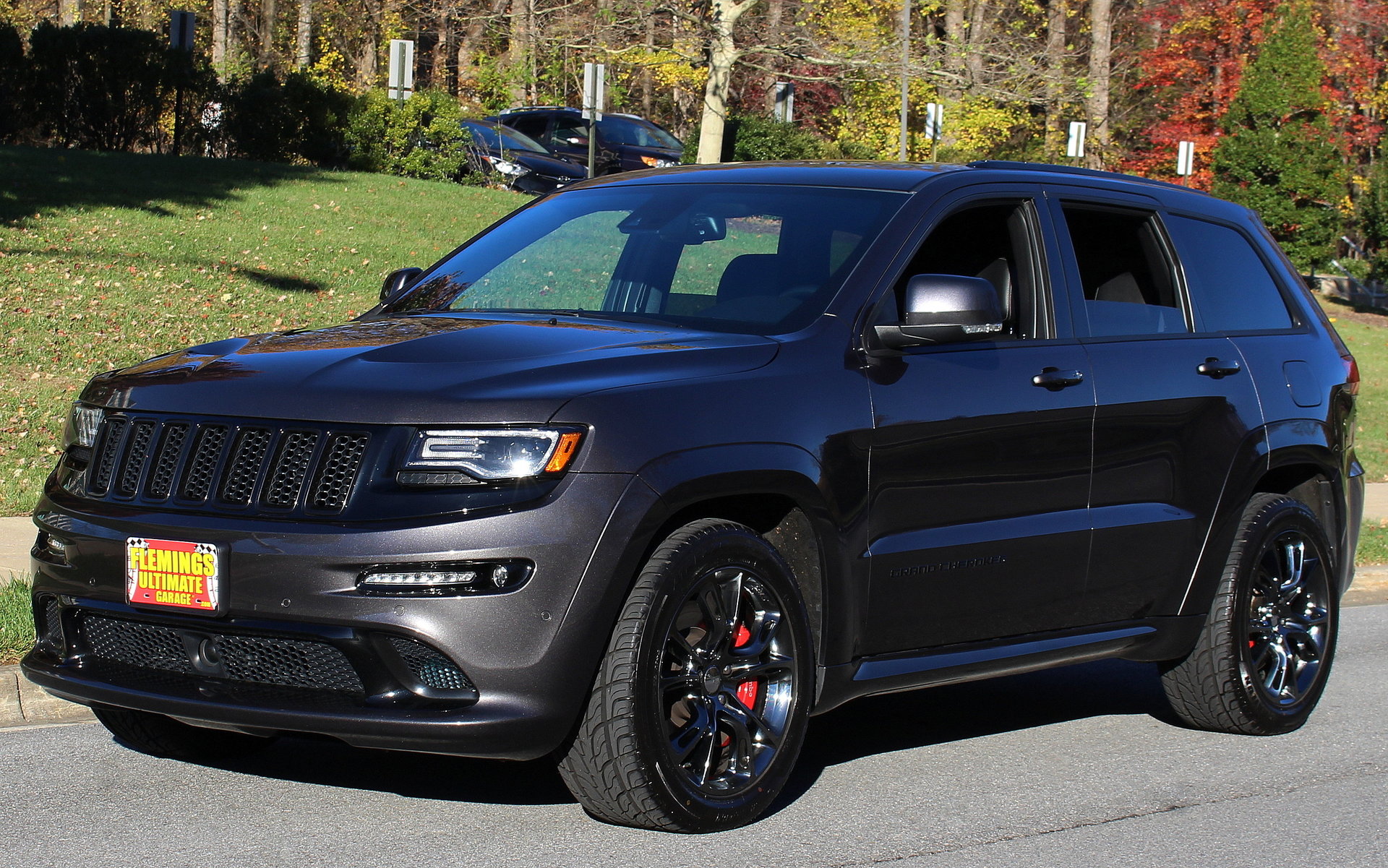
2. Jeep Grand Cherokee SRT8 (WK1)
When Jeep introduced the Grand Cherokee SRT8 in 2006, it was a shock to the SUV world. Jeep, a brand rooted in off-road tradition, had created a muscle SUV. Fitted with a 6.1-liter HEMI V8 producing 420 horsepower, it could do 0–60 mph in under five seconds, which was faster than many sports cars of the era. It was loud, aggressive, and unapologetically American.
The SRT8 wasn’t built for the trails, though. It was a street machine with lowered suspension, Brembo brakes, and wide tires. The all-wheel-drive system was tuned for performance, not rock crawling. Inside, the Grand Cherokee had a bold, sporty interior with special SRT touches. The seats were bolstered, the dash featured unique trim, and the instrument cluster reminded you that you weren’t driving a standard SUV.
Enthusiasts loved the combination of utility and raw power. It was one of the first SUVs to truly embrace the performance lifestyle. Over time, many owners modified their SRT8s, pushing horsepower well beyond factory numbers. Unfortunately, this means that finding stock examples today is becoming very difficult. Most were driven hard, and few were stored with future value in mind.
Now that the performance SUV market is booming with models from BMW, Audi, and Mercedes, collectors are starting to look back at where it all began. The WK1 SRT8 is gaining attention as a pioneer of that movement. With its loud engine, bold styling, and no-nonsense performance, it stands out in a world of increasingly homogenized SUVs. Its values are beginning to reflect that.
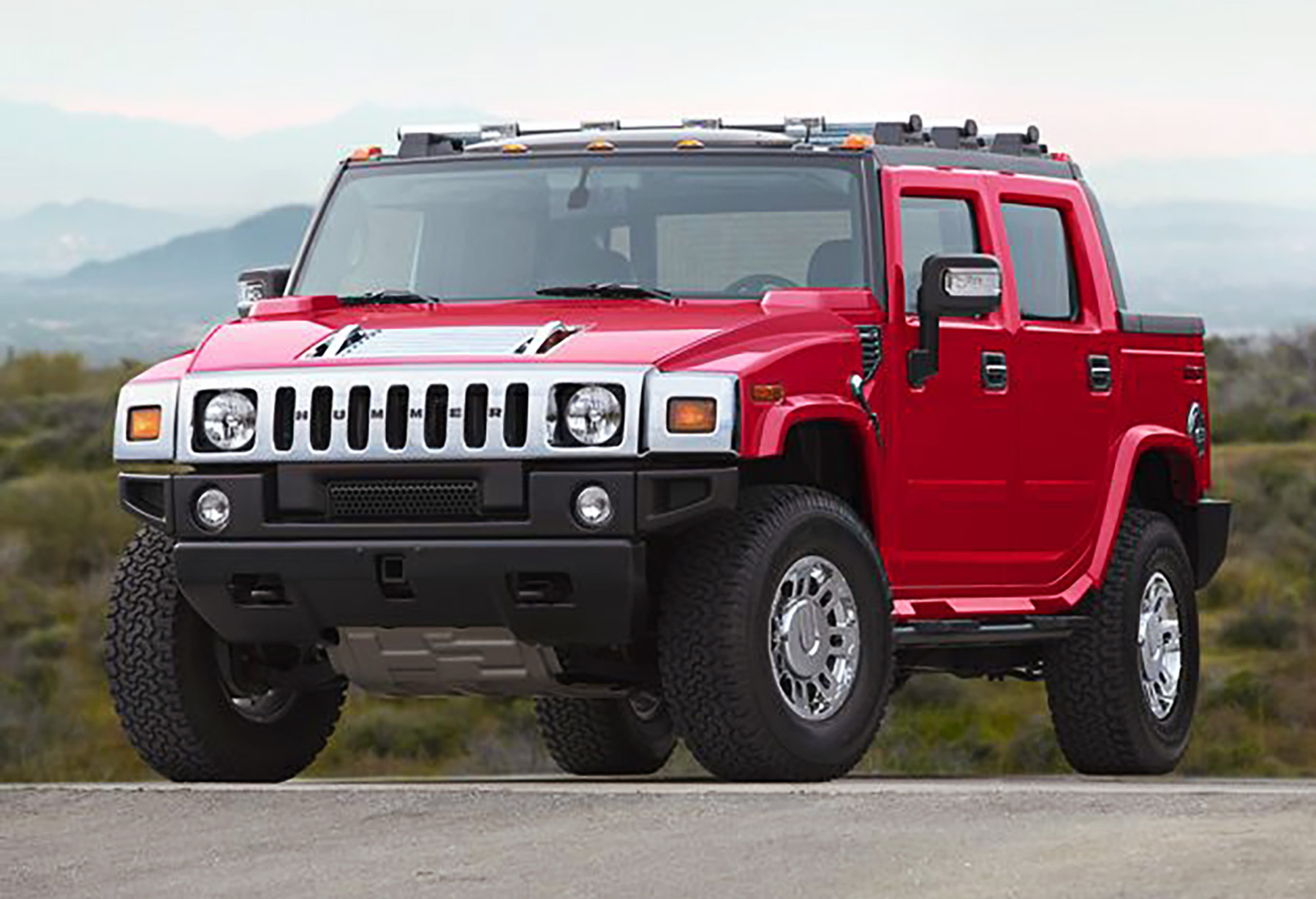
3. Hummer H2
The Hummer H2 was never subtle. Launched in 2002 and based loosely on GM’s truck platform, the H2 brought military-inspired styling to the civilian market. It wasn’t as hardcore as the original H1, but it was far more comfortable and usable daily.
It quickly became a status symbol, seen in music videos, movies, and celebrity driveways. But now, the H2 is getting another look, not as a gimmick, but as a collectible.
Under the hood, the H2 came with GM’s 6.0-liter V8, later upgraded to 6.2 liters. It had solid off-road credentials, including full-time 4WD, low-range gearing, and decent articulation for its size. Inside, it was a blend of leather, chrome, and technology, at least by early-2000s standards. It was big, heavy, and thirsty, but for many, that was part of its charm.
Critics often dismissed the H2 as wasteful or cartoonish, but today that very attitude is what makes it attractive. It was a product of its time, and it represents the peak of early-2000s consumer excess. In a world where modern SUVs are becoming increasingly similar in design and function, the H2 stands out as something wildly different. It has a clear identity, and collectors love that.
Prices on clean, low-mileage H2s have been rising steadily. Factory-original examples, especially rare colors or special editions, are becoming harder to find. As nostalgia for the early 2000s grows, so does the appeal of the H2. It might never be a track car, but as a bold, brash slice of automotive history, it’s turning into a surprisingly sound investment.
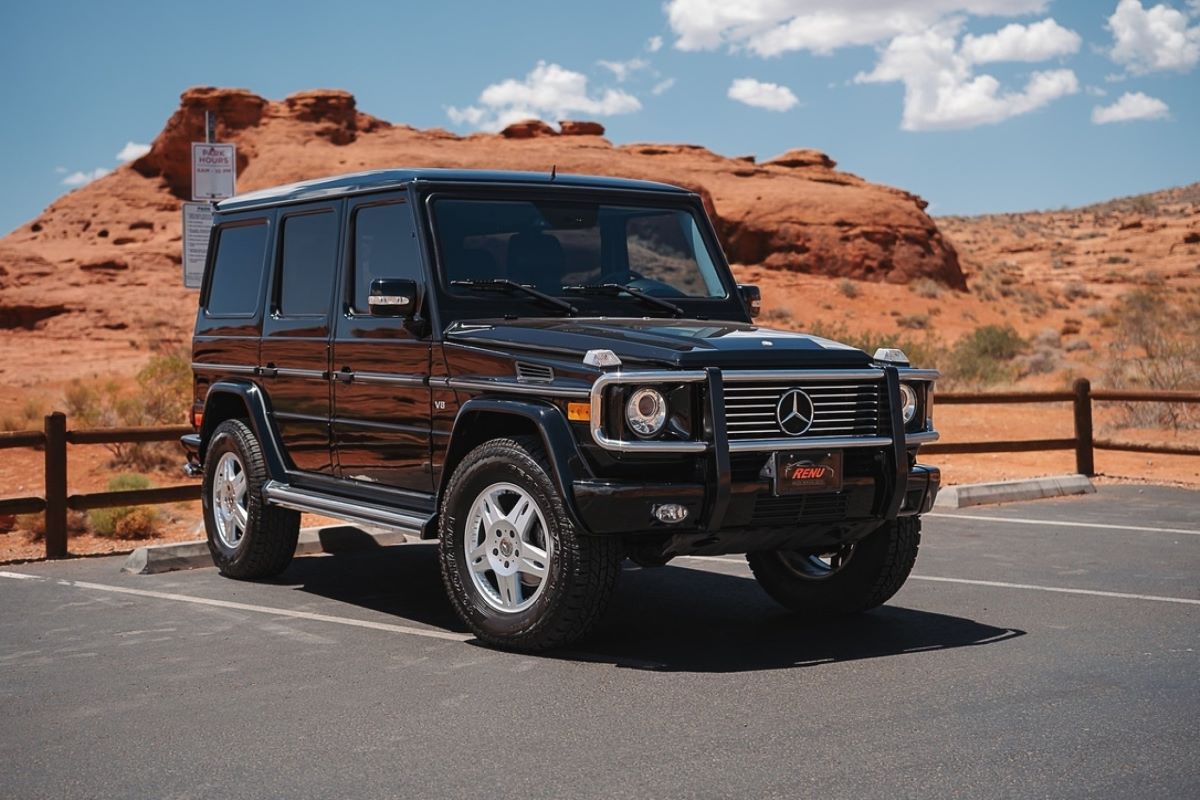
4. Mercedes-Benz G500 (W463)
The G-Class has always been a luxury off-roader, but in the early 2000s, it was still relatively rare in North America. The G500 variant became more widespread after 2002, bringing its boxy, iconic design to American roads.
With its tank-like construction, permanent four-wheel drive, and solid axles, it was originally built for military use, but Mercedes refined it into something unique: a luxury SUV that could also conquer the wilderness.
The G500 was powered by a 5.0-liter V8 that offered a balance of power and refinement. The interior was lined with leather, wood, and other premium materials. Still, it kept its mechanical roots, with three locking differentials and a ladder frame chassis. It was one of the few SUVs at the time that could go toe-to-toe with Land Rovers and still feel like a luxury cruiser.
Part of what makes the early 2000s G500 special is that it predates the full transformation into a modern luxury status symbol. Later models became more refined but lost some of the mechanical simplicity and rugged charm of the early W463 versions.
These models still feel analog in a world becoming increasingly digital. They drive like a truck, not a crossover, and that character is increasingly rare.
Values for early G500s in good condition have started to climb. Enthusiasts are seeking out unmolested examples with full service records. These vehicles were often driven hard or modified, so clean examples are getting harder to find.
As the G-Class remains an icon, the original V8-powered versions from the 2000s are becoming more appealing to collectors who want the real thing, not just the modern interpretation.
Also Read: 10 Cars Known For Smooth Ride Quality vs 10 That Become Bumpy Messes

5. BMW X5 4.6is / 4.8is (E53)
The BMW X5 4.6is, and later the 4.8is, were performance versions of the original E53 X5, and they stand out as some of the most engaging SUVs ever made in the early 2000s. These weren’t just badge upgrades; they were carefully engineered by BMW’s M division, though not full-fledged M cars, to deliver driving dynamics that had never been seen in an SUV of that size before.
When the 4.6is came out in 2002, it was equipped with a 4.6-liter V8 producing 340 horsepower, allowing it to sprint from 0 to 60 in under seven seconds. It came with a tuned suspension, unique styling elements, larger wheels, and bespoke interior trim. Two years later, the 4.8is replaced it, pushing performance even further with a 360-horsepower engine and additional refinements.
What set the 4.6is and 4.8is apart was how they handled. The E53 chassis was already one of the best in the SUV segment in terms of road manners, but the performance variants took it to another level. These vehicles could confidently carve corners, hold high-speed lines on mountain roads, and still carry a family in comfort.
The combination of precise German engineering and muscular V8 power created something rare, a genuine driver’s SUV. Unlike most SUVs of that era that prioritized utility or off-road capability, the high-performance X5s focused almost entirely on road performance and driving feel.
These models were also visually distinctive. BMW gave them flared wheel arches, unique front and rear bumpers, and in the case of the 4.8is, exclusive 20-inch wheels that were massive for the time. Interior upgrades included unique leather options, special trim colors like Imola Red, and enhanced sport seats.
The aesthetic was aggressive without being ostentatious, and even today, they stand out on the road as something special. While many standard X5s of this era have aged poorly or fallen into disrepair, enthusiasts have begun seeking out clean, unmolested performance models, recognizing them as the forerunners of today’s M-badged SUVs.
As modern BMW SUVs become increasingly heavy, complex, and automated, the E53 4.6is and 4.8is are appreciated for their raw, analog feel. These were vehicles built at a time when performance still meant something tactile, something you could feel through the steering wheel and chassis.
Their values are still relatively accessible, but that window is closing. Low-mileage examples in original condition are becoming prized possessions, and as the collector market continues to expand beyond traditional sports cars, these early performance SUVs are poised for a significant jump in value.
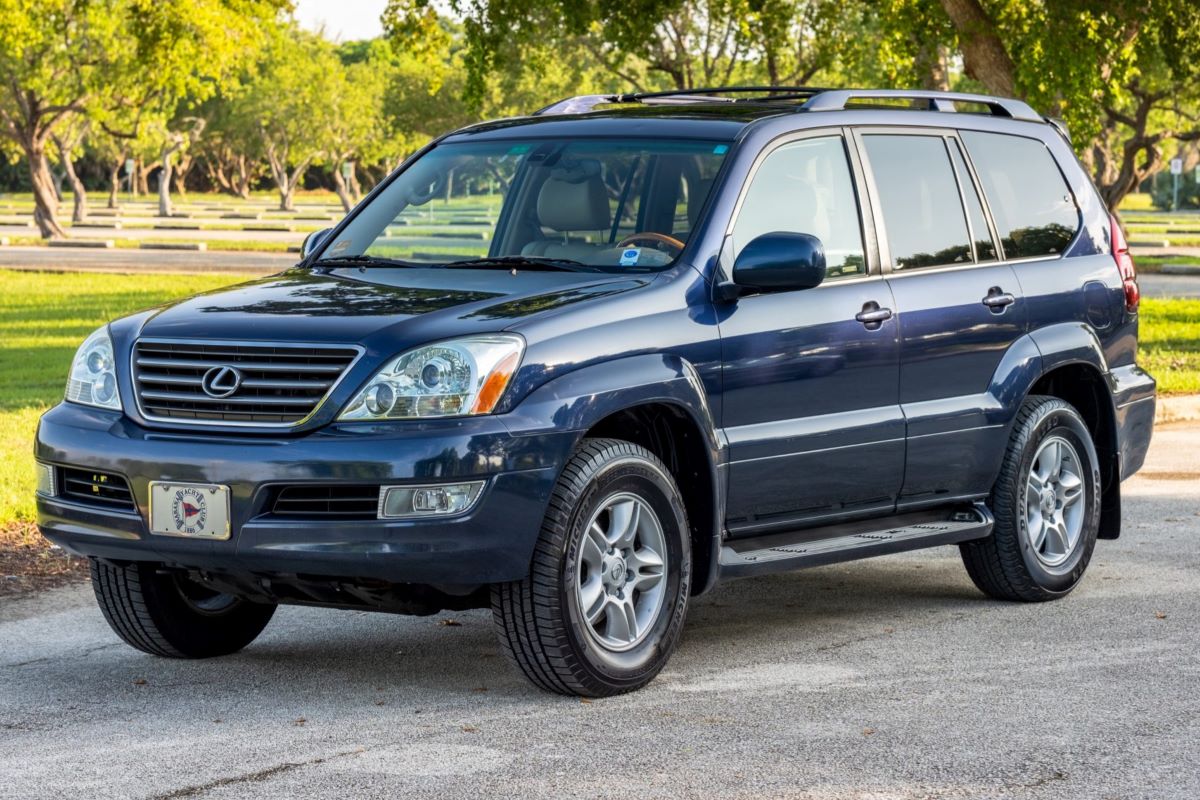
6. Lexus GX 470
The Lexus GX 470 is one of the most underrated SUVs from the 2000s, but that’s beginning to change. Based on the same platform as the Toyota Land Cruiser Prado, the GX 470 combined rugged off-road ability with Lexus-level comfort and reliability.
Produced from 2003 to 2009, it came equipped with a 4.7-liter V8, full-time four-wheel drive, and a luxurious interior that rivaled high-end sedans of the time. It had an adjustable air suspension system, a plush ride quality, and a cabin filled with high-quality materials. This SUV was built for adventure but didn’t forget about the daily commute.
Over the years, the GX 470 developed a loyal fanbase, particularly among overlanding enthusiasts. Its off-road capability is almost legendary in that community. With a solid rear axle, body-on-frame construction, and available features like a center locking differential and adaptive height control, it’s surprisingly capable in the dirt.
What makes it unique is that you can go from a rocky trail straight to a dinner party without feeling out of place in either environment. That dual-purpose nature is a huge part of its growing appeal.
Another reason for the GX 470’s increasing value is its reputation for reliability. Toyota’s 4.7-liter V8 is considered one of the most bulletproof engines ever made. Many of these vehicles are still on the road with over 250,000 miles and are running strong.
That kind of longevity, combined with Lexus’ luxury image, makes it a highly desirable option for people looking for a long-term, worry-free SUV. In recent years, values for clean, low-mileage examples have been climbing as buyers realize how hard it is to find this kind of vehicle in the current market.
As the market for vintage off-roaders continues to heat up, the GX 470 is moving from “hidden gem” status into the mainstream collector scene. Enthusiasts and collectors alike are recognizing that this SUV represents a sweet spot between luxury, durability, and capability.
It’s one of those rare vehicles that does everything well, and in the next few years, you can expect values to rise significantly, especially for those that remain in original condition with service records and unmodified suspensions.
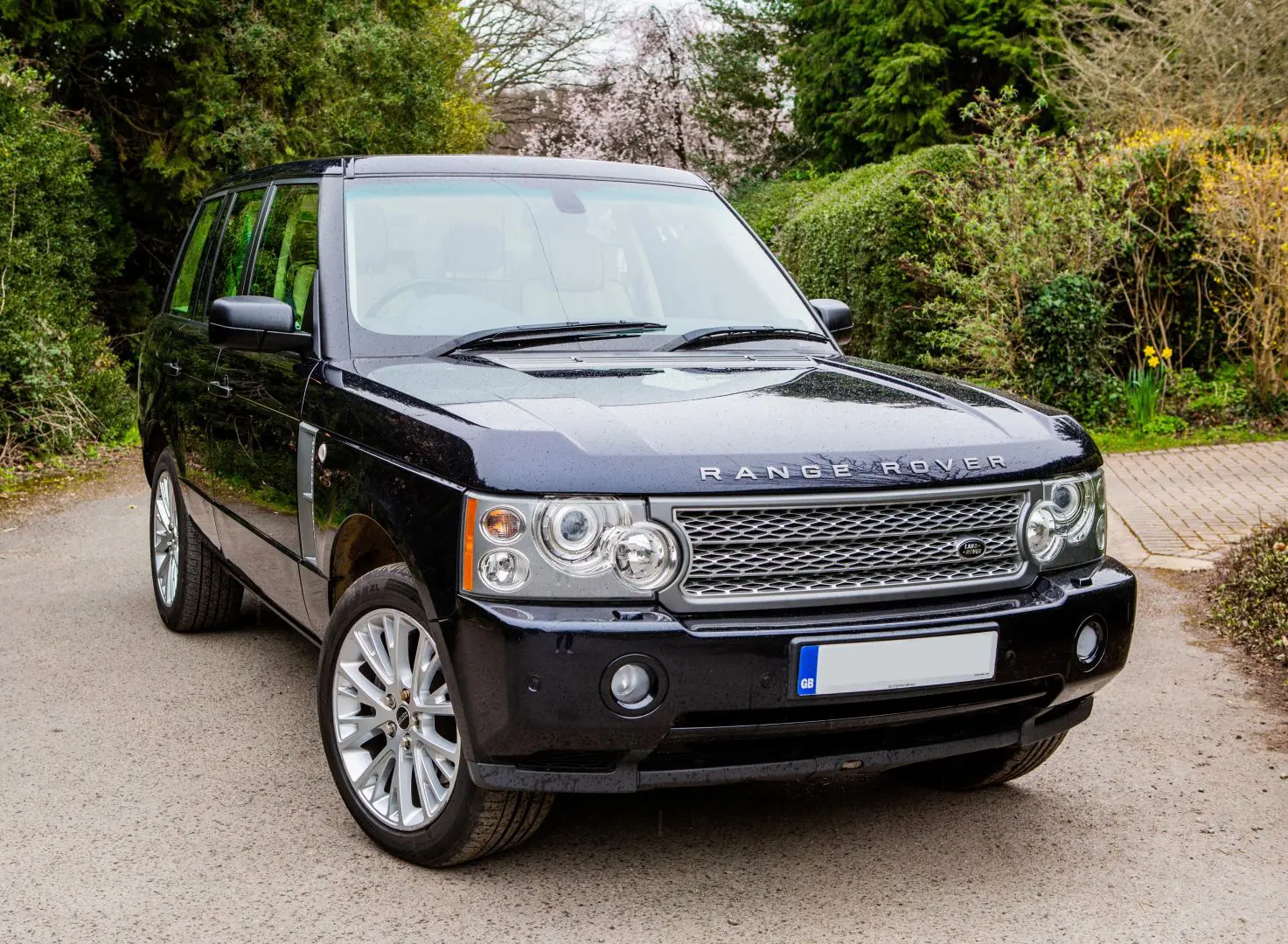
7. Range Rover L322 (2003–2012)
The third-generation Range Rover, known by its internal code L322, marked a major evolution for Land Rover. First introduced in 2003 and running through 2012, this version was the first to be developed under BMW’s ownership, and later refined under Ford.
The result was a luxury SUV that finally combined old-world British charm with German engineering precision. The early models featured BMW’s 4.4-liter V8 engine, while later models received Jaguar-sourced powerplants. The L322 brought modern sophistication to a vehicle that had traditionally been known more for its country estate image than for cutting-edge technology.
The design of the L322 was both modern and timeless. It introduced a more squared-off, upright profile that retained the Range Rover identity while feeling fresh and luxurious. Inside, it featured rich materials, real wood, thick leathers, and a refined layout that screamed class. It also offered air suspension, adaptive ride control, and full-time four-wheel drive. Despite all the tech, it was still a very capable off-roader, with terrain response systems and generous ground clearance.
The L322 suffered from some reliability issues, especially in the earlier model years, which kept resale values depressed for a long time. Electrical gremlins, air suspension failures, and coolant leaks were common complaints.
However, as with many vehicles that were once dismissed for being “too complicated,” the L322 is now being re-evaluated by collectors who appreciate its presence and refinement. The market is beginning to favor examples that have been meticulously maintained, with documented service history and tasteful restorations.
Today, as modern Range Rovers become more technologically complex and less mechanical in feel, the L322 is earning respect as the last of the “true” Range Rovers before touchscreen-heavy interiors and muted driving dynamics took over. It still feels like a machine designed for humans rather than algorithms.
Collectors are starting to hunt for well-kept models, especially those in rare color combinations or with the original BMW V8. Given its rising popularity and decreasing availability in good condition, the L322 is shaping up to be a future classic with strong value potential.
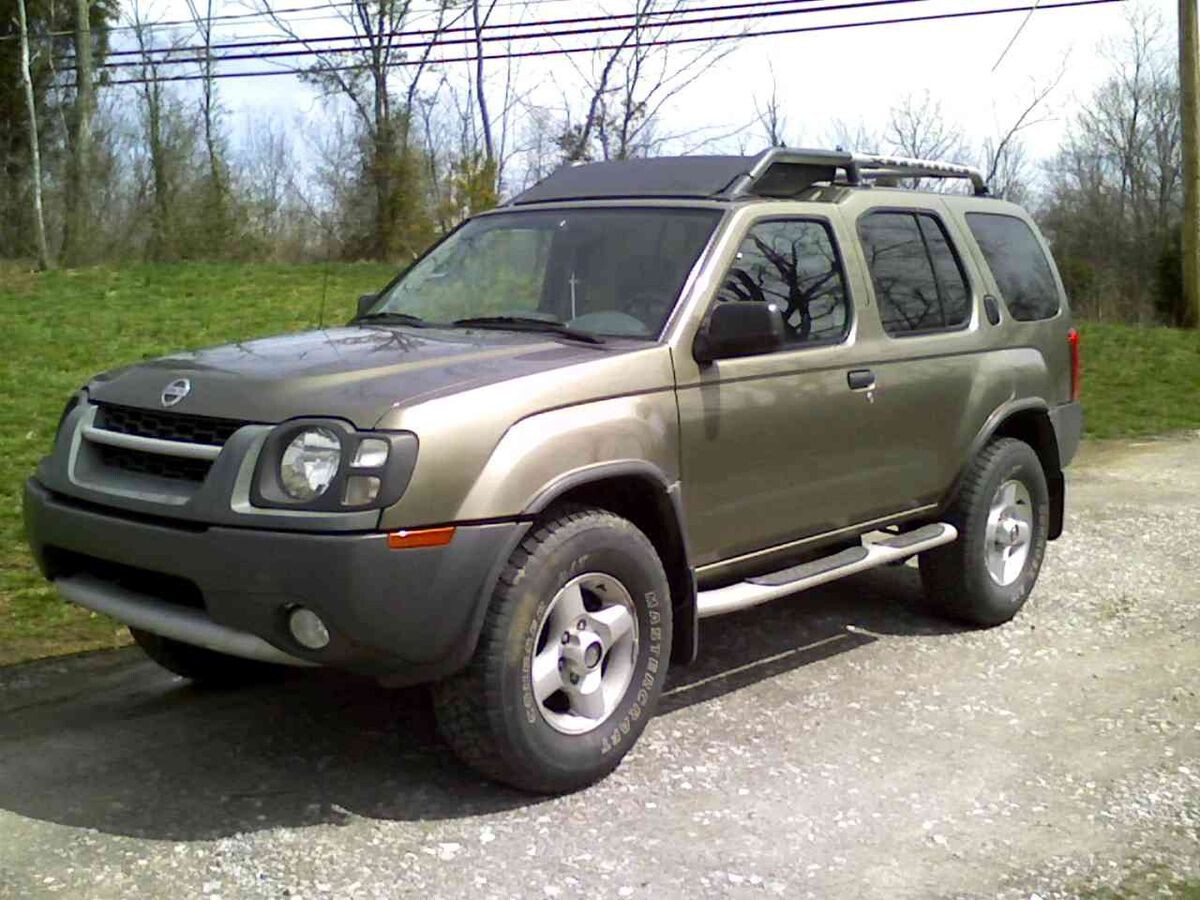
8. Nissan Xterra (First Generation, 2000–2004)
The first-generation Nissan Xterra was launched in 2000 and quickly became known as one of the few SUVs designed specifically for outdoor enthusiasts on a budget. It was built on the Frontier pickup truck chassis, meaning it had solid underpinnings and genuine off-road ability.
Offered with either a 2.4-liter inline-4 or a 3.3-liter V6, the Xterra prioritized function over flash. It had a boxy, rugged design that appealed to buyers looking for something more adventurous than a typical crossover.
The Xterra wasn’t about luxury or refinement; it was all about utility. It featured a raised roofline in the rear for better headroom, a built-in first aid kit mounted in the tailgate, and roof rack accessories that catered to camping and outdoor gear.
The interior was simple, functional, and easy to clean, exactly what weekend warriors wanted. It didn’t try to compete with premium SUVs; instead, it carved out a niche as a fun, capable vehicle for people who actually used their SUVs for more than just the school run.
Over time, many early Xterras were driven hard and not well preserved. Rust, mechanical wear, and neglect have thinned the herd significantly. This means that clean, low-mileage examples are now extremely rare.
Enthusiasts and younger collectors are starting to appreciate the Xterra for what it was,a throwback to a simpler time before SUVs became soft and indistinguishable from minivans. Its authenticity is what makes it special, and that’s becoming harder to find in the modern SUV industry.
As collector interest grows in 1990s and early 2000s Japanese vehicles, the Xterra is being rediscovered as an affordable classic with real heritage. Nissan hasn’t built anything quite like it since, and that adds to its appeal.
Original, unmodified models are now showing up at enthusiast events, and prices are beginning to creep upward. In the coming years, the first-generation Xterra will likely become one of those “I should’ve bought one when they were cheap” vehicles.
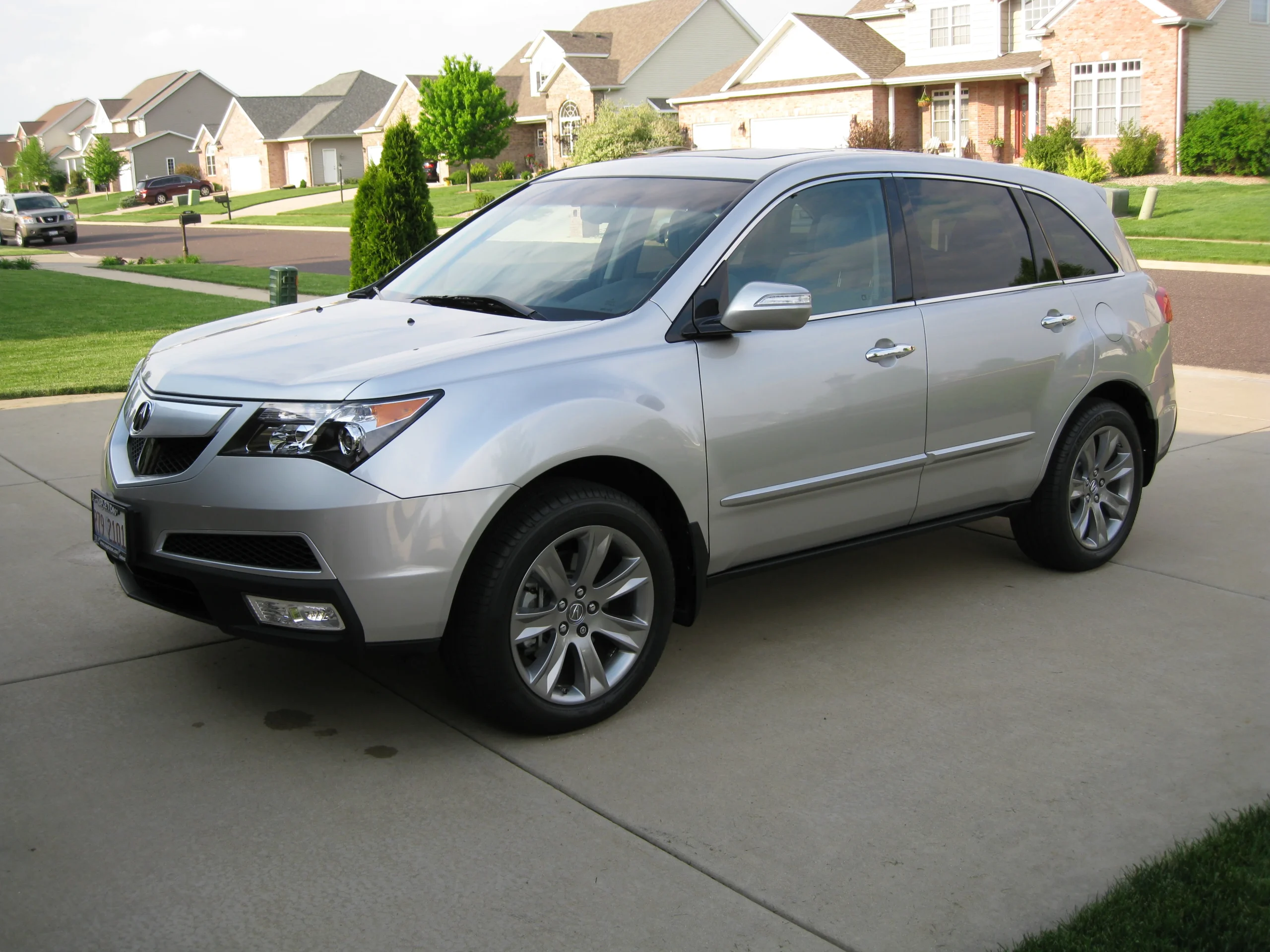
9. Acura MDX (First Generation, 2001–2006)
When Acura launched the MDX in 2001, it marked a turning point in the midsize SUV segment. It was one of the first unibody SUVs to successfully combine luxury, technology, and three-row seating in a package that felt more like a sedan than a truck.
Built on a modified Honda Odyssey platform, the MDX was front-wheel-drive-based but included Acura’s innovative Variable Torque Management (VTM-4) all-wheel-drive system, which actively distributed power to the rear wheels when extra traction was needed. That system gave the MDX excellent stability in bad weather and light off-road conditions while maintaining comfort and fuel efficiency on the highway.
The first-generation MDX came with a 3.5-liter V6 engine that produced 240 horsepower initially, and later up to 265 horsepower by the end of its production. Mated to a five-speed automatic transmission, the powertrain was smooth and surprisingly responsive for a family SUV.
But what really made the MDX stand out was its refinement. The interior featured soft-touch materials, wood-grain accents, and high-end options like navigation systems and Bose audio, rare for this segment at the time. It also had thoughtful features like a flat-folding third-row seat and multiple storage compartments that made it extremely practical.
The MDX was a massive sales success for Acura, and it quickly earned a reputation for reliability and quality. However, because it was so popular and accessible, most early MDX models were used heavily. Very few were preserved or treated as anything more than daily transportation. As a result, finding a clean, unmodified, low-mileage first-generation MDX today is surprisingly difficult. That scarcity, combined with the model’s importance as one of the first true luxury crossovers, is pushing it toward collectible status.
What also makes the MDX increasingly desirable is its simplicity. Unlike modern SUVs filled with layers of software and touchscreen interfaces, the early MDX still feels mechanical in a satisfying way. It was engineered during a time when Honda and Acura prioritized quality above all else.
With vintage Japanese vehicles continuing to rise in value across the board, the MDX is now being recognized as one of the sleeper hits from the 2000s. It may not have the aggressive styling of a performance SUV or the off-road chops of a body-on-frame truck, but as a milestone in automotive design and engineering, it’s a quiet classic with strong upside potential.

10. Ford Excursion (2000–2005)
The Ford Excursion was one of the most polarizing SUVs of its time, and it still is. Launched for the 2000 model year, the Excursion was essentially a Super Duty pickup turned into a full-size SUV. It was built on the heavy-duty F-250 chassis and was offered with massive engine options, including the legendary 7.3-liter Power Stroke diesel V8.
Measuring over 226 inches long and weighing nearly 8,000 pounds in some configurations, it was the largest SUV ever produced by a major automaker. Critics derided it as excessive, environmentally irresponsible, and impractical. But for those who needed to tow a boat, haul eight people, and drive across the country in one shot, nothing else came close.
Underneath its enormous shell, the Excursion had all the hardware of a serious workhorse. The diesel models were capable of towing over 10,000 pounds, and even the gas versions with the 6.8-liter V10 were no slouches in the power department.
Four-wheel drive models offered solid off-road capability, and the vehicle’s sheer size made it an excellent choice for those living in rural areas or managing large families. Despite its utilitarian roots, the Excursion also offered a relatively upscale interior, with leather seating, rear entertainment systems, and multiple creature comforts that made long trips far more enjoyable than they would be in a typical pickup.
The Excursion was discontinued after the 2005 model year, partly due to tightening emissions standards and partly because of shifting public sentiment following rising fuel prices. But like many vehicles that are initially ridiculed or misunderstood, the Excursion is now seeing a resurgence.
Clean examples, especially diesel versions, are in high demand from collectors, adventurers, and even preppers who appreciate the vehicle’s durability and self-reliant nature. The 7.3-liter Power Stroke in particular is known for its million-mile longevity and minimal electronics, making it highly desirable in today’s tech-heavy world.
What makes the Excursion so unique in today’s market is that nothing has really replaced it. Modern SUVs may be luxurious or efficient, but none offer the same sheer capability, size, and simplicity. It was built during a time when Ford still focused on mechanical strength over digital features.
As more enthusiasts look back on the early 2000s as a golden age of American truck engineering, the Excursion stands out as a bold experiment that succeeded on its own terms. Prices for well-kept models, particularly low-mileage diesels, are climbing steadily, and there’s every reason to believe that the Excursion will become one of the most valuable American SUVs from the 2000s.
