
Fuel efficiency is one of the most important considerations when selecting a truck. Historically, trucks have been associated with heavy fuel consumption, but recent advancements in engine technology, aerodynamics, and materials have led to trucks that offer respectable miles per gallon (MPG) while still delivering power and utility.
For buyers who need a balance of performance and economy, certain models stand out as surprisingly fuel-efficient for their size and class. Conversely, some trucks still lag behind, guzzling fuel quickly, whether due to large engines, poor design, or their intended heavy-duty roles.
This article takes a closer look at five trucks that offer commendable fuel economy without sacrificing capability, alongside five others notorious for consuming gas at an alarming rate. By understanding these extremes, potential truck buyers can make better decisions based on their needs, whether it’s hauling and towing or minimizing fuel costs during daily commutes.
Whether you’re seeking a practical workhorse or a weekend warrior, knowing which trucks fall on either end of the MPG spectrum provides valuable insight.
Fuel efficiency in trucks is influenced by many factors, including engine size, transmission type, weight, drivetrain configuration, and even tire choices. Manufacturers have been pushing the boundaries to improve MPG by incorporating turbocharged smaller engines, hybrid systems, start-stop technology, and aerodynamic tweaks.
However, these improvements are not uniform across all trucks; some prioritize power and toughness over economy, leading to a wide variance in fuel usage. This article compares trucks across different segments, compact pickups, full-size light-duty, and heavy-duty models, to offer a comprehensive perspective on fuel consumption trends.
Understanding fuel economy also means recognizing the trade-offs. A truck that wastes gas fast might be necessary for those needing maximum towing capacity or off-road ruggedness. On the other hand, a fuel-efficient truck might sacrifice some towing or payload ability but can save hundreds or even thousands of dollars in fuel expenses over time.
This article will provide detailed insights into these trucks, explaining what makes some surprisingly efficient and others heavy on consumption.
Also Read: 5 Cars With Quiet Cabins for Life vs 5 That Get Loud Early
5 Trucks With Surprisingly Good MPG
1. Ford Maverick
The Ford Maverick has quickly gained attention for redefining what a compact pickup truck can offer in terms of fuel efficiency and versatility. Unlike traditional pickups, which tend to be bulky and thirsty for fuel, the Maverick embraces a compact size paired with a hybrid powertrain that delivers outstanding MPG figures close to 40 miles per gallon combined.
This is a remarkable achievement for a vehicle that still carries the functionality of a truck bed and the ruggedness expected by many drivers. The hybrid system combines a 2.5-liter four-cylinder gasoline engine with an electric motor, allowing the truck to switch seamlessly between electric power, gasoline, or a combination of both to maximize efficiency.
It also uses regenerative braking to capture energy otherwise lost during stops, which helps recharge the battery and reduce fuel consumption. The Maverick’s hybrid technology shines especially in urban environments with frequent stops, making it a practical choice for drivers who want the convenience of a truck without the typical fuel penalty.
In addition to its hybrid powertrain, the Maverick benefits greatly from its compact dimensions and lower curb weight compared to full-size pickups. Weighing around 4,000 pounds or less, depending on trim, it has less mass to move and less frontal area pushing against the wind, which directly translates to better fuel economy.
Its aerodynamic shape, including a sloping roofline and carefully sculpted body panels, helps reduce drag, a key factor in fuel efficiency at highway speeds. Despite its smaller size, the Maverick manages to offer a flexible cargo bed with innovative storage compartments and practical tie-downs, making it surprisingly useful for hauling gear, tools, or recreational equipment.
The vehicle’s smaller footprint also makes it easier to maneuver and park in tight urban spaces, expanding its appeal to city dwellers and suburban families alike.
The Maverick is also available with a non-hybrid, turbocharged 2.0-liter EcoBoost engine that balances performance with fuel savings. While this engine does not reach the same lofty MPG numbers as the hybrid, it still delivers respectable fuel economy in the low to mid-20s combined, far better than many larger trucks with V6 or V8 engines.
This gives buyers an option to prioritize power without sacrificing all fuel efficiency. The 8-speed automatic transmission is tuned to optimize engine output while minimizing unnecessary revving, further aiding in fuel conservation. Additionally, the Maverick features advanced start-stop technology, which shuts the engine off during extended idling, helping save fuel in traffic or at stoplights.
The Ford Maverick challenges the long-standing assumption that trucks must sacrifice fuel economy for capability. It successfully merges modern hybrid technology with the practical utility of a pickup truck, creating a vehicle that appeals to environmentally conscious buyers who still need a versatile vehicle.
As fuel prices fluctuate and urban emissions regulations tighten, the Maverick offers a glimpse of how pickups can evolve to meet new demands. Its affordability, combined with low fuel costs and a well-equipped interior, makes it a popular choice for a wide range of drivers, from tradespeople to outdoor enthusiasts. For those who want to minimize fuel expenses without giving up on the flexibility of a truck, the Maverick stands out as a forward-thinking option.
2. Chevrolet Colorado Diesel
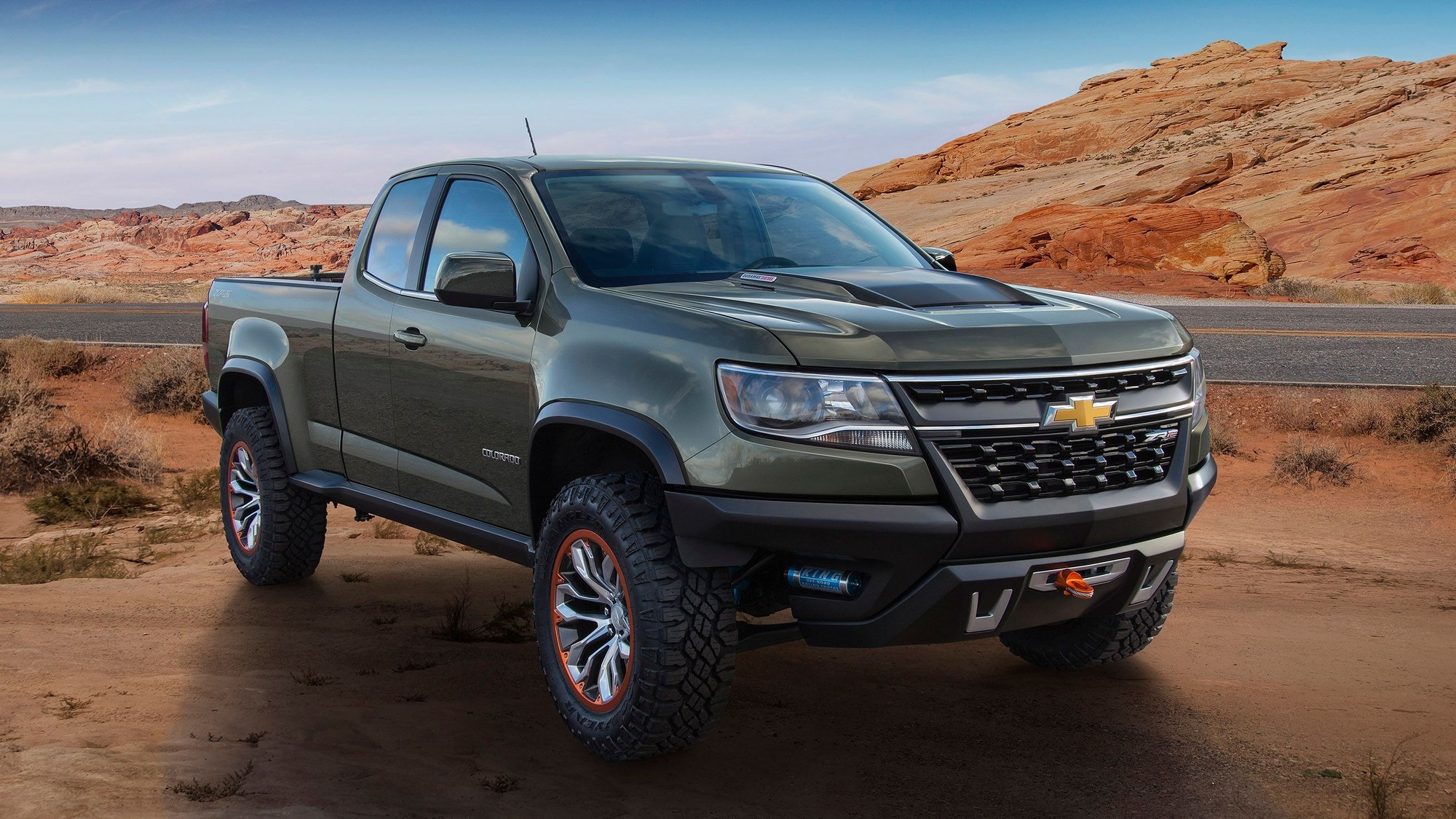
The Chevrolet Colorado Diesel delivers an impressive balance between capability and fuel economy, making it one of the most efficient trucks in the midsize segment. Powered by a 2.8-liter four-cylinder Duramax turbo-diesel engine, it offers strong torque for towing and off-road tasks, while returning EPA ratings near 30 MPG on the highway.
This is an impressive figure given Colorado’s rugged construction and ability to handle significant payloads and towing demands. Diesel engines are inherently more fuel-efficient than gasoline engines due to their higher compression ratios and energy-dense fuel, and the Colorado’s powertrain takes full advantage of these characteristics.
The engine’s turbocharger enhances power delivery across a wide range of speeds, while advanced fuel injection systems ensure precise control of fuel flow for optimal combustion efficiency.
One of the reasons the Colorado Diesel achieves such commendable fuel economy is the combination of a relatively light chassis and aerodynamic enhancements. While it retains the tough build expected of a pickup, it uses lightweight materials in some structural components to help reduce weight.
Aerodynamic features like active grille shutters help minimize drag by closing the front grille when engine cooling demand is low, thus improving highway efficiency. The truck’s relatively compact footprint compared to full-size pickups also means there is less air resistance and less mass to propel, which leads to savings in fuel consumption during both city and highway driving.
Chevrolet pairs the diesel engine with an 8-speed automatic transmission that is tuned to keep the engine operating in its most efficient RPM range. Smooth gear shifts and well-timed downshifts contribute to fuel savings while also improving driving comfort.
The transmission’s ability to hold gears or upshift early reduces engine strain and improves mileage, especially during long-distance highway travel. Furthermore, the Colorado Diesel benefits from engine stop-start technology, which shuts off the engine during idle periods to reduce unnecessary fuel use in traffic or during brief stops.
Despite its fuel-efficient design, the Colorado Diesel remains a strong performer capable of handling off-road excursions and moderate towing jobs. It is a good option for buyers who need more capability than a compact truck but still want to avoid the fuel penalties of larger V8-powered pickups.
Its blend of torque, durability, and fuel economy creates a practical package for daily drivers and weekend adventurers alike, particularly those who rack up highway miles regularly and want to reduce fuel costs without sacrificing capability.
3. Ram 1500 EcoDiesel
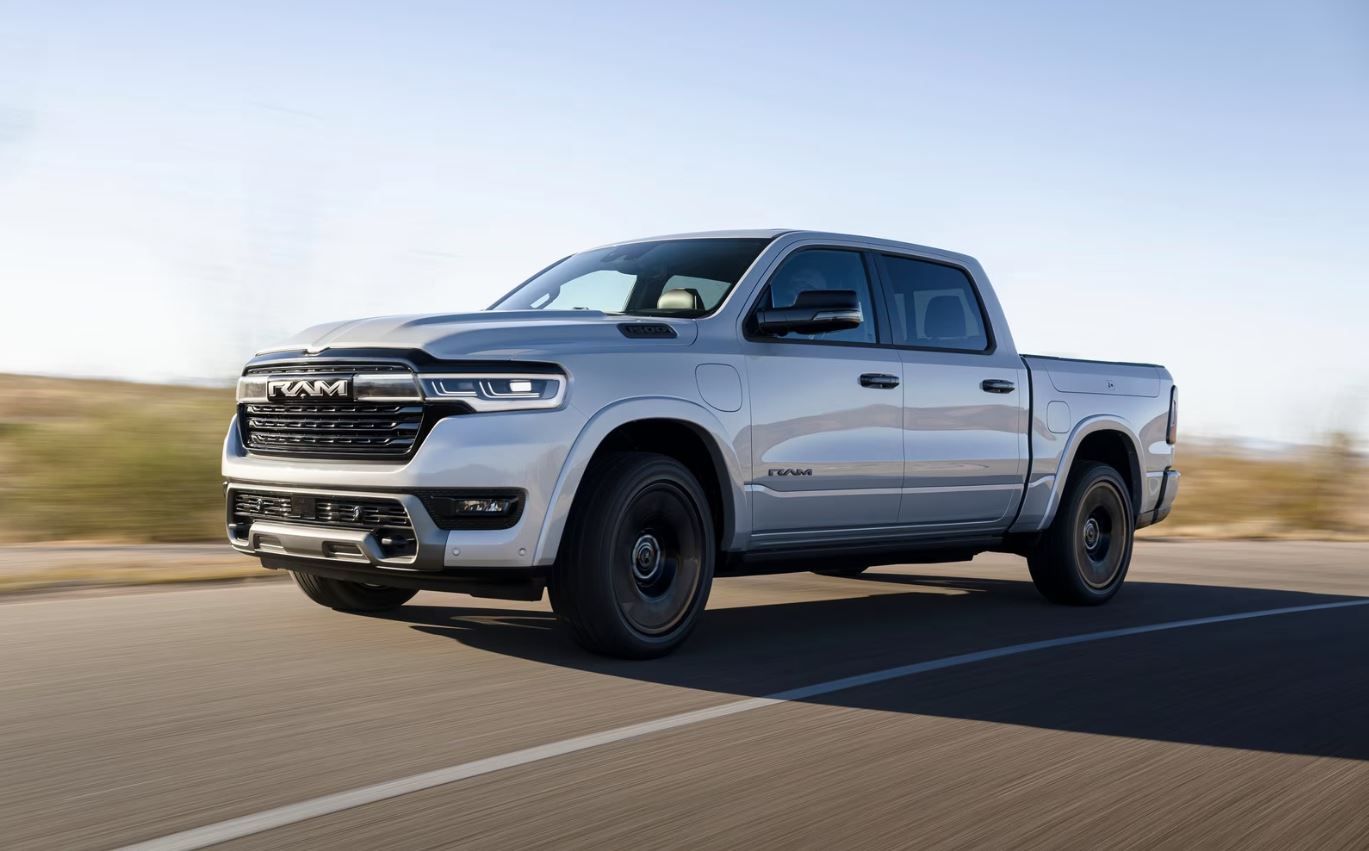
The Ram 1500 EcoDiesel is one of the most efficient full-size pickups on the market, offering a powerful yet fuel-conscious diesel engine option for buyers seeking capability and economy. Equipped with a 3.0-liter V6 turbocharged diesel engine, the Ram delivers substantial torque, upwards of 600 lb-ft in some configurations, making it suitable for towing heavy trailers or hauling large payloads.
Despite this impressive capability, the Ram 1500 EcoDiesel maintains fuel economy ratings in the mid to high 20s combined, with highway mileage often approaching or exceeding 30 MPG. These figures are noteworthy because they demonstrate that full-size trucks can still be efficient when engineered properly.
The truck’s relatively light weight for its class is partly due to the extensive use of aluminum in the body panels, which reduces mass without compromising durability.
Additionally, the Ram’s aerodynamics have been improved with features like an active grille shutter that closes at higher speeds to reduce drag and a streamlined front fascia designed to smooth airflow around the vehicle. These engineering details help the Ram 1500 EcoDiesel use less energy to push through air at highway speeds, directly contributing to better fuel economy.
The engine itself benefits from advanced diesel technology, including high-pressure common rail fuel injection and variable geometry turbocharging, which optimize combustion efficiency and power delivery across different driving conditions.
The 8-speed automatic transmission plays a critical role in maintaining fuel economy by carefully selecting gears that keep the engine operating within its most efficient range, allowing smooth acceleration without excessive fuel use. The transmission’s gear ratios are spaced to enable lower RPM cruising speeds, which is especially beneficial during long highway journeys.
The Ram 1500 EcoDiesel also features technologies designed to reduce fuel consumption during everyday driving, such as start-stop functionality and cylinder deactivation when appropriate. Inside the cabin, the truck offers a quiet, comfortable experience that rivals many luxury SUVs, proving that fuel-efficient pickups don’t have to compromise on refinement or capability.
For those who regularly tow or haul but want to keep fuel costs manageable, the Ram 1500 EcoDiesel presents a compelling alternative to gas-powered full-size trucks, showcasing how diesel technology remains relevant and valuable in the modern pickup market.
4. Toyota Tacoma Hybrid
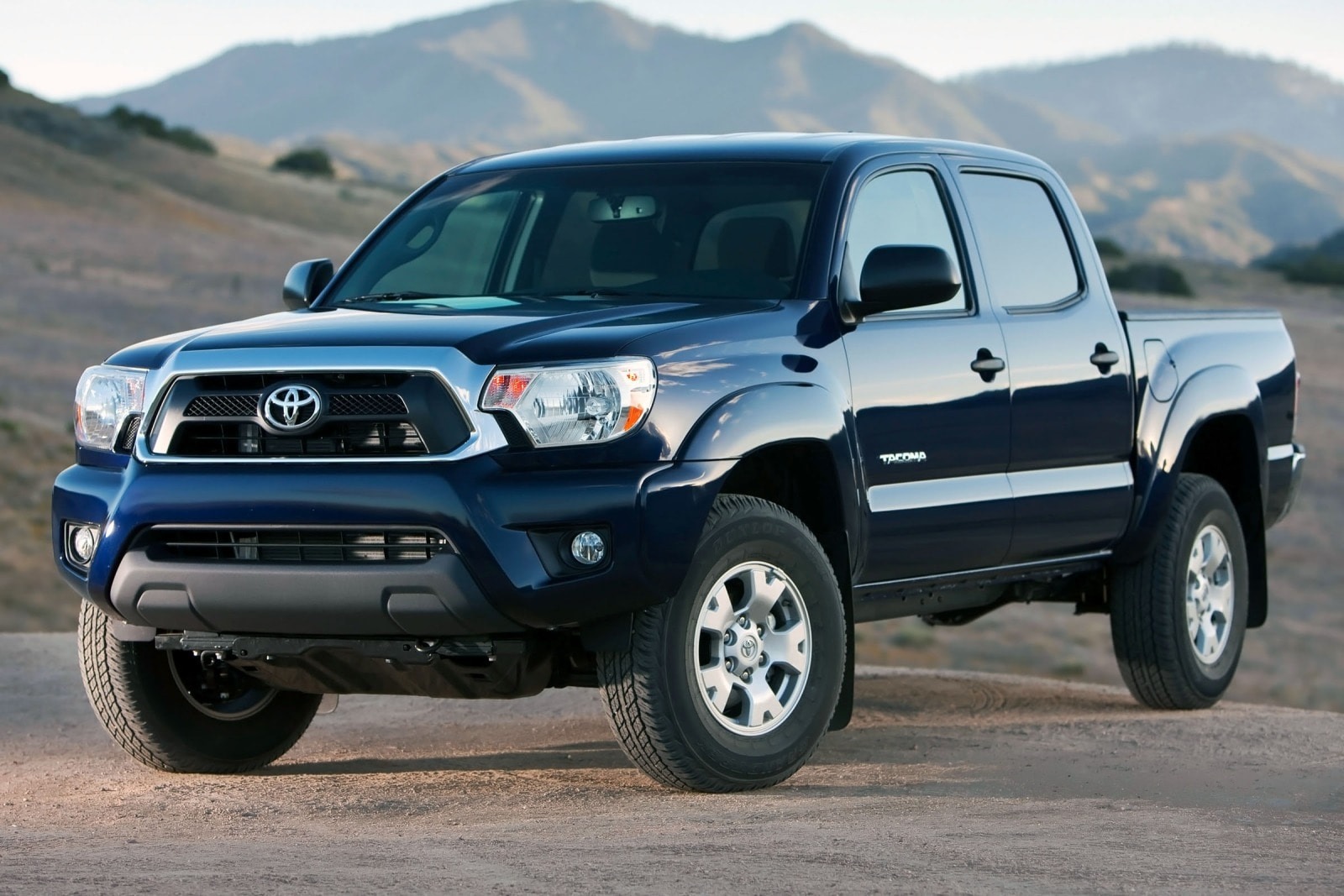
Toyota’s reputation for producing reliable and fuel-efficient vehicles has sparked significant interest in the upcoming hybrid version of the Tacoma midsize pickup. While detailed EPA ratings are yet to be released, early reports and Toyota’s track record suggest that the hybrid Tacoma will dramatically improve fuel economy compared to the current V6 gasoline model.
Expectations place the hybrid’s combined MPG in the high 20s or low 30s range, which would be a considerable improvement over the standard Tacoma’s low 20s figures. This improvement stems from Toyota’s well-honed hybrid technology, which combines a smaller displacement gasoline engine with one or more electric motors to provide efficient power delivery and energy recovery.
The hybrid system is likely to include regenerative braking to recapture energy normally lost when slowing or stopping, storing it in a battery pack for later use. This stored electric energy can then assist the engine during acceleration or cruising, reducing fuel consumption and emissions.
Toyota’s hybrid system typically operates in three modes: electric only for low-speed driving, gasoline engine only for highway speeds, and a combined mode for acceleration and hill climbing. This flexibility allows the vehicle to optimize fuel use across a wide range of driving conditions.
Alongside the hybrid powertrain, Toyota has also worked on aerodynamic improvements to enhance efficiency. Changes to the front grille, optimized wheel designs, and even underbody covers help reduce wind resistance, which plays a big role in highway fuel consumption.
Weight-saving measures in the chassis and body materials further contribute to better MPG, without sacrificing the Tacoma’s renowned toughness and off-road ability. Toyota’s approach seeks to maintain the balance between ruggedness and fuel economy that has made the Tacoma popular among outdoor enthusiasts and tradespeople.
The hybrid Tacoma will likely feature a hybrid-specific transmission, possibly a continuously variable transmission (CVT), which is known for smooth power delivery and fuel-saving operation. By continuously adjusting gear ratios, the transmission can keep the engine at its most efficient speed, reducing wasted fuel.
Toyota Tacoma Hybrid represents a significant step toward greener pickups that don’t compromise the capability and reliability the brand is known for. It offers buyers a chance to enjoy a rugged midsize truck with lower fuel costs and a smaller environmental footprint.
5. GMC Sierra 1500 with 4-Cylinder Turbo
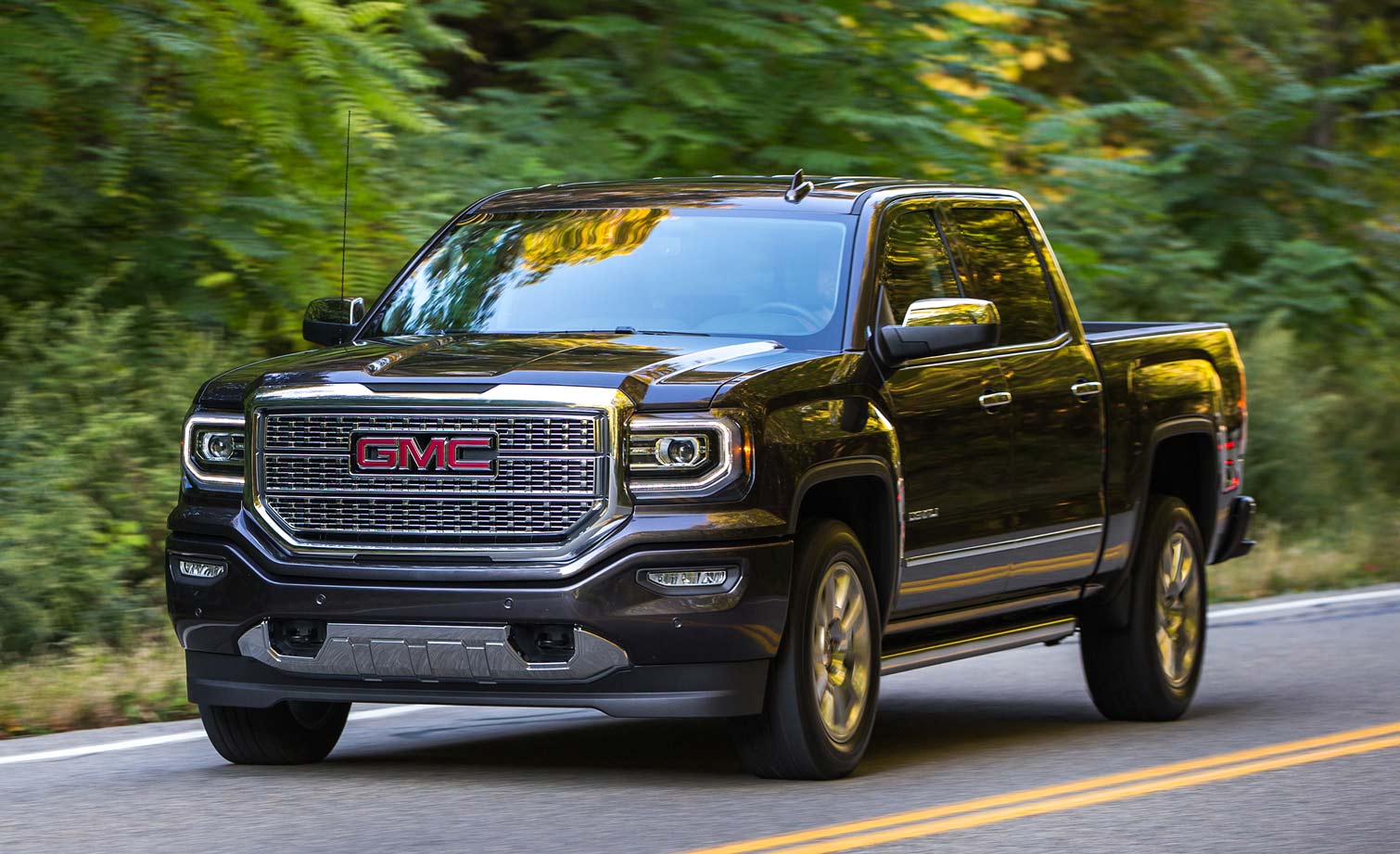
The GMC Sierra 1500 equipped with the turbocharged 2.7-liter four-cylinder engine offers a surprising balance of power and fuel efficiency for a full-size pickup. This engine produces competitive horsepower and torque numbers, allowing the Sierra to serve as a capable daily driver and light-duty work truck while avoiding the high fuel consumption associated with larger V6 or V8 engines.
The turbocharger plays a key role by forcing more air into the engine when additional power is needed, allowing a smaller displacement engine to perform like a larger one without burning excess fuel during lighter driving conditions.
EPA estimates place the combined fuel economy of this configuration in the low 20s, which may not rival compact trucks but is strong for a vehicle capable of towing trailers and carrying moderate payloads.
The smaller engine size means that during normal driving, the Sierra burns less fuel, while the turbocharger kicks in when accelerating or climbing hills, offering power on demand without a constant fuel penalty. This balance allows drivers to enjoy the benefits of a full-size truck with somewhat better fuel economy than many competitors.
Another technology helping fuel economy is cylinder deactivation, where the engine temporarily shuts down some cylinders under light load conditions to reduce fuel use. This system helps conserve gas during highway cruising or when the truck is lightly loaded.
Aerodynamic enhancements such as a sculpted front end, grille shutters, and smooth underbody panels also contribute to reducing wind resistance and improving mileage. These design features, combined with careful engineering of the powertrain, help the Sierra 1500 maintain competitive fuel efficiency.
While the turbocharged 4-cylinder option might not appeal to those needing maximum towing capacity or payload, it is an excellent choice for drivers who want the size and comfort of a full-size pickup without the constant expense of large engine fuel consumption.
This makes the GMC Sierra 1500 with the 4-cylinder turbo a sensible option for light-duty use, city driving, and moderate hauling, proving that smaller, more efficient engines can hold their own in the full-size truck market.
Also Read: 10 Cars That Still Sell Above MSRP in 2025
5 Trucks That Waste Gas Fast
1. Ford F-150 Raptor
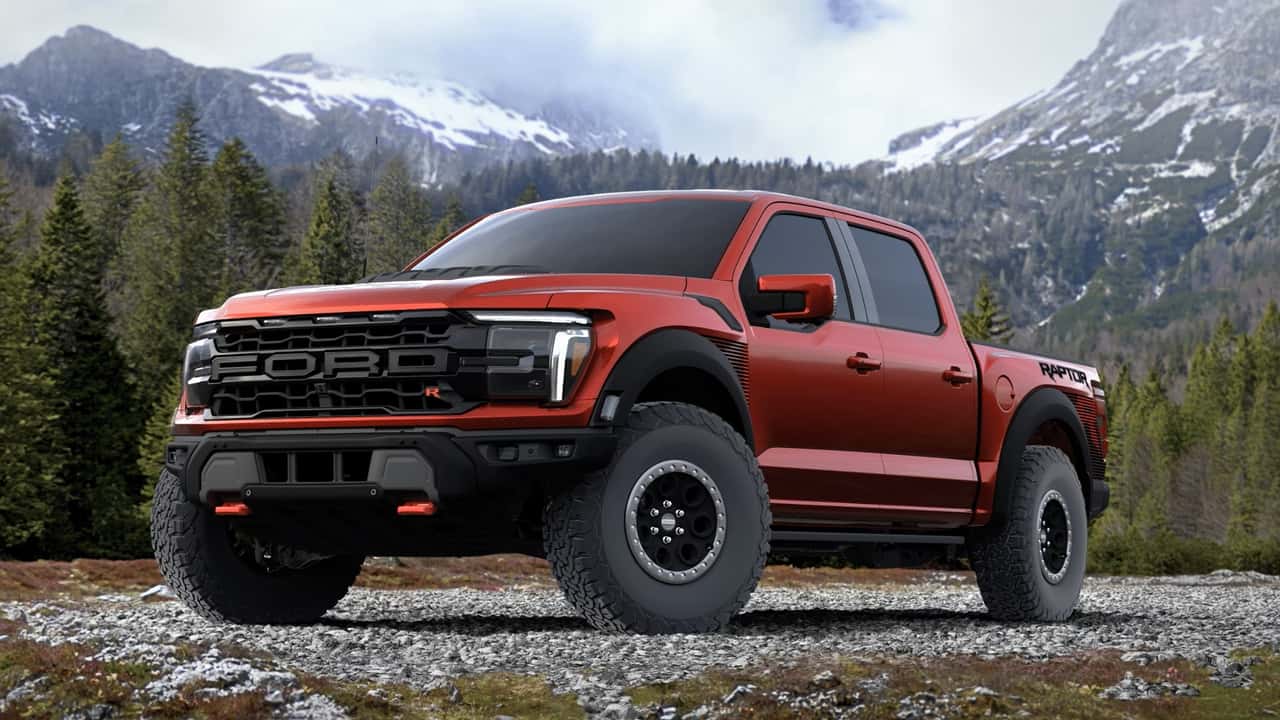
The Ford F-150 Raptor is an icon in the high-performance off-road truck segment, known for its aggressive styling, powerful engine, and off-road capabilities. However, one aspect that often gets overlooked until after purchase is its poor fuel economy.
Equipped with a robust 3.5-liter twin-turbocharged V6 engine, the Raptor delivers thrilling performance, including a high output of horsepower and torque, allowing it to handle extreme terrain and high-speed desert runs with ease. Unfortunately, this power comes at a significant cost when it comes to fuel consumption.
The engine is tuned more for performance than efficiency, with larger turbochargers and aggressive throttle mapping that prioritize responsiveness over economy.
The Raptor’s wide stance, lifted suspension, and large off-road tires create a truck that commands attention but also dramatically increases aerodynamic drag and rolling resistance. The truck’s design focuses on durability and capability rather than fuel savings, resulting in a heavier vehicle that requires more energy to move, especially at highway speeds.
Its bulky grille, flared fenders, and rugged accessories all contribute to wind resistance that forces the engine to work harder and burn more fuel. The aggressive off-road suspension system, while excellent for rough terrain, also adds weight and complexity, further reducing fuel efficiency.
Additionally, the Raptor’s gearing and transmission are optimized for delivering power quickly rather than conserving fuel. The 10-speed automatic transmission shifts aggressively to keep the engine in its power band, which translates to higher RPMs and more fuel burned during acceleration and cruising.
While this setup makes the truck extremely capable for its intended off-road purpose, it penalizes drivers who use the Raptor mainly on paved roads or highways. The truck’s large tires, intended for grip in mud or sand, also have higher rolling resistance, which adds to the fuel consumption during everyday driving.
Drivers of the Ford F-150 Raptor should expect fuel economy to fall well below average for a full-size pickup. It typically achieves around 15 MPG combined, with even lower numbers in city driving or off-road conditions where throttle input is frequent and speed varies significantly.
This means refueling is more frequent, and running costs rise quickly compared to more fuel-efficient trucks. Despite its high fuel consumption, many buyers prioritize its off-road performance and distinctive style over economy, accepting the trade-off for a specialized vehicle that excels in its niche but wastes gas in regular driving scenarios.
2. Chevrolet Silverado 1500 with V8
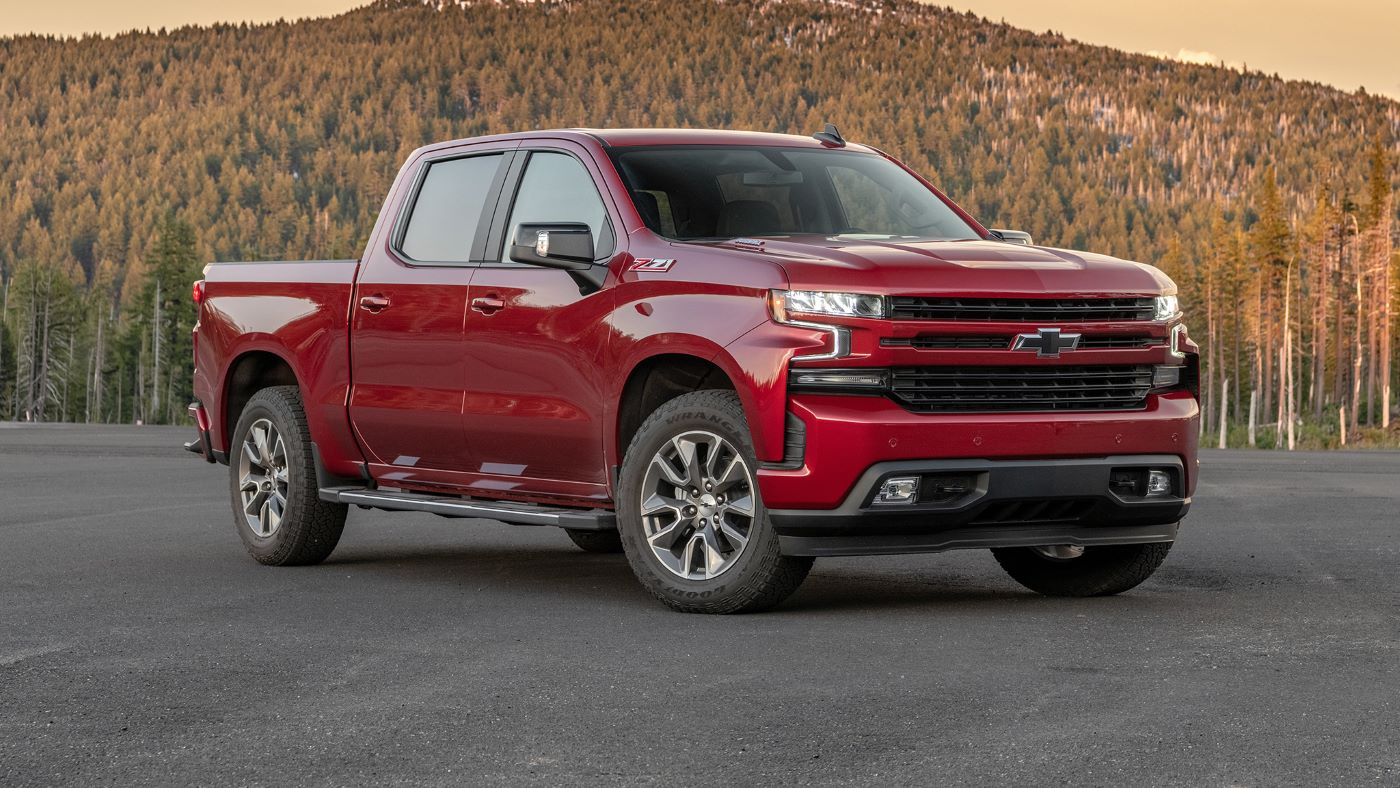
The Chevrolet Silverado 1500 equipped with a traditional V8 engine represents the classic full-size truck experience: plenty of power, solid towing capacity, and a robust feel on the road. However, this powertrain setup is also one of the more fuel-hungry options in the segment.
The V8 engines offered in the Silverado, often ranging from 5.3 liters to 6.2 liters in displacement, are designed to produce ample horsepower and torque, allowing the truck to haul heavy trailers, carry substantial payloads, and deliver strong acceleration. While this makes the Silverado a highly capable and popular choice, the larger engine size and performance tuning come with a steep fuel consumption penalty.
The V8’s larger displacement means it requires more fuel to operate, especially under load or when accelerating. Even though newer models benefit from technologies like cylinder deactivation and direct fuel injection, the physical size and power of the engine inherently lead to higher fuel use compared to smaller or turbocharged engines.
The Silverado’s curb weight, often exceeding 5,000 pounds, compounds this effect, as the engine must work harder to move the vehicle, especially when towing or carrying heavy cargo. Larger tires and a sturdy suspension system add to the weight and rolling resistance, further driving down fuel economy.
Aerodynamics also play a significant role in the Silverado’s fuel inefficiency. Its boxy shape, high ride height, and large front grille increase drag at highway speeds, making the engine work harder to maintain cruising speeds.
While Chevrolet has made incremental improvements with active grille shutters and improved body shaping, the Silverado’s fundamental design prioritizes toughness and capability over aerodynamic efficiency. This is especially true for trucks equipped with off-road packages or larger wheels, which tend to decrease fuel economy further.
Typically, the Silverado 1500 with a V8 engine achieves combined fuel economy in the mid to high teens, sometimes dipping below 15 MPG depending on driving habits and load. This level of consumption can add up quickly in fuel costs for daily drivers or those who frequently tow or haul.
Despite the fuel waste, many buyers opt for the V8 because of its well-known durability, smooth power delivery, and the feeling of strength it provides behind the wheel. For some, the trade-off in fuel efficiency is worth the capability and traditional truck driving experience offered by the V8 Silverado.
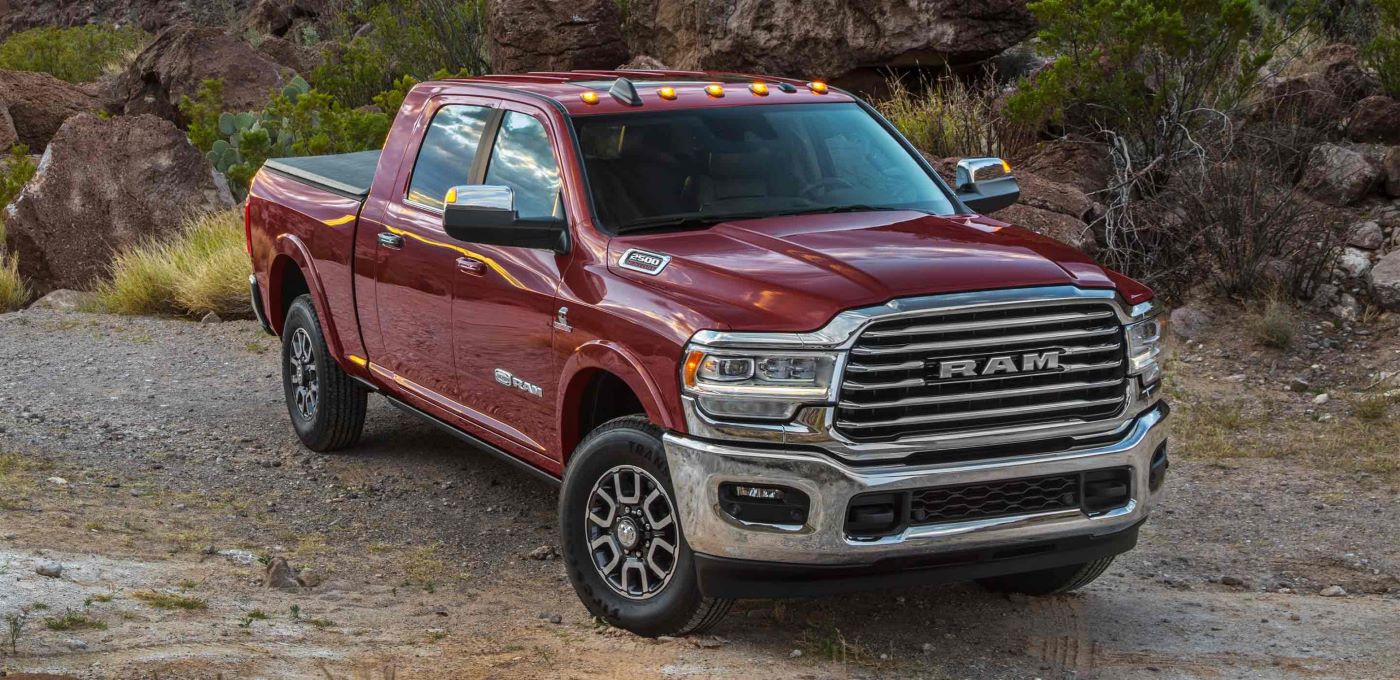
3. RAM 2500 Heavy Duty
The RAM 2500 Heavy Duty truck is built for maximum capability, often used for heavy towing, construction, and other demanding tasks. However, its massive size and powerful engine options come with one of the steepest fuel consumption rates in the pickup segment.
The truck typically features large displacement engines such as a 6.4-liter HEMI V8 gasoline engine or a 6.7-liter Cummins turbo-diesel inline-six. Both engines deliver immense torque and horsepower to move heavy loads but also consume large amounts of fuel in the process. The RAM 2500 is designed to handle the toughest jobs, which means fuel efficiency takes a backseat to raw power and durability.
The sheer size and weight of the RAM 2500 significantly impact fuel economy. Weighing well over 6,000 pounds, it requires a tremendous amount of energy to accelerate, climb hills, or maintain highway speeds. The truck’s heavy-duty suspension, reinforced frame, and large tires are necessary for its purpose but also add considerable weight and rolling resistance.
Aerodynamic drag is another major factor; the RAM 2500’s tall profile, wide stance, and large grille create a lot of wind resistance at highway speeds, forcing the engine to burn more fuel to overcome air drag.
Transmission tuning in the RAM 2500 Heavy Duty focuses on durability and torque delivery rather than fuel savings. The heavy-duty 6-speed or 8-speed automatic transmissions are built to handle extreme torque loads but often keep the engine running at higher RPMs, especially under load.
This contributes to poorer fuel economy during towing or hauling, where the engine is pushed to its limits. Even with modern fuel-saving technologies like start-stop systems and advanced engine management, the truck’s fuel consumption remains high due to its size and the nature of its work.
On average, the RAM 2500 Heavy Duty returns fuel economy in the single digits to low teens for combined driving. City driving and heavy towing scenarios can push fuel consumption even higher, making the truck very costly to operate in terms of fuel.
However, for buyers who need serious hauling capability or commercial-grade performance, fuel economy is often a secondary consideration. The RAM 2500 excels where smaller trucks cannot, but it does so with a significant gas-guzzling trade-off.
4. GMC Sierra Denali V8
The GMC Sierra Denali with a V8 engine is a luxury full-size pickup that combines premium features and powerful performance but is notorious for its poor fuel efficiency. This truck is often equipped with a 6.2-liter V8 engine, which produces robust horsepower and torque, making it capable of towing large trailers and delivering strong acceleration.
The Denali trim adds weight due to its extensive luxury equipment, including leather upholstery, advanced infotainment systems, soundproofing materials, and additional technology features, all of which contribute to its heft and fuel demands.
Despite incorporating some fuel-saving technologies such as cylinder deactivation and variable valve timing, the large-displacement V8 engine remains inherently thirsty. Its tuning prioritizes smooth power delivery and performance over economy, which results in substantial fuel consumption, especially during city driving or when towing.
The added luxury features also increase the curb weight, sometimes pushing the Sierra Denali well above 5,500 pounds, which in turn requires more fuel to move effectively.
Aerodynamically, the Sierra Denali is similar to other full-size trucks with a tall, wide profile and a large front grille. While it includes aerodynamic tweaks like active grille shutters and underbody panels, its shape and size generate considerable drag at highway speeds.
The Denali’s wider tires, often chosen for both performance and aesthetics, increase rolling resistance, further lowering fuel efficiency. The suspension and chassis are also tuned for a smooth ride, but this can mean more weight and complexity, affecting gas mileage negatively.
Typically, the GMC Sierra Denali V8 achieves combined fuel economy ratings in the high teens or low 20s, depending on driving conditions. While this is not the worst in the segment, it is far from efficient when compared to trucks with smaller or turbocharged engines.
Buyers are usually willing to accept this because the Denali trim prioritizes comfort, luxury, and power over fuel savings. The truck appeals to those who want a premium driving experience with the utility of a pickup, but it requires frequent stops at the pump and higher fuel costs.
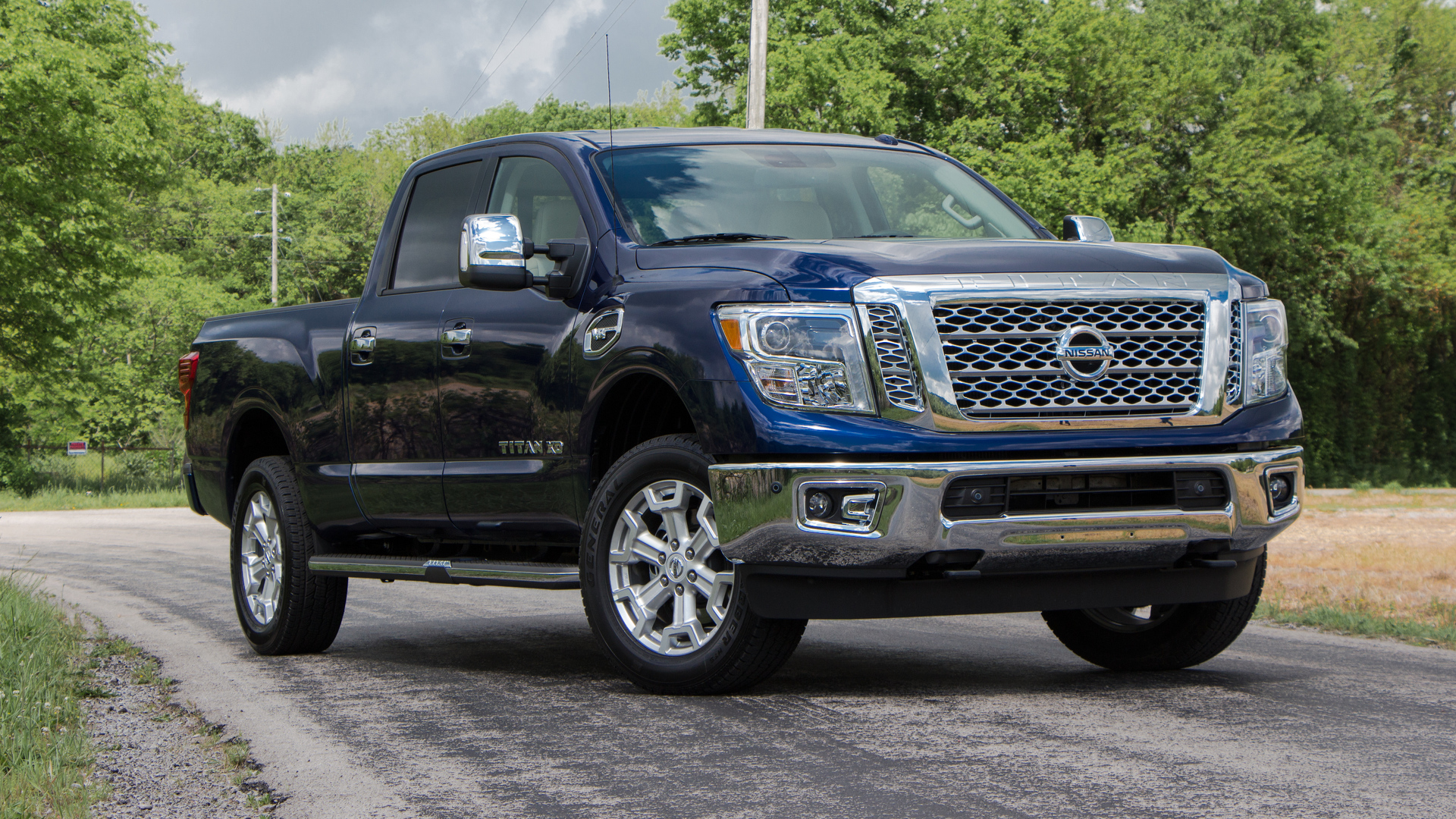
5. Nissan Titan XD
The Nissan Titan XD occupies a unique position between half-ton and three-quarter-ton trucks, offering more capability than traditional half-tons but less than heavy-duty models. However, it is also known for its relatively poor fuel economy, particularly due to its large engine choices and substantial weight.
The Titan XD has been offered with a 5.6-liter V8 gasoline engine or a 5.0-liter Cummins turbo-diesel inline-six, both of which prioritize torque and towing capacity over fuel savings. The gasoline V8 is a traditional pushrod engine designed for power, but it lacks some of the advanced fuel-saving features found in competitors, leading to higher consumption.
The truck’s size and weight further contribute to its fuel inefficiency. Weighing around 6,000 pounds, the Titan XD requires a powerful engine to move it efficiently, but this powertrain choice results in higher fuel usage in most driving scenarios.
Its large tires, heavy-duty suspension, and reinforced frame are optimized for durability and towing but increase rolling resistance and weight. Aerodynamic drag is significant, with a tall, boxy design that creates wind resistance and reduces highway fuel economy. The large grille and relatively blunt front end do little to reduce air resistance, especially at higher speeds.
Transmission tuning on the Titan XD favors strength and torque delivery rather than efficiency. The 7-speed automatic transmission helps somewhat with fuel economy but cannot overcome the basic challenge of moving a large, heavy vehicle powered by a thirsty engine.
Fuel consumption is particularly high during city driving or when towing heavy loads, where frequent acceleration and deceleration increase fuel use. Despite these fuel economy drawbacks, the Nissan Titan XD appeals to buyers looking for a truck that can bridge the gap between light-duty and heavy-duty categories with a strong emphasis on capability.
The fuel costs are often viewed as a necessary trade-off for the truck’s unique position in the market and its blend of power and size. However, for those prioritizing fuel economy above all else, the Titan XD is not a top choice.
