
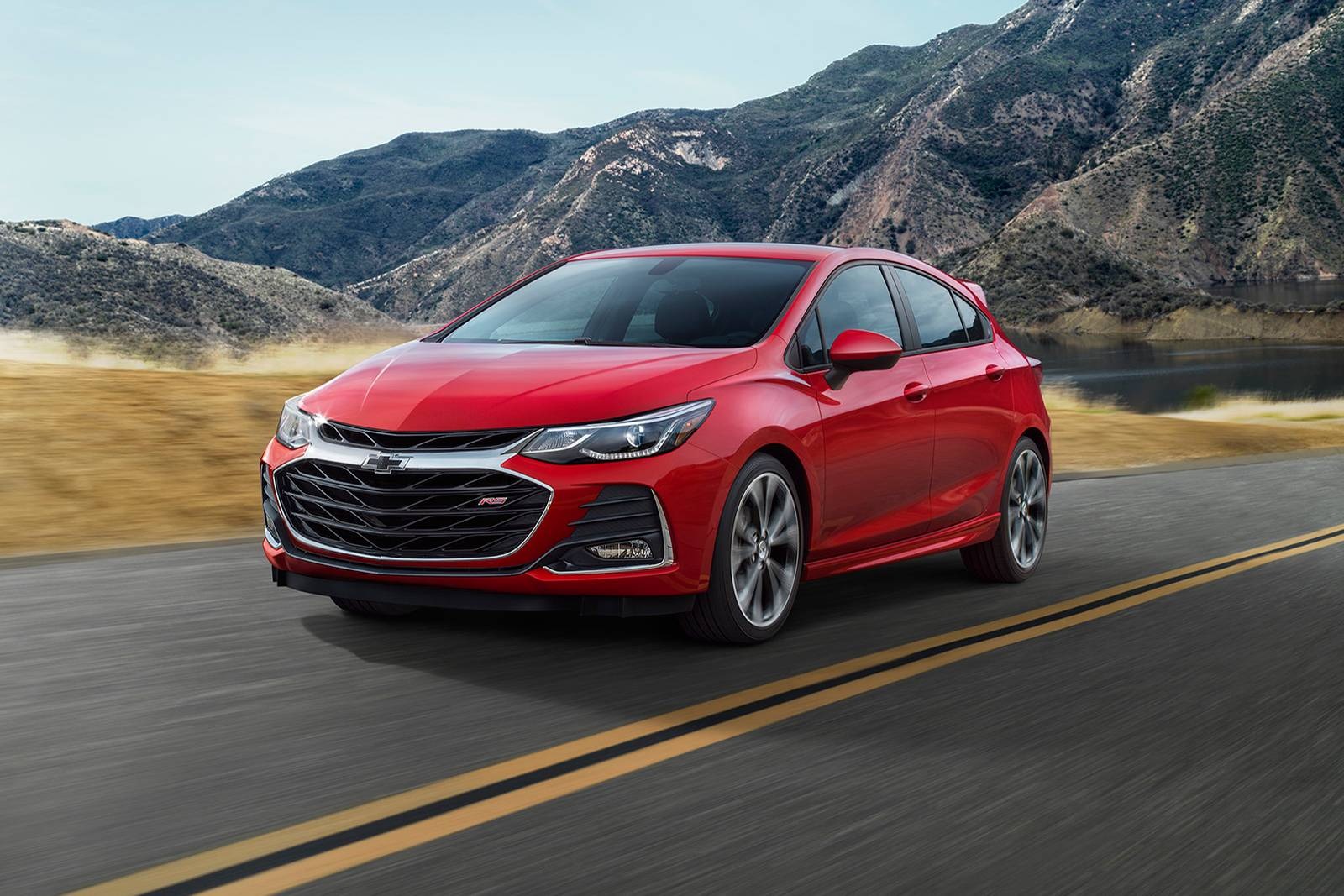
Automotive reliability is something many drivers talk about, but one area that doesn’t always get the attention it deserves is the exhaust system.
While it may not be as glamorous as horsepower numbers or infotainment features, the exhaust system plays a crucial role in vehicle performance, efficiency, and long-term durability.
When it’s working properly, it helps manage emissions, directs harmful gases away from the cabin, and assists the engine in maintaining proper back pressure. When it starts failing, drivers can expect rattling noises, reduced fuel efficiency, and expensive repair bills that come sooner than expected.
Some cars are engineered with exhaust systems that stand the test of time. Whether it’s due to better material choices, smarter underbody design, or fewer weak points in the system, these cars avoid the rust, cracks, and failures that plague lesser setups.
Stainless steel quality, weld quality, proper drainage design, and good heat shielding all contribute to a longer-lasting system. On the other hand, certain models seem almost designed to fail in this area.
From prematurely rusting pipes to poor welds and cheap hangers, these flaws lead to headaches for owners, sometimes even before hitting 60,000 miles.
Many owners are surprised when their exhaust begins to deteriorate so early, especially if the car is otherwise running smoothly.
This issue is particularly frustrating because it can be expensive to fix and often requires replacing large sections of the exhaust rather than a single part.
Labor costs add up fast, especially for midpipes, resonators, or mufflers that are welded into place. Some exhaust systems are so poorly supported or badly located that they suffer from excessive vibration, leading to cracks or broken hangers that accelerate wear.
This article will highlight five cars known for having particularly robust exhaust systems, followed by five cars that unfortunately have a reputation for exhaust-related issues.
The focus here isn’t just on rust resistance or longevity but on how well the system as a whole holds up over the years under normal driving conditions.
These examples are drawn from a combination of design quality, owner feedback, and long-term durability as observed in the real world.
Also Read: 5 Engines That Handle Stop-and-Go Traffic vs 5 That Break Early
5 Cars with Solid Exhaust Systems

1. Toyota Camry (2012–2021)
Toyota has built a reputation on reliability, and the Camry is one of its strongest examples. One often-overlooked feature that contributes to its long life is its solid exhaust system.
Starting in the 2012 model year, Toyota made improvements in undercarriage materials, including better heat shielding and higher-grade stainless steel in the exhaust components. These enhancements translate to reduced corrosion even in areas with high salt usage during winter.
Another factor contributing to the Camry’s exhaust reliability is its conservative engine tuning. Unlike turbocharged engines that can generate extreme heat and strain exhaust parts, the naturally aspirated four- and six-cylinder engines in the Camry run cooler.
This means less thermal expansion and contraction, which helps joints and welds stay intact over time. It also prevents early wear on catalytic converters, which are often the first components to degrade in less stable systems.
Toyota also put thought into how the system is mounted. The rubber exhaust hangers used in these models are well-placed and durable, minimizing unnecessary movement and vibration.
This reduces the chance of broken welds or disconnected sections. Combined with the aerodynamic underbody shields, the exhaust system stays protected from debris and road salt that would otherwise lead to surface corrosion or worse.
Lastly, Toyota’s OEM replacement parts for the Camry exhaust are readily available and reasonably priced, meaning that even when parts do wear out, they’re not prohibitively expensive to fix.
That said, many owners have reported well over 150,000 miles without touching their exhaust systems at all. That kind of longevity puts the Camry in the upper tier for exhaust durability.
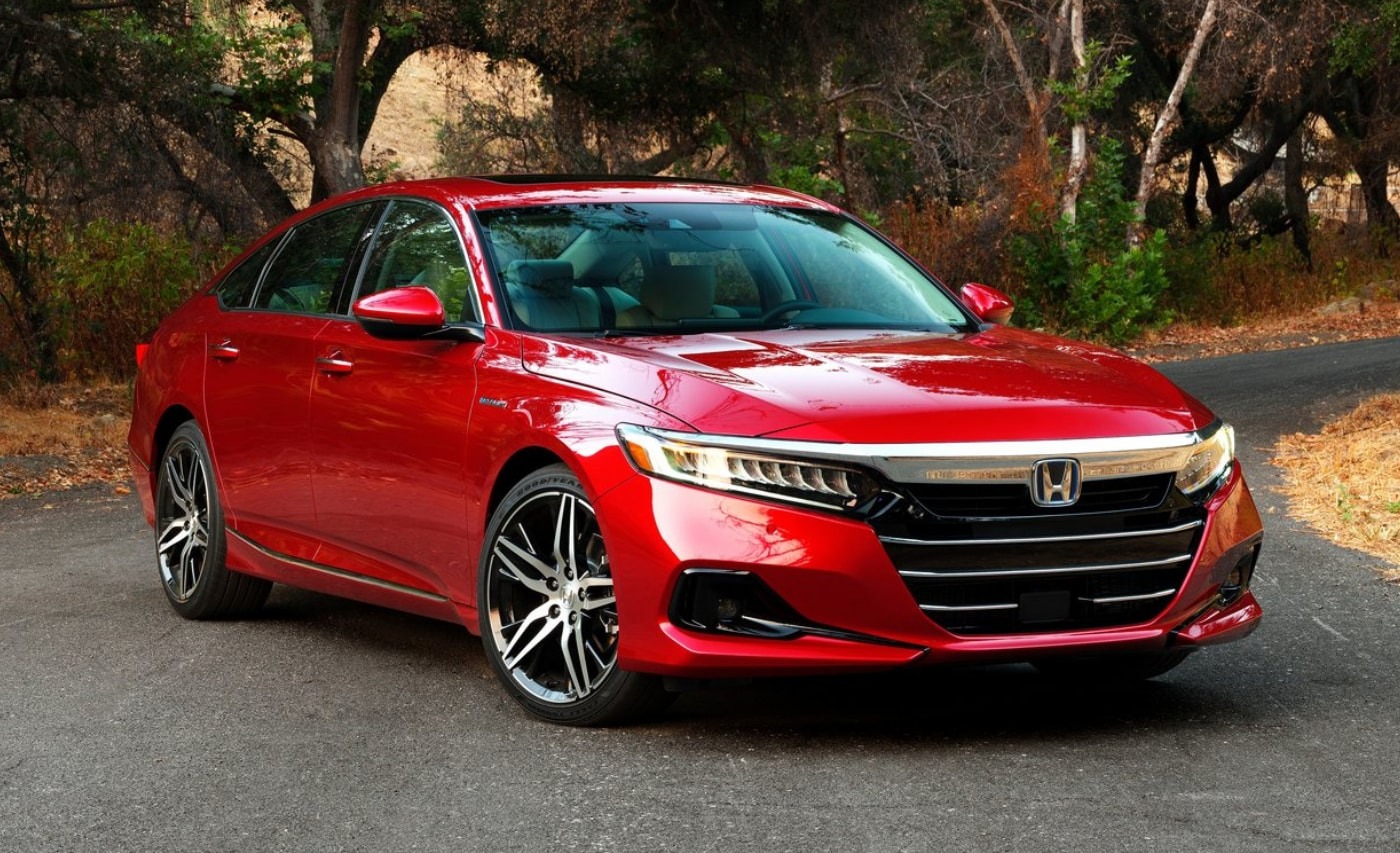
2. Honda Accord (2013–2022)
The Honda Accord is another sedan that proves an affordable car can have an extremely dependable exhaust setup. The ninth and tenth generations of the Accord benefited from Honda’s focus on improving material longevity and reducing long-term ownership costs.
Part of that included high-quality exhaust tubing with resistance to both external corrosion and internal breakdown due to moisture buildup.
One specific feature of the Accord’s exhaust system is its intelligent design that allows for condensation to escape efficiently.
Moisture buildup inside an exhaust pipe is one of the leading causes of internal rust, especially for drivers who make short trips and don’t let the car fully warm up. Honda’s layout helps reduce that risk significantly. It’s a small design detail with a big impact on durability.
Additionally, Honda has done a great job isolating exhaust vibrations from the cabin and the undercarriage.
Strong, well-designed brackets and sturdy hangers prevent movement, which means fewer opportunities for cracks or leaks to develop. This setup also protects the catalytic converter, which is often placed in a vulnerable position on cheaper or poorly designed cars.
Even the turbocharged versions of the Accord don’t seem to suffer from the premature wear often seen in forced-induction engines.
Thanks to consistent engine management and robust exhaust flow regulation, the heat generated by the system doesn’t overwhelm the components. The Accord proves that long-term reliability isn’t just about engines and transmissions but also about the parts most people never think to look at.
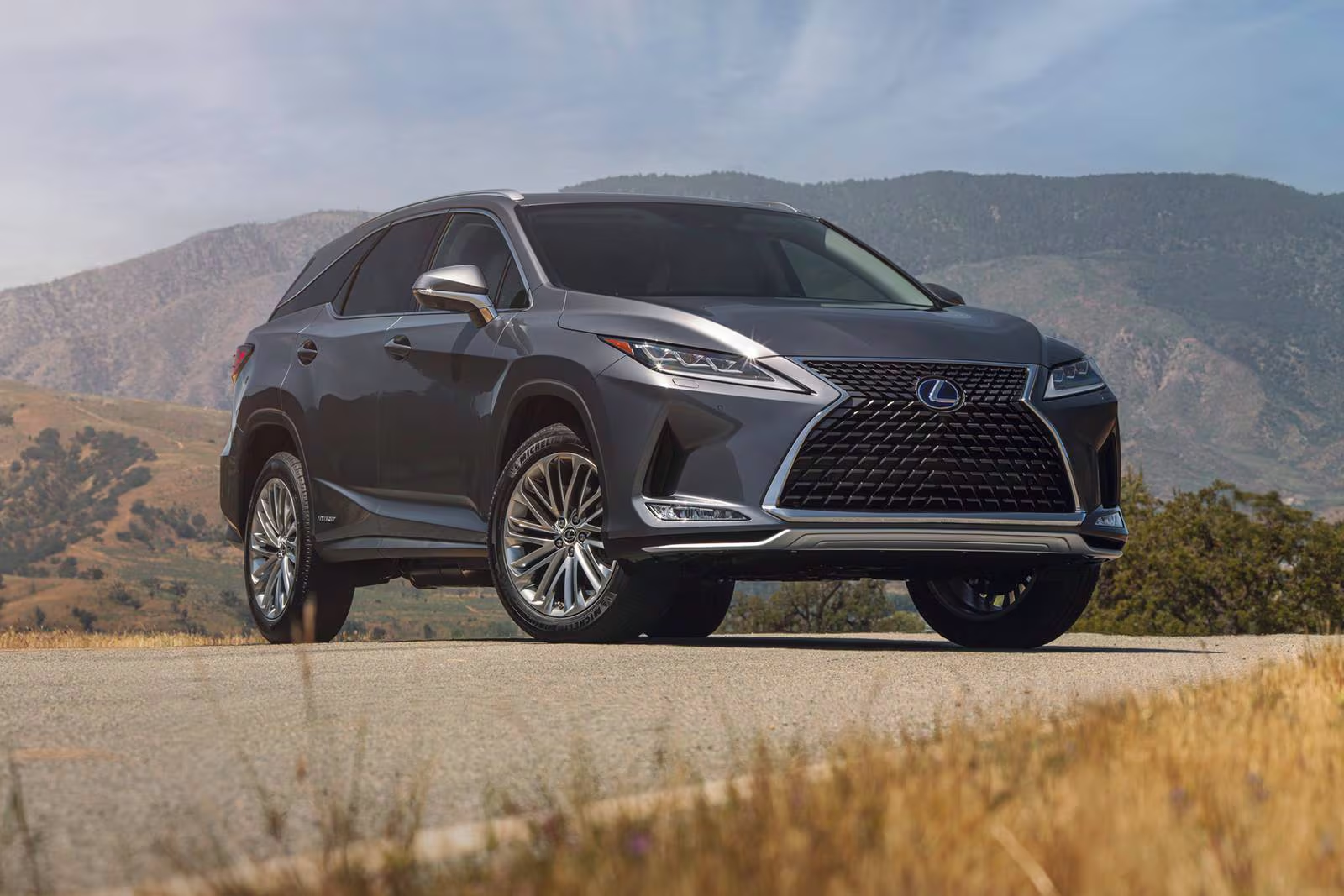
3. Lexus RX (2010–2020)
Lexus takes Toyota’s already solid engineering and adds an extra layer of refinement, and that definitely extends to the RX’s exhaust system.
Built for long-distance comfort and reliability, the RX’s setup is made with longevity in mind. Stainless steel tubing, high-quality welds, and intelligent routing all contribute to a system that resists the most common failure points.
One standout aspect of the RX’s exhaust system is the use of higher-grade heat shielding. This keeps excess heat away from surrounding components and prevents early fatigue of the piping. It also protects against external corrosion by limiting how moisture accumulates near the underbody. For owners in cold or wet climates, this makes a noticeable difference over time.
The RX also benefits from a quiet ride, which isn’t just a luxury feature. A quiet exhaust system often signals fewer leaks and better sound insulation, which can only be achieved with tightly sealed joints and quality materials.
The mufflers and resonators used in the RX are particularly well built, often lasting the entire life of the vehicle without any servicing required.
Perhaps most impressive is how well the system ages even with minimal maintenance. It’s not uncommon to see an RX from the early 2010s with its entire factory exhaust still intact and fully operational.
Given the vehicle’s weight and engine power, that kind of resilience reflects exceptional engineering. Few midsize SUVs can match that performance in this category.
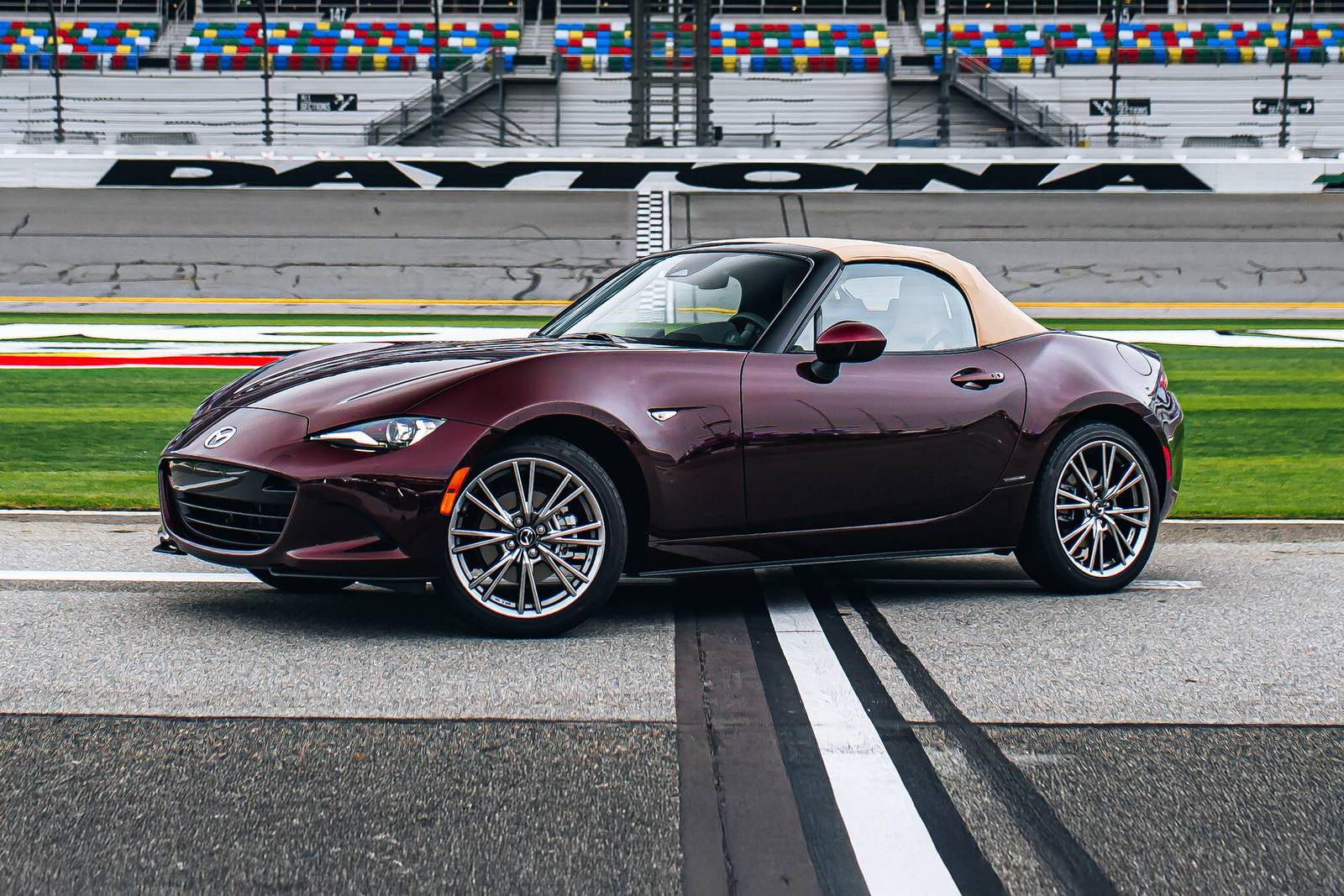
4. Mazda MX-5 Miata (2016–Present)
The current-generation Mazda MX-5 has earned praise for being lightweight and fun, but it also surprises many with its reliable exhaust system.
The design takes into account the vehicle’s sporty nature, so it’s built to withstand frequent high-revving and performance driving. Despite that, it doesn’t fall into the traps that plague many sports cars when it comes to exhaust longevity.
Mazda uses high-grade materials throughout the ND Miata’s exhaust, including stainless steel piping and strong, well-finished welds.
The placement of the exhaust is also strategic, with minimal exposure to road debris and proper shielding to protect against heat stress. This is especially important in a low-slung vehicle like the Miata, where the underside is closer to potential hazards.
Another reason the system holds up well is due to the car’s low curb weight. Less mass means less strain on mounting points and hangers, which reduces the chance of cracks forming in welded sections.
It also prevents the system from sagging over time, something that can lead to misalignment and stress fractures in heavier vehicles.
The Miata’s exhaust sound is tuned for character, not volume, which typically correlates with reduced backpressure and less stress on the system. It’s a well-balanced setup that shows even a sporty exhaust can be built with longevity in mind. Owners often report trouble-free ownership even after years of spirited driving and seasonal use.
5. Subaru Outback (2015–2021)
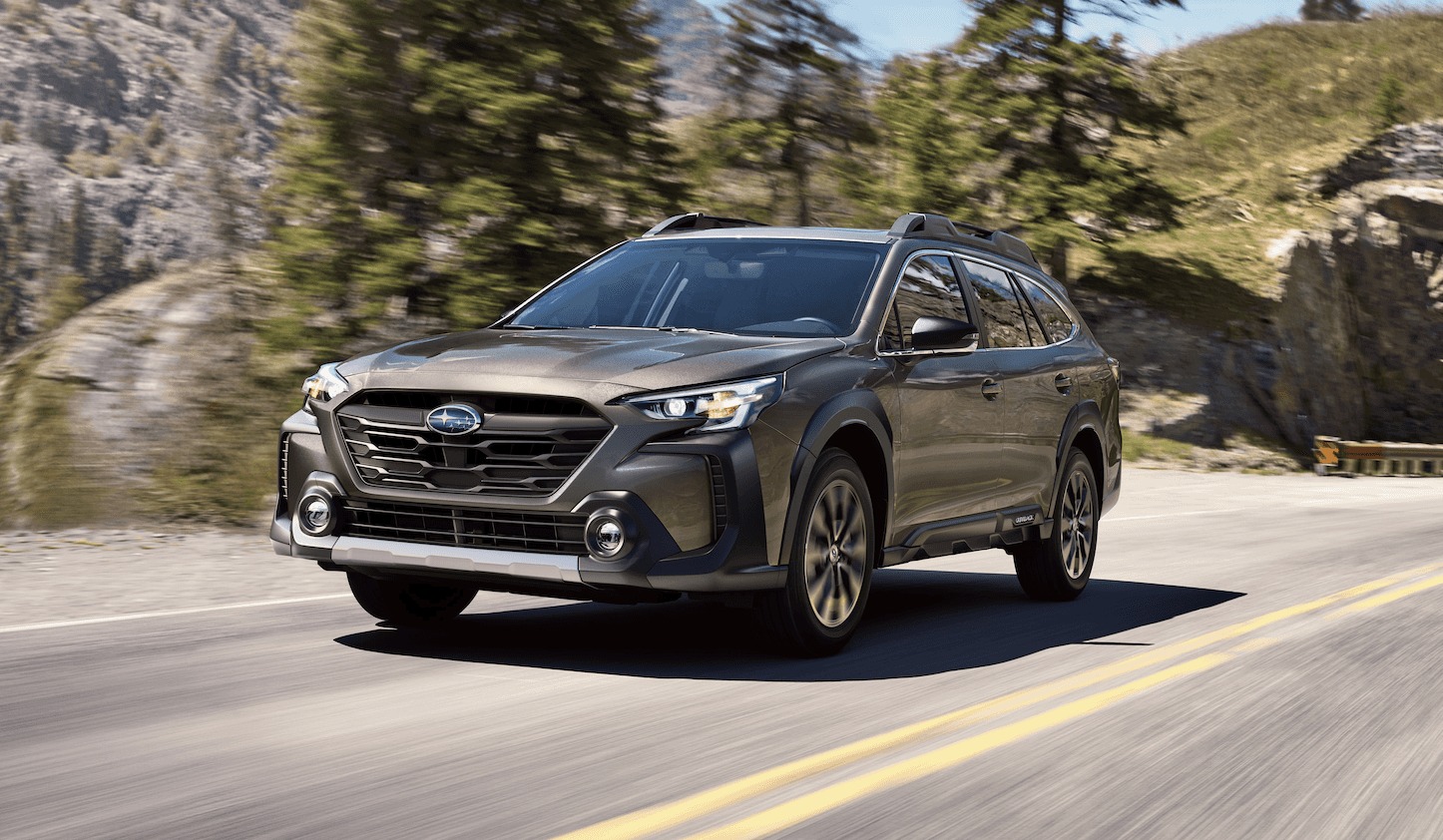
The Subaru Outback, known for its ruggedness and practicality, also features a surprisingly robust exhaust system.
Designed to handle off-road conditions and all-weather use, the Outback’s undercarriage layout includes strategic shielding and high-mounted routing that avoids the most corrosive conditions. This is especially valuable in rural or snowy areas where salt and grime can ruin an exposed system quickly.
Subaru uses stainless steel for major components like the muffler and resonator, and aluminized steel for secondary pipes.
While not entirely stainless, the mix offers a balance of cost and durability. What stands out is how well the components are protected by the vehicle’s structure.
Many parts are tucked away behind skid plates or subframe components, giving them a longer life span than fully exposed systems.
Vibration isolation is also a strong point here. Subaru designed the hangers and brackets to handle the constant jostling that comes with off-road and gravel use. As a result, welds and joints stay tighter for longer, and drivers are less likely to experience rattling or separation from the system even with high mileage.
5 Cars That Don’t Keep Their Exhaust Systems Solid
1. Ford Focus (2012–2018)
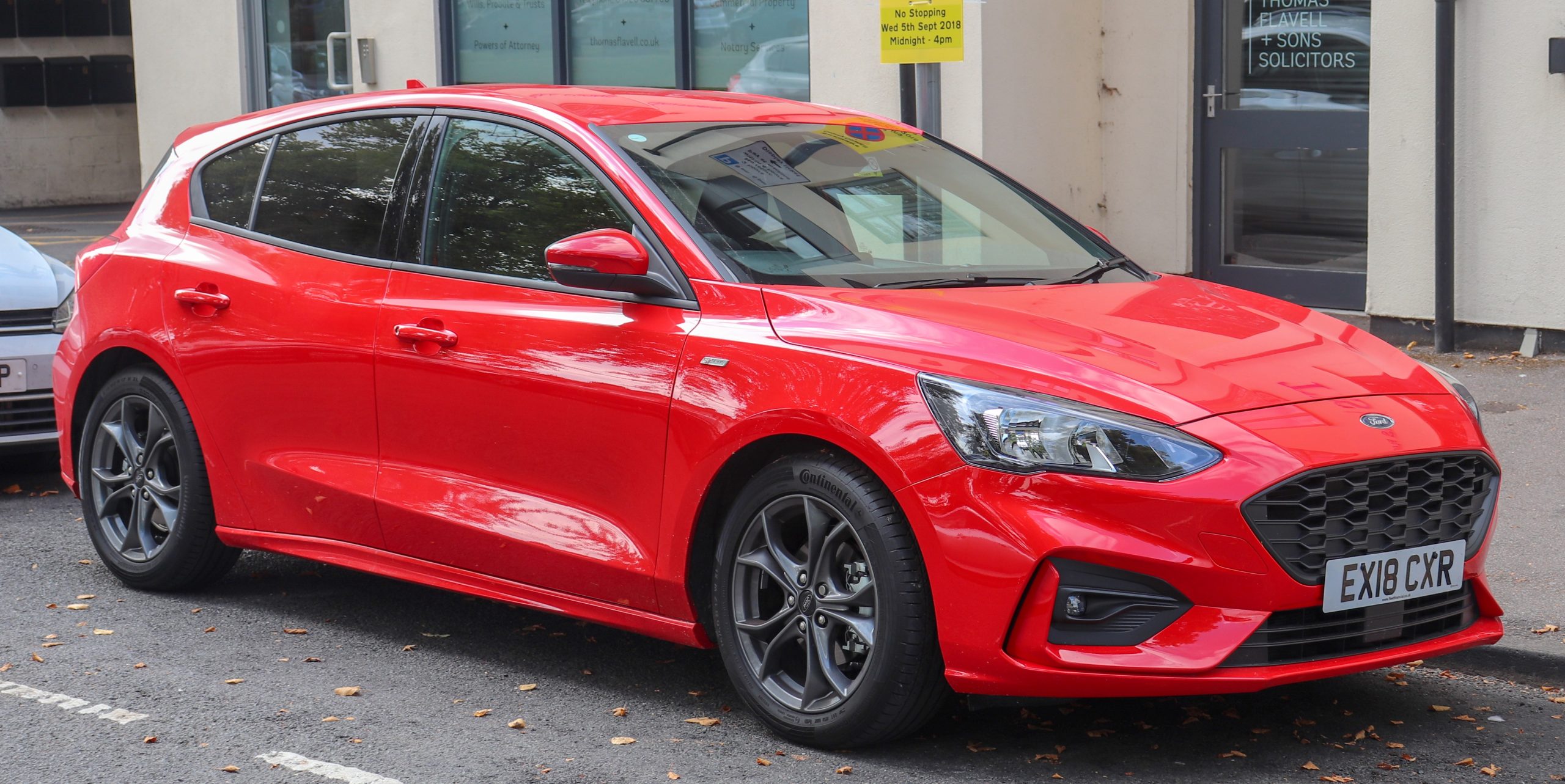
The third-generation Ford Focus became a very popular compact car, but unfortunately, its exhaust system didn’t share the same level of engineering quality as some of its competitors.
Many owners began reporting issues with rust and early failure of exhaust components, even when the vehicle was still under 80,000 miles.
One of the primary weak points lies in the use of lower-grade materials throughout the exhaust assembly. While some parts are stainless steel, many are simply aluminized or bare steel, which begins to corrode relatively quickly in humid or salty environments.
One of the most consistent complaints centers around the exhaust hangers and welds. On the Focus, the rubber mounts tend to degrade faster than expected, and in some cases, the exhaust pipe starts to sag or make contact with other parts of the undercarriage.
Once sagging begins, the joints and welds are subjected to extra stress, which often leads to cracking or separation. Poor weld quality on the resonator section is another issue.
These sections tend to develop small leaks or breaks that gradually become worse, especially for those who live in colder regions.
Another concern is the location and vulnerability of the catalytic converter and midpipe. The layout of the Focus exhaust system does not do a good job shielding these parts from road debris and moisture.
Many drivers report needing to replace the catalytic converter or adjacent piping well before it should be necessary, sometimes even at the 50,000-mile mark.
The repair cost can be substantial, and because of how the system is designed, it’s not always possible to replace just a section. In many cases, large parts must be removed and replaced as a unit.
The issues are further compounded by a lack of strong OEM replacements. While aftermarket parts exist, some don’t meet emissions standards, and others are of even lower quality than the original.
This creates a frustrating situation for Focus owners, where even fixing the problem doesn’t necessarily solve it long-term. For a car that sold in high numbers, it’s disappointing that such a fundamental part of the vehicle suffers from preventable design and material flaws.
2. Chevrolet Cruze (2011–2019)
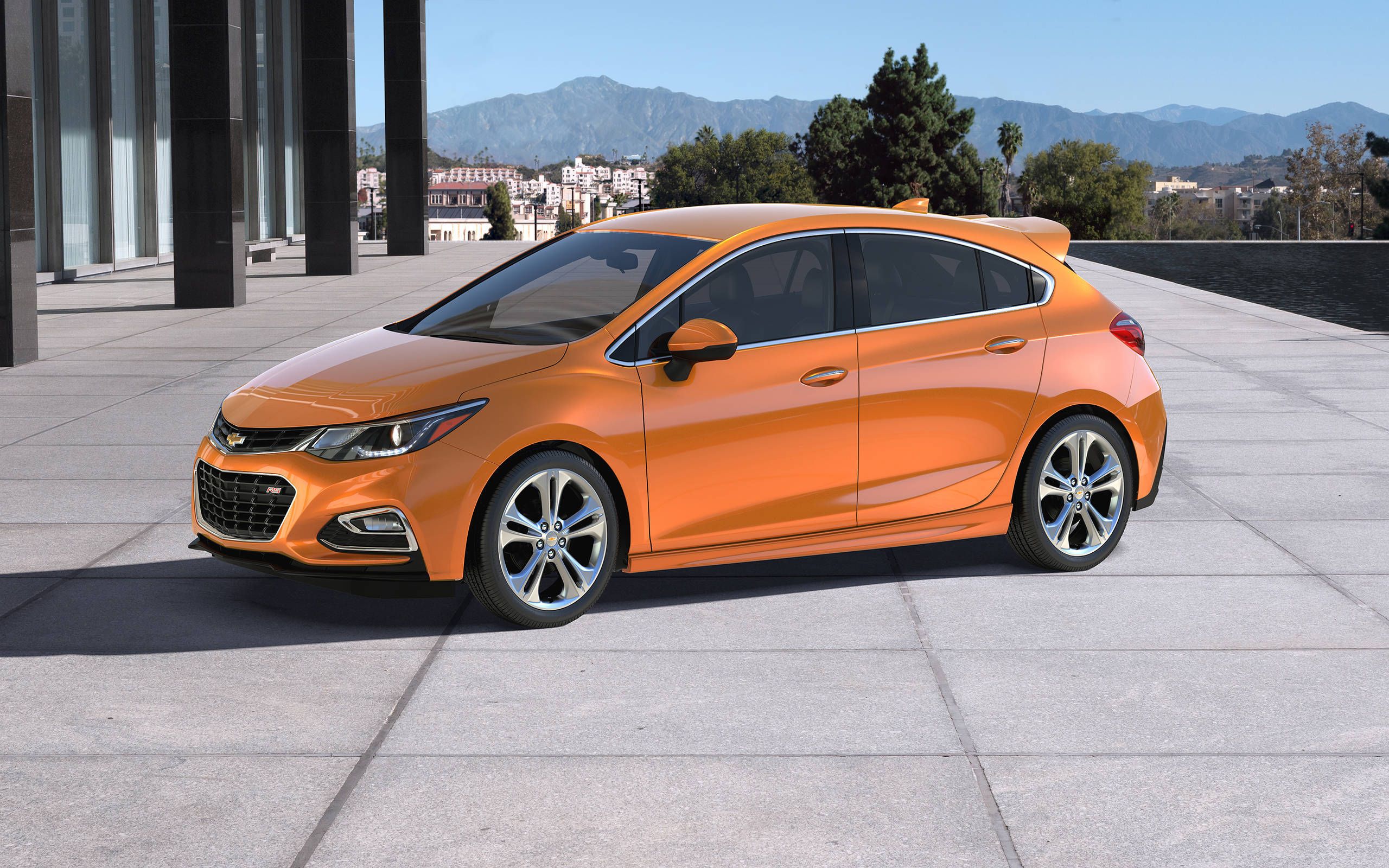
The Chevrolet Cruze had its fair share of recalls and service bulletins, but one of the less-discussed reliability issues was its fragile exhaust system. While some early owners appreciated its efficiency and features, long-term durability, especially underneath the car, turned out to be a problem.
Many of the Cruze’s exhaust issues stem from poor-quality heat shielding and subpar metal used in the system’s construction.
This is particularly problematic in regions that see heavy road salt usage, where pipes can begin flaking and rusting before the car hits six figures on the odometer.
Turbocharged Cruze models are especially prone to problems. The added heat generated by the turbo puts more stress on the exhaust manifold and nearby components.
Unfortunately, GM didn’t use materials that could withstand those extra thermal cycles. Many owners report cracking manifolds, damaged flex pipes, and mufflers that rust out long before the rest of the car starts showing age.
What’s worse is that several of these parts are difficult to access, increasing labor costs when replacement is eventually required.
Another trouble spot is the mounting system. The Cruze doesn’t offer the kind of stable, vibration-dampening hangers seen in better-designed models.
As a result, vibrations are transferred more directly into the welds and connections, leading to fatigue. Over time, that results in broken welds, separated joints, and rattling components.
Some drivers have resorted to DIY fixes like clamp-on supports or improvised heat shields, simply to get a few more months out of their deteriorating system.
Replacement parts can be difficult to find at OEM quality, and when they are available, they often carry a high price tag considering the class of the car.
Worse yet, mechanics sometimes recommend replacing entire sections because the welded joints don’t lend themselves to partial repairs.
The Cruze exhaust system exemplifies how cost-cutting in materials and mounting can lead to premature failure and costly repairs that feel disproportionate to the vehicle’s original price tag.
3. Nissan Altima (2013–2018)
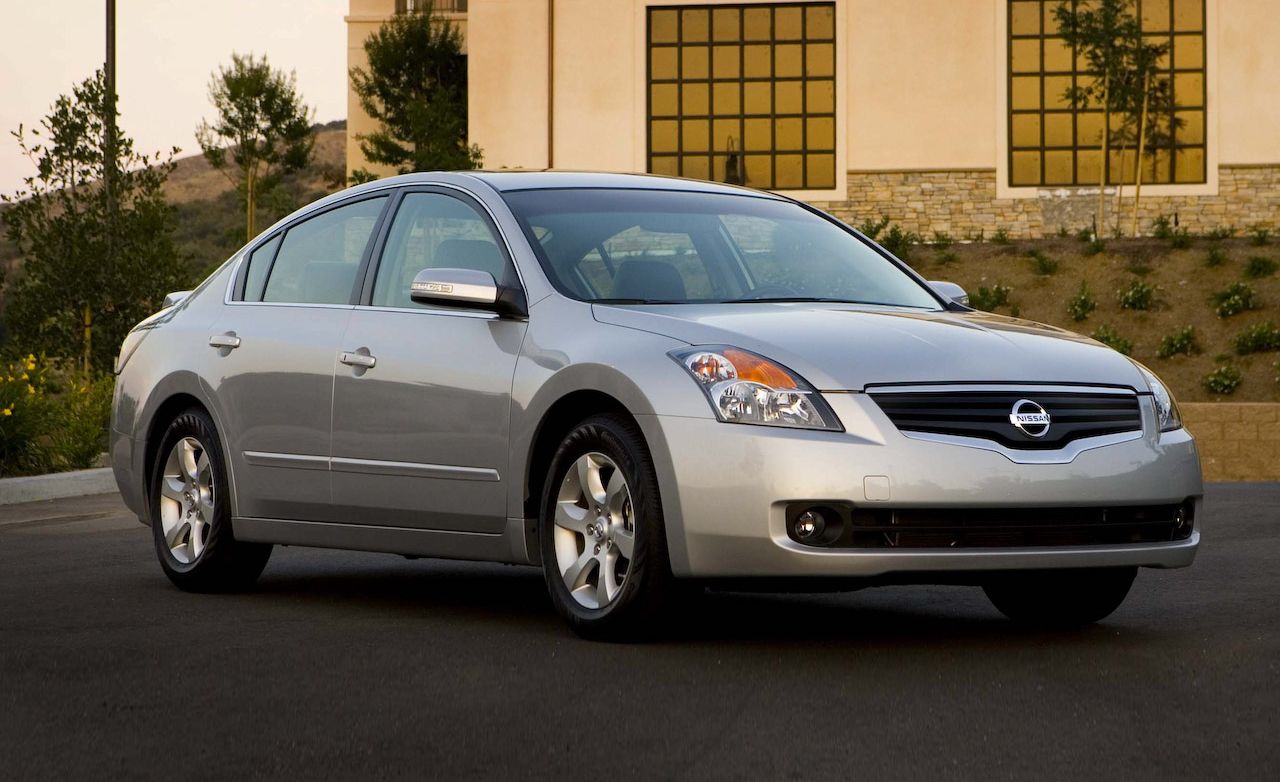
The Nissan Altima, particularly during the 2013 to 2018 production years, developed a concerning reputation for exhaust problems. While the car sold well thanks to its styling and affordable price, many owners began reporting exhaust failures surprisingly early in the ownership experience.
One recurring problem is early rusting of the exhaust pipes, especially near the muffler and rear section. This is particularly frustrating for drivers in colder areas, where road salt and moisture exacerbate the issue rapidly, leading to corrosion that spreads fast and unevenly.
Part of the problem lies in the low position of the rear exhaust components. The muffler and connecting pipes are quite exposed to the elements, and the underbody shielding is minimal at best. This makes them especially vulnerable to splash from wet roads and accumulations of salt.
Compounding the issue is the use of lower-grade metal, which doesn’t hold up well against moisture or temperature fluctuations. As a result, holes can begin to form in the system well before 100,000 miles, leading to loud noises, vibrations, and even emissions test failures.
Another significant issue is the welds used in the Altima’s exhaust assembly. Many components are welded in place rather than bolted, which means when one section rusts out or breaks, it’s often not possible to replace just that piece. Instead, owners are forced to replace an entire length of the exhaust system, driving up costs unnecessarily.
The flange connections also tend to rust out early, which causes leaks and reduces fuel efficiency and performance. Owners often describe a “buzzing” or “humming” sound as one of the early signs of failure.
To make matters worse, the aftermarket support for Altima exhaust systems is not especially strong. While generic components exist, getting a precise fit can be difficult, especially for those without access to professional welding.
Many owners are surprised at how much it costs to fix what seems like a minor issue, especially considering how early these problems appear. It’s a disappointing area of failure in what is otherwise a capable and comfortable midsize sedan.
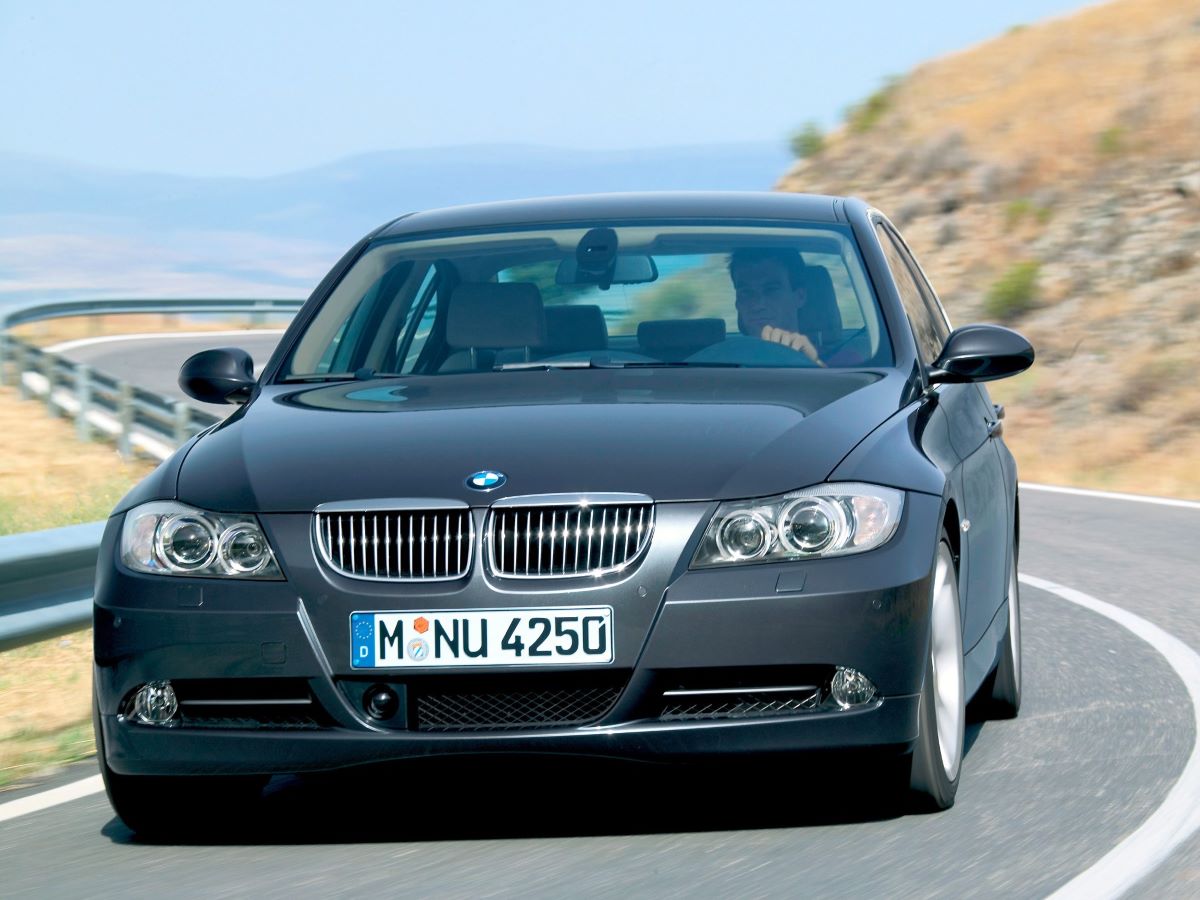
4. BMW 3 Series (E90, 2006–2013)
While BMW is known for its engineering, not all models are created equally when it comes to long-term durability. The E90 3 Series, in particular, is notorious for a number of costly maintenance items, and the exhaust system is one of the more problematic areas.
A mix of heat-related wear, part complexity, and questionable material choices contribute to frequent exhaust issues in these vehicles, even for those who maintain them meticulously. Owners often encounter cracked manifolds, failing flex pipes, and rusted flanges well before they expect to.
One major challenge with the E90 exhaust is heat management. The inline-six engines, especially the N54 and N55 turbocharged variants, produce a large amount of heat. Over time, the exhaust manifold can warp or crack, particularly on the turbocharged versions.
Once a crack begins, it often leads to exhaust leaks, reduced performance, and a check engine light. The design of the manifold makes it labor-intensive to access, and repairs usually require significant disassembly, increasing cost and downtime.
The use of mid-grade metals throughout the exhaust system doesn’t help the situation. While some sections are stainless steel, others are prone to corrosion, especially the clamps and connecting flanges.
Rust is not just a cosmetic issue in these vehicles; it can compromise the seal between components and lead to noticeable power loss or an unpleasant exhaust smell inside the cabin.
Given the cost of OEM parts and the labor required to fix them, this becomes a serious concern for owners trying to keep their car in top shape.
Another issue is the exhaust mounting system, which lacks the durability seen in more modern or better-designed platforms. Broken hangers are a common issue, and vibrations can cause welds to deteriorate prematurely.
Many E90 owners end up spending thousands replacing or repairing sections of the exhaust system even before the car reaches 100,000 miles.
It’s a disappointing aspect of an otherwise enjoyable and performance-focused vehicle, made worse by the fact that many of the failures could be avoided with more thoughtful design.
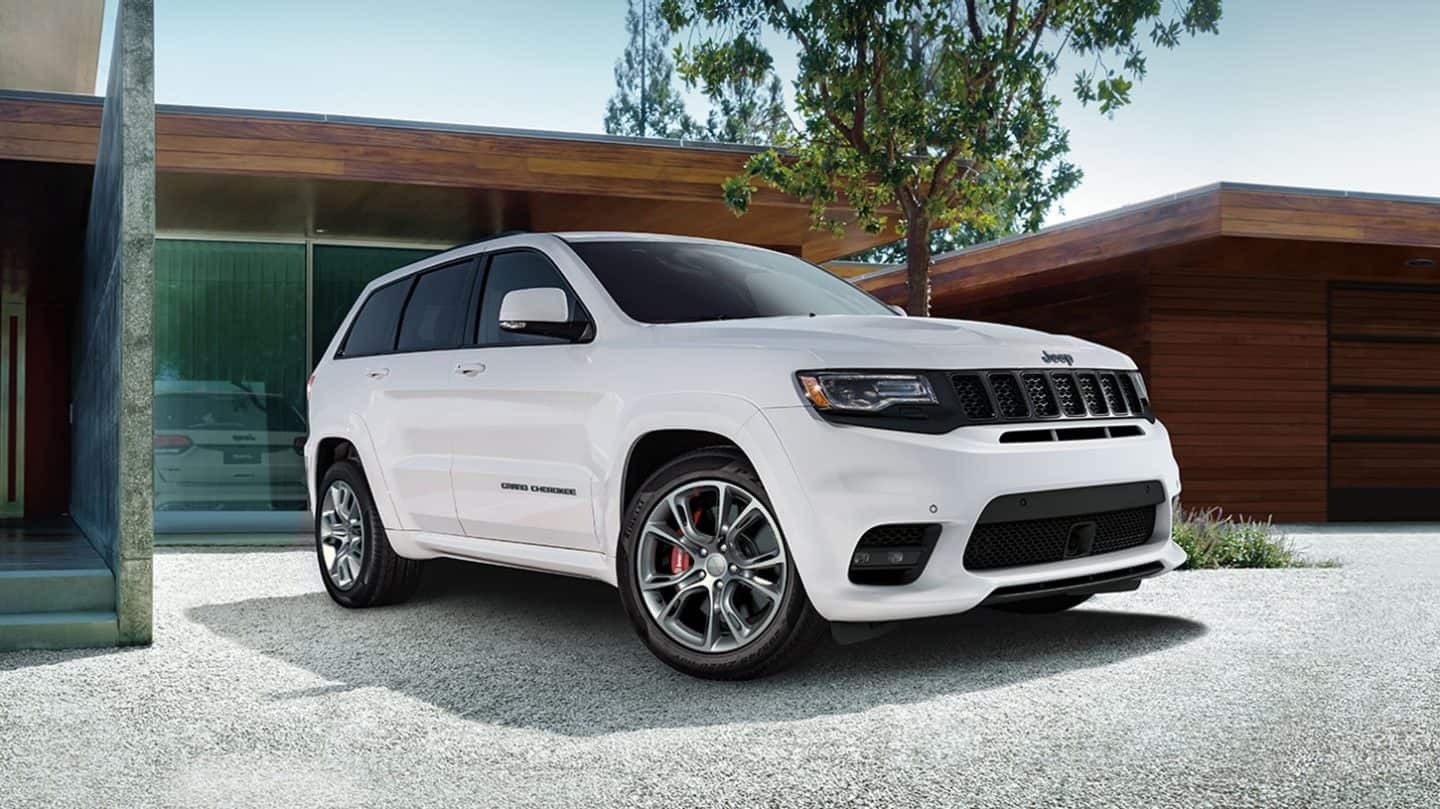
5. Jeep Grand Cherokee (2011–2019)
The Jeep Grand Cherokee, despite its rugged image and off-road capability, suffers from a surprisingly fragile exhaust system. Whether equipped with a V6 or V8, the exhaust components tend to degrade faster than expected, especially in regions with heavy winter conditions.
One major weak point lies in the rear muffler and tailpipe assembly, which is large, awkwardly mounted, and vulnerable to both impact damage and moisture-related corrosion. For an SUV that’s supposed to be trail-ready, this is a surprising oversight.
The exhaust routing on the Grand Cherokee leaves several key components relatively exposed. There’s not enough shielding around the resonator and catalytic converter sections, and salt, water, or dirt often collects in the bends and flanges, leading to accelerated corrosion.
Many owners report issues with rusted-out flanges and holes developing in the midpipe, sometimes in less than 60,000 miles. What’s more frustrating is that the parts are not modular, so a small failure can require replacing large sections of piping.
Heat management is also an issue, particularly on the V8 models. The underbody gets extremely hot, which not only strains the exhaust itself but also causes nearby components to age prematurely.
The Grand Cherokee lacks the refined insulation and underbody engineering seen in more premium SUVs, and this becomes noticeable after years of ownership.
In some cases, owners have reported that heat from the exhaust can cause deterioration of the surrounding plastic panels or rubber mounts, which then leads to increased vibration and early failure of exhaust brackets or couplings. Once the system starts vibrating excessively, stress fractures appear in the welds, and the situation quickly deteriorates.
Another pain point is the flex pipe section near the engine, which is prone to fatigue and eventual tearing. The flex pipe is essential for managing engine movement and keeping the exhaust system from cracking under load, but in this application, it doesn’t seem to be durable enough.
The tearing of the flex pipe often results in loud engine noise, reduced backpressure, and a sudden drop in fuel economy.
Replacing the part is not only costly but also time-consuming because of its location and the interconnected nature of the system. Owners who use their vehicles for towing or light off-roading tend to experience these failures more often, which seems counter to the vehicle’s marketed capabilities.
Compounding all these issues is the limited availability of high-quality aftermarket replacements. Jeep uses specific layouts and proprietary flange designs that make it hard to simply “swap in” a new section without modifying the adjacent parts. This adds labor costs and complexity to what should be a relatively simple exhaust repair.
Even some dealership repairs require replacing longer sections than necessary because individual flanges are not sold separately.
The end result is that many owners are forced into expensive fixes that come far earlier than they anticipated. While the Grand Cherokee remains a capable SUV in many respects, the exhaust system is one of its weakest areas in terms of long-term reliability.
Also Read: 5 Cars With Dependable Start-Stop Systems and 5 That Annoy Owners
When evaluating the long-term value of a vehicle, many drivers focus on major systems like the engine, transmission, or suspension. Yet the exhaust system plays an equally critical role in how a car ages and how much it costs to maintain.
As seen in the examples above, some manufacturers put real thought and resources into building exhaust systems that can endure the life of the vehicle without incident.
Others cut corners through cheap materials, poor layout decisions, or weak mounting systems, leading to failures that feel premature and costly.
Cars like the Toyota Camry, Honda Accord, and Lexus RX show that long-lasting exhaust systems don’t have to be complicated.
By using high-quality materials like stainless steel, placing exhaust components away from road debris, and designing hangers that absorb movement instead of transferring it, these vehicles manage to avoid many of the problems that plague their peers.
Even in harsh climates or under heavy use, these systems often stay intact well into high mileage, saving owners thousands in potential repair costs over time.
On the flip side, models like the Ford Focus, Chevrolet Cruze, and Nissan Altima expose the risks of underengineering in this area. In many cases, manufacturers used bare or thin-walled steel pipes, limited the use of protective shielding, or placed components in vulnerable locations.
The result is that many of these systems start showing rust or develop leaks well before they should. Worse still, when problems arise, repairs can be disproportionately expensive due to poor part modularity or complicated labor procedures.
The vehicles themselves may still be running well, but a failed exhaust system can render them noisy, inefficient, or even illegal in states with strict emissions testing.
One of the surprising entries on the unreliable list is the BMW E90 3 Series, which shows that even higher-end cars aren’t immune to these issues.
Performance models tend to run hotter and harder, but that’s no excuse for exhaust systems that crack or corrode under regular use.
Similarly, the Jeep Grand Cherokee struggles under the weight of its own design expectations. It’s meant to handle tough conditions, but its exhaust system fails to meet those demands, both in terms of durability and accessibility.
