
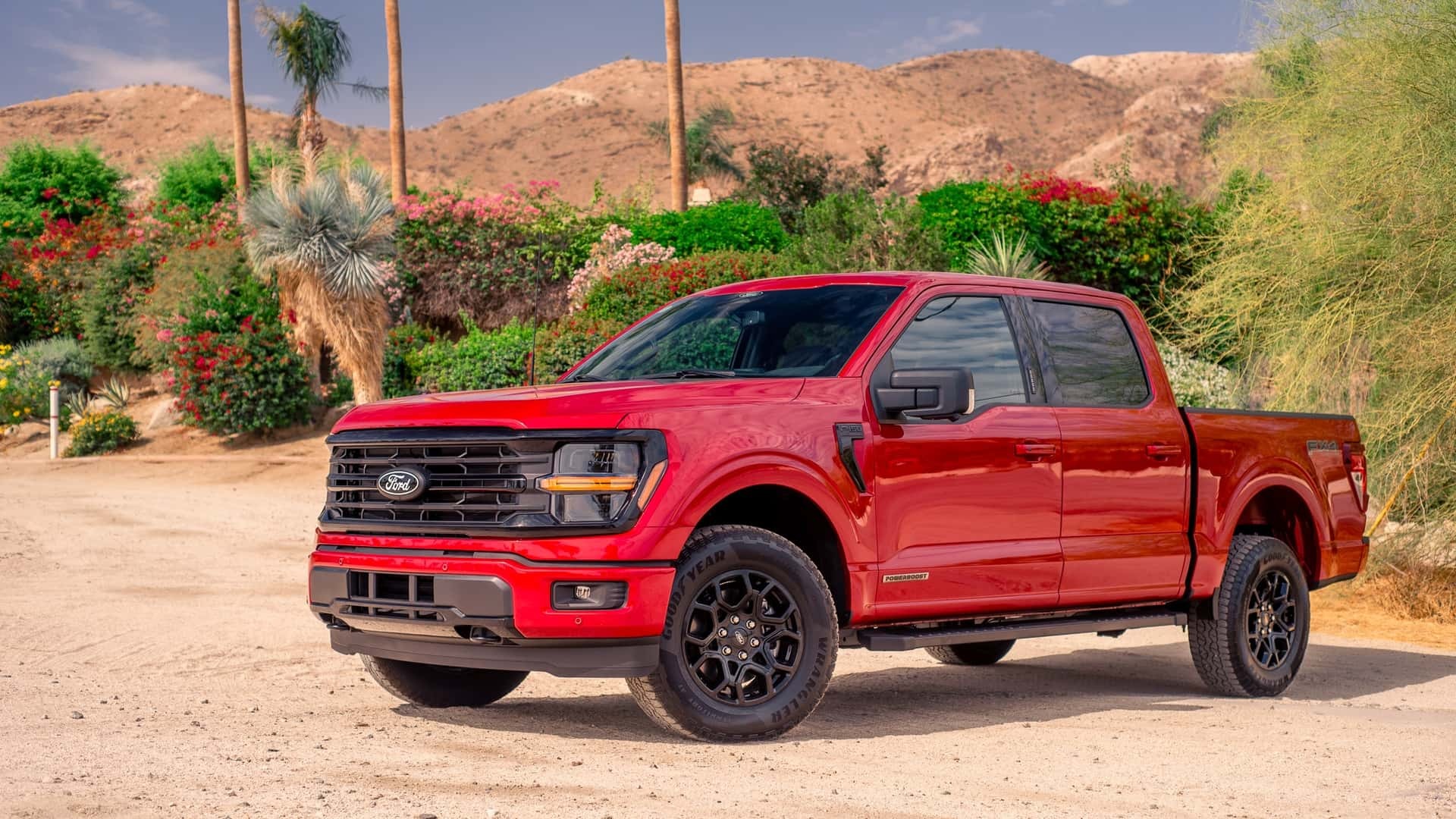
Fuel efficiency is a critical factor for many when choosing a vehicle. It affects not only the cost of running a car but also the environmental impact and satisfaction with the ownership experience.
Some vehicles maintain their fuel economy over time due to their engineering, design, and maintenance friendliness, while others tend to lose efficiency rapidly as they age, leading to increased fuel consumption and frustration.
Understanding which cars are likely to stay fuel efficient throughout their lifespan versus those that do not can save owners significant money and reduce environmental footprints.
There are many factors that influence whether a car remains fuel efficient over the years. These include the type of engine, transmission, weight of the vehicle, aerodynamics, maintenance needs, and technological updates.
For example, cars equipped with advanced fuel management systems and hybrid powertrains tend to preserve fuel economy better than older designs. On the other hand, vehicles with less sophisticated systems or poor maintenance access may see their fuel efficiency degrade quickly.
While new cars often boast impressive fuel economy ratings, not all of these numbers hold true after thousands of miles and years of use. Components like fuel injectors, oxygen sensors, and spark plugs degrade and can cause engines to run less efficiently.
Transmission wear or issues with tires and suspension can also increase rolling resistance, further reducing mileage. Some cars have a track record of aging gracefully in terms of fuel economy, while others tend to require frequent repairs or have inherent design flaws that impact efficiency as time goes by.
This article will examine five cars known to stay fuel-efficient for life and contrast them with five that generally do not. These examples will help highlight the characteristics that contribute to long-term fuel economy and provide a guide for those seeking reliable, economical transportation that stands the test of time.
By understanding these differences, prospective buyers can make smarter choices, and current owners can better maintain their vehicles to maximize savings on fuel over the long haul.
Also Read: 5 Hybrid Engines That Survive 300k Miles vs 5 That Don’t
5 Cars That Stay Fuel Efficient for Life
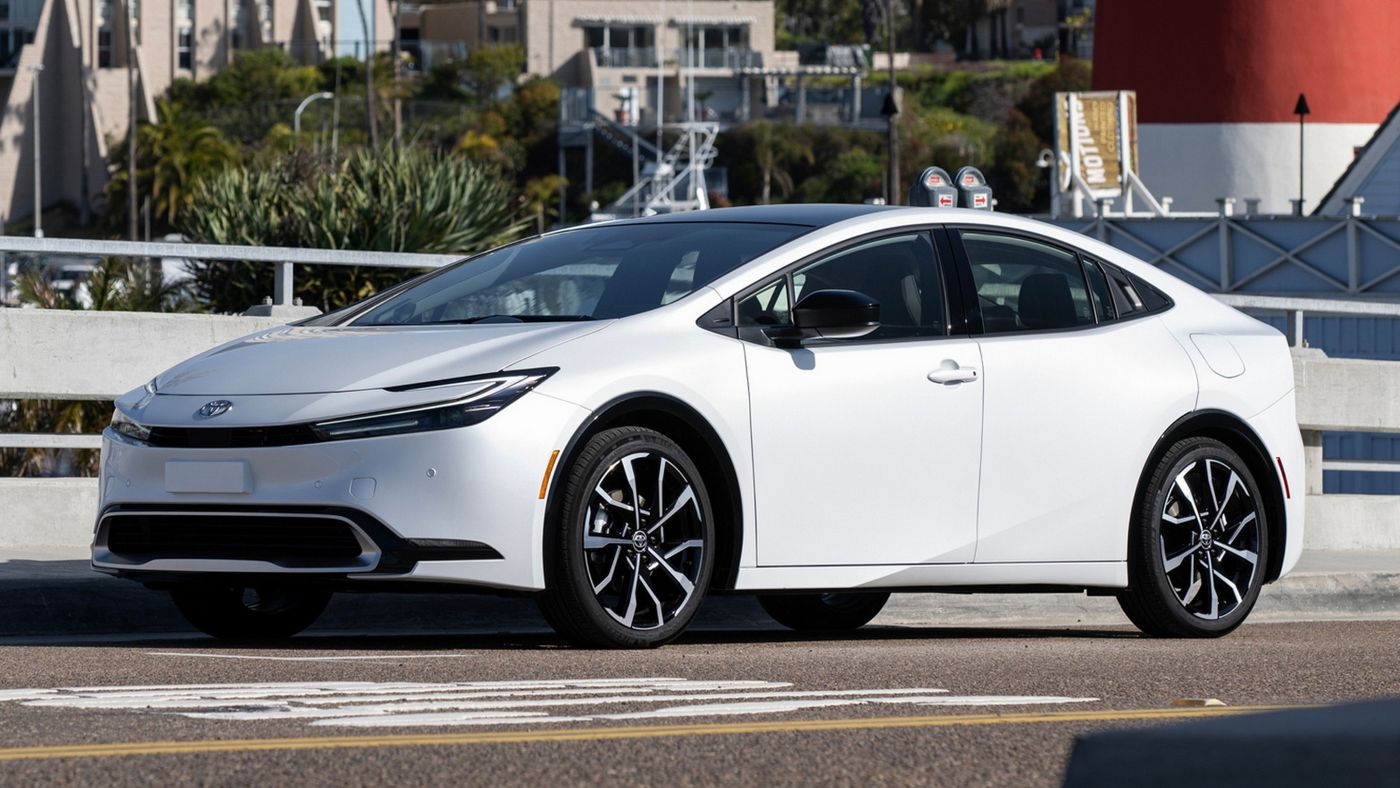
1. Toyota Prius
The Toyota Prius has set a standard for hybrid technology and fuel efficiency that few vehicles have matched. Introduced as one of the first widely available hybrid cars, it combines a traditional gasoline engine with an electric motor to significantly reduce fuel consumption.
What truly distinguishes the Prius, however, is its ability to maintain this fuel efficiency well beyond the initial years of ownership. Numerous owners report that their vehicles continue to deliver excellent miles per gallon after hundreds of thousands of miles, which speaks to the durability and thoughtful engineering of the car’s hybrid system.
The electric motor assists the gas engine during acceleration and captures energy during braking, allowing for energy reuse that reduces fuel usage. This well-balanced interaction between components minimizes strain on the engine and ensures fuel economy remains high even with long-term use.
The hybrid battery pack is a crucial element in preserving the Prius’s fuel efficiency over the years. While hybrid batteries are often seen as a weak point in some vehicles, Toyota has made significant improvements in battery technology and thermal management, resulting in battery packs that frequently last for 150,000 to 200,000 miles or more before needing replacement.
The cost of replacement has also decreased over time due to advances in manufacturing and the availability of aftermarket options. Beyond the battery, the Prius benefits from an engine that is designed to operate under low-stress conditions thanks to the electric motor’s support, which reduces wear and tear.
This engineering approach helps keep the gasoline engine operating smoothly and efficiently even as the vehicle accumulates mileage, allowing the Prius to stay fuel-efficient for the long haul.
Aerodynamics and vehicle weight play an important role in the Prius’s longevity in fuel efficiency. The car’s streamlined body design reduces drag, allowing it to slice through the air with minimal resistance, especially at highway speeds where aerodynamic drag has a larger impact on fuel consumption.
In addition, Toyota has used lightweight materials wherever possible to lower the vehicle’s curb weight, further reducing the energy required to move the car. This combination of low drag and light weight ensures the engine and electric motor don’t have to work harder than necessary, preserving fuel economy as the car ages.
Furthermore, the continuously variable transmission (CVT) contributes to this efficiency by allowing the engine to operate in its optimal rpm range at all times, avoiding the inefficiencies caused by traditional fixed-gear transmissions.
Lastly, Toyota’s reputation for reliability and extensive service network supports the Prius’s ability to stay fuel efficient for life. Routine maintenance such as oil changes, tire rotations, and hybrid system checks are made easier and more affordable by the widespread availability of parts and trained technicians.
Because the hybrid system is well understood by many mechanics, owners face fewer barriers to proper upkeep. This accessibility encourages consistent maintenance, which is essential for preventing efficiency losses.
Moreover, Toyota’s commitment to quality control and continuous improvement in manufacturing means that Prius components are generally built to last, helping to avoid premature failures that could compromise fuel economy.
Taken together, these factors make the Toyota Prius a model known for long-term fuel efficiency that many owners find unmatched.
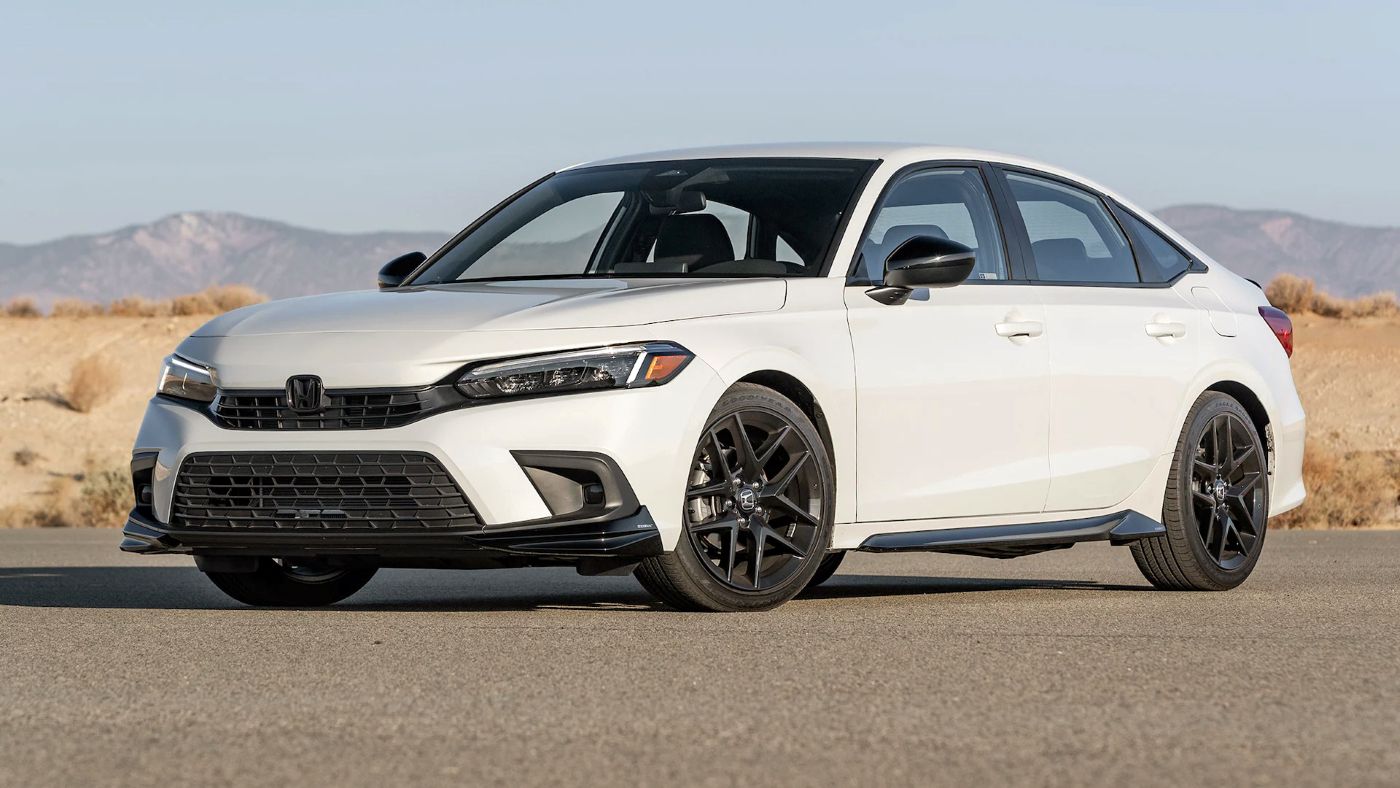
2. Honda Civic
The Honda Civic has built a reputation over decades for combining practicality, durability, and excellent fuel economy. It remains one of the most popular compact cars worldwide due to its proven track record of maintaining good mileage even after significant use.
The engine designs in the Civic have evolved through the years but consistently emphasize fuel efficiency without sacrificing reliability.
Honda’s engineering includes features such as variable valve timing and advanced fuel injection, which optimize the combustion process to extract the maximum energy from each drop of fuel. This focus on combustion efficiency ensures that even older Civics, when properly maintained, do not experience dramatic fuel economy declines.
Beyond engine technology, the Civic’s chassis and suspension setup help sustain fuel efficiency by promoting smooth and stable driving dynamics. The car is relatively lightweight compared to many competitors, which means less energy is required for acceleration and cruising.
The suspension system is tuned to provide a balance between comfort and efficiency, minimizing energy loss through unnecessary movement or excessive rolling resistance. Aerodynamics are also thoughtfully considered, with a low drag coefficient that helps the vehicle maintain higher fuel economy at highway speeds.
These factors combined mean the Civic does not have to work harder to maintain speed, which reduces fuel consumption, especially important as mechanical components age.
The transmission systems available on the Civic, including manual and CVT options, also support long-term fuel efficiency. Manuals, when driven skillfully, offer excellent control over engine output and fuel consumption, often outperforming automatic alternatives in this regard.
The CVTs, on the other hand, are designed to keep the engine within its most efficient operating range by providing a seamless range of gear ratios, avoiding the typical inefficiencies of fixed-gear transmissions.
As these transmissions age, Honda’s reputation for quality ensures they remain reliable and efficient if properly maintained, which contributes to the Civic’s ability to retain its fuel-saving edge for many years.
Another key factor in the Civic’s lasting fuel economy is its low cost and ease of maintenance. Honda engines and components are widely available, and many owners take advantage of this by performing routine upkeep themselves or visiting affordable service centers.
Tasks such as replacing air filters, spark plugs, and performing fuel system cleanings are straightforward and can greatly extend the time a Civic operates at peak fuel efficiency.
Additionally, Honda’s design choices emphasize mechanical simplicity and durability, meaning fewer breakdowns and less frequent expensive repairs that might otherwise lead to neglect or inefficiency.
This combination of engineering, design, and serviceability helps explain why the Honda Civic remains a consistent performer in fuel economy across its lifespan.
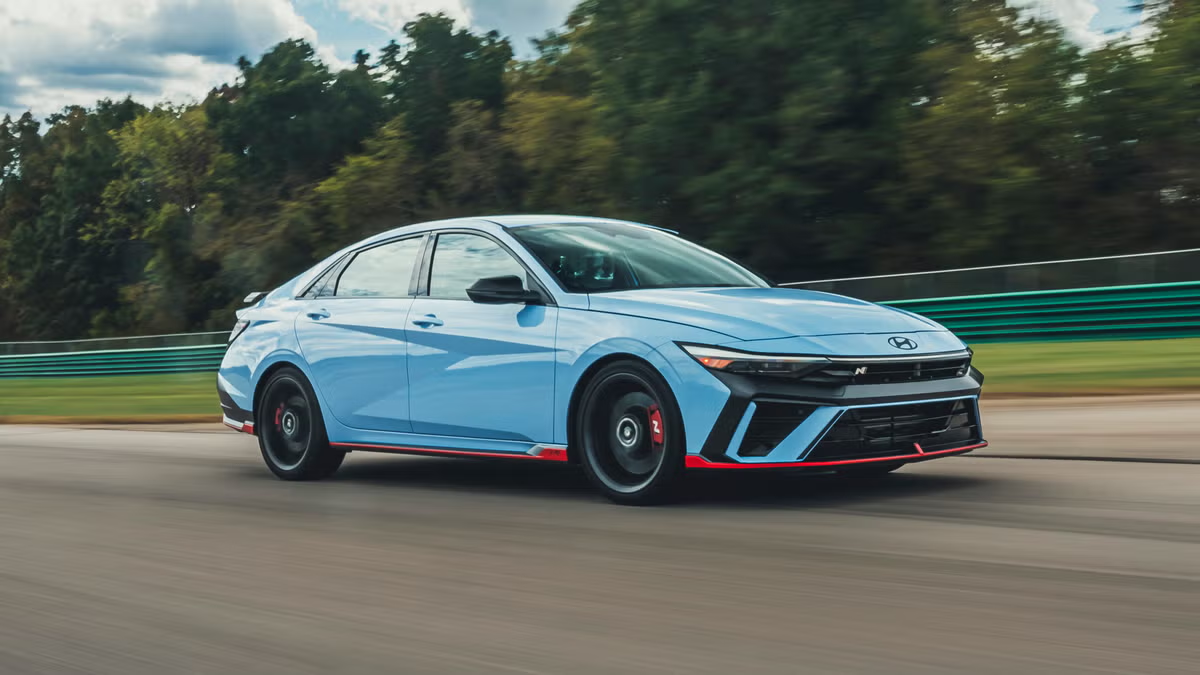
3. Hyundai Elantra
The Hyundai Elantra represents a newer generation of compact cars designed to offer exceptional fuel efficiency paired with value and reliability. In recent years, Hyundai has invested heavily in modernizing its engines and transmissions to compete with long-established leaders like Toyota and Honda.
The Elantra’s fuel-saving technologies include direct fuel injection, turbocharging in some models, and advanced transmission options like continuously variable transmissions (CVTs) that contribute to steady fuel economy retention.
The company’s focus on reducing internal engine friction and improving combustion efficiency allows the Elantra to maintain its initial fuel economy ratings better than many competitors, even after many miles of use.
Weight reduction and aerodynamics also play critical roles in the Elantra’s lasting fuel economy. Hyundai has utilized high-strength steel and lightweight materials to reduce the car’s mass, lowering the energy required for acceleration and maintaining cruising speeds.
The vehicle’s shape is designed to minimize wind resistance, which is particularly beneficial on highways where aerodynamic drag impacts fuel use more heavily.
These design features help the Elantra’s engine work less, preserving fuel economy as the vehicle ages and components start to wear naturally. Furthermore, the suspension system is engineered to provide a smooth ride while minimizing rolling resistance, which also aids in fuel conservation.
Hyundai’s modern transmission options further enhance fuel economy retention. Many Elantras come equipped with CVTs or advanced automatics with multiple gears that adapt engine speed to driving conditions more efficiently than traditional transmissions.
This adaptability means the engine is less likely to operate inefficiently as the car accumulates miles and the transmission ages. When properly maintained, these transmissions continue to offer fuel savings by avoiding unnecessary revving or power loss, which is a common issue with older transmission designs.
Hyundai’s warranty coverage and focus on quality also encourage owners to perform regular maintenance, which is critical to avoiding efficiency loss.
Maintenance accessibility and cost-effectiveness are additional reasons the Elantra maintains fuel efficiency over time. Hyundai has built a network of dealerships and service centers that offer affordable repairs and maintenance, which reduces the risk that owners will neglect important service intervals.
Regular oil changes, fuel injector cleanings, and timely replacement of filters all contribute to keeping the engine running efficiently. With these factors combined, the Hyundai Elantra stands as a compelling option for buyers seeking a fuel-efficient vehicle that continues to perform well long after purchase.
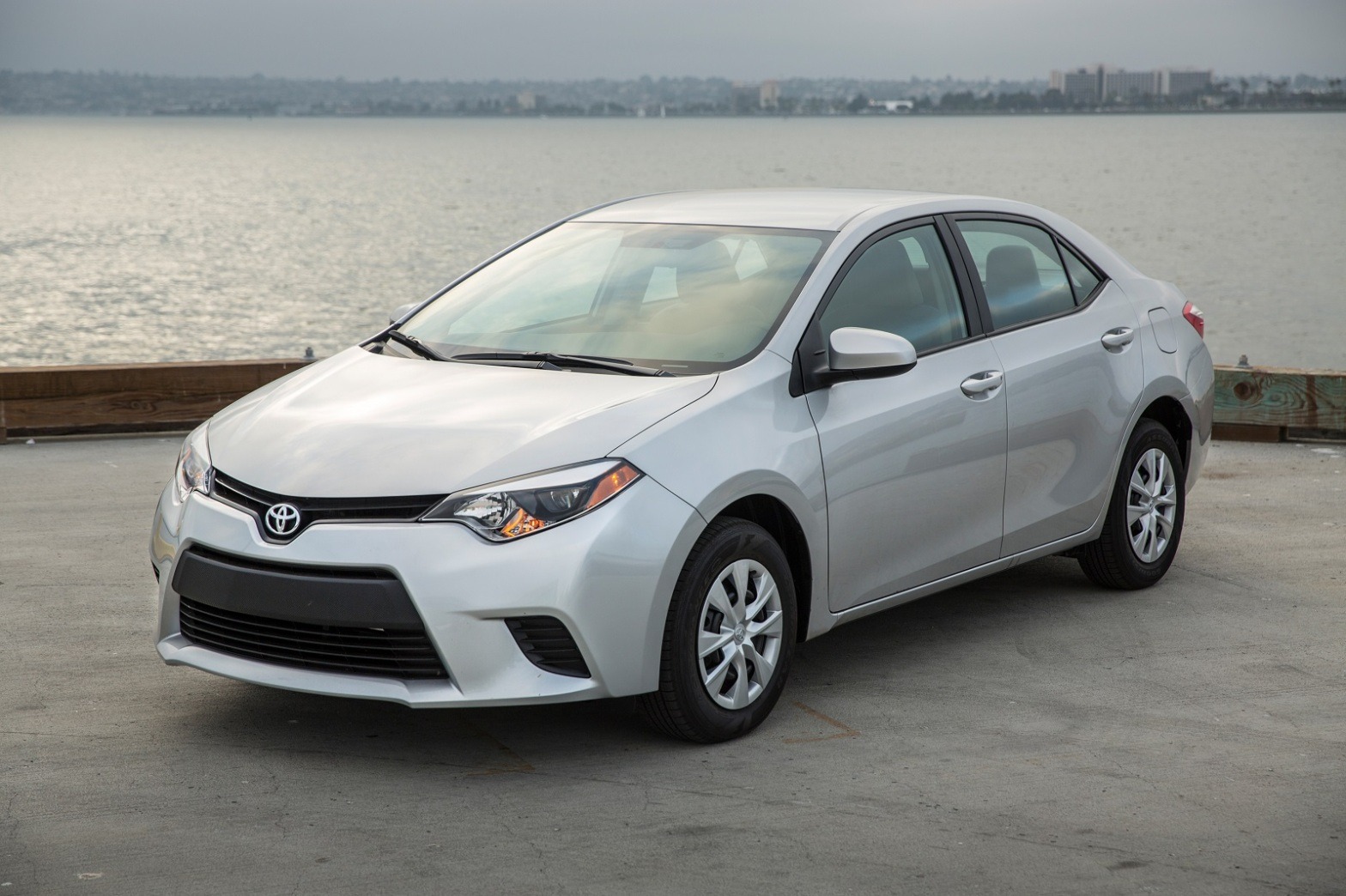
4. Toyota Corolla
The Toyota Corolla’s global success is closely tied to its reputation for reliability and fuel efficiency. It has been a favorite choice for millions of drivers who need an economical and dependable vehicle that will last for many years.
One of the primary reasons the Corolla stays fuel-efficient over time is its focus on a straightforward yet effective engine design.
Toyota’s commitment to continuous improvement in fuel management systems, such as precise fuel injection and efficient combustion chamber designs, allows the Corolla to extract maximum energy from fuel throughout its lifespan.
This simple and proven engine architecture avoids some of the complexities that can lead to inefficiencies or breakdowns in other vehicles.
In addition to its engine, the Corolla benefits from careful attention to weight and aerodynamics. Toyota has consistently worked to reduce the vehicle’s curb weight without sacrificing safety or comfort, which lowers the amount of energy needed to propel the car forward.
The car’s body shape is designed to minimize drag, especially at highway speeds, which further contributes to steady fuel consumption. The suspension system is balanced to reduce unnecessary tire and body movement, which helps keep rolling resistance low.
These design factors mean the Corolla does not have to expend excessive energy during normal driving, which helps fuel economy remain stable even as parts age.
Transmission technology also plays an important role in the Corolla’s lasting fuel efficiency. Many models feature continuously variable transmissions (CVTs) or smooth-shifting automatic gearboxes that keep the engine operating in its most efficient range.
By avoiding the inefficiencies of traditional gear changes, these transmissions allow the vehicle to use less fuel under a variety of conditions. Toyota’s focus on transmission reliability ensures these components wear slowly and remain functional over many miles when properly maintained, preserving the car’s fuel economy.
Finally, Toyota’s strong dealer network and emphasis on maintenance help the Corolla maintain its fuel efficiency for life. Owners are encouraged to adhere to regular service intervals, and the availability of affordable, genuine parts means repairs and upkeep are less burdensome financially.
Simple maintenance such as replacing spark plugs, cleaning fuel injectors, and regular oil changes keeps the engine and supporting systems running smoothly, preventing efficiency losses due to neglect. Together, these factors make the Corolla one of the best vehicles for maintaining good fuel economy over an extended ownership period.
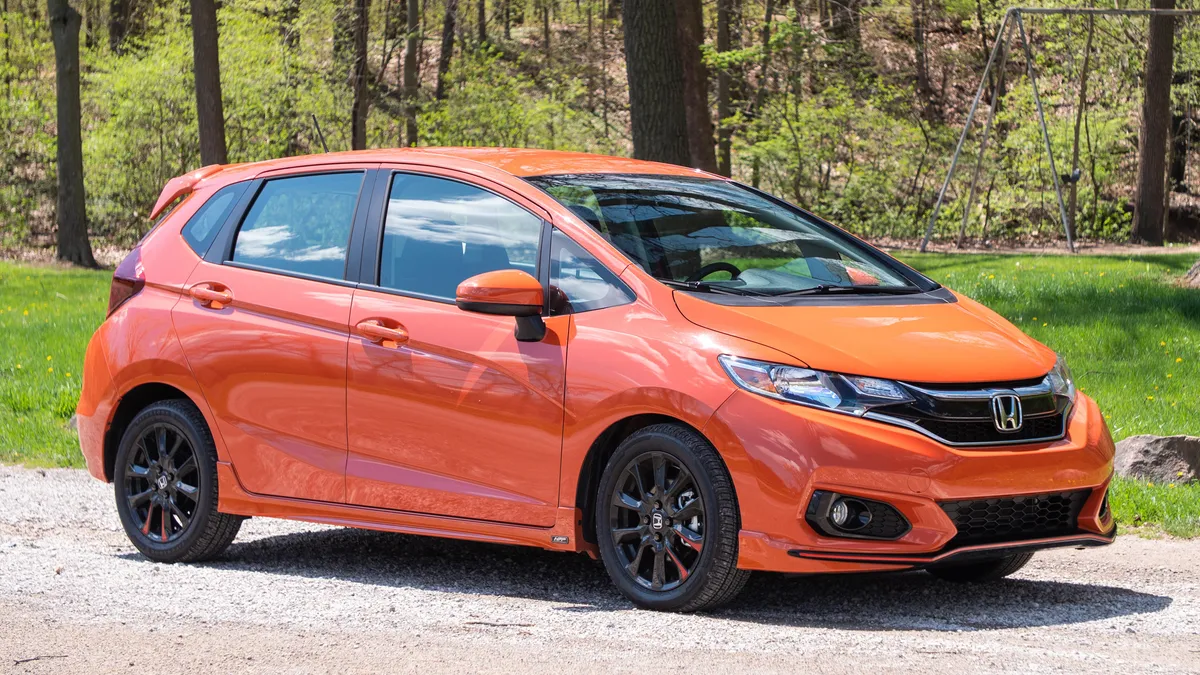
5. Honda Fit
The Honda Fit stands out in the subcompact segment due to its combination of fuel efficiency, reliability, and surprising versatility. This small car is designed to deliver excellent fuel economy right from the showroom, but it also maintains this efficiency throughout many years of ownership.
At the heart of this durability is a robust four-cylinder engine that balances power and efficiency. Honda employs variable valve timing and advanced electronic fuel injection to optimize combustion and minimize wasted fuel, allowing the Fit to sustain good mileage even as it ages.
The engine is known for its simplicity and reliability, making it less prone to the kinds of issues that cause fuel economy to drop in other vehicles.
The Fit’s compact and lightweight design contributes significantly to its fuel-saving abilities. Weighing less than many larger compact cars, the Fit requires less energy to accelerate and maintain speed, which reduces fuel consumption.
The car’s aerodynamic shape and clever packaging also help lower wind resistance, especially at higher speeds, where fuel savings are most noticeable.
Additionally, the Fit’s suspension system is designed to reduce rolling resistance without sacrificing ride comfort, aiding in the car’s ability to conserve fuel over time. This thoughtful design means that even as components naturally wear, the vehicle remains efficient.
The Fit typically comes equipped with a continuously variable transmission (CVT), which is a major factor in its long-term fuel efficiency. The CVT allows the engine to run at the most efficient rpm levels possible, adjusting seamlessly to driving conditions without the jolts or inefficiencies of conventional automatic transmissions.
This results in smoother acceleration and lower fuel use. Honda’s reputation for high-quality CVT design means these transmissions tend to be durable and maintain their efficiency over many miles, provided they are maintained properly.
The combination of a fuel-efficient engine and a smart transmission makes the Fit one of the best subcompacts for lasting fuel economy.
Maintenance is relatively simple and inexpensive on the Honda Fit, which encourages owners to keep up with regular servicing. Routine tasks such as oil changes, air filter replacements, and spark plug swaps are straightforward and can be performed by many owners themselves or at affordable service shops.
This ease of maintenance prevents the fuel system and engine from deteriorating due to neglect, helping to avoid the fuel economy drops common in less-maintained vehicles.
The Honda Fit is an excellent example of a car designed to deliver and maintain excellent fuel economy throughout its entire lifespan, making it a wise choice for cost-conscious drivers.
Also Read: 12 Upgraded 2025 Trucks Built to Withstand Abuse
5 Cars That Don’t Stay Fuel Efficient for Life
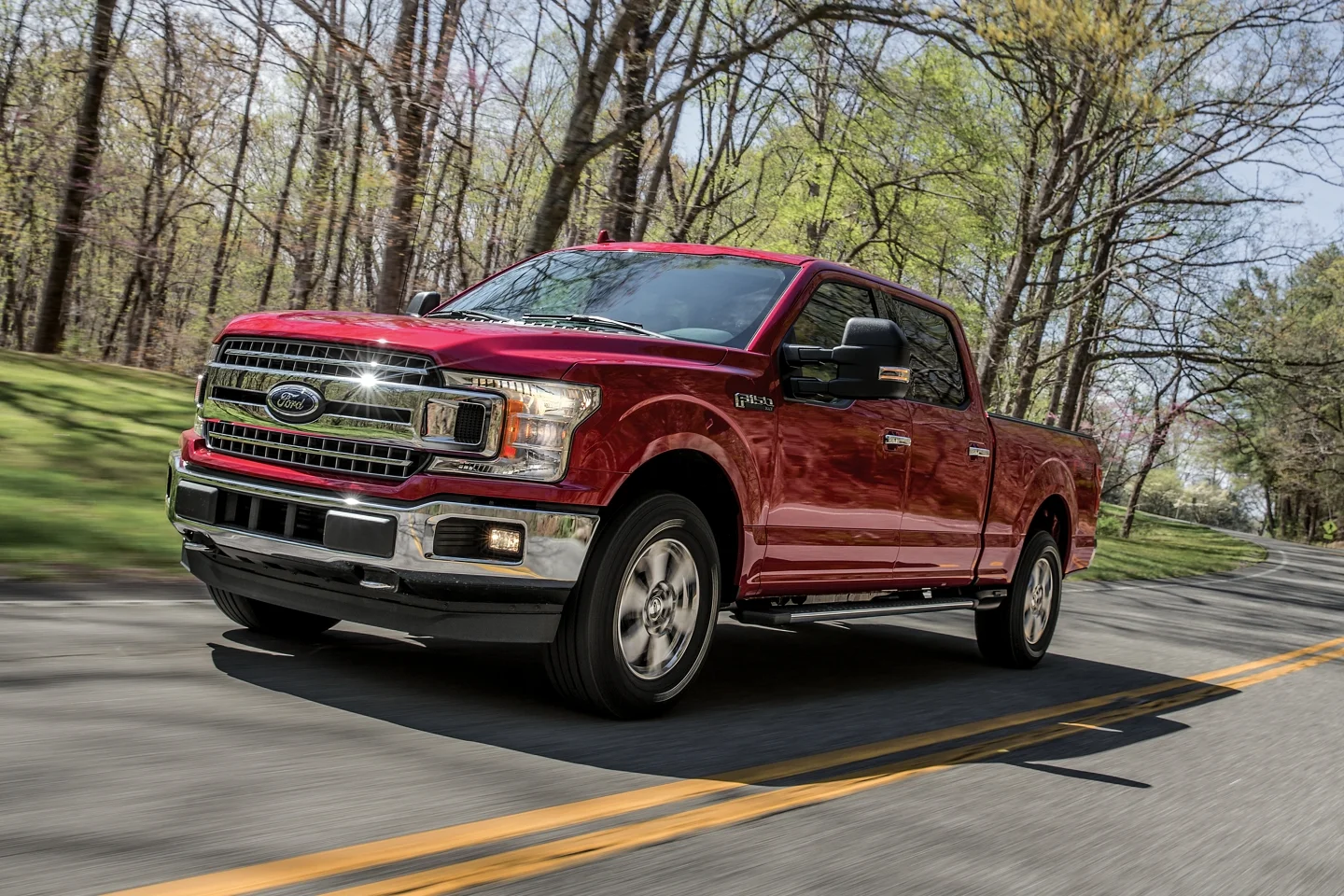
1. Ford F-150 (Older Models)
The Ford F-150 has long been a popular choice for truck buyers due to its ruggedness and capability. However, many older F-150 models, especially those from the early 2000s and before, tend to lose fuel efficiency significantly as they age.
This decline often stems from the sheer size and weight of the vehicle, combined with large displacement engines that were not optimized for long-term fuel economy.
These trucks were built primarily for power and towing capability rather than efficiency, and that emphasis often comes at a cost when it comes to fuel consumption. Over time, engine wear, buildup of deposits, and decreased performance of emission control systems cause these trucks to burn more fuel per mile than when new.
The F-150’s fuel efficiency problems with age are compounded by several mechanical factors. For instance, older engines tend to develop issues like leaking valve seals, worn piston rings, and inefficient fuel injectors, all of which contribute to poor combustion and increased fuel use.
The truck’s heavy frame and drivetrain components also place more strain on the engine as parts wear, further reducing efficiency. Many older F-150s were equipped with six-speed or even four-speed automatics, which are less efficient than modern transmissions, and their aging condition often exacerbates fuel consumption problems.
Additionally, routine maintenance is sometimes neglected due to the perception that trucks are “tough enough,” which leads to clogged air filters, old spark plugs, and neglected fuel systems, all contributing to a decline in fuel efficiency over time.
Aerodynamics, or the lack thereof, is another significant factor affecting fuel efficiency in older F-150s as they age. Trucks, by their very design, have higher drag coefficients than sedans or hatchbacks, which means they require more power to push through the air.
While this is always a concern for fuel economy, older trucks tend to experience more wear in their suspension and alignment, which can cause increased rolling resistance and uneven tire wear. This added mechanical resistance results in the engine having to work harder, thereby increasing fuel consumption.
Additionally, as trucks age, owners sometimes add aftermarket accessories like larger tires, lift kits, or heavy bed liners, all of which add weight or drag and further reduce fuel efficiency.
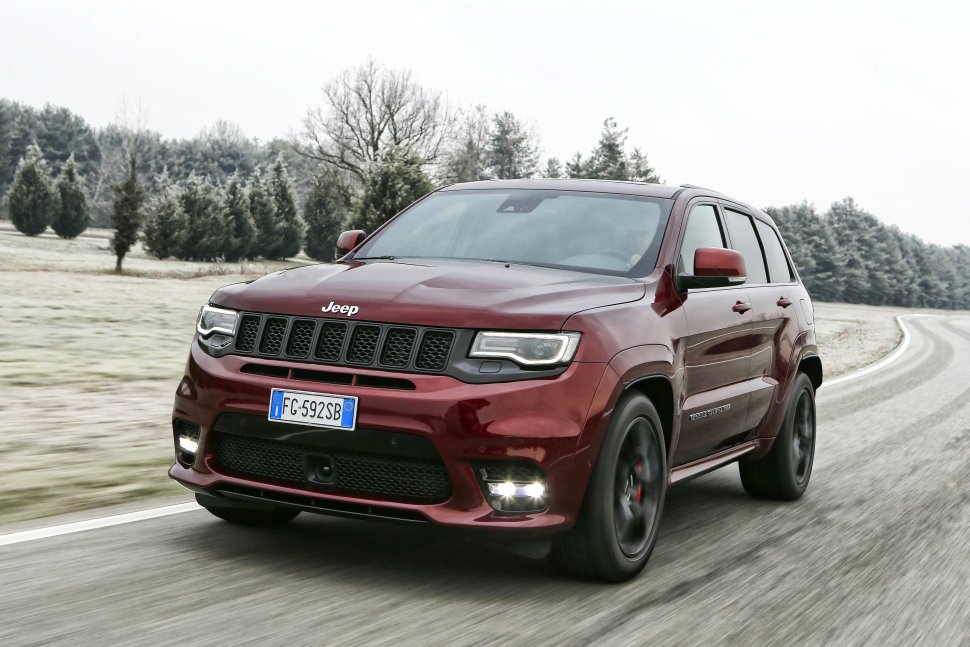
2. Jeep Grand Cherokee
The Jeep Grand Cherokee is widely appreciated for its off-road capabilities and rugged design, but it is not known for maintaining fuel efficiency over time. The vehicle’s relatively large engine sizes and heavy body contribute to its initial fuel consumption, and many owners notice a significant drop in miles per gallon as the vehicle ages.
One reason for this decline is that the Grand Cherokee’s engines, especially the V6 and V8 options in older models, tend to suffer from carbon buildup and fuel system wear over time.
These issues lead to inefficient combustion, resulting in increased fuel use. Additionally, the vehicle’s four-wheel-drive systems, while great for traction, add mechanical drag and complexity that can negatively impact fuel economy, especially if not properly maintained.
Wear and tear on critical engine components further worsen the Grand Cherokee’s fuel efficiency with age. Components such as spark plugs, oxygen sensors, and fuel injectors often degrade or become fouled over time, disrupting optimal engine timing and fuel-air mixture. This degradation not only increases emissions but also leads to higher fuel consumption.
The suspension and drivetrain components on the Grand Cherokee also experience heavy loads during off-road driving or towing, leading to increased friction and rolling resistance, both of which reduce fuel economy.
The vehicle’s transmission, especially in older models, may lose some of its smoothness and shift precision as it wears, forcing the engine to work harder and consume more fuel. Regular maintenance is essential but sometimes overlooked, which accelerates this decline in efficiency.
Aerodynamics also play a role in the Grand Cherokee’s falling fuel efficiency as it ages. The vehicle’s boxy and muscular shape creates substantial wind resistance, which negatively affects highway fuel economy.
Over time, small body panel misalignments, damaged trim, or replaced aftermarket accessories like roof racks and larger tires can increase drag. These factors, combined with heavier tires and wheels that many off-road enthusiasts prefer, increase rolling resistance and drivetrain load.
As these components age, the engine must produce more power to maintain speed, pushing fuel consumption higher. This is especially pronounced at highway speeds where aerodynamic drag dominates fuel use.
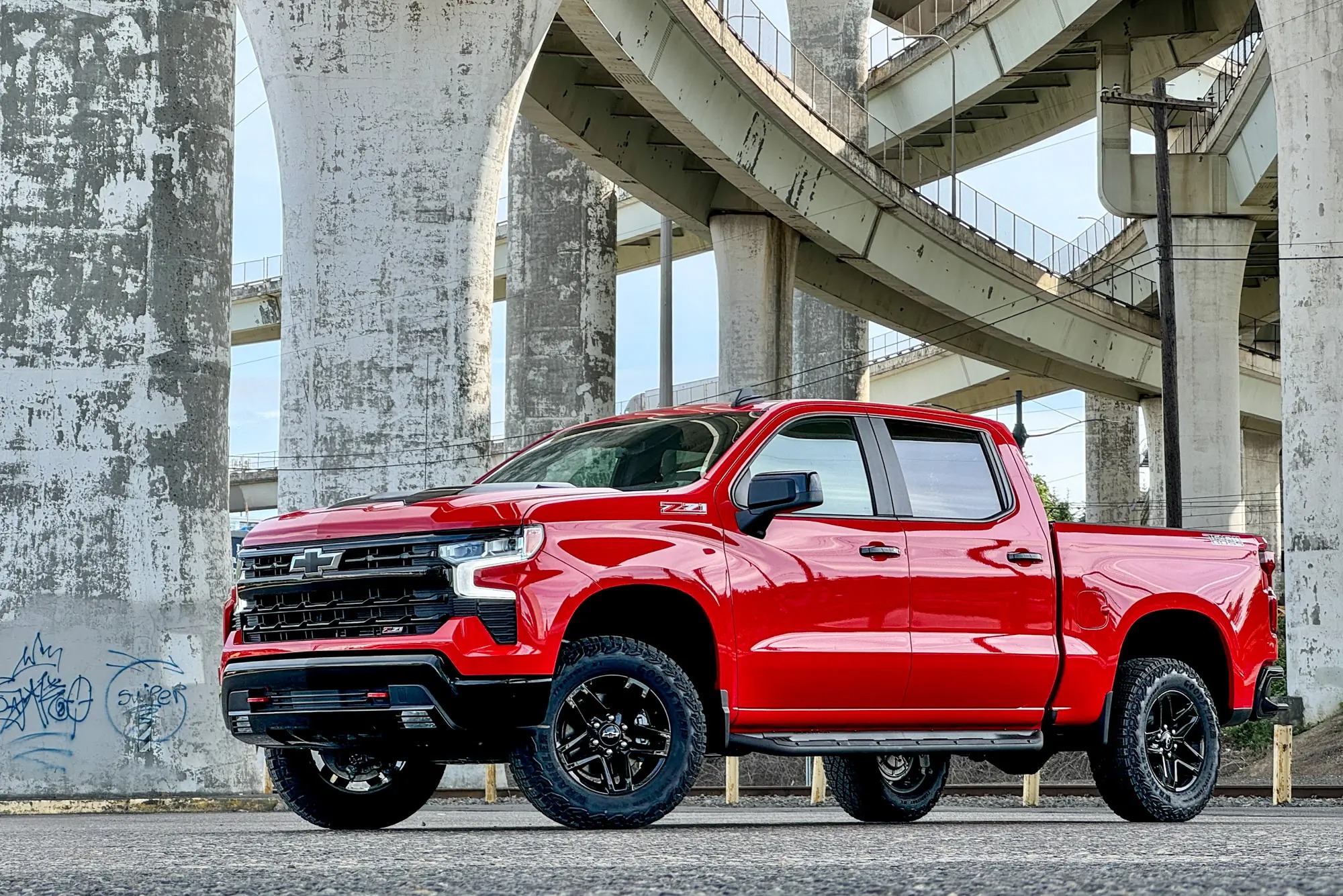
3. Chevrolet Silverado (Older Models)
The Chevrolet Silverado, particularly older models from before the mid-2010s, is well-regarded for power and utility but not for long-term fuel efficiency retention. Like many full-size pickup trucks, the Silverado was designed with an emphasis on towing and payload capacity rather than economical fuel use.
As a result, many older Silverados come equipped with large displacement V8 engines that consume more fuel from the start and become less efficient with age due to mechanical wear and aging fuel systems.
Common issues such as valve seal leaks, clogged fuel injectors, and decreased compression contribute to rising fuel consumption as mileage climbs. The Silverado’s heavy curb weight further exacerbates this problem, requiring the engine to work harder to move the vehicle, especially if towing or hauling heavy loads.
Mechanical degradation over time is a significant factor in the Silverado’s reduced fuel efficiency. The engine’s internal components can wear, leading to less effective combustion and increased oil consumption, which further reduces efficiency. The aging transmission may begin to slip or shift less smoothly, causing the engine to run at inefficient speeds.
Older Silverados were often equipped with four-speed automatics, which are less efficient compared to the advanced transmissions found in newer models.
The truck’s suspension and drivetrain components also undergo wear, increasing rolling resistance and mechanical drag. When combined with neglect or irregular maintenance, these issues contribute to a steady decline in fuel economy.
Aerodynamics are inherently challenging for large trucks like the Silverado. The tall, boxy body creates significant wind resistance, especially at highway speeds, which causes the engine to consume more fuel.
As the truck ages, wear on suspension and wheel alignment can lead to increased rolling resistance and uneven tire wear, which further hampers fuel efficiency.
Additionally, many Silverado owners customize their trucks with aftermarket wheels, tires, and accessories that add weight and drag.
This customization often results in reduced fuel economy over time. While newer Silverados have made strides with turbocharged engines and better aerodynamics, many older models simply cannot maintain their factory fuel economy ratings throughout their lifespan.
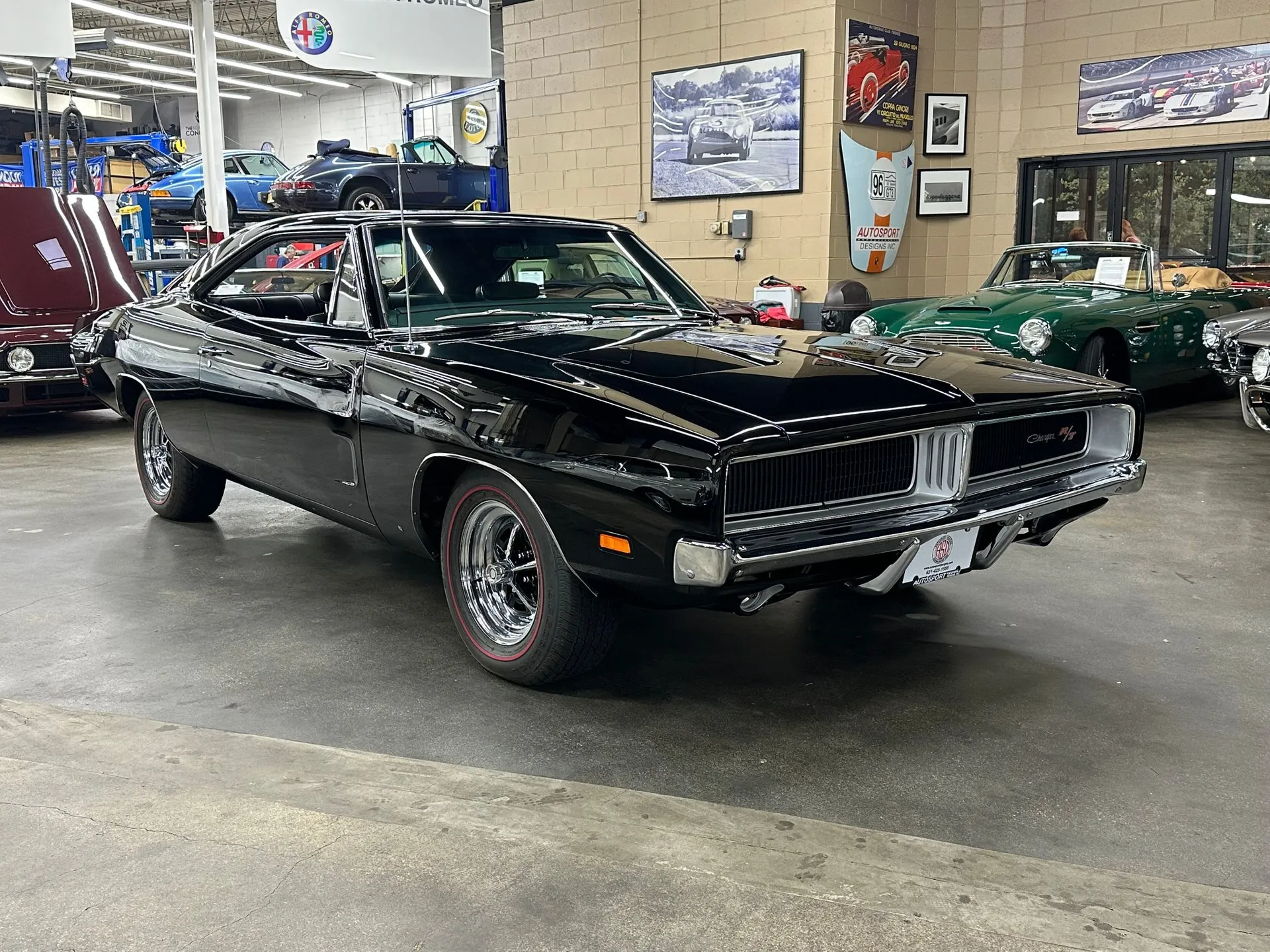
4. Dodge Charger (Older V8 Models)
The Dodge Charger, particularly models equipped with larger V8 engines from the early 2000s and before, is known more for performance and power than fuel economy. These vehicles start with relatively high fuel consumption, and many owners find that efficiency declines as the car ages.
The high-performance engines, designed for speed and torque, often consume more fuel when new, but mechanical wear over time makes the problem worse.
Components such as fuel injectors, spark plugs, and oxygen sensors can degrade, resulting in incomplete combustion and increased fuel use. The Charger’s heavier frame and performance-tuned suspension add to the energy required for acceleration and cruising, which further lowers fuel efficiency as parts wear.
Mechanical issues that come with aging, such as valve seal deterioration, worn piston rings, and carbon buildup in the combustion chambers, are common in older Chargers and directly impact fuel economy. These problems cause the engine to burn oil and reduce compression, which leads to inefficient fuel burning and higher consumption.
Additionally, older Chargers often have transmissions that can wear out or lose calibration over time, causing the engine to rev higher or shift less efficiently.
Without timely maintenance, these factors combine to create a steep decline in miles per gallon. The car’s performance-oriented design also means that it may be driven more aggressively, which accelerates wear and reduces fuel efficiency.
Aerodynamics and weight are also relevant in the Charger’s fuel efficiency decline. While the Charger has a more streamlined shape compared to trucks or SUVs, its muscular design and heavier components increase drag and rolling resistance.
Over time, body damage, misaligned panels, and replaced aftermarket parts like spoilers or larger wheels can negatively affect aerodynamics. The larger tires and wider stance common on performance Chargers increase friction with the road, which translates into more fuel use.
Aging suspension components also lead to decreased stability and higher rolling resistance, which the engine compensates for by consuming more fuel.
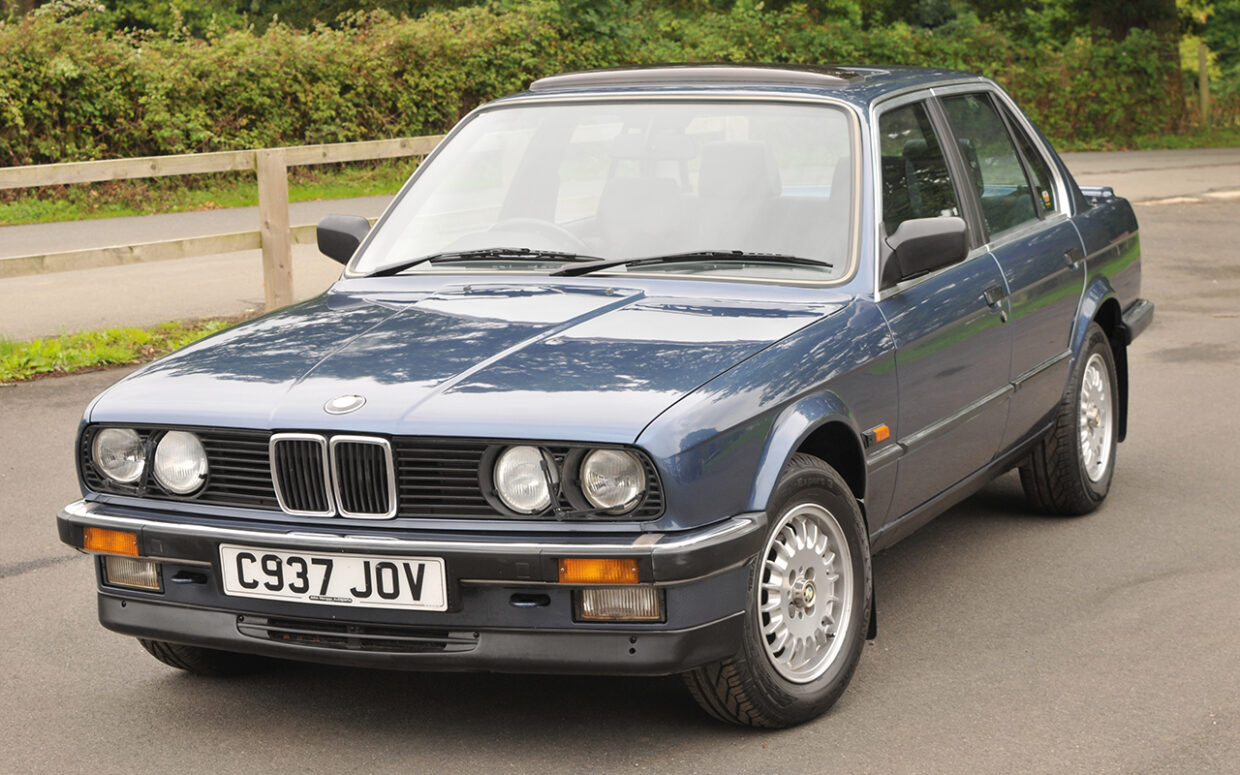
5. BMW 3 Series (Older Models with Larger Engines)
The BMW 3 Series, particularly older models equipped with six-cylinder or turbocharged engines, is known for its sporty driving experience but not for maintaining fuel efficiency over many years. While these vehicles often deliver respectable fuel economy when new, their fuel efficiency tends to decline noticeably as they age.
The complexity of BMW engines, with their intricate fuel injection systems and performance tuning, makes them more susceptible to issues that reduce fuel economy over time.
Problems like fuel injector clogging, turbocharger wear, and sensor failures can cause inefficient combustion and higher fuel consumption. Additionally, the 3 Series’ heavier chassis and performance-oriented components require more energy, particularly as engine and drivetrain wear sets in.
Mechanical wear on BMW engines can be significant if regular maintenance is not followed precisely. Valve guides, piston rings, and turbochargers may degrade, causing oil consumption and loss of compression, both of which harm fuel economy.
The high-performance transmissions used in these models can also lose efficiency as their hydraulic systems wear, leading to rougher shifts and increased fuel consumption.
Older BMWs often rely on advanced engine management electronics, which can develop faults or require recalibration over time to maintain fuel-saving performance. When these systems deteriorate, the car’s fuel efficiency often suffers, especially if repairs or replacements are costly or delayed.
Aerodynamic factors also contribute to fuel economy loss in aging 3 Series models. While the car’s design is relatively aerodynamic for a performance sedan, aftermarket modifications like larger wheels, spoilers, or lowered suspensions can increase drag and rolling resistance.
Over time, wear in suspension components and misalignments can add to rolling resistance and reduce tire efficiency. Since the 3 Series is often driven enthusiastically, the wear on tires and brakes can be more pronounced, leading to greater energy loss during acceleration and cruising.
These physical factors, combined with engine wear, contribute to the steady decline in fuel efficiency observed in many older BMWs.
