
Choosing the right SUV for city driving requires a careful balance between comfort, build quality, and durability. Urban roads can be unforgiving with their constant stop-and-go traffic, uneven surfaces, potholes, and speed bumps.
For drivers who spend a lot of time navigating through city streets, having a vehicle that feels stable and quiet is essential. A solid SUV will not only enhance the driving experience but also reduce stress and maintenance costs over time.
On the other hand, some SUVs, despite their promise of ruggedness or luxury, tend to develop rattles, squeaks, and creaks after just a few months of city use. These noises may seem minor at first but can become extremely annoying and often indicate subpar build quality or weak interior components.
City driving puts a unique kind of pressure on an SUV’s structure and interior fittings. The constant vibration from uneven pavement, combined with frequent braking and accelerating tests the durability of door seals, dashboard fixtures, suspension parts, and trim panels.
When a vehicle is designed with attention to detail and quality materials, it will remain quiet and solid over time. Conversely, models that cut corners in manufacturing or use cheaper parts can quickly become noisy and unpleasant to drive. The difference is noticeable, and it can significantly affect the ownership experience.
Many buyers focus on performance specs, engine power, or fuel efficiency when choosing an SUV for city driving, but the subtle factors like how the vehicle holds together and responds to the daily grind are just as important.
This article highlights five SUVs known for their solid, dependable feel in urban environments, emphasizing build quality and comfort.
It also examines five models that have developed reputations for rattling and squeaking under similar conditions. By understanding these characteristics, drivers can make better-informed decisions about which SUV will serve them best in the hustle and bustle of city life.
The following sections provide insights into the construction and user experiences of these vehicles. Whether you prioritize a quiet cabin, a smooth ride, or simply a no-nonsense, durable urban companion, this comparison sheds light on which SUVs rise to the challenge and which ones fall short in maintaining composure on city streets.
Also Read: Top 10 Cars That Are Built Like Tanks
5 SUVs That Stay Solid in City Driving
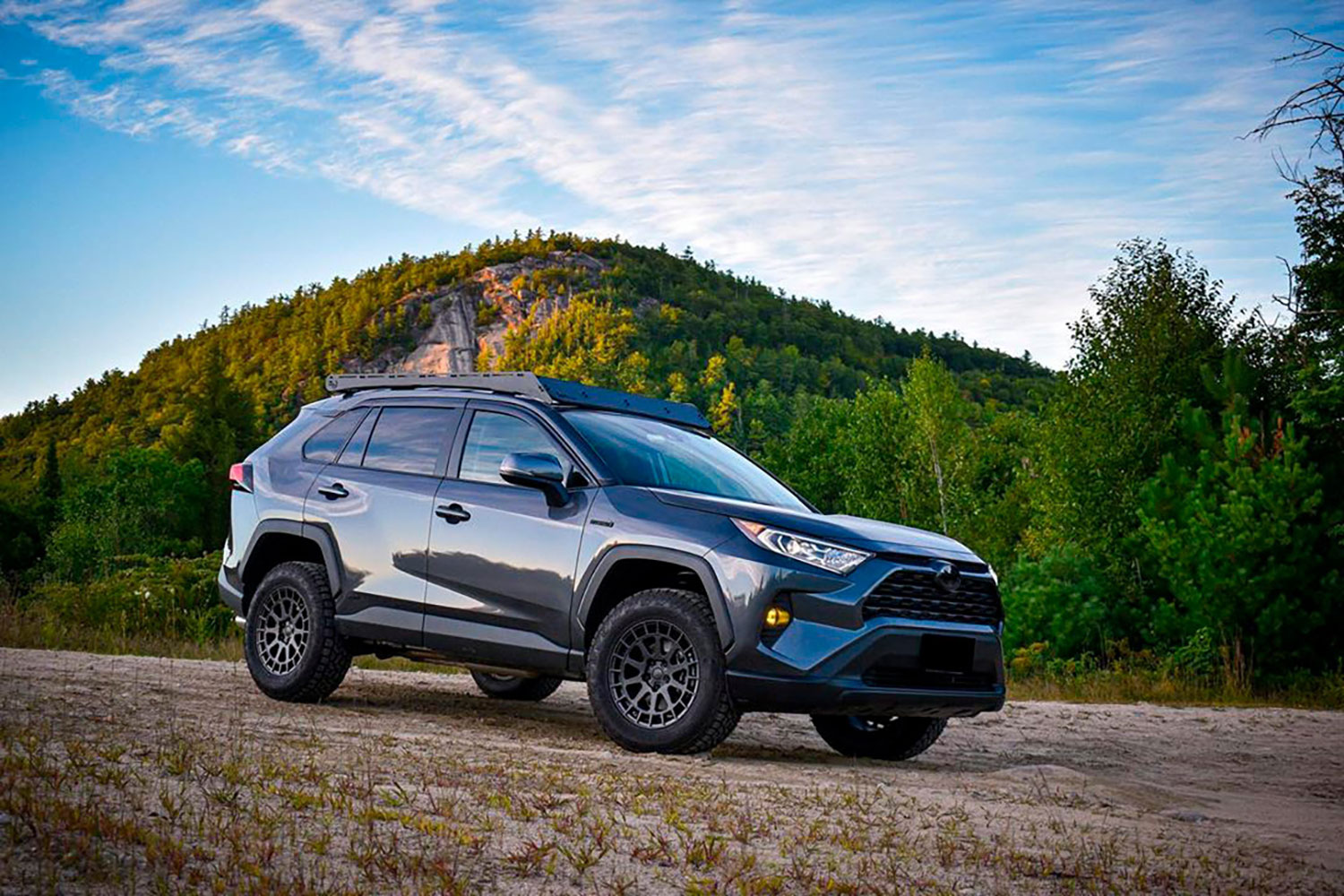
1. Toyota RAV4
The Toyota RAV4 has earned its place as one of the most reliable and well-built SUVs suited for city driving. Its reputation is grounded in a solid frame and carefully engineered suspension system that absorbs the irregularities common in urban environments without transferring excessive vibrations to the cabin.
Toyota has focused heavily on creating a balanced ride that neither feels too stiff, which can be jarring on rough pavement, nor too soft, which can lead to instability and wallowing.
This balance ensures that the RAV4 maintains composure over potholes, cracked asphalt, and speed bumps, which are typical nuisances in many city landscapes. Drivers often report that the vehicle feels planted and secure, even when navigating tighter streets or abrupt stops.
Inside the RAV4, the use of high-quality materials and precise assembly makes a noticeable difference in how solid the cabin feels. Door panels, dashboard elements, and other interior trim are firmly fastened, resisting the loosening that commonly causes rattling or creaking in other models.
The doors themselves have a satisfying heft when closed, which signals a well-built frame and good sound insulation. This attention to detail creates a quiet cabin atmosphere where external noises such as traffic or construction are kept at bay, allowing for a more peaceful commute.
Over time, this means less annoyance for the driver and passengers, contributing to an impression of quality and durability.
Another key factor in the RAV4’s solid feel is Toyota’s well-documented commitment to long-term reliability. Many owners report that their vehicles maintain a sturdy and quiet cabin even after several years and hundreds of thousands of miles on urban roads.
This longevity is the result of stringent manufacturing standards, the use of durable materials, and comprehensive testing to prevent panel misalignments or component wear that leads to rattling.
These design choices not only improve the driving experience but also reduce the need for costly repairs or frequent dealership visits related to interior noise complaints.
The RAV4’s hybrid variants further enhance the city driving experience by offering smooth, quiet acceleration with minimal mechanical noise. The electric motors reduce engine vibrations, which can exacerbate rattling in less refined vehicles.
Combined with the solid chassis and well-damped suspension, this results in a highly composed SUV that excels at reducing the stresses of stop-and-go city traffic. The package makes the RAV4 a dependable and comfortable option for urban drivers who want a quiet, solid SUV that can handle daily challenges without wearing down prematurely.
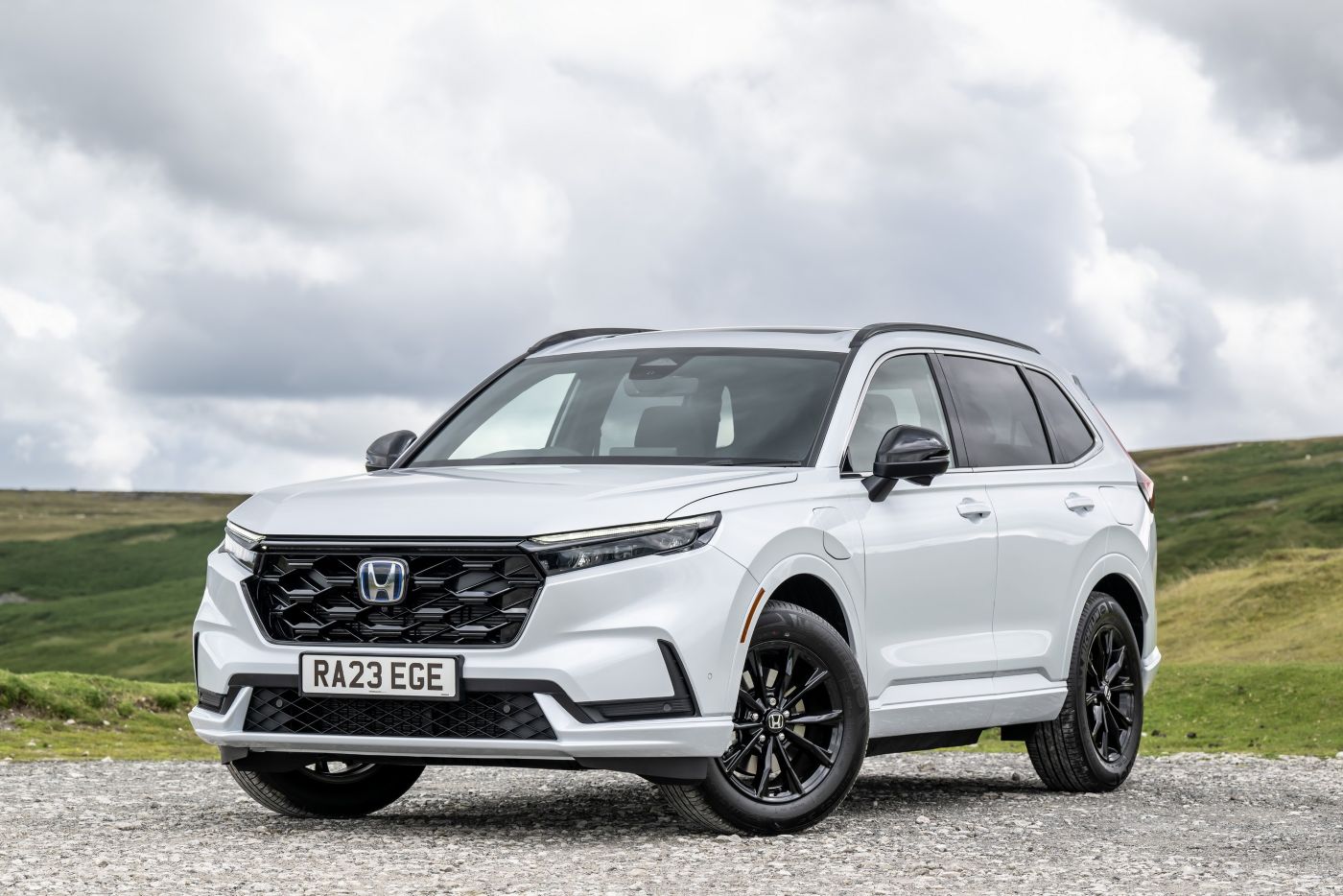
2. Honda CR-V
The Honda CR-V is widely recognized as one of the best compact SUVs for city driving, thanks to its consistently solid build and quiet cabin. Honda’s engineering approach emphasizes tight tolerances and the use of robust materials that keep the vehicle’s interior components firmly in place, even with extensive use on rough or uneven urban roads.
Panel gaps are minimal, and door seals are designed to prevent air and noise intrusion, which helps eliminate one of the most common sources of rattling noises in many SUVs. This precision assembly creates an immediate impression of quality that many drivers appreciate during their daily commute.
One of the standout features of the CR-V is its suspension setup, which expertly balances comfort and control. The suspension absorbs impacts from potholes, speed bumps, and rough pavement effectively, reducing the transmission of vibrations to the cabin.
This not only makes for a smoother ride but also helps prevent interior trim from loosening or vibrating, which can lead to annoying rattles or squeaks. The careful tuning of shocks and springs ensures that the vehicle handles tight city turns and frequent stops with confidence, without feeling harsh or disconnected.
Beyond the mechanical aspects, Honda invests significantly in sound-deadening materials throughout the cabin to reduce road and wind noise.
Thick carpeting, insulated panels, and tightly sealed doors all work together to create a peaceful environment inside the CR-V, even when traffic is heavy or the road surface is less than perfect.
This attention to acoustic comfort adds another layer to the vehicle’s solid and refined feel, making it a preferred choice for those who spend long hours behind the wheel in urban settings.
Owners often praise the CR-V’s durability, noting that even after many years of use, the interior remains firmly assembled without the creaks or rattles common in other vehicles.
This longevity speaks to Honda’s high manufacturing standards and the quality of materials used, which contribute to maintaining a pleasant driving experience over the long term.
The CR-V’s efficient and smooth powertrain also plays a role by reducing mechanical vibrations that might otherwise exacerbate interior noise, making it a well-rounded option for city dwellers who want a quiet and dependable SUV.
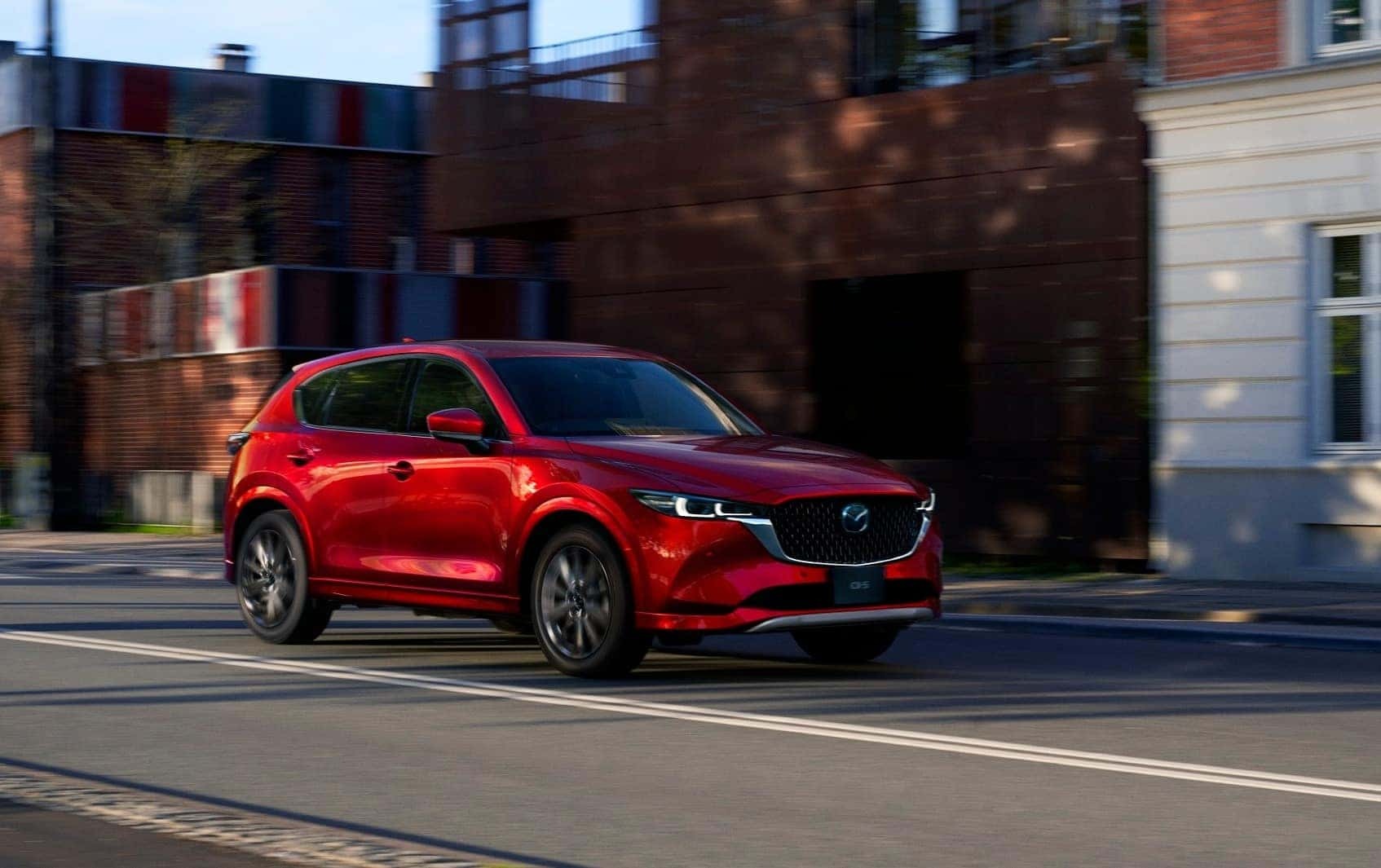
3. Mazda CX-5
Mazda’s CX-5 is renowned for its sporty driving dynamics, but it is also a leader when it comes to build quality and interior solidity, which greatly benefit city drivers. The CX-5’s chassis is constructed with an emphasis on rigidity, reducing flex and unwanted movements that could generate rattling noises.
This structural strength means the vehicle can take on the uneven surfaces of urban streets while maintaining a composed and solid feel inside the cabin. Drivers consistently praise how the CX-5 “feels put together,” noting that it retains a confident stance even on rough roads.
The interior of the CX-5 is crafted with premium materials that not only look and feel high-end but also stay firmly in place over time. Mazda pays close attention to how panels are joined and how trim components interact, using strong fasteners and designing for durability.
This prevents the kind of panel shifting or vibrations that can create creaks or rattles after just a few months of city driving. The effect is a cabin that remains serene and tightly assembled, contributing to a sense of quality rarely found in this vehicle segment.
Mazda’s suspension tuning is a key factor in the CX-5’s ability to handle city driving with poise. The system absorbs shocks and road imperfections without becoming overly soft, which can cause a disconnected or floaty feeling. Instead, the CX-5 strikes a perfect balance, smoothing bumps while maintaining control and feedback.
This approach reduces the amount of vibration transmitted to interior components, thereby limiting potential sources of noise inside the cabin. For drivers, this means a more enjoyable and less fatiguing commute, free from distractions caused by rattling or creaking.
Finally, the CX-5’s smooth and responsive powertrain complements its solid construction. Whether navigating stop-and-go traffic or accelerating onto busy city streets, the vehicle’s drivetrain operates quietly and efficiently, without harsh vibrations or clunks.
This mechanical refinement supports the CX-5’s reputation as a reliable and well-built SUV that feels secure and composed, even in demanding urban conditions. Mazda’s focus on craftsmanship and engineering quality makes the CX-5 a standout choice for anyone seeking an SUV that stays solid during city driving.
4. Subaru Forester
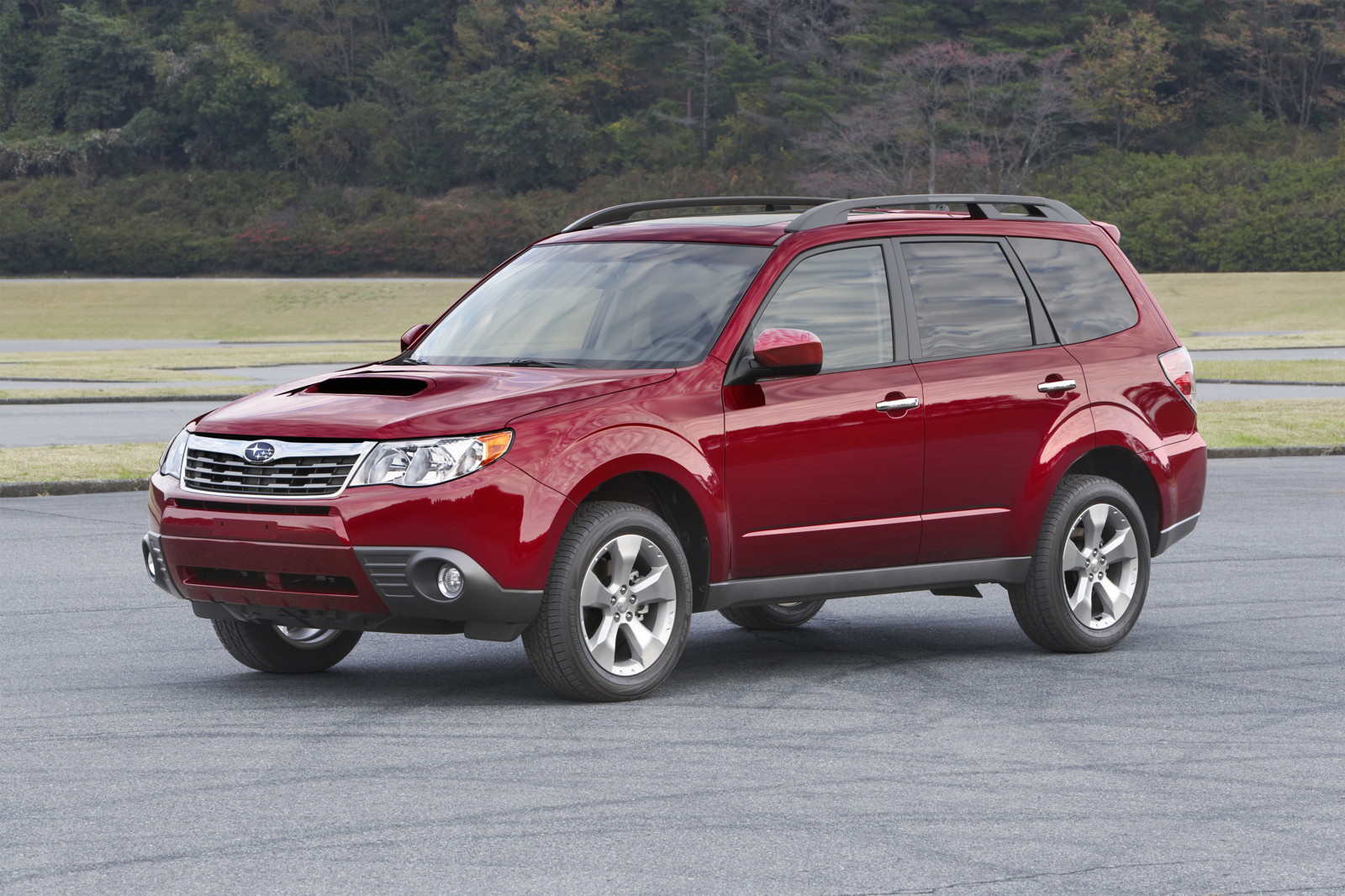
The Subaru Forester has built a reputation for ruggedness and reliability, but it also offers an unexpectedly refined experience when used in the city. The Forester’s body structure is designed to be exceptionally durable, with a rigid chassis that reduces flex and movement.
This rigidity translates directly into a stable and solid feel on uneven city streets, minimizing the chances of rattles or creaks developing over time. The frame acts as a strong backbone, supporting the suspension and body panels in a way that keeps the vehicle feeling steady and confident during daily urban commutes.
Inside, the Forester features quality materials and a well-thought-out assembly that prioritizes durability and noise control. Door seals are robust and designed to prevent air leaks, while dashboard and trim components are secured tightly to avoid loosening with repeated vibrations.
Many drivers report that their Foresters remain quiet and solid over years of city use, even when faced with rough roads and frequent stop-and-go traffic. This steadfastness helps the vehicle maintain a premium feel despite its rugged image.
The suspension system in the Forester is tuned to provide a comfortable ride without sacrificing control. It handles bumps and potholes smoothly, reducing the jarring feedback that often leads to interior panel loosening.
This controlled ride quality not only improves passenger comfort but also helps preserve the integrity of the interior fittings, preventing rattling noises from developing. The Forester’s ability to balance these factors makes it particularly well-suited for drivers who need a dependable and quiet SUV for everyday city life.
Moreover, the Forester’s all-wheel-drive system, which is popular among urban and suburban drivers alike, operates seamlessly and quietly. This adds to the vehicle’s sense of solidity and refinement.
The combination of mechanical robustness, quality interior fit, and a well-tuned suspension creates an SUV that can handle the harsh realities of city driving without sacrificing comfort or developing annoying noises. Subaru’s focus on these areas ensures the Forester remains a solid and trustworthy choice for urban drivers.
5. Hyundai Tucson
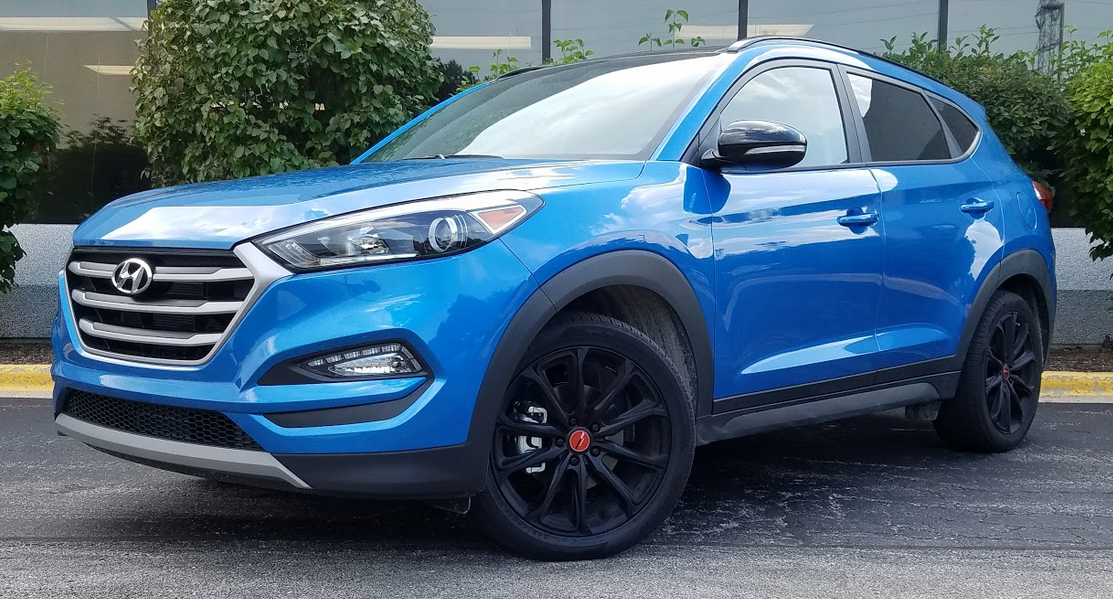
Hyundai’s Tucson has undergone significant improvements in recent years, making it a solid and dependable option for city driving. The manufacturer has invested in refining the vehicle’s structural integrity and interior quality, leading to a more solid and quiet driving experience.
One of the biggest improvements is the reduction of panel gaps and the use of stronger fasteners and clips, which help prevent rattling and ensure the cabin remains well-assembled over time. This focus on detail gives the Tucson a more premium feel that stands up well to the challenges of urban roads.
The suspension system in the Tucson is carefully calibrated to provide a smooth ride over potholes, cracks, and other imperfections typical of city streets. It absorbs shocks effectively, preventing harsh vibrations from being transmitted into the cabin.
This helps maintain the tightness of interior components and prevents trim pieces from loosening or rattling, which can often be a source of driver frustration. The Tucson’s ride strikes a nice balance between comfort and control, making it a reliable choice for daily urban commuting.
Inside, the Tucson uses soft-touch materials and quality trims that maintain their fit and finish even with prolonged use. The doors close solidly and the dashboard components remain firmly in place, avoiding the common squeaks and creaks found in some competitors.
Drivers often comment on the reassuring solidity of the cabin, noting that the vehicle feels well put together and comfortable for long periods behind the wheel. This contributes to a more pleasant and less distracting driving experience.
Hyundai’s efforts to improve powertrain smoothness further complement the Tucson’s solid build. The engine and transmission operate quietly and smoothly during stop-and-go city traffic, reducing mechanical vibrations that can worsen interior noise.
This combination of a refined drivetrain, strong structural integrity, and quality interior materials makes the Tucson a standout in the compact SUV segment for those who prioritize a solid and quiet vehicle for urban driving.
Also Read: 5 V8 Engines That Run a Lifetime vs 5 That Eat Oil Fast
5 SUVs That Constantly Rattle in City Driving
1. Jeep Cherokee
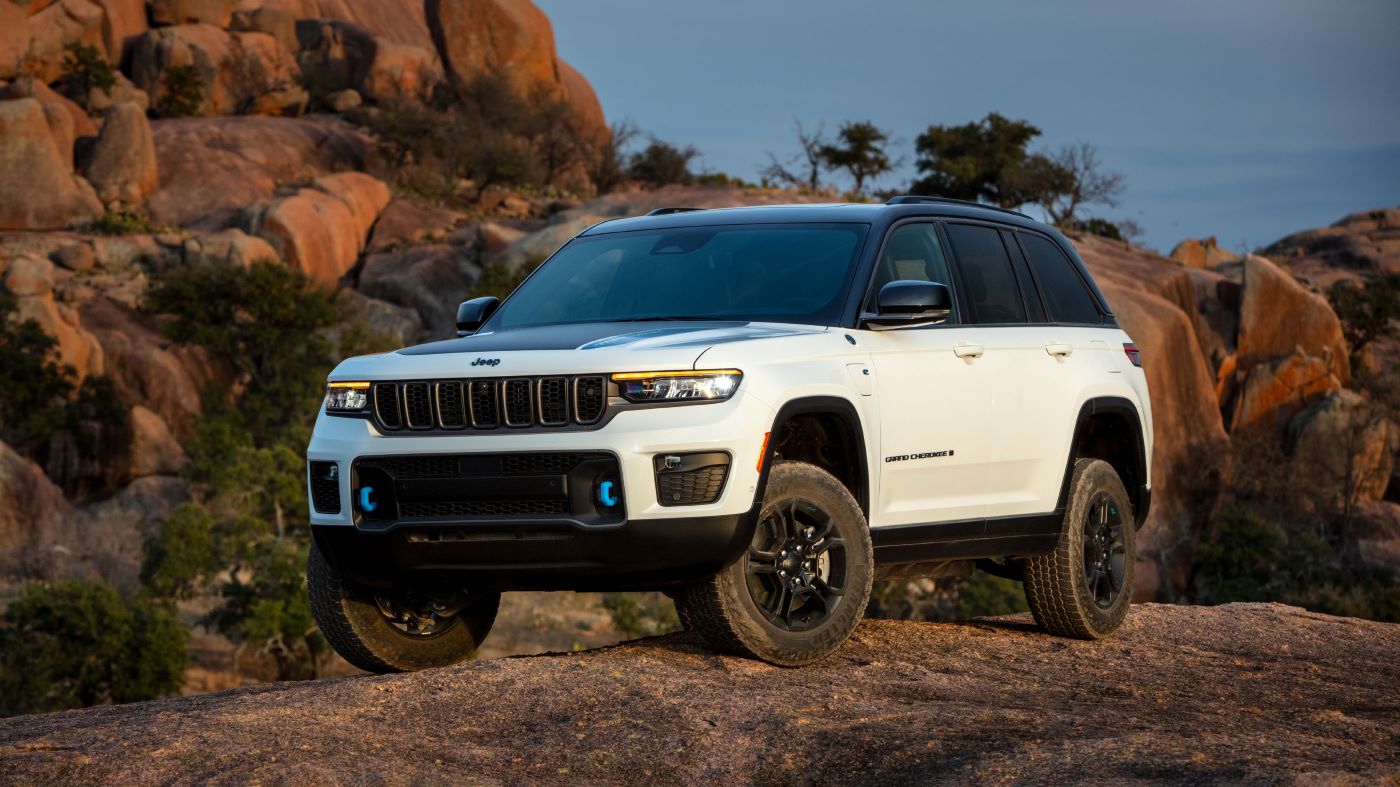
The Jeep Cherokee has long been a popular choice for drivers looking for a rugged SUV with off-road capabilities, but when it comes to city driving, it often struggles to maintain a quiet and solid feel.
The vehicle’s construction tends to emphasize ruggedness over refinement, which means that on rough or uneven urban roads, the Cherokee’s body can flex slightly, leading to various rattling and creaking noises inside the cabin.
These noises are often the result of loosely secured panels, trim pieces that do not fit perfectly, or aging components that have begun to wear out more quickly than those in competing models. Drivers who spend a lot of time navigating potholes and city bumps often report a persistent rattling that can become quite distracting over time.
In addition to panel fitment issues, the Cherokee’s suspension setup plays a role in how these noises develop. While its off-road suspension is excellent for absorbing shocks on dirt and gravel, it is not as finely tuned for urban environments where small vibrations and uneven pavement are constant.
This can lead to a rougher ride where vibrations are transmitted more aggressively to the cabin. Over time, this stress causes fasteners and clips holding interior components to loosen or wear out, increasing the likelihood of rattling.
Passengers frequently comment on the less-than-quiet experience, noting that even a short city trip can be marked by audible rattles and squeaks.
Furthermore, the materials used in the Cherokee’s interior are sometimes criticized for their tendency to wear unevenly, contributing to noise problems. Plastic trims and panels that are prone to shrinking or warping with temperature changes can create gaps that result in rattling sounds.
The door seals, while designed to keep out moisture and dust, are not always as effective at isolating road noise, allowing vibrations and external sounds to penetrate the cabin more easily. These factors combine to create an environment where drivers may feel that the vehicle lacks the refinement needed for a comfortable urban ride.
Lastly, the Cherokee’s powertrain vibrations can exacerbate these issues. The engine and transmission can produce noticeable shaking, especially at lower speeds common in city driving. This mechanical vibration can amplify the noises caused by loose panels or trim, turning minor creaks into full-blown rattles that detract from the driving experience.
While the Cherokee shines in rugged terrain and off-road scenarios, its urban driving dynamics often suffer, making it a less suitable choice for those prioritizing a solid and quiet ride in the city.
2. Ford Escape
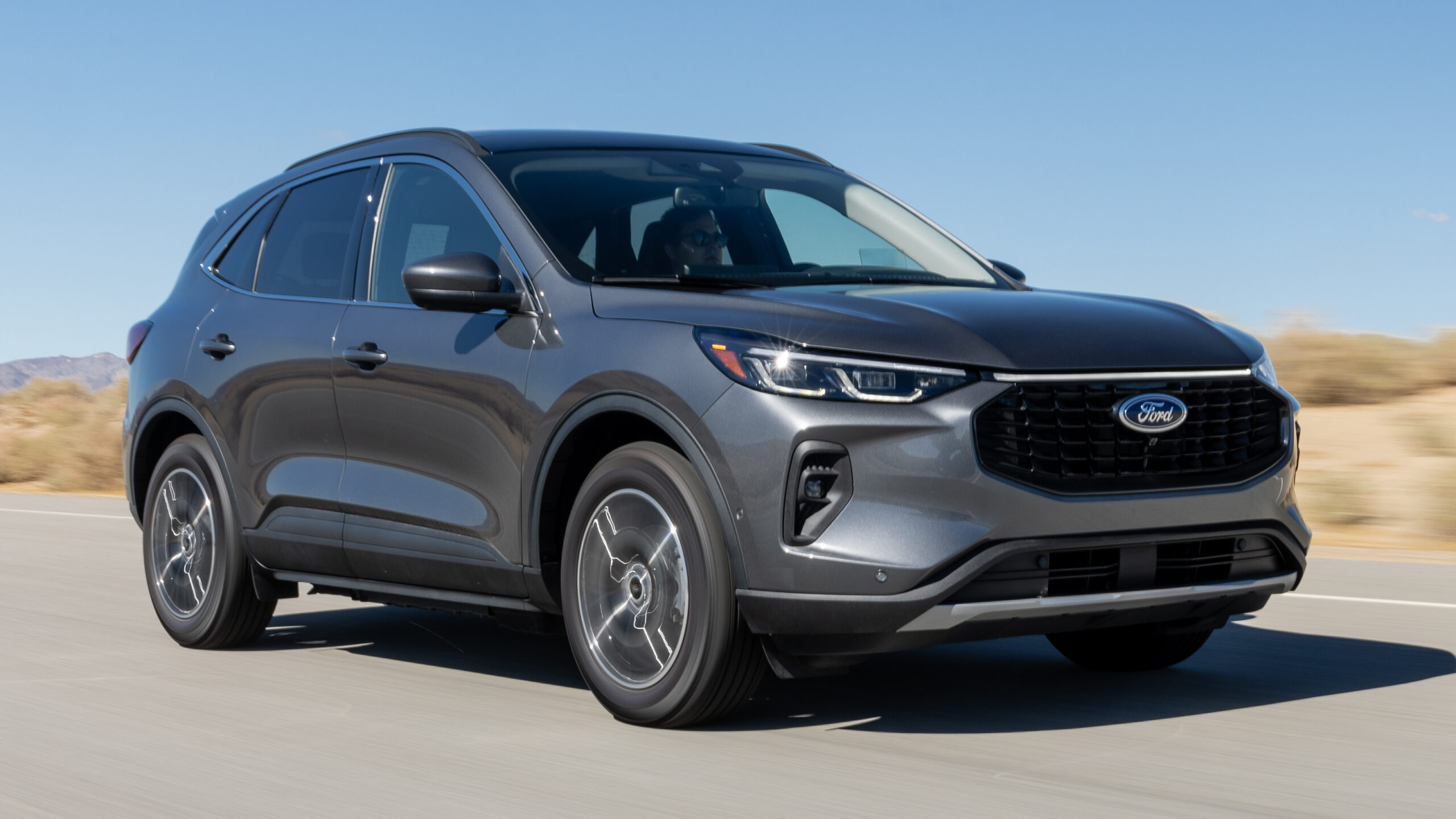
The Ford Escape has been a favorite in the compact SUV segment for years, but it is known to develop rattling noises that undermine its otherwise practical nature when driven in urban environments.
Many owners report issues with interior panels that become loose or shift after just a few months of city driving, particularly around the dashboard, door panels, and center console.
These rattles are often caused by insufficient reinforcement or lower-quality fasteners used in the assembly, which fail to hold components tightly in place under constant vibration from city streets. The result is a driving experience where the cabin feels less solid and more prone to distracting noises.
Suspension plays a significant role in the Escape’s tendency to rattle. The vehicle’s tuning is often critiqued for being too soft, which, paradoxically, can cause more noise issues in the cabin.
A soft suspension allows more body movement over bumps and potholes, increasing the chances that interior parts will vibrate or knock against one another.
While this softness can offer a somewhat cushioned ride, it comes at the cost of a rattling cabin that reduces comfort. Drivers may find themselves constantly hearing minor creaks and squeaks that worsen on rough roads or when cornering sharply, making the vehicle feel less composed than competitors.
The materials used in the Escape’s cabin also contribute to the problem. Many of the plastics and trims are less durable than those found in higher-end competitors, making them more susceptible to wear and loosening. The dashboard, in particular, has been singled out for developing squeaks and rattles as adhesives degrade or clips break over time.
Additionally, the door seals are sometimes less effective at dampening noise, allowing road and wind sounds to penetrate the cabin. These combined factors mean the Escape often fails to deliver the quiet and solid feel expected from an SUV, especially in the demanding environment of city streets.
Finally, the Escape’s powertrain can also be a source of vibration-related noise inside the cabin. The engine mounts and transmission connection points may transmit more vibration than desired, especially in older models or those with higher mileage.
This vibration interacts with the already loose interior parts, amplifying rattles and creaks, particularly during acceleration and deceleration in stop-and-go traffic. As a result, the Escape can feel somewhat unfinished or less refined, which can detract from the driving experience for urban drivers looking for a smooth and solid ride.
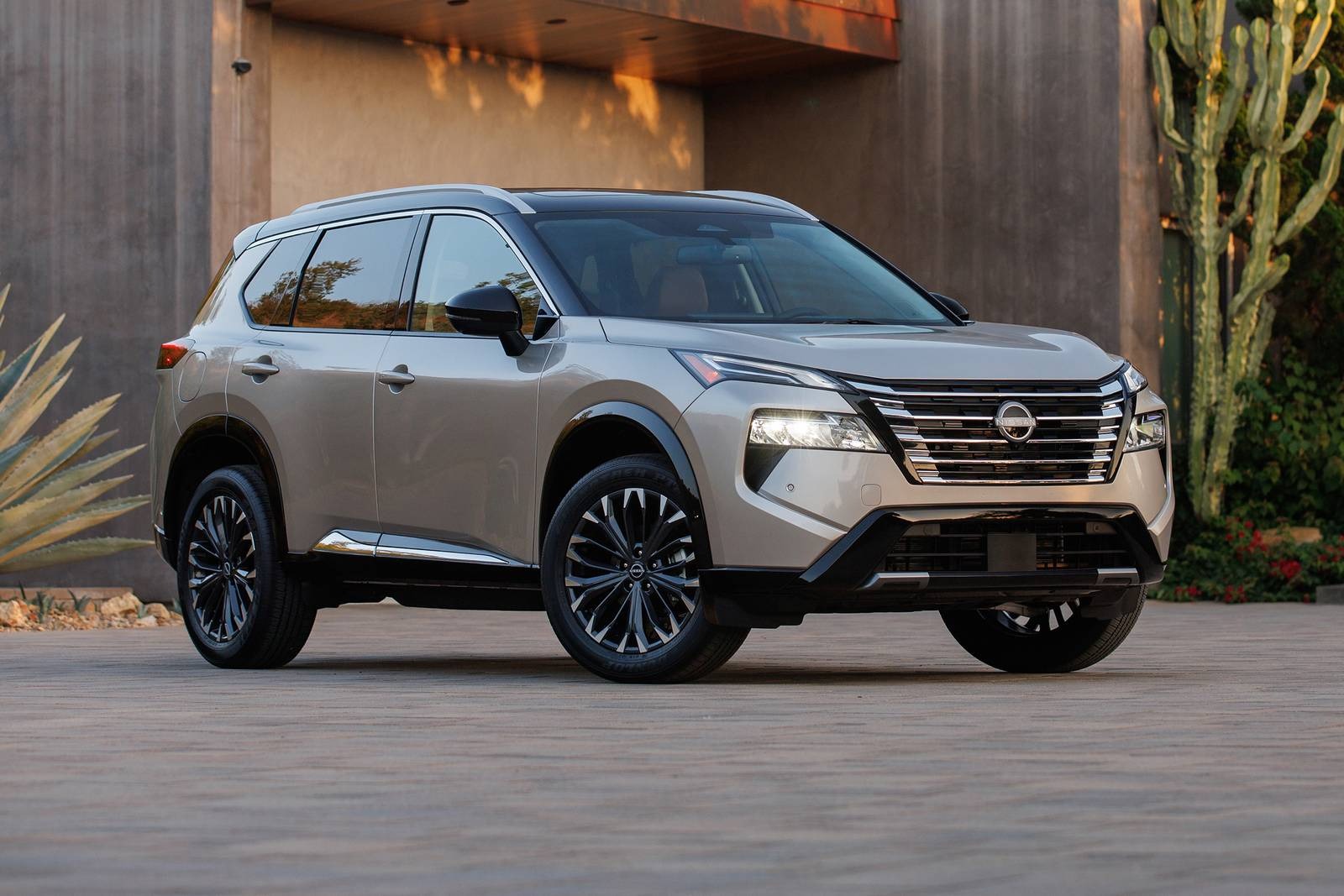
3. Nissan Rogue
The Nissan Rogue is a well-known compact SUV with a focus on efficiency and comfort, but it is not without its issues when it comes to interior noise and rattling during city driving.
The Rogue’s cabin materials and assembly often come under criticism for their susceptibility to developing rattles over time, particularly in models with high mileage or frequent city use.
Interior panels can loosen slightly due to road vibrations, and the plastic trims may not be as robust as those in competitors, allowing for subtle shifts and noises that become noticeable during daily urban driving. This can detract from the otherwise pleasant driving experience the Rogue aims to offer.
One of the contributing factors to the Rogue’s rattling issues is its suspension tuning. While designed to provide a comfortable ride, the suspension can sometimes feel unsettled when negotiating rough urban surfaces, transferring more vibration to the cabin.
This vibration can loosen interior components, exacerbating noise problems. Drivers often report that the vehicle begins to develop creaks and rattles after only a short period of city driving, which can be frustrating when trying to enjoy a quiet commute.
The suspension’s inability to fully isolate road imperfections can lead to a less solid feeling compared to competitors that focus more on chassis stiffness and sound insulation.
In addition to suspension and assembly concerns, the Rogue’s cabin materials contribute to its noise challenges. Many trim pieces are made of hard plastics that can warp or shift slightly with temperature changes, creating gaps that produce rattling.
Door seals and insulation materials may also be less effective in preventing the intrusion of road and wind noise, which can make the cabin feel less insulated and more prone to creaking. This combination of factors means that city drivers often experience a less refined environment, with noise and rattles detracting from the Rogue’s comfort.
The Rogue’s powertrain and drivetrain components can also add to the vibration issue. Engine vibrations, especially at low speeds or during frequent stops and starts, can resonate through the cabin and aggravate loose panels and trim. This creates a cumulative effect where minor noises become more pronounced and difficult to ignore.
While the Rogue performs well in many areas, its tendency to rattle in city driving conditions makes it less appealing for those who prioritize a quiet and solid-feeling SUV for their daily urban travels.
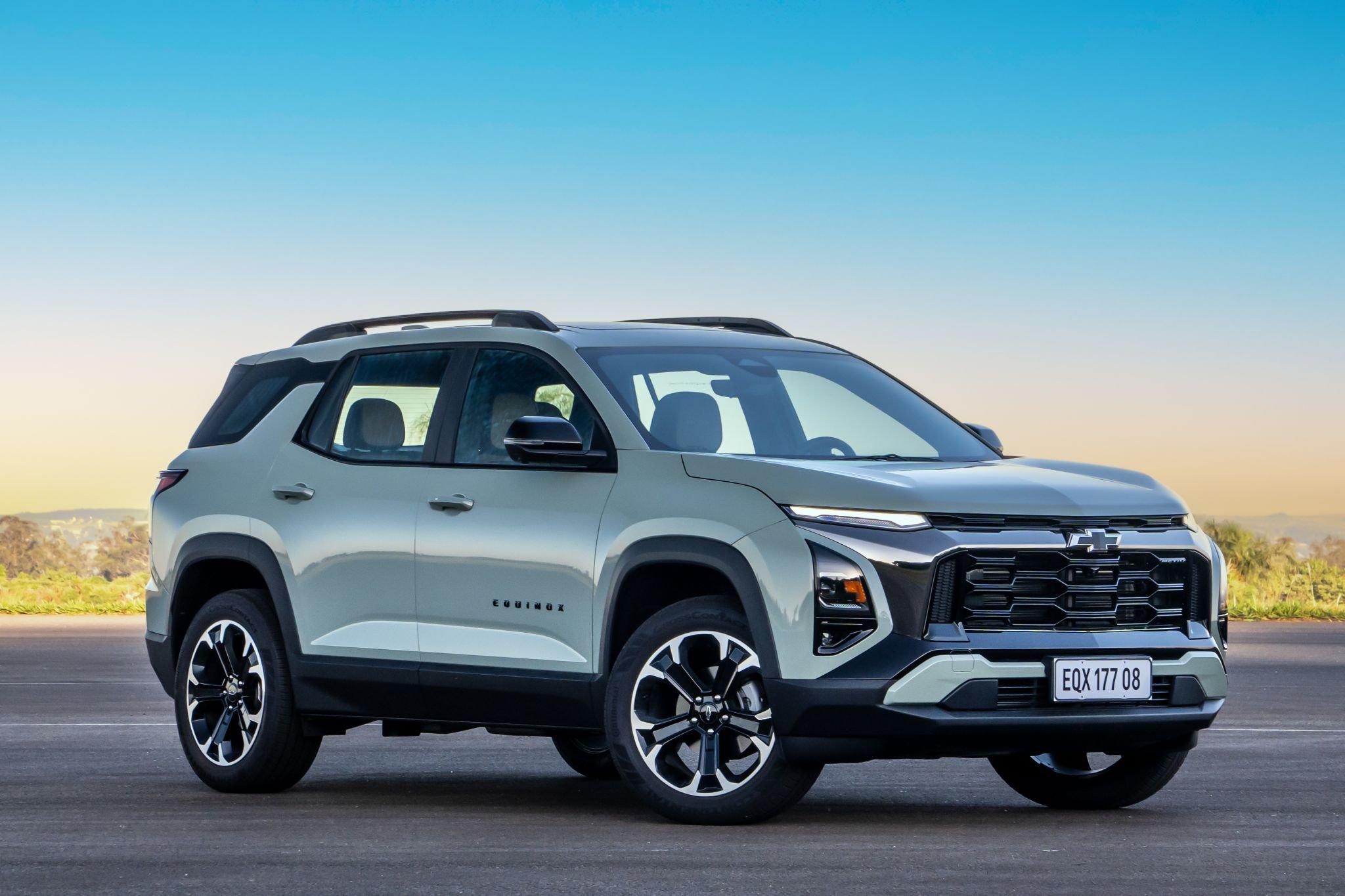
4. Chevrolet Equinox
The Chevrolet Equinox is a popular SUV choice that offers good space and utility, but it often faces criticism for rattling and interior noise issues during city driving. The Equinox’s build quality has been questioned, with many drivers reporting persistent rattling noises coming from the dashboard, door panels, and rear hatch areas.
These noises usually stem from panels that do not fit tightly or from fasteners and clips that loosen over time due to the constant vibrations from city streets. Such rattling noises can be especially irritating on longer commutes or in stop-and-go traffic, where the cabin noise becomes more apparent.
Suspension design and tuning in the Equinox contribute to the rattling problem. The suspension tends to be on the firmer side, which while beneficial for handling, can lead to more vibration being transmitted to the interior during urban driving.
The lack of adequate damping means that bumps and potholes translate into jolts and shakes that cause interior components to vibrate and rattle.
This is compounded by the fact that the Equinox may not use sufficient sound-deadening materials, leading to more noise intrusion from the outside environment. As a result, drivers often experience a cabin atmosphere that feels less solid and more prone to creaks and rattles.
Material quality within the Equinox is another factor that impacts its ability to maintain a quiet cabin. The plastics and trims tend to be less resilient compared to rivals, and this can result in panels shifting or developing gaps over time. Door seals and window fittings sometimes allow more noise penetration than desired, which makes the vehicle feel less refined.
Many owners report that these noise issues appear relatively early in the vehicle’s lifespan, indicating potential weaknesses in both design and manufacturing processes that affect long-term durability in city conditions.
Mechanical vibrations from the Equinox’s powertrain can also worsen the rattle problem. Engine mounts and transmission connections sometimes fail to fully isolate vibrations, particularly at low speeds or during sudden accelerations common in city driving.
This can cause the interior to feel more unsettled, with increased rattling and buzzing noises that detract from the driving experience. While the Equinox has many positive qualities, its issues with interior noise and rattling make it less desirable for those seeking a solid and quiet SUV for urban environments.
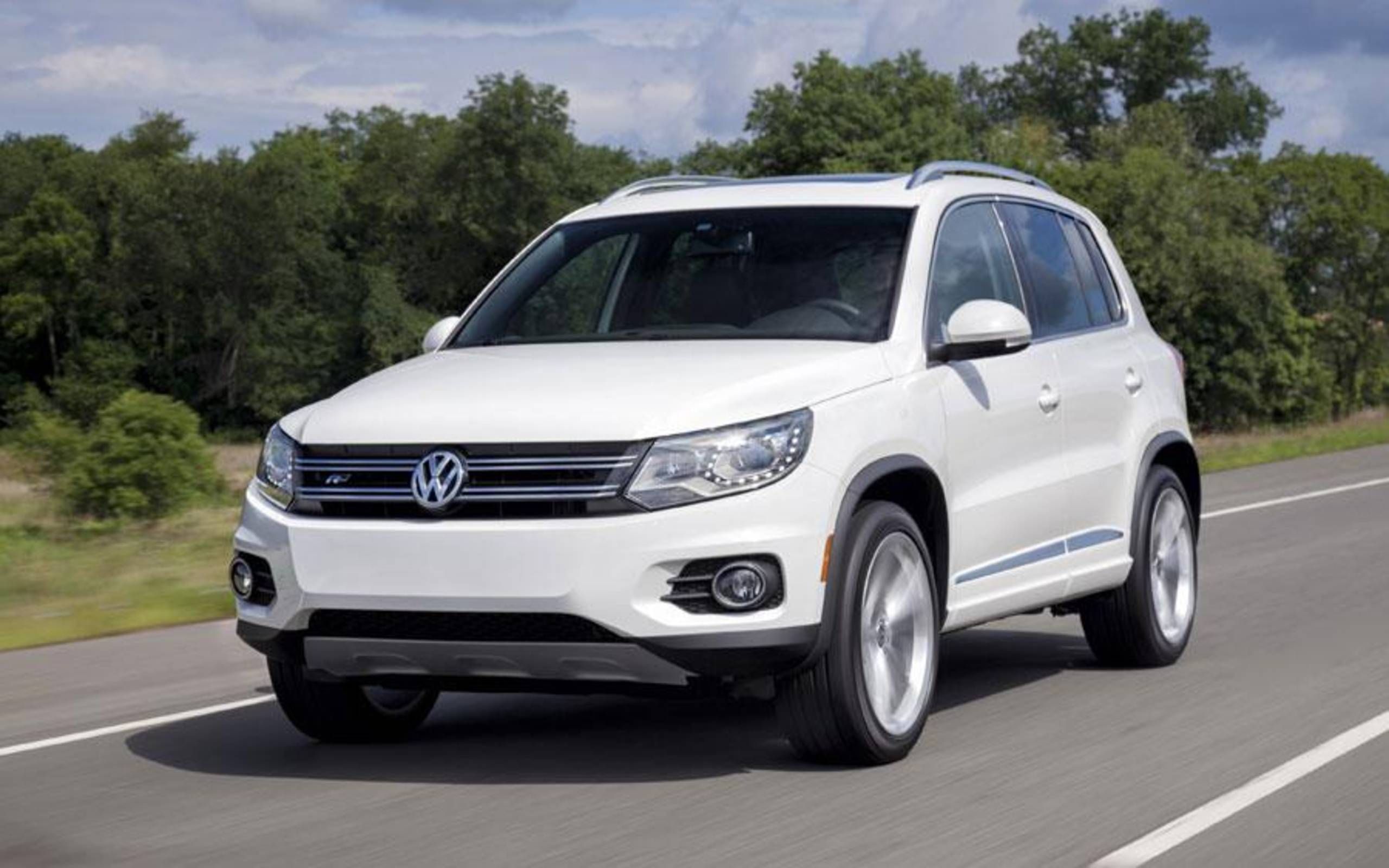
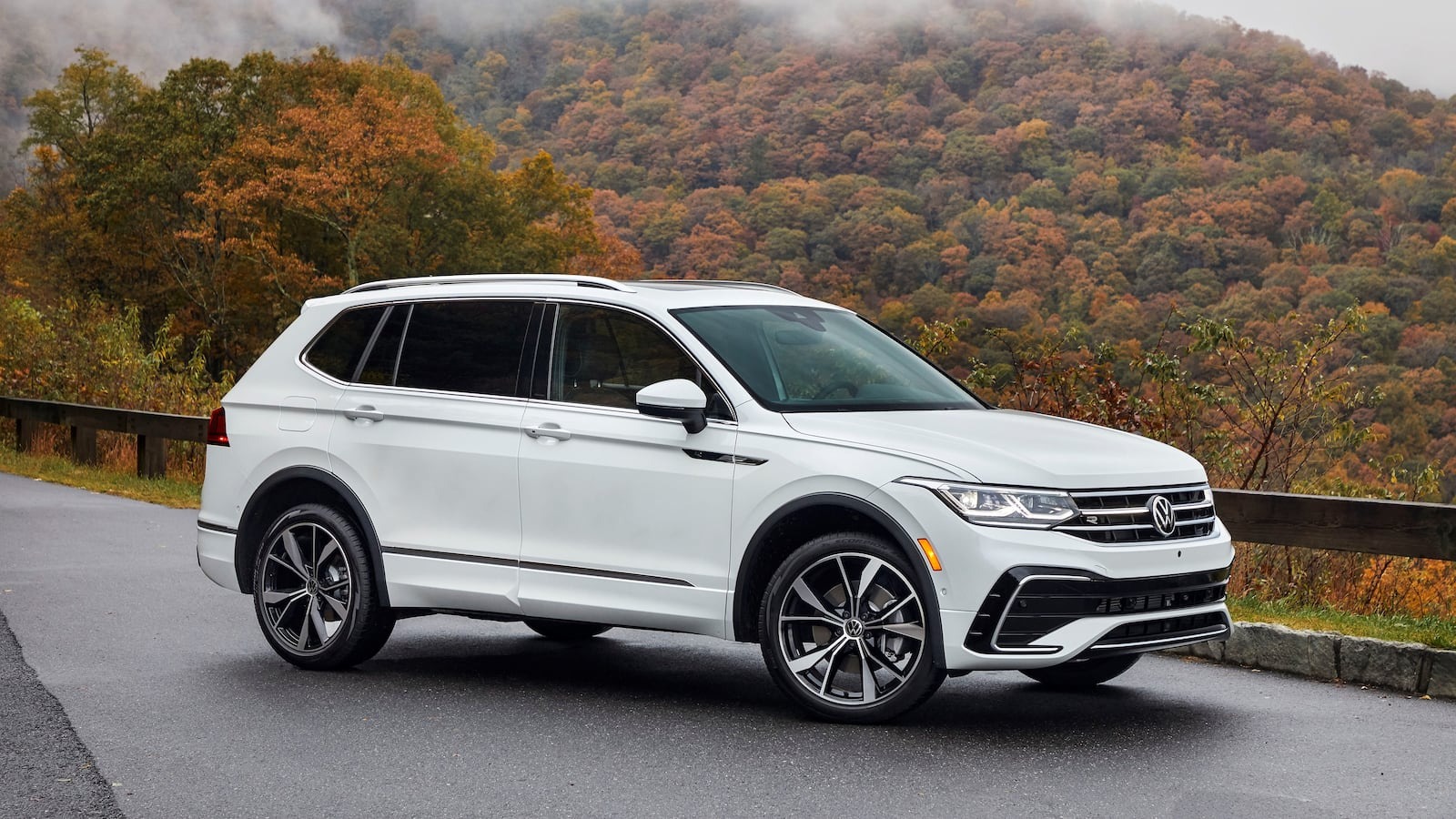
5. Volkswagen Tiguan
The Volkswagen Tiguan offers European styling and a comfortable ride but has been known to develop rattling issues that affect its performance as a city-friendly SUV. The Tiguan’s assembly quality varies between model years, but several drivers report rattling noises that arise from interior panels and trim, especially after prolonged city driving.
These noises often originate from insufficiently secured components that loosen under constant vibration and motion. Door panels, glove compartments, and dashboard sections can creak or rattle, disrupting the quiet interior environment that drivers expect in urban traffic.
Suspension tuning in the Tiguan is designed more for comfort on smooth roads rather than the varied surfaces found in city driving. As a result, the suspension sometimes struggles to absorb smaller bumps or uneven pavement effectively, leading to vibrations that reach the cabin.
These vibrations can loosen interior trim components, increasing the likelihood of rattling. The situation is exacerbated when the vehicle encounters frequent potholes or uneven speed bumps common in urban settings.
Drivers often find that these noises become more pronounced with time, suggesting that initial assembly tolerances may not be tight enough to prevent long-term issues.
Material selection in the Tiguan’s cabin also contributes to its rattling tendencies. Some trim pieces are made of thin plastic that can warp slightly due to temperature changes, while adhesive failure or clip breakage can create gaps that produce rattling noises.
The door seals and window fittings sometimes fail to completely isolate the cabin from outside noise and vibrations, making it harder to maintain a solid and quiet interior environment.
These factors combine to give the Tiguan a less refined feel, especially in stop-and-go city traffic where constant motion aggravates these issues.
Mechanical vibrations from the Tiguan’s powertrain add to the problem. The engine and transmission can generate vibrations at low speeds, which resonate through the vehicle’s frame and affect interior components. This mechanical feedback, combined with loose trim pieces, can make city driving less comfortable due to persistent rattling and buzzing.
While the Tiguan offers many benefits in terms of style and features, its challenges with maintaining a solid and quiet cabin in urban conditions make it a less appealing option for drivers who prioritize noise reduction and interior solidity in their city SUVs.
