
Electric vehicles have moved from novelty status to practical transportation for many people. Among the most important features making this shift possible is battery longevity.
A battery that retains high capacity over many years or many kilometers means lower costs of ownership, less environmental impact, more reliability, and peace of mind.
Not all EVs are equal when it comes to the durability of their battery packs. Some models have stood out because owners consistently report a high state of health, strong manufacturer warranties, and real-world results showing that battery capacity degradation remains small, even after high mileage or long years of service.
When assessing battery longevity in electric vehicles, several factors matter. First is the chemistry of the cells used, some chemistries are more resistant to degradation from frequent charging, high temperatures, and fast charging. Second is thermal management.
Vehicles that actively cool or manage the temperature of battery packs tend to avoid damage from excessive heat or cold. Third is how the vehicle is used, frequent fast charging, very cold or hot climates, or repeatedly running to very low or very high state‑of‑charge can stress batteries.
Fourth is the manufacturer’s warranty and design margins: some manufacturers build in buffer capacity so that what is advertised remains usable after degradation. When all of these align well, certain EV models earn reputations for legendary battery longevity.
This article presents twelve electric vehicle models that have built reputations among users, testers, and manufacturers for exceptional long term battery health. For each model there will be a discussion of what is known about its battery chemistry, thermal management, warranty, real‑world performance, and any caveats.
The goal is to help prospective EV buyers or enthusiasts understand which models offer the best chances that after many years and many charge cycles, they will still have usable battery capacity.
These are not listed in strict rank order but rather each has qualities that make it noteworthy. After reading, you might find some that suit your needs particularly well or discover what design features contribute most to durability.
Also Read: 12 Cars That Constantly Drive Owners Crazy
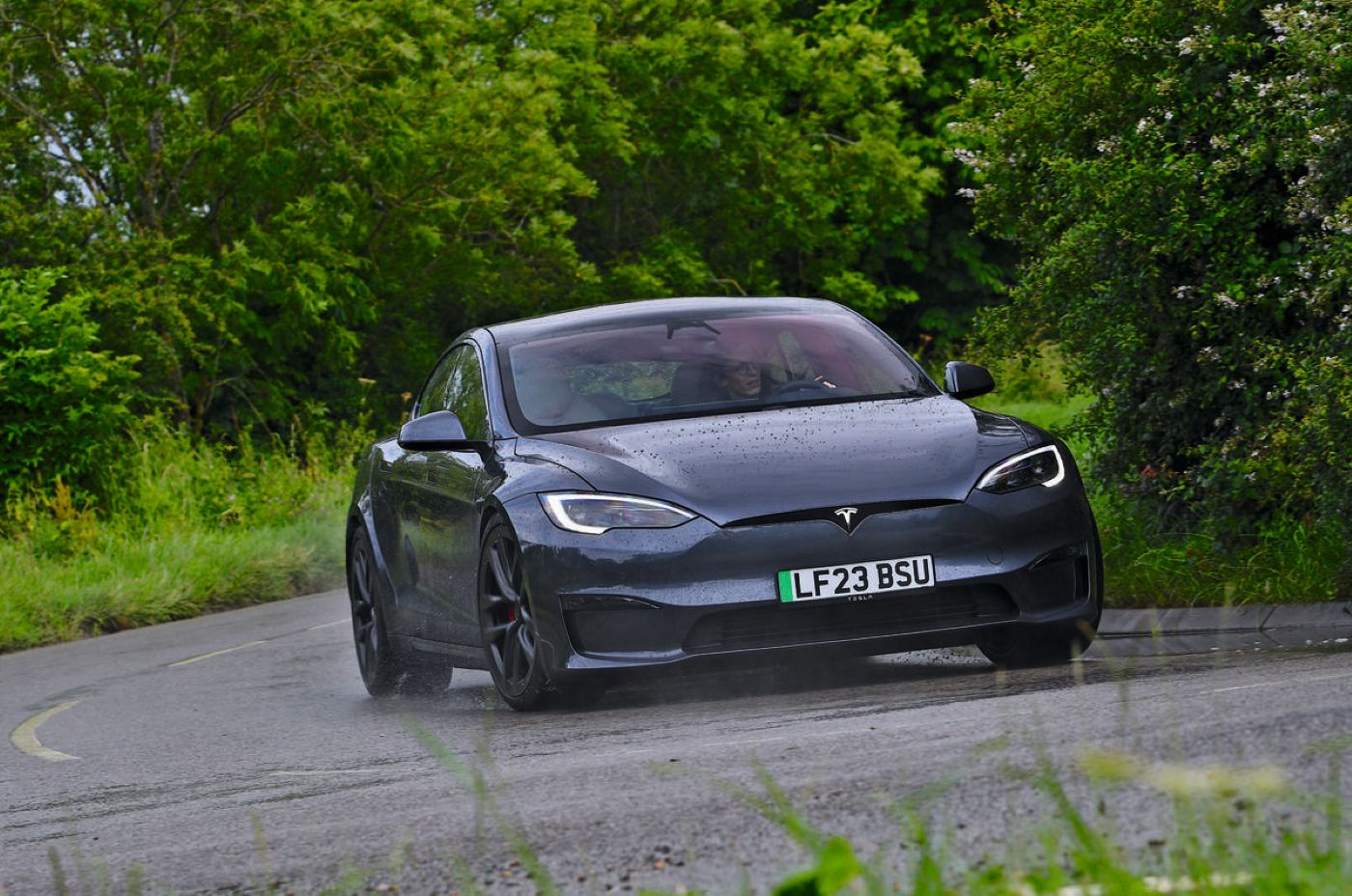
Tesla Model S
Tesla’s Model S has earned a strong reputation for its battery packs maintaining high capacity over long periods.
Owners with vehicles beyond 100,000 miles often report that their pack retains more than 80% of its original capacity. One reason for this is the use of advanced battery chemistry and good quality control at manufacture.
The cells, early on, were cylindrical lithium‑ion, and Tesla has refined the composition, coatings, and separators to resist degradation through many charge cycles. Another reason is that Tesla designed its pack with a usable buffer so that the battery is never truly pushed to its limits in everyday use.
Thermal management plays a significant role in the Model S’s longevity. It uses liquid cooling and active thermal balancing which helps prevent hotspots. When fast charging, especially supercharging, the system monitors temperature carefully. If the battery becomes too warm, charging is slowed or paused.
That way the chemistry is not stressed excessively. In cold weather the pack heating system helps reduce degradation that occurs when lithium plating might otherwise begin.
Warranty and service support also help explain why Model S owners feel confidence. Tesla offers strong warranties on the battery pack, often guaranteeing a certain percentage of capacity retention over eight years or more.
That assures buyers that the manufacturer stands behind its battery performance. Also, over time Tesla has permitted software updates which improve charging behavior or battery management, so early models benefit from improvements made later on.
However, there are caveats. Fast charging very frequently will always impose some wear. If someone routinely charges to 100% or discharges almost to empty, especially under high temperature, that will stress the battery.
Also older Model S versions had less refined cooling systems than newer ones so early units may not match later examples in longevity. Even so, for many owners the Model S stands as one of the best examples of long‑lived EV batteries.
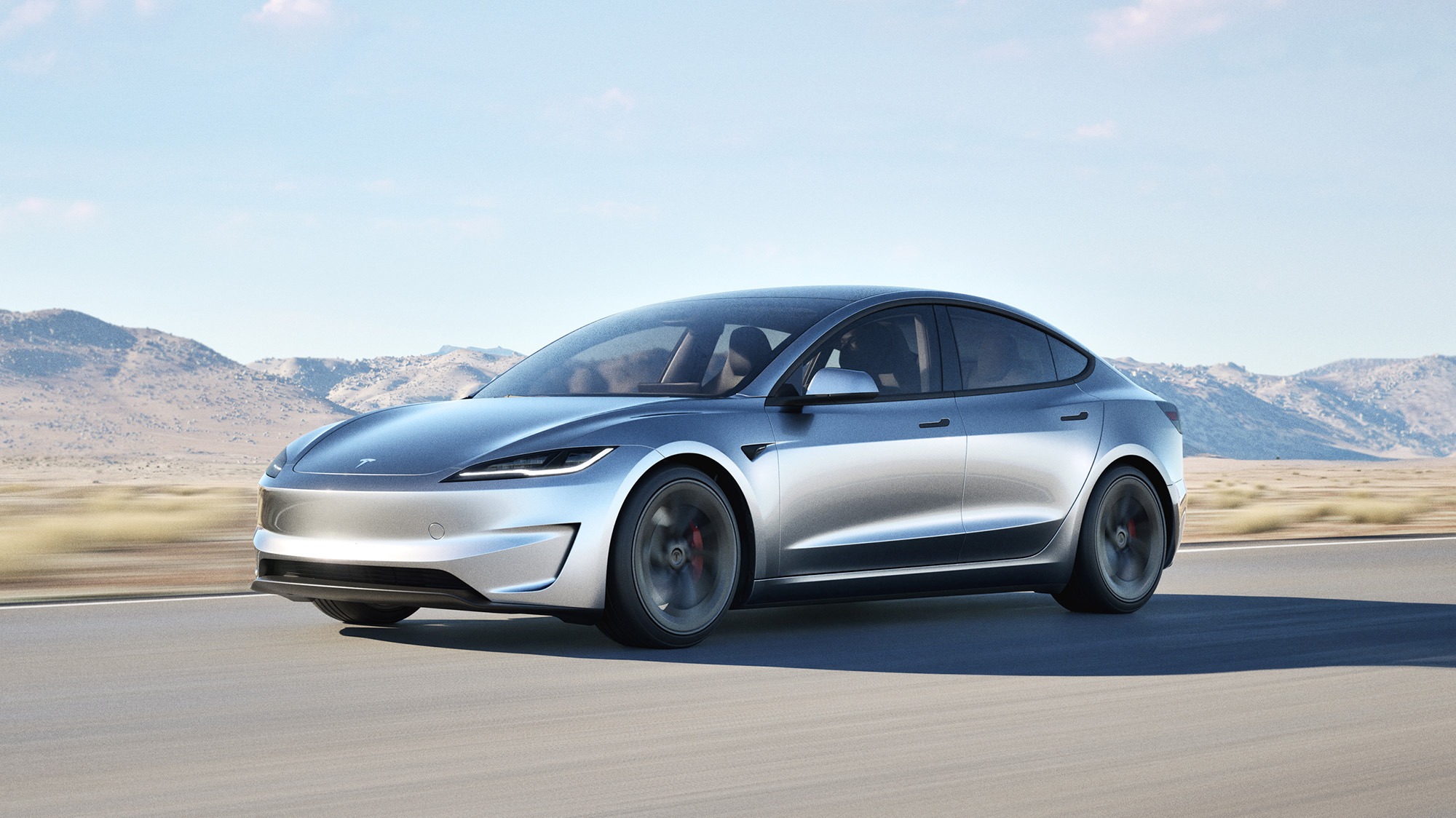
Tesla Model 3
Tesla’s Model 3 has become one of the most broadly used electric cars globally. Because of its popularity there exists a large amount of real‑world data on battery health. Many owners beyond 100,000 miles report their battery capacity remains above 85 or 90 percent.
That outcome owes much to the combination of moderate fast charging frequency, good thermal design, and conservative charging software default settings. Tesla’s engineering aims to balance performance, range, and battery life, rather than pushing absolute maximum range at the expense of durability.
One factor is that Model 3 uses efficient cell design. Whether with the small Q‑cells, Panasonic, LG or CATL supplied, the cells have been optimized for energy density and long cycle life. Tesla also uses thermal cooling via a liquid coolant loop, and keeps battery management systems aggressive about limiting cell imbalances.
When charging at home, many owners use slower AC charging up to perhaps 80 percent, which reduces stress. The vehicle’s software also tends to limit top speeds or peak power demands in certain conditions to protect battery health.
Warranty is again a strong lever. Tesla guarantees battery capacity retention for a period or for certain mileage. If battery capacity drops below a threshold the owner may be able to get some repair or replacement.
Owners have also noted that Tesla’s software updates sometimes adjust charging thresholds and charging profiles in ways that reduce long term degradation. Because of telemetry data Tesla can monitor battery health and sometimes push improvements to vehicles already in use.
Still some usage patterns challenge battery longevity. Regular use of high power fast charging, especially under hot ambient temperatures, will cause more wear.
Keeping the battery state of charge near 100 percent for extended periods or leaving it at very low state of charge will increase degradation. Even with those caveats many find that the Model 3 remains one of the most dependable choices among EVs for long battery life in practical usage.
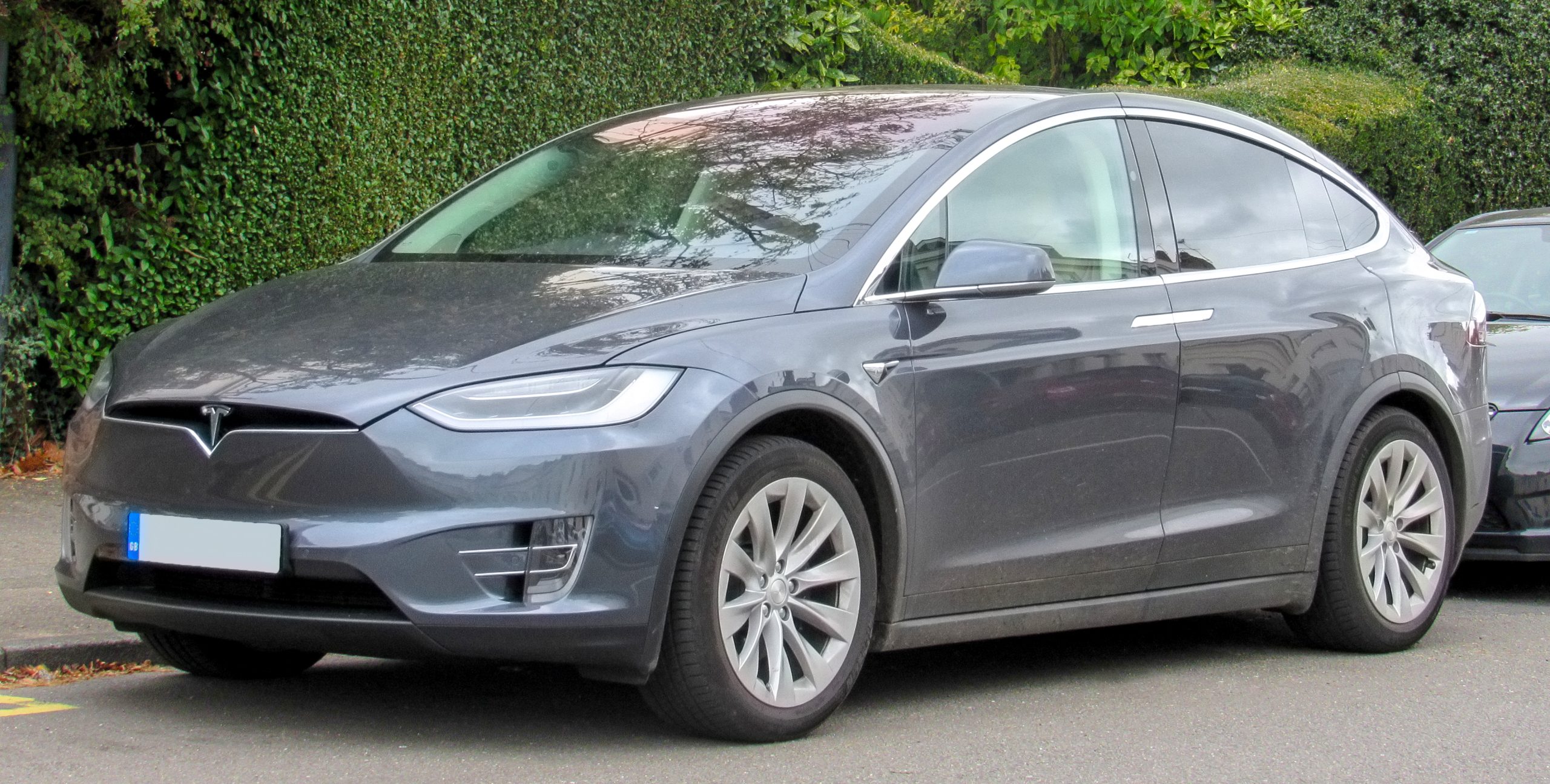
Tesla Model X
Model X shares a number of the technical strengths with the Model S since many parts of the battery architecture are similar. The vehicle has strong cooling systems, good cell chemistry, and robust battery management.
Owners with high mileage often report outcomes comparable to Model S, though because Model X is heavier and more performance oriented, it may face slightly greater thermal loads when accelerating or climbing steep grades. Nevertheless, in everyday driving conditions many Model X owners still see capacity above 80 percent even after long service.
Because it is heavier, battery chopping or heating tends to impact it more under strenuous conditions. But Tesla has addressed this in later versions of the Model X by improving the thermal system and ensuring that the airflow, coolant channels, and pack layout reduce hotspots.
Also regenerative braking in downhill or city driving helps reduce reliance on mechanical braking and helps smooth out battery usage. That lowers wear on the battery pack and helps keep cell temperature moderated.
The warranty provided for Model X battery packs is similar to that of other Tesla models. Given its high price tier and luxury positioning, Tesla tends to ensure that repair service, software updates, and maintenance are given priority.
Owners typically report that battery replacements or warranty claims are handled appropriately when needed. Because of that, even older Model X units often maintain acceptable performance and usable range over time.
Still the added weight, frequent use of high power draw (especially towing or performance driving), or poor climate conditions may affect battery longevity adversely. Also fast charging often, especially if charging from very low state of charge, will increase wear.
Owners who want the longest battery life tend to limit charge to perhaps 90 percent for daily use, avoid deep discharges, moderate their acceleration demands, and keep the vehicle in moderate ambient temperatures when possible.
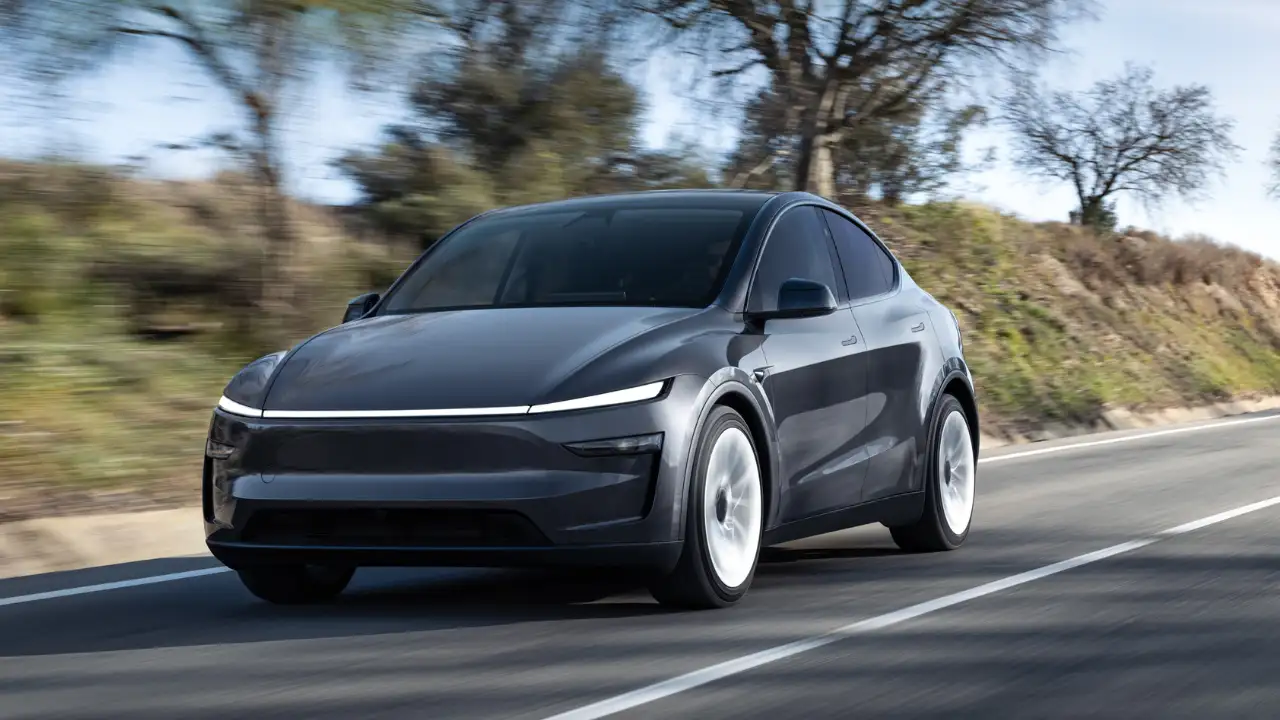
Tesla Model Y
Model Y has proven itself strongly in longevity comparisons. Because it shares many components and the battery systems with Model 3, many advantages carry over including efficient cell chemistry, good thermal management, and refined battery control via software.
Plugging in many thousands of Model Ys shows that after years of driving, the battery tends to degrade slowly if the vehicle is used under moderate conditions. Many owners with over 200,000 kilometers report still acceptable range performance above 80 percent of original.
One contributor is how Tesla uses passive and active cooling in the battery design. The pack has coolant channels, temperature sensors, and an ability to manage cell temperature during charging and heavy load.
When ambient temperature gets high, the system reduces charging or driving power to avoid overheating. When cold, battery warming systems lessen plating risk or internal resistance increases. These measures together help reduce degradation.
Tesla’s warranty for Model Y battery packs, like other Tesla models, ensures that owners are protected for certain period or ownership distance. Also battery balancing software helps ensure that cells wear evenly rather than letting some degrade faster than others.
The combination of good battery chemistry, thermal design, and usage protocols tends to produce consistent longevity across many units.
Again there are tradeoffs. If someone uses public fast chargers very frequently, especially DC fast charging above certain power, the battery may heat more and degrade faster. If battery is regularly kept at 100 percent state of charge or driven frequently until nearly empty, that stresses it.
Also environments with extreme heat or cold may reduce durability if thermal management is pushed too far. But despite these, many find that Model Y provides excellent long term battery resilience.
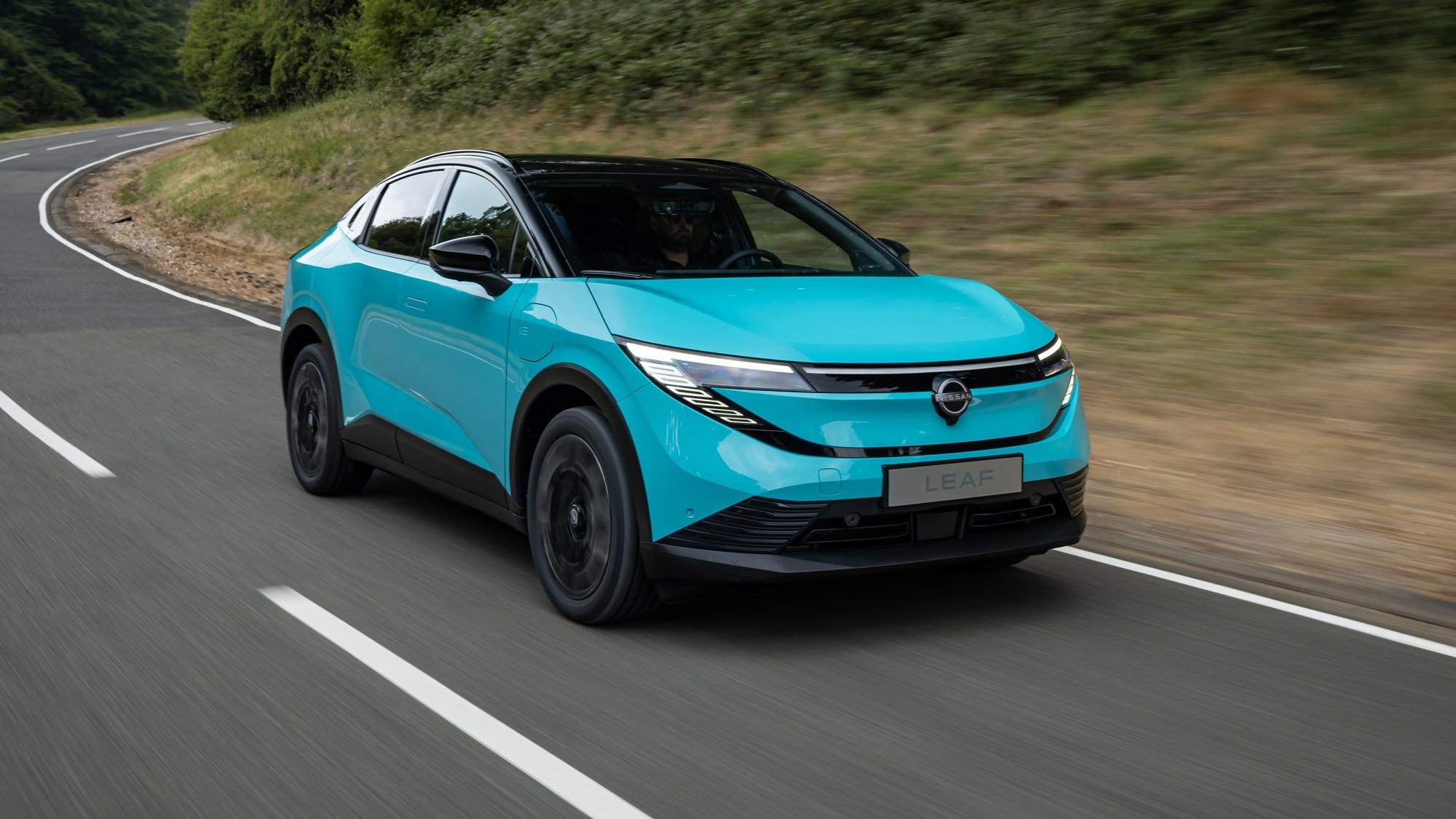
Nissan Leaf
The Nissan Leaf was among early mainstream EVs and has accumulated many years of real‑world data. Many Leafs with original batteries have run tens of thousands of kilometers with acceptable capacity retention.
The Leaf’s battery chemistry and thermal design are simpler than many modern EVs but that simplicity sometimes works in its favor for durability. Fewer moving thermal parts means fewer failure modes and fewer things that can go wrong in the battery system.
One factor is that the Leaf uses passive cooling rather than active liquid cooling for its pack in many models. That can be a drawback in very hot environments but in moderate climates and with moderate charging habits, it means less complexity and fewer cooling‑cycle stresses.
Battery cell chemistry has been reasonably stable, and Nissan has also used buffer reserves so that the rated usable capacity is less than the physical capacity, giving some margin for degradation without affecting advertised performance badly.
Warranty was somewhat less generous in early models compared to newer EVs but has improved over time.
Also many used Leafs have been monitored by enthusiasts who report that even after eight or ten years, battery packs often retain 70‑80 percent of their original capacity, especially if they have been well cared for, not frequently fast‑charged, not driven to extremes of charge or discharge, and kept in moderate climates.
One caveat is that early Leafs did not have sophisticated thermal management or cooling, meaning in hot climates or with frequent fast charging they may degrade more severely. Also salt‑road or coastal corrosion and poor maintenance can hasten failures or reduce battery performance.
Daily habits like limiting charge to 80‑90 percent, avoiding deep discharge, avoiding leaving the car idle under full sun for long times help preserve battery life for Leafs, perhaps more so than in high‑feature EVs.
Also Read: 10 Cars Mechanics Say Will Easily Hit 400k Miles
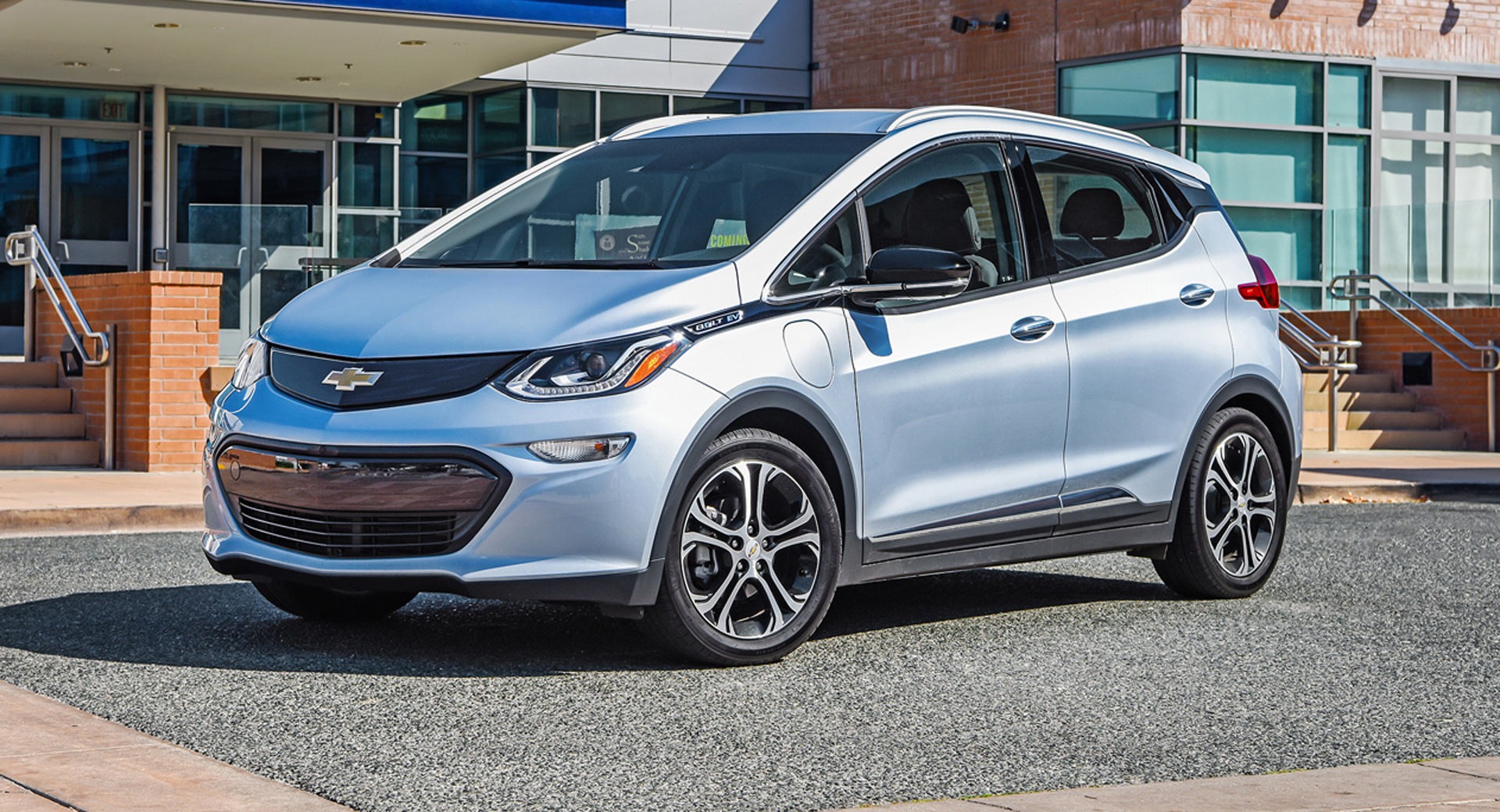
Chevrolet Bolt EV
The Chevrolet Bolt EV has shown good performance in battery longevity among affordable EVs. Owners with high mileage report capacity retention in the mid 70s to 80s percent even after many years.
One reason is that the Bolt uses well matured lithium cell technology with good thermal design, and GM has made improvements across production years to reduce degradation risk. Because the battery pack size is modest compared to luxury EVs, stresses are lower when charging or discharging.
Thermal system in the Bolt is less elaborate than some models but is adequate. It uses liquid cooling, and also good insulation and pack design to reduce exposure to high ambient temperatures.
The battery management system includes cell balancing and overheat protection, which engage when needed. Many Bolt owners say that moderate usage and avoiding frequent rapid charging preserve battery health substantially.
Warranty terms have improved and battery replacement programs in certain years have been offered when defects arise. GM has also implemented improvements across model years reducing degradation rates from earlier years to later ones.
Because of the relatively lower cost of the vehicle and battery, expectations are somewhat lower, but those who treat the Bolt well often find excellent battery life for cost.
One caveat is that frequent fast charging, especially with high power or under hot ambient, can wear the battery more quickly.
Also the battery pack of the Bolt is smaller meaning range matters more so sometimes owners push it harder which can increase strain. Using conservative charging practices and avoiding extremes of state of charge tends to yield better outcomes.
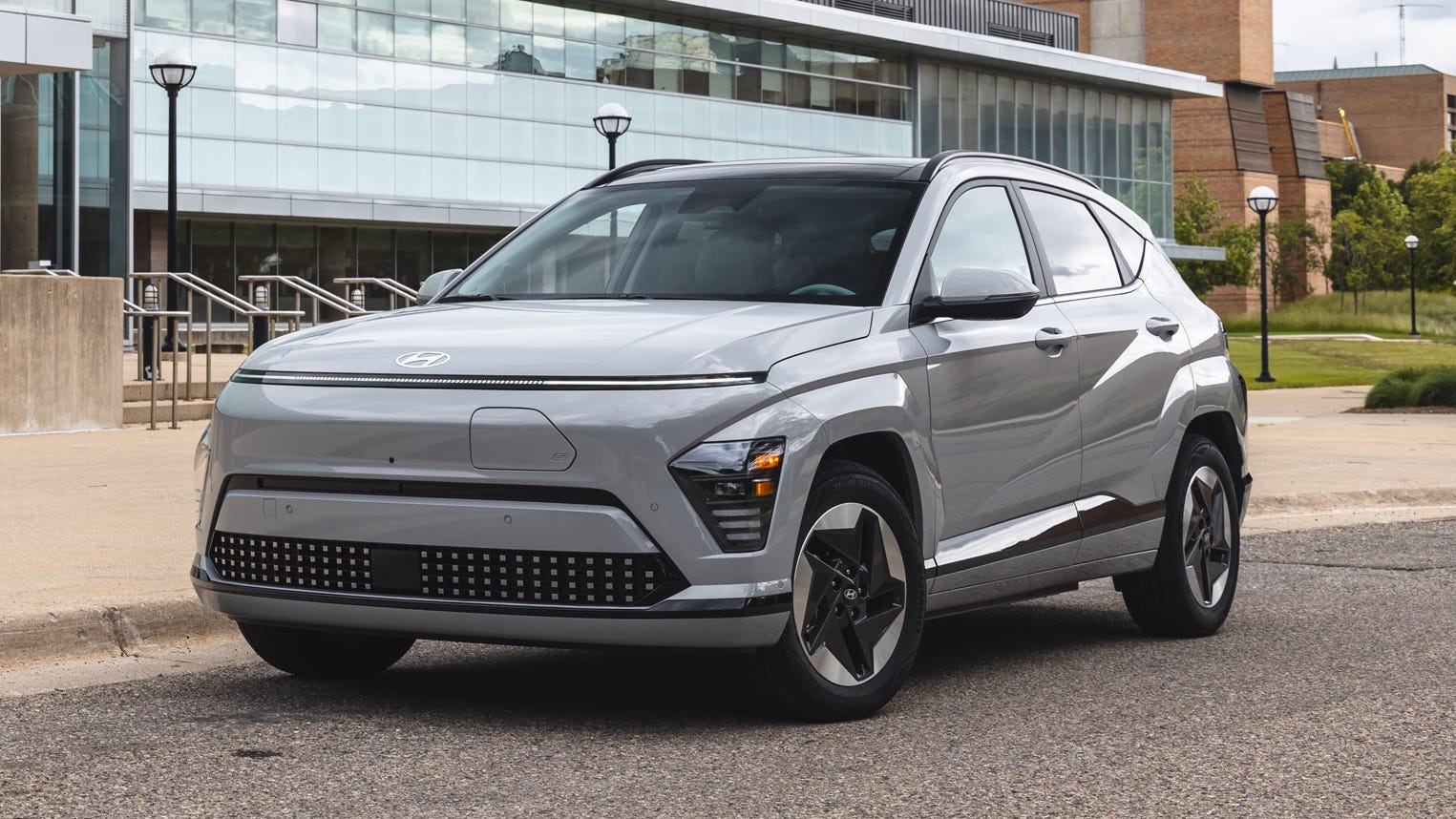
Hyundai Kona Electric
The Hyundai Kona Electric has earned praise in reliability and battery longevity metrics. Many owners report that even after lengthy years of service, battery capacity remains high.
This owes to good cell chemistry, careful pack packaging, and a thermal system that includes active cooling and sufficient margins. The Kona Electric benefited from manufacturer improvements over time, especially around battery thermal control and software calibration.
Its battery pack uses liquid cooling and cell management systems which monitor for heat buildup and cell imbalance. When charging rapidly or driving hard, the system moderates currents or power to protect battery health.
Also, Hyundai seems to design buffer zones in capacity usage so that driver‑visible range remains fairly steady as capacity diminishes slightly. That helps preserve perceived useful life.
Warranty terms are strong with Kona Electric in many markets giving battery warranty for eight years or a certain large number of kilometers. The strong support helps owners feel more secure about long-term battery performance.
Also service networks are relatively well developed so that any issues are addressed. Owners who charge at home, avoid leaving battery fully discharged for long, and avoid regular fast charging in hot weather tend to get the best longevity.
Still, Kona Electric may show more degradation in climates with high heat if cooling is overwhelmed. Also version changes affect battery construction so earlier models may have slightly different behavior than newer ones.
Usage patterns, such as repeated fast DC charging or always pushing to extremes of state of charge, will still reduce lifespan faster than moderate usage.
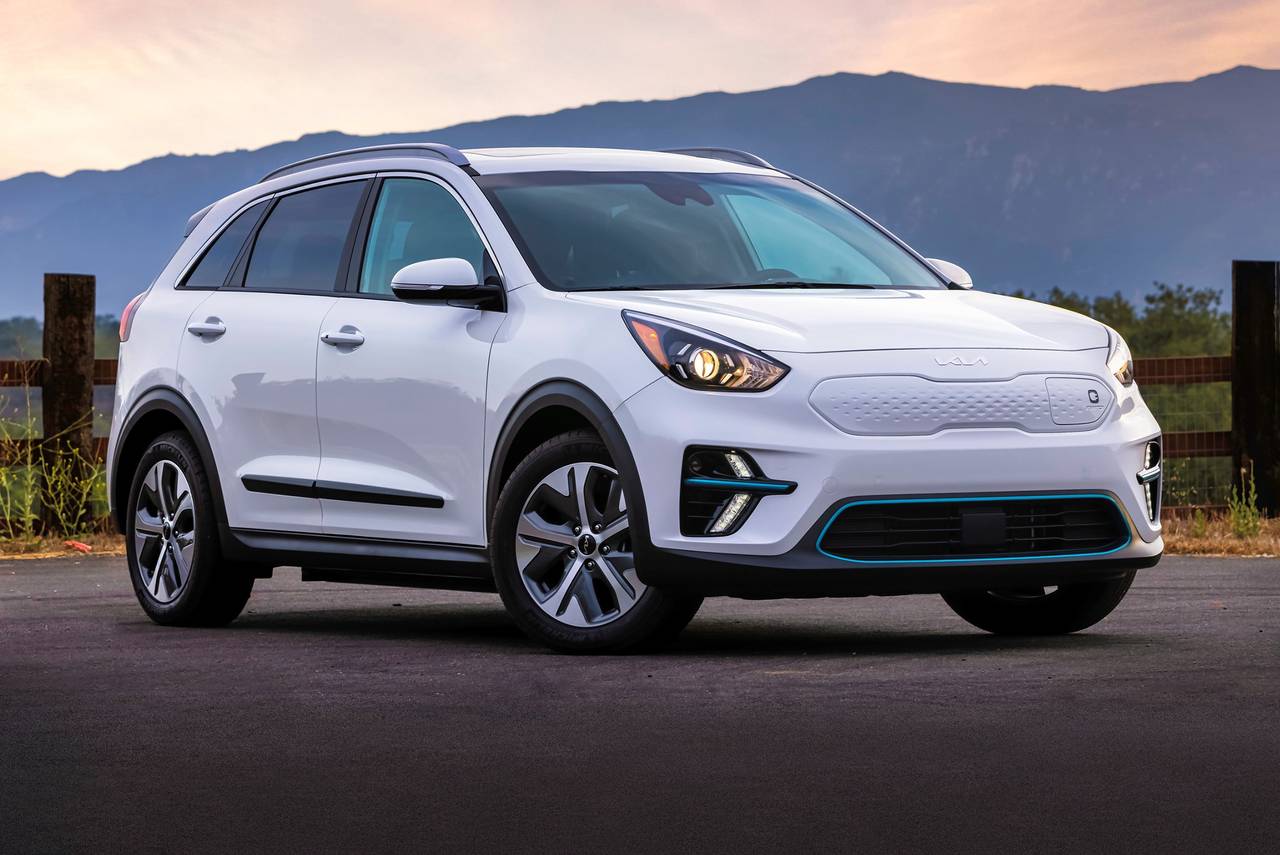
Kia e‑Niro / Kia Niro EV
The Kia e‑Niro (or Niro EV) has been a strong competitor when it comes to long battery life. Reports from owners over many years show solid capacity retention.
Similarities in battery chemistry, cooling system, and usage profiles with other South Korean manufacturers like Hyundai help. Kia builds buffer zones and takes care with cell balancing and thermal design to limit degradation.
The pack has good cooling, thermal sensors, and monitoring during fast charging to avoid overheating. The design avoids placing battery modules near areas of highest heat exposure.
Because of its moderate range and relatively efficient motors, the e‑Niro tends not to need extremely heavy discharge or recharge as often as high-power performance EVs do, which works in favor of longevity.
Kia offers warranties that cover battery health for eight years or a large distance. That protects buyers in case of unusually rapid decline.
Owners note that with careful habits, charging to 80‑90 percent for daily use, keeping it in a garage or shade, avoiding frequent rapid charges under high temperatures, battery health remains strong after many years.
Caveats include that extreme climate conditions can challenge cooling if the design of the local version is less robust. Also usage with frequent fast DC charging when at high or low states of charge will accelerate wear. Some early models might lack the strongest thermal management features of more recent ones, so comparing model year matters.
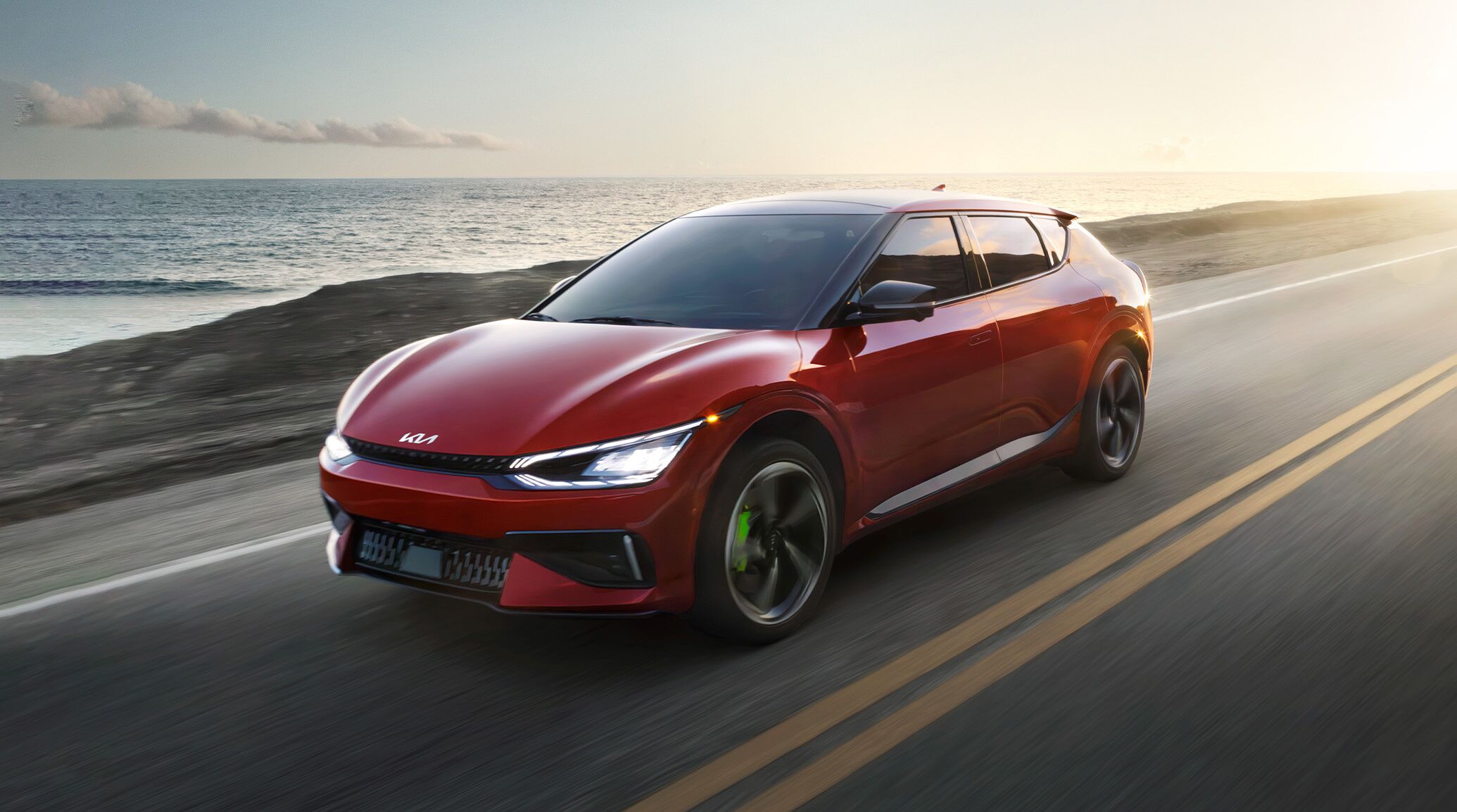
Kia EV6
Kia EV6 brings newer battery technology and has been praised for combining performance with battery durability. The cells used in its packs are of modern generation, offering better energy density while retaining good cycle life.
The vehicle includes efficient thermal management including liquid cooling, heat pumps in some markets, and active temperature regulation. These design elements help reduce stress from fast charging sessions or extreme environments.
The EV6 also includes software designed to preserve battery health. Charging profiles can be managed, and in many settings the default limit for daily charging is less than full capacity.
Features that allow driver to limit maximum charge help reduce time spent at high voltage, which is known to bring more rapid degradation. The cooling system is designed to precondition the battery before high speed charging which reduces thermal shock.
Warranty for battery health is generally eight years or a defined high distance. Kia offers good service support, and early adopters report that even after years of use, the EV6 retains a high percentage of its original range. Many long‑distance drivers say they still feel confident in range estimates after lots of charge cycles. The combination of strong hardware, good software, and helpful manufacturer support leads to consistent results.
Still, heavy use of high-power fast charging, especially without preconditioning and in high temperature, will increase battery wear.
Also pushing battery to extremes, full charge and deep discharge, will reduce cycle life. As with any EV, careful habits make a difference. Newer model years and updates tend to have slightly improved cooling or cell chemistry, so earlier EV6s may not be quite as resilient as later ones.
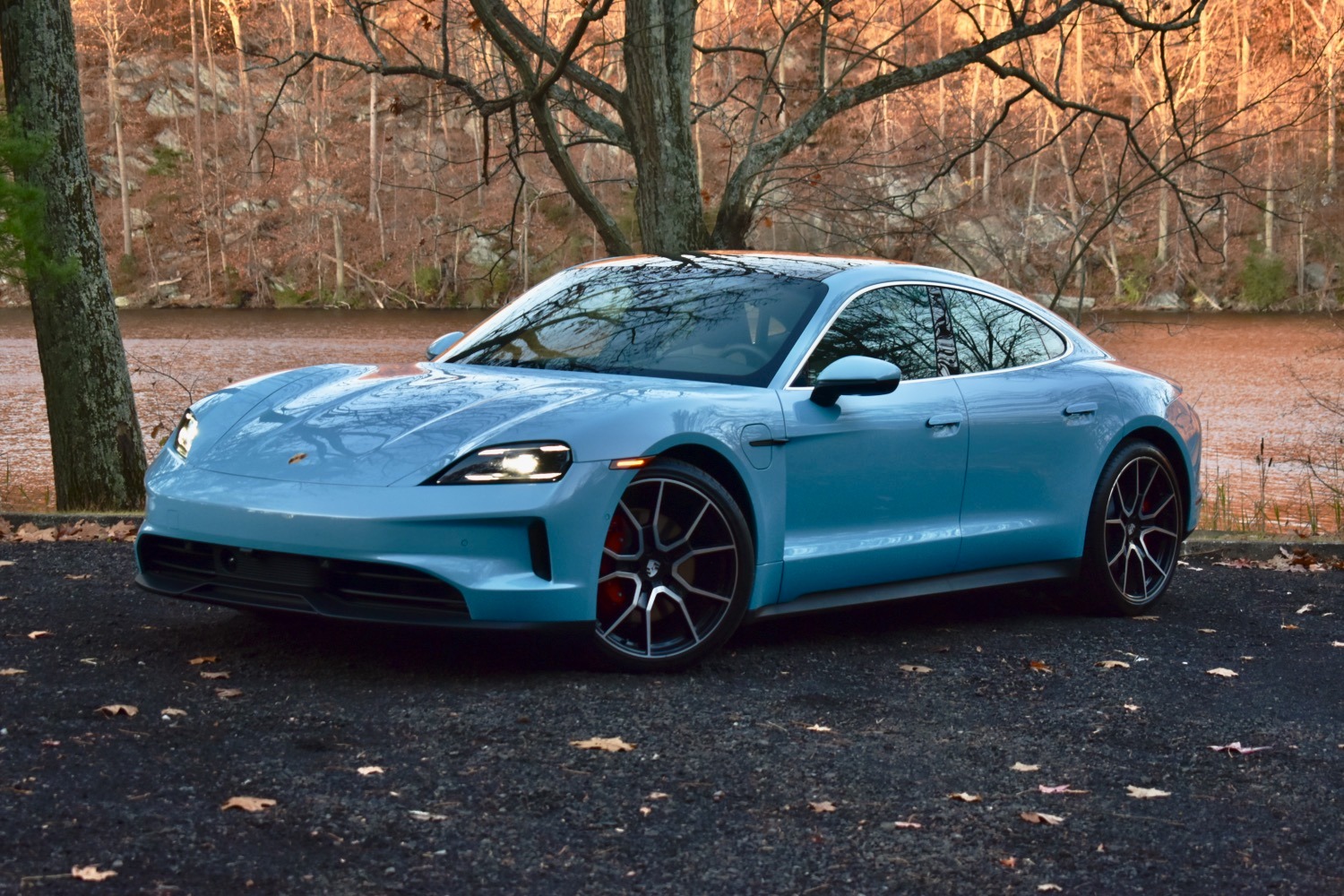
Porsche Taycan
The Porsche Taycan is a high performance EV but it has gained respect for holding up well over time. Porsche uses large and sophisticated battery cooling systems, rigorous cell management, and high quality battery cell construction.
Because the car often operates under high power demands, Porsche engineers have emphasized robustness in battery architecture to resist degradation. For buyers who value performance and expect significant driving, the Taycan offers a blend of speed and longevity.
One major advantage is that the Taycan uses liquid cooling and often has active thermal regulation that can adjust cooling based on demand. When fast charging, especially at high currents, the system preconditions the battery to reduce stress.
Also cabin and battery heating or cooling are integrated so that the battery is not left too cold or too hot before heavy usage. That helps prevent damage from thermal gradients or plating.
Warranty provisions are strong in premium brands often including battery health retention guarantees for many years or large distances.
Porsche also provides updates and software refinements that adjust charging behavior to reduce stress. Because of its premium design the quality of insulation, module packaging, and manufacturing tolerances tend to be high which helps reduce internal leakage, mechanical stress, or damage over time.
There are trade‑offs. Performance driving, heavy load, frequent top speed runs, and very frequent high current fast charging will put more strain on any battery, including the Taycan. Also, in regions with very hot summers or prolonged heat, cooling might be pushed.
Owners also need to observe good charging habits, avoiding leaving battery fully charged or fully depleted for very long times helps preserve long‑term health. Nonetheless many owners consider the Taycan’s battery resilience among the best in premium EVs.
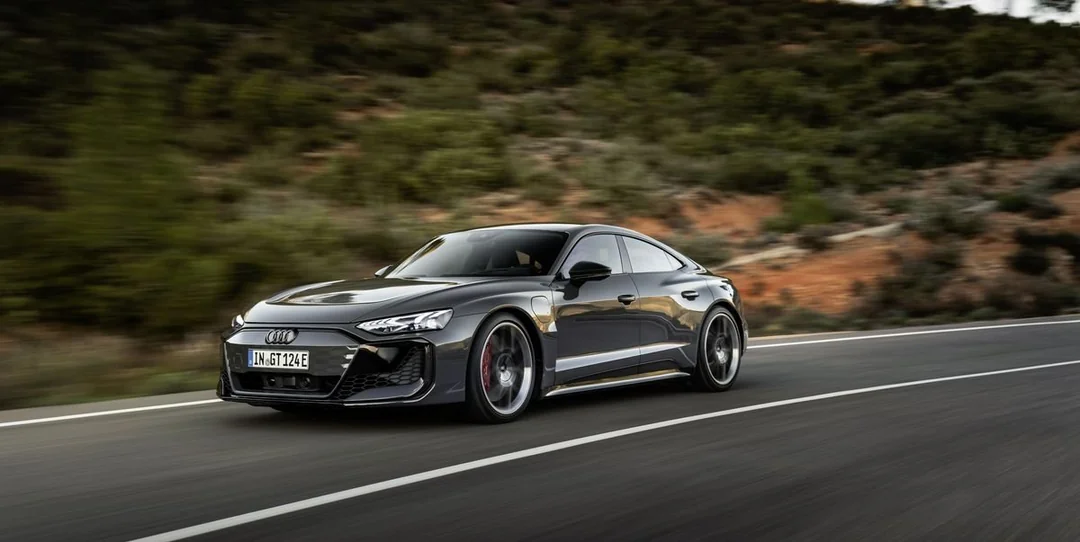
Audi e‑tron (and e‑tron Sportback)
Audi’s e‑tron family has been criticized by some for range or weight but praised by many for long battery life. The battery pack is built with quality cells, good packaging, and decent cooling.
In many owner reports the e‑tron retains a large portion of its original capacity even after years of use. The fact that a luxury crossover handles battery stress well is a sign of good engineering.
Thermal management is well thought out in e‑tron. The pack is liquid cooled, with active temperature sensors, cooling loops, and often preconditioning for charging.
When using fast charging stations, the system will adjust cooling or reduce charging rate if external temperature is very high. Also, regenerative braking systems and drive modes that favor efficiency help reduce stress by generating less high current draw patterns.
Audi provides warranties on battery health, often including a guaranteed minimal capacity retention after a set period or kilometers.
Because it is a premium brand, service network is usually good, so battery management software updates, calibration, and repair are more accessible. This helps in maintaining battery health over time since minor issues are addressed early.
Some drawbacks include weight. The e‑tron models are heavy due to luxury fittings, battery size, and all‑wheel drive hardware.
That means thermal loads especially under high power usage or towing are higher. Frequent fast charging or repeated high current draws may accelerate degradation. But many owners who avoid extremes report very good battery life with e‑tron models.
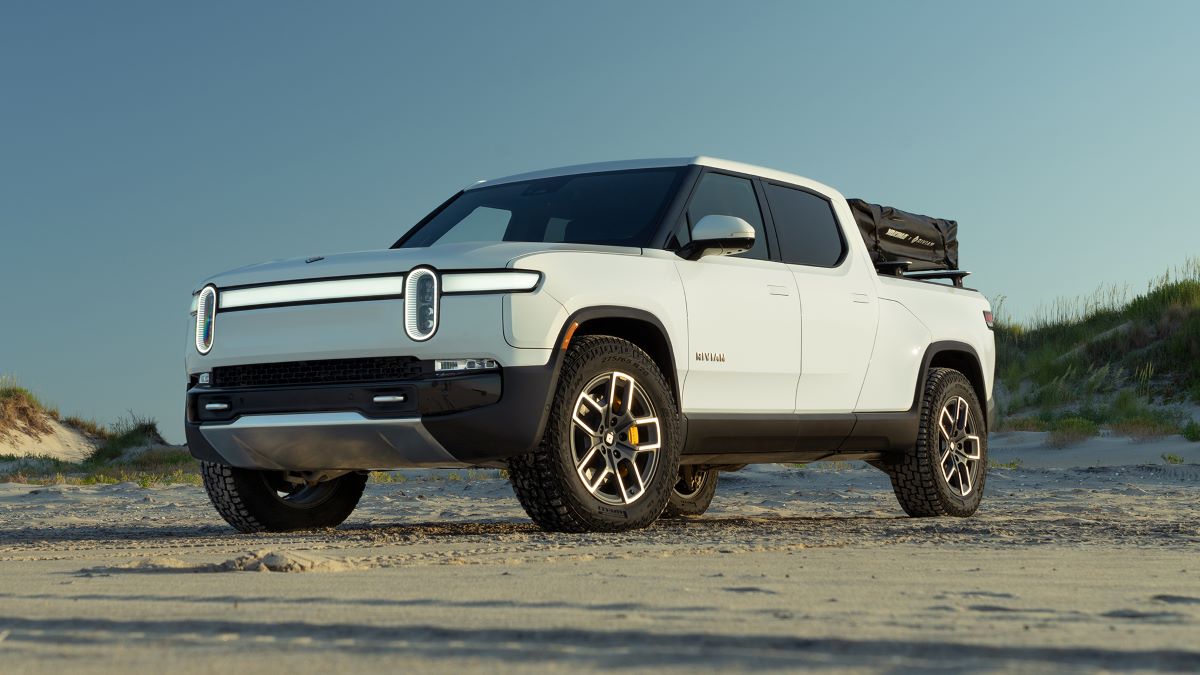
Rivian R1T
The Rivian R1T pickup has impressed because despite being a large, powerful vehicle built for off‑road and outdoor use it has battery systems designed for durability. The pack uses advanced cell technology, strong cooling systems, and robust thermal protection.
For users who drive on mixed terrain, who may tow or use heavy duty applications, the fact that Rivian focused on battery protection gives confidence that the battery will endure.
One reason is that Rivian has included strong thermal management including both liquid cooling and efficient air flow, a module layout that avoids hotspots, and preconditioning when charging or driving loads will be high.
Also Rivian has considered buffer capacity, so that the battery is not always being pushed into extremes. Towing or hauling imposes stress but Rivian seems to have overspeced many components to reduce heat buildup.
Warranty for battery health is generous. Rivian promises minimal capacity retention over a substantial number of years or miles. Because the target customer often expects rugged usage, the company designed the battery management software to adjust power delivery, limit extremes, and balance cell usage.
Owners with early R1Ts report satisfaction with battery capacity even after many use cycles, including with towing or off‑road usage.
Still caution is needed. Heavy weight and high power usage, towing, frequent fast charge sessions, or rough terrain will increase internal stresses.
Operating frequently in very hot climates without shade or cooling will similarly challenge the thermal system. Good practices such as moderate load, avoiding overcharging or full depletion, and storing the vehicle in temperate conditions help preserve the pack lifespan significantly.
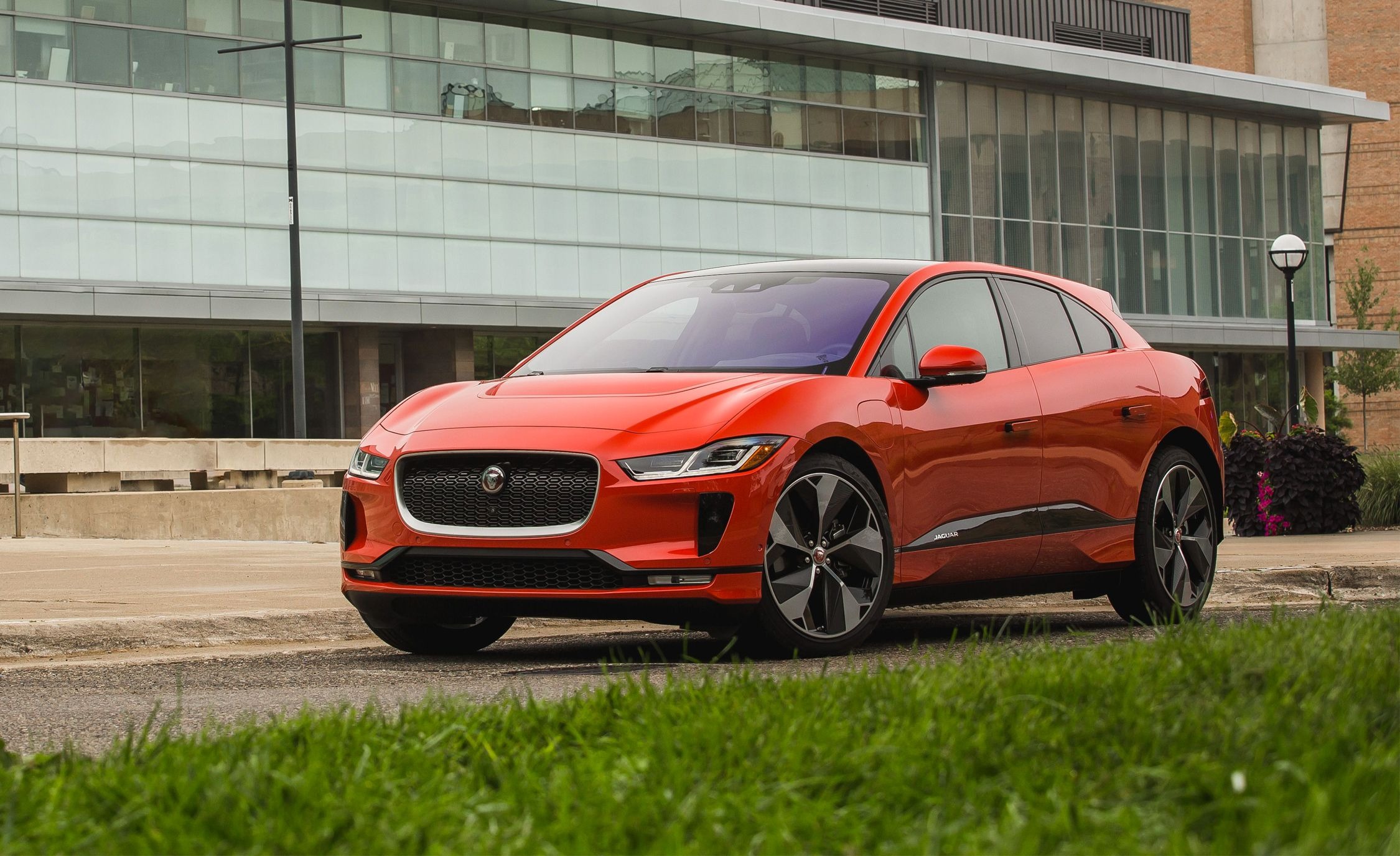
Jaguar I‑Pace
The Jaguar I‑Pace crossover has earned appreciation for its battery pack durability. Though electric SUVs often face larger thermal loads due to their weight, the I‑Pace manages heat well.
It uses liquid cooling, active thermal sensors, and has cell chemistry chosen to resist degradation. Early reports from owners show that even after years of use many I‑Pace batteries retain substantial capacity.
The thermal system in the I‑Pace includes multiple sensors, coolant loops, and regulated cooling when fast charging or under heavy load.
Also interior climate control and battery climate control are often linked so that heat produced during use is dissipated efficiently. Cell balancing and control algorithms reduce risk of cell mismatch over time, which is a common cause of uneven degradation among modules.
Warranty is generally eight years or a large number of miles for battery health. Jaguar has had to improve early issues with software and battery pack calibration but more recent units benefit from lessons learned in earlier production.
Owners report consistent range after years of ownership, especially under moderate usage patterns. Jaguar also supplies software updates to adjust charging behavior or thermal thresholds which help longevity.
Some challenges persist. The heavier mass, performance demands, or off‑road usage may cause greater stress. Also in regions with extreme heat, cooling systems will be pushed harder.
Using fast chargers frequently or always charging to maximum full state of charge will accelerate wear. If those are avoided, many I‑Pace owners find endurance of battery packs to be quite good.
