
The 2000s were a strange but wonderful time for automotive engineering. Straddling the line between old-school mechanical grit and new-age electronic refinement, the decade saw a flurry of V8 sedans that delivered equal parts luxury and brute force. These were cars that didn’t try to be everything to everyone.
They had big engines up front, power sent to the rear, and enough torque to make your daily commute something to look forward to. Today, many of these models have aged into cult classics.
Some flew under the radar when new, overshadowed by flashier competitors or misunderstood by the market, but are now earning respect in the used car world. Others were appreciated from the start, but time has only added to their reputation.
V8 sedans from this era hold a unique place in automotive history. They’re old enough to have avoided the touchscreen-and-plastic overload of modern interiors but still new enough to enjoy benefits like traction control, ABS, and relatively solid build quality.
Most importantly, they give drivers the sensation of a raw, mechanical V8 engine, something that is becoming rarer by the year.
Manufacturers from America, Germany, Japan, and even Australia contributed their interpretations of the formula, and each brought something distinctive. Some emphasized comfort and road presence, while others were more about track-capable performance hidden under the guise of a four-door layout.
What makes these sedans special today is how they have managed to remain relevant despite the evolving automotive industry. They are not just transportation; they are statements.
Whether it’s the sound of a naturally aspirated V8 bouncing off buildings, the feel of a heavy chassis hugging the road, or the nostalgia of a time before emissions restrictions tightened the noose, these cars carry emotional value.
For enthusiasts who missed out on them new, now might be the last realistic opportunity to grab one before values go even higher.
This article breaks down ten V8 sedans from the 2000s that are now considered gold, either for their engineering, their rarity, their style, or the raw experience they offer behind the wheel.
Also Read: 12 Cars That Constantly Drive Owners Crazy
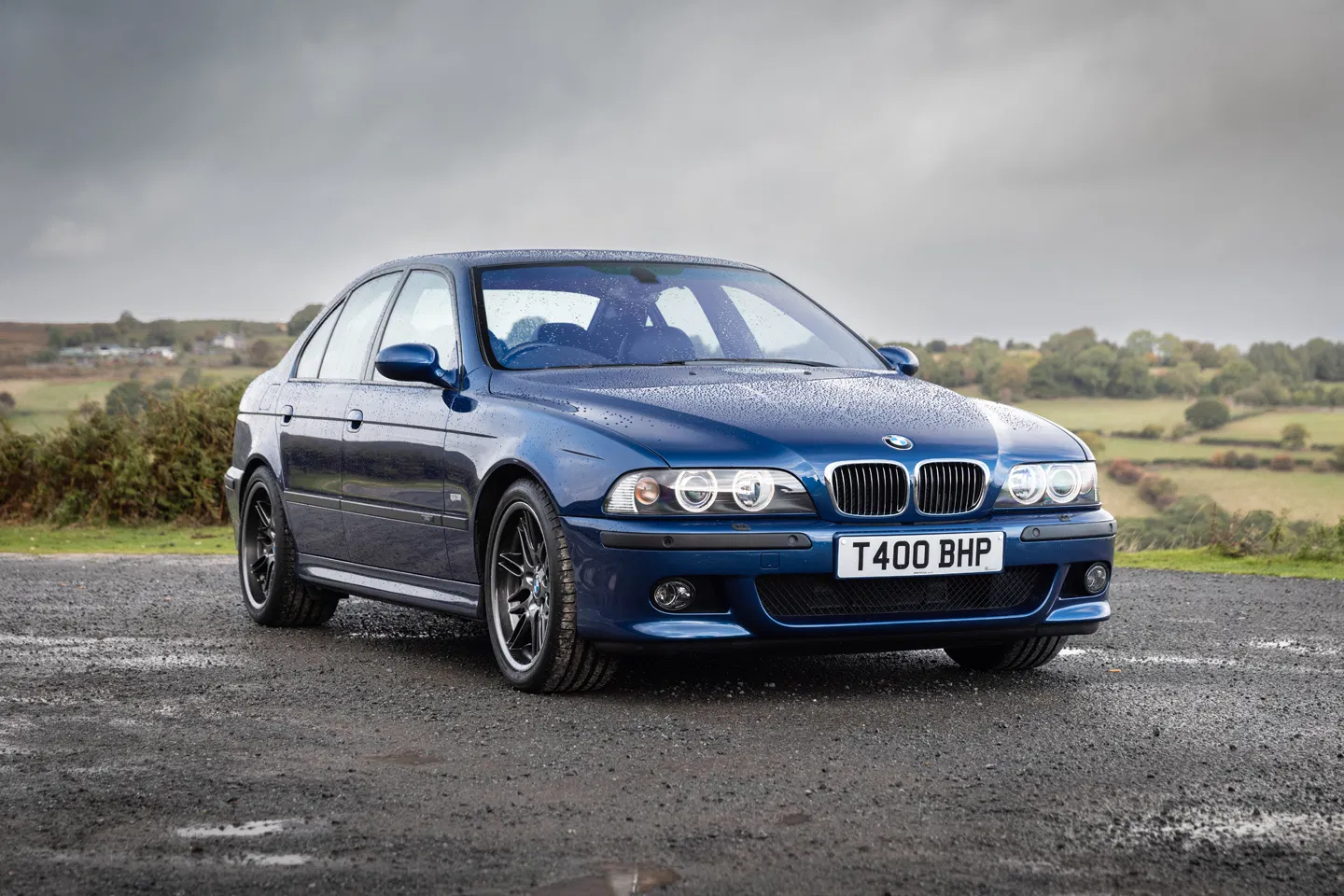
1. BMW E39 M5 (1998–2003)
The E39 M5 wasn’t just a good V8 sedan, it was one of the finest driving machines ever built. Powered by a 4.9-liter naturally aspirated V8 making 394 horsepower, it was raw, responsive, and precise. What separated the E39 from other M-badged cars before it was how mature it felt without sacrificing the edge that made M cars special.
The balance between luxury and performance was nearly perfect. You could drive it to a business meeting during the day and then hammer it down a mountain road at night without it skipping a beat.
The engine, known as the S62, is one of the best V8s ever made by BMW. It pulls smoothly across the rev range and has a linear power delivery that rewards the driver for staying engaged. Unlike turbocharged setups, there’s no delay in throttle response, and that makes it incredibly satisfying to push hard.
Mated to a six-speed manual gearbox, it demands driver involvement, something that’s becoming more rare in modern performance sedans. There was no automatic option, and that was very much by design.
From a design perspective, the E39 has aged better than most of its peers. It doesn’t scream for attention, but it stands out with the right proportions, subtle M touches, and a presence that still feels premium today.
Inside, the cabin was built with a focus on the driver, with materials that have proven durable over time. It’s not the most technologically advanced interior by today’s standards, but its simplicity works in its favor.
Today, the E39 M5 has a strong following, and values are steadily increasing. Clean, low-mileage examples are becoming hard to find, and enthusiasts know exactly what they’re getting with this car. It wasn’t a trend; it was a benchmark. For many, this was the peak of BMW’s M division, and it still holds up as one of the best driver’s cars to wear the badge.
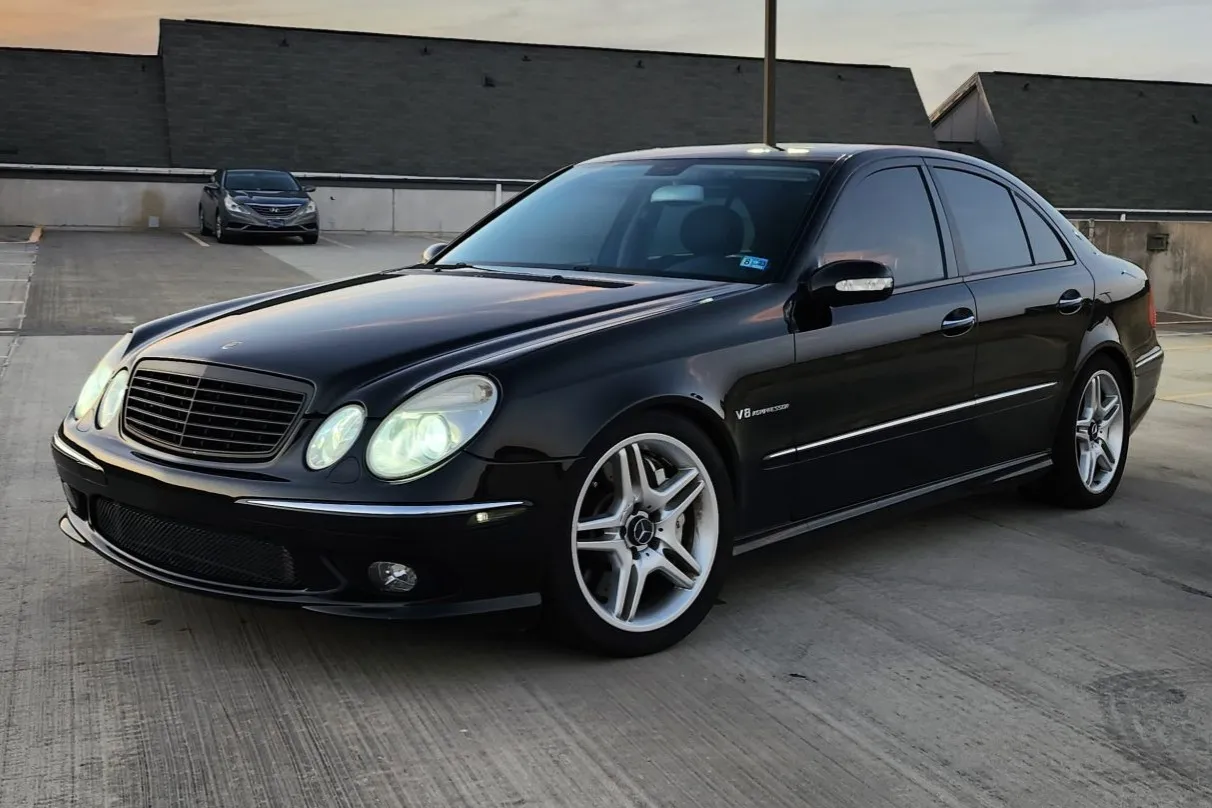
2. Mercedes-Benz E55 AMG (W211, 2003–2006)
If the BMW M5 was the precision tool of the 2000s, the E55 AMG was the sledgehammer. With its supercharged 5.4-liter V8 pushing out 469 horsepower and over 500 lb-ft of torque, the E55 was a monster wrapped in a business suit.
It wasn’t subtle, and it wasn’t meant to be. Put your foot down, and the rear tires would scream as the traction control fought to contain the wave of power being sent to the rear wheels.
The character of the E55 AMG was different from its rivals. It didn’t try to be the best at cornering or provide a manual gearbox option. It focused on brutal straight-line performance and effortless highway cruising.
This was a car that could shame supercars of its time in a straight line, all while offering heated leather seats, a sunroof, and soft-close doors. It was brutally fast without ever feeling unrefined, a testament to AMG’s engineering philosophy.
Despite its ferocity, the E55 had an air of elegance. It looked almost understated to the untrained eye. Only those who knew what the AMG badge stood for could appreciate the subtle styling changes: slightly wider arches, deeper front and rear bumpers, and quad exhaust tips.
Inside, it was all about luxury, with a touch of sportiness. The build quality was solid, and while the infotainment now feels dated, the materials used still hold up today.
Finding a clean E55 AMG today is becoming increasingly difficult. Many were driven hard, and maintenance wasn’t always a priority for previous owners. But those who understand what the car represents are willing to pay a premium for well-kept examples.
It’s one of the last AMG sedans to offer such a raw experience without the digital interference of modern systems. If you want a V8 sedan with a bad attitude and enough torque to move a mountain, this is the one.
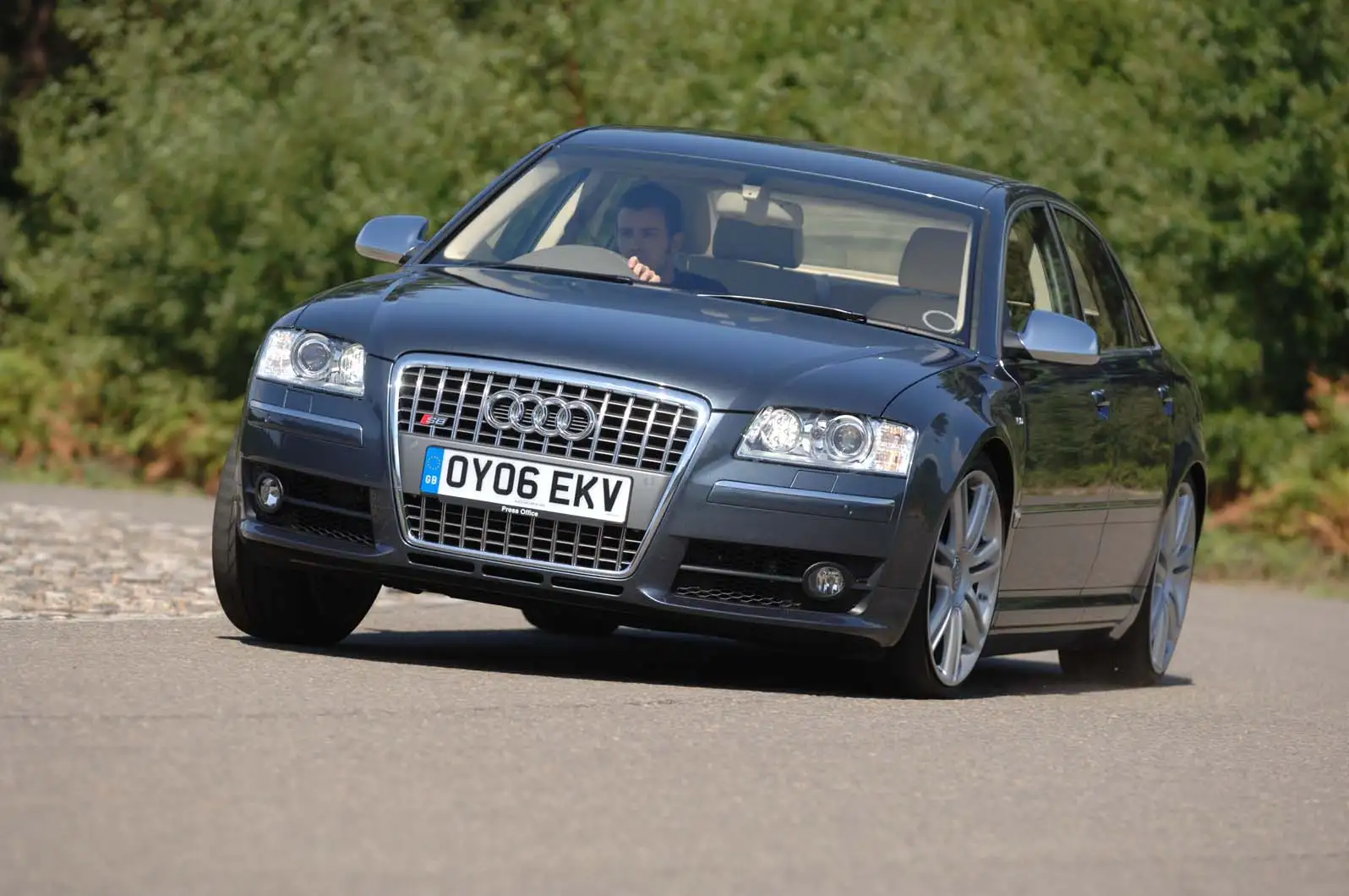
3. Audi S8 D3 (2006–2009)
The D3-generation Audi S8 was a sleeper in the truest sense. From a distance, it looked like a regular executive sedan, but underneath was something special: a 5.2-liter V10 engine with ten cylinders arranged in a V but technically based on a Lamborghini unit, reworked by Audi for more civilized performance.
It wasn’t just about numbers, it was about the way it delivered them, with a smooth, refined power band and a truly unique soundtrack.
Although technically a V10, this car deserves its spot on the list for a specific reason: it carried the spirit of a V8 sedan with more flair. Audi’s quattro all-wheel-drive system helped manage the 450 horsepower effectively, making it a confident performer in all conditions.
Whether it was rain, snow, or dry pavement, the S8 would launch with authority. Unlike many performance sedans of the time, it didn’t rely on harsh suspension setups to feel sporty. It was refined, but never soft.
Inside, the D3 S8 was peak Audi. The materials, fit and finish, and ergonomics were top-tier. Every touchpoint felt carefully considered.
It had a commanding driving position and enough tech to feel advanced without becoming overwhelming. The seats were supportive and built for long-distance comfort. This was a car that could crush highways without ever tiring the driver, and still handle itself well when pushed on a twisty back road.
What makes the D3 S8 interesting today is that it remains a niche choice. It’s not as flashy as its German rivals, and its badge doesn’t carry the same weight in performance circles.
But those who’ve driven one know it’s a special machine. Maintenance can be a challenge, especially with the complexity of its drivetrain, but for those willing to take it on, it offers something few sedans can match: class, capability, and character.
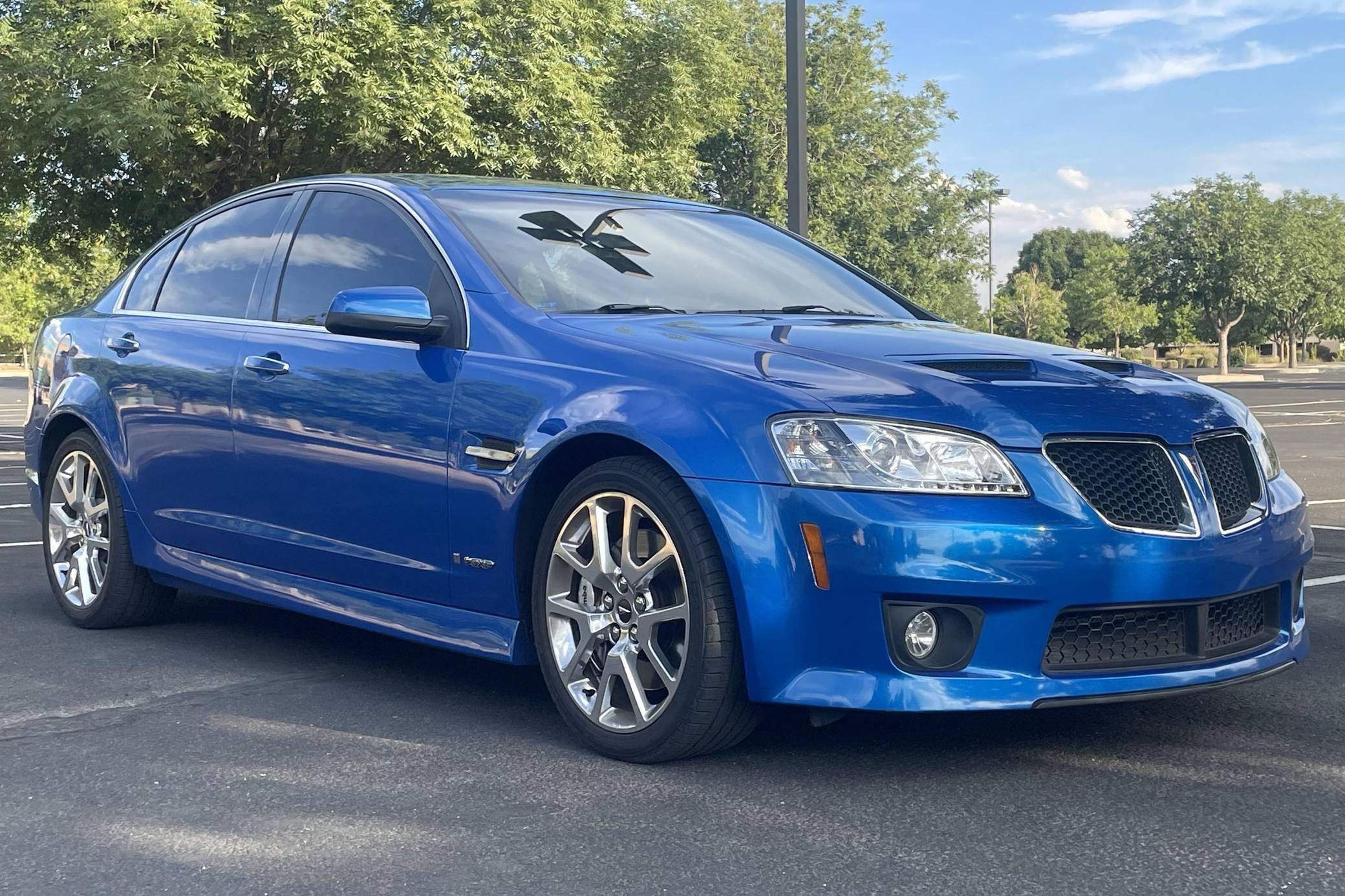
4. Pontiac G8 GXP (2009)
The Pontiac G8 GXP is one of those cars that enthusiasts talk about with a mix of excitement and frustration. Excitement because it was a full-blown V8 sedan built on Australian underpinnings with proper American muscle under the hood.
Frustration because it arrived just before Pontiac was shut down, and production was cut short before it could make a real impact. In many ways, it was too good to last.
Powered by the 6.2-liter LS3 V8 from the Corvette, the GXP made 415 horsepower and came with a six-speed manual transmission as an option. That alone made it special. It was a rear-wheel-drive sedan with power, personality, and proper enthusiast credentials.
There were few frills, but the focus was on driving. The chassis was tight, the steering was direct, and the brakes were up to the task. It didn’t try to be European. It was American muscle in a four-door suit.
Inside, it was functional, if not overly refined. The materials were acceptable for the price point, but nobody bought a G8 GXP for the interior. It was all about performance.
And in that department, it delivered more than anyone expected. The car could hit 60 mph in under 5 seconds and handled far better than most assumed a Pontiac ever could.
It was the spiritual successor to the muscle sedans of the past but wrapped in modern performance engineering. What made the GXP version particularly compelling was how focused it was on delivering pure driving pleasure.
It didn’t try to be a luxury car or an all-weather commuter; it was simply a sedan built for those who still cared about naturally aspirated power and rear-wheel-drive dynamics. The car’s suspension tuning was firmer than the base G8, offering better response and body control without becoming overly punishing on rough roads.
Another standout trait was its rarity. Pontiac only produced a little over 1,800 units of the GXP, making it one of the rarest high-performance sedans of the 2000s. This low production run wasn’t by design but rather due to General Motors shuttering Pontiac shortly after its release.
As a result, the G8 GXP became a collector’s item almost by accident. Today, it’s highly sought after by enthusiasts who recognize its performance value and scarcity. It’s also one of the few cars from the era that managed to combine the visceral feel of old-school muscle with the practicality of a sedan.
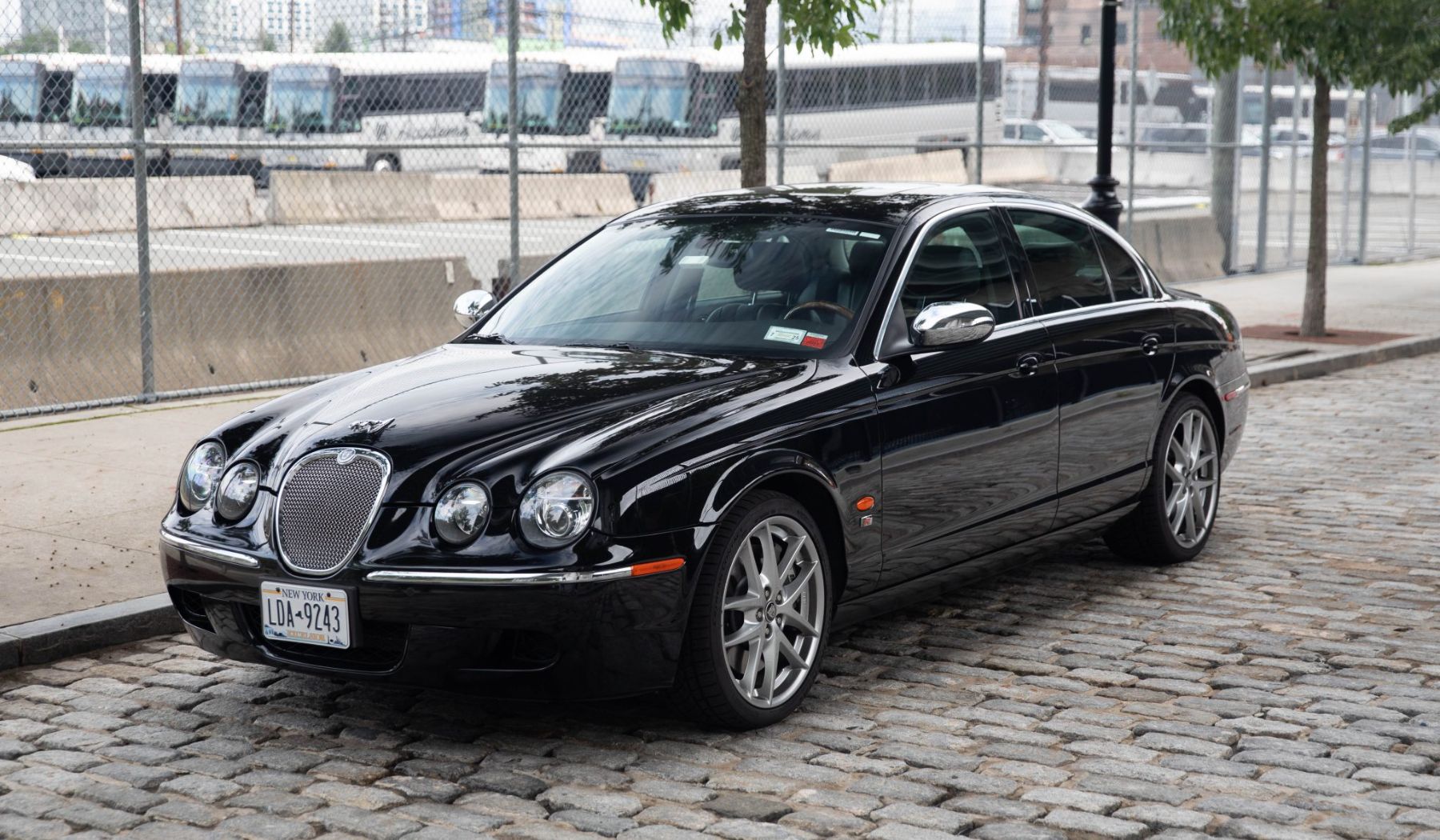
5. Jaguar S-Type R (2002–2007)
Jaguar’s S-Type R from the early 2000s might not have received the widespread acclaim of its German rivals, but that only makes it more appealing now. Under the hood was a supercharged 4.2-liter V8 producing 400 horsepower, sent to the rear wheels through a six-speed automatic.
It wasn’t just about power, though; the S-Type R had a charm and road presence that stood apart from the clinical precision of BMWs and Audis. It had a personality rooted in old-world luxury, combined with genuine high-performance capability.
The styling of the S-Type R was polarizing when it debuted, with its retro cues and oval grille. But in hindsight, that’s part of its appeal. It wasn’t trying to look like everything else on the road. Instead, it leaned into Jaguar’s heritage, and that gives it a timeless quality today.
The R version added subtle body enhancements, larger wheels, and performance brakes, but it never screamed for attention. It walked the line between elegance and aggression in a way only Jaguar could pull off.
Driving the S-Type R revealed its split personality. At cruising speeds, it was refined and quiet, with a supple ride and high-quality materials throughout the cabin.
Press the accelerator, however, and it transformed into something entirely different. The supercharger delivered immediate torque, and the exhaust note had a rasp that felt more raw than refined. The handling was sharp for a car its size, and Jaguar’s engineers managed to balance comfort with control better than many expected from the brand at the time.
Despite its strengths, the S-Type R never sold in large numbers, which contributes to its rarity today. Many were neglected or modified poorly, making clean, original examples harder to find.
But for those who do locate a good one, it offers an excellent blend of performance, luxury, and uniqueness. It’s the kind of car that flies under the radar until someone hears the supercharged growl and sees that leaping cat on the trunk lid. And by then, it’s too late to forget.
Also Read: 10 Cars Mechanics Say Will Easily Hit 400k Miles
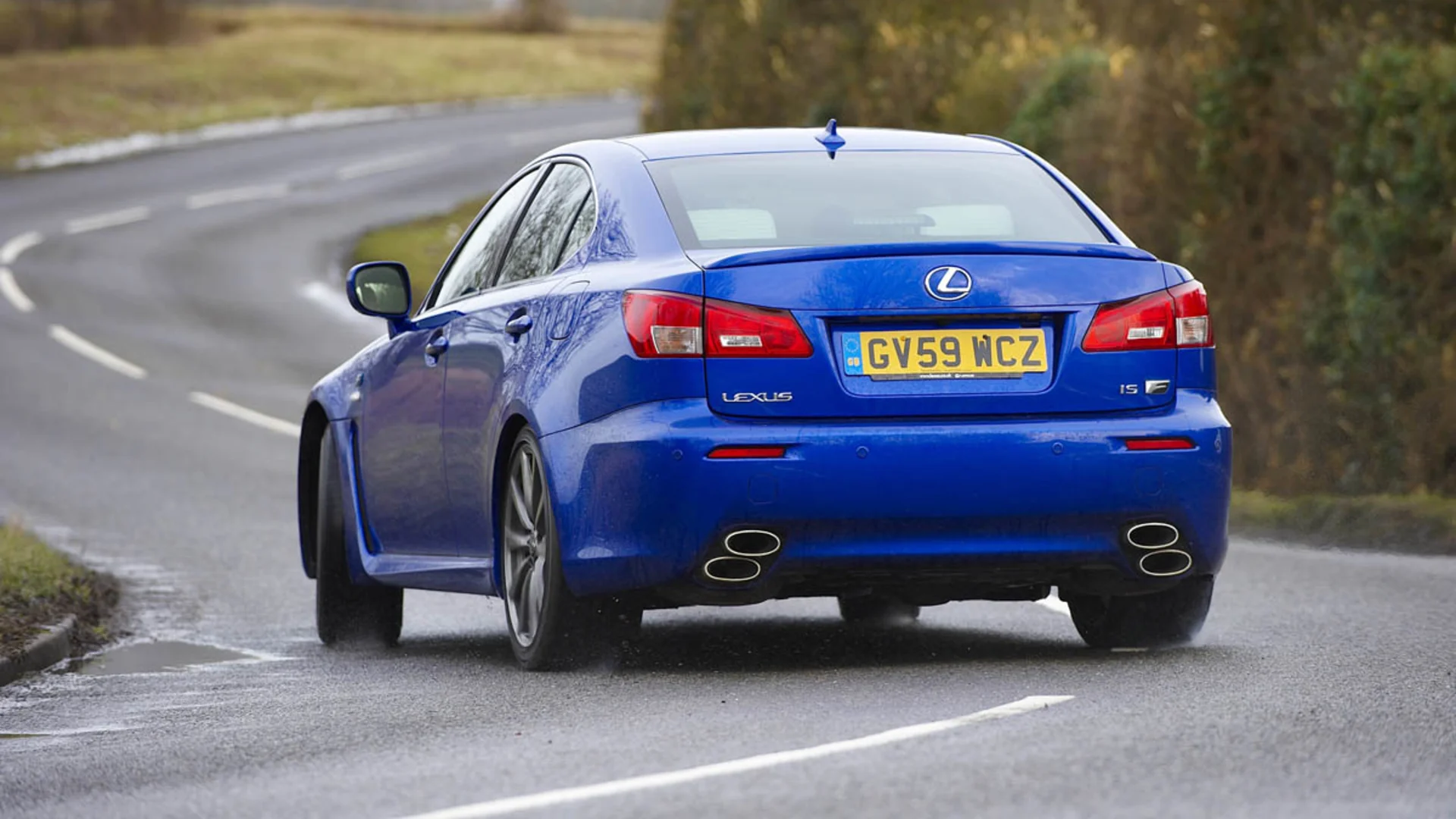
6. Lexus IS F (2008–2014)
Lexus shocked the performance sedan world when it launched the IS F. Known for their serene, reliable luxury vehicles, Lexus decided to drop a 5.0-liter naturally aspirated V8 into its compact IS sedan and aim straight at the BMW M3 and Mercedes C63.
The result was a 416-horsepower screamer that revved past 6,800 rpm and sent all its power to the rear wheels. This wasn’t just a marketing experiment. It was a serious performance car that proved Lexus could build more than quiet cruisers.
One of the most distinctive traits of the IS F was its engine. The 2UR-GSE V8 was co-developed with Yamaha and had a split intake manifold and forged internals, giving it the durability and power to perform under hard use.
It delivered peak power high in the rev range, encouraging drivers to keep their foot down and enjoy every bit of that soundtrack. The eight-speed automatic transmission was fast for its time, with paddle shifters and a manual mode that allowed meaningful control.
Visually, the IS F stood out thanks to its aggressive body kit, quad stacked exhaust tips, and slightly wider stance. It wasn’t overly flamboyant, but it had just enough aggression to signal its intent.
Inside, it was a step up from the standard IS, with bolstered sport seats, F-Sport badging, and a driver-focused layout. While not as high-tech as later Lexus interiors, it still feels high quality today, with materials that have aged well and a refreshingly straightforward layout.
The IS F never sold in huge numbers, which now works to its benefit. It’s appreciated as a bit of an outlier, a car that defied expectations from a brand better known for hybrids and luxury SUVs. It was reliable, fast, and held its own against more established rivals.
As modern performance cars become increasingly digital and isolated, the IS F stands as a high-revving, naturally aspirated V8 sedan with a raw edge and a unique identity.
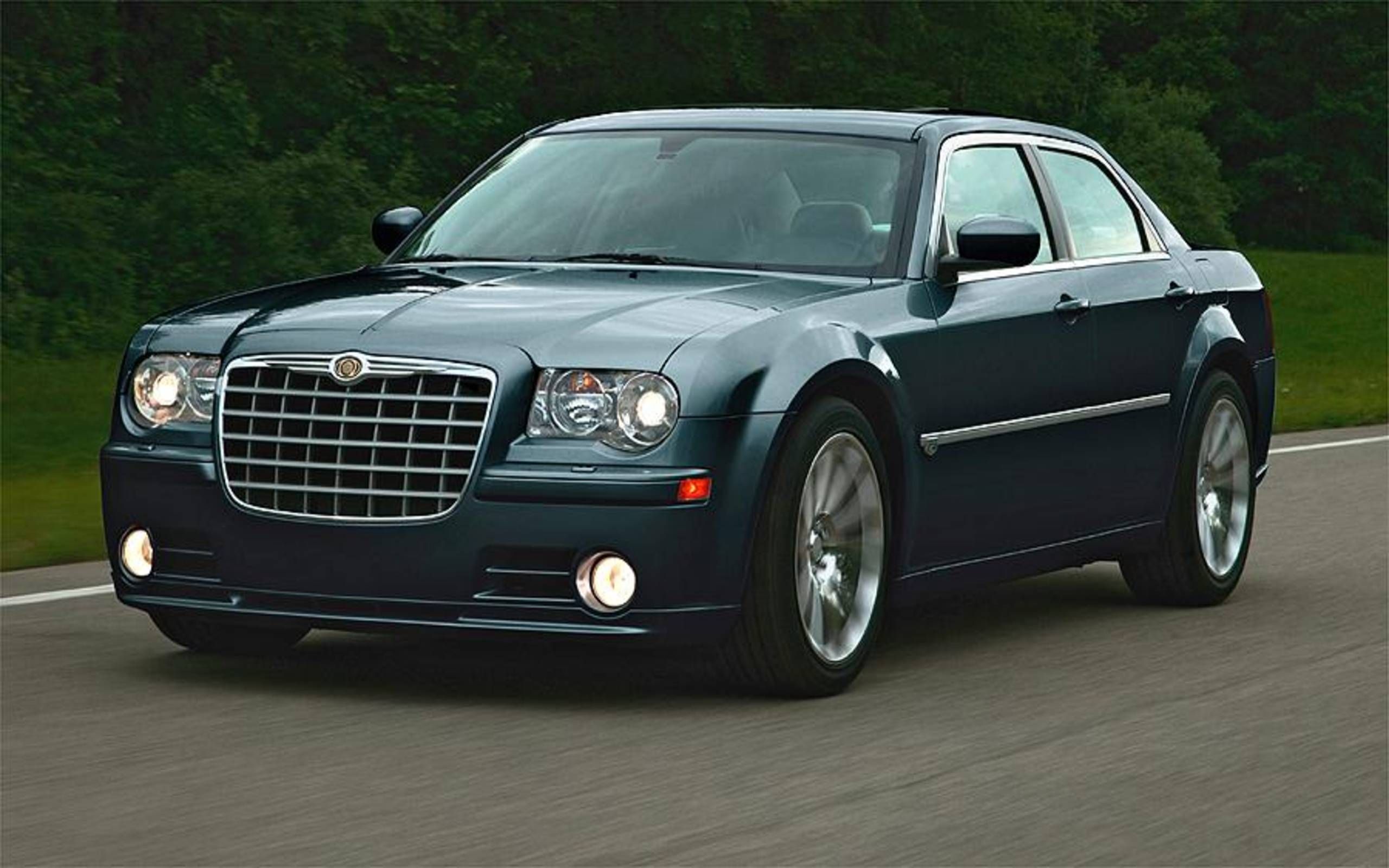
7. Chrysler 300C SRT8 (2005–2010)
The Chrysler 300C SRT8 burst onto the scene in the mid-2000s like a heavyweight prizefighter. With a 6.1-liter HEMI V8 under the hood and bold styling that resembled a gangster movie car, the SRT8 version of the 300C didn’t mess around.
It was unapologetically American, delivering 425 horsepower to the rear wheels and backed by a muscular exhaust note that let everyone know what was coming. This wasn’t a luxury sedan trying to be sporty; it was a muscle car in four-door form.
The design of the 300C was part of its success. It looked wide, low, and menacing from every angle. The SRT8 variant dialed that up further with unique bodywork, lowered suspension, larger brakes, and massive 20-inch wheels.
It had real road presence, and even now, it turns heads. Inside, the cabin wasn’t overly luxurious, but it had the essentials: leather, heated seats, a solid sound system, and enough tech to keep drivers happy. But the main attraction was always under the hood.
Driving the 300C SRT8 was all about torque. The 6.1-liter HEMI wasn’t designed for high-revving finesse; it was built to pull hard from low RPMs and deliver that old-school muscle feel.
The car felt big and heavy, but that added to its sense of drama. It wasn’t trying to be a nimble European sports sedan, it was comfortable being a brute, and that honesty gave it a unique appeal. It could light up the tires with ease and had enough grunt to embarrass more expensive cars in a straight line.
Today, the first-gen 300C SRT8 is gaining respect among enthusiasts who miss the days when performance cars didn’t try to be all things to all people.
It represents a specific moment in time when American automakers leaned into their strengths rather than mimicking overseas competitors. The value of clean examples is rising, and for those who appreciate raw horsepower and bold styling, this is a car that still delivers in a big way.
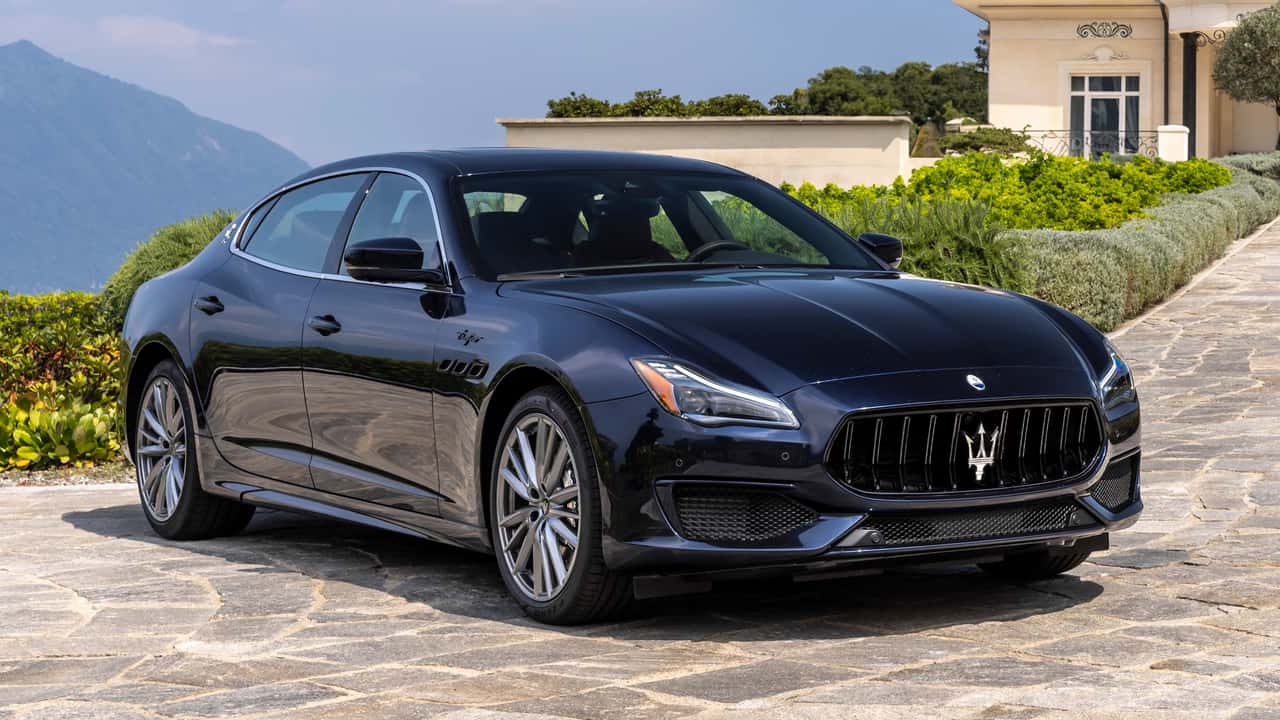
8. Maserati Quattroporte V (2004–2012)
The fifth-generation Maserati Quattroporte marked a major turning point for the Italian brand. With Ferrari’s influence firmly planted under the hood, the Quattroporte V came equipped with a naturally aspirated 4.2-liter (and later 4.7-liter) V8 engine that delivered not just power, but a soundtrack that could only come from Italy.
Producing between 394 and 434 horsepower depending on the year and spec, this was a true performance sedan with the style and character only Maserati could provide.
What made the Quattroporte V special wasn’t just the numbers, it was the drama. From the moment you started the engine, the car gave you a sense of occasion. The exhaust snarled and growled in a way that no German competitor could match. On the move, it felt alive, eager, and sharp.
The steering was hydraulic and full of feedback, the chassis balanced with a rear-drive layout that rewarded smooth, confident driving. It wasn’t the fastest car in its class on paper, but it didn’t need to be. It was about the experience, the noise, and the style.
The styling itself was handled by Pininfarina, and it shows. The proportions are classic, with long, sweeping lines and a low stance that gives it an elegant presence. Inside, it was a different world compared to the cold, tech-heavy German cabins of the time.
The interior was swathed in fine leather, wood, and bespoke details. It felt hand-crafted in the way few sedans ever did. Even now, the cabin feels special. It may not be the most modern or practical, but it makes you feel like you’re driving something valuable.
Ownership, of course, requires commitment. Early models came with a single-clutch automated manual called DuoSelect, which was jerky at low speeds and expensive to repair. Later models switched to a conventional ZF automatic, which made the car far more livable.
Maintenance costs are high, and reliability isn’t as bulletproof as a Lexus. But for those willing to embrace the quirks, the Quattroporte offers something increasingly rare, a V8 luxury sedan with character, style, and soul.
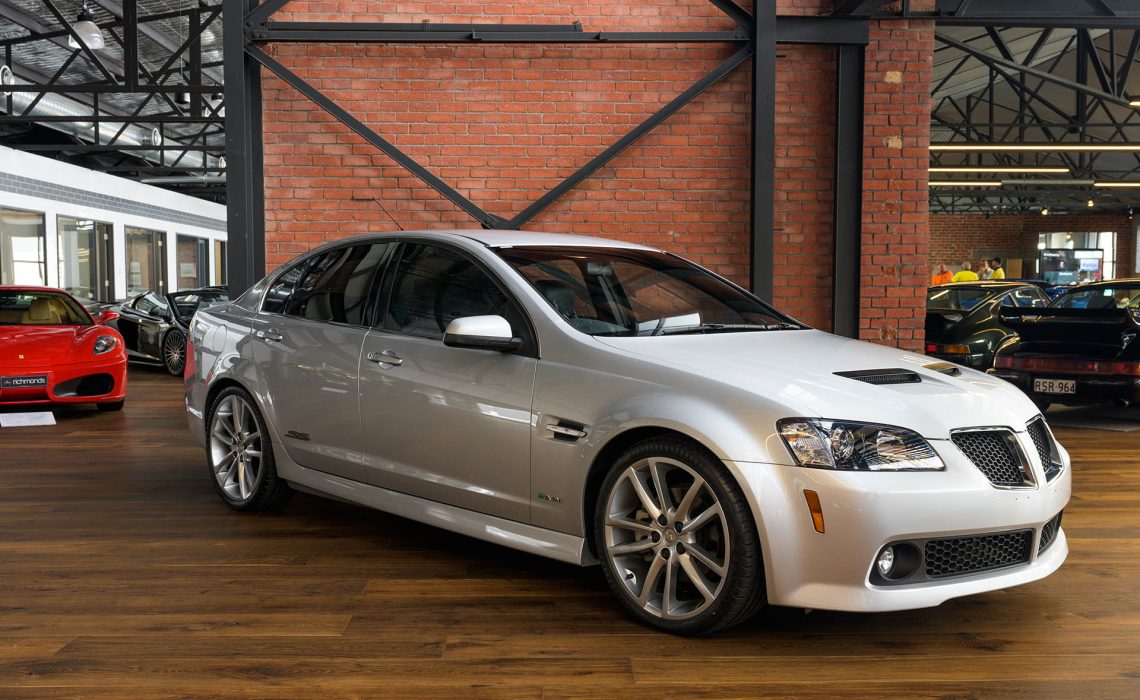
9. Holden Commodore SS VE (2006–2013)
The Holden Commodore VE SS is perhaps one of the greatest examples of affordable, practical performance. Built in Australia and exported in various forms to other markets (including as the Pontiac G8 in the U.S.), the VE SS came equipped with a 6.0-liter LS2 V8 producing 362 horsepower, and later, a 6.2-liter LS3 in some trims.
Rear-wheel drive, a manual transmission option, and rugged engineering made it a fan favorite down under, and increasingly, abroad. The appeal of the Commodore SS was that it didn’t try to be something it wasn’t.
It was an honest, powerful sedan with room for five, a large trunk, and a chassis that could take a beating. It wasn’t filled with luxury features or the latest tech, but it was engaging to drive, simple to work on, and incredibly mod-friendly. In a world where performance sedans are becoming over-complicated and over-digitized, the SS remains refreshingly analog.
Driving one feels immediately connected. The steering is heavier than that of modern cars, but responsive. The gearbox is notchy in a satisfying way. The power delivery from the LS engines is linear, strong, and full of torque. It doesn’t need to rev high to move quickly, but it will happily pull all the way to redline if asked.
The suspension is firm without being harsh, and while it might not have the finesse of a German sports sedan, it has a certain streetwise toughness that makes it fun to throw around.
The Holden VE SS is becoming more collectible by the year, especially now that Holden as a brand no longer exists. For many Australians, it represents a golden age of local car manufacturing.
And for buyers abroad, it’s one of the last chances to own a full-size, V8-powered, rear-wheel-drive sedan that hasn’t been neutered by electronics or turbocharging. The value of clean, unmodified examples is only going up, as the world continues to move away from this type of car.
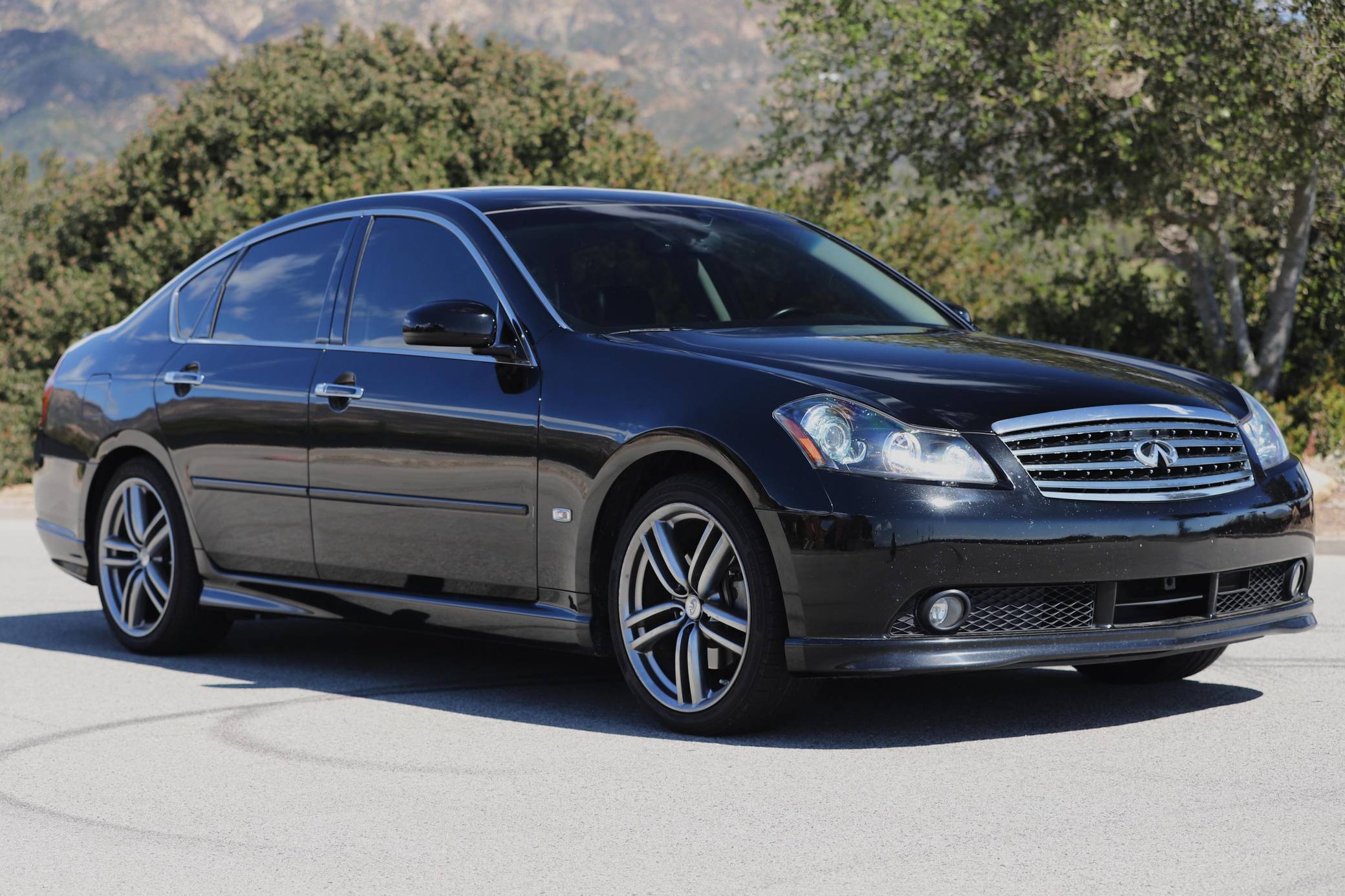
10. Infiniti M45 (Y34/Y50, 2003–2010)
The Infiniti M45 is one of the most underrated V8 sedans of the 2000s. Introduced first with the Y34 platform and then reworked for the Y50, the M45 combined Japanese reliability with genuine performance and luxury.
Under the hood was Nissan’s VK45DE V8 engine, producing 340 horsepower and a healthy dose of torque. It was smooth, powerful, and surprisingly refined for a brand better known for sport coupes and SUVs.
The second-generation M45, launched in 2006, was the real sweet spot. It featured a more athletic chassis, a longer wheelbase, and updated technology that made it a strong competitor against the likes of the BMW 5 Series and Lexus GS.
But unlike those cars, the M45 had a kind of quiet confidence. It didn’t rely on flashy design or over-the-top marketing. It was a serious machine that just happened to be wrapped in a conservative body, which means today, it’s often overlooked.
From behind the wheel, the M45 impresses with its balance. It’s not the sharpest car in corners, but it handles better than you might expect.
The V8 pulls strongly, and the transmission, while not particularly sporty, is smooth and reliable. Cabin quality is high, with soft leather, wood accents, and an intuitive layout. It’s not filled with gimmicks; instead, it focuses on being a comfortable, powerful sedan with the kind of refinement that holds up very well today.
As far as used V8 sedans go, the M45 is something of a hidden gem. It doesn’t have the cult following of some of the others on this list, but those who own them tend to keep them for a long time.
They’re reliable, comfortable, and easy to live with, yet they still deliver that satisfying V8 experience. For buyers who want a bit of everything, performance, luxury, and dependability, the M45 represents one of the best values left in the segment.
