
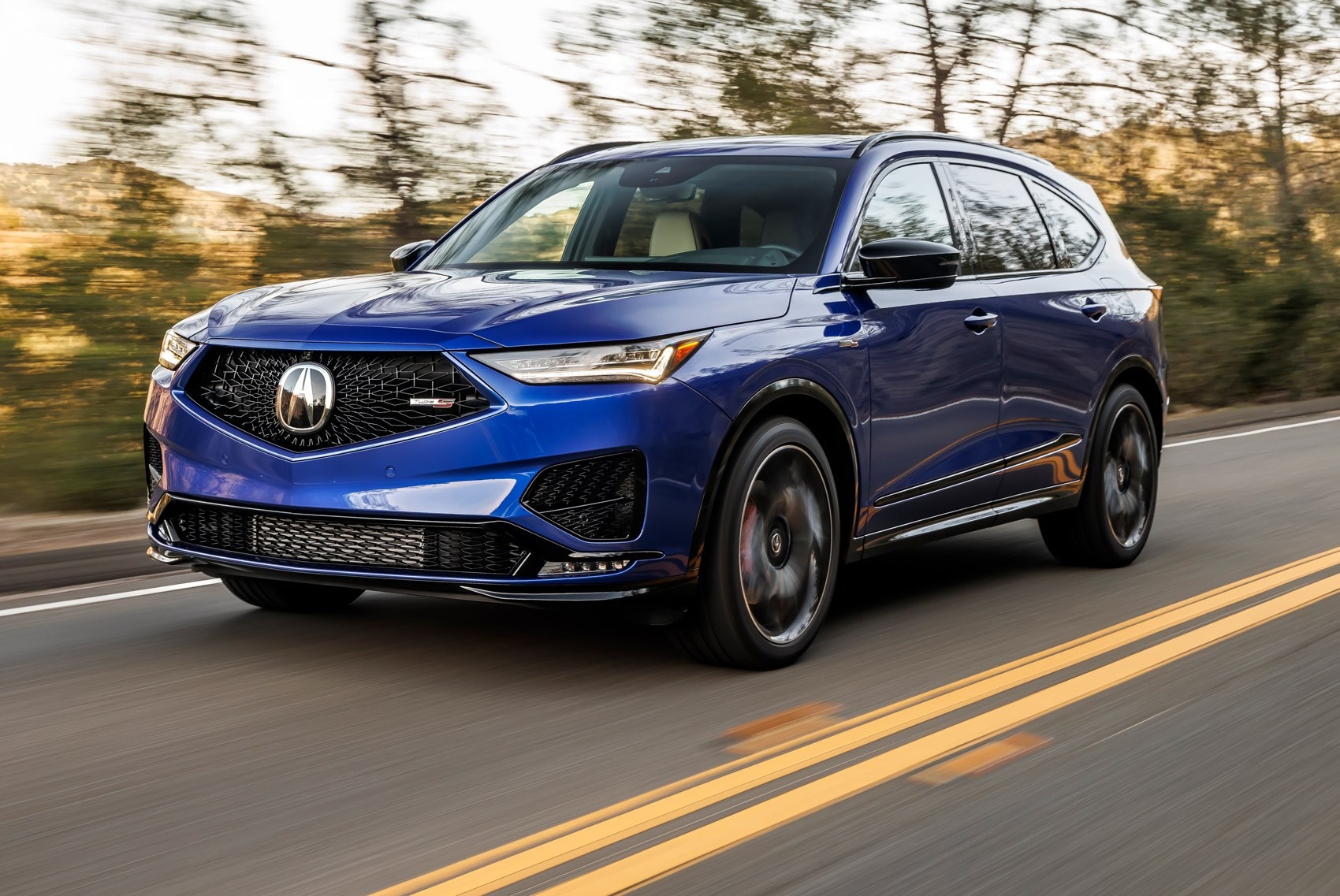
When buying an SUV, most drivers think about cargo space, towing capacity, safety features, and off-road ability. But another critical factor that often gets overlooked is long-term engine reliability. Engine repairs can be among the most expensive fixes you’ll ever face as a car owner.
Timing chain replacements, valve issues, oil burning, and internal component wear can cost thousands of dollars.
That’s why some drivers seek out SUVs that are not just comfortable and capable, but also known for going hundreds of thousands of miles with little more than routine oil changes and basic maintenance.
SUVs that rarely need engine work are usually built with strong engineering fundamentals. These vehicles often feature naturally aspirated engines, simple mechanical designs, and proven manufacturing processes.
They avoid overly complex systems that increase the chances of something going wrong. While some brands focus heavily on performance or luxury, others focus on producing vehicles that can simply keep running. That reliability translates to peace of mind for families, commuters, and adventurers alike.
This list highlights eight SUVs that have earned a reputation for strong engine reliability. These models have been praised over the years not just by owners but also by mechanics and long-term reviewers.
They’re not necessarily the flashiest or fastest on the road, but they make up for it with dependable engines that hold up well even with high mileage. Most of them have engine designs that have seen years of refinement and have avoided major recalls or widespread complaints.
Each vehicle included here has demonstrated an impressive ability to avoid costly engine problems over time. They aren’t immune to wear and tear, but when properly maintained, their engines typically last well beyond 200,000 miles without major trouble.
If you’re looking for an SUV that will let you skip the shop and keep driving without worrying about what’s going on under the hood, these eight models are worth a close look.
Also Read: 12 Cars That Constantly Drive Owners Crazy
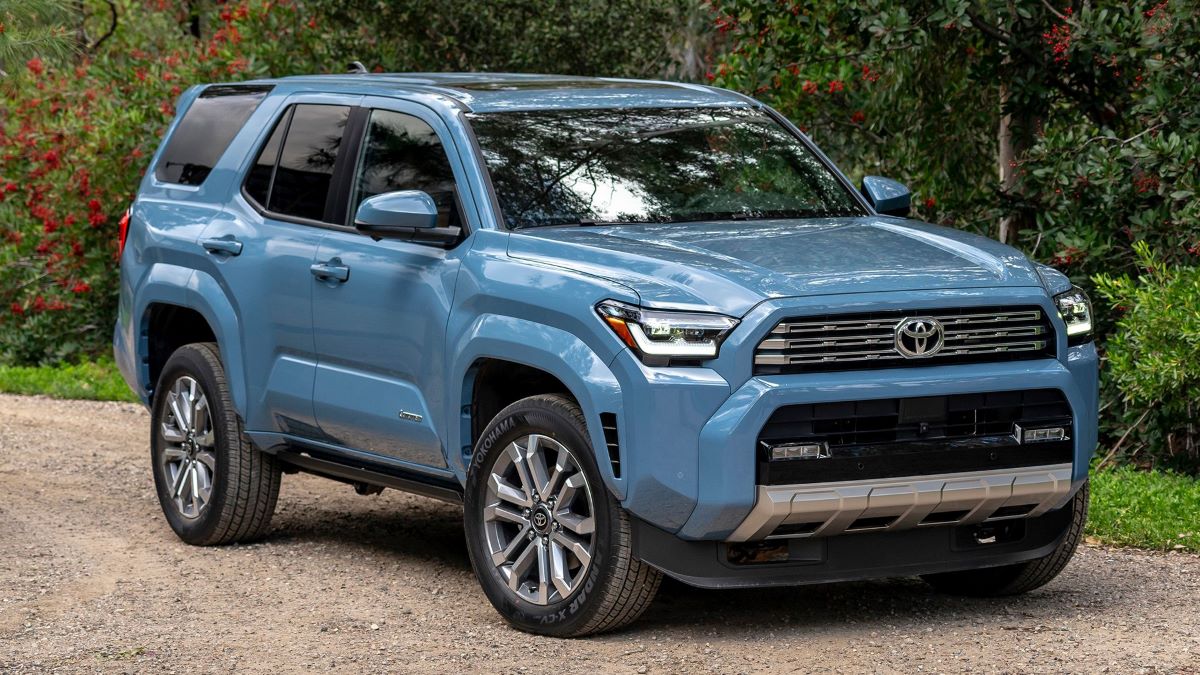
1. Toyota 4Runner
The Toyota 4Runner has built a reputation over decades as one of the most durable and dependable SUVs on the market.
Known for its rugged frame and off-road capability, the 4Runner also shines when it comes to engine longevity. Its 4.0-liter V6 engine is often praised for being nearly indestructible when properly maintained.
This engine doesn’t rely on turbochargers or overly complex systems, which means fewer potential failure points. Many owners have reported passing the 300,000-mile mark with the original engine still running smoothly.
One of the reasons the 4Runner’s engine lasts so long is because Toyota has used this powertrain across several vehicles over the years. This long production run has allowed the automaker to refine the engine design and improve its reliability with every new generation.
Mechanics frequently comment on how accessible the engine components are, making routine maintenance straightforward. The combination of solid engineering and practical design keeps major engine work to a minimum.
Drivers also benefit from the fact that the 4Runner tends to be driven in ways that extend engine life. Many owners use them for light off-road adventures, road trips, and daily commuting rather than aggressive city driving.
The V6 in the 4Runner isn’t tuned for speed, so it avoids the strain that high-revving turbocharged engines often suffer from. That reduced stress means parts like pistons, rods, and gaskets face less wear over time.
Another important factor is the vehicle’s cooling and lubrication systems, which are well-designed to prevent overheating or internal damage. The engine bay allows for good airflow, and Toyota’s use of quality materials helps reduce the chances of premature part failure.
With consistent oil changes and basic care, the 4Runner’s engine is known to outlast most of its competitors without ever requiring major internal repairs.
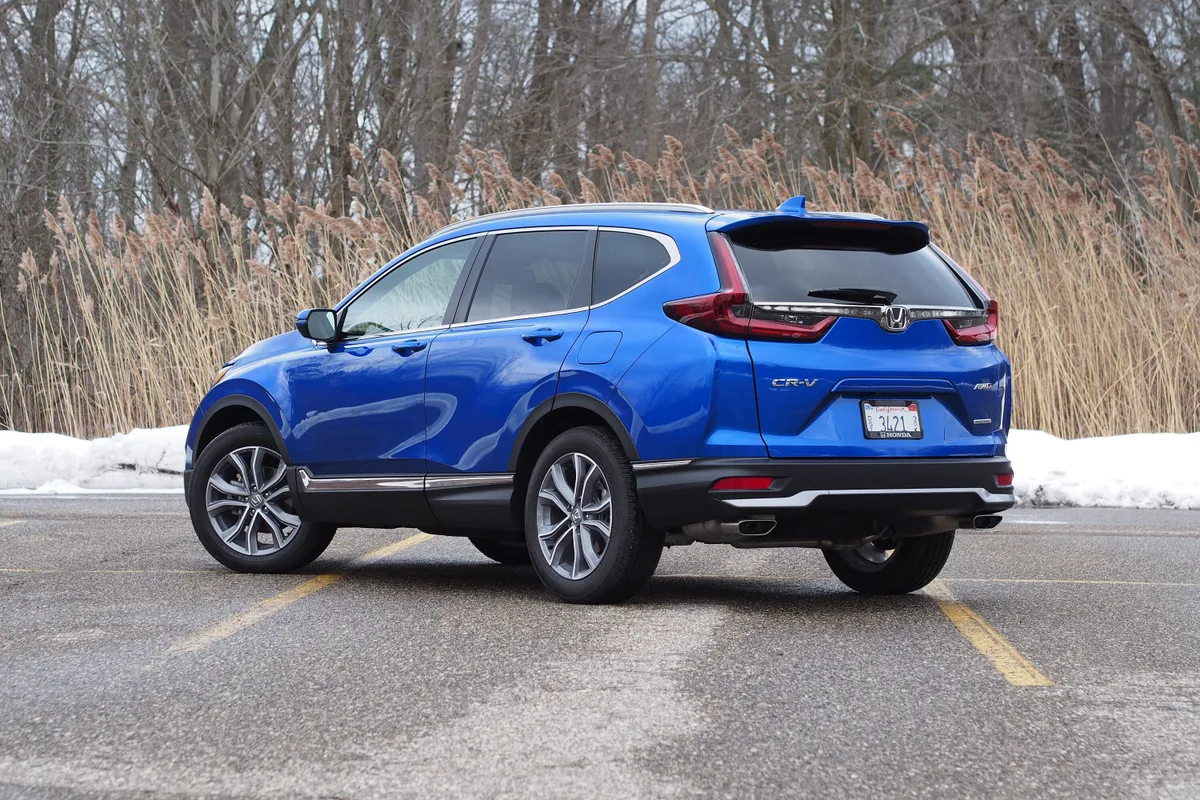
2. Honda CR-V
The Honda CR-V has become a household name for reliability, and that extends to its engine performance. For years, this compact SUV has been known for offering one of the most durable and efficient engines in its class.
Earlier generations featured Honda’s bulletproof K-series engines, while newer models still maintain a reputation for solid engineering.
This consistency has made the CR-V a favorite among people who want a hassle-free ownership experience without giving up comfort or fuel efficiency.
Honda’s approach to engine design has always been about balancing performance with dependability. The CR-V avoids overly complicated systems, especially in older models that used naturally aspirated engines.
While recent versions do use small turbocharged engines, they have still proven to be less problematic than many other turbo setups in competing brands. Honda’s careful attention to engineering details helps minimize issues like oil leaks, timing problems, or cooling failures.
A big advantage of the CR-V’s engine is how well it tolerates high mileage. It’s common to find older models still on the road with over 200,000 miles and only routine maintenance behind them.
The key lies in the engine’s well-built internals and efficient cooling system. Honda also equips its engines with features like forged pistons and high-quality gaskets that stand up to long-term wear. These elements play a big role in keeping the engine from requiring major overhauls.
Mechanics often point out how easy CR-V engines are to service, which also contributes to their longevity. Parts are widely available, and repairs are generally less expensive than those for other SUVs.
There’s also a large community of CR-V owners who maintain detailed service logs and tips, making it easier for new buyers to keep their vehicles in top shape. With regular oil changes, filter replacements, and occasional tune-ups, CR-V engines can last for decades with few surprises.
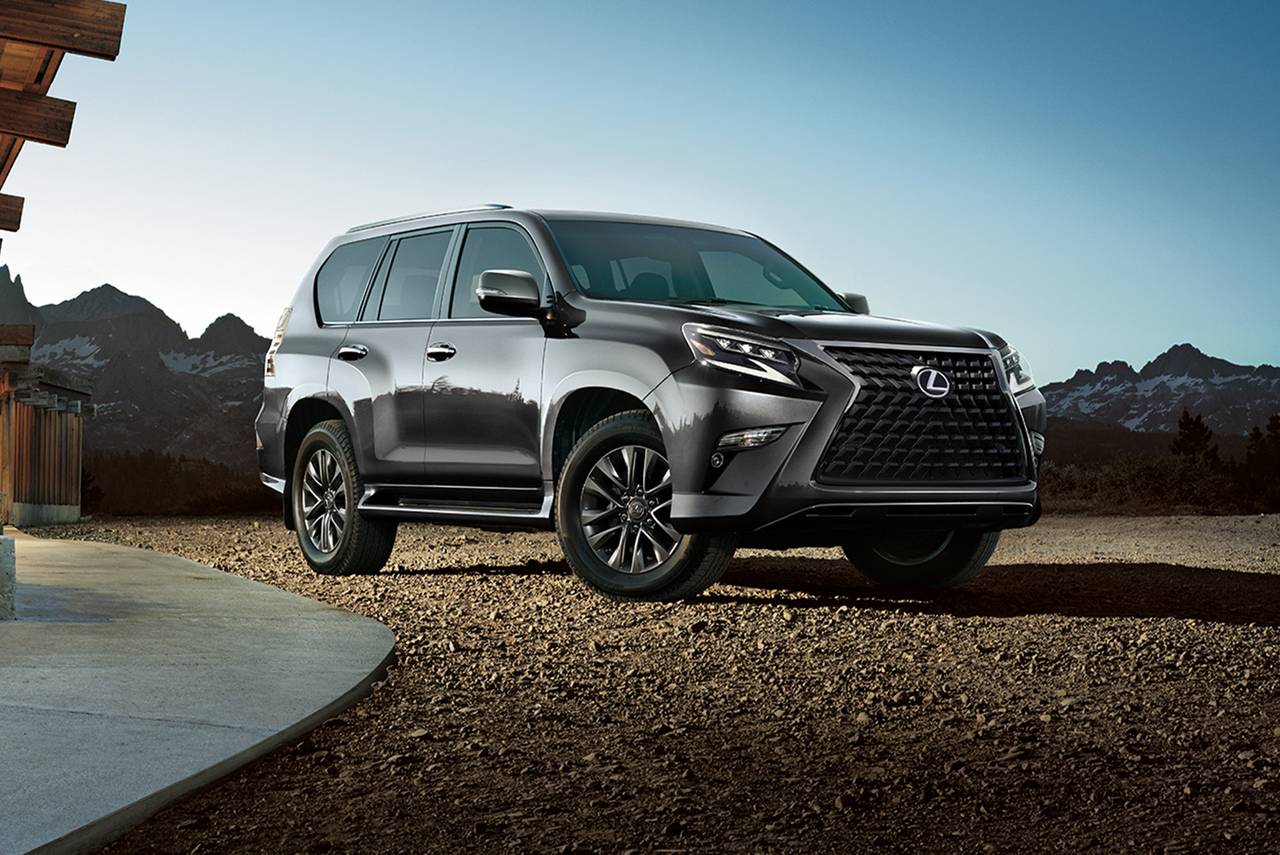
3. Lexus GX 460
The Lexus GX 460 is often overshadowed by flashier luxury SUVs, but those in the know understand that it’s one of the most mechanically reliable options in its class. At the heart of this reliability is its 4.6-liter V8 engine, which is built with durability as a top priority.
This engine has roots in Toyota’s truck and SUV lineup, which means it’s engineered for strength and longevity rather than speed or high-revving performance. That approach has made the GX 460 a favorite among buyers who want refinement without sacrificing long-term dependability.
The GX 460’s engine rarely requires internal work, largely because of its overbuilt nature. Many of its components are designed to withstand high stress, including the crankshaft, valves, and cooling system.
Lexus also employs high-grade materials throughout the engine, such as aluminum-alloy blocks and stainless-steel components where applicable.
These materials reduce wear and help resist corrosion, especially in high-mileage conditions. The V8 also delivers smooth power, which reduces stress on internal parts compared to engines that rely on constant turbo boost.
Another benefit of this powertrain is that it has remained relatively unchanged for years. Lexus chose not to chase trends with downsizing or forced induction, instead focusing on refining an existing formula.
That consistency has paid off with minimal reported engine issues over long ownership periods. While the GX 460 might not break speed records, it is exceptionally good at staying out of the repair shop, especially for engine-related problems.
Owners who keep up with maintenance usually see these SUVs run strong well into the 300,000-mile range. Because Lexus is Toyota’s luxury division, it inherits much of the same engineering philosophy focused on quality over flash.
While the GX 460 costs more upfront, its long-term savings in repairs and downtime make it a worthwhile investment for those who prioritize engine longevity.
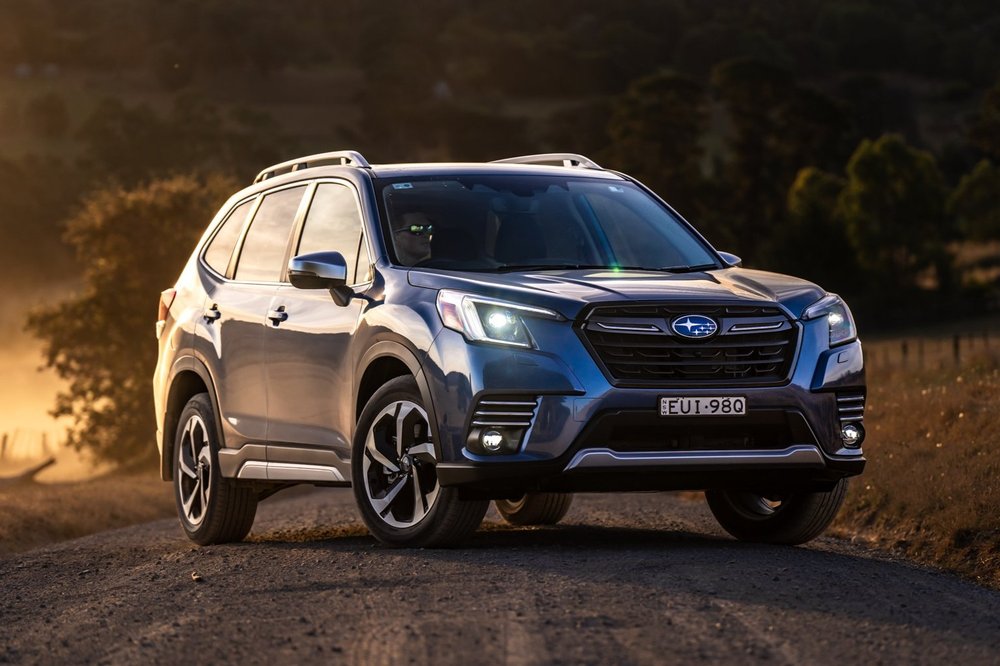
4. Subaru Forester
Subaru has long been associated with reliability, and the Forester continues that legacy with engines that are surprisingly robust when cared for properly. Known for its flat-four “boxer” engine, the Forester stands apart from competitors thanks to its unique layout and focus on balance.
While earlier versions of this engine had some issues with head gaskets, Subaru has since addressed those problems in newer generations, making recent models far more dependable in the long run.
The boxer engine in the Forester offers several advantages when it comes to wear and tear. Because the engine sits lower in the bay and uses a flat design, it provides better weight distribution and cooling efficiency.
This helps reduce hot spots that can cause engine components to degrade. Subaru has also improved oil sealing and timing chain reliability, which means fewer problems related to leaks or timing failure.
Modern Foresters benefit from stronger gaskets, better materials, and updated manufacturing processes.
Another factor that keeps the Forester out of the engine shop is how it’s typically used. Most owners treat their Foresters with care, using them for commuting, errands, and weekend road trips rather than aggressive driving.
The engines are not high-strung or turbocharged (except in the XT trims), so they avoid the excessive heat and pressure that can lead to internal damage. This allows pistons, valves, and cams to wear more slowly, increasing the engine’s usable life.
While some mechanics note that boxer engines can be trickier to work on due to their layout, they also point out that newer Foresters don’t need much engine work to begin with.
Regular oil changes, spark plug replacements, and coolant flushes go a long way toward keeping the engine healthy.
Many owners report hitting well over 200,000 miles without any major engine issues, especially if they follow the maintenance schedule closely. Subaru’s attention to engineering updates has helped the Forester remain a reliable SUV choice.
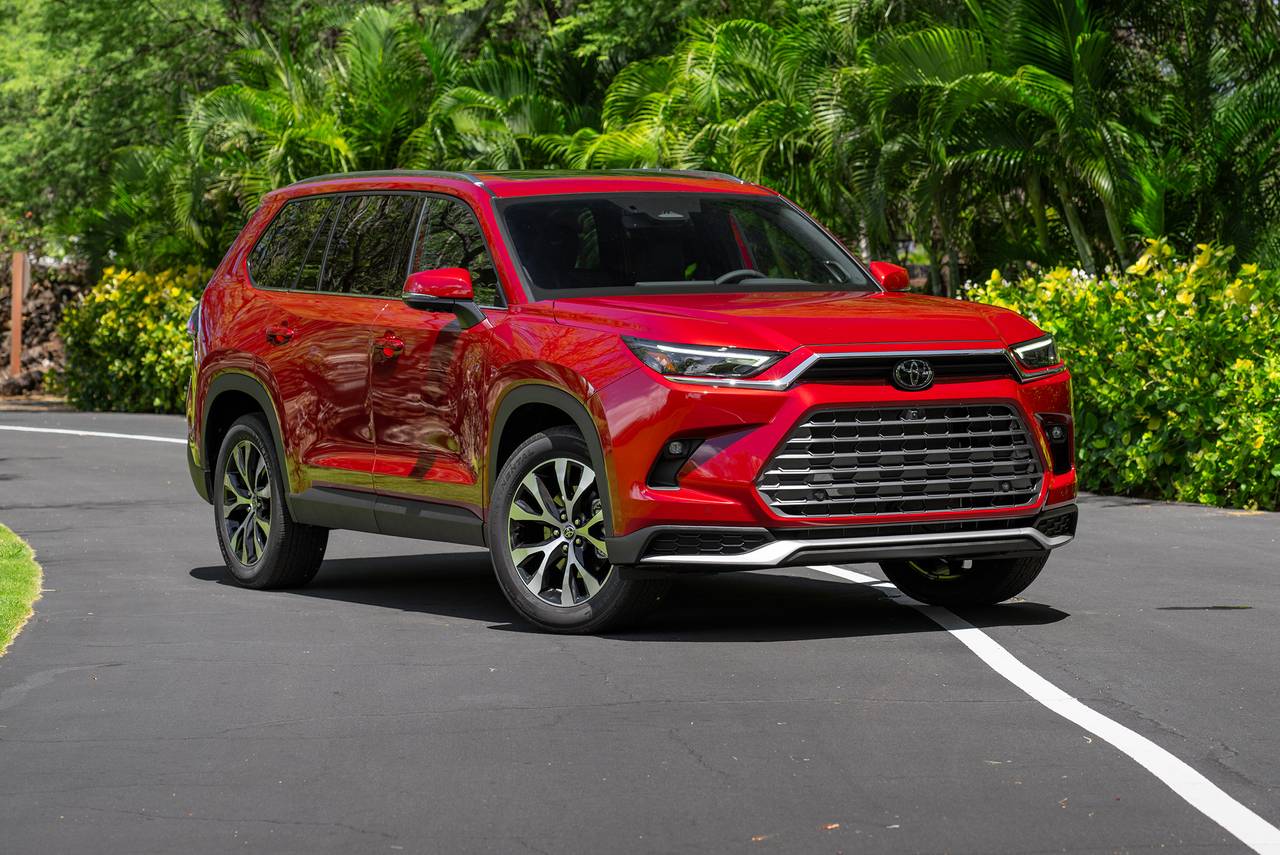
5. Toyota Highlander
The Toyota Highlander stands out as one of the most consistent performers when it comes to engine reliability in the midsize SUV segment.
Toyota’s approach with the Highlander has always emphasized durability and practical performance rather than pushing boundaries with aggressive tuning or experimental designs.
Over the years, the Highlander has used engines like the 3.5-liter V6 (2GR-FE), which is widely regarded as one of Toyota’s most reliable powerplants.
This engine is found in several Toyota and Lexus vehicles, and its long production run has helped iron out most issues that can plague newer designs.
The Highlander is often seen as a workhorse SUV, capable of hauling families, commuting long distances, or enduring tough weather conditions, all without needing anything more than regular maintenance.
Part of what makes the Highlander’s engine so dependable is its resistance to common issues like oil burning, valve cover leaks, or timing chain failures.
Toyota has managed to strike a balance between performance and simplicity, opting for timing chains instead of belts in later models, reducing long-term maintenance costs.
Owners often report high mileage without any major mechanical breakdowns, and this isn’t just anecdotal; independent reliability rankings frequently place the Highlander at or near the top in its class.
The 2GR-FE and similar engines used in the Highlander are praised by mechanics for being well-constructed, with quality internal components and a strong block design that holds up well even under consistent use.
Another important factor is how Toyota has engineered the Highlander’s cooling and fuel systems.
Engine cooling is a common cause of premature wear, especially when the design allows hot spots to develop. The Highlander’s system is efficient and helps the engine operate in a stable thermal environment.
The electronic fuel injection is well-calibrated, providing clean, efficient combustion that reduces carbon buildup and helps internal components last longer.
While no engine is perfect, the Highlander’s reputation has been built on years of solid performance without the need for constant repairs or attention.
It’s also worth noting how the Highlander appeals to a type of driver who often maintains their vehicle responsibly. This segment of the market, families, long-distance commuters, and practical buyers, tends to stick closely to maintenance schedules.
That behavior, paired with an engine built to last, makes the Highlander a nearly unbeatable choice for people who want a reliable SUV that rarely needs internal engine work.
It’s the kind of vehicle that people buy, forget about, and then realize ten years later it’s still running with minimal issues.
Also Read: 10 Cars Mechanics Say Will Easily Hit 400k Miles
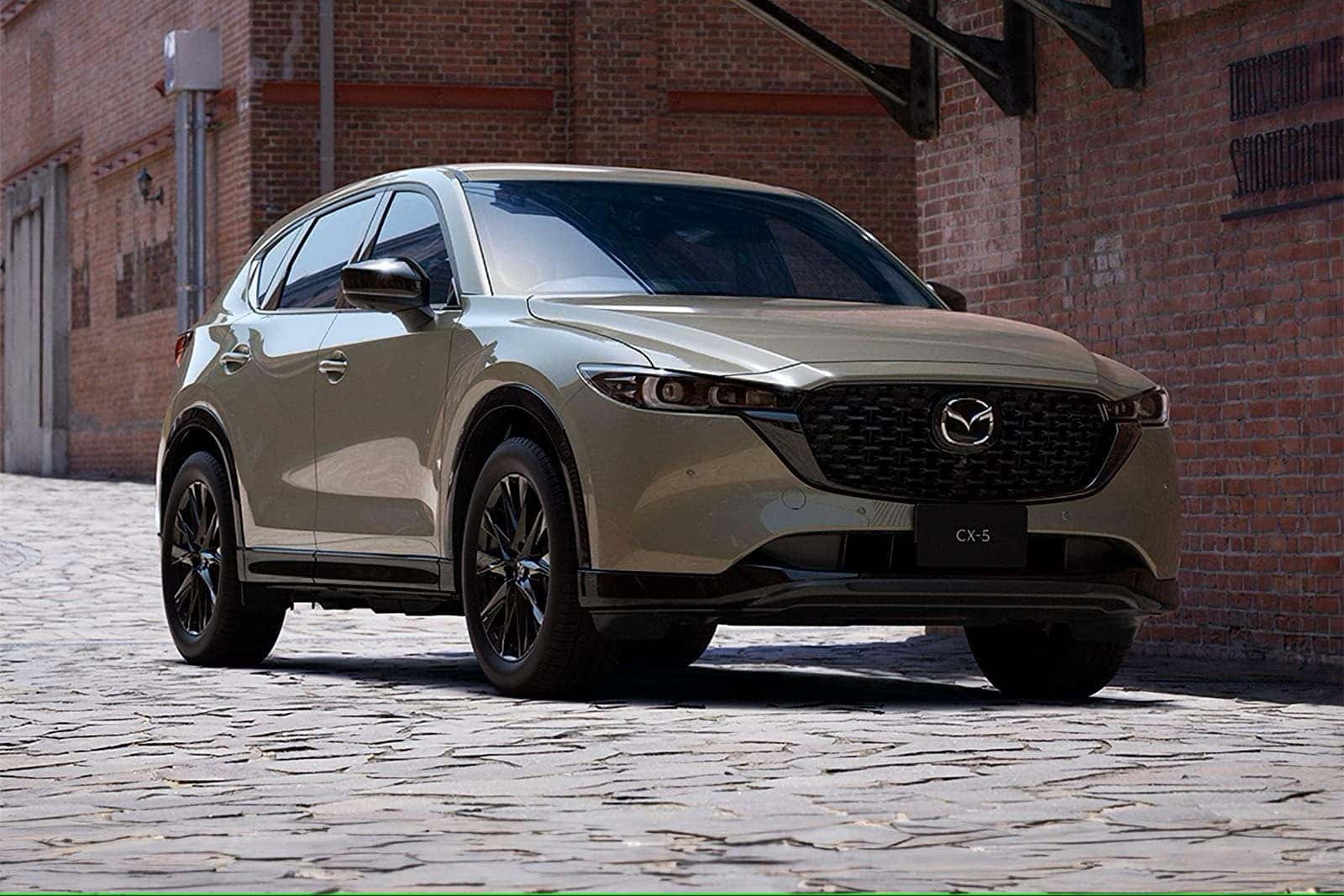
6. Mazda CX-5
The Mazda CX-5 may not immediately come to mind when people think about long-term engine reliability, but it has quietly become one of the most reliable compact SUVs on the road today. The key to this success lies in Mazda’s SkyActiv engine technology.
Rather than pursuing turbocharged options early on like many competitors, Mazda focused on optimizing naturally aspirated engines to provide a mix of performance, efficiency, and reliability.
The 2.0-liter and 2.5-liter SkyActiv engines used in the CX-5 are well-balanced and simple enough in their construction to avoid many of the complex failures that plague more performance-focused alternatives.
These engines feature high compression ratios, which normally would raise concerns about wear and heat, but Mazda engineered them with advanced cooling channels, lightweight pistons, and specially treated cylinder walls to handle the stress.
The result is an engine that performs efficiently without placing undue strain on internal components.
Many owners of the CX-5 report that their engines remain smooth and quiet even as the odometer climbs past 150,000 or 200,000 miles. Issues like piston ring failure, valve train noise, or timing chain stretch are rarely reported when the engine is maintained according to Mazda’s recommendations.
Another thing that sets the CX-5 apart is how well it holds up to urban and highway use. The engine is tuned to operate comfortably across a wide RPM range without excessive revving, which helps extend the lifespan of moving parts.
Unlike turbocharged engines, which often face issues due to increased pressure and heat, the CX-5’s naturally aspirated units are more relaxed and predictable.
They respond well to regular oil changes and high-quality fluids, and they aren’t as sensitive to the variations in driving behavior that can wear down less forgiving powertrains.
Additionally, Mazda’s commitment to quality control during manufacturing plays a big role in the CX-5’s reputation for reliability.
The engines are assembled with care, and tolerances are tightly controlled, which minimizes early part failure. The use of timing chains rather than belts also helps reduce the need for mid-life engine servicing.
Combined with strong owner satisfaction scores and relatively low reported repair costs, the CX-5 stands out as a compact SUV whose engine is unlikely to give you any serious headaches, even after many years on the road.
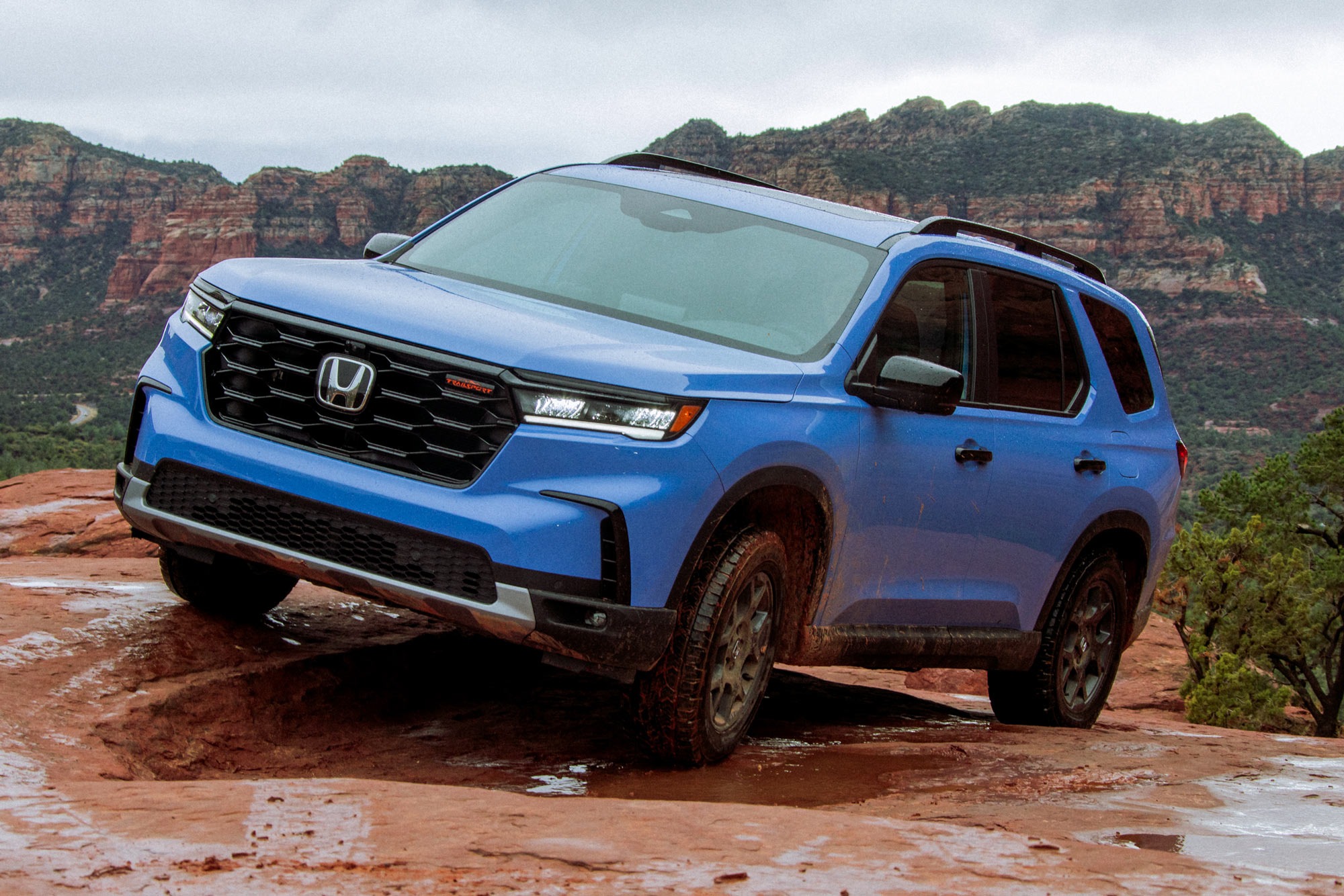
7. Honda Pilot
The Honda Pilot has long been a go-to choice for families needing three rows of seats, but it also quietly holds a place among the most engine-reliable SUVs in its size class.
The 3.5-liter V6 engine that powers most Pilots (part of the J-series engine family) is one of Honda’s most successful and time-tested designs.
Originally developed for use in a variety of Honda and Acura models, this engine has proven itself over millions of units and across decades. It’s known for its ability to handle long mileage without suffering from internal wear or systemic defects.
The block and heads are made of strong aluminum alloy, and Honda’s variable cylinder management technology is well-executed, avoiding the reliability concerns that similar systems from other brands sometimes face.
One of the main reasons the Pilot’s engine lasts so long is because of its conservative design. It’s not overpowered or forced to meet unrealistic performance demands.
This helps it stay within safe operating limits under most driving conditions. Honda also pays close attention to thermal management and oil flow, both of which are crucial for preventing internal damage.
The oil jets and coolant passages are laid out in a way that allows for even heat distribution, preventing hot spots and reducing thermal fatigue on parts like valves, pistons, and the head gasket.
This thoughtful design approach has made the Pilot a favorite among mechanics and long-distance drivers alike.
Honda Pilots tend to be used by owners who value routine maintenance, which plays into the vehicle’s ability to keep running without needing major engine repairs.
When you look at high-mileage forums and used vehicle reviews, you’ll find Pilots that have crossed the 250,000 or even 300,000-mile threshold while still running on their original engines.
Timing belt replacements (in older models) or timing chain inspections (in newer models) are among the few major service tasks you might encounter, but those are predictable and manageable compared to a full engine rebuild. Oil consumption, misfires, or gasket leaks are rarely reported when proper service intervals are followed.
Another factor in the Pilot’s long-term success is Honda’s conservative approach to powertrain updates.
Rather than rushing out new engine designs every few years, Honda refines its existing engines to improve fuel economy, emissions, and durability. This iterative development strategy allows the company to identify weak points and fix them quietly over time.
As a result, each new Pilot model tends to have fewer engine-related issues than the last. Combined with its practical design and strong resale value, the Honda Pilot continues to be one of the safest bets if you want an SUV that keeps going without needing major engine work.
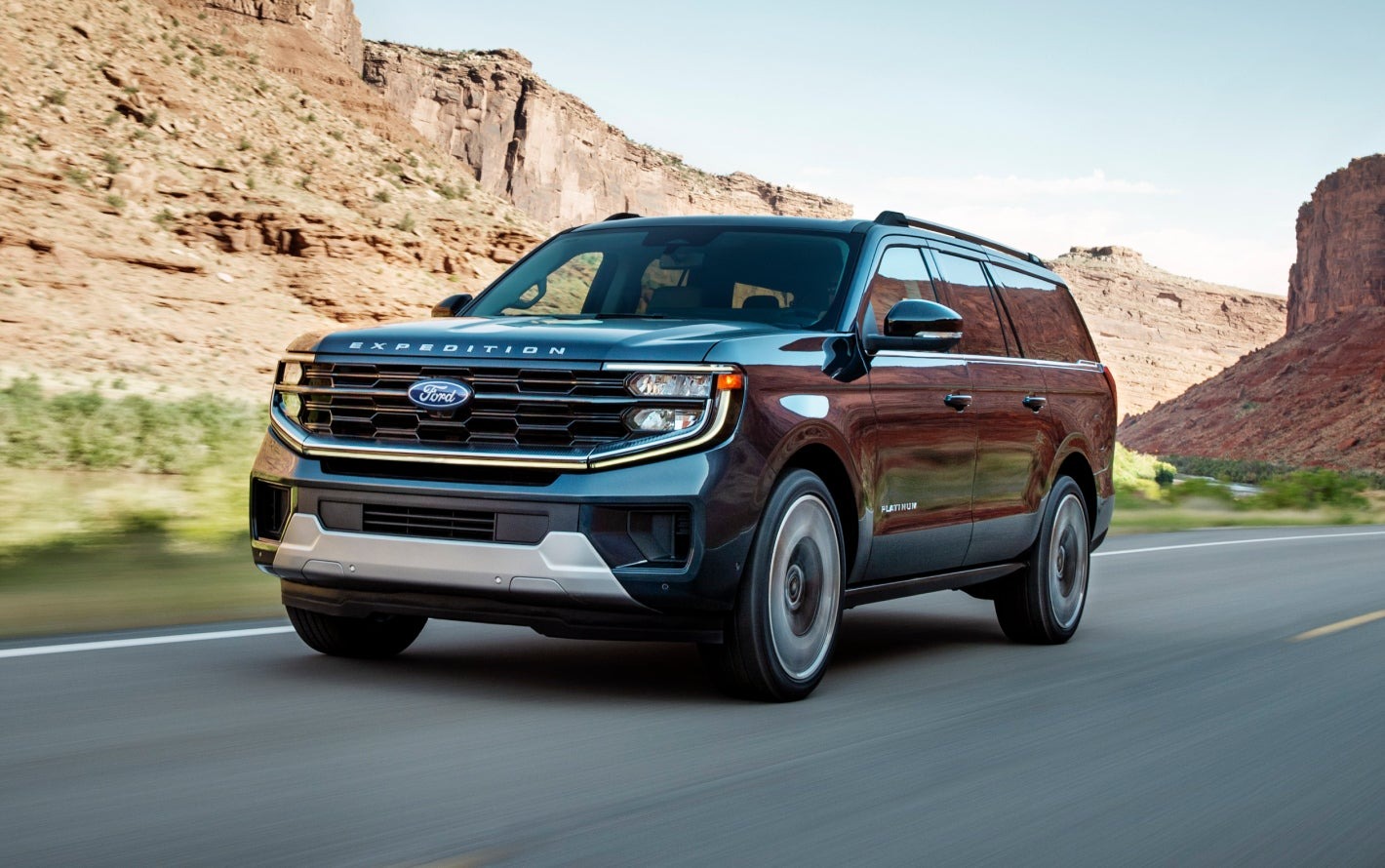
8. Ford Expedition
The Ford Expedition is one of the few full-size American SUVs that consistently earns praise for long-term engine reliability, especially in its later model years.
Early Expeditions had some growing pains, but Ford refined the vehicle over time, and the more recent generations powered by the 3.5-liter EcoBoost V6 have demonstrated strong reliability when maintained correctly.
While turbocharged engines can raise concerns about complexity, Ford has done an impressive job engineering the EcoBoost series to handle the extra demands.
The 3.5-liter version in the Expedition features forged internals, direct injection, and a well-managed cooling system that reduces the kind of stress that usually wears out engines prematurely.
This engine delivers both strong towing performance and excellent fuel efficiency for its size, which helps the Expedition appeal to both utility-focused drivers and families. What makes it stand out, though, is its ability to go the distance without requiring frequent or significant engine work.
Internal components like the cam phasers, pistons, and bearings are all designed with durability in mind, and Ford has put significant effort into refining the software that controls ignition timing and fuel injection.
These improvements make the engine not only more efficient but also more resistant to common problems like detonation, oil dilution, or overheating.
When Expedition engines do encounter issues, they are often related to owner neglect rather than design flaws. Regular oil changes with the correct synthetic oil, coolant system flushes, and occasional spark plug replacements can keep this engine performing for the long haul.
Ford’s dealer network also ensures that parts and service expertise are widely available, which helps keep long-term ownership costs manageable.
For a vehicle of this size and capability, it’s impressive how few reports there are of major engine breakdowns or rebuilds, especially in the last two generations.
Additionally, the Expedition benefits from its platform-sharing with the Ford F-150, which uses similar powertrains.
This means Ford has gathered enormous real-world data on how these engines behave over time and has used that information to strengthen their durability continually.
For families or businesses that need a large SUV that can pull heavy loads, accommodate multiple passengers, and still maintain engine health for years to come, the Ford Expedition stands as a surprisingly smart and stable choice.
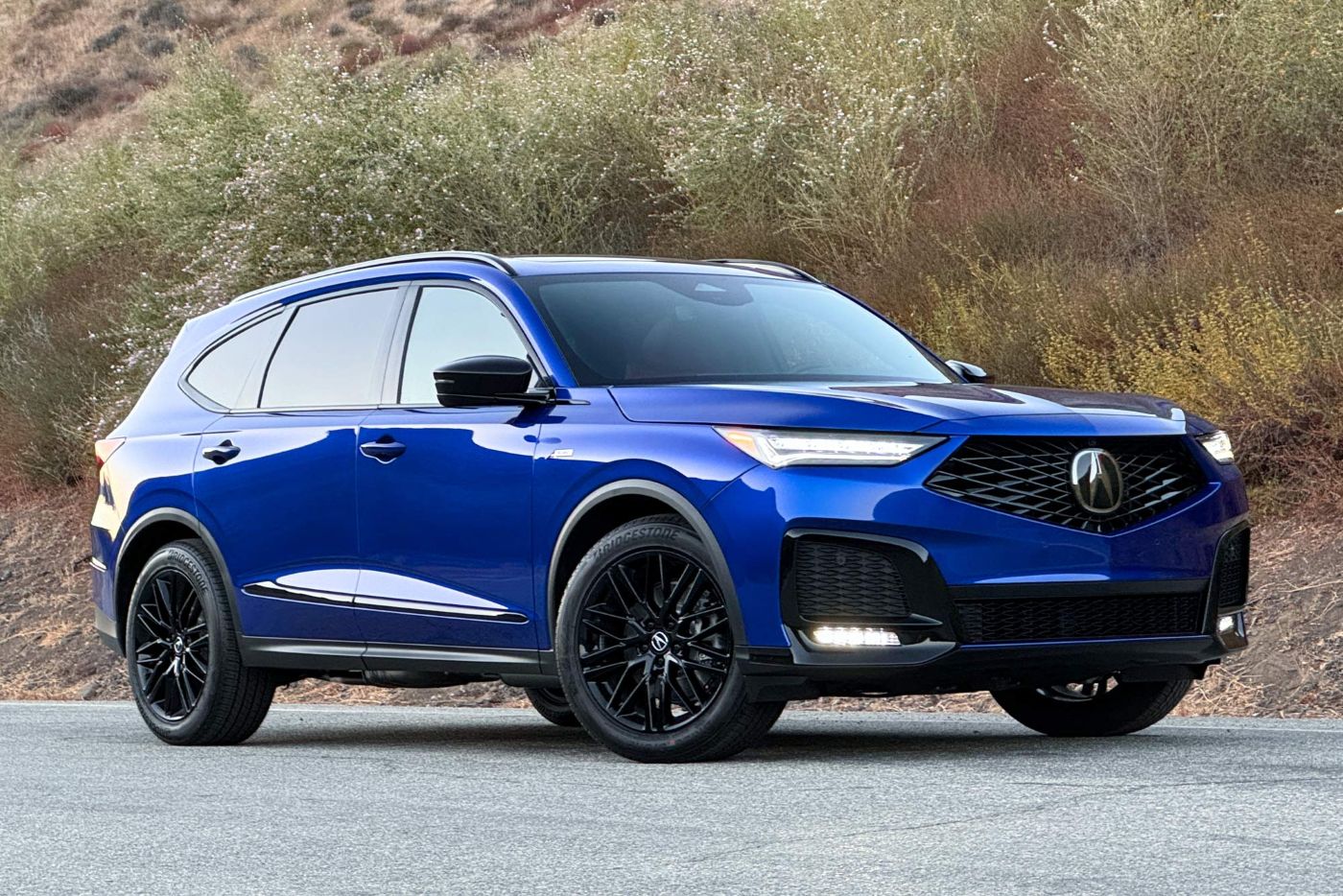
9. Acura MDX
The Acura MDX is a mid-size luxury SUV that not only offers comfort and technology but also delivers impressive long-term reliability, especially in terms of engine performance.
Acura, being Honda’s luxury arm, brings with it the same engineering discipline and quality control that has made Honda engines legendary for durability.
The MDX has historically been equipped with the J-series 3.5-liter V6 engine, the same basic engine found in the Honda Pilot and other long-lasting Honda vehicles.
This V6 is one of the most proven engines in the automotive industry, delivering a smooth balance of power and efficiency while requiring minimal internal maintenance over its lifespan.
One of the strengths of the MDX’s engine lies in how it balances luxury performance with mechanical simplicity.
Unlike many of its European rivals that rely on turbochargers, complicated direct injection systems, or high-strung performance tuning, the MDX uses a naturally aspirated engine that avoids the additional stress and complexity that typically come with those features.
That simplicity doesn’t come at the cost of refinement. The engine is remarkably quiet, efficient, and powerful enough for most driving needs, while remaining mechanically straightforward.
This formula significantly reduces the chances of costly internal failures like turbocharger issues, head gasket leaks, or timing component failures.
The MDX engine is designed to be easily serviceable, which also contributes to its long life. Key components are accessible, and routine tasks like oil changes, valve adjustments (when needed), and timing belt replacements are predictable and don’t require excessive labor.
While older models did use timing belts, Acura provided clear intervals for replacement, and many MDX owners reported these engines continuing to run smoothly past 250,000 miles without any major work beyond normal upkeep.
Later generations switched to timing chains, further reducing the need for mid-life engine maintenance.
Another factor contributing to the MDX’s reliable engine performance is how it’s typically used. Many MDX drivers are families or professionals who stick to routine maintenance and avoid aggressive driving. These usage patterns help extend engine life significantly.
While the MDX offers plenty of premium features and comfort, it also delivers the kind of mechanical dependability that’s increasingly rare in the luxury SUV segment. For those seeking a refined yet worry-free driving experience, the Acura MDX remains one of the most trustworthy options available.
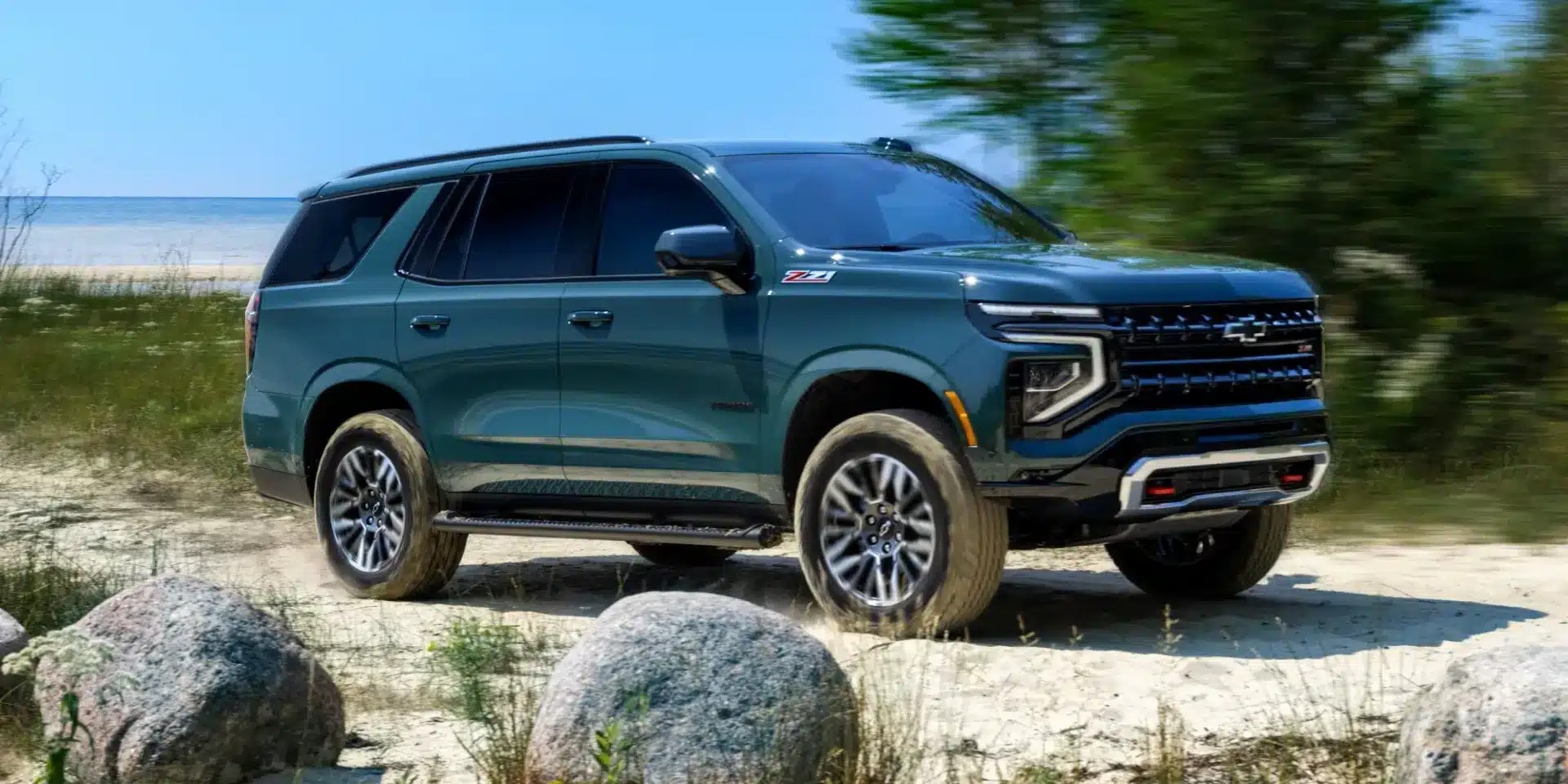
10. Chevrolet Tahoe
The Chevrolet Tahoe is a full-size SUV that has long been trusted by families, law enforcement agencies, and fleet operators for its powerful performance and toughness.
A big reason behind the Tahoe’s staying power is its engine reliability, particularly with the long-running 5.3-liter V8 engine.
This V8, part of GM’s small-block family, is known for being incredibly durable and easy to maintain.
It’s not uncommon to see Tahoe engines running well past 250,000 miles with minimal intervention, especially in fleet or government vehicles that follow strict maintenance routines.
The 5.3-liter V8 used in the Tahoe is built using a straightforward pushrod design, which is mechanically simpler and more robust than overhead camshaft engines in many rival SUVs.
This simplicity means fewer moving parts and a lower likelihood of catastrophic failure.
The engine also benefits from a strong iron block (in older models) or aluminum construction (in newer models with better cooling), both of which are designed to handle high loads and heavy-duty driving.
GM has refined this engine over multiple generations, addressing earlier issues and enhancing internal components to better resist wear.
Modern Tahoes feature technologies like Active Fuel Management and direct fuel injection, but GM has made these systems more reliable over time.
Active Fuel Management (which deactivates cylinders under light load to improve fuel economy) had a rocky start, but newer iterations have proven to be far more dependable, especially when maintained with proper oil and filter changes.
The cooling system, oil circulation, and engine electronics have all been designed to withstand the kind of extended high-mileage use that large families or heavy-duty drivers require.
When issues do occur, replacement parts for the Tahoe’s engine are widely available and relatively affordable due to its popularity and shared architecture with the Silverado truck line.
One of the key advantages of owning a Tahoe is that it is engineered to handle tough conditions and high loads without straining its engine.
Whether it’s towing a trailer, carrying a full passenger load, or handling long-distance highway drives, the engine operates within safe limits and avoids being pushed to extremes.
This conservative tuning, combined with proven mechanical components and proper owner care, leads to an engine that often needs little more than regular oil changes and the occasional spark plug replacement.
For buyers seeking a reliable full-size SUV that keeps its engine out of the shop and on the road, the Tahoe remains one of the most respected options in the segment.
