
There are two things car owners often crave: longevity and peace of mind. While many vehicles can last hundreds of thousands of miles with diligent maintenance, not all of them manage to keep their composure along the way. Some might develop irritating rattles, exhaust drones, or cabin vibrations that get worse with age.
For long-term owners, these sounds become a daily annoyance. However, there are certain cars that not only last a long time but also retain their sense of quiet and refinement. These vehicles age gracefully, holding on to the same smoothness and insulation they had when they were new or close to it.
That kind of engineering maturity is not accidental. It’s a result of careful build quality, sound deadening materials, solid engine mounts, durable suspension systems, and well-designed interiors that don’t fall apart over time.
A quiet car after 300,000 miles speaks volumes about its underlying quality. It suggests that the engine still runs smoothly without ticking or knocking, that the cabin insulation hasn’t degraded, and that the body and interior panels haven’t come loose or started to rattle with every bump.
Owners of such cars typically report less fatigue on long trips and a general sense of calm, which often contributes to them keeping the vehicle even longer. It also becomes a mark of engineering excellence when a car remains just as serene after two or three decades on the road as it was during the first few years.
The cars that manage to stay quiet at high mileage are often the ones built with long-term ownership in mind. Brands known for overengineering, conservative mechanical design, and proven drivetrains dominate this list. While regular maintenance plays a large role in any car’s durability, not all cars respond equally well to care.
Some cars still get noisy or harsh with time despite best efforts, while others simply resist wear better due to the way they were built from the start. It’s also worth noting that quietness here isn’t just about silence but about a lack of harshness, vibration, and other unpleasant sensations that creep in with age.
The following cars have been praised by owners, mechanics, and long-haul drivers for keeping their quiet and composed nature even when the odometer rolls past 300,000 miles.
Whether you’re in the market for a reliable used car or want to know what vehicles are best suited for the long run, these 15 models have proven they can go the distance without raising their voice.
Also Read: 10 Cars Mechanics Say Will Easily Hit 400k Miles
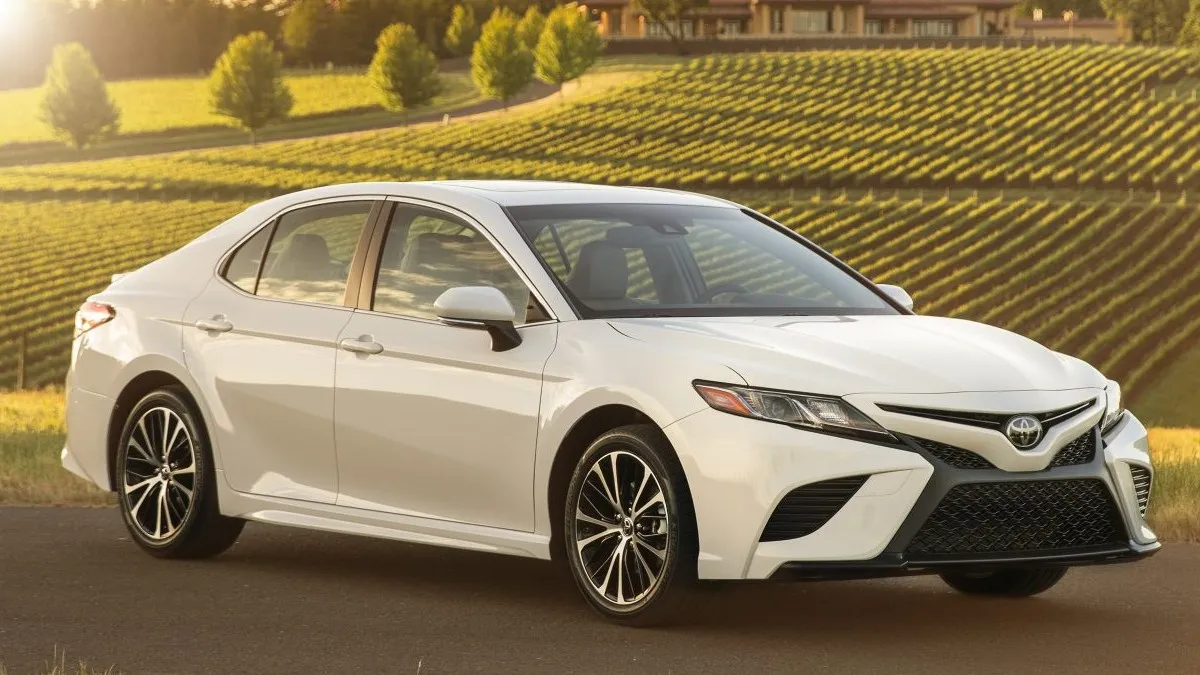
1. Toyota Camry
The Toyota Camry has a reputation for being nearly indestructible when maintained properly, and that reliability extends to its acoustic quality. Even after 300,000 miles, many Camrys still retain their cabin composure, which is rare for a mid-sized sedan in its class.
This can be traced back to Toyota’s engineering philosophy, where durability is built into not just the engine and transmission but also the interior materials, window seals, and underbody insulation. The result is a driving experience that remains calm and refined long after many competitors start to show their age.
Owners who have racked up high mileage often report that the Camry still feels tight and solid, with few if any squeaks or rattles. The body structure resists flexing, and components like door seals and bushings seem to hold up far better than expected.
Part of this comes down to how Toyota engineers vibration paths out of the vehicle during development, creating a structure that doesn’t transmit as much road or engine noise to the cabin. As a result, the Camry often feels quieter than its price tag would suggest.
Mechanically, the Camry’s four-cylinder and V6 engines both have a reputation for smoothness. When paired with Toyota’s well-tuned automatic transmissions, these drivetrains rarely become rough or buzzy even at high mileage.
Since engine noise is one of the main contributors to cabin harshness in aging vehicles, the Camry’s ability to keep things running smoothly pays dividends in acoustic comfort. Regular oil changes and valve adjustments are usually enough to keep things whisper quiet under the hood.
Another advantage the Camry offers is its relatively simple suspension setup, which is durable and does not develop excessive clunks or thuds with age.
Because the car is not overly sporty, its suspension is tuned for comfort, and that means it’s built to soak up imperfections rather than transmit them. That tuning philosophy results in a quiet, composed ride that holds up even after years of wear.
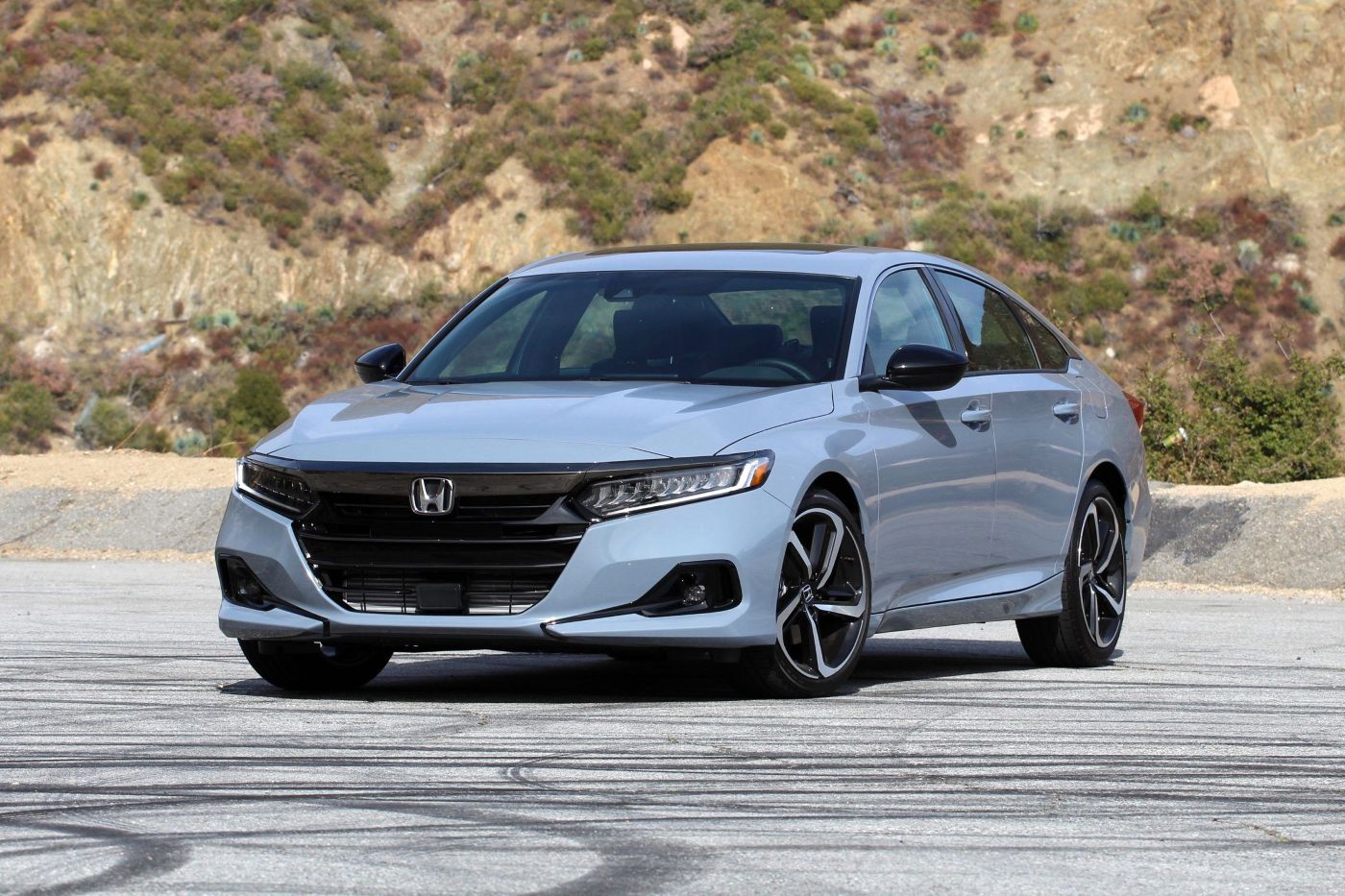
2. Honda Accord
The Honda Accord has long been a benchmark in the mid-size sedan category, and it earns its spot on this list not just for reliability but also for how it holds together acoustically over time.
After hundreds of thousands of miles, many Accords still exhibit remarkably low levels of interior noise, even when compared to newer models in the same segment. This comes down to Honda’s combination of strong engineering and a focus on cabin isolation, especially in its higher trims.
The engines in the Accord are known for their refinement. Whether it’s the 2.4-liter inline-four or the 3.5-liter V6, both powerplants maintain their composure even after long-term use.
Engine mounts are well-designed to suppress vibration, and the intake and exhaust systems avoid the harshness that can develop in other aging vehicles. As a result, many Accords still run smoothly and quietly even after 300,000 miles, provided they’ve been properly serviced.
Interior quality also plays a role in the Accord’s lasting quietness. Honda tends to use high-quality plastics and secure mounting techniques, so dashboard rattles are less common even in older models.
Additionally, the cabin design reduces the chances of panel gaps and loosened parts, both of which are common sources of noise in aging cars.
Even in base models, noise insulation is sufficient to keep wind and tire roar at bay, and higher trims benefit from additional materials to further deaden sound.
The suspension design in the Accord prioritizes a balance between comfort and handling. This approach, especially in the non-sport trims, helps maintain a cushioned and quiet ride over time.
Even though bushings and shocks wear out eventually, the Accord’s suspension geometry is such that it doesn’t become overly harsh or noisy, even with some wear.
For those who replace parts as needed, the Accord can easily maintain its reputation for quiet comfort well past the 300,000-mile mark.
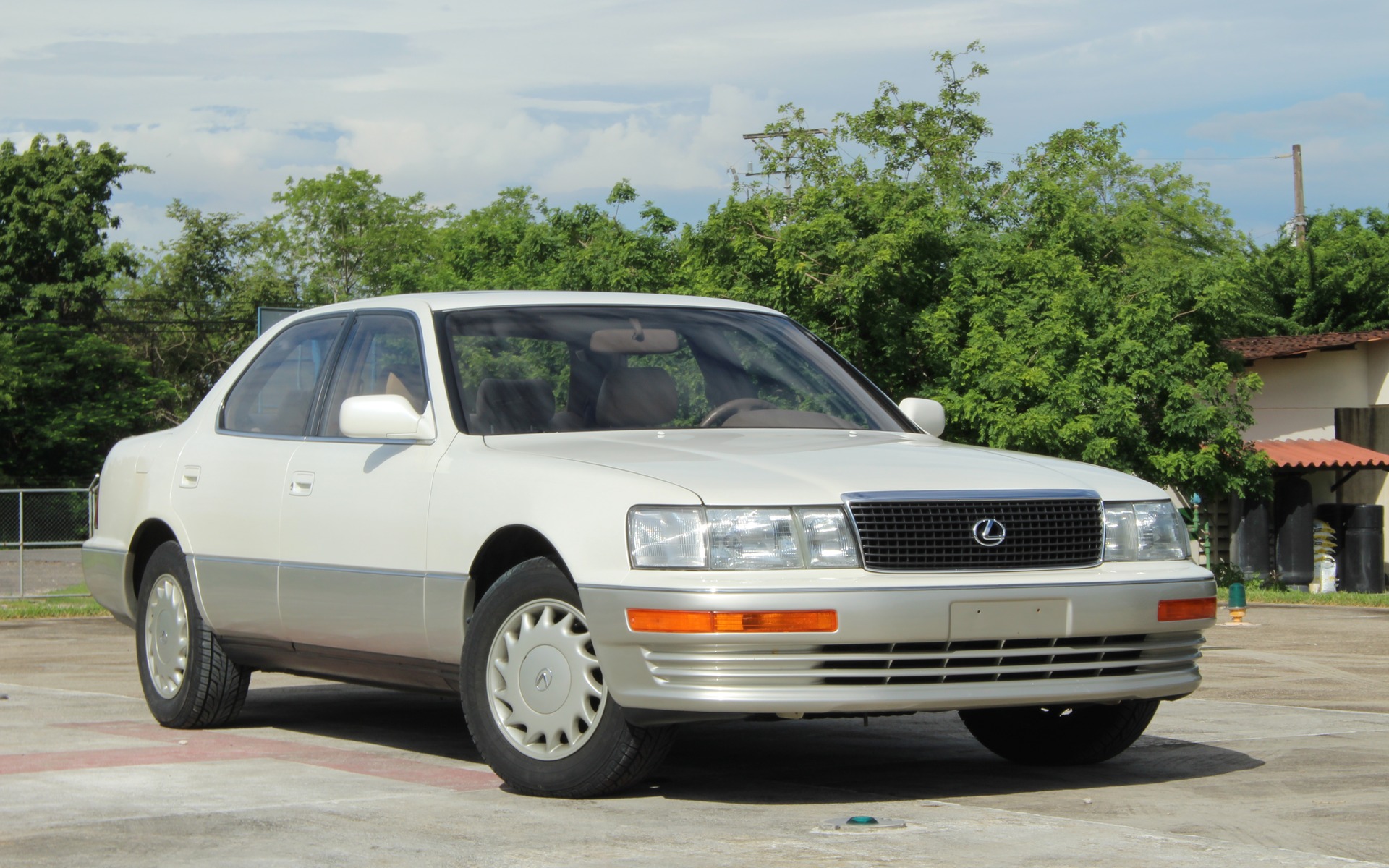
3. Lexus LS 400
Few cars symbolize longevity and quietness like the original Lexus LS 400. Introduced in the late 1980s, this full-size luxury sedan was Toyota’s way of showing the world what it could do when given an open budget.
The result was a car that not only set new standards for refinement but also proved to be astonishingly durable. Even today, it’s not uncommon to find LS 400s with more than 300,000 miles on the clock still running smoothly and quietly.
The LS 400 was built with obsessive attention to detail. Engineers spent years fine-tuning every element of the vehicle to reduce noise, vibration, and harshness. This included special rubber bushings, thick acoustic glass, and extensive insulation throughout the cabin.
The car was tested to the extreme, with prototypes run for hundreds of thousands of miles to ensure they would not develop cabin noises or mechanical harshness. That durability translates directly into a cabin that stays quiet and composed, even after decades of use.
Its 4.0-liter V8 engine is another strong point. It was engineered for smoothness rather than outright power, and it succeeds brilliantly. At idle, the engine is barely audible, and even at highway speeds, it maintains a hushed tone that rivals many modern luxury cars.
The engine’s design prioritizes balance and thermal stability, which helps it stay smooth and free from ticking or knocking sounds even as it ages.
The LS 400’s chassis is overbuilt, meaning that it can absorb road imperfections without becoming loud or unsettled. Even when suspension components begin to wear, the car doesn’t fall apart acoustically the way lesser sedans might.
It also features hydraulic motor mounts and other refined details that help keep vibrations isolated from the cabin. With regular maintenance and some replacement parts over time, the LS 400 can retain its legendary silence well into high-mileage territory.
4. Toyota Land Cruiser
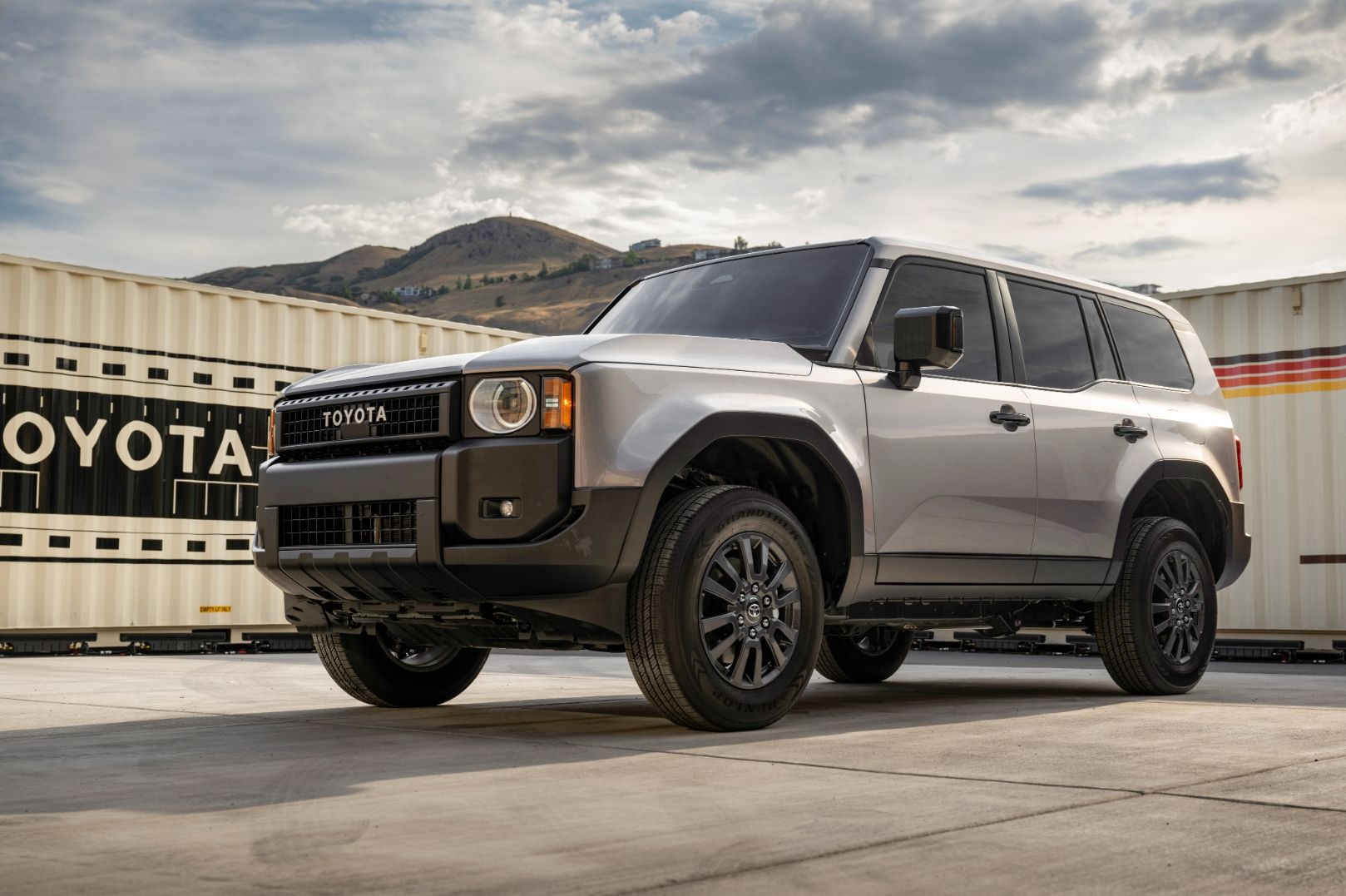
The Toyota Land Cruiser is often associated with off-road durability and mechanical toughness, but one of its less obvious strengths is how quiet it remains even after years of use and hundreds of thousands of miles.
Owners who use their Land Cruisers for family duties, long highway trips, or even commercial applications often praise how civilized and quiet these trucks remain. Despite their rugged nature, they offer a level of acoustic comfort that’s rare in the SUV segment.
Part of the Land Cruiser’s quietness comes from its substantial build. The frame is incredibly stiff, and the body is bolted down with a precision that prevents creaks and rattles from developing over time.
While many body-on-frame SUVs get louder with age, the Land Cruiser seems to shrug off the years with ease. Door seals remain effective, panels stay in place, and even underbody components resist corrosion and resonance that can lead to noise.
Its powertrains are also engineered with longevity in mind. The 4.7-liter and 5.7-liter V8 engines used in the Land Cruiser are among the smoothest of their kind.
These engines run quietly even when pushed, and their design includes balance shafts, strong motor mounts, and carefully tuned intake systems to minimize noise. Because the engine remains so composed, it doesn’t add to the cabin noise even after extended use.
5. Honda Civic (Later Generations, Especially EX / Touring Trims)
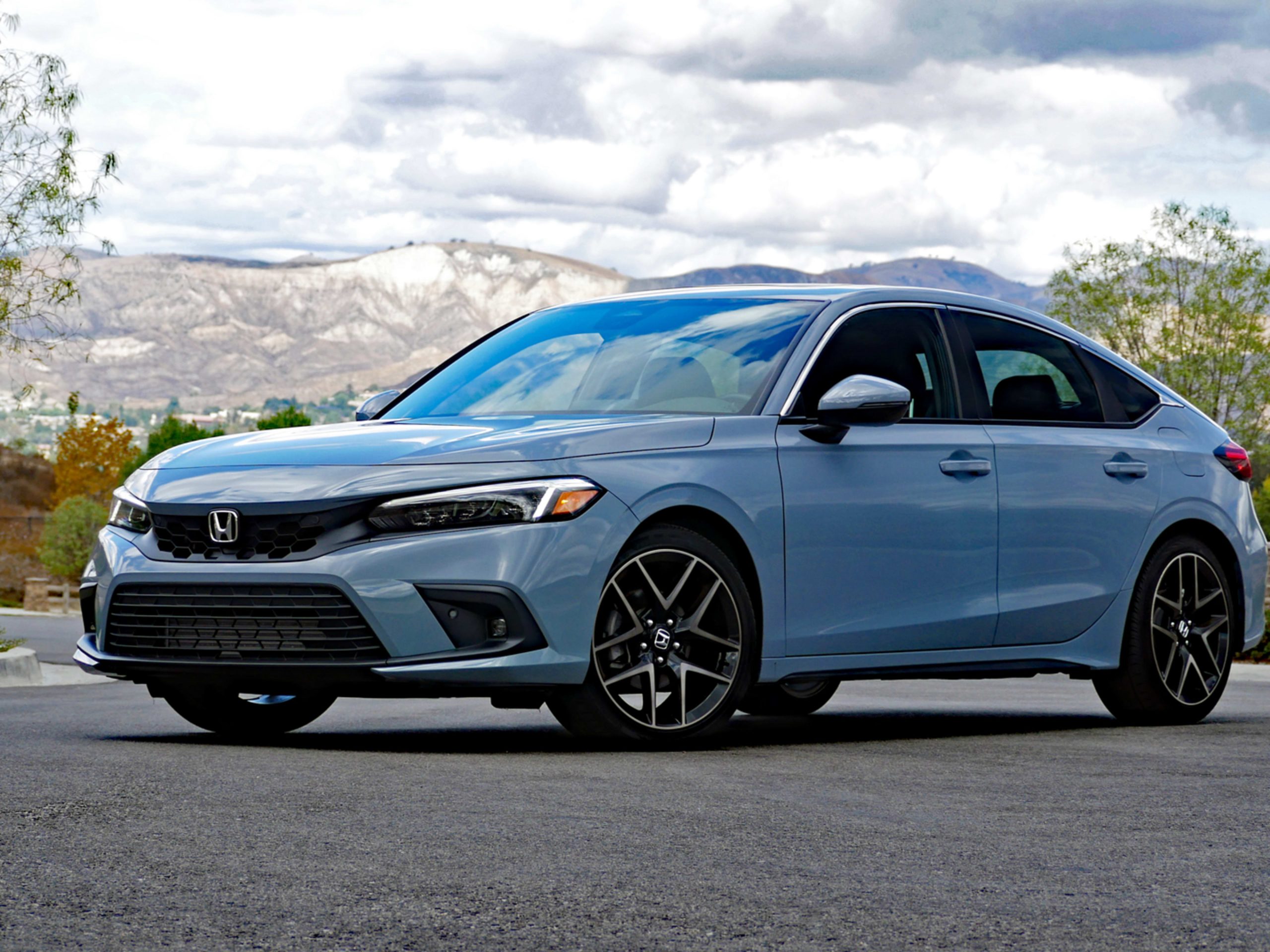
The Honda Civic, particularly the later generation models, has proven itself more than competent over long distances and high-mileage usage; many owners with Civics pushing past 300,000 miles talk about surprisingly muted cabins. A lot of that comes from improvements in noise insulation over successive redesigns.
Thicker glass, improved seals around doors and windows, more robust acoustic insulation in the firewall and floor sections all add up. In Touring or EX trims extra sound-damping material, better door seals, and finer finishing on cabin parts make a difference, so that vibration, wind noise, and road chatter are less intrusive even as materials age.
Engine-wise, the Civic’s 4-cylinder motors are typically built with tight tolerances, balanced crankshafts, and smooth valvetrains. They are rarely “loud” even when pushed, and with proper oil changes, regular timing belt or chain service, and attention to mounting points, many Civics remain free of knocking or rattling noises long after many peers have developed them.
Also, less complexity in exhaust manifold routing in many versions keeps potential leak points fewer; leaks or cracks in exhaust headers or gaskets are often culprits of loud cabin noise in older cars, but Civics often avoid those issues if maintained.
The suspension and chassis play a crucial role in how “mature” a car feels after long use. In later Civic models, rubber bushings of quality, anti-rattle hardware, and attention to material fatigue in control arms and sway bars help maintain ride smoothness.
Even when shocks begin to wear, Civics tend to “shush” over rough pavement rather than transmit harsh impact noise or feel excessively shaky. Proper alignment and tire balancing contribute to reduced humming or vibration in the steering wheel or floorboards.
Interior build quality in the higher trims adds to the long-term quietness. Materials that resist warping or breaking, door panels that stay firmly fixed, dashboards that remain rigid rather than developing crevices that rattle, all these are part of why well cared-for Civics still feel like premium small sedans even after many years.
Owners who replace worn weatherstripping and maintain door latch mechanisms also often report surprisingly low wind noise, even at highway speeds, well beyond 200,000 or 300,000 miles.
6. Lexus GX / LX Series
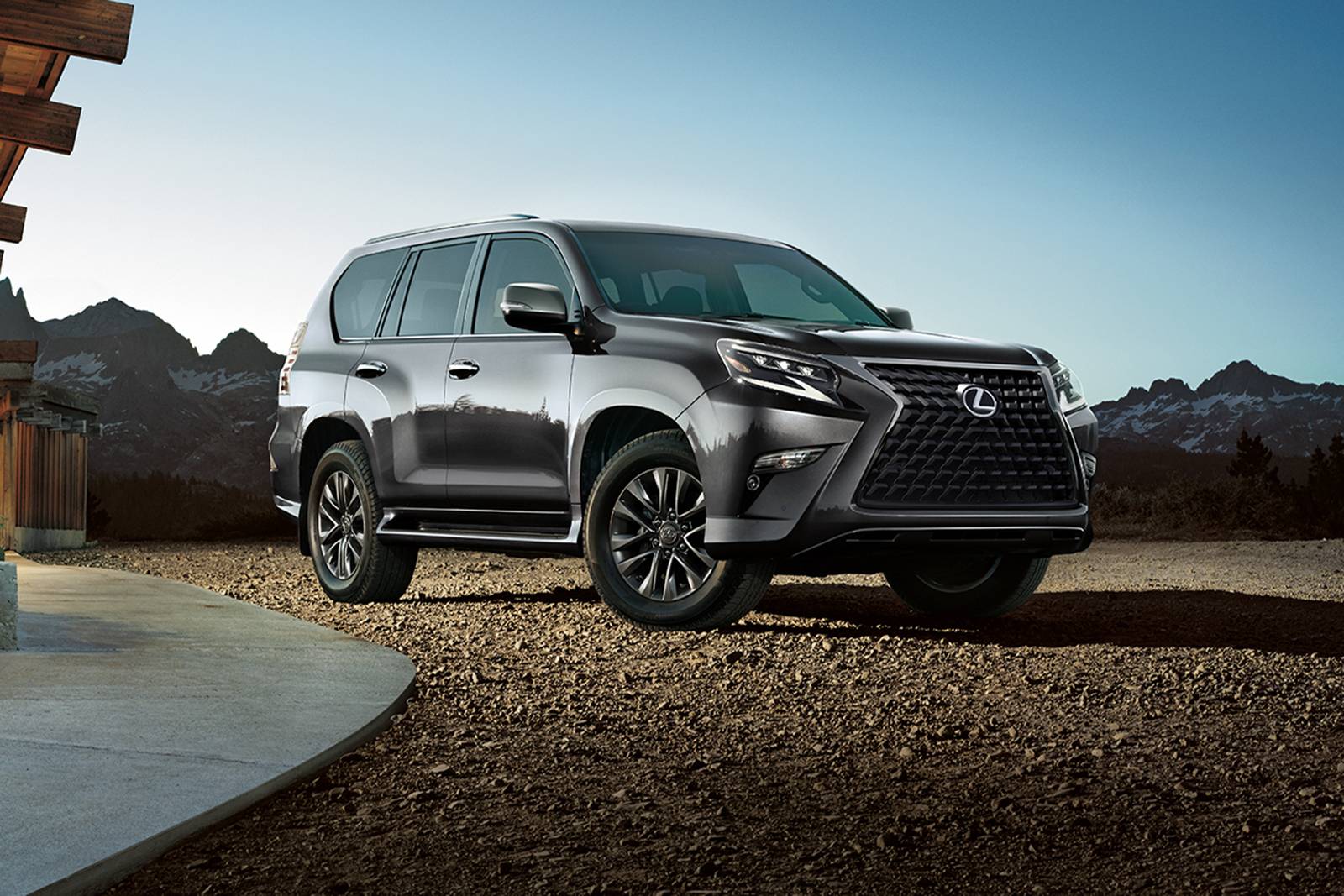
The Lexus GX and LX, based on Toyota’s durable truck/SUV platforms, blend ruggedness with luxury in ways that preserve calmness inside the cabin over extremely long periods of use. They are built on body-on-frame chassis that are inherently strong and resist twisting and flexing that would otherwise lead to squeaks or rattles.
The panels mount solidly, doors fit cleanly in their frames, and there is generous sound insulation in many places, underbody, in wheel wells, and around the engine compartment. Even after heavy use off road or on poor surfaces owners often note that road noise is tamed and vibration levels remain low.
Their powertrains are similarly robust. The V8s and V6s used in GX and LX models are engineered with high safety margins. They tend to have stronger crankcases, durable heads and pistons, and components that age well under load. The engine mounts are heavy duty, in many cases hydraulic, and help isolate vibration.
Because of that, even after long highway trips, the engine doesn’t intrude into the cabin unduly. Exhaust systems, often stainless or otherwise well protected, are less prone to corrosion or leaks which in many older SUVs lead to loud exhaust tone or buzzing from loose pipes; GX/LX vehicles resist that deterioration.
The suspension components are built for very heavy loads and frequent duty. Springs, shocks, bushings, control arms, they are designed to take substantial abuse. That means even when suspension wears, the gradualness of wear is often managed so that noise increases slowly rather than abruptly.
Off-road usage, uneven terrain, or carrying heavy loads do not immediately degrade acoustic comfort. Maintenance such as replacing worn bushings and keeping joints lubricated helps, but the inherent design leeway gives a buffer.
Interior trimming and assembly contribute also. Lexus places emphasis on cabin finishing, with thick carpeting, substantial door seals, soft trim panels that do not vibrate or loosen, tight tolerances in dashboard and instrument panel components, and effective HVAC systems that do not whistle or vibrate excessively.
Over time as plastics age they may shrink or warp slightly, but in many LX and GX examples owners find those changes minor, leaving a ride that feels refined even decades old.
7. Subaru Outback / Legacy (Higher Trims)
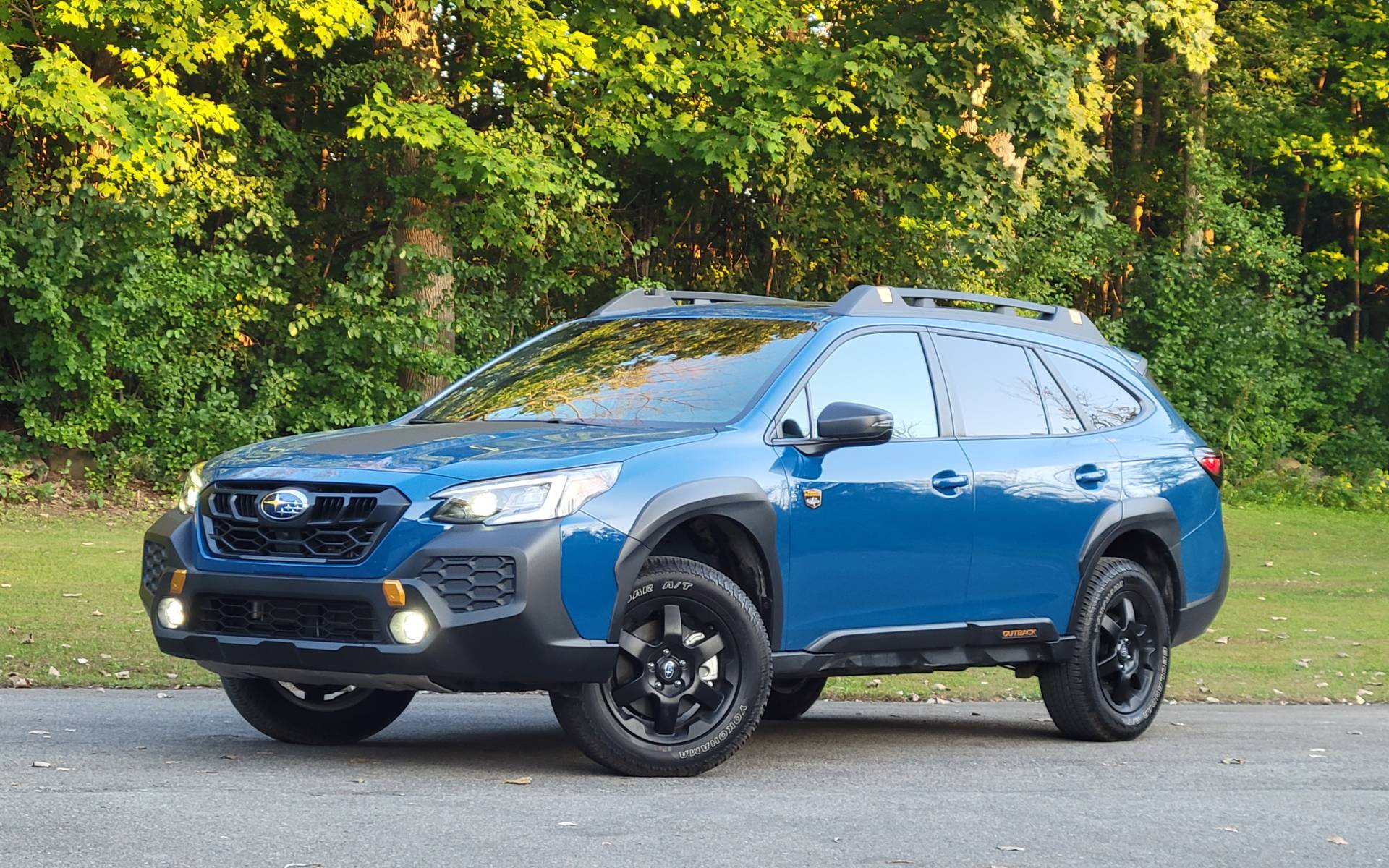
Subaru Outback and Legacy models, especially in higher trims, are for their ability to stay quiet over long service life. Part of the reason is that Subaru’s engineers pay attention to sealing, especially around doors, windows and the roof rails.
Roof rails often cause wind noise in many SUVs and wagons, but on better trim levels they are designed to minimize turbulence and noise.
Also, better-quality glass and sometimes laminated glazing in windshield or side windows help cut wind and external noise. Even when weather stripping begins to age, these cars often do not suffer blow-by of loud wind noise if maintenance is kept up.
Their boxer engines have inherent advantages. Because the pistons are horizontal and opposed, balancing is easier and vibration levels are lower compared to certain inline or V engines, under many conditions.
The low center of gravity and smoothness of the engine help reduce oscillations that otherwise would transmit into the cabin over time.
Engine mounts are designed to absorb the unique vibrations of boxer setups, and that tends to hold up well. When exhaust components are solidly mounted and regularly inspected, they seldom rattle suddenly or cause an irritating drone.
The suspension in Outback/Legacy models is built for mixed use, road, light off-road, gravel. It uses bushings and joints that are fairly robust, and the wheel wells frequently have good liners to reduce noise from grit and debris. Even when strut mounts or bushings begin to wear, the effect is gradual.
Tires and alignment, when maintained properly, help to prevent humming or steering-wheel vibration. Road noise is reduced by good damping in tire and wheel choices, and owners who use more premium tires often report a big difference even late in the car’s life.
Inside, the trim in higher trims tends to use materials that age well. Dashboards are well braced, plastics of higher grade that resist warping or cracking, sound deadening in floors and doors, and secure fastening of interior panels.
HVAC systems are quieter, door seals are heavier, and build quality feels sturdier. Even in older Outbacks or Legacys that have done 300,000 miles many owners comment that the cabin still feels solid, giving a sense of calm that others have lost long ago.
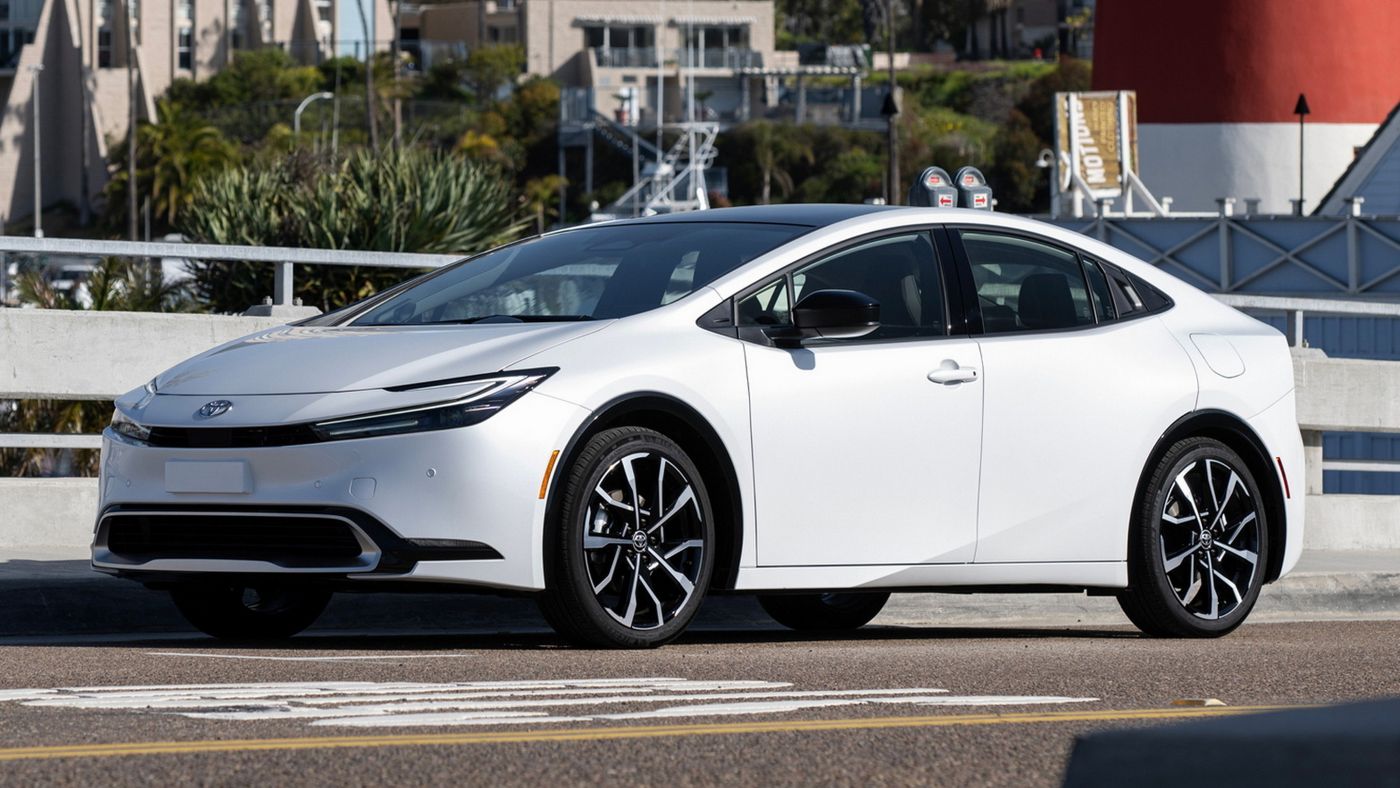
8. Toyota Prius (Early to Mid Generations)
The Toyota Prius has always been known for fuel efficiency but many tend not to realize that it also holds up acoustically under long use surprisingly well.
Hybrid systems introduce complexity but in Prius the transitions between electric motor and gasoline engine are handled smoothly so that there is not a sudden bang or harshness even after many years.
Electric motors are silent or near-silent, and the gasoline engine is only in use under moderate load; when it fires up, sound insulation and engine mount design help keep that onset quiet.
Because hybrids often run in electric mode in city driving, engine wear can be less in many components, which can help in long-term quietness.
The battery pack, often located under or behind seats, can introduce vibration or rattle if mounting hardware loosens or insulation degrades. Prius of good condition tend to avoid such issues either through careful design or because owners tend to be attentive about maintenance due to the hybrid complexity.
Wiring, battery cooling, inverter mounts all need attention, but if retained in good repair they do not add considerable noise.
Exhaust system quality and catalytic converter heat shield design also matter; Toyota does a decent job ensuring that exhaust components stay well secured such that by 300,000 miles they are not loose or excessively noisy.
Suspension components are often lightweight but adequate; over time bushings wear, but Prius tends to steer and ride without heavy bumps transferring into the cabin harshly.
Tires play a large role in road noise; many Prius owners upgrade or replace tires with ones that have better noise ratings, which helps, especially in later life. If shocks and struts are replaced as needed, ride comfort and noise control stay quite good, even if the car has significant miles.
Interior materials are generally meant for longevity. Seats, headliner, dashboard plastics hold up. Weatherstrips, door seals, and window fitments are built to tolerances that resist loosening. Even after major wear and tear the Prius often remains acceptable in terms of wind noise and road noise.
Owners of older Prius platforms frequently report that despite miles the cabin is quiet compared to many non-hybrid cars of similar age.
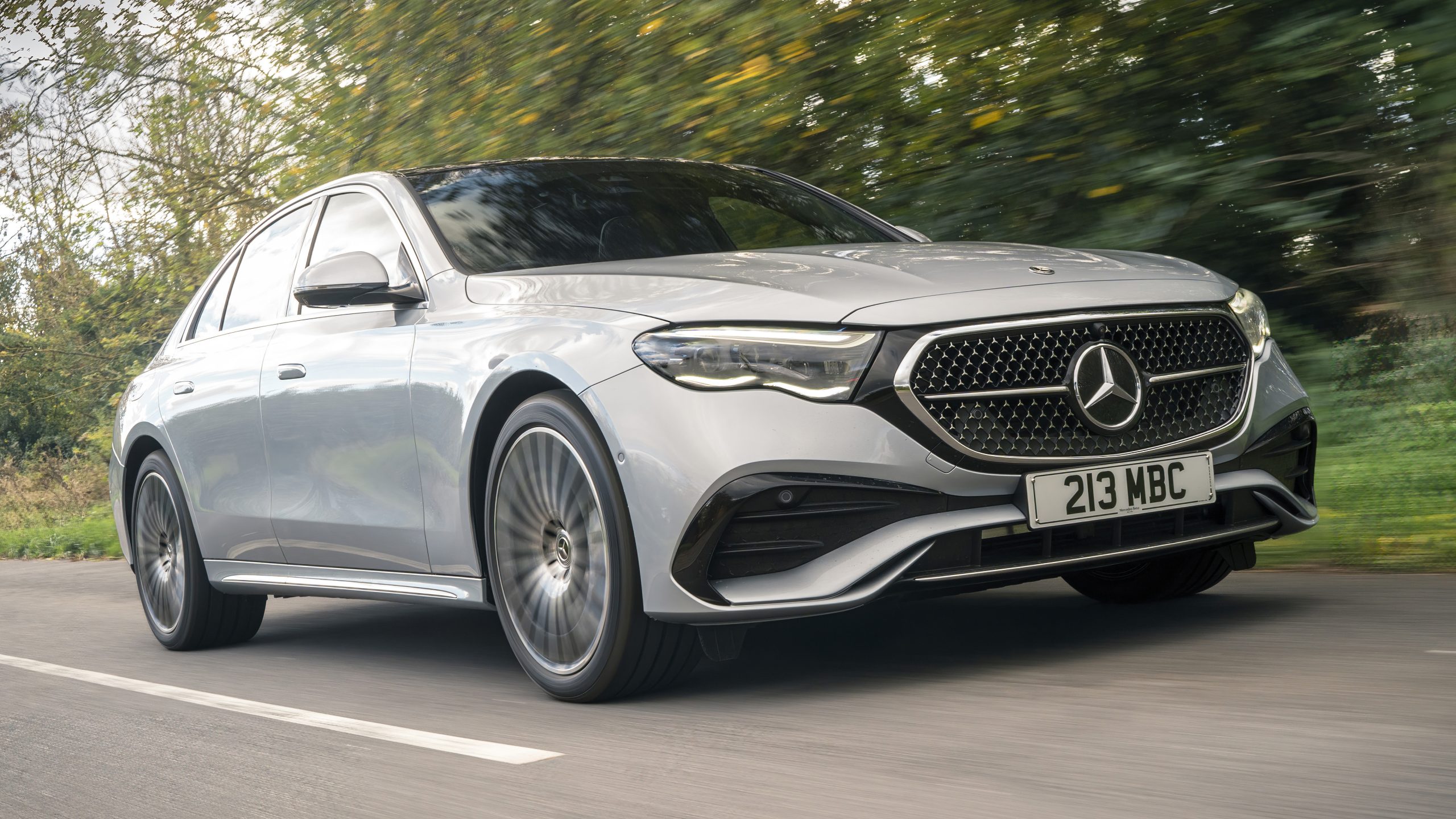
9. Mercedes‑Benz E-Class (W212 and Earlier)
One of the benchmark luxury sedans for long-lived quietness is the Mercedes‑Benz E‑Class, especially the W211 and W212 generations. These cars have strong engineering foundations, and their luxury status means they are built for refinement from the outset.
The chassis is rigid and engineered to resist flex, doors fit tightly, and body panels are well aligned. Over time, even if suspension joints or bushings begin to wear out some, the basic body integrity helps prevent rattles or misalignment noises, so the cabin remains considerably well controlled in terms of sound and vibration.
The engines offered in these generations were refined units, both petrol and diesel. Diesel E‑Classes with their torque‑rich design tend to run at low revs, which helps reduce engine noise and stress on engine components.
Petrol versions are often well balanced, with well‑designed intake and exhaust flow, and use high quality materials.
Components like mounts, vibration dampers, and even dampening to the exhaust are engineered to minimize noise. With proper maintenance, engines do not begin to knock or ping in many examples even after long use; valve adjustments, fuel system cleaning, and regular servicing help preserve that smoothness.
Suspension system design, especially in luxury trims, includes multiple levels of damping, both hydraulic and mechanical, plus better bushings and shock absorbers. Even when some parts wear, they are often replaced with good quality OEM parts, which helps maintain smoothness.
Ride calibration is usually toward comfort; road imperfections are absorbed rather than transmitted sharply. Tires tend to be larger but often of high quality, and Mercedes often uses multi‑layer sound barriers, underbody insulation, and wheel well liners to reduce road noise.
Interior finishes and seals are built to high tolerances. Weatherstrips, door hinges, window frames, and interior panels use well‑engineered materials and tight fitment so that rattles are less likely. Sound deadening blankets, carpeting, thick insulation in roof linings, and dense plastics help reduce intrusion of wind, engine, and exhaust noise.
Owners with well kept E‑Classes often remark that even at highway speeds after many years the cabin feels planted and quiet, maintaining a sense of luxury.
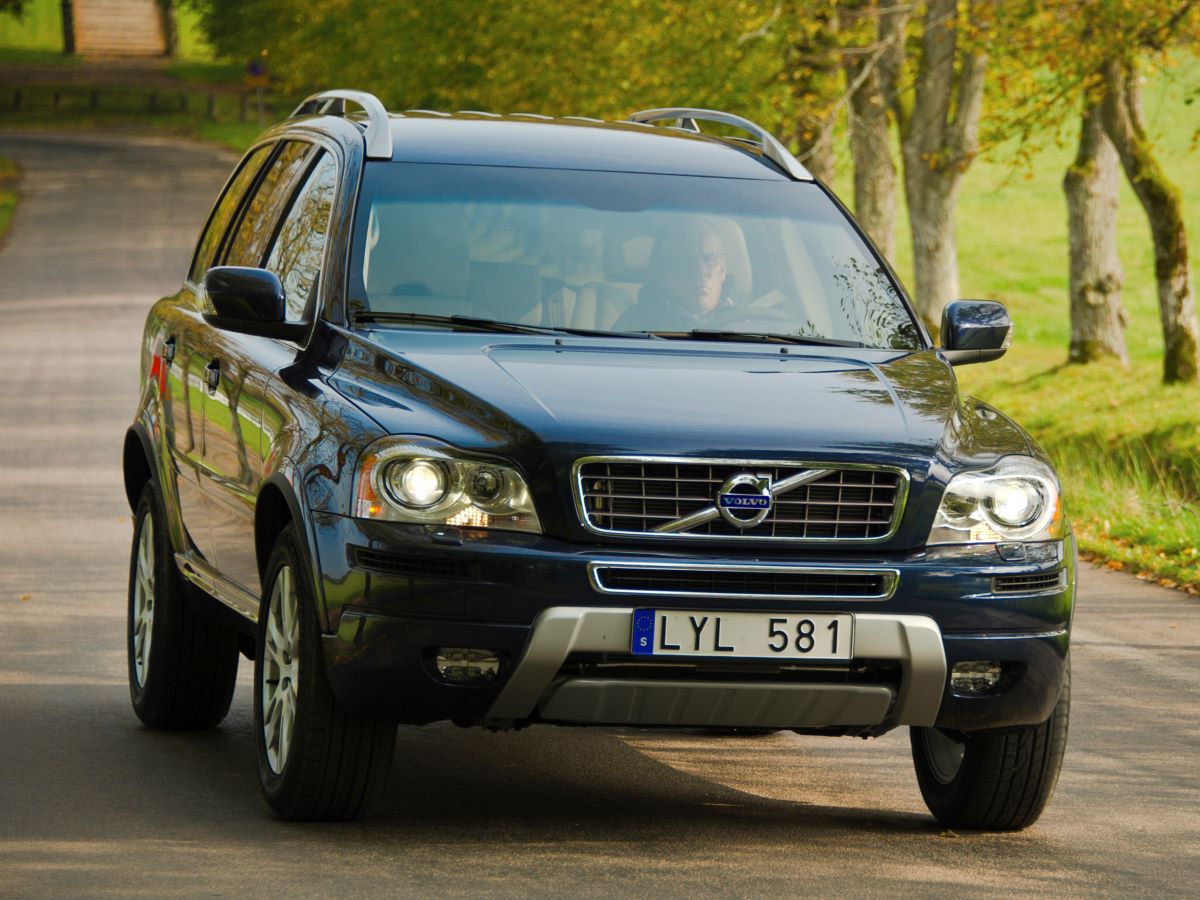
10. Volvo XC90 (First Generation)
The first generation Volvo XC90 is a mid‑size luxury SUV that shows how well Swedish engineering can hold up under long service in terms of quietness. Its body shell is rigid, doors close with a solid feel, and panel alignments tend to stay good for long periods.
Structural integrity helps to reduce flex under load or when driving over uneven surfaces, which in turn helps prevent creaks or rattles that plague many aging SUVs. Weather sealing is well thought out, with large rubber seals around doors and windows, and generous use of insulation in the firewall and underbody.
Volvo’s engines and drivetrains in many of those XC90s are built with smoothness in mind. Whether the engine is a turbocharged petrol four cylinder or a diesel, these units are engineered to deliver power without excessive harshness. Engine mounts are designed to isolate vibration effectively.
Exhaust routing and manifold design ensure that heat shielding and gaskets stay in good condition. Even after high mileage, many XC90s maintain decent smoothness without loud exhaust leaks or mechanical knocking, if properly maintained.
In terms of suspension the XC90 uses generous damping and quality components. Bushings, ball joints, struts tend to be durable; when worn out, they tend to increase harshness slowly. Many owners report that replaced shocks or bushings bring back a lot of quietness, meaning that degradation is gradual rather than abrupt.
Road noise is reduced by wheel well liners and thicker underbody protection which shields the cabin from debris and noise of the road, even when going over coarse pavement.
Inside the XC90, Volvo tends to use higher‑grade trim materials. Carpeting is dense, the interior wood or metal trim is well mounted, panels are stiff, dashboards are well supported. Window mechanisms and seals are designed to maintain tightness, reducing wind intrusion.
HVAC systems are usually well engineered so that blowers do not whistle excessively, and air passages do not rattle under different load conditions. All this contributes to an interior that remains calm even as the XC90 goes well beyond 200,000 or 300,000 miles in owner care.
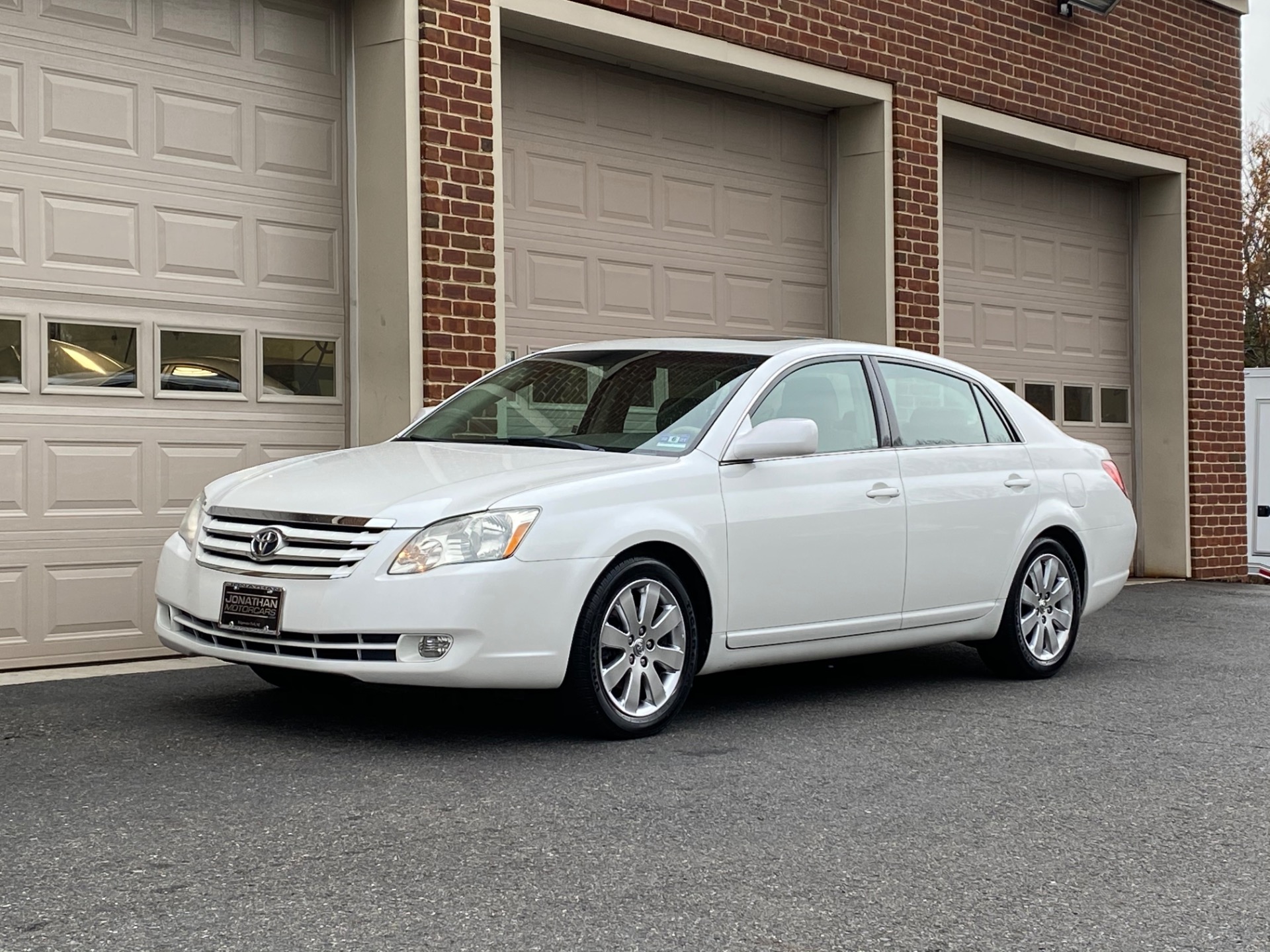
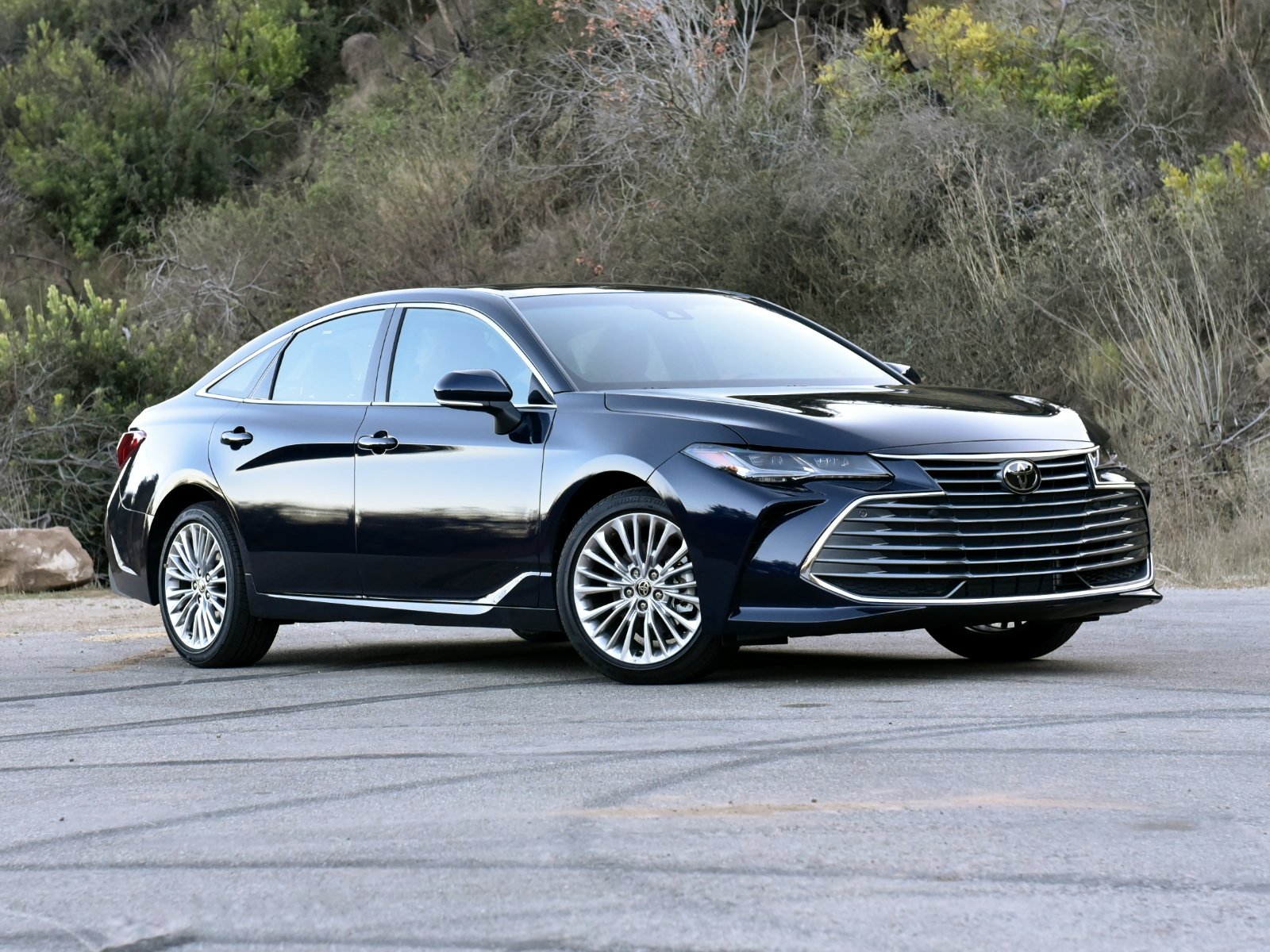
11. Toyota Avalon
The Toyota Avalon represents Toyota’s more luxurious, bigger‑sedan offering and it shows in how quietly it can travel over long distances and many years. The Avalon builds on much of the same engineering as Camry and Lexus, but with a bit more complexity in sound insulation, material quality, and finish level.
From the onset the doors are heavier, cabin insulation is more comprehensive, and the glazing is sometimes more advanced. These traits help the Avalon maintain calm and quiet even when components begin to age or settle.
Engine options for the Avalon are chosen with refinement in mind. The typically V6 engines, or the later more efficient V6‑based hybrids, are engineered for smooth power delivery. They tend to have strong blocks, refined valvetrain components, and engine mounts that are engineered to handle vibration without transmitting it.
Exhaust systems are also fairly well constructed. Heat shields are robust and less likely to rust through, gaskets are good quality. These factors help avoid rattles, leaks, or exhaust drone in older Avalons.
The suspension and ride control in the Avalon is tuned for comfort rather than sport; that means components are selected for durability. Springs, shocks, struts, bushings are sized for a heavier ride and large tolerances. Even when many parts are worn, the ride does not become overly harsh.
Alignment remains stable, many steering linkage parts are strong, and tire‑and‑wheel combinations tend not to introduce vibration or resonance that gets worse over time. Owners often find that replacing worn suspension parts restores quietness significantly rather than needing large structural work.
Inside, Avalon interiors are full of trim and engineering features meant for luxury. Thick carpets, well mounted trim pieces, solid headliners, heavy door seals, minimal panel gaps.
These help prevent wind noise, rattling doors and vents, or squeaks. Even seats and interior plastics are built to resist compression or warping; over time these materials hold their shape and fixed parts remain secure. Regular upkeep of seals, joints, and hinges ensures Avalon remains peaceful after many miles of use.

12. Subaru Forester
The Subaru Forester is known for being practical and durable and in many cases it also remains relatively quiet after extensive mileage. It is not a luxury vehicle but it offers a compelling mix of craftsmanship and engineering that helps it age well in terms of noise, vibration, and harshness.
For one thing the structural design of Forester uses strong supports, stiff body frames, and good fitment of panels which resists wind and road noise intrusion even when seals and gaskets age.
Engine durability is high, particularly in later models that addressed earlier issues and improved balance in moving parts. The boxer engine layout gives lower vibration in general. Engine mounts and exhaust components are fairly robust if well maintained.
Regular oil changes, proper timing belt or chain service, attention to the cooling system all reduce the risk of knocking or unwanted mechanical noise as the engine ages.
Exhaust leaks or manifold cracks, which often generate loud sounds, are less common when these systems are checked periodically and kept in good condition.
The suspension of the Forester is built for rough roads and capable off‑road usage. Bushings, joints and subframe mounts are heavy duty. When shocks or struts begin to degrade there is often gradual deterioration rather than sudden harshness.
The tires selected often are of sizes and profiles that do not magnify road rumble. Also wheel well liners and underbody panels help shield the cabin from stones, mud and debris that otherwise cause noise or vibration.
Inside, fit and finish in the Forester are generally good for their class. Door seals are substantial, windows close firmly. Interior panels are assembled in ways that reduce shaking or vibrating when hitting roads with small bumps. HVAC systems are tuned for comfort not high performance; blower noise is modest.
Trim materials resist vibration or cracking. Owners with high‑mile Foresters often comment that though exterior and mechanical wear is visible, the cabin still feels composed even past 250,000 or more miles.
