
Letting go of a family SUV is often a decision based on practicality. Maybe it’s time to upgrade to something newer, maybe maintenance costs were rising, or maybe fuel economy became a bigger concern. But once that SUV is gone, many families find themselves missing more than just a vehicle.
They miss the memories tied to it, the reliability it offered, and the way it fit their lifestyle in a way newer cars sometimes fail to replicate.
There’s a reason why some vehicles leave a lasting impression, especially in households that depend on them daily. An SUV isn’t just transportation; it’s often a central part of vacations, carpools, weekend errands, and even big life events like moving day or the first drive to college.
The regret often sets in when the replacement doesn’t live up to the old one’s strengths. Whether it’s the loss of extra cargo space, rugged durability, or the feeling of safety on snowy roads, families frequently find themselves wishing they had held onto their old SUV just a bit longer.
Over time, some models gain legendary status, and resale values soar because people realize what they lost. Other times, it’s just the simple truth that the vehicle worked so well it’s nearly impossible to find a worthy successor.
This happens across different brands, years, and model types, from compact crossovers to full-size beasts. These regrets aren’t just about sentiment; they’re rooted in function, comfort, dependability, and cost-effectiveness.
This article highlights 15 SUVs that have caused that very feeling in many households. Whether they were known for their reliability, toughness, comfort, or just a perfect blend of everything, these vehicles have earned a reputation for being missed once they’re gone.
If you’ve ever parted with a car that felt like more than just a car, chances are you’ll find something familiar in this list. These are the SUVs that people wish they had never let go.
Also Read: 10 Cars Mechanics Say Will Easily Hit 400k Miles
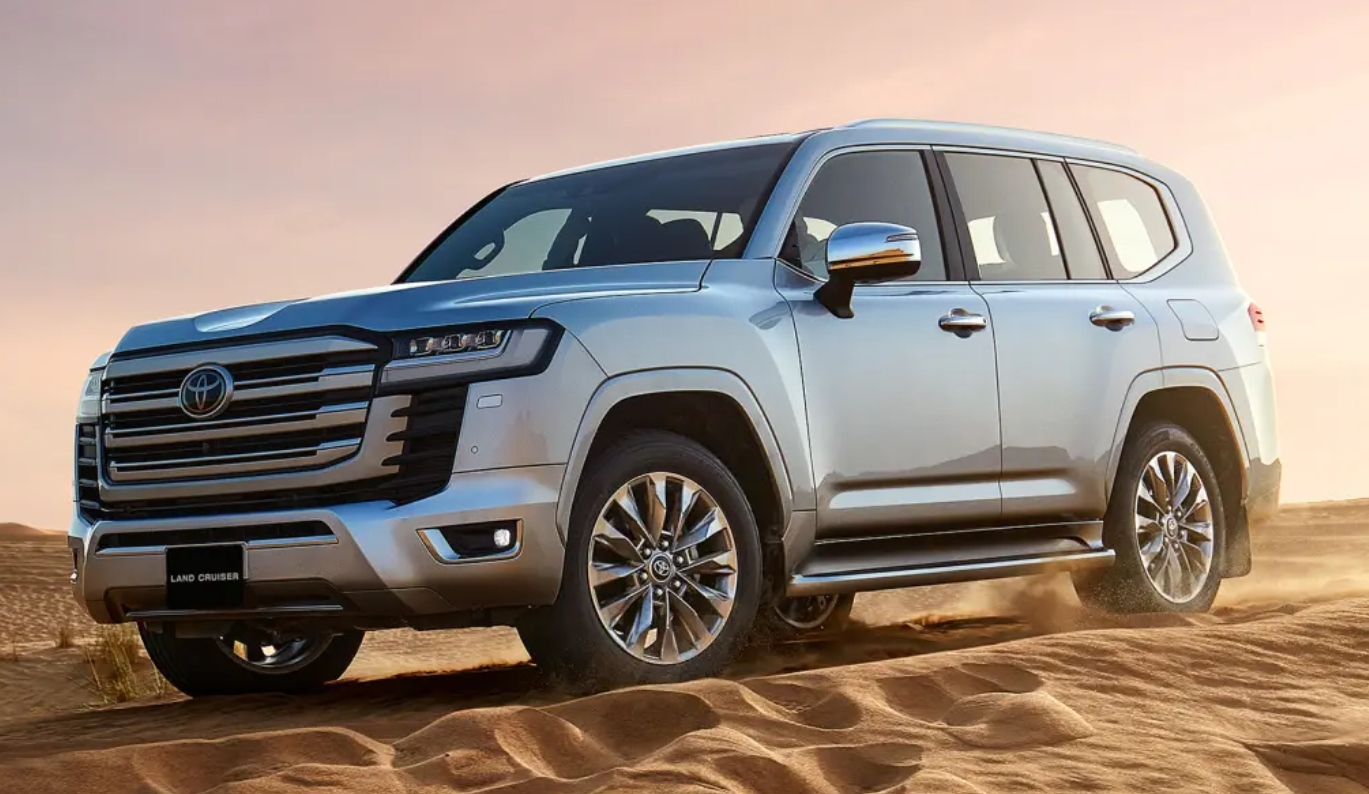
1. Toyota Land Cruiser
The Toyota Land Cruiser is one of those vehicles that builds a loyal following. Known for its bulletproof reliability, it’s an SUV that can go 300,000 miles or more with basic maintenance.
Families often sell it when they feel it’s getting old, only to realize later that few other vehicles can match its build quality and capability. It’s not just about ruggedness either, the ride quality is smooth, and the cabin is often more luxurious than expected. That combination of toughness and comfort is rare.
The regret usually sets in when a replacement vehicle starts having small issues. Compared to the Land Cruiser, which often needs very little attention, newer SUVs can seem overly complicated or fragile. Many families also miss its off-road abilities.
Even if they never took it off-pavement, they appreciated the peace of mind during bad weather or long road trips. It’s a vehicle that quietly earns trust, and that trust is hard to replace.
Another major reason families miss their Land Cruisers is the resale value. Once sold, many owners are shocked to see how quickly prices climb.
It’s not unusual for a ten-year-old model to still command a strong price, and even higher-mileage examples are in demand. This makes buying another one difficult, and often not financially viable. The cost to reacquire what was once taken for granted can be frustrating.
Last, the Land Cruiser has a certain personality. It’s not flashy, but it carries a strong presence. The vehicle becomes part of the household, and its disappearance leaves a gap. It’s dependable, solid, and always ready. That’s a hard thing to give up, and even harder to replace.
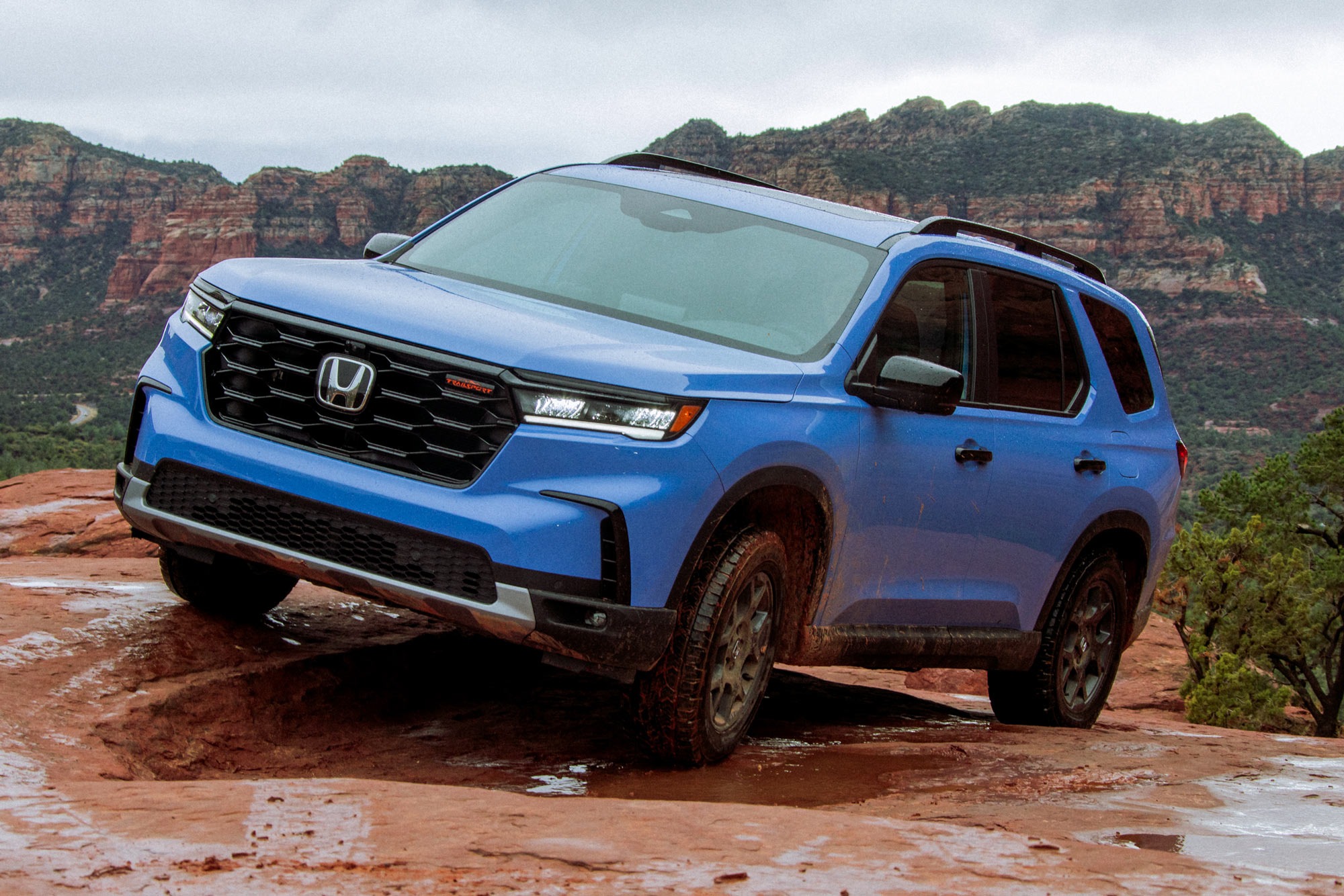
2. Honda Pilot (2003–2015 Models)
The early generations of the Honda Pilot hold a special place in many families’ hearts. These models had a near-perfect blend of size, reliability, and practicality. The third row was actually usable, and the boxier shape of the older models meant more cargo room.
For many families, this was the vehicle that carried them through school pickups, vacations, and even cross-country moves. Selling it felt reasonable at the time, but it often led to disappointment with newer replacements.
Later versions of the Pilot became more rounded and lost some of that original utility. Owners who sold their first- or second-generation Pilot often realized they had given up a workhorse for something that tried too hard to be stylish.
The older models were easy to maintain and rarely had mechanical issues. They were built in an era when Honda focused heavily on function over form, and that approach paid off.
Families also miss how easy the vehicle was to live with. It had a good turning radius, predictable handling, and an interior that was simple yet smartly designed.
There were plenty of cupholders, smart storage options, and no-fuss controls. You didn’t need a manual to operate the climate system or figure out how to fold the seats. Everything just made sense, which is often not the case with newer models.
Lastly, the sense of security it offered was genuine. It felt solid on the road, and many parents appreciated how it handled in rough weather or on poorly maintained roads.
The 4WD versions, in particular, were dependable during winter months. Selling a Pilot often meant realizing too late that not every SUV can fill those shoes, even ones with better technology or fresher styling.
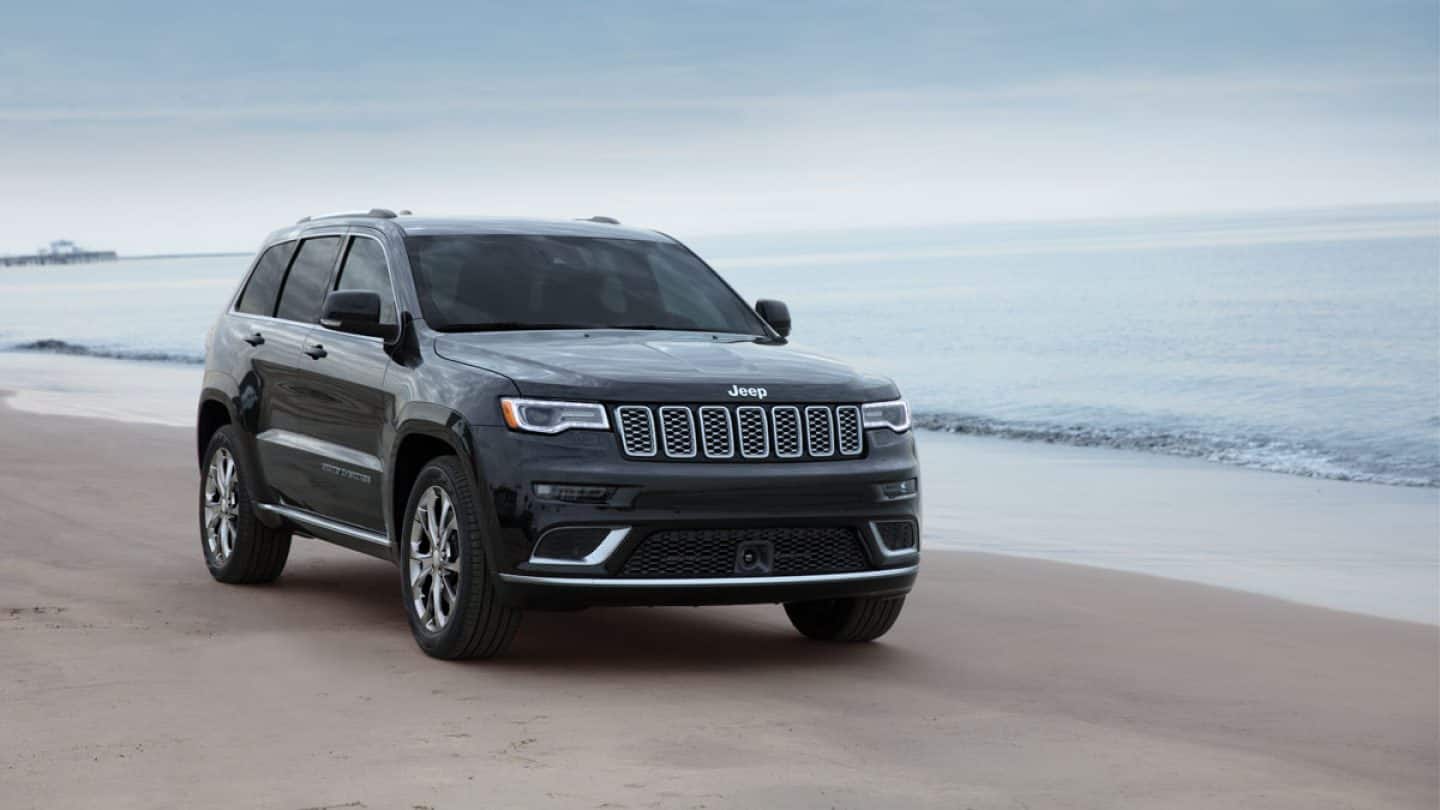
3. Jeep Grand Cherokee (WJ and WK Generations)
There’s something about the Jeep Grand Cherokee that makes it feel rugged yet refined at the same time. The WJ (1999–2004) and WK (2005–2010) generations are especially fondly remembered by families.
These SUVs had real off-road capability while still feeling comfortable enough for daily use. When families sold them, it was often due to age or mileage concerns. But many found that newer SUVs lacked that same blend of capability and character.
The Grand Cherokee in these years had a wide range of engine options, including the famously reliable 4.0L inline-six and the powerful 5.7L HEMI V8.
These engines gave the SUV plenty of grunt for towing, hauling, or just getting through tough conditions. They also had a more mechanical feel, something that’s largely missing in today’s highly computerized vehicles. That connection to the vehicle is something many families end up missing.
Maintenance was straightforward, and parts were widely available. While they weren’t perfect and did have quirks, most problems were easy to fix.
That ease of ownership created a bond. Selling it meant starting fresh with a vehicle that might have looked better on paper but lacked that personal connection. Families often regret giving up a vehicle they could trust to handle anything thrown its way.
Styling also plays a role. These generations had a clean, purposeful design that aged well. Inside, the layout was functional, and the seats were supportive.
It wasn’t the flashiest SUV, but it felt right. And for many households, it simply became a fixture, one that quietly got the job done without complaint. Selling it brought on a feeling that something important had been lost.
4. Toyota 4Runner
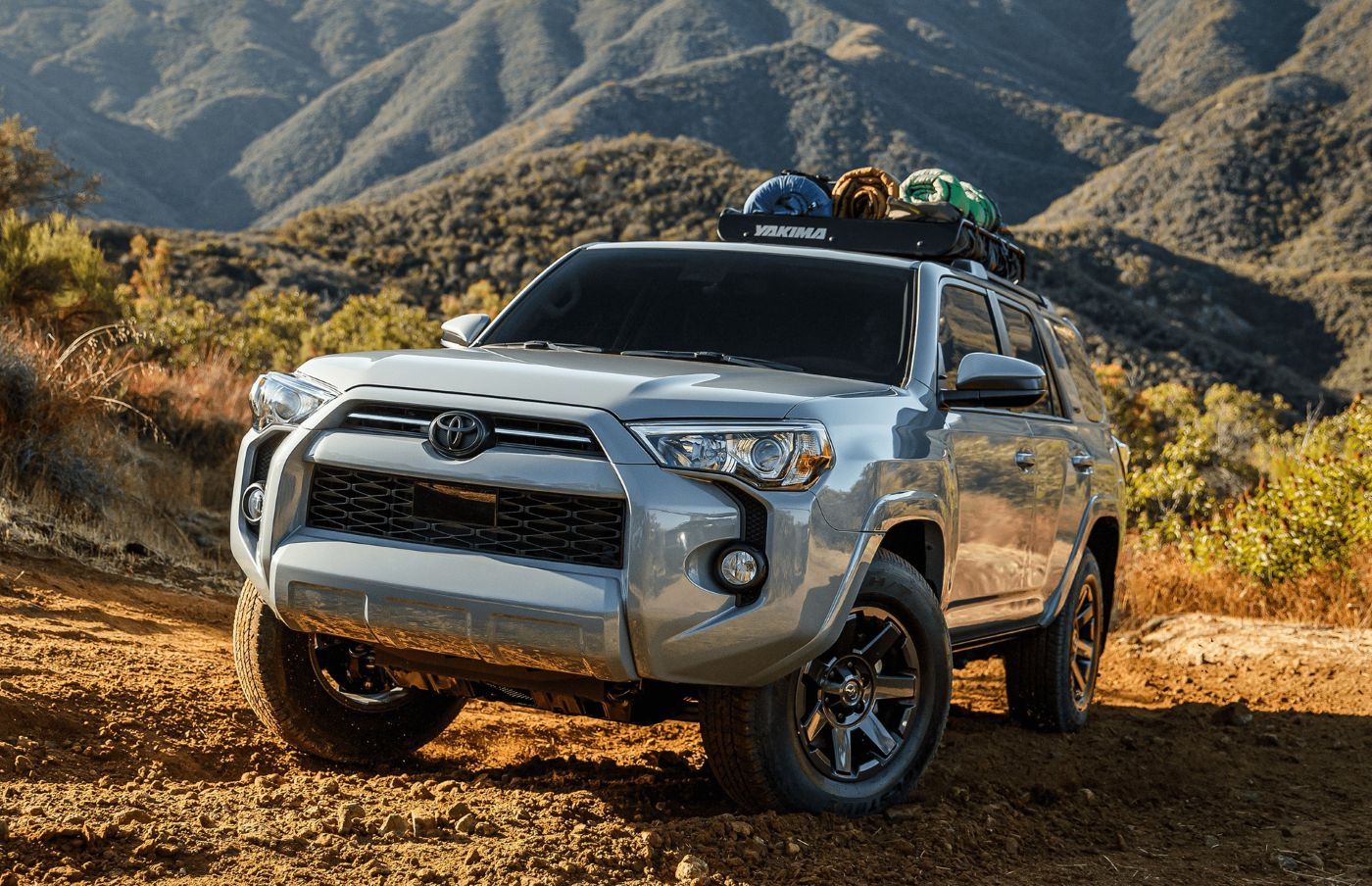
The Toyota 4Runner has built a reputation for being nearly indestructible. Families that have owned one often find themselves second-guessing the decision to sell.
With its body-on-frame construction and reliable V6 engine, the 4Runner feels like a truck in the best possible way. It’s not trying to be a luxury vehicle, and it doesn’t pretend to be a crossover. It’s unapologetically rugged, and that appeals to a certain type of owner.
Many families chose the 4Runner for its off-road ability, even if they never took it on trails. It’s about confidence. Bad roads, deep snow, and rough weather don’t faze it.
You always feel like you’re in control. When you switch to something more refined or car-like, that feeling disappears. That’s where the regret begins to creep in. Families realize that capability can matter more than polish.
The interior might not have been the fanciest, but it was built to last. Everything felt solid, from the knobs to the seat materials. You didn’t worry about kids spilling drinks or dragging muddy shoes across the floor.
It was a vehicle you could live with, not one you had to baby. That kind of durability creates attachment, and when it’s gone, it’s missed.
Another factor is how well the 4Runner holds its value. Once sold, many families are shocked to see how expensive it is to buy another one. Even older models with high mileage can fetch strong prices.
That financial barrier makes regret even worse, because getting back what you had is rarely an option. The 4Runner is one of those vehicles where you don’t realize how much you relied on it until it’s no longer in your driveway.
5. Ford Expedition (2003–2014 Models)
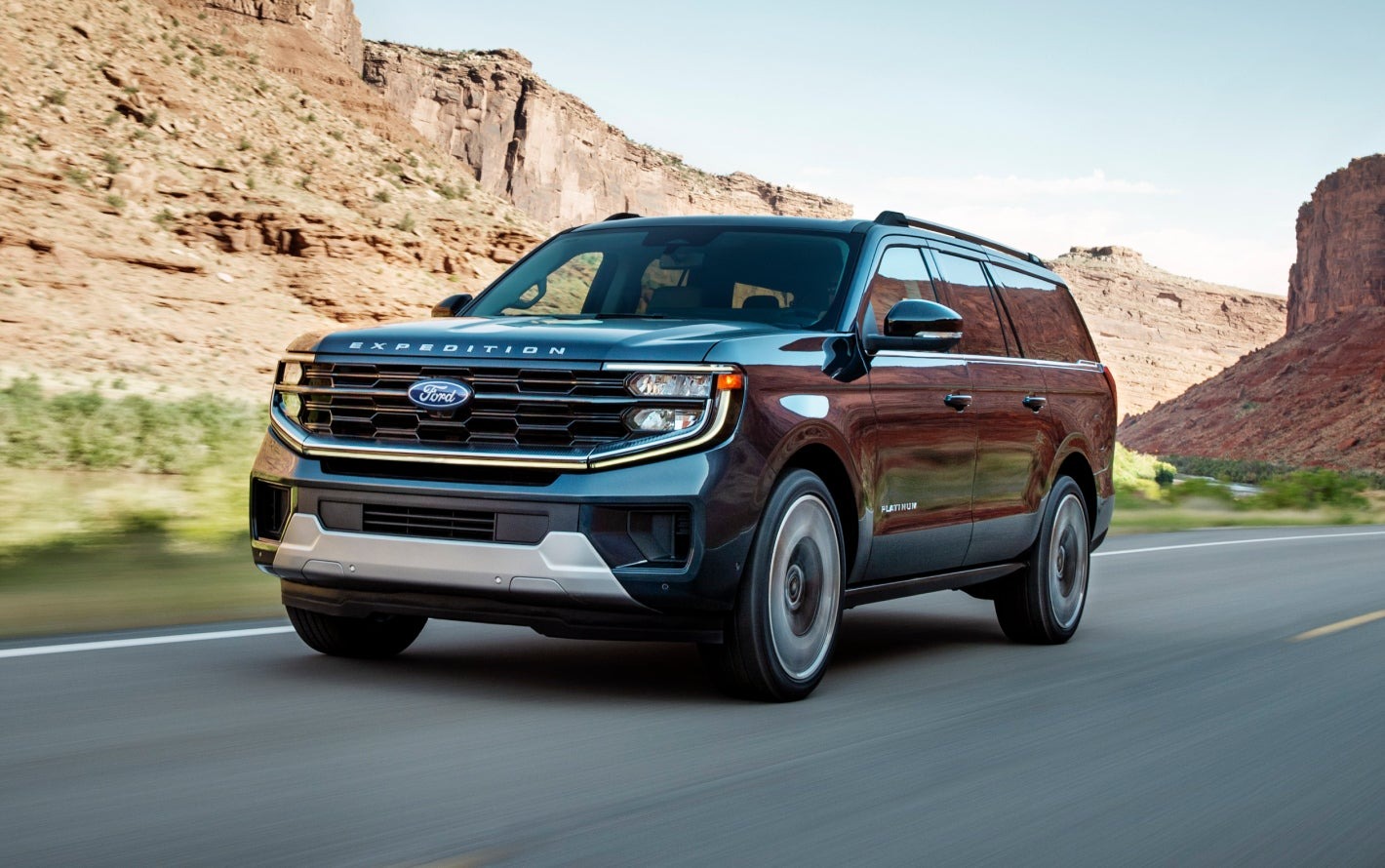
The Ford Expedition, especially in the 2003 to 2014 model years, was a go-to option for larger families. It offered massive interior space, solid towing capability, and a road presence that gave drivers a sense of security.
Many families sold theirs in search of better fuel efficiency or more modern design, but those upgrades often came at the cost of practicality.
Few newer SUVs match the Expedition’s ability to carry eight people comfortably along with all their gear. Once it’s gone, people begin to realize how much they relied on that space and versatility.
For families with kids in sports, multiple pets, or regular road trips, the Expedition checked every box. Folding down the third row was easy, and the cargo space seemed endless.
Strollers, coolers, luggage, bikes, there was always room. When families try to make do with smaller crossovers or even midsize SUVs, frustration sets in quickly. There’s no substitute for that kind of utility, and it becomes very clear when you’re constantly trying to rearrange things just to fit groceries and backpacks.
The ride quality was also surprisingly comfortable for a vehicle of its size. The suspension soaked up bumps well, and on long highway trips, it felt like you were gliding. Families often miss how calm and composed the Expedition felt on the road.
Compared to smaller, stiffer vehicles, it provided a sense of quiet and calm that made hours in traffic or on road trips much more tolerable. That smoothness doesn’t come with every SUV, and it’s often overlooked until it’s gone.
Reliability was another strong point. With the right maintenance, these Expeditions were known to run for well over 200,000 miles. The V8 engines were strong and didn’t strain under load. Families who let one go often reflect back on just how little went wrong with theirs.
Selling it may have made sense in the moment, but after dealing with complex newer vehicles and cramped interiors, the regret tends to come quickly and stay for a long time.
6. Chevrolet Tahoe (2000s Models)
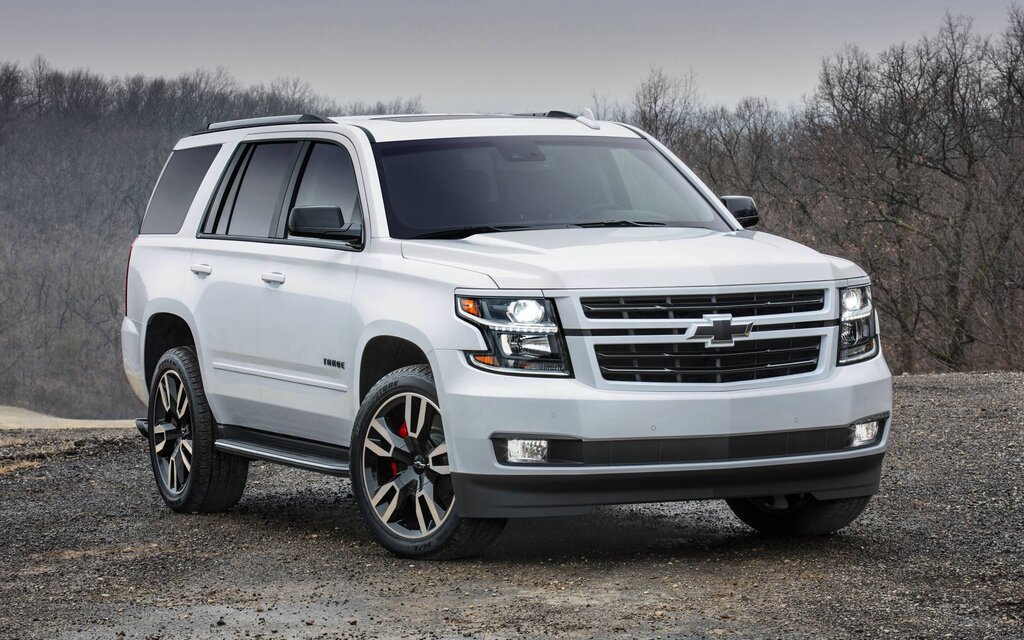
The Chevrolet Tahoe of the 2000s struck a balance between size, power, and comfort that made it one of the most beloved full-size SUVs for families.
It offered three rows of seating, truck-based durability, and a V8 engine that never felt underpowered. It was a vehicle that felt built for American families, from its wide seats to its rugged frame. Once sold, many owners found themselves struggling to find anything that offered the same sense of presence and usefulness.
One of the biggest regrets people have after selling a Tahoe is losing the towing capability. Whether it was pulling a boat, trailer, or camper, the Tahoe made it easy. It handled heavy loads without complaint, and the engine rarely felt stressed.
Families that replaced it with crossovers or lighter-duty SUVs often find themselves unable to tow what they used to, which can seriously impact vacations and hobbies. That’s when the absence of the Tahoe really hits home.
Beyond performance, the Tahoe had a certain sturdiness to it that inspired confidence. The thick doors, high driving position, and solid-feeling controls all gave you the impression that you were in a reliable piece of machinery.
That feeling doesn’t come with every SUV. Families often find themselves missing how safe and grounded the Tahoe felt, especially during bad weather or long road trips through unfamiliar territory.
Interior space was another big win. Kids had room to stretch out, the third row was usable (especially in newer 2000s models), and the rear cargo space was generous even with seats up.
Many families sold their Tahoes in favor of newer models with sleeker designs but quickly realized that the extra tech didn’t make up for the loss of raw practicality. The Tahoe may have been a bit rough around the edges, but it was dependable, tough, and built for real life.
7. Subaru Forester (2000–2012 Models)
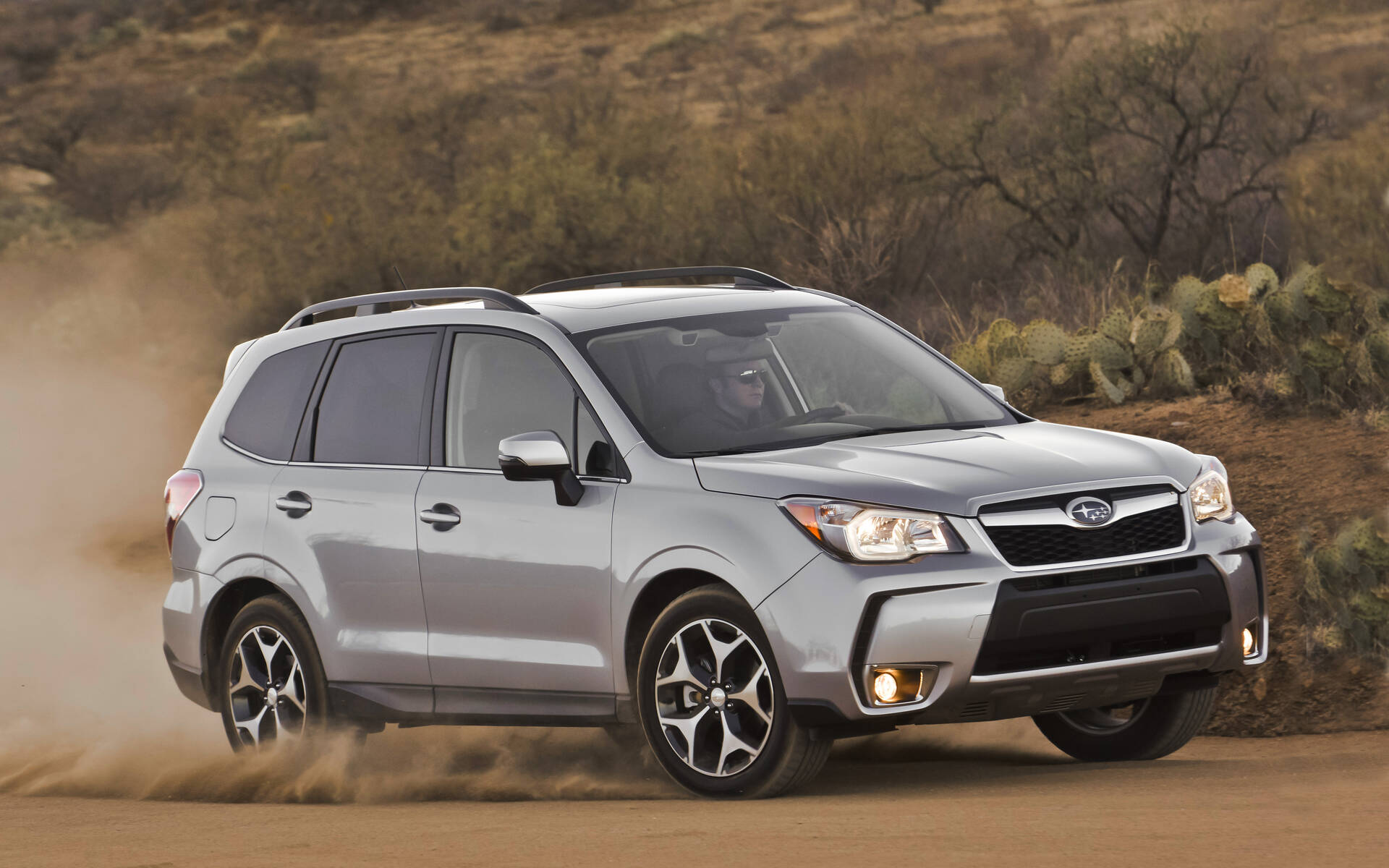
Subaru Foresters from the early 2000s to around 2012 hold a special place for many families. These were not the biggest or flashiest SUVs, but they were dependable, versatile, and perfect for smaller families or city dwellers who still wanted something capable.
The all-wheel-drive system was legendary, and the car handled snow and rain with ease. Many families parted with their Forester because they needed something larger, but they often found that what they gained in size they lost in confidence and simplicity.
The compact size of the Forester was actually one of its strengths. It was easy to park, quick to maneuver in tight spots, and never felt cumbersome on narrow roads or crowded parking lots.
Parents who later moved to larger SUVs often found the extra size to be more of a hassle than a help. Parallel parking, tight school pickup lines, and narrow city streets all became more stressful. That nimbleness is something people don’t realize they’ll miss until it’s gone.
Then there’s the legendary Subaru reliability. These Foresters often ran well past 200,000 miles with regular maintenance, and the engines, especially the non-turbo versions, were known for lasting forever.
Selling one of these only to end up with a more expensive and less durable vehicle can be a painful lesson. Some families say their only real regret was not handing it down to their kids instead of letting it go entirely.
Safety was another highlight. While it wasn’t the most luxurious SUV, the Forester came with standard all-wheel drive and strong crash test ratings. It felt stable and secure, particularly in rough weather. Families appreciated knowing they had a car that could handle slippery roads without issue.
Once replaced with something more stylish but less capable, the appreciation for what the Forester offered often grows, too late to undo the decision to sell.
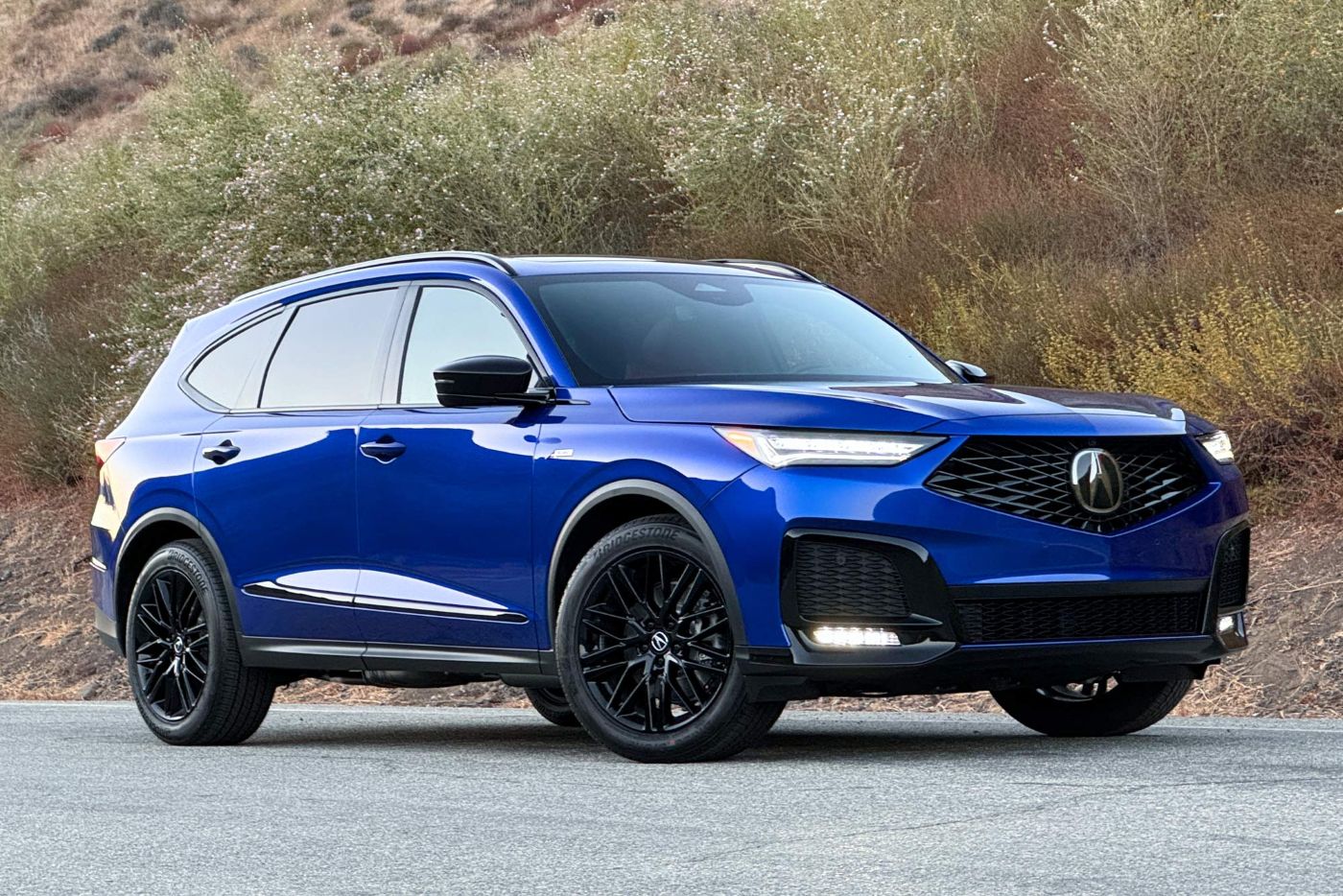
8. Acura MDX (First and Second Generations)
The Acura MDX from the early 2000s and into the late 2000s represented a sweet spot in the luxury SUV market. It offered high-end features, a third row, and Honda’s legendary reliability all in one attractive package.
Many families bought one as a practical luxury SUV, and it served them well for years. But when it came time to upgrade or move on, some families found out the hard way that newer luxury vehicles often come with more problems and fewer advantages.
One of the most noticeable aspects families miss is the driving experience. The MDX handled better than many other SUVs of its time, with a responsive steering feel and well-tuned suspension. It felt more like a car in the corners but had enough size and height to give you that SUV confidence.
Moving to larger or heavier SUVs can feel clumsy in comparison. That loss in driving enjoyment is a major reason people look back fondly on their old MDX.
Another reason for regret is the attention to detail in the interior. Acura put real thought into the design, layout, and materials. Everything felt solid, well-made, and logical. Over time, these vehicles aged gracefully, unlike some competitors that started to fall apart or feel dated.
Families that sold their MDX to jump to another luxury brand often found themselves dealing with quirky infotainment systems, reliability issues, or costlier maintenance. That smooth Acura experience becomes hard to replace.
There’s also the simple fact that the MDX rarely gave its owners trouble. As long as the timing belt was changed on time and fluids were kept fresh, these vehicles just kept going. Families who experienced years of trouble-free ownership often realize too late that their new SUV isn’t as hassle-free.
Whether it’s electrical problems, engine quirks, or transmission issues, the contrast can be stark. It’s only after dealing with those headaches that the true value of the MDX becomes clear
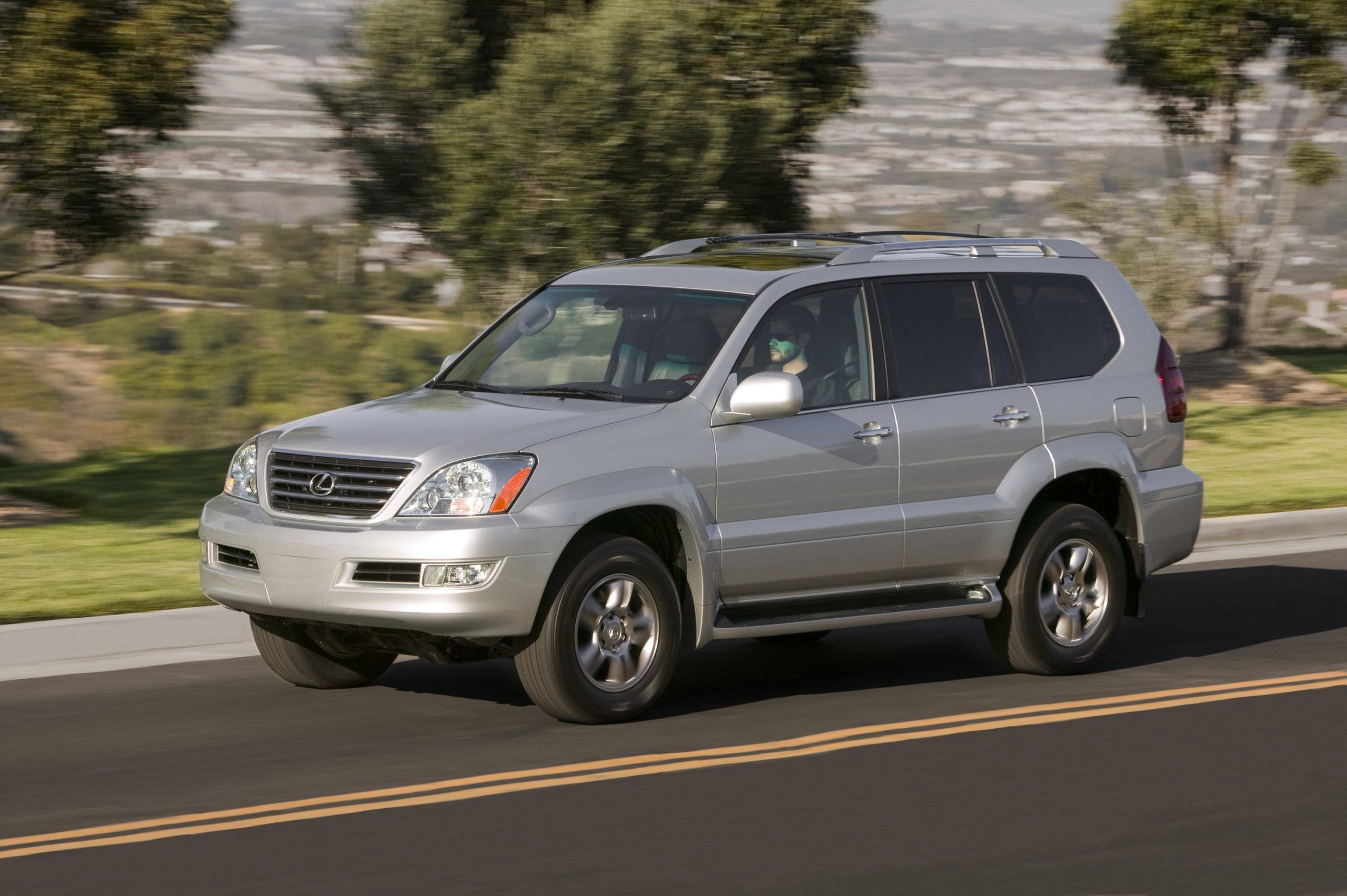
9. Lexus GX 470
The Lexus GX 470 has become one of the most missed SUVs in the used market, and it’s easy to understand why. Built on the same platform as the Toyota Land Cruiser Prado, it combines off-road capability with Lexus-level refinement.
Families who owned this SUV often didn’t realize just how rare that combination was until they sold it. What replaced it was often either more luxurious but less durable, or more rugged but less comfortable, never quite the same mix.
The ride quality is one of the key aspects families look back on with appreciation. The GX 470 used a body-on-frame construction but still managed to deliver a smooth, quiet, and composed driving experience.
On long trips, it felt solid and stable. It soaked up road imperfections like a luxury car, not a truck. Once it’s gone, families often discover how hard it is to find something that rides as well while still offering that level of toughness underneath.
Interior quality was also a major strength. Everything inside felt overbuilt, thick leather, solid buttons, and thoughtful layout. It was a vehicle that aged slowly, with many examples still looking great after 15 or more years.
Families who sold theirs thinking they were “moving up” to something newer often found themselves disappointed by the lower-quality materials and more fragile finishes in their new SUV. That long-lasting Lexus feel doesn’t show up in just any vehicle.
Finally, reliability was off the charts. The GX 470 came with a 4.7-liter V8 that is widely regarded as one of the most dependable engines ever made.
Many of these SUVs are still going strong well beyond 250,000 miles. After selling it, many families regretted giving up such a dependable workhorse. Even today, the GX 470 commands high resale prices, making it both a vehicle and an investment that many wish they had held onto longer.
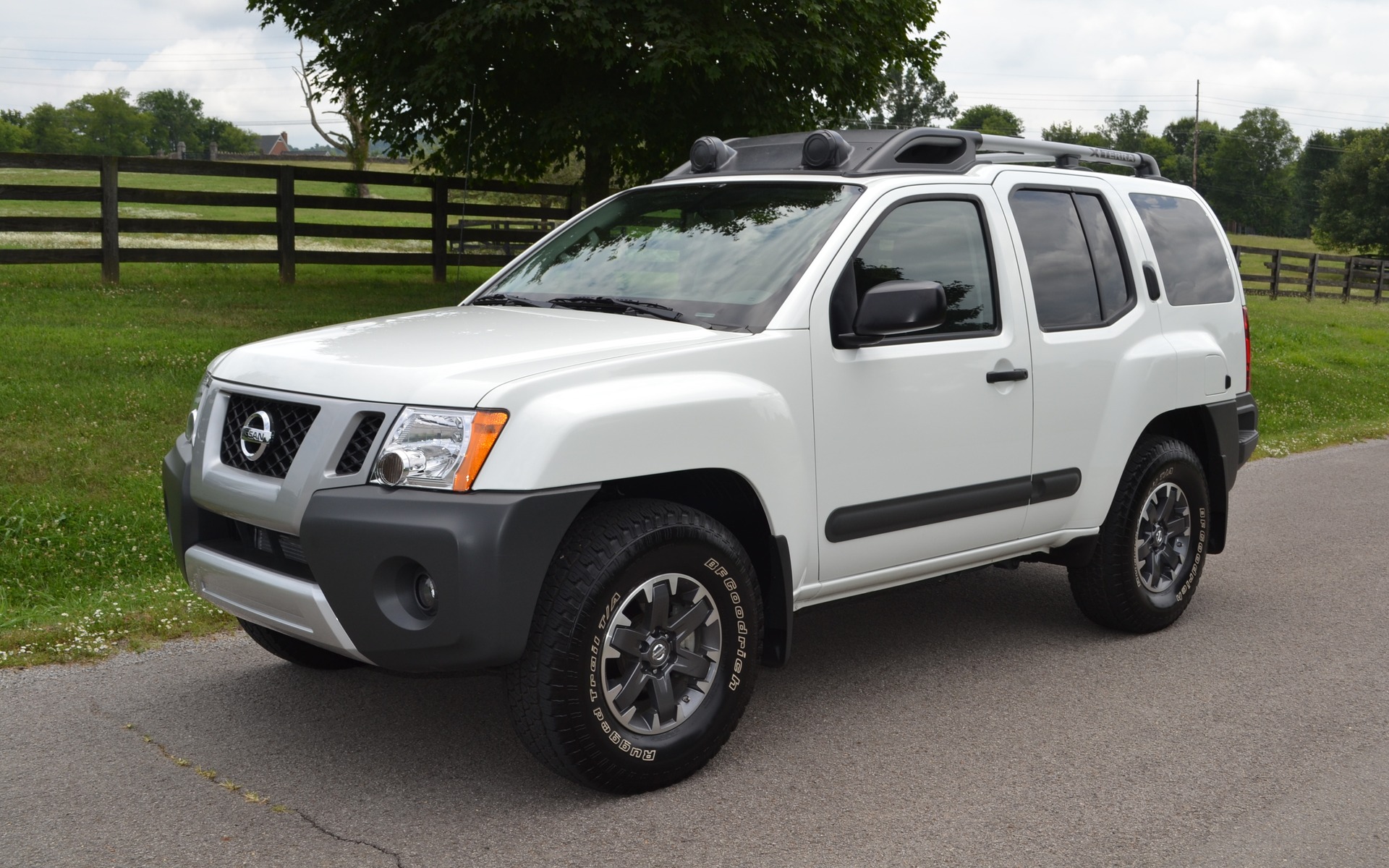
10. Nissan Xterra
The Nissan Xterra was built with a specific purpose: to be a rugged, no-nonsense SUV for people who needed durability and practicality. Families who owned one often loved its utility, straightforward design, and off-road ability.
It wasn’t flashy, and it didn’t pretend to be luxurious. But it was reliable, easy to maintain, and incredibly versatile. When families sold their Xterra, often for something more fuel-efficient or modern, they usually found themselves missing its honesty.
One of the Xterra’s best traits was its cargo area. It had a hard plastic floor in the rear that made it ideal for hauling gear, pets, sports equipment, or even muddy boots.
You didn’t worry about staining carpets or scratching trim. Everything felt ready for real-world use. After moving to something more polished, many families missed the freedom they had to load and go without stress. That simplicity can’t be found in many newer SUVs.
Another strong point was the powertrain. The V6 engine was robust and long-lasting, with plenty of torque. It wasn’t the smoothest, but it didn’t need to be. It got the job done. Families who towed small trailers, camped, or went on frequent weekend getaways often found the Xterra to be the perfect companion.
Once gone, the search for something similarly rugged often leads to disappointment, especially in an age where many SUVs are becoming softer and more car-like.
Also, the Xterra had character. The roof rack, the bulging fenders, the upright stance, it all gave the SUV a personality that’s rare today. It felt like a tool made to work, not a fashion piece meant to impress.
When families traded theirs in for something more modern, many found the new SUV to be forgettable. The Xterra, in contrast, stuck in their memory because it served them well and asked for very little in return.
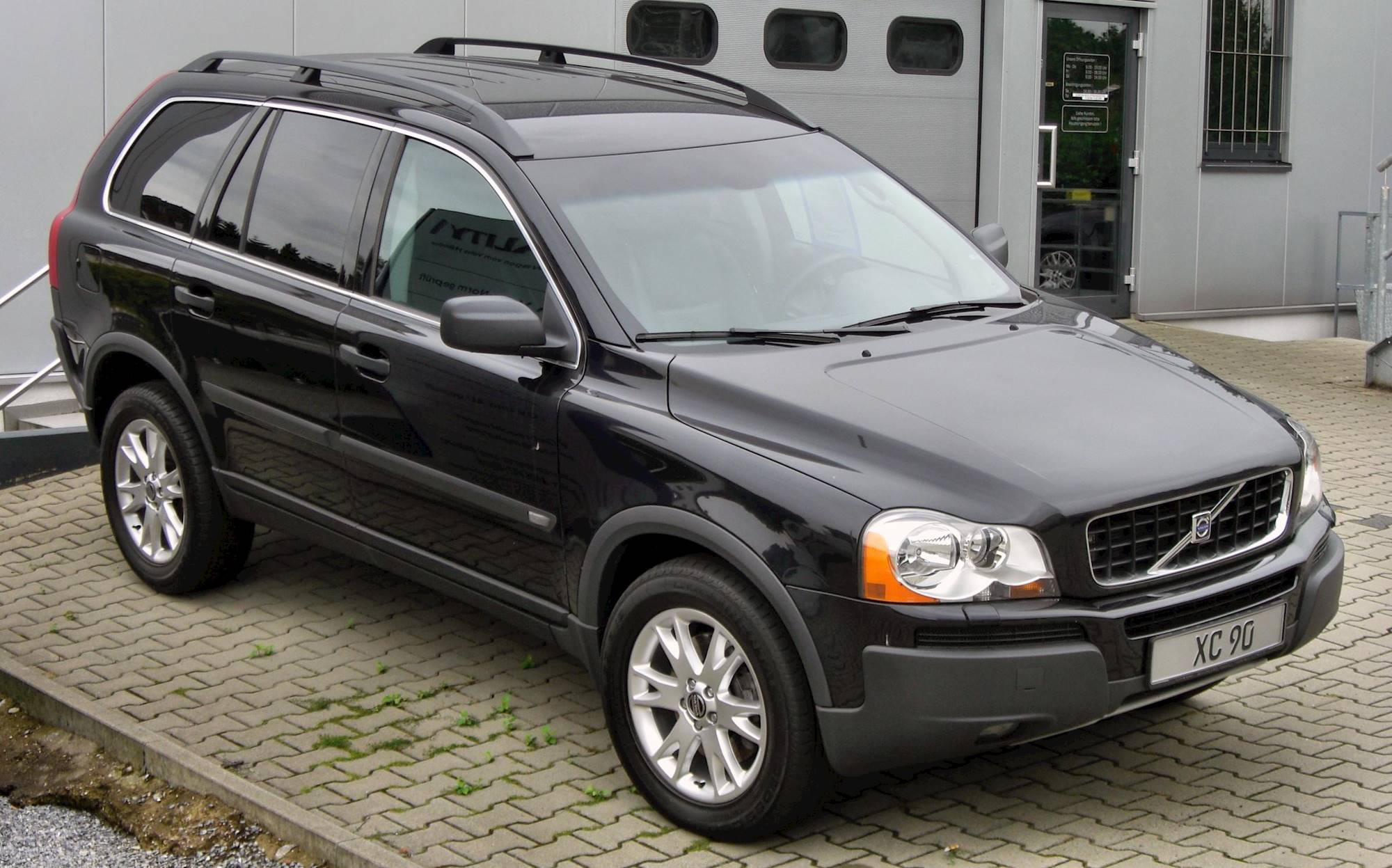
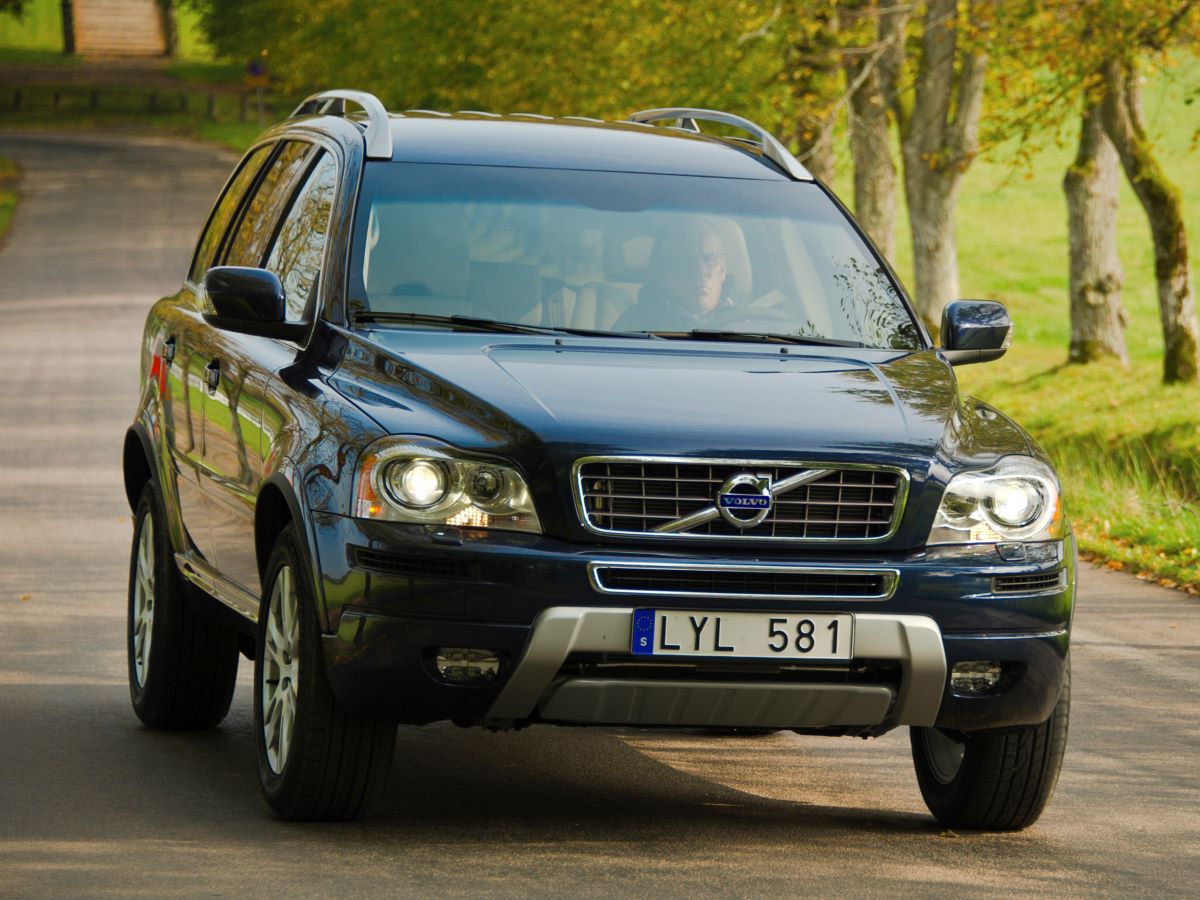
11. Volvo XC90 (First Generation)
The first-generation Volvo XC90 is a vehicle that many families grew to love over time, and later deeply regretted selling. Its reputation for safety, comfort, and practicality made it a natural choice for those with young children or daily commuting needs.
Though Volvo is often associated with sedans and wagons, this SUV proved the brand could compete in the family vehicle market. Once sold, many people realized that the XC90 offered a unique blend that’s hard to find elsewhere.
The seating configuration was a standout feature. The XC90 had a clever interior layout, including a middle-row booster seat that could slide forward, letting a child sit closer to the front passengers.
It was small design details like this that made it feel purpose-built for families. Parents who sold theirs often found newer SUVs lacked that same level of family-focused design. The XC90 didn’t just carry people, it catered to them.
Safety, of course, was top-tier. Volvo engineered the XC90 to exceed industry standards at the time. Families always felt safe behind the wheel, thanks to features like roll-stability control, side-curtain airbags, and reinforced body construction.
Once they moved on to a different brand or a less premium SUV, many noticed a drop in how secure and planted they felt on the road. That quiet assurance is difficult to replace, and it’s one of the most missed qualities after the XC90 is gone.
Even the aging electronics and infotainment systems were intuitive and durable. While not flashy, they worked without fuss. Families that upgraded to newer tech-heavy vehicles often found themselves frustrated with glitchy touchscreens or complicated user interfaces.
The Volvo’s understated, efficient design becomes something you appreciate more in hindsight. Selling it might have made sense at the time, but many later admitted that few vehicles could match what it offered for family life.
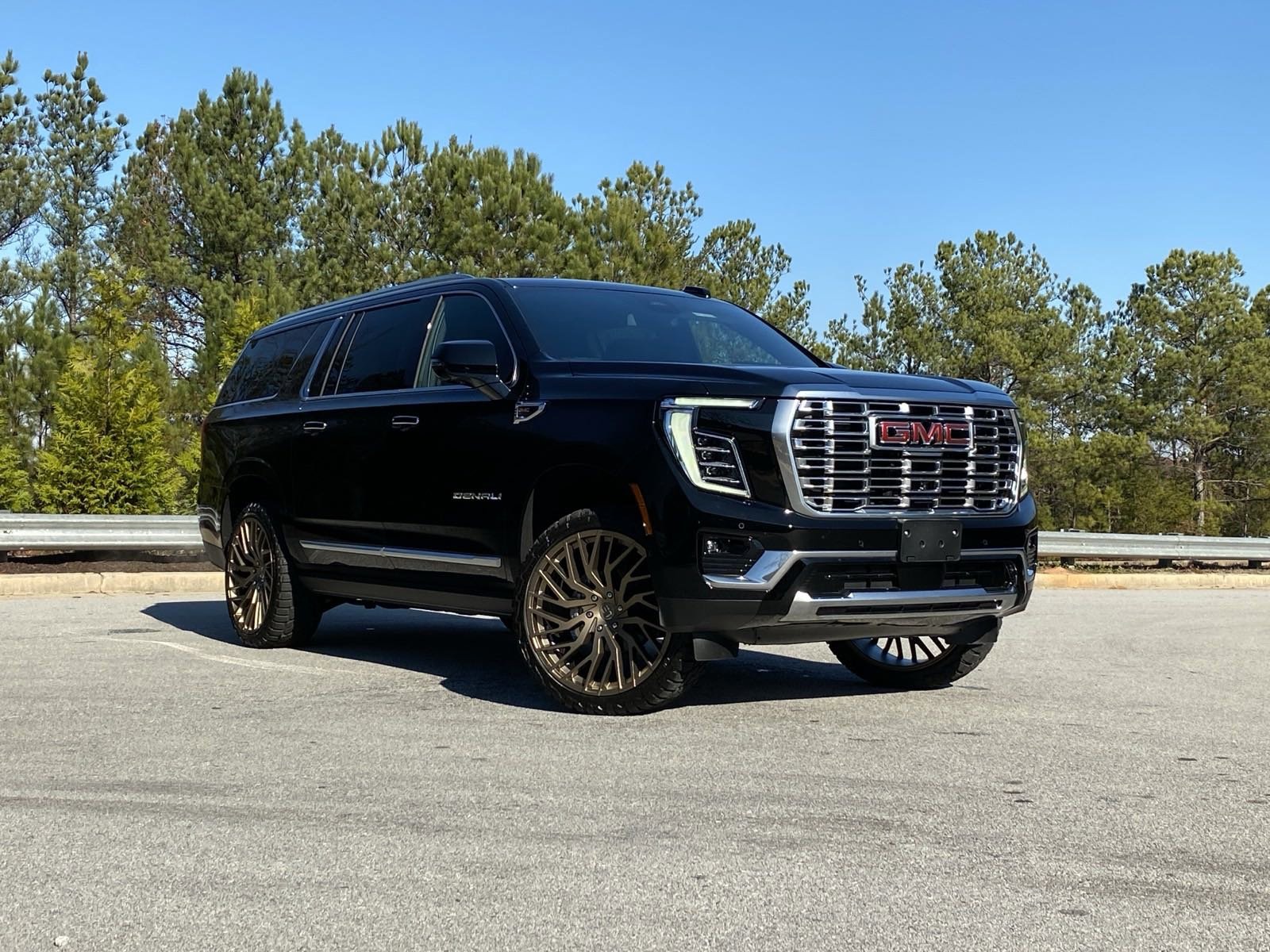
12. GMC Yukon XL
For families that needed space above all else, the GMC Yukon XL was hard to beat. This extended-length SUV was essentially a living room on wheels, with space for eight passengers and all their gear.
It was especially popular among large families, those who carpooled often, or anyone who frequently traveled with lots of cargo. Many sold theirs due to fuel costs or aging mileage, only to discover that finding an equal replacement wasn’t just hard, it was nearly impossible.
The rear cargo space was its most valuable asset. Even with the third row in place, there was ample room for strollers, coolers, suitcases, or sports gear.
Families that moved to smaller SUVs found themselves constantly battling for space. Things that used to fit with ease now require careful packing and compromises. Once you’ve had that kind of cargo room, anything less feels like a downgrade.
Ride comfort was another standout trait. Despite its size, the Yukon XL floated down the highway. The long wheelbase helped absorb bumps, and everyone had room to spread out.
On long trips, it felt less like a vehicle and more like a mobile lounge. Parents often hear complaints from kids about newer, more cramped replacements. That comfort level is something you don’t appreciate until it’s gone.
There’s also a level of dependability that came with the GM V8 engines in these models. They weren’t fancy, but they were proven. You could count on the Yukon XL to handle heavy use, long trips, and tough weather.
After switching to something more fuel-efficient or compact, many families found themselves longing for that strength and simplicity again. The regret comes from realizing you gave up something that did everything you asked without complaint.
