
There are some trucks whose reputations grow with time more than decline. Even as the automotive world pushes forward with more electronics, lighter materials, emission controls, and driver‑assistance systems, certain pickups maintain their status not because they are the newest or flashiest but because they handle decades of hard work, tough terrain, and rough weather with fewer compromises.
These are trucks built with a ruggedness that seems almost old‑school yet remains competitive in reliability, capability, and owner satisfaction. In 2025, many buyers still want something they can trust when things get difficult, something they can depend on without worrying whether a sensor or fragile component might leave them stranded.
The trucks in this list are those that still feel bulletproof. They offer simplicity of design in critical areas, durable drivetrain components, strong frames or chassis, proven mechanicals, and combinations of power and utility that continue to age well.
They are not always the newest models nor the most luxurious. They may lack some of the high‑tech features that many buyers see as essential. Their value lies instead in how many miles they can handle, how well they respond to abuse, how easily they can be maintained or repaired, how forgiving they are under load, and how likely they are to keep going when others falter.
This list aims to spotlight eight such trucks for 2025, whose legacy continues, whose engineering displays staying power, and whose owners keep singing their praises even after years on the road. Some are diesel powered, some gasoline; some are built domestically in large volumes, others are more specialized; some are more comfortable than others.
What they share is a reputation earned over years rather than one built on hype. For anyone seeking a truck where peace of mind is part of the package, these eight are strong contenders. Each is presented with what makes it last, what weaknesses remain, and why it still feels as though it could take a punch and keep moving.
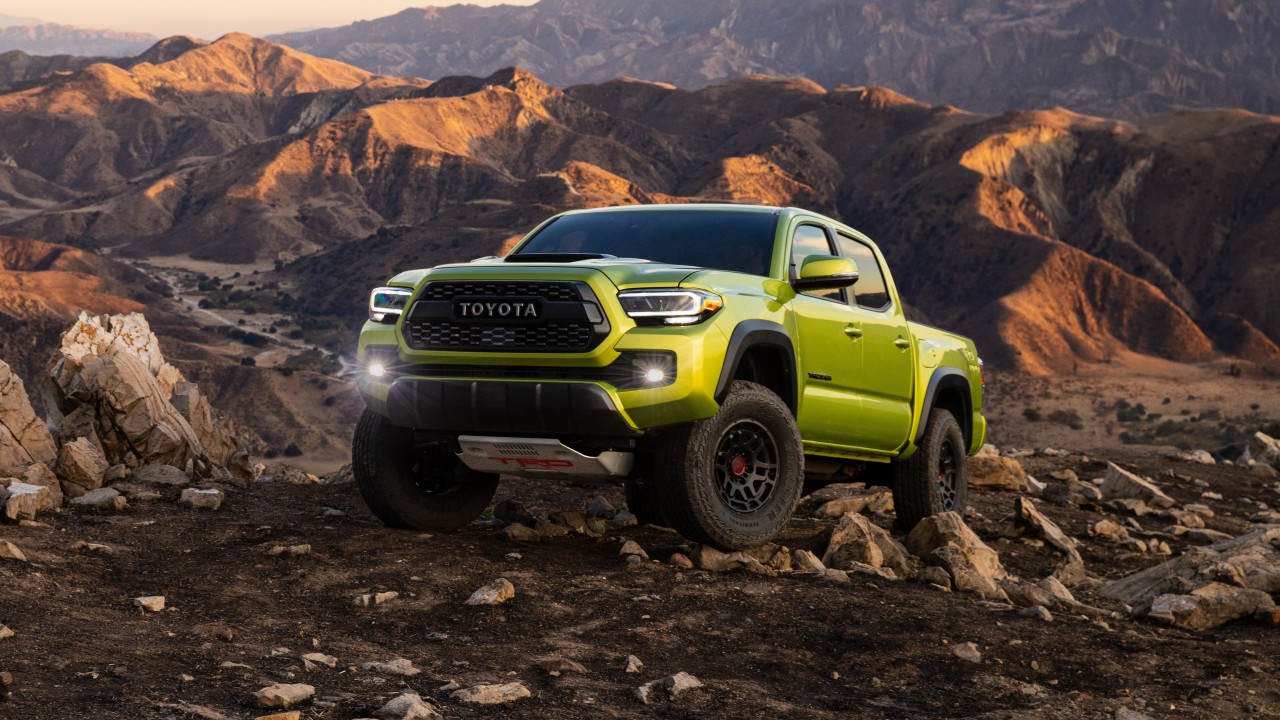
1. Toyota Tacoma
The Toyota Tacoma has built a reputation for being reliable, tough, and relatively simple. Its engines are not overly complex; its parts are relatively available and affordable in many markets.
Even when competitors add more and more sensors, turbochargers, or hybrid components, the Tacoma tends to stick with proven naturally aspirated four‑cylinder engines or established V6 designs in markets where that is offered.
Its transmissions, both manual and automatic in various trims, are well engineered, and seldom do owners report catastrophic failures. The chassis and frame are robust.
Even when used offroad or over rough terrain repeatedly, the bed, cab mounts, and suspension components tend to survive without major distortion. Bed floors, body panels, and other structural metal tend to hold up better over time than many rivals that prioritize lightweight materials over durability.
Another reason the Tacoma feels bulletproof is the aftermarket and repair ecosystem. There are many workshops familiar with working on Tacomas, many spare parts available globally, and a broad range of upgrades to handle anything from towing heavy loads to climbing steep trails.
Since many owners use them in adventurous or heavy-duty contexts, manufacturers already plan for ruggedness in the initial design. For example, the rear axles, leaf springs, and frame crossmembers in offroad models are beefed up. Even in base trims the design avoids extreme cost‑cutting in crucial systems.
Heat management, cooling radiators, and exhaust routing are conservative rather than aggressive, which reduces risk under high load conditions, especially in hot weather or when towing.
Tacoma’s weaknesses are few but worth noting. Fuel economy in older V6 versions is not great when pushed hard or to carry large payloads. Cab noise and vibration at highway speeds are somewhat higher than in luxury trucks mostly because sound insulation is not as extensive.
Towing capacity does not match that of full‑size trucks or some competitors with bigger displacement engines or more advanced transmissions.
However, these trade‑offs are acceptable to many buyers because what the Tacoma gives back is peace of mind. When something breaks, it tends to be something small that can be fixed without huge expense, rather than a system failure that is expensive or impossible to address.
Many owners who have Tacomas with over 200,000 miles still report minimal major maintenance. Frame rust can be an issue in northern climates with road salt unless well protected. But its engineering quality, materials, and design philosophy remain consistent.
In 2025, with newer models having moderate upgrades, better infotainment and safety systems, the core mechanicals are as tough as ever. If someone wants a truck they can drive hard, use off-road, carry tools, tow a trailer, pull a load, and still have confidence that each trip won’t bring an expensive surprise, Tacoma remains a strong candidate.
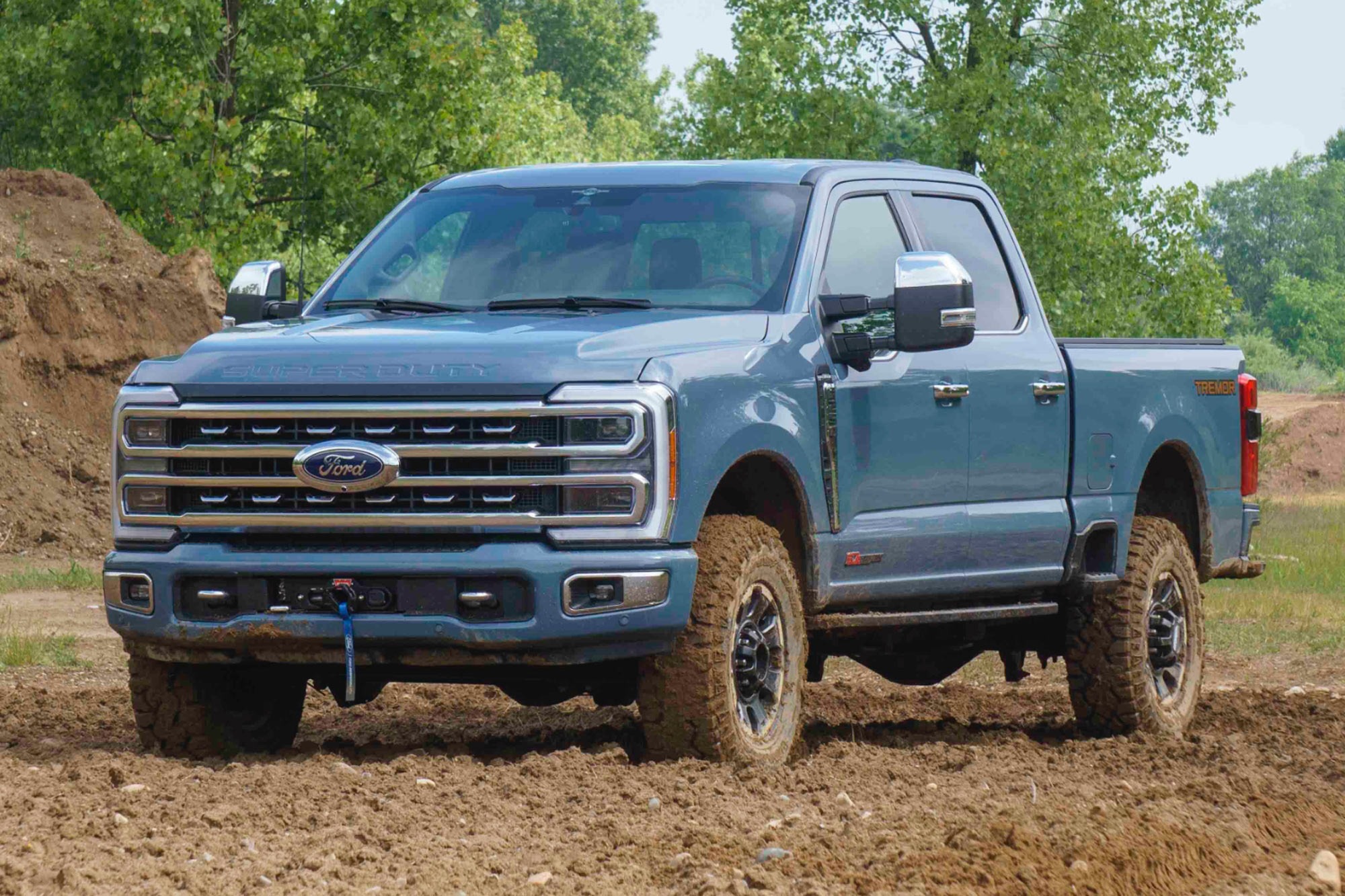
2. Ford F‑250 Super Duty (pre‑2022 body style)
The Ford F‑250 Super Duty has long been a workhorse. Models before newer redesigns tend to have simpler electrical systems, proven engine options, and rugged frames. In particular the Power Stroke diesel options or the higher output gas V8s are durable when properly maintained.
Cooling systems, transmission designs, and drivetrain parts in those earlier F‑250s are overbuilt for what many owners ask of them. The chassis rails are thick; the rear axle housings are large; the drive shafts are heavy duty; many components are designed for commercial use even though trucks are sold in retail versions.
This means that when used for towing, hauling, or severe conditions, they generally take abuse better than lighter duty trucks that push components closer to their limits.
Another resilient feature is the availability of parts and experience among repair shops. Since Ford has sold many of these trucks in various trim levels, across many markets, there is a large support network.
Aftermarket companies have made reinforcement and upgrade parts that are compatible, which means common issues such as transmission cooling, axle strength, or suspension deterioration can be addressed with strong solutions.
Owners of older F‑250s commonly replace components like leaf springs, brake pads, and brake rotors with heavy duty or upgraded versions and report many tens of thousands of miles without catastrophic failure.
These older F‑250s may not have all of the latest driver‑aid features, and their ride or interior comfort is generally less refined than rivals with higher tech offerings. They may also be heavier, harder on fuel, and larger, which can make them more expensive in fuel consumption, less maneuverable in tight urban areas, and more demanding in maintenance of heavy‑duty components (for example tires, brakes).
But when someone needs a truck that can haul heavy trailers over mountain roads, carry large payloads, or be used in demanding work environments, the benefits of simplicity, strength, and reliability often outweigh these drawbacks.
In 2025 this model continues to maintain value among users who prioritize durability. Many fleet operators, contractors, farmers, and offroad enthusiasts continue to seek older F‑250s because they know what they are getting. Even with wear, many parts designed for overcapacity survive beyond expectations.
Engines that are well maintained (oil changes, cooling, fuel filters) often go well past 200,000 or 300,000 miles. The body and frame elements resist corrosion when properly cared for. Transmission and axle components are serviceable. For those who want something where the margin for failure is low, this generation of F‑250 remains one of the safest bets.
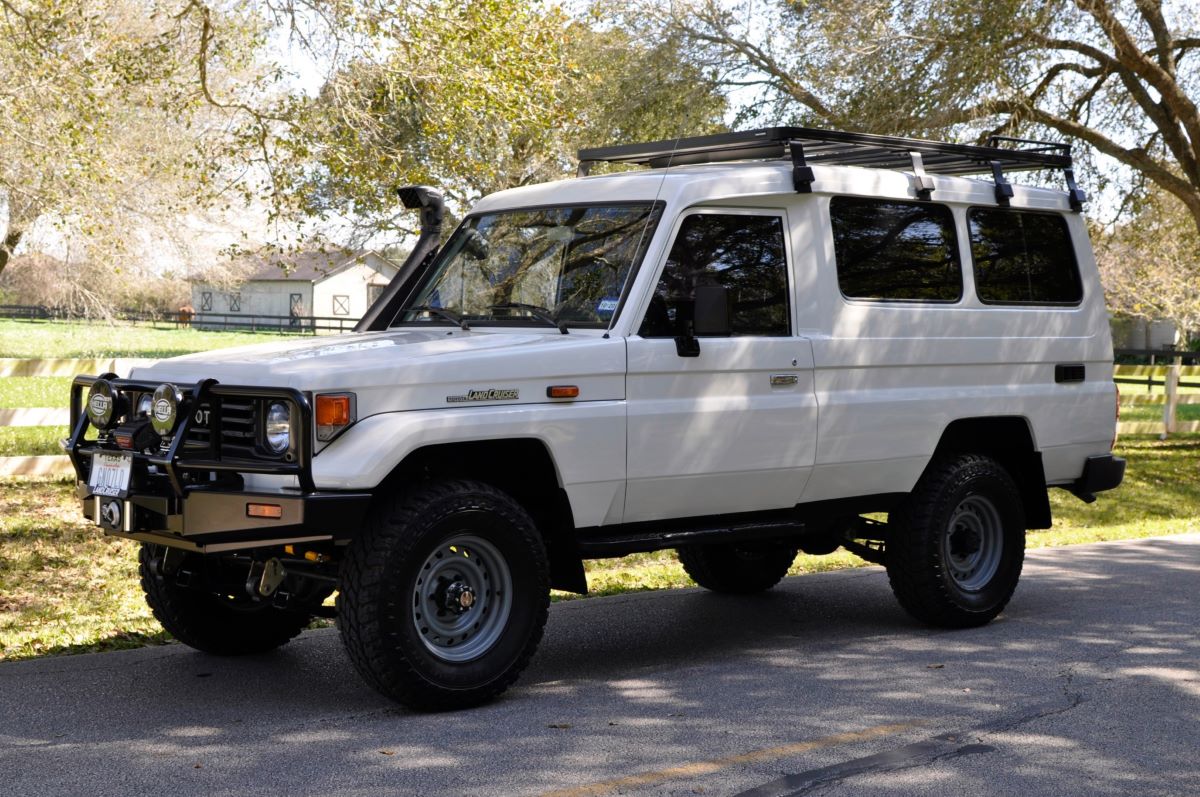
3. Toyota Land Cruiser (70/80/100 Series)
The Land Cruiser, particularly the older 70, 80, and 100 Series models, is often mentioned when rugged reliability is required. Those trucks were built with very strong frames, simple yet robust engines, plentiful mechanical parts, and minimal dependence on brittle electronic systems.
Their body on frame construction is conservative. Suspension components are heavy and designed to take long offroad travel, hard impacts, and rough service. Cooling systems are large and forgiving. Transmission options are usually tough automatics or manual gearboxes with few electronic interlocks.
Many Land Cruiser owners in remote or harsh terrains trust them because parts are easier to fabricate or repair in field conditions. If compressors, AC components, sensors fail, the truck often remains usable until service can be obtained.
One strength that continues to show itself is durability of the engine and drivetrain. Many of the six‑cylinder gasoline and diesel engines used across those series have excellent metal work, heads, blocks, and cooling systems. Overheating is rarer.
Wear components are often overbuilt. The axles are strong. Transfer case designs are solid. Even if rust is present on exterior panels, protection for mechanical parts is good.
Those trucks are less likely to suffer from catastrophic axle housing failures, head gasket issues, or cracked frames under load compared with many newer, lighter trucks that depend on thinner metals and extensive electronics to meet emission standards.
Interior comfort and technology are modest. These Land Cruisers often lack modern infotainment, driver assists, or comfort features found in newer pickups and SUVs. Gas mileage is often poor, as engines seldom operate under ideal efficiency tuning. Noise, vibration, and harshness levels are higher.
Parts availability can be challenging in certain remote areas depending on the model and year, especially for emissions or electronics.
Nevertheless when treated well, many of these models run for hundreds of thousands of miles with basic maintenance. Owners regularly report their trucks still functioning on rugged trails, in cold harsh winters, and in hot desert conditions with minimal mechanical failure.
Even in 2025 these Land Cruisers retain high prestige among people who want a dependable long‑term truck that will cope with offroad, towing, remote travel, and severe use. Their resale value tends to remain strong in many regions.
For those who prefer a truck built with reliability first, luxury second, these Land Cruisers are still among the best. When a trip crosses remote passes, gravel roads or river crossings, or long stretches without service stations, few trucks give more confidence than one of the older Land Cruiser series.
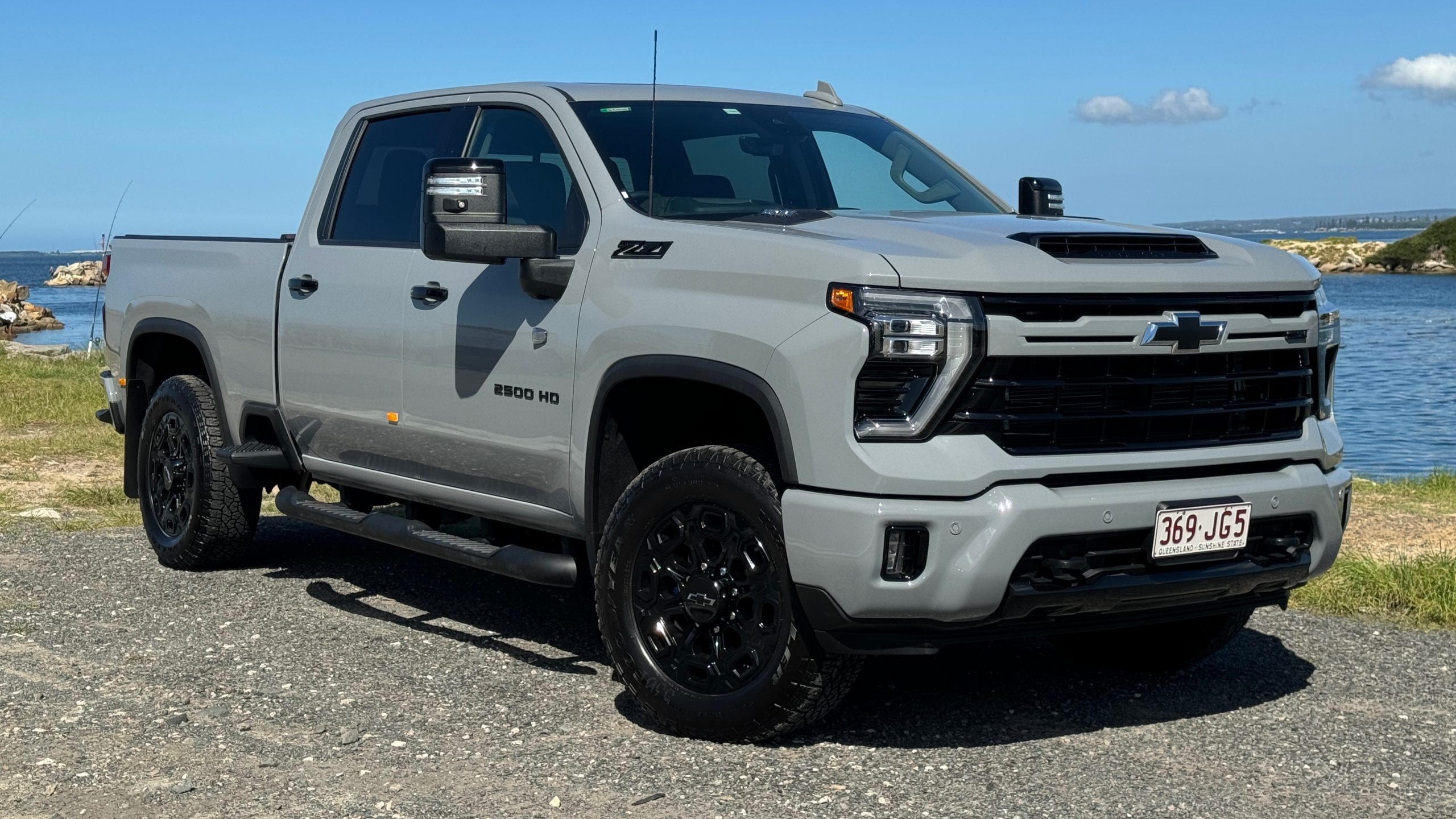
4. Chevrolet Silverado 2500HD / GMC Sierra 2500HD (Duramax or big gas V8 options)
The Chevrolet Silverado 2500HD and its GMC Sierra equivalent with the heavy-duty (HD) designation are built for more. They are made to haul bigger loads, tow heavy trailers, survive in industrial or construction environments, and bear repeated use.
The Duramax diesel engine options, especially when paired with Allison or similarly durable transmissions, have shown longevity when properly cared for. Gas V8 versions, while not as efficient, often use simpler designs without excessive turbocharging or extremely tight tolerances, which contributes to durability.
The frame, suspension, and rear axle assembly are built with higher capacity in mind, which means less stress under load compared to lighter trucks trying to stretch their components.
One of the crucial elements is the cooling and chassis design. The Silverado/Sierra HD trucks have large radiators, transmission oil coolers, heavy duty cooling for differential fluids, and often heavier wiring harnesses and connectors that are more suitable for vibration and heat.
Suspension components such as leaf springs, shock absorbers, control arms on 4WD versions are robust. When used in work environments (for example towing large trailers, driving on dirt, gravel, or uneven surfaces) many owners report that the Silverado/Sierra HD holds up well. Bed and chassis rust can be an issue if not treated, but many owners mitigate that with coatings or by preventing water traps.
Weaknesses include weight, fuel consumption, and maintenance cost. Diesel variants are more expensive to maintain if parts or fuel quality is poor. Some emissions‑related components (exhaust aftertreatment, particulate filters, DEF systems) can introduce complexity.
Older HD trucks may not have the latest driver safety aids or comfort features. Maneuverability in urban environments is limited. Repair costs for large components like axles, transmissions, or frame welds can be high if neglected. However these criticisms tend to apply mostly when owners use them far beyond their intended duty or when maintenance is neglected.
By 2025 these Silverado/Sierra HD trucks still feel like tools. They have plenty of torque, strong towing capacities, good aftermarket support, and multiple decades of proven mechanical parts. Their reliability improves with regular servicing.
Many have been used in demanding work or offroad use and continue to operate without failure. For buyers who want a large capacity pickup that can haul, tow, endure rough roads or unmaintained surfaces, the Silverado/Sierra HD is still one of the strongest names available.
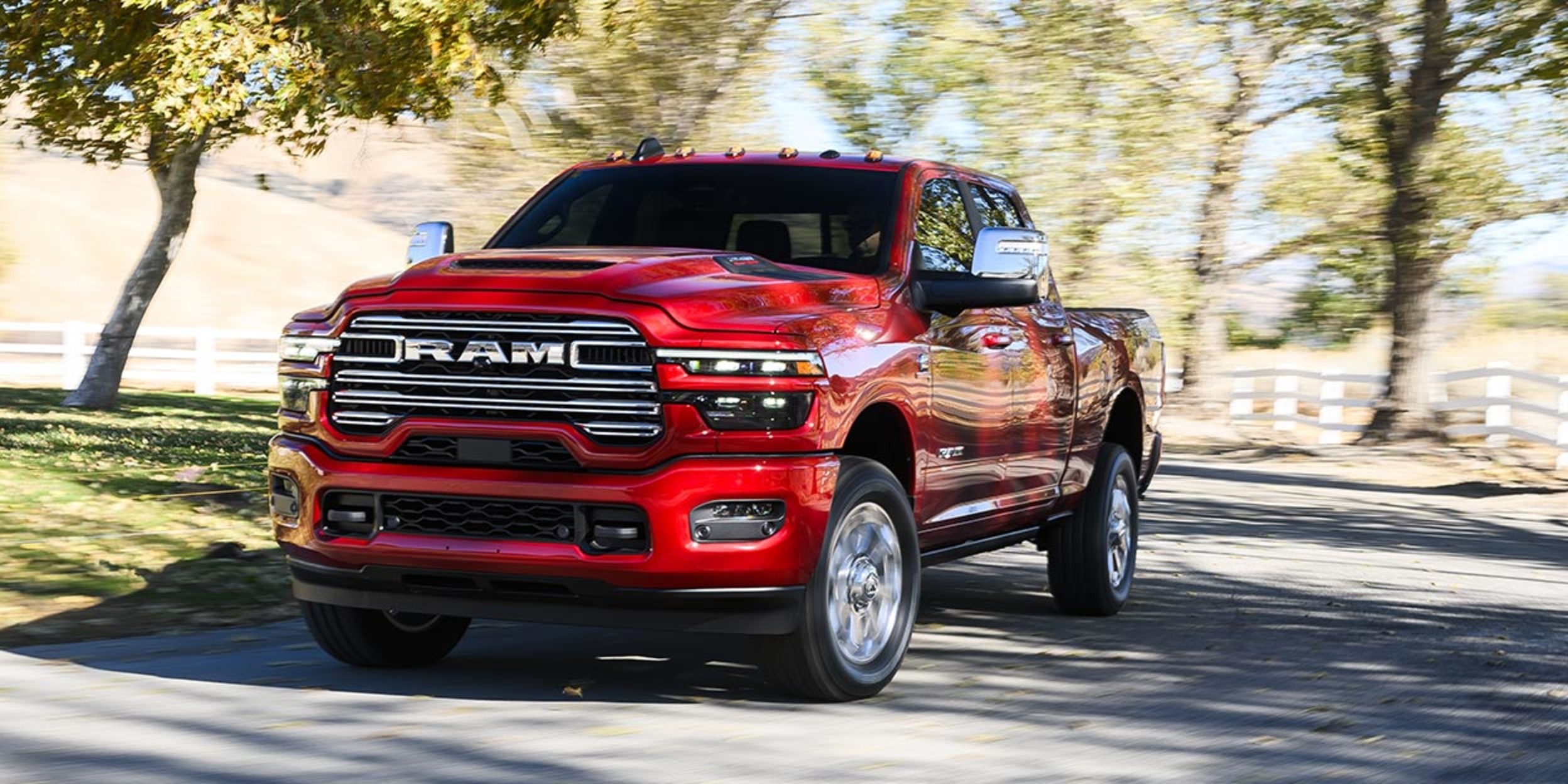
5. Ram 2500 / 3500 with Cummins
A Ram heavy-duty with a Cummins diesel engine is a legend among many who haul or tow. Cummins engines have long been known as durable, with generous torque at lower RPM, relatively simple turbocharging, strong blocks, and a proven record in long-haul or heavy-duty work. Many parts are made to last.
The torque curves in Cummins diesels are favorable for towing and heavy loads. Transmissions paired with them, particularly manual or heavy duty automatics, are generally serviceable and rugged. The chassis, rear axles, and drive systems tend to be large, and the suspension is reinforced for payloads and towing.
Another area where these Ram/Cummins trucks shine is operator comfort under load and harsh conditions. Although they are large and heavy, they tend not to overheat easily, their cooling systems are built for endurance, especially for work trucks.
Many owners report long intervals between major failures if oil changes, coolant maintenance, and fuel filtration are properly handled. Transmission cooling, frequent checks of belts, hoses, and intake systems are common maintenance tasks yet manageable for most owners who use them heavily.
Aftermarket support is strong; parts and specialist services are available widely in markets where these trucks are sold in numbers, which helps in replacement or repair.
The downsides again are fuel economy, costs of ownership, weight, and sometimes excessive size. Turning in tight spaces or parking in dense city districts can be challenging. The ride can be harsh especially unloaded. Emissions equipment can complicate maintenance in regions with strict regulations.
Older models may lack modern electronics or comfort features, such as advanced infotainment systems or safety sensors, which can result in lower usability compared to modern trucks. Still many owners accept these tradeoffs because what they get is a work machine that continues to function reliably.
By mid‑2025 these Ram/Cummins trucks have built up long histories of documented instances of 300,000, 400,000 miles or more without major engine rebuilds.
Resale values for well maintained units remain relatively strong. For people who regularly tow heavy trailers, carry heavy loads, or need offroad toughness, a Ram with a Cummins continues to be among the most bulletproof choices on the market.
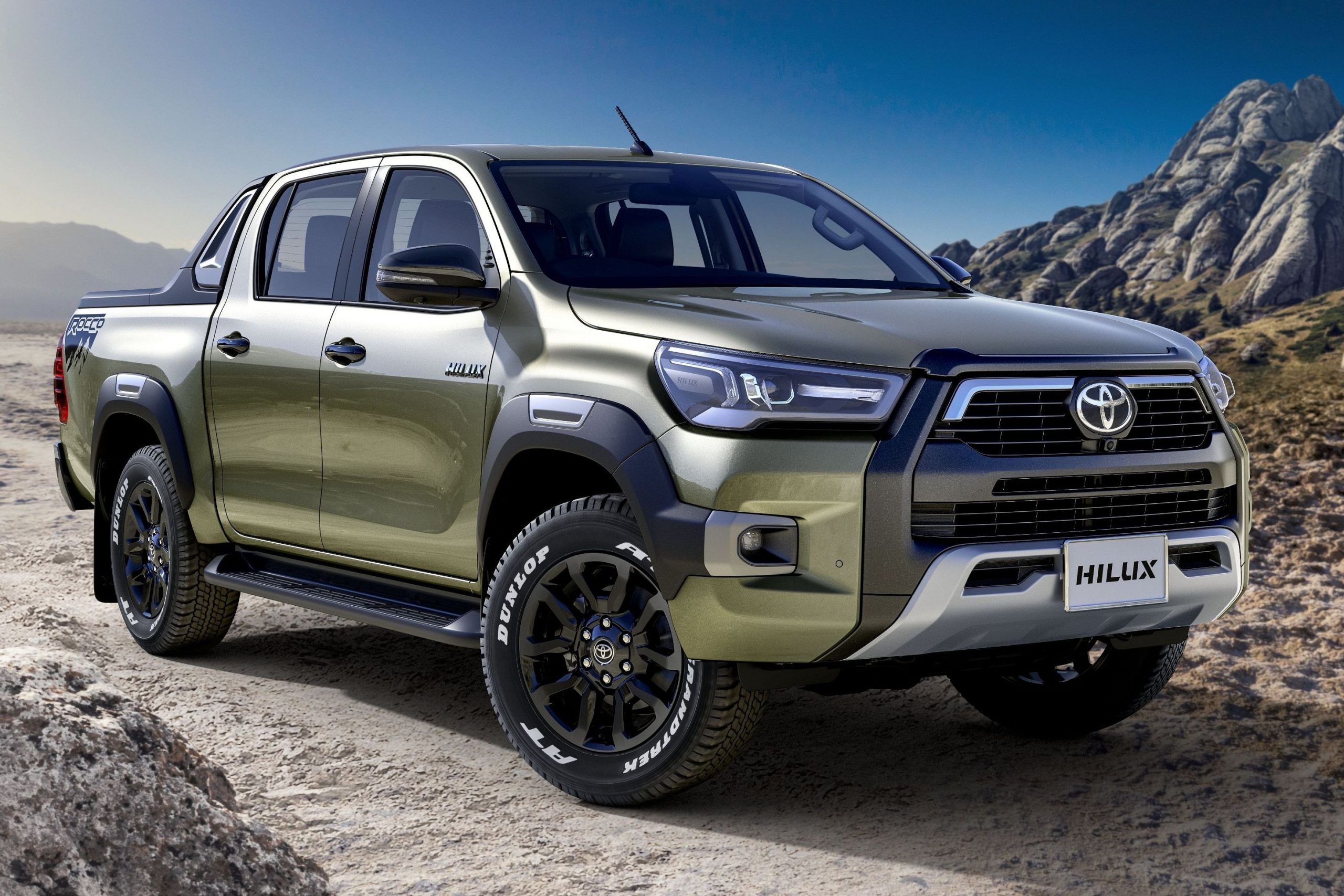
6. Toyota Hilux (especially older generations and body‑on‑frame designs)
The Toyota Hilux is almost shorthand for durability in many parts of the world. Generations of Hilux models have proven their durability over tough terrains, limited maintenance, rugged climates, and variable fuel quality.
Older generations in particular have more mechanical simplicity, simpler electronic systems, fewer sensors that can shut things down under unusual conditions, and robust chassis and suspension design. Parts are relatively abundant globally. Engines are built to handle strong usage, cooling systems tend to have extra capacity, and bodies are designed to tolerate flex without cracking.
One thing that makes Hilux trucks feel practically indestructible is the level of abuse many see in regular use. They are used in deserts, jungles, mines, rural areas without paved roads, and often under heavy loads. Many users report basic components like shocks, springs, engines surviving very high miles.
Maintenance knowledge is widespread. Given Toyota’s global presence, even remote parts tend to be available more easily than for many less distributed brands. Spare part cost tends to be less, and many non‑OEM replacement parts function acceptably when OEM is unavailable.
Some drawbacks: comfort and refinement tend to lag behind in older or simpler models. Ride qualities might be rough on pavement. Noise, vibration, heat may be more pronounced. Payload and towing capacities are limited in smaller engine versions. Emissions controls may be minimal in older models, meaning they may not meet strict local regulations in some countries. Also resale values, while generally good, may reflect wear visibly more than more pampered trucks.
In 2025 many people still trust a Hilux to get them through remote roads, over rough tracks, through floods, up mountains. Its reputation continues because many units built in the 2000s or 2010s are still in service in harsh environments.
They are often seen as insurance against being stranded. For those who need a truck where failure is unlikely and where rough conditions are the norm rather than the exception, Hilux remains among the strongest bets globally.
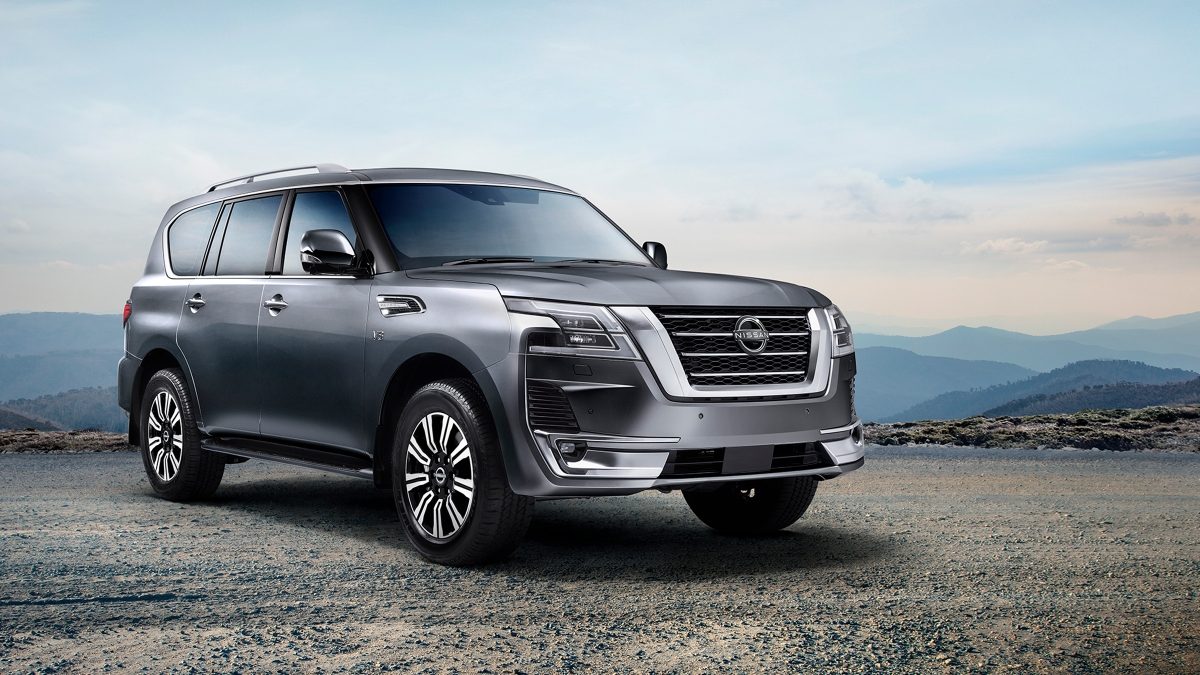
7. Nissan Patrol / Titan XD (diesel variants or old‑school parts)
The Nissan Patrol (especially in some international versions) and the Titan XD in places where diesel versions are offered have a footprint in the rugged truck segment that often gets overlooked. These trucks incorporate large frames, heavy duty axles, and reliable mechanical systems in many models.
While not as popular in every market, where they exist they earn praise for durability under heavy load, long travels, harsh climates, and offroad. Diesel engines in these trucks are simple relative to many modern units with extensive emission control systems, though this depends heavily on the region and model year.
Mechanical parts in these trucks are usually large, well-engineered, and built to take abuse. Suspension components, chassis, transfer case, and driveline parts are usually sized for more than typical daily driving.
Cooling systems are generous. Fuel and air filtration tends to be adequate to reduce risk of damage from dust or poor fuel, which is common in many harsh environments. Many owners report fewer issues with drivetrain failure or frame fatigue compared to lighter trucks that are pressed into hard work without being built for it.
Weaknesses include the usual cost of fuel, maintenance for large diesel engines, and sometimes parts scarcity depending on region or government regulations. Also interior comfort and refinement often trail compared to mainstream full‑size trucks in some markets.
Road manners may lag, and ride quality may be uneven, especially unloaded. Emission control equipment where fitted may complicate repair. Resale value is sometimes lower in markets where brand repair support is weak.
In 2025 both Patrol and Titan XD maintain reputations in certain circles for enduring value. For anyone who is willing to accept lower refinement and higher running expenses in exchange for strength, durability, and peace of mind, these trucks represent strong offerings.
Their owners often treat them as long term investments rather than trendy purchases. When roads disappear, expected service is far away, or conditions are harsh, such trucks prove their worth time and again.
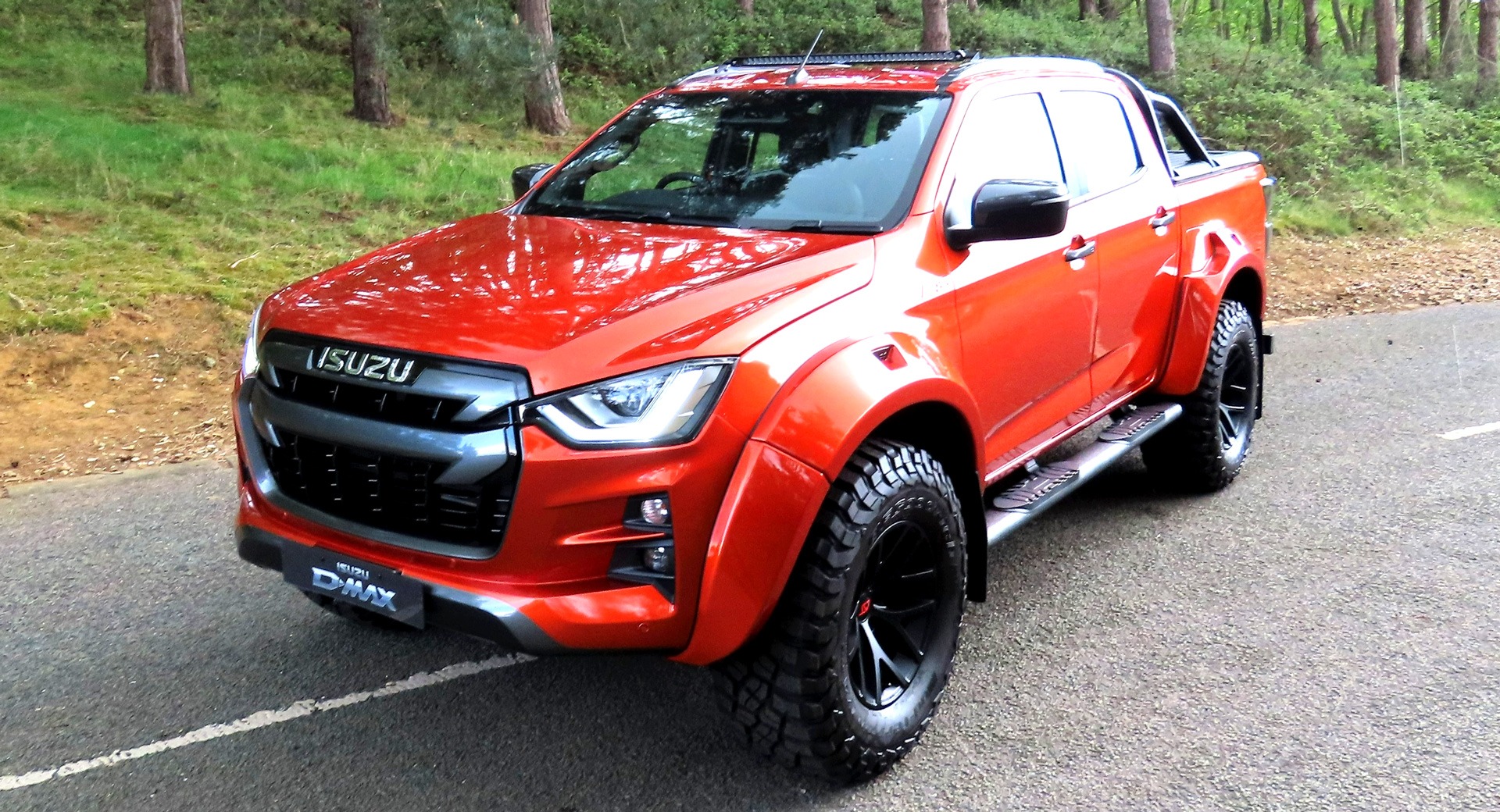
8. Isuzu D‑Max / Chevrolet Colorado
The Isuzu D‑Max and its twin under Chevrolet Colorado badges in many places have long been praised for ruggedness, especially for older diesel‑powered models. These trucks are often used in regions with rough roads, heavy loads, minimal maintenance, and variable fuel and oil quality.
Their engines are modestly tuned, sturdy, and often able to tolerate less ideal conditions. The frames are strong, suspension systems are durable. Drive train parts are not ultra light. The design is less about pushing performance margins and more about giving a margin of safety in real use.
Another strong advantage is their simplicity and familiarity among technicians. Because they are common in many parts of Asia, Africa, South America, and Australia, spare parts are easier to find even in remote locations. Repair skills are widespread.
If something breaks it tends to be something that can be swapped out with basic tools rather than needing advanced diagnostic tools or dealer‑level calibration. This contributes to lower maintenance costs and fewer surprises when usage is demanding.
Weak points include lower top speed or acceleration compared to newer or richer trucks. Cab insulation, ride comfort, noise levels, and features tend to be basic. Towing capacity is smaller than many full-size heavy-duty trucks.
In some markets emission rules may force older models to be restricted or restricted in usage. Fuel efficiency is often modest under load. Also after many years, rust or wear may affect body panels, underbody, or symptoms like sagging suspension springs if not maintained.
Still by 2025 many D‑Max / Colorado owners report that trucks built in the mid 2000s and early 2010s continue daily work, sometimes on farmlands, mines, or construction sites, without major mechanical breakdowns.
Their value lies in working through what many other trucks fail under. For someone wanting a dependable midsize diesel truck, especially where maintenance is not perfectly regular, these models remain among the most resilient.
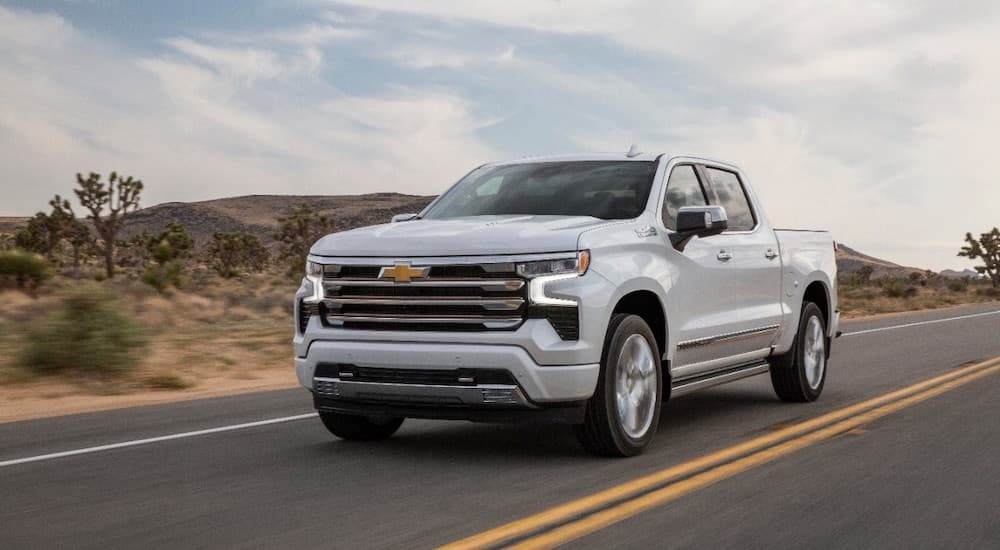
9. Chevrolet Silverado 1500 / GMC Sierra 1500 (older V8 and simple trim versions)
The Silverado 1500 and its GMC Sierra 1500 twin offer versions that remain remarkably durable, especially when you choose trims with less electronic complexity and proven V8 engines. These engines tend to use simpler fuel injection systems, fewer forced induction devices, and more conservative tuning, which lowers stress on internal components.
Many of the earlier model years are built with heavier gauges of steel in the frame, sturdier suspension arms, and simpler brake and steering linkages.
With basic preventive maintenance like regular oil changes, cooling system checks, and timely replacement of wear items, these trucks often withstand high miles with fewer breakdowns than newer trucks burdened by more sensors or fragile driver assist modules.
A strength of these Silverados/Sieras lies in their towing and hauling capability without pushing the parts envelope. The rear axles in many versions are robust, the differential housings are generous, and the transmission options among the older models are known to take constant heavy loads without overheat if cooled properly.
Cooling systems, radiators, transmission oil coolers, etc., in many simple trims are built with overcapacity relative to what everyday driving imposes.
That means that when asked to pull trailers, carry heavy loads or traverse hilly terrain, the engine remains within safe thermal limits more easily than highly tuned, compact engine alternatives. When off-road or in dusty conditions, air filtration tends to be simpler, which reduces risk of intake damage from dust, dirt, and small debris.
In 2025, these Silverado/Sierra 1500 trucks continue to be favored by people who want a dependable light duty pickup but also want one that can be pushed hard without expecting fragile electronics or high‑maintenance hybrid systems.
They often serve well in rural, industrial, or agricultural settings and for people who tow modest loads or need long term serviceability more than flashy features. Their resale values tend to decline slower among the rugged trims; owners value durability and often maintain them well, which helps longevity. For many, such a truck can deliver decades of service under modest operating cost.
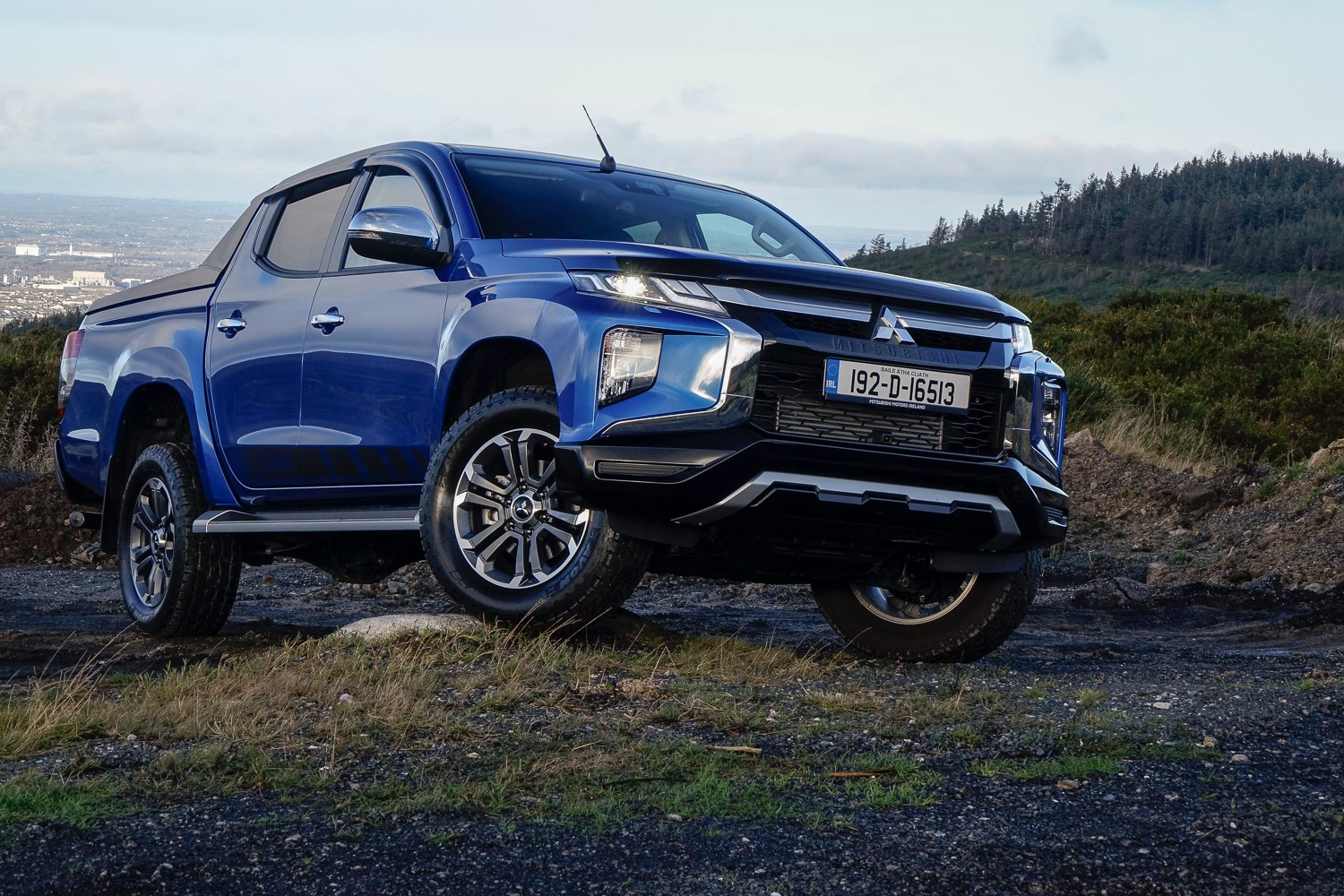
10. Mitsubishi L200 / Triton (older and simpler diesel versions)
The Mitsubishi L200 / Triton has earned strong praise in many markets for being simple, tough, and ready for hard work. Older diesel versions in particular tend to have engines with fewer electronics, simpler injection systems, and sturdy internal components.
Frames are designed to handle repeated flexing without cracking, and suspension components are built to endure rough roads, heavy loads, and frequent use. The drivetrain layout is straightforward and often forgiving, so minor issues in sensors or accessory parts do not bring the vehicle down.
Cooling and air intake designs are generally conservative, sacrificing some efficiency for reliability,which often pays off in hot climates, dusty environs or terrain where service is spotty.
Another major advantage is parts availability and ease of service. In many countries where these trucks are sold, there is ample supply of replacement parts, filters, belts, hoses, etc., and many mechanics know these trucks well. Fuel filtration tends to be good, which helps when fuel quality is variable.
Diesel versions, especially non‑turbo or older turbo ones, are less likely to suffer from overheating, turbo failure, or premature wear if the basic maintenance schedule is respected. Because many owners drive them in demanding conditions, mining areas, construction sites, rural roads, the design accounts for hard use more often than many urban‑oriented models.
Even so, in 2025 many L200 / Triton units built in the 2000s and early 2010s are still running strong under tough conditions. They tend to be a popular choice in regions where roads are rough, fuel quality is variable, and maintenance resources are limited. For someone needing a medium-sized pickup that is less likely to let them down, this truck remains a dependable value.
