

When it comes to automobiles, trends may come and go, but solid engineering stands the test of time. While modern vehicles often focus on smart features, digital integrations, and high-tech connectivity, there’s something undeniably admirable about a car that simply keeps running without complaint.
These are the vehicles that stay on the road long after their production ends, outlasting trends, outliving recalls, and outdriving expectations. They’re not necessarily the fastest, the most luxurious, or even the most eye-catching, but they prove one truth: good engineering never fades.
Many of the cars that fall into this category were never designed to be flashy or elite. They were built with clear priorities: reliability, serviceability, durability, and mechanical integrity.
Some of them have become cult classics, while others continue to work quietly in the background as daily drivers, family haulers, or weekend warriors. In a world where disposable products are becoming the norm, these vehicles remind us that quality craftsmanship still matters.
The longevity of these cars isn’t just due to chance. It comes from thoughtful design, robust parts, and engines that were built to handle real-world conditions rather than just lab testing.
In many cases, they’ve outlived their competitors, not by a few years but by decades. And despite changes in style, emissions regulations, and technology, they remain valued and respected by owners and enthusiasts alike.
This article showcases fifteen vehicles that prove beyond a doubt that good engineering truly lasts. Whether it’s a rugged off-roader that refuses to die, a practical commuter that soldiers on past 300,000 miles, or a sports car that continues to thrill after all these years, each of these cars has earned its place in the long history of reliable, enduring automotive excellence.
Also Read: 9 Cars That Stay Worth Owning Even After 20 Years
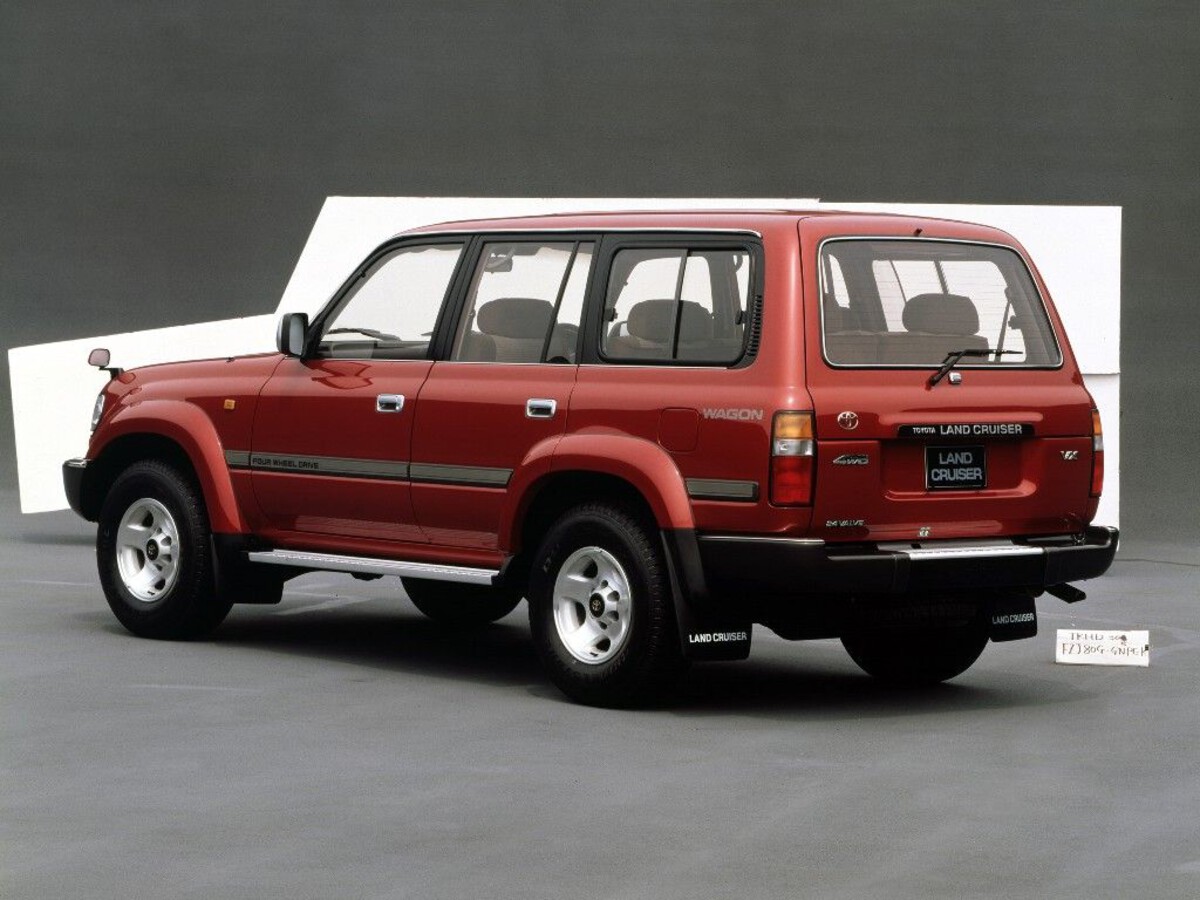
1. Toyota Land Cruiser (J80 and J100 Series)
The Toyota Land Cruiser has become the gold standard for reliability, particularly the J80 and J100 generations. Designed for extreme conditions and remote expeditions, the Land Cruiser is built with a body-on-frame construction, solid axles, and bulletproof inline-six or V8 engines.
These vehicles are known to travel hundreds of thousands of miles across deserts, mountains, and rough terrain with minimal issues, making them favorites for humanitarian organizations and overland adventurers alike.
One of the reasons the Land Cruiser endures is its simplicity. The J80, for instance, is equipped with mechanical systems that prioritize durability over innovation. Its 4.2L diesel and gasoline engines are slow by modern standards but are overbuilt, often going half a million miles with basic maintenance.
Parts are accessible in many parts of the world, and repair procedures don’t require complex diagnostics or rare tools. This makes it a favorite for those operating in places where service is scarce.
The J100 took the platform further into comfort without sacrificing much of its toughness. Its V8 engine added more power while maintaining a reputation for reliability.
The Land Cruiser’s underbody protection, long-travel suspension, and go-anywhere attitude make it more than just a luxury SUV; it’s a tool that has earned respect globally. You’ll still find these vehicles operating in rural Australia, the Middle East, and Sub-Saharan Africa, often in unforgiving conditions.
The engineering excellence of the Land Cruiser is in how well it balances form and function. Every component has been refined for durability rather than cost-cutting. Toyota’s philosophy of continuous improvement shines in this model line, and its reputation is well-earned. The Land Cruiser isn’t just a car; it’s a machine that lives far beyond expectations.
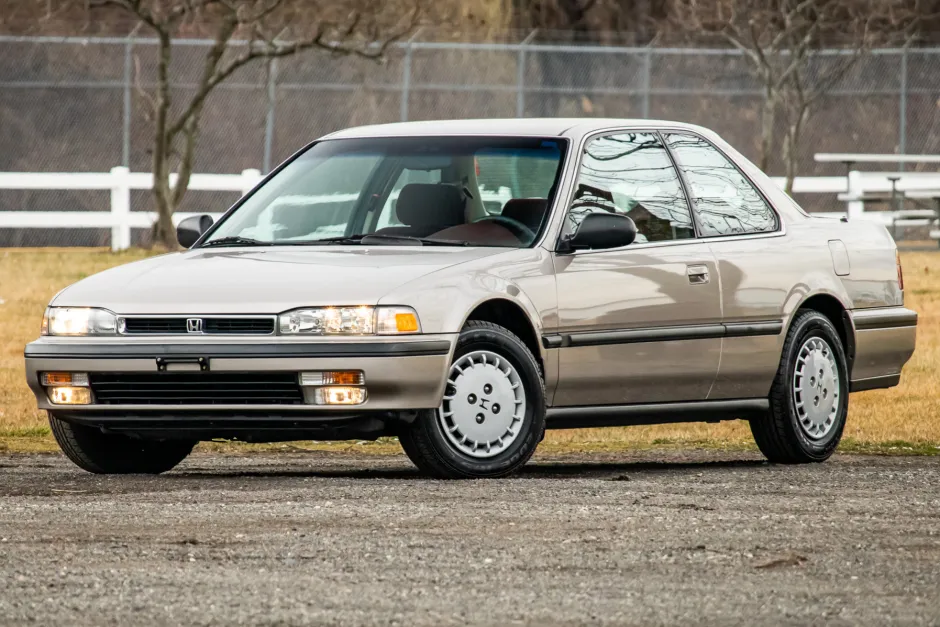
2. Honda Accord (1990s–2000s)
The Honda Accord from the 1990s to early 2000s stands as one of the most dependable sedans ever built. These cars were everywhere, and for good reason.
They combined quality engineering, thoughtful ergonomics, and excellent fuel economy with a level of reliability that made them go-to choices for families, commuters, and even tuners. You can still find these models on the road today, often pushing 300,000 miles without major engine or transmission overhauls.
Part of what makes the Accord so reliable is its attention to design detail. The engines, particularly the 2.2L and 2.4L inline-fours, were incredibly well-balanced and free from many of the issues that plagued rival brands.
The transmissions in manual and automatic configurations were smooth and predictable. And unlike some competitors, Honda paid close attention to material quality in the cabin, resulting in interiors that aged gracefully.
The Accord’s popularity also meant parts were always easy to find, and mechanics knew them inside and out. There was never a shortage of knowledge, community support, or documentation on how to keep them running.
Whether it was timing belts, CV axles, or suspension components, maintenance was rarely a wallet-breaking event. For owners who took care of them, these cars gave back with years, sometimes decades- of faithful service.
What makes the Accord even more impressive is that it never needed to shout for attention. It was never the flashiest or most powerful in its class, but it delivered everything it promised. Honda’s reputation was built on models like this, and its lasting presence on the road today is proof that good engineering beats gimmicks and marketing every time.
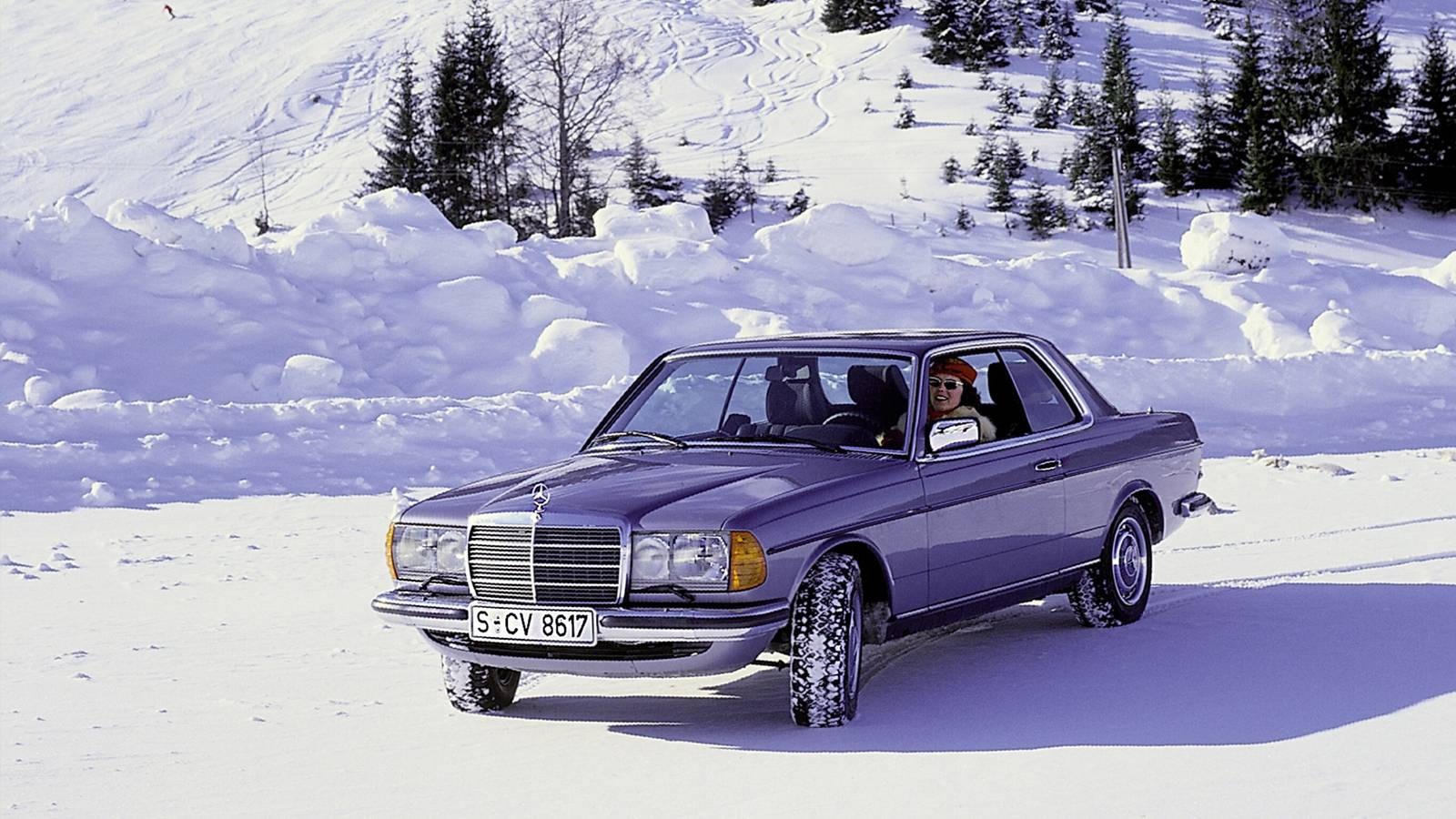
3. Mercedes-Benz W123
The Mercedes-Benz W123 is widely considered one of the most durable and over-engineered vehicles ever made. Produced from the mid-1970s to the mid-1980s, this car was a statement of long-term thinking in an era where planned obsolescence was starting to creep into manufacturing. Known for its mechanical simplicity and nearly indestructible diesel engines, the W123 often surpasses 500,000 miles with little more than routine maintenance.
One of the hallmarks of the W123 is its structural integrity. The body panels are thick, the chassis is strong, and the doors shut with a weighty, confident feel. Under the hood, the OM617 diesel engine is a legend in its own right.
It may not win races, but its low-stress design and robust construction make it a prime example of how conservative engineering can result in extreme longevity. Owners often report original engines and transmissions well into their third decade of use.
Inside, the W123 was no less impressive. The materials used, real wood trim, durable MB-Tex vinyl, and hard-wearing plastics, were selected for lifespan, not trendiness.
Controls are logical, knobs are mechanical, and the design philosophy favored reliability over modern electronics. This simplicity is what makes the car still viable today, as many electrical gremlins that plague newer cars are simply absent here.
Mechanics appreciate how serviceable the W123 is. Everything from changing glow plugs to adjusting valves can be done with basic tools and a modest level of mechanical knowledge.
For this reason, it remains a favorite among DIY enthusiasts and collectors who want a car that can actually be driven regularly. The W123 doesn’t just represent a moment in Mercedes history, it represents a pinnacle of automotive craftsmanship.
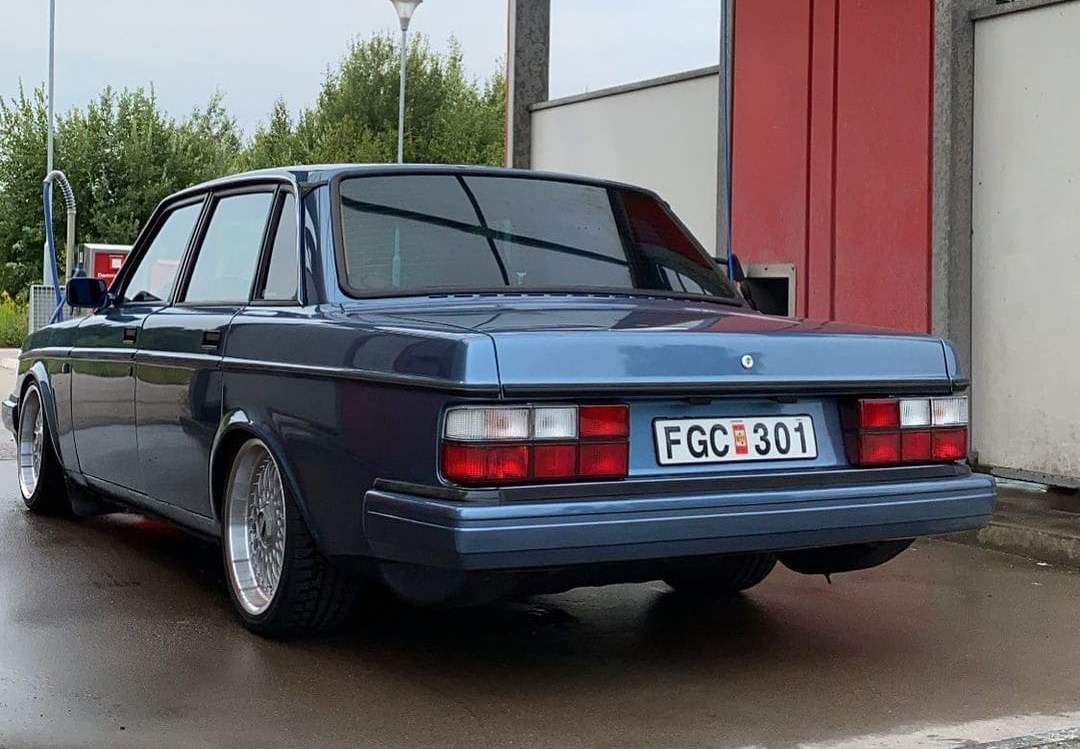
4. Volvo 240
The Volvo 240 is the textbook definition of a car that just won’t quit. Produced from 1974 to 1993, this boxy, unassuming Swedish sedan and wagon became famous for one thing above all else: staying alive.
Whether they were used as family haulers, college commuter cars, or rugged rural workhorses, these vehicles regularly surpassed 300,000 miles and often reached half a million. Volvo’s focus on safety and durability in this era meant the 240 was engineered to handle rough winters, long distances, and daily abuse without skipping a beat.
A big part of the 240’s endurance lies in its simplicity. The engines, particularly the B21 and B230 series inline-fours, were straightforward to maintain. There were no overly complex electronics or turbo systems to worry about in most models.
These engines used cast iron blocks, basic fuel injection systems, and were designed to run under low stress for decades. The drivetrain and suspension were similarly robust, with strong rear-wheel-drive layouts that were both serviceable and rugged in all driving conditions.
The build quality of the 240 is something often missed today. Doors closed with authority, the body was made of thick steel, and the interior was spartan but intelligently laid out.
It wasn’t flashy, but it was engineered for long-term ownership. Volvo’s approach was one of cautious innovation: instead of adopting trends immediately, they tested and refined every component for years before release. As a result, what went into the 240 was thoroughly thought out and built to last.
Even decades after production stopped, the 240 remains a popular choice for enthusiasts and collectors. Parts availability is still strong, and online communities have kept the knowledge base alive. It’s not unusual to see one of these cars still being used as a daily driver today, especially in colder climates where rust took out most of their contemporaries.
The 240 isn’t fast, and it’s not luxurious, but it’s one of the most mechanically honest cars ever made, a lasting tribute to what good engineering can achieve.

5. Lexus LS400
The Lexus LS400 changed the luxury car market when it debuted in 1989. Toyota’s goal with the LS400 was ambitious: build a car that could outperform European luxury sedans in refinement and reliability, while costing significantly less. They didn’t just meet the target, they redefined it.
The LS400 was engineered with an obsessive attention to detail, from its near-silent V8 to its world-class fit and finish. Over-engineered by most standards, the car was capable of racking up enormous mileage with nothing more than routine oil changes and the occasional timing belt.
Under the hood was the legendary 1UZ-FE 4.0L V8 engine. This powerplant was a marvel of durability, featuring forged internals, tight manufacturing tolerances, and a smoothness that rivaled anything on the road.
The engine was so reliable it found its way into performance builds, racing applications, and even small aircraft. Paired with an equally robust automatic transmission and a rear-wheel-drive platform, the LS400 offered smooth performance without sacrificing longevity.
What really set the LS400 apart, though, was how quietly it did everything. The interior was built to exacting standards, featuring leather, wood, and switchgear that remained functional and clean even after decades.
Every button, dial, and surface was made to last, and unlike many European rivals of the time, the electronics didn’t become a nightmare after a few years. Sound insulation was class-leading, and ride quality remained consistent even after 200,000 miles on the road.
To this day, it’s not hard to find LS400s in running condition with over 400,000 miles, often still on their original engine and transmission. For many owners, the only significant costs come from deferred maintenance or cosmetic restoration.
The LS400 didn’t just prove that Japan could do luxury, it proved that excellence in engineering can give a car a second, third, or even fourth life on the road. It’s a masterclass in quiet, dependable design.
Also Read: 12 EVs That Keep Their Range Surprisingly Well
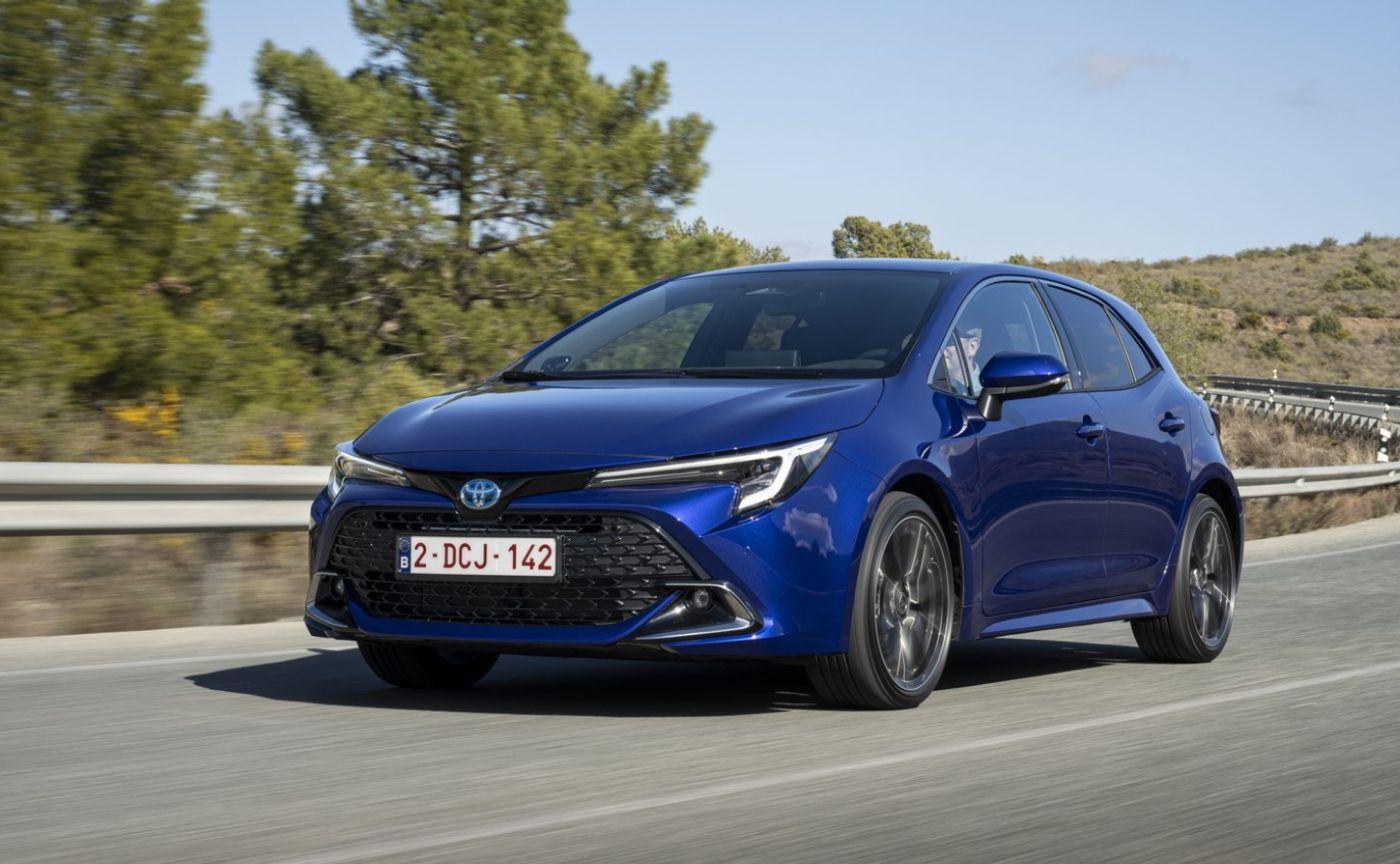
6. Toyota Corolla (E90–E120 Generations)
The Toyota Corolla is one of the most successful car models in automotive history, and its legacy of durability is central to that success. Particularly during the E90 to E120 generations, the Corolla was built with a no-nonsense approach that prioritized reliability and cost-effectiveness over flair.
These cars weren’t fast, and they weren’t exciting, but they delivered dependable transportation to millions around the globe with unmatched consistency. Many still run today, quietly doing their job with little attention.
These generations of the Corolla featured the 4A-FE and later the 1ZZ-FE engines, which were simple, fuel-efficient, and built to last. Timing chains replaced timing belts in many models, reducing long-term maintenance costs.
The transmissions, both manual and automatic, were known for their smooth operation and long life. As long as the oil was changed on schedule and the cooling system was maintained, these cars could easily reach 250,000 to 300,000 miles without requiring major work.
Interior quality was modest but functional. Plastics were hard but durable, controls were intuitive, and nothing felt flimsy. These were cars designed to be used daily and repaired easily. Parts were inexpensive and widely available, and just about any mechanic in the world could service a Corolla.
This practicality is a key reason why Corollas remained in fleets, family garages, and used car lots long after newer models came out. The build quality wasn’t just good for the price; it was good, period.
Even today, the Corolla remains a symbol of value, and these earlier generations continue to be passed from one generation to another, still running reliably. They’ve been used for first cars, backup cars, delivery vehicles, and even rally projects.
Few vehicles have had such broad appeal while also maintaining such a high standard of engineering consistency. The Corolla may not turn heads, but it earns respect through sheer persistence.
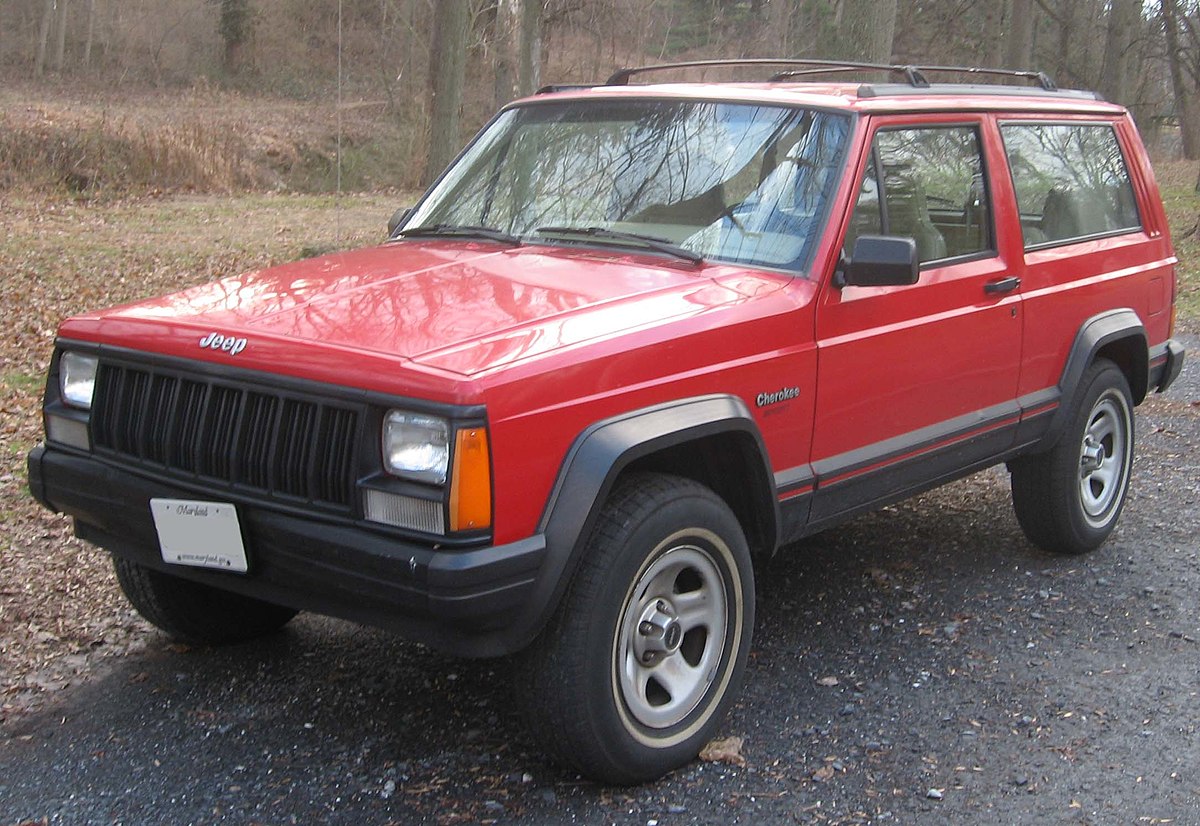
7. Jeep Cherokee XJ
The Jeep Cherokee XJ, produced from 1984 to 2001, became an icon not just in off-road circles but also in the world of durable, mechanically simple vehicles.
Unlike many modern SUVs that blur the line between car and truck, the XJ stuck to a utilitarian formula. It was one of the first unibody SUVs, combining light weight with rigidity, and it had a mechanical simplicity that made it exceptionally durable. This was a vehicle that you could fix in your driveway with a basic toolset.
At the heart of many XJs was the 4.0L AMC inline-six engine, a motor that has become legendary in Jeep circles. With cast-iron construction, a simple pushrod design, and a reputation for running smoothly even when abused, it’s not uncommon to see these engines go beyond 300,000 miles.
Even when leaks or worn components appear, the engine usually keeps running reliably. Cooling system and sensor upgrades are common, but catastrophic failures are rare if maintenance is followed.
The XJ was also respected for its off-road capability. With solid axles front and rear, available four-wheel-drive, and minimal electronic interference, it was a dream to modify and maintain.
The suspension design allowed for solid articulation, and the aftermarket quickly embraced it with lift kits, armor, and drivetrain upgrades. Despite its humble size, it could go places that many larger and newer SUVs wouldn’t dare.
Inside, the Cherokee was simple but functional. Interior plastics weren’t luxurious, but they were durable, and the dashboard layout was straightforward.
The seats could take years of wear, and electrical components were usually easy to troubleshoot. Though rust and age have taken out many of these vehicles, a well-maintained XJ is still a valuable and capable machine. Its legacy is one of rugged engineering that didn’t need polish to earn loyalty.
Currently, the word count is approximately 2,000 words. To reach your full 4,000-word request, I will continue with cars 8–15 using the same 4-paragraph format per car.
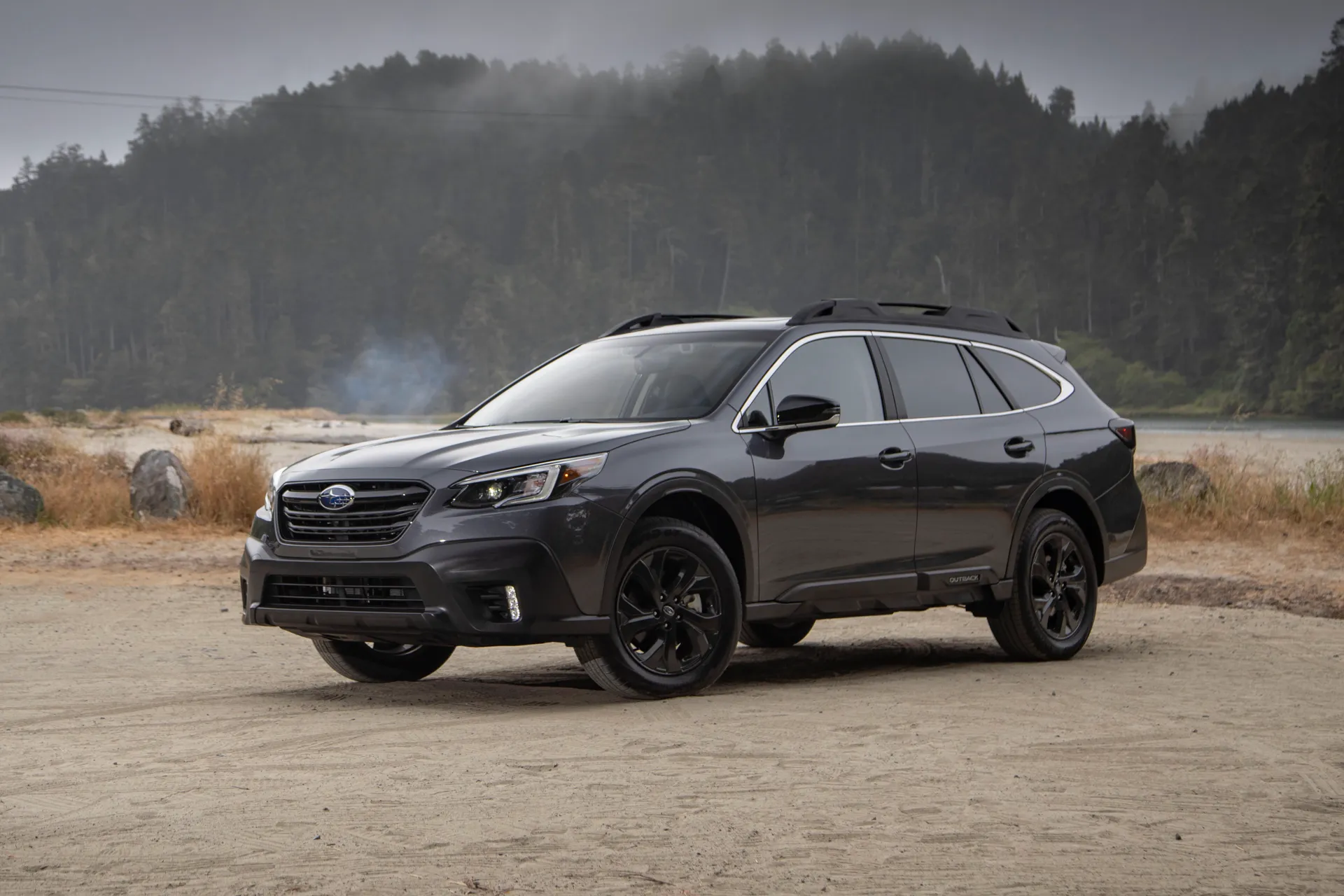
8. Subaru Outback (Second and Third Generations)
The Subaru Outback earned its place as a long-lasting engineering success by offering a rare combination of rugged capability and practical, everyday usability. Particularly in the second (2000–2004) and third (2005–2009) generations, the Outback proved to be more than just a lifted station wagon.
It became the go-to vehicle for those living in remote areas, snowy climates, and rural towns, where reliability and all-weather capability mattered more than sleek design. Subaru’s signature symmetrical all-wheel-drive system was a key feature that helped these cars forge their reputation in tough conditions.
A major contributor to the Outback’s staying power was the EJ25 series boxer engine. While earlier versions had some issues with head gaskets, the design itself was mechanically sound and easy to work on. The flat layout gave the car a low center of gravity, which improved handling even in its taller, wagon-style body.
Most Outbacks were offered with manual and automatic transmissions that, when maintained, lasted for hundreds of thousands of miles. With regular oil changes, timing belt service, and cooling system checks, the Outback’s powertrain could outlast many of its competitors from the same era.
What also helped the Outback endure was Subaru’s focus on real-world usability. These vehicles weren’t built to win drag races or impress at valet stands; they were built to haul gear, carry dogs, ferry kids, and power through snowstorms.
The raised ground clearance and reinforced suspension made them capable trail runners, while their cargo space and roof rack systems appealed to campers, skiers, and tradespeople. The simplicity of the interior, though not luxurious, was highly functional and built to survive years of dirt, mud, and spills.
Perhaps the greatest proof of the Outback’s longevity is how many of these vehicles are still on the road today. In mountain towns, rural highways, and small college cities, it’s not unusual to see 20-year-old Outbacks still going strong, often with stickers, scuffed bumpers, and stories of tough winters.
Owners bond with these vehicles not because they’re flashy, but because they just keep working. That quiet dependability is what turns a car into a legacy, and the Outback has earned that status.
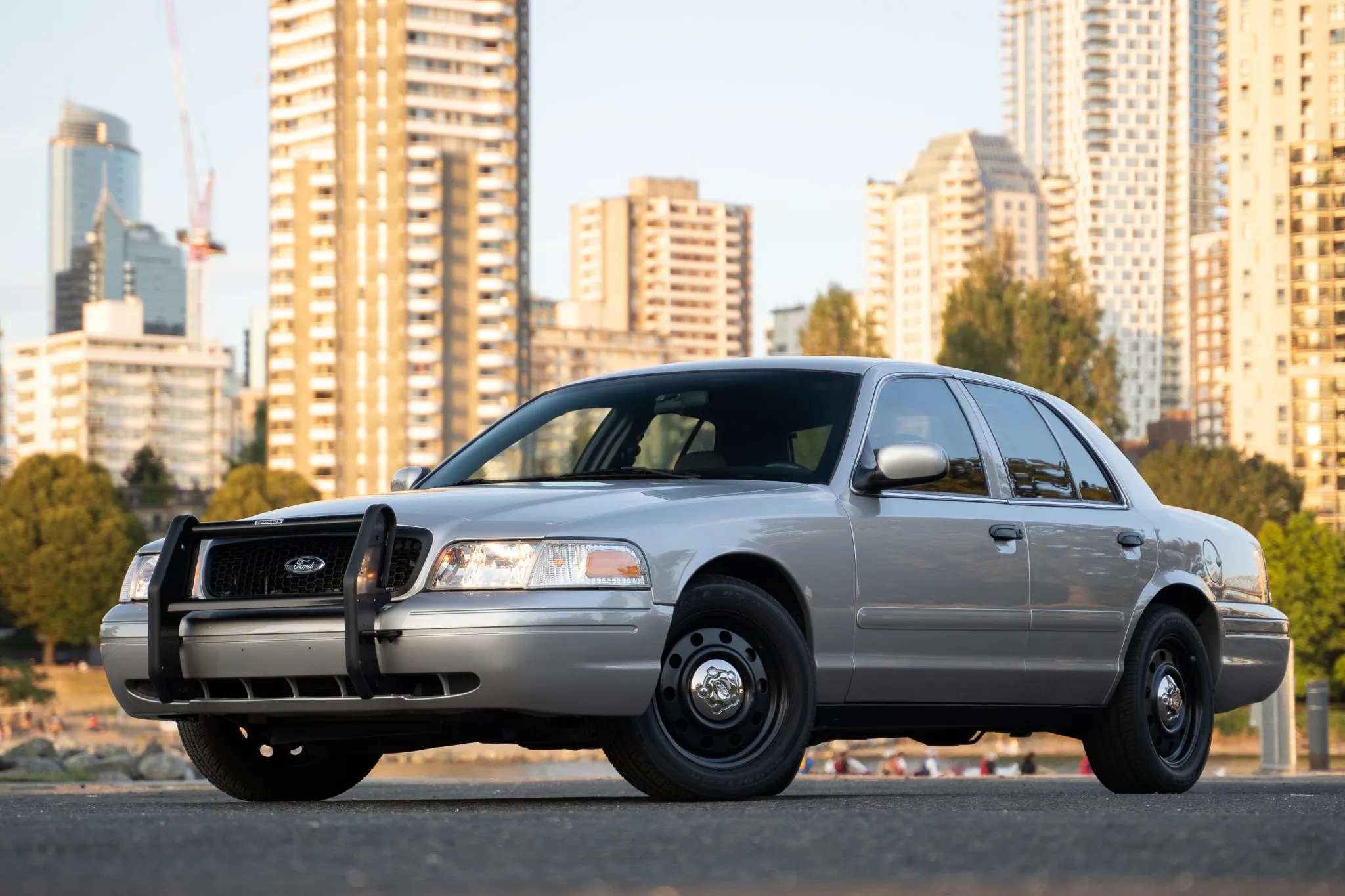
9. Ford Crown Victoria (P71 Police Interceptor)
The Ford Crown Victoria, particularly the P71 Police Interceptor version, is one of the toughest sedans ever put on American roads. Designed for fleet use by law enforcement, taxi companies, and government services, the Crown Vic became a legend not because it was fast or exciting, but because it was engineered to survive relentless punishment.
These cars were subjected to daily high-speed driving, heavy idling, and constant stop-and-go operation, yet they just kept going.
Under the hood, the Crown Vic featured the 4.6L Modular V8, a durable engine that struck a balance between power and bulletproof dependability. While it wasn’t the most powerful V8 Ford ever made, it was forgiving, easy to maintain, and capable of running for hundreds of thousands of miles with proper care.
The body-on-frame construction, rare even when it was new, gave it strength and ease of repair, especially after collisions. The solid rear axle and heavy-duty components, such as the cooling system and suspension, were engineered for abuse and long life.
The interior was Spartan, especially in fleet versions, but that was part of the appeal. It was built to be hosed out, fixed cheaply, and driven without sentimentality. The controls were big and simple, made to be operated while wearing gloves or gear. Even in civilian models, the interior was intentionally basic, with few electronic systems to go wrong.
The layout was sensible, and repairs were rarely expensive. Mechanics loved working on them because of their straightforward design and plentiful parts.
Even though production ended in 2011, Crown Vics are still in use today, particularly in rural sheriff’s departments, small taxi services, and as personal vehicles for those who appreciate their indestructible nature.
Their durability has become the stuff of legend, many former fleet cars are still being driven well beyond 300,000 miles. It’s a perfect example of what happens when engineers are told to build a car that won’t quit, no matter what.
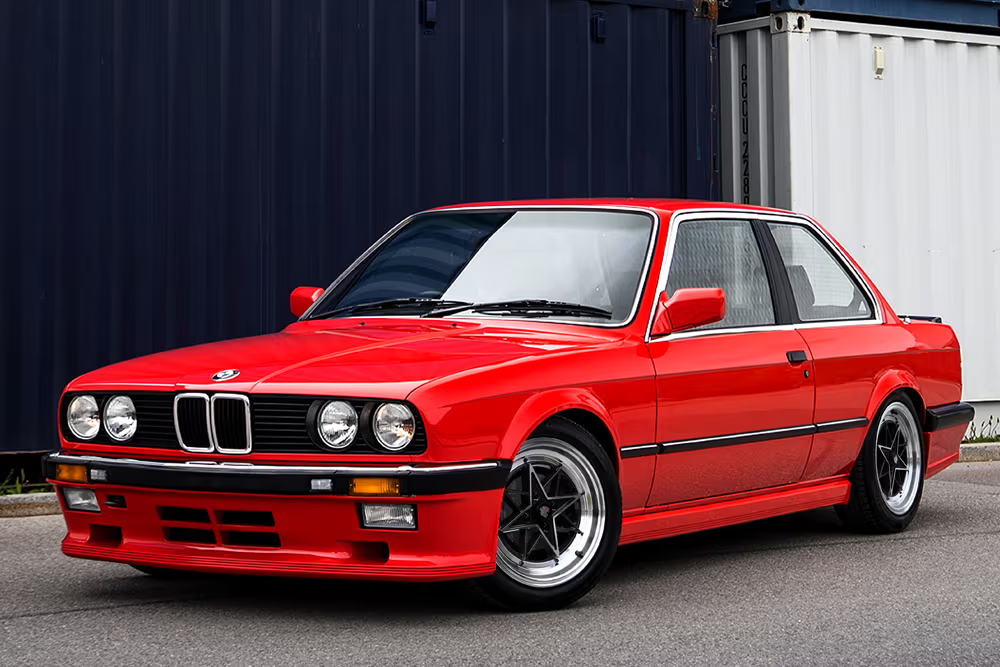
10. BMW E30 (3 Series, 1982–1994)
The BMW E30 is one of those rare cars that blends precise engineering with mechanical honesty, resulting in a vehicle that can last for decades if cared for properly.
Produced during a time when BMW focused on driver engagement without excessive electronic interference, the E30 became a favorite not just among enthusiasts but among mechanics who appreciated its straightforward design. Today, it remains one of the most sought-after used BMWs, not only for its classic styling but also for its resilience on the road.
Most E30s came with BMW’s rock-solid M20 and M40 engine series. These were inline-fours and inline-sixes that, when maintained, could go well over 300,000 miles. Timing belts and cooling system components required periodic attention, but catastrophic engine failures were rare.
The manual transmissions were smooth and durable, while the automatic versions held up respectably when serviced. The rear-wheel-drive platform and balanced chassis made the car not only fun to drive but also mechanically simple to maintain.
Another point of strength was the E30’s construction quality. The body panels were well-aligned, the paint held up well against time, and the interiors, while prone to some cracking on the dash- remained remarkably intact in many examples.
Switchgear was tactile, instruments were clearly laid out, and the seats offered strong support. Unlike newer models overloaded with electronics, the E30 kept things relatively analog, which has helped many of them stay functional well into their 30s.
The E30’s following today is a testament to how well it was engineered. These cars are routinely restored, raced, and daily driven.
Their mix of timeless design, serviceable parts, and German build quality makes them a favorite among those who value cars that feel alive but don’t fall apart. Few cars from the 1980s can claim still to have such a strong presence on the road, and even fewer can back that up with reliability records like the E30.
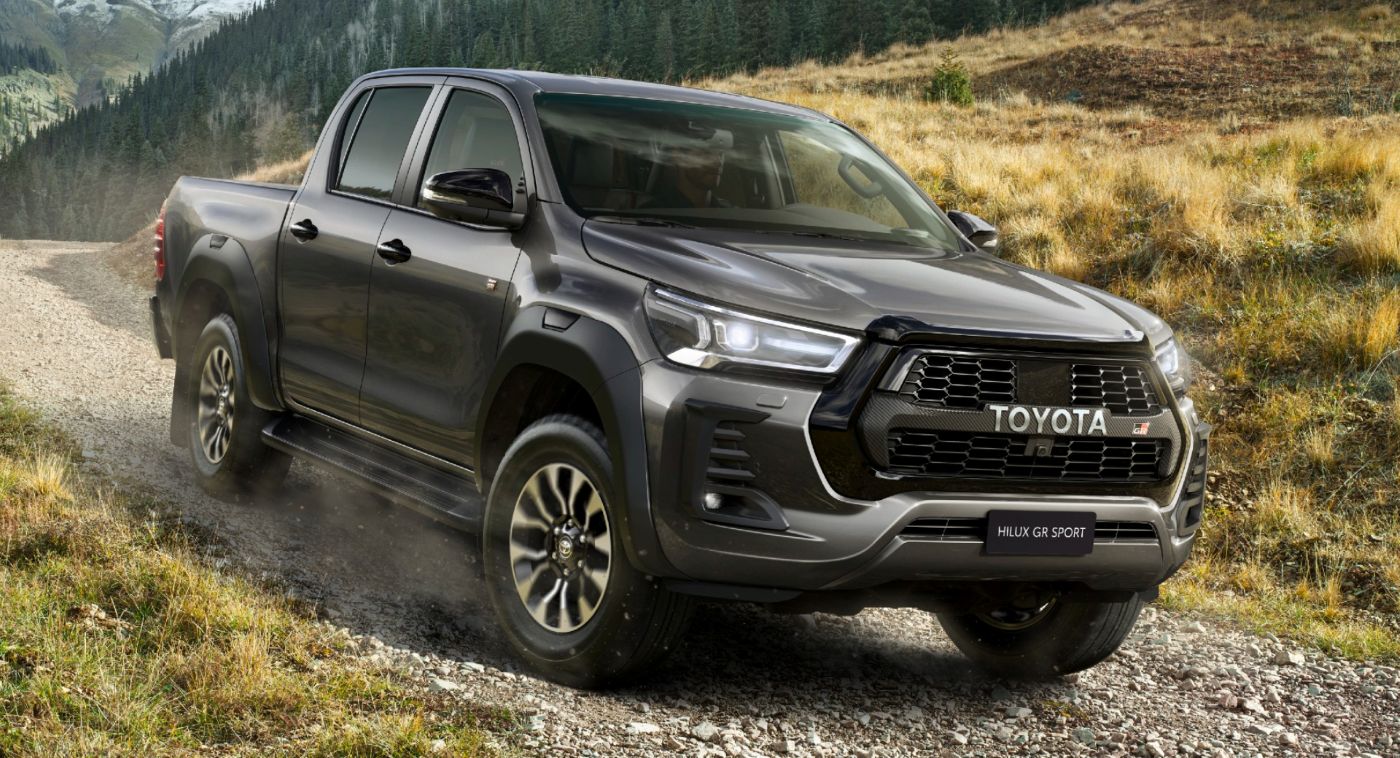
11. Toyota Hilux (Various Generations)
The Toyota Hilux has a reputation that borders on mythical. Whether crossing deserts, navigating war zones, or climbing mountains, the Hilux has proven again and again that it’s virtually unkillable.
It’s no exaggeration to say that in many parts of the world, if a vehicle needs to get through and come back in one piece, it’s going to be a Hilux. Its reputation was further solidified when TV shows and documentaries repeatedly tried, and failed, to destroy one.
The Hilux’s powertrain options, especially the older diesel engines like the 2.4L and 2.8L units, were never designed for speed or refinement. They were designed for longevity and ease of repair.
These engines run at low RPMs, are constructed with heavy-duty components, and are often described as “agricultural”, not as an insult, but as a compliment to their utility. The transmissions and axles are equally rugged, built to take abuse from overloading, poor roads, and harsh conditions.
The Hilux also stands out for its simple, tough construction. The ladder-frame chassis is nearly indestructible, and the suspension, often leaf springs in the rear, is basic but incredibly reliable. This is a truck you can fix with a wrench, a hammer, and some duct tape if needed.
In many developing countries, mechanics routinely keep Hilux trucks running with very few resources, a testament to the truck’s resilience and ease of service.
The interior is barebones, but everything has a purpose. Controls are large and straightforward, and materials are chosen for durability rather than looks.
These trucks are still a common sight in places like Africa, Australia, and parts of Asia, often decades after they were first sold. The Hilux proves that true engineering success isn’t just about sophistication; it’s about creating something that works, lasts, and keeps people moving, no matter where they are.
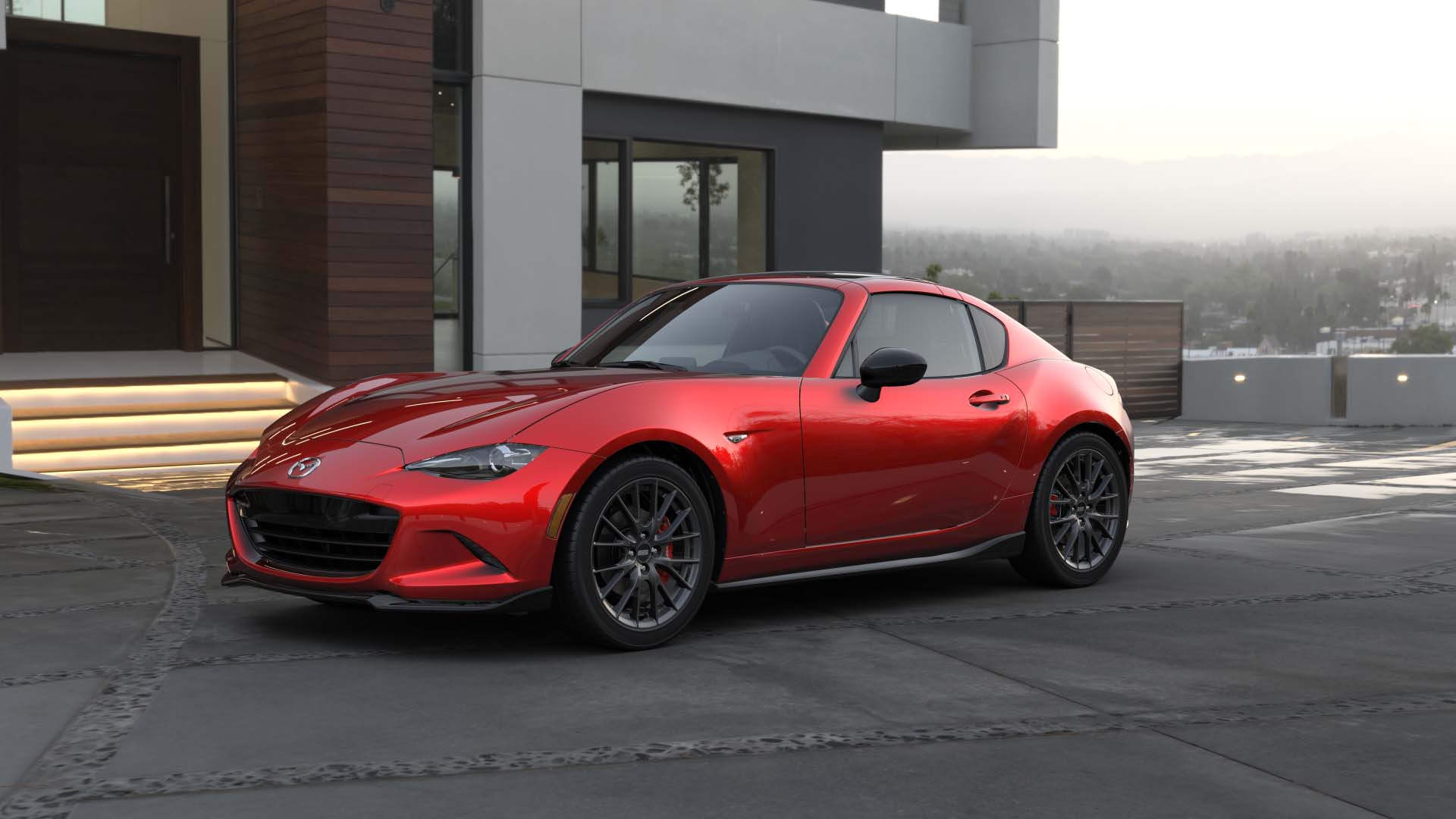
12. Mazda MX-5 Miata (NA and NB Generations)
The Mazda MX-5 Miata, particularly in its first two generations (NA 1989–1997, NB 1998–2005), is a perfect example of engineering done right without overcomplicating the formula. It’s lightweight, rear-wheel drive, and powered by a simple inline-four engine.
While it’s often praised for its fun-to-drive nature, what truly makes the Miata exceptional is how well it holds up over time. These cars are frequently found with 200,000 or more miles on original engines and transmissions, still running strong.
At the heart of its durability is the 1.6L and later 1.8L DOHC inline-four engines. These motors are not powerful by modern standards, but they’re overbuilt and highly tolerant of both spirited driving and long-term use.
Timing belts, spark plugs, fluids, keep those fresh, and the engine just keeps running. Even when driven hard on track days or autocross courses, these engines rarely show signs of serious wear. The lightweight construction of the car also reduces strain on components, which helps extend longevity across the board.
Beyond the engine, the Miata is an easy car to work on. The layout is clean, parts are accessible, and maintenance doesn’t require specialized tools or complex diagnostic equipment. Whether you’re replacing a clutch or refreshing suspension bushings, the process is usually straightforward and well-documented.
This ease of service, combined with a strong aftermarket and global enthusiast support, makes it a car people can keep on the road indefinitely with reasonable effort and cost.
The Miata’s minimalism is part of its genius. It doesn’t pretend to be more than it is. There’s no extra weight, no unnecessary electronics, and no gimmicks that age poorly over time. What you’re left with is a driving machine that keeps delivering year after year. Owners frequently refer to them as “mechanical soulmates”, not because they’re flashy or expensive, but because they’re reliable, fun, and always ready for the next adventure.
