
Electric vehicles have steadily transitioned from being a niche market to a serious contender in mainstream transportation. Their silent performance, lower operating costs, and eco-conscious appeal have made them highly attractive to a wide range of drivers. However, when considering any vehicle purchase, especially something as new and complex as an electric car, reliability remains one of the most critical concerns.
Unlike traditional internal combustion vehicles, EVs rely heavily on battery technology, advanced electronics, and new drivetrain configurations, which makes potential buyers understandably cautious. Even with the appeal of cutting-edge features and sustainability, no one wants to be stuck with a car that frequently needs repairs or fails to perform consistently.
Interestingly, some electric vehicles have stood out for their long-term dependability. Whether it’s due to careful engineering, mature software systems, or a proven battery platform, a select few EVs have shown they can handle the wear and tear of everyday life just as well as, if not better than, some gas-powered alternatives.
These vehicles continue to impress owners and critics with their steady performance, predictable maintenance needs, and enduring value. In fact, many of them are driven well past 100,000 miles with minimal issues, a figure that used to be seen as a stretch for earlier electric models.
This list is not focused on the newest releases with flashy features, but rather on EVs that have built a solid reputation through time and testing. The models discussed here have consistently earned positive feedback in terms of quality, longevity, and user satisfaction.
They’re not perfect, but they’ve proven themselves in areas that truly matter. These vehicles are still relevant for anyone looking for a dependable EV, whether it’s as a daily commuter, family car, or even a used option that doesn’t sacrifice peace of mind. Their track record speaks louder than marketing campaigns or first impressions. These are nine electric vehicles that continue to deliver when it counts.
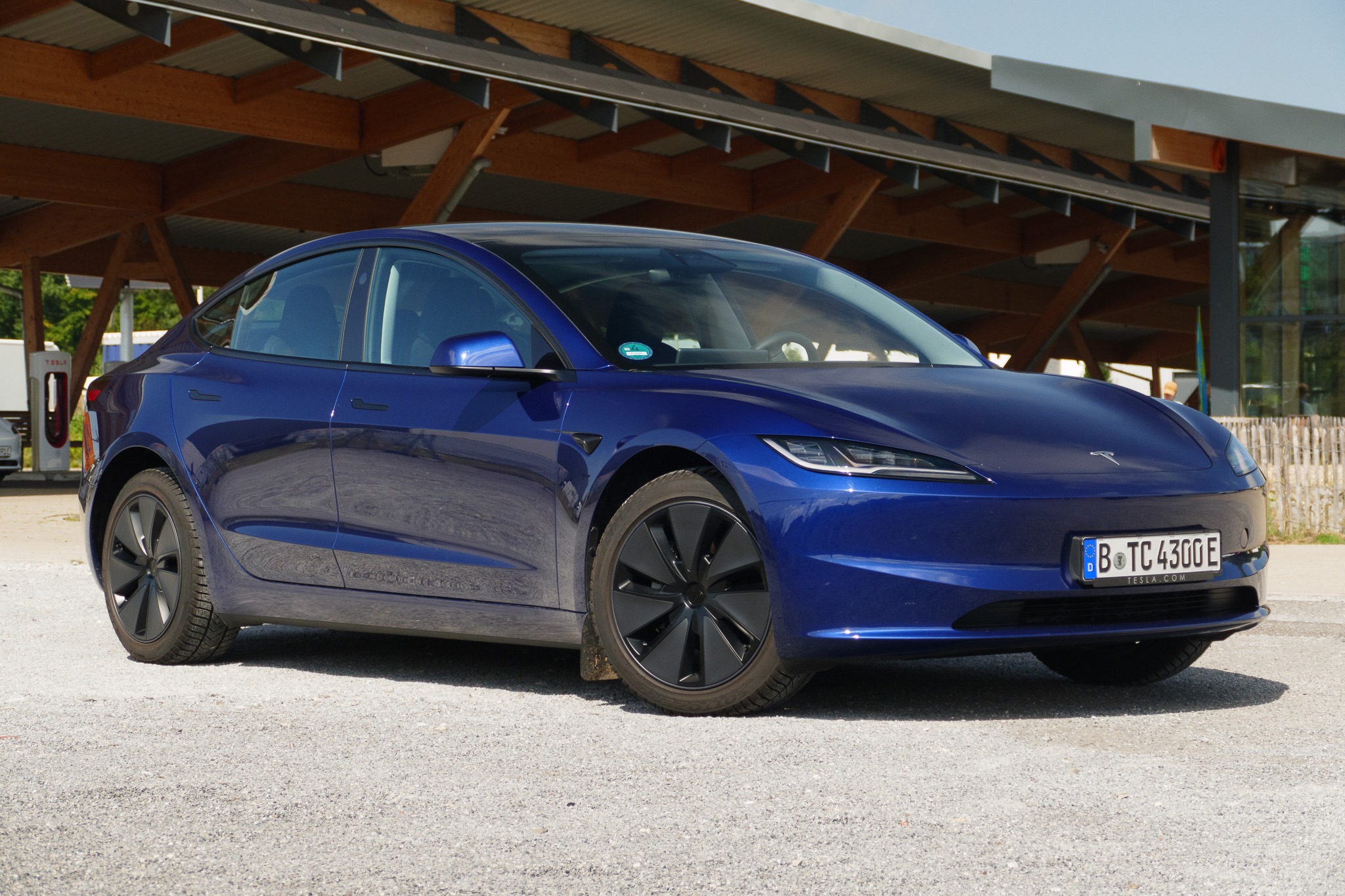
1. Tesla Model 3
The Tesla Model 3 has remained a standout in the EV segment for several reasons, but its reputation for reliability is perhaps one of the most underrated aspects. Despite Tesla being relatively young as a car manufacturer, the Model 3 has matured quickly in terms of performance and mechanical dependability.
Many early adopters who bought the car in its first couple of years have now racked up well over 100,000 miles with few issues beyond standard wear and tear. That’s a major vote of confidence in a model that helped define the modern electric sedan.
One of the key strengths of the Model 3 is the simplicity of its electric drivetrain. With fewer moving parts than a gasoline-powered engine, there’s less to go wrong mechanically. Tesla has also invested heavily in its over-the-air software update system, which can fix certain bugs and even enhance features without requiring a trip to the service center.
This combination of physical durability and software agility has played a big role in the Model 3’s long-term usability. While the build quality may have seen some inconsistencies early on, the core components have remained solid.
Another important factor is the battery life. Tesla’s battery packs have shown excellent degradation rates, with many Model 3s retaining more than 90 percent of their battery capacity after several years of regular use. This isn’t just good on paper; it translates directly to daily performance and range reliability.
Knowing that the car can maintain a strong range over time reduces range anxiety and increases trust in the vehicle. Battery replacement is one of the biggest potential costs in EV ownership, and the Model 3 manages to delay or eliminate that concern for many owners.
The Model 3 also benefits from Tesla’s expansive Supercharger network and continued commitment to remote diagnostics and service. While not every issue can be fixed remotely, the brand has made an effort to streamline the ownership experience.
The vehicle alerts users early to any faults, and software-based troubleshooting often prevents small issues from becoming big ones. Altogether, the Model 3 remains a practical and trustworthy electric car, combining technology with day-to-day dependability.
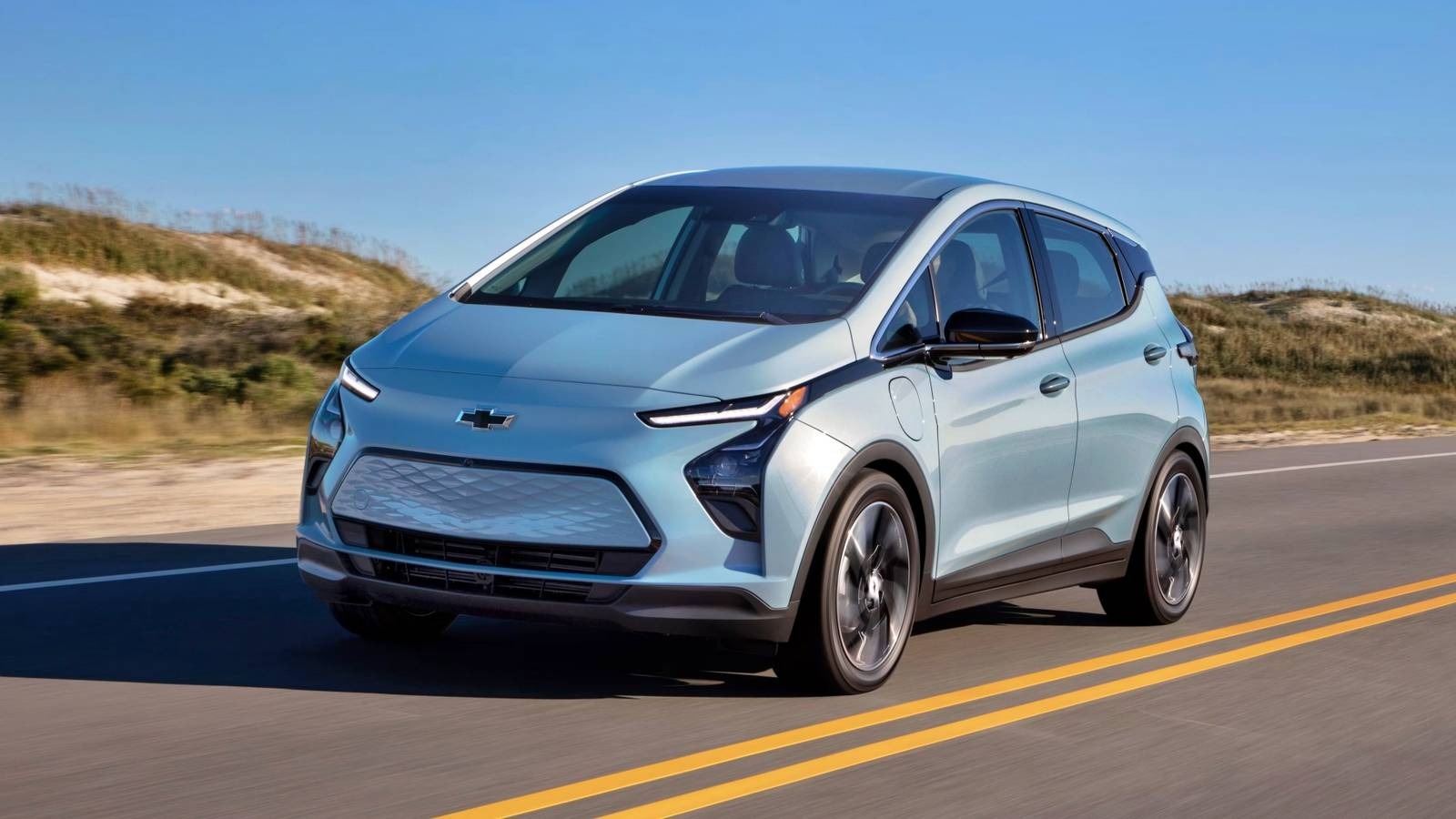
2. Chevrolet Bolt EV
The Chevrolet Bolt EV has proven itself to be one of the more reliable and durable electric vehicles on the market, especially considering its competitive price. While early models did face some battery recall concerns, the issues were addressed comprehensively by GM, and post-recall versions have gained solid reputations for consistency and performance. Owners who have kept their Bolts through multiple years of usage report few problems outside of routine maintenance.
The Bolt’s compact design is paired with a simple yet effective electric drivetrain that minimizes mechanical complexity. This simplicity contributes to fewer points of failure and better long-term durability.
The electric motor and single-speed transmission are robust, and they offer smooth, predictable power delivery without the jerks or inconsistencies that some EVs suffer from at low speeds. Its regenerative braking system has also held up well over time, reducing wear on traditional brake components.
One of the less discussed but critical strengths of the Bolt EV is its battery efficiency and retention. Despite its smaller size, the Bolt delivers a solid range that holds steady even as the years pass.
Owners frequently note that real-world range matches EPA estimates closely, and that degradation is modest even after tens of thousands of miles. This is especially important for commuters or drivers in colder climates, where battery performance can vary more widely.
Chevrolet has also refined its user interface and infotainment system in later models, addressing earlier complaints and providing a smoother daily experience. Coupled with high owner satisfaction ratings in long-term dependability surveys, the Bolt EV continues to be a trusted option for anyone seeking an affordable, no-nonsense electric vehicle. It’s not flashy, but it gets the job done with minimal fuss, and that’s exactly what reliability is about.
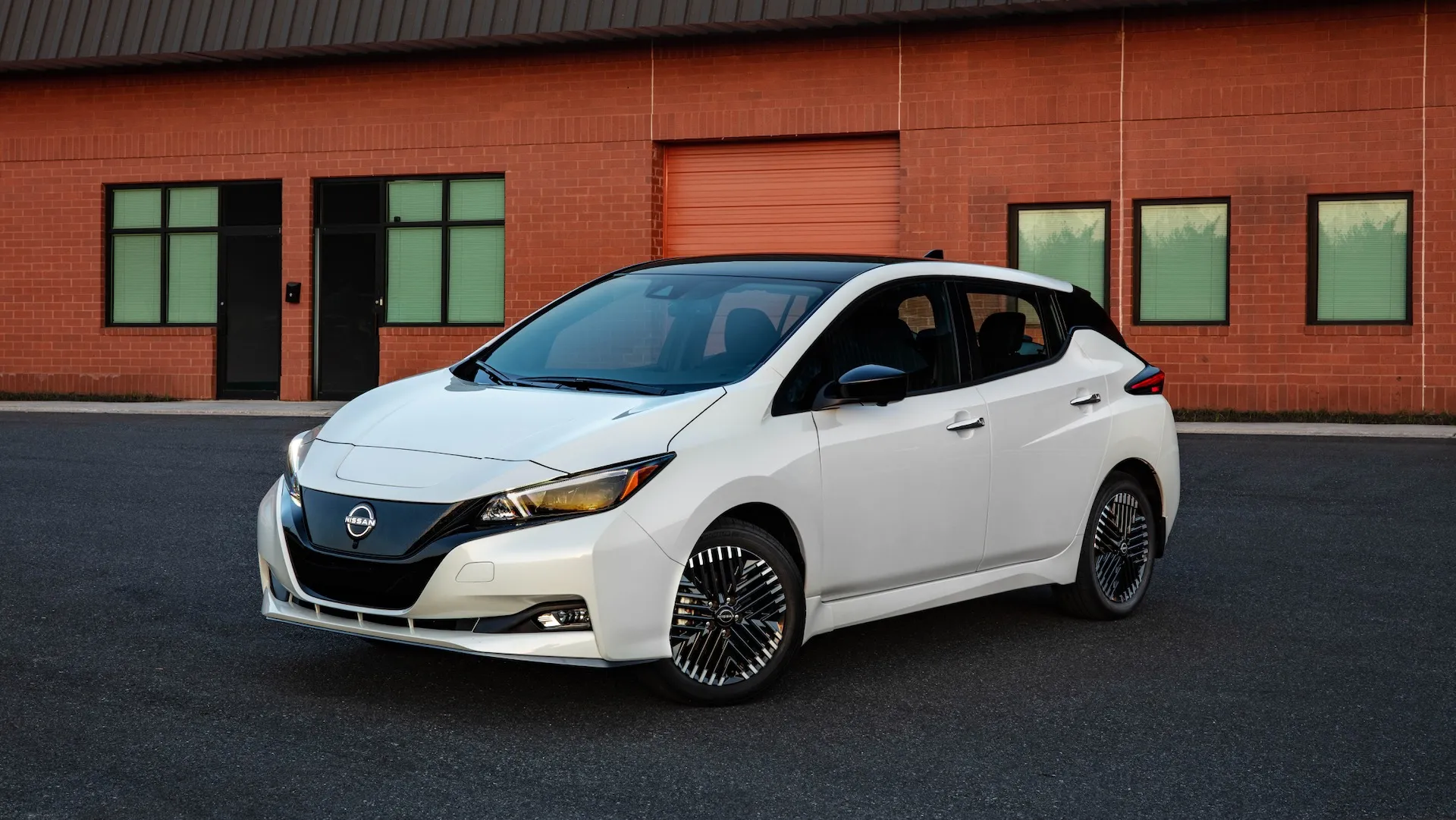
3. Nissan Leaf
The Nissan Leaf is one of the oldest and most widely used electric vehicles on the market, and its reliability track record is a key reason for its longevity. While the earlier models had shorter ranges and lacked thermal battery management, they still managed to perform consistently in a wide range of conditions. The newer models, particularly those from 2018 onward, made significant improvements in both battery management and drivetrain components, enhancing their durability.
One of the Leaf’s advantages is its extremely straightforward engineering. The lack of complexity in its powertrain, combined with Nissan’s experience in mass-producing vehicles, resulted in a car that is easy to maintain and rarely experiences unexpected breakdowns.
It may not be the most advanced EV in terms of features or range, but it’s a vehicle that users can rely on to work as expected day after day, which is often more important than having the latest tech.
Battery life is an area where the Leaf has had a mixed history, but things have stabilized in recent years. Earlier models without active cooling did show faster battery degradation in hot climates, but the newer iterations have addressed this issue.
The second-generation Leaf introduced a more robust battery management system and stronger packs, leading to better long-term performance. These updates have made newer Leafs viable for long-term ownership without the need for premature battery replacement.
Another reason the Leaf continues to earn respect in the reliability category is its low cost of ownership. Maintenance needs are minimal, and parts are relatively easy to source given Nissan’s global footprint. Even older Leafs can be found on the road with 100,000 miles or more, still functioning without major repairs. For anyone looking for a dependable EV that doesn’t break the bank, the Nissan Leaf remains a trustworthy candidate.
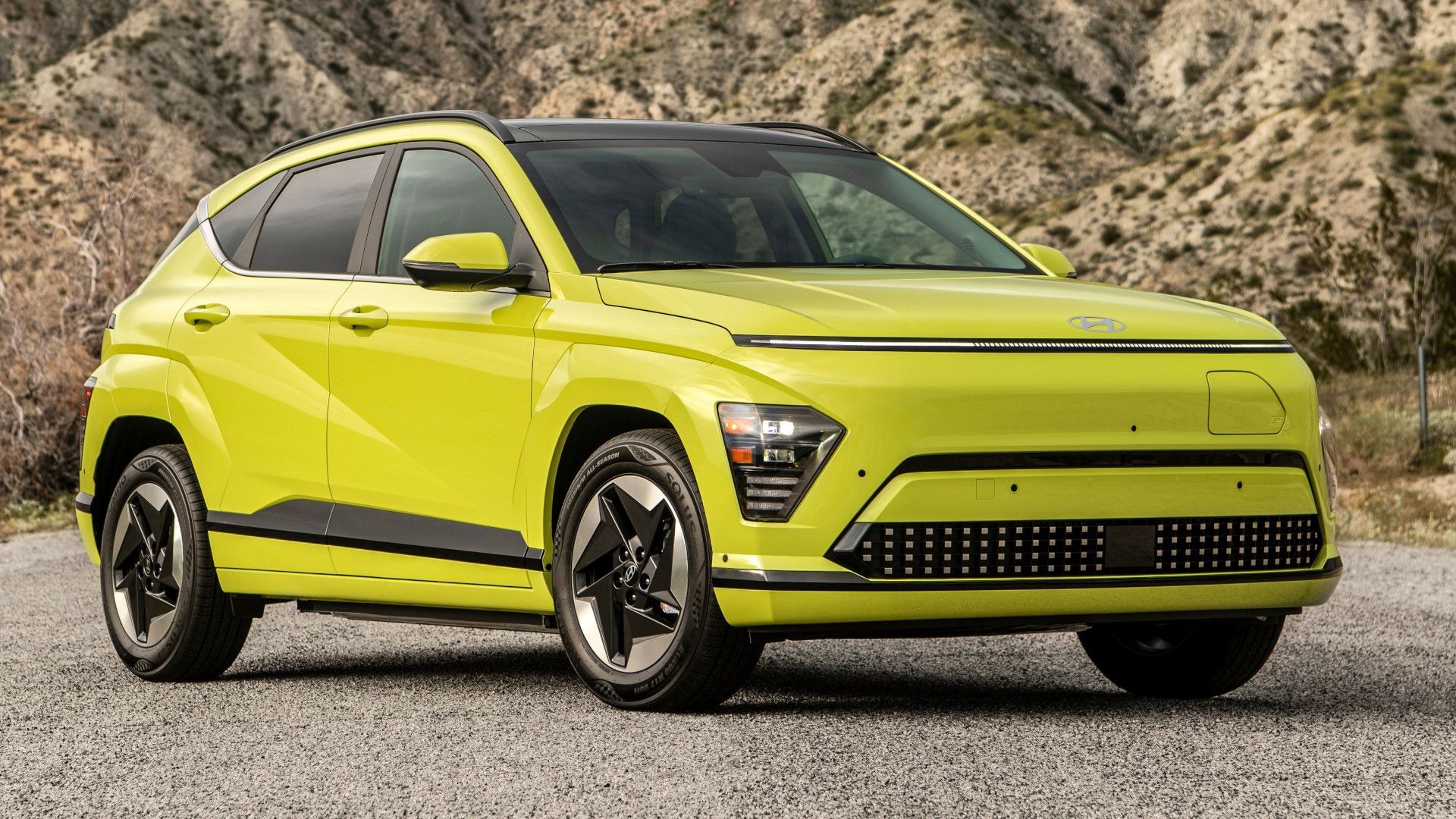
4. Hyundai Kona Electric
The Hyundai Kona Electric has established itself as a serious contender in the EV space, not just for its impressive range but also for its high level of reliability. Built on a solid platform with years of Hyundai’s engineering behind it, the Kona Electric combines well-tested components with a thoughtful EV-specific layout.
Many of its mechanical parts are shared with Hyundai’s conventional vehicles, which adds to its durability. Owners routinely praise its lack of mechanical issues and dependable performance even after extended mileage. Its consistency across climates, from cold northern winters to hot southern summers, further strengthens its status as a reliable all-rounder.
A big part of the Kona Electric’s reliability comes from its battery system, which is well-managed and conservatively tuned for longevity. Unlike some EVs that prioritize performance or fast charging speed at the expense of long-term battery health, Hyundai has opted for a more balanced approach.
The result is a battery that degrades slowly and maintains range over time. Many owners report that even after three or four years of daily use, range loss remains minimal. The liquid cooling system also ensures stable battery temperatures, reducing the wear caused by heat cycles or rapid charging, particularly useful in demanding driving environments.
Hyundai also offers a long warranty on the Kona Electric, which serves as a vote of confidence in the vehicle’s reliability. The 10-year/100,000-mile powertrain and battery warranty isn’t just a marketing feature; it’s a tangible safety net for buyers and reflects the manufacturer’s faith in their product.
In many cases, vehicles that come with extended warranties don’t end up needing to use them, and this has largely been the case with the Kona Electric. The need for unscheduled repairs has been low, and maintenance is typically limited to tire rotations, brake checks, and the occasional cabin air filter change.
Owners also note that the interior systems hold up well with age. Infotainment responsiveness, screen durability, and climate control functionality have shown little wear even after years of use. The cabin design, while not overly luxurious, is built for practical use and daily wear.
Buttons don’t fade, knobs don’t loosen, and the electronics rarely malfunction. For drivers looking for an electric vehicle that won’t surprise them with unexpected issues or electronic glitches, the Hyundai Kona Electric has earned its reputation as a quietly dependable workhorse.
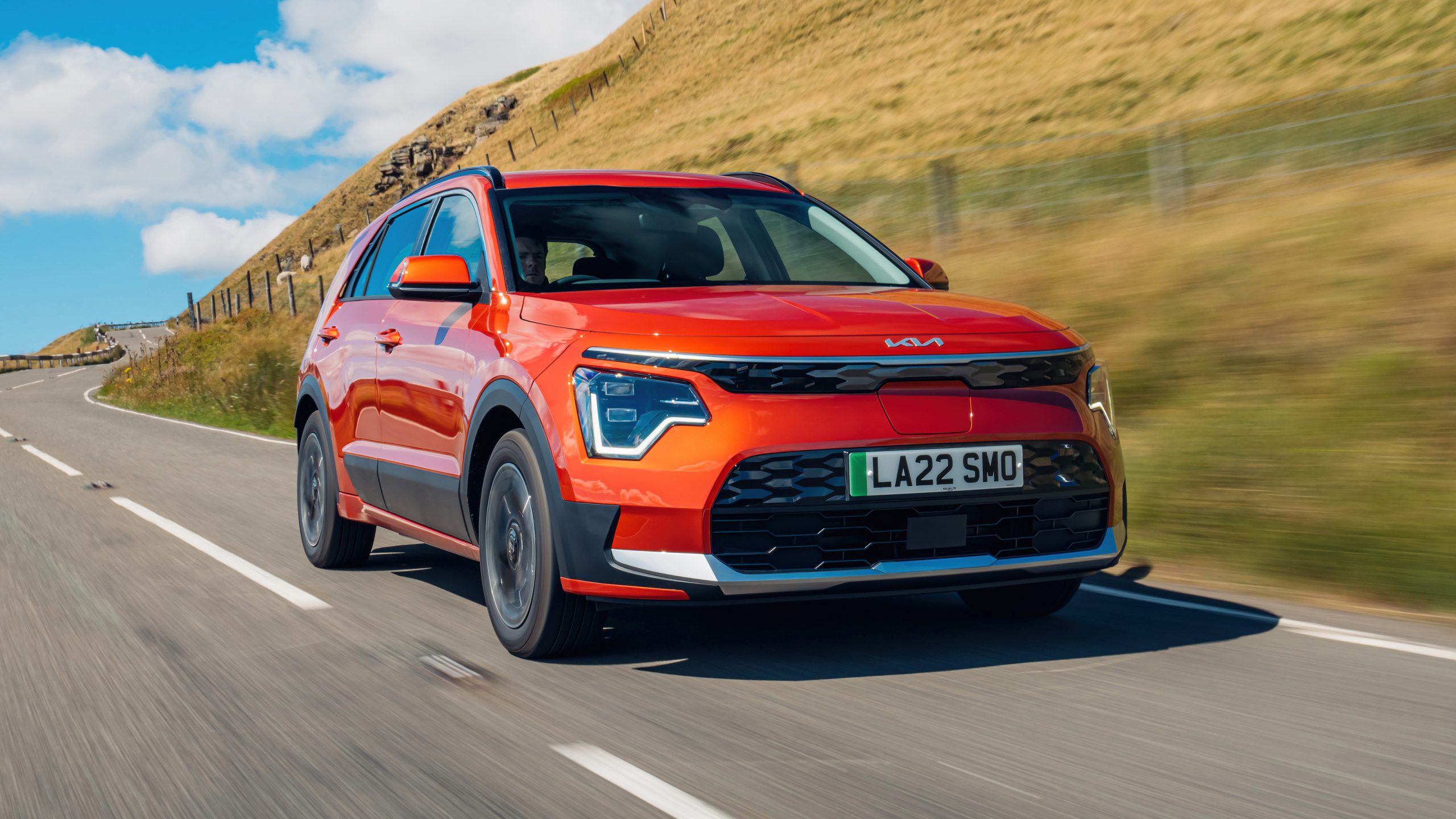
5. Kia Niro EV
The Kia Niro EV shares much of its underlying architecture with the Hyundai Kona Electric, and that’s a good thing when it comes to reliability. Built with a similar battery platform and drivetrain, the Niro EV delivers dependable performance backed by Kia’s own commitment to long-term durability.
One of the standout features of the Niro EV is how normal it feels to drive. It avoids excessive complexity, favoring tried-and-true systems that reduce the likelihood of something going wrong. As a result, it’s earned high marks from both industry reviewers and everyday users for its mechanical and electrical reliability.
Kia’s battery technology, which benefits from close cooperation with Hyundai’s R&D departments, plays a crucial role in the Niro’s long-term stability. The car is equipped with a well-engineered thermal management system that helps regulate battery temperature even in extreme conditions.
This not only protects the battery but also ensures a consistent driving range throughout the year. Owners have reported that even in climates with hot summers or cold winters, the Niro EV continues to perform reliably without sudden range drops or error messages. This kind of stability can make a big difference for people who rely on their vehicle every day.
Another major strength is the build quality of the vehicle. The Niro EV, while not a luxury vehicle, is solidly constructed with fewer rattles, squeaks, or plastic fatigue over time than many other compact EVs in its price range. The doors close with a reassuring thud, the interior materials are soft-touch in all the right places, and the control layout is intuitive and user-friendly.
Electronics like the infotainment system, climate controls, and safety sensors have proven to be durable over time, rarely needing recalibration or replacement. This consistency helps the car feel fresh and fully functional even after several years on the road.
From a maintenance standpoint, the Niro EV is also relatively hands-off. There are no oil changes, few moving drivetrain parts, and less stress on brakes thanks to effective regenerative braking. Tire maintenance and cabin filters are the main regular service items.
Combined with the solid warranty coverage and historically high owner satisfaction, the Kia Niro EV has quietly become one of the most dependable electric crossovers available. It may not be flashy, but it shows up every day and works like it’s supposed to, and that’s a quality many owners value above all else.
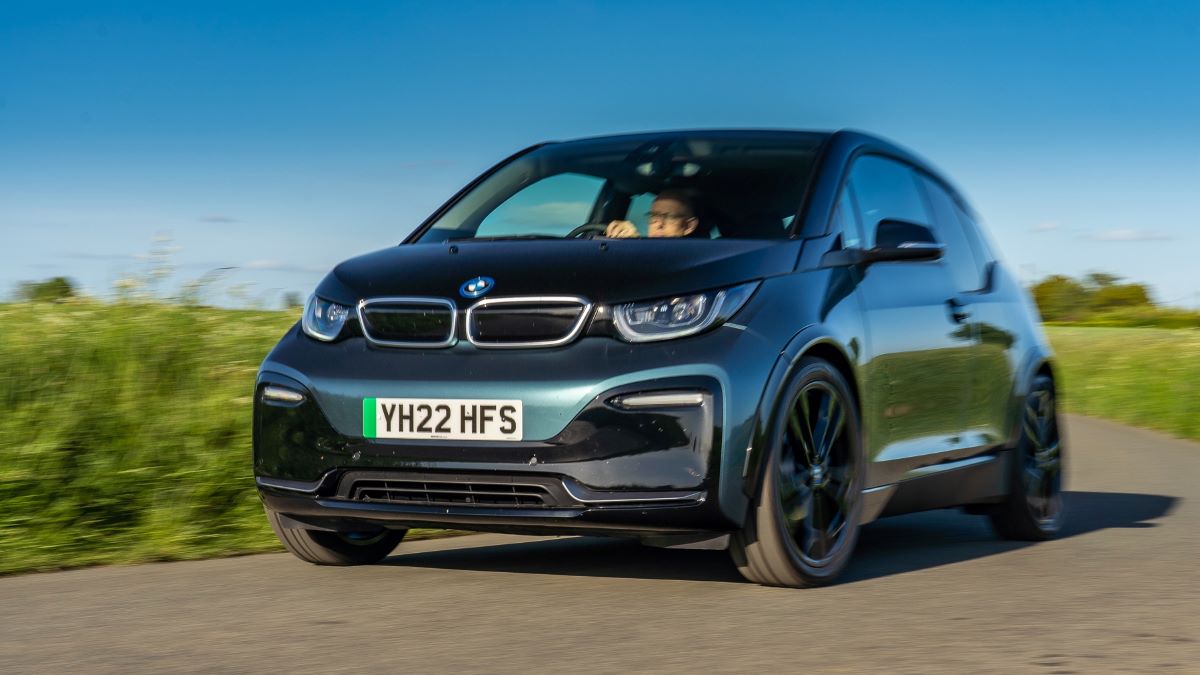
6. BMW i3
The BMW i3 is one of the more unique vehicles on this list, not just for its futuristic design and lightweight carbon-fiber construction, but also for its impressive track record of reliability. Though it initially drew attention for its unconventional styling and compact footprint, the i3 has since won over many long-term owners with its mechanical simplicity and durability.
BMW took a calculated risk with the i3, designing it from the ground up as an EV rather than adapting an existing gas platform, and that decision contributed significantly to its long-term dependability.
A key advantage of the i3 is its relatively low weight. Thanks to its carbon-fiber reinforced plastic chassis and aluminum subframes, the car puts less stress on suspension components, brakes, and tires compared to heavier EVs. This contributes to lower wear rates and fewer component failures over time.
The electric motor used in the i3 is also known for its robustness, providing smooth torque delivery and efficient operation year after year. Many i3 owners report minimal degradation in performance or efficiency, even with daily use in urban environments, where stop-and-go traffic puts added strain on most vehicles.
The i3’s battery performance is also commendable, especially in later models that featured larger battery packs. While early versions had modest range by today’s standards, their battery systems were well-engineered for durability.
Later models with the 33 kWh or 42 kWh batteries hold charge well over time, with many drivers still achieving ranges close to the original EPA estimates after several years. Moreover, the i3 offered a range-extender option that helped eliminate range anxiety while still maintaining the advantages of a primarily electric vehicle. This flexibility helped extend the life and usefulness of the car for many households.
In terms of cabin quality, the i3 continues to surprise people. The materials used, including renewable fabrics and high-end composites, have aged well. Unlike cheaper plastics found in many competitors, the i3’s interior holds up over time, both aesthetically and functionally.
Electrical systems are also quite stable, with few recurring issues reported with infotainment, navigation, or climate control units. As an early experiment that turned into a surprisingly dependable urban EV, the BMW i3 has earned a loyal following among those who prioritize function and innovation without sacrificing reliability.
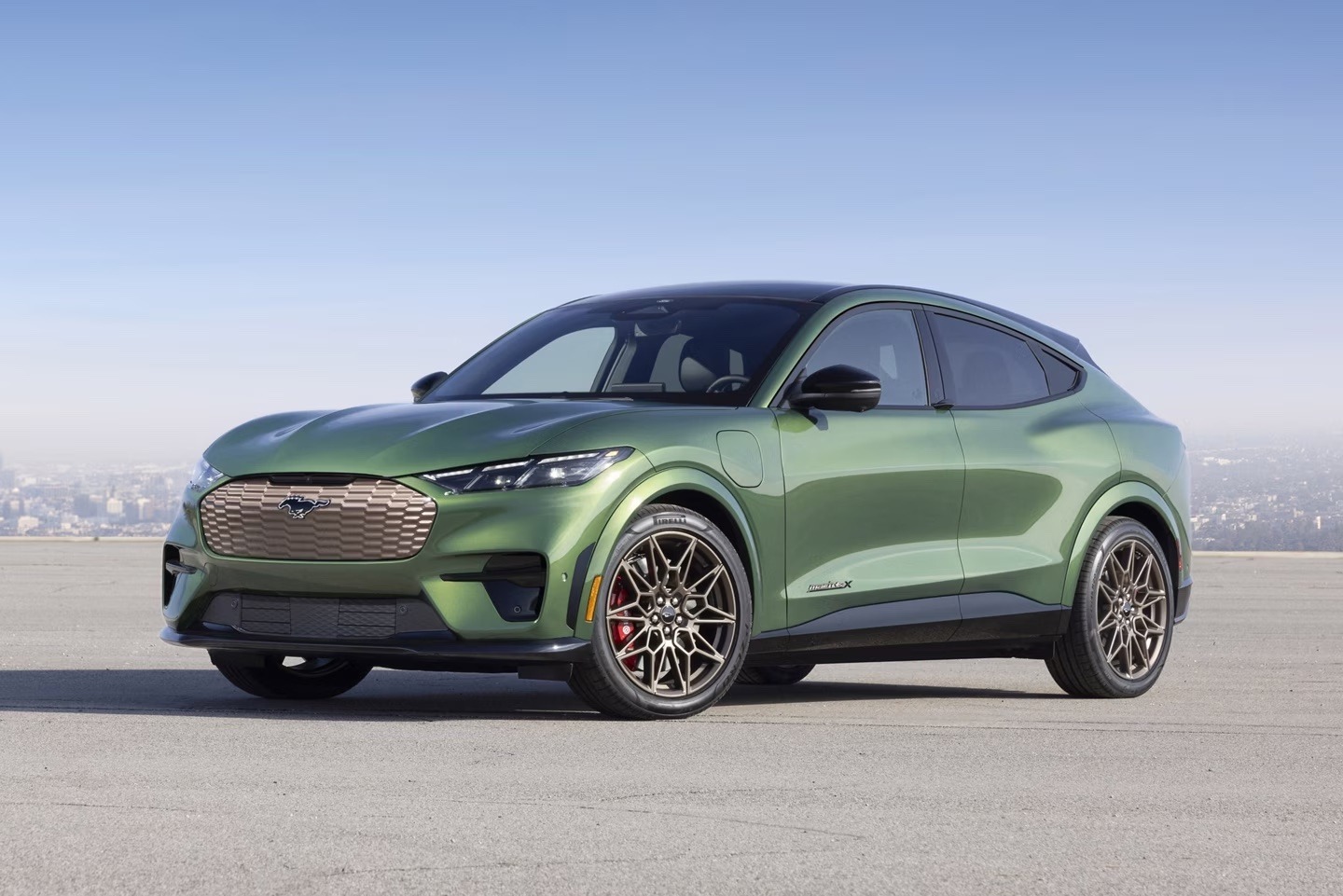
7. Ford Mustang Mach-E
The Ford Mustang Mach-E arrived with high expectations and has largely delivered on them, particularly when it comes to long-term reliability. Despite being Ford’s first major foray into the dedicated EV market, the Mach-E benefited from the automaker’s long history of building mass-market vehicles.
While there were some software bugs in early production models, the hardware, especially the battery and drivetrain, has remained solid, leading to high owner satisfaction scores in long-term testing. As a new platform, the Mach-E could have gone in many directions, but Ford took a conservative, durability-first approach to the key components.
One of the key strengths of the Mach-E is its sturdy battery and motor configuration. Ford prioritized thermal management and power efficiency, choosing to tune its battery systems more conservatively than some performance-focused competitors. As a result, real-world users report slow degradation, consistent range, and minimal fluctuation in cold or hot climates.
The liquid cooling system is particularly effective at preventing heat buildup during fast charging or extended high-speed driving, which can otherwise strain the system. This has helped the Mach-E maintain predictable performance across a variety of driving conditions.
The interior electronics and user systems have also matured significantly since launch. Ford has used over-the-air updates to resolve early interface glitches, making the central touchscreen more responsive and the driving aids more accurate.
Drivers have seen improvements in lane-keeping systems, adaptive cruise control, and smartphone integration features without needing to visit the dealership. These updates are evidence of Ford’s commitment to keeping the car not only relevant, but also functional in the long term. Hardware failures in these systems have remained rare, suggesting good initial engineering and quality control.
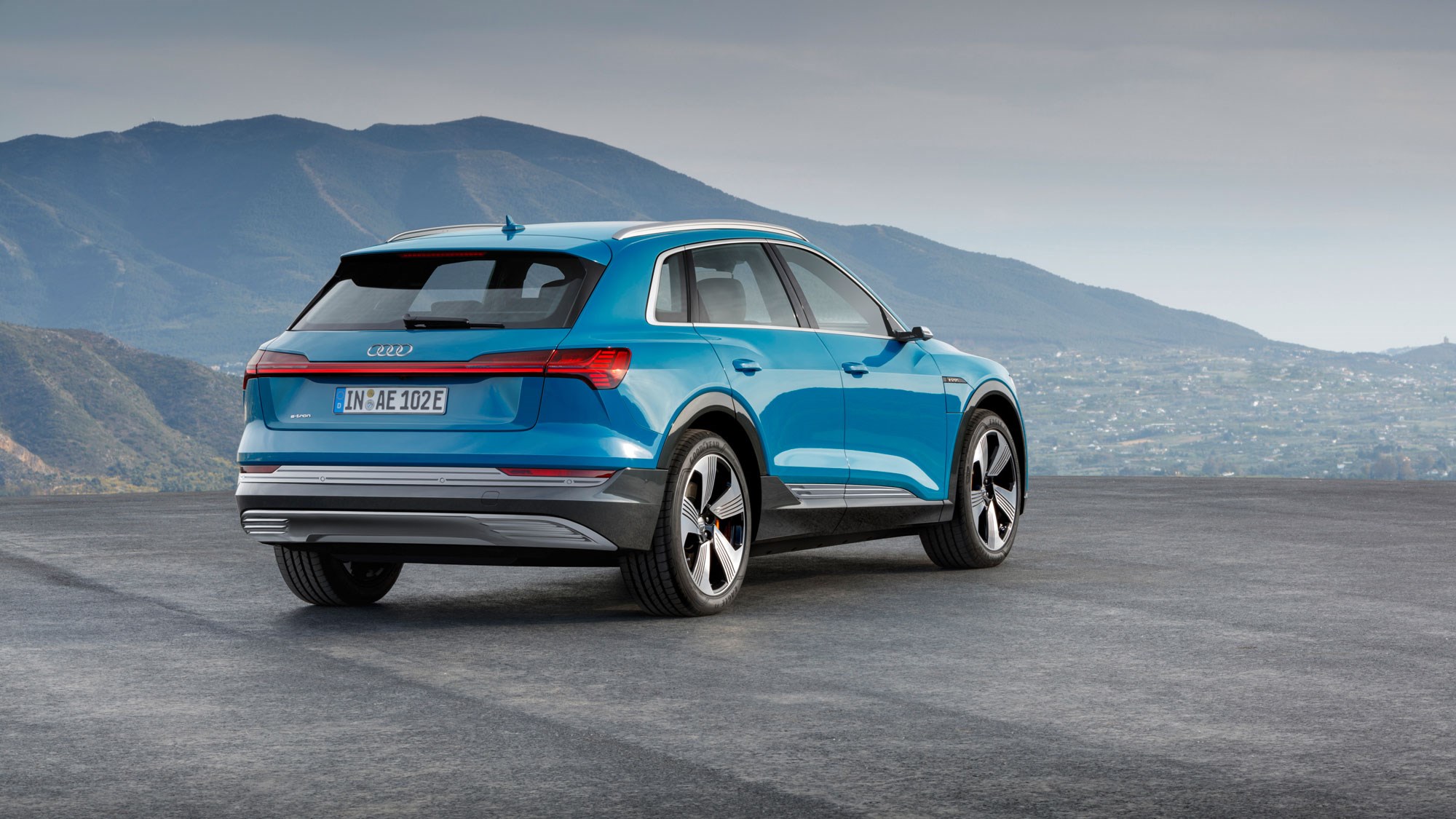
8. Audi e-tron (Now Known as Q8 e-tron)
The Audi e-tron, recently rebranded as the Q8 e-tron, stands as one of the most dependable premium EVs on the road today. Built with Audi’s characteristic focus on engineering precision and build quality, the e-tron balances comfort, technology, and day-to-day reliability in a way that many other luxury EVs still struggle to match.
Unlike some performance-first electric SUVs, the e-tron emphasizes smooth driving, strong range stability, and hardware reliability. Audi didn’t try to reinvent the wheel with this car. Instead, they applied lessons from decades of building durable vehicles and carefully adapted those principles to an electric powertrain.
One of the most significant markers of the e-tron’s reliability is its battery management system. Audi opted for a more conservative approach compared to other EVs in its class. It doesn’t allow the battery to fully charge to 100% or discharge to 0%, helping preserve long-term battery health.
This method of protecting the battery from stress has proven effective, as many owners report minimal degradation even after several years of daily commuting and long-distance driving. The battery pack is also cooled with a robust liquid system that maintains ideal operating temperatures, even in fast-charging scenarios or extreme weather.
The e-tron’s drivetrain has also performed reliably across many use cases. With dual electric motors and all-wheel drive as standard, the SUV offers dependable traction and consistent performance regardless of road conditions. More importantly, these motors have proven to be incredibly robust.
Drivers note the absence of strange noises, reduced torque performance, or any signs of wear even after heavy use. This kind of mechanical stability is what sets the e-tron apart from some newer entrants in the premium EV space, where reliability can sometimes be sacrificed in pursuit of untested features or speed.
Beyond the core mechanicals, the interior and electronics in the e-tron are engineered with a durability mindset. Materials used throughout the cabin resist wear, from seat fabrics and leathers to control buttons and digital screens. Audi’s infotainment system, though not the flashiest, is extremely stable and rarely suffers from the bugs or software slowdowns that can plague even newer EVs.
Climate controls, sensors, and safety aids function with a consistency that inspires confidence. When it comes to choosing an electric SUV that behaves like a well-built German vehicle first and an EV second, the Audi e-tron has proven that long-term reliability and modern electrification can go hand in hand.
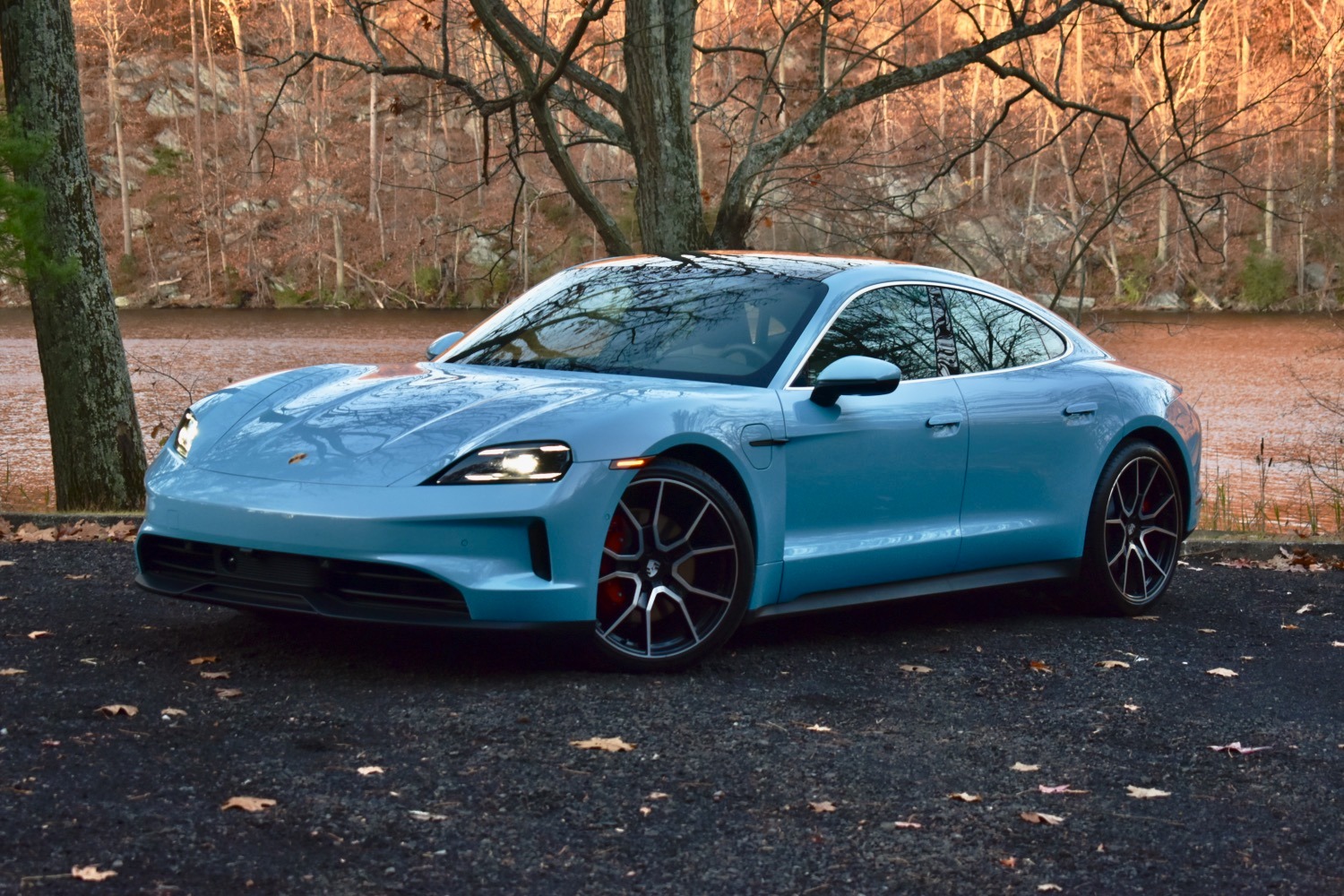
9. Porsche Taycan
At first glance, the Porsche Taycan may not seem like a car that prioritizes reliability. Its sleek design, track-ready performance, and luxury branding might suggest it was built more for thrills than long-term ownership. However, the Taycan has surprised many by demonstrating exceptional durability across thousands of real-world miles.
Porsche took its time with the Taycan, and that deliberate engineering shows in the car’s ability to stay consistent, even when pushed hard. For a vehicle that delivers supercar-like performance, it also manages to meet the practical demands of daily use without constant maintenance or system failures.
A lot of this reliability stems from how Porsche designed the Taycan’s electric systems. The 800-volt architecture, while cutting-edge, has proven to be not only fast-charging but also thermally stable and energy efficient. The dual or tri-motor configurations available are also highly refined and don’t suffer from the abrupt power delivery or unpredictable throttle behavior found in some other performance EVs.
Instead, everything feels deliberate, smooth, and incredibly consistent. Porsche’s decision to integrate EV technology into its existing high-performance design philosophy means that even though the Taycan is fast, it’s also built to endure that speed over time.
When it comes to battery reliability, the Taycan excels. Real-world testing and ownership reports show excellent degradation resistance, with most cars holding above 90 percent capacity well into higher mileage. The cooling system is robust, and Porsche’s software keeps battery strain under control even during repeat high-speed driving or aggressive charging cycles.
The car also doesn’t require frequent recalibration or diagnostics, and the number of reported failures in key components like inverters or drive units has been remarkably low for a vehicle this complex. It’s a testament to the engineering discipline behind the scenes, ensuring that performance doesn’t come at the cost of dependability.
Interior and electrical systems also reflect Porsche’s standard for precision. The cabin feels as solid at 50,000 miles as it does on day one. Touchscreens are responsive, physical controls don’t degrade, and driving-assist systems maintain functionality without the glitches common in many other luxury EVs.
Even as a daily driver, the Taycan avoids the quirks that plague some of its competitors. It’s not just a weekend toy or a showpiece, it’s a real car, built for people who expect it to start every morning and function reliably in every season. That’s what makes it stand out among premium EVs, and why it’s earned its place on this list.
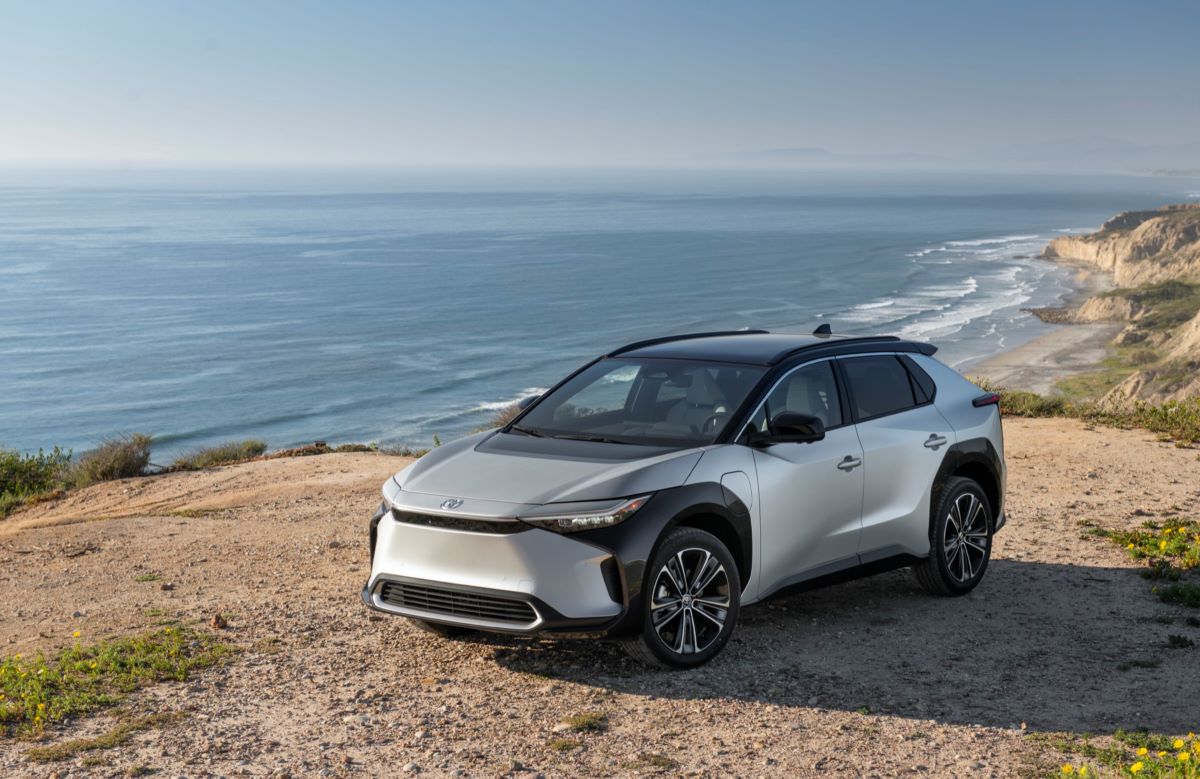
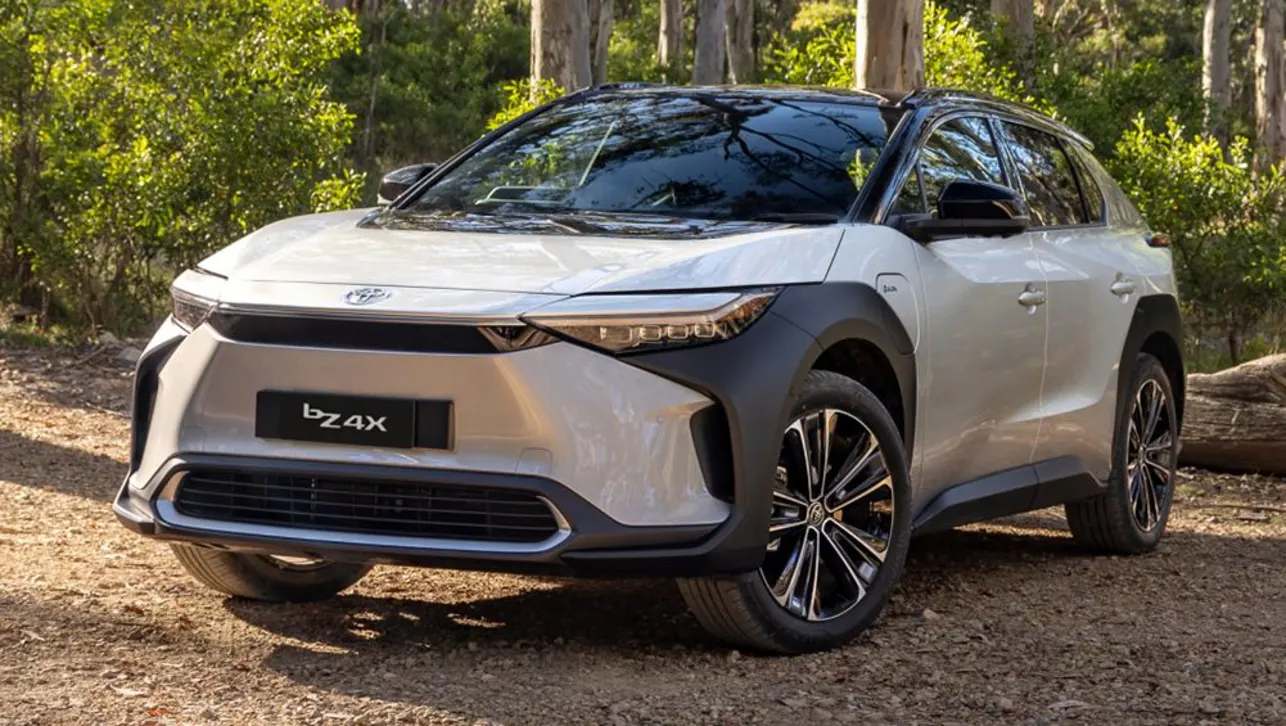
10. Toyota bZ4X
The Toyota bZ4X may not have generated headlines for revolutionary speed or groundbreaking features, but where it quietly shines is in Toyota’s trademark approach to dependability. Known for building some of the most reliable vehicles on the planet, Toyota took a cautious and measured approach when entering the EV market with the bZ4X.
Rather than trying to dazzle with excessive power or luxury, they focused on building an electric SUV that could meet everyday needs without causing trouble. While its specs are relatively modest compared to some competitors, what the bZ4X offers is a stable, predictable, and low-maintenance experience that aligns with the expectations long-time Toyota owners have come to value.
One of the strengths of the bZ4X is its partnership with Subaru, which helped develop the platform it rides on. This collaboration resulted in a chassis that handles well in various driving conditions and offers good traction, especially in the all-wheel-drive version.
More importantly, the mechanical systems in the car, including the motor units and battery cooling setup, are designed for longevity rather than extremes. Toyota has intentionally limited the maximum charging speeds and performance output to reduce stress on the components.
While some may view that as a tradeoff, it contributes to the kind of long-term stability that keeps reliability high and repair costs low.
Battery performance in the bZ4X is also encouraging. Toyota claims that its lithium-ion battery will retain 90 percent of its capacity after ten years, and early data suggest that it’s on track to meet that goal. Unlike some competitors who allow full charging to 100 percent by default, Toyota sets the system to charge conservatively unless adjusted by the user.
This thoughtful battery management approach is designed to preserve the pack over the long haul. Additionally, Toyota uses a well-engineered liquid cooling system to maintain thermal balance, reducing the kind of heat-related degradation that can impact performance and reliability in more aggressively tuned EVs.
Inside, the bZ4X continues Toyota’s reputation for building interiors that last. Materials used throughout the cabin are simple but durable, designed to withstand years of wear and tear without looking tired. Buttons and screens are responsive, physical controls feel firm, and most importantly, the electrical systems rarely encounter glitches.
While the software experience could be more polished, it’s stable and doesn’t require frequent resets or workarounds. For those who value peace of mind over flash, the bZ4X represents Toyota’s dependable DNA in electric form. It’s not the EV that dominates headlines, but it’s one you can count on to do the job without surprises, and that kind of quiet dependability is what long-term ownership is all about.
