
When it comes to vehicles, most people expect a reliable lifespan of maybe 150,000 to 200,000 miles before serious problems start showing up. But some engines seem to defy expectations and carry on running well past the half-million-mile mark. These aren’t flukes or one-off stories.
They’re mechanical designs that have earned a reputation for longevity through years of consistent performance, thoughtful engineering, and proper maintenance. For anyone who values durability and wants to avoid the financial headache of premature engine failure, knowing which engines have stood the test of time is incredibly useful.
Longevity in an engine is rarely accidental. It often comes down to a few key factors: strong materials, a relatively simple design, and an ability to handle wear and tear with grace. Some engines are overbuilt, designed with wider tolerances and stronger internal components, often because they were originally intended for commercial use or high-mileage driving.
Others benefit from smart engineering that reduces stress on parts, which helps prevent early breakdown. But one of the biggest secrets to long engine life isn’t even in the engine itself, it’s the owners who take the time to change oil regularly, fix problems early, and avoid driving habits that put unnecessary strain on their vehicles.
Many of the engines that are known to last 500,000 miles or more come from a handful of manufacturers with reputations for quality. Brands like Toyota, Honda, Mercedes-Benz, and Cummins appear regularly on long-lifespan lists.
Diesel engines are more frequently mentioned due to their design being geared toward endurance and efficiency, especially in trucks and commercial vehicles. However, there are also gas engines that have proved they can go the distance with the right care.
This article highlights nine engines that are well-known among mechanics, enthusiasts, and drivers for their incredible ability to survive beyond 500,000 miles. These engines are found in everything from compact sedans to full-sized trucks, and while they vary in design and use, they share one common trait: they just keep going.
Also Read: 9 Cars That Stay Worth Owning Even After 20 Years
1. Toyota 2UZ-FE 4.7L V8
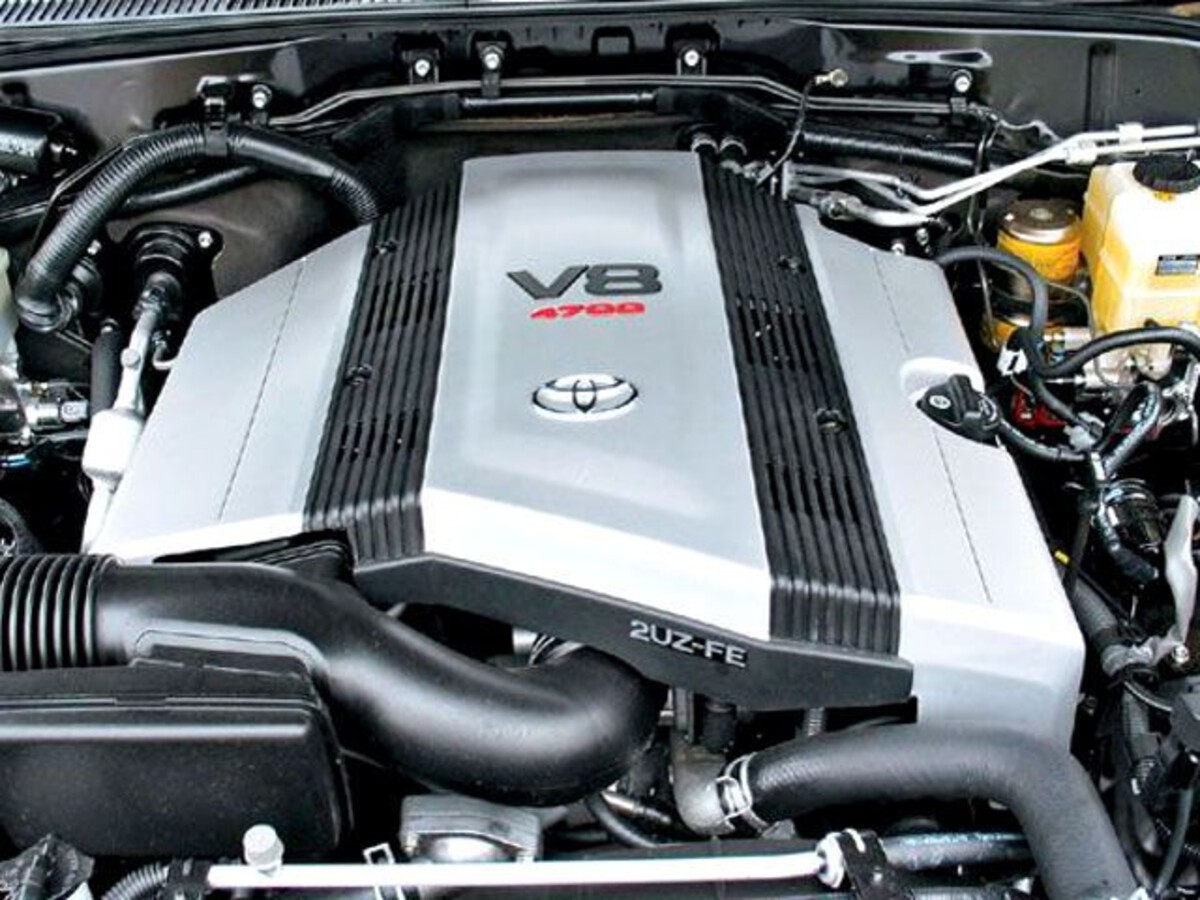
The Toyota 2UZ-FE is a 4.7-liter V8 engine that has become legendary for its durability. Introduced in the late 1990s, it powered several Toyota’s large SUVs and trucks, including the Land Cruiser, Sequoia, Tundra, and Lexus LX470. This engine was built with longevity in mind.
It features a cast iron block, which adds weight but significantly increases the engine’s ability to handle high-stress conditions over many years. It was also designed with a timing belt rather than a chain, which requires periodic replacement but helps avoid the stretch and rattle issues that timing chains can develop over time.
Another key to the 2UZ-FE’s lasting reputation is its low-stress design. It’s not a high-revving engine, and it doesn’t push for extreme horsepower. Instead, it offers strong torque and steady performance.
This makes it especially suitable for heavy vehicles and towing, where consistent power is more valuable than peak numbers. The relatively modest power output means the internal components aren’t being constantly pushed to their limits, which reduces wear and extends lifespan. It’s a practical design that favors strength over flash.
Owners and mechanics often point out how this engine just keeps going with routine maintenance. Oil changes, timing belt replacements, and cooling system attention are usually all it takes to keep a 2UZ-FE running well into the hundreds of thousands of miles. There are many documented cases of this engine surpassing 500,000 miles with no major rebuilds. Some even hit the million-mile mark in fleet or personal use, especially in Toyota Land Cruisers used in rugged environments.
Reliability like this doesn’t just happen. Toyota put a lot of thought into the 2UZ-FE’s construction. It was meant to last through years of rough use, whether off-road or on the highway. While it might not be the most fuel-efficient or powerful V8 ever made, it is one of the most trusted. And when long-term ownership and peace of mind are priorities, few engines come close to matching what the 2UZ-FE offers.
2. Honda J35 3.5L V6
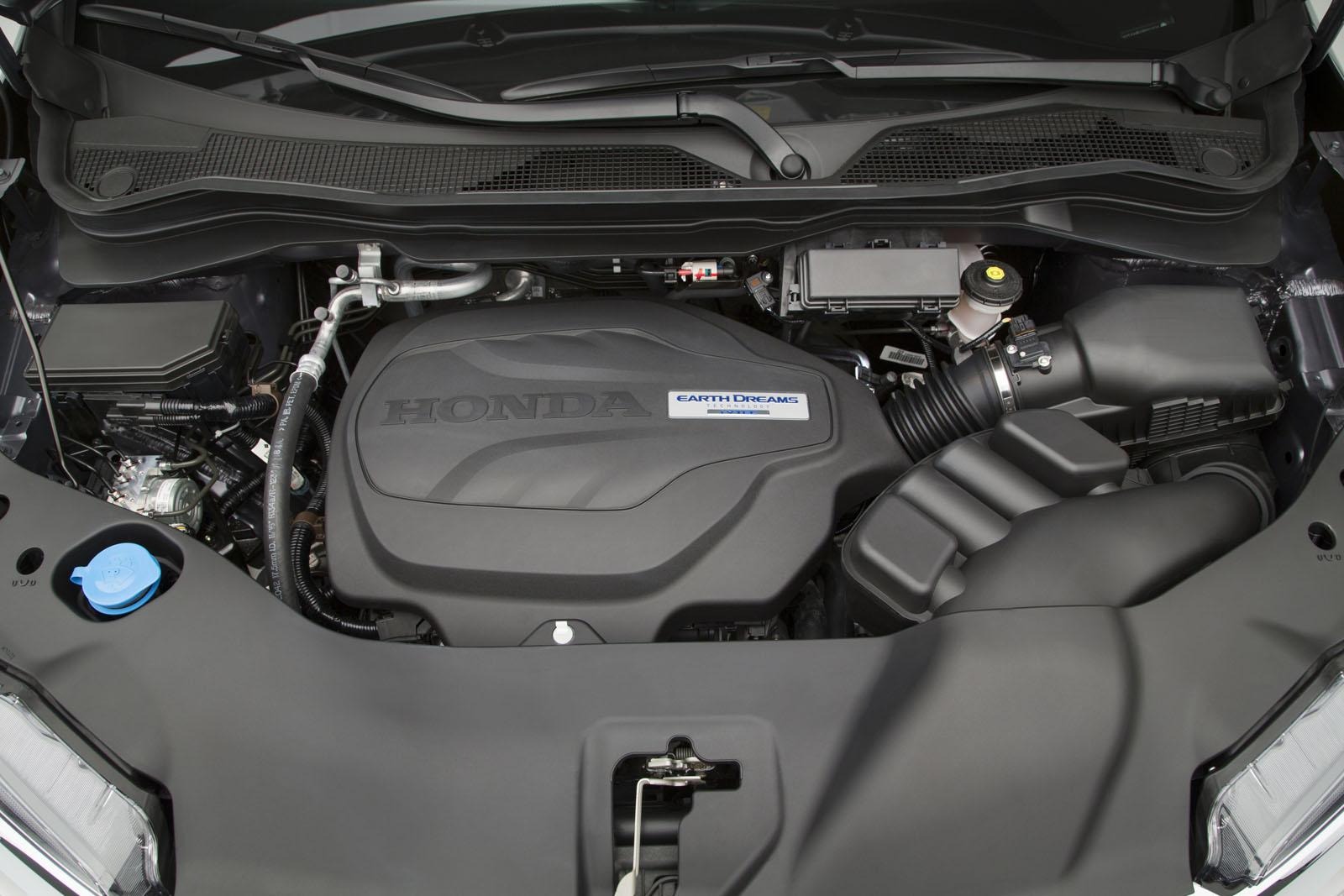
The Honda J35 engine is part of Honda’s J-series V6 family and is known for its balance of performance, fuel efficiency, and long-term reliability. This engine has been widely used in vehicles like the Honda Accord V6, Odyssey, Ridgeline, and Pilot.
It was built with aluminum construction for both the block and the heads, which keeps weight down without sacrificing strength. Despite being a modern engine with variable valve timing and other advanced features, it has proven to be incredibly durable when properly maintained.
One reason the J35 lasts so long is Honda’s consistent manufacturing quality and engineering discipline. The components are precisely machined, and the internal balance of the engine helps reduce vibration and stress.
While some versions of the J35 used Variable Cylinder Management (VCM), which has been criticized for causing oil consumption in some cases, the engine as a whole still has a solid reputation for running well past 300,000 mile, and with attentive care, even more. Non-VCM versions tend to last even longer.
What makes the J35 isn’t just its ability to run for a long time, but also how smoothly it performs over that life span. These engines don’t get rough or loud as the miles go up, and that refined character is part of why they’re trusted. Many minivan and crossover owners report passing 400,000 miles with original engines, with only routine maintenance like water pumps, timing belts, and spark plugs being replaced along the way.
Whether hauling kids to school or pulling a small trailer on weekends, the J35 just keeps performing. It’s not the kind of engine that draws attention at a car show, but it consistently proves itself in daily use. Owners who perform regular oil changes and address small issues before they become big ones often find themselves with a vehicle that just doesn’t want to quit, year after year.

3. Cummins 5.9L 12-Valve Diesel
The Cummins 5.9L 12-valve diesel engine is a favorite among truck owners and diesel enthusiasts for good reason. Found in Dodge Ram trucks from 1989 to 1998, this engine became a benchmark for what a reliable diesel should be.
It has a simple design with mechanical fuel injection, no electronic controls, and very few failure-prone components. This simplicity contributes directly to its longevity. Mechanics often describe it as a “million-mile motor,” and many trucks with this engine have documented over 500,000 miles without needing major internal repairs.
The 5.9L 12-valve uses a cast iron block and head, forged steel internals, and a gear-driven camshaft. These components are incredibly tough and can take abuse that would quickly wear down lesser engines. The lack of complex electronics also means fewer failure points. It’s not unusual to find these engines in trucks used for heavy hauling, towing, or even farming, where reliability is absolutely critical. And even with constant use under load, the engine maintains its performance.
Another strength of the 12-valve Cummins is how easy it is to service and modify. Owners often do their own maintenance, and aftermarket support is extensive. Whether you’re replacing injectors or adding a new turbo, the platform supports a lot of mechanical work without requiring a computer or specialized equipment. This makes it especially appealing to those who want to keep a truck running for decades, not just years.
While emissions regulations eventually forced manufacturers to move to more complex diesel systems, many enthusiasts still seek out trucks with the 5.9L 12-valve Cummins because of its unmatched reliability. It represents a kind of rugged simplicity that’s becoming harder to find.
Whether it’s in original condition or tuned for more power, this engine continues to prove that it was built to last through hundreds of thousands of miles, and then some.
4. Mercedes-Benz OM617 Diesel
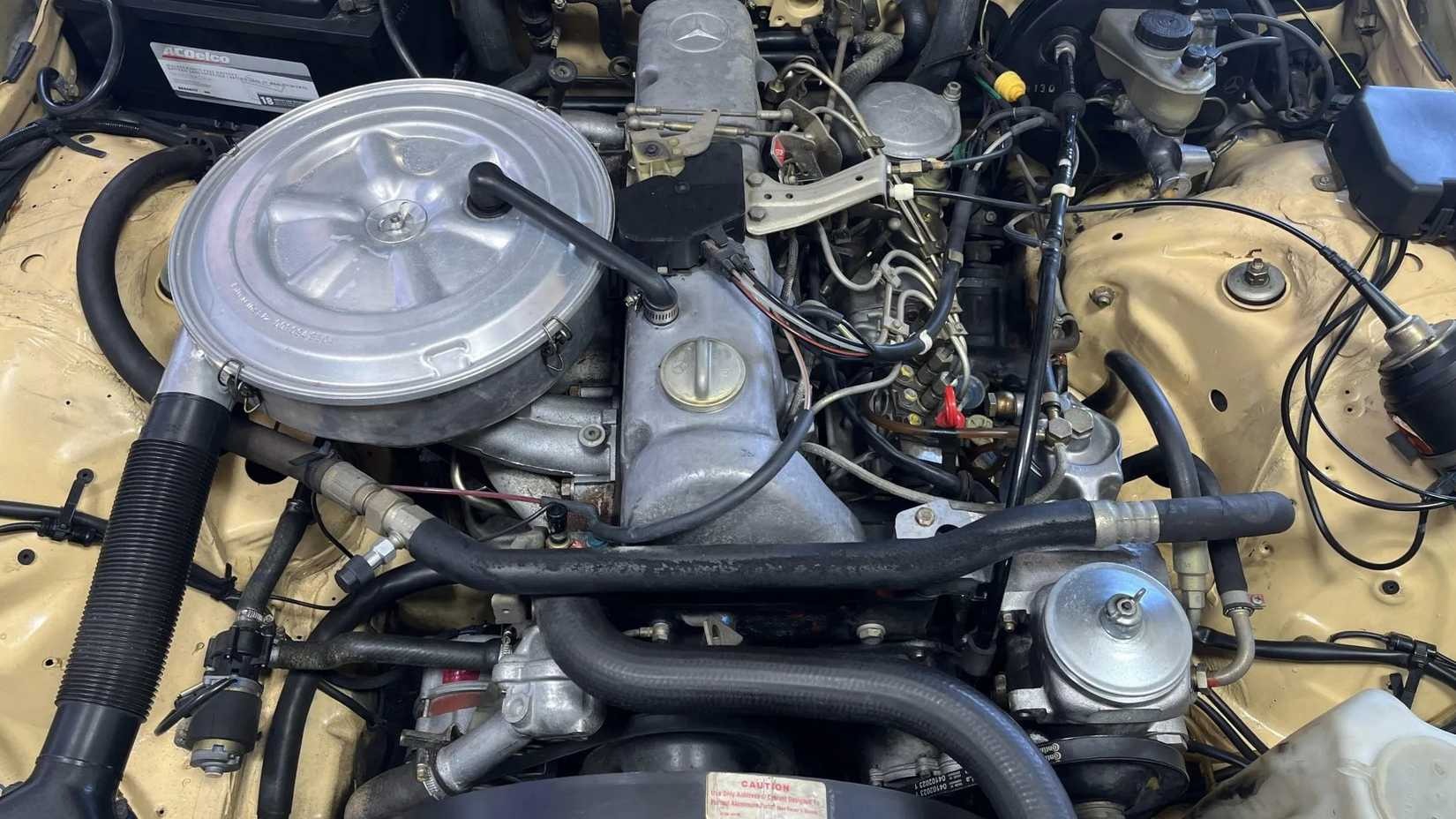
The Mercedes-Benz OM617 is a 3.0L inline-five diesel engine that earned its reputation through decades of global use. Found primarily in the 1970s and 1980s Mercedes-Benz models like the 300D and 300SD, this engine is considered nearly indestructible by those who have owned or worked on them.
It features a cast iron block and head, indirect fuel injection, and a straightforward overhead cam design. While not fast by any means, it’s an engine built with the kind of precision that defines German engineering.
Many owners of OM617-powered vehicles report engine mileages exceeding 500,000, 600,000, or even 1,000,000 miles with nothing more than regular maintenance.
These engines were built in an era when Mercedes was designing cars to last a lifetime. Their use in taxis, military vehicles, and developing countries further proves their dependability under tough conditions. The engine’s ability to start and run even when neglected or exposed to poor fuel quality sets it apart.
Routine maintenance like valve adjustments, fuel filter changes, and regular oil changes are enough to keep the OM617 running smoothly. Unlike many modern engines, it was designed to be user-serviceable, with minimal electronics and a logical layout.
Parts are often easy to find, and the engine tolerates a fair amount of abuse without permanent damage. This makes it ideal for DIY mechanics or anyone looking for a long-term automotive investment.
This has made them especially popular among off-grid travelers, preppers, and those in remote regions where modern fuel systems might not be practical. Their continued use decades after their initial release is a testament to how well they were engineered and how durable the design remains today.
One reason the OM617 achieves such high mileage is its incredibly low-stress operation. It wasn’t built for speed or high power output, but rather to run consistently for hours, days, and years without faltering. With horsepower figures in the range of 80 to 125, depending on the turbo or non-turbo variant, it might seem underwhelming on paper.
However, that mild output means less stress on internals like pistons, rods, and bearings. The engine operates within very conservative RPM ranges, often cruising below 3000 RPMs, which significantly reduces wear and heat over time.
It’s this conservative, slow-and-steady approach that makes the OM617 virtually immune to the kind of fatigue that ends the lives of more aggressive modern engines.
Fuel system design also contributes to the OM617’s reputation for longevity. Indirect fuel injection allows for smoother combustion and less noise, and the Bosch mechanical injection pump is famous for its bulletproof design and ability to operate reliably under rough conditions.
Unlike electronic systems, it doesn’t rely on sensors or wiring that can corrode, fail, or short out over time. The pump is driven mechanically, and while tuning or servicing it may require skill, it rarely needs replacement.
When paired with simple glow plug systems and durable pistons, the result is a nearly maintenance-free diesel experience compared to many modern engines with complex emissions equipment and delicate components.
There’s a reason that Mercedes-Benz diesels from the 1970s and 1980s are still frequently spotted on the road, especially in Europe, Africa, and the Middle East. The OM617 engine has powered taxis, ambulances, and commercial vehicles across continents, and it continues to be revered for its unmatched lifespan.
Drivers looking for a dependable and time-tested powerplant still seek out these engines, knowing that, with basic upkeep, they’ll continue working long after many newer engines have been retired. The OM617 is not just a piece of automotive history, it’s a benchmark of mechanical durability.
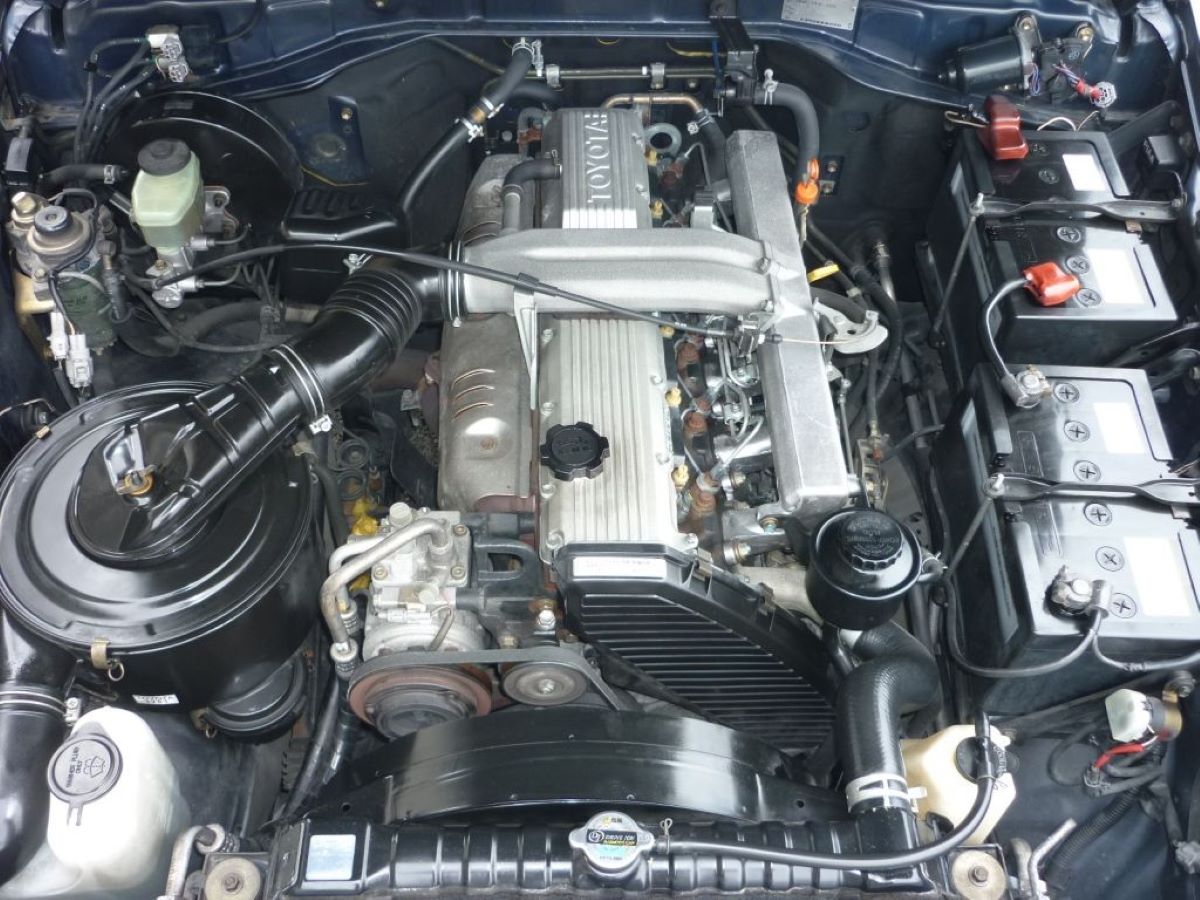
5. Toyota 1HZ 4.2L Inline-6 Diesel
The Toyota 1HZ engine is another icon in the world of long-lasting powerplants. It’s a 4.2-liter naturally aspirated inline-six diesel engine used primarily in Land Cruisers, particularly in regions where reliability and simplicity are non-negotiable.
First introduced in the 1990s, the 1HZ has been praised by mechanics across the globe for being one of the most rugged and dependable engines Toyota has ever built.
It features a cast iron block and head, and its mechanical fuel injection system avoids the pitfalls of modern high-pressure common rail systems. The engine was designed for severe duty, including extended use in high-temperature and dusty environments, which makes it an ideal choice for remote travel and commercial use.
The power output is modest, typically around 130 horsepower and just under 300 Nm of torque, but what it lacks in speed, it makes up for in pure endurance. This engine is used in many African and Australian outback fleets where failure is simply not an option.
The 1HZ doesn’t need high-quality fuel or advanced electronics to run smoothly. It starts up even in extreme conditions, tolerates long idle times, and continues to function reliably even when poorly maintained. Many 1HZ engines exceed 500,000 miles with nothing more than routine oil and filter changes, valve lash adjustments, and fuel filter replacements.
A major reason for the 1HZ’s success is its extremely low compression wear and heat generation. The engine’s internals were designed to be slightly overbuilt compared to what the vehicle demands. Forged components, conservative piston speeds, and a very relaxed operating cycle all contribute to minimal long-term stress.
The engine cooling system is also large and robust, reducing the chances of overheating, a major cause of failure in other engines. These features make it common to find 1HZ-powered Land Cruisers with odometers reading well over half a million miles, especially in fleet vehicles used for remote mining or humanitarian work.
For those who need an engine that can be trusted without question in the most unforgiving conditions, the 1HZ stands out. Its global reputation is not based on marketing or paper specifications, but on decades of successful operation across some of the harshest environments on the planet.
Whether crossing deserts or hauling supplies through mountainous regions, the 1HZ has built a following not through speed or technology, but through rugged, consistent performance that never lets its driver down.
Also Read: 12 EVs That Keep Their Range Surprisingly Well
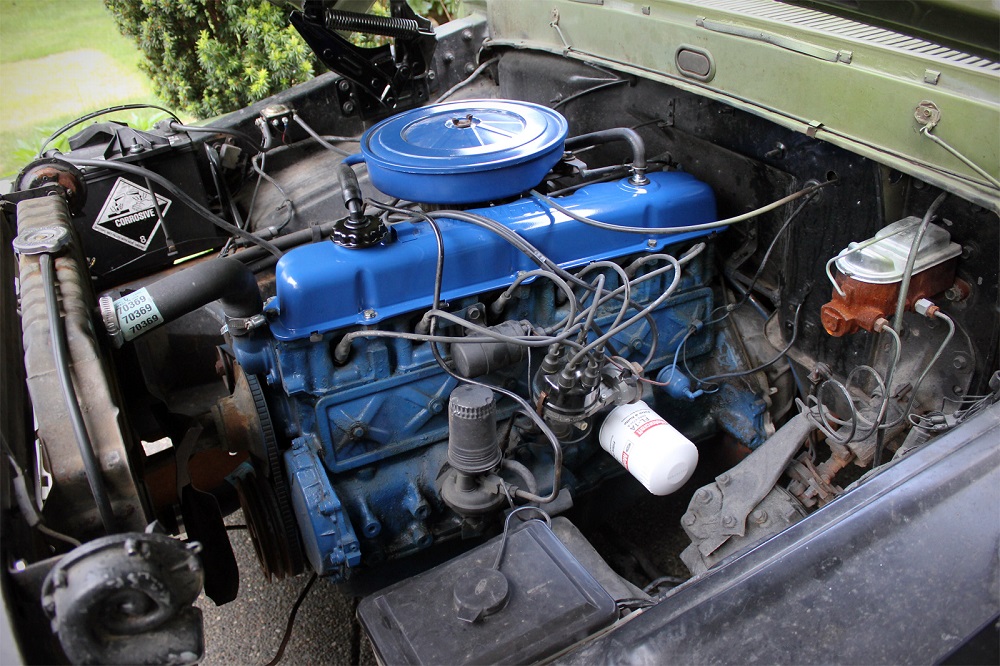
6. Ford 300 Inline-6 (4.9L)
The Ford 300 cubic inch inline-six engine, also known as the 4.9L I6, is one of the most respected gas engines ever produced by an American manufacturer. Built from the 1960s through the mid-1990s, it was used in everything from F-Series pickups to vans, box trucks, and even industrial equipment.
What made this engine stand out was its simplicity and overbuilt design. With a cast iron block and head, long-stroke configuration, and low compression, the 300 was never about power, it was about reliability and torque at low RPMs. And it achieved both, with a reputation for hitting 500,000 miles without ever needing to be opened up.
One of the hallmarks of the 300 I6 was its ability to run even when neglected. These engines were known to survive with minimal maintenance, and many owners joked that they “ran better dirty than clean.” While that’s obviously not ideal, it shows how forgiving the engine was.
Regular oil changes and tune-ups extended the lifespan even more, but even engines that were beaten, run hot, or ignored still often came back for more. The timing gears (not a chain or belt) added another layer of reliability by eliminating the most common failure point in many engines.
Torque delivery was another strength. The 300 made its full torque at very low RPMs, which meant it didn’t have to work hard to move a heavy load. This made it the perfect engine for work trucks and utility vehicles. It didn’t need high RPMs to make power, and that meant less stress on internals and longer component life.
Its slow-revving nature made it feel lazy on the road, but that laziness is part of what kept it alive for so long. It was also easy to work on, with minimal electronics and excellent access to every major part under the hood.
Today, even though it’s been out of production for decades, the Ford 300 remains a favorite among restorers and farm truck owners. Junkyards still get requests for them, and many are pulled and rebuilt simply because people know how long they’ll last.
Whether powering a plow truck in the winter or hauling wood in the summer, the 300 I6 is one of those engines that earns loyalty through consistency, strength, and a reputation built not in labs, but in garages, barns, and worksites across America.
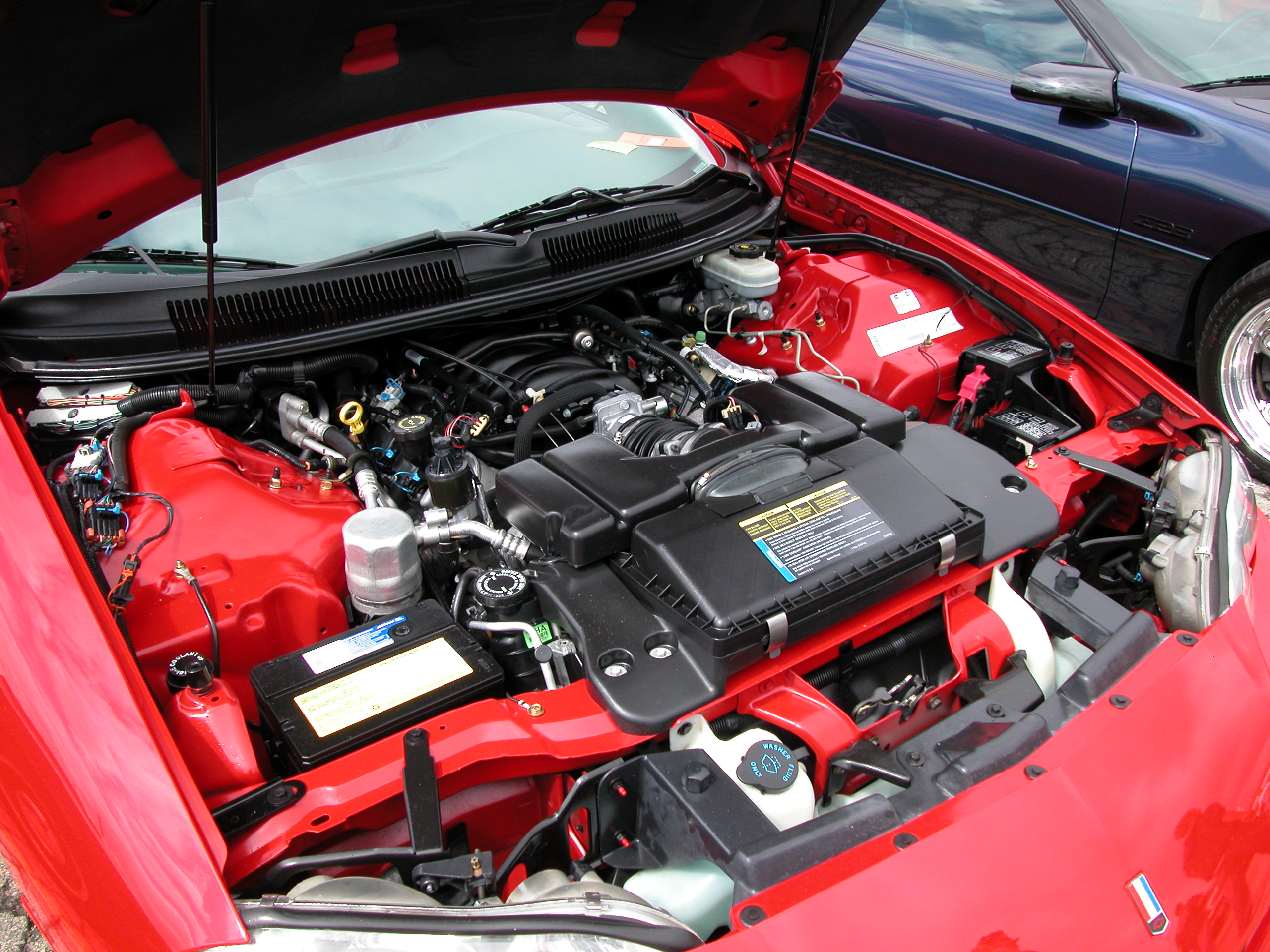
7. GM LS V8 Series (Especially the 5.3L Vortec)
The GM LS series of engines, particularly the 5.3L Vortec V8, is one of the most widely used and respected engine platforms of the last 25 years. Found in countless GM trucks and SUVs like the Silverado, Suburban, Tahoe, and Sierra, the 5.3L LS-based engine is known not just for its performance, but for its exceptional longevity.
While the LS engine family includes many different sizes and configurations, the 5.3L stands out for its reliability in high-mileage applications. It’s common to see original 5.3L engines running strong past 300,000 miles, and there are plenty of examples pushing 500,000 or more with good maintenance.
The durability of the 5.3L Vortec comes from several smart design choices. It uses a cast aluminum or iron block depending on the application, and features a deep skirt block design for added strength. The cam-in-block design with pushrods may seem old-fashioned, but it reduces complexity and cost while still providing reliable performance.
Roller lifters and coil-on-plug ignition improve efficiency and longevity. The engines are also designed to run at relatively low RPMs for most driving scenarios, which helps minimize long-term wear.
One of the biggest reasons for the LS engine’s success is how forgiving it is. Even when oil changes are skipped or owners abuse them with hard towing or heavy loads, these engines rarely give up early. If the oil pressure stays consistent and the cooling system is intact, most 5.3Ls will keep running almost indefinitely.
Cylinder deactivation (AFM) caused issues in some early models, but many owners delete this system to prevent lifter failure. Once addressed, the engine becomes even more bulletproof. And because these engines are so widespread, parts are cheap, and mechanics are familiar with every common failure point.
The 5.3L LS isn’t exotic, but it’s one of the most dependable engines GM has ever produced. Whether it’s used in a daily driver, a work truck, or a swapped hot rod, it continues to earn praise for running strong far past the mileage most people expect.
With basic maintenance and a little care, this engine has proven time and again that it’s capable of delivering more than half a million miles of dependable service.
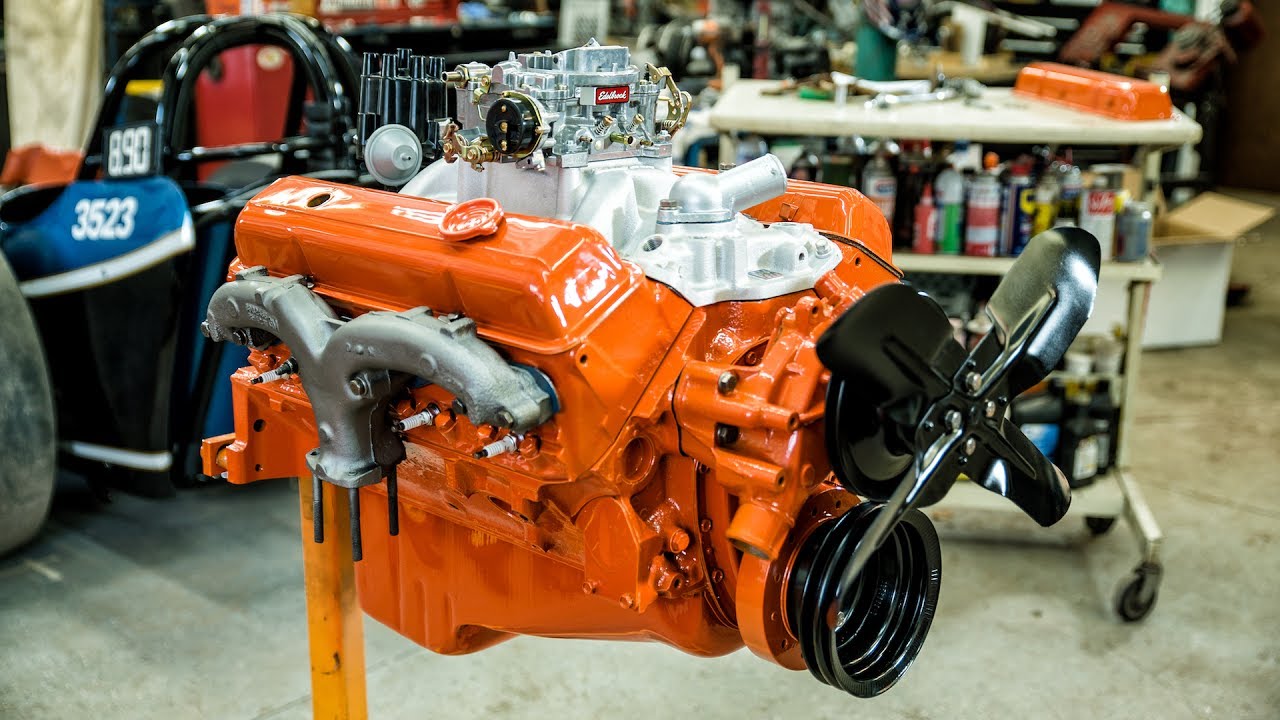
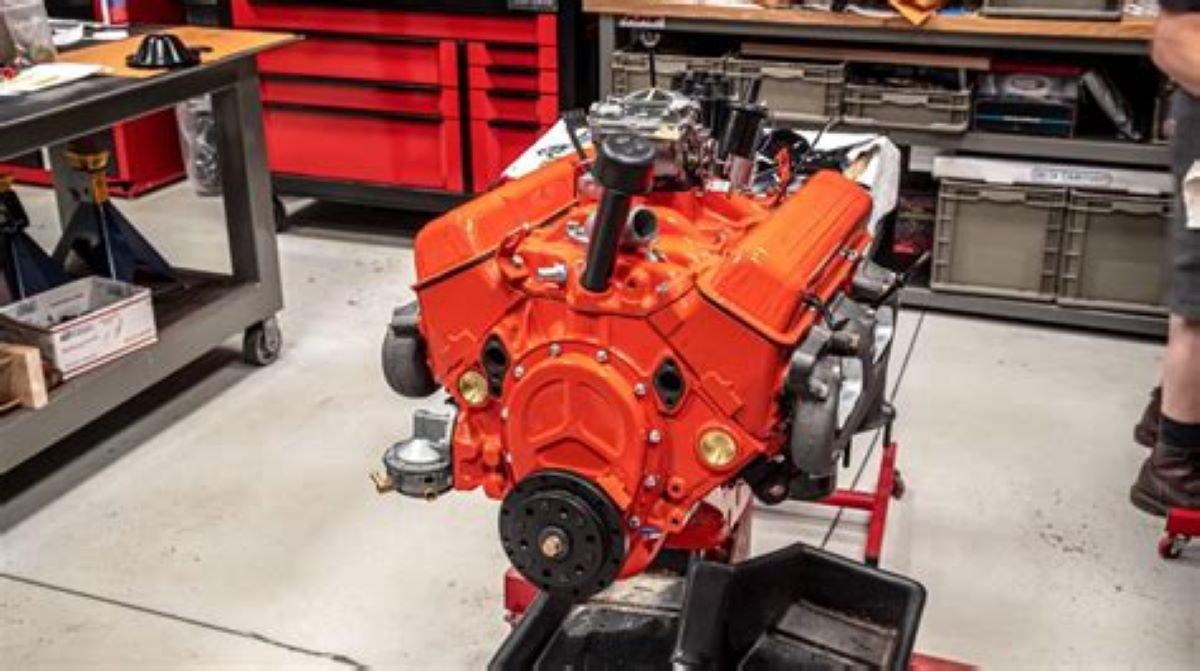
8. Chevrolet Small Block 350 (5.7L V8)
The Chevrolet 350 small-block V8 is one of the most iconic and enduring engines ever made. Introduced in the late 1960s, it quickly became a mainstay in Chevrolet’s lineup for decades, powering everything from full-size trucks and muscle cars to station wagons and boats.
Its simplicity, reliability, and massive aftermarket support have earned it a reputation for being nearly unkillable. Though it has evolved, the core design philosophy behind the 350 has always been centered around dependability and ease of use.
Many of these engines are still running strong after 500,000 miles, especially in older trucks and fleet vehicles that saw regular maintenance.
One of the most traits of the 350 is how overbuilt and understressed it is. It was designed during a time when American manufacturers prioritized durability over efficiency, and that philosophy is clearly evident in its construction. The block and heads are cast iron, making the engine heavy but exceptionally strong.
Internally, the components are robust, with thick connecting rods, generous main bearing support, and a simple pushrod valvetrain that doesn’t suffer from many of the timing issues found in modern overhead cam designs. The relatively low compression ratio and wide tolerances also mean it can run on poor fuel, with some wear, and still function reliably.
Maintenance is straightforward and inexpensive. The 350’s ubiquity means that nearly every mechanic has worked on one, and parts are available in every corner of the country. Replacing gaskets, seals, or even entire components is easy because of the engine’s open layout and logical design.
You don’t need to remove the entire engine to perform basic repairs. With proper oil changes, coolant flushes, and the occasional tune-up, a 350 can last decades. Its simplicity is its greatest strength. It doesn’t rely on sensors or electronics to operate smoothly, and many models run with nothing more than a carburetor and a mechanical ignition system.
What really sets the 350 apart is its cultural significance and flexibility. It’s one of the most swapped engines in the world, found in classic cars, hot rods, daily drivers, and off-road rigs. This engine’s reputation for surviving extreme mileage isn’t just based on nostalgia; it’s based on millions of real-world examples.
Whether used for hard labor or weekend cruising, the Chevrolet 350 small block has earned its place among the most reliable engines ever built. Drivers continue to trust it not because of modern engineering tricks, but because of proven, time-tested reliability that rarely lets them down.
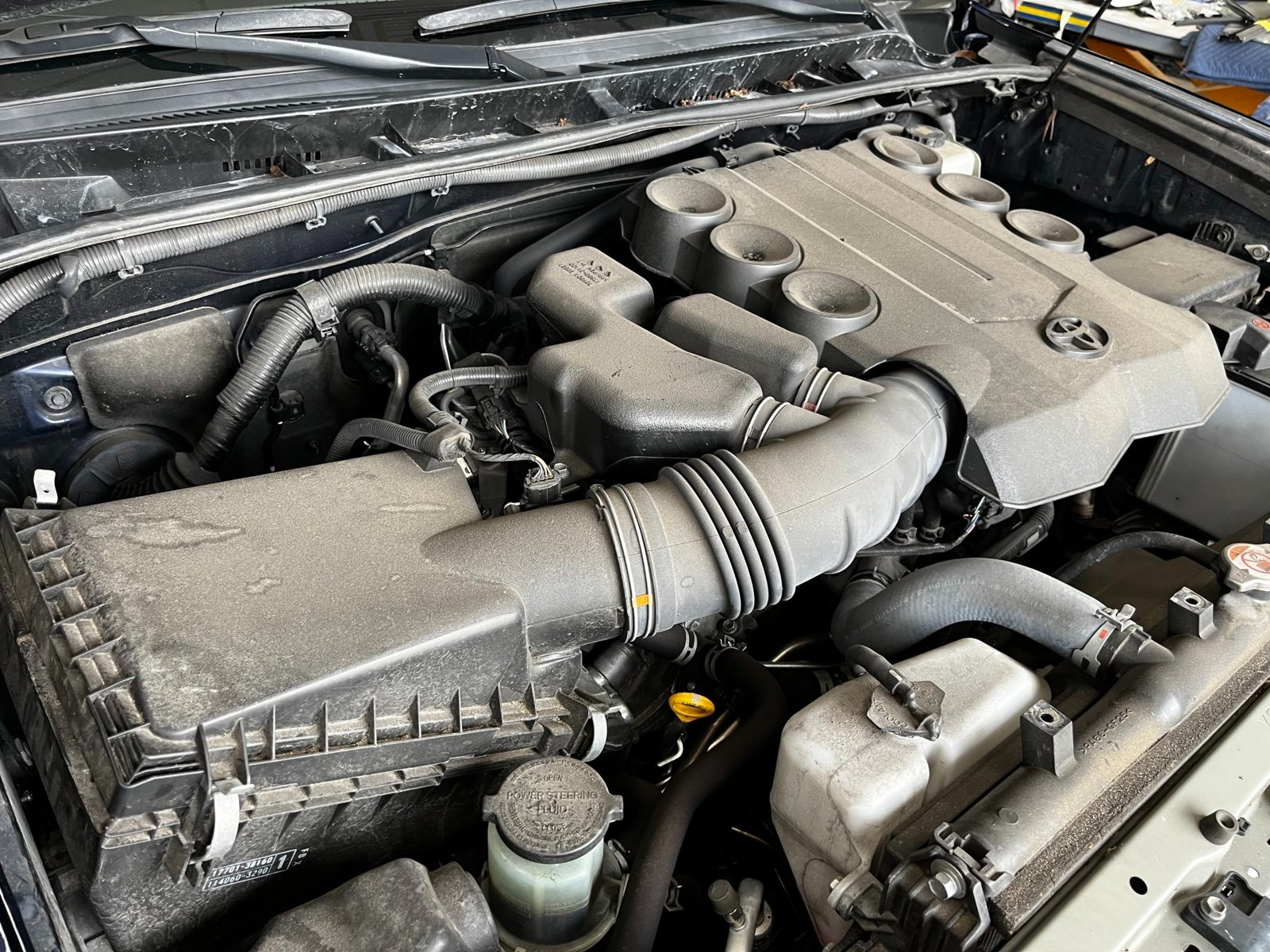
9. Toyota 1GR-FE 4.0L V6
The Toyota 1GR-FE is a 4.0-liter V6 engine introduced in the early 2000s and has been a cornerstone of Toyota’s truck and SUV lineup for years. It’s found in vehicles like the Toyota Tacoma, 4Runner, FJ Cruiser, and even the Land Cruiser Prado in some markets.
Known for its smooth operation and ability to take abuse, the 1GR-FE has become a favorite among off-roaders, overlanders, and fleet operators.
It’s built with a solid foundation: an aluminum block with cast iron cylinder liners, robust connecting rods, and a timing chain setup that doesn’t require regular replacement. All these design choices contribute to the engine’s ability to run well beyond 500,000 miles with only standard upkeep.
One of the most appreciated characteristics of the 1GR-FE is its ability to operate efficiently in a wide range of environments. Whether it’s climbing steep mountain trails or cruising on the highway, the engine delivers consistent power and reliability.
It produces around 236 to 270 horsepower, depending on the generation and application, offering enough performance to handle towing and off-road duties without being overly stressed.
The engine’s Variable Valve Timing with intelligence (VVT-i) improves efficiency and performance while remaining relatively reliable. Even though it includes modern technology, it has avoided many of the problems that plague other newer engines with direct injection and complex emissions systems.
Real-world stories of the 1GR-FE going well beyond 400,000 miles are easy to find, especially among commercial users who log extensive mileage year after year. Fleet-owned Tacomas and 4Runners used by utility companies, national parks, and construction crews often run these engines for decades with only routine oil changes and the occasional accessory replacement.
The cooling system, ignition coils, and sensors may need attention over time, but the engine core itself, pistons, bearings, and crank often remain untouched. Toyota’s conservative design approach and use of proven materials make the 1GR-FE a model of long-term reliability.
What cements the 1GR-FE’s place in this list is its combination of modern performance with traditional durability. It provides the benefits of newer engine designs without the fragility or frequent issues. Owners who stick to regular maintenance intervals and avoid overheating can expect years of dependable service.
Whether it’s racking up miles on a cross-country delivery route or exploring remote wilderness trails, the 1GR-FE continues to prove that it can go the distance, and then some. It’s a modern engine that carries on Toyota’s legacy of producing machines built to last.
