
The car world has always had its icons. From classic American muscle to sleek European sports cars, certain vehicles transcend their original purpose and evolve into cultural artifacts. But collectible status doesn’t just happen overnight; it’s the result of uniqueness, engineering significance, design, limited production numbers, or sometimes just the emotional connection they spark.
Today, enthusiasts and investors alike are constantly trying to predict the next big thing. What might look like a common street machine today could be tomorrow’s prized garage centerpiece. It isn’t always about having the fastest lap time or the highest horsepower figure. Sometimes it’s about character, timing, rarity, or simply the way a car made people feel in its era.
Looking at current trends, some cars are already quietly rising in value. These aren’t necessarily hypercars with astronomical price tags. Many are cars that were either underappreciated when new or were produced in limited numbers.
In some cases, they represent the last of a dying breed, manual transmissions, naturally aspirated engines, or designs untouched by modern regulation.
Car collectors often look for originality, low mileage, and unique configurations, but what makes a car collectible goes deeper than specs. It’s about what it represents in automotive history or how it defined an era.
While some of the more obvious future classics are already making their way into curated collections, there’s still a window of opportunity to get your hands on one before prices soar.
This list includes nine models that are expected to age gracefully, not just in value, but in the eyes of those who truly appreciate cars for what they are. Each one brings something special to the table, whether it’s heritage, mechanical innovation, or just a character you don’t see anymore.
Let’s look at nine cars that show strong signs of becoming future collectibles, not because they’re flawless, but because they’re unforgettable.
Also Read: 9 Cars That Stay Worth Owning Even After 20 Years
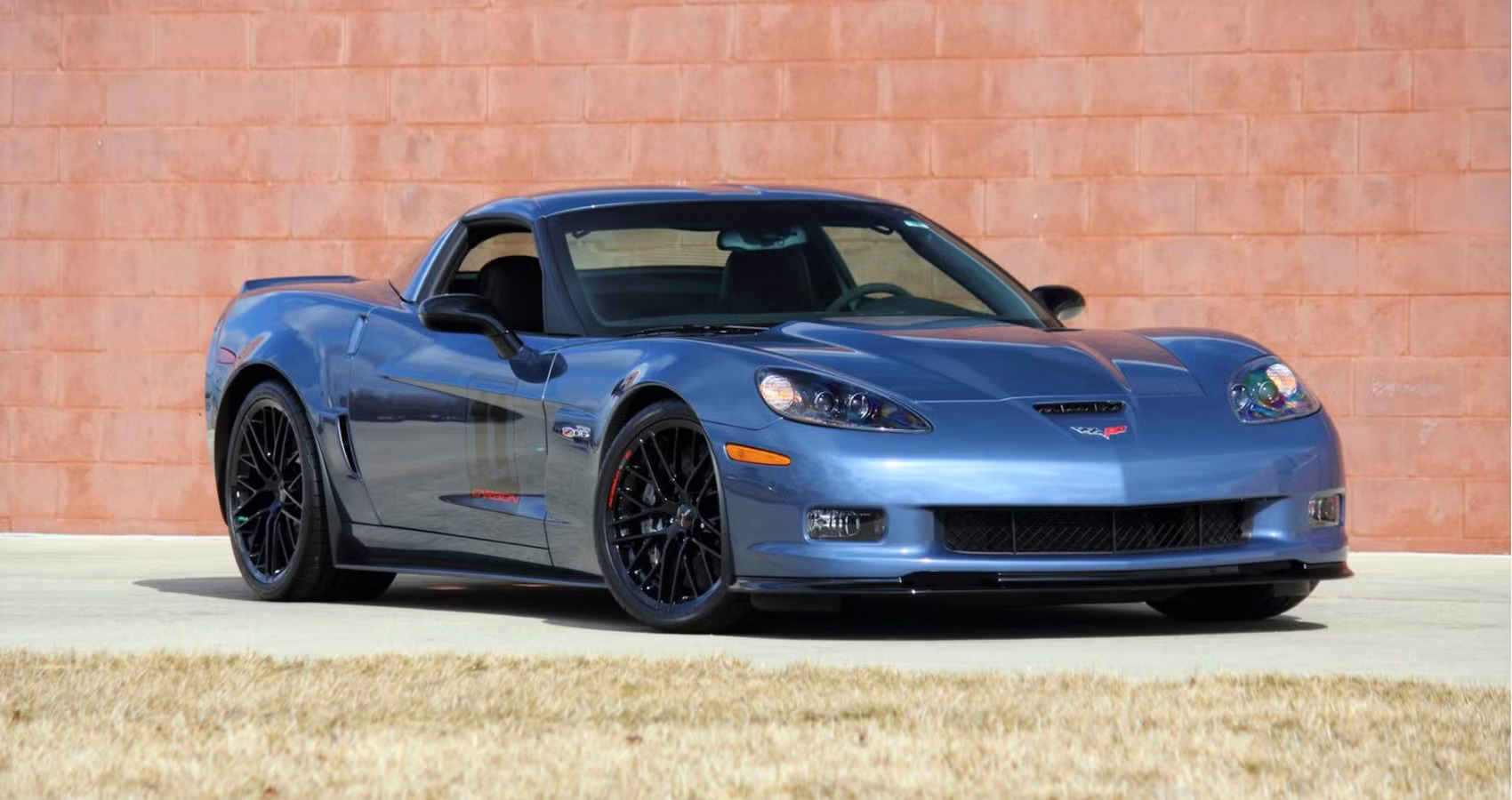
1. Chevrolet Corvette C6 Z06
The C6 Z06 was a game-changer for American performance. Introduced in 2006, it packed a 7.0-liter naturally aspirated V8 engine known as the LS7. This engine became famous not just for its power, but for its character. Producing over 500 horsepower, the Z06 could run with some of the best cars from Europe at a fraction of the price.
At the time, it was praised for its track-focused nature, its lightweight construction, and its raw mechanical feel. It stood out in a time when cars were becoming heavier and more digital. The Z06 was unapologetically analog, and that’s part of why it’s remembered so fondly.
What also helped the C6 Z06 stand apart was its use of exotic materials for the price. It featured an aluminum frame, magnesium engine cradle, and carbon fiber panels, all rare in cars that cost under $100,000 at the time. This made it not only lighter than the base Corvette but also more rigid and better suited for hard driving.
It was a car that gave you supercar-like performance without the high-maintenance stigma often associated with exotics. As time passes, fewer clean examples remain unmodified, especially with rising interest from amateur racers and track day enthusiasts.
Visually, the C6 Z06 remains timeless. It wasn’t overdesigned or cluttered with vents and wings. Its proportions were clean, muscular, and understated compared to later iterations. The wider rear fenders and subtle Z06 badging helped it stand out without shouting.
Now, as newer Corvettes shift to mid-engine layouts and move away from big-displacement naturally aspirated engines, the C6 Z06 is starting to represent a bygone era. That transition only boosts its appeal as a future collectible.
Values for well-kept Z06s have started to creep upward, especially for low-mileage examples or those with rare colors and factory options. The aftermarket scene is strong, but collectors will be looking for originality. As emissions and efficiency standards tighten, the idea of a 7.0L V8-powered car from the factory will only grow more distant, and more desirable.
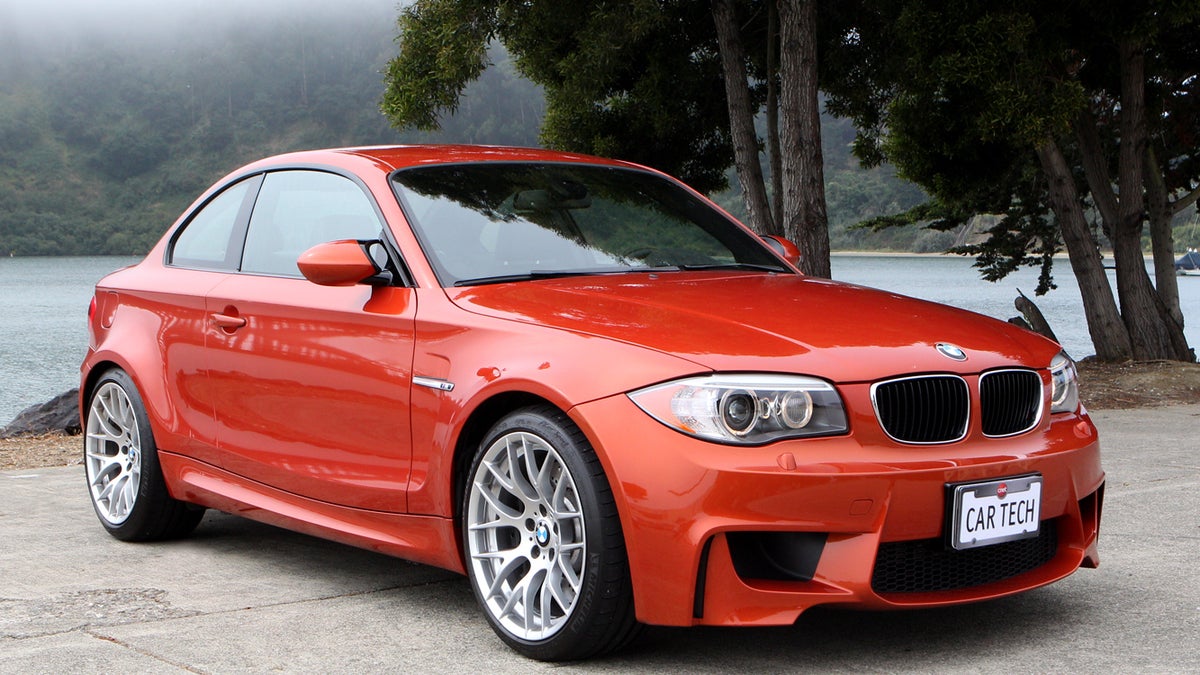
2. BMW 1 Series M Coupe (1M)
BMW only built the 1M Coupe for one model year, in 2011, and that short production run immediately set it apart. It was based on the relatively humble 1 Series coupe, but it borrowed major components from the M3 of its time, including the rear differential and suspension.
Its turbocharged inline-six engine made 335 horsepower, but what made it special wasn’t just output. It was the way the car felt to drive. With a six-speed manual and a compact, lightweight body, it became one of the most engaging modern BMWs right out of the gate.
Unlike many of its contemporaries, the 1M wasn’t about excessive luxury or technology. It was built with driver enjoyment as its top priority. The steering feel, the balance, the old-school turbocharged punch, it all added up to a car that enthusiasts couldn’t get enough of. The wide fenders gave it a tough stance, and its rarity made it an instant favorite.
With only about 6,300 units produced globally, scarcity alone would have made it interesting. But the driving experience elevated it even more.
In today’s car market, where many performance vehicles are filled with screens, digital gauges, and drive modes galore, the simplicity of the 1M stands out. It harks back to a time when BMW M cars were focused and raw.
It may not have the horsepower of modern M3s, but it offers something they often don’t, character and involvement. That’s why its value on the secondhand market has remained strong, with many examples appreciating rather than depreciating.
For collectors, the 1M has everything that matters. Limited production, a manual transmission, pure driving feel, and a design that has aged well. It’s not flashy, but it doesn’t need to be. It’s the kind of car that enthusiasts whisper about and point out when they see one on the road. And that’s usually the kind of car that becomes a sought-after collectible.
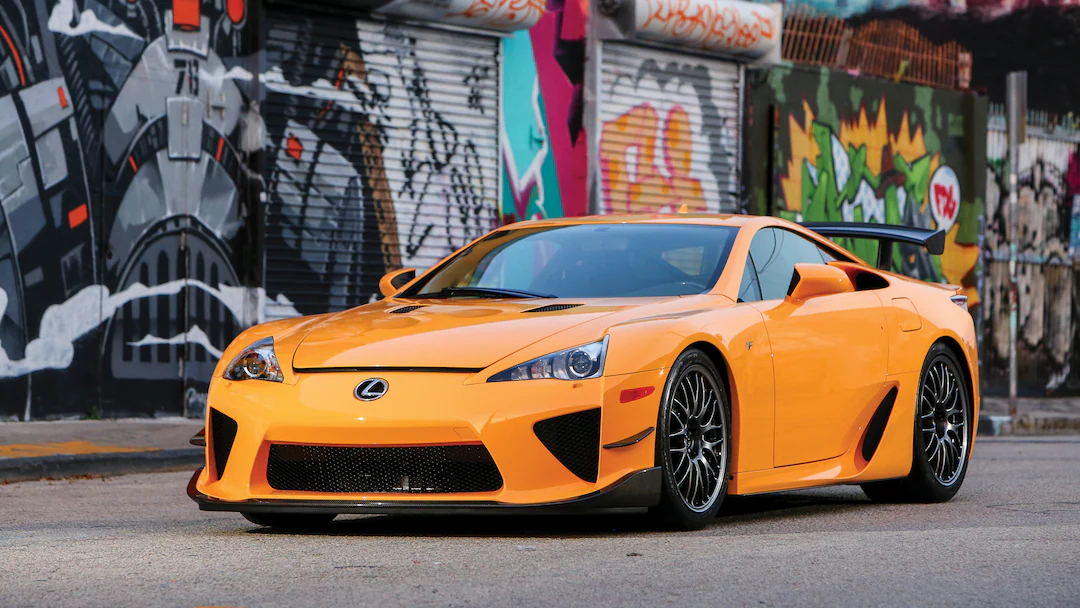
3. Lexus LFA
The Lexus LFA is one of those cars that didn’t make much sense when it launched but has become a legend in the years since. It was Toyota’s halo car, an engineering showcase that took more than a decade to develop.
With a screaming 4.8-liter V10 that revved to 9,000 RPM and a carbon-fiber body, it was unlike anything Lexus had made before. At a time when people didn’t associate the brand with high-performance exotics, the LFA arrived to prove that Lexus could go toe-to-toe with Ferrari and Lamborghini.
The engine alone is enough to make the LFA a future collectible. It was developed with Yamaha and produced a soundtrack that many consider to be one of the finest in automotive history.
It revved so quickly that Lexus had to use a digital tachometer because an analog one couldn’t keep up. But the LFA wasn’t just about noise. It was balanced, beautifully made, and packed with attention to detail. Every panel fit perfectly, every surface was finished with care. It was a car that valued craftsmanship as much as speed.
Only 500 LFAs were built, and production ended in 2012. Initially, they were hard to sell, and dealers often had to discount them. That changed dramatically over the next decade.
As the car world shifted toward turbocharging and hybridization, the LFA’s purity became more rare and more appreciated. Today, it’s one of the most desirable Japanese cars ever made, and auction prices have reflected that.
Collectors prize the LFA not just for its performance, but for what it represents. It’s a symbol of what can happen when a company ignores the business case and builds something purely for the sake of excellence.
The fact that it came from Lexus, of all brands, only adds to its mystique. Every aspect of the car, from the seat stitching to the carbon-fiber tub, feels special. That’s the kind of attention to detail that serious collectors look for.
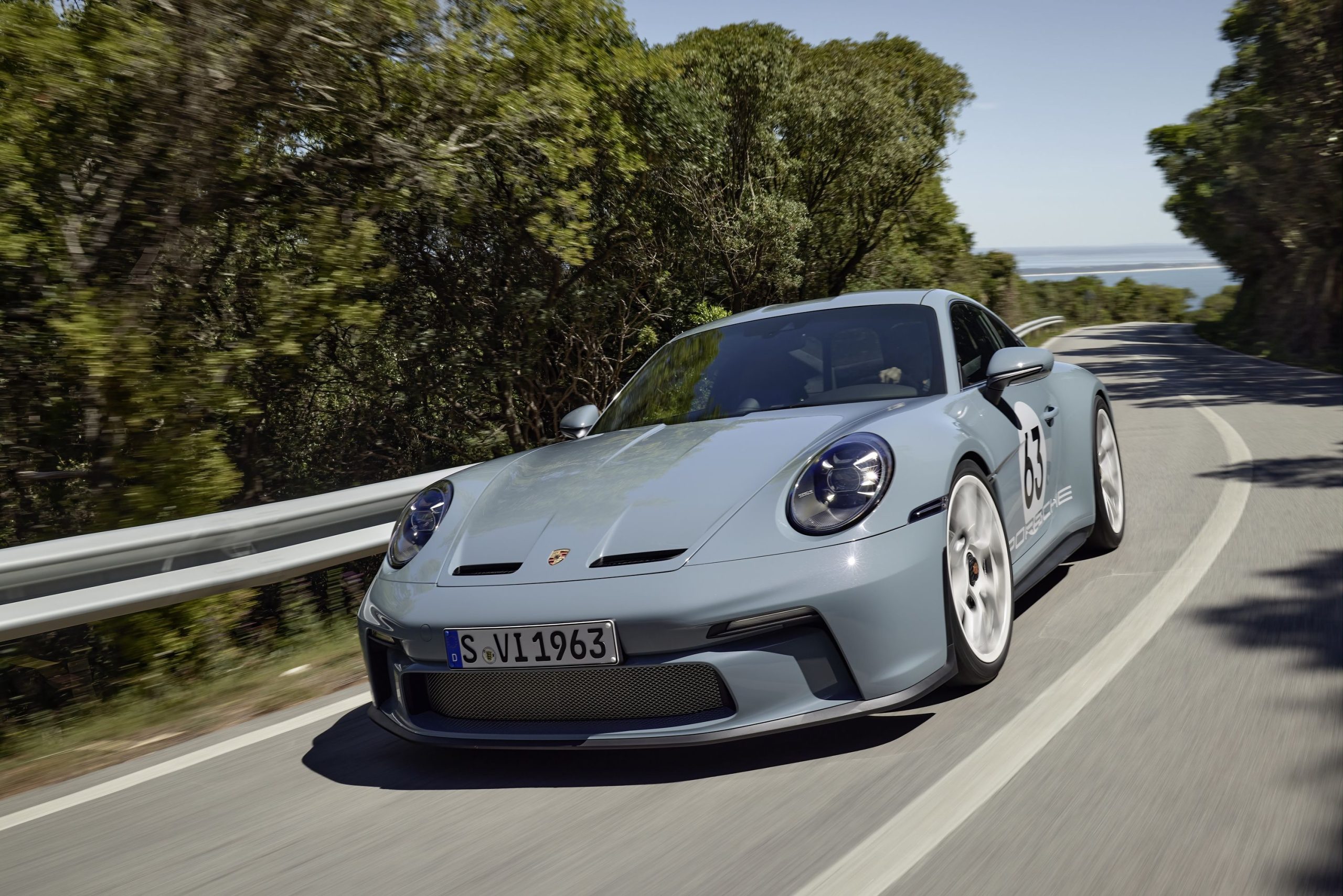
4. Porsche 911 R (991)
The Porsche 911 R from the 991 generation was one of those rare cars that instantly achieved cult status. Porsche built it in 2016 as a sort of purist’s dream: a lightweight, manual-transmission 911 with a naturally aspirated flat-six engine and none of the distractions.
It borrowed its 500-horsepower engine from the GT3 RS but came without the big wing and aggressive aero. It was subtle, understated, and designed for the kind of driving that enthusiasts live for: twisty roads, empty highways, and total immersion.
What made the 911 R special was its focus on balance. In a time when cars were getting faster but less engaging, this Porsche brought back the joy of being behind the wheel. It had a six-speed manual at a time when most high-performance 911s were PDK-only.
It was lighter than a GT3 and featured unique tuning for its suspension and chassis. Every input, steering, throttle, brakes felt alive. It was not about lap times or stats. It was about the feel of driving.
Only 991 units were produced, and that number alone put it on the radar for collectors. But it was the philosophy behind the car that sealed its legacy.
This wasn’t a stripped-down model to save money. It was a carefully thought-out tribute to what made the 911 iconic in the first place. That’s why it sold out almost immediately and why its value skyrocketed after launch. Even today, it remains one of the most talked-about modern 911
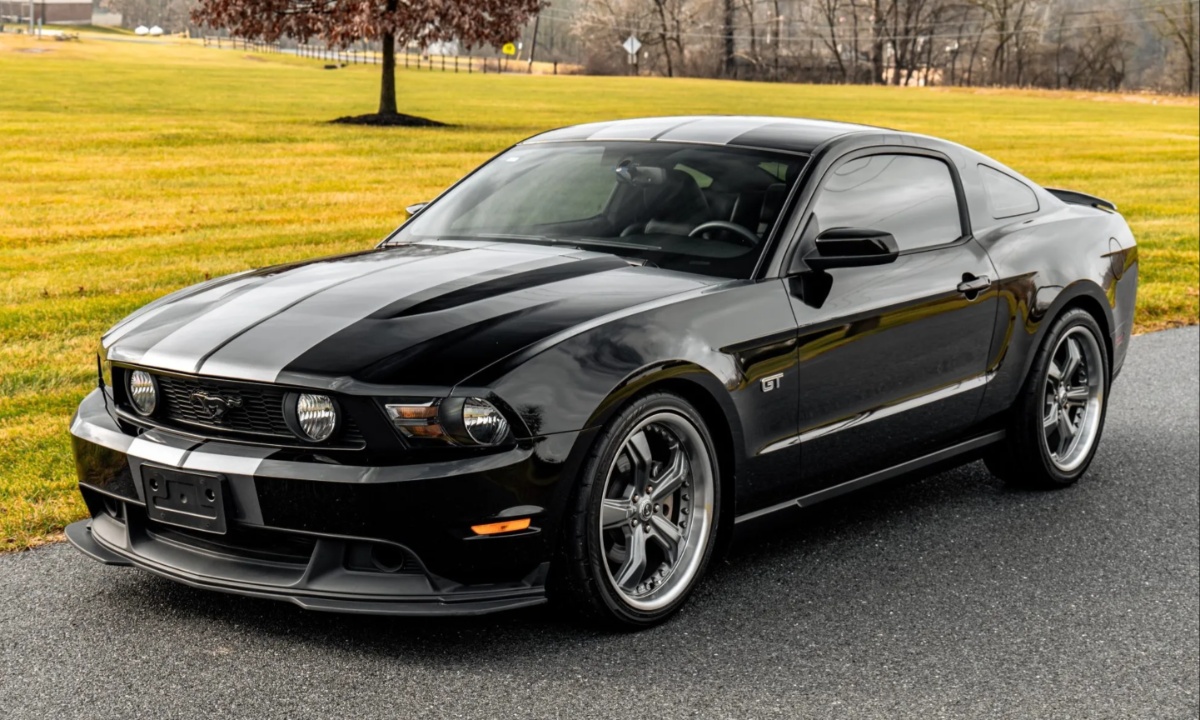
5. Ford GT (Second Generation, 2017–2022)
When Ford brought back the GT for a second time in 2017, it shocked the world by going far beyond a retro-styled tribute to its Le Mans-winning predecessor. This time, Ford went all-in on advanced engineering and race-inspired performance.
The new GT was built around a carbon fiber monocoque chassis and packed a 3.5-liter twin-turbocharged V6 engine, controversial at first, but proven on the track. With over 640 horsepower and technology trickled down from Ford’s racing program, it was more than just a road car.
It was a focused machine born from competition. Its return to Le Mans in 2016, fifty years after Ford’s original 1-2-3 finish, resulted in yet another class win, cementing its reputation as more than just a marketing exercise.
The design of the second-gen GT was a clear departure from anything else Ford had produced. Aerodynamics played a huge role in every curve and opening, and the flying buttresses at the rear weren’t just eye-catching; they were functional.
The car also featured an adjustable suspension system and active aerodynamics, giving it the ability to lower itself and change character depending on how it was being driven.
Unlike the first-gen GT from 2005, this was not a comfortable daily or a street-friendly homage. It was a car with a singular mission: to go fast and win. Ford was so serious about it that buyers had to apply for the privilege of purchasing one, and many were denied.
What makes this version of the GT a likely future collectible is a combination of exclusivity, performance pedigree, and legacy. Only 1,350 units were produced, and Ford spread them out over several years, limiting availability to maintain mystique.
Each one feels like a celebration of the original GT40’s racing spirit, translated into a modern-day hypercar with advanced materials and technology. While the move from V8 to V6 disappointed some purists, the GT proved that engine size wasn’t everything. It delivered its performance in a clinical, almost ruthless way that made it stand apart even from more expensive rivals.
As time moves on, this GT will likely be viewed as a turning point, the last analog gasp before electrification and autonomy start to shape the performance car industry in new ways. Its mechanical nature, coupled with the deep motorsport story behind it, makes it more than just a modern supercar.
It’s a collector’s item wrapped in carbon fiber, with Ford’s racing heritage stamped on every surface. The values are already strong, but long-term, this is a car that will stand shoulder to shoulder with icons.
Also Read: 12 EVs That Keep Their Range Surprisingly Well
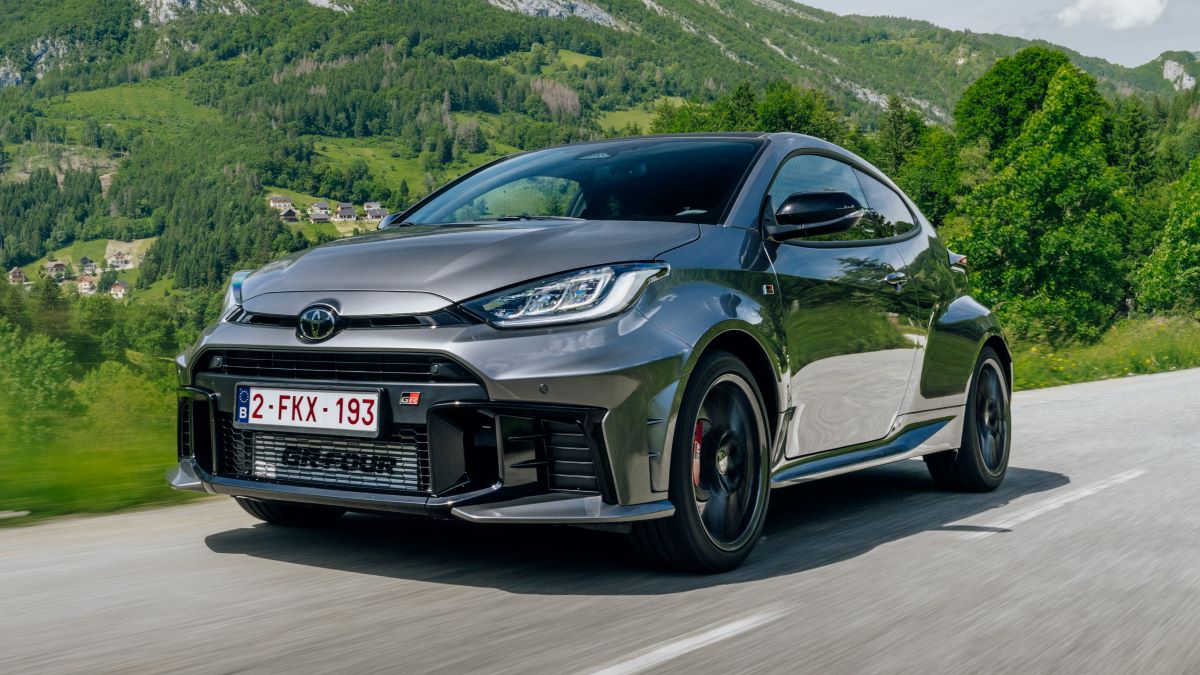
6. Toyota GR Yaris
At first glance, the GR Yaris might seem like an unlikely candidate for future collectible status. It’s based on a small hatchback, has three cylinders, and comes from a manufacturer better known for practicality than performance. But under the surface, it’s one of the most exciting performance cars of the last decade.
Developed with direct input from Toyota’s World Rally Championship team, the GR Yaris is a homologation special, meaning it was built specifically so Toyota could compete under certain regulations in rally racing. That alone gives it instant street cred. The last time Toyota did something like this was with the Celica GT-Four, and those cars are already climbing in value.
The engineering behind the GR Yaris is what really separates it from other hot hatches. Instead of modifying the standard Yaris platform, Toyota created a bespoke chassis using parts from both the Yaris and Corolla, added an advanced all-wheel-drive system, and gave it a turbocharged 1.6-liter engine producing around 260 horsepower.
That might not sound earth-shattering, but in a car this light and compact, it translates into a thrilling driving experience. It also comes with a six-speed manual and no unnecessary fluff. This is a driver’s car through and through, and that kind of purity is becoming rare.
The global buzz around the GR Yaris has made it a cult hero in a very short time. It won awards, gained praise from nearly every automotive journalist, and sold out quickly in many markets. Toyota has since launched follow-ups like the GR Corolla, but the Yaris remains special due to its purpose-built nature and rarity.
Unlike performance cars that are tuned versions of base models, the GR Yaris was created from the ground up with performance in mind. That sets it apart in a market where hot hatches are usually afterthoughts rather than centerpieces.
For collectors, it checks a lot of boxes: low production numbers, motorsport connection, manual transmission, and a design that already feels iconic. The fact that it’s also relatively affordable compared to more exotic cars makes it even more appealing.
As time passes, clean, unmodified examples will become harder to find, and their value will likely reflect their uniqueness. The GR Yaris might be small in size, but its legacy is already bigger than most would have predicted.
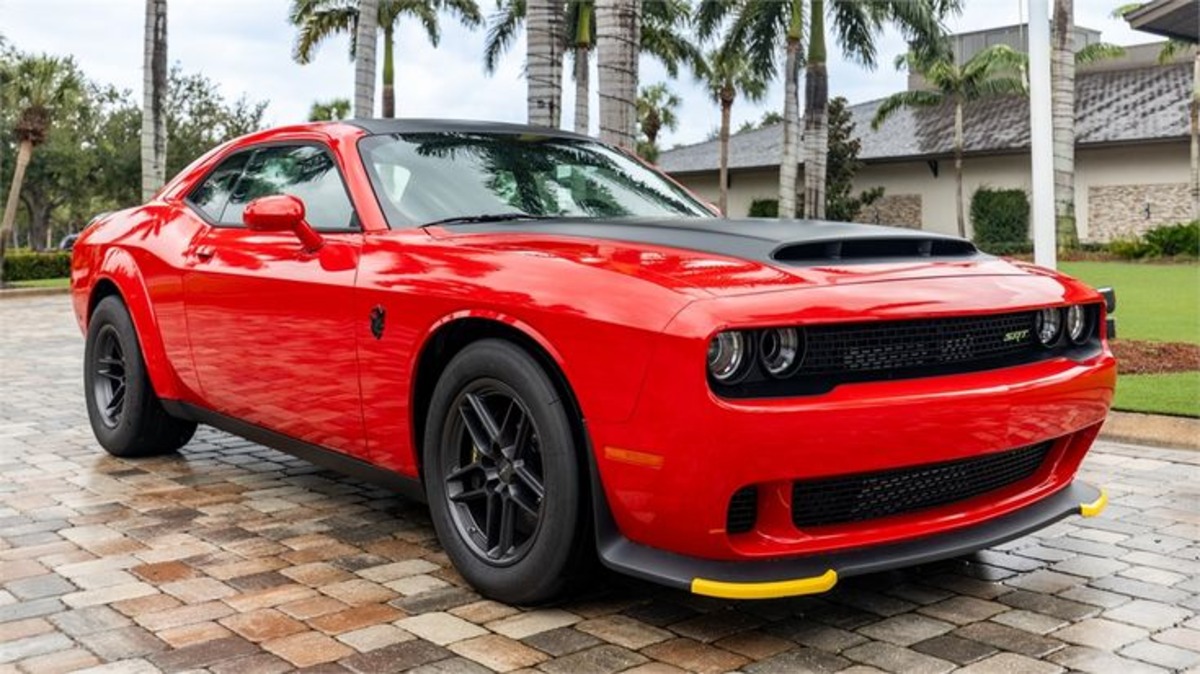
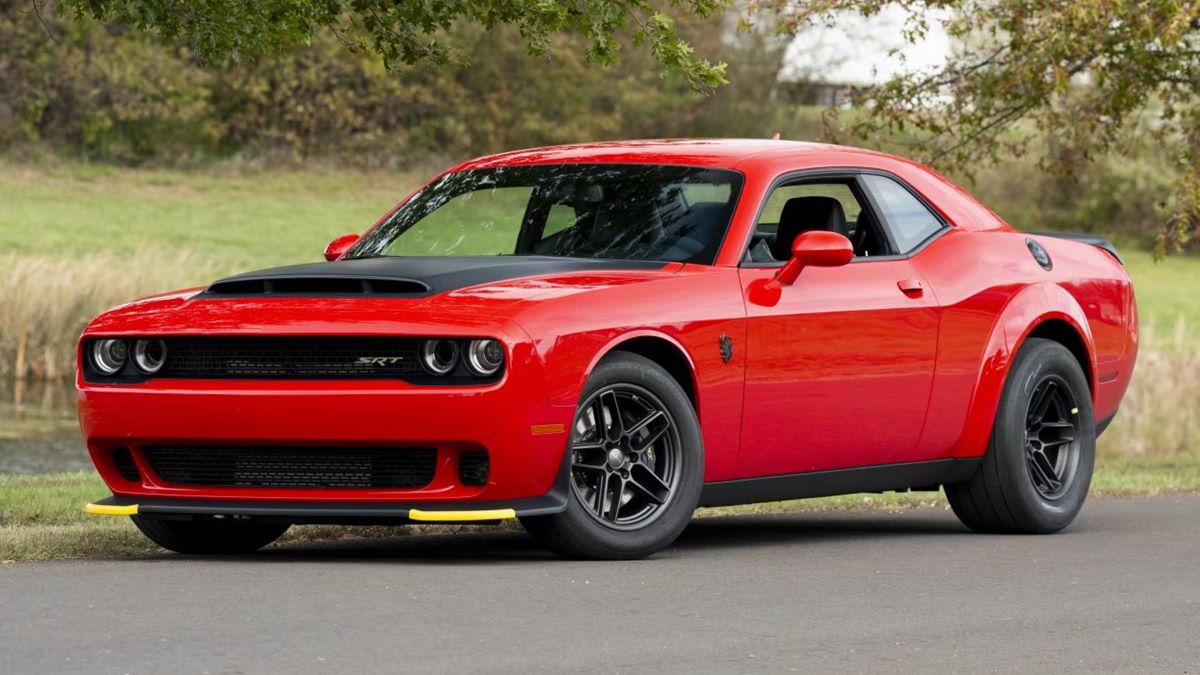
7. Dodge Challenger SRT Demon
The SRT Demon wasn’t just another special edition muscle car, it was Dodge’s boldest statement yet. Released in 2018 and built for just one year, the Demon took the already aggressive Challenger Hellcat and cranked every dial to maximum. It came with a supercharged 6.2-liter HEMI V8 that produced 808 horsepower on pump gas and up to 840 with race fuel.
It could do 0–60 in just over 2 seconds under the right conditions, making it one of the quickest production cars in the world at the time. But the Demon wasn’t designed for circuits or canyon carving. It was made for one thing: domination at the drag strip.
From a technical standpoint, the Demon included a number of firsts for a production car. It had a transbrake system, drag radial tires from the factory, and the ability to lift its front wheels off the ground during launch, a phenomenon typically only seen in purpose-built drag cars.
Dodge even offered a “Demon Crate” that included skinnier front wheels, tools, and a high-octane powertrain control module for serious racers. This was not a watered-down muscle car meant to sell in high numbers. Only 3,300 units were produced, making it rarer than most exotic cars from the same era.
What really sets the Demon apart is its unapologetic attitude. It didn’t try to be well-rounded or refined. It embraced its identity as a brute. There was no attempt to chase Nürburgring lap times or impress critics with interior materials.
It was a street-legal quarter-mile monster, built for those who wanted raw, unfiltered horsepower and the bragging rights that came with it. That clarity of purpose is rare today, especially as automakers move toward hybrid and electric performance. The Demon was loud, aggressive, and unashamed of its excess, and that’s exactly why it’s already gaining attention from collectors.
Over the years, muscle cars with high horsepower numbers have often risen in value, particularly limited editions. The Demon fits perfectly into that narrative, but with more performance and technology than nearly any muscle car that came before it.
As Dodge phases out its big V8s in favor of electric platforms, the Demon will be remembered as the final boss of the internal combustion era. That legacy, combined with its limited availability, makes it a near-certainty to be a future collectible.

8. Mazda RX-8 Spirit R
The RX-8 has always lived in the shadow of its predecessor, the RX-7. Many enthusiasts dismissed it for being less powerful and heavier, and over the years, its rotary engine developed a reputation for being finicky and unreliable in daily use. But time has been kind to the RX-8, especially the final version: the Spirit R, which marked the end of rotary-powered cars from Mazda.
Produced only for the Japanese market in 2012, the Spirit R took everything Mazda had learned about the RX-8 and gave it a proper send-off. It featured unique wheels, upgraded brakes, Recaro bucket seats, and special badging. More importantly, it symbolized the final chapter of a type of engine that is all but extinct in modern cars.
The rotary engine in the RX-8 is what makes it different. It’s not about big horsepower numbers or raw torque. Instead, it’s about smoothness, rev-happiness, and a driving experience that feels distinctly unique.
The 1.3-liter Renesis engine in the Spirit R was tuned for maximum response, and while it wasn’t a powerhouse, it delivered a satisfying drive when kept high in the rev range. The lightweight chassis and perfect 50:50 weight distribution meant it handled beautifully. For those who understood what the RX-8 was meant to be, it delivered on its promise of being a true driver’s car.
Collectors have started to look at the RX-8 with fresh eyes, especially as rotary enthusiasts grow more nostalgic. The Spirit R’s limited production (just 1,000 units) makes it far rarer than the standard models, and most of them remained in Japan.
This has created a quiet demand among global collectors who want a piece of rotary history. It also helps that the RX-8 was never overproduced or widely modified, meaning there are still clean examples available for reasonable money, for now.
As Mazda continues to tease a rotary return in hybrid or range-extending applications, the Spirit R remains the last pure rotary sports car the brand sold. That makes it more than just a trim level or special edition. It’s the end of an era. And as automotive technology continues to evolve away from analog charm and toward efficiency, cars like the RX-8 Spirit R will
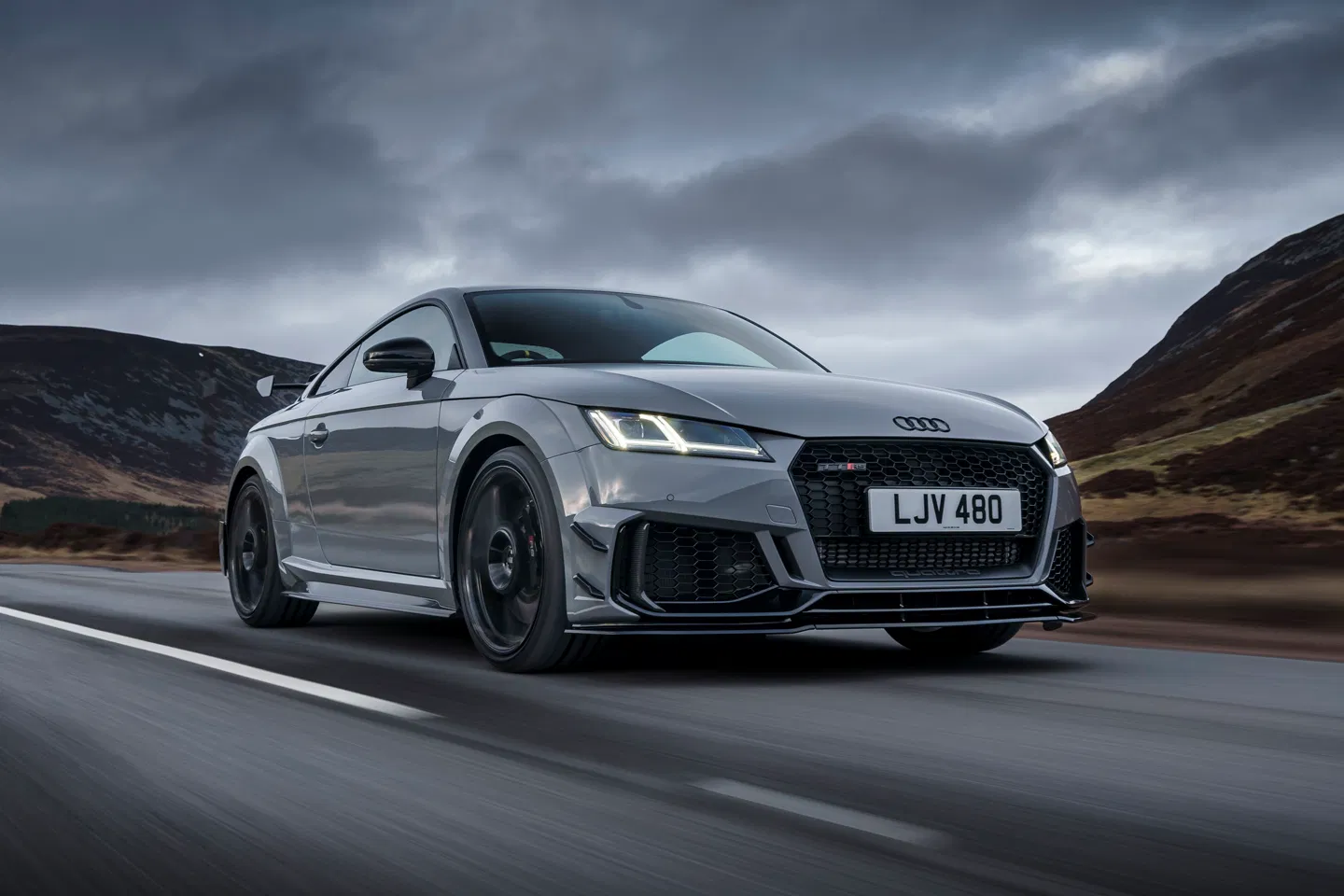
9. Audi TT RS (8J and 8S Generations)
The Audi TT RS often flew under the radar in conversations about modern performance cars, especially when compared to bigger names from Porsche or BMW. But the reality is that the TT RS, particularly the 8J (2009–2015) and 8S (2017–2023) generations, is already being recognized by enthusiasts as a special car with all the right ingredients to become a future collectible.
Central to its appeal is the unique five-cylinder turbocharged engine, a layout that harks back to Audi’s legendary Group B rally days. With a distinct soundtrack unlike any other car in its class, the TT RS offered something emotional and mechanical that stood out in a sea of increasingly uniform turbocharged fours and sixes.
The TT RS may have looked like a stylish coupe or roadster at first glance, but underneath its smooth design was a serious performance package. Quattro all-wheel drive gave it impressive traction, and the newer versions could hit 60 mph in just over 3 seconds, rivaling cars costing far more.
It came with a dual-clutch transmission in later years, but earlier models offered a manual option, making them especially desirable to purists. The interior, like most Audis, was well-built and featured clean, modern design with just enough tech to stay relevant without overwhelming the driving experience. For many, the TT RS was the perfect blend of everyday usability and weekend fun.
One reason this car is often overlooked is its nameplate. The base TT was viewed more as a style-focused car than a true performance machine, and that perception carried over unfairly to the RS version. But those who’ve driven it know better. The five-cylinder engine boasts a power delivery and sound that is distinctly Audi, characterized by a raw, metallic, and emotional tone.
The compact size and short wheelbase give it a nimble character, and unlike some all-wheel-drive performance cars, it didn’t feel numb or heavy. The TT RS had real driving personality, especially when pushed on back roads or fast sweepers.
Now that Audi has officially announced the end of the TT line as of 2023, the TT RS represents the last and most evolved version of a model that lasted over two decades. Future Audis will increasingly focus on electrification, and the five-cylinder engine is likely on its way out due to emissions and efficiency standards.
As that shift continues, the unique mechanical and emotional qualities of the TT RS will only become more valuable in hindsight. Enthusiasts will remember it not as a fashion statement, but as a final reminder of what made combustion-powered sports cars feel alive.
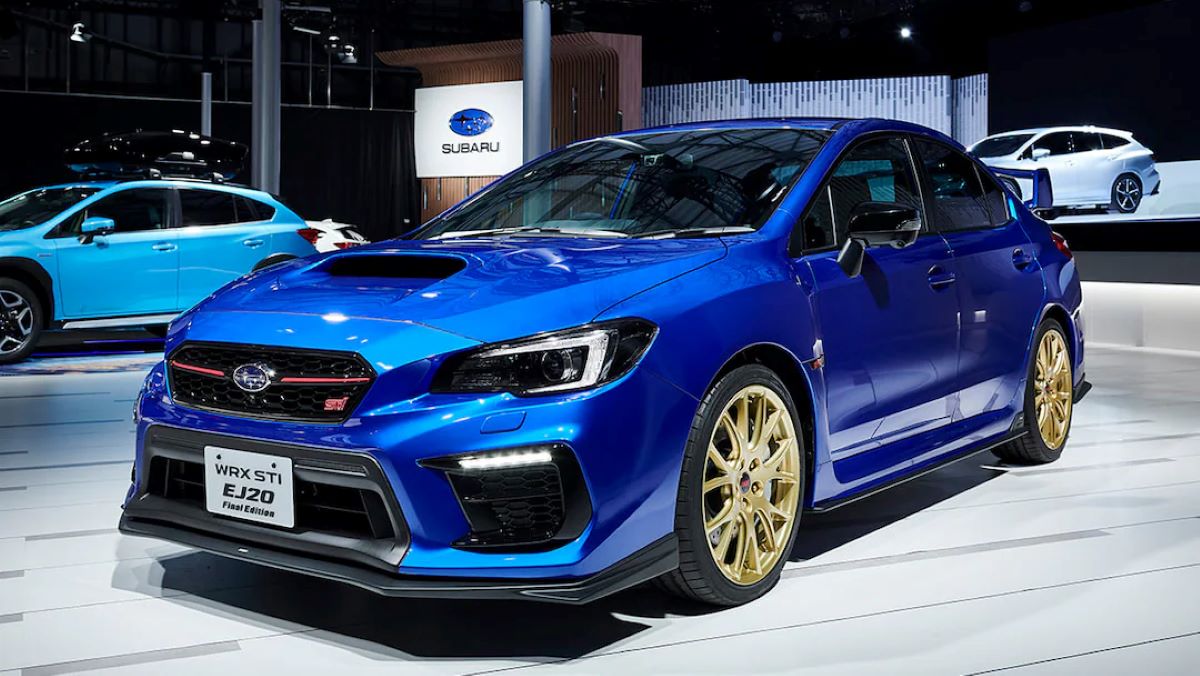
10. Subaru WRX STI Final Edition (2021)
The Subaru WRX STI Final Edition, also known as the “S209” in North America or “WRX STI EJ25 Final Edition” in other regions, marks the end of a significant era for Subaru performance cars.
As the last model to feature the long-running EJ25 turbocharged flat-four engine, it represents the closing chapter in a story that spans decades of rally heritage, street performance, and loyal fan followings.
The WRX STI has always been a symbol of Subaru’s commitment to rally-inspired, all-weather speed. But by 2021, it was clear that the world was changing, and this version was built as a final salute to one of the most iconic drivetrains in Japanese performance history.
What makes this version stand out from previous STI models isn’t just its commemorative status, it’s the fact that Subaru pulled together everything it had learned and refined it into one last, highly focused package.
The car maintained its aggressive styling, wide-body presence, and signature wing, but it also came with upgraded suspension components, improved cooling, forged wheels, and better brakes.
The engine, though familiar in design, was tuned to produce more reliable and usable power with sharper response. It wasn’t a reinvention of the STI formula, but rather the purest, most distilled version of it. And for die-hard enthusiasts, that level of refinement and finality matters.
Production numbers were very limited, with just 209 units of the S209 made for the U.S. and similarly low numbers for the Final Edition models in other countries. This scarcity alone sets it apart from the more mass-produced WRX and STI models of the past.
Combine that with the fact that Subaru has since moved away from the STI entirely for the new WRX generation, opting not to build a high-performance version, and it becomes clear that this car isn’t just another trim level. It’s the last of its kind, the final act of Subaru’s raw, analog turbocharged performance ethos.
Long-term, the WRX STI Final Edition is likely to find a special place in collector garages not just for its performance, but for its significance. It closes a chapter that began with the legendary 22B and continued through years of dominance in rally and street performance.
While newer performance cars lean heavily on electronics, hybrid powertrains, and digital interfaces, this STI remains old-school in the best possible way. It’s mechanical, engaging, loud, and completely unapologetic.
For those who grew up idolizing Subaru’s World Rally Championship cars or who spent years behind the wheel of earlier WRX models, this car hits an emotional note that few modern vehicles can replicate. It’s more than a send-off, it’s a final love letter to a generation of enthusiasts.
