
When choosing a reliable car, many buyers focus on the engine, transmission, and fuel economy. However, one often overlooked but crucial system is the cooling system. This includes the radiator, thermostat, water pump, coolant lines, and the fans that keep everything in proper working order.
A well-functioning cooling system prevents the engine from overheating and ensures longevity. Frequent issues with cooling systems can lead to expensive repairs, engine damage, and even complete engine failure.
Some vehicles, due to better engineering, more robust materials, and thoughtful design, tend to experience far fewer cooling-related problems over time. These models stand out for their consistency in maintaining optimal engine temperature with minimal fuss.
Cars that rarely need cooling system repairs are often manufactured with high-quality radiators, well-designed coolant flow paths, and water pumps that don’t fail prematurely. Additionally, the placement of these components within the engine bay plays a role in reducing the stress placed on hoses and connectors.
Automakers who take into account heat dissipation, airflow, and climate adaptability typically produce vehicles that perform better under stress. It’s not just about avoiding breakdowns but also about keeping long-term maintenance costs low. That’s why cars that avoid cooling system troubles often appear on reliability lists and retain higher resale value.
It’s also worth mentioning that regular maintenance is still important. Even vehicles with a strong track record will develop issues if the coolant is never changed or if leaks are ignored.
That said, the models listed below have shown time and again that they are much less likely to suffer from cooling system failures under normal driving conditions. Their track records are based on engineering choices that prioritize durability and performance under heat stress.
This article looks at nine specific models that have proven themselves to be dependable when it comes to cooling system reliability. Whether you’re a commuter, a long-distance driver, or just someone looking to avoid unnecessary trips to the mechanic, these cars offer peace of mind when it comes to one of the most essential systems under the hood.
Also read: 10 V8 Sedans From the 2000s That Are Now Gold
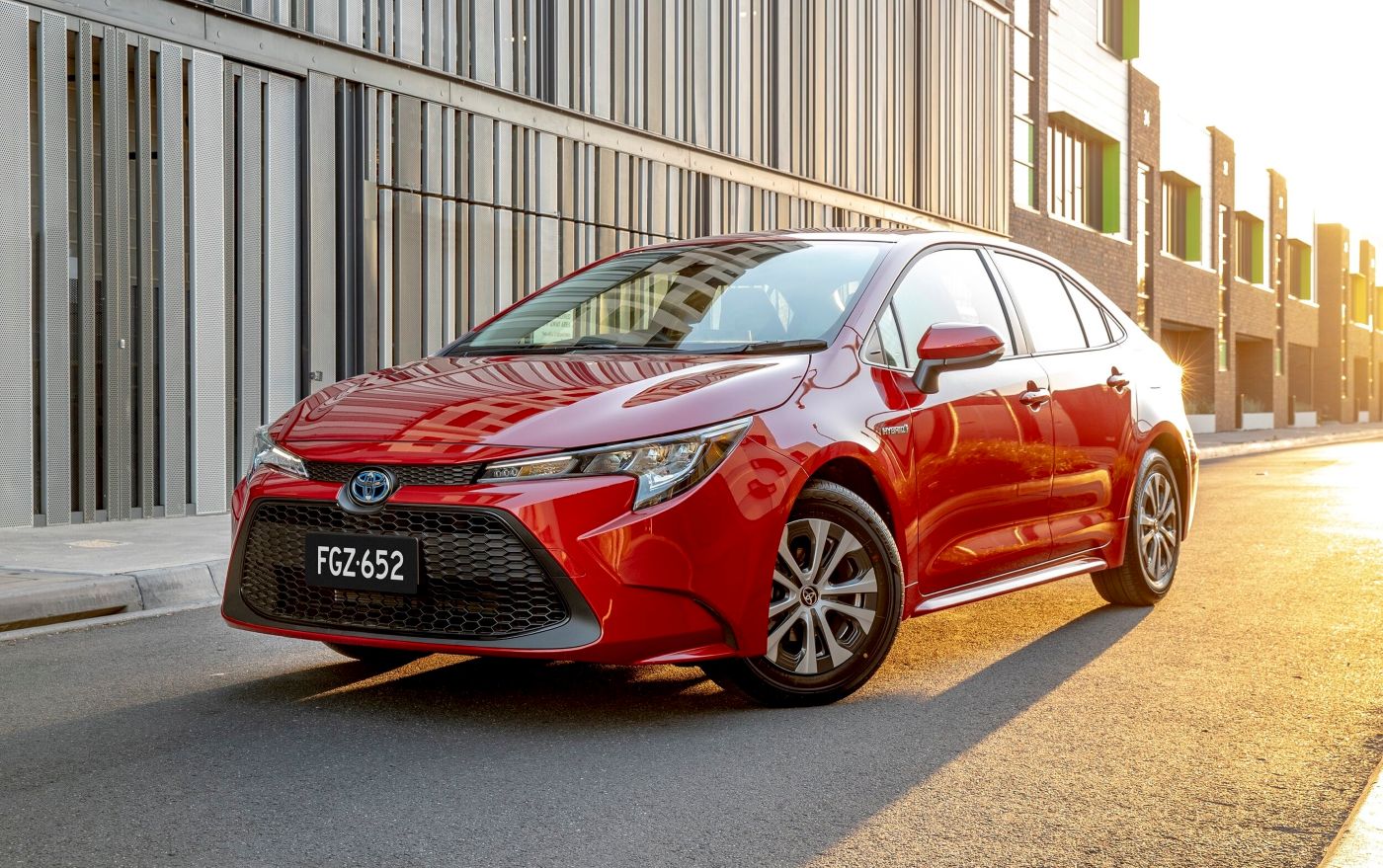
1. Toyota Corolla
The Toyota Corolla has long been known for its reliability, and one area where it consistently performs well is its cooling system.
The vehicle is equipped with a straightforward, durable cooling design that doesn’t overcomplicate things. The radiator, thermostat, and water pump are all placed for efficient operation and are built from materials that resist wear and corrosion.
Toyota’s engineers have focused on simplicity in the Corolla, which often means fewer components that can fail. Combined with a naturally aspirated engine that doesn’t generate excessive heat, the Corolla’s cooling system doesn’t have to work as hard as those in more powerful vehicles.
One of the main advantages of the Corolla is its conservative power output. Lower heat production during operation puts less strain on the radiator and water pump. This doesn’t mean the car is underpowered but that it’s engineered for efficiency over raw performance.
As a result, the cooling system is not constantly dealing with extreme thermal loads. This design philosophy means fewer blown radiators, fewer cracked hoses, and longer water pump life. Over the years, Toyota has refined the cooling system layout to avoid common failure points seen in other vehicles.
Additionally, Toyota vehicles, including the Corolla, use long-life coolant and extended-service parts. The cooling system components are often designed to last over 100,000 miles with proper maintenance. Thermostats rarely stick, and leaks from the radiator or hoses are less frequent than average.
Even in hot climates or during long road trips, the Corolla has a reputation for keeping its engine temperatures stable. This contributes directly to its popularity among commuters and daily drivers who need a dependable vehicle.
Owners frequently report minimal cooling-related issues, even after a decade of ownership. While regular coolant flushes and inspections are always recommended, the Corolla doesn’t demand constant attention in this area. That makes it an excellent choice for those who want a vehicle that just works without needing frequent trips to the mechanic for overheating problems.
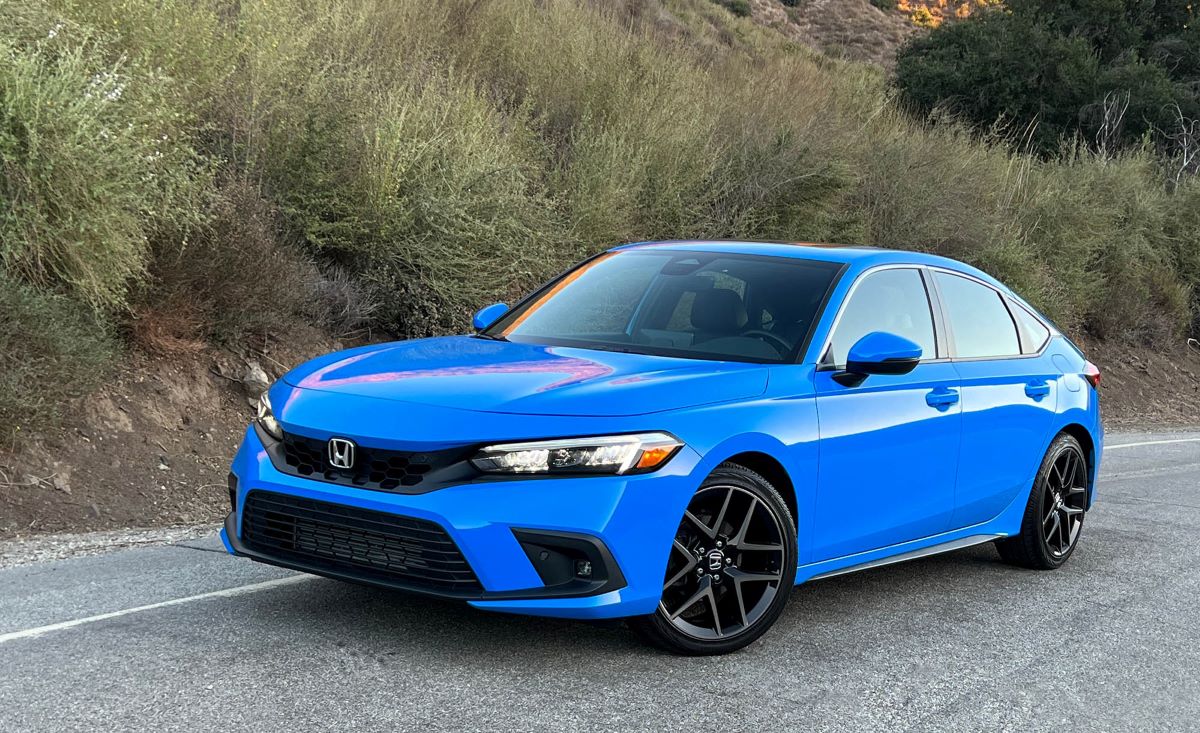
2. Honda Civic
The Honda Civic is another compact car that rarely encounters cooling system troubles. Honda’s engineering puts a strong emphasis on thermal efficiency, and the Civic’s engine bay is designed to maximize airflow around key components.
The vehicle’s radiator is both durable and well-placed, ensuring optimal cooling performance even under heavy use. This has made the Civic a trusted option for drivers in both cold and hot climates, where temperature regulation is especially important.
One of the keys to the Civic’s strong performance in this area is the quality of its water pump and thermostat. These components are designed to last well beyond the average lifespan seen in other vehicles.
It’s not uncommon for Civic water pumps to last past 120,000 miles without failure, especially when regular maintenance is observed. Honda has also made smart choices regarding the materials used in radiator construction. Aluminum cores and high-quality plastic tanks help keep the weight down without sacrificing durability.
Another factor contributing to the Civic’s reliability is its consistent design updates. While the model has seen numerous generation changes, Honda has retained a proven cooling system layout in each. The incremental updates improve efficiency without introducing unnecessary complexity.
Many manufacturers complicate their systems in the name of innovation, but Honda focuses on long-term dependability. This is especially beneficial when it comes to replacing hoses and other wear components, which are easy to access and rarely fail unexpectedly.
Real-world reports from owners consistently show a low rate of cooling system complaints. Issues like overheating, leaks, or premature radiator failure are far less common in the Civic than in many similarly priced vehicles.
Mechanics often comment on how well the Civic holds up over time, with many units crossing the 200,000-mile mark without needing major cooling system repairs. This long-term consistency is one of the reasons why the Civic continues to be one of the most recommended cars for first-time buyers and budget-conscious drivers.
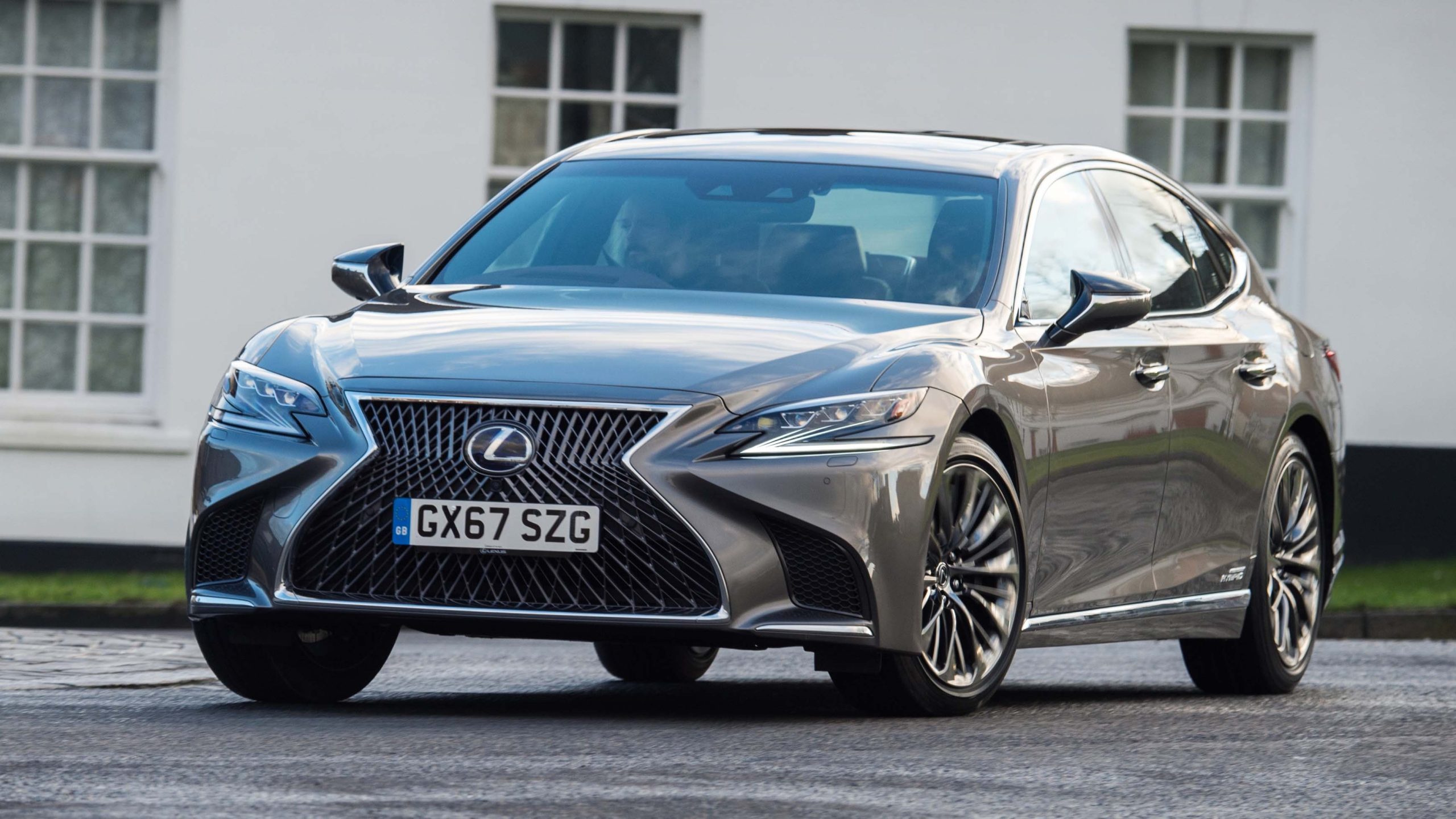
3. Lexus ES
The Lexus ES is a midsize luxury sedan that combines comfort with rock-solid reliability. One area where it shines is in its cooling system design. Since Lexus is Toyota’s luxury division, it benefits from the same engineering principles found in more mainstream Toyota models, but with upgraded materials and components.
The ES uses high-quality radiators and durable water pumps that are often sourced from top-tier suppliers. These parts are built to handle both the power demands of a luxury sedan and the long-term stress of daily use.
The V6 engines found in most ES models are known for their smooth power delivery and thermal stability. Lexus ensures that these engines are paired with cooling systems capable of maintaining consistent temperatures, even under load.
This includes robust thermostats and dual fan setups in many versions, which help maintain performance without pushing the system to its limits. These elements all contribute to reducing the likelihood of overheating and prolonging the life of key components under the hood.
Lexus vehicles are also engineered with heat distribution in mind. The placement of exhaust manifolds, coolant hoses, and engine mounts is arranged to minimize heat retention in any one area.
That means fewer hotspots that could cause wear or damage over time. In practical terms, this translates to fewer cracked hoses or premature gasket failures. The Lexus ES has a reputation for being easy to own, and a big part of that is not having to worry about things like failed radiators or cooling system leaks.
Owners often praise the ES for its quiet, stress-free driving experience, and that reliability extends to the cooling system.
Even after years of ownership, it’s rare to see major repairs required in this area. Most issues, when they do occur, tend to be predictable and easy to manage, such as needing a thermostat replacement or coolant flush.
Because the vehicle is engineered for longevity, parts last longer, and problems are less frequent. For anyone looking for a luxurious ride without a constant worry about overheating or coolant leaks, the Lexus ES is a strong contender.
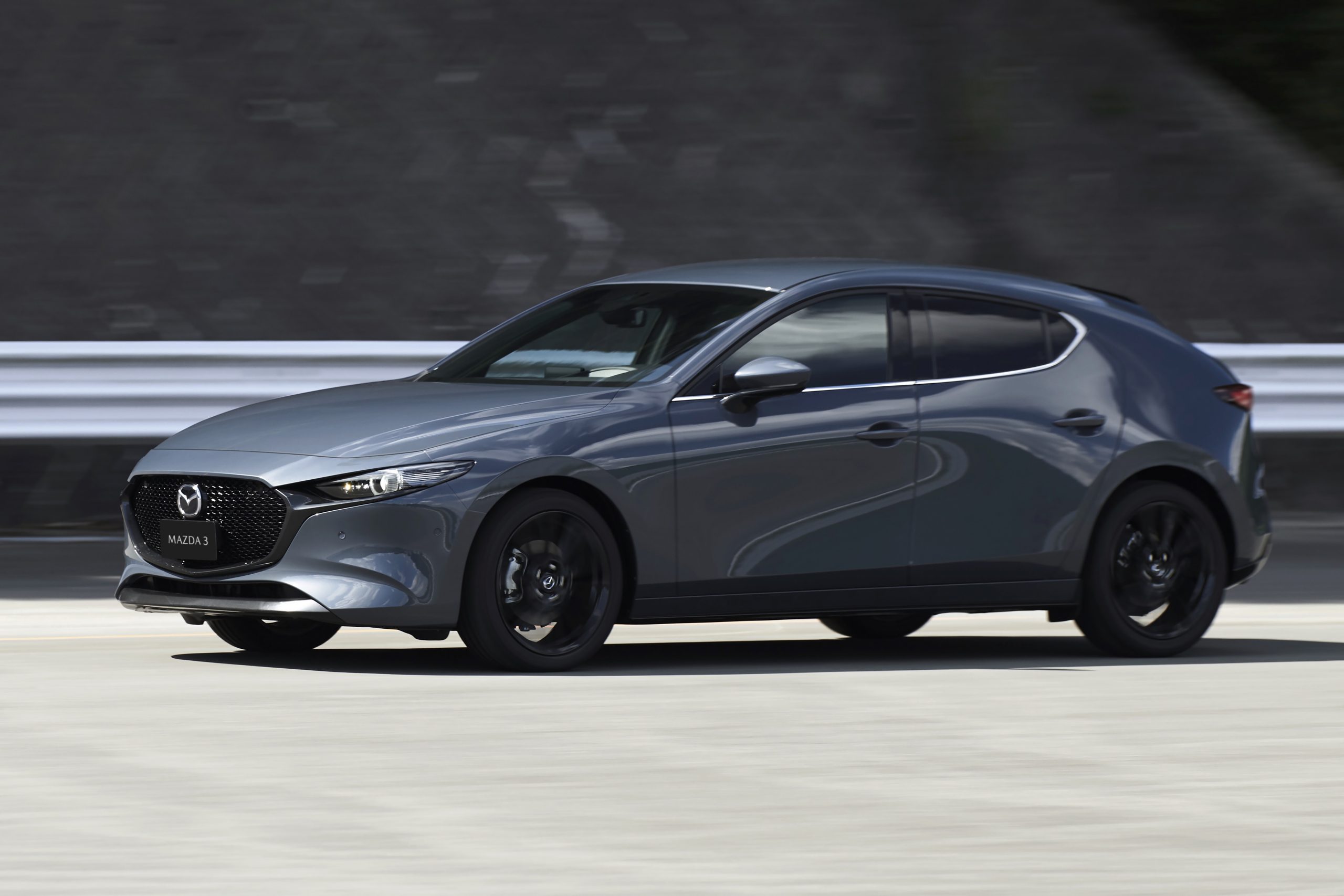
4. Mazda3
The Mazda3 stands out not only for its responsive handling and sleek design but also for its reliability, especially when it comes to the cooling system. Mazda has adopted a design philosophy that emphasizes simplicity and efficiency, and the cooling system reflects that approach.
The engine architecture used in most Mazda3 models is naturally aspirated, meaning it generates less heat than turbocharged alternatives.
This significantly reduces the thermal load on the radiator and water pump. Additionally, Mazda’s use of long-lasting coolant and durable thermostat designs means fewer mechanical failures related to engine temperature management.
In terms of layout, the Mazda3 engine bay is cleanly organized, allowing for unobstructed airflow around key components. That airflow, along with a well-sized radiator, ensures the engine remains at an optimal temperature during city driving or highway cruising.
The radiator fan cycles in smoothly when needed, without noticeable lag or overuse, which helps avoid stress on the electrical system and the fan motor itself.
The hoses and connectors are built from high-quality materials and rarely suffer from premature cracking or leaks, even after many years on the road. Owners commonly report that even with minimal maintenance beyond standard intervals, the cooling system remains consistent and trouble-free.
Another key point of strength for the Mazda3 is how well it handles extreme temperatures. In both very cold and very hot environments, it maintains engine temperature without strain. The system is equipped with sensors that regulate coolant flow intelligently, and the thermostat operates with precision, opening and closing only as needed.
This prevents both underheating and overheating, which can both be harmful to engine longevity. Because the cooling system works in harmony with the engine control unit, the vehicle avoids the kind of stress that leads to blown head gaskets or overheated cylinders, problems that can plague less well-engineered models.
Long-term owners often note how few repairs their Mazda3 has required, and the cooling system rarely comes up in reliability concerns. Even on higher mileage units, it’s not unusual to find original radiators and water pumps still functioning properly.
When compared to other cars in its class, the Mazda3 consistently has fewer incidents of overheating, leaks, or system failures. This dependable performance contributes to its growing reputation as a compact car that delivers not only on performance but also on durability, without placing an extra burden on its owner’s wallet.

5. Subaru Outback (Non-Turbo Models)
The Subaru Outback, especially in its non-turbocharged versions, is well-regarded for its durability and reliability across a wide range of driving conditions. One of the vehicle’s strengths is its stable cooling system, which has been carefully engineered to support the naturally aspirated flat-four engine used in most models.
This engine layout offers a lower center of gravity and good heat distribution, which naturally aids cooling. The radiator is large enough to meet the demands of light towing and long-distance driving, while the water pump is known for its longevity. In fact, many owners report reaching well over 100,000 miles without needing major cooling system repairs.
One of the more unique features of the Subaru Outback’s engine design is the horizontally opposed cylinder configuration. This flat engine layout helps with airflow and even heat dissipation across the engine block. Fewer hotspots mean less stress on hoses and gaskets, which are common failure points in less efficient engine designs.
The radiator fans and the electric components that support them are generally very reliable. Subaru engineers focused on ensuring the car would handle mountainous terrain, rural travel, and extended drives with minimal risk of overheating, and the result is a vehicle that rarely runs into temperature-related issues.
Subaru also uses high-grade aluminum radiators that resist corrosion better than cheaper alternatives used in some other vehicles. The long-life coolant, typically rated for 100,000 miles or more, adds another layer of convenience and peace of mind.
Although some Subaru models have a reputation for head gasket issues, these are typically associated with older or turbocharged models.
The non-turbo Outback variants have improved gasket materials and designs that reduce failure rates significantly, especially when paired with a well-functioning cooling system. This means fewer leaks and a reduced chance of coolant mixing with oil, a common and expensive issue in many vehicles.
From a user perspective, this means fewer warning lights, more consistent engine temperatures, and less time spent at the mechanic for repairs. Routine maintenance such as coolant flushes and hose inspections are generally all that’s needed to keep the Outback’s cooling system in top shape.
Given its practical design, all-wheel drive capability, and reliability under thermal stress, the non-turbo Subaru Outback earns a strong reputation for being one of the least problematic cars when it comes to cooling system repairs.
Also read: 10 Cars From the ’90s Still Daily Driven in 2025
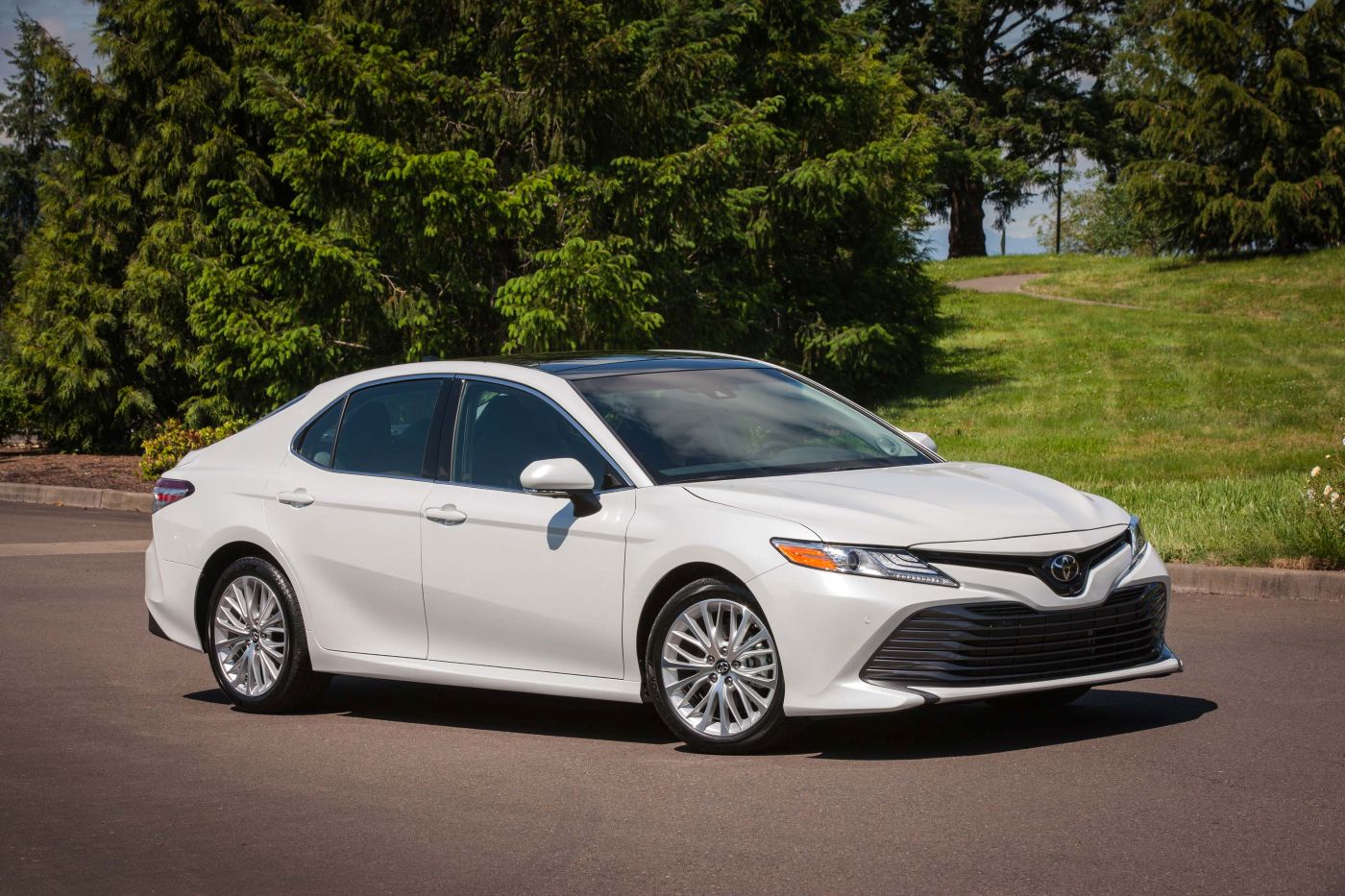
6. Toyota Camry
The Toyota Camry is one of the most widely sold sedans in the world, and part of its enduring appeal is its consistent reliability across all major systems.
The cooling system is no exception. Whether you choose a four-cylinder or V6 model, the Camry is designed to regulate engine temperature effectively with minimal intervention.
The layout of its components has remained relatively straightforward across multiple generations, which contributes to its serviceability and longevity. The water pump, a critical part of any cooling system, often lasts well beyond 100,000 miles in the Camry, especially in models that receive regular coolant changes.
The Camry’s radiator is built from sturdy materials that don’t degrade as quickly as those in cheaper vehicles. It resists both corrosion and impact damage, which makes it more durable over time. Even in older Camry models, original radiators are often still in place, performing efficiently.
The hoses used are also of high quality and well-positioned to avoid rubbing or chafing against other parts, which can cause premature wear. These simple yet effective choices make the car less prone to common problems such as leaks, cracks, and bursts that affect other vehicles more frequently as they age.
Another reason the Camry’s cooling system performs well is its engine calibration. The powertrain is optimized for steady, moderate performance rather than high-revving, high-heat output. This allows the cooling system to operate within its limits nearly all the time.
The thermostats open and close consistently, and the radiator fans engage smoothly without being overworked. Even in heavy traffic or during long uphill climbs, the Camry maintains a stable operating temperature. Its ability to manage heat without drama is one of the key reasons so many of these cars last for decades.
Camry owners consistently report very few issues with overheating or coolant loss, even at high mileage. Mechanics often remark on how little cooling system work is needed on Camrys that are properly maintained.
With basic upkeep like coolant flushes and hose inspections every few years, these cars often go their entire lifespan without requiring major cooling repairs. It’s no surprise that the Camry continues to be a top pick for buyers who want long-term reliability with minimal hassle.
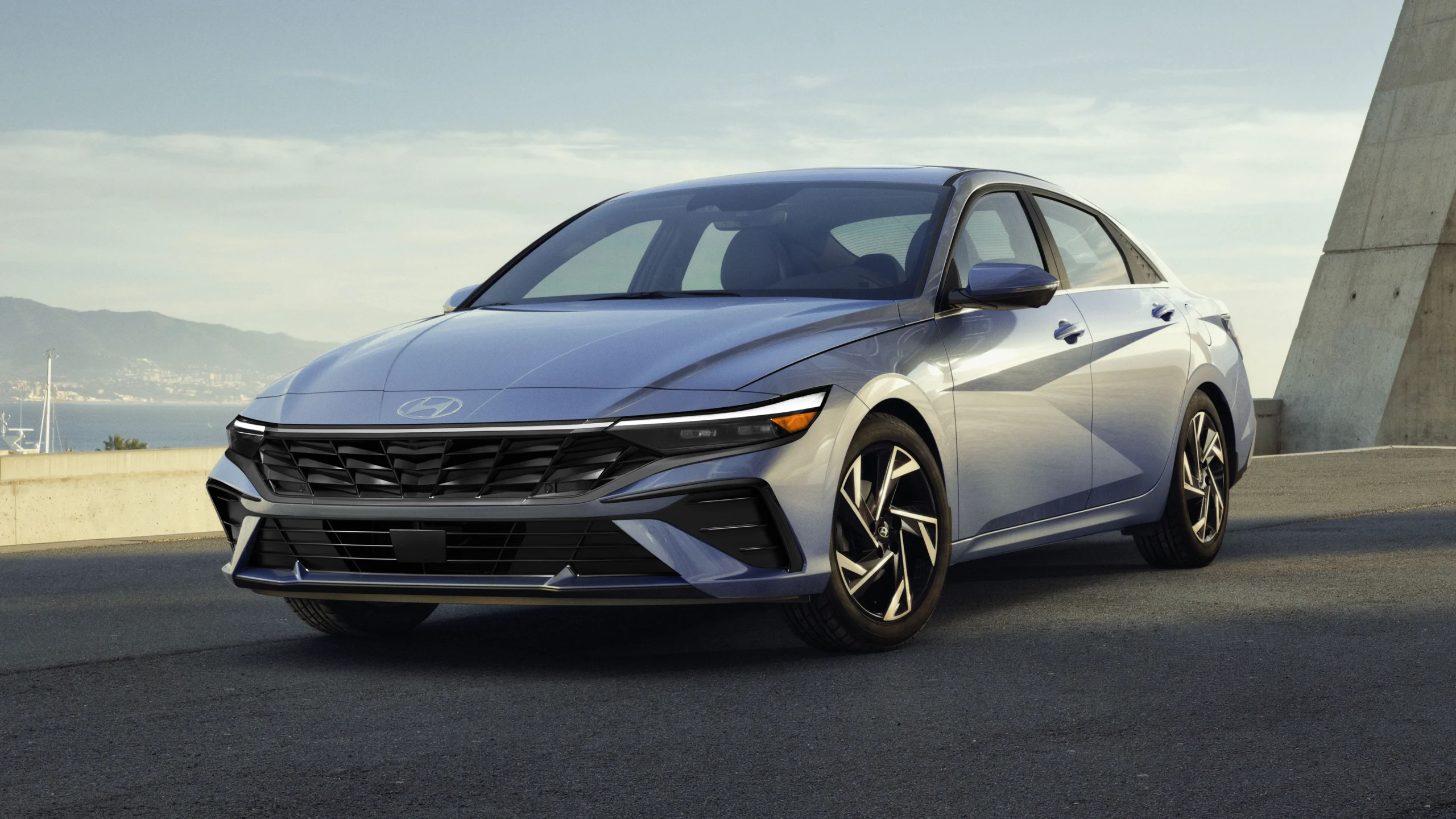
7. Hyundai Elantra
The Hyundai Elantra has gained significant recognition over the years for its impressive reliability, especially concerning the cooling system. Hyundai has made consistent improvements in design and manufacturing quality, which have helped the Elantra maintain stable engine temperatures under various driving conditions.
The engine bays in most Elantra models are designed to maximize airflow, which works in tandem with a robust radiator to keep temperatures within the ideal range.
The cooling system components, including the water pump, thermostat, and hoses, are made from materials that withstand the effects of heat and pressure over long periods.
One important factor behind the Elantra’s cooling system reliability is Hyundai’s commitment to using long-lasting coolant formulas. These coolants are engineered to resist breakdown over extended periods, reducing the need for frequent changes and minimizing corrosion inside the radiator and engine block.
The radiator itself is usually made with an aluminum core that balances light weight and heat dissipation capability, helping the system cool the engine efficiently without overexerting the fan motors or water pump. Hyundai’s attention to these details results in fewer leaks, less frequent overheating, and fewer unexpected repairs.
The thermostat and water pump in the Elantra are also designed with longevity in mind. Unlike cheaper components found in some other budget-friendly vehicles, these parts rarely fail prematurely when the vehicle is maintained properly.
They open and close at the correct temperature thresholds, allowing coolant to circulate only when necessary, which protects the engine from thermal shock.
Many owners find that the Elantra’s cooling system operates silently and without noticeable fluctuations, even during stop-and-go traffic or when the car is carrying heavy loads. This consistent performance helps avoid common issues like blown head gaskets or cracked hoses.
Finally, many Hyundai Elantra owners report excellent experiences when it comes to cooling system maintenance. Routine inspections and periodic coolant flushes tend to be sufficient to keep the system running well for many years.
When repairs do occur, replacement parts are generally affordable and widely available. The Elantra’s strong reputation for cooling system reliability has made it a favorite among drivers seeking a balance of performance, fuel economy, and low ownership costs.
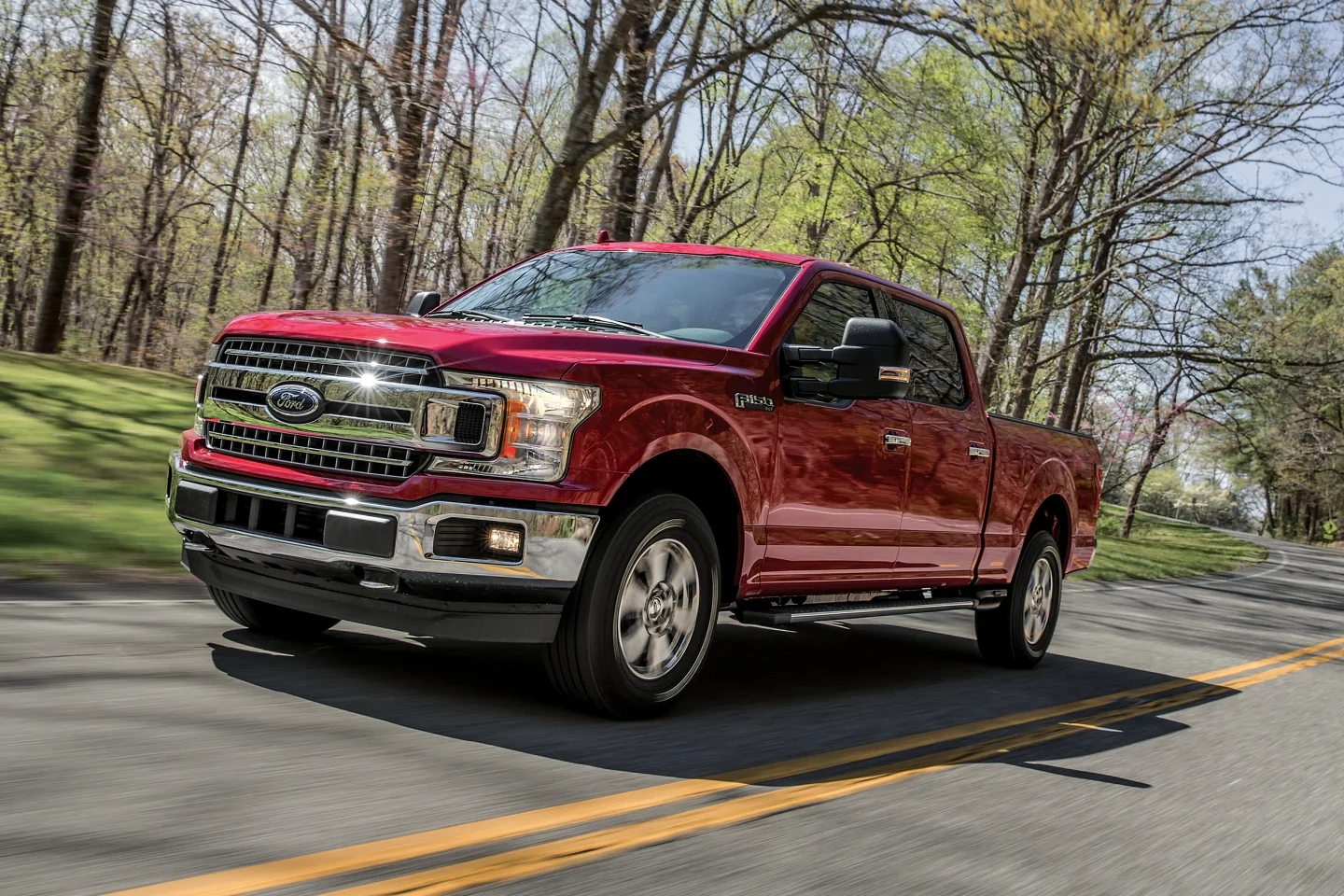
8. Ford F-150 (3.5L V6 and 5.0L V8 Models)
The Ford F-150 is one of the most popular trucks on the road, and it is known for its ruggedness and reliability. When focusing specifically on the cooling system, certain engine variants of the F-150, such as the 3.5L V6 EcoBoost and the 5.0L V8 naturally aspirated engines, have demonstrated fewer cooling-related failures over the years.
These engines are equipped with well-designed cooling systems that handle the intense heat generated during towing, hauling, and other demanding tasks. The radiator, water pump, and fan assemblies are robust and engineered to endure the kind of heavy use expected from a full-size pickup.
One of the reasons the F-150’s cooling system performs well is its ability to regulate heat efficiently even under extreme load. The truck’s cooling system is equipped with multiple fans and an oversized radiator, which provide ample cooling capacity.
The thermostat is designed to open at precise temperatures, ensuring the engine neither runs too hot nor too cold. Ford also uses durable water pumps that resist wear and seal failure, helping to avoid common causes of overheating in vehicles subjected to frequent heavy towing or off-road use.
Additionally, the F-150’s cooling system benefits from excellent heat management within the engine bay. Components are spaced in such a way that they do not create unnecessary heat buildup, and the airflow through the front grille and radiator is optimized for maximum cooling effect.
The hoses are made from heat-resistant materials to prevent cracking or deterioration due to the extreme temperatures often experienced during heavy-duty use.
Because the cooling system is designed with these factors in mind, many owners report trouble-free operation for well beyond 150,000 miles, even in demanding environments.
Mechanics and owners often praise the F-150 for requiring minimal cooling system repairs. Most common issues are minor and routine, such as occasional coolant flushes or thermostat replacements after many miles.
This reliable cooling system is part of what makes the F-150 a preferred choice for work trucks and family vehicles alike, providing peace of mind that the engine will remain protected from overheating, regardless of the task at hand.
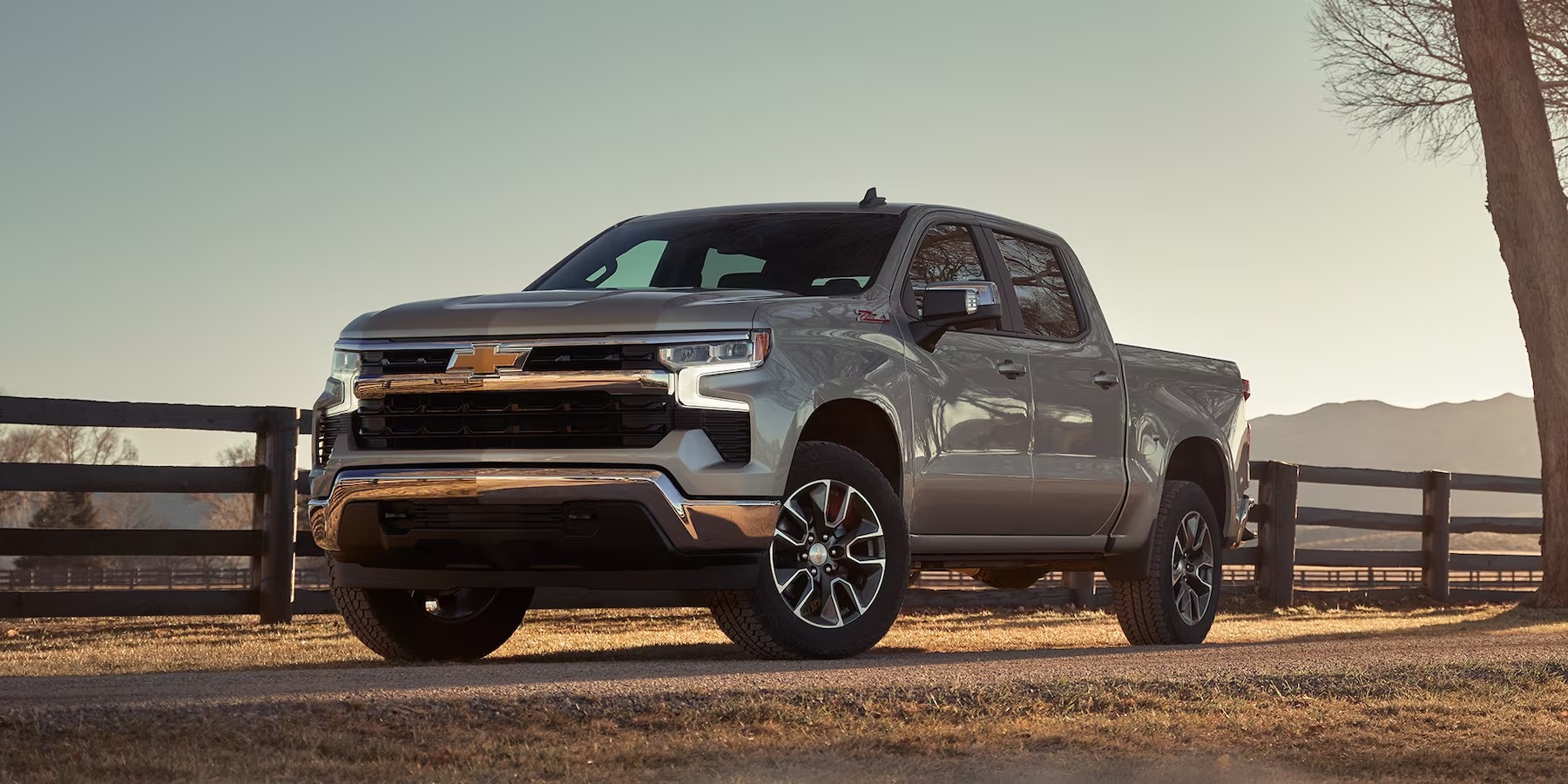
9. Chevrolet Silverado 1500 (4.3L V6 and 5.3L V8 Models)
The Chevrolet Silverado 1500 is another full-size pickup truck that has earned a solid reputation for cooling system reliability. Models equipped with the 4.3L V6 and the 5.3L V8 engines generally experience fewer cooling system issues compared to some other trucks in the same class.
Chevrolet engineers have focused on creating a cooling system that balances durability and efficiency, knowing that these vehicles are often used for towing, hauling, and daily driving under various conditions.
The radiator is typically oversized for the vehicle’s engine options, which aids in maintaining stable temperatures and preventing overheating during heavy use.
The Silverado’s water pump and thermostat assemblies are designed with robust seals and corrosion-resistant materials. These components often last well beyond 100,000 miles when regular maintenance is performed.
The radiator uses a strong aluminum core that provides excellent heat dissipation, and it is coupled with dual electric fans that activate automatically when necessary to cool the engine quickly.
This setup helps keep coolant flow consistent and engine temperature stable even during extreme weather or strenuous driving situations.
Heat management in the Silverado’s engine bay is also a key factor in its cooling system reliability. The design ensures that hot air is vented efficiently, reducing thermal stress on hoses, sensors, and seals. The vehicle’s cooling lines and hose routing avoid areas prone to excessive heat, which minimizes wear and helps prevent leaks.
Owners report fewer incidents of overheating warnings or coolant loss compared to many competitors. This robust design makes the Silverado well-suited for those who need a reliable truck for work, recreation, or everyday use.
Many Silverado owners appreciate how rarely they need to service the cooling system beyond normal intervals. When problems do arise, they tend to be minor and manageable. Whether you’re driving around town or towing heavy loads, the Silverado’s cooling system stands up well to the challenges of everyday use.
Its combination of durable components and intelligent design choices helps explain why it is one of the most trusted trucks when it comes to avoiding costly cooling system repairs.
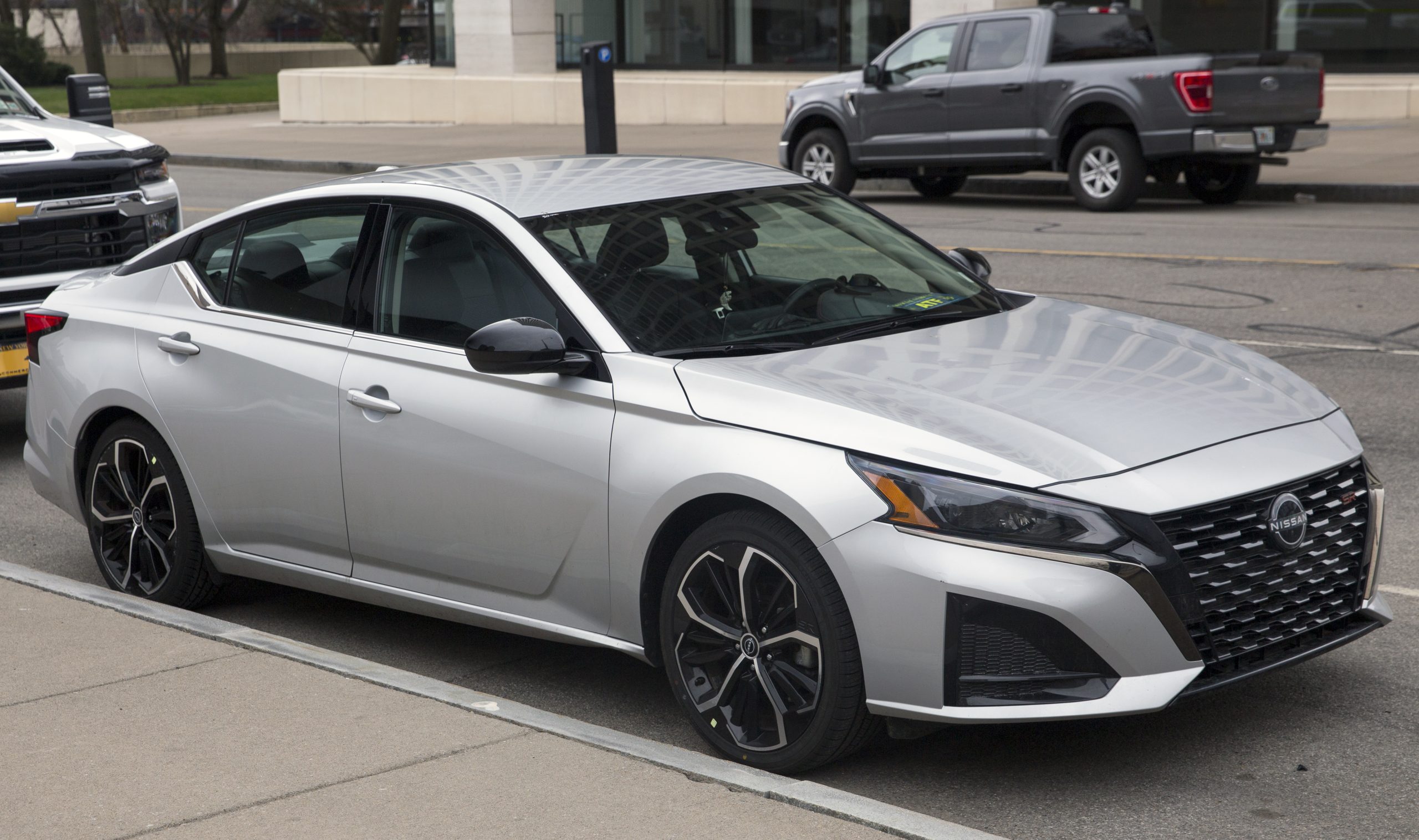
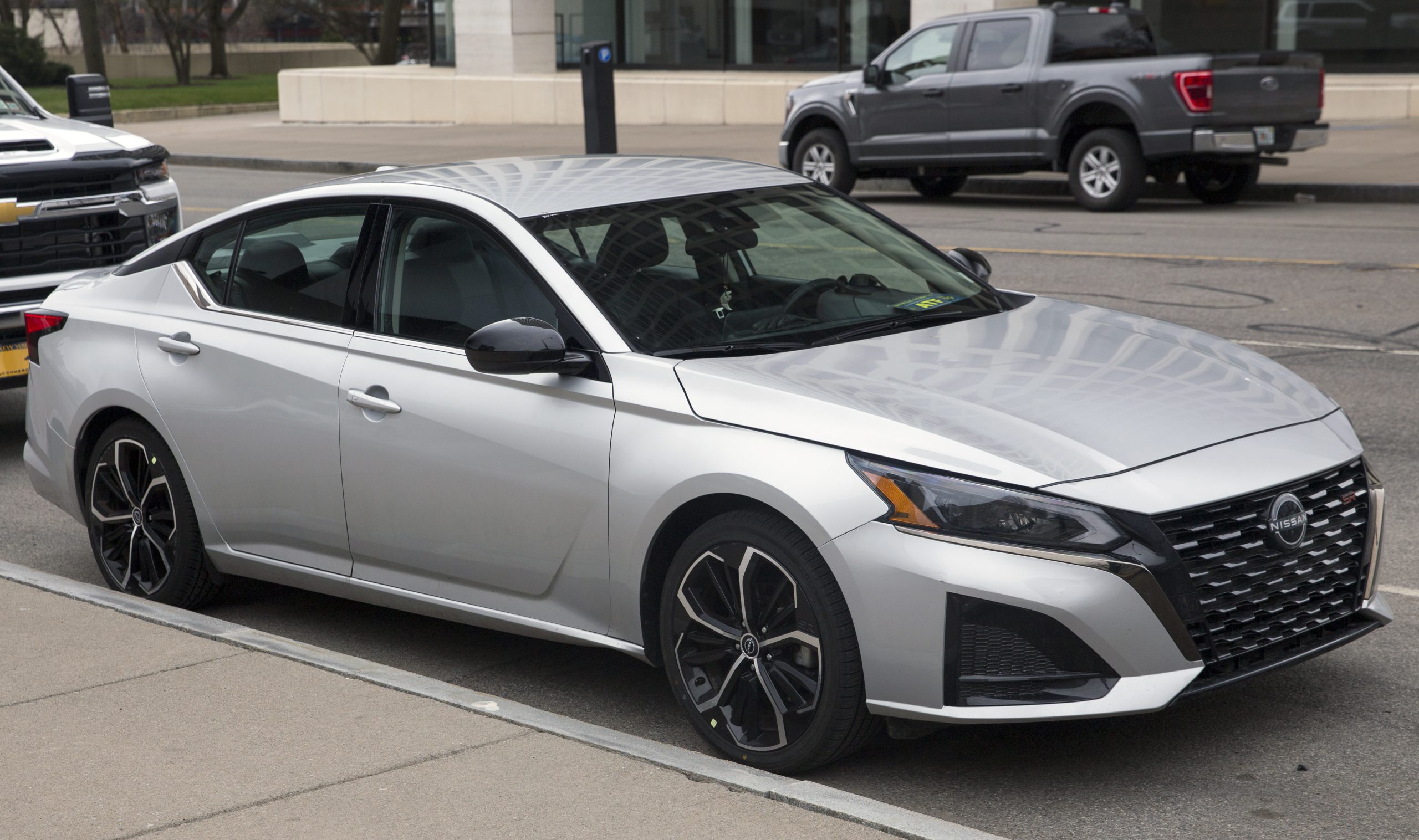
10. Nissan Altima
The Nissan Altima has built a reputation as a dependable midsize sedan that balances performance and reliability, particularly when it comes to the cooling system. The Altima’s cooling setup is designed to work efficiently with both its four-cylinder and V6 engine options.
Nissan engineers have focused on using durable materials and thoughtful system architecture to maintain stable engine temperatures under various driving conditions.
The radiator is designed with a high-capacity core, allowing it to dissipate heat effectively even during heavy traffic or long highway drives. This ensures the engine stays within optimal temperature ranges without putting excessive strain on the cooling components.
One of the strengths of the Altima’s cooling system is its water pump and thermostat design. These components typically last for well over 100,000 miles if the vehicle is properly maintained, showing less susceptibility to premature failure.
The thermostat opens and closes at precise temperatures to regulate coolant flow, preventing engine overheating and excessive wear.
Nissan also uses reinforced hoses that resist cracking and deterioration caused by heat and pressure fluctuations, which are common issues in lesser-quality systems. This attention to component quality translates into fewer repairs and lower maintenance costs over the vehicle’s lifespan.
The Altima’s cooling system also benefits from smart heat management within the engine bay. Critical components are arranged to maximize airflow and minimize heat buildup, while electric fans provide additional cooling support when needed. This combination reduces hotspots and ensures that no single part of the system is overstressed.
The cooling system’s sensors communicate efficiently with the engine’s computer, adjusting fan speed and coolant circulation to meet changing demands without wasting energy. This intelligent management is part of why the Altima consistently maintains stable engine temperatures across different climates and driving conditions.
Owners frequently praise the Nissan Altima for its reliability and low maintenance costs related to the cooling system. Issues such as leaks, overheating, or component failures are rare, especially compared to competitors in the same segment.
Regular coolant changes and basic inspections are usually enough to keep the system functioning well over the long term. For drivers seeking a midsize sedan that combines comfort, fuel efficiency, and dependable cooling system performance, the Nissan Altima is a practical choice that rarely lets its owners down.
