
The 1980s were a unique chapter in automotive history. Car manufacturers were beginning to embrace new technologies, balance design with functionality, and adapt to rising demands for safety and efficiency. It was a time when performance was making a comeback after the regulated and often bland years of the 1970s.
As a result, many vehicles from that era combined rugged engineering with lasting appeal. Today, even after four decades, several models from the 80s are still going strong.
Whether it’s due to their mechanical durability, cult status, or simple charm, these cars continue to cruise highways, turn heads at car meets, and handle daily drives.
Owners of 80s cars often say there’s something special about that era. The cars weren’t overly complicated with electronics, making repairs more accessible. At the same time, they weren’t so primitive that they lacked comfort or performance.
Many of these vehicles have been maintained with a passion, passed down through families, or restored by enthusiasts who appreciate the balance of old-school mechanics and timeless design.
It’s not uncommon to see them in small towns, country roads, or even urban streets, running well with just basic upkeep and attention. Some of them have reached legendary status and are now collector items, while others just keep going without needing the spotlight.
What makes a car from the 80s worth preserving isn’t just how it drives, but also how it feels to drive it. The connection between the driver and machine is often stronger in these older cars, partly because of the lack of computerized interference. There’s a rawness to them, a kind of mechanical honesty.
Owners of these vehicles aren’t always chasing luxury or performance numbers, they’re holding onto something that’s often missing in newer models: character. That character, along with build quality and simple engineering, has kept these cars on the road long after most of their peers were scrapped.
Also Read: 5 Cars With Great Handling and 5 That Shake Apart
1. Toyota Corolla (E80)
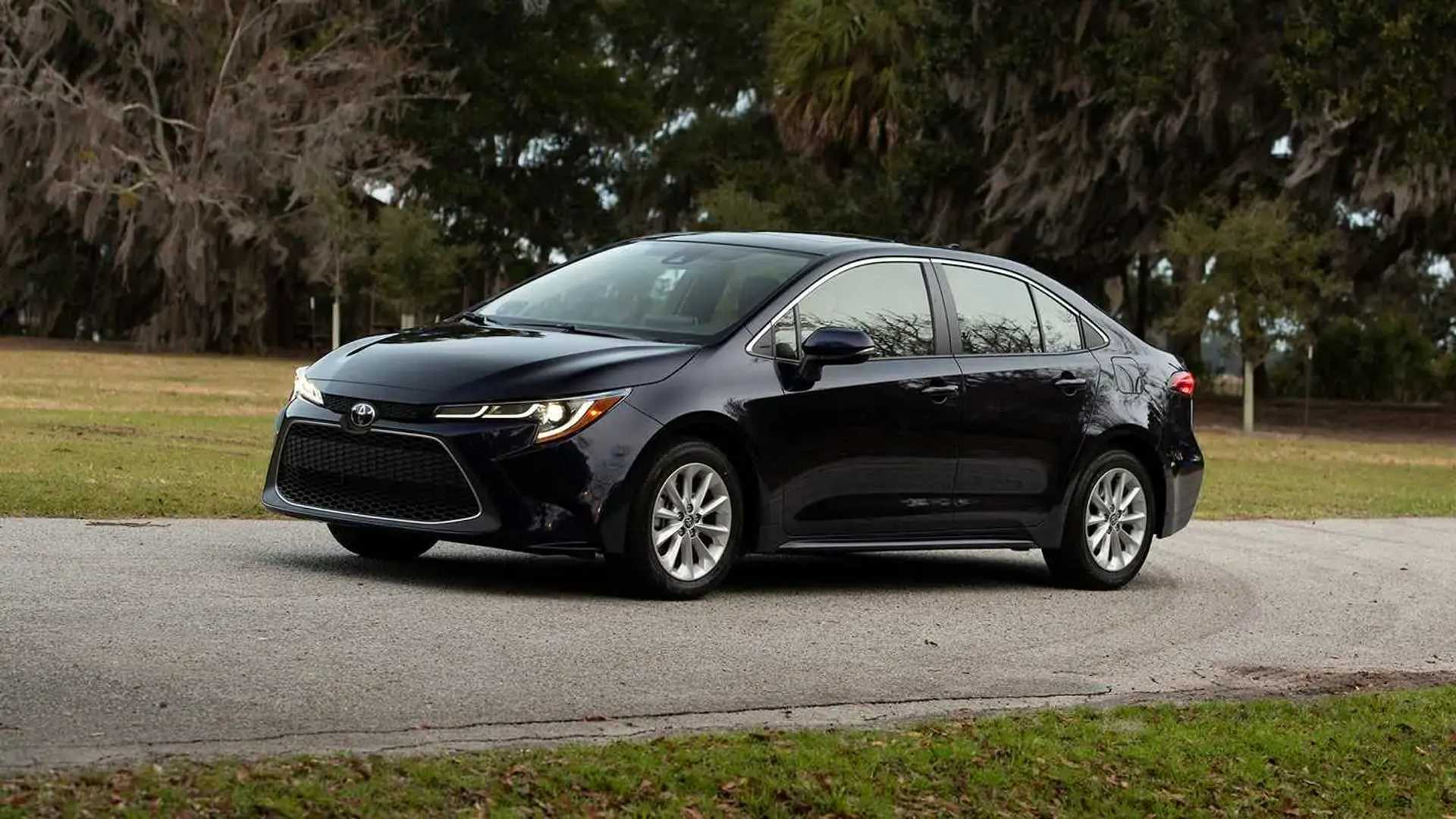
The E80-generation Toyota Corolla is one of the most reliable vehicles to come out of the 1980s. Known for its compact size, fuel efficiency, and bulletproof mechanical components, this car became a staple for families, students, and budget-conscious drivers.
While not flashy, it was dependable, simple to maintain, and inexpensive to operate, making it an ideal daily driver even today.
Many people who bought these cars new still have them. It’s not unusual to see an E80 Corolla in rural or suburban areas, often with faded paint but an engine that continues to hum without complaint. The secret lies in its straightforward engineering.
The carbureted engines in early models and the later fuel-injected versions were easy to service and resistant to major breakdowns. Parts are widely available, and Toyota’s global reach means even overseas models have similar components.
Beyond reliability, the E80 is now gaining appreciation among younger enthusiasts, especially the AE86 variant. Though technically part of the Corolla family, the AE86 earned fame in motorsports and car culture, particularly in drifting.
This has sparked a renewed interest in the broader E80 platform, with enthusiasts restoring sedans and hatchbacks to preserve their originality.
The Corolla’s legacy continues today through its descendants, but the E80 remains a touchstone for what Toyota did right. It’s a reminder that a car doesn’t need to be high-end to be great. Just solid engineering and a commitment to quality can create a vehicle that lasts longer than anyone ever expected.
2. Honda Civic (Third Generation)
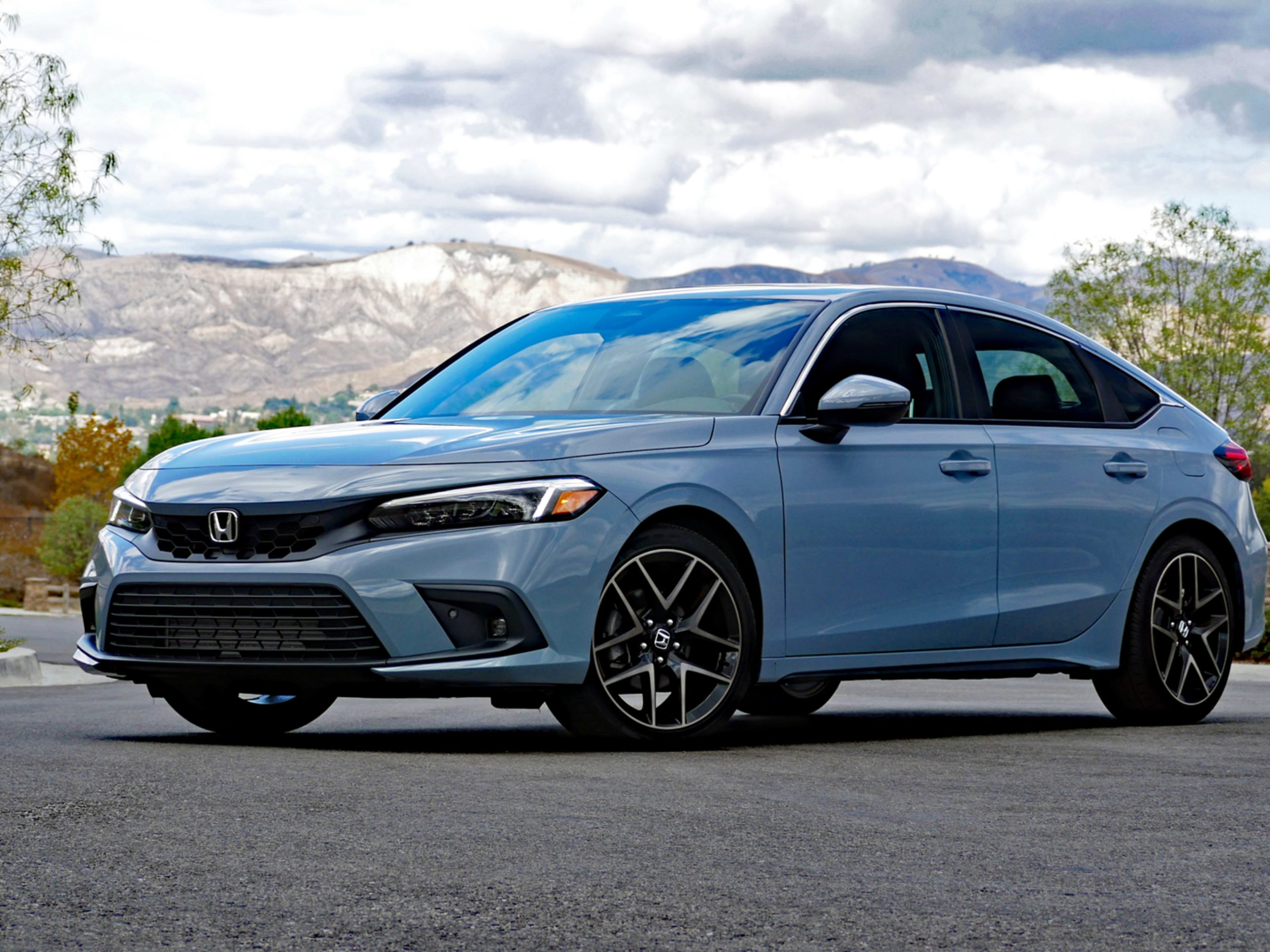
The third-generation Honda Civic, built from 1983 to 1987, marked a major leap in Honda’s reputation as a reliable carmaker.
Lightweight, efficient, and incredibly practical, this Civic was a favorite among first-time car buyers and commuters. Decades later, many examples are still running, thanks to consistent build quality and simple mechanics.
This Civic wasn’t just about transportation. It was agile, well-balanced, and fun to drive. Even the base models had a certain pep that made city driving enjoyable.
Honda also introduced the CRX during this era, a sporty offshoot of the Civic with even more driver engagement. These cars weren’t overpowered, but they were quick enough to feel sporty while remaining extremely efficient.
Owners often highlight how little maintenance these cars need. Oil changes, timing belt replacements, and occasional clutch jobs are about the extent of what’s needed.
The engines are famously long-lasting, and with rust prevention, the body can also endure decades of weather. Honda’s parts interchangeability makes restoring or upgrading easier, with plenty of donor vehicles and aftermarket support available.
Today, these Civics are often found in the hands of enthusiasts or older owners who bought them new and never found a good reason to upgrade.
Their lightweight design, analog controls, and responsive handling make them more engaging than many modern cars. It’s not about performance numbers, it’s about the driving feel, and the third-gen Civic still delivers that.
3. Volvo 240
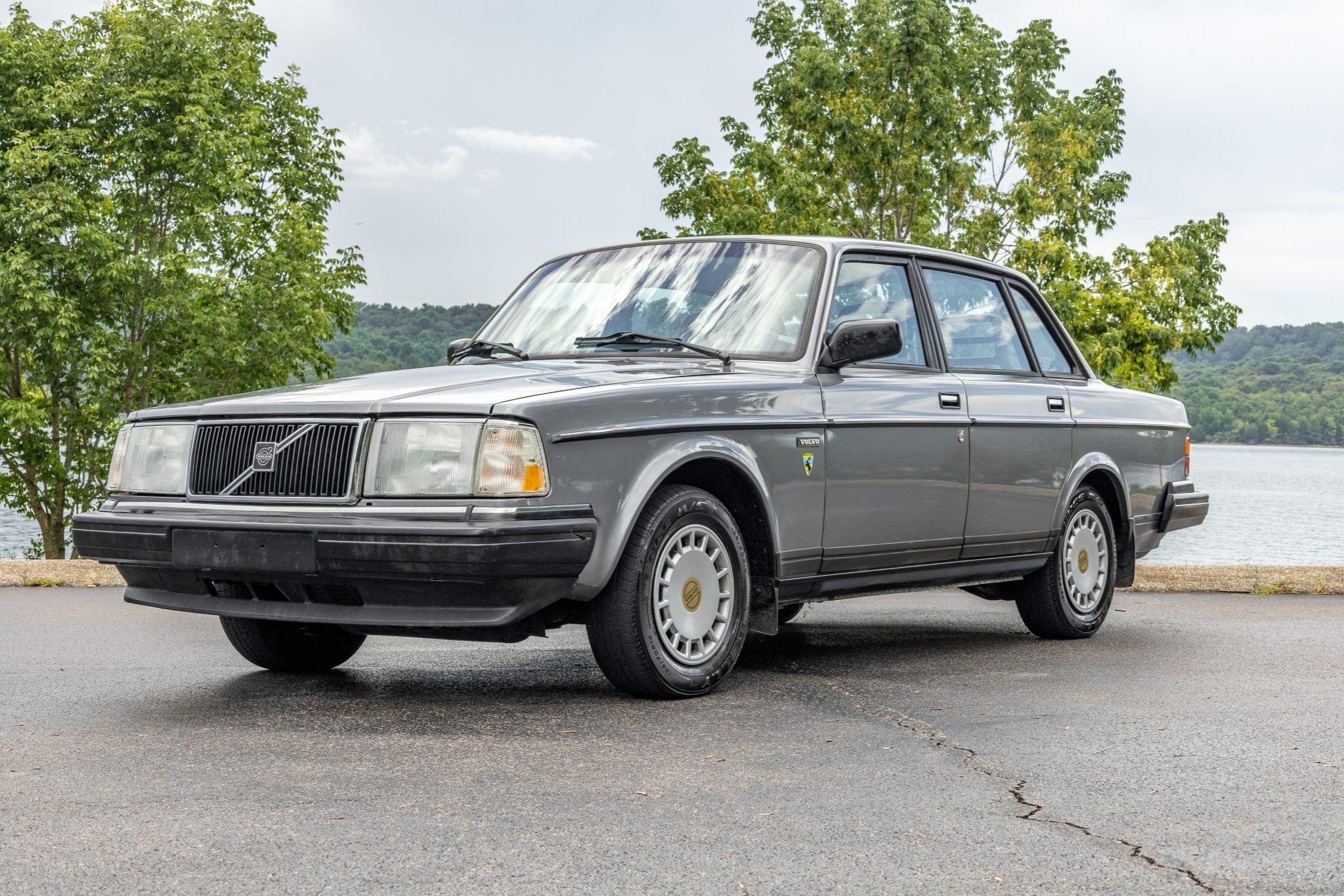
The Volvo 240 is often referred to as the car that refuses to die. Built like a tank and styled with brutal simplicity, the 240 was the poster child for Swedish reliability and safety.
These boxy sedans and wagons were family cars, taxis, and everything in between. Today, they’re still a common sight in certain communities, especially in colder climates where their winter capabilities shine.
The car’s mechanical design was intentionally conservative. Rear-wheel drive, cast iron engines, and few electronic systems meant fewer points of failure. Owners could often handle repairs in their own garage with basic tools. And because of the large engine bay and straightforward layout, everything was easy to access.
Over the years, the 240 developed a kind of cult following. People who grew up with them started buying them again as adults.
Others held onto theirs out of sheer loyalty. The wagon version, in particular, is loved for its practicality and durability. It’s still used today for road trips, camping, and even delivery driving in some places.
Part of what makes the 240 continue to endure is that it was never about trends. It was about function over form, and that kind of thinking doesn’t go out of style. As a result, the car’s charm has only grown. Whether bone-stock or slightly modified, a running 240 is often seen as a sign of good taste and practical thinking.
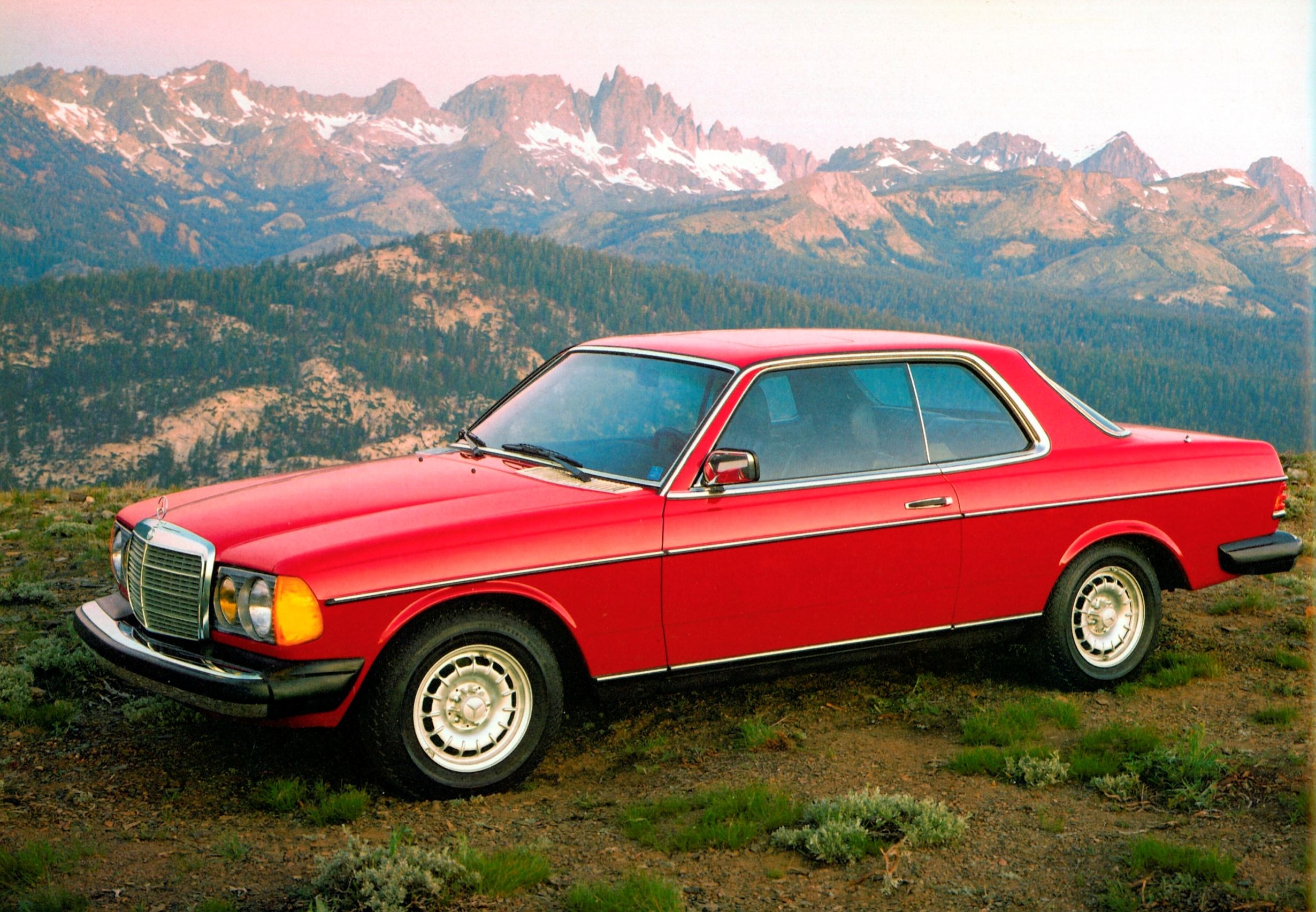
4. Mercedes-Benz W123
The Mercedes-Benz W123 is a masterclass in overengineering. Built between 1976 and 1985, many of these luxury sedans and wagons have easily crossed the 300,000-mile mark, with some reaching over a million miles.
Known for their rock-solid diesel engines and impeccable build quality, W123s are still being used as daily drivers, especially in parts of Africa, the Middle East, and Europe.
One of the reasons the W123 lasts so long is the attention to mechanical integrity. Mercedes built these cars at a time when their engineers were more concerned with longevity than profit margins.
The diesel engines, especially the OM617 inline-five, are virtually indestructible with basic maintenance. Even the gas models hold up well if properly serviced.
The interiors of W123s have also stood the test of time. The switchgear, wood trim, and seating materials were made to last. While modern luxury cars may offer more gadgets, the W123 offers a sense of craftsmanship that’s hard to find today. Everything was designed to be repairable, not disposable.
Many owners today use their W123s for more than just occasional drives. They still commute in them, take road trips, and some even rely on them for work.
With parts availability remaining strong and communities dedicated to keeping them running, the W123 has become more than just a classic car, it’s a symbol of durability done right.
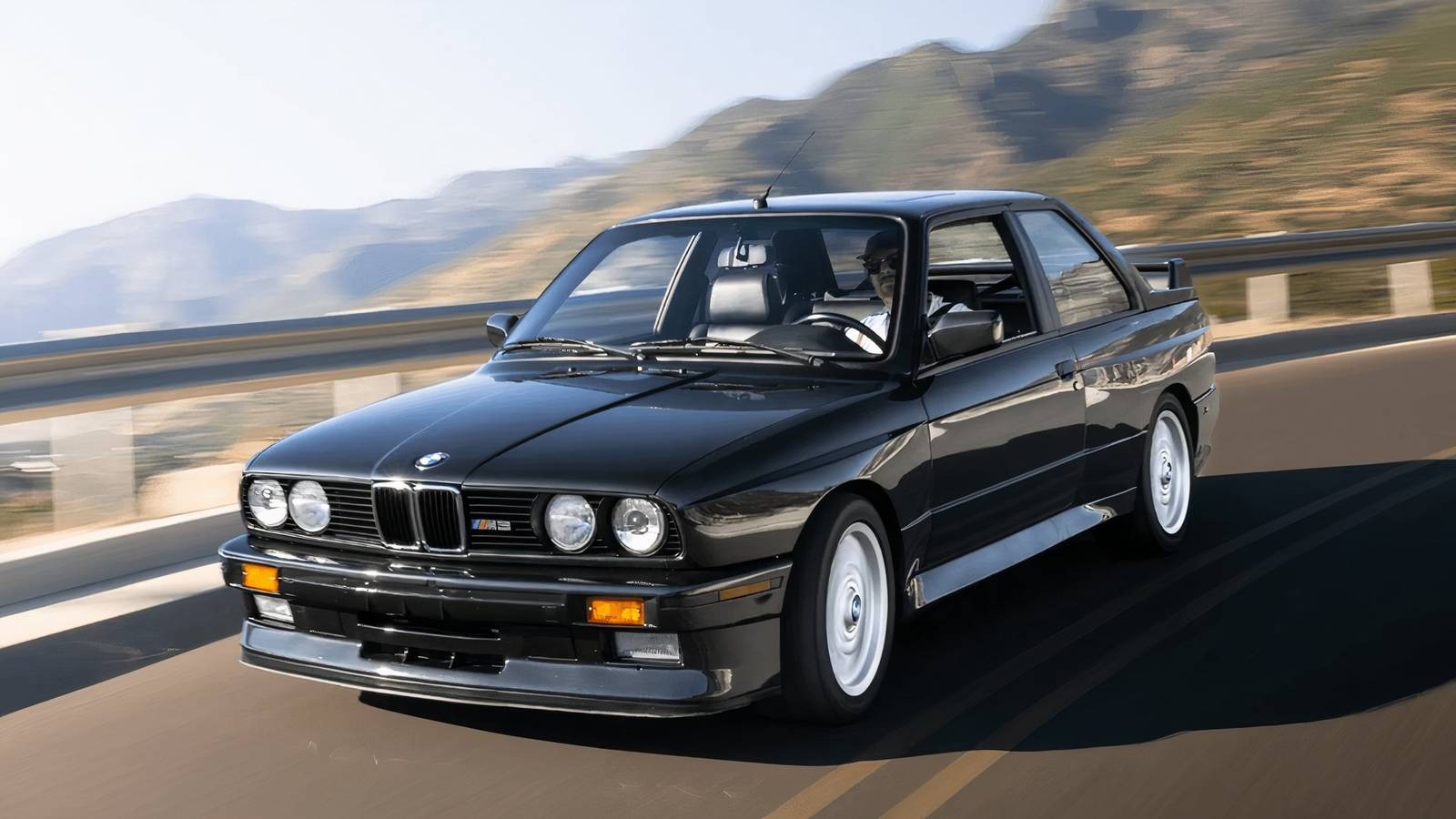
5. BMW E30 3 Series
The BMW E30, produced between 1982 and 1994, is widely regarded as one of the most balanced and beloved compact sports sedans ever built. It wasn’t just stylish for its time, it set a standard in driving dynamics and build quality that enthusiasts still praise today.
With its rear-wheel-drive layout, precise steering, and a strong lineup of inline-four and inline-six engines, the E30 became a benchmark for how a small European sedan should behave.
Today, these cars are still being driven daily, often with minimal modifications and in remarkably good condition, which speaks volumes about their durability and timeless design.
A large part of the E30’s continued success comes from its mechanical simplicity. Unlike modern BMWs, which are often packed with complex electronics, the E30 remains refreshingly analog. Its engines are known to be robust if basic maintenance is performed regularly.
Whether it’s the efficient M10 and M40 four-cylinder engines or the smooth and durable M20 straight-six, these powerplants are known to reach high mileage with few major issues. Parts are widely available, and a strong global community exists for support, making it easy for owners to maintain and repair their cars.
Another important factor that keeps the E30 alive is its massive enthusiast base. From club racing to drifting, restoration to restomods, the E30 has been embraced by several generations of drivers. It’s a favorite for first-time classic car owners and seasoned tuners alike.
The platform is highly adaptable, allowing for engine swaps, suspension upgrades, and various other modifications. But just as often, owners prefer to keep their E30s close to stock, preserving the factory driving experience that made the car a legend in the first place.
Culturally, the E30 has become more than just a car, it’s an icon. It represents a time when BMW prioritized driving feel and engineering purity over digital sophistication.
Many E30s still run strong as daily drivers, project cars, or cherished classics. They’ve proven that thoughtful engineering, strong materials, and an appreciation for driving can result in a machine that easily lives on beyond 40 years.
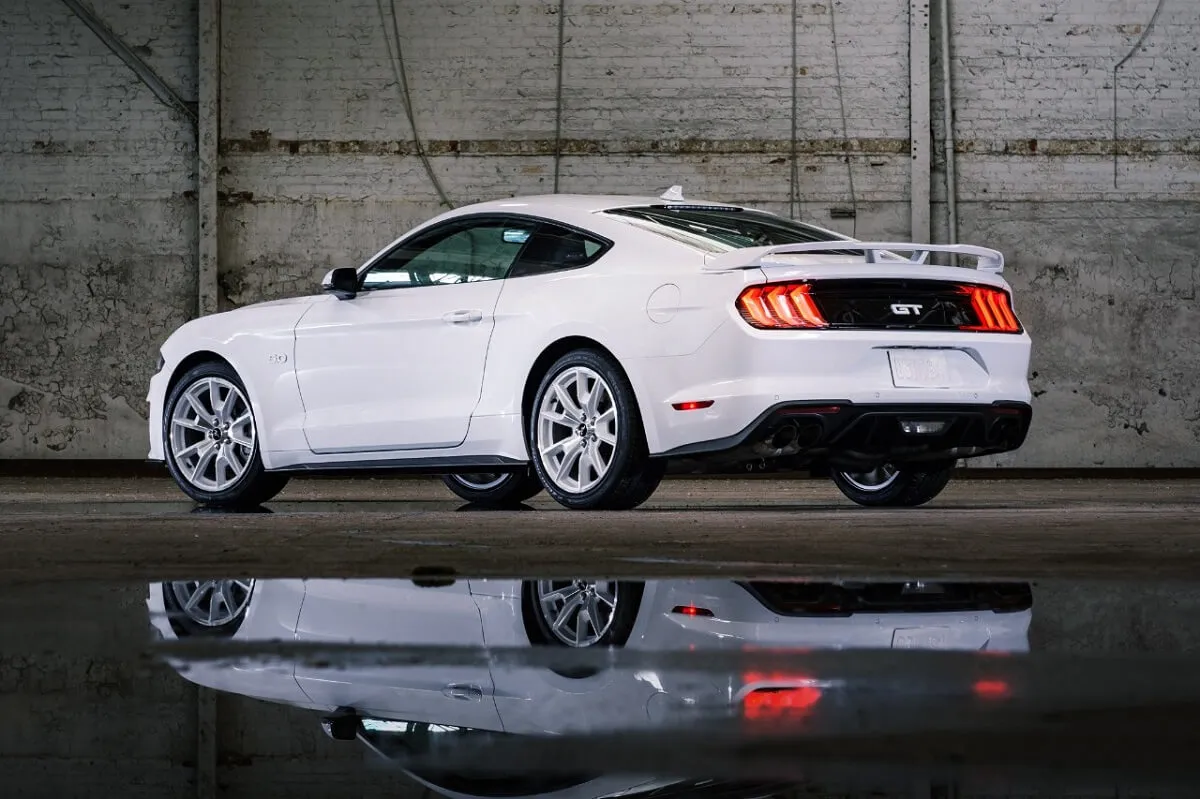
6. Ford Mustang (Fox Body)
The third-generation Ford Mustang, known as the “Fox Body,” ran from 1979 to 1993 and has experienced one of the most impressive comebacks in recent automotive culture.
Initially introduced during a time of uncertainty in the muscle car market, the Fox Body Mustang quickly gained a reputation for affordability, modifiability, and straight-line performance.
While it was never the most refined vehicle, its accessible V8 power, rear-wheel-drive setup, and light chassis made it a favorite among American performance fans. Decades later, many of these Mustangs are still roaring on the streets, often with a few performance upgrades under the hood.
The Mustang’s 5.0-liter V8, in particular, became a legend for its durability and tuning potential. It wasn’t the most sophisticated engine, but it was reliable, easy to work on, and capable of making serious power with basic bolt-ons.
Enthusiasts could increase horsepower without spending a fortune, and that made the Fox Body one of the most customized vehicles of its time.
Even today, it’s not uncommon to find well-maintained Fox Body Mustangs being driven daily or competing in amateur racing events. Some have even passed the 300,000-mile mark with only a few rebuilds along the way.
Durability aside, the Fox Body’s charm lies in its raw, unfiltered character. Driving one today is a throwback to a time when cars weren’t overly refined or insulated. You feel the road, hear the engine, and engage with the machine in a way that’s largely absent from newer vehicles.
That sense of involvement has led many younger enthusiasts to seek out clean examples, even as values continue to rise. Despite its humble materials and simple construction, the Fox Body delivers an experience that’s still enjoyable in 2025.
Ford’s support for its performance legacy has also helped the Fox Body stay relevant. Restoration parts are readily available, and aftermarket companies continue to produce everything from suspension kits to body panels.
Combined with a passionate owner community and online forums dedicated to keeping these cars running, it’s no wonder the Fox Body is still a common sight at car meets, racetracks, and even in daily traffic.
Also Read: 10 Cars Mechanics Call Unkillable Even After Long Service History
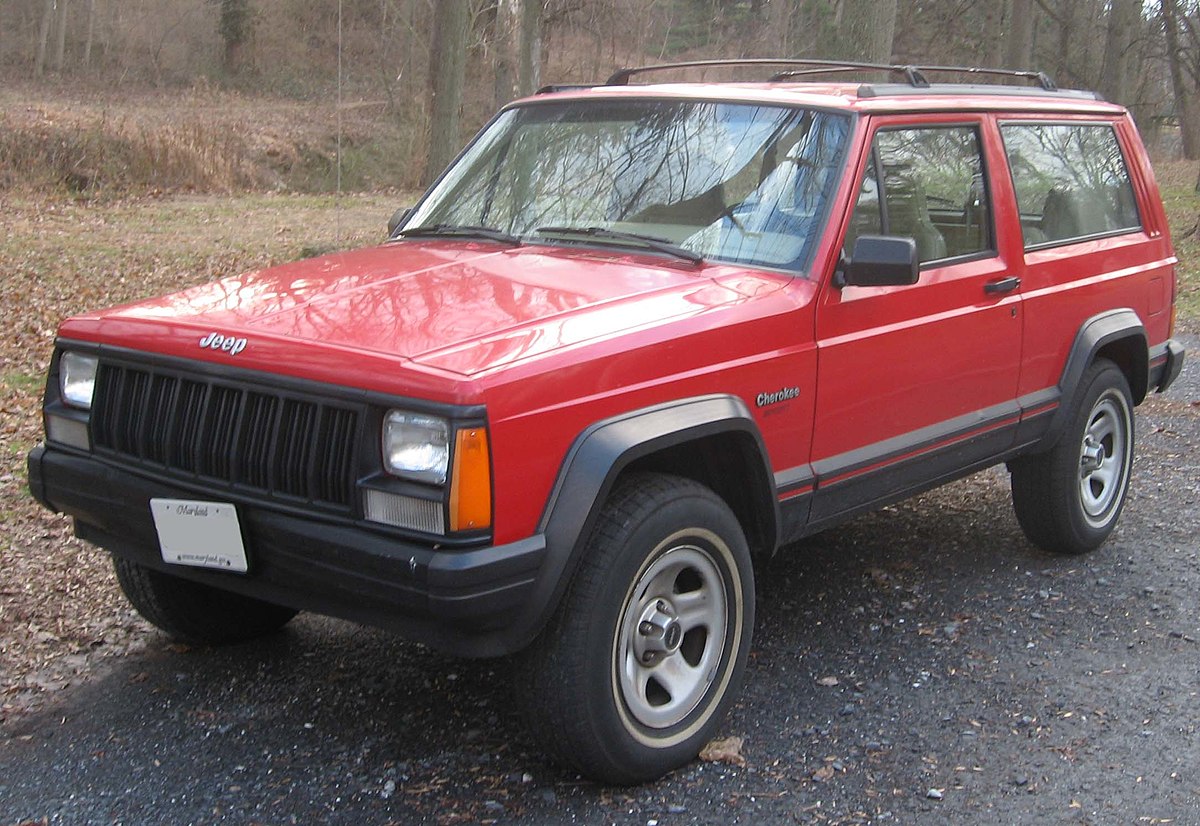
7. Jeep Cherokee XJ
The Jeep Cherokee XJ, produced from 1984 through 2001, is arguably one of the most durable and recognizable SUVs ever built. With its boxy styling and rugged body-on-frame design, the XJ was a pioneer of the modern SUV market.
It blended off-road capability with on-road comfort in a way few vehicles had done before. Today, even decades after production ended, many 80s-era XJs are still in active use, whether as daily drivers, weekend off-roaders, or trail-ready adventure machines.
The 4.0-liter inline-six engine introduced in 1987 is a big reason for the XJ’s longevity. Known for its reliability and torque, this engine can often exceed 300,000 miles with only basic maintenance.
Coupled with a simple and strong drivetrain, it made the Cherokee a dependable choice for drivers who needed a vehicle that could handle both the commute and the backcountry. Early models with the 2.5-liter engine also had their own loyal following, especially among those who prioritized fuel efficiency or didn’t need as much power.
Another standout feature of the Cherokee XJ is its off-road capability. Even stock, the XJ could handle rough trails, steep inclines, and muddy conditions with ease.
The short wheelbase, solid axles, and high ground clearance gave it agility and traction in places where larger SUVs struggled. Many owners still use these vehicles for overlanding, rock crawling, or camping trips. With endless aftermarket support, it’s easy to outfit an XJ for nearly any type of adventure.
What truly sets the XJ apart, though, is its sense of purpose. It wasn’t built for luxury, it was built to work, explore, and last. Owners often talk about the emotional attachment they have to their Jeeps, and many have kept them in service through multiple generations.
Whether it’s used for hauling, commuting, or exploring the unknown, the Cherokee XJ continues to show that a well-built SUV from the 80s can still hold its own in today’s world.
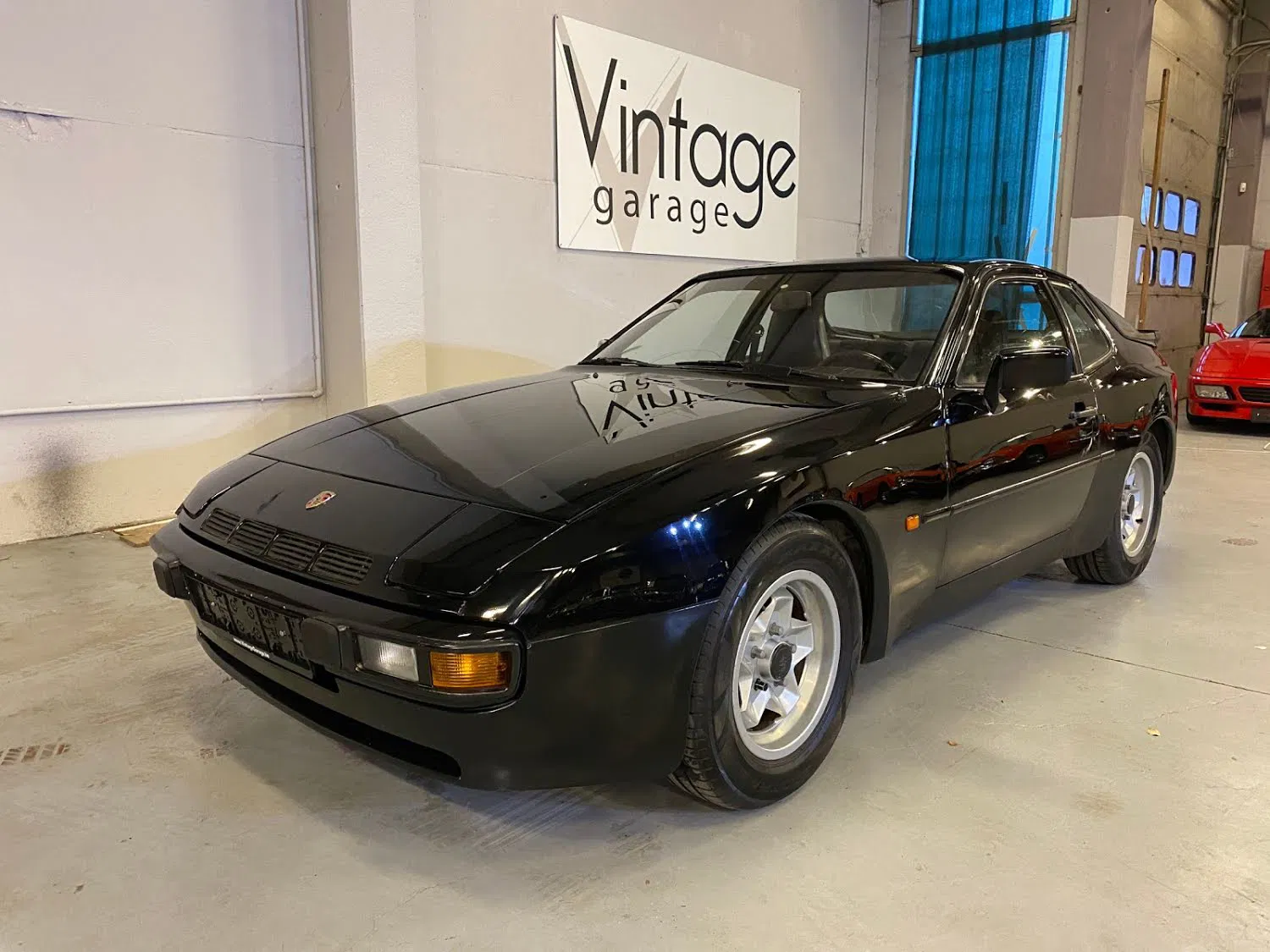
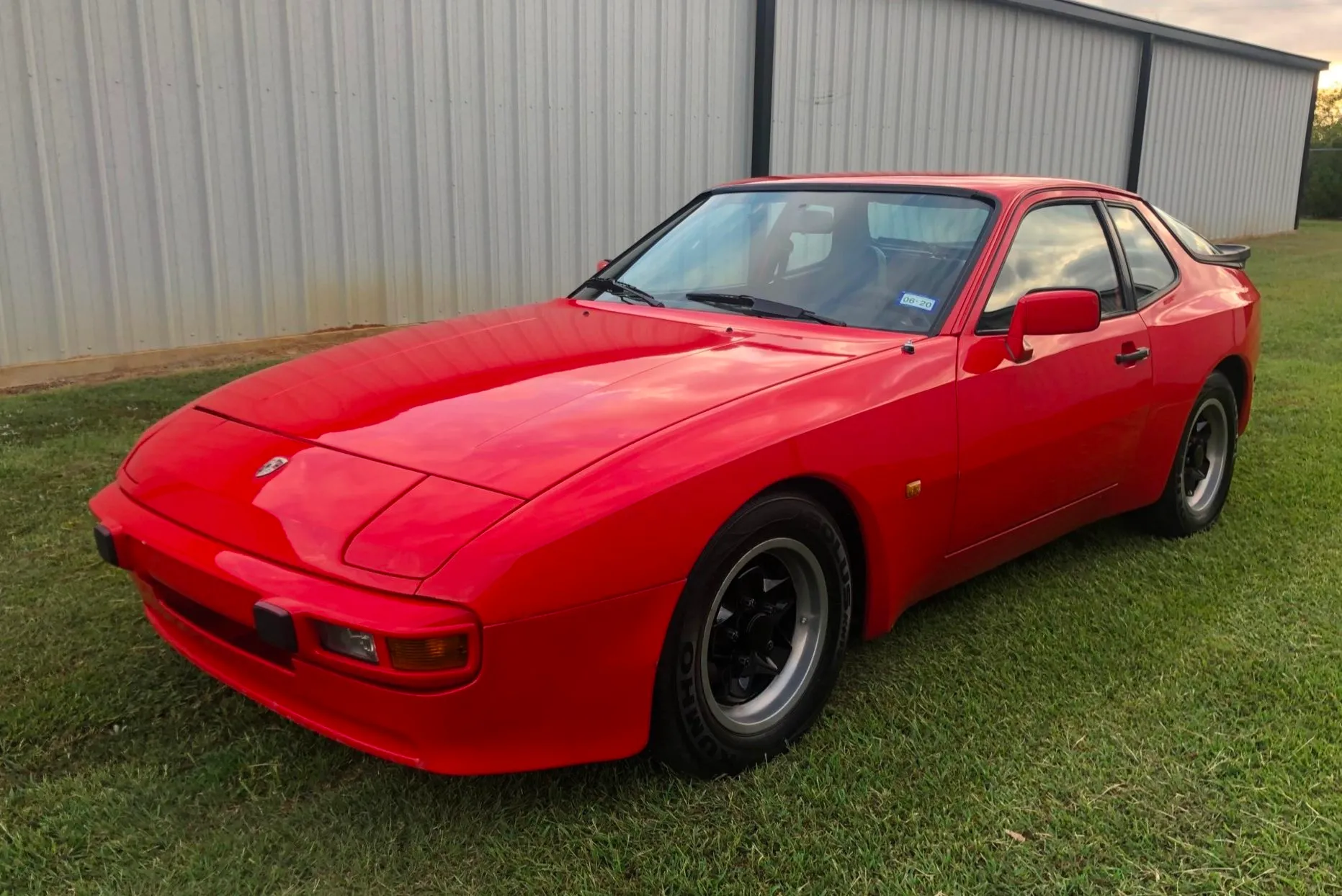
8. Porsche 944
The Porsche 944, produced from 1982 to 1991, is a standout among 80s sports cars. Unlike the more iconic 911, the 944 featured a front-engine, rear-wheel-drive layout and a perfect 50:50 weight distribution, giving it exceptional balance and handling.
It was more affordable than its rear-engined sibling, yet it offered a refined driving experience that appealed to enthusiasts and newcomers alike. Decades later, many 944s remain on the road, often lovingly maintained by dedicated owners who recognize the car’s understated brilliance.
Mechanically, the 944 was built to a high standard. Its inline-four engine, particularly in later S2 and Turbo variants, provided strong performance and was surprisingly durable when properly maintained.
The car’s suspension setup, brakes, and steering system were all engineered for spirited driving, making the 944 feel tight and responsive even by modern standards. Though maintenance can be more involved than with simpler cars, many 944s have proven to be long-lasting when cared for diligently.
What has helped keep the 944 relevant is the loyalty of its fanbase. Owners often speak of the unique bond they feel with the car, noting how engaging and rewarding it is to drive.
There’s also a strong sense of community around the model, with clubs, forums, and specialist shops dedicated to preserving these cars.
Restoration projects are common, with many 944s being brought back to life after years of neglect. The availability of parts, especially from European suppliers, has made it easier to keep these classics on the road.
Unlike many other 80s sports cars, the 944 has aged gracefully in both design and performance. It’s still capable of turning heads at car shows, and it delivers an analog driving experience that modern vehicles often lack.
With rising appreciation for classic Porsches, the 944 is increasingly seen as a smart investment, but many owners are less concerned with resale value and more focused on enjoying a machine that continues to deliver joy every time they take it out for a drive.
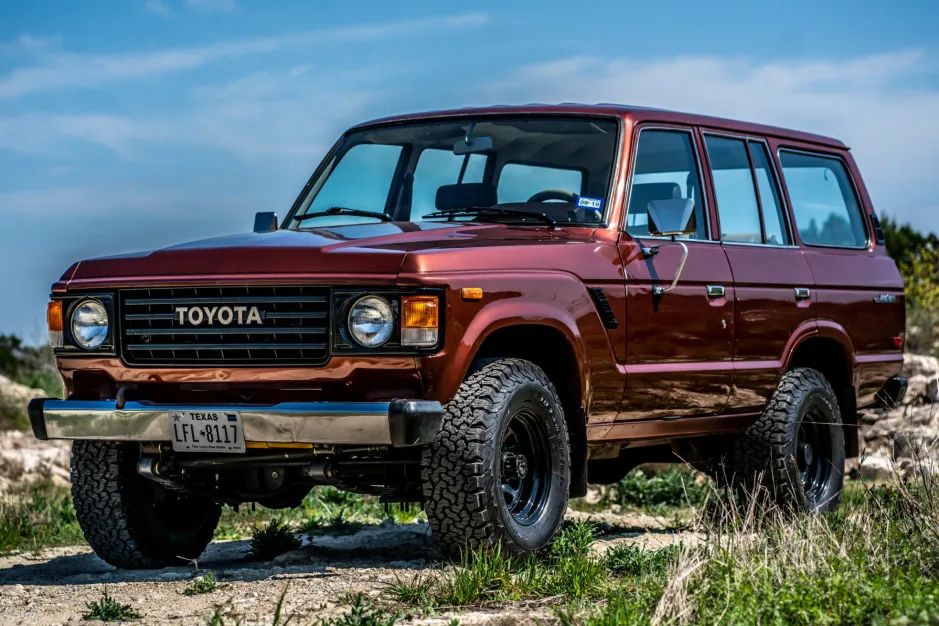
9. Toyota Land Cruiser 60 Series
The Toyota Land Cruiser 60 Series, produced from 1980 to 1990, is one of the most respected off-road vehicles to come out of Japan. It combined the legendary durability of Toyota’s earlier Land Cruisers with greater comfort and practicality, making it a viable family vehicle that could still traverse hostile environments.
These SUVs were originally designed for markets with rough terrain, but they found a global audience thanks to their reputation for surviving the harshest conditions. Even today, many 60 Series Land Cruisers are in active service in rural areas, deserts, mountains, and farms across the world.
What separates the 60 Series from most SUVs of the era is its bulletproof drivetrain and simple construction. It often came equipped with either a naturally aspirated or turbocharged diesel engine, or the long-lasting 2F inline-six gas engine. These engines, while not quick, were known for running forever.
Paired with a manual or automatic transmission and solid axles front and rear, the Land Cruiser could handle extreme use with little more than oil changes and basic servicing.
Owners who do their own maintenance find that repairs are straightforward, and OEM-quality parts are still available, especially from Toyota’s global parts network.
Another defining trait of the 60 Series is its utilitarian design. Everything from the dashboard to the cargo area was designed for function first.
That doesn’t mean it was uncomfortable; it had available features like A/C, power windows, and even leather in higher trims, but it never lost its core identity as a go-anywhere, do-anything vehicle.
It could haul gear, tow a trailer, or act as a mobile basecamp. Its boxy design also means it offers good interior space and visibility, even by modern standards.
Today, these Land Cruisers have become collector favorites and are also increasingly used as classic overland rigs. Many owners restore them to factory spec, while others modify them with rooftop tents, lift kits, and long-range fuel tanks. Regardless of use, they remain dependable companions.
A well-kept 60 Series can be driven daily without issue, and in many parts of the world, it still is. Its resilience, simplicity, and capability have earned it a well-deserved place among the toughest vehicles ever built.
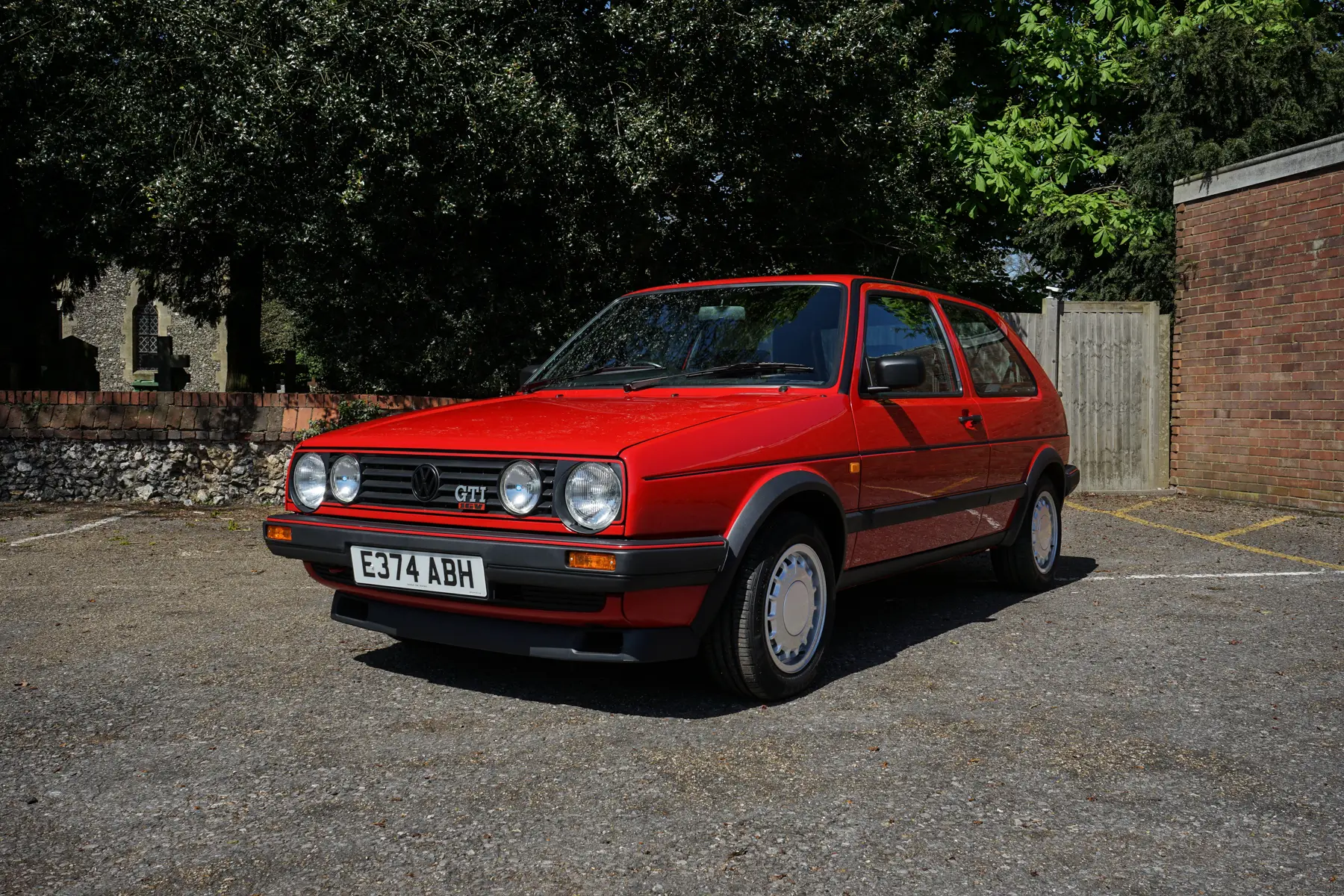
10. Volkswagen Golf Mk2
The second-generation Volkswagen Golf, or Mk2, built from 1983 to 1992, took everything that made the original Golf great and improved upon it. Slightly larger, more refined, and better built, the Mk2 became an instant hit in Europe and later in other markets.
Whether in its basic form or the legendary GTI trim, the Mk2 Golf quickly earned a reputation for being both fun and durable. Even now, decades after its debut, Mk2s continue to be driven regularly, especially in Europe where they were once nearly as common as bicycles.
One reason for the Mk2’s longevity is its strong mechanical foundation. The engines, particularly the 1.6 and 1.8-liter variants, are known to be nearly indestructible. Paired with a manual transmission, these cars can go for hundreds of thousands of kilometers without major problems.
Their compact design and light weight make them fuel-efficient and nimble, while the robust chassis offers a surprisingly smooth and composed ride. It’s not a fast car by today’s standards, but it has enough character to remain enjoyable.
The Mk2 Golf also gained popularity among enthusiasts for how easily it could be modified. From suspension upgrades to engine swaps, the Golf has always been a favorite project platform. The GTI version, especially, introduced many people to the idea that a small, affordable car could also be sporty.
Even standard models have a sense of charm that newer compacts often lack. Over the years, a huge aftermarket has grown around the Golf, making it easier to find parts, upgrade components, or restore one from the ground up.
What makes the Mk2 Golf stand out isn’t just its reliability or customizability, it’s the way it combines everyday practicality with a certain mechanical honesty. It feels solid, like a car that was built to last rather than built to impress.
Many original owners still drive theirs, while younger enthusiasts are starting to buy them up before prices go even higher. It’s a car that fits almost any lifestyle and continues to earn respect with each passing year.
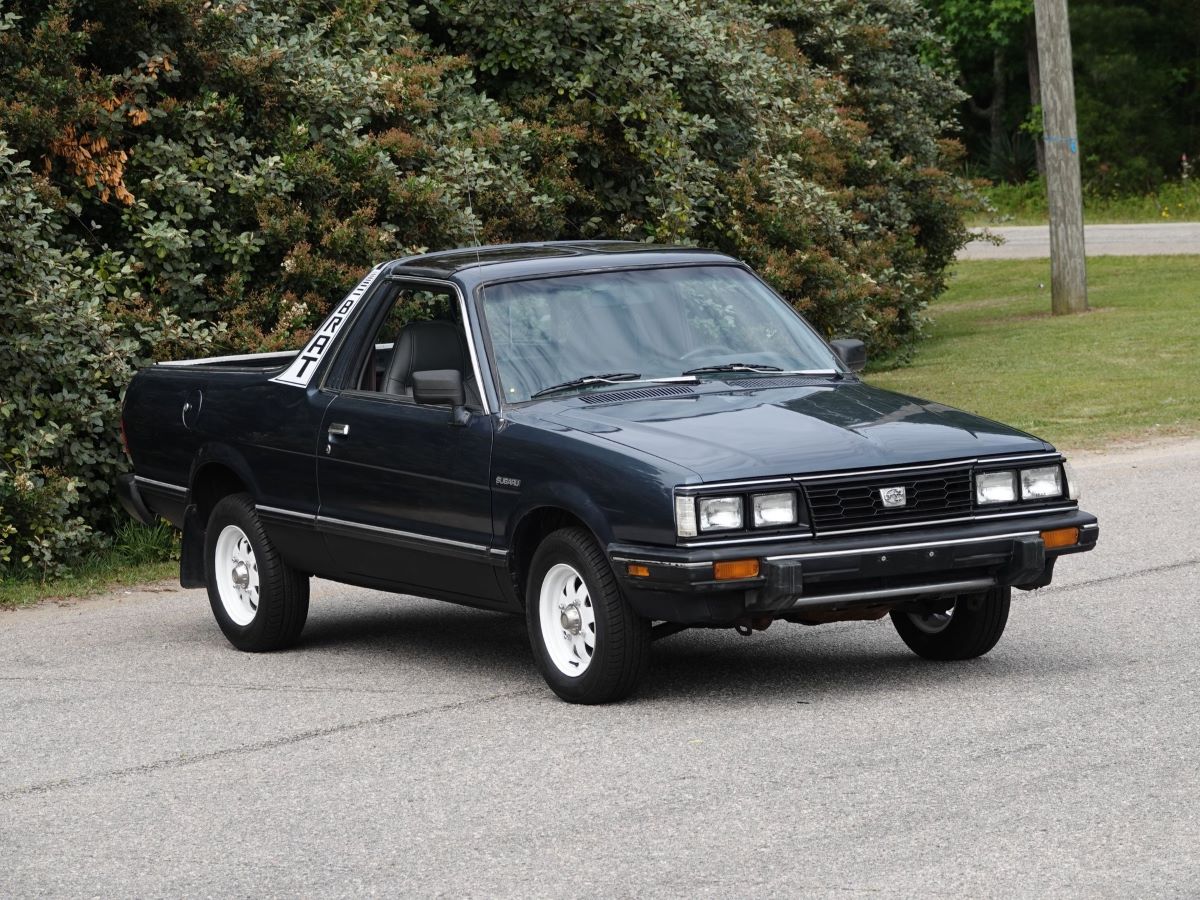
11. Subaru Brat
The Subaru Brat (short for Bi-Drive Recreational All-terrain Transporter) is one of the quirkiest and most memorable vehicles of the 1980s.
Built from 1978 to 1994, it was essentially a small car with a pickup bed and came standard with four-wheel drive, making it one of the earliest crossover-style vehicles before the term even existed.
It was light, efficient, and surprisingly capable off-road. While never a massive commercial hit, the Brat developed a cult following and many are still running strong today, often as weekend utility vehicles or offbeat daily drivers.
One of the Brat’s most unusual features was the set of rear-facing jump seats bolted into the cargo bed. These seats were installed to classify the Brat as a passenger vehicle and avoid certain U.S. import tariffs. While not exactly safe by today’s standards, they became a defining characteristic of the vehicle.
That sense of weirdness, combined with its undeniable usefulness, has kept people interested in the Brat long after production stopped. Subaru fans, in particular, consider the Brat a vital piece of the brand’s early history.
Mechanically, the Brat was based on Subaru’s Leone platform and featured a boxer engine, manual transmission, and selectable four-wheel drive. The flat-four engines were simple and durable, and their low center of gravity contributed to the car’s surprisingly good handling.
Off-road, the Brat could go much further than its modest appearance might suggest. Many have been used on farms, in forests, and on trails, and they continue to prove their toughness. Owners who take care of rust and keep up with basic maintenance often find these cars can last well into the present day.
Today, surviving Brats are cherished for their uniqueness and practicality. They’re not fast or luxurious, but they have a charm that makes people smile. Parts can still be found, especially through enthusiast forums and Subaru specialists.
With rising interest in vintage Japanese vehicles, the Brat has gained new fans who appreciate its originality and clever engineering. Whether used as a quirky commuter or a capable utility vehicle, the Brat continues to punch far above its weight.
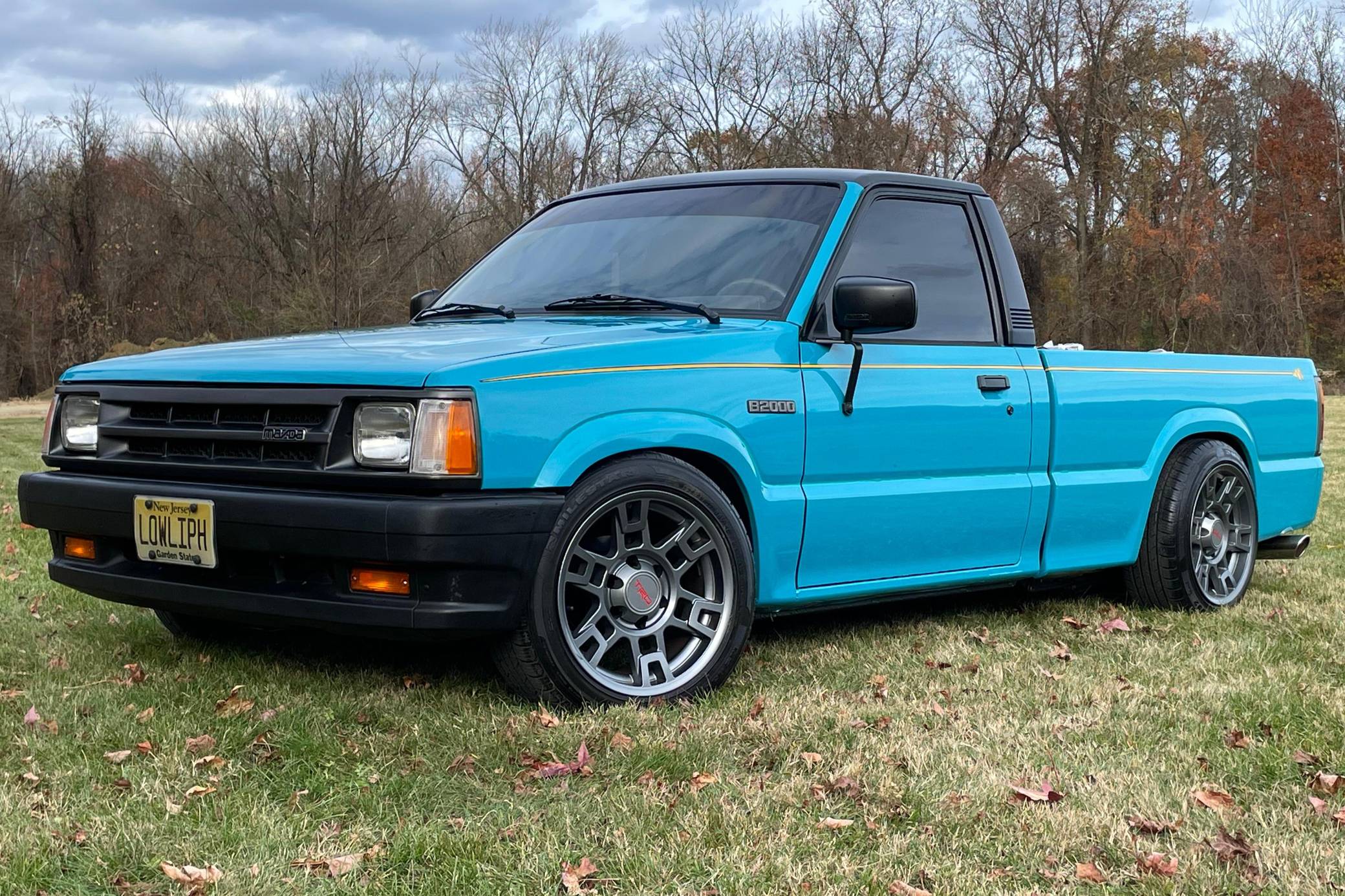
12. Mazda B2000/B2200
Mazda’s B-series trucks from the 1980s, particularly the B2000 and B2200, have earned a reputation as no-nonsense, ultra-reliable workhorses. Compact, lightweight, and affordable, these trucks were built with simplicity in mind, and that’s exactly why so many are still running today.
Whether used on farms, in small businesses, or just as personal haulers, the B-series trucks gained a loyal following due to their minimalistic yet solid design. Many of them are still doing honest work, with odometers long past 200,000 miles.
The B2000 and B2200 featured naturally aspirated four-cylinder engines that, while not powerful, were extremely durable. These engines didn’t need much beyond regular oil changes and valve adjustments to stay running for decades.
Their simplicity meant there were fewer things to go wrong, and repairs could often be done in a driveway with basic tools. The manual transmissions were nearly indestructible, and the rear-wheel-drive layout made them easy to understand and maintain.
Owners often describe these trucks as “appliances with personality.” They may not offer modern amenities, but what they do provide is consistency. The interiors were basic but functional, and the visibility from the cabin was excellent.
Whether used for moving furniture, hauling tools, or just getting from point A to point B, these trucks did the job without complaint. Many were treated roughly, used to haul loads beyond their capacity or driven over rough terrain, and yet they endured.
Today, the B-series trucks have a kind of understated cool factor. Enthusiasts restore them, lower them, modify them, or just keep them bone-stock. Some are daily driven, others show up at vintage truck meets, and many are still in use in small towns and countryside garages.
Their ability to keep running with basic care makes them a perfect example of 1980s durability. In an age of overcomplicated pickups and massive footprints, the simple Mazda B-series reminds us that a small, honest truck can go a long way, literally and figuratively.
