
A car’s interior is one of its most intimate spaces, a place where comfort, design, and functionality come together to shape the driving experience. Unlike exterior styling, which can often be refreshed or repaired, the interior of a vehicle ages alongside its owner, reflecting years of use, care, and exposure to the elements.
Over time, many interiors suffer from fading due to sunlight, cracking from temperature fluctuations, staining from spills, and wear from repeated contact. For this reason, the durability of a car’s interior is an essential factor for anyone considering long-term ownership or purchasing a used vehicle.
A well-preserved interior enhances not only comfort but also the appeal and resale value of a car. This is why some models develop reputations for having cabins that remain solid and inviting despite the passage of time, while others become visibly tired and worn relatively quickly.
The longevity of an interior is influenced by various factors. Material quality plays a crucial role; leather seats that use subpar tanning processes can crack prematurely, and plastics can become brittle or sticky with age.
The design and craftsmanship also matter, how well parts fit together, how resilient buttons and switches are, and whether the interior layout prevents unnecessary abrasion or sun exposure.
Moreover, manufacturers that invest in UV-resistant coatings, durable stitching, and dense cushioning help ensure that their vehicles age gracefully.
These combined elements create cabins that not only look good but continue to function well and offer comfort long after the vehicle leaves the showroom floor. For drivers and passengers alike, such interiors contribute to a sense of pride and satisfaction.
In this article, we’ll focus on ten vehicles that stand out for keeping their interiors solid over time. These cars are from a range of manufacturers, price points, and body styles, proving that interior durability is not limited to luxury brands alone. Instead, it reflects thoughtful design and engineering priorities across the board.
Each vehicle has earned praise from owners, critics, and automotive experts for the way its cabin materials hold up to daily use, aging, and environmental stress.
Whether it’s a sedan that manages to stay crisp after many years, a rugged SUV that handles outdoor abuse with ease, or a luxury model that preserves its elegance, these cars share common qualities that make them worth considering.
We will explore each vehicle’s specific attributes that contribute to its interior’s resilience, including material choices, design strategies, and manufacturing standards. Additionally, we’ll touch on practical elements like ease of maintenance and cleaning, which also affect how well an interior holds up.
The goal is to provide useful insights for potential buyers and enthusiasts who appreciate the craftsmanship behind interiors that stand the test of time. Now, let’s examine the ten cars that exemplify interior durability and learn what makes their cabins remain solid and enjoyable for years to come.
Also Read: 10 Cars Mechanics Call Unkillable Even After Long Service History
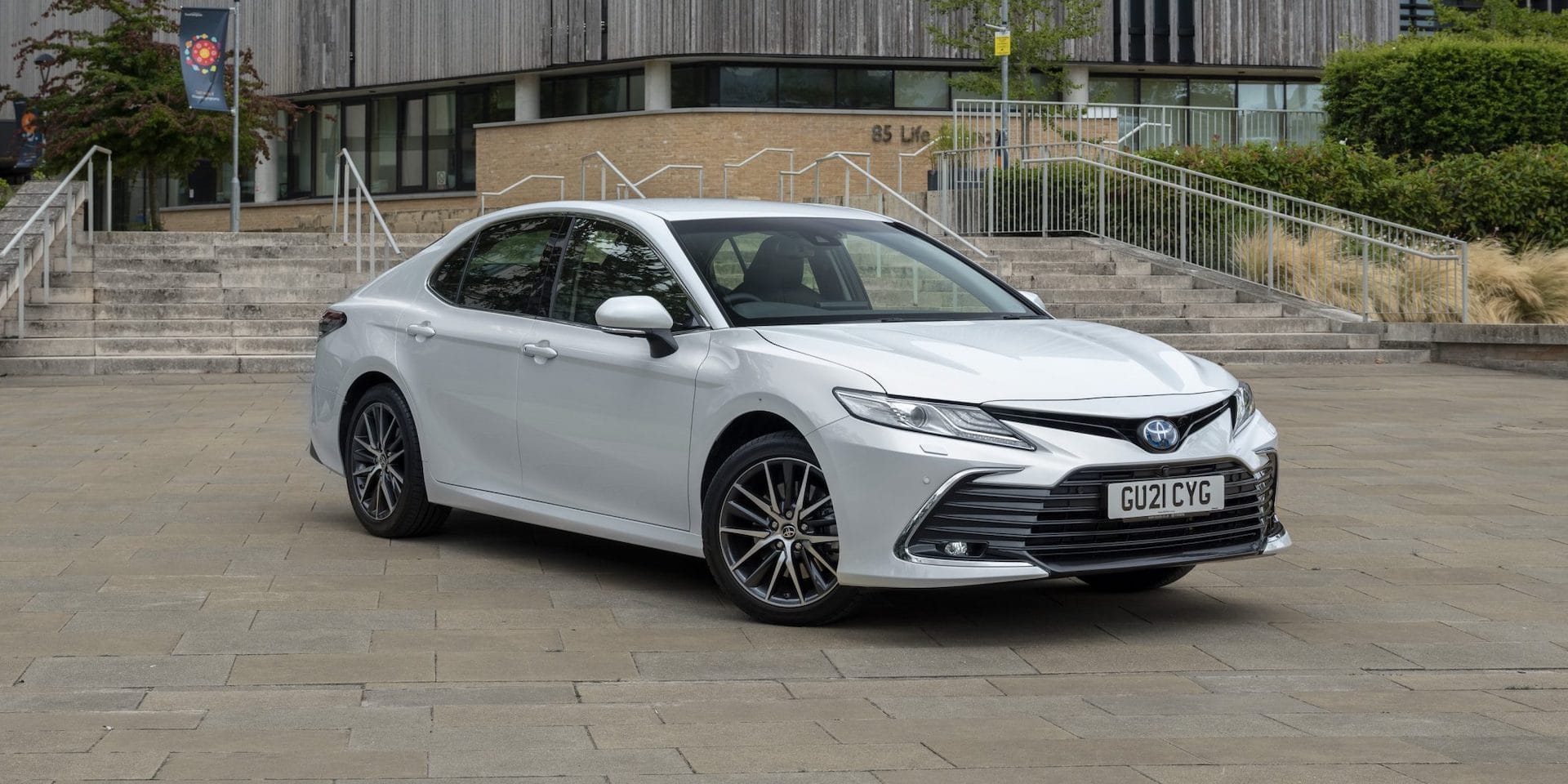
1. Toyota Camry
The Toyota Camry has become synonymous with reliability, and part of that reputation extends to the durability of its interior. Unlike many vehicles in its segment, the Camry’s cabin is built with materials carefully chosen to balance comfort with resilience.
The plastic components, from the dashboard to door panels, use high-quality polymers that resist cracking and fading even when exposed to sunlight for prolonged periods.
Toyota’s fabric seats are made from woven materials designed to prevent wear from friction, while the leather options are treated to withstand heat and UV rays, minimizing the risk of peeling or discoloration.
The seat cushions maintain their structural integrity thanks to carefully engineered foam that doesn’t compress easily, even after extensive use. This combination means that Camry owners rarely face issues with sagging seats or brittle plastics that mar the cabin’s appearance.
What truly sets the Camry apart is Toyota’s philosophy of simplicity and reliability in design. The interior does not rely on delicate trim pieces or overly complicated electronics that can malfunction or degrade quickly.
Buttons and knobs are robust, tactile, and firmly attached to their mounts, resisting loosening even after years of operation.
Textured plastics cover frequently touched surfaces, such as the center console and door handles, reducing the visibility of fingerprints and scratches. This careful approach to design minimizes wear and tear and ensures the interior remains pleasant to the eye.
Additionally, Toyota’s commitment to rigorous quality control during manufacturing means that each component fits precisely, which reduces vibrations and noises that can make a cabin feel less solid over time.
Another important factor contributing to the Camry’s lasting interior is ease of maintenance. The materials are straightforward to clean using common products, helping owners keep their vehicles looking new. The fabric seats resist stains well, and the leather can be conditioned without fear of damage.
Toyota’s widespread availability of replacement parts and accessories also means that minor damages can be repaired easily, extending the interior’s lifespan.
Owners frequently report satisfaction with how well their Camry interiors age, noting that the cabin remains comfortable and attractive even after 100,000 miles or more.
The resale value of the Toyota Camry reflects its durable interior among other strengths. Buyers of used Camrys often comment on the cabin’s solid condition, which helps maintain demand for the model.
This aspect is critical in a competitive midsize sedan market, where many vehicles struggle to keep their interiors looking fresh over time.
The Camry’s balance of comfort, durability, and practicality makes it a smart choice for drivers prioritizing a long-lasting interior that continues to deliver a pleasant experience throughout the vehicle’s lifespan.
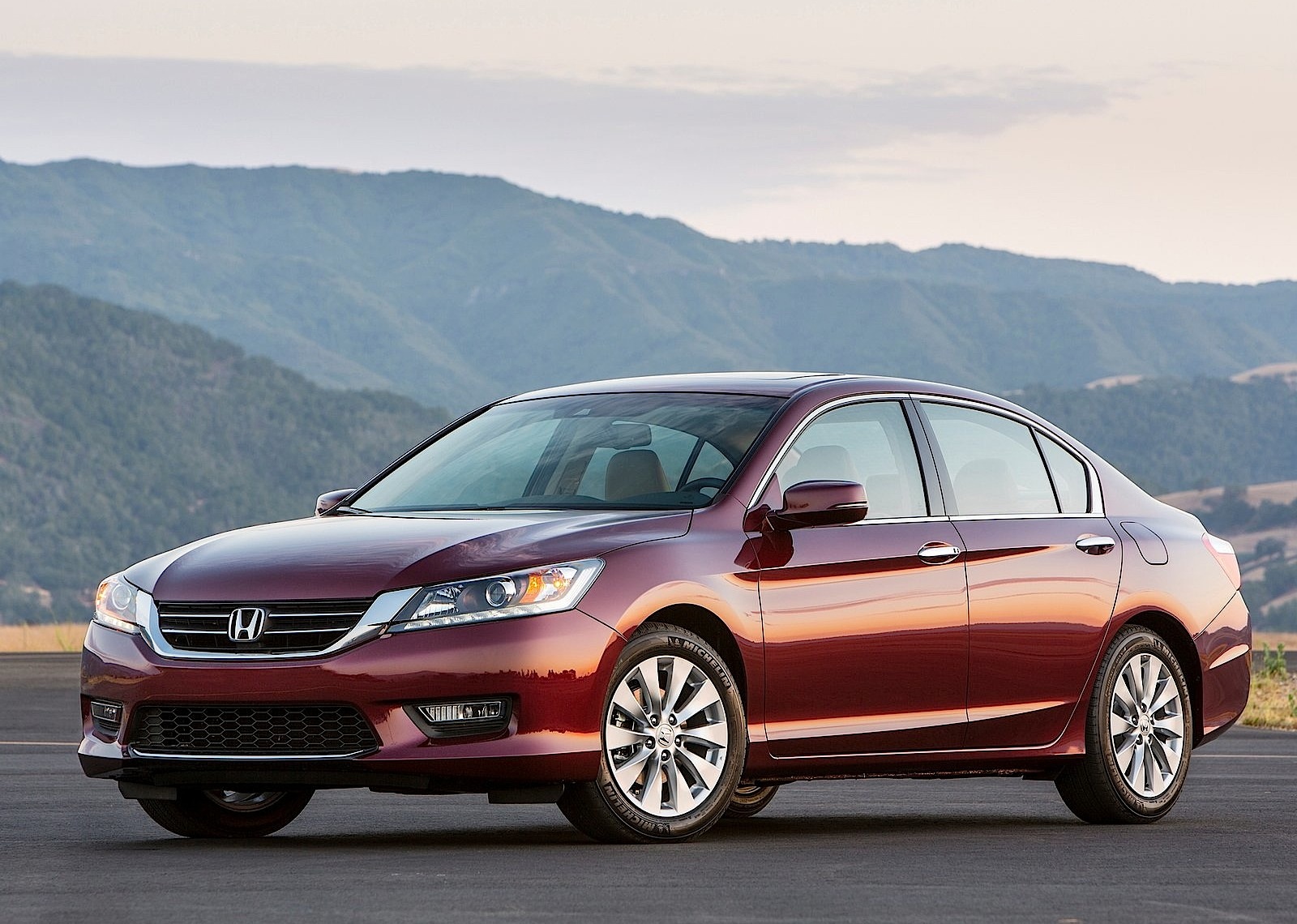
2. Honda Accord
The Honda Accord has long been praised for its blend of sporty styling, efficient performance, and solid build quality, and its interior durability is no exception. Honda designers prioritize materials that provide a premium feel while withstanding years of daily use.
The seats, available in both cloth and leather, are constructed with attention to detail that prevents sagging and fading. High-quality leather in the upper trims is soft to the touch but thick and robust enough to resist cracking, while the cloth upholstery in lower trims uses dense weaves that are resistant to pilling and stains.
The seat foam is engineered to retain its shape, providing lasting support to passengers and minimizing discomfort on long journeys. Beyond the upholstery, the Accord’s dashboard and cabin components contribute significantly to its interior resilience.
Honda employs plastics that combine rigidity with flexibility, allowing panels to absorb shocks rather than crack under stress. Many surfaces feature matte or lightly textured finishes that conceal fingerprints, dust, and minor scuffs.
The buttons, knobs, and touch-sensitive controls are designed to maintain their tactile feedback, with finishes that resist wear from constant contact. These factors help the interior feel well-maintained even after several years on the road.
Ergonomics play an essential role in prolonging the life of the Accord’s interior as well. The placement of frequently used controls, armrests, and storage compartments is designed to minimize unnecessary friction or pressure on materials.
For instance, door armrests use padded and durable materials that are less likely to crack or become shiny from repeated rubbing.
Honda also applies UV protection to key interior surfaces to guard against sun damage, which is a common cause of fading and cracking in vehicles exposed to harsh climates. This strategic protection helps preserve the cabin’s aesthetics and structural integrity.
Owners of the Honda Accord often remark on how their interiors remain fresh and comfortable well beyond the average lifespan of similar vehicles. This longevity contributes to the Accord’s strong resale value and appeal in the used car market.
Buyers know that an Accord’s interior is less likely to require expensive repairs or refurbishments, making it an attractive option for long-term ownership. The car’s combination of quality materials, thoughtful design, and rigorous manufacturing ensures its cabin stands up to the demands of everyday driving and aging gracefully.
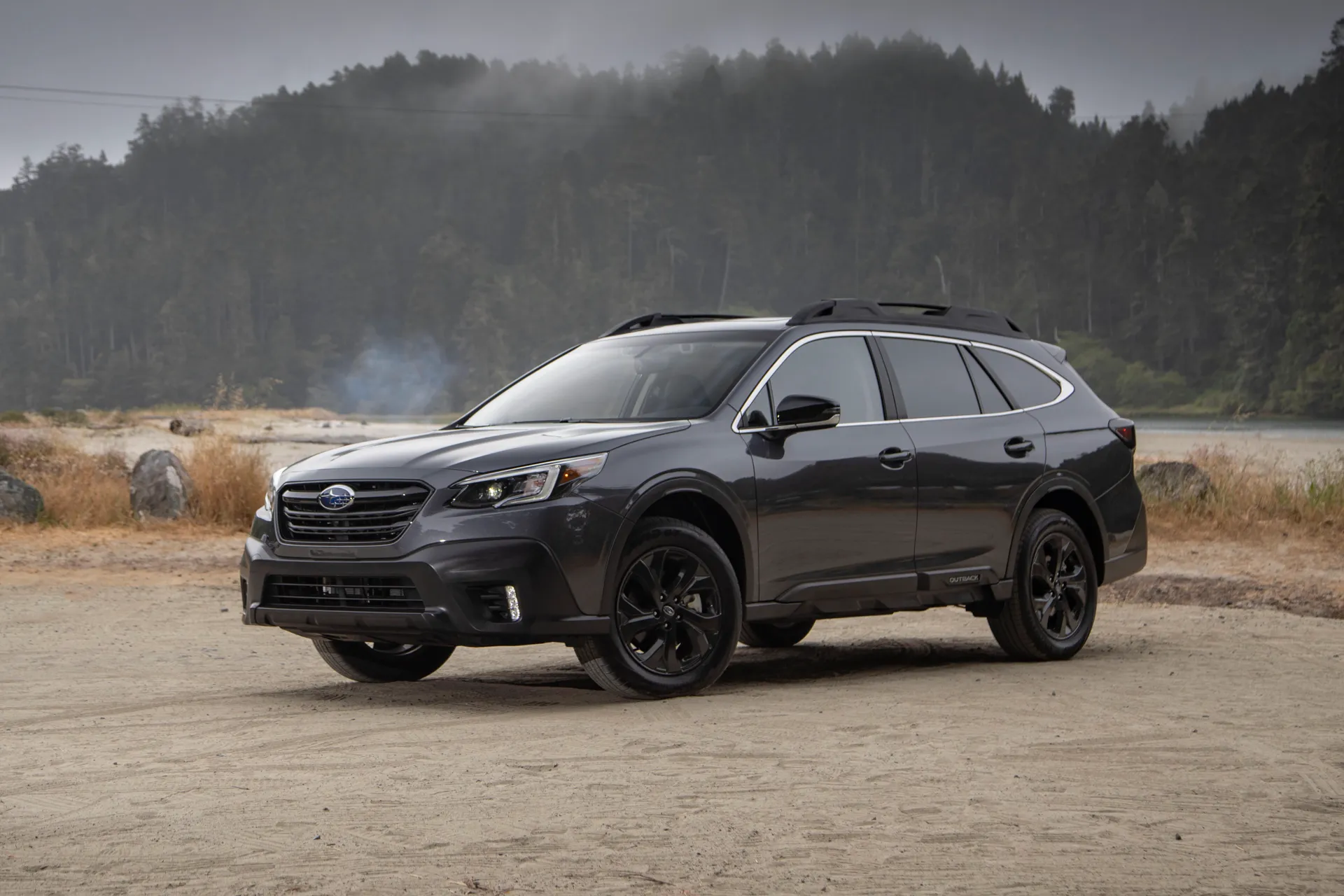
3. Subaru Outback
The Subaru Outback is known for its capability in rugged conditions, and its interior is designed to endure the challenges that come with an active lifestyle. Unlike many SUVs that focus primarily on luxury or style, the Outback emphasizes durability and practicality in its cabin materials.
The cloth seats available in most trims are tightly woven and treated to resist stains and spills, making them suitable for owners who encounter mud, dirt, or water during outdoor activities.
For those opting for leather upholstery, Subaru uses durable hides that are treated with protective coatings to resist cracking and fading, ensuring the interior stays attractive despite exposure to the elements.
Subaru’s interior design incorporates features that extend the life of its materials. For example, the Outback’s dashboard and door panels use rugged plastics with a matte or textured finish that helps conceal scratches and dust accumulation.
The layout avoids overly complicated electronics or delicate trim pieces that can break or come loose under rough use.
Controls and buttons are large and tactile, with robust mechanisms that remain functional after frequent operation. This focus on simplicity and durability means the cabin can withstand the bumps, knocks, and spills that come with outdoor adventures.
The structural integrity of the Outback’s seats and cabin components also plays a role in its interior longevity. Seats feature reinforced frames and dense cushioning that prevent sagging or deformation, even after years of heavy use.
The mounting points for seats and panels are secure and well-engineered, reducing rattles or looseness that often signal interior aging.
Moreover, Subaru applies UV-resistant coatings to fabrics and plastics to minimize damage from sunlight exposure, a critical consideration for vehicles frequently parked outdoors. These protections help the interior materials maintain their appearance and functionality over time.
Owners frequently commend the Subaru Outback for its balance of ruggedness and comfort, noting that the interior holds up well in various climates and usage scenarios. The vehicle’s durability inside complements its reputation for reliability and safety, making it a popular choice for families and outdoor enthusiasts alike.
Its cabin is designed to withstand the wear and tear associated with an active lifestyle without sacrificing comfort, contributing to a solid resale value and sustained owner satisfaction.
4. Lexus RX
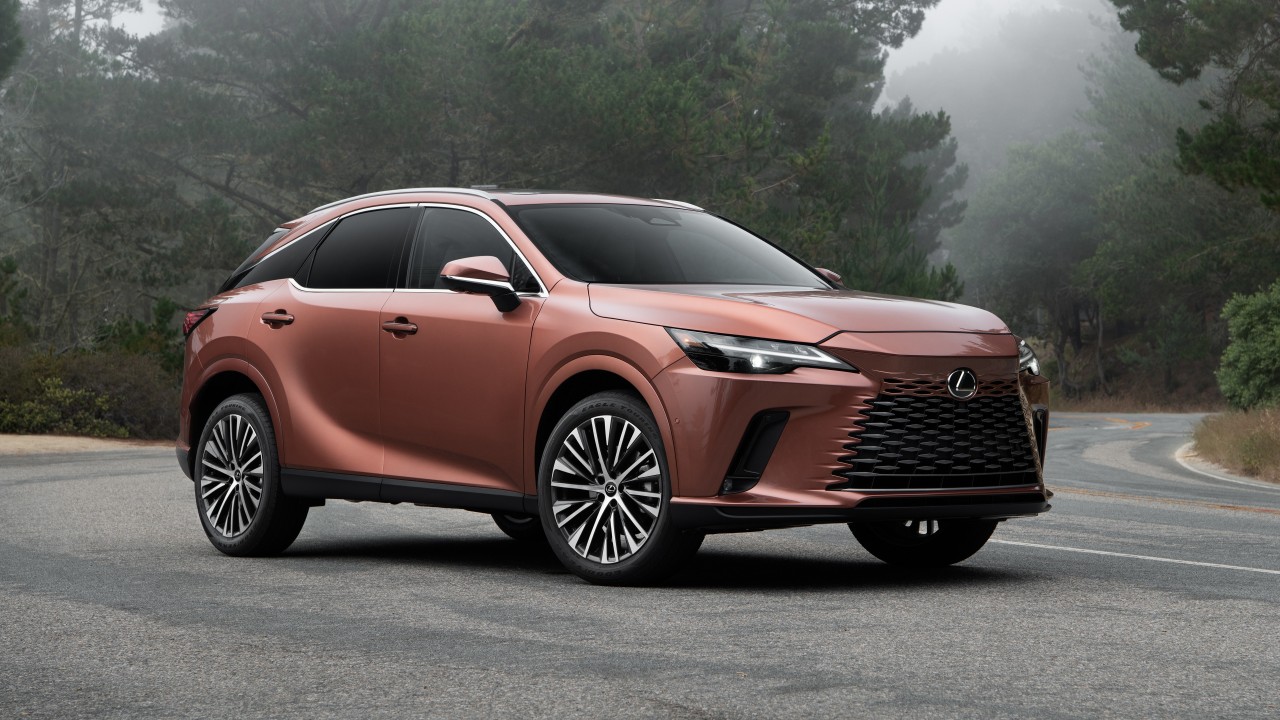
The Lexus RX is a luxury SUV that has garnered a reputation for delivering a refined driving experience paired with an interior that remains impressive even after extended use. Lexus combines high-quality materials with exceptional craftsmanship to create cabins that age gracefully.
The leather upholstery is soft yet resilient, featuring multiple layers of treatment to prevent cracking, drying, and discoloration.
Wood and metal accents are polished and sealed to resist fading and scratching, preserving the luxurious ambiance inside. The seats are engineered with advanced padding and durable stitching to prevent sagging or stretching, ensuring comfort for passengers over many years.
What truly differentiates the RX’s interior durability is the meticulous attention to build quality. Lexus uses tight panel gaps and high-strength adhesives that keep the dashboard, door trims, and consoles firmly in place, eliminating rattles and creaks that can emerge in aging vehicles.
The controls are designed for longevity, with buttons and switches finished in materials that resist wear and retain their tactile response. This precise engineering ensures that the interior continues to feel solid and well-built long after initial purchase.
The RX also incorporates technology aimed at protecting its cabin materials. UV protective coatings on leather seats and trim surfaces help prevent sun damage, while the climate control system maintains ideal temperature and humidity levels inside the vehicle.
These features reduce the likelihood of cracking, fading, or drying out that can plague luxury interiors in extreme conditions. Lexus’s commitment to quality extends to regular updates in materials and finishes, keeping the RX interior both modern and resilient.
Owners of the Lexus RX often report that their vehicles retain a fresh and elegant appearance for years, attributing this to the brand’s focus on long-lasting luxury.
Proper maintenance, such as regular conditioning of leather and careful cleaning, further enhances the interior’s lifespan. The RX stands as a testament to how premium materials combined with precise craftsmanship create an environment that feels welcoming and solid through extensive use.
5. Volvo XC90
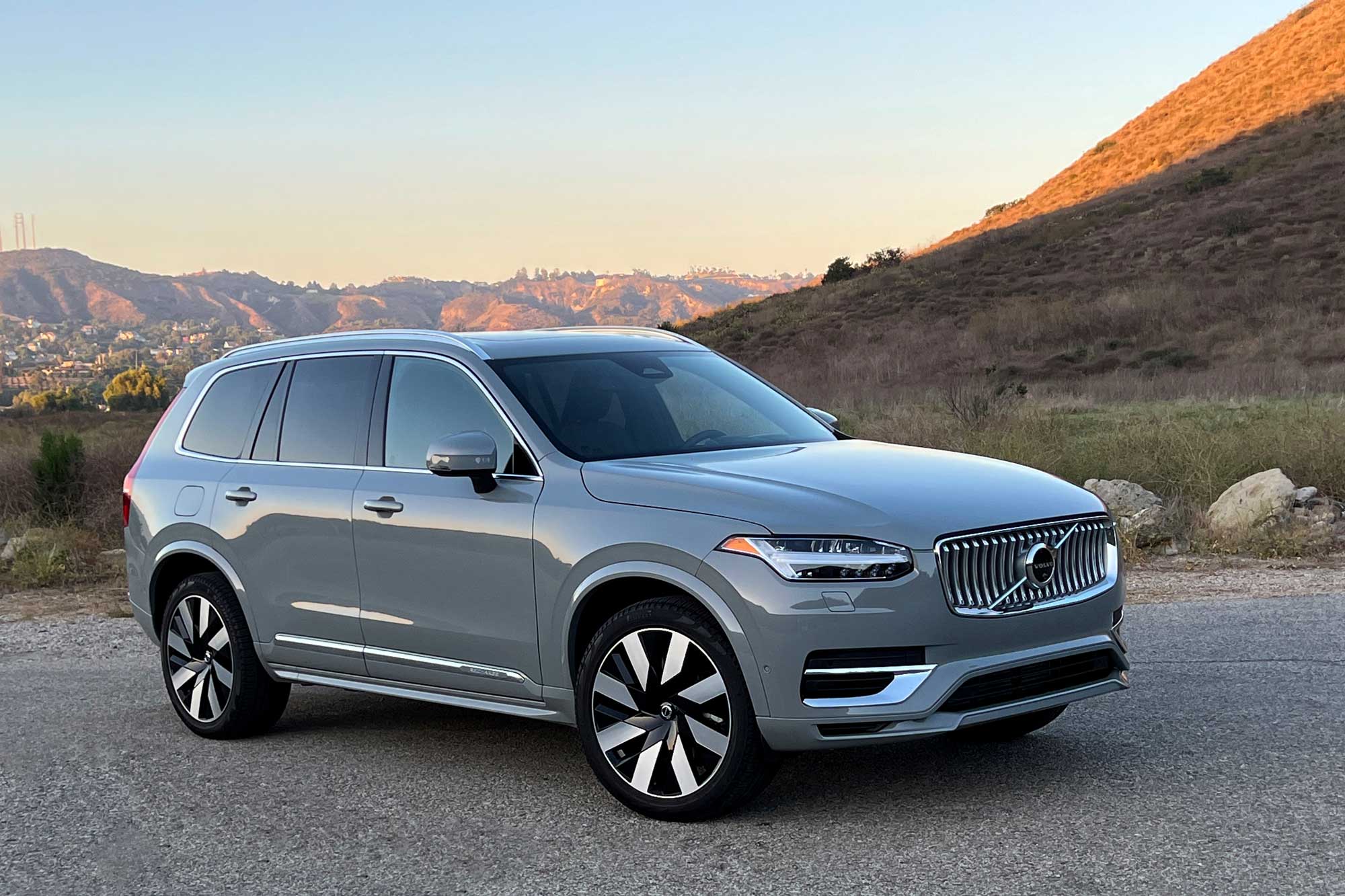
The Volvo XC90 embodies Scandinavian design principles, prioritizing clean lines, functionality, and durability. Its interior is a showcase of quality materials and meticulous construction designed to last. Volvo selects textiles, leather, and metal accents that combine durability with comfort.
The seats feature thick cushioning and high-grade fabrics or leather that resist staining and wear, even after years of heavy use. The cabin surfaces are crafted from soft-touch plastics and treated metals that do not show scratches or discoloration easily, maintaining a fresh look well beyond the vehicle’s initial years.
A key factor in the XC90’s interior longevity is its emphasis on safety and ergonomics. Controls are designed for durability and ease of use, with sturdy buttons and switches that withstand repeated operation without becoming loose or sticky.
The seats have reinforced frames and dense foam padding, preventing sagging and ensuring comfort on long drives. The ergonomic design reduces stress on upholstery and trim by carefully placing armrests and frequently touched surfaces in ways that minimize unnecessary wear.
Volvo also addresses environmental challenges through material selection and treatments. Leather and fabrics receive UV-resistant coatings, preventing sun damage that can cause fading or cracking. The cabin’s seals and insulation are engineered to keep out moisture and dust, which could accelerate material degradation.
Climate control systems help maintain optimal humidity and temperature, reducing the risk of materials drying out or becoming brittle. These combined factors ensure the XC90 interior remains inviting and intact in a wide range of conditions.
Owners often praise the XC90 for maintaining its interior quality over many years, highlighting the vehicle’s ability to combine style with substance.
The durable materials and thoughtful design make the cabin a comfortable space for families and travelers alike. The Volvo XC90 continues to be a leader in its segment for interior longevity, blending timeless aesthetics with practical resilience.
Also Read: 5 Cars With Great Handling and 5 That Shake Apart
6. Mazda CX-5
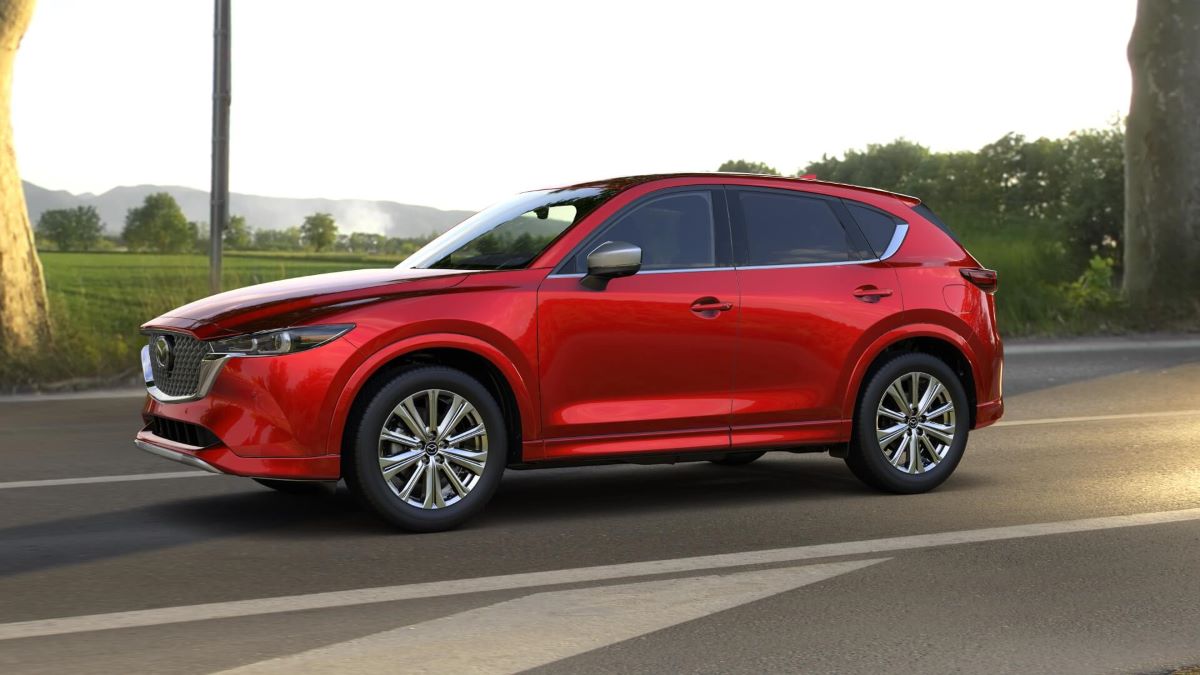
The Mazda CX-5 is widely recognized for delivering an engaging driving experience, but its interior quality also stands out for durability and style. Mazda’s philosophy emphasizes driver-focused design with materials that are both attractive and long-lasting.
The upholstery options, from woven cloth to premium leather, are selected to resist wear, staining, and fading. Seat cushions are crafted from high-density foam that maintains firmness and support over time, while the stitching quality is robust enough to prevent fraying or tearing even under frequent use.
The CX-5’s interior layout reflects Mazda’s commitment to simplicity and functionality. Dashboards and door panels use soft-touch plastics with textured finishes that help conceal scratches, fingerprints, and dust.
Buttons and controls have a satisfying tactile feel and are built to retain their responsiveness and appearance despite years of use.
Mazda avoids using fragile trim pieces or delicate surfaces that can crack or peel, opting instead for materials with proven longevity in real-world conditions.
Protective measures against environmental wear further enhance the CX-5’s interior durability. UV-resistant coatings on upholstery and plastics prevent color fading and cracking, which is particularly important for vehicles regularly exposed to sunlight.
The cabin’s climate control system maintains stable temperature and humidity levels, reducing the risk of materials drying out or becoming brittle. Together, these factors ensure that the Mazda CX-5’s cabin remains fresh and comfortable long after purchase.
Owners frequently express satisfaction with the CX-5’s ability to stay looking and feeling new, even after thousands of miles.
The combination of durable materials, thoughtful design, and protective features make it an excellent choice for drivers who want an interior that balances elegance with toughness. Mazda’s attention to detail helps the CX-5 stand out in the competitive compact SUV segment for interior longevity.
7. Ford F-150
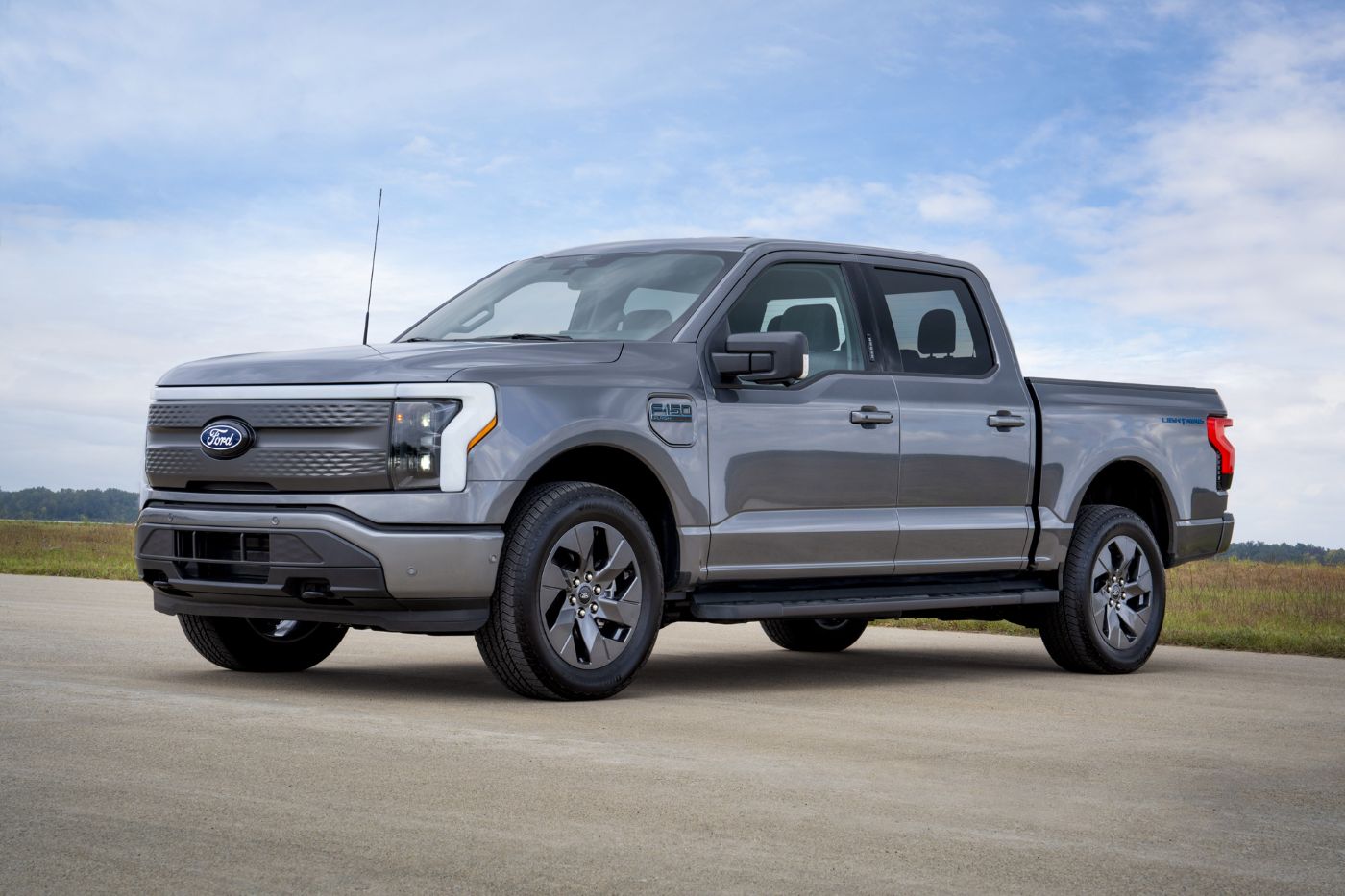
The Ford F-150 is America’s best-selling pickup truck, and part of its enduring popularity stems from its rugged, reliable, and functional interior. Designed to withstand the harsh environments and heavy use typical of truck owners, the F-150’s cabin materials are chosen for toughness as much as comfort.
Vinyl and cloth seats in base models are easy to clean and resist stains, while higher trims feature durable leather treated to prevent cracking and fading. These materials are made to endure exposure to dirt, moisture, and rough handling without showing premature wear.
The interior design of the F-150 focuses heavily on practicality and durability. The dashboard and door panels use heavy-duty plastics with textured surfaces that hide scratches and scuffs. Controls are large, solid, and engineered for frequent use, with buttons and switches that stay firm and responsive over time.
The seats feature strong frames and dense cushions that prevent sagging, maintaining support even after years of hard use. The truck’s floor mats and carpets are crafted from materials designed to trap dirt and moisture, making cleanup easier and protecting underlying surfaces.
In addition to material choices, Ford incorporates UV protection into interior surfaces to reduce cracking and fading caused by long-term sun exposure. This feature is critical for trucks that are often parked outdoors or used in sunny climates.
The F-150 also benefits from tightly sealed cabins that keep out dust and moisture, further preserving the interior. Owners report that their truck interiors hold up remarkably well to the demands of work and recreation, contributing to the F-150’s reputation for reliability.
The F-150’s interior durability adds to its resale value and appeal across a broad range of buyers. Whether used as a workhorse or family vehicle, the cabin offers a solid, comfortable environment that endures years of heavy use. This combination of ruggedness and comfort makes the Ford F-150 a top choice in the full-size pickup truck market.
8. Chevrolet Tahoe
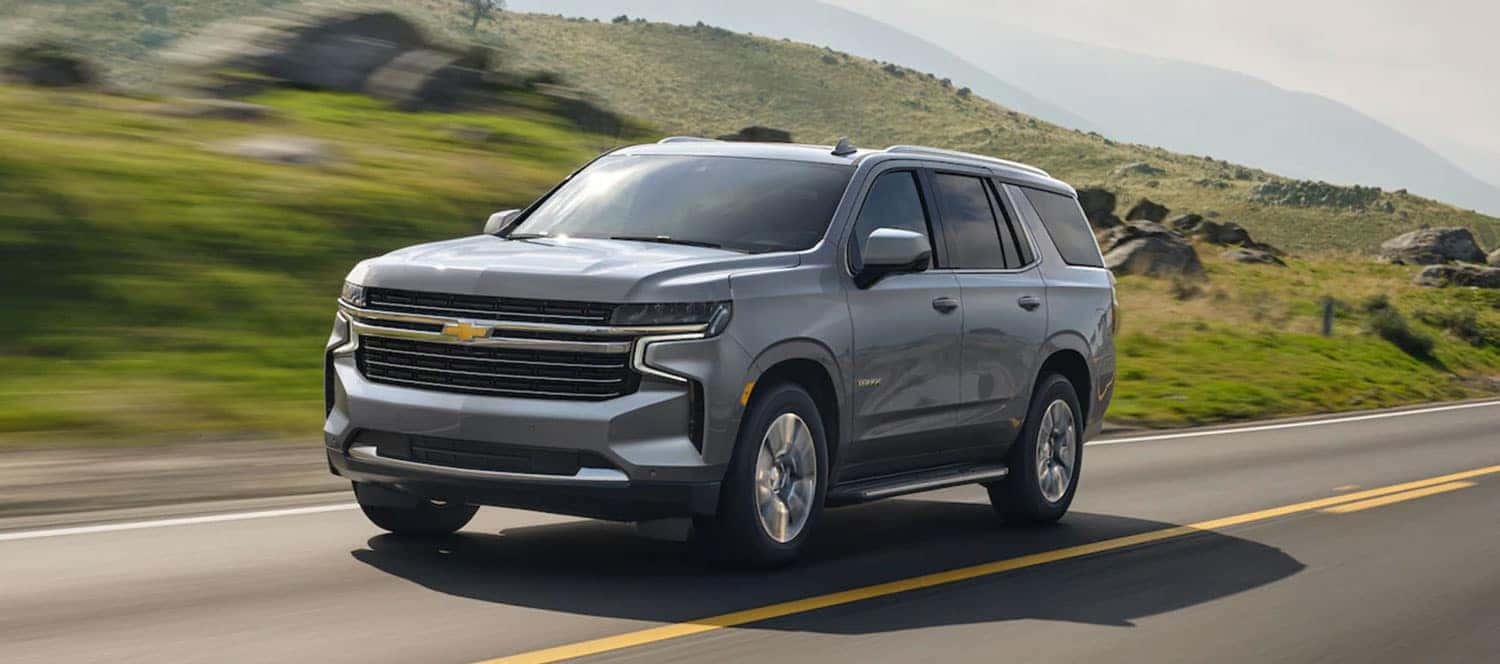
The Chevrolet Tahoe is a full-size SUV designed with spaciousness and durability in mind. Its interior reflects Chevrolet’s focus on creating a family-friendly cabin that can endure the stresses of daily life, road trips, and off-road excursions.
The materials chosen for Tahoe’s seats and surfaces include high-quality plastics, heavy-duty cloth, and thick leather that resist wear and staining. The seats themselves feature ample padding and reinforced stitching, which help them maintain their shape and support over years of use.
The Tahoe’s interior design prioritizes practicality without sacrificing comfort or style. Controls and buttons are oversized and constructed from materials that withstand frequent operation without becoming loose or worn.
The dashboard and door panels are made from plastics designed to avoid cracking or discoloration, even in conditions of prolonged sun exposure or temperature extremes. This focus on durable finishes ensures the interior remains visually appealing over time.
Protective treatments further extend the Tahoe’s interior lifespan. Leather surfaces are treated to repel spills and resist stains, while plastic trims have matte finishes that conceal smudges and scratches.
Heavy-duty floor mats and carpeting are designed to trap dirt and moisture, allowing for easier cleanup and preventing damage to the underlying layers. These practical features are especially valuable in a vehicle often used by families with children or for outdoor activities.
Many Tahoe owners praise the vehicle for maintaining a near-new interior feel after years of ownership. This durability, combined with Chevrolet’s reputation for building rugged SUVs, makes the Tahoe a popular choice for buyers seeking a reliable, comfortable, and long-lasting cabin. The SUV’s interior quality is a key factor in its appeal and resale value.
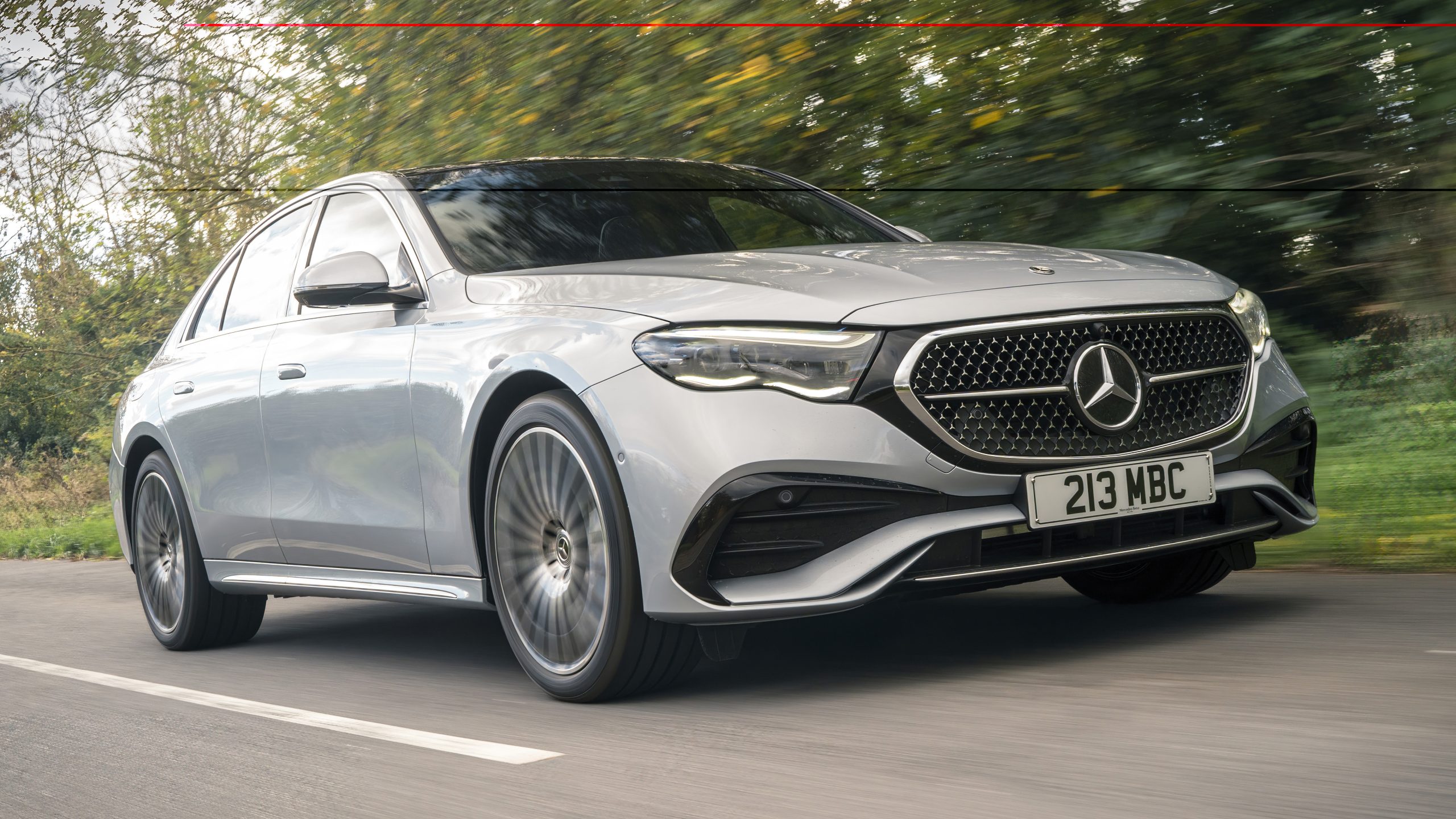
9. Mercedes-Benz E-Class
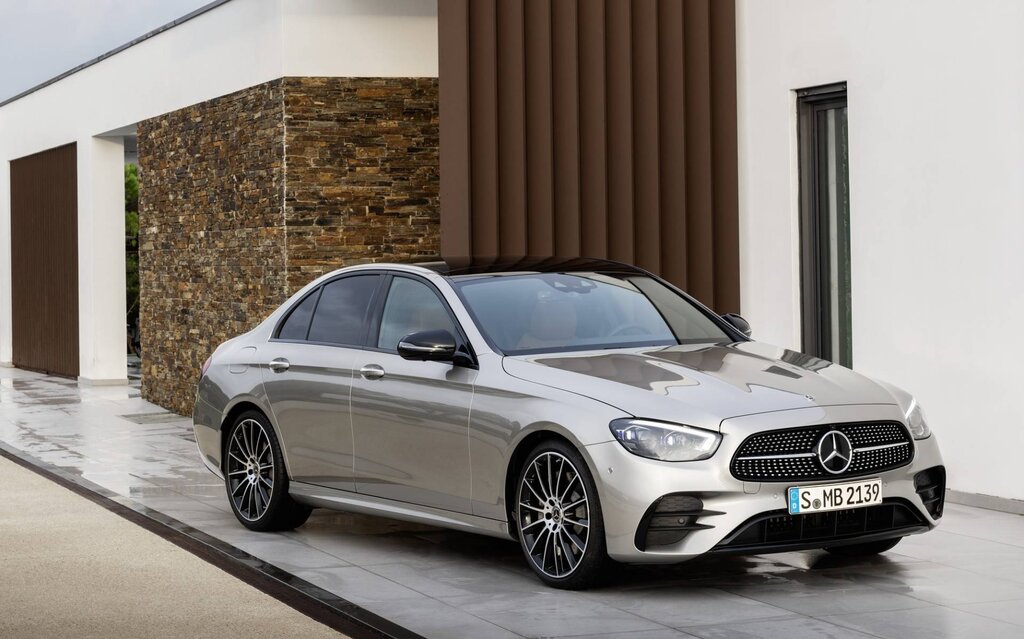
The Mercedes-Benz E-Class has long been regarded as a benchmark for luxury midsize sedans, and its interior durability is a significant part of this legacy. Mercedes engineers prioritize the use of premium materials that not only look exquisite but are engineered to maintain their quality over time.
The leather upholstery is among the finest in its class, featuring multiple layers of protective coatings that prevent cracking, peeling, and fading even after prolonged exposure to sunlight and repeated use. The stitching is precise and reinforced, resisting wear and maintaining seat integrity.
Soft-touch plastics, real wood trims, and brushed metal accents combine to create a cabin that exudes quality while also being remarkably resilient. Unlike many luxury cars that can develop squeaks, rattles, or faded plastics as they age, the E-Class interior is designed to stay solid and quiet for the long haul.
Mercedes-Benz pays close attention to the craftsmanship and assembly of the E-Class interior, ensuring tight tolerances and secure fittings that reduce wear caused by vibrations or movement.
The dashboard, center console, and door panels are constructed with durable adhesives and fasteners, ensuring the surfaces remain firmly in place without loosening or creaking.
Controls, from rotary dials to buttons and touchpads, use materials designed to withstand constant use while maintaining their premium feel. This level of build quality translates to an interior environment that continues to feel luxurious and substantial even after many years.
The combination of design precision and material durability helps maintain the ambiance that Mercedes-Benz owners expect.
Mercedes also implements protective technology to guard against environmental damage. UV-resistant coatings on leather and plastics prevent discoloration and degradation caused by sun exposure, an issue that commonly afflicts vehicles parked outdoors for long periods.
Climate control systems maintain a stable interior environment, reducing the risk of materials drying out or warping.
Furthermore, Mercedes offers comprehensive care recommendations and products for owners to preserve their interiors effectively, which many users follow to keep their cabins looking showroom fresh. This commitment to maintenance and durability makes the E-Class a standout in luxury longevity.
Owners consistently report high satisfaction with the E-Class interior’s condition even after extensive use. The cabin maintains its comfort, refinement, and aesthetic appeal, reinforcing the model’s strong resale values and desirability on the used market.
For buyers looking for a vehicle that combines performance with a cabin that withstands the tests of time, the Mercedes-Benz E-Class remains an excellent choice. Its enduring quality inside helps justify the investment in a luxury sedan that is as reliable and solid as it is elegant.
10. Volkswagen Golf
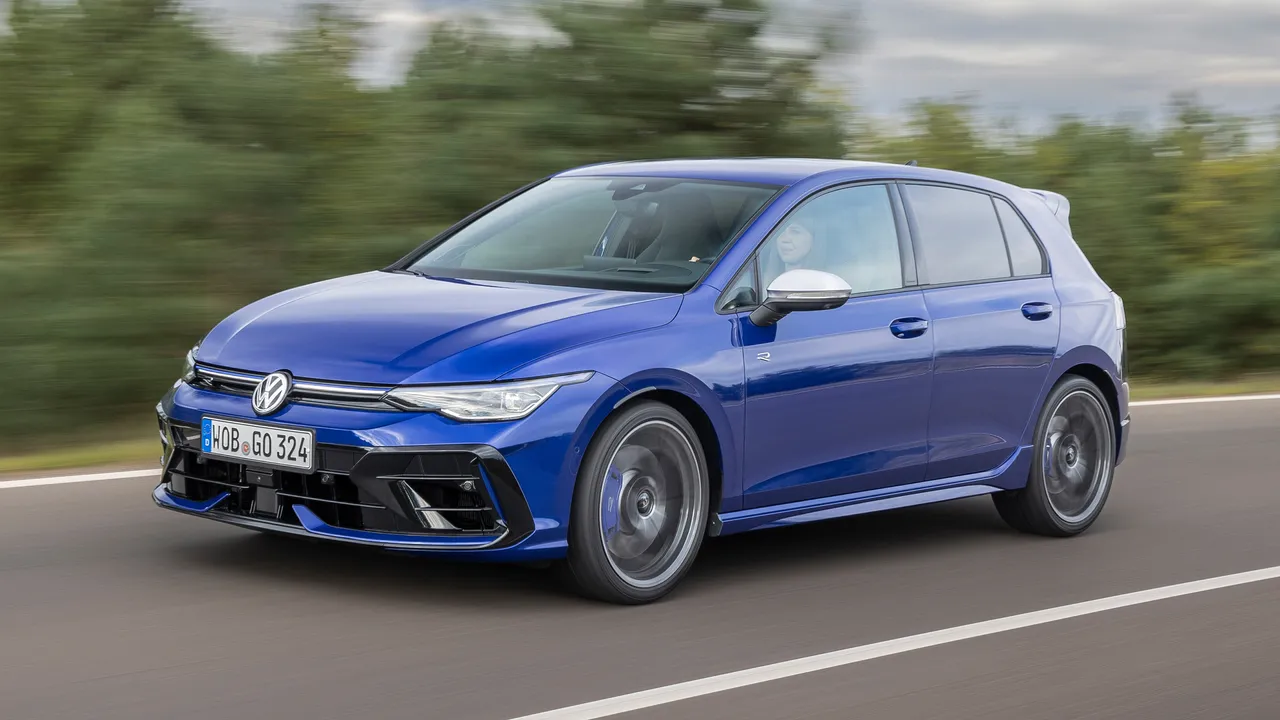
The Volkswagen Golf, though more compact and practical than many luxury cars, is renowned for its well-crafted, durable interior. Volkswagen has consistently focused on creating a cabin that balances refined aesthetics with robust construction, and the Golf exemplifies this philosophy.
The materials used in the seats and trim are selected for their ability to resist wear and maintain their appearance over years of ownership.
Cloth seats in most trims feature tightly woven fabrics that are resistant to stains and pilling, while the available leather seats offer supple surfaces treated to prevent cracking or discoloration. The seat foam retains its shape over time, providing consistent comfort and support through thousands of miles.
The Golf’s dashboard and control interfaces are designed to endure regular use without degradation. Plastics used throughout the cabin are hard yet flexible, reducing the risk of cracking or warping due to temperature changes.
The surfaces are finished with a matte texture that minimizes fingerprints and conceals minor scratches, which helps the interior look cleaner and newer for longer.
Volkswagen ensures that buttons, knobs, and touchscreen controls have solid feedback and durable finishes that don’t fade or wear with repetitive interaction. This attention to detail in the choice of materials and ergonomic design contributes greatly to the Golf’s reputation for interior longevity.
Beyond materials, Volkswagen has integrated features into the Golf to protect against environmental damage. UV inhibitors in plastics and fabrics help prevent fading and brittleness caused by sun exposure.
The cabin sealing and insulation minimize moisture infiltration, which can cause mold or material breakdown if left unchecked.
These protective measures extend the life of the interior components and contribute to a comfortable cabin environment year-round.
Additionally, Volkswagen’s design approach emphasizes simplicity and ease of maintenance, making cleaning and upkeep straightforward for owners seeking to preserve their vehicle’s interior.
Golf owners frequently praise their vehicles for maintaining a fresh, solid interior even after years of ownership and substantial mileage. This durability supports the Golf’s strong resale value and continued popularity in the compact car segment.
With a combination of practical design, quality materials, and thoughtful engineering, the Volkswagen Golf remains an exemplary choice for drivers who value interiors that age well and continue to provide comfort and style.
