
Buying a car is one of the most significant investments a person makes outside of buying a house. Whether it’s a new or used vehicle, people expect a car to provide reliable transportation, manageable maintenance costs, and at least a few years of peace of mind.
Unfortunately, not all vehicles deliver on those expectations. Some cars, despite attractive designs, strong marketing, or even decent performance stats, end up being more trouble than they’re worth.
Reliability issues, expensive repairs, constant recalls, and user frustrations can all combine to turn what should be a convenient part of daily life into a constant source of stress. People often end up regretting their decision, not because they dislike driving, but because their car becomes a burden rather than a benefit.
The truth is, a car can have all the right features on paper, great horsepower, sleek interior, impressive infotainment systems, and still let its owner down where it matters most: dependability. Some brands release models with overly complex technology, untested engineering, or cheap materials that simply don’t hold up.
Others may cut corners to save on production costs, only for those shortcuts to show up as breakdowns and system failures once the car hits a few thousand miles.
And while performance enthusiasts might be willing to overlook a few quirks in exchange for speed or aesthetics, for most drivers, frequent trips to the mechanic and rising repair bills are enough to ruin the experience.
This article highlights ten cars that have consistently caused more frustration than satisfaction. These vehicles have earned reputations not just through word of mouth, but through consistent reports from owners, independent reviews, and long-term testing.
Whether it’s due to mechanical unreliability, poor build quality, or just bad design choices, these cars have become cautionary tales.
The goal isn’t to shame anyone who owns one, but to shed light on patterns that keep repeating, often costing people far more in time and money than they ever expected.
Some of these cars were hyped up and came crashing down. Others flew under the radar but left their mark on repair shops and complaint boards. Here’s a breakdown of ten models that many drivers have found simply not worth the trouble.
Also Read: 10 Mercedes Cars That Outast The Owners’ Expectations
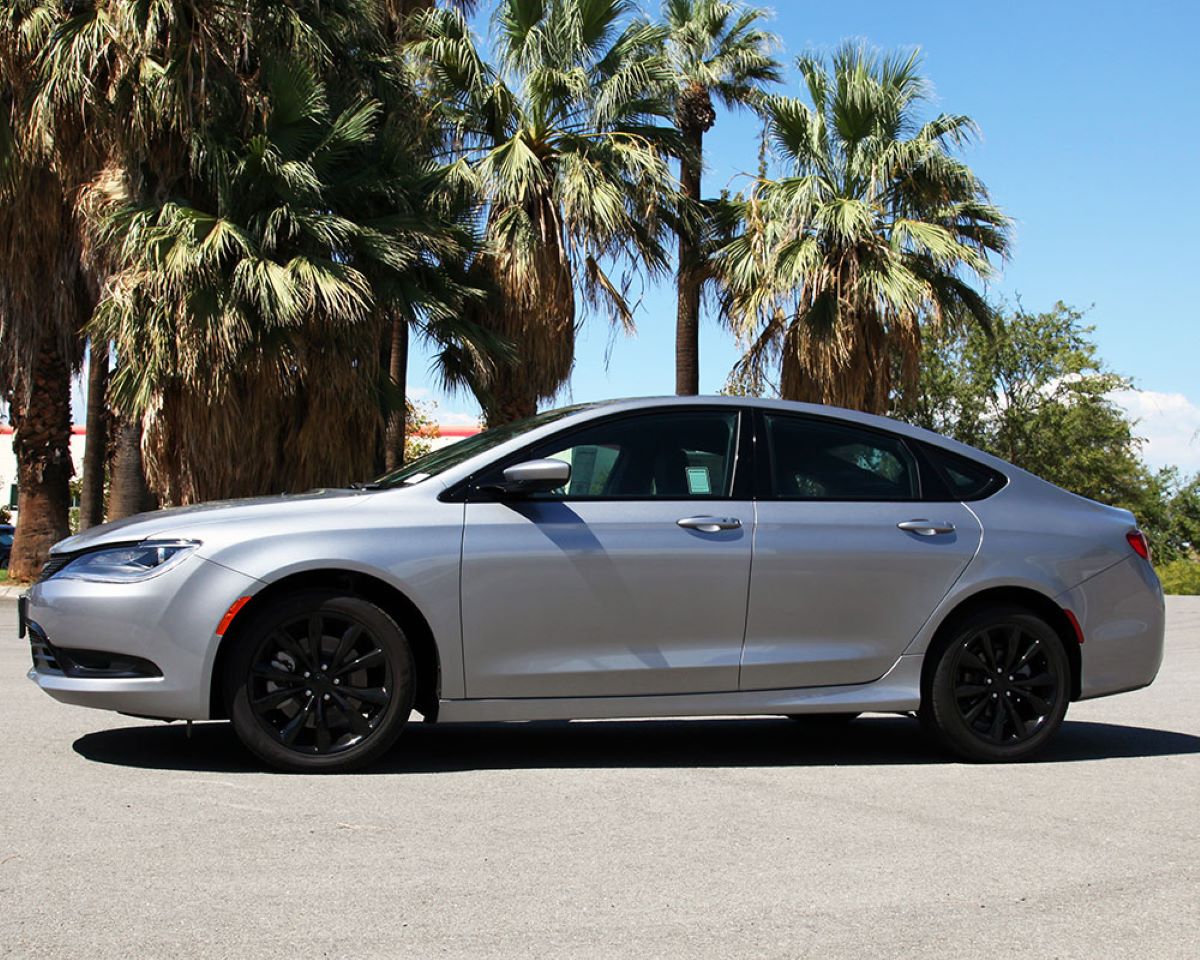
1. Chrysler 200
The Chrysler 200 made waves initially as a stylish midsize sedan that could compete with Japanese and Korean mainstays. With its sleek look and affordable price tag, it attracted a lot of interest from buyers wanting something that looked more upscale without the premium price.
Chrysler marketed the 200 heavily, trying to position it as a replacement for aging models and as a rebirth for the brand’s sedan lineup. While it looked modern and had some appealing features like a refined interior and optional V6 engine, the driving experience and reliability quickly became major points of concern.
Owners started reporting problems early on. One of the most consistent complaints was the transmission, especially the 9-speed automatic found in newer models. The shifting was often harsh, delayed, or unpredictable, which not only affected performance but also made the driving experience frustrating.
This issue wasn’t just annoying; it also led to a higher risk of mechanical failure and contributed to long-term reliability concerns. On top of that, electrical gremlins weren’t uncommon. Drivers noted problems with the infotainment system, unresponsive touchscreens, and unexpected warning lights.
The cramped rear seating and poor visibility made it less practical than many of its rivals. These may seem like minor gripes, but when combined with mechanical issues, they started to add up. The 200 simply didn’t offer enough to make up for its drawbacks.
Competing sedans offered better fuel economy, more reliability, and smoother rides. As a result, resale values took a hit, and even though Chrysler attempted to make improvements over time, the damage to its reputation was already done.
Eventually, Chrysler discontinued the 200, acknowledging that it couldn’t effectively compete in the increasingly competitive midsize sedan market.
The model’s short life span and the volume of complaints left many owners feeling like they had purchased a half-baked car. While it may have been eye-catching at first glance, the hidden headaches were enough to turn the Chrysler 200 into a regretful choice for far too many drivers.

2. Jeep Renegade
The Jeep Renegade tried to offer something unique: a small SUV with off-road flair and the Jeep brand’s rugged identity. It looked different from the competition, had fun color options, and promised all-weather performance in a compact form. That sounded great in theory, especially for urban drivers who still wanted a taste of the Jeep lifestyle.
However, the reality of owning a Renegade was often very different from the image it tried to project. The Renegade became notorious for mechanical issues, electronic malfunctions, and costly repairs that didn’t match its affordable image.
Engine problems topped the list of concerns. The turbocharged engines in particular, had issues with reliability and oil consumption. Some owners reported engines stalling unexpectedly or producing strange noises even at low mileage.
The automatic transmission also became a frequent complaint, with reports of harsh shifting and failure that required replacement well before 100,000 miles. That kind of failure in a vehicle marketed to the budget-conscious is not only disappointing, it’s expensive.
Interior build quality was another sore spot. Despite its quirky design, the cabin materials felt cheap, and parts wore out quickly. Drivers noticed peeling trim, loose panels, and rattling sounds that made the car feel far older than it was.
The infotainment system was another frustration point, often freezing or rebooting mid-drive. While those may seem like small issues, they’re part of a larger pattern of poor quality control that gave many drivers the impression that the Renegade was rushed to market without enough testing.
For a vehicle that promised adventure, the Renegade didn’t hold up well under pressure. Off-road capabilities were limited in all but the most expensive Trailhawk versions, and even then, reliability didn’t back up the image.
Despite its fun appearance and compact size, the Jeep Renegade turned out to be a vehicle many owners regretted. The combination of frequent repairs, disappointing reliability, and a lack of polish made it a headache that simply wasn’t worth the stress.
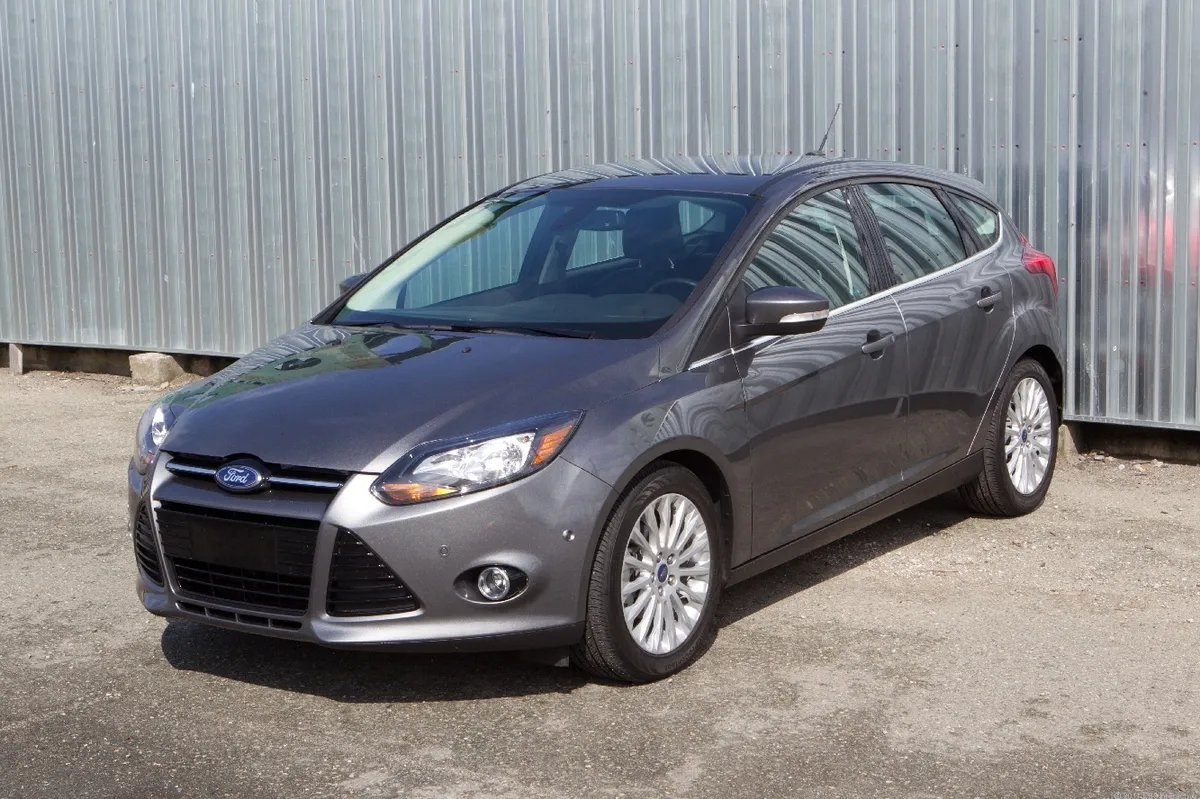
3. Ford Focus (2012–2016)
The Ford Focus once had a solid reputation for being a smart, affordable, and reliable compact car. However, the 2012 to 2016 models almost entirely destroyed that trust. This generation of the Focus is one of the most complained-about vehicles in recent automotive history, and for good reason.
The heart of the problem was the PowerShift dual-clutch automatic transmission, which Ford used in an attempt to improve fuel efficiency and performance. Instead, it led to a massive flood of lawsuits, angry customers, and serious damage to Ford’s image.
The transmission was prone to rough shifting, hesitation, shuddering, and outright failure. Owners complained about their cars jerking during acceleration or not responding properly to inputs, which is both unsettling and dangerous.
Despite widespread complaints, Ford was slow to acknowledge the issue and even slower to provide meaningful solutions. Many vehicles required multiple software updates and mechanical replacements, yet still experienced ongoing issues. Extended warranties helped some, but for others, the hassle was never-ending.
Beyond the transmission, other components of the Focus started to show wear quickly. Suspension parts wore out prematurely, electrical systems glitched frequently, and the overall interior quality left much to be desired. The compact design, once a strong point, started to feel cramped and outdated.
Competitors like the Honda Civic and Toyota Corolla offered a more polished experience with far fewer problems. Owners found themselves questioning why they hadn’t just gone with a more established, trustworthy brand.
Ford eventually admitted the transmission was flawed, and legal action forced some compensation for affected customers. But the damage had been done.
For thousands of drivers, the 2012–2016 Ford Focus became a symbol of corporate mismanagement and poor engineering choices. A car that should have been a reliable commuter instead became an ongoing source of frustration and disappointment.
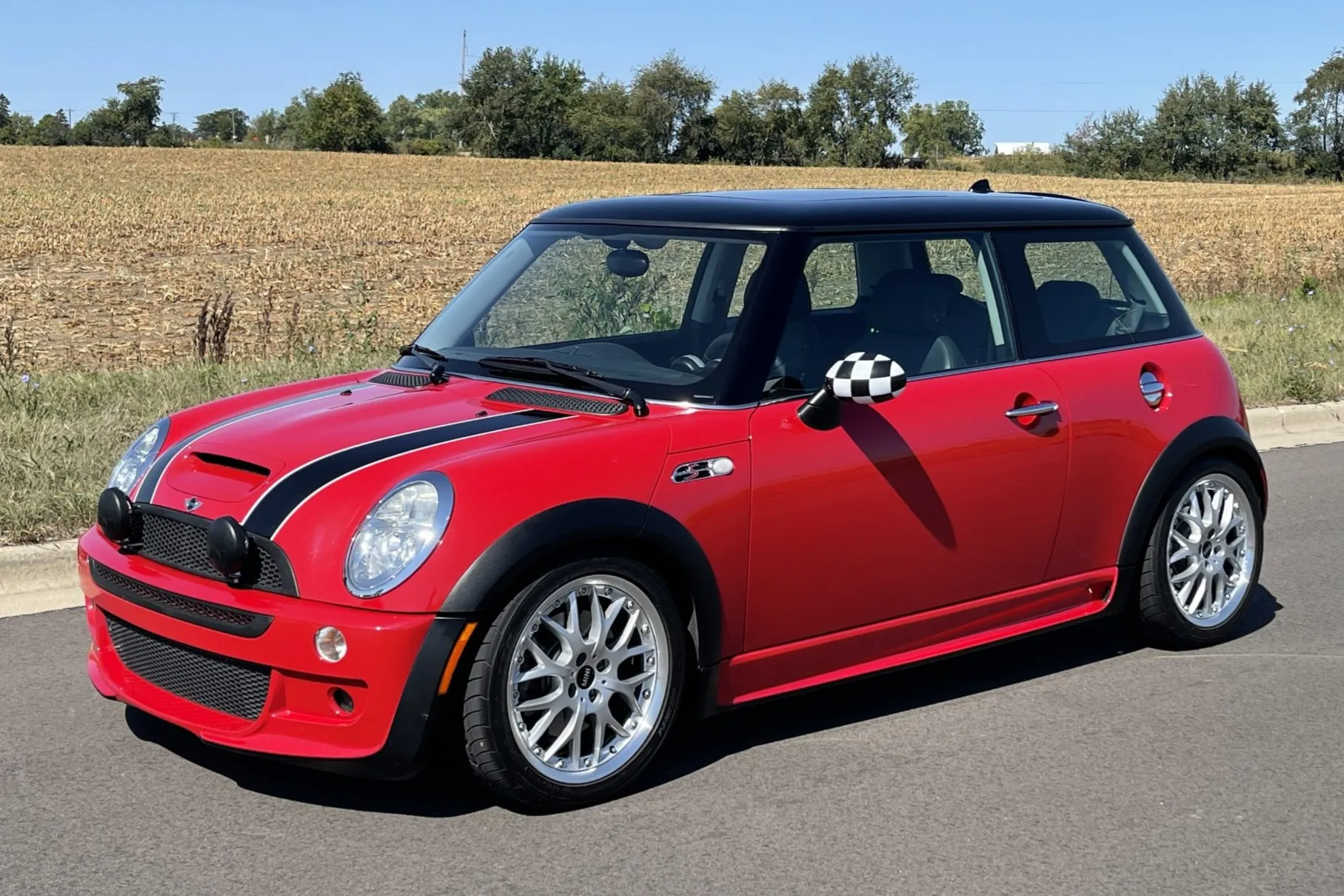
4. Mini Cooper (Various Years)
The Mini Cooper has long appealed to drivers looking for a compact, stylish car with personality. It has European charm, a fun-to-drive attitude, and a look that turns heads. Unfortunately, many of those who bought into that charm found themselves dealing with reliability nightmares.
The Mini Cooper has developed a reputation for being quirky in all the wrong ways. From engine failures to electrical problems, owning one often means spending more time and money on maintenance than expected.
A major issue has been the engine. Many Minis, especially turbocharged versions, have suffered from timing chain tensioner problems. When this part fails, it can lead to catastrophic engine damage. These problems often occur before the car reaches 80,000 miles, well before what should be expected for a modern vehicle.
On top of that, oil leaks and carbon buildup further complicate the experience, leading to expensive repairs that are difficult for DIY mechanics to handle due to tight engine spaces.
Electronics have also been a source of headaches. Owners have reported sudden failures of power windows, malfunctioning keyless entry systems, and unpredictable behavior from the dashboard display.
Because of the car’s compact layout and complex wiring, even minor repairs can require the disassembly of multiple components, leading to high labor costs. While Mini is part of BMW, it often feels like it has all the costs of a luxury car without the reliability or service quality that customers expect.
Another complaint among Mini Cooper owners is the car’s poor long-term durability. While it might handle well and feel solid during a test drive, issues tend to pile up after the warranty expires.
Many report issues cropping up around the 60,000 to 80,000-mile mark, which is well below what most modern cars can comfortably reach without major problems.
Suspension components wear quickly, coolant systems fail prematurely, and turbo models are especially prone to mechanical gremlins. These issues turn what could have been a fun, engaging car into an unreliable money pit.
The ownership experience also suffers from inconsistent dealer support. Since Mini is a smaller brand under the BMW umbrella, not all dealerships are equipped with experienced Mini technicians. As a result, some owners find themselves bouncing between service centers without a clear resolution to their problems.
Customer service varies wildly, and warranty battles over repeated issues can be a source of stress. Add in the frequent need for European-specific diagnostic tools, and even independent mechanics can struggle to provide cost-effective repairs.
While the Mini Cooper might appeal to a certain aesthetic or lifestyle choice, the reality of owning one often doesn’t match the expectation. It’s a car that seems built more for image than long-term practicality.
For some, that trade-off is worth it. But for many who were hoping for a reliable daily driver with some personality, the Mini Cooper turns into a frustrating lesson in the cost of style over substance.
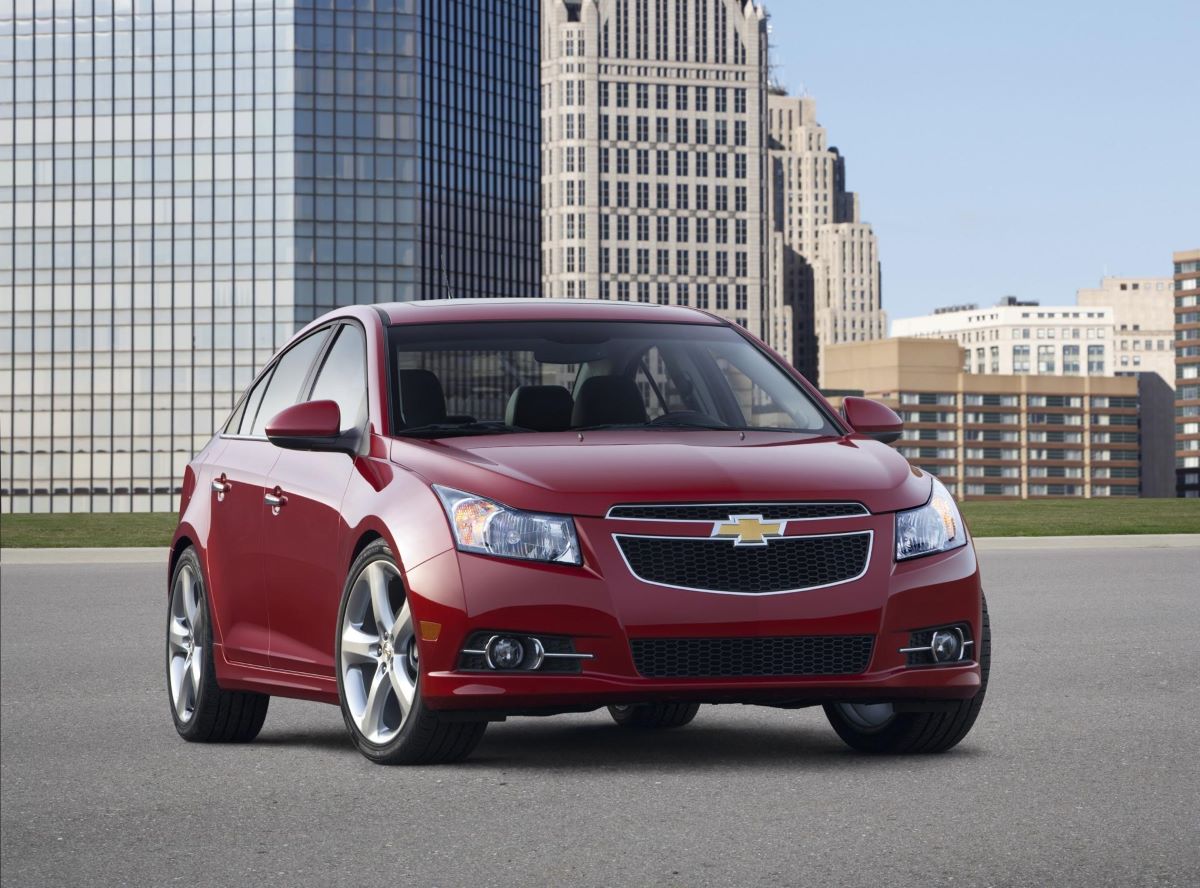
5. Chevrolet Cruze (2011–2015)
The Chevrolet Cruze was GM’s attempt to reclaim a foothold in the competitive compact car market. Initially, it showed promise with a sleek exterior, a modern interior, and decent fuel economy. It looked like the kind of car that could compete with the likes of Honda and Toyota.
However, underneath that promising shell were a number of problems that began to surface shortly after release. Many buyers found themselves trapped in cycles of recurring issues that undermined the vehicle’s appeal and long-term value.
One of the biggest issues with the Cruze during these years was related to engine performance and cooling. The 1.4L turbocharged engine was particularly problematic, suffering from coolant leaks, blown head gaskets, and overheating. These weren’t occasional occurrences; they were widespread.
Once the coolant system started having issues, it often led to cascading failures that affected the entire engine. In some cases, engines had to be replaced or rebuilt far earlier than expected. Considering that many people purchased the Cruze for its affordability, unexpected repair bills were especially painful.
In addition to engine woes, electrical problems plagued many Cruze models. Dashboard lights would flash unexpectedly, the radio would reboot during drives, and even critical components like power steering and climate controls could stop working without warning.
These problems weren’t just irritating; they affected safety and drivability. It’s one thing to deal with a faulty stereo, but quite another to lose steering assist while driving on the highway. Reports of such incidents eroded consumer confidence in the model.
Owners also voiced concerns about the general build quality of the Cruze. Interior components wore out quickly, with peeling trim, sagging headliners, and malfunctioning seats being common complaints. While the car might look refined on the showroom floor, it didn’t hold up well under daily use.
While the Chevrolet Cruze had good intentions, it simply couldn’t back them up with consistent performance or durability. The headaches outweighed the benefits, and buyers who were initially pleased with their purchase often ended up regretting it as the problems mounted.
Also Read: 10 Best Trucks That Hold Value Decades Later
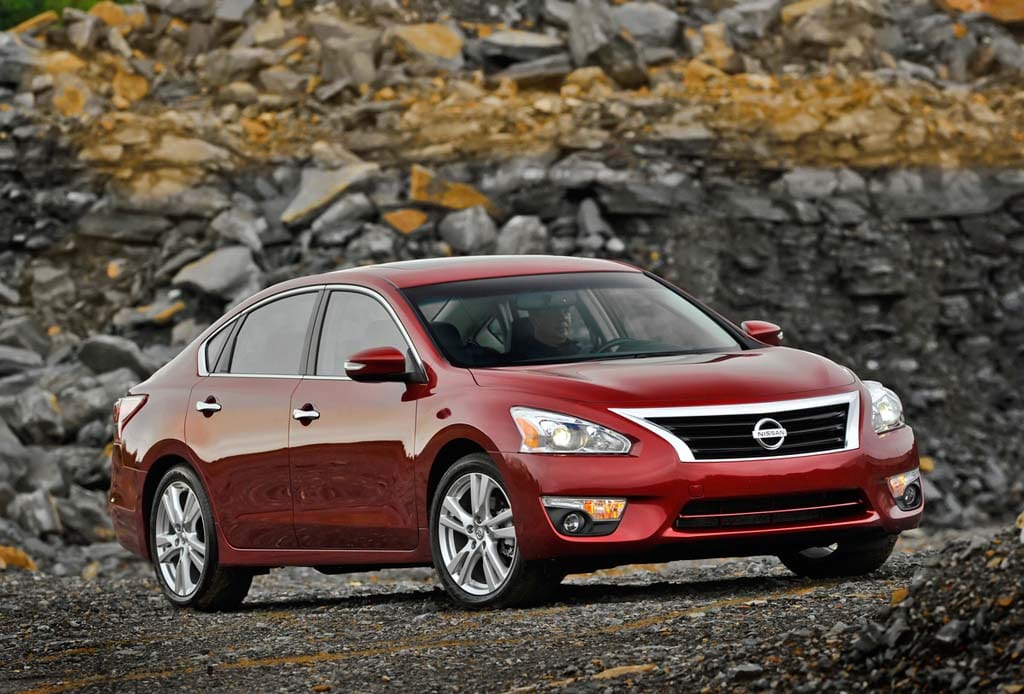
6. Nissan Altima (2013–2018)
The Nissan Altima has long been a popular choice among midsize sedan buyers, and for many years it enjoyed a reputation for being a practical, efficient, and reliable vehicle. However, the 2013–2018 models saw a steep decline in owner satisfaction, largely due to one persistent issue: the CVT (continuously variable transmission).
Nissan went all-in on CVT technology in an effort to improve fuel efficiency, but the execution was far from successful. Instead of delivering a smooth, maintenance-free driving experience, the CVT became a ticking time bomb.
Drivers began reporting transmission failure as early as 60,000 miles, with some experiencing shuddering, jerky acceleration, or total loss of power. What made it worse was that many of these problems appeared after the original powertrain warranty had expired, leaving owners to foot the bill.
Replacing a CVT transmission isn’t cheap, and Nissan’s initial unwillingness to address the widespread issue left many feeling abandoned by the brand. While there were some extended warranties issued, they didn’t fully solve the root problem or repair the car’s tarnished image.
Beyond the transmission, the Altima suffered from interior and suspension issues that made long-term ownership a chore. Cheap plastic panels, door handles that broke off, and dashboard pieces that cracked under sunlight were all common complaints.
Additionally, the ride quality deteriorated over time. The suspension system seemed ill-equipped to handle real-world road conditions, and many drivers noticed creaks and groans as early as 40,000 miles. These problems made the car feel older than it actually was, contributing to a poor ownership experience.
The Altima also struggled with poor resale value, especially once its reputation began to suffer. Buyers in the used market started to avoid it, fearing the costly transmission issues.
What was once a top recommendation in its class turned into a cautionary tale. The combination of mechanical unreliability, subpar materials, and manufacturer inaction turned the 2013–2018 Altima from a commuter car into a long-term hassle for many drivers.
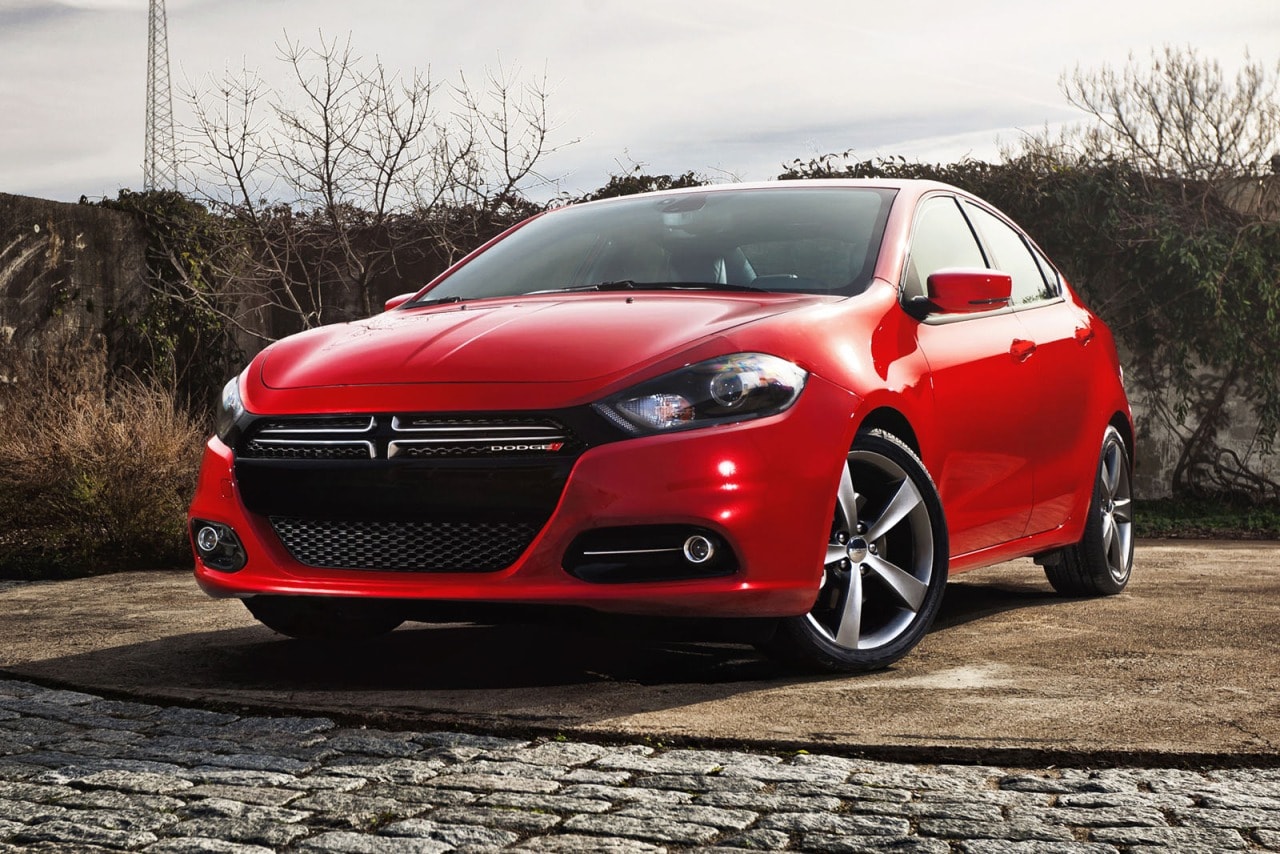
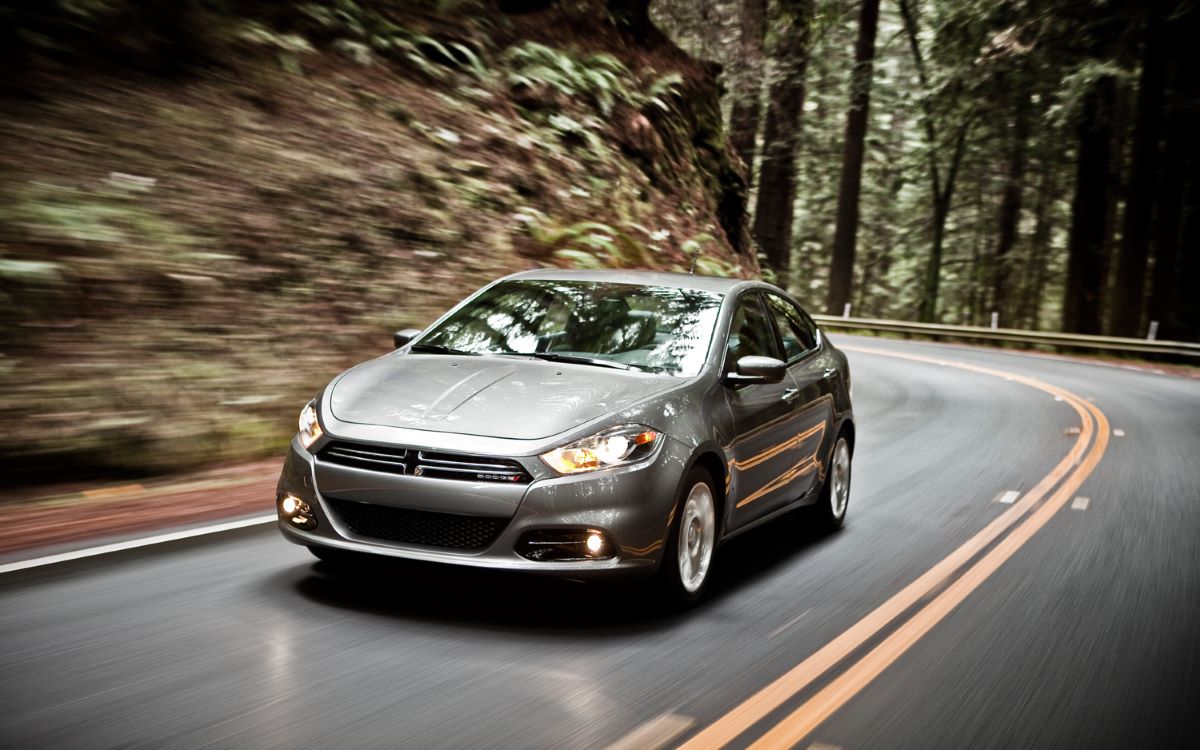
7. Dodge Dart (2013–2016)
When Dodge reintroduced the Dart, it tried to create a compact car that blended sporty styling with modern features. On paper, the Dart was supposed to signal a new direction for Dodge, a vehicle that could compete with compact cars from Honda, Toyota, and Hyundai.
It featured aggressive looks, a touchscreen interface, and multiple engine options. But despite all the marketing, the Dart never quite delivered where it mattered most: reliability and performance. The result was a car that looked promising but quickly turned into a disappointment.
The Dart was plagued by transmission issues almost from day one. The dual-clutch automatic transmission offered in many trims was known for being jerky, slow to respond, and prone to early failure. Drivers complained of hard shifts, gear hunting, and even stalling.
Manual transmission models weren’t spared either; the clutch systems wore out unusually quickly, leading to expensive repairs. Combined with engines that felt underpowered or poorly tuned, the Dart lacked the smooth, dependable driving experience that buyers were looking for.
Electrical problems were another common headache. The Dart’s Uconnect infotainment system, while praised for its layout, often froze or rebooted randomly. Touchscreens stopped responding, Bluetooth would fail to pair, and backup cameras malfunctioned.
These might sound like tech annoyances, but they added up to a sense that the Dart was hastily put together. Owners found themselves going back to the dealership again and again to fix recurring glitches that should have been ironed out before the car ever hit showrooms.
On top of the mechanical and electronic problems, the Dart suffered from poor resale value and limited aftermarket support. Since the model was discontinued after just a few years, parts can be harder to find, and long-term support is weak.
It also means fewer mechanics have experience working on the vehicle, leading to longer repair times and higher labor costs. For many owners, the Dart was a reminder that a car can have style and features, but if it lacks quality and support, it becomes more of a burden than a benefit.
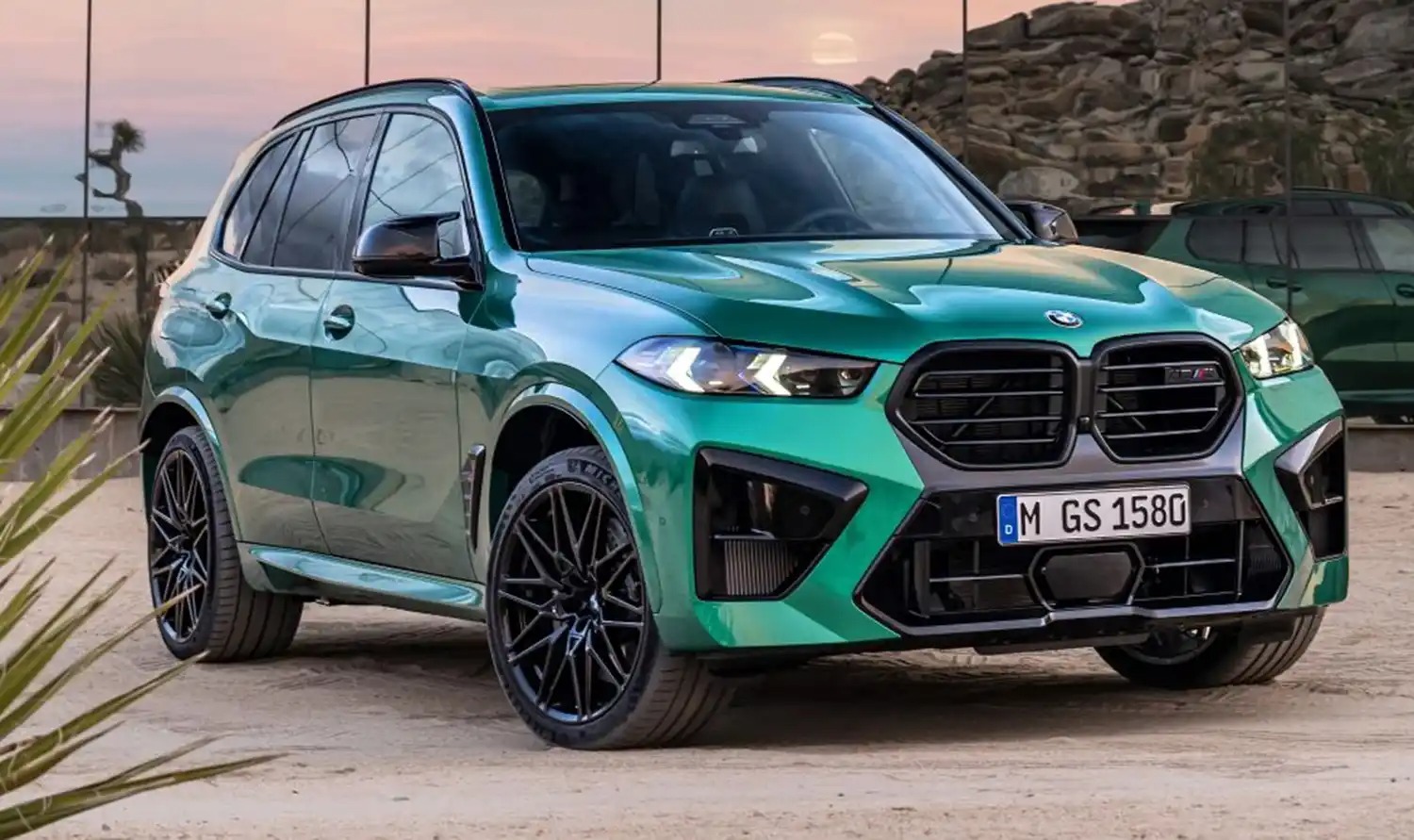
8. BMW X5 (2007–2013)
The BMW X5 from the 2007 to 2013 era had a strong luxury appeal. It combined the performance and driving dynamics BMW is known for with the space and practicality of an SUV. From the outside, it looked like the perfect family vehicle for those who wanted a bit of prestige along with comfort and utility.
But owning this generation of the X5 often turned out to be an exercise in patience and financial endurance. Despite its upscale image and premium pricing, the X5 was riddled with complex systems that aged poorly and cost a fortune to repair.
One of the most notorious issues with this model was the failure-prone electronic systems. Electrical gremlins haunted many X5 owners, affecting everything from window regulators to parking sensors, iDrive controls, and battery drain problems.
The SUV’s electrical system was incredibly complex, and when one component failed, it often affected others. Diagnosing the root of these issues was time-consuming, and repair costs added up quickly. Even simple fixes could require multiple shop visits, sometimes resulting in thousands spent just to keep the dashboard free of warning lights.
Mechanically, the X5 wasn’t much better. The V8 models, in particular, were known for excessive oil leaks from valve cover gaskets and timing chain issues. Air suspension components failed prematurely, causing the SUV to sag or ride unevenly. Water pumps and thermostats failed frequently, leading to overheating and engine strain.
These repairs were not only common but also significantly more expensive than what most SUV owners are used to. The all-wheel-drive system, while great for traction, added another layer of mechanical complexity that came with its own set of problems over time.
Many buyers who thought they were stepping up to a sophisticated, reliable luxury SUV were shocked at how unreliable and demanding the X5 could be. Once the factory warranty expired, maintenance costs skyrocketed, and resale values plummeted.
Owners found themselves stuck with a vehicle that looked great but needed constant upkeep. For those who didn’t have a spare fund set aside for frequent repairs, the BMW X5 became a symbol of buyer’s remorse and an unfortunate reminder that luxury often comes with strings attached.
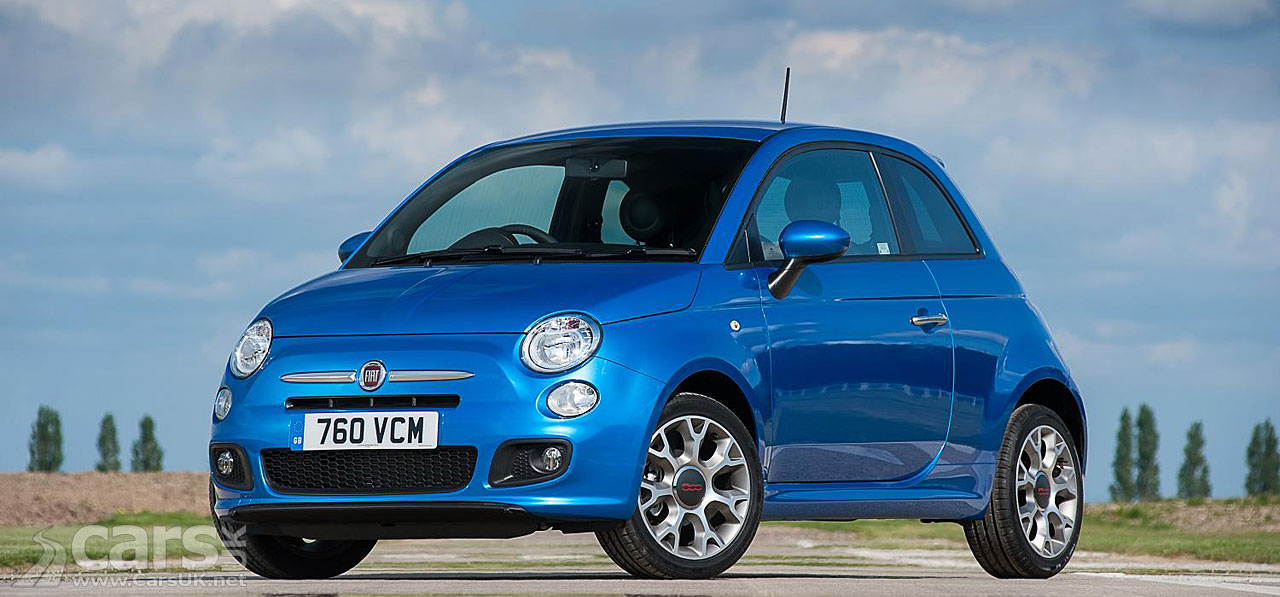
9. Fiat 500 (2012–2019)
The Fiat 500 was introduced to the U.S. market with a promise of Italian charm, fuel efficiency, and city-friendly dimensions. Its retro design, colorful trims, and affordable pricing attracted a lot of attention, especially among younger drivers and urban dwellers.
However, the novelty wore off quickly for many buyers who found themselves facing a long list of mechanical and build quality issues. Despite its cheerful appearance, the Fiat 500 ended up delivering a frustrating ownership experience that failed to match the initial excitement.
Engine and transmission problems were frequent. Many models were plagued by poor shifting, clunky automatic transmissions, and underwhelming power delivery. Manual transmission versions weren’t immune either, with numerous reports of early clutch failure and difficulty engaging gears.
The 1.4L engine struggled to keep up with traffic in many situations, and while the Abarth variant offered more performance, it came at the cost of added mechanical complexity. Overall, the driving experience fell short of expectations, especially when reliability became a concern within just a few years.
Interior quality also left much to be desired. Hard plastics, rattling panels, and quickly deteriorating seat materials made the cabin feel cheap despite the car’s higher price point compared to similarly sized vehicles.
The infotainment system was outdated by industry standards and prone to glitches. Even basic components like door locks, window switches, and dashboard lights were reported to fail prematurely. For drivers who expected European flair, the experience felt more like low-end economy rather than clever minimalism.
Dealership support and resale value compounded the frustrations. Fiat’s U.S. network was relatively small, meaning service centers were harder to find and often carried longer wait times for parts and repairs. And once issues became well-known, resale values fell sharply.
Buyers looking to trade in their 500s often got low offers, reflecting the car’s reputation for unreliability. The Fiat 500 may have looked fun and unique, but many owners found themselves regretting the purchase once the repairs started piling up.
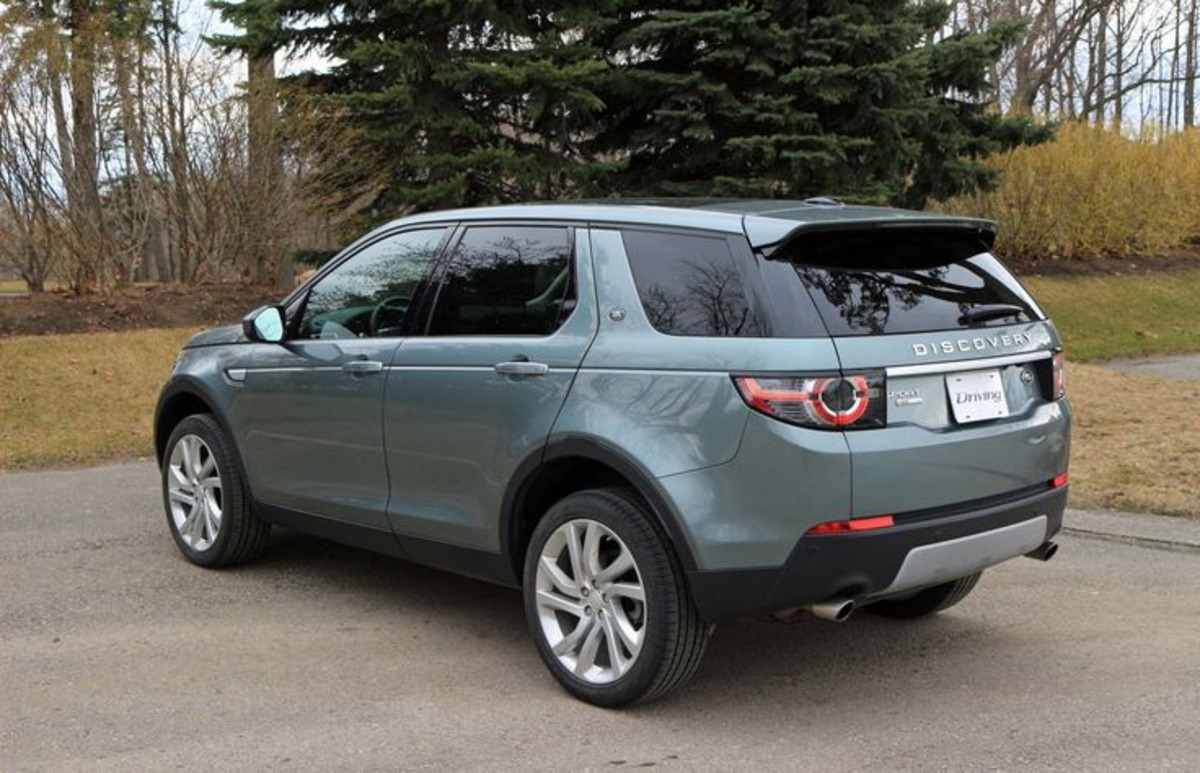
10. Land Rover Discovery Sport (2015–2019)
Land Rover has long sold itself as a brand for adventurous, style-conscious buyers who want both off-road capability and upscale luxury. The Discovery Sport was designed to offer that combination in a more compact, affordable package.
On paper, it was a compelling option: sharp looks, premium interior, and a badge with heritage. In reality, it quickly became one of the more problematic entries in the segment. The Discovery Sport struggled with reliability from the start, making it a vehicle that left many of its owners disillusioned and financially strained.
Electronics also caused a range of headaches. The infotainment system was unresponsive at times, navigation would freeze, and the Bluetooth connection was notoriously unreliable. More importantly, safety systems such as lane assist, adaptive cruise control, and parking sensors often malfunctioned.
Owners found themselves unable to trust features that were supposed to provide peace of mind. The constant need to recalibrate or replace sensors, combined with frequent software glitches, made for a high-maintenance ownership experience.
Interior materials wore out quickly as well. For a premium-branded vehicle, the Discovery Sport lacked the durability expected of its price point. Leather seats cracked, stitching came undone, and headliners sagged prematurely. Door handles and trim pieces felt flimsy and broke more easily than they should have.
These quality control problems, paired with poor dealer service in some regions, added to a long list of frustrations. Many owners felt they were paying a luxury price for a vehicle that barely held itself together.
The Discovery Sport is a prime example of a car that over-promised and under-delivered. While the idea of having a stylish, off-road-capable SUV in a smaller footprint is appealing, the reliability and maintenance nightmares are hard to justify.
For many, the Discovery Sport was less about exploration and more about waiting at the service bay. The prestige of owning a Land Rover quickly faded once the bills started arriving and the breakdowns became routine.
