
When families shop for an SUV, they usually have long-term needs in mind. They’re not just looking for a vehicle to drive for a couple of years. They’re thinking about carpools, weekend trips, hauling groceries, and keeping the kids comfortable and safe.
An SUV becomes a rolling part of daily life, and for many households, it represents one of their biggest financial investments. That’s why it’s interesting to look at the patterns of which SUVs tend to stay in the family garage for years and which are more likely to get traded in not long after the lease or loan starts.
Some SUVs check all the right boxes when they’re new, but they start falling short after a couple of years. Maybe the ride becomes less comfortable.
Maybe repairs start stacking up. Maybe gas mileage becomes more painful than expected, or the technology inside just doesn’t keep up.
Whatever the reason, some families don’t hesitate to hand over the keys and move on to something else. On the flip side, there are certain SUVs that keep doing their job without complaints year after year.
They run well, they stay comfortable, and they continue to meet the family’s changing needs without requiring constant trips to the shop or big compromises.
The models on this list reflect trends based on long-term satisfaction, reliability, ownership costs, and general usefulness in a family setting. Some are known to go well past 150,000 miles with minimal issues. Others may start showing wear early or become too much of a hassle.
It’s not always about brand prestige or sticker price. Sometimes a basic SUV will outperform a luxury model simply by being more dependable or easier to live with.
This list includes both ends of the market. It’s not ranked in any specific order, but each vehicle mentioned has built a strong reputation either for longevity or for falling short of expectations.
Also Read: 10 SUVs With Rare Transmission Issues and Long Lifespan
5 SUVs Families Keep Forever
Toyota 4Runner
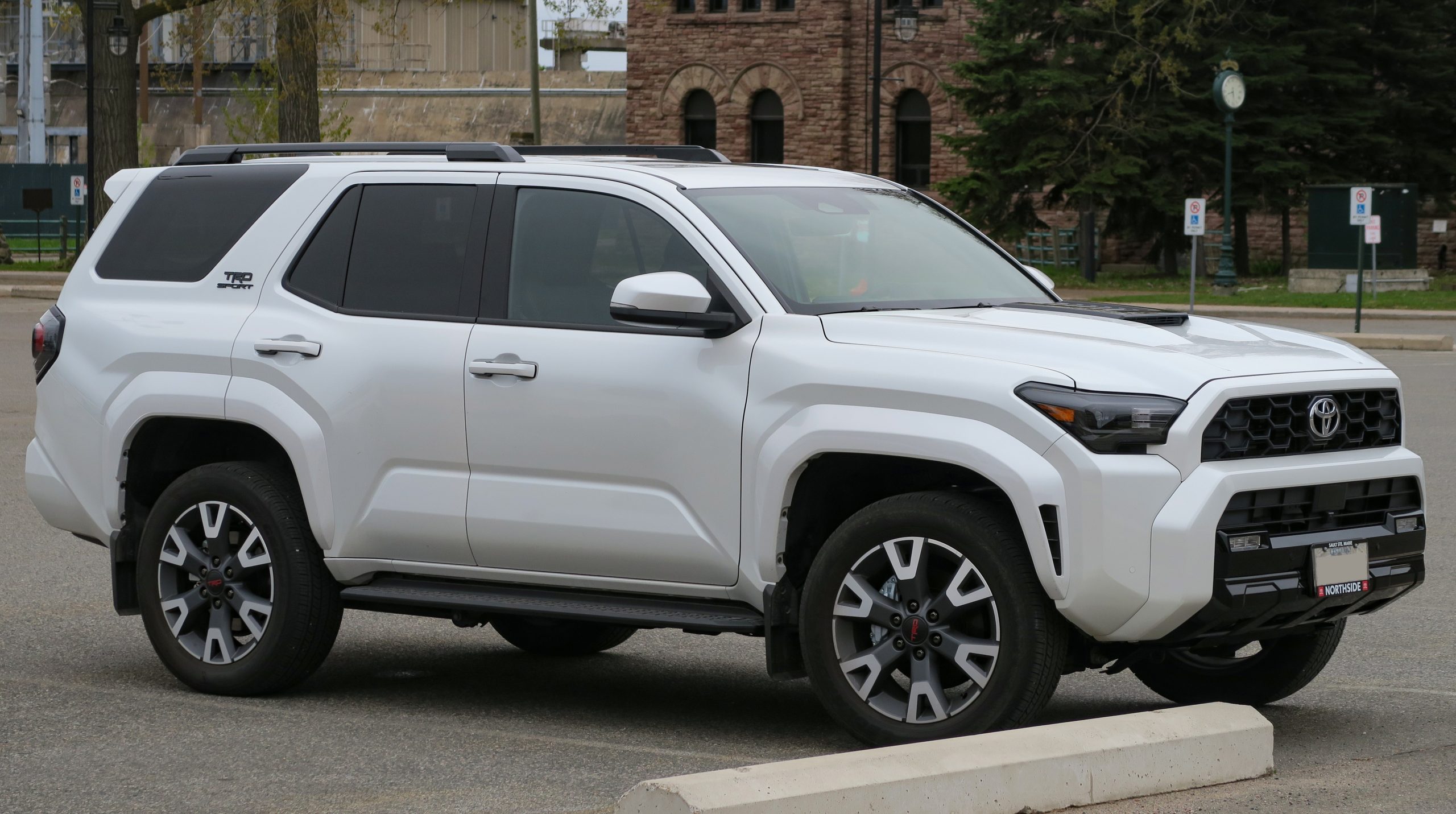
The Toyota 4Runner isn’t for everyone, but for families who value toughness, long-term durability, and no-nonsense engineering, it’s often the SUV they never let go of.
Known for its body-on-frame construction, the 4Runner has the bones of a truck but the flexibility of an SUV, making it a perfect fit for families who split their time between the city and more rugged environments.
While it’s not the most modern or fuel-efficient option, its mechanical simplicity is part of why so many families keep their 4Runner well past the 10-year mark.
One of the biggest advantages of the 4Runner is its proven reliability. The engine and transmission are tried-and-true designs that haven’t changed dramatically over the years, and for good reason, they work. Owners routinely report driving their 4Runners past 250,000 miles with little more than routine maintenance.
That kind of long-term dependability is increasingly rare in today’s market, where complex electronics and turbocharged engines can introduce unexpected issues. The 4Runner is old-school in all the right ways, which is a major reason families stick with it for the long haul.
The interior is similarly straightforward, though not particularly flashy. For some buyers, the dated infotainment system and simple dashboard might seem like a drawback, but others appreciate the lack of unnecessary tech. The seating is roomy, especially in the first two rows, and the cargo space is generous.
Many owners outfit their 4Runners with aftermarket accessories like roof racks, rear storage systems, and all-terrain tires, essentially turning it into a customizable adventure rig.
It becomes more than just a vehicle; it becomes part of the family’s lifestyle, whether that includes off-roading, camping, or cross-country travel.
There’s also the emotional factor. 4Runner owners tend to form strong bonds with their vehicles. Part of it is the confidence that the SUV won’t let them down, but part of it is also the utility and toughness that never really goes out of style.
Lexus RX
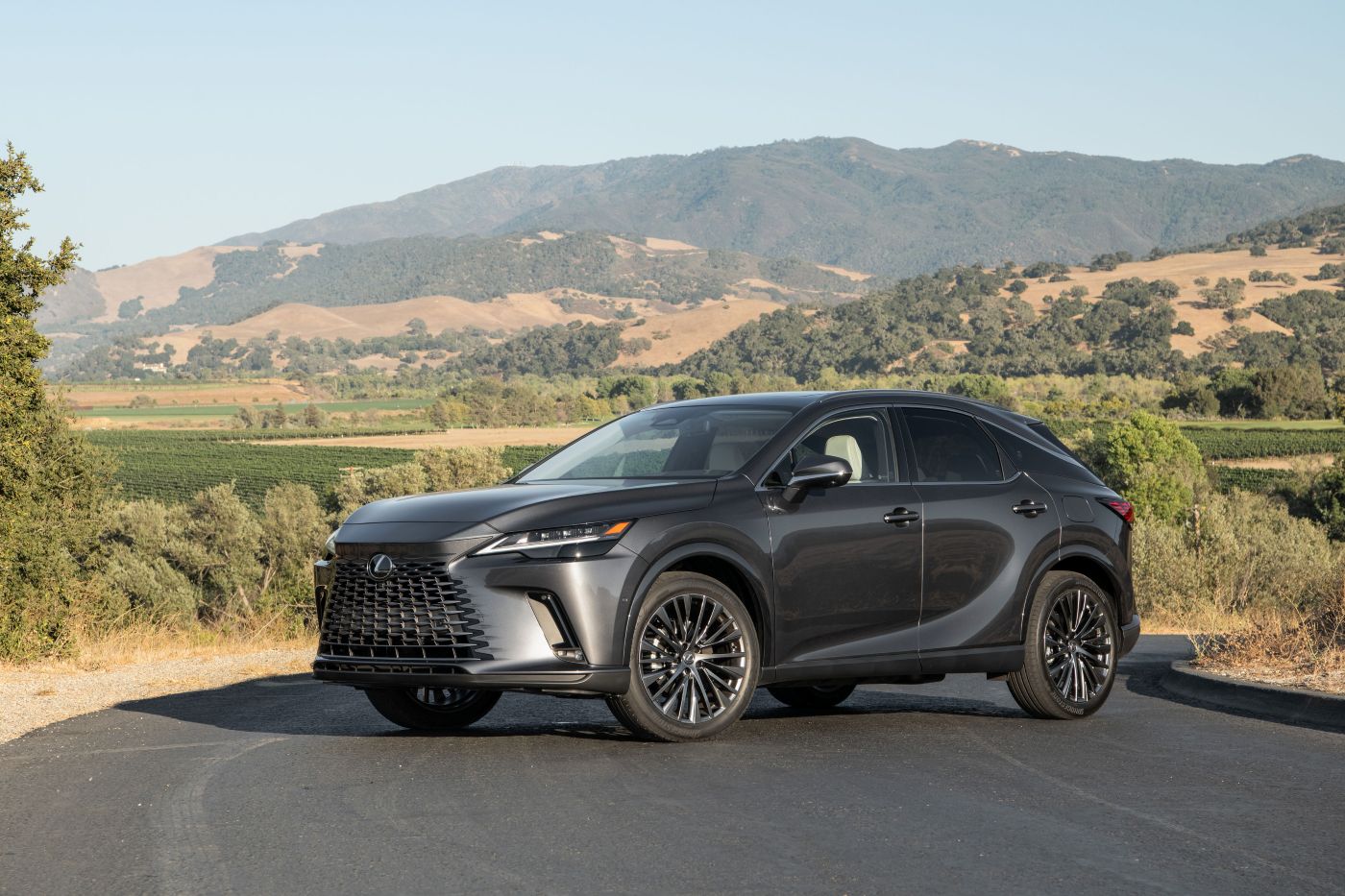
The Lexus RX is one of the rare luxury SUVs that earns long-term loyalty without costing a fortune to maintain. Families who invest in an RX often hold on to it for a decade or more, not just because of its upscale feel, but because it runs with the consistency and reliability of a Toyota, which makes sense, considering Lexus is Toyota’s luxury division.
The RX blends refinement with peace of mind in a way that few luxury SUVs can match, and that’s a powerful combination for long-term ownership.
Unlike many luxury vehicles that become expensive to service after the warranty runs out, the RX tends to avoid costly issues altogether. Its engines are known for lasting well past 150,000 miles without major repairs. The hybrid versions are especially appreciated for their fuel economy and quiet operation.
This reliability means owners don’t feel pressured to replace their vehicle just because the odometer ticks upward. They stay confident in its performance, and that keeps the RX in the family long after newer models hit the market.
Inside, the RX offers quiet comfort, which becomes even more valuable the longer you own it. The seats remain supportive over time, the cabin materials age gracefully, and the infotainment, while not always the most intuitive, functions reliably.
It doesn’t overwhelm drivers with overly complex tech features, but it provides everything needed for daily use. Families who prioritize comfort and low stress during long drives find that the RX delivers consistently, which is why they rarely feel the urge to trade it in.
Another factor contributing to its long-term appeal is cost predictability. Repairs are infrequent, and maintenance tends to be straightforward. Dealership experiences are usually better than average, and many independent mechanics are comfortable working on Lexus models.
This simplicity in care adds to the ownership experience. Families who buy an RX often do so with the intent to keep it until it’s truly worn out, and it takes a long time to reach that point. That’s a rare trait in any SUV, let alone one in the luxury category.
Subaru Outback
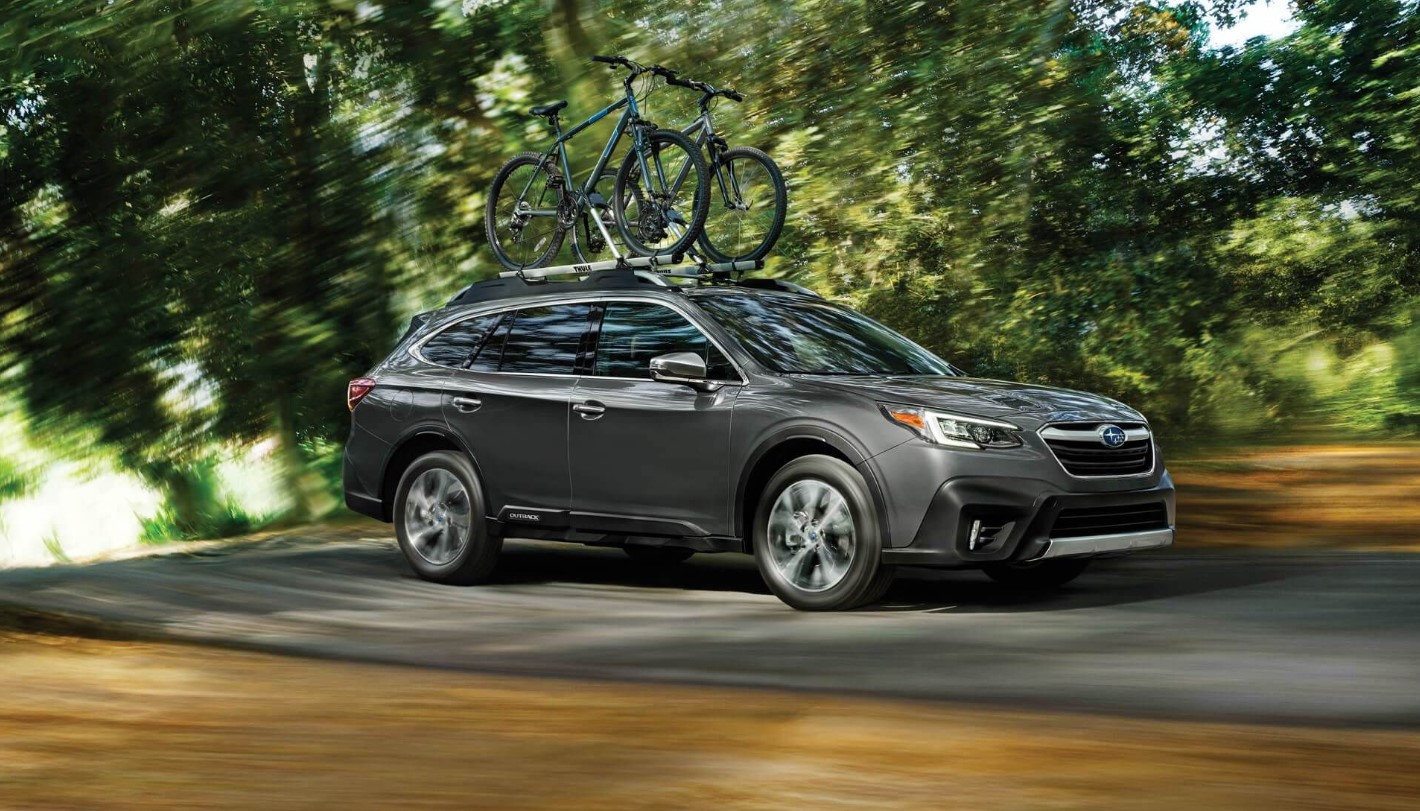
The Subaru Outback is a unique entry in the SUV world. It’s often labeled a wagon, but it delivers most of what families expect from a midsize SUV, all-wheel drive, cargo space, and rugged capability, with a more car-like ride and lower center of gravity.
This blend makes it especially popular with families who enjoy outdoor activities but still want a practical daily driver. Over the years, the Outback has built a reputation for lasting well over 200,000 miles with consistent maintenance, which contributes heavily to long-term ownership.
One of the most defining characteristics of the Outback is its standard all-wheel drive. Unlike many competitors that charge a premium for AWD, Subaru includes it across the lineup. That makes it ideal for families living in areas with snow, rain, or rough terrain.
The Outback doesn’t try to be a rock crawler, but it offers enough ground clearance and grip to handle trails and backroads with confidence. For families who enjoy hiking, skiing, or camping, the Outback feels like a natural fit, which makes parting with it a tough decision.
Inside, the Outback offers practical comfort. The interior isn’t overly luxurious, but it’s laid out in a functional, straightforward way. There’s room for five, and the rear cargo area is one of the largest in its class. Subaru also tends to prioritize visibility, with large windows and low beltlines that make it easy to see out of the vehicle.
That adds a sense of safety, especially for parents who want a better view of their surroundings. The technology suite is solid, not groundbreaking, but reliable enough that it doesn’t frustrate the driver over time.
What really helps the Outback stay in families for years is how consistent it is. It doesn’t suffer from major design overhauls that quickly make older models feel outdated. Instead, Subaru refines it gradually, which keeps resale values strong and makes older models feel relevant for longer.
Repairs are generally affordable, and parts are widely available. That adds to the ownership value, especially for people who want to maintain their vehicle themselves or avoid dealership costs. In short, the Outback delivers practical performance year after year, which is exactly why so many families hang on to them.
Honda CR-V
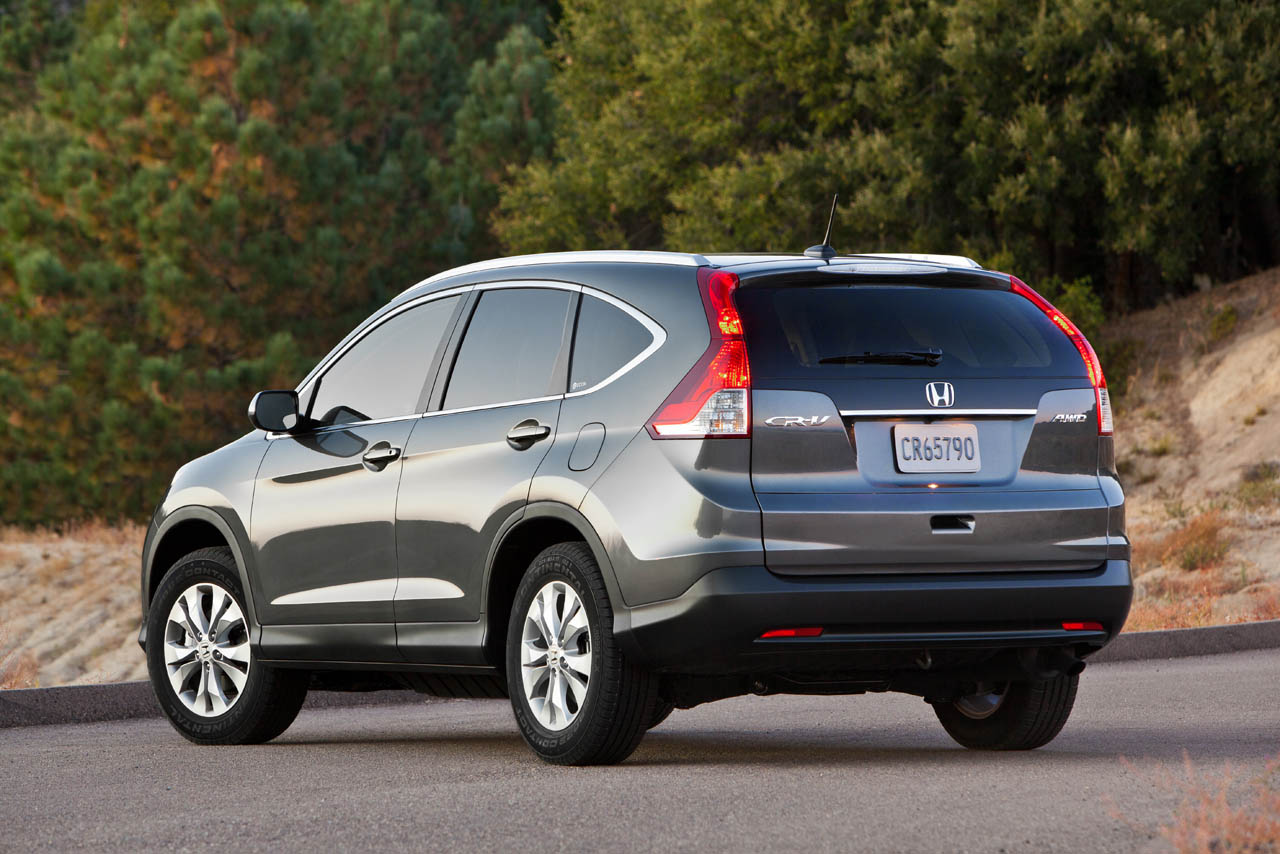
The Honda CR-V is widely known for its practicality, efficiency, and low maintenance costs. It’s a compact SUV that feels much bigger inside than it looks from the outside, which makes it ideal for families that need space but don’t want to deal with a full-size SUV.
Owners often report going well beyond 200,000 miles with minimal problems, which explains why so many families keep their CR-Vs long after the original purchase.
Fuel economy is another strong point. Even the all-wheel-drive models are relatively efficient, and the hybrid versions only add to the appeal. For families who juggle city commuting with weekend travel, the CR-V hits a sweet spot of comfort, size, and performance.
The engine isn’t the most powerful in its class, but it’s consistent and rarely gives owners any surprises. The transmission is smooth, and handling is light enough for everyday driving without feeling disconnected from the road.
One of the reasons the CR-V enjoys such long ownership is its cabin layout. Honda prioritizes smart storage solutions, clean dashboards, and good visibility. Passengers, especially kids, tend to be comfortable in both rows, and the cargo area is among the best in its class.
The simplicity of the design means fewer things go wrong, and when repairs are needed, they’re usually inexpensive and easy for mechanics to handle. That translates into peace of mind for families who want a car they don’t have to think about every day.
Owners rarely complain about the CR-V becoming obsolete. While some other models feel outdated after three or four years, the CR-V ages gracefully.
Honda doesn’t pack it with gimmicks; it focuses on the fundamentals that make an SUV useful. That approach pays off in loyalty, with many families keeping the same CR-V for a decade or more. It’s not flashy, but it works, and that’s often what matters most.
Toyota Highlander
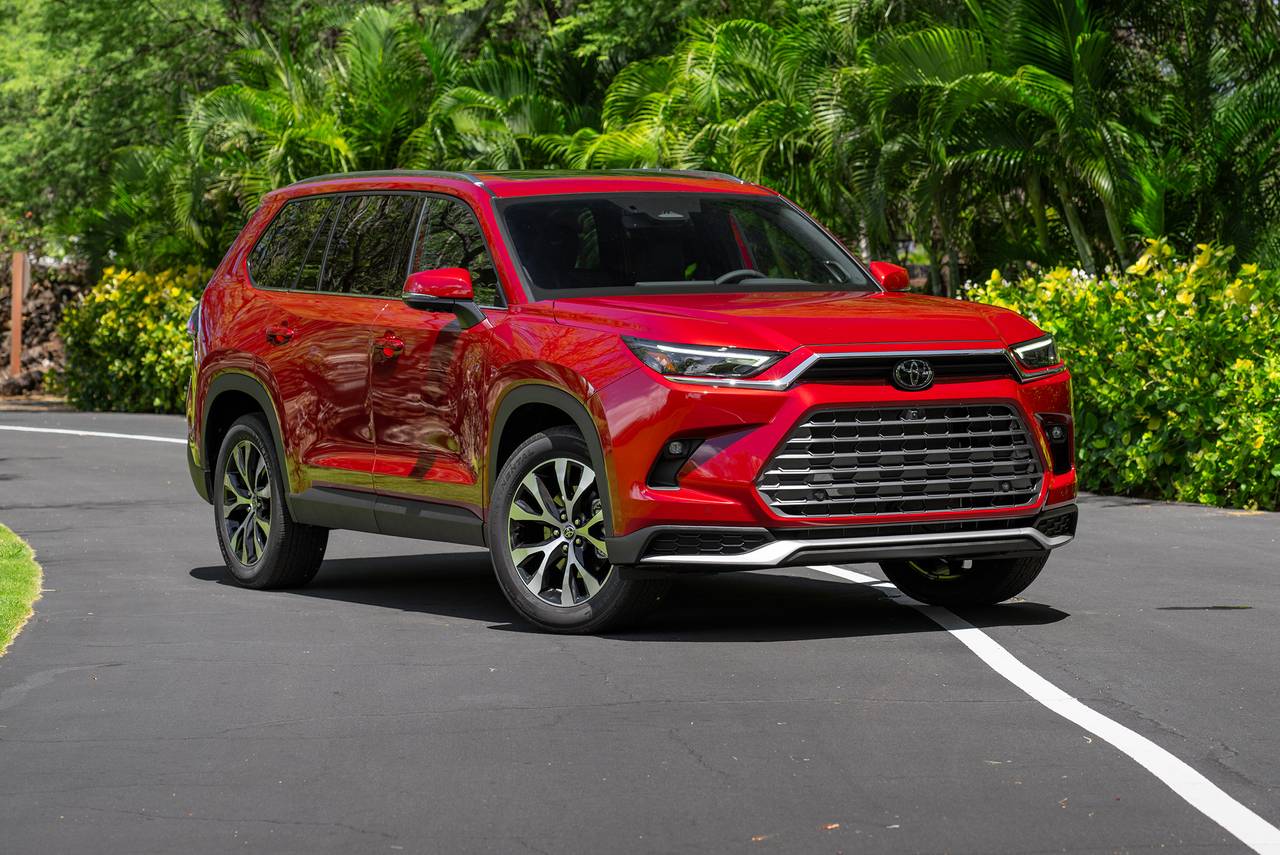
The Toyota Highlander is one of the most reliable midsize SUVs on the market. It consistently earns high marks for long-term durability and low ownership costs.
Families appreciate its strong build quality, quiet cabin, and balanced ride, making it a vehicle that continues to perform well long after the odometer crosses six digits. It’s not the most luxurious or flashy SUV, but it rarely causes problems, which makes it easy to hold on to.
Another big reason the Highlander stays in driveways for years is its versatility. It offers three rows of seating, decent cargo space, and a choice between gasoline and hybrid powertrains.
The hybrid version, in particular, has earned a loyal following thanks to its excellent fuel economy without sacrificing too much performance.
Parents with long commutes or frequent road trips appreciate how far they can go on a single tank. The interior isn’t full of cutting-edge gadgets, but it’s user-friendly and functional, exactly what most families need.
Resale value also plays a role. Even after ten years, a well-maintained Highlander can hold a surprising amount of its original value. But many owners don’t sell them at all; they hand them down to new drivers in the family or keep them as second vehicles.
The SUV’s reputation for reliability makes it a common sight in high-mileage vehicle listings, and there’s a reason for that. It tends to avoid the kinds of expensive issues that force other owners to give up on their cars early.
Toyota’s approach to engineering is conservative but effective. They don’t take a lot of risks with the Highlander, but the end result is a vehicle that just works. That kind of consistency builds loyalty over time.
Families don’t have to think twice about whether it’ll start on a cold morning or get them through a long vacation. That peace of mind leads to long ownership, and that’s why the Highlander earns a permanent spot in many households.
Also Read: 10 SUVs That Stay Quiet on Rough Roads
5 They Quickly Trade In
Jeep Cherokee
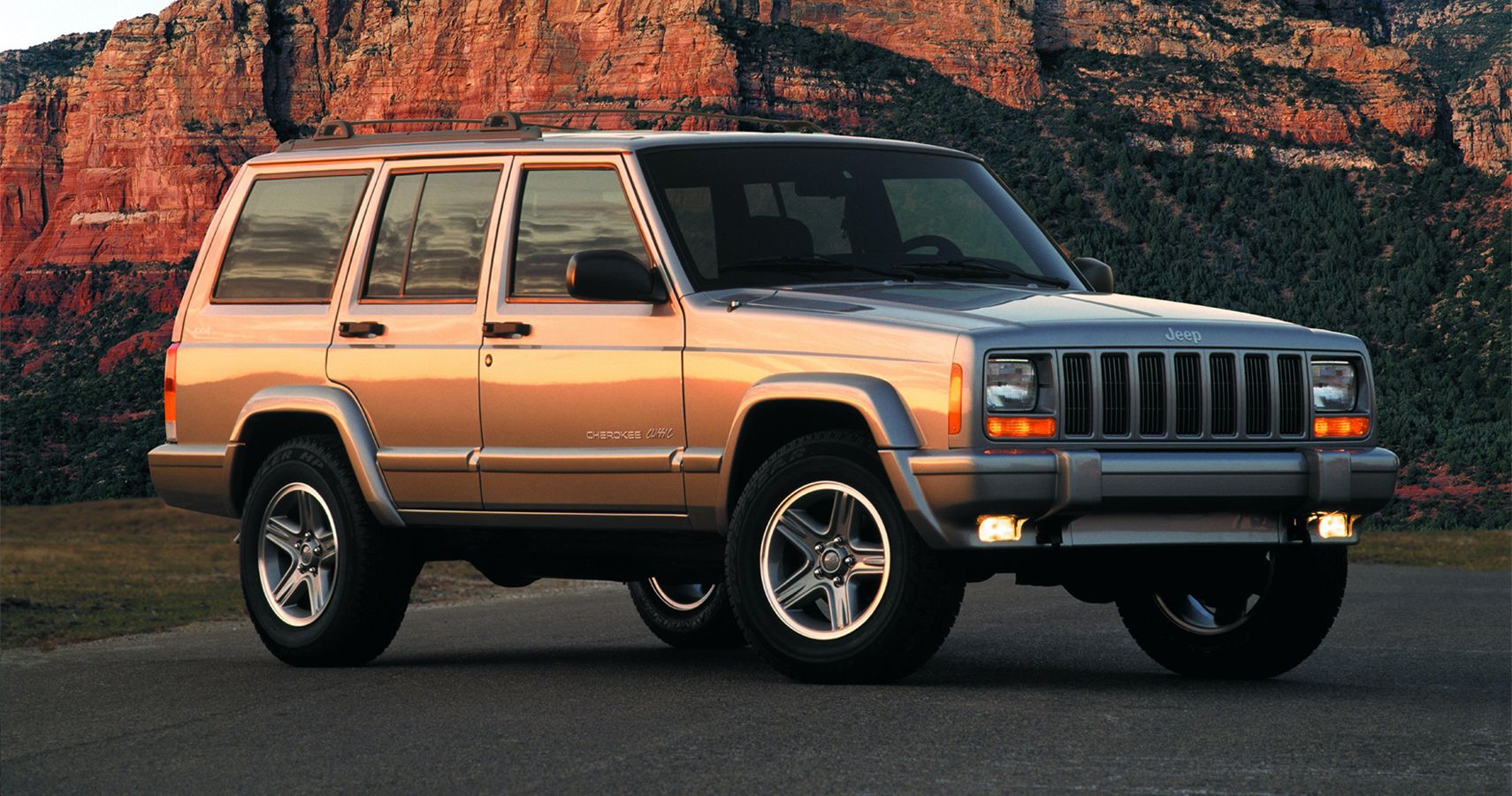
The Jeep Cherokee is a vehicle that often attracts attention on the lot but ends up disappointing many owners over time. At first glance, it offers a rugged look, an off-road image, and a strong nameplate.
Some versions even include solid four-wheel-drive systems that are more capable than the average family needs. But where it tends to fall apart is in reliability and long-term cost of ownership. Families quickly find that maintenance can be frequent and expensive.
Another common issue is the transmission. Over the years, several model years of the Cherokee have had problematic gearboxes that lead to jerky shifts or even outright failure.
That’s not a small issue when you depend on the car to get to work, school, and everything in between. Repairs aren’t cheap, and those frustrations add up. For a vehicle marketed toward families and daily use, that kind of unpredictability becomes hard to accept.
Interior quality is another complaint. While newer models have made improvements, many Cherokees still suffer from inconsistent materials, odd design choices, and cramped second-row seating.
That’s a deal-breaker for growing families who need both space and comfort. Small annoyances in layout and technology become more noticeable over time, especially if the infotainment system is laggy or buggy. Many buyers enter expecting Jeep’s tough image but are left with a more average, less reliable SUV experience.
As a result, the Cherokee tends to be one of the more frequently traded-in midsize SUVs. Families who were once drawn in by its styling or off-road promise often move on to more comfortable, more reliable models after a few years.
Whether it’s due to mechanical issues or just a mismatch in expectations, it’s not uncommon for a Cherokee to cycle through owners fairly quickly. That lack of long-term satisfaction keeps it off the “forever” list.

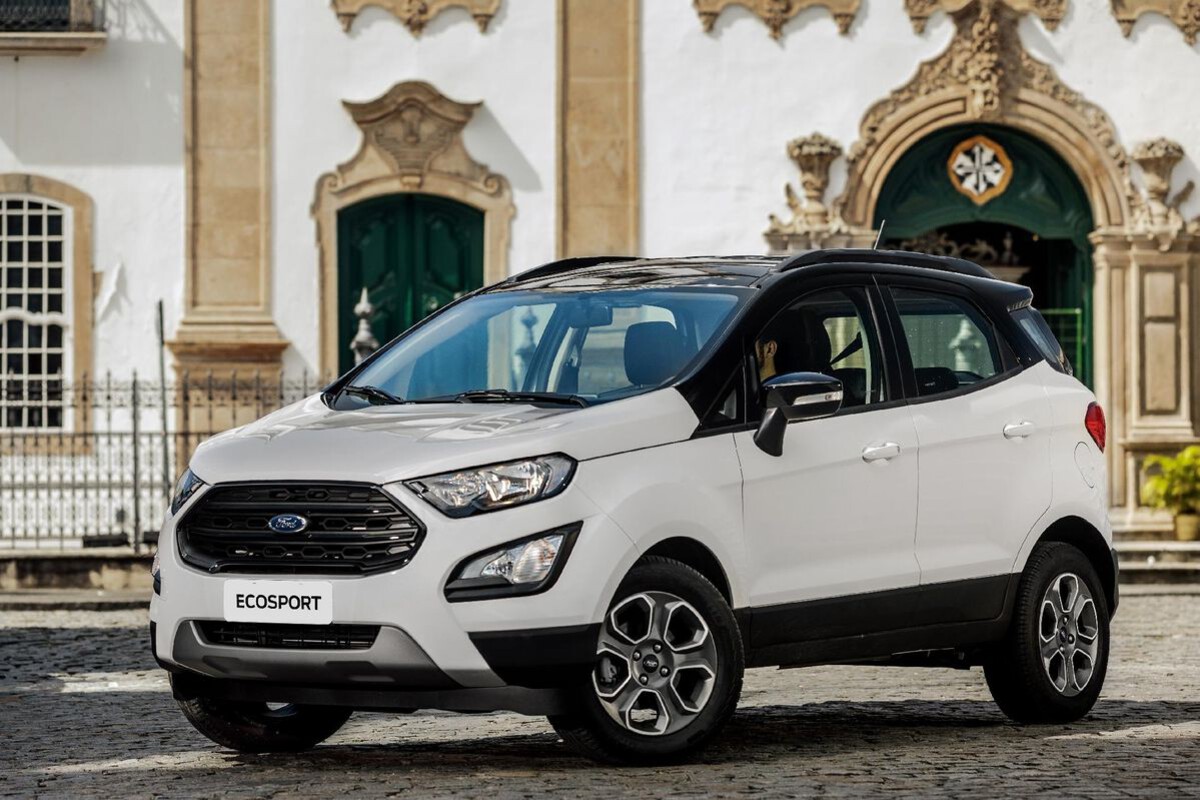
Ford EcoSport
The Ford EcoSport often enters the conversation as an affordable subcompact SUV, but it frequently leaves buyers feeling disappointed. At first, the low price point and compact size attract budget-conscious families or urban drivers.
However, the problems often become obvious within the first year or two of ownership. Ride quality is rough, the cabin feels tight, and the powertrain struggles under pressure. Many owners quickly realize it’s not built for long-term use.
Performance is a common sore spot. The base engine lacks real power, especially when the vehicle is loaded with passengers or gear. Acceleration is sluggish, and the driving experience can feel strained even during normal highway merging. That makes road trips or even daily commuting a chore.
The suspension doesn’t handle bumps well, and road noise is more noticeable than in competitors. These flaws add up, making the vehicle feel cheaper than expected.
Interior design is another weak area. The back seats are cramped, and the cargo space is limited, especially compared to slightly larger rivals. The infotainment system has improved in recent years, but it still lags in responsiveness and layout.
For families looking for daily convenience, these issues can become frustrating quickly. Add in the side-hinged rear door, an odd design choice for American buyers, and it becomes clear that the EcoSport isn’t tailored for practical family life.
Due to these drawbacks, many buyers opt to trade in the EcoSport within a few years. It simply doesn’t meet the expectations of what an SUV should deliver.
Once the novelty wears off, the limitations become harder to ignore. For families who thought they were getting a small, affordable, functional SUV, the daily compromises become too much. That often leads to an early exit from the driveway.
Chevrolet Traverse
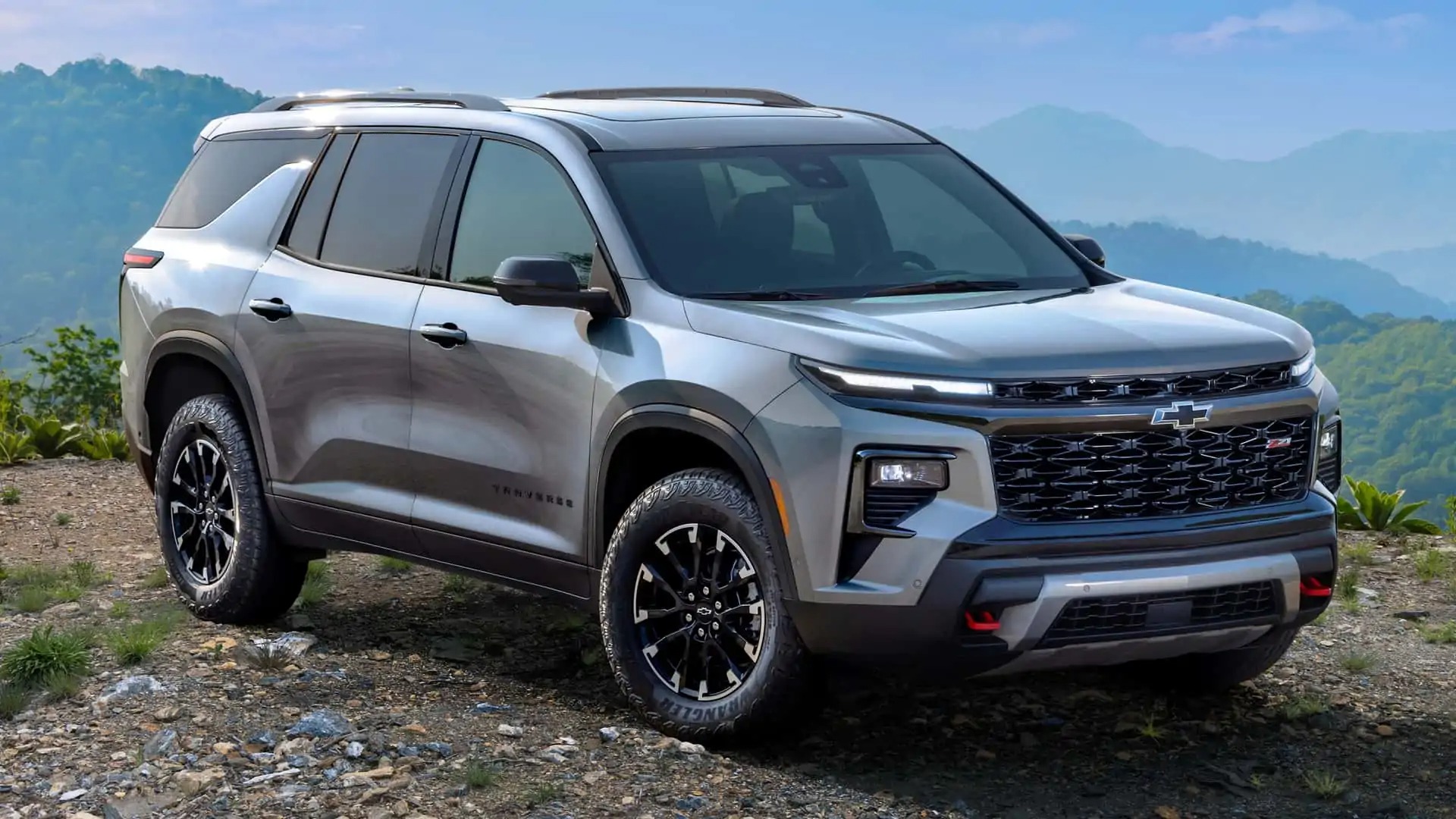
The Chevrolet Traverse aims to be a full-size family hauler, but it often ends up disappointing families after a few years of ownership. At first glance, it’s appealing: three rows of seating, decent tech features, and a modern look.
However, many owners find that it lacks the polish and long-term reliability needed in a vehicle of its size and purpose. Issues often arise with build quality, drivetrain performance, and durability, especially once the mileage starts creeping up.
The Traverse’s engine and transmission combination has had its share of complaints. While the V6 engine offers decent power on paper, real-world performance can feel inconsistent. The transmission sometimes shifts awkwardly or hesitates during acceleration.
These issues are more than just annoyances when you’re merging onto a highway with kids in the back or trying to navigate city traffic. Over time, repeated exposure to these problems pushes some families to look elsewhere for their transportation needs.
Another key problem is interior wear and design. While newer models have improved the look of the cabin, the materials don’t always hold up well to the demands of daily family life. Seats may start to wear quickly, and plastic panels can show scratches and creaks early.
Third-row comfort is also lacking, especially for adults or teenagers. For a vehicle positioned as a minivan alternative, that lack of true three-row comfort becomes a dealbreaker for families who use every seat regularly.
The Traverse also doesn’t retain its value well compared to some rivals. Once the warranty expires, owners often find themselves dealing with mechanical issues and declining resale potential at the same time.
This combination pushes many to trade in the Traverse earlier than expected, sometimes before the loan is even paid off. While it serves its purpose for a while, it rarely turns into a long-term companion. The reality often doesn’t match the promise, and families looking for durability tend to move on quickly.
Mitsubishi Outlander
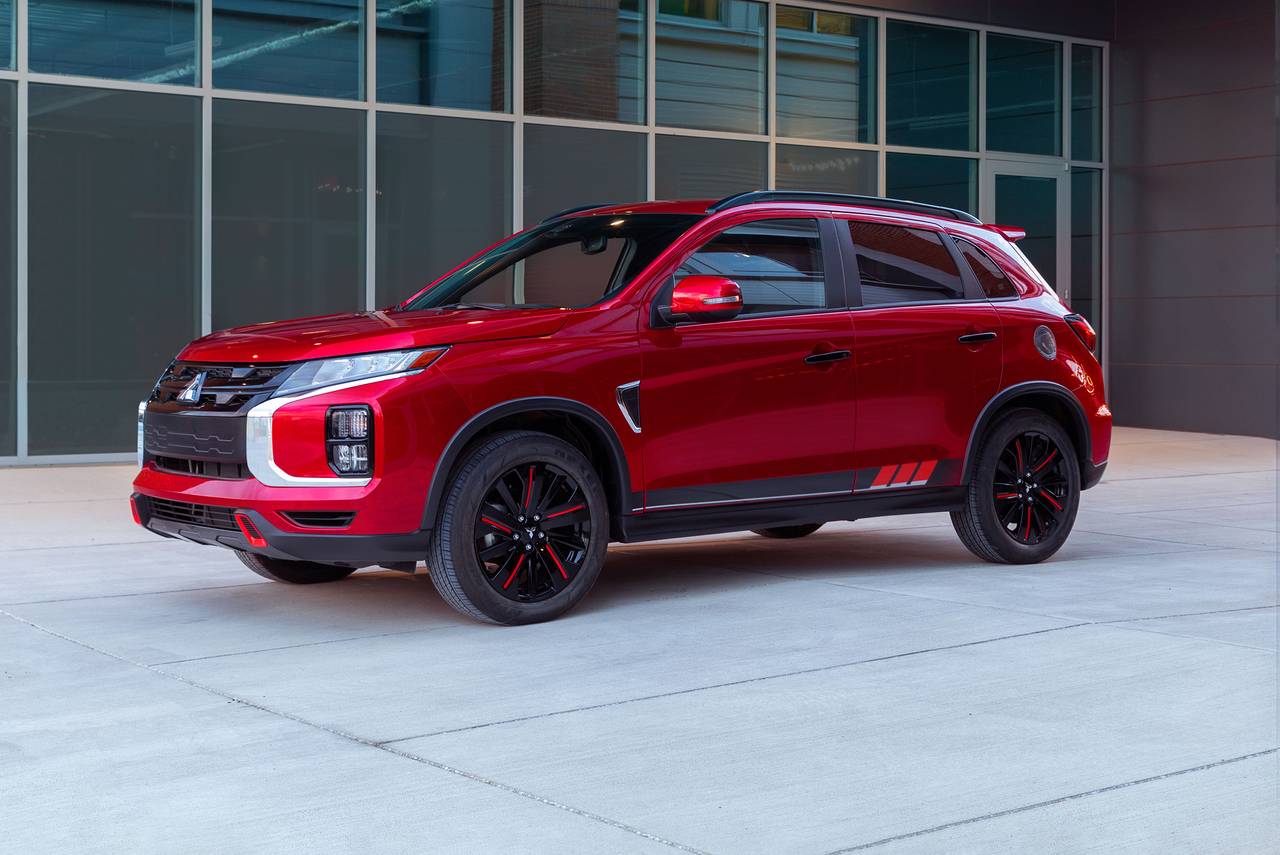
The Mitsubishi Outlander has a low entry price and a decent warranty, but many families find themselves ready to part ways with it after just a few years.
The problems aren’t always catastrophic, but the accumulation of small issues tends to erode confidence in the vehicle. Some versions, particularly older ones, have been criticized for weak engines, subpar build quality, and awkward handling. While newer redesigns have improved things slightly, the Outlander still struggles to match the competition.
One common complaint is engine performance. The base engine feels underpowered, especially when the SUV is fully loaded. Acceleration is sluggish, and the continuously variable transmission (CVT) can make driving feel disconnected.
That’s not just a performance issue; it impacts confidence in daily driving situations, from merging onto highways to quick lane changes. For families that value responsive driving, this shortfall often becomes a reason to look for something better.
Interior design also leaves much to be desired. While Mitsubishi has tried to modernize the cabin, the results vary between trims. Lower trims feel particularly outdated, with materials that wear quickly and tech systems that lag behind the competition.
The third row is essentially unusable for adults, and even kids may find it cramped. Cargo space is limited when all seats are in use, and folding them down doesn’t create as much usable space as some rivals offer.
Despite a generous warranty, the Outlander still tends to be traded in earlier than many other compact SUVs. Some buyers are initially attracted to the value, but they end up disappointed by the real-world experience.
Once those first few years pass and the vehicle begins to feel worn out, many families decide not to stick around. They look for more established brands that deliver a smoother, more dependable ownership experience, even if it costs more upfront.
Nissan Pathfinder
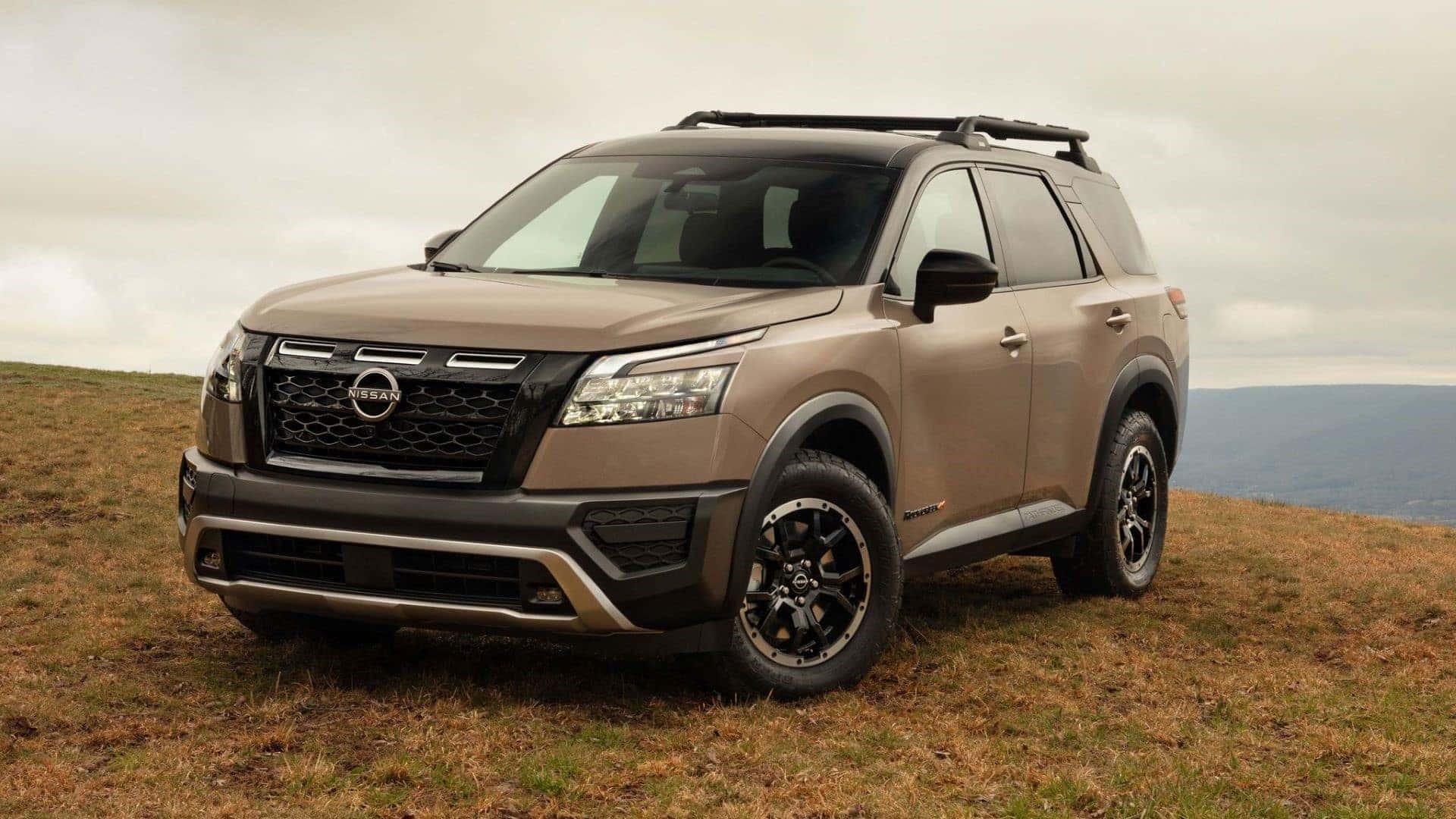
The Nissan Pathfinder has gone through several design shifts over the years, and that inconsistency has played a role in why many families decide not to keep it for long.
Earlier models had a rugged, truck-based identity that attracted adventure-seeking families, but in recent generations, the Pathfinder moved toward a more rounded, car-like design.
That shift hasn’t been entirely smooth, and it’s left the SUV sitting in an awkward space between true off-roader and family hauler, not fully succeeding at either. That identity crisis has impacted owner satisfaction and long-term retention.
Mechanical reliability has also been a weak point. Several years of the Pathfinder have been plagued by issues with the CVT (continuously variable transmission), leading to complaints about hesitation, shuddering, and even transmission failure.
Nissan extended warranties on some models because of this, but the damage to the model’s reputation had already been done. Families who experienced these problems firsthand were often unwilling to trust the vehicle again, leading many to trade it in early, sometimes right after the first few signs of trouble appeared.
Interior layout and comfort have also received mixed reviews. While the Pathfinder can seat seven, the third row is tight, and cargo space behind it is limited. This means families often find themselves choosing between hauling people or hauling gear, not both.
The infotainment system has improved in more recent versions, but in earlier models, it was clunky and outdated. Combine that with interior materials that don’t age particularly well, and the SUV starts to feel worn far sooner than its competitors. That matters when families are expecting a vehicle to last them the better part of a decade.
Another issue is resale value. Compared to other three-row SUVs like the Honda Pilot or Toyota Highlander, the Pathfinder depreciates faster. Once a vehicle starts to lose value and requires repairs at the same time, most families start looking for a way out.
And when they trade it in, they often don’t return to the Nissan brand. It’s not that the Pathfinder is a bad vehicle, but it doesn’t deliver the long-term satisfaction that families expect when choosing a large SUV. As a result, it often leaves the driveway much earlier than planned, replaced by something more dependable, better built, and easier to live with.
