
The 2010s was a decade of significant change and innovation in the automotive industry. As new technologies rapidly emerged, shifting consumer tastes and stricter regulations led to the decline of certain types of cars while ushering in new ones.
Many vehicles from this era blend traditional performance with modern conveniences, making them especially interesting for collectors in the years to come.
While the notion of “collector cars” often brings to mind classic vehicles from the 1950s or 1960s, the 2010s produced a variety of models that are now beginning to attract serious attention for their rarity, performance, or cultural impact.
Some of these cars represented the last of a particular kind before an era ended, while others showed the first hints of what would become highly sought-after characteristics in the automotive world.
This decade saw the final chapter for many naturally aspirated engines, the birth of electric and hybrid performance vehicles, and a boom in technological integration within cars. The 2010s also witnessed shifts toward more aggressive styling and track-ready versions of everyday cars.
Enthusiasts are now looking back on that period with fresh eyes, identifying models that might appreciate in value or become important milestones in automotive history.
In particular, cars with limited production runs, distinct performance capabilities, or unique design philosophies from the 2010s are catching the eye of collectors who want something that represents a transitional moment between the old and the new.
From sports cars that pushed the limits of speed and handling to practical vehicles that defined a generation’s driving experience, the 2010s left a lasting impression on the car market.
Some models from this period have already started to command higher prices in auctions and private sales, a clear sign that they are being regarded as future classics.
These cars not only represent technological progress but also embody cultural shifts, such as the move toward sustainability and connectivity in vehicles. For anyone interested in cars, whether from an enthusiast or investment perspective, the 2010s offer a fascinating range of candidates for collection.
In this article, we will look at ten specific cars from the 2010s that are already nearing collector status. Each of these vehicles has something special that sets it apart, be it design, performance, limited availability, or a unique place in automotive history.
Understanding why these cars are poised to become valuable will give insight into how the automotive industry of the 2010s continues to shape our appreciation of vehicles today.
Also Read: 10 SUVs With Rare Transmission Issues and Long Lifespan
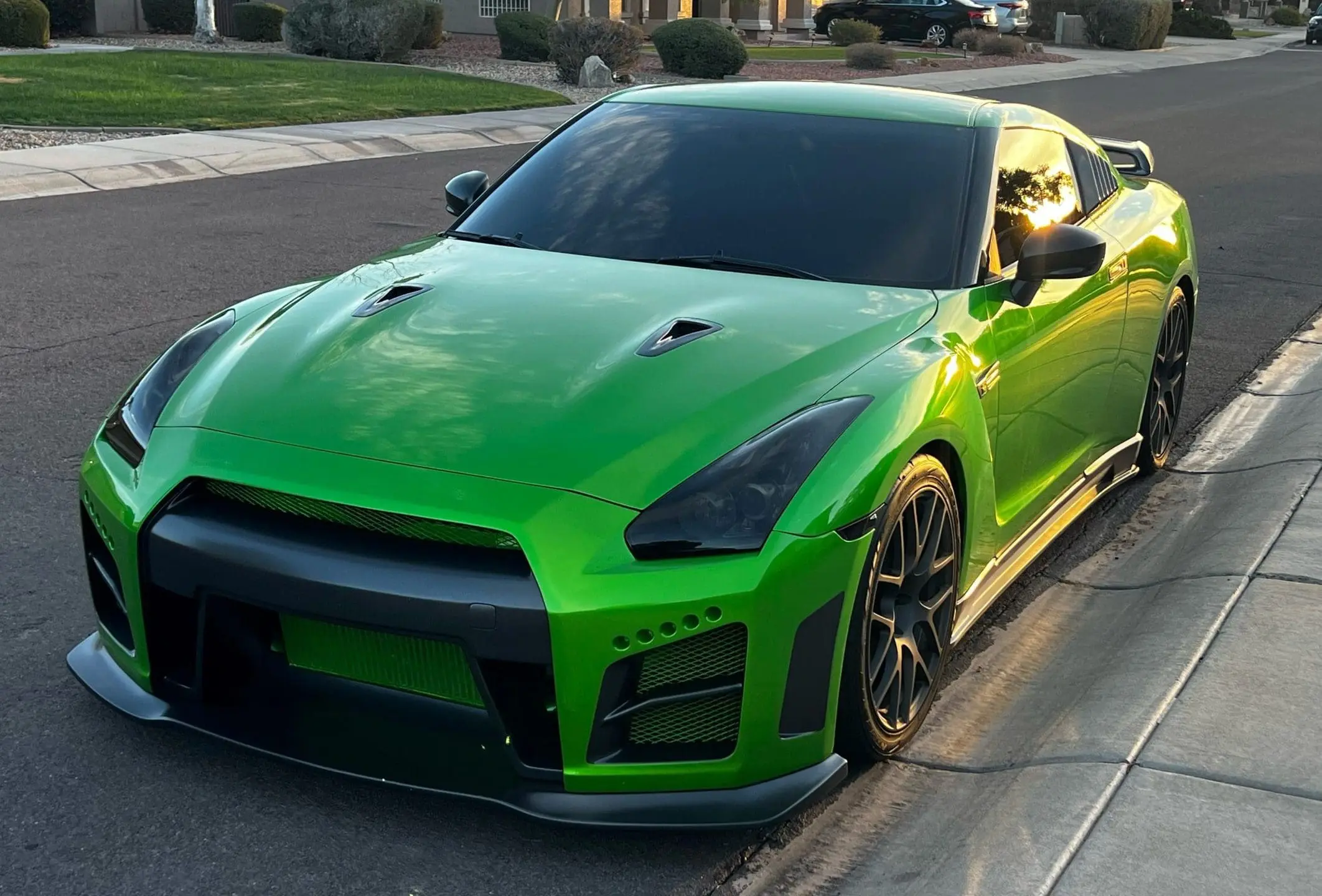
1. Nissan GT-R R35 (2007–2019)
The Nissan GT-R R35 is one of the most iconic sports cars of the 2010s, despite its initial release being in 2007. Its presence throughout the 2010s and continued updates solidified its reputation as a high-performance machine that could challenge many European exotics at a fraction of the price.
Known for its advanced all-wheel-drive system and powerful twin-turbo V6 engine, the GT-R offered supercar performance while being relatively user-friendly. Over the course of the decade, Nissan refined the R35 with improvements to suspension, aerodynamics, and technology, ensuring it stayed competitive and relevant.
What makes the GT-R R35 so collectible is its role as a technological showcase and its status as a Japanese supercar that gained international respect. Unlike many cars that chase prestige through luxury or exclusivity, the GT-R focused on delivering sheer performance and handling precision.
This car was a favorite among enthusiasts for tuning potential, and the aftermarket support helped it maintain an enthusiastic fan base. The fact that Nissan kept the R35 in production for over a decade means that early models, especially those from the early 2010s, are becoming rarer and more desirable.
The GT-R also stands as a symbol of Japanese engineering resilience and innovation during a time when many Japanese automakers faced challenges in global markets.
It combined cutting-edge technology, such as the advanced dual-clutch transmission and multi-mode all-wheel drive, with a unique design that still retained some of the aggressive styling cues reminiscent of its Skyline predecessors.
Collectors appreciate the R35 not just as a performance car but also as a cultural icon from the 2010s that helped revive Nissan’s image worldwide.
Lastly, limited edition versions of the GT-R R35, such as the Nismo and Track Edition models, add to the car’s collectible appeal. These variants featured more power, better aerodynamics, and improved suspension setups, making them sought after by enthusiasts looking for the iteration of the model.
Given the R35’s long production run, the earlier and special edition cars are likely to gain significant value as they become harder to find in pristine condition.
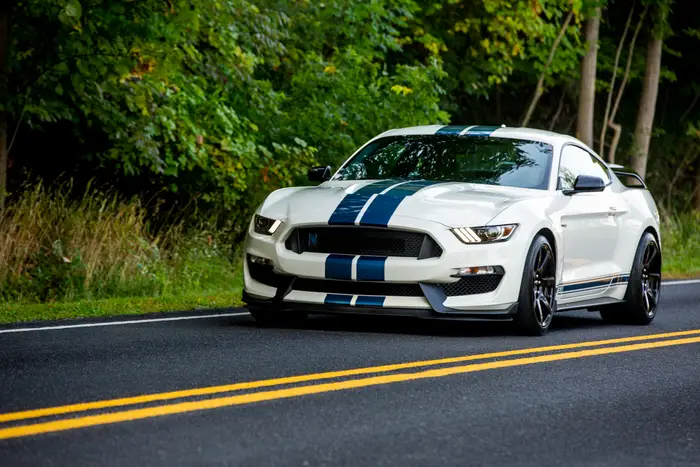
2. Ford Mustang Shelby GT350 (2015–2020)
The Ford Mustang Shelby GT350 represents one of the last naturally aspirated V8 muscle cars from the 2010s, a key factor in its growing collectibility. Released in 2015, the GT350 was Ford’s answer to the desire for a high-performance Mustang that combined classic muscle car elements with modern track-ready technology.
Powered by a 5.2-liter flat-plane crank V8 engine known as the “Voodoo,” it delivered an exhilarating engine note and a high-revving character that was rare among American muscle cars of the era.
What truly sets the GT350 apart is its focus on driver engagement and mechanical purity. It came with a manual transmission as standard, rejecting the widespread adoption of automatic transmissions in performance cars at the time.
The car’s suspension and chassis were extensively engineered to perform on both the road and the racetrack, making it a true competitor to European sports cars in terms of handling and responsiveness. Its aggressive aerodynamic design and track-tuned brakes further reinforced its position as a performance-focused muscle car.
The Shelby GT350 also has a distinct place in the Mustang lineage as a modern tribute to the original Shelby Mustangs of the 1960s. Its limited production numbers compared to the regular Mustang GT add to its allure as a collectible.
Enthusiasts often regard the GT350 as the last hurrah for Ford’s naturally aspirated V8 muscle car before the industry shift toward turbocharged engines and electrification. This gives it a nostalgic value, especially for fans of traditional American muscle cars.
Additionally, special editions and color schemes, including the GT350R and unique factory packages, enhance the collectibility of the model.
These variants offered lightweight components, improved aerodynamics, and track-specific features that made them rarer and more desirable. As the muscle car segment evolves, the GT350 is increasingly viewed as a benchmark for raw, analog performance from the 2010s.
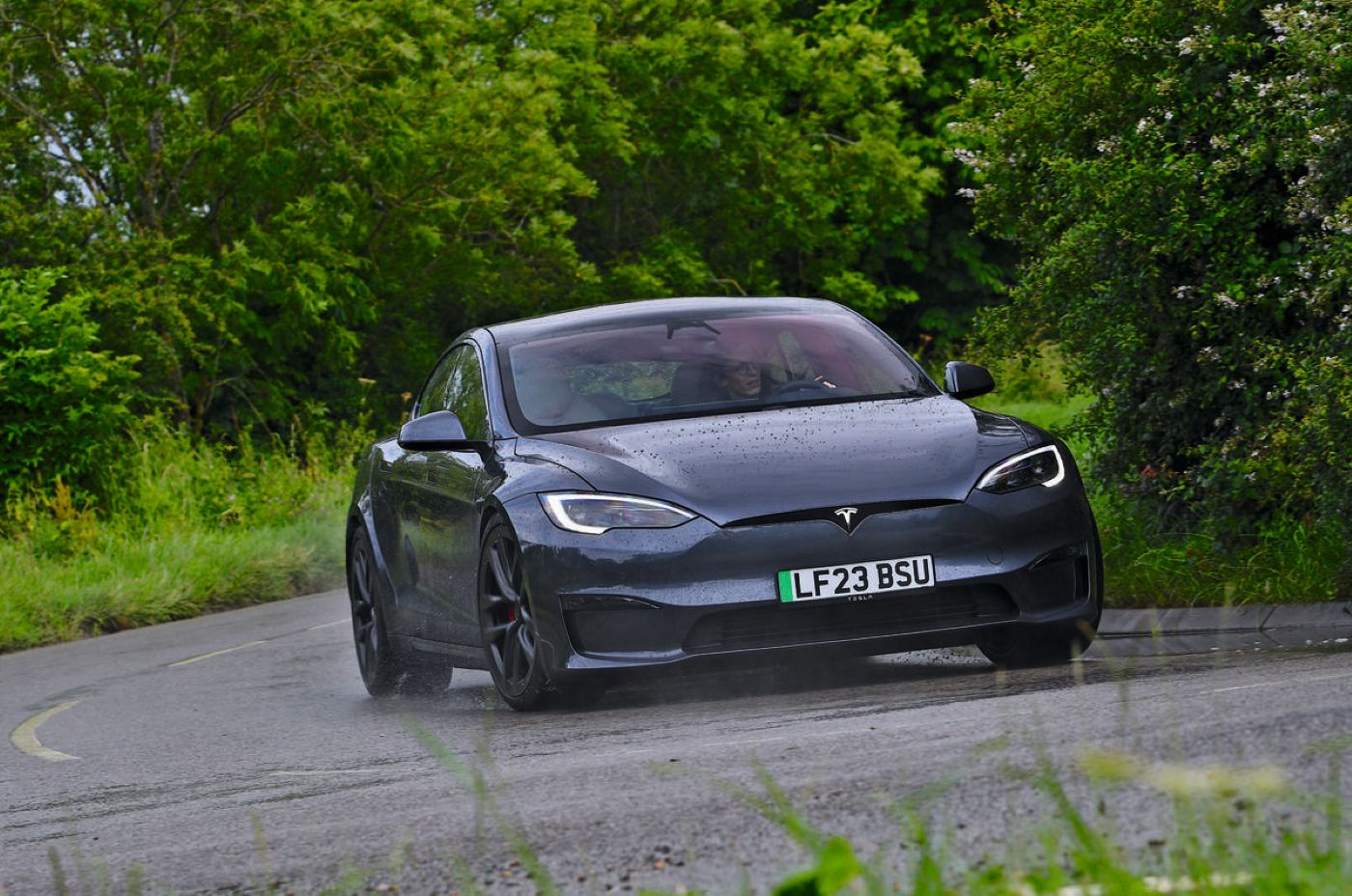
3. Tesla Model S P85D (2014–2016)
The Tesla Model S P85D is a entry in this list because it represents a shift in what collectors might seek. As one of the first electric vehicles to offer genuine high-performance capabilities alongside luxury and range, the P85D helped redefine expectations for electric cars.
Introduced in the mid-2010s, the Model S P85D featured dual motors providing all-wheel drive and a ludicrous acceleration time that rivaled many gasoline supercars of its time.
The significance of the Model S P85D lies not only in its performance but also in its role in popularizing electric vehicles as serious alternatives to traditional combustion engines. It was among the earliest mass-produced electric cars that could deliver thrilling driving dynamics without the typical compromises in range or comfort.
This changed the automotive industry and opened the door for electric vehicles to enter the collector market. For collectors interested in the evolution of automotive technology, the P85D stands as a milestone.
What makes the P85D especially collectible is its early production status within Tesla’s lineup, along with unique features like the “Ludicrous Mode” that pushed electric car performance to new heights.
Since Tesla continuously updates its cars with software, early versions of the P85D offer a snapshot of electric performance technology at a key moment in its development. This contrasts with the more conventional collector cars on this list but adds historical and technological value.
Furthermore, the Model S P85D embodies the spirit of innovation and disruption from the 2010s. As environmental concerns grew and regulations tightened, Tesla led a movement toward sustainable, high-performance vehicles.
The P85D serves as a reminder of the beginning of this shift, making it a highly desirable piece for collectors who see value in cars that changed the rules of the game.
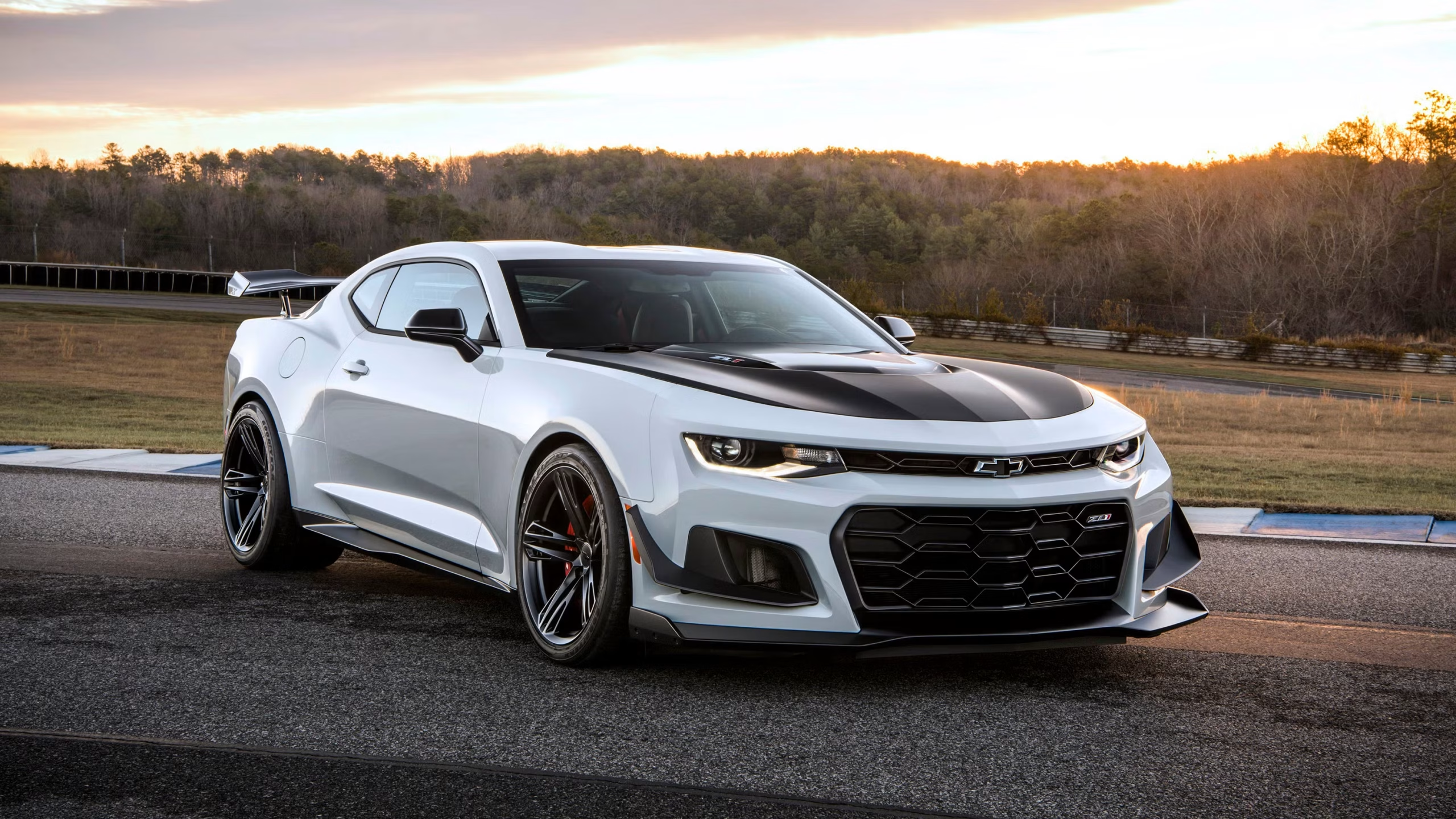
4. Chevrolet Camaro ZL1 (2012–2015)
The Chevrolet Camaro ZL1 from the early 2010s is a muscle car that captured attention with its supercharged V8 power and aggressive styling.
The ZL1 badge has a rich history in Chevrolet’s performance lineup, and the 2012-2015 Camaro ZL1 revived this tradition by packing a 6.2-liter supercharged V8 engine producing over 580 horsepower.
This powerful setup allowed the Camaro ZL1 to compete head-to-head with rivals like the Dodge Challenger SRT Hellcat and Ford Mustang Shelby GT500.
One reason the Camaro ZL1 is becoming collectible is due to its combination of modern muscle car performance with retro-inspired design cues. The car managed to blend aggressive looks with advanced technology, including magnetic ride control suspension and Brembo brakes.
This made it a formidable performer on the road and track, as well as an appealing model for enthusiasts who wanted a muscle car that could handle sharp corners without sacrificing straight-line speed.
The ZL1 also has cultural significance as a representation of Chevrolet’s commitment to performance during a decade of increasing environmental and fuel economy challenges.
The supercharged V8 embodied the muscle car ethos of power and intimidation, while still incorporating modern engineering to improve drivability and safety. This balance helped the Camaro ZL1 carve out a special place in the 2010s muscle car renaissance.
Limited production numbers and special editions of the ZL1 enhance its appeal. The 2014 ZL1 1LE, for example, was a track-focused version with improved aerodynamics, reduced weight, and suspension tuning designed for serious performance.
These rare variants, combined with the strong enthusiast community surrounding the Camaro brand, suggest that early ZL1s will continue to grow in value and status among collectors in the coming years.

5. BMW M3 (F80) (2014–2018)
The F80 BMW M3 is an important car for collectors because it marked the first time BMW introduced a turbocharged engine in the M3 line, shifting from the naturally aspirated V8 that defined the previous generation.
This change reflected broader trends in the industry toward turbocharging for efficiency and performance gains. The F80 featured a 3.0-liter twin-turbo inline-six engine, producing strong power and torque figures while offering a more flexible driving experience.
The M3’s combination of luxury, technology, and track-capable performance helped it remain a benchmark in the sports sedan category throughout the 2010s.
Its aggressive styling and advanced chassis setup offered both everyday usability and the ability to perform on the racetrack. The F80 generation’s introduction of advanced features like adaptive suspension and improved aerodynamics showcased BMW’s commitment to blending performance with comfort and technology.
For collectors, the F80 M3 represents a significant transition in BMW’s M division history. It bridges the gap between old-school, naturally aspirated performance and modern forced-induction engines.
This generation is also prized for its manual transmission availability in early models, a feature that adds to driving engagement and collectibility. Enthusiasts often view the F80 as one of the best modern M3s due to its balance of power, handling, and refinement.
Limited editions and special trims, such as the M3 CRT and Competition Package, add further depth to the model’s appeal. These versions offered enhanced performance features, weight savings, and aesthetic tweaks that made them rarer and more desirable among collectors.
As the F80 ages and turbocharging becomes more widespread, the first turbocharged M3s will stand out as key milestones in BMW’s performance history.
6. Subaru WRX STI (VA) (2015–2021)
The Subaru WRX STI from the VA generation represents a continuation of Subaru’s rally-inspired performance tradition, combining all-wheel drive capability with turbocharged boxer engines.
The 2010s WRX STI was one of the few performance cars that retained a strong connection to motorsport heritage while offering practical daily usability. This combination of rally pedigree and accessible performance made it popular among enthusiasts.
What makes the VA WRX STI collectible is its position as one of the last generations before Subaru’s gradual shift away from the traditional STI formula. It kept the core elements that made the car famous, including a six-speed manual transmission, a turbocharged flat-four engine, and symmetrical all-wheel drive.
This formula had been a staple of Subaru’s identity and performance appeal for decades. The VA generation refined these features with improved chassis tuning and technology.
The WRX STI’s reputation for durability and tuning potential has made it a favorite in the aftermarket scene, which often helps keep a model’s value stable or growing.
Owners appreciate the car for its balance of daily drivability and track capability, making it versatile and fun. Its role in rally racing, particularly the World Rally Championship, adds a layer of motorsport credibility that many performance cars lack.
Special editions of the WRX STI, including color and trim variations, further boost its collectibility. These versions sometimes featured performance or aesthetic upgrades that made them stand out within the model range.
As newer WRX models shift toward hybrid powertrains or different performance setups, the traditional VA WRX STI will likely be remembered as the last of a pure rally-bred line, attracting collectors interested in Subaru’s motorsport legacy.
7. Porsche 911 GT3 (991.1) (2013–2016)
The Porsche 911 GT3 of the 991.1 generation is highly regarded for bringing back the naturally aspirated, high-revving flat-six engine to the GT3 lineup after a turbocharged hiatus in other 911 variants.
This model reasserted Porsche’s dedication to track-focused driving enjoyment, combining precision engineering with raw driving feedback. The 991.1 GT3 offered drivers an experience that prioritized driver skill and connection to the car.
This GT3 generation stood out for its naturally aspirated 3.8-liter engine that produced over 475 horsepower, capable of revving close to 9,000 rpm.
Such characteristics are rare in modern sports cars, where turbocharging and electronic aids dominate. The 991.1 GT3 also featured a lightweight body, track-tuned suspension, and a choice of manual or PDK transmissions, appealing to purists and performance enthusiasts alike.
The 991.1 GT3’s blend of performance and everyday usability set it apart. It was not only a race car for the street but also a usable daily driver with Porsche’s trademark refinement.
Its role in maintaining the GT3 as a halo car within the 911 range contributes to its desirability, especially as later generations embraced turbocharged powerplants. This model is often praised for its perfect balance and mechanical purity.
Limited production numbers and special features, such as the Clubsport package and unique factory options, add to the 991.1 GT3’s collector appeal.
As the 911 continues to evolve, the naturally aspirated GT3s of the 991.1 generation serve as important milestones representing Porsche’s focus on driving dynamics before more extensive electronic intervention.
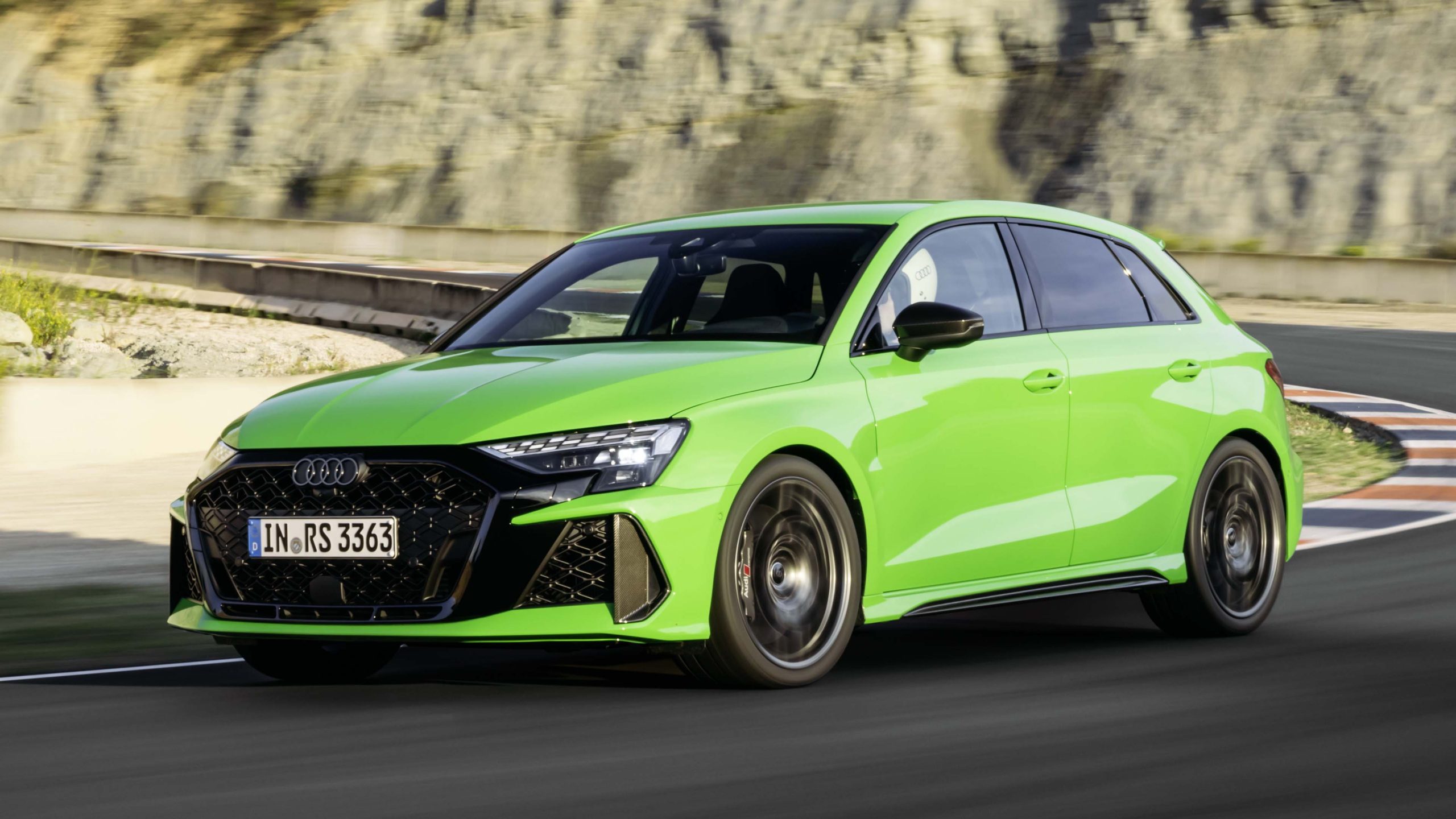
8. Audi RS3 (8V) (2015–2019)
The Audi RS3 8V is for bringing a compact hatchback platform into the high-performance category with a unique five-cylinder turbocharged engine.
The RS3 combined aggressive styling, quattro all-wheel drive, and impressive performance figures that challenged larger and more expensive sports cars. This model attracted attention for its blend of practicality and excitement.
What makes the RS3 8V collectible is its distinctive five-cylinder engine, which has a distinctive sound and character rare in modern cars.
The 2.5-liter turbocharged inline-five delivers strong power and torque, making the RS3 one of the fastest compact cars of its time. Audi’s quattro all-wheel-drive system provides confidence in various driving conditions, making the car both fun and versatile.
The RS3 also represents a period in the 2010s when performance hatchbacks and hot hatches gained renewed interest among enthusiasts.
It provided a premium alternative to more affordable hot hatches and combined luxury features with aggressive performance. This positioning helped the RS3 carve out a niche that appeals to collectors looking for a unique blend of speed, style, and everyday usability.
Special editions, limited colors, and performance upgrades further contribute to the RS3’s appeal. As newer models adopt hybrid powertrains or different engine configurations, the 8V RS3 will likely stand as one of the last of its kind with the iconic five-cylinder turbocharged engine.
This makes it a highly desirable car for enthusiasts and collectors who appreciate distinctive engineering.
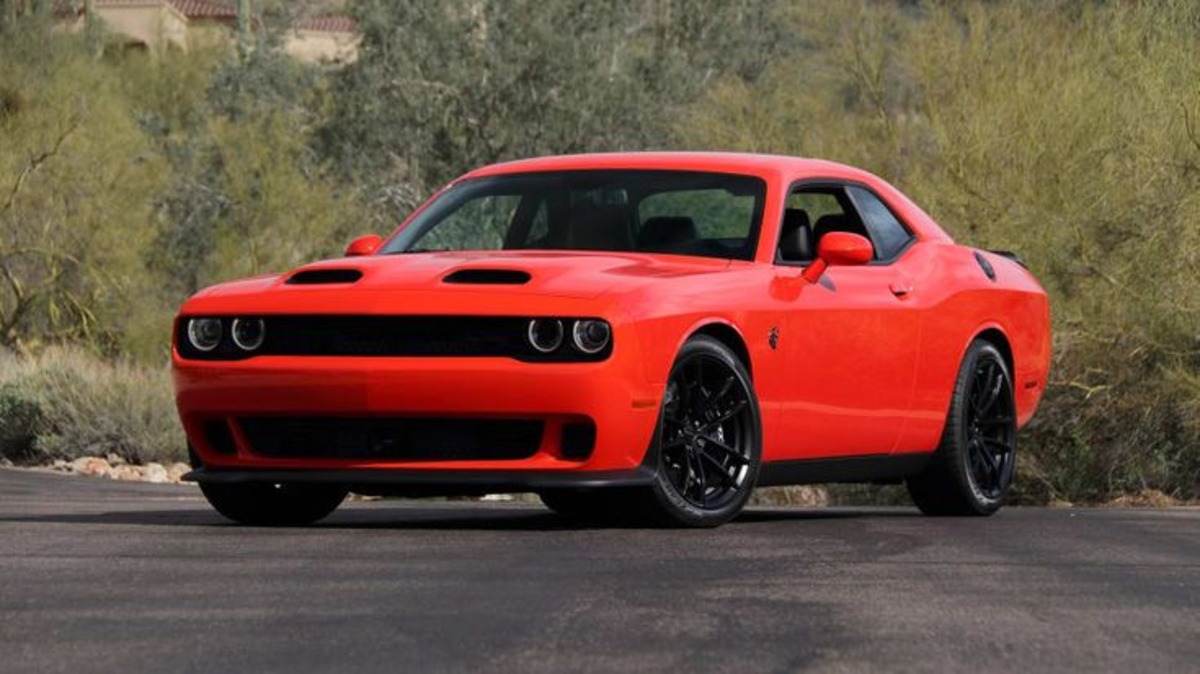
9. Dodge Challenger SRT Hellcat (2015–2023)
The Dodge Challenger SRT Hellcat stands out as one of the most powerful muscle cars to emerge in the 2010s, boasting a supercharged 6.2-liter HEMI V8 engine producing over 700 horsepower.
This model rekindled the muscle car wars with raw power and aggressive styling that evoked the classic American muscle car era while pushing performance into a new stratosphere. The Hellcat’s combination of retro design and extreme performance quickly earned it a dedicated following.
The Hellcat’s significance lies in its unapologetic approach to power and speed during a decade when many manufacturers sought to improve efficiency and reduce emissions.
Dodge doubled down on big, loud, and fast, offering a muscle car that made a bold statement. The Hellcat’s reputation for straight-line speed and intimidating presence set it apart from competitors and solidified its place in muscle car history.
Collectors are drawn to the Hellcat for its combination of performance and cultural impact. It represents a moment when muscle cars embraced massive horsepower numbers as a primary selling point, creating some of the most thrilling and extreme production cars available.
Its large engine and mechanical simplicity compared to forced-induction turbocharged rivals add to its appeal.
Various Hellcat variants, including the Redeye and Widebody editions, provide different levels of exclusivity and performance enhancements.
These versions have become particularly desirable for collectors seeking the muscle car experience. The Hellcat is viewed not only as a powerhouse but also as a symbol of muscle car excess from the 2010s that may increase in value as fewer examples remain in pristine condition.
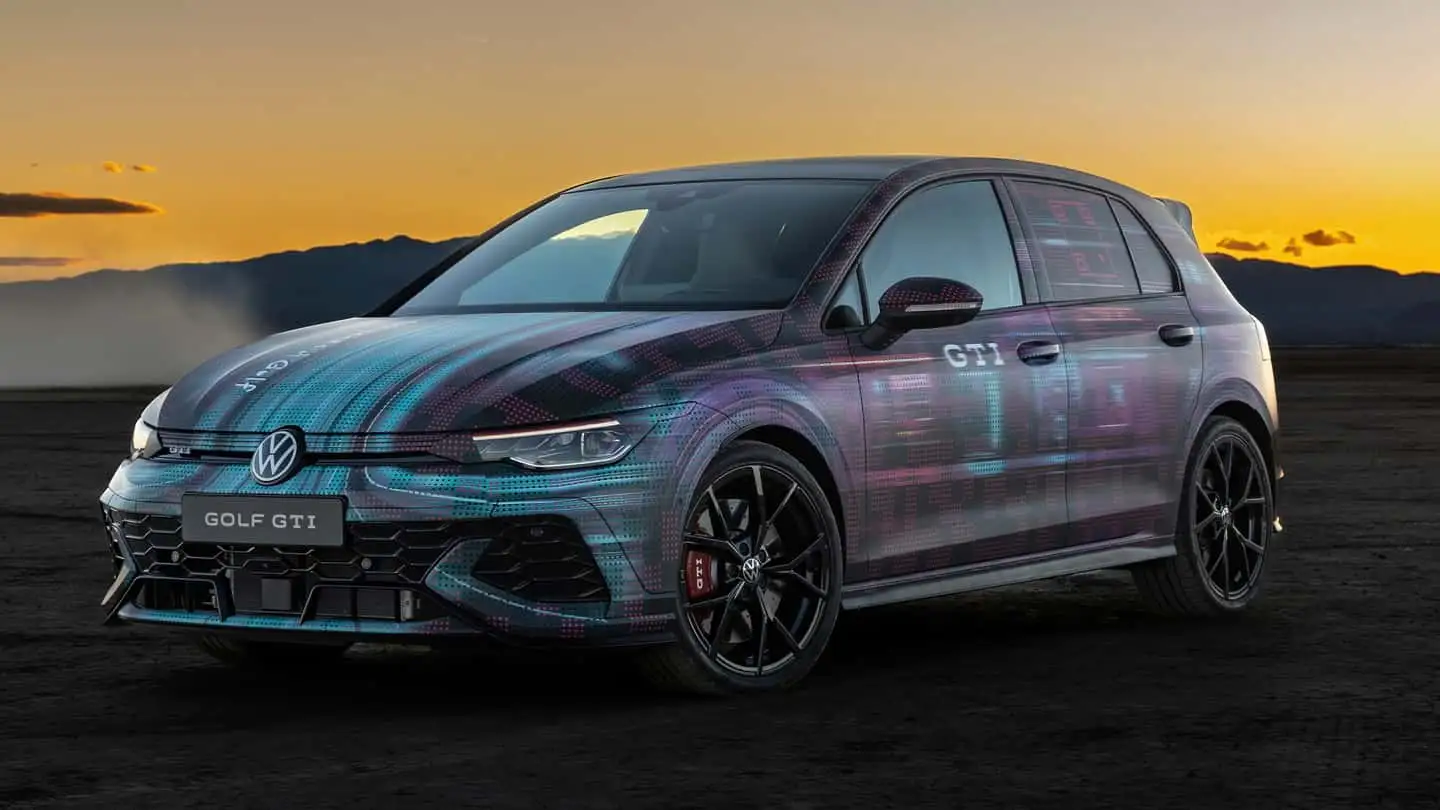
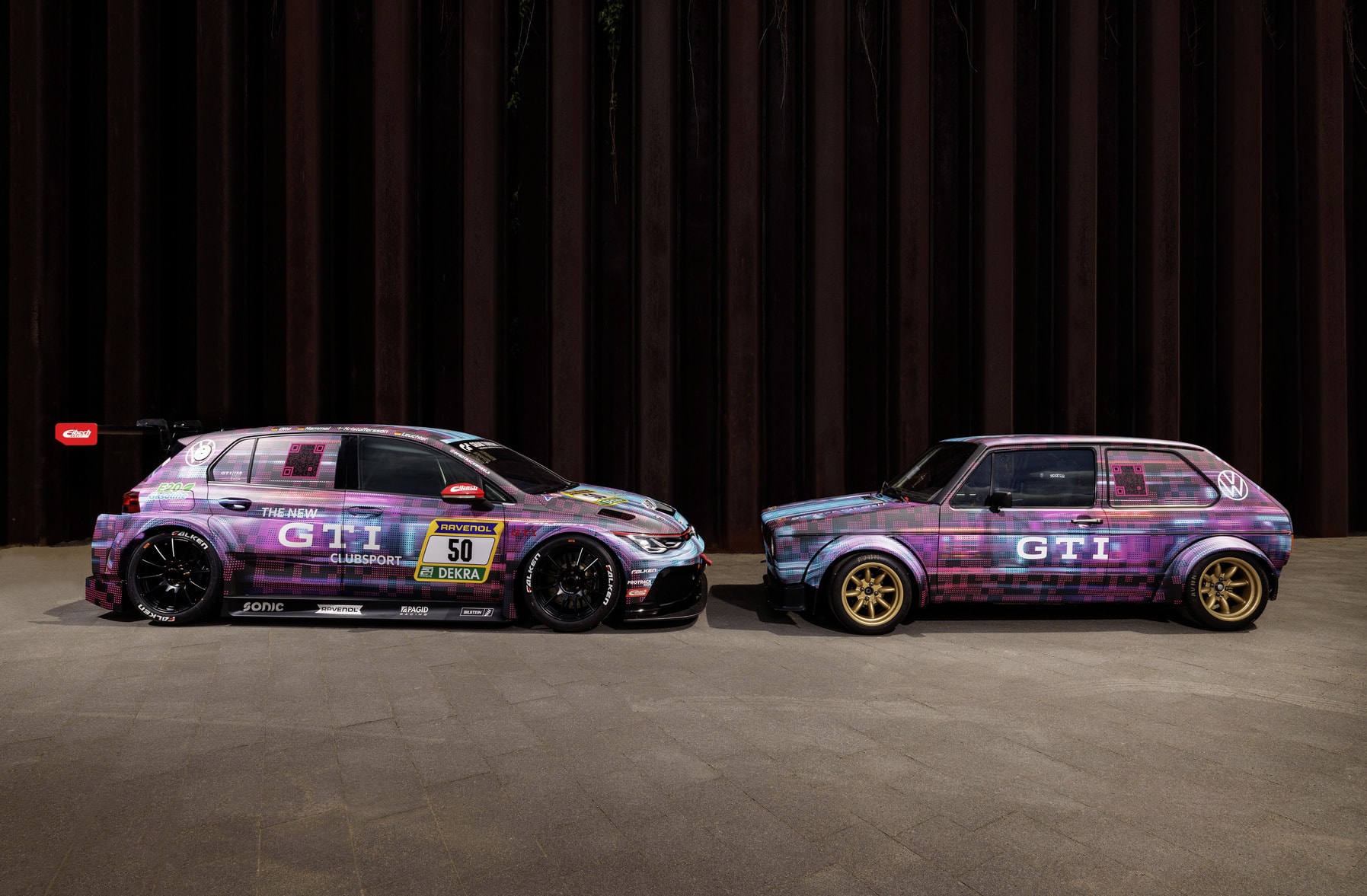
10. Volkswagen Golf GTI Clubsport S (2016)
The Volkswagen Golf GTI Clubsport S, produced for a short time in 2016, is an exceptional hot hatch that earned a reputation for performance and precision.
Developed primarily for track use, the Clubsport S was a more focused and lighter version of the standard Golf GTI, with power boosted to around 310 horsepower. It was celebrated for combining everyday practicality with the ability to perform on par with more expensive sports cars on a race track.
What makes the Clubsport S collectible is its rarity and engineering focus. Volkswagen limited production to around 1,500 units, making it a relatively rare version of an already popular car.
It featured weight-saving measures, a revised suspension setup, and aggressive aerodynamics, making it a favorite among enthusiasts who wanted a hot hatch that could excel in competitive driving environments.
The Volkswagen Golf GTI Clubsport S is more than just a performance upgrade; it is a statement of Volkswagen’s engineering capabilities at a time when hot hatches were evolving rapidly.
Unlike the standard Golf GTI, which strikes a balance between everyday usability and sporty character, the Clubsport S pushes performance to a level that demands respect from more traditional sports cars.
With a significant reduction in weight, achieved by removing rear seats, soundproofing, and other non-essential components,the Clubsport S became a dedicated track weapon, yet it retained the core charm of the GTI lineup.
Its tuned suspension, enhanced braking system, and more aggressive power delivery made it a driver’s car, rewarding skillful handling and precision.
What truly separates the Clubsport S from other hot hatches is the way it channels the essence of grassroots motorsport into a street-legal package. Its production was limited to approximately 1,500 units, which immediately created a rarity that collectors seek.
This scarcity, combined with its impressive performance capabilities, means that the Clubsport S is already drawing attention among enthusiasts who understand its significance.
It’s not just a faster GTI, it’s a deliberate and focused car that highlights Volkswagen’s commitment to pushing the boundaries of what a front-wheel-drive hatchback can accomplish.
On race tracks and twisty back roads, it demonstrates agility and responsiveness that often surprise drivers expecting something more pedestrian from a hot hatch.
In the broader context of the 2010s, the Clubsport S also represents a moment when manufacturers were producing special, limited-run models that catered directly to enthusiasts.
This trend was partly driven by growing competition in the hot hatch segment and the need to create standout products that could generate excitement and brand loyalty.
The Clubsport S fits this mold perfectly by combining sharp engineering with exclusivity. It not only improved on the performance of the standard GTI but also captured the spirit of performance driving that enthusiasts crave.
For collectors, owning such a model means having a piece of Volkswagen’s performance history that will likely appreciate as future generations look back on this era.
Looking ahead, the Volkswagen Golf GTI Clubsport S has strong potential to become a sought-after collectible because it embodies several important trends from the 2010s.
It reflects the decade’s focus on extracting maximum performance from relatively small engines and compact platforms, all while maintaining everyday usability.
Additionally, it stands as a reminder of a time before the widespread electrification of performance cars, when engineering ingenuity was focused on mechanical improvements and weight savings.
As newer models in the Golf family move toward hybrid or electric powertrains, the Clubsport S will likely be remembered as one of the last and greatest analog hot hatches from Volkswagen, making it a valuable addition to any collector’s garage.
Also Read: 10 SUVs That Stay Quiet on Rough Roads
The 2010s was a decade of remarkable change and diversity in the automotive industry, producing vehicles that are now beginning to stand out as future collectibles. This period marked a bridge between traditional, mechanically focused cars and the rapid emergence of advanced technology, electrification, and new performance philosophies.
The ten cars highlighted in this article exemplify the best of this transitional era, each offering something distinct in terms of performance, design, rarity, or cultural significance. As the automotive industry continues to evolve, these vehicles serve as important milestones, reminding us of what made the 2010s unique and influential.
One of the defining characteristics of this decade was the coexistence of different performance approaches, from naturally aspirated muscle cars to turbocharged and supercharged machines, and even pioneering electric vehicles.
The Ford Mustang Shelby GT350 and Porsche 911 GT3 represent the end of an era for naturally aspirated engines, prized by enthusiasts for their rawness and driver engagement.
Meanwhile, cars like the BMW M3 F80 and Audi RS3 embraced turbocharging, showcasing how forced induction could deliver impressive power without sacrificing refinement.
At the same time, the Tesla Model S P85D introduced the world to a new kind of performance, instant torque and cutting-edge technology packaged in a luxury electric sedan. These contrasts highlight the diverse engineering paths automakers pursued during the decade.
Collectibility in the 2010s is also heavily influenced by rarity and exclusivity. Limited production runs, special editions, and focused variants such as the Volkswagen Golf GTI Clubsport S and Nissan GT-R Nismo demonstrate how manufacturers created models specifically aimed at enthusiasts and collectors.
These cars not only offer higher performance but often feature unique design touches or technology that sets them apart from standard versions. As time passes, these rarer models are increasingly appreciated for their combination of exclusivity and capability, ensuring their place in collector garages.
Looking ahead, the cars from the 2010s will likely continue to grow in importance and value. They capture a snapshot of a dynamic and often exciting period in automotive history, one in which traditional driving experiences met the dawn of electrification and digital innovation.
For collectors, owning these vehicles means preserving a connection to a decade that redefined what cars could be and how they could perform. Whether for investment or passion, these cars will be remembered as key representatives of the 2010s, securing their legacy as sought-after collector cars for years to come.
