
When people talk about long-lasting cars, they often mention reliable brands, good maintenance, and how well a car is taken care of. But at the heart of every vehicle is the engine. Without a strong engine, even the best-built car becomes a burden.
For many drivers, especially those who rely on their vehicle for daily commutes, business, or long-distance travel, engine longevity is a top concern. Reaching 300,000 miles is no easy task, and it’s not just about survival; it’s about how well the engine performs when it gets there.
Some engines not only make it to that milestone, but they continue to deliver consistent power, decent fuel efficiency, and a smooth driving experience even as the odometer climbs. These aren’t just engines that last; they are engines that stay strong, resist wear, and keep running like they’re barely broken in.
There’s a common misconception that once a car crosses the 200,000-mile mark, it becomes unreliable or starts losing significant performance. While this is true for many engines, it’s not a universal rule. In fact, several engine designs from a handful of manufacturers have earned reputations for being “bulletproof.”
What makes them different? It’s a combination of engineering simplicity, strong materials, low-stress operation, and the ability to resist the kind of internal wear that kills most engines.
These engines aren’t necessarily the most powerful or the most high-tech, but they are designed to keep going without breaking down or falling apart. Some of them have been around for decades with only minor tweaks, and their track records are filled with stories of cars easily pushing past 300,000 miles without losing performance.
The following list includes ten of the most well-known and respected engines that have consistently shown the ability to maintain power and driveability long after many others would have been rebuilt or scrapped. Each one has proven itself over time, not just by lasting, but by staying dependable, responsive, and strong even after hundreds of thousands of miles.
Whether you’re looking to buy a used car with high mileage or just want to understand which engines have stood the test of time, this list offers a close look at some of the most trustworthy engines ever made.
Also Read: 11 Best Engines That Stay Smooth After Decades of Use
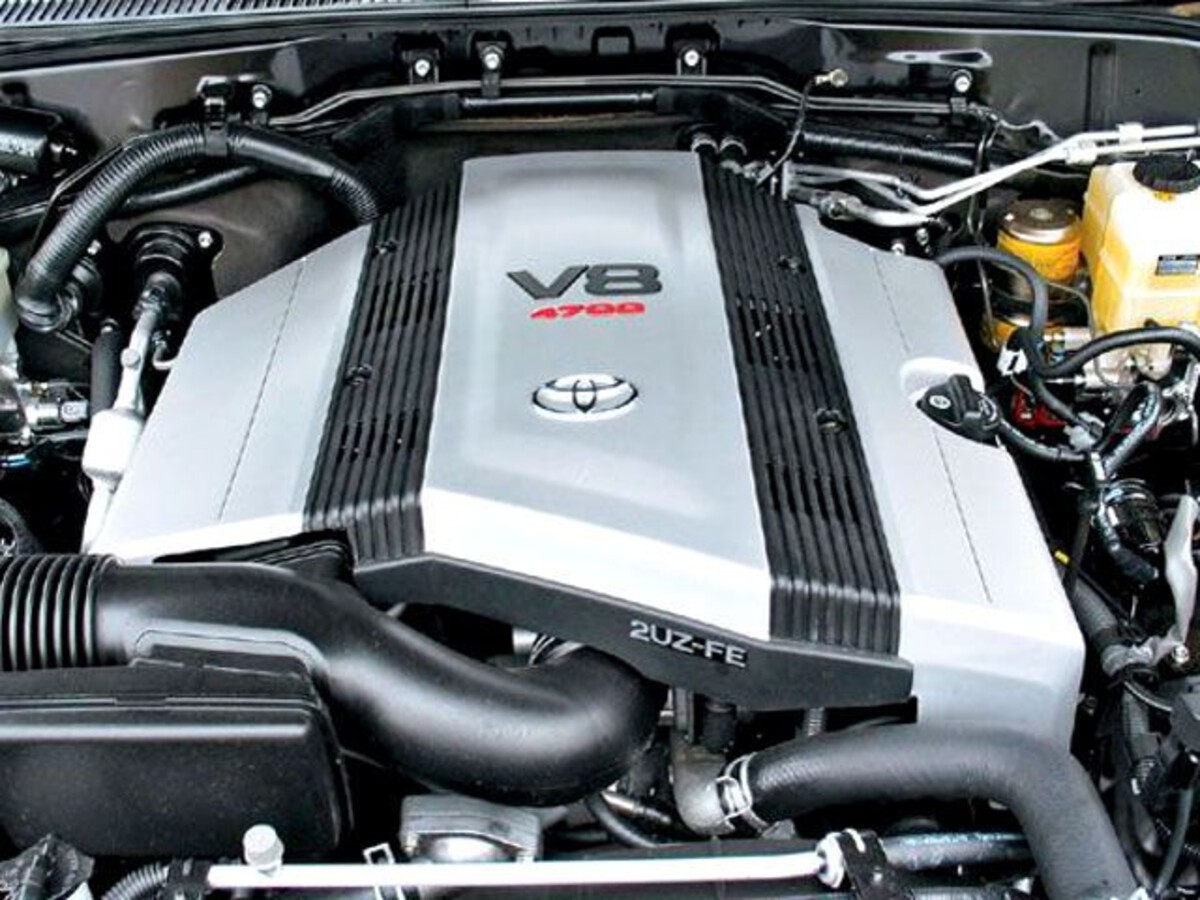
1. Toyota 2UZ-FE 4.7L V8
The Toyota 2UZ-FE 4.7L V8 is a cast-iron block engine that’s been known for its reliability and strength for decades. Found in vehicles like the Toyota Land Cruiser, Sequoia, and Tundra, this engine was designed to be durable from the start. Unlike many modern aluminum-block engines, the 2UZ-FE sticks with a traditional cast-iron block paired with aluminum heads.
This combination offers the best of both worlds: strong lower-end durability and lighter weight in the top end. It isn’t the most fuel-efficient engine out there, but that was never the point. The engine was built for longevity, consistent torque, and reliability in all kinds of conditions.
One of the biggest advantages of the 2UZ-FE is its conservative tuning. This engine isn’t pushed to its limits in terms of horsepower or compression. It produces respectable torque and horsepower, but it does so at low RPMs, reducing stress on internal components.
The timing belt-driven overhead cam system is also relatively simple to maintain, and regular timing belt changes go a long way in preserving engine life. In addition, the engine doesn’t suffer from common oil burning or head gasket issues that plague some other V8s. It simply works, mile after mile.
Owners who have used the 2UZ-FE engine often report that it feels just as strong at 250,000 miles as it did at 50,000.
That kind of power retention isn’t magic; it’s the result of overbuilt internals, quality control in manufacturing, and smart design. Even under towing or off-road stress, the engine holds up better than many others in its class. And because it’s been used across so many platforms, parts availability is never a concern.
It’s not just the engine’s longevity that earns praise, but also its consistent performance. It doesn’t get sluggish or weak over time.
With regular oil changes, cooling system maintenance, and attention to timing components, the 2UZ-FE can remain strong well into the 300,000-mile range and even beyond. That makes it one of the most respected long-life engines ever built.
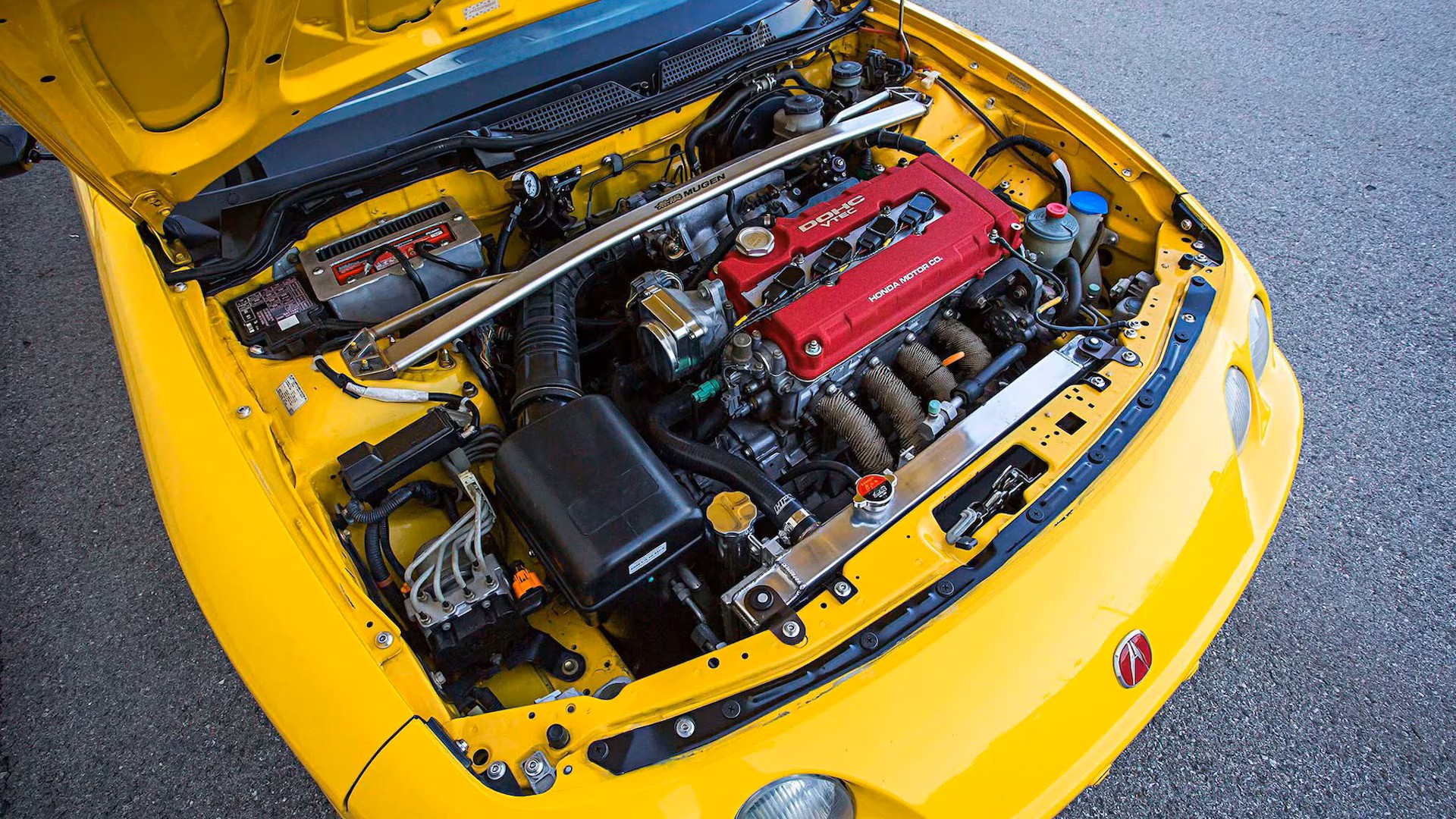
2. Honda K24 2.4L Inline-4
The Honda K24 engine is one of the most admired four-cylinder engines in recent memory. Introduced in the early 2000s, this engine found its way into a variety of Honda and Acura models, including the Accord, CR-V, Element, and TSX.
What makes the K24 so special isn’t just its longevity, but also how well it maintains its output over time. Even as the miles stack up, these engines tend to remain smooth, responsive, and surprisingly strong. It’s not unusual to see a well-maintained K24 running like new with over 300,000 miles on the clock.
At the core of its success is its intelligent design. The K24 features an aluminum block with cast iron cylinder liners and a forged steel crankshaft, which provides a good mix of light weight and strength.
The valvetrain includes Honda’s i-VTEC system, which allows the engine to optimize performance and efficiency depending on RPM and load.
Despite being a complex system on paper, it’s proven to be extremely reliable in real-world use. This balance of technology and durability has helped the K24 earn a reputation for being both dependable and fun to drive.
Another strength of the K24 engine is its thermal efficiency and oil management. The engine is known for clean combustion, low oil consumption, and minimal carbon buildup when maintained properly.
It doesn’t rely on turbocharging, direct injection, or other high-stress systems that can wear out or cause reliability issues over time. This makes the K24 a solid candidate for long-term ownership without the fear of major repairs down the road.
Owners often note that their K24-powered vehicles still have plenty of power and throttle response even at high mileage. The engine doesn’t feel tired or sluggish, and it continues to return decent fuel economy.
With basic maintenance like oil changes, valve adjustments, and cooling system care, the K24 can go the distance while still performing close to factory spec. That’s rare for any engine, let alone one in this price range and vehicle class.
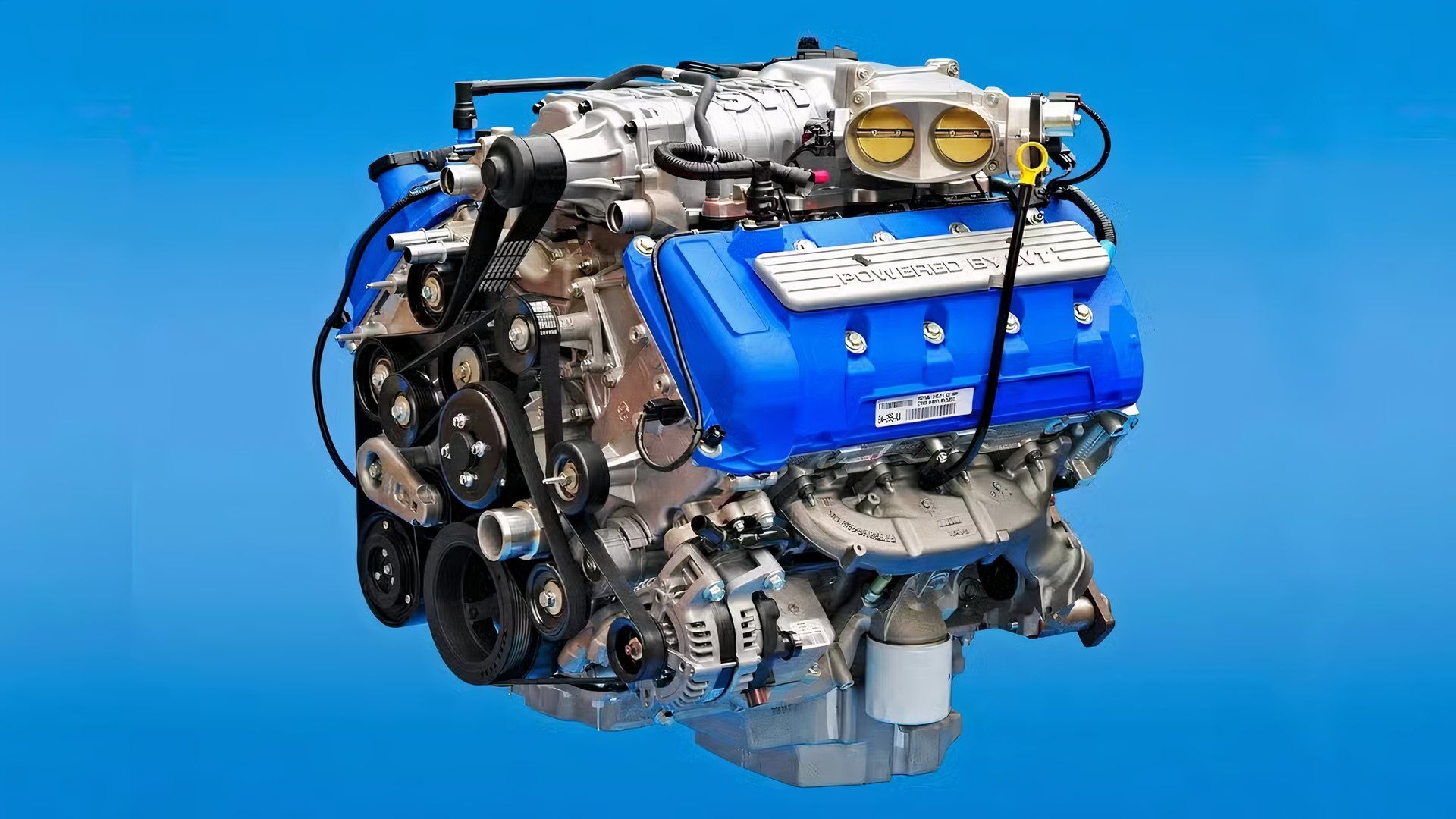
3. Ford 4.6L Modular V8
Ford’s 4.6L Modular V8 has been used in everything from Crown Victorias and Mustangs to F-150s and Explorers. Introduced in the early 1990s, it quickly developed a reputation for strength and longevity.
Unlike some of the older pushrod V8s, the 4.6L uses a single overhead cam (SOHC) or double overhead cam (DOHC) design, depending on the application. The modular family was built with longevity in mind, using aluminum heads and blocks (in most versions) with a relatively low-stress design that allows it to run smoothly for hundreds of thousands of miles.
One of the key features of the 4.6L Modular engine is its strong bottom end. The engine isn’t a high-revving powerhouse, but it delivers smooth, usable torque across the RPM range. The oiling system is well-designed, and when paired with regular maintenance, these engines can go 300,000 miles or more without needing a rebuild.
Law enforcement fleets used these engines heavily, and many departments reported that they could take abuse better than almost any other engine on the road. Taxi services also favored them for the same reason.
Despite its relatively simple architecture, the 4.6L offers decent performance that doesn’t degrade much over time. It’s a quiet and smooth-running engine with consistent combustion and solid internals.
The spark plug design in earlier years had some issues, but later models improved that with redesigned heads. The engine’s timing chain system, while more complex than a timing belt, is also more durable when maintained.
Owners frequently report that even after 250,000 or 300,000 miles, the engine starts reliably, doesn’t burn excessive oil, and still accelerates confidently. That’s a sign of a well-built powerplant that was designed with durability in mind. It’s not flashy, but it’s trustworthy, and that’s exactly what many long-term owners are looking for.
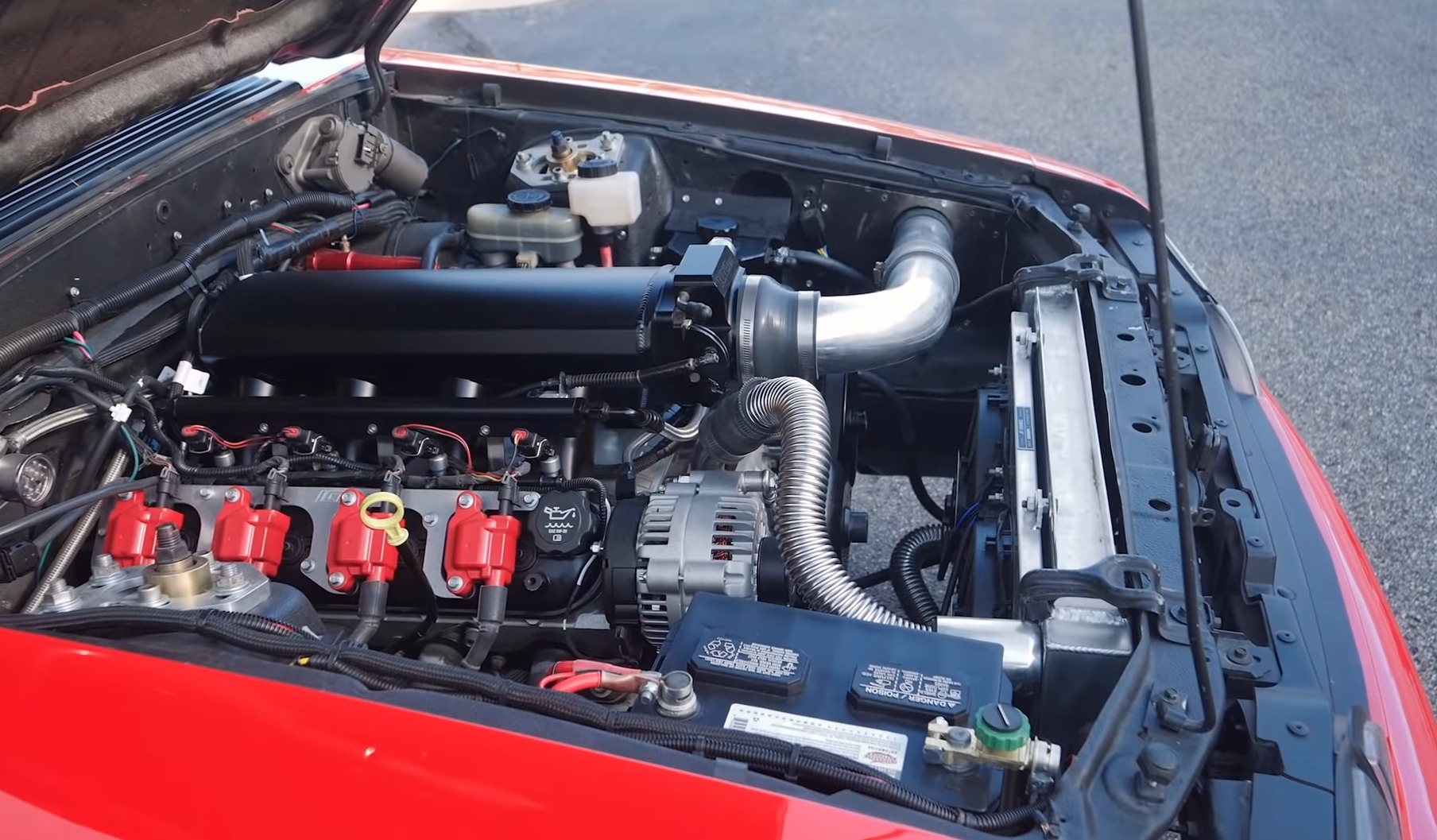
4. Chevrolet 5.3L Vortec V8
The Chevrolet 5.3L Vortec V8 has been the workhorse of GM trucks and SUVs for years. Used in the Silverado, Tahoe, Suburban, and even some performance applications, this engine combines old-school American V8 character with modern efficiency and durability.
Known for its balance of power and reliability, the 5.3L V8 often keeps pulling strong well past 300,000 miles if taken care of. It’s part of GM’s LS-based small block family, which is one of the most respected engine lineups ever made.
The 5.3L Vortec stands out due to its relatively simple pushrod design and robust internal components. It has a cast iron block in most applications (though aluminum blocks are also used in some versions), and it benefits from decades of refinement.
The engine uses sequential fuel injection and variable valve timing in later models, but even the earlier versions are known for staying reliable and consistent over the long haul.
The cylinder deactivation system (Active Fuel Management) introduced in some versions can be a weak point, but many owners choose to disable it for better long-term reliability.
Another reason the 5.3L Vortec has earned such a loyal following is the way it retains power over time. Even after years of use in heavy-duty applications like towing and hauling, many of these engines still start on the first crank, hold steady oil pressure, and pull confidently under throttle.
It’s not unusual to find trucks with this engine that have been through three or four transmissions or chassis rebuilds while the engine continues to run without issue.
In fact, many fleet vehicles and work trucks cross 300,000 miles without requiring any internal engine work beyond valve cover gaskets or maybe an intake manifold reseal. The block and heads simply hold up, and the piston rings, bearings, and valvetrain components tend to wear very slowly when proper maintenance is followed.
One of the keys to this engine’s strength is its relatively low-stress design. It isn’t built for high RPMs or turbocharged performance. Instead, it relies on strong low-end torque and operates within a powerband that prioritizes longevity over flash. This means there’s less thermal and mechanical stress on the internals over the engine’s lifetime.
Even the earlier versions of the 5.3L Vortec from the late 1990s and early 2000s are still out there on the roads, pulling trailers and working hard in fleet vehicles. With regular oil changes using high-quality oil, proper coolant flushes, and attention to the occasional sensor or ignition coil failure, this engine proves to be one of the most durable V8s in its class.
Where the 5.3L Vortec really shines is in its ability to maintain a sense of power and responsiveness at high mileage. While many engines tend to feel “worn out” as the odometer climbs, this one holds on to its torque curve surprisingly well.
It may not make the same horsepower as newer turbocharged V6s, but the torque delivery is smooth, predictable, and still strong even after 200,000 or 300,000 miles.
A properly tuned and well-maintained 5.3L can still pull a boat, climb a mountain pass, or pass a slower car on the freeway without feeling strained. And that kind of consistent performance is something few other engines can offer once they’ve crossed that kind of mileage barrier.
From a repair standpoint, the 5.3L also wins points for its ease of service. Compared to more complex overhead cam or turbocharged engines, the pushrod layout allows for simpler maintenance and fewer potential failure points.
There’s a huge aftermarket and parts network for this engine, so whether you’re looking to replace a water pump or refresh a set of lifters, parts are cheap and mechanics are familiar with it.
This engine has become the go-to for reliability in the GM lineup, and there are entire communities online dedicated to keeping these engines running past 400,000 or even 500,000 miles. It’s not uncommon to find an old Suburban or Silverado with a 5.3L that’s still used daily and shows no signs of slowing down.
5. Toyota 1GR-FE 4.0L V6
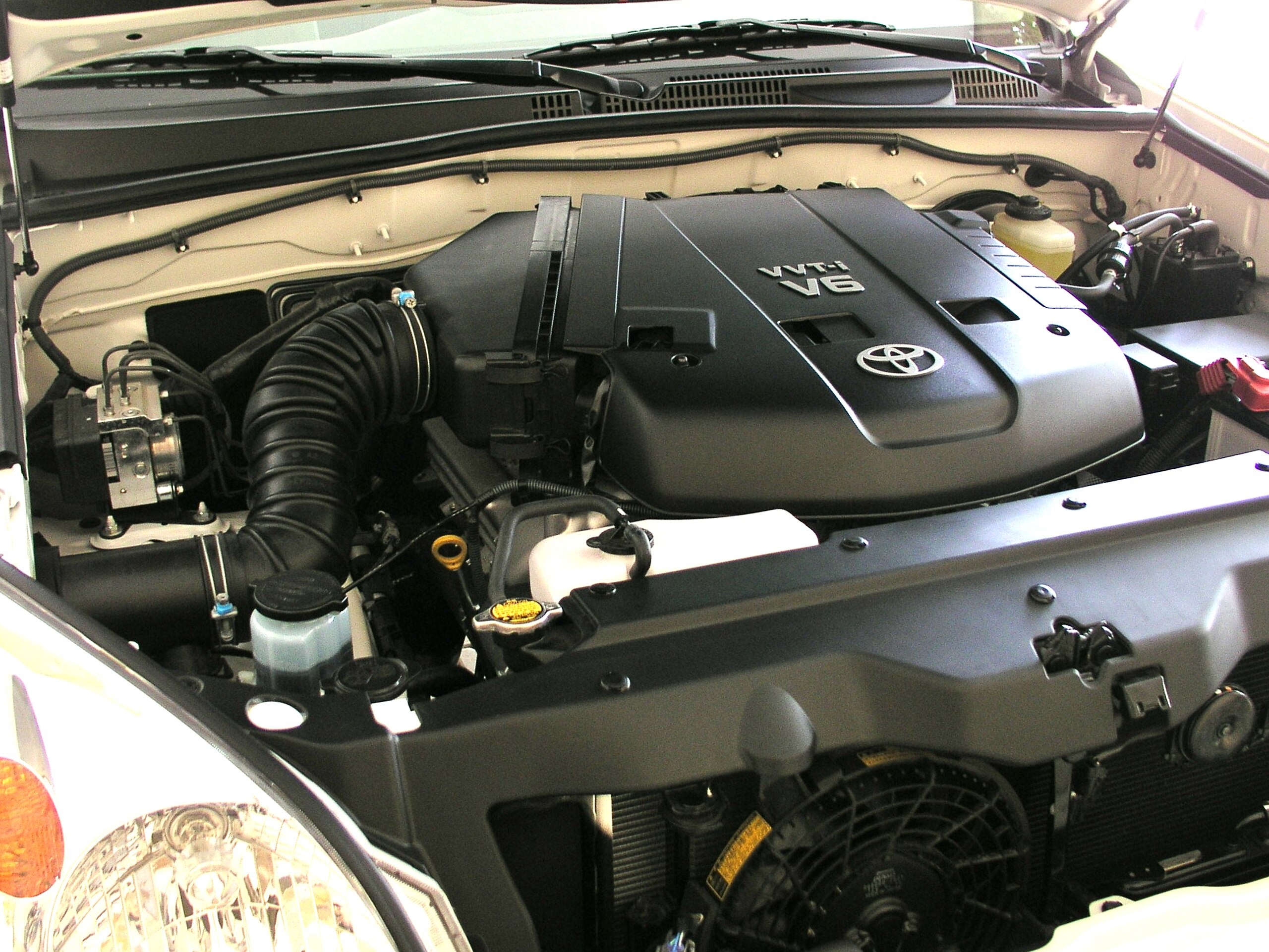
The Toyota 1GR-FE 4.0L V6 is another engine that has built a solid reputation for long-term durability and retained power. Used extensively in Toyota’s truck and SUV lineup, including the Tacoma, 4Runner, FJ Cruiser, and even the Land Cruiser Prado in some markets, this engine is known for being strong, simple, and nearly unkillable.
It’s built with a deep-skirt aluminum block, cast-iron cylinder liners, and a forged steel crankshaft, giving it the kind of rugged internal structure needed for high-mileage performance. With regular maintenance, it’s very common for these engines to exceed 300,000 miles while still maintaining solid compression and power.
What sets the 1GR-FE apart from other V6 engines is its focus on utility. It wasn’t designed to be a high-performance engine, but rather one that could handle off-road abuse, towing, and long-distance highway driving with minimal stress.
The original design used a single variable valve timing (VVT-i) system, while later versions introduced dual VVT-i for better efficiency and power delivery.
Regardless of the version, the engine operates within a very balanced performance envelope, producing smooth torque throughout the midrange and maintaining its drivability even at high mileage. It’s well-suited for both city and rough terrain driving, which is why it’s become a favorite for overlanding enthusiasts and off-road travelers.
The engine’s mechanical simplicity also contributes to its longevity. Unlike many modern V6s that use direct injection, turbocharging, or complex multi-layered electronics, the 1GR-FE sticks with a more conservative, time-tested setup.
It uses port injection, which reduces carbon buildup on valves, and features a robust timing chain instead of a belt, eliminating one common failure point.
The water pump, thermostat, and accessory drive system are all designed for long service intervals, and while the occasional coil or injector might fail with age, the core engine components rarely need attention. Many 4Runners and Tacomas with this engine are still on the road today, performing just as they did at 100,000 miles, despite crossing triple that number.
Drivers who own vehicles powered by the 1GR-FE often comment on how steady the engine feels over time. It doesn’t develop rattles, knocking, or sluggish throttle response like some high-mileage powerplants. Instead, it maintains a tight and responsive feel that encourages confidence behind the wheel.
Even at high altitudes or under load, the engine continues to perform well, and it doesn’t seem to lose the edge that many engines sacrifice as they age.
This long-term performance, coupled with Toyota’s bulletproof reputation, makes the 1GR-FE one of the most trusted V6 engines in the world when it comes to retaining power beyond 300,000 miles.
Also Read: 5 Most Popular Convertibles and 5 That Are a Nightmare to Own
6. Mercedes-Benz OM617 3.0L I5 Diesel
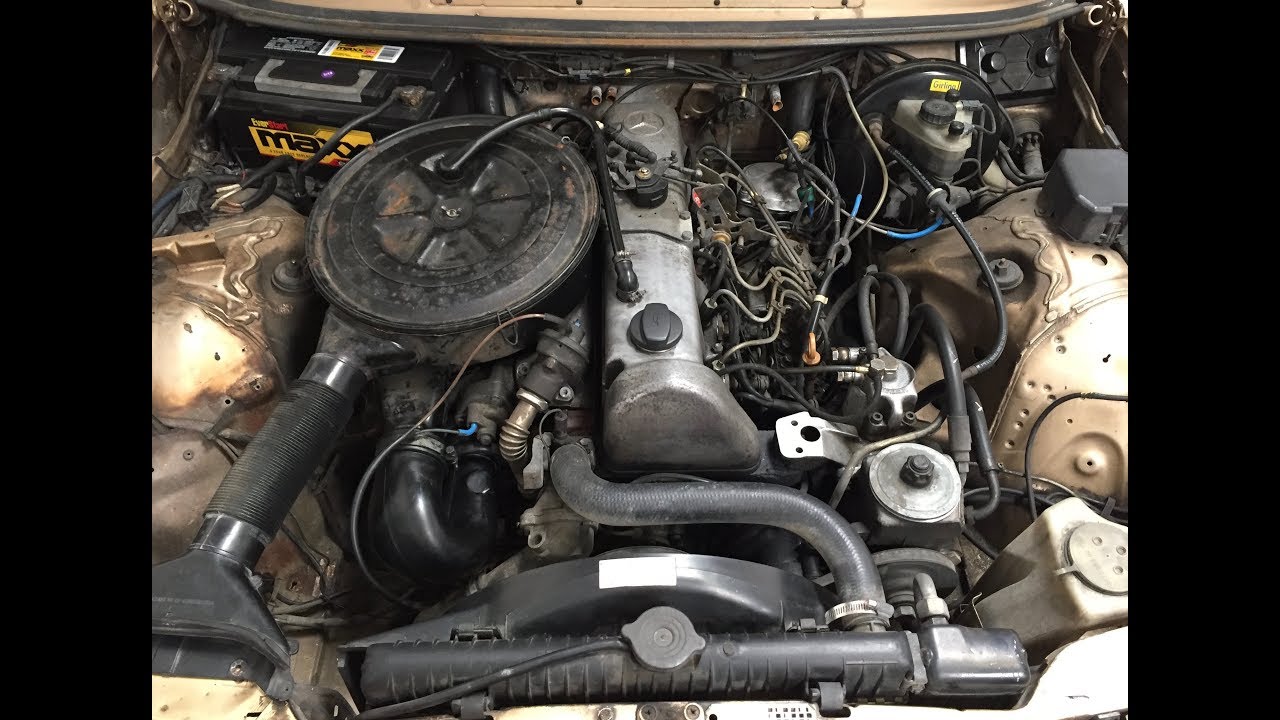
The Mercedes-Benz OM617 diesel engine is considered one of the most legendary long-lasting engines ever produced. This 3.0L inline-five turbo diesel engine was used in a number of Mercedes vehicles from the late 1970s through the mid-1980s, most in the 300D and 300SD sedans.
Despite being over 40 years old, many of these engines are still running strong today, with odometers showing mileage figures that stretch far beyond 500,000. Reaching 300,000 miles is almost expected for this engine, and many units do it without losing significant torque or drivability.
Part of what makes the OM617 so robust is its purely mechanical design. It features mechanical fuel injection, a cast iron block, a cast iron head, and very minimal electronics. This design means there’s less to go wrong, and the parts that do exist are generally over-engineered.
The engine is also designed to run at lower RPMs and high torque outputs, which contributes to its mechanical stability. It’s not quick by modern standards, but what it lacks in acceleration it more than makes up for in consistency. It can cruise at highway speeds all day long, year after year, with almost no change in performance if cared for properly.
Their tolerance to wear and abuse is part of what has earned them a near-mythical status in diesel circles. Many owners report that the engine actually loosens up and performs better after the first 100,000 miles, as the internal components settle into a natural rhythm.
Perhaps the most impressive part of the OM617’s longevity is how well it retains torque and drivability. Even after decades on the road, these engines can still pull up hills, handle long-distance travel, and perform reliably in cold climates.
Their ability to maintain power under load and with age is almost unmatched, and they are still highly sought after in the used market by diesel enthusiasts and people looking to convert vehicles into biodiesel machines.
If you’re looking for an old-school engine that can outlast just about anything while still delivering consistent performance, the OM617 is in a league of its own.
7. Cummins 5.9L 12-Valve Diesel (6BT)
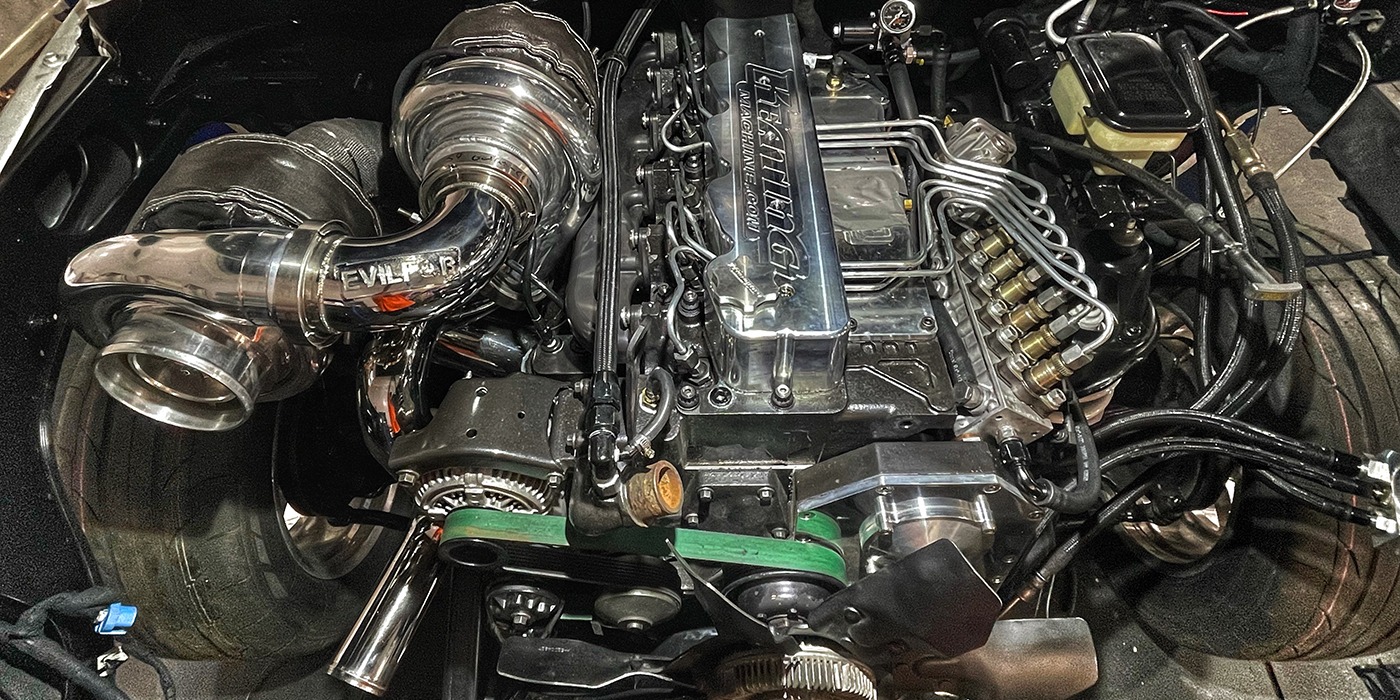
The Cummins 5.9L 12-valve diesel, often referred to as the “6BT,” is arguably one of the most revered diesel engines in truck history. First introduced in Dodge Ram pickups in the late 1980s, this straight-six engine was originally developed for commercial and industrial applications.
That heritage shows in the build quality. It features a cast iron block and head, direct mechanical fuel injection, and a gear-driven camshaft, all characteristics that make it nearly indestructible.
What makes the 6BT stand out isn’t just its ability to run forever, but the way it holds power over the long haul. This engine doesn’t fade or weaken with age the way many gas engines do. Instead, it seems to get more efficient and smoother the longer it runs, assuming proper maintenance is performed.
Owners of high-mileage 6BT-equipped trucks often report that the engine feels just as strong at 350,000 miles as it did at 50,000. That’s not an exaggeration. The 6BT was designed to run in commercial trucks with minimal downtime, and it’s not unusual to see these engines still working hard well past 500,000 miles.
Another major factor in the 6BT’s longevity is its low-stress operation. With peak torque available at low RPMs, this engine rarely needs to be pushed hard.
It was built to make torque, not horsepower, which means that it rarely experiences the kind of high-rev strain that shortens engine life. Many owners report minimal oil consumption and excellent compression even after hundreds of thousands of miles.
Regular oil and fuel filter changes, occasional valve adjustments, and attention to the cooling system are typically all that’s required to keep the engine healthy. And because it was widely used in a variety of vehicles, replacement parts are still readily available at reasonable prices.
What truly sets the 6BT apart is how well it maintains its grunt and pulling power at high mileage. Even when connected to a failing transmission or aging drivetrain, the engine itself rarely falters. It starts in cold weather, hauls heavy loads, and powers through tough conditions without hesitation.
It’s become a legend not just among diesel truck fans but also among farmers, construction workers, and fleet operators who depend on machinery that cannot fail. For drivers looking for a high-mileage engine that still performs like new after decades, the 5.9L 12-valve Cummins is one of the most trusted options ever produced.
8. Lexus 1UZ-FE 4.0L V8
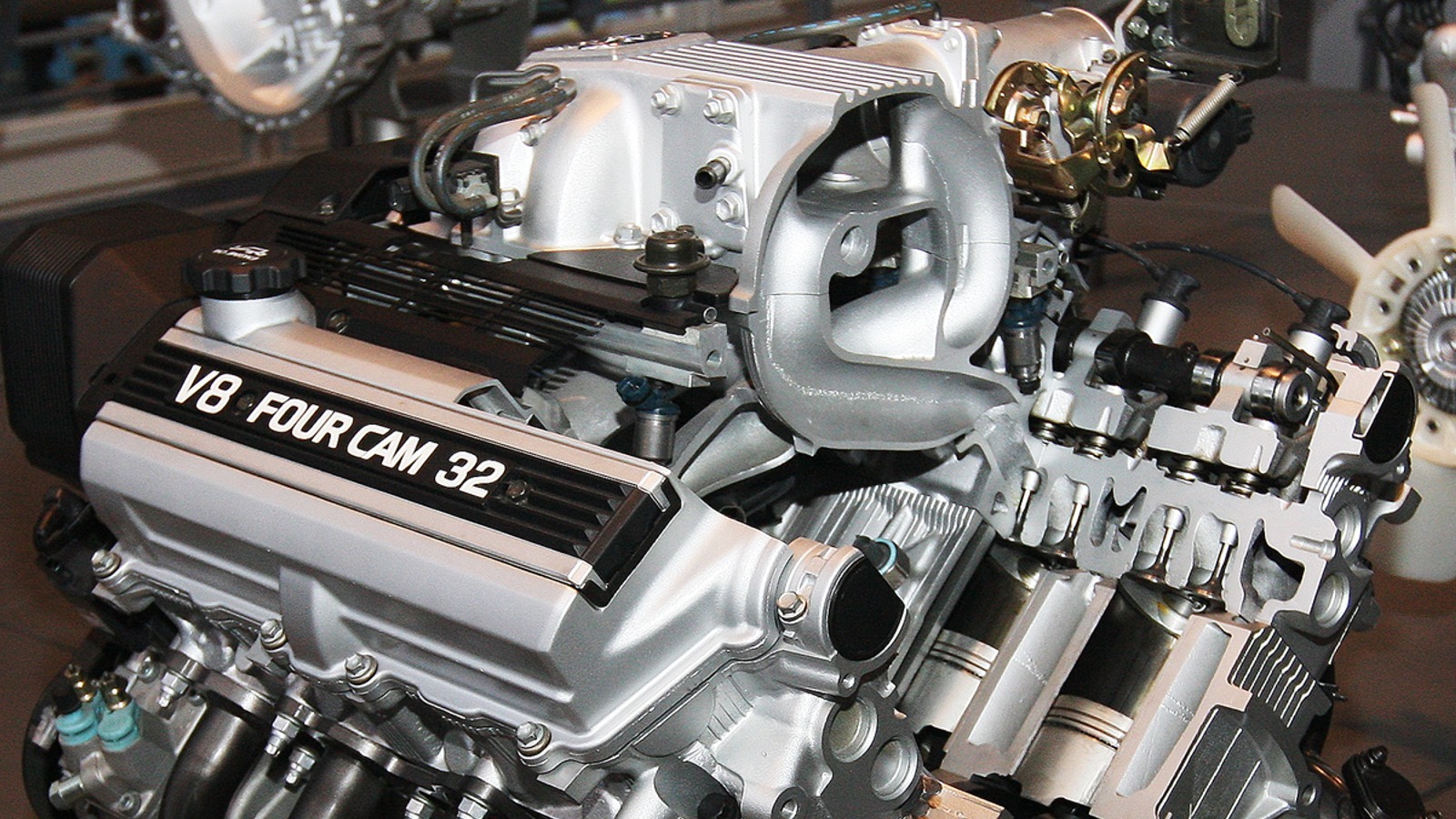
The Lexus 1UZ-FE 4.0L V8 is often described as an over-engineered masterpiece, and it’s not just hype. Introduced in the 1989 Lexus LS400, this engine was Toyota’s way of proving to the world that Japanese automakers could build not just luxury cars, but world-class engines that rivaled or surpassed anything coming out of Germany or the U.S.
The 1UZ-FE was constructed with meticulous attention to detail, using an all-aluminum block and heads, a forged steel crankshaft, and high-quality internals that were designed for durability and smoothness.
This engine became a symbol of reliability, and it’s not uncommon to see examples with over 400,000 miles still running smoothly with very little internal wear.
One of the most impressive aspects of the 1UZ-FE is how refined it feels even at high mileage. Whether it’s idling at a stoplight or cruising at highway speeds, the engine remains incredibly smooth and quiet, which is a testament to its balance and precision machining.
The 1UZ-FE is also praised for how well it maintains its performance figures over time. Even after decades of use, the engine retains its factory power levels with minimal deviation. Throttle response remains crisp, power delivery is smooth, and there’s no significant drop in acceleration or torque.
This makes the engine ideal for people who want a dependable daily driver with the feel of a much newer vehicle. Maintenance is straightforward, timing belt replacements are needed every 90,000 to 100,000 miles, and routine services like spark plugs and fluids are easy to access.
The engine doesn’t have the carbon buildup or oil consumption issues that plague newer direct-injection V8s, and the cooling and fuel systems are both robust and simple to service.
Beyond its original application in Lexus models, the 1UZ-FE has also become popular in engine swaps and custom builds due to its combination of strength, compact size, and reliability. Whether it’s powering a classic car, a drift car, or a daily commuter, the engine rarely disappoints.
And the fact that it can maintain near-factory performance even after hundreds of thousands of miles makes it a clear example of Toyota’s engineering philosophy at its best. Few engines in the V8 category can match the long-term smoothness and durability of the 1UZ-FE, and it remains a top choice for anyone seeking reliable, high-mileage performance.
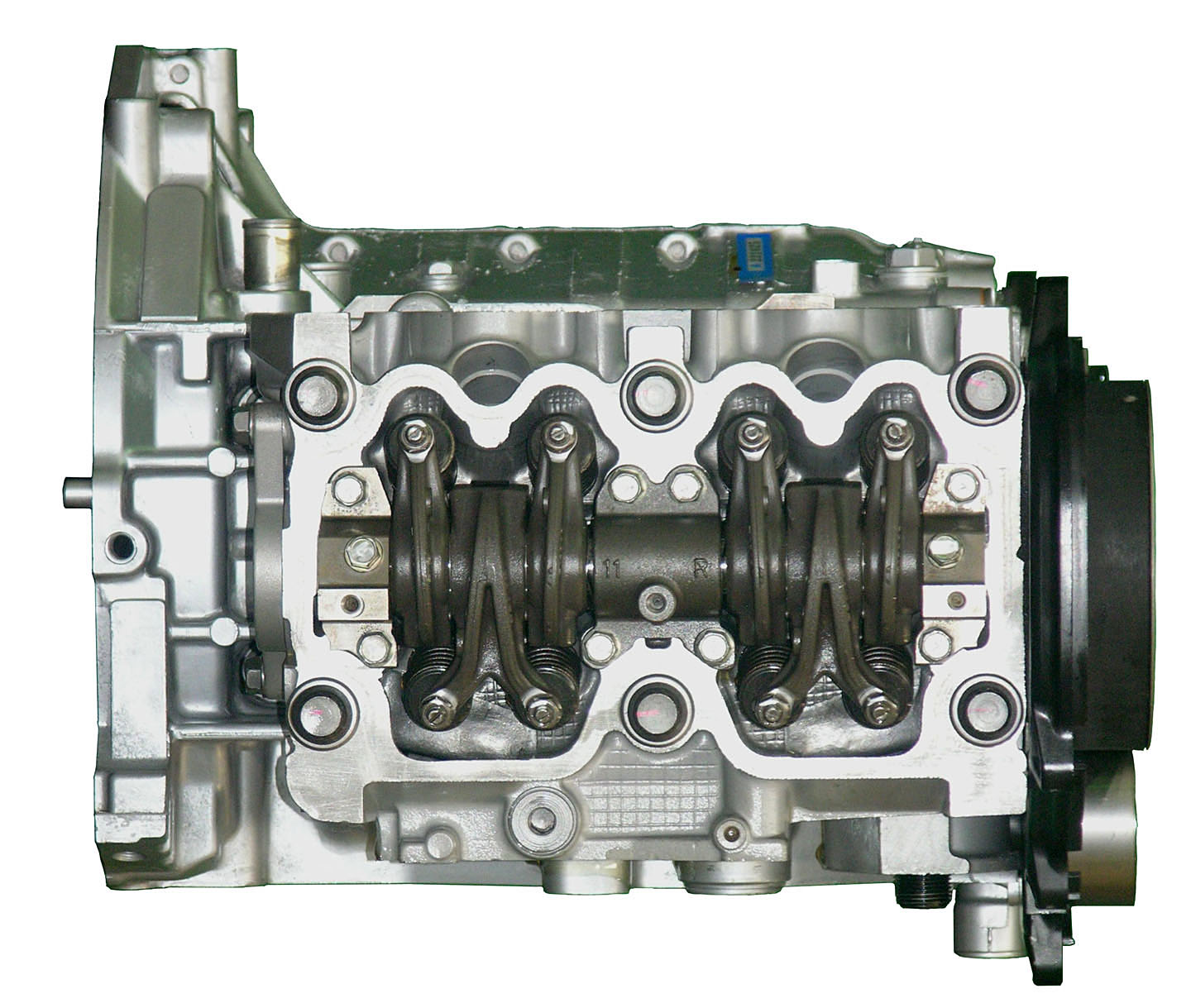
9. Subaru EJ22 2.2L Flat-4
The Subaru EJ22 2.2L engine is one of the most resilient powerplants to come from the Japanese automaker. Used primarily in the early 1990s Subaru Legacy, Impreza, and some early Outback models, the EJ22 earned a reputation for being virtually unkillable.
One of the most features of the EJ22 is how little it degrades in performance over time. Many of these engines still pull hard even after surpassing 300,000 miles. The flat-four layout keeps the engine’s center of gravity low and contributes to smooth operation with minimal vibration.
While not a powerhouse by modern standards, the EJ22 is incredibly consistent. It doesn’t suffer from sudden loss of compression or valve train issues, and the timing belt-driven overhead cam setup is both reliable and easy to service. Valve clearances hold up well over time, and even older engines tend to pass compression tests with flying colors.
For a compact engine, it’s remarkably durable under stress. Many Subaru owners used their EJ22-powered vehicles for harsh winters, mountain driving, and off-road use, yet the engines continued to start reliably in all conditions. Cold weather doesn’t phase the EJ22, and overheating is rare when the cooling system is kept in good condition.
Oil consumption is low, blow-by is minimal, and long-term fuel economy stays consistent. Many of the vehicles that used the EJ22 are no longer on the road due to rust or transmission failure, not engine failure. In fact, many Subaru enthusiasts go out of their way to find old EJ22 blocks to swap into newer chassis because they know it will keep running for years to come.
What makes the EJ22 truly impressive is how effortlessly it continues to provide steady performance at high mileage. It doesn’t get bogged down with age, and it doesn’t exhibit the kind of aging symptoms seen in many other small-displacement engines.
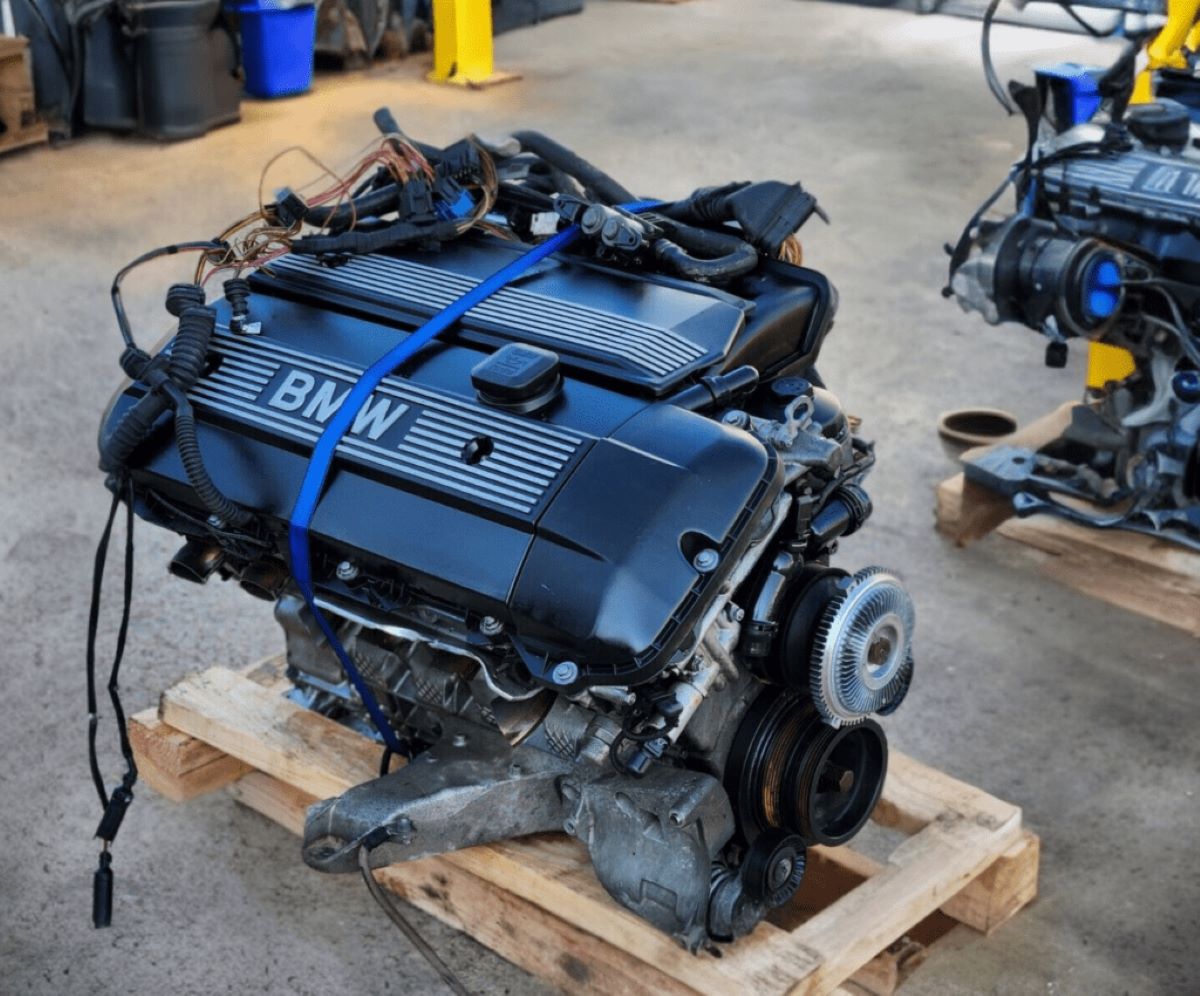
10. BMW M54 3.0L Inline-6
The BMW M54 3.0L inline-six engine, found in models like the E46 330i, E39 530i, and early E60 5-Series, represents one of the last great naturally aspirated inline-sixes from BMW before the era of turbocharging took over.
Built from 2000 to around 2006, the M54 was known for its smoothness, linear power delivery, and mechanical refinement.
While BMW has not always been associated with long-term reliability, the M54 is an exception. With proper maintenance, these engines can reach well over 300,000 miles while still delivering strong, responsive performance. It’s one of the few engines where high mileage doesn’t automatically mean a loss in drivability or character.
The cooling system does need attention, as plastic components age poorly, but the engine itself can handle wear better than most. Regular oil changes, high-quality fluids, and cooling system replacements every 80,000 to 100,000 miles are usually all it takes to keep the M54 in top form.
Performance-wise, the M54 continues to impress even in older cars. The throttle response remains sharp, the engine revs freely, and there’s a level of refinement and engagement that modern turbocharged engines often lack. BMW’s tuning focused on smooth torque delivery and balanced output, so the engine never feels strained or overworked.
It’s just as happy cruising at low RPMs as it is climbing to redline. This flexibility helps it avoid the kind of wear that high-strung engines often accumulate. Even at high mileage, the M54 retains its character, and many drivers are surprised at how “new” their cars still feel mechanically.
It’s not uncommon to see enthusiasts buying older BMWs specifically because they’re powered by the M54. Whether it’s a daily commuter or a weekend cruiser, this engine provides a rewarding driving experience that doesn’t fade with age.
With aftermarket support, available parts, and a strong knowledge base among independent mechanics, keeping an M54 healthy is easier than many expect.
For those who want a smooth, powerful inline-six that holds up over time, the M54 remains one of the most respected European engines in terms of performance and longevity.
