
SUVs have become one of the most popular vehicle choices for families, adventurers, and daily commuters alike. Their size, versatility, and elevated driving position make them attractive for a wide variety of uses. However, not all SUVs are created equal when it comes to reliability and long-term durability.
Many buyers look beyond the flashy advertisements and sleek exterior designs to consider what really matters over time: how long the SUV can last without becoming a money pit.
For some, the goal is to own a vehicle that stays on the road for decades, ideally with only routine maintenance and a few expected repairs. On the other hand, some SUVs may seem appealing at first but are more likely to wear out well before the 25-year mark.
Mechanics, the people who see these vehicles in the shop year after year, tend to form strong opinions on which SUVs stand the test of time and which ones are more likely to cause headaches down the road.
Their experience gives them a unique perspective, since they not only perform repairs but also witness patterns of failure, longevity, and owner neglect.
This insight goes beyond manufacturer claims or online reviews. When a seasoned mechanic says a particular SUV can hit 300,000 miles or more with proper care, that opinion carries weight. On the flip side, when mechanics groan at the sight of certain models pulling into the shop, it’s often for good reason.
In this article, we will look at five SUVs that mechanics commonly recognize as long-lasting, dependable, and likely to stay on the road for 25 years with reasonable upkeep. We’ll also look at five that, while they may be popular or well-marketed, are often flagged by professionals as unlikely to last that long without major issues.
This list isn’t about the newest tech features or luxury trims, it’s about vehicles built to endure. If you’re thinking long-term about your next SUV purchase or just curious which models hold up better than others, this list can help separate the workhorses from the letdowns.
Also Read: 11 Best Engines That Stay Smooth After Decades of Use
5 SUVs Mechanics Say Can Last 25 Years
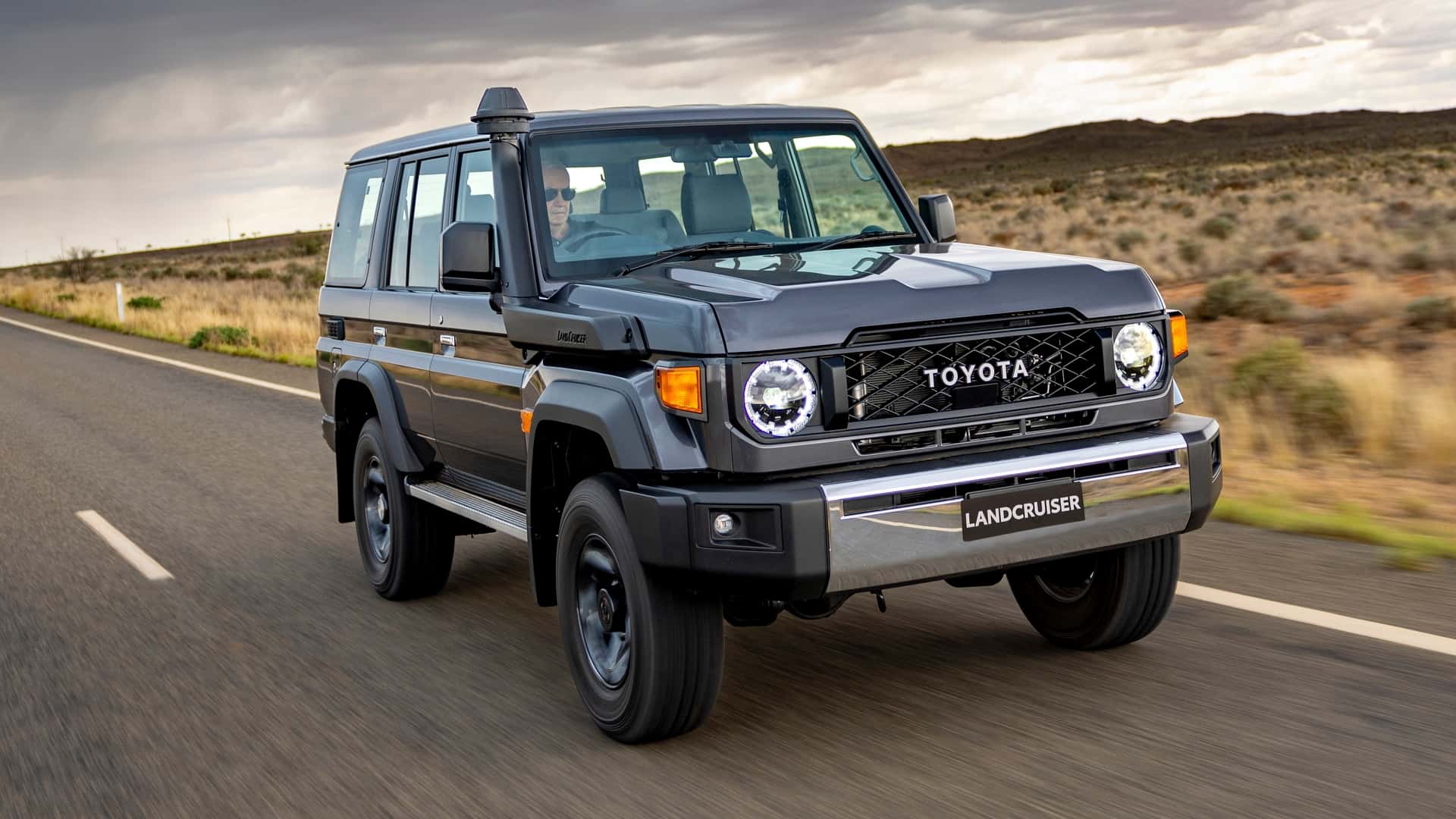
1. Toyota Land Cruiser
The Toyota Land Cruiser has long been regarded as one of the most reliable and durable SUVs ever built. Mechanics across the board praise it for its strong build quality, simple engineering, and a history of being over-engineered for rugged conditions.
It was originally designed for off-road use and harsh environments, which means everything from the chassis to the drivetrain was made to handle abuse. As a result, it’s common to find Land Cruisers from the 1990s and early 2000s still running smoothly with well over 300,000 miles.
One of the key reasons the Land Cruiser lasts so long is its proven V8 engine, particularly the 4.7-liter V8 used in the 100-series. This engine is known for its longevity, provided it receives regular oil changes and basic maintenance.
Many owners report minimal major repairs over decades of ownership. It doesn’t rely heavily on complicated electronics, which makes it easier to diagnose and fix issues without requiring expensive specialized tools.
Parts availability is another reason this SUV stands the test of time. Because it’s been in production for so long, replacement parts are readily available and often compatible across different generations.
This reduces the cost and time associated with repairs, making it easier for mechanics and owners to keep the vehicle running efficiently. Even though Toyota has retired the Land Cruiser in some markets, its legacy continues, and its existing models are still in high demand on the used market.
The Land Cruiser may not be the most fuel-efficient or budget-friendly vehicle when new, but in terms of total value over time, it offers exceptional longevity.
Mechanics tend to view it as a nearly unkillable SUV, capable of withstanding years of hard use, poor roads, and tough weather. As long as the owner stays on top of maintenance and addresses small problems before they become large ones, the Land Cruiser has every chance of staying on the road for 25 years or more.
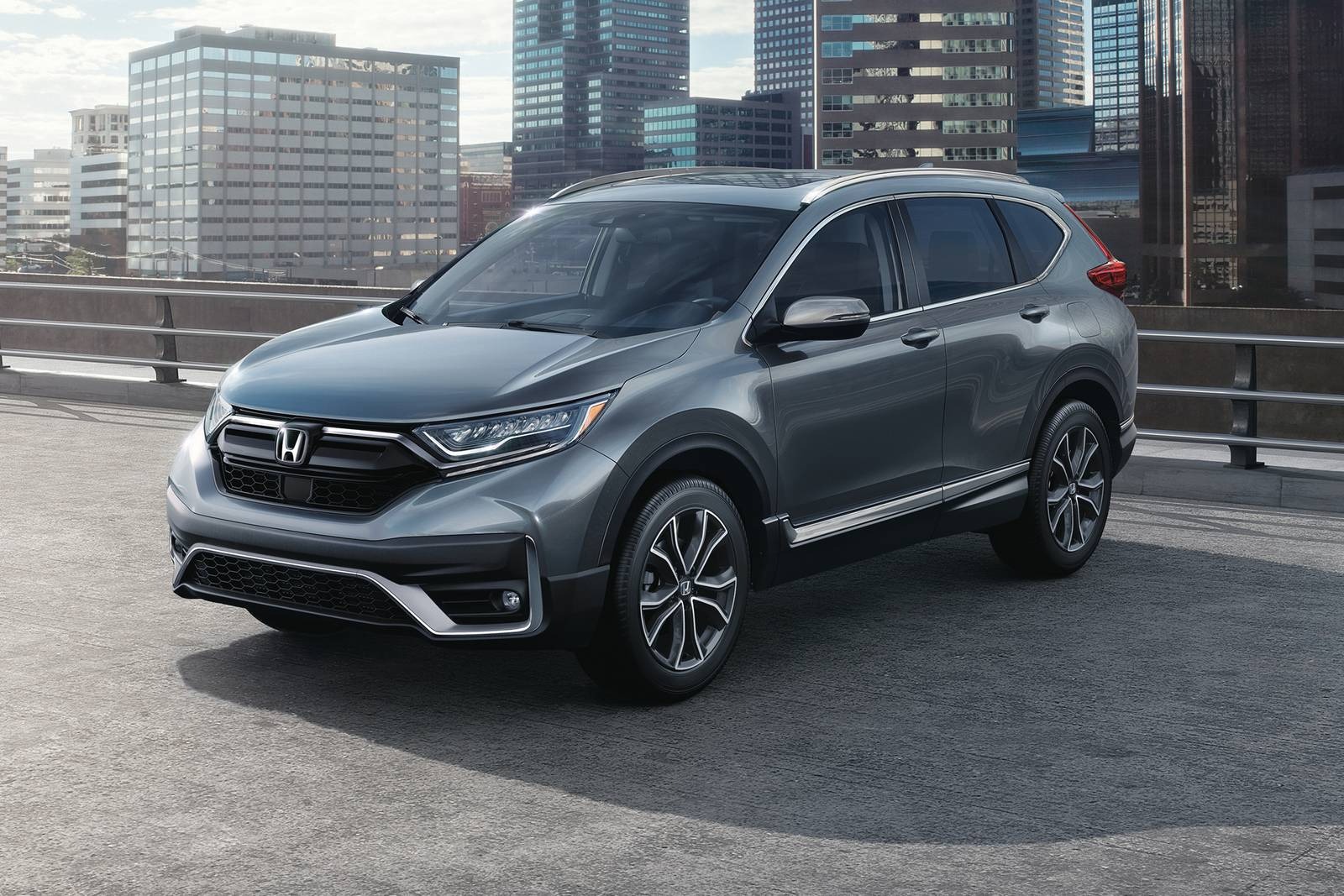
2. Honda CR-V
The Honda CR-V may not be the flashiest SUV, but mechanics often praise it for one key reason: it just keeps going. First introduced in the late 1990s, the CR-V quickly gained a reputation for practicality, efficiency, and reliability.
Mechanics report seeing CR-Vs from the early 2000s still running with minimal issues. Unlike some SUVs that require constant attention as they age, the CR-V has proven itself as a low-maintenance workhorse for families and individuals alike.
Part of the reason the CR-V lasts so long is due to Honda’s engineering philosophy. The company is known for building efficient, well-designed engines that can handle hundreds of thousands of miles with proper care.
The CR-V’s four-cylinder engines are simpler than some competitors’ turbocharged or six-cylinder setups, which means fewer components can fail. Mechanics also appreciate the ease of access to engine components, which simplifies common repairs.
Transmission reliability has been another strong point in many generations of the CR-V. While no car is perfect, and some model years have experienced issues, the pattern shows that this SUV tends to avoid the serious, expensive problems that plague less reliable models.
Regular transmission fluid changes and simple preventive maintenance can go a long way toward preserving this vehicle for decades.
In addition to its mechanical reliability, the CR-V tends to resist rust better than many other compact SUVs, especially when undercoated or washed regularly in winter climates. Owners who take good care of their vehicles, keep them garaged, and follow scheduled maintenance can easily see a CR-V reach 250,000 miles or more.
For buyers looking for a compact SUV that won’t become a burden after a few years, the CR-V remains one of the most mechanic-recommended options for long-term use.
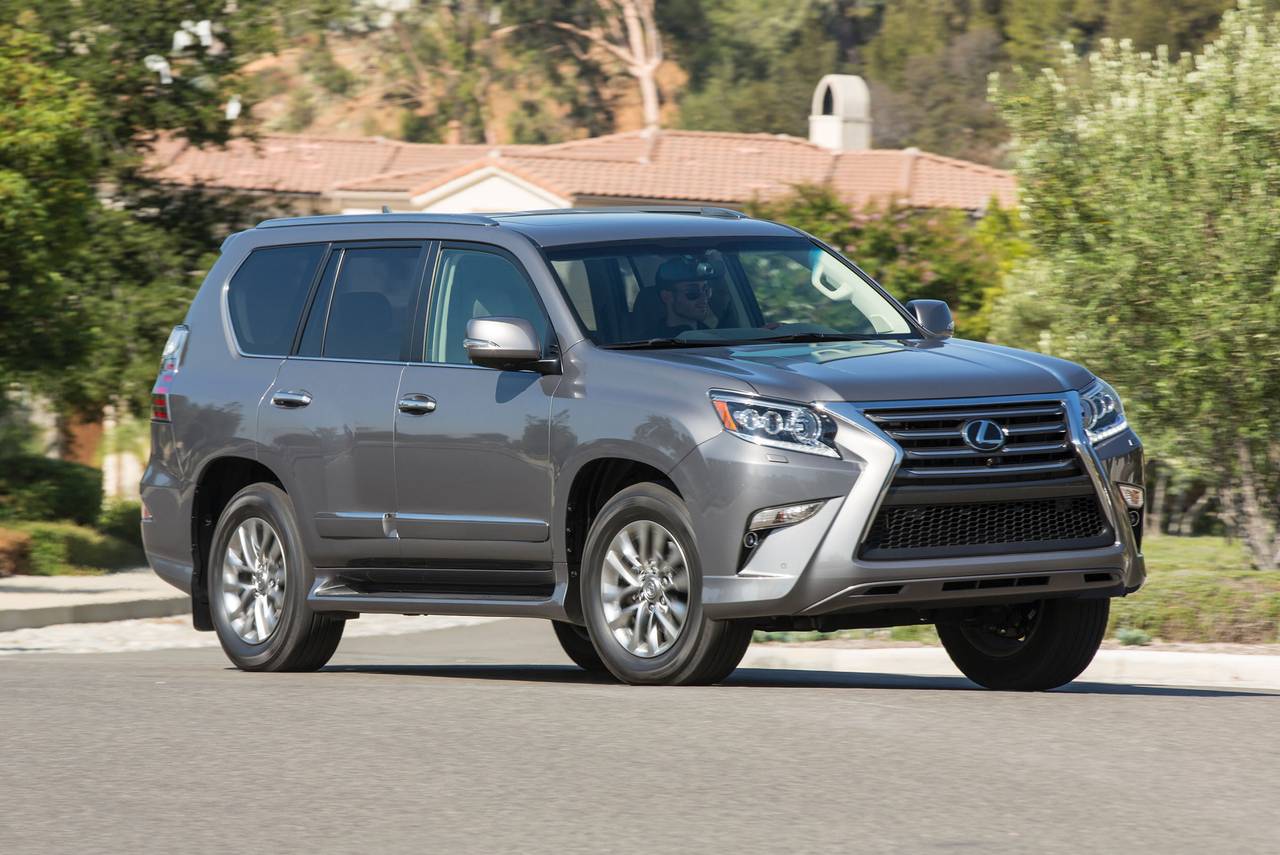
3. Lexus GX 460
The Lexus GX 460 is another SUV that mechanics often view as a solid candidate for a 25-year lifespan. While it sits in the luxury category, it’s actually a cousin to the Toyota Land Cruiser Prado, sharing much of its rugged underpinnings.
This gives it a distinct advantage in terms of long-term durability. Unlike many luxury vehicles that rely heavily on complex electronics and fragile components, the GX 460 sticks with proven hardware and a time-tested 4.6-liter V8 engine.
One of the key advantages of the GX 460 is its body-on-frame construction, which is less common in modern SUVs but contributes to its long-term durability, especially for off-road or heavy-duty use.
This type of construction allows it to absorb more stress over time, particularly in tough environments. Mechanics often report that these vehicles suffer fewer structural problems even after years of hard use. They’re also easier to repair when damaged.
The V8 engine used in the GX 460 is known for its longevity, producing enough power for towing and off-roading while maintaining a good reputation for reliability.
Regular maintenance, especially oil changes and timing belt replacement, goes a long way toward keeping it running for decades. Mechanics familiar with Toyota and Lexus products generally see the GX 460 as one of the most dependable luxury SUVs available.
Even as the vehicle ages, its interior materials tend to hold up well, which helps it maintain value and comfort. Lexus focuses on high-quality materials, and this attention to detail means that the seats, dashboard, and trim can still look good after many years of use.
For those seeking a luxury SUV with genuine long-term potential, the GX 460 offers an uncommon mix of reliability and refinement, making it a favorite among seasoned mechanics.
4. Toyota 4Runner
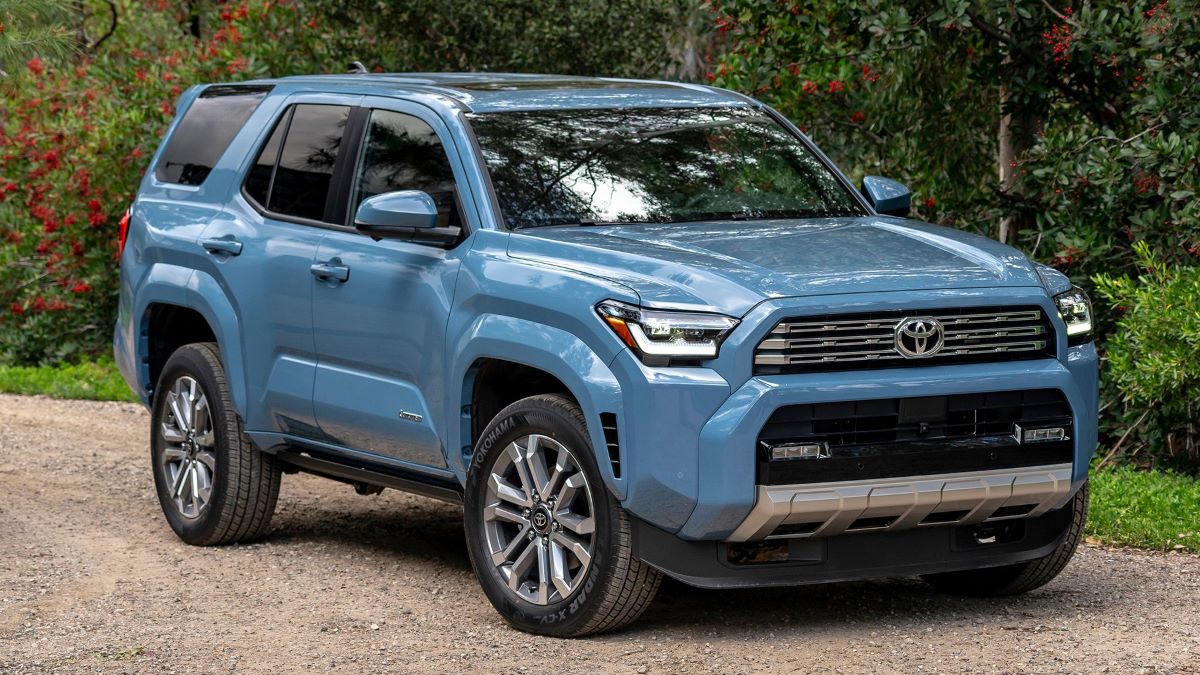
Few SUVs can match the Toyota 4Runner when it comes to reputation for rugged dependability. Mechanics often cite the 4Runner as one of the most resilient mid-size SUVs available, with a design that emphasizes longevity over flash.
Built with off-road capability in mind, the 4Runner uses a traditional body-on-frame platform, making it tougher than most unibody competitors. This setup provides structural strength that helps the vehicle endure the test of time.
The engine options in the 4Runner have historically been solid. The 4.0-liter V6 found in many models is widely praised by mechanics for its durability and low maintenance demands.
It’s a relatively simple engine, especially compared to modern turbocharged or hybrid powertrains, which means fewer things can go wrong over time. Mechanics report that, when maintained properly, the drivetrain can last for several hundred thousand miles with no major repairs.
Another factor in the 4Runner’s longevity is its simplicity. While newer models do have more electronics, the design philosophy hasn’t changed much over the years.
This consistency allows mechanics to be very familiar with the vehicle, which makes diagnostics and repairs easier and cheaper. It also contributes to the wide availability of parts, even for older models.
From rust resistance to long-lasting suspension components, the 4Runner checks many of the boxes for people looking for a long-term vehicle. It’s not uncommon to see 4Runners from the early 2000s still in active use, especially in parts of the country where road salt isn’t a major issue.
As long as owners stay on top of routine service and don’t neglect wear items like brakes and fluids, the 4Runner remains one of the few SUVs that mechanics routinely expect to still be on the road 25 years later.
5. Ford Expedition (Older Generations)
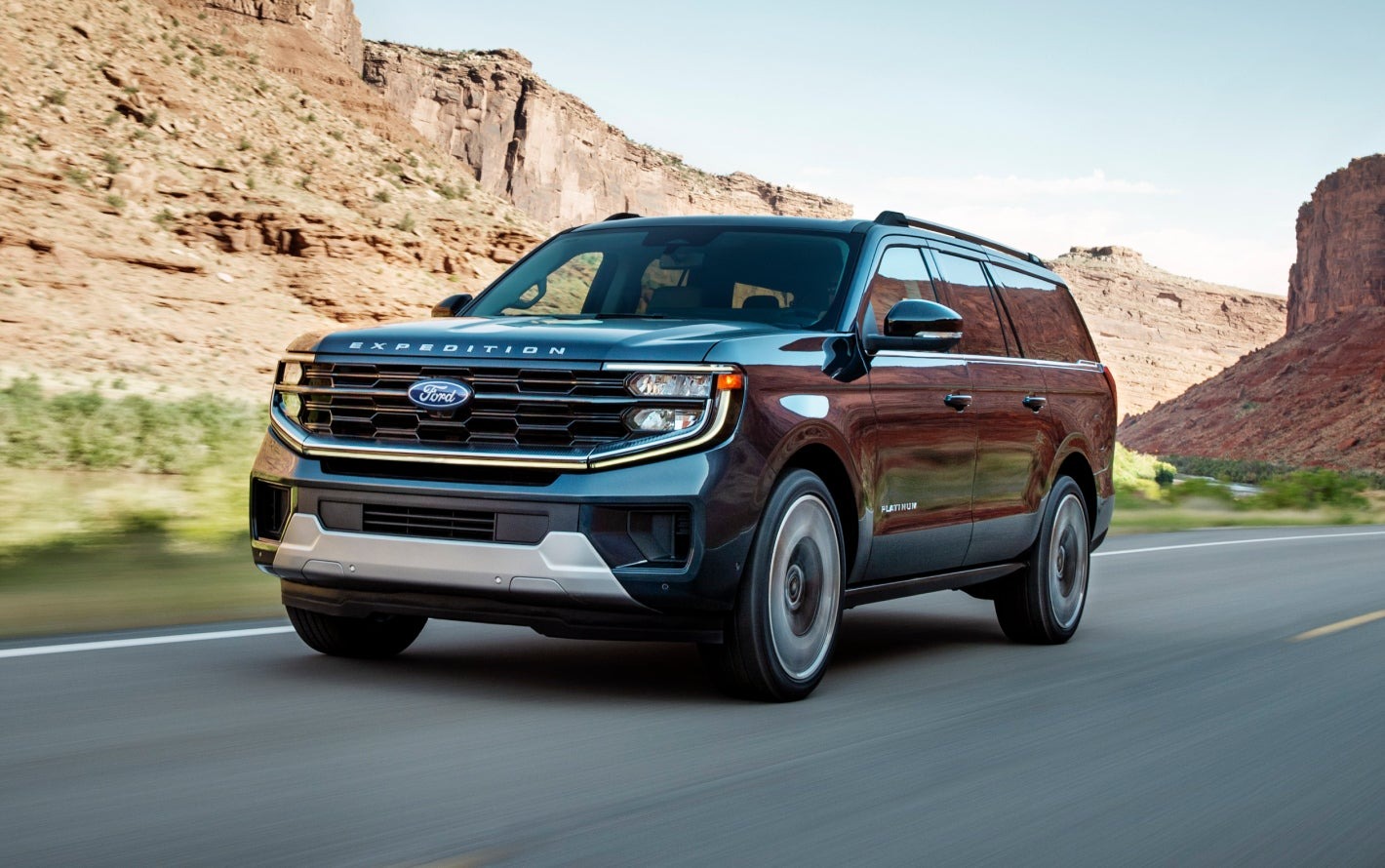
The Ford Expedition, particularly models from the early 2000s, is often mentioned by mechanics as a long-lasting full-size SUV when properly maintained.
While more recent versions have introduced complex electronics and turbocharged engines, the older Expeditions were built with simpler V8 engines like the 5.4-liter Triton, which had a reputation for running strong well into high mileage ranges.
These earlier models prioritized function over fancy features, which helped them age more well into high mileage ranges. These earlier models prioritized function over fancy features, which helped them age more gracefully than their newer counterparts.
Mechanics who worked on Expeditions from the early 2000s often note that these vehicles were overbuilt in many ways, with strong frames, durable transmissions, and simple, accessible components under the hood.
While the 5.4-liter Triton V8 did develop some known issues, such as spark plug ejection or coil pack failures, these were well-documented and relatively easy to prevent or repair with the right parts and knowledge.
What sets the older Expedition apart in terms of longevity is how manageable its mechanical issues tend to be. Mechanics appreciated that many repairs could be done without removing major components or relying on dealer-only software. Brake jobs, suspension work, and even transmission servicing were straightforward.
And because the platform was shared with the F-150 truck, parts were widely available and often interchangeable. This made long-term ownership more affordable and convenient.
As a result, owners who stayed on top of maintenance and avoided excessive rust exposure could reasonably expect 250,000 to 300,000 miles of service, even with regular use.
One reason some of these older Expeditions are still on the road today is that they were often purchased by large families or work crews who needed something spacious, tough, and dependable. Many of them saw daily use under harsh conditions and yet continued to perform reliably.
These SUVs were not loaded with sensitive electronics or delicate interior trims that tend to break or wear out quickly, which gave them a more “timeless” mechanical resilience. Mechanics often remark that these are the kind of vehicles that, once they stop being pretty, just keep doing their job for years to come.
While newer Expeditions have moved toward turbocharged EcoBoost engines and more complex electronic systems, older models maintain a certain mechanical simplicity that appeals to long-term owners and independent repair shops.
The caveat here is that the owner must be willing to invest in preventative care, fluid flushes, rust-proofing, and dealing with issues before they cascade. If those boxes are checked, the older Ford Expedition still earns a solid spot on the list of SUVs that can last 25 years.
Also Read: 5 Most Popular Convertibles and 5 That Are a Nightmare to Own
5 SUVs Mechanics Say Won’t Last 25 Years
1. Jeep Grand Cherokee (Certain Model Years)
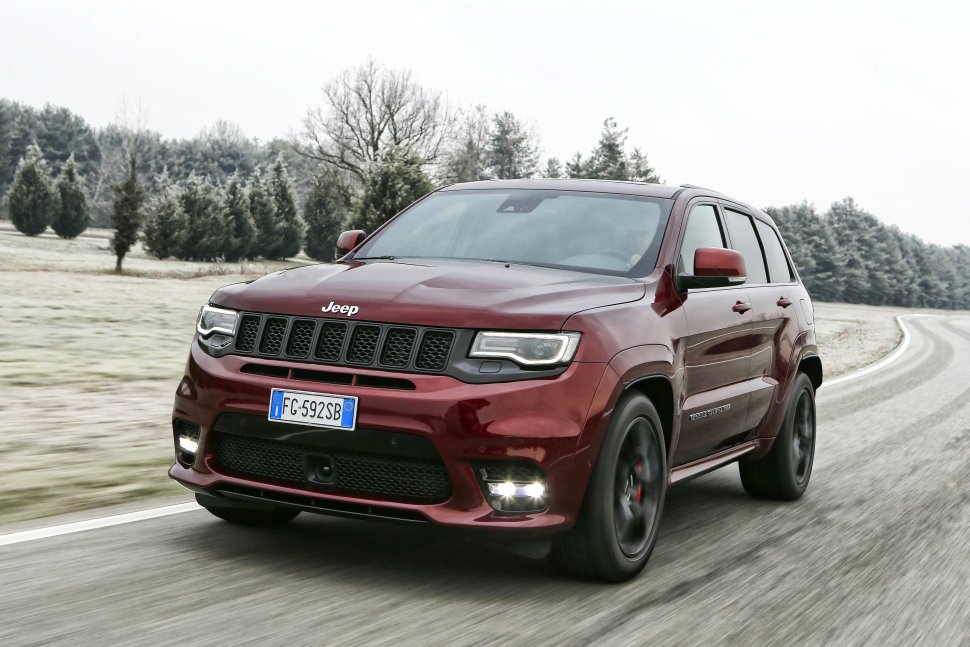
The Jeep Grand Cherokee has long been a popular mid-size SUV, combining off-road capability with a more upscale design. However, many mechanics have strong reservations about the long-term reliability of certain Grand Cherokee model years, particularly those from the mid-2000s and early 2010s.
These vehicles are known for a wide range of issues that can begin cropping up well before the 150,000-mile mark, let alone 25 years of service. Engine problems, electrical gremlins, and problematic transmission behavior are all frequently mentioned by professionals who work on these vehicles.
One of the most common issues mechanics report is related to the Grand Cherokee’s automatic transmission. Certain years were plagued with shifting problems, premature wear, and electronic control failures that made diagnosing and repairing transmission problems both difficult and expensive.
Additionally, the cost of replacing or rebuilding the transmission often exceeded the vehicle’s resale value by the time issues emerged, leading many owners to give up on the vehicle entirely.
Even those who were committed to keeping their Grand Cherokees running found themselves spending more on repairs than the vehicle was worth.
Another frequent complaint involves electrical problems. From faulty TIPMs (Totally Integrated Power Modules) to shorted wiring harnesses and erratic sensor behavior, the Grand Cherokee developed a reputation for frustrating electrical failures that were difficult to trace.
Mechanics often spent hours diagnosing what appeared to be minor issues, only to find that a module deep in the system had failed or that a wiring short had developed behind the dashboard. These problems not only drove up repair bills but also undermined driver confidence in the vehicle’s reliability.
While newer models have improved in many areas, the legacy of unreliable older Grand Cherokees still influences the opinions of many mechanics.
Even with improvements in newer drivetrains and materials, the risk of legacy design flaws and complicated electronics remains high.
For those hoping to keep a vehicle for decades, the Grand Cherokee, especially models built during its less reliable years, is often cited as one that will require significant time, money, and patience to get even close to the 25-year mark.
2. BMW X5
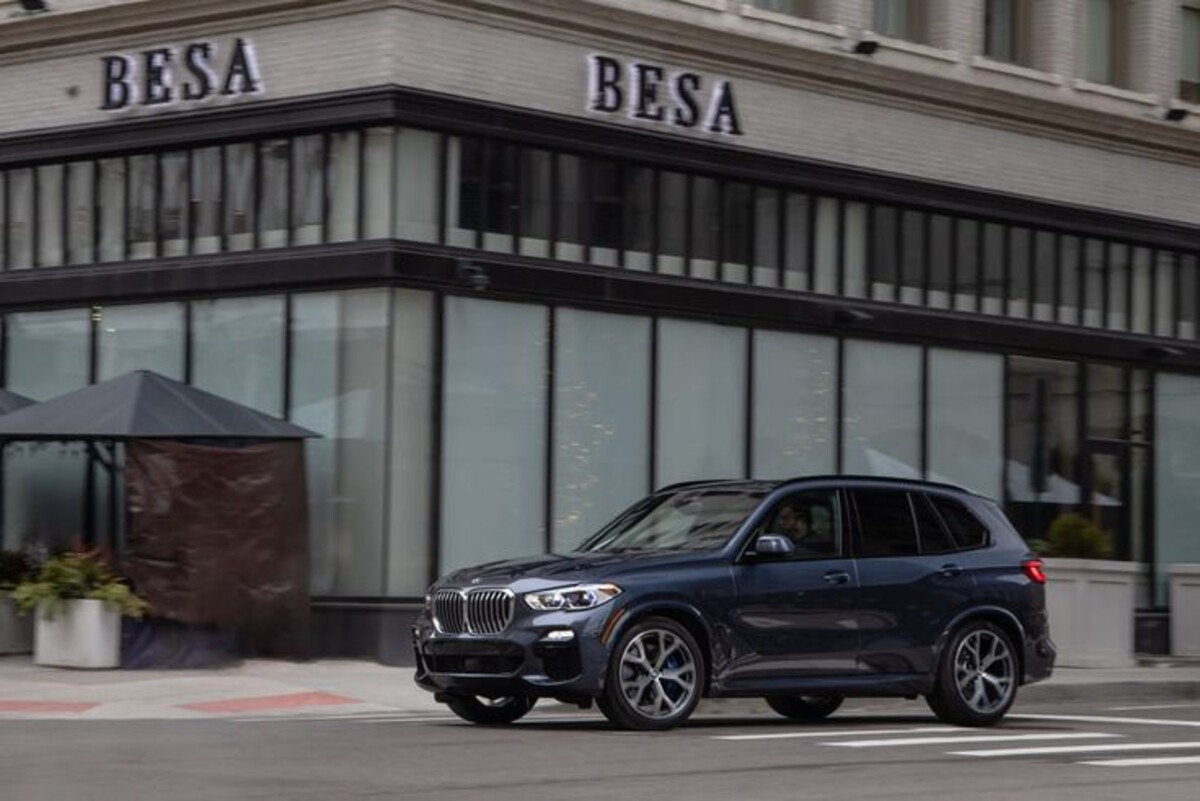
The BMW X5, with its sporty performance and luxurious design, is a favorite among drivers who want a premium SUV experience.
However, from a mechanic’s point of view, the X5 is a poor candidate for long-term ownership. While it performs well when new and offers an excellent driving experience, its long-term reliability leaves much to be desired.
Many X5 owners begin facing costly repairs shortly after the vehicle reaches the 100,000-mile threshold, and the complexity of its systems makes each repair a financial burden rather than a routine expense.
A major issue with the X5 is its heavy reliance on complex electronics and proprietary systems that require dealership-level diagnostics and tools. Mechanics often point out that basic issues such as check engine lights or sensor failures can quickly escalate into multi-day repair jobs.
In many cases, simple components are integrated with entire modules, meaning that a small failure requires replacing an expensive, non-serviceable part. This not only drives up the cost of ownership but also increases the likelihood that owners will abandon the vehicle once it becomes too expensive to fix.
Cooling system problems are another frequent complaint. The X5 is known for water pump failures, radiator issues, and coolant leaks that can lead to overheating if not addressed promptly. Mechanics often stress the importance of preventative maintenance on these systems, but even then, failure is common.
Once overheating occurs, engine damage is a very real risk, and the cost of engine repairs or replacements can run into thousands of dollars. Combine that with aging suspension systems, oil leaks, and high parts costs, and the X5 starts to look like a poor long-term investment.
The other concern with the X5 is that many of its components are not designed with longevity in mind. From air suspension components that wear out prematurely to interior electronics that fail over time, the lifespan of the vehicle often falls short of two decades, much less twenty-five years.
Mechanics rarely see older X5s still in good condition unless the owner has spent a fortune on repairs. For buyers seeking a vehicle to own for the long haul, the BMW X5 is frequently mentioned as one to avoid if long-term reliability is the priority.
3. Land Rover Discovery
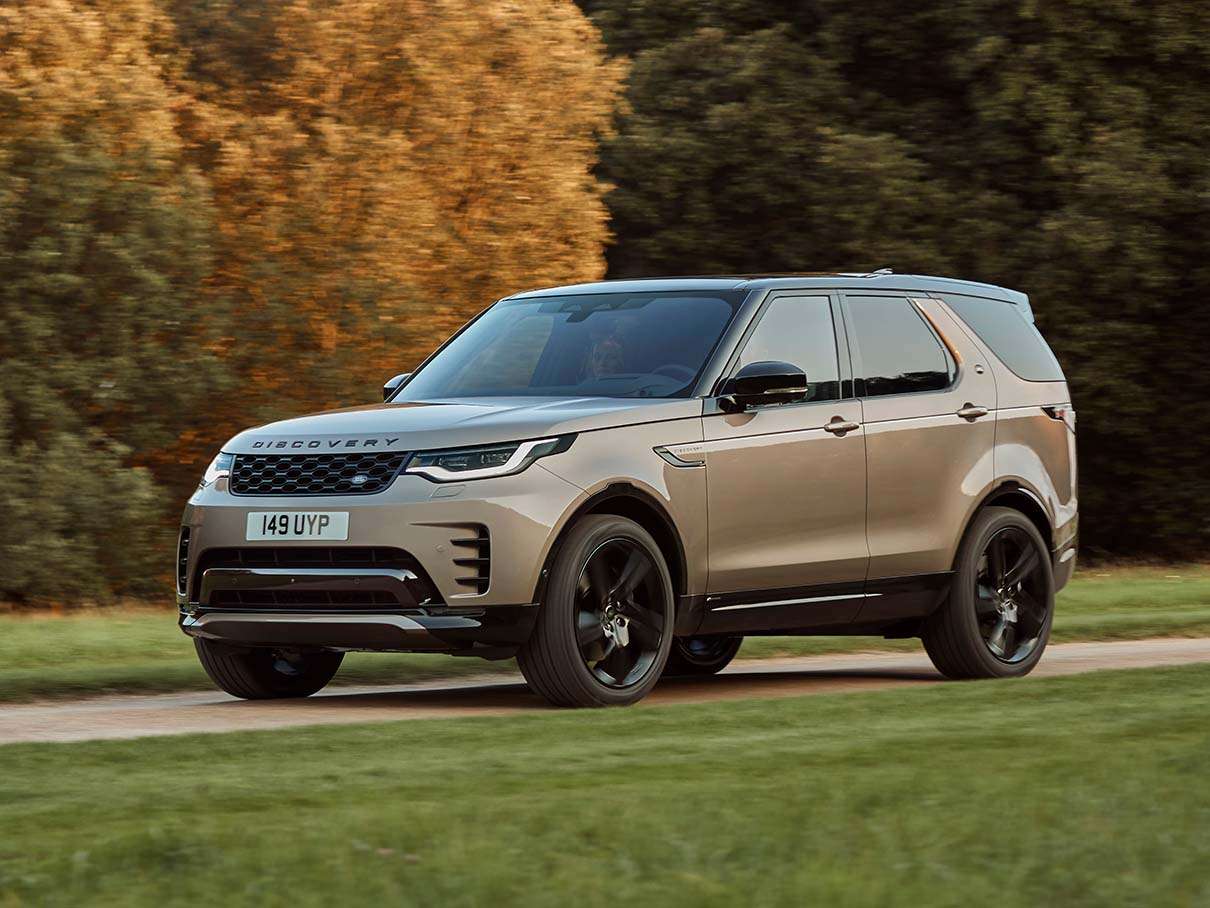
Land Rover vehicles have always been admired for their off-road capabilities and luxury appeal, but ask a seasoned mechanic about the Discovery and you’re likely to get a sigh. The Land Rover Discovery is notorious in repair shops for being one of the most difficult and unreliable SUVs to maintain over a long period of time.
From chronic electrical issues to serious drivetrain failures, the Discovery has earned a reputation for being costly, high-maintenance, and poorly suited to long-term ownership unless the owner has a very large repair budget.
One of the biggest concerns with the Discovery is its complex air suspension system. While it provides a smooth ride when working correctly, it’s also prone to failure and very expensive to repair. Many mechanics report having to replace compressors, sensors, and entire suspension units within just a few years of ownership.
Engine reliability is another weak point. Various generations of the Discovery have used different engines, some of which suffer from common problems like head gasket failure, oil leaks, or timing chain issues.
These problems are not only frequent but also often difficult to diagnose due to the tight engine compartments and the need for specialized knowledge.
Mechanics often describe the engine bay of a Discovery as overly cramped, making even routine maintenance a time-consuming task that inflates labor costs and causes headaches for technicians.
Finally, Land Rover’s reputation for electrical issues is well earned. The Discovery in particular is known for dashboard warning lights, malfunctioning sensors, and intermittent electronic failures that affect everything from the windows to the drivetrain.
These issues often appear early in the vehicle’s life and get worse over time, especially as wiring and modules age. Many of these problems require dealer-level software tools and can’t be easily addressed by independent shops. For those looking to keep a vehicle on the road for 25 years, the Discovery is rarely viewed as a realistic option by mechanics.
4. Nissan Pathfinder (Post-2013 Models)
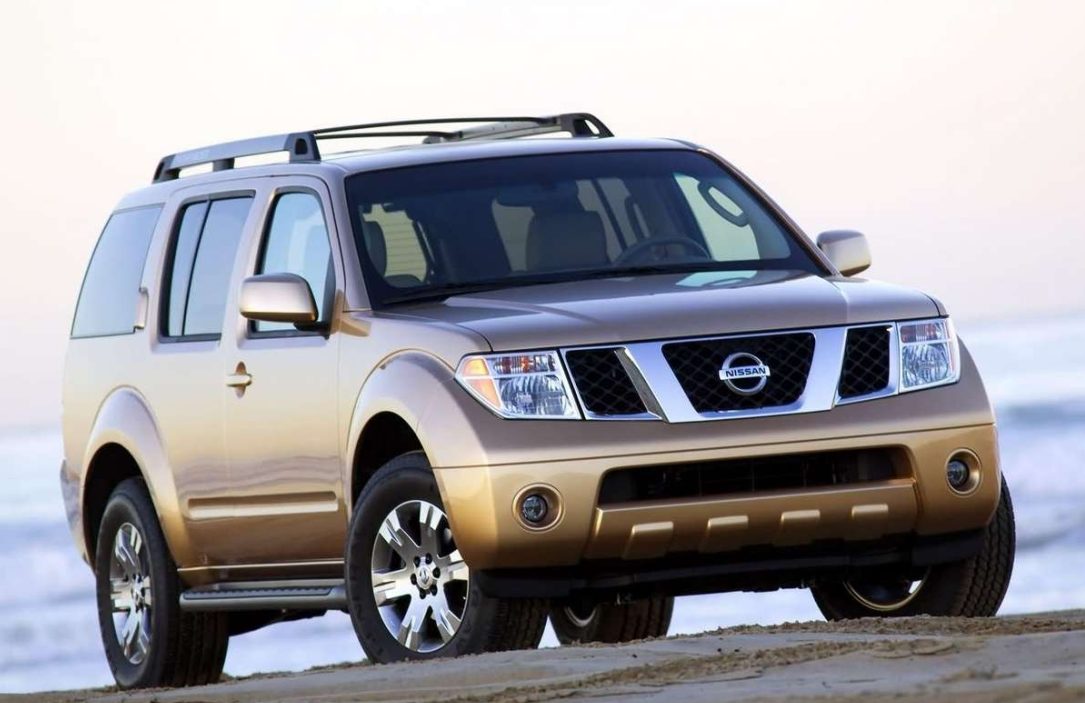
The Nissan Pathfinder has gone through several design changes over the years, and not all of them have been positive from a long-term reliability standpoint. Mechanics often draw a clear line between the older, truck-based Pathfinders and the newer, crossover-style models introduced after 2013.
While the older versions were more rugged and built for durability, the modern Pathfinder leans heavily into comfort and fuel efficiency at the expense of mechanical toughness.
Unfortunately, this shift came with a host of problems, particularly related to the continuously variable transmission (CVT) that became standard during this period.
The CVT in the newer Pathfinders is frequently cited as one of its most vulnerable components. Mechanics have reported premature failures, overheating, and slipping that occurs well before 100,000 miles in some cases. These transmission problems are not only widespread but expensive to repair or replace.
Unlike traditional automatic transmissions, CVTs are far more delicate and complex, and many shops won’t even rebuild them due to high failure rates. Instead, they often have to be entirely replaced, which can cost several thousand dollars, frequently more than what the vehicle is worth as it ages.
Beyond transmission issues, newer Pathfinders have also struggled with cooling system failures, electrical glitches, and weak interior build quality. Radiator problems, sensor malfunctions, and dashboard electronic failures are all common issues that mechanics encounter.
Over time, these problems tend to compound, leading to a vehicle that becomes increasingly unreliable and expensive to maintain. Mechanics frequently note that these SUVs require more attention and repairs than their older counterparts, and the cost of ownership becomes increasingly burdensome as the vehicle ages.
The final blow for the modern Pathfinder in terms of long-term reliability is the design shift away from rugged construction. Where older Pathfinders had a body-on-frame layout and a focus on durability, newer ones are built more like minivans.
The unibody construction and focus on soft-road comfort make them less suited for hard use or extended lifespans. For buyers thinking in terms of two or more decades of ownership, mechanics generally suggest steering clear of recent Pathfinder models, as they are far more likely to fall short of the 25-year mark.
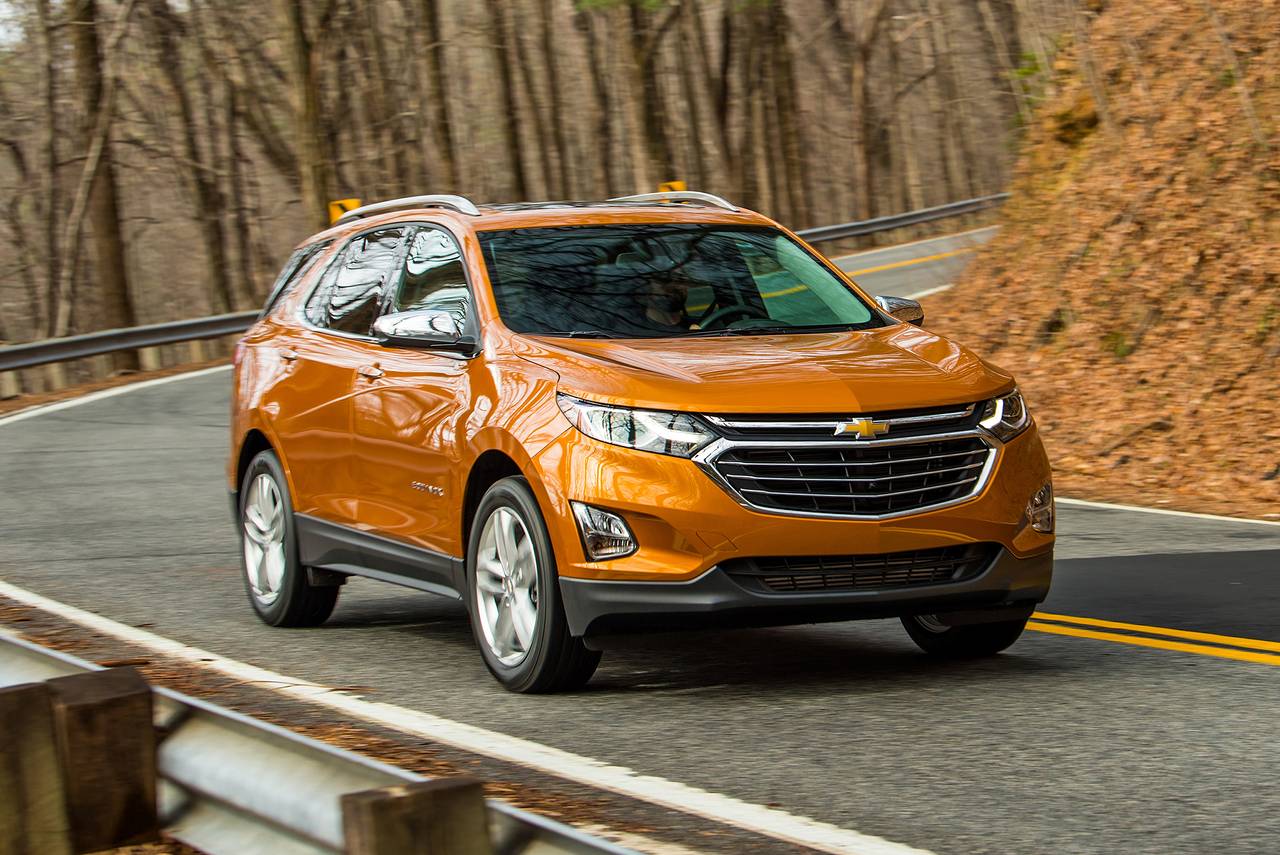
5. Chevrolet Equinox
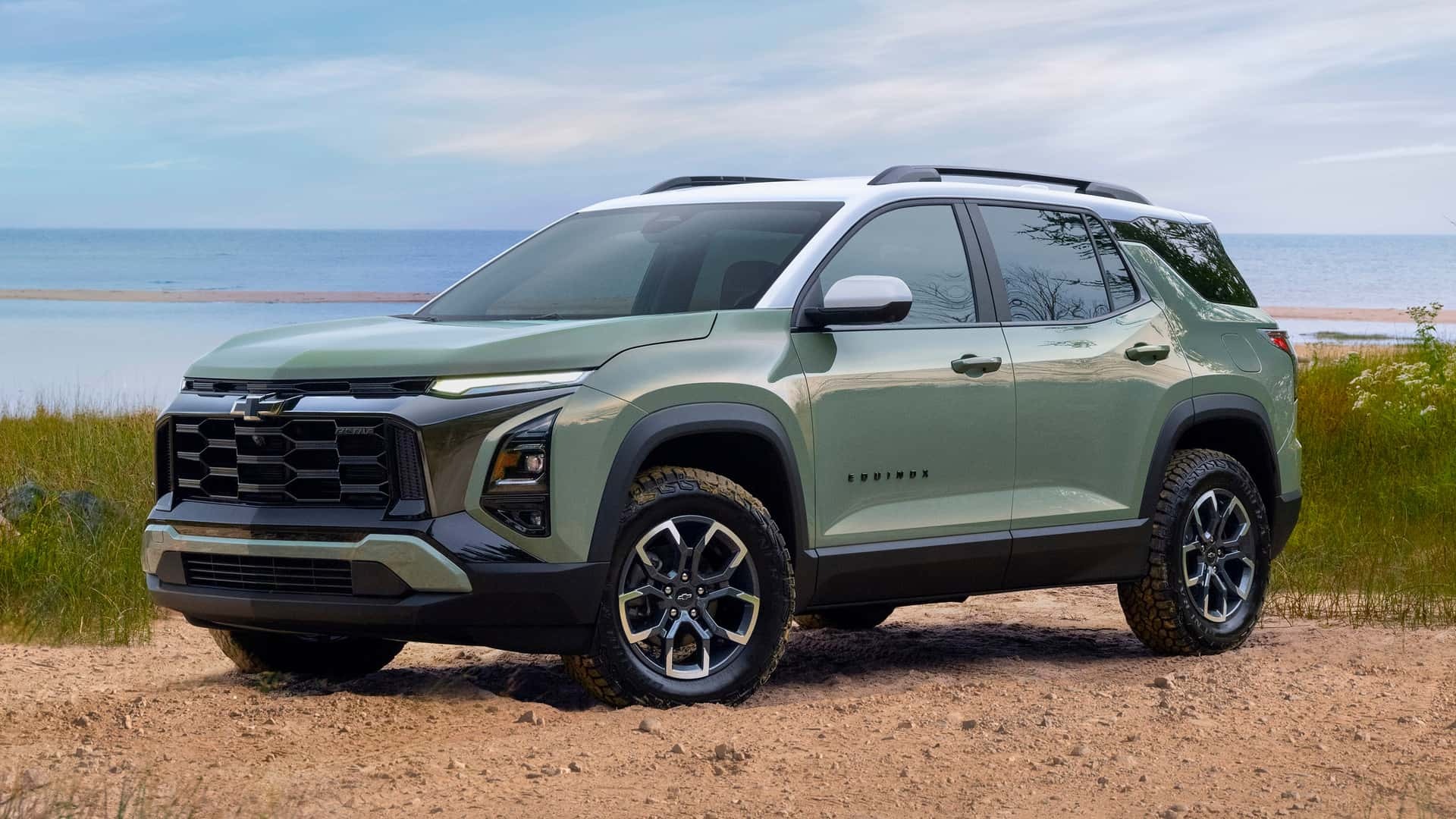
The Chevrolet Equinox is one of the more popular compact SUVs on the market, but it’s also one that mechanics consistently list as problematic when it comes to long-term durability.
While the Equinox may be affordable and offer decent features for the price, it often falls apart mechanically well before it reaches a point where someone could expect 25 years of dependable service. The problems tend to start early and, in many cases, get worse as the vehicle ages.
One of the most commonly reported issues with the Equinox, particularly from the early 2010s models, is excessive oil consumption. Mechanics frequently see these engines come in low on oil, sometimes dangerously so, with no visible leaks.
This points to internal engine wear that begins sooner than expected, often due to poor piston ring design or other internal engine flaws.
In severe cases, engines fail entirely or require significant repairs long before they should. Even diligent owners who regularly check oil levels and perform maintenance often find themselves facing premature engine problems.
Transmission issues also plague the Equinox in various model years. Hard shifting, slipping, and failure to engage are all commonly reported, especially after the vehicle passes 100,000 miles.
While some of these problems may seem minor at first, they often snowball into larger issues that require full transmission replacement or expensive rebuilds.
Mechanics often note that the cost of repairing these problems can easily exceed the resale value of the vehicle, which leads many owners to cut their losses rather than invest in costly repairs.
Another major concern is the quality of the vehicle’s components and construction. Interior materials wear quickly, buttons and switches fail, and suspension components start to rattle or loosen. Rust has also been a concern in certain climates, particularly in the rear quarter panels and undercarriage.
Mechanics often describe the Equinox as a vehicle that ages poorly, not just mechanically, but in its feel and function. Even basic repairs, like replacing wheel bearings or suspension bushings, can become frequent and annoying, particularly on older models.
While newer Equinox models have seen some improvement, they still struggle with lingering issues that reduce their viability as long-term vehicles. Mechanics rarely see Equinoxes lasting past 200,000 miles without major component failure. And while that might sound sufficient to some, it falls well short of the 25-year benchmark.
For those who want a vehicle that can last for generations or serve as a dependable daily driver for decades, the Equinox tends to come up short. Most mechanics would advise looking elsewhere for a more dependable and lasting SUV.
