
The early 2000s weren’t that long ago, but in the automotive world, a lot has changed since then. What once roamed the roads as affordable daily drivers or sporty weekend cars are now turning heads for an entirely different reason. People who grew up during this time are reaching the age where they want to reconnect with the vehicles they idolized as teenagers.
Others are realizing that cars from this era strike a balance between modern features and analog driving feel. Combine that with limited production runs, distinctive styling, and unique engineering choices, and you have a perfect recipe for collectibility.
Not all cars from the 2000s are destined for collector status, but there’s a noticeable group that’s gaining value and respect in the car community at a surprising rate.
What makes this shift even more interesting is how unpredictable it is. Some of these models were barely noticed when they were new, often criticized for being too quirky or overshadowed by flashier competition. Now, they’re rare sights at car shows and fetching premium prices at auctions.
This isn’t just about supercars, either. Many of these vehicles were relatively affordable when they launched, and some could even be found on used car lots just a few years ago for pocket change.
Nostalgia is a strong force, but it’s not the only reason these cars are getting more attention. In many cases, it’s the combination of mechanical simplicity, rising interest from younger buyers, and the fact that good examples are getting harder to find.
Collectors are paying closer attention to how a car was received in its day versus how it has aged. Some were misunderstood. Others were ahead of their time. But what they all share now is a growing recognition of their uniqueness. These cars are becoming harder to find in clean, unmodified condition, which adds to their desirability.
Enthusiasts who may have dismissed them a decade ago are now scrambling to track them down before prices go any higher. Whether it’s through online forums, niche car events, or classic auctions, the buzz around 2000s-era cars is growing fast. With that in mind, here are twelve vehicles from that decade that have leaped from forgotten to favored in collector circles.
Also Read: 10 Cars Mechanics Say Will Easily Hit 400k Miles
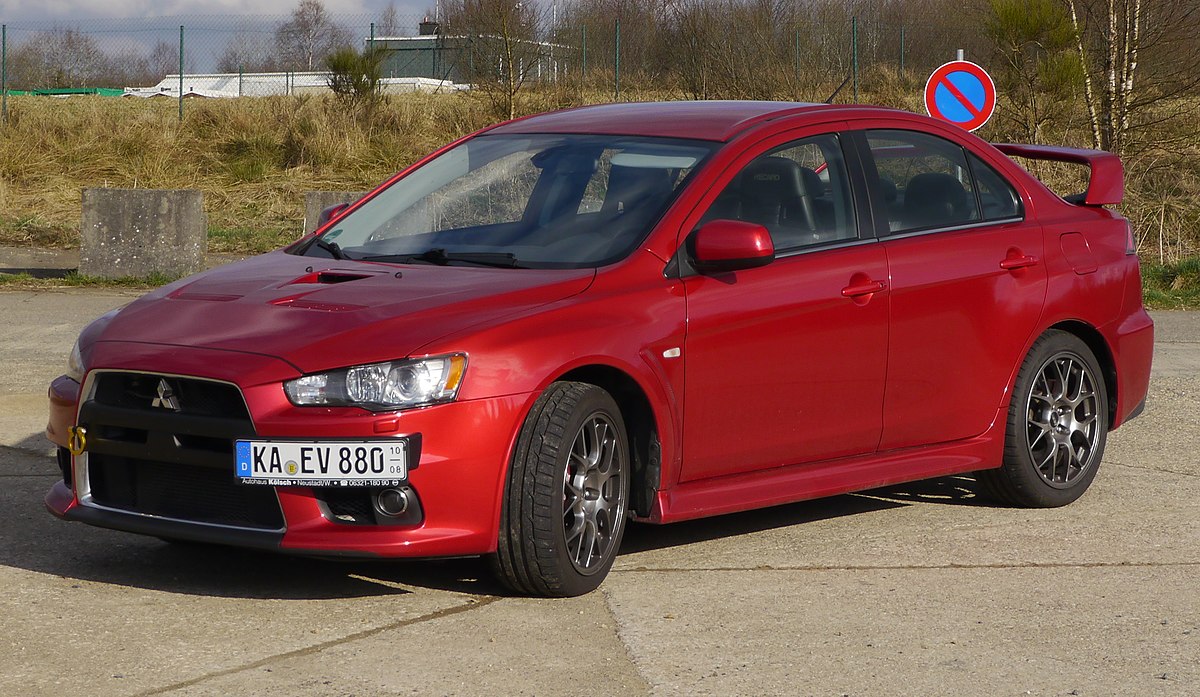
1. 2003–2006 Mitsubishi Lancer Evolution VIII & IX
When Mitsubishi brought the Lancer Evolution to the United States in 2003, it finally gave American enthusiasts a taste of the turbocharged, rally-bred performance they had been craving.
Prior to that, the Evo had been the stuff of magazines and internet forums, praised for its success in World Rally Championship events but never offered locally. The arrival of the Evolution VIII changed that completely. With all-wheel drive, a turbocharged 2.0-liter engine, and razor-sharp handling, it offered serious performance at a reasonable price.
The Evolution IX that followed in 2005 refined the formula even further. With variable valve timing, improved suspension tuning, and subtle aesthetic upgrades, it’s often considered the most balanced and desirable version.
Both the VIII and IX were raw, analog, and mechanical in a way that newer cars rarely replicate. There was no fluffed-up interior or overwhelming screens. You were simply connected to the road through a steering wheel and pedals, with the turbo spooling loudly under acceleration.
Collectors have started to recognize the significance of these models. Clean, unmodified examples are becoming rare, as many were modified for racing or performance purposes. This makes original cars even more valuable. Enthusiasts are particularly drawn to special trims like the MR, which offered lightweight components and sharper handling. As a result, auction prices are climbing steadily.
The Evo’s growing reputation is also tied to its pop culture presence. It was featured in video games and movies during the 2000s, cementing its image as a tuner icon.
Now, with import laws tightening and the manual transmission fading out, the demand for these high-strung machines has intensified. They’re not just fast; they’re a snapshot of an era when Japanese performance cars were hitting their stride.
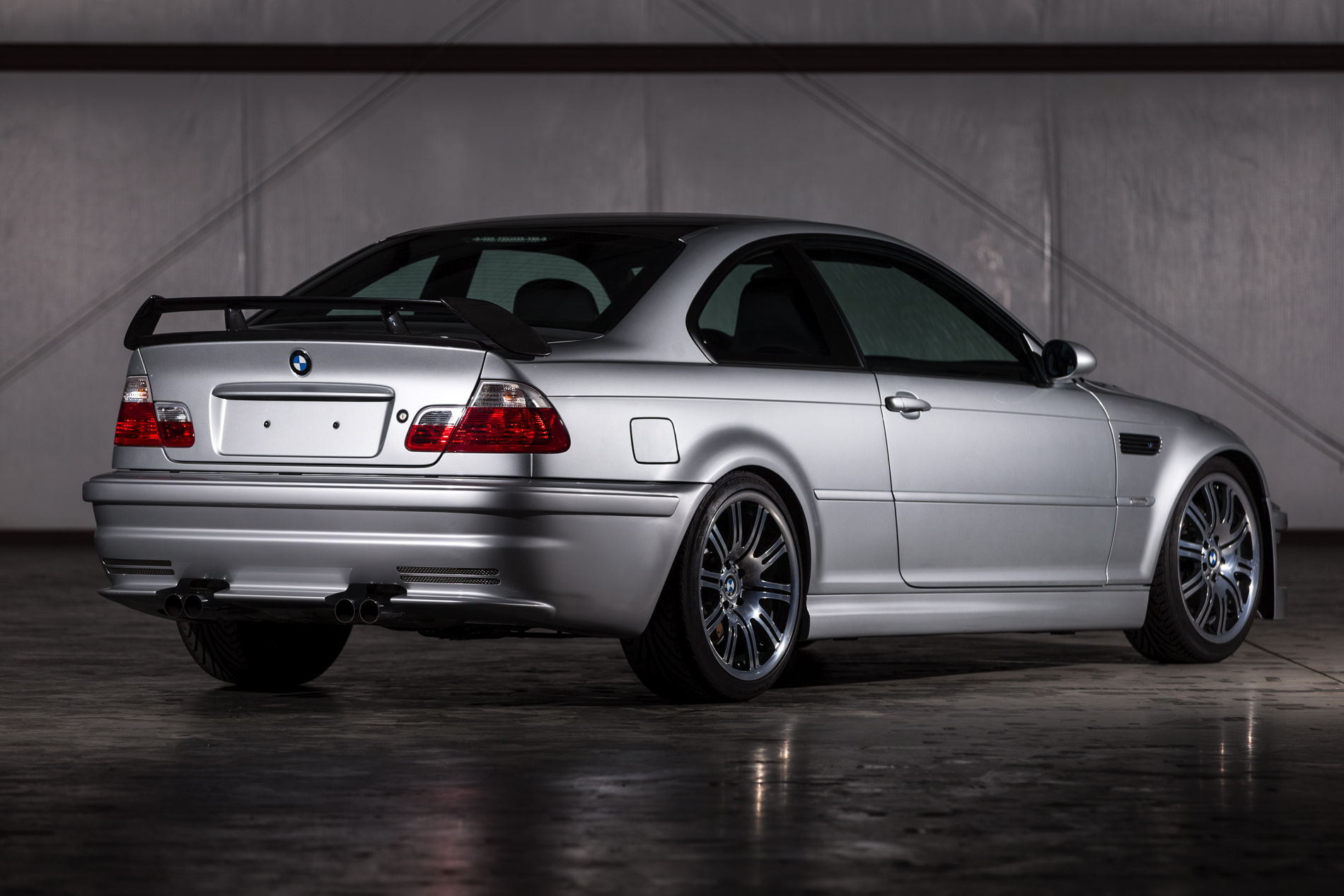
2. 2001–2005 BMW M3 (E46)
The E46-generation BMW M3 is increasingly seen as one of the brand’s high points. It represented a sweet spot in BMW’s performance lineup before things got heavier and more technology-focused.
With a naturally aspirated 3.2-liter inline-six and a choice between a six-speed manual or the somewhat clunky SMG transmission, the E46 M3 delivered a pure driving experience that’s still hard to beat today.
It was fast, but more importantly, it felt balanced. The chassis was near-perfect, the steering was direct, and the entire car felt like it was designed with the driver in mind.
The M3 was also relatively understated, especially compared to modern sports coupes that rely on aggressive angles and oversized grilles. Its clean lines and subtle flared fenders have aged gracefully, giving it a timeless look that appeals to enthusiasts and collectors alike.
What’s pushing values up is the increasing scarcity of low-mileage, well-kept examples. Many of these cars were driven hard and modified, making factory-spec models increasingly desirable.
The manual transmission versions, in particular, have become sought-after, as the SMG-equipped cars are less reliable and not as enjoyable to drive. The coupe is the most popular, but even the convertibles are seeing renewed interest.
For many, the E46 M3 represents the last era of the analog M car. Later generations added more power and gadgets but lost some of the simplicity and engagement that defined this one.
It’s no surprise that prices are climbing and good ones are becoming harder to find. This is a car that rewards spirited driving while still offering enough refinement for everyday use, and that combination is rare in modern vehicles.
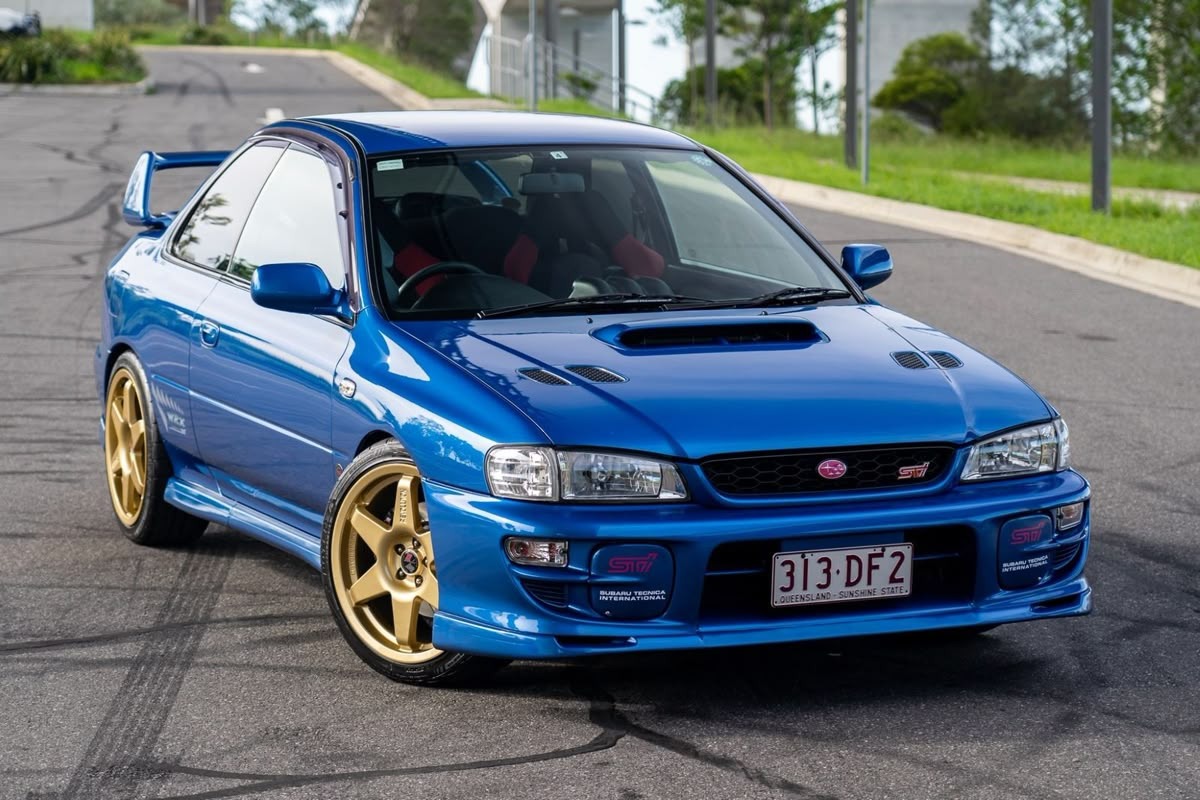
3. 2002–2007 Subaru Impreza WRX & WRX STI
The early-2000s WRX and WRX STI gave Subaru a new identity in the U.S. market. The rally-inspired formula of a turbocharged boxer engine and symmetrical all-wheel drive proved to be a hit, especially among younger buyers.
When the WRX arrived in 2002, it was unlike anything else in its price range. It had the performance to back up its aggressive styling, and the STI that followed in 2004 raised the stakes even further.
These cars were built to perform in all conditions. Whether on gravel, tarmac, or snow, the WRX and STI felt composed and quick.
That capability gave them an edge not just in motorsport but also in real-world usability. You could daily-drive one of these and still enjoy weekend canyon runs. Subaru’s engineering focus on durability and function over flash has helped these cars age well mechanically, if not always cosmetically.
The STI models, in particular, have become hot collector items. Their large rear wings, hood scoops, and gold wheels gave them instant presence. Performance was strong too, with close-ratio gearboxes and serious brakes.
Enthusiasts appreciated the mechanical nature of the car, which was more about feel than outright numbers. These were performance machines that asked something of the driver, and that challenge made them more engaging.
As with the Evo, unmodified STIs and WRXs from this era are becoming harder to locate. Many were tuned, raced, or poorly maintained. Clean examples with original parts are bringing in strong numbers at auctions and private sales.
They’re becoming more than just tuner icons, they’re symbols of a golden era in performance cars that focused more on the experience than the specs sheet.
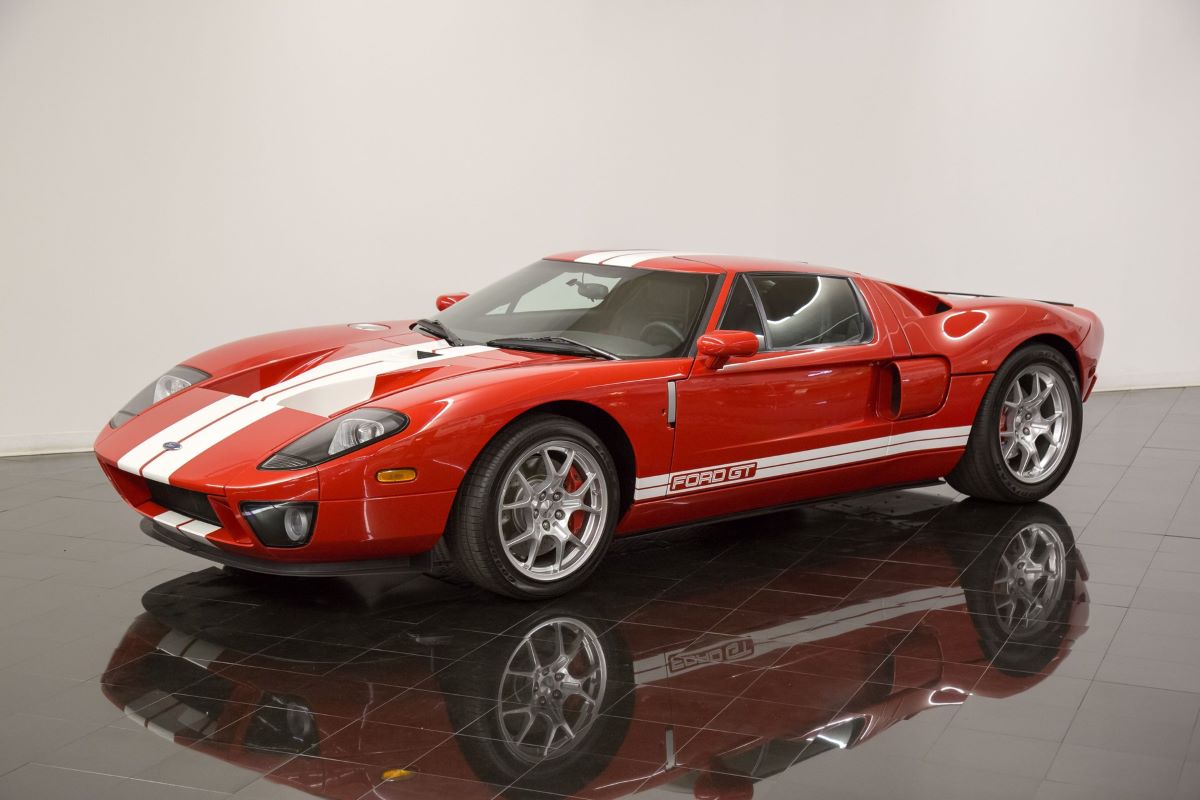
4. 2005–2006 Ford GT
The mid-2000s Ford GT was a stunning revival of one of America’s most iconic race cars. Unlike many retro-styled vehicles, this one had performance to match its looks.
With a 5.4-liter supercharged V8 mounted behind the driver, it offered over 500 horsepower and a top speed well above 200 miles per hour. But beyond the numbers, the GT captured hearts because it was built with passion and precision.
Ford didn’t just slap a new body on an old idea. The GT was engineered from the ground up as a proper supercar. Aluminum construction, Brembo brakes, and race-tuned suspension meant it could compete with the best from Europe. Yet, it never felt overly digital or clinical. There was a rawness to the driving experience that collectors find especially appealing today.
What makes this car even more desirable is its low production numbers. Fewer than 4,100 units were built for the U.S. market, and many were immediately tucked away by collectors. Now, those that surface with low mileage and clean history command high prices. The GT is one of the few American cars from the 2000s to cross over into true exotic territory.
Part of its appeal also comes from what it represents. This was a time when American automakers were still willing to take big swings and make a statement. The GT was never meant to be practical or mass-produced. It was a bold move, and it paid off. As car design becomes more cautious and regulated, the raw charm and rebellious spirit of the 2005–2006 Ford GT only become more appreciated.
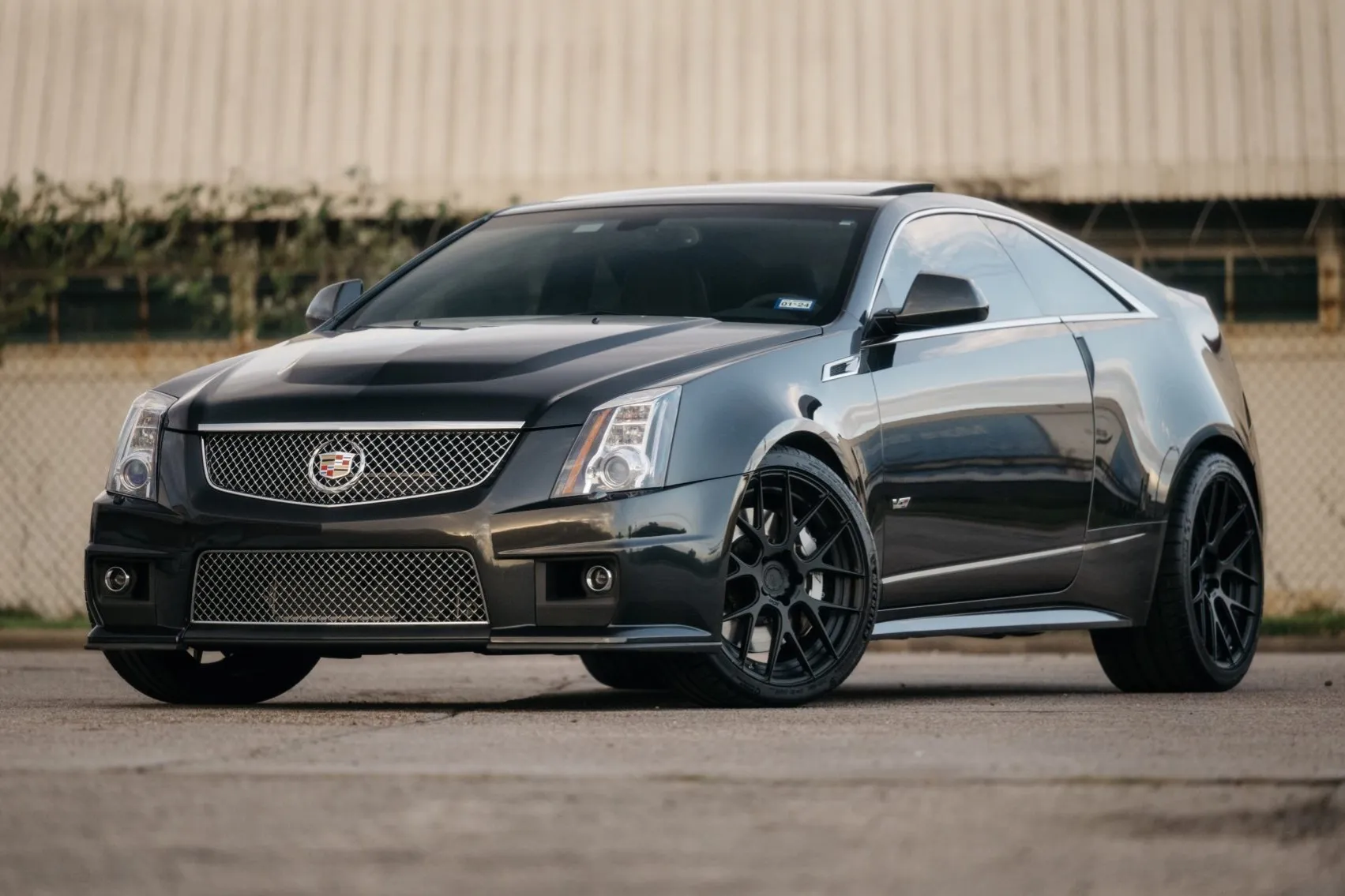
5. 2004–2007 Cadillac CTS-V (First Generation)
When Cadillac introduced the first CTS-V in 2004, it was a bold attempt to shake off the brand’s image as a builder of cushy sedans for older buyers. This was a car meant to go head-to-head with European performance sedans like the BMW M5 and Mercedes-Benz E55 AMG, and it didn’t just talk the talk.
Under the hood sat a 5.7-liter LS6 V8 borrowed from the Corvette Z06, putting out 400 horsepower and paired exclusively with a six-speed manual transmission. This alone made the CTS-V a standout, especially considering how rare it was for American sedans to offer a manual gearbox at the time.
The performance was serious. It could sprint from zero to sixty in just under five seconds, and it wasn’t just about straight-line speed. Cadillac put real effort into the chassis tuning, working with GM’s Performance Division to make sure it could handle corners as well.
The rear-wheel drive layout, sport-tuned suspension, and upgraded Brembo brakes all contributed to a driving experience that was far more engaging than most expected from a Cadillac. While not as polished as its German rivals in terms of interior quality or brand cachet, the CTS-V brought something they didn’t: muscle car flavor with sedan practicality.
Early on, the CTS-V didn’t get the collector attention it deserved. Many viewed it as a curious experiment or a bargain performance car rather than a serious contender. But with time, opinions have changed. Enthusiasts now look back and realize how bold Cadillac was to build something like this.
The fact that it came with an LS engine, easily tunable and bulletproof in terms of reliability, makes it especially appealing today. As modern performance cars become more complicated and less driver-focused, the simplicity and rawness of the first-gen CTS-V are coming into focus.
Collectors are now actively hunting for clean, stock examples. Many of these cars were modified or driven hard, given their performance potential, which makes well-preserved models difficult to find. The rising prices reflect this shift in perception.
It’s not just about power anymore; it’s about character, rarity, and the courage Cadillac had to challenge the status quo. In a time when luxury brands play it safe, the original CTS-V feels like a rebellion that finally got the recognition it deserves.
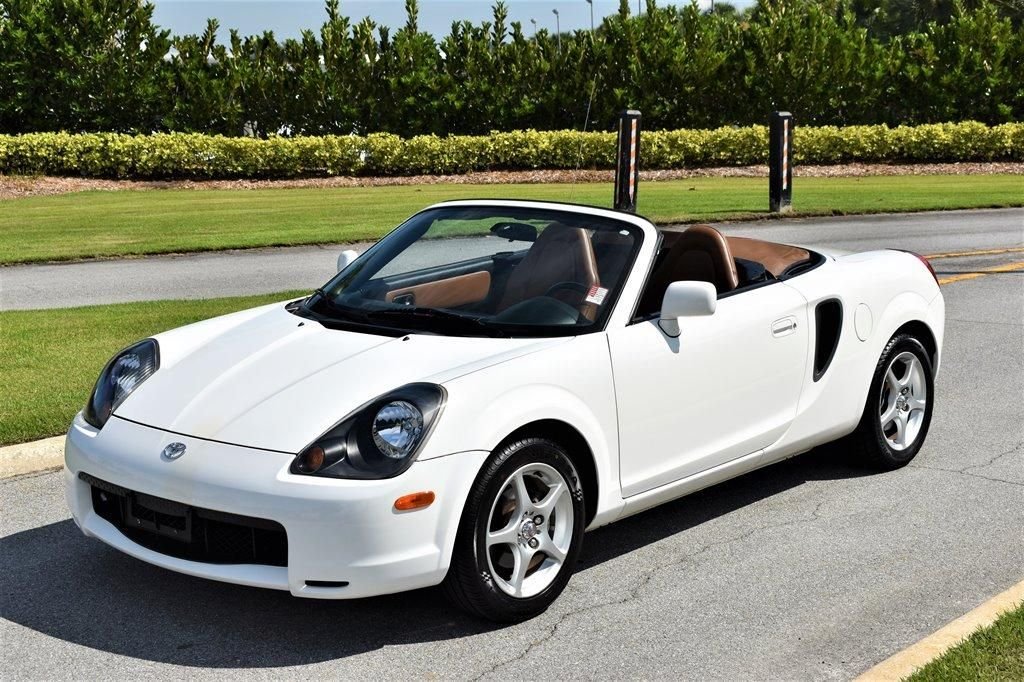
6. 2000–2005 Toyota MR2 Spyder (W30)
The third-generation Toyota MR2 Spyder had a tough act to follow. The original MR2 was a compact, angular wedge of a car with an energetic personality, and the second-generation “SW20” became known as the poor man’s Ferrari.
But when the W30 version launched in 2000, it flipped the formula. Instead of focusing on sharp edges and turbo power, it embraced simplicity, light weight, and agility. It featured a 1.8-liter naturally aspirated engine producing just 138 horsepower, but thanks to a curb weight under 2,200 pounds, it didn’t need more.
From a driving perspective, the MR2 Spyder was one of the most well-balanced sports cars of its time. Mid-engine layout, rear-wheel drive, and a razor-sharp chassis made it a joy to drive on back roads.
The steering was light but communicative, and the suspension was firm without being punishing. It wasn’t about numbers; it was about feel. This car rewarded smooth inputs and precise driving. For enthusiasts who didn’t care about outright power, the MR2 Spyder offered a rare level of driving purity in an era that was starting to get obsessed with horsepower.
When it first came out, the styling was polarizing. It lacked the aggressive presence of its predecessor and instead went for a more rounded, almost cheerful design. That, combined with its modest performance figures, meant it was often overlooked.
Many buyers opted for the Mazda Miata instead, which offered similar performance and a more established reputation. As a result, the MR2 Spyder didn’t sell in large numbers, especially in the U.S. But today, that low production count is exactly what’s helping its collectibility.
What collectors and enthusiasts now realize is that the MR2 Spyder was one of the last truly analog, lightweight sports cars before the industry shifted toward turbocharging and electronic driver aids. It’s also one of the most affordable mid-engine cars ever sold in the U.S. market.
Finding one in good condition is getting tougher, especially with its reputation in the autocross and track day communities. Cars that were once ignored are now being carefully stored and restored, and the market is starting to reward that attention.
Also Read: 10 Trucks That Mechanics Say Are Built Like Tanks
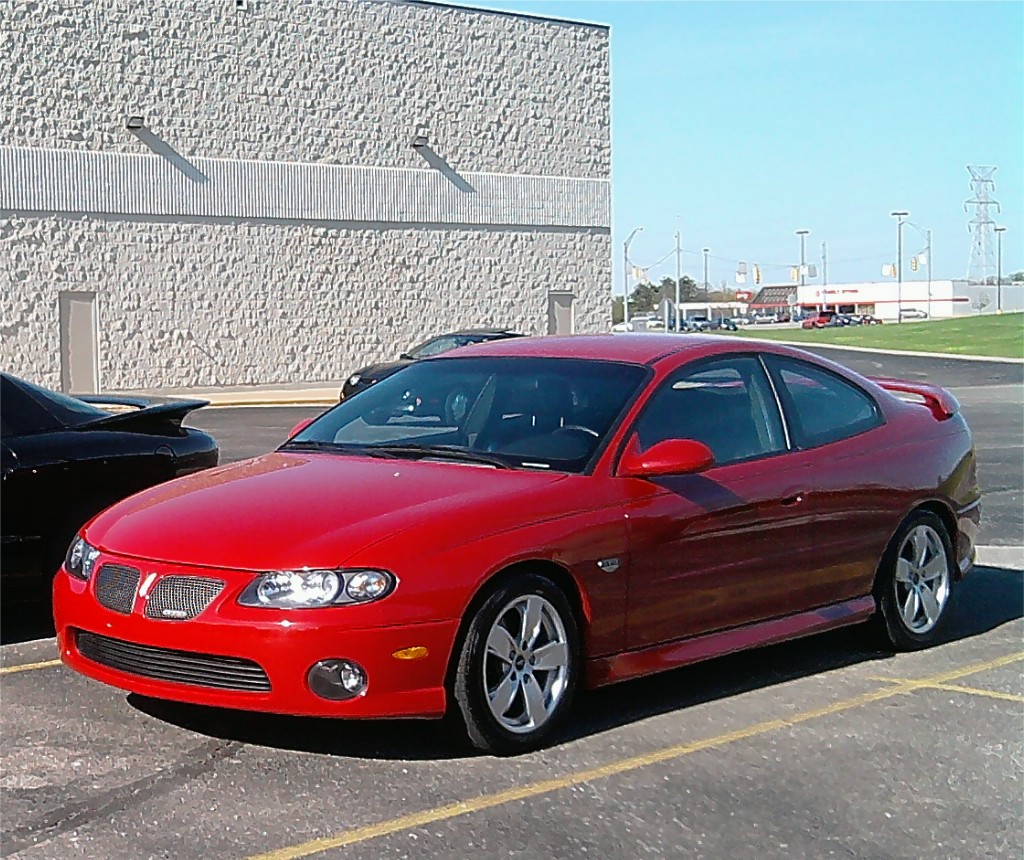
7. 2004–2006 Pontiac GTO
Pontiac’s revival of the GTO badge in the mid-2000s was met with a mixed reaction. Purists complained that it didn’t look aggressive enough and that it was based on an Australian platform, the Holden Monaro. But under the skin, the GTO was something special.
It had a 5.7-liter LS1 V8 when it launched in 2004, and a more powerful 6.0-liter LS2 in later models. The result was a sleeper coupe with well over 350 horsepower and a refined driving experience that most muscle cars of the era couldn’t match.
What separated the GTO from other American performance cars at the time was its balance. While it had plenty of straight-line speed, it also featured independent rear suspension, good ride quality, and a solid interior.
It wasn’t flashy or over-the-top; it was mature, capable, and quietly powerful. That subtlety hurt it in showrooms, but it’s part of what’s making it attractive to collectors today. It didn’t try to pretend it was something it wasn’t. It was honest muscle, and people are starting to appreciate that.
Sales were never strong, which ironically has helped its collector value today. Fewer than 41,000 units were sold in the U.S. during its short run.
That limited production, combined with its powerful LS engine and RWD platform, makes it an appealing option for collectors looking for something different from the usual crowd. It also helped establish a connection between GM’s domestic and international performance divisions, something that would later influence cars like the Camaro and SS.
They’re often praised for their reliability, comfort, and performance, offering a unique mix that’s hard to find elsewhere. It took time for the GTO’s understated charm to shine, but now that the dust has settled, it’s being recognized as one of the best sleeper performance cars of its era.
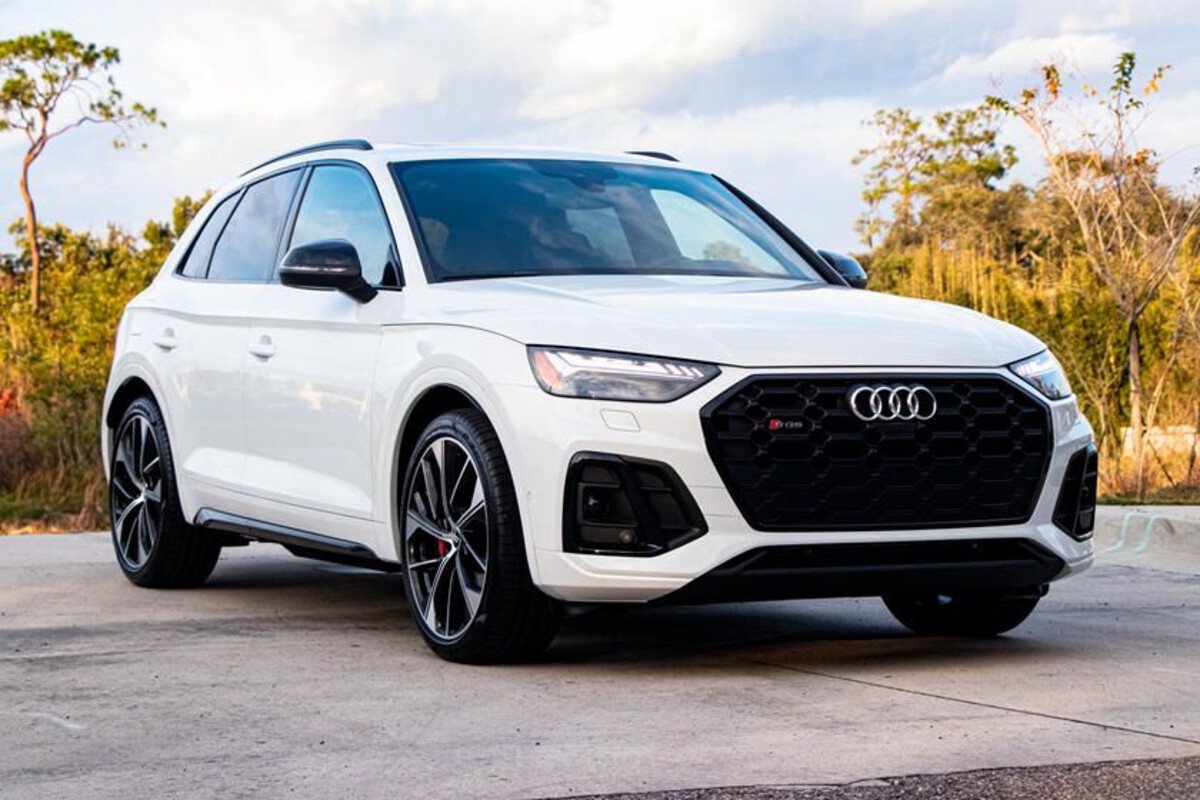
8. 2000–2006 Audi TT Quattro (MK1)
When Audi launched the first-generation TT in 2000, it made an immediate impression thanks to its design. The styling was unlike anything else on the road, with its rounded body, symmetrical shape, and minimalist lines.
It looked like a concept car that made it into production, and while it wasn’t universally loved, it attracted a loyal following. But the early models weren’t just about looks. Audi gave the TT a turbocharged engine, optional all-wheel drive, and sharp handling that backed up its bold appearance.
The most common version was the 1.8-liter turbocharged inline-four, which came in various power levels. Paired with a manual transmission and Audi’s Quattro all-wheel drive system, it offered solid performance for the time. Later models introduced a VR6-powered version with 250 horsepower, giving the TT even more credibility among performance enthusiasts. The driving experience was tight and confidence-inspiring, particularly in poor weather, thanks to its traction and stability.
Initially, the TT was often dismissed as more of a fashion statement than a serious driver’s car. But as time has gone on, enthusiasts have begun to reevaluate it. The design, once seen as overly stylized, has aged surprisingly well, and its clean lines now stand out in a world full of aggressive angles and oversized grilles.
More importantly, people have come to appreciate the TT’s role in redefining what a compact European coupe could be. It wasn’t trying to be a track weapon. It was offering style, performance, and daily usability in a neat package.
Today, finding an unmodified first-gen TT is becoming more difficult, and values are starting to rise. The Quattro models with manual transmissions are especially in demand, as they offer the most engaging experience.
For collectors, it’s a car that represents a distinct moment in design and engineering philosophy. It may not have been the fastest or the most aggressive, but it carved out its own lane and now, that uniqueness is paying off.
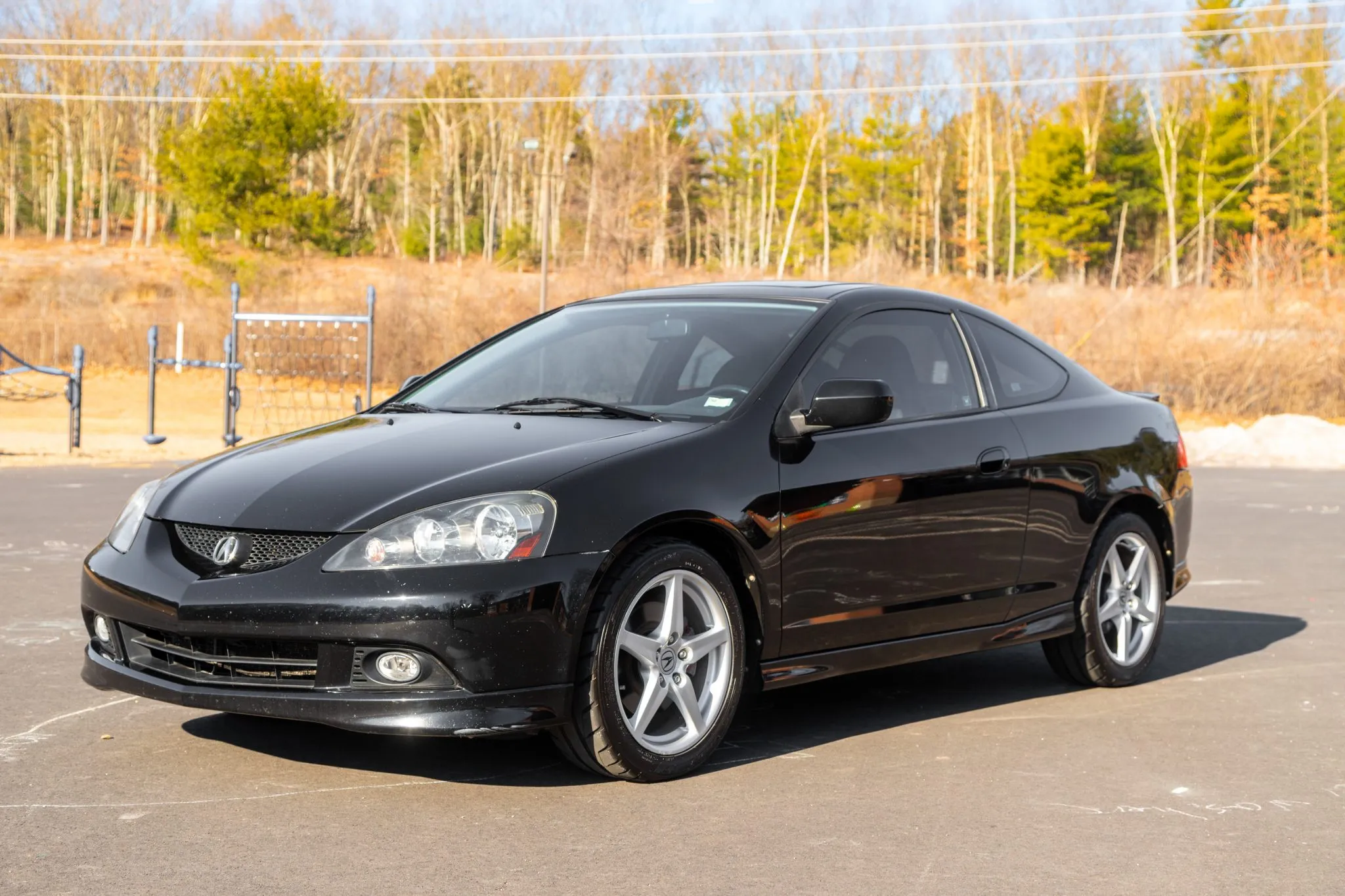
9. 2001–2006 Acura RSX Type-S
When Acura introduced the RSX in 2001 as the replacement for the much-loved Integra, it had a lot to live up to. The Integra had built a strong following thanks to its lightweight design, sharp handling, and high-revving VTEC engines.
While the RSX was more refined and aimed slightly higher in the market, it retained much of the spirit that made its predecessor so popular. The Type-S variant, in particular, stood out with a 2.0-liter DOHC i-VTEC engine that revved freely to 8,000 rpm and made 200 horsepower in early models, later increased to 210.
What made the RSX Type-S special was not just its power output, but how it delivered that power. The K20 engine became legendary in tuning circles for its responsiveness, durability, and tuning potential. Paired with a slick six-speed manual transmission, the Type-S offered a level of engagement that few front-wheel-drive cars could match.
The car’s light weight and well-tuned suspension made it a joy to drive on winding roads, where it could hold its own against more expensive competition. While it didn’t have the raw edge of the older Integra Type R, it offered a more civilized and livable version of the same basic formula.
At the time, some enthusiasts felt the RSX was a step in the wrong direction, too soft, too refined, not as focused. But hindsight has been kind. In a modern world where most cars have grown heavier and more complex, the RSX Type-S now seems like a perfect balance between performance and practicality.
It had a comfortable interior, decent fuel economy, and usable cargo space, all while still being a genuine driver’s car. This duality is now being recognized by a new wave of enthusiasts who grew up seeing these cars in magazines or on the street.
Values are climbing, especially for well-kept, unmodified examples. The tuning scene took a heavy toll on these cars, and it’s now difficult to find RSX Type-S models that haven’t been lowered, turbocharged, or cosmetically altered. As clean examples dry up, collectors are paying more attention.
It’s no longer just a used sporty coupe; it’s become a modern classic that represents a golden age for Japanese performance and engineering.
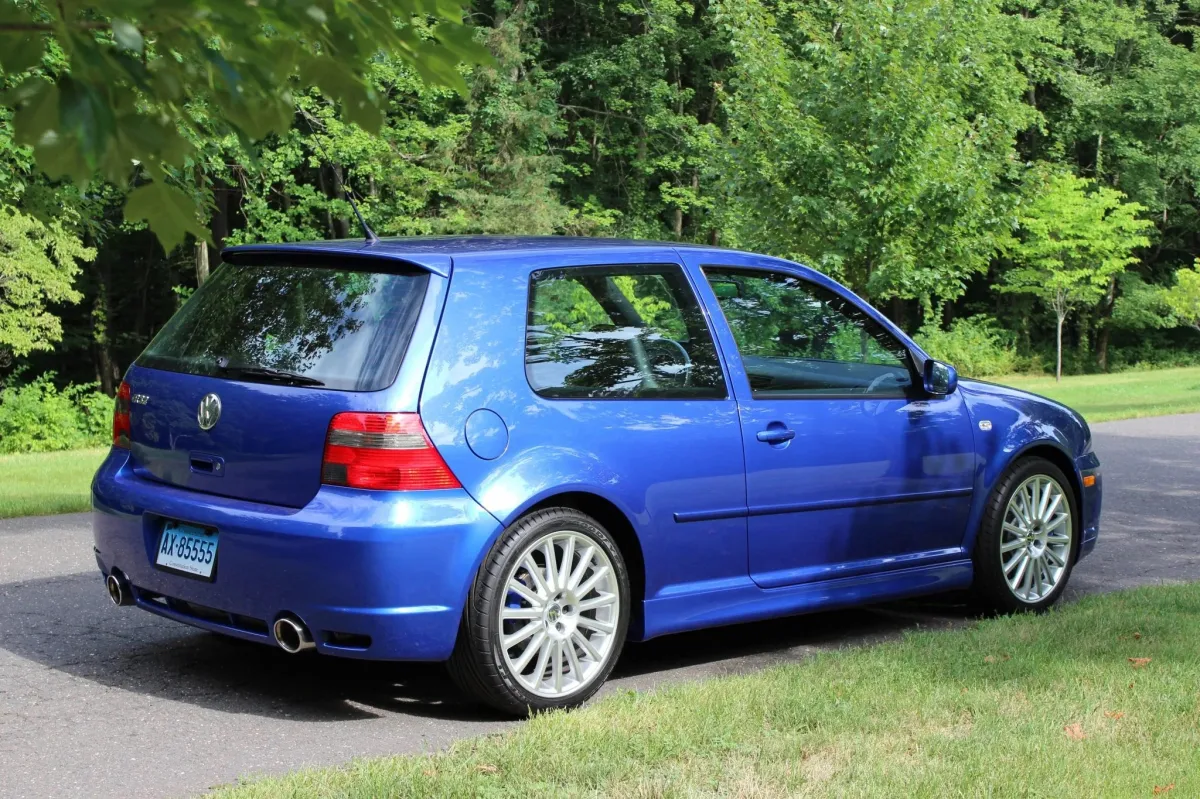
10. 2002–2004 Volkswagen Golf R32 (MK4)
The MK4 Golf R32 holds a special place in the hearts of enthusiasts and collectors alike. Launched in 2002 in Europe and arriving in the U.S. in 2004, it was the most powerful and performance-oriented Golf ever made at the time.
It featured a naturally aspirated 3.2-liter VR6 engine making 240 horsepower, mated to Volkswagen’s 4Motion all-wheel-drive system. In the U.S., it was only available with a six-speed manual transmission, which helped give it immediate credibility among driving purists.
From the outside, the R32 was subtly aggressive. It didn’t shout for attention but offered unique bumpers, deeper side skirts, and a dual-exit center-mounted exhaust.
Inside, it was better equipped than most hot hatches of its time, featuring leather seats, a premium audio system, and an upscale feel that separated it from the economy cars it shared its basic shape with. It straddled the line between luxury and performance in a way that was rare for a compact car in the early 2000s.
Performance was strong for the era. The R32 wasn’t just about straight-line speed; it had an excellent chassis, a wide torque band, and superb grip in poor conditions.
The Haldex-based AWD system gave it an edge over front-wheel-drive competitors, especially in real-world driving scenarios. While heavier than some of its rivals, it made up for it with a more refined feel and long-distance comfort. It wasn’t a raw driving machine, but it had personality and poise in equal measure.
Today, the MK4 R32 has achieved near cult status. Production was limited to just 5,000 units for the U.S. market, making it one of the rarer Volkswagens sold in the States. Many of those were driven hard or modified, which has made stock examples increasingly hard to find.
As interest in analog, naturally aspirated performance cars continues to rise, the MK4 R32 is getting more attention. Its mix of exclusivity, practicality, and old-school charm make it one of the most desirable hot hatches from the 2000s.
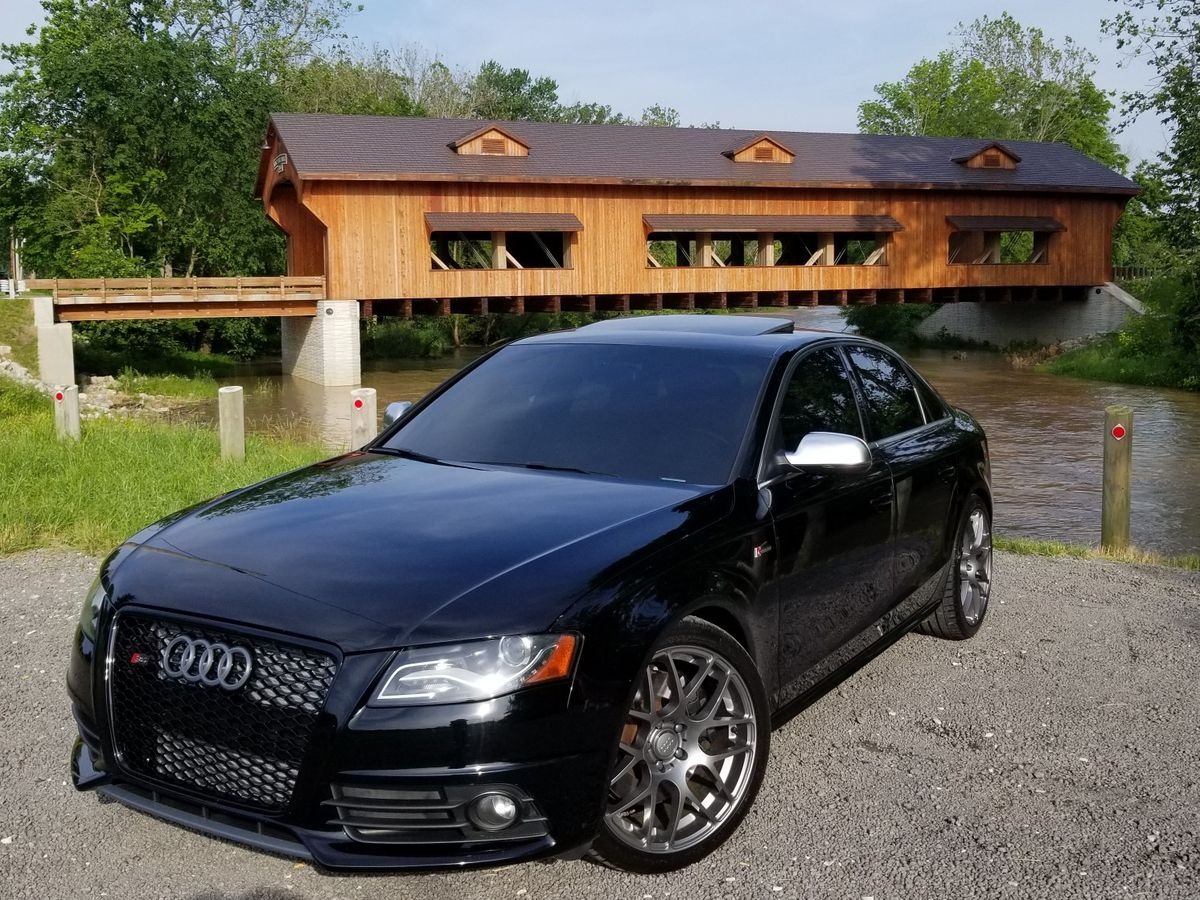
11. 2000–2002 Audi S4 (B5)
The B5-generation Audi S4, produced from 2000 to 2002 in the U.S., was a sleeper in the truest sense. At first glance, it looked like a modest compact sedan or wagon, but under the hood was a twin-turbocharged 2.7-liter V6 putting out 250 horsepower and 258 lb-ft of torque.
It came standard with Audi’s Quattro all-wheel-drive system and was available with a six-speed manual transmission, making it a surprisingly capable and versatile performance car, especially in bad weather or on winding roads.
Unlike some of its flashier contemporaries, the B5 S4 prioritized substance over style. The power delivery was smooth and the car felt solidly planted at all times. In stock form, it was quick and composed, but it was the tuning potential of the 2.7T engine that truly made it legendary among enthusiasts.
With relatively simple upgrades like new turbos, injectors, and ECU tunes, it could reliably put out well over 400 horsepower. This helped build a devoted following in the aftermarket world, though it also meant many examples were pushed hard and often modified heavily.
For a while, the B5 S4 was seen more as a platform for tuning than a collector piece. But as the number of clean, original examples has dwindled, interest has shifted. Collectors are beginning to look past the modded street builds and instead hunt for stock examples with full maintenance records and original equipment.
The complexity of the 2.7T engine means ownership isn’t for the faint of heart, but those who understand the car’s history and performance potential are willing to take on the challenge.
The B5 S4 also holds historical significance as one of the last performance sedans from Audi to offer such a rich combination of analog feel and turbocharged power in a compact form.
Later generations became faster but also heavier and more isolated. This car, with its understated styling and rally-inspired drivetrain, captured a unique moment for Audi. As enthusiasts look back on the early 2000s with greater appreciation, the B5 S4 is finally earning its due as a proper modern classic.

12. 2003–2007 Infiniti G35 Coupe
When Infiniti released the G35 Coupe in 2003, it quickly gained attention for being a serious contender in the luxury performance coupe segment. It shared its platform with the Nissan 350Z but added a more refined body, a slightly longer wheelbase, and an interior that felt more upscale.
Powered by a 3.5-liter V6 from the acclaimed VQ family, the G35 Coupe offered 280 to 298 horsepower depending on the year and trim, and it could be had with either a five-speed automatic or a six-speed manual transmission.
The G35 Coupe was well-balanced in its mission. It wasn’t as sharp as the 350Z, but it wasn’t trying to be. It delivered a smoother ride, more interior space, and a look that many considered more elegant and timeless.
It quickly earned praise from both enthusiasts and critics for delivering rear-wheel-drive performance in a package that was also comfortable enough for daily use. The steering was communicative, and the chassis offered solid grip and composure, especially when paired with the sport-tuned suspension on manual-equipped models.
Over the years, the G35 Coupe developed a strong presence in the tuner and drifting scenes. Its powerful V6 engine, rear-drive layout, and affordable pricing made it a favorite for modifications, especially among younger drivers.
While that helped raise its visibility, it also meant that many were heavily altered, driven hard, and not always well-maintained. Stock examples became increasingly rare, especially those with the six-speed manual transmission and limited-slip differential, which are now highly sought after.
