
In the industry of car maintenance and repair, mechanics develop a special relationship with certain vehicles. Over time, many mechanics find themselves drawn to particular cars, whether because of the engineering, driving experience, or the satisfying feeling of working on a well-made machine.
These cars aren’t just everyday vehicles; they hold a secret place in the hearts of those who understand the intricacies of automotive design. Mechanics often know these cars inside and out, and many of them choose to drive these vehicles themselves when they get the chance.
This list focuses on ten cars that mechanics secretly, or sometimes openly, prefer to drive themselves. These vehicles aren’t always the flashiest or the newest models on the market, but they possess qualities that make them favorites among professionals who understand cars better than most.
Whether it’s a classic design, robust engineering, or a driving feel that inspires confidence, each of these cars carries its own unique appeal. They’re often recommended by mechanics not just for their performance, but for the way they make a driver feel connected to the road and the machine beneath them.
In this article, each car will be examined in detail, highlighting why mechanics favor them, what sets them apart from the crowd, and how they’ve earned a place in the garages and hearts of automotive experts.
These are vehicles that stand the test of time and the rigors of daily use, showing their true worth when examined by the hands of those who know how to look. As we go through these ten remarkable cars, you’ll gain insight into what makes a vehicle truly worthy of admiration and ownership from the perspective of someone who spends their days fixing and improving automobiles.
Also Read: 10 Cars Mechanics Say Will Easily Hit 400k Miles
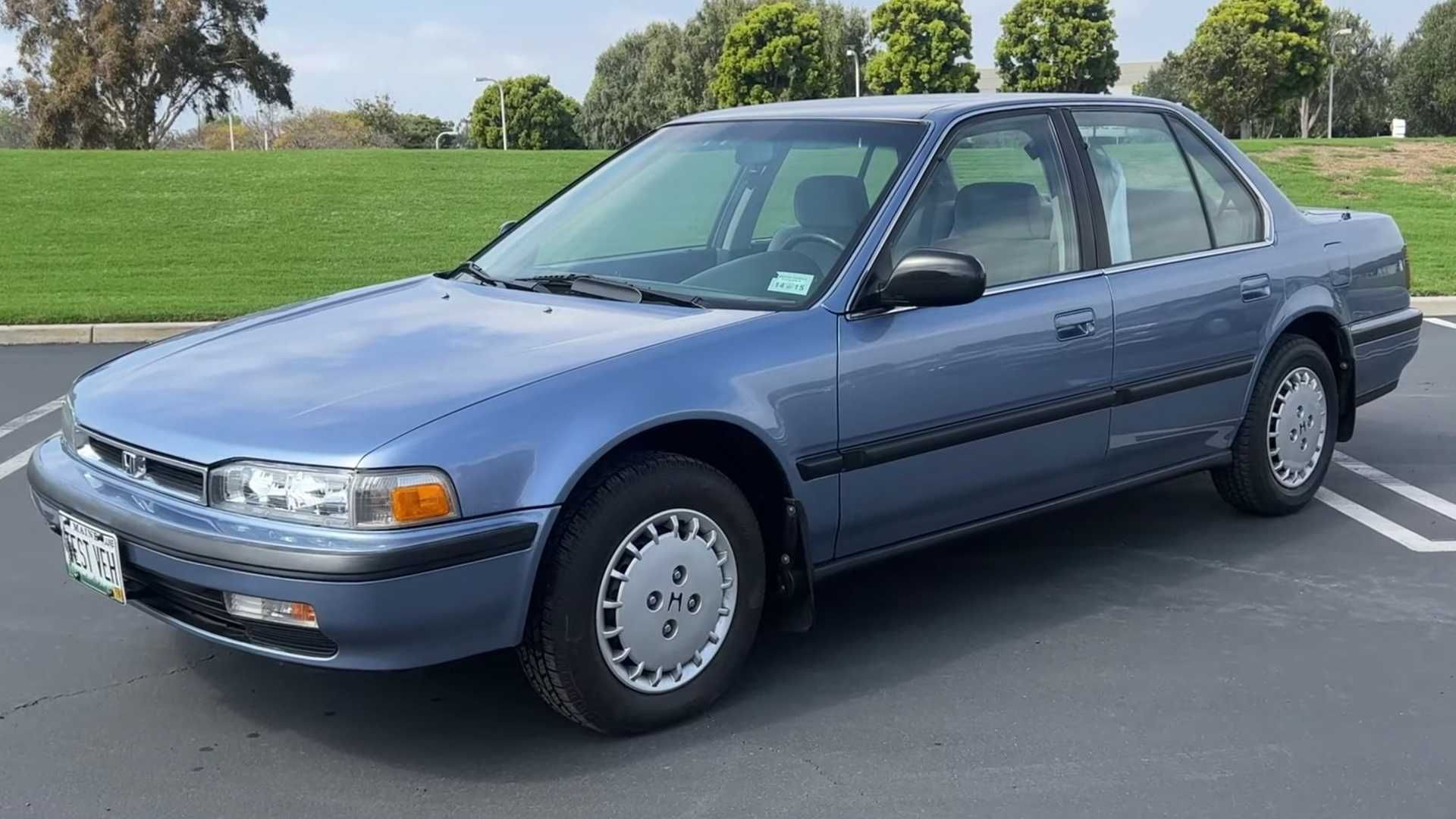
1. Honda Accord (1990s to Early 2000s Models)
Many mechanics find themselves secretly driving older Honda Accord models, particularly those from the 1990s and early 2000s. These vehicles have earned a reputation for being incredibly reliable, with many examples still running strong well beyond 200,000 miles.
The 90s and early 2000s Accords are lauded for their straightforward engineering, which allows mechanics to quickly diagnose and repair issues without wading through complicated electronics or inaccessible engine bays. This simplicity appeals greatly to professionals who understand how frustrating it can be to deal with overly complex systems that require special tools or software.
The Accord strikes a balance between being user-friendly enough for routine maintenance and offering enough technological advancement to satisfy drivers looking for comfort and convenience.
Over the years, mechanics have learned that the car’s essential components, like the transmission and engine, are built to last when maintained properly, and this reliability reduces the need for costly, time-consuming repairs. For a mechanic, owning a car like the Accord means fewer worries about breakdowns and more confidence when driving.
The 1990s Honda Accord models, in particular, introduced a well-thought-out blend of comfort, efficiency, and durability. The cars feature reliable four-cylinder engines, and many came with automatic transmissions that, when properly cared for, deliver smooth and consistent performance. What truly makes these models stand out to mechanics is the quality of their build.
The chassis and suspension parts are designed to endure years of wear, and replacement components remain widely available and affordable. This accessibility is important for mechanics who prefer to maintain their vehicles themselves or want a dependable ride without having to invest heavily in parts.
Another aspect that mechanics appreciate is how the vehicle’s layout allows for easy access to key service points like the oil filter, spark plugs, and belts. In the often fast-paced environment of a repair shop, these features translate to quicker repairs and less frustration, making the Accord a practical choice both professionally and personally.
Beyond the mechanical virtues, many mechanics are also attracted to the smooth ride and solid build quality of these Accords. While the car is considered a midsize sedan and not a sports car, its driving dynamics are refined enough to make daily driving pleasant and composed.
The suspension absorbs road imperfections well, and the steering offers predictable feedback, giving drivers a sense of control without feeling overly stiff or disconnected. Inside, the interior design is simple but functional, with durable materials that age well compared to competitors from the same era.
Mechanics value cars that maintain their quality over time, as it reflects sound manufacturing and thoughtful design. The Honda Accord manages to avoid feeling cheap or overly utilitarian, instead presenting itself as a car that’s both well-built and comfortable enough for long drives, commuting, and family use.
Finally, one of the biggest reasons mechanics secretly choose to drive Honda Accords is their reputation for longevity paired with practical fuel economy. The cars provide an ideal balance between everyday usability and reliability.
They aren’t flashy or overly complicated, but they offer just enough performance and refinement to make driving enjoyable without frequent trips to the repair shop. Mechanics know firsthand how these vehicles respond to regular maintenance and understand that owning one means fewer surprises on the road.
For many, driving an Accord represents a trust in solid engineering and a commitment to practicality over unnecessary complexity. This combination of reliability, ease of repair, and comfortable driving experience ensures that the Honda Accord remains a favorite among professionals who know cars inside and out.
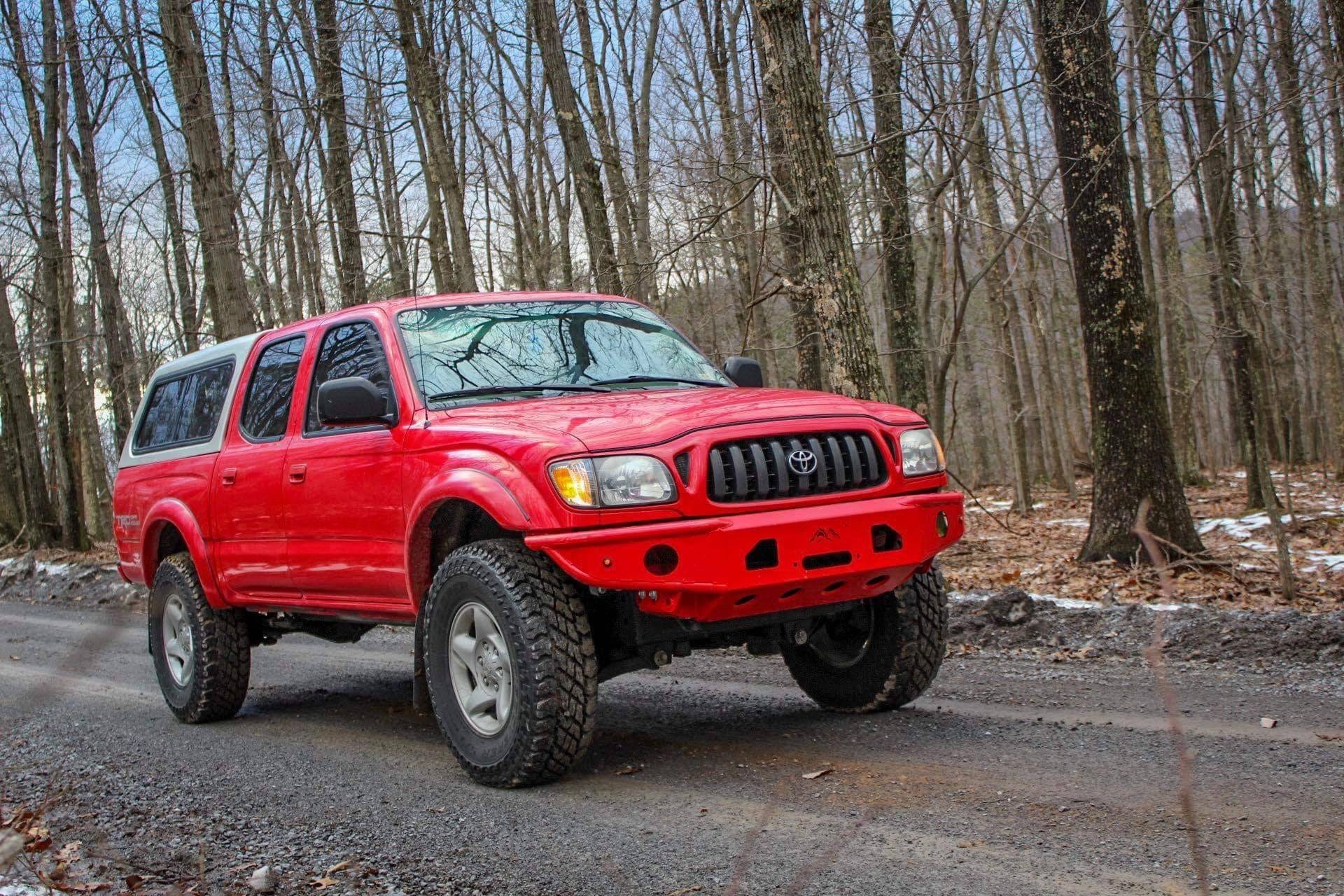
2. Toyota Tacoma (First and Second Generations)
Pickup trucks are often seen as workhorses, and among them, the Toyota Tacoma holds a special place in the hearts of many mechanics. The first and second generations of the Tacoma, spanning from the mid-1990s to the mid-2000s, are known for their ruggedness and exceptional reliability.
These trucks have earned a reputation for being virtually indestructible when maintained properly, making them favorites not just in the repair shop but also as personal vehicles for those who understand the value of dependable construction. Mechanics appreciate the Tacoma because it is built with durability in mind, yet it avoids the unnecessary complexity that can plague newer trucks.
This balance makes it straightforward to maintain, saving time and money on repairs while providing a reliable vehicle that can handle tough conditions both on and off the road.
One of the key reasons mechanics trust the Toyota Tacoma is its mechanical simplicity and robust powertrains. The 3.4-liter V6 engine in particular is widely regarded for its ability to last hundreds of thousands of miles, even under demanding conditions such as towing, hauling, or off-road driving.
Unlike many modern vehicles, these Tacomas are free from excessive electronic controls, which reduces the chances of mysterious electrical failures that can be difficult and costly to fix. This simplicity also means mechanics can diagnose problems more easily and perform repairs without the need for specialized diagnostic equipment, which is a huge advantage in busy garages.
The truck’s sturdy frame and body-on-frame construction contribute further to its durability, as they can absorb impacts and resist wear better than unibody designs often found in SUVs and crossovers.
The Tacoma is also highly regarded for its versatility, something mechanics personally benefit from when choosing it as their own vehicle. Whether used as a daily driver, a work truck, or a weekend off-roader, the Tacoma adapts well to different roles without complaint.
Its four-wheel-drive system is dependable and capable, allowing mechanics who live in areas with rough weather or challenging terrain to drive confidently year-round.
The truck’s suspension setup balances comfort and capability, ensuring that it can handle rough roads while still providing a reasonably smooth ride. This versatility, combined with its durability, makes the Tacoma more than just a practical tool; it becomes a trusted companion that mechanics know will perform reliably whenever called upon.
Lastly, the Toyota Tacoma’s reputation for holding value over time is another reason mechanics secretly prefer it. The truck’s resale value remains strong because of its proven reliability and loyal following, which means owning a Tacoma is a wise investment for those who care about both performance and financial sense.
Mechanics who understand vehicles tend to avoid models that depreciate quickly or come with frequent repair issues. Instead, they gravitate toward trucks like the Tacoma that reward responsible maintenance and careful ownership.
The truck’s reputation as a tough, dependable machine capable of handling a variety of tasks ensures that mechanics not only enjoy driving it themselves but also frequently recommend it to customers who want a durable and practical vehicle.

3. Mazda Miata (NA and NB Generations)
The Mazda Miata, especially the NA and NB generations produced between the late 1980s and early 2000s, is beloved by many mechanics for its simplicity, driving engagement, and reliability. This small, lightweight roadster stands apart from other sports cars because it emphasizes balance and fun over raw power or flashy technology.
The car’s design encourages regular maintenance, but when properly cared for, it rarely lets owners down, making it a perfect choice for mechanics who want a reliable yet thrilling vehicle.
One of the most appealing aspects of the Miata to mechanics is its lightweight chassis and handling characteristics. The NA and NB models were designed to be nimble and responsive, with a focus on balanced weight distribution and sharp steering feedback.
This creates an engaging driving experience that rewards skill and attentiveness. Mechanics often admire how the suspension components are designed with simplicity and durability in mind, making repairs and upgrades relatively straightforward. The car’s four-cylinder engine, while modest in power output, is known for its rev-happy nature and mechanical soundness.
It provides enough performance to make driving enjoyable without putting excessive strain on the vehicle’s components, which is something a mechanic can truly appreciate.
In addition to its handling and mechanical virtues, the Miata is also praised for its strong reliability record. Many Miatas have clocked well over 200,000 miles with minimal major repairs, which is remarkable for a sports car. Mechanics who have spent years maintaining these vehicles know that they can often predict and address common wear items before they become serious problems.
The relatively simple engine bay and ease of access to vital components reduce labor time and costs for repairs. This practicality makes the Miata an attractive choice not just for mechanics but for anyone seeking a sports car that won’t demand constant, expensive upkeep.
Finally, the Miata has a devoted following among mechanics because it delivers an enjoyable driving experience without compromising reliability. Many mechanics keep these cars as personal weekend vehicles or project cars because they are fun to drive and easy to maintain.
The Miata manages to combine a timeless design with mechanical simplicity and engaging performance, making it one of the few sports cars that mechanics can genuinely recommend with confidence. This blend of fun and practicality ensures the Miata remains an enduring favorite among those who work on cars for a living.
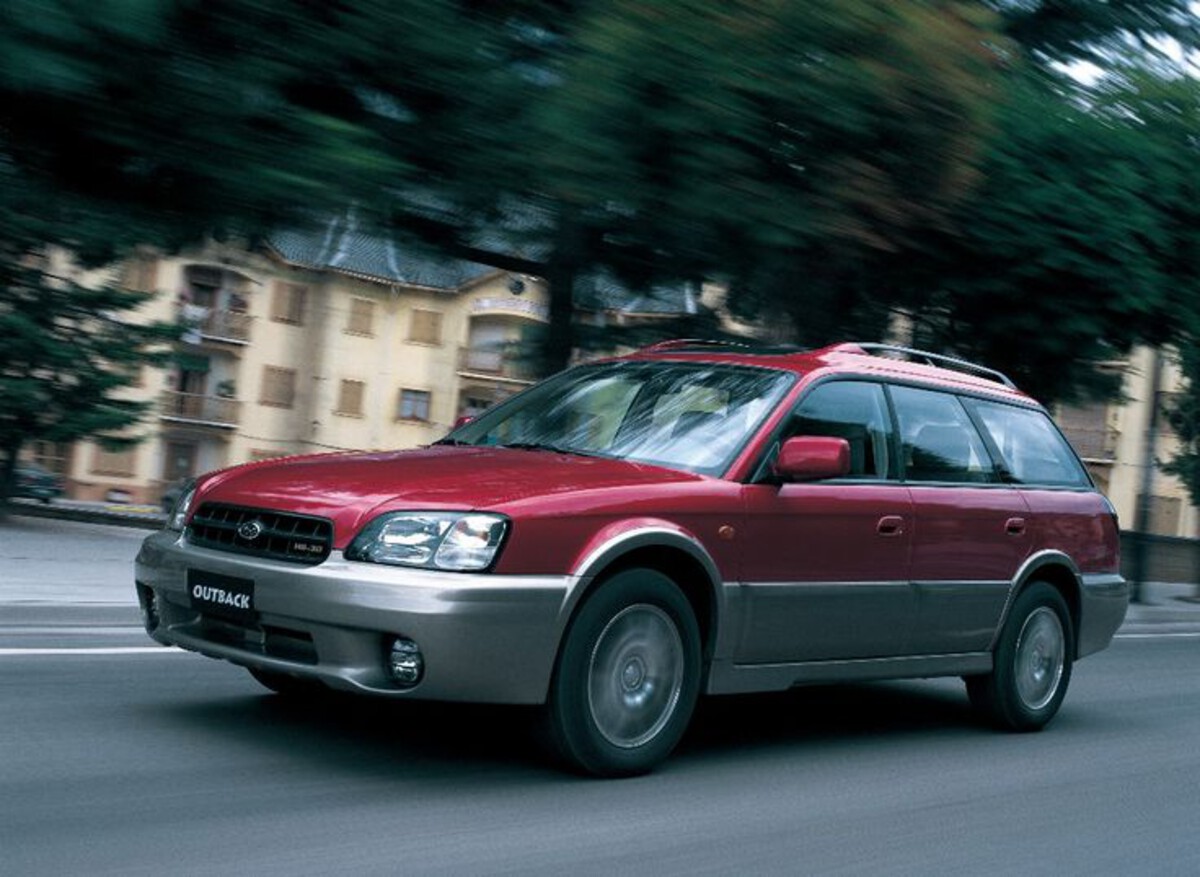
4. Subaru Outback (Early 2000s Models)
Subaru’s Outback, particularly the early 2000s models, has gained a strong following among mechanics who appreciate its all-wheel-drive system, mechanical robustness, and versatility. These vehicles combine the practicality of a wagon with the enhanced traction and stability of an all-wheel-drive drivetrain, making them ideal for drivers facing varied road conditions or inclement weather.
Mechanics are drawn to the Outback because it is a dependable vehicle that performs well in different environments while being relatively straightforward to maintain. The balance between comfort, utility, and durability makes it a practical choice for those who spend their days working on cars and need a reliable ride for their personal use.
The engine’s horizontally opposed pistons reduce vibration and improve balance, providing a smooth driving experience that is especially noticeable in slippery or uneven terrain. Despite the boxer’s unusual configuration, maintenance remains accessible to mechanics familiar with Subaru’s design, with components that are relatively easy to service and replace.
One of the standout qualities of the Subaru Outback is its all-wheel-drive system, which offers consistent traction and control in a variety of driving conditions. Mechanics who live in areas with snow, rain, or rough roads often choose the Outback as a personal vehicle because it provides peace of mind during adverse weather.
The symmetrical all-wheel-drive setup evenly distributes power to all four wheels, improving stability and grip. This system is also well-regarded for its durability and ease of maintenance, which means fewer surprises and less downtime for repairs. This combination of ruggedness and reliability appeals greatly to mechanics who want a vehicle that can handle more than just city streets.
Additionally, the interior and cargo space of the Outback make it a very practical vehicle for daily use and longer trips. The cabin is designed with durable materials that stand up well to wear and tear, which mechanics appreciate since they often need a vehicle that can handle active lifestyles and the occasional rough handling.
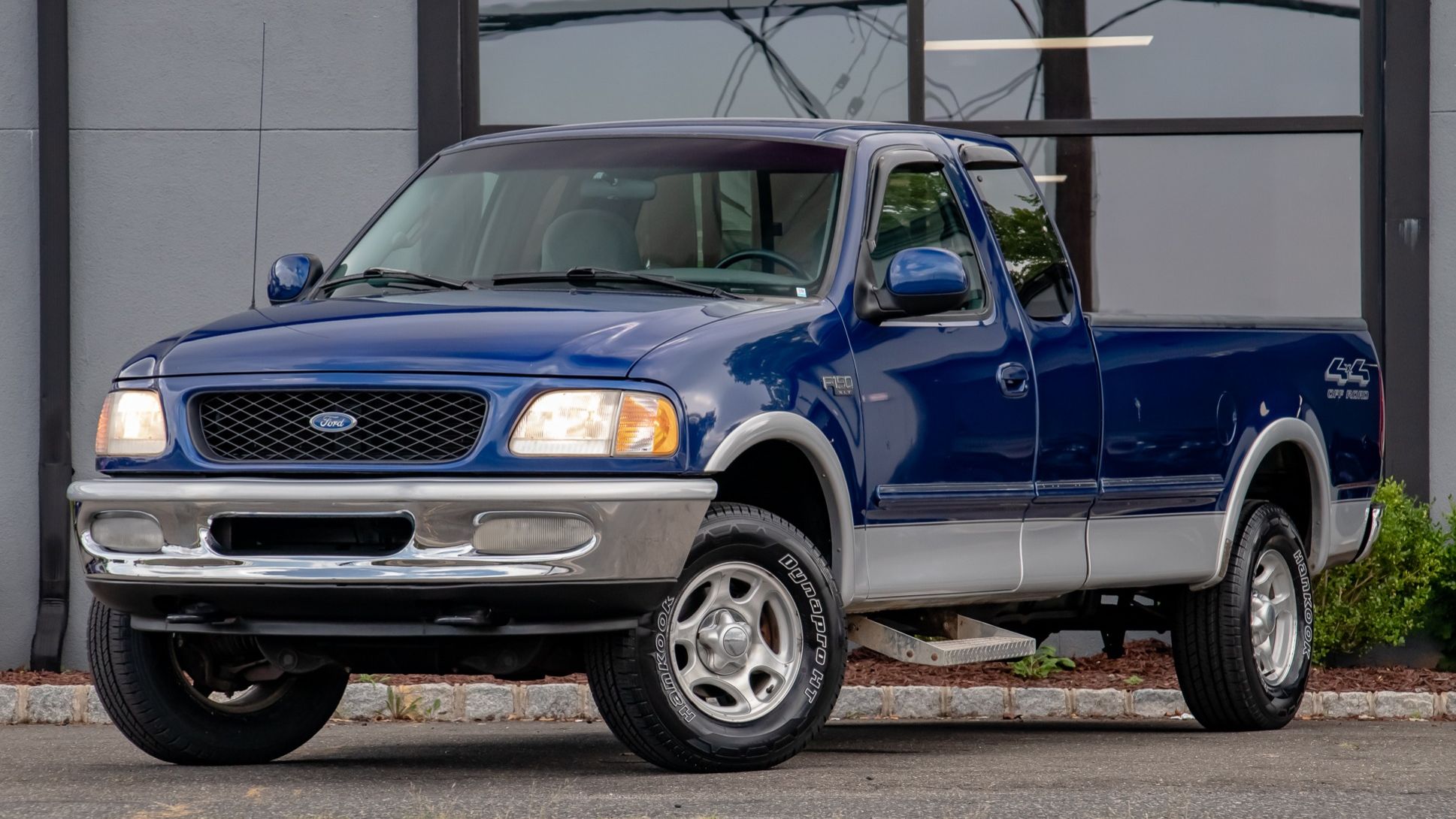
5. Ford F-150 (1997-2003 Models)
The Ford F-150, especially models from 1997 to 2003, is a favorite among mechanics for its classic American truck toughness combined with mechanical simplicity. This generation of F-150 represents an era when trucks were built primarily for durability and function, with less emphasis on electronic systems that complicate repairs.
Mechanics appreciate the F-150’s straightforward design, which allows them to perform routine maintenance and repairs efficiently. The truck’s reputation for longevity means fewer visits to the shop, which is a major factor in why many mechanics secretly choose to drive these models themselves.
The 4.6-liter V8 is another popular option, known for its smooth operation and decent fuel economy for its size. Mechanics appreciate that these engines were designed with accessibility in mind, allowing for easier servicing of critical components compared to more modern, tightly packed engine bays.
The F-150’s chassis and suspension system are also reasons why mechanics enjoy these trucks. Built to endure heavy workloads, the frame is rugged and capable of handling rough terrain and demanding jobs.
The suspension offers a balance between load-carrying capability and ride comfort, making the truck versatile enough to be used both as a work vehicle and a daily driver. Mechanics who rely on their vehicles for towing, hauling, or off-road work value this combination, as it reduces wear and tear on the vehicle and provides confidence during demanding tasks.
Lastly, the interior of the 1997-2003 F-150 is simple but functional, designed to stand up to rough use while offering basic comfort. The straightforward controls and durable materials appeal to mechanics who prefer vehicles that don’t rely on fragile electronics or overly complicated systems.
The truck’s reputation for reliability and ease of repair makes it a solid, no-nonsense choice for those who need a dependable vehicle they can trust. Many mechanics secretly prefer this generation of F-150 because it offers a perfect balance of toughness, practicality, and mechanical simplicity that few modern trucks can match.
Also Read: 10 Trucks That Mechanics Say Are Built Like Tanks
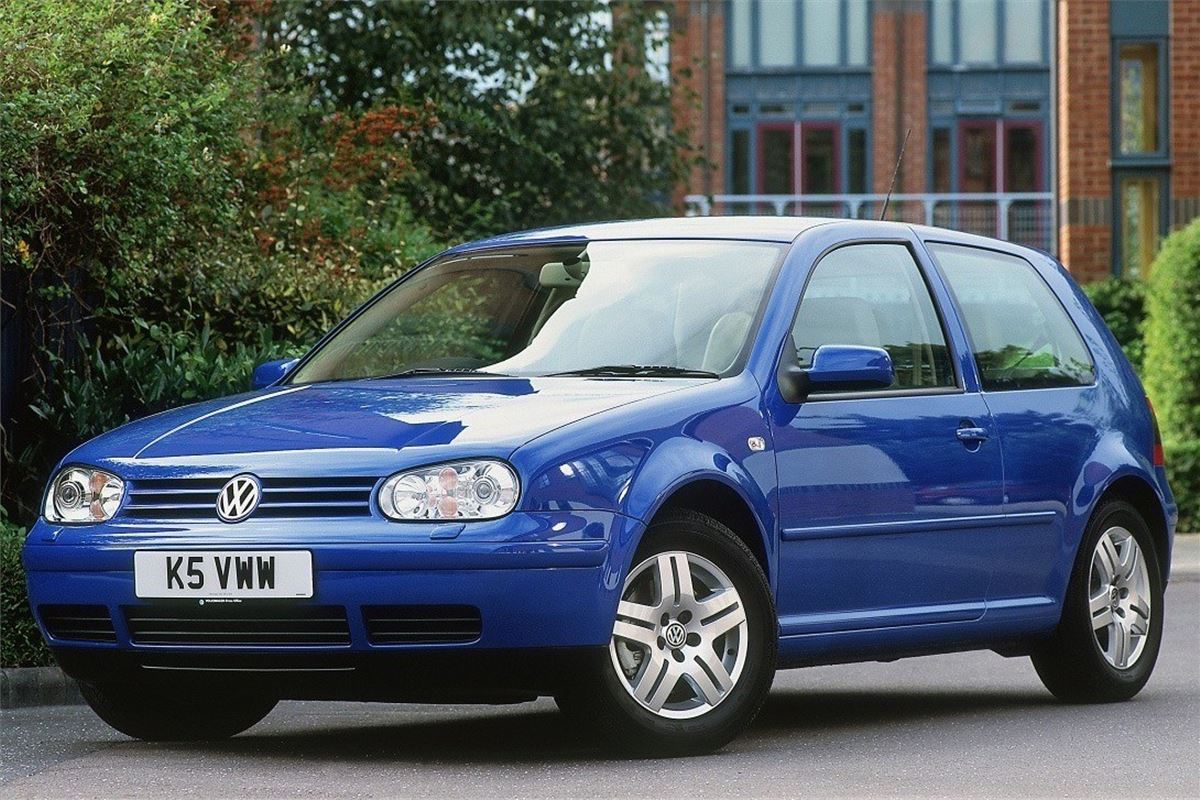
6. Volkswagen Golf (Mk4 and Mk5)
The Volkswagen Golf, especially the Mk4 and Mk5 generations produced from the late 1990s through the mid-2000s, has earned a subtle but loyal following among mechanics who quietly enjoy driving these cars themselves. The Golf strikes a good balance between practicality, build quality, and a touch of European flair that sets it apart from many other compact cars.
Mechanics often appreciate the solid German engineering behind these models, which tend to offer a more refined driving experience compared to similarly sized vehicles from other brands.
The Golf’s robust chassis and well-tuned suspension contribute to a composed, confident ride, making it an appealing choice for those who want something reliable yet engaging to drive. While not immune to issues, these models are generally easy to work on for those familiar with Volkswagen’s quirks, making them a favorite behind the scenes.
One of the main reasons mechanics gravitate toward the Mk4 and Mk5 Golf is the availability of engines that blend performance and reliability. The 1.8T turbocharged four-cylinder engine, in particular, offers a good mix of power and efficiency while being relatively durable when properly maintained.
This engine has become a favorite among enthusiasts and mechanics alike because of its straightforward design and ease of servicing. Unlike some modern turbo engines, the 1.8T does not rely on overly complex electronics or costly components, meaning repairs and routine maintenance remain manageable without specialized tools.
Additionally, the naturally aspirated 2.0-liter engines found in many Golfs provide a dependable alternative for drivers who prefer simplicity over forced induction. This variety in engine options allows mechanics to choose the Golf that best fits their maintenance preferences and driving style.
This makes it an excellent daily driver for mechanics who need a car that’s easy to park and maneuver in city traffic but still comfortable on longer trips. Additionally, the car’s solid build contributes to a quieter and more refined driving experience compared to many budget-friendly hatchbacks. For those who spend long hours working on vehicles, having a comfortable and dependable personal car like the Golf provides a welcome break.
Lastly, the Volkswagen Golf’s reputation for balanced performance and reasonable maintenance costs appeals to mechanics who want a dependable car without the headache of frequent, expensive repairs.
These models have shown resilience when owners stick to recommended maintenance schedules, including timely oil changes and proper care of the turbo system in the 1.8T versions.
Mechanics know that parts availability is good, and the community of Volkswagen enthusiasts ensures that helpful resources and aftermarket upgrades are easy to find.
This means that owning a Golf is not only practical but also enjoyable, with enough character and style to make driving more than just a routine task. This combination of reliability, engineering quality, and driving enjoyment is why many mechanics quietly choose to drive the Golf in their daily lives.
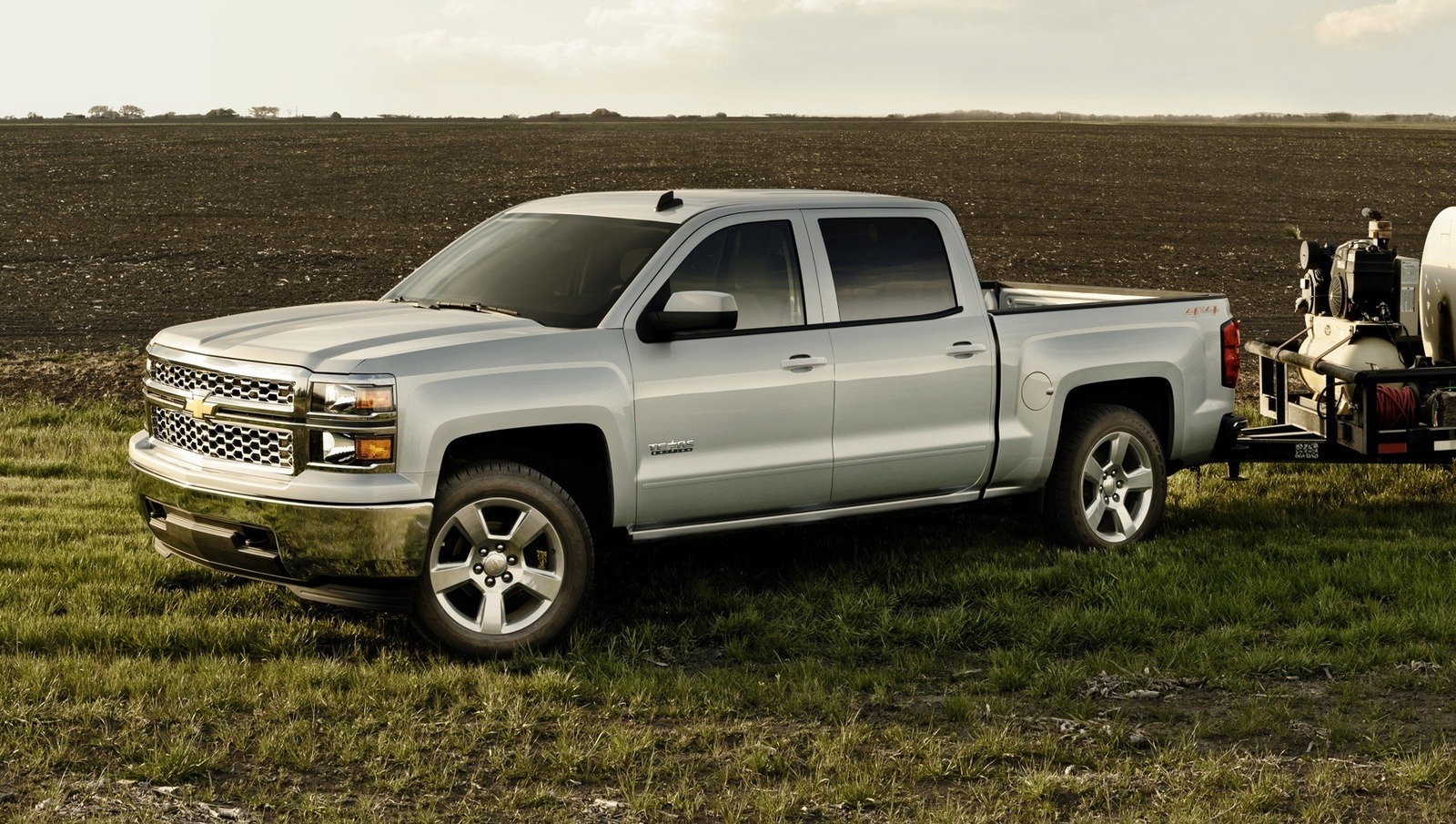
7. Chevrolet Silverado (1999-2006)
The Chevrolet Silverado, particularly the models produced between 1999 and 2006, is a staple in the mechanic’s garage and often a secret personal favorite for many professionals. These trucks are known for their rugged construction, reliability, and ease of maintenance, qualities that resonate deeply with mechanics who work with vehicles day in and day out.
One of the most appealing aspects of the 1999-2006 Silverado is the range of available engines, which includes the popular 5.3-liter V8 that combines power and relative fuel efficiency for its class. The 5.3L engine is robust, and with proper maintenance, it can reliably power the truck for hundreds of thousands of miles.
This engine’s mechanical design is familiar to many mechanics, which makes repairs and maintenance less stressful and more predictable. Alongside the 5.3L, the Silverado also offered V8 engines such as the 4.8-liter and the 6.0-liter variants, allowing buyers to select the right balance of power and fuel economy for their needs.
The transmission choices, including the reliable 4L60E automatic, further enhance the truck’s reputation for durability and straightforward maintenance, making the Silverado a workhorse that mechanics can trust for both work and personal use.
The Silverado’s sturdy frame and body-on-frame construction are additional reasons mechanics favor this truck. Built to handle tough jobs and heavy payloads, the Silverado is designed with durability in mind. The suspension system provides a solid, stable ride even when carrying heavy loads or towing trailers, making it versatile for a range of uses.
This durability means the truck can endure rough conditions without compromising safety or performance, a factor that mechanics find reassuring.
The ample bed space and towing capacity make it ideal not only for work but also for recreational activities such as camping or hauling boats and equipment. Mechanics often use their personal Silverados as proof of a truck that can keep up with their demanding lifestyles.
Finally, the interior of the 1999-2006 Silverado combines functional simplicity with enough comfort to make driving more enjoyable. The cabin is designed to withstand wear and tear, with materials that hold up well to heavy use. While not overly luxurious, the seats are comfortable, and the controls are easy to use, emphasizing practicality over extravagance.
The truck’s spacious interior also means mechanics can carry tools and gear inside with ease, turning their vehicle into a mobile workspace when needed.
These factors, combined with the truck’s mechanical reliability and strong resale value, explain why many mechanics quietly choose the Silverado for their personal vehicle. It represents a dependable, durable, and versatile option that meets both professional and personal needs.
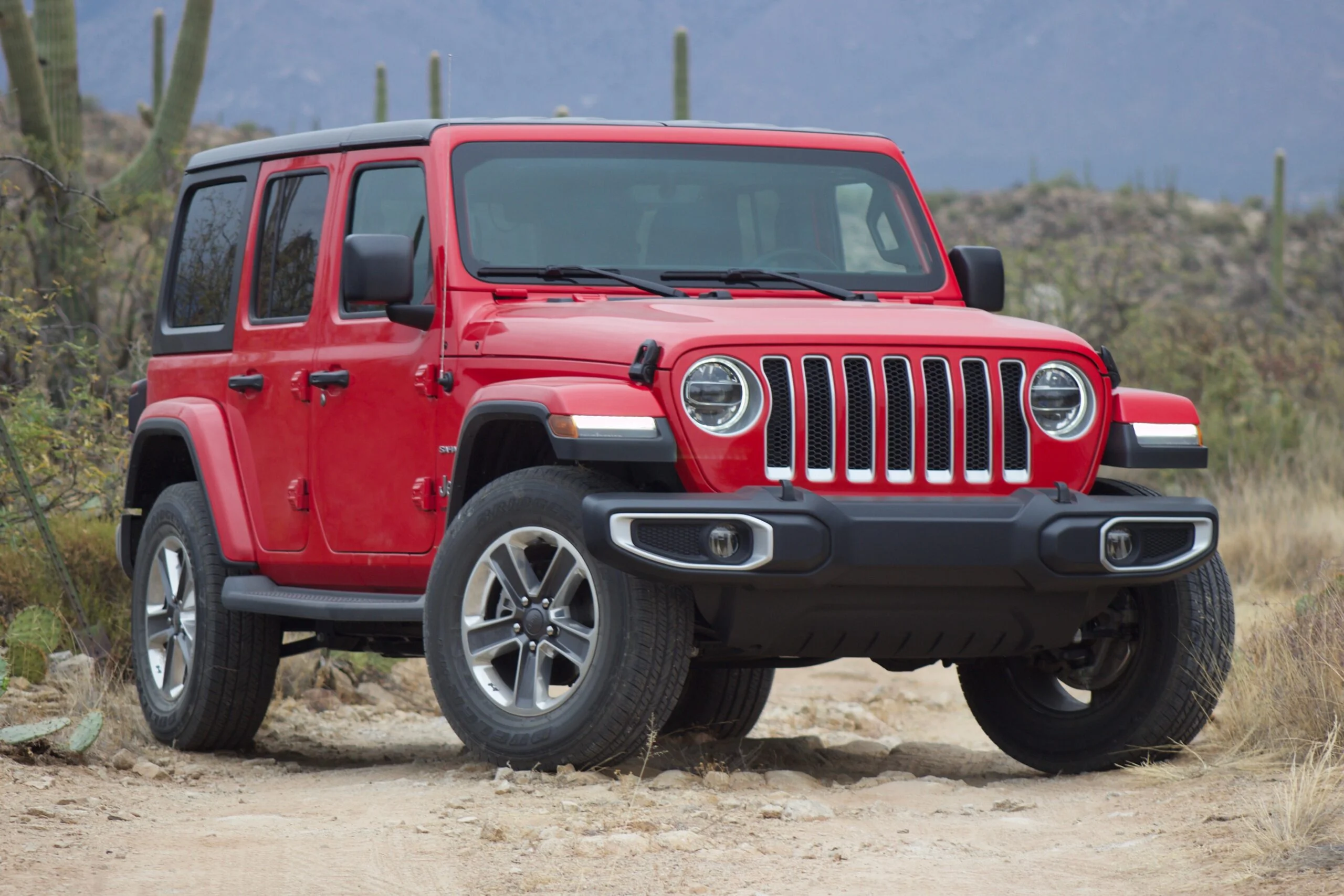
8. Jeep Wrangler (TJ and JK Generations)
The Jeep Wrangler, especially the TJ (1997-2006) and JK (2007-2018) generations, is a vehicle many mechanics secretly drive because it combines rugged off-road capability with a simple, reliable design.
Wranglers have a long-standing reputation for being built tough, with a mechanical setup that’s easy to understand and work on, making them especially attractive to professionals who know their way around engines and drivetrains.
Mechanics often praise the Wrangler for its reliable engines, such as the 4.0-liter inline-six found in the TJ generation, which is celebrated for its durability and simplicity. This engine is known to run strong even after many miles, and its straightforward mechanical design means that mechanics can service it quickly and easily.
The JK generation introduced newer engine options, including the 3.6-liter V6, which provides more power while maintaining reliability.
Although the JK features more modern technology, it still retains much of the mechanical accessibility and ruggedness that appeal to mechanics. Both generations also benefit from a relatively simple transfer case and solid axle setup, which are easier to maintain and repair compared to more complex independent suspension systems.
The Wrangler’s off-road capabilities are a major reason mechanics gravitate toward these vehicles. Whether it’s crawling over rocks, navigating muddy trails, or handling snowy roads, the Wrangler is engineered to excel in challenging environments.
Mechanics appreciate the confidence that comes with owning a vehicle designed to withstand tough conditions without frequent breakdowns. The Wrangler’s high ground clearance, short wheelbase, and durable skid plates protect critical components from damage during off-road adventures.
These features make the Jeep not only a practical tool for outdoor enthusiasts but also a reliable daily driver for mechanics who want a vehicle that can handle whatever the day throws at them.
Finally, the Wrangler’s iconic status and customization potential make it a favorite among mechanics who like to tinker with their vehicles. From aftermarket bumpers and lift kits to performance exhaust systems and lighting upgrades, the Wrangler offers endless possibilities for personalization.
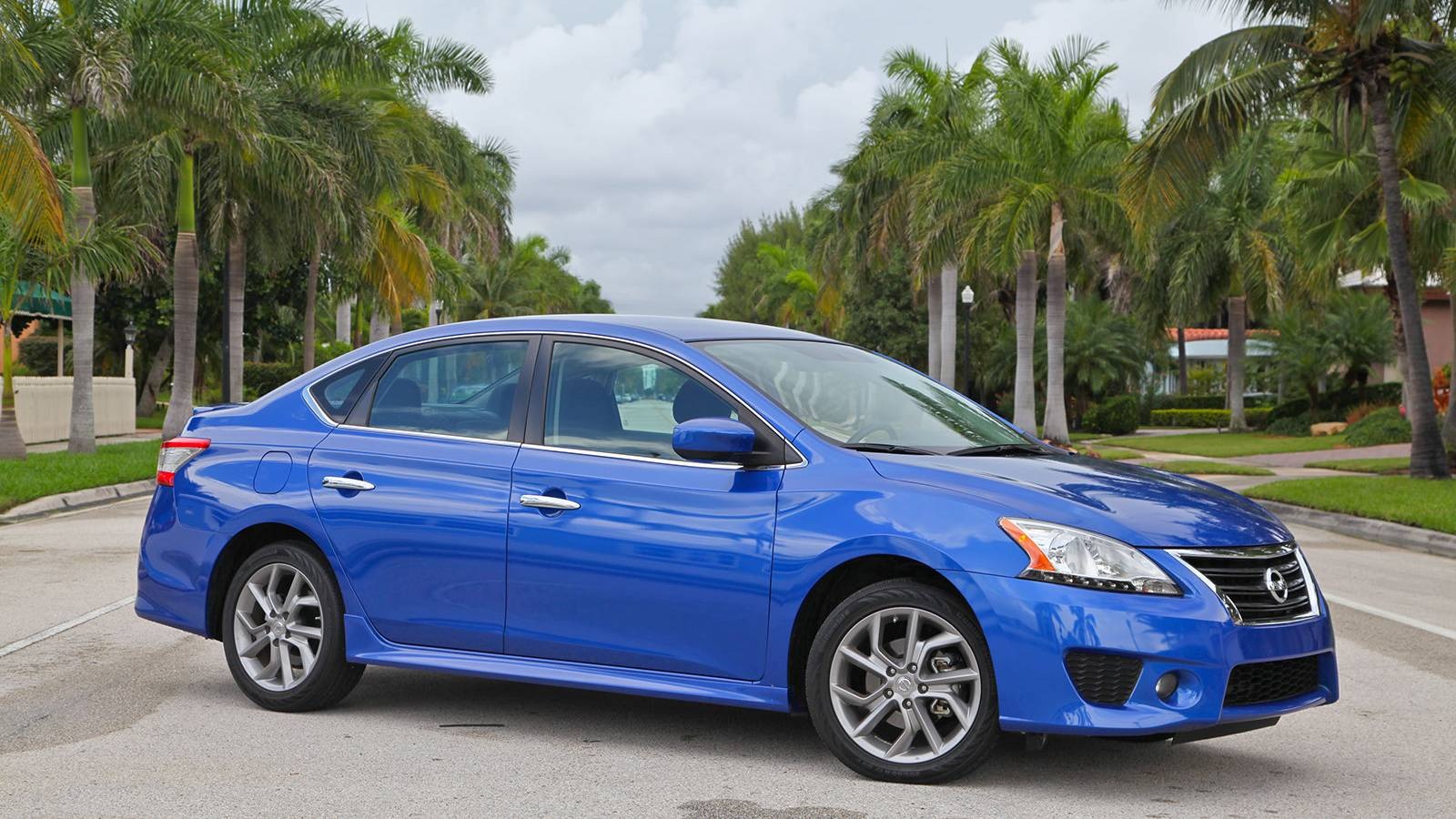
9. Nissan Sentra (B13 and B14 Generations)
The Nissan Sentra, particularly the B13 (early 1990s) and B14 (mid-1990s to late 1990s) generations, remains a quietly favored car among mechanics who appreciate vehicles that are simple, reliable, and economical to maintain. These Sentras are known for their light weight, mechanical straightforwardness, and durability.
Mechanics often find these models appealing as personal cars because they provide dependable transportation without the hassle of frequent repairs or expensive parts.
The Sentra’s popularity among mechanics stems from its ease of serviceability, solid fuel economy, and surprisingly long-lasting components, making it a sensible choice for those who want a practical and trustworthy vehicle.
The B13 and B14 Sentras are powered mainly by small, efficient four-cylinder engines, such as the GA16DE, which has a reputation for reliability when properly maintained. These engines are known for their straightforward design, which allows mechanics to perform common repairs like timing belt replacements, valve adjustments, and routine tune-ups without difficulty.
Another factor that makes the Sentra a favorite is its ease of access to critical components under the hood. Mechanics appreciate cars where changing oil, spark plugs, belts, and filters is straightforward and quick. This not only saves time during repairs but also reduces labor costs and frustration.
The Sentra’s chassis is relatively simple, with a solid build that withstands daily use without developing serious structural issues. While not particularly sporty or luxurious, the Sentra’s functional design and reliable components provide a comfortable, no-nonsense driving experience. This combination appeals to mechanics who value function over form and want a car that does its job without fuss.
Finally, the Sentra’s affordability and widespread availability of parts make it a practical choice for mechanics who may prefer to maintain their own vehicles. Replacement parts are easy to source, reasonably priced, and compatible with many other Nissan models, which further simplifies ownership.
The Sentra’s reputation for lasting well beyond 150,000 miles with routine care means mechanics don’t have to worry about expensive or frequent repairs. This reliability, combined with the car’s light weight and nimble handling, makes the Nissan Sentra a quietly popular choice among professionals who know that dependability and ease of maintenance are what truly matter in a daily driver.
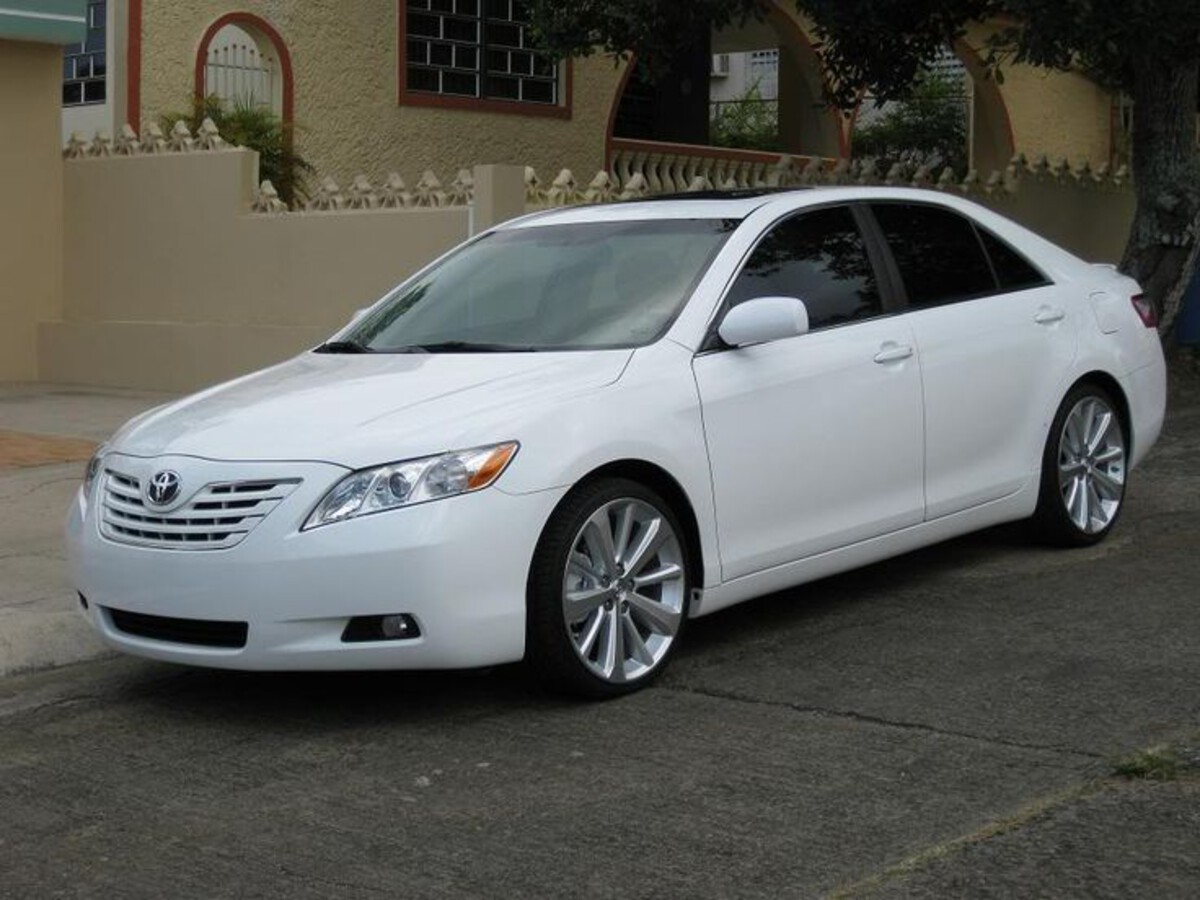
10. Toyota Camry (Late 1990s to Early 2000s)
The Toyota Camry from the late 1990s to early 2000s remains one of the most trusted and quietly admired cars among mechanics who prefer vehicles that offer exceptional reliability and ease of maintenance.
These Camrys have earned a reputation as one of the most dependable midsize sedans of their era, combining comfort, efficiency, and longevity in a way that few competitors have matched.
The 4-cylinder and V6 engines found in these Camrys, such as the 2.2-liter four-cylinder and the 3.0-liter V6, are known for their robustness and fuel efficiency. These engines are relatively simple compared to more modern powerplants, making them easier to service and less prone to unexpected failures.
Mechanics appreciate how the engines respond well to regular maintenance, and many examples have been known to surpass 200,000 miles without major overhauls.
The transmissions paired with these engines, typically a 4-speed automatic or 5-speed manual in some cases, are also praised for their durability and smooth operation. This mechanical simplicity and reliability help mechanics avoid the stress of diagnosing complex electronic issues that can plague newer vehicles.
In addition to mechanical reliability, the Camry’s comfortable and practical design appeals to mechanics who want a car that’s pleasant to drive and dependable on long commutes. The interior features supportive seats and an ergonomic layout that has aged well over the years.
The Camry offers a quiet ride with good insulation from road noise and a suspension tuned to balance comfort with control. This makes it a suitable car not just for daily driving but also for longer trips or family use.
The vehicle’s build quality, solid body structure, and reliable components add to its appeal, especially for those who have spent years working in automotive repair and understand what makes a car last.
Finally, the Toyota Camry’s strong resale value and widespread parts availability make it an economical choice for mechanics who want to own a vehicle that’s both cost-effective and dependable. The large number of Camrys on the road ensures that parts remain affordable and that most repair procedures are well-documented, which reduces downtime and repair costs.
Many mechanics prefer this generation of Camry because it combines practicality with a proven track record of reliability, making it a sensible and trustworthy choice. For those who work with cars every day, owning a Camry is often seen as a smart decision that prioritizes peace of mind and longevity over fleeting style or gimmicks.
