
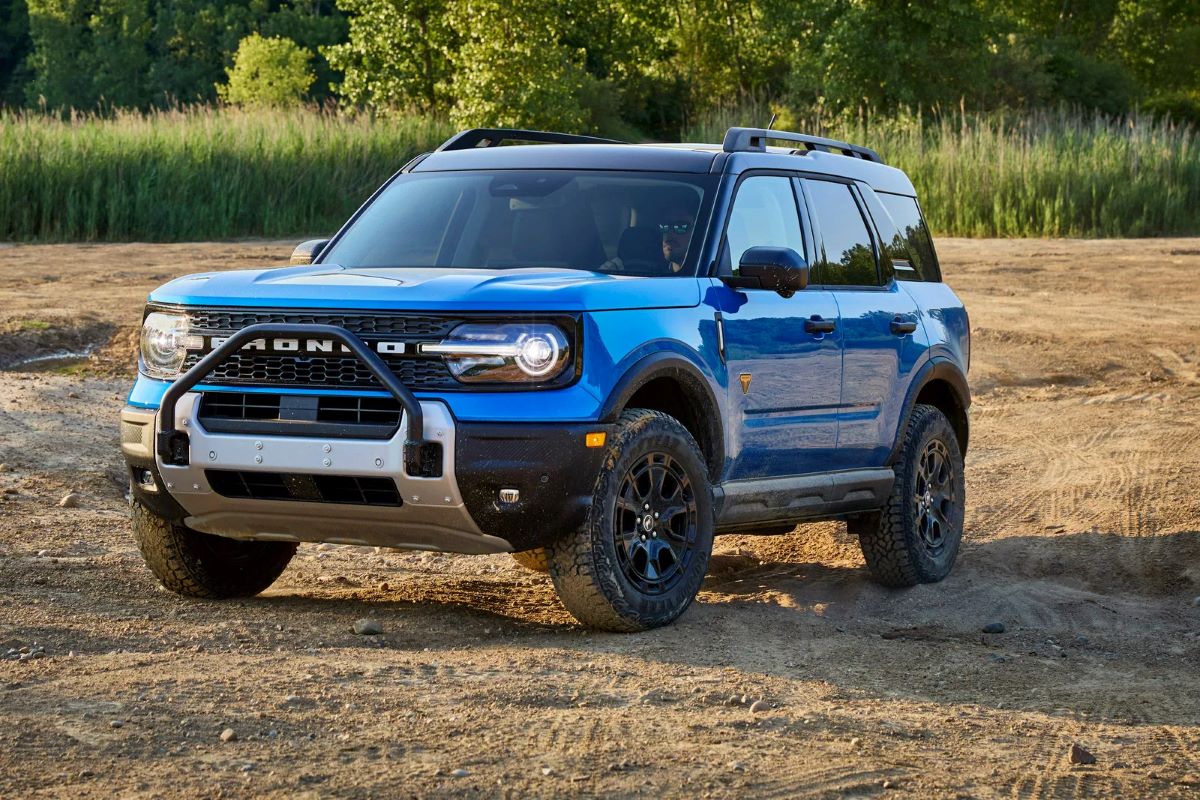
Reliability is one of the top priorities for SUV buyers. When someone spends tens of thousands of dollars on a vehicle, they expect it to last, without the hassle of frequent trips to the mechanic. While Ford has a long-standing history in the SUV market, not all of their models hold up the same way over time.
Some models have proven to be incredibly durable, capable of handling high mileage with minimal issues. Others, however, seem to develop problems more frequently, whether due to poor design choices, transmission flaws, or electrical system failures.
This list will take a closer look at five Ford SUVs that have earned a reputation for being dependable and five that are known for experiencing more issues than owners would like.
It’s important to note that even the most reliable vehicles can break down under poor maintenance, and some of the less reliable ones can still last with constant care. However, when looking at trends over the years, owner experiences, mechanical design, and maintenance demands, some patterns clearly emerge.
Ford has produced a wide range of SUVs over the decades, ranging from compact crossovers like the Escape to full-size options like the Expedition. Not all vehicles are built on the same platform or with the same philosophy. Some are more rugged, some are more luxury-focused, and others aim to be a blend of utility and daily drivability. These differences play a huge role in how well they age.
This comparison doesn’t just list models for the sake of popularity. It focuses on how often these vehicles tend to have major mechanical issues, how expensive those issues typically are, and how well they hold up over long-term ownership.
Whether you’re looking to buy a used Ford SUV or just want to know how your current model stacks up, this guide will provide a balanced breakdown of the dependable workhorses versus the ones that could cost you more than you expected.
Also Read: 12 Cars Mechanics Say Are Overbuilt for Longevity
5 Ford SUVs That Rarely Break
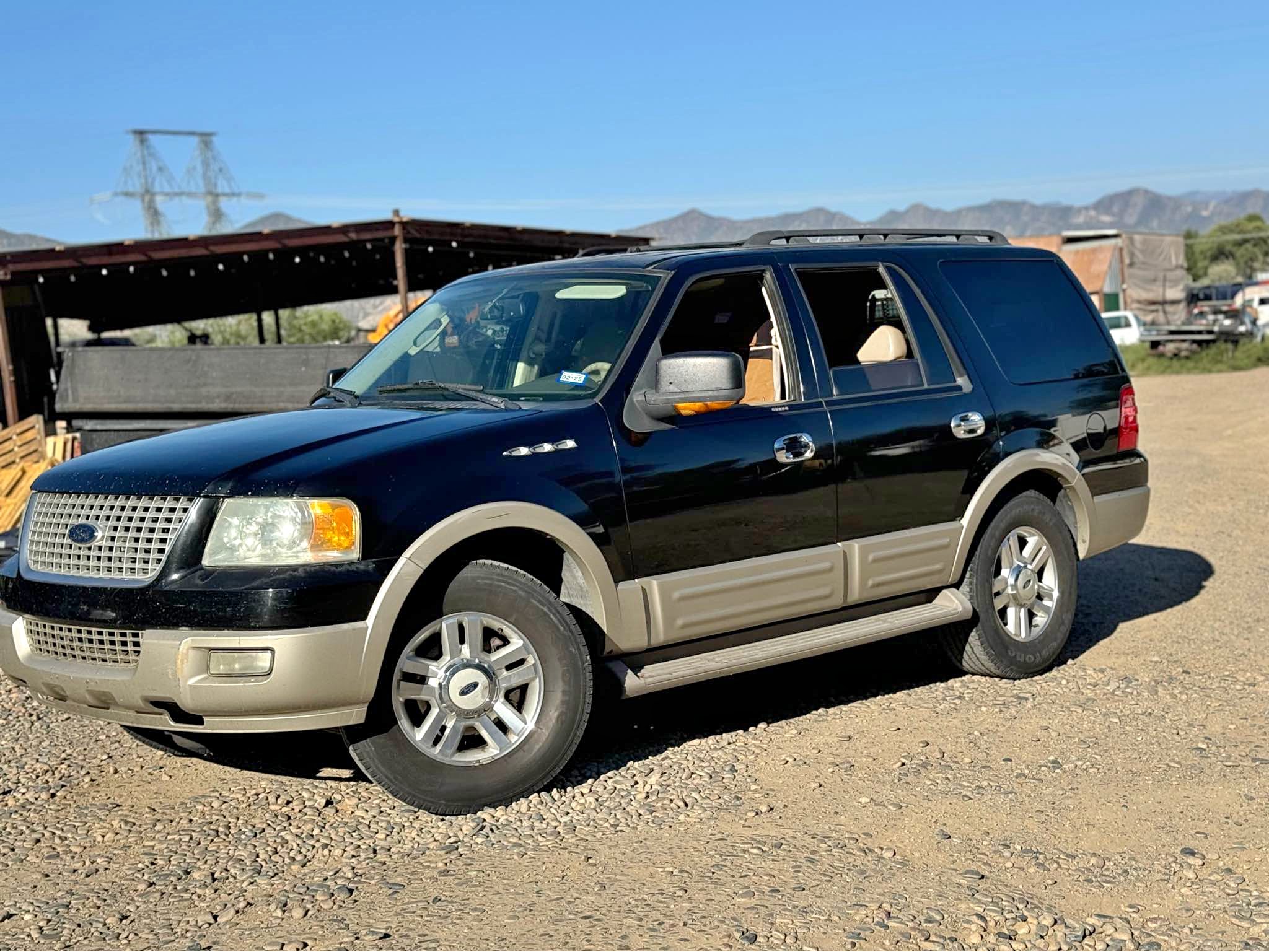
1. Ford Expedition (2007–2017)
The third-generation Ford Expedition, produced between 2007 and 2017, has consistently proven to be one of Ford’s most reliable full-size SUVs. Built on the sturdy, truck-based platform shared with the F-150 pickup, the Expedition benefits from a rugged architecture that is engineered to endure heavy use and long distances.
Many owners praise the durability of its 5.4L V8 engine, especially in the earlier years of this generation, which is known for its robust construction and ability to handle high mileage without major failures.
Unlike some more modern SUVs that have moved toward unibody designs for fuel efficiency, the Expedition maintains a traditional body-on-frame setup that enhances its longevity by absorbing road impacts better and minimizing structural fatigue over time.
Mechanical simplicity plays a significant role in the Expedition’s reliability. The vehicle’s powertrain, suspension, and braking systems are built with well-tested components that mechanics are very familiar with. This familiarity translates to easier and less expensive repairs when maintenance is needed.
The automatic transmissions, while not completely free from issues, are generally sturdy when owners adhere to regular maintenance schedules, such as timely fluid changes and avoiding excessive towing beyond the vehicle’s capacity.
Many Expeditions have been documented to reach 200,000 miles or more with little more than routine servicing, which is a testament to the strength of its design and build.
Another aspect that contributes to the Expedition’s dependable nature is the balance between durability and comfort. The third-generation model offers a spacious and comfortable cabin that doesn’t sacrifice ruggedness. The suspension is tuned to provide a smooth ride even on rough terrain, and the interior materials have stood the test of time without excessive wear.
This makes it a practical choice for families who need a vehicle capable of daily driving as well as occasional heavy hauling or off-road use. Fuel economy may not be its strongest point, but the peace of mind that comes with owning a reliable SUV often outweighs that consideration for buyers.
Finally, the third-generation Expedition’s parts availability and service network remain strong due to its shared platform with the F-150 and its long production run.
This means that even as the vehicle ages, replacement parts are easier to find and often less costly than those for more specialized or newer models. This accessibility, combined with its proven durability, ensures that the Expedition remains a top contender for anyone seeking a large SUV with a reputation for rarely breaking down.
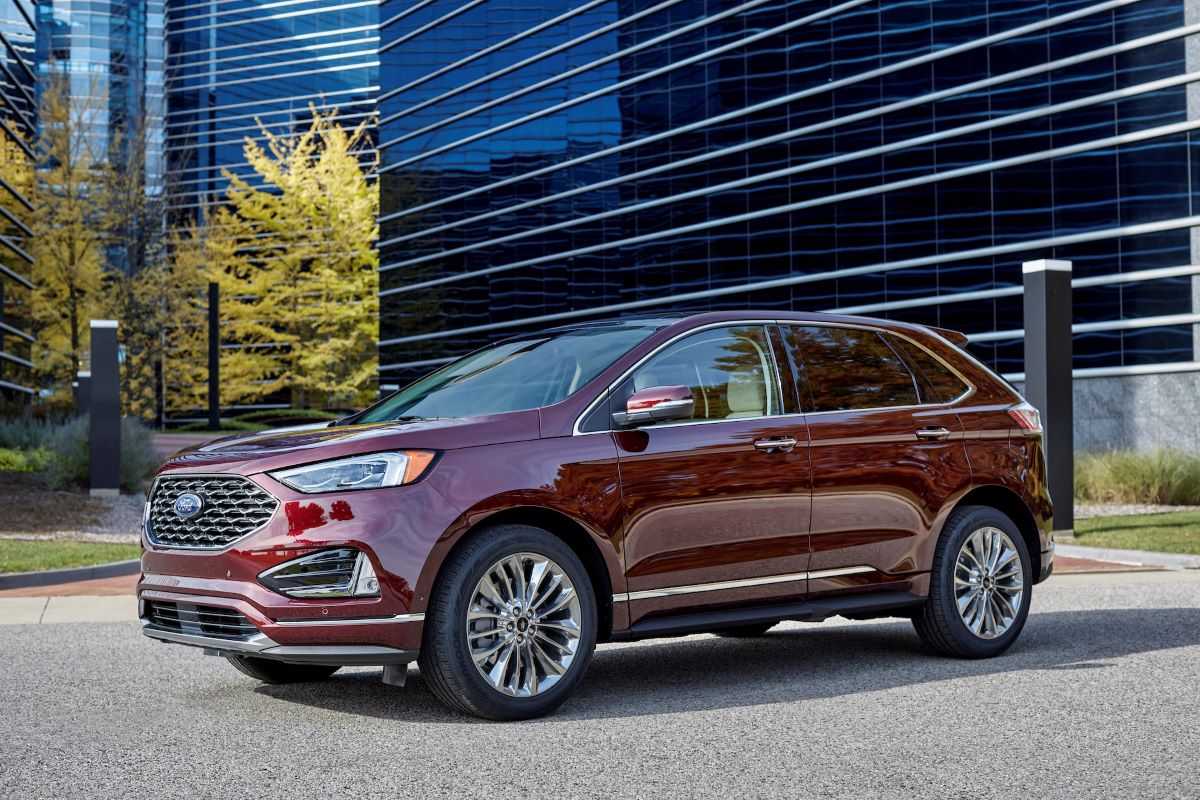
2. Ford Edge (2011–2014)
The Ford Edge from 2011 to 2014 represents a period when the midsize SUV began to find its footing in terms of reliability and quality. Early models of the Edge had a few minor issues, but by this generation, Ford had addressed many of the common mechanical and electronic problems that plagued earlier years.
The 3.5L V6 engine available during this period is noted for its smooth operation and relatively straightforward maintenance requirements. This powertrain strikes a good balance between performance and reliability, making it a favorite among buyers who need a vehicle that works well for both city driving and longer road trips without constant worry.
These model years also saw improvements in the transmission systems. The six-speed automatic transmission, while not perfect, demonstrated a decrease in failure rates compared to the earlier Edge models. Owners reported fewer instances of harsh shifting or slipping, which contributed significantly to the vehicle’s dependable reputation.
The availability of all-wheel drive further enhanced the Edge’s appeal, especially for drivers in regions with harsh weather conditions. The AWD system proved to be durable, providing added traction and stability without introducing significant mechanical complexity that could lead to failure.
The interior of the 2011–2014 Edge also reflects Ford’s commitment to build quality. Many owners commend the durable upholstery and well-constructed dashboard components that show minimal wear after years of use.
The electronics, while not state-of-the-art by today’s standards, tend to be reliable and less prone to glitches or software bugs. This helps reduce frustration and maintenance costs, making ownership more enjoyable and less stressful.
Lastly, maintenance costs and availability of parts contribute to the Edge’s status as a rarely breaking SUV. Brake replacements, routine inspections, and other common repairs are generally affordable, and mechanics find the Edge’s design easy to service.
Combined with its reputation for solid reliability, this makes the 2011–2014 Ford Edge a dependable midsize SUV choice for those seeking longevity and practicality in their vehicle.
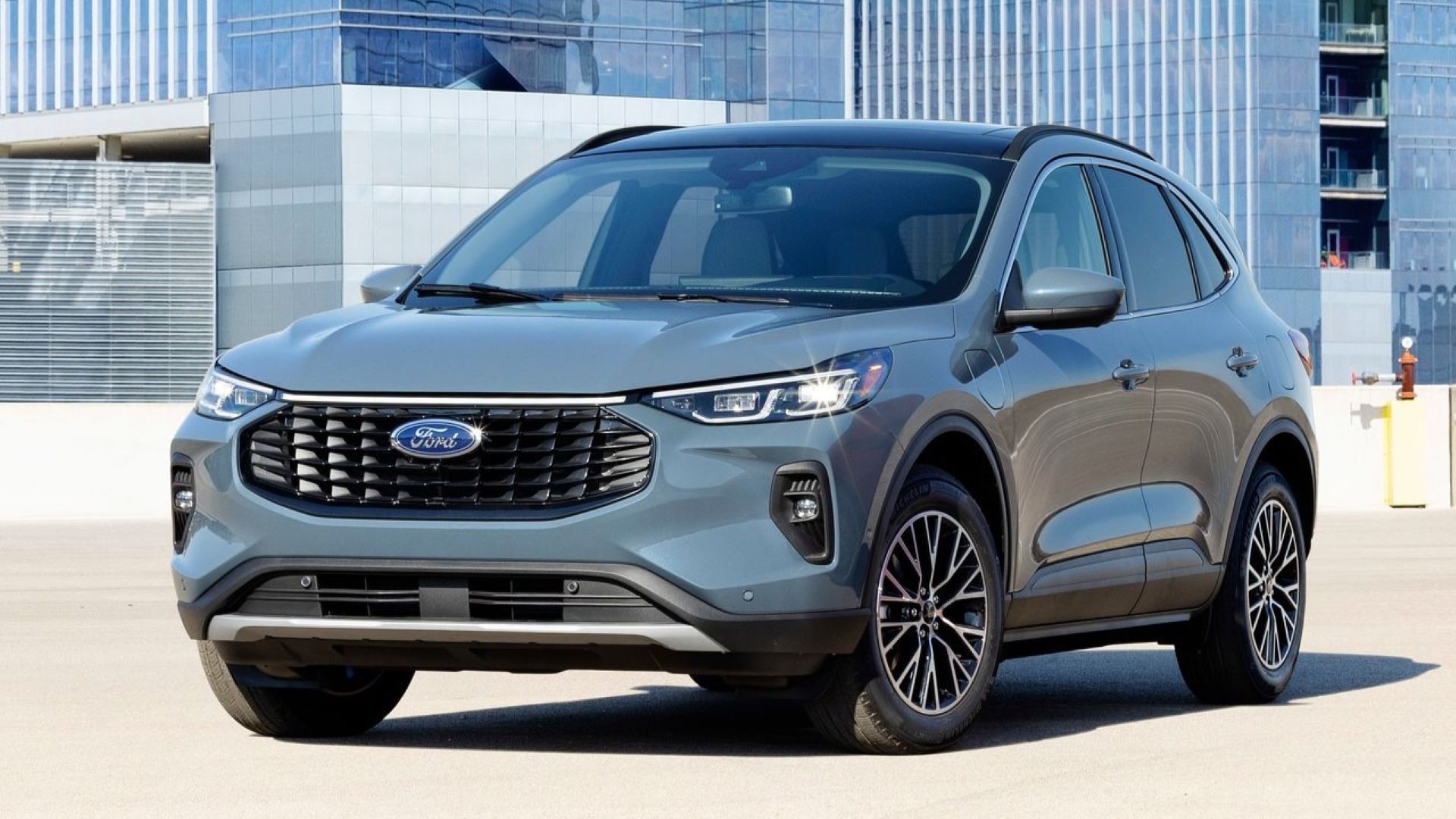
3. Ford Escape (2008–2012)
The 2008 to 2012 Ford Escape remains a solid choice in the compact SUV category, particularly for buyers prioritizing reliability and ease of maintenance. This generation is widely regarded as the last “traditional” Escape before the model transitioned into a more car-like crossover, which introduced more complex electronics and less straightforward mechanical systems.
The Escape’s engines from this era, particularly the 2.5L inline-4 and the 3.0L V6 Duratec, have been praised for their mechanical simplicity and longevity. The relatively straightforward design allows for fewer things to go wrong, especially when routine maintenance like oil changes, spark plug replacements, and fluid flushes are kept up to date.
The transmission systems paired with these engines are generally robust. Unlike some later models, the four- and five-speed automatic transmissions in these Escapes rarely suffer from early failure or harsh shifting.
While no vehicle is immune to wear, the absence of widespread transmission problems is a significant factor in why these models tend to hold up well. The all-wheel-drive versions, when equipped, also perform reliably in challenging conditions without adding excessive strain to the drivetrain.
Beyond the mechanical reliability, the 2008–2012 Escape is also noted for its solid build quality and practical interior layout. The boxy design allows for maximum cargo space and passenger comfort, which is appreciated by families and outdoor enthusiasts alike.
While technology features are minimal compared to modern standards, the simplicity means fewer electronic gremlins or infotainment glitches that often plague newer vehicles. This leads to fewer trips to the dealer for non-critical issues and greater overall satisfaction with ownership.
Lastly, the hybrid variant of this generation deserves special mention. Using a well-proven hybrid system developed in partnership with Toyota, the Escape Hybrid from these years achieves impressive fuel economy while maintaining reliability.
The battery packs and hybrid components have proven to be durable over time, with many owners reporting high mileage without the need for battery replacement. This makes the hybrid Escape a particularly attractive option for eco-conscious buyers who don’t want to sacrifice dependability.
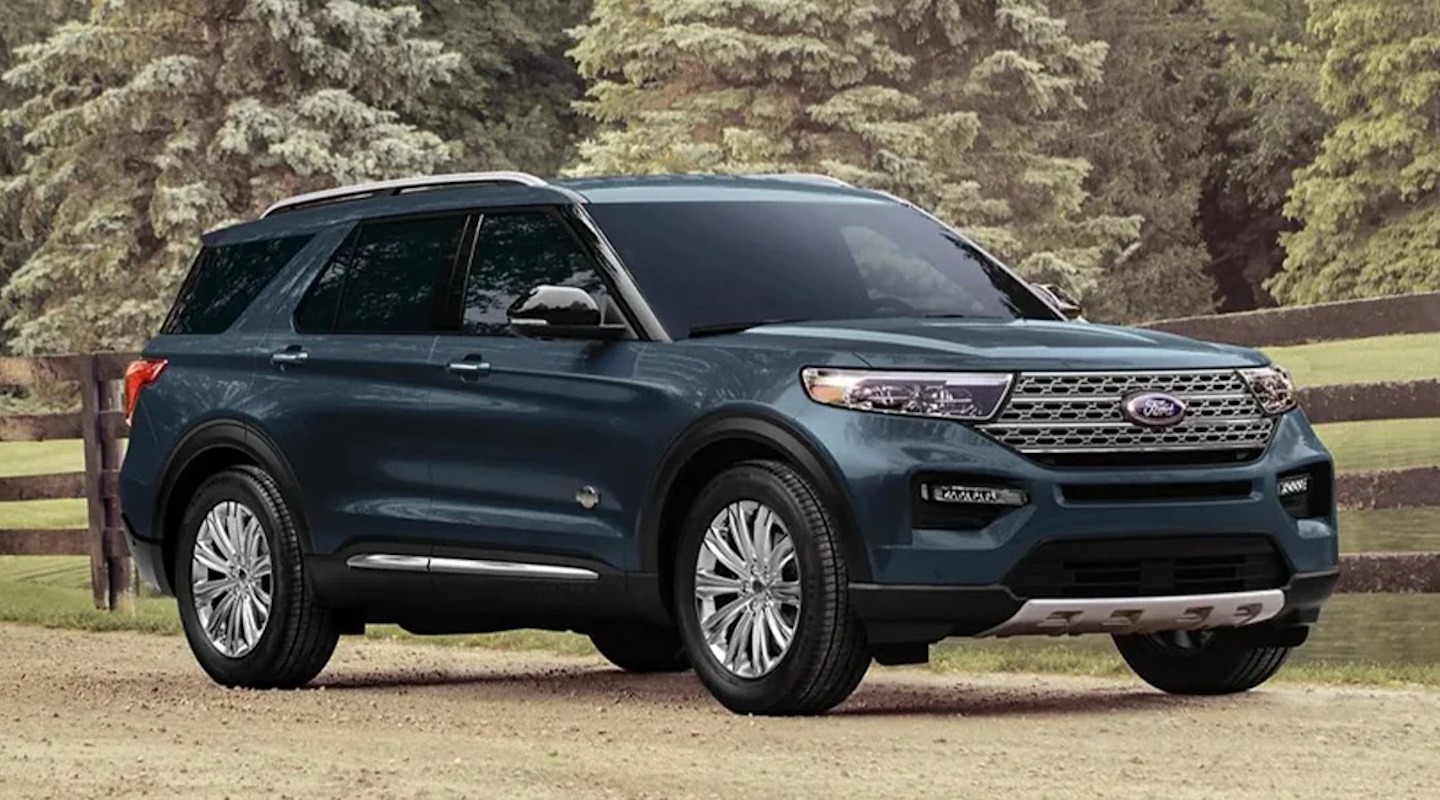
4. Ford Explorer (2016–2019)
The 2016 to 2019 Ford Explorer marked an important turning point in the model’s history, as Ford worked hard to address many of the reliability issues that had affected earlier versions of this popular mid-size SUV. This generation introduced significant improvements in both mechanical components and interior quality.
The 3.5L V6 engine and the newer 2.3L EcoBoost turbocharged engine benefited from better engineering and more refined manufacturing processes, leading to enhanced durability and smoother performance. Owners frequently report fewer engine-related problems during this period, contributing to the Explorer’s improved reputation.
Transmission reliability also saw considerable progress in this generation. The six-speed automatic transmission, a common weak point in previous models, performed more consistently, delivering smoother gear changes and greater longevity.
The upgrade to the SYNC 3 infotainment system helped reduce the electrical issues that plagued the previous MyFord Touch setup, resulting in fewer driver complaints related to frozen screens or malfunctioning controls. The interior received significant updates as well, with higher-quality materials and a more ergonomic design that stand up better to wear and tear.
Safety features and ride comfort also improved, making the Explorer a balanced option for families who prioritize both reliability and daily usability. The suspension was tuned to provide a smooth, controlled ride without sacrificing the vehicle’s capability in different driving conditions.
Additionally, the Explorer’s frame and chassis demonstrated strong resistance to corrosion and structural fatigue, which contributes to its longevity on the road.
Finally, the 2016–2019 Explorer benefits from relatively straightforward maintenance and reasonable repair costs. Because many parts are shared with other Ford vehicles, mechanics are familiar with the design, which helps keep labor costs down.
Many owners find that with regular servicing, such as oil changes, brake replacements, and fluid flushes, these Explorers remain dependable even past 150,000 miles, securing their place as one of Ford’s more reliable SUVs in recent years.
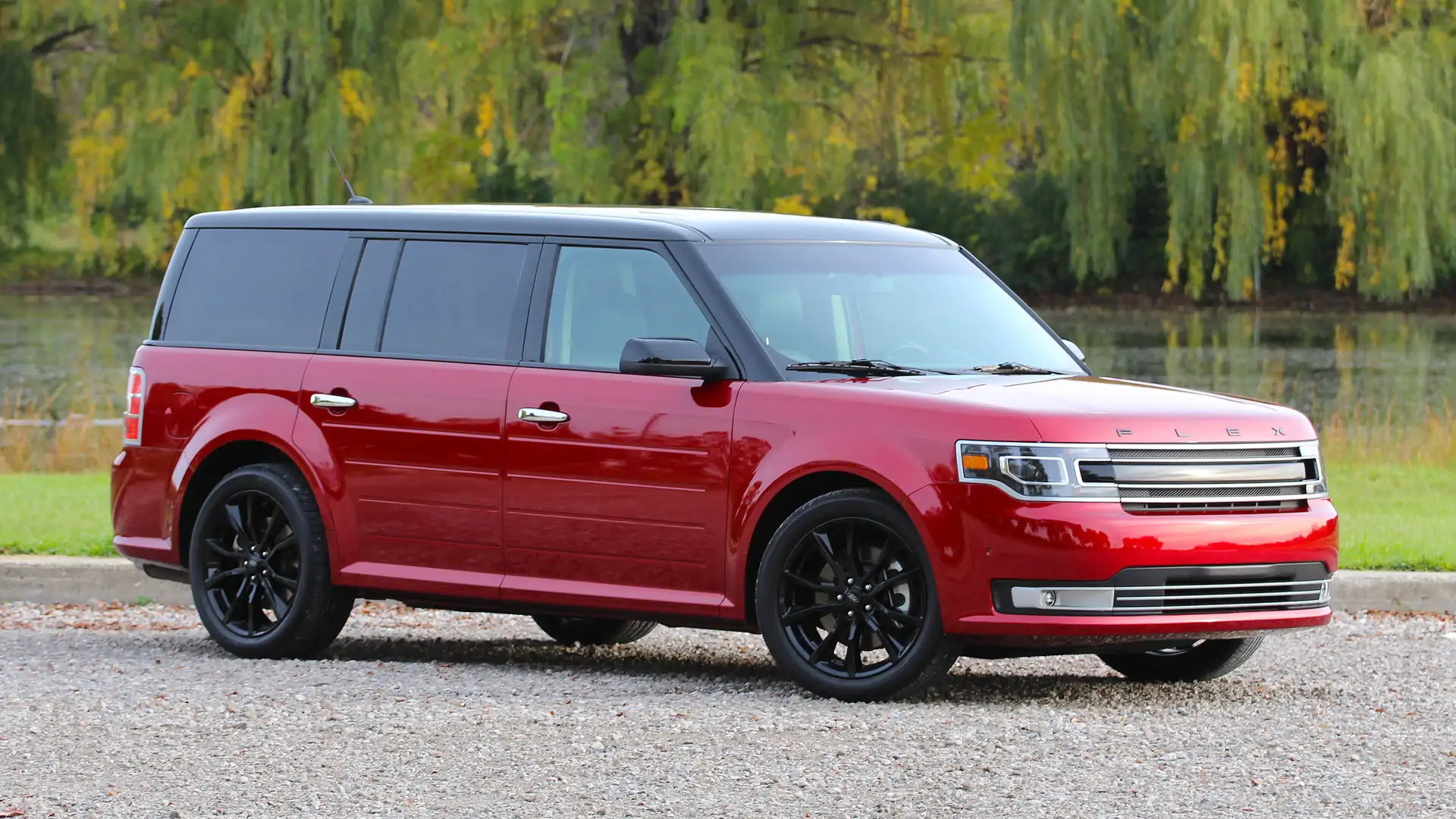
5. Ford Flex (2009–2019)
The Ford Flex occupies a unique space in Ford’s SUV lineup, offering a spacious, boxy design that combines elements of a minivan and an SUV. Produced from 2009 to 2019 with relatively few major redesigns, the Flex has built a reputation for reliability and practical utility over its decade-long production.
Its durable chassis shares components with the Ford Taurus and Explorer, lending it a solid mechanical foundation. The Flex’s engines, primarily the naturally aspirated 3.5L V6 and the twin-turbocharged EcoBoost V6 in higher trims, are known for their resilience when owners follow regular maintenance schedules.
These engines deliver a balance of power and efficiency without being prone to common failures like timing chain problems or head gasket issues, which plague some competitors.
Transmission performance in the Flex is generally dependable. The six-speed automatic transmission handles the vehicle’s weight smoothly and has fewer reports of premature failure compared to other Ford SUVs from the same period.
The ride quality is often praised for its smoothness and comfort, with suspension components designed to withstand both highway cruising and rougher surfaces. While the Flex is not intended as a hardcore off-roader, its mechanical simplicity and rugged platform allow it to manage a variety of road conditions reliably.
The vehicle’s spacious interior and user-friendly design contribute to its long-term appeal. The boxy shape maximizes passenger and cargo space, and the interior materials are durable, resisting wear even after years of use.
Owners frequently comment on how the Flex’s electronics are straightforward and less prone to glitches than more complex systems in newer models. This simplicity reduces unexpected trips to the repair shop and helps keep maintenance costs manageable.
Finally, the Flex benefits from a strong parts availability network and a large service community. Because it shares many components with other widely sold Ford models, repairs are often quicker and less costly than for more niche SUVs.
The body-on-frame construction and conservative engineering philosophy combine to make the Ford Flex a surprisingly reliable and practical SUV that many owners cherish for its dependability and versatility over the long haul.
5 Ford SUVs That Constantly Do Break
Now, let’s look at the other side of the coin: Ford SUVs that tend to have more frequent mechanical problems and can become costly headaches for owners.
These models often struggle due to design flaws, problematic transmissions, electrical system failures, or other recurring issues reported by owners and mechanics alike. While some of these SUVs may still be popular for their looks or features, their reputation for reliability issues is something to seriously consider before purchase.
1. Ford Explorer (2011–2015)
The early fifth-generation Ford Explorer, particularly the 2011 to 2015 models, is notorious for a variety of mechanical problems. One of the most significant and common issues lies with the transmission.
The six-speed automatic transmission in these Explorers was prone to slipping, harsh shifting, or outright failure, which often required expensive repairs or complete replacement. This problem was so widespread that many owners experienced early transmission wear, sometimes well before the 100,000-mile mark.
In addition to transmission woes, the cooling system in these models often caused headaches. Water pump failures and radiator leaks were reported frequently, leading to engine overheating if not addressed quickly.
The water pump itself is located in a difficult-to-reach spot, making repairs time-consuming and costly. Moreover, some owners have reported timing chain issues on the 3.5L V6 engines, which can lead to engine damage if not fixed promptly.
Electrical gremlins also plagued the 2011–2015 Explorer. Problems with the MyFord Touch infotainment system, sensor malfunctions, and erratic dashboard warning lights added frustration for many drivers. While these issues might seem minor compared to engine or transmission failures, they can affect the vehicle’s overall usability and driver confidence.
Despite Ford’s attempts to fix these problems in later refreshes, the early fifth-generation Explorer remains a model many buyers avoid if reliability is a priority. Owners often face costly repairs and unexpected downtime, which can diminish the overall ownership experience.
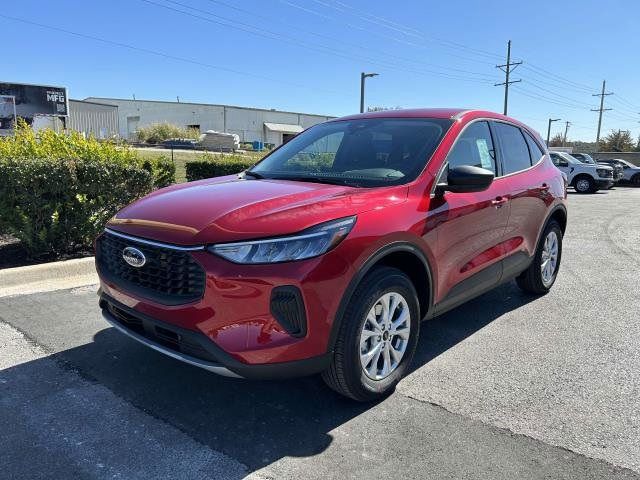
2. Ford Escape (2013–2016)
The second-generation Ford Escape, specifically from 2013 to 2016, has gained a reputation for persistent mechanical problems, most related to its transmissions and electrical systems.
Many owners report rough shifting, delayed engagement, or slipping in the six-speed automatic transmissions used in these years. These issues often lead to premature transmission failures, which are costly to repair and sometimes require a full rebuild or replacement.
Besides transmission troubles, the 1.6L and 2.0L EcoBoost engines found in these models have shown vulnerabilities. Problems such as excessive oil consumption, turbocharger failures, and coolant leaks have been reported, all of which can impact performance and reliability. Some drivers also notice hesitation or stalling, which can be dangerous in certain driving conditions.
Electrical issues are another common complaint. Malfunctions in the power windows, door locks, and infotainment system have been widespread.
Additionally, some Escapes experience problems with the vehicle’s battery draining unexpectedly, leading to frequent jump-starts or battery replacements. These electrical gremlins can sometimes mask more serious underlying issues and increase maintenance costs.
While the Escape remains a popular compact SUV, these mechanical and electrical concerns have led many owners to express frustration. Regular maintenance and careful driving may reduce the risk of failure, but for buyers seeking a trouble-free SUV, the 2013–2016 Escape requires caution and thorough inspection.
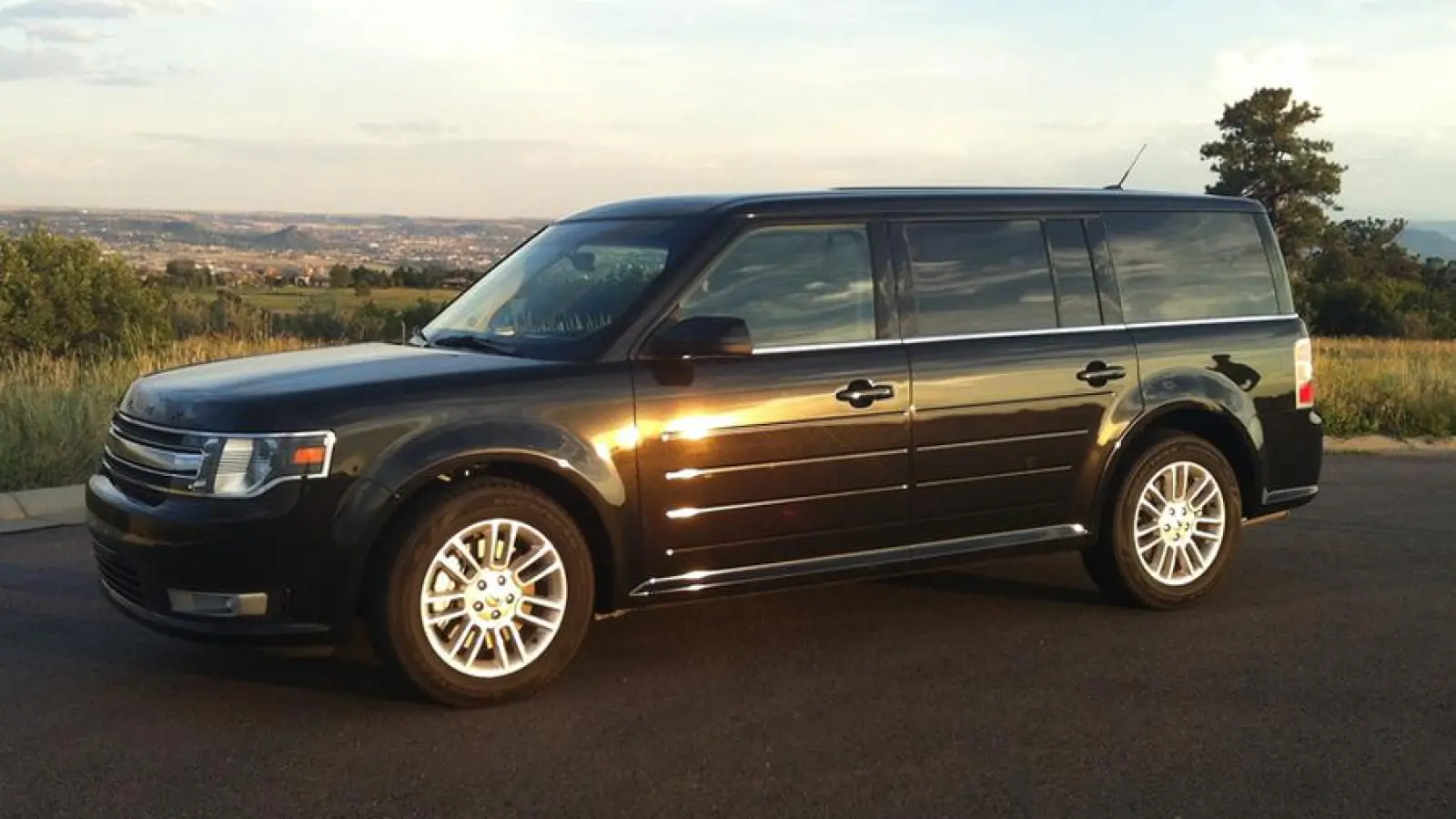
3. Ford Flex (2013–2016)
Though the Ford Flex generally enjoys a good reputation, the 2013 to 2016 model years are worth mentioning due to some recurring issues that cropped up during this period.
One of the biggest concerns involves the EcoBoost V6 engine, which can suffer from turbocharger failures and related issues such as coolant leaks and overheating. Turbo problems often lead to loss of power and can be very expensive to repair if neglected.
Additionally, this period saw reports of transmission shifting problems. The six-speed automatic sometimes exhibits hesitation or rough shifts, which not only affect driving comfort but can also lead to accelerated wear on the transmission components. While these issues aren’t as widespread as in some other models, they do occur often enough to warrant caution.
Electrical glitches have also been noted. Problems with the vehicle’s computer system, sensor malfunctions, and faulty wiring have occasionally led to dashboard warning lights and intermittent failures in convenience features like power seats and doors. Although these are not catastrophic failures, they impact reliability and owner satisfaction.
Finally, suspension components such as ball joints and bushings have been reported to wear prematurely, especially on vehicles that see heavy use or rough roads. These problems increase repair costs and can affect ride quality. While the Flex’s overall build quality remains solid, the 2013–2016 models are less bulletproof than earlier or later versions.
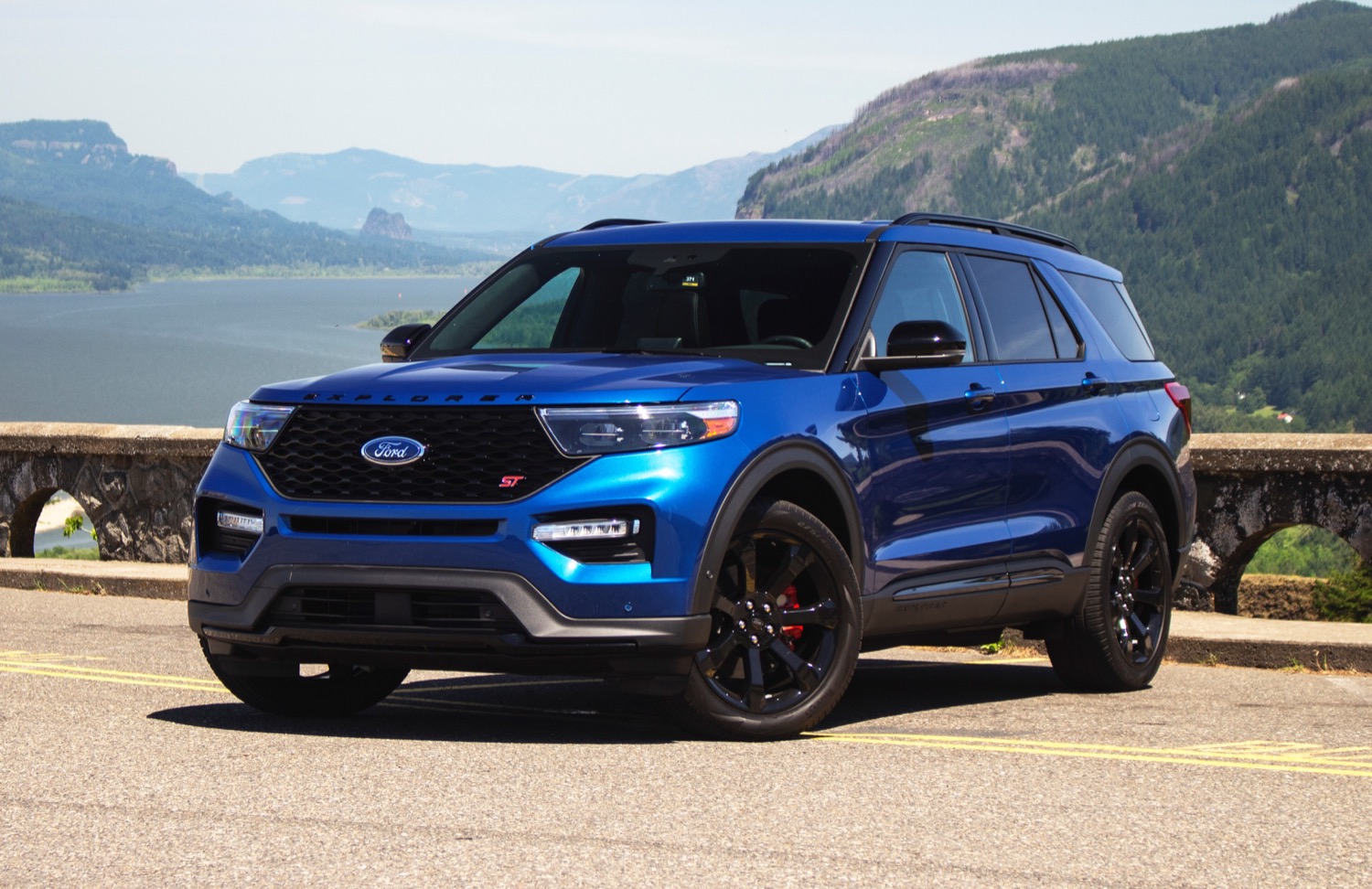
4. Ford Explorer (2020–2023)
The latest generation of the Ford Explorer, introduced in 2020, has been plagued with a range of issues since its release. Despite having a more modern design and improved technology, many owners have reported persistent reliability problems.
One of the most common complaints involves the transmission, particularly the 10-speed automatic. Many drivers experience delayed shifts, harsh downshifts, or hesitation that affect drivability.
The turbocharged engines offered in these models, especially the 2.3L EcoBoost, have also shown signs of excessive oil consumption and occasional overheating issues. These engine problems, combined with transmission troubles, make for a potentially costly ownership experience. The turbochargers themselves may require replacement if oil starvation or overheating occurs.
Electronics and infotainment systems remain a weak point. Owners frequently complain about system freezes, Bluetooth connectivity failures, and frequent software updates that don’t fully resolve underlying bugs. These electrical problems can distract drivers and reduce overall satisfaction with the vehicle.
Finally, early reports of premature brake wear and suspension issues have emerged, particularly in vehicles driven in urban or rough conditions. All these factors make the 2020–2023 Explorer a risky proposition for buyers seeking a low-maintenance SUV.
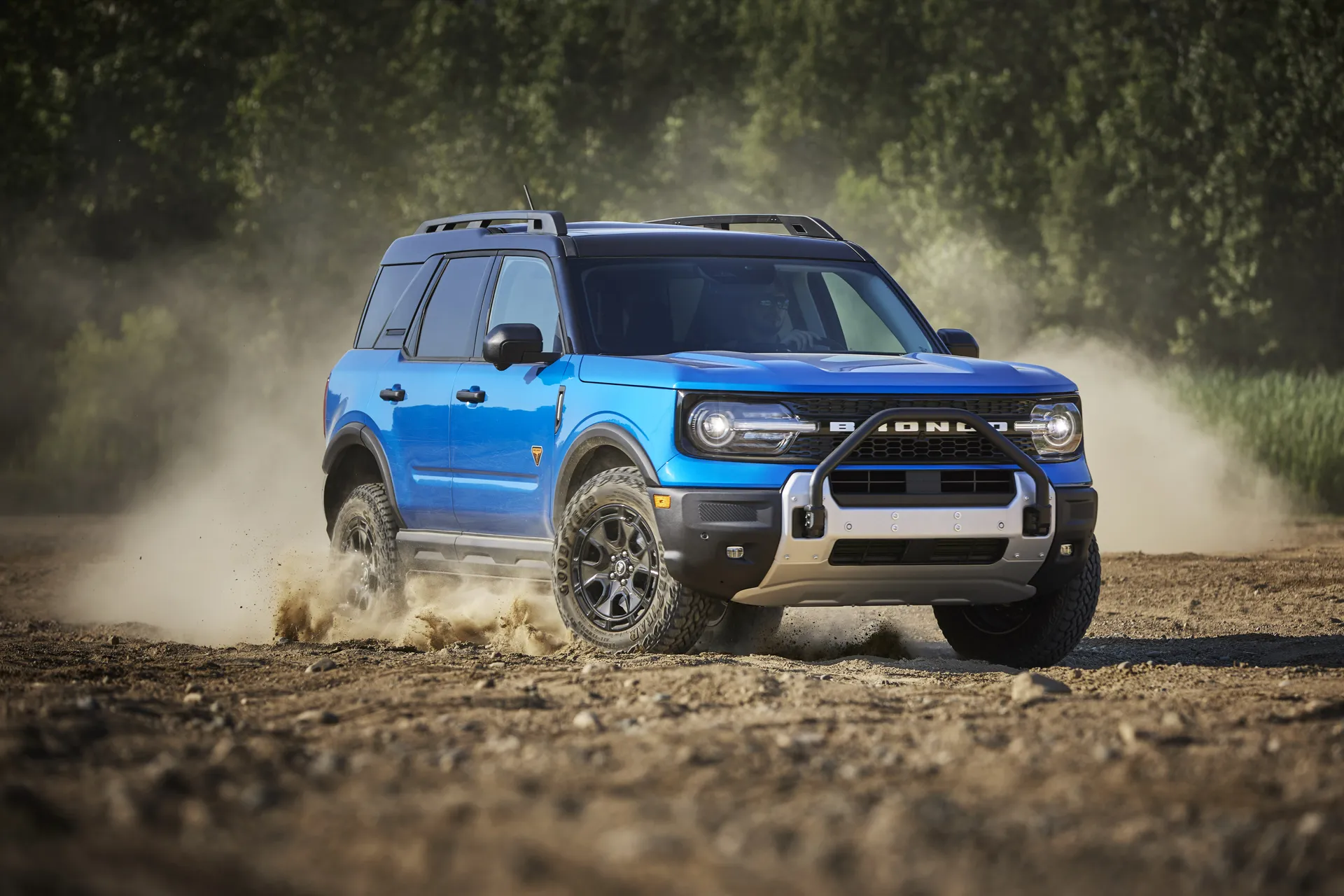
5. Ford Bronco Sport (2021–Present)
The recently introduced Ford Bronco Sport, aimed at the compact off-road segment, has faced growing pains since its launch in 2021. While the Bronco name carries a rugged legacy, the Bronco Sport has encountered various reliability issues that have frustrated early adopters.
Transmission problems have been reported, especially involving the eight-speed automatic. Drivers notice delayed shifts, rough transitions between gears, and occasional transmission overheating. These issues detract from what should be a smooth off-road or on-road experience and may lead to expensive repairs.
The turbocharged 1.5L and 2.0L EcoBoost engines in the Bronco Sport have also faced criticism. Some owners report issues with the turbo system, including boost leaks and turbocharger failures. Engine stalling and hesitation, especially under heavy acceleration, have been noted as well.
Electrical system bugs remain a concern. Infotainment glitches, faulty sensors, and warning lights without clear causes are common complaints. Given the vehicle’s newness, these issues may improve over time through software updates, but early reliability ratings have been less than stellar.
For a vehicle marketed as a rugged, dependable off-roader, the Bronco Sport’s reliability record has left some owners disappointed, especially when compared to more established competitors.
Also Read: 12 Cars That Refuse to Quit Even After Collisions
When choosing a Ford SUV, understanding the reliability and common issues associated with different models is essential for making a wise investment. The vehicles that rarely break, such as the Ford Expedition (2007–2017), Edge (2011–2014), Escape (2008–2012), Explorer (2016–2019), and Flex (2009–2019), share a number of characteristics that contribute to their dependability.
These models often benefit from well-tested mechanical systems, simpler yet robust engineering, and thoughtful design choices that prioritize durability and ease of maintenance.
Owners of these vehicles frequently report fewer unexpected breakdowns and lower overall repair costs, which translates to greater peace of mind and more enjoyable ownership experiences. Furthermore, the availability of parts and service support tends to be better for these models due to their shared platforms and longer production runs.
On the other hand, the Ford SUVs that constantly face mechanical and electrical issues, such as the Explorer (2011–2015), Escape (2013–2016), Flex (2013–2016), Explorer (2020–2023), and Bronco Sport (2021–Present), demonstrate how evolving technologies and rushed design updates can negatively impact reliability.
Transmission failures, engine problems, electrical gremlins, and suspension wear are common complaints that can lead to costly repairs and owner frustration. While many of these newer or redesigned models aim to offer more advanced features and improved performance, these benefits sometimes come at the expense of proven dependability.
For many buyers, especially those prioritizing a low-maintenance vehicle for everyday use, these persistent issues may overshadow the appeal of newer technology or updated styling.
The decision to buy a Ford SUV should balance factors such as performance, features, budget, and most importantly, reliability. The older, well-established models often provide a solid foundation of durability, while some of the more recent or heavily revised models may require more caution and thorough research before purchase.
Prospective buyers should carefully weigh the long-term ownership costs and potential repair risks against their personal needs and preferences.
Reliability is a cornerstone of satisfaction in vehicle ownership, and by understanding which Ford SUVs have stood the test of time and which have struggled, consumers can make informed choices that reduce headaches and increase confidence on the road. With the right selection, a Ford SUV can be not just a mode of transportation, but a dependable partner for years to come.
