
An SUV’s performance when encountering floodwaters can separate trustworthy machines from risky ones. Drivers in regions prone to heavy rains or sudden flash floods know that riding through deep water poses serious challenges.
Water may enter engines, electrical systems may fail, traction may disappear, and what might have seemed like a routine transit becomes a potential hazard.
For people who depend on SUVs either for work, family safety, or adventurous travel, knowing which models handle water without giving up and which stall fast can make a difference in both safety and cost.
Floods test every component of a vehicle: the air intake, exhaust, electronics, seals, drivetrain, traction control, and structural integrity.
A model that keeps going after water washes over its lower panels and sometimes deeper must have thoughtful engineering: high air intake, sealed electrical parts, stiff suspension and good ground clearance.
By contrast a model that stalls quickly usually has lower intake placement, vulnerable wiring underbody, insufficient seals around doors, weak ground clearance, or inefficient exhaust routing.
In this article I will list five SUVs that tend to stay solid after flood exposure and five that tend to stall almost immediately. The first group has features that let them push through water, maintain engine life, avoid hydrostatic lock or wiring shorts, and safely get drivers out.
The second group often fails because of design compromises or cost saving in parts that are exposed to water. If you are considering buying an SUV for an area with frequent flooding or driving through waterlogged roads, you will get a sense of what to look for, and what to avoid.
Each section will describe what makes each vehicle strong or weak in water situations. I will examine typical water depth tolerance, common failure points, and anecdotal or observed reports of how they fare.
While no SUV is perfect under water, some are built to handle more than others. After reading, you will know which models are more reliable in floods and which stall almost without warning.
Also Read: 10 Cars With The Best Resale Reliability vs 10 That Drop Quickly
5 SUVs That Stay Solid After Floods
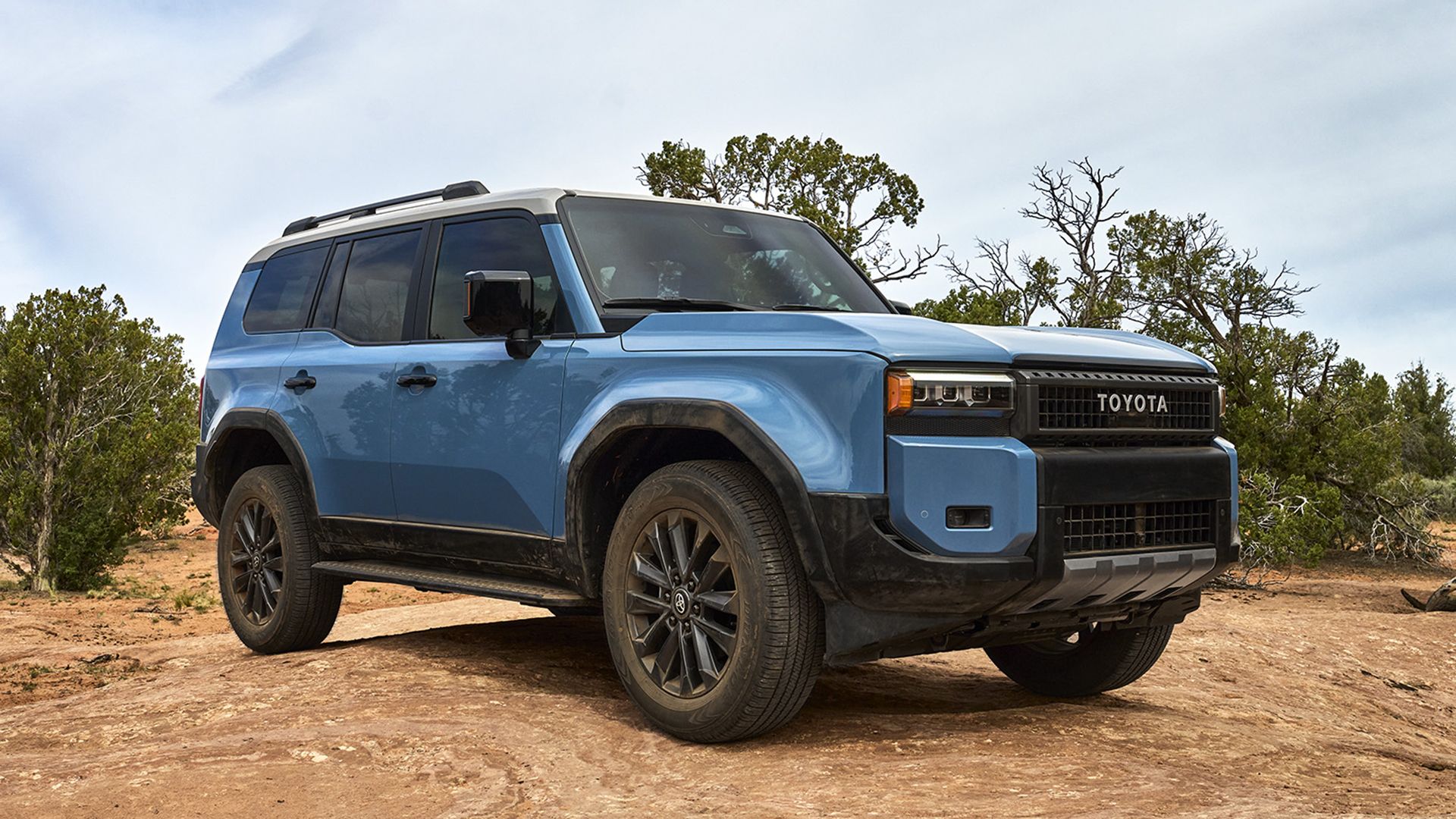
Toyota Land Cruiser
The Toyota Land Cruiser has earned a reputation for being nearly unstoppable in harsh terrain, and that includes flood-prone environments.
One of the key features that makes it resilient during floods is its high-mounted air intake. The placement allows the engine to breathe without sucking in water during crossings that submerge much of the front end.
Its underbody is another point of strength. Toyota equips the Land Cruiser with durable skid plates, differential breathers routed higher than standard, and heavy-duty axles that can take on water contact without suffering mechanical failure.
The transmission housing, driveshaft, and transfer case are designed to withstand exposure to water and mud without quickly corroding or leaking.
Toyota engineers created a system that disperses water and prevents it from pooling around vital moving parts. This ensures that traction remains relatively unaffected and that lubrication in the differentials and transfer case isn’t compromised easily.
The Land Cruiser’s electrical system is also robust. Key components like the ECU (Engine Control Unit), fuse boxes, and ignition wiring are mounted high in the engine bay and sealed in weather-resistant enclosures.
In addition to physical placement, these systems benefit from conservative design principles that favor simplicity and reliability over cutting-edge complexity.
That means fewer things are likely to go wrong when the SUV is splashed or briefly submerged. Other models with advanced electronics packed throughout the body are more likely to short-circuit in these conditions, but the Land Cruiser prioritizes proven hardware with minimal vulnerability.
Sealing around doors and windows further contributes to its flood resilience. While no non-amphibious vehicle is completely waterproof, the Land Cruiser does a better job than most at keeping water out of the cabin and away from interior electronics. Gaskets are thick and tightly fitted.
Additionally, the engine bay includes splash shields and drain paths that allow water to flow out quickly rather than pool in sensitive areas. Even after a crossing or during monsoon-like conditions, most systems dry out without long-term damage or performance loss.
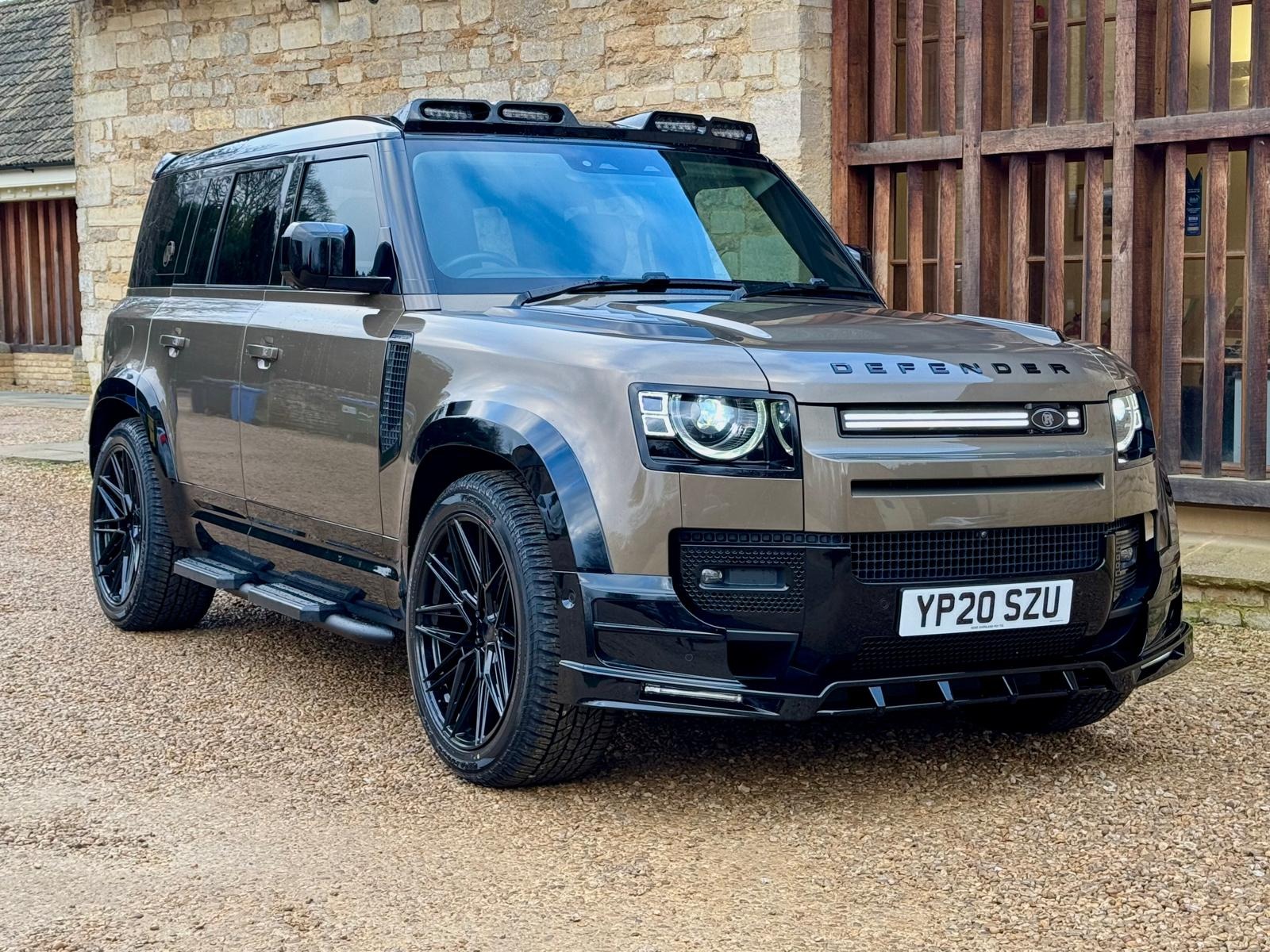
Land Rover Defender
The modern Land Rover Defender takes traditional off-road DNA and modernizes it without compromising its ability to handle floods. From the factory, newer Defender models come with an officially rated wading depth, often around 35 inches, which puts it among the top tier for water fording.
This isn’t just marketing hype. Land Rover tests its vehicles in engineered water troughs, ensuring the sealing of engine components, electrical systems, and cabin enclosures meets strict real-world expectations.
The high air intake, often mounted near the top of the fender or integrated into the design, ensures the engine keeps running even as water splashes over the hood.
The Defender’s drivetrain is also optimized for moisture exposure. Its transmission and transfer case are protected by tight seals and use vent tubes routed well above wheel-well level, minimizing the chance of water getting into the internal fluids.
Its all-wheel drive system remains functional even under stress and can adapt torque instantly if wheels lose traction in slick, submerged conditions.
The axles are strong and supported by electronic differentials that help the vehicle claw through soft ground or underwater obstacles, a significant advantage when floodwaters conceal road conditions.
On the electrical side, the Defender uses a centralized electronic architecture, but the modules are strategically placed. Critical control systems are housed in areas less likely to experience water intrusion, and many of the wiring harnesses are double-sealed to resist moisture.
This is important because one minor short in a modern SUV can render it undrivable. The Defender not only reduces the chance of this happening but also gives users software diagnostics to detect problems early.
Many drivers who’ve experienced sudden rain or city floods in Defenders report no interruptions in drivability, even after full-wheel submersion.
Interior water protection is also above average. Door seals are thick, windows use deep gaskets, and optional accessories such as rubberized mats and drain plugs make cleanup easy if water does enter.
The floorboards are designed to withstand wet boots, mud, and sloshed water, which makes the Defender not only capable but livable during and after a flood scenario. Unlike many luxury SUVs that prioritize carpeted interiors and delicate wiring beneath the seats, the Defender is designed with post-flood cleanup in mind.
Beyond the technical features, Land Rover’s legacy as a brand built for expeditions is part of what makes the Defender so reliable in flood conditions. It’s not uncommon to see these vehicles operating in flood-prone regions across Africa and South America.
The combination of smart engineering, mechanical preparedness, and rugged intent gives the Defender its ability to keep going when others are forced to stop and wait. While not indestructible, it is built to be dependable in places where the environment tests every mechanical system on the vehicle.
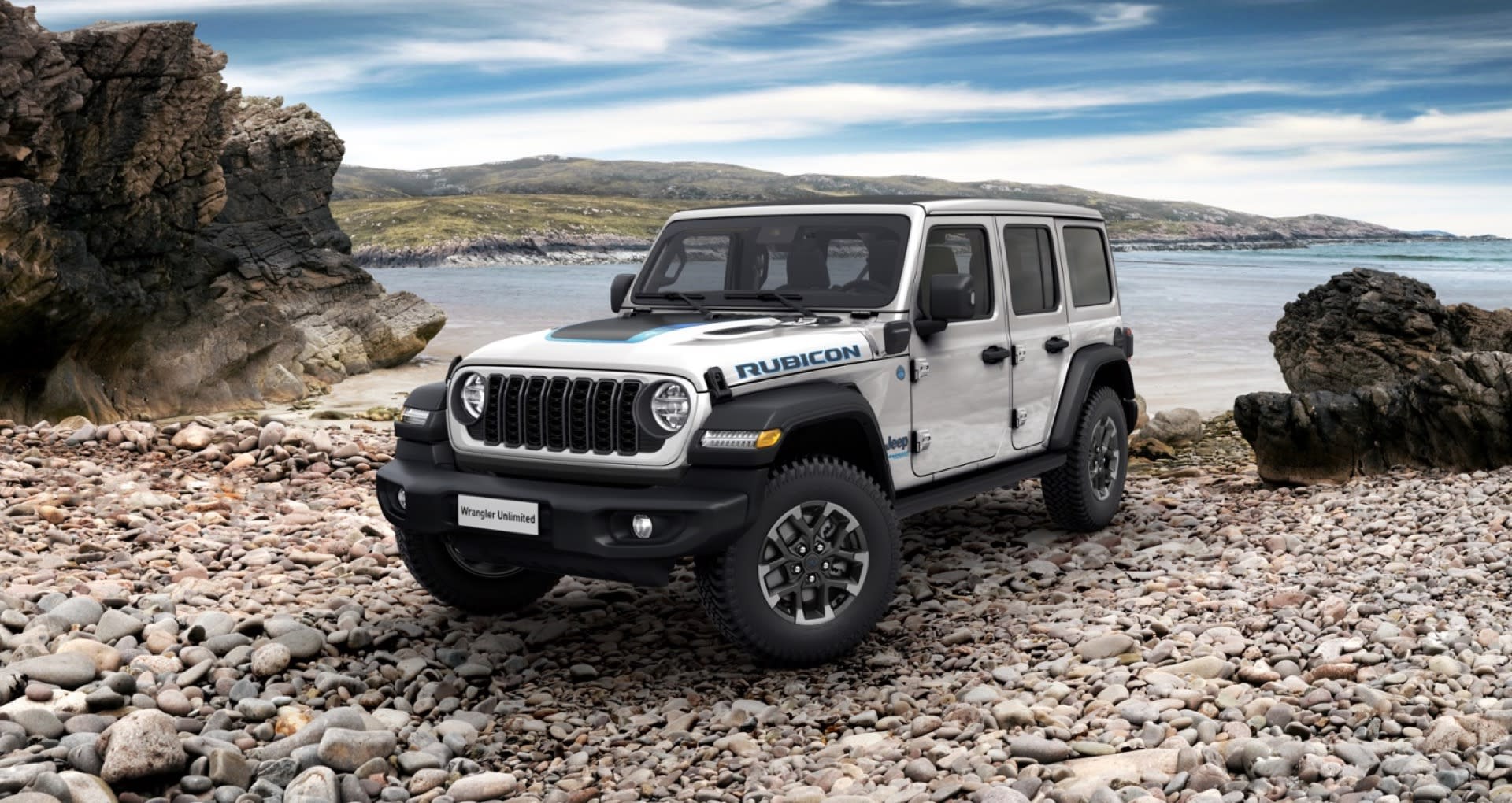
Jeep Wrangler Rubicon
The Jeep Wrangler Rubicon is a purpose-built off-road machine, and its ability to wade through floodwaters is no coincidence.
One of the primary features that make it ideal for such conditions is its exceptional ground clearance. With lifted suspension, solid axles, and available 35-inch tires from the factory, the Rubicon rides higher than many other vehicles in its class.
This added clearance allows it to enter and exit flooded roads with reduced risk of water reaching the intake or engine electronics. That alone makes a significant difference in survivability when unexpected water appears.
In addition, the Jeep Wrangler’s mechanical layout is one of its greatest assets in flood situations. It uses a body-on-frame construction that adds durability and raises critical systems higher off the ground.
The axles, transmission, and transfer case are all supported by skid plates and positioned to avoid direct contact with water as long as the driver proceeds cautiously.
The air intake is placed well above the headlights, and many owners add snorkels to increase the wading depth dramatically. As long as the engine stays above the waterline, the Jeep tends to keep going even when other SUVs are stranded.
The Rubicon trim includes locking differentials and a disconnecting front sway bar. These features help the Jeep maintain traction when one or more wheels are partially submerged or lose grip.
When crossing flowing water or flooded dirt roads, keeping all wheels moving at the same speed helps maintain momentum. Also, the sealed driveshafts and vented axles are designed to operate after splashes and temporary submersion without seizing or leaking, reducing long-term wear from unexpected water contact.
Electronics are also thoughtfully placed in the Wrangler. Though it’s not immune to water damage, its ECU and fuse panels are mounted higher than in many modern crossovers. Jeep uses water-resistant harnesses in many key locations, and the battery is located in a protected tray under the hood.
The HVAC system uses well-placed vents and drains to reduce the risk of water entry into the cabin filter or air ducts. If water does enter the cabin, the Wrangler’s interior can be washed out using the factory-installed drain plugs in the floorboards.
Wrangler drivers tend to be proactive, often modifying their vehicles with aftermarket parts like lift kits, waterproof connectors, and underbody armor. That culture of customization, combined with the already solid factory features, means many Rubicons are better prepared for floods than their spec sheets suggest.

Ford Bronco
The reintroduced Ford Bronco offers serious competition to the Jeep Wrangler in terms of off-road and flood-capable performance. From the start, Ford designed the Bronco to tackle water obstacles by including a wading depth rating that approaches 33.5 inches in certain configurations.
This is a significant figure and speaks to the care Ford took in protecting its electrical systems, drivetrain, and air intake. The location of the air intake, near the base of the windshield on some trims, helps the engine continue breathing in conditions that would cause smaller crossovers to choke and stall.
The Bronco also benefits from excellent suspension geometry, including an independent front suspension and a solid rear axle setup that offers both comfort and strength. Suspension travel is generous, and the available Bilstein shocks help maintain ride height even under load, which prevents the vehicle from squatting too low in water.
The optional Sasquatch package includes 35-inch tires and higher clearance, making the Bronco even more capable of handling water crossings and uneven terrain that may be concealed beneath murky water.
Ford paid close attention to waterproofing key components. Electrical control modules are housed in protected areas, and wiring harnesses use weather-resistant insulation.
Critical drivetrain elements, such as the transmission and differentials, use sealed breathers or extended vent hoses to minimize water intrusion. The Bronco’s exhaust system exits near the rear bumper at a height that reduces the likelihood of water entering when backing through puddles or pausing in floodwaters.
Interior-wise, the Bronco is designed to take abuse. Trims with marine-grade vinyl seats and rubberized flooring can handle wet conditions without permanent damage. Drain plugs in the floor allow for easy cleaning if water does enter the cabin.
Ford also minimized the number of exposed electronic components under the seats and dashboard, reducing the risk of electrical shorting.
Owners report that after driving through flooded areas or trails covered in standing water, the Bronco tends to dry out quickly and continue functioning without dashboard errors or malfunction lights.
The Bronco also benefits from modern traction and control technologies. The G.O.A.T. (Goes Over Any Terrain) drive modes include settings specifically optimized for slippery conditions, allowing the vehicle to manage throttle, braking, and torque distribution even in flooded or muddy environments.
These systems help prevent wheel spin when the tires lose grip underwater or on slimy road surfaces. Combined with solid tire options and large contact patches, the Bronco manages to keep moving forward while other SUVs falter and stall.
From a mechanical standpoint, the engine and transmission pairing is engineered to function reliably under varying stress loads, including wet conditions. Cooling systems are robust, and there are temperature sensors to ensure that no component overheats due to restricted airflow in floodwater.
Ford also implemented a smart alternator and battery management system that monitors voltage irregularities, helping avoid sudden electrical failures when water contacts sensitive circuits.
Finally, the Bronco community plays a large role in the vehicle’s ongoing success in flood and off-road scenarios. Many owners invest in protective upgrades such as snorkels, winches, aftermarket fenders, and waterproofing kits.
Because of this aftermarket culture, the Bronco is often equipped beyond factory specifications, increasing its tolerance for adverse weather. Even stock, however, the Bronco has shown it can keep its engine running, maintain steering, and power through moderate floods while lesser SUVs fail early.
All in all, the Ford Bronco proves itself as more than just a nostalgia play. It’s a thoroughly modern SUV that can stand up to waterlogged roads, torrential downpours, and trail crossings without hesitation.
Between its factory-engineered wading depth, thoughtfully placed components, and resilient drivetrain, the Bronco rightfully earns its place among vehicles that stay solid when the streets flood and traction disappears.
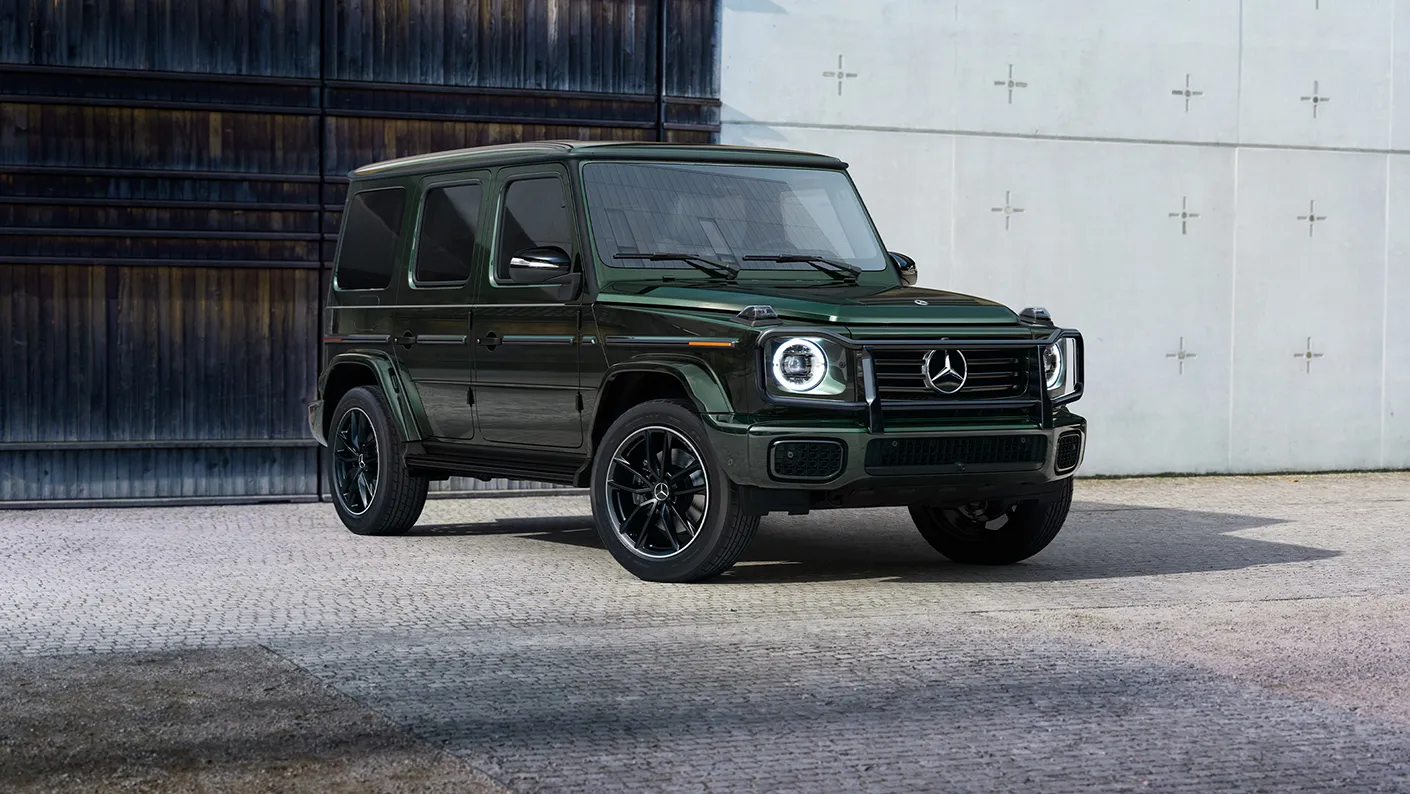
Mercedes-Benz G-Class
The Mercedes-Benz G-Class, often known as the G-Wagon, is a luxury SUV with military roots, and those origins make it a formidable performer in flood conditions. Unlike many luxury SUVs, the G-Class wasn’t designed just for show, it was originally engineered for military use, and it retains a rugged, body-on-frame construction.
Its drivetrain is a major reason it handles floods so well. The G-Class comes with three locking differentials (front, center, and rear), a rare feature even among serious off-roaders. This allows the vehicle to maintain traction even when some wheels are submerged or spinning in mud.
The transfer case and axles are robust and sealed to prevent water entry, and the transmission includes venting systems that keep water from contaminating the gear oil. These features work together to ensure that the vehicle doesn’t stall or lose drivability when pushed through shallow to moderate floodwaters.
Another strong point is the placement and protection of electrical components. The engine control units, battery, and fuse boxes are mounted high in the engine bay and enclosed in splash-resistant housings.
The G-Class uses high-quality insulation and waterproof connectors across the vehicle, which helps keep critical systems dry. Even with all its modern electronic safety and driver-assist features, the G-Wagon manages to keep functioning in wet conditions, avoiding the types of cascading failures that affect lesser luxury vehicles.
Mercedes also engineers the exhaust system to avoid stalling issues. The outlet is high and rear-mounted, preventing water from backing up into the engine. The design allows for consistent back-pressure even in low-speed, high-resistance environments like water crossings.
This, combined with the powerful twin-turbo V8 (or inline-6 in newer models), means the G-Class can power through flooded roads with torque and confidence, rather than getting bogged down or sputtering out halfway through.
While it comes with a steep price tag, the G-Class earns its reputation not just with appearance but with proven performance in demanding environments. Many owners in flood-prone regions choose it not only for luxury but for peace of mind.
Also Read: Top 9 Moves To Avoid While Owning a Dodge Durango R/T
5 SUVs That Stall Immediately
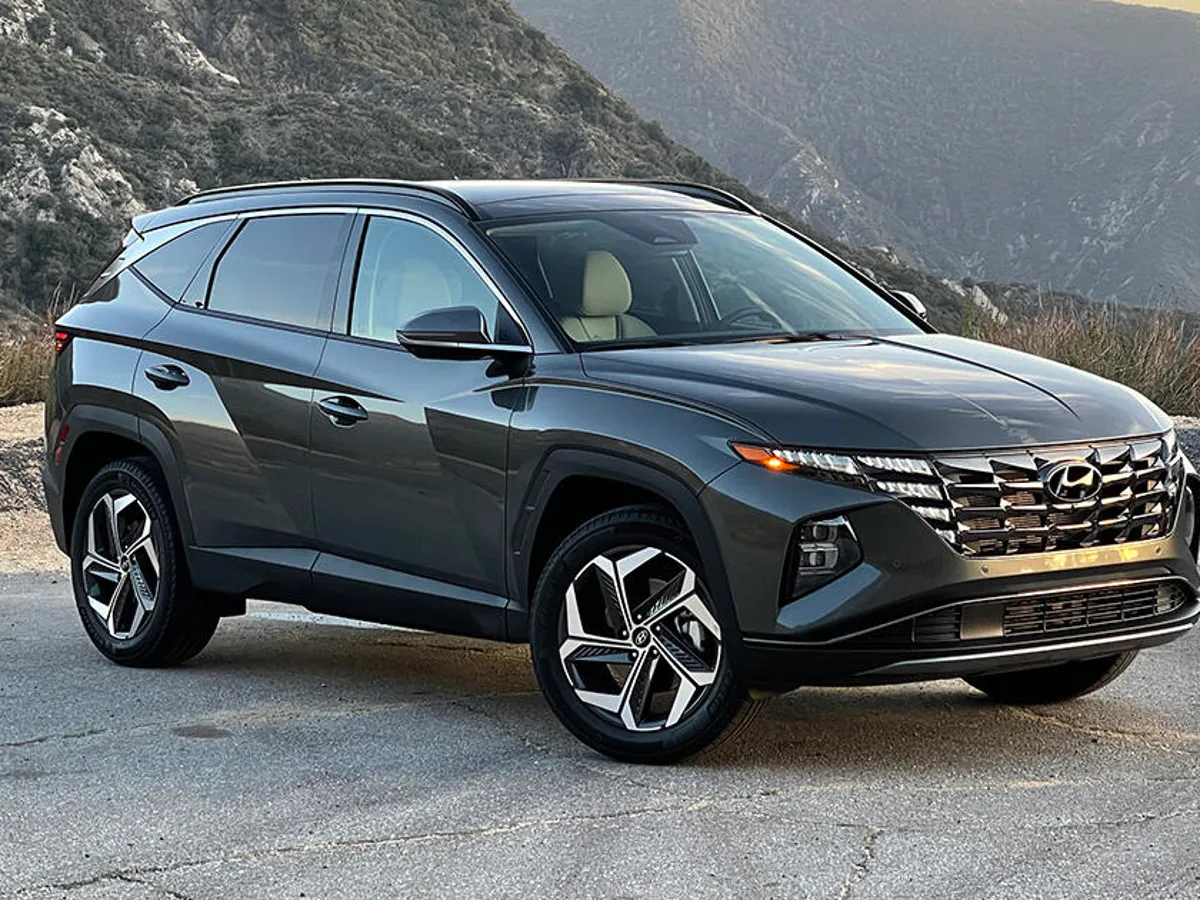
Hyundai Tucson
The Hyundai Tucson is a popular compact SUV known for its affordability and style, but it tends to struggle in flood conditions. Unlike rugged off-road vehicles, the Tucson lacks the necessary ground clearance and water fording capabilities to handle deep puddles or flooded streets safely.
Its air intake is positioned relatively low in the engine bay, making it vulnerable to sucking in water when the front bumper is submerged. This can cause immediate hydrostatic lock, which can severely damage the engine by allowing water to enter the cylinders where air should be.
Mechanical components on the Tucson are not designed with submersion in mind. The transmission venting system and drivetrain seals are standard for daily road use but inadequate for prolonged or deep water exposure.
Water intrusion into the transmission or differentials can cause immediate performance loss, slipping gears, or stalling. Additionally, the compact size of the Tucson means the engine bay is cramped, making it harder to waterproof or raise components without aftermarket modifications, which most owners do not pursue.
The electrical system in the Tucson is similarly vulnerable. Modern compact SUVs like this rely heavily on integrated electronics and sensors placed throughout the engine bay and under the vehicle. These components are often not sealed for waterproofing beyond basic rain and splash protection.
Once water reaches these modules or wiring harnesses, the result can be immediate shorts or sensor failures. This leads to engine stalls or the vehicle entering a limp mode to prevent further damage, leaving drivers stranded in flooded areas.
Sealing around doors and windows is designed mainly to keep out rain and dust, not to prevent floodwaters from entering. Once water levels rise above the door sills, water quickly seeps into the cabin, damaging carpeting, electronic control units underneath the dashboard, and seat wiring.
This can cause expensive repairs and make the vehicle difficult to start or operate even after the water recedes. The Tucson is not built with post-flood recovery in mind, which adds to the frustration of drivers caught in sudden flooding.
Finally, while Hyundai has made improvements in quality and reliability over the years, the Tucson’s design priorities lean heavily toward urban and suburban environments rather than rugged or emergency scenarios.
Its success on paved roads and moderate weather doesn’t translate to flood resilience. Drivers who take their Tucson through deep water often find themselves stalled, stranded, or facing costly repairs. This makes the Tucson a poor choice for areas prone to flooding or sudden water hazards.
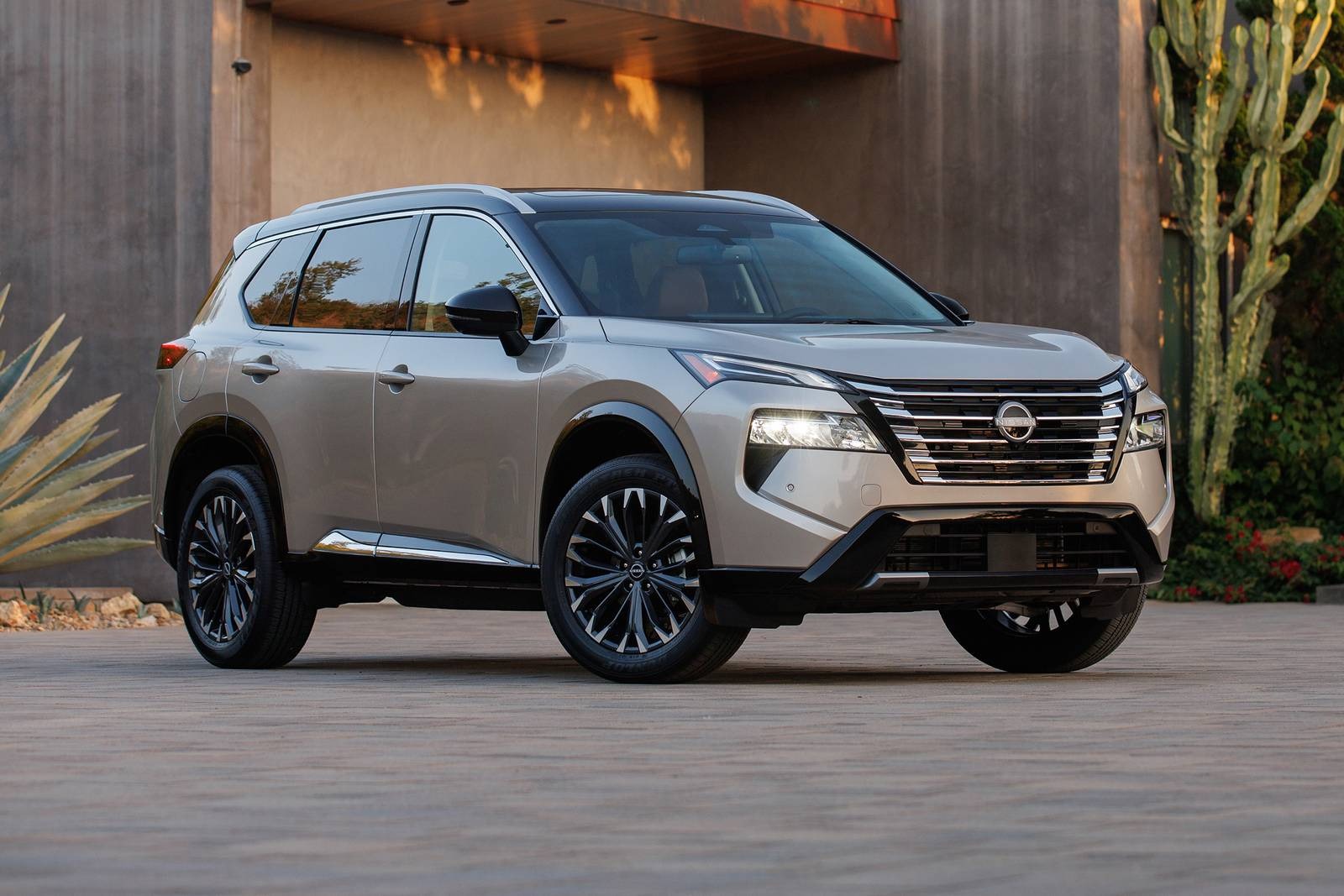
Nissan Rogue
The Nissan Rogue, another widely used compact SUV, shares many of the vulnerabilities that cause vehicles to stall quickly in flooded conditions. Its moderate ground clearance and relatively low air intake location mean that it is prone to ingesting water during even modest water crossings.
The Rogue’s front bumper and radiator area sit lower than more rugged SUVs, increasing the risk of water entering the engine bay during a flood or heavy rain. Once water breaches this area, the engine can stall immediately due to hydrolock or sensor malfunctions.
The Rogue’s drivetrain and transmission are not equipped for water exposure. Unlike vehicles designed with off-roading in mind, the Rogue uses vented gearboxes and differentials without extended snorkels or seals.
Water entering these components dilutes lubricants, leading to gear slippage or mechanical failure that quickly incapacitates the vehicle.
Once this happens, drivers will often find the Rogue unable to move or accelerate, stuck until dry and potentially costly repairs are made.
On the electrical front, the Rogue relies heavily on advanced electronics and sensors, including complex engine management and traction control systems. These parts are often located in areas vulnerable to splash or water intrusion.
When floodwaters rise, short circuits or water damage to control modules often cause the engine to cut out or the vehicle to enter a protective limp mode. This can occur almost immediately upon contact with deeper water, making the Rogue unreliable in such situations.
The cabin of the Rogue is similarly susceptible. Door seals and window gaskets are primarily designed to keep out rain and dust, not floodwater.
When water levels rise above the floor, it quickly infiltrates the interior, soaking carpeting and damaging electronics beneath the dashboard.
This can cause long-term issues, including persistent electrical faults and mold growth. Cleaning and repairs after flood exposure can be expensive and time-consuming, sometimes exceeding the vehicle’s resale value.
Nissan markets the Rogue as a versatile family SUV suitable for city and light off-road driving, but it lacks the necessary engineering to remain operational after sudden flooding.
In areas prone to heavy rains or flash floods, this vehicle often stalls immediately upon contact with significant water. While popular and practical under normal conditions, the Rogue is best avoided if flood resilience is a priority.
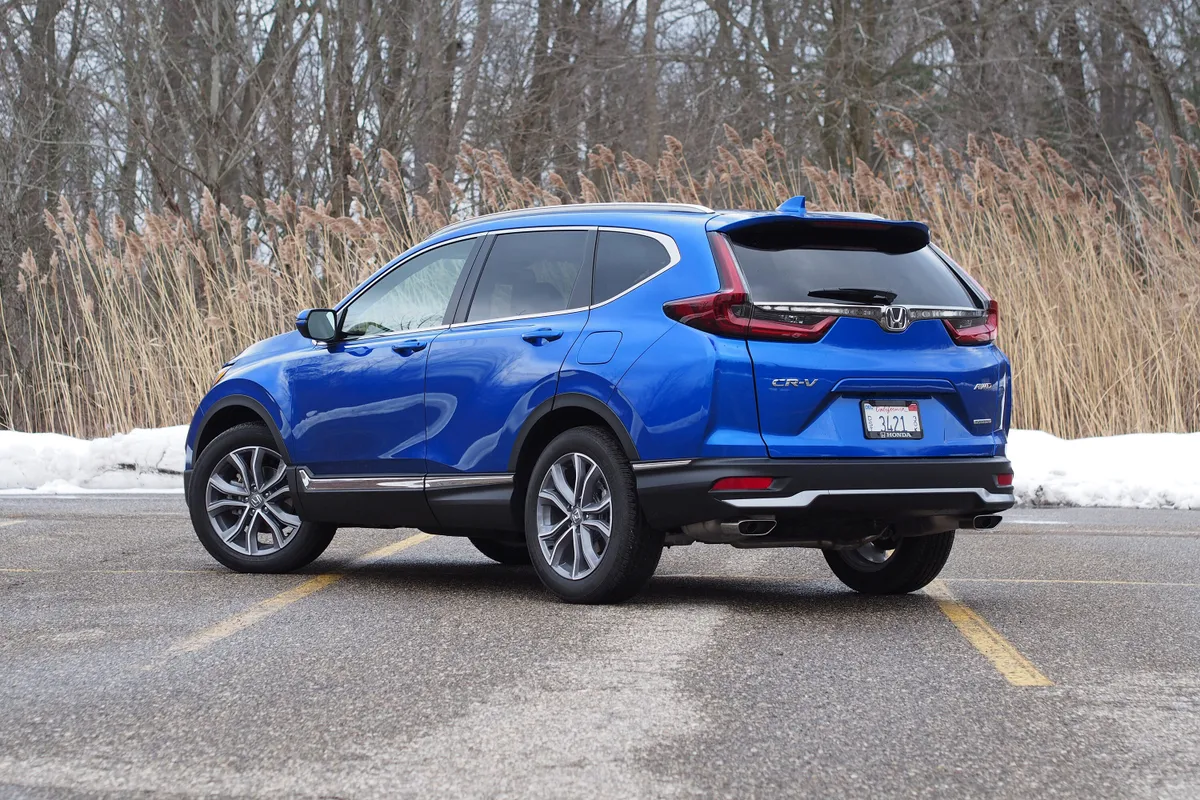
Honda CR-V
The Honda CR-V is well-regarded for reliability and fuel efficiency, but it is not designed to withstand the challenges posed by floodwaters. Its relatively low ground clearance combined with an engine air intake positioned near the front grille makes it vulnerable to water ingestion during even shallow water crossings.
This can cause the engine to stall immediately due to hydrostatic lock, where water prevents the pistons from moving properly, leading to costly internal damage.
Drivetrain components and transmission seals on the CR-V are standard for typical road use but not for flood conditions. Transmission vents and differentials are not extended or sealed for water resistance.
When submerged or splashed with floodwater, lubricants can become contaminated, causing the transmission to slip or fail prematurely. Such failures usually lead to immediate loss of power and stalled movement, especially if water enters the clutch or torque converter systems.
The CR-V’s electrical architecture is also vulnerable. Though Honda uses quality components, many sensors, fuse boxes, and control units are installed in locations that can be exposed to water during floods.
Water intrusion can cause short circuits, sensor malfunctions, and engine stalls. Even brief exposure to water can trigger fault codes and limp mode activation, leaving the vehicle unable to proceed until inspected or repaired.
Sealing in the CR-V, while adequate for rain and light moisture, is not designed to hold back rising floodwaters. Water can seep through door seals and around window frames, flooding the cabin floor and damaging the wiring and electronic components located beneath the seats and dashboard.
Interior damage caused by floodwater often leads to mold and electrical problems that are expensive to repair and may require extensive cleaning or part replacement.
Though the CR-V is a dependable SUV for everyday driving, it is not equipped for the kind of stress floodwaters place on vehicles.
Drivers who encounter flooded roads in a CR-V often experience immediate stalling and require towing or repairs afterward. Its design focus is on efficiency and comfort, rather than the rugged flood endurance found in more off-road oriented SUVs.
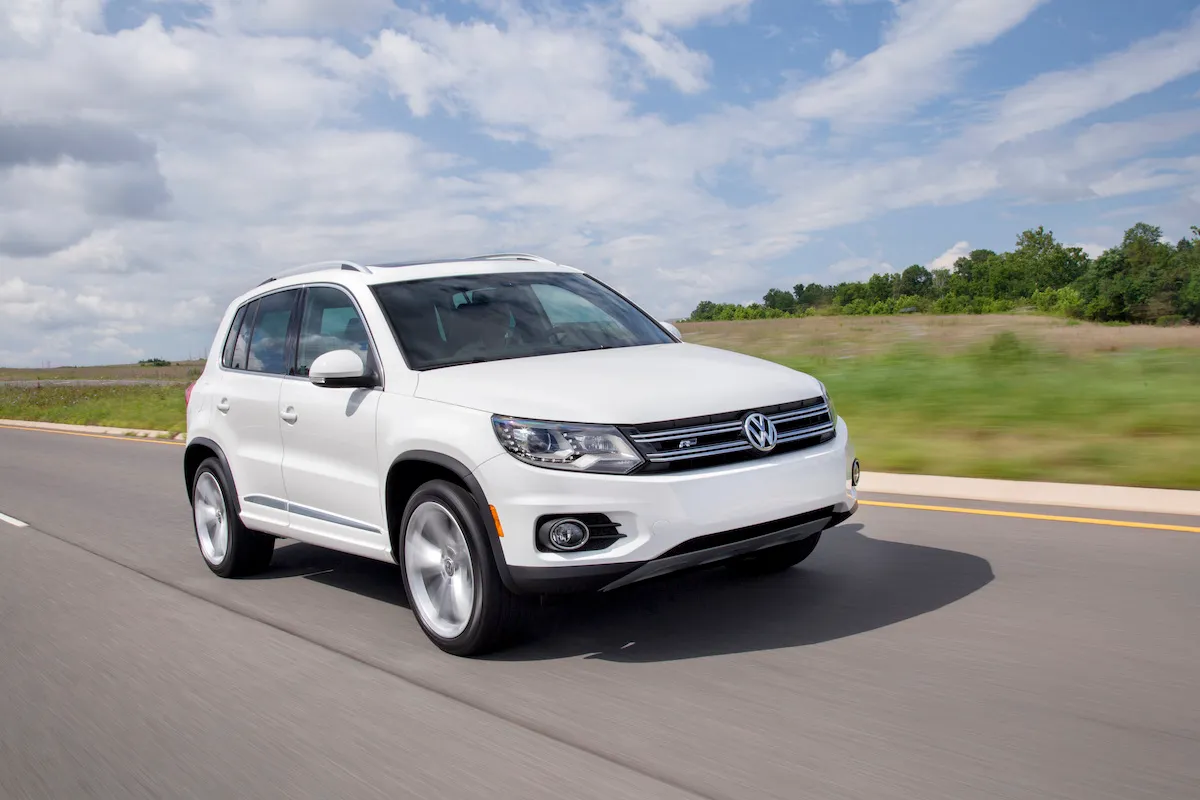
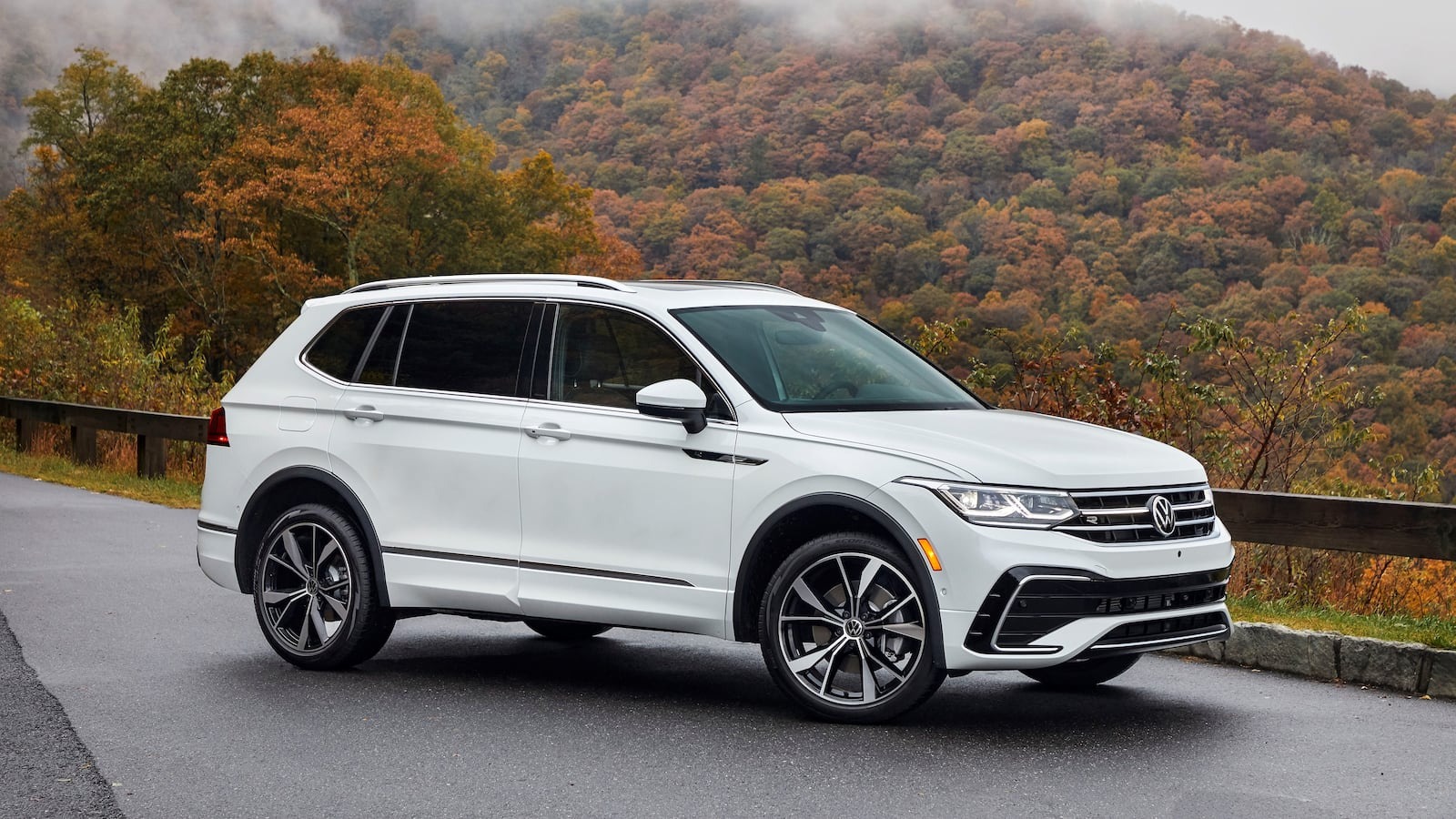
Volkswagen Tiguan
The Volkswagen Tiguan is a compact crossover SUV praised for its European styling and comfortable ride, but it falls short in flood resilience. Its air intake is positioned relatively low on the front end, making it highly susceptible to sucking in water during flooded road conditions.
Once water enters the engine bay, it can cause the engine to stall immediately by hydrolocking or shorting out critical sensors. The Tiguan’s transmission and drivetrain are not engineered for water submersion.
Standard vent tubes are short and low-mounted, allowing water to enter gears and differentials easily when driving through flooded areas.
Water contamination of transmission fluid can result in slippage, overheating, or complete failure. The vehicle can lose power suddenly, leaving drivers stranded as the transmission locks up or the engine stalls.
Electronics in the Tiguan are also prone to failure when exposed to floodwaters. Volkswagen uses advanced electrical systems with multiple control modules throughout the vehicle, many of which are not fully waterproofed. Once water infiltrates these areas, short circuits and sensor failures become almost inevitable.
Drivers often report sudden loss of power, unexpected warning lights, and stalling during or immediately after exposure to flood conditions.
Seals around doors and windows on the Tiguan provide basic protection against rain but are inadequate for preventing water ingress during floods.
When water levels rise above the vehicle’s floorboards, it seeps into the interior, damaging carpeting, seat wiring, and electrical components under the dash. This leads to costly repairs and sometimes permanent issues with interior electronics and comfort features.
Volkswagen markets the Tiguan as a versatile urban and light off-road SUV, but it is not built to withstand severe flood situations.
Drivers who attempt to cross flooded streets in this vehicle often find themselves stalled and facing expensive repairs. While comfortable and refined on dry roads, the Tiguan does not perform well when water rises quickly around its wheels.
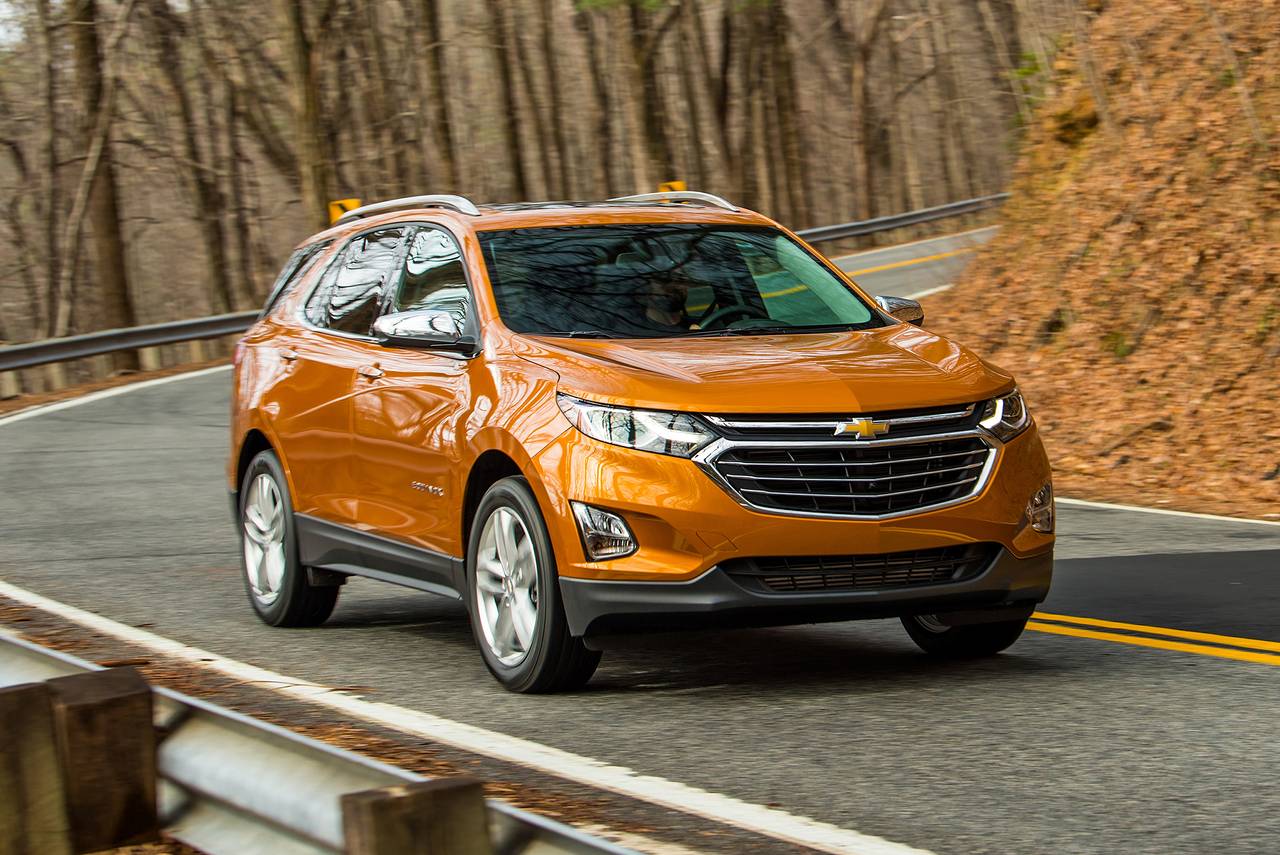
Chevrolet Equinox
The Chevrolet Equinox is a popular midsize SUV offering a smooth ride and good fuel economy, but it is not designed to handle floodwaters effectively.
Its moderate ground clearance and low air intake position mean that water can easily reach the engine’s breathing system during a flood. This exposure can cause the engine to ingest water and stall immediately, a situation that can lead to catastrophic engine damage if not addressed quickly.
The Equinox’s drivetrain and transmission systems are vulnerable to water intrusion as well. Standard vent tubes and seals are designed for normal road conditions but are insufficient to prevent water from entering when the vehicle is partially submerged.
Water contamination of transmission fluid can cause slippage, overheating, and mechanical failure, which often manifests as an immediate stall or loss of drive power.
Electrical components, including engine management units, fuse boxes, and wiring harnesses, are placed in areas that can become exposed to water during flooding.
These parts lack full waterproofing, making them susceptible to short circuits and failures when submerged or splashed. As a result, the Equinox can experience sudden engine shutdowns or enter a limp mode to protect the system, leaving drivers stranded in flood conditions.
The interior sealing on the Equinox is designed primarily for rain and minor moisture but not for floodwaters. Water can enter the cabin once it rises above the door sills, soaking carpeting and damaging electronic modules beneath the seats and dash.
Flood damage can lead to persistent electrical faults, unpleasant odors, and costly cleanup and repairs, further diminishing the vehicle’s reliability after exposure.
While the Chevrolet Equinox offers comfort and features attractive to everyday drivers, its lack of flood resilience makes it a poor choice for those in flood-prone areas.
Attempts to cross flooded roads often end with the vehicle stalling immediately, requiring costly repairs or towing. For drivers facing flood risks, more robust and flood-capable SUVs are better suited.
