
Classic cars carry more than just horsepower and polished chrome. They tell stories, of innovation, of style, of moments in history that became iconic. Collectors aren’t just buying a machine when they raise their paddles at an auction.
They’re claiming a piece of cultural identity, something that holds significance far beyond its initial market value. Whether it’s a pre-war beauty or a 1990s performance legend, certain vehicles stir emotions and nostalgia that few other possessions can replicate.
Car auctions often showcase the rarest and most desirable models ever made. These events aren’t about commuting or daily driving, they’re about finding machines that made a mark, influenced design, or simply exist in such low numbers that their rarity alone generates a bidding war. Most collectors have a running list of dream cars.
Some go for pure speed, some want historical importance, and others are drawn by design or personal memory.
Some cars fetch astronomical prices because they were owned by celebrities, used in films, or associated with significant motorsport victories. Others are valued purely on merit, engineering marvels that were decades ahead of their time. And of course, condition matters.
A car in mint, original condition with full documentation is a magnet for bidders. Yet even a rusted chassis can bring big numbers if it belongs to the right nameplate.
What follows is a list of fifteen cars that consistently cause excitement whenever they appear under the auction spotlight. These vehicles span decades and continents, covering everything from British craftsmanship to American muscle to Italian finesse.
They may differ in design, power, and purpose, but each has one thing in common: collectors want them, and they’re willing to go the extra mile to make them theirs.
Also Read: 10 Cars With The Best Resale Reliability vs 10 That Drop Quickly
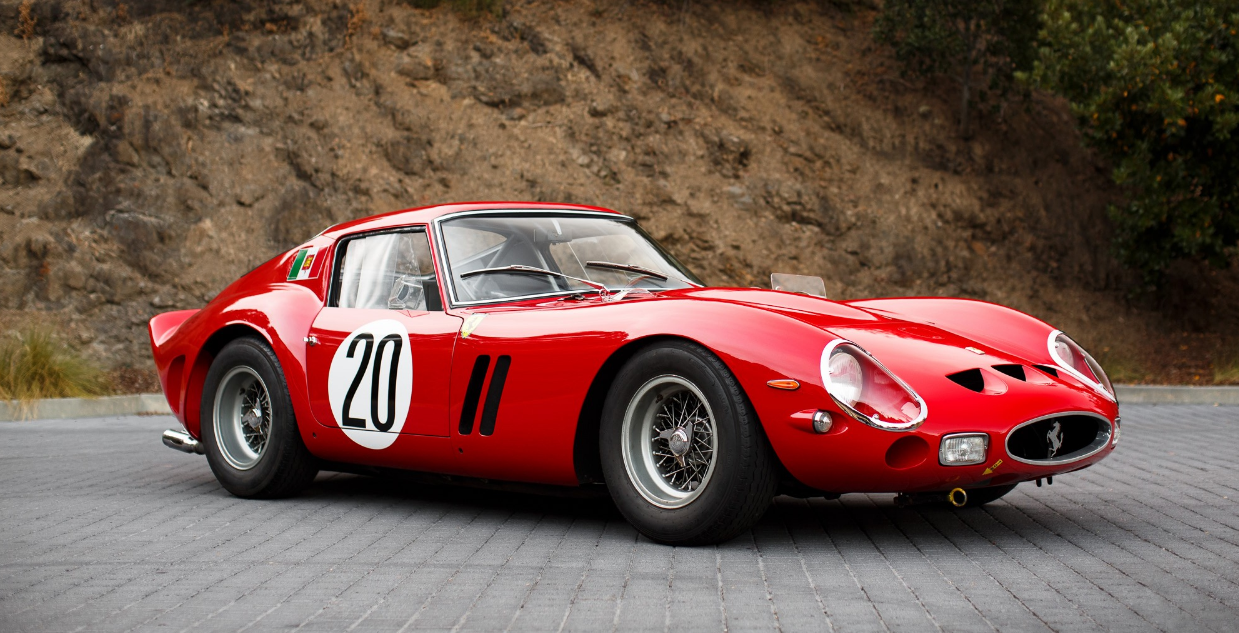
1. 1962 Ferrari 250 GTO
The Ferrari 250 GTO is often regarded as the holy grail of collectible cars. Only 36 units were produced between 1962 and 1964, which makes it incredibly rare. But rarity alone doesn’t explain why this car has sold for over $70 million in private deals.
The 250 GTO combines top-level motorsport pedigree with breathtaking design and a cultural reputation that transcends the automotive world. Its shape, performance, and success in racing cement its place at the top of many collectors’ lists.
This model was originally built to race in FIA’s Group 3 Grand Touring Car category. Under the hood, the 250 GTO houses a 3.0-liter V12 engine capable of pushing out nearly 300 horsepower, impressive numbers for its time.
It wasn’t just fast; it was a winner. The 250 GTO achieved podium finishes in major races like the Tour de France Automobile and the 24 Hours of Le Mans. Racing success plays a huge role in collector appeal, and the 250 GTO has plenty of it.
Beyond the numbers, the car’s styling contributes heavily to its demand. Its long nose, muscular haunches, and minimalist cockpit are often cited as examples of design perfection.
It looks like a sculpture in motion, whether standing still or hurtling around a racetrack. Collectors who value aesthetics as much as performance are often drawn to this model, making bidding fierce whenever one surfaces.
Owning a 250 GTO is more than just a purchase; it’s a statement. It signifies entry into an exclusive club of collectors, many of whom are prominent figures in business or entertainment.
The mystique surrounding this model has only grown with time, and its price trajectory shows no sign of slowing down. When a 250 GTO enters an auction room, the atmosphere changes immediately, and the bidding often spirals into the stratosphere.
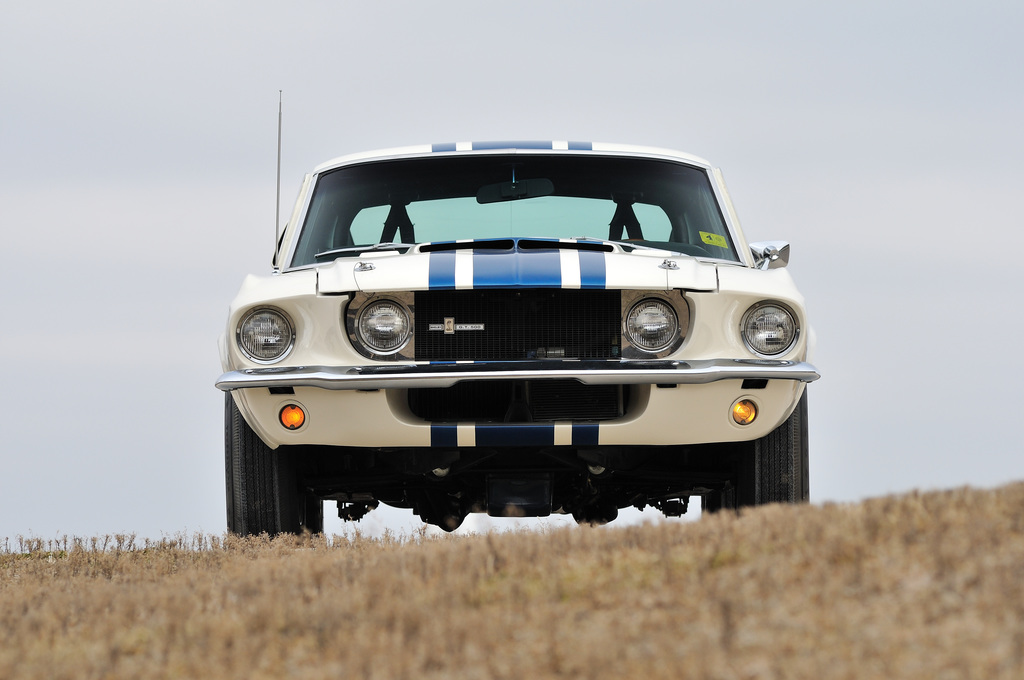
2. 1967 Shelby GT500
The 1967 Shelby GT500 is one of the most celebrated muscle cars in American history. Born from the collaboration between Carroll Shelby and Ford, this car represents an era when brute force and bold styling dominated the streets.
Equipped with a 428-cubic-inch V8 engine, the GT500 had both the looks and the power to make it a favorite for performance enthusiasts. Today, collectors chase this model for its legacy as much as its driving experience.
Unlike the earlier GT350, which focused more on handling, the GT500 leaned into raw power. It had a presence that was impossible to ignore, with aggressive styling cues, scooped hoods, and wide body panels that made it stand out even among other muscle cars.
Inside, the car was surprisingly refined for its time, offering a blend of racing feel and comfort that broadened its appeal beyond pure track fans.
A major factor in its collector value is its connection to Carroll Shelby himself. His involvement in American performance car development is legendary, and the GT500 is one of his crowning achievements.
It wasn’t just fast, it was purpose-built to outshine its competition on the street and at the strip. That DNA has kept the GT500 in high demand for decades, especially original models with matching numbers and factory documentation.
Pop culture has also played a role in boosting its desirability. The car famously appeared as “Eleanor” in the film Gone in 60 Seconds, cementing its place in the hearts of fans around the world.
When one of these hits the auction block, collectors know they’re not just buying metal and rubber, they’re claiming a piece of American automotive lore. Bidding wars are common, and prices continue to climb as fewer original examples remain.
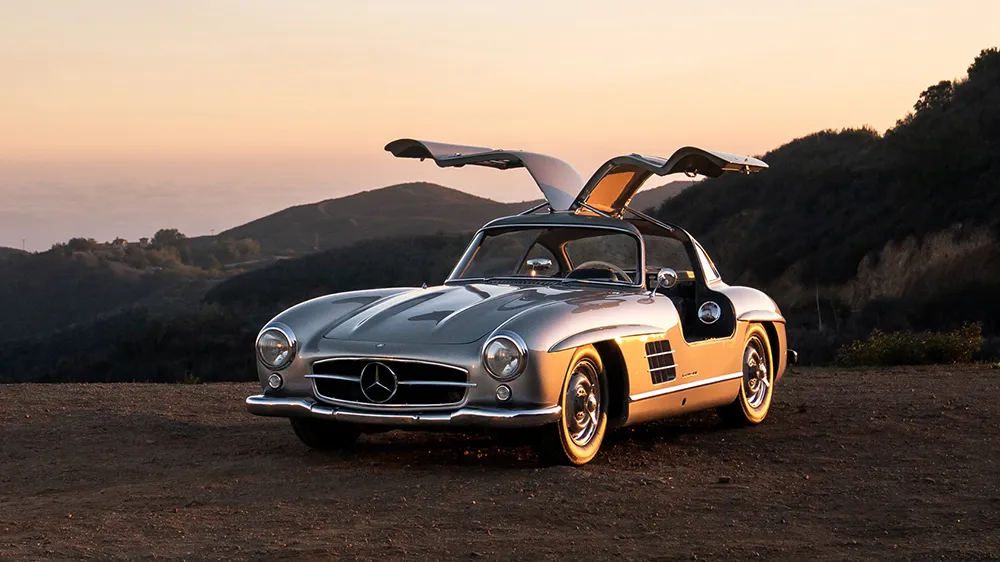
3. 1955 Mercedes-Benz 300SL Gullwing
The 300SL Gullwing is one of the most iconic vehicles Mercedes-Benz has ever produced. Its upward-opening doors immediately set it apart from anything else on the road in the 1950s.
But it wasn’t all flash; the car was a technical marvel as well. Featuring direct fuel injection and a lightweight tubular spaceframe chassis, the 300SL was among the most advanced vehicles of its time.
Collectors admire the 300SL not just for its beauty, but for its significance. It was derived from the W194 race car that saw success in events like the Carrera Panamericana and Le Mans.
When Mercedes adapted the car for the consumer market, they didn’t strip it down; they kept much of the performance pedigree intact. That mix of track ability and street usability helped establish the 300SL as a flagship model.
Another aspect that contributes to its high auction prices is craftsmanship. These cars were hand-built with meticulous attention to detail.
From the leather seats to the dashboard layout, everything was designed with elegance and precision. Today, fully restored or well-preserved original units are highly sought after, often demanding seven-figure prices at major auctions.
The Gullwing’s distinctive appearance continues to charm generations of car lovers. Its sleek silhouette and unique door design make it instantly recognizable, even to those who aren’t car enthusiasts.
Collectors are drawn to the story it tells about innovation, prestige, and racing history. Every time a 300SL appears at auction, it draws attention from serious buyers who understand the car’s rare blend of heritage and engineering.
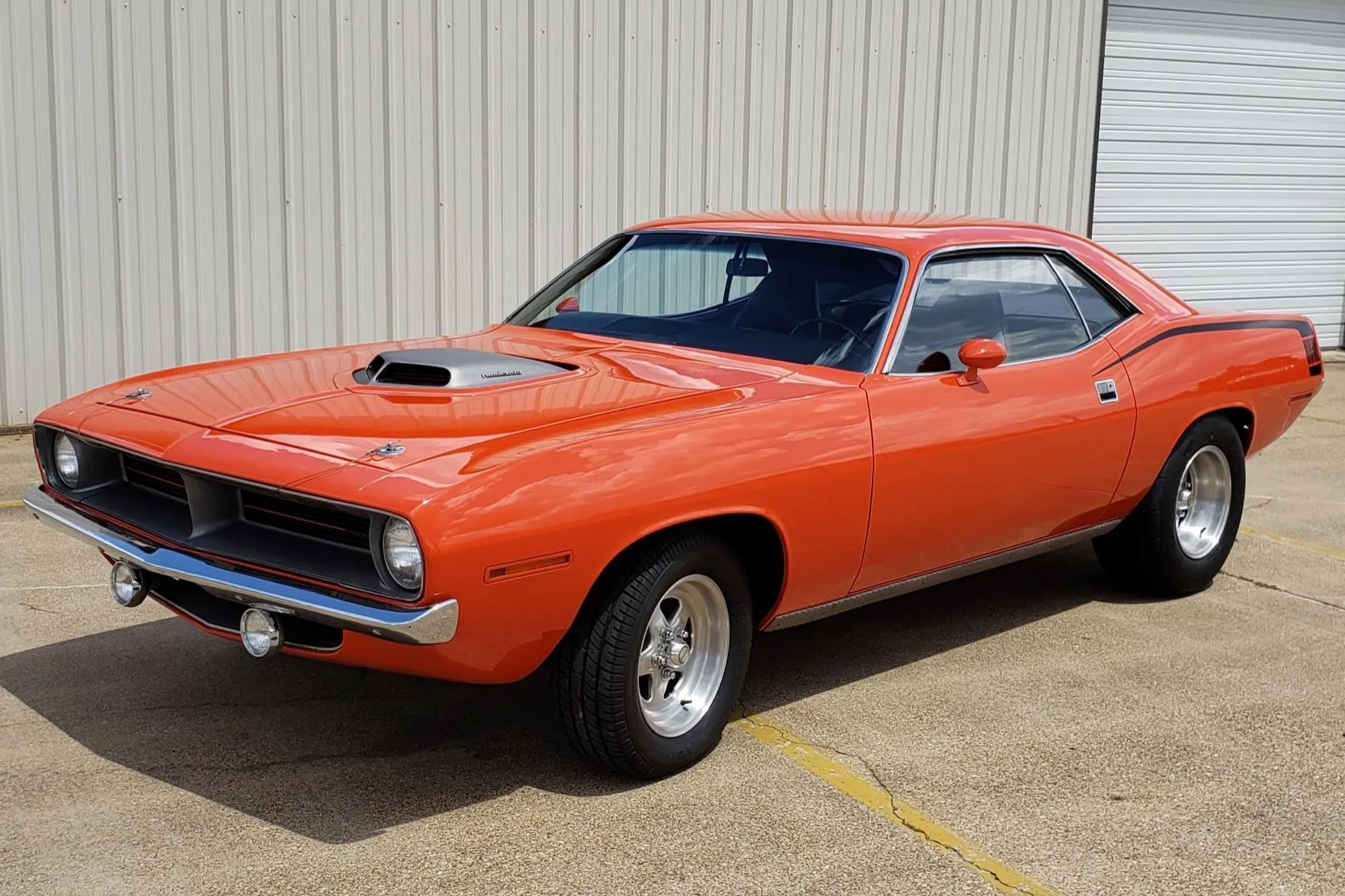
4. 1970 Plymouth Hemi ‘Cuda
The 1970 Plymouth Hemi ‘Cuda represents the height of American muscle car performance. With its aggressive stance, snarling 426 Hemi engine, and limited production run, the ‘Cuda has become one of the most sought-after cars of its era.
Collectors regard it as a pinnacle of raw power and design, a symbol of the brief but unforgettable muscle car golden age. Only a few hundred units of the 1970 Hemi ‘Cuda were produced, making it exceptionally rare.
The 426-cubic-inch Hemi engine under its hood was rated at 425 horsepower, but many believe it delivered more in real-world conditions. This engine became legendary in racing circles, earning a reputation for toughness and speed. Owning a car with a factory-installed Hemi is a badge of honor in the collector community.
Styling also plays a huge role in its desirability. The 1970 model had unique features like the Shaker hood scoop, high-contrast stripes, and bold color options like Plum Crazy and TorRed.
These visual cues give the car a personality that is unmistakably American and unapologetically bold. When combined with the performance, it’s easy to see why collectors hold the Hemi ‘Cuda in such high regard.
Auction prices for this model continue to climb, especially for versions with original engines and factory options like the Super Track Pak.
Cars with manual transmissions or rare color combinations command even more. The car doesn’t just appeal to those who lived through the era, it also speaks to younger collectors who appreciate its brutal simplicity and undeniable charisma.
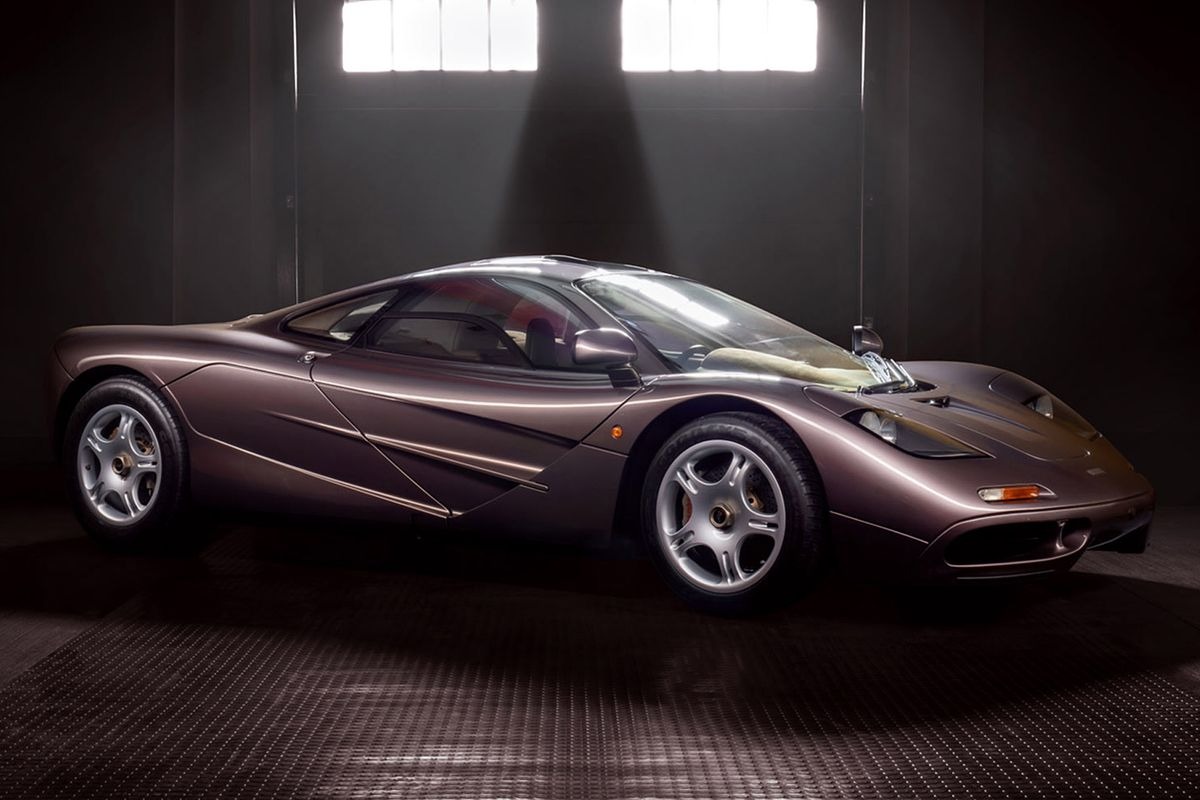
5. 1992 McLaren F1
The McLaren F1 is considered one of the greatest engineering accomplishments in automotive history. Designed by Gordon Murray, this car was built with a singular vision: to create the best road car ever made.
With a naturally aspirated 6.1-liter V12 engine developed by BMW, a carbon fiber monocoque chassis, and a center driving position, the F1 combined performance, innovation, and purity in a way that no other car had before or has since. Only 106 units were built, including race versions, making it extraordinarily rare.
But speed was only part of the story. Every aspect of the F1 was engineered with care, from its gold-lined engine bay used for heat shielding to its uncompromising weight-saving measures. Even the toolkit was custom-designed and included titanium wrenches.
Collectors are not just buying speed when they acquire a McLaren F1; they’re buying philosophy. The car was never meant to be a mass-market supercar or a loud statement piece. It was a masterwork of thoughtful design and precise engineering.
Murray’s insistence on avoiding turbochargers and keeping the weight under 2,500 pounds set it apart from the excesses of other high-performance cars of the era. That purity is something that collectors deeply respect, and it shows in auction prices that regularly surpass $20 million.
What makes the F1 even more desirable is its timeless quality. While other supercars often feel dated after a few decades, the F1 continues to stand apart. Its proportions, minimalist styling, and symmetrical layout keep it fresh, even as technology advances.
Owners often hold onto them for decades, making appearances at auction infrequent. When they do appear, it’s an event, and bidding always reflects the deep admiration the car commands among serious collectors.
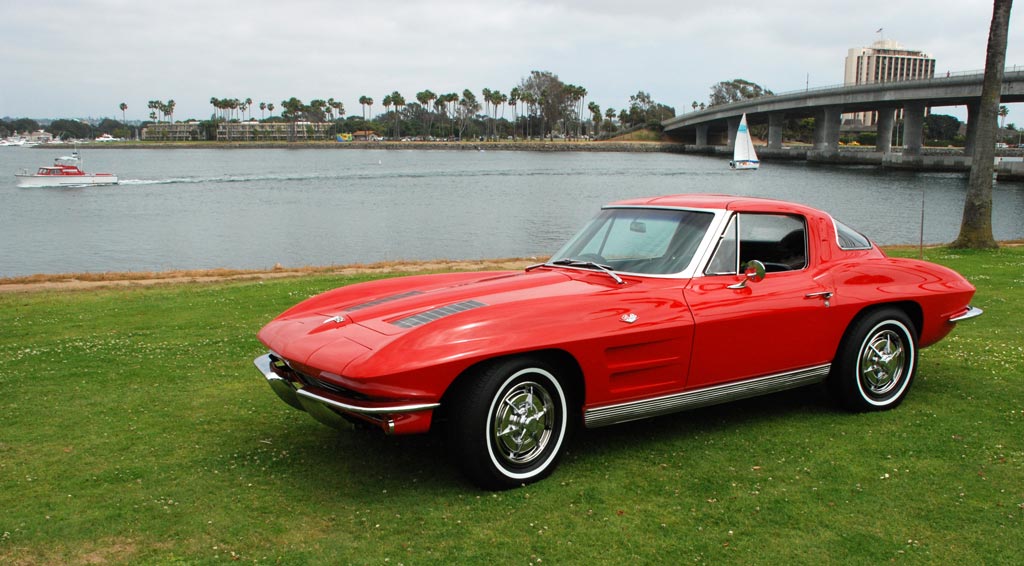
6. 1963 Chevrolet Corvette Sting Ray Split-Window Coupe
The 1963 Corvette Sting Ray Split-Window Coupe is one of the most iconic American sports cars ever made. Its distinctive rear window, divided by a central spine, was available for only one year.
While initially controversial due to visibility issues, the design has since become a symbol of Corvette heritage and one of the most coveted collector models. Its combination of performance, styling, and uniqueness gives it a special place in the history of American performance vehicles.
Under the hood, the ’63 Sting Ray was no slouch. It came with a range of powerful V8 options, including the fuel-injected 327 that produced up to 360 horsepower.
The car’s performance matched its aggressive, shark-like styling. With a newly designed independent rear suspension and better weight distribution, it handled with far more agility than previous Corvettes. This leap forward in engineering contributed to its success both on the street and in competition.
Collectors value the split-window coupe not only because of its appearance but also because of what it represents. It marked a new era for Chevrolet, one where performance and design were taken to a new level.
This car feels like a turning point, where American manufacturers started pushing toward more refined and competitive sports cars. It’s not just a classic, it’s a cornerstone in the evolution of American automotive design.
Prices at auction have steadily risen for pristine examples, especially those with matching numbers and original parts. Cars with rare options or in original condition are particularly prized.
The unique rear window design ensures it always draws attention, and for many Corvette enthusiasts, owning a ’63 split-window is the achievement. When one comes up for sale, it tends to command both premium prices and passionate bidding.
Also Read: Top 9 Moves To Avoid While Owning a Dodge Durango R/T
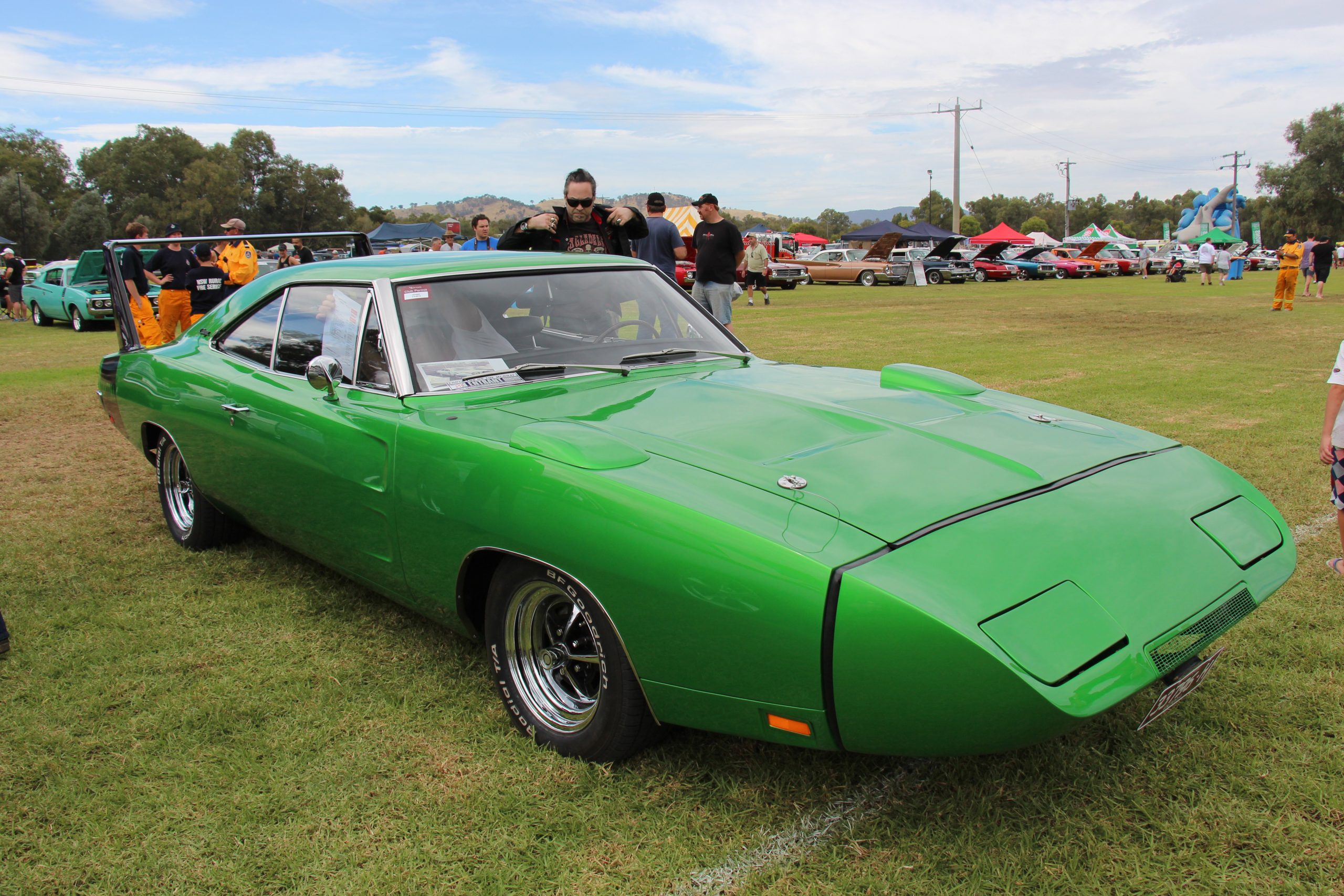
7. 1969 Dodge Charger Daytona
The Dodge Charger Daytona was a car built for one thing: winning on the high-speed ovals of NASCAR. With its long aerodynamic nose cone and massive rear wing, the Daytona didn’t just look different from other muscle cars, it was different.
It was the first NASCAR vehicle to break the 200 mph barrier, and its racing pedigree immediately made it a legend. For collectors, it’s one of the rarest and most desirable muscle cars ever made.
Built in limited numbers to meet homologation rules, Dodge produced just over 500 Daytonas in 1969. Most were powered by the 440 Magnum V8, but a small number came equipped with the legendary 426 Hemi.
These Hemi cars, in particular, are the crown jewels of Mopar collecting. Their performance and rarity make them a top target at muscle car auctions, often bringing in seven-figure bids when the condition is right.
The car’s appearance is equally a part of its allure. That extended nose and tall rear wing were not just cosmetic, they were tested in wind tunnels to reduce drag and increase downforce.
These features made the Daytona instantly recognizable and gave it a character that still feels outrageous and exciting today. There’s nothing subtle about it, and that’s part of the appeal. It’s a car that was built to break records, not blend in.
For many collectors, the Daytona is more than just a muscle car. It’s a motorsport artifact. Its success on the track and limited production run create a potent mix of desirability.
Original cars with documentation, especially Hemi models, are incredibly rare. When they do appear at auctions, they often spark intense competition among bidders, each hoping to secure a piece of racing history and raw American power.
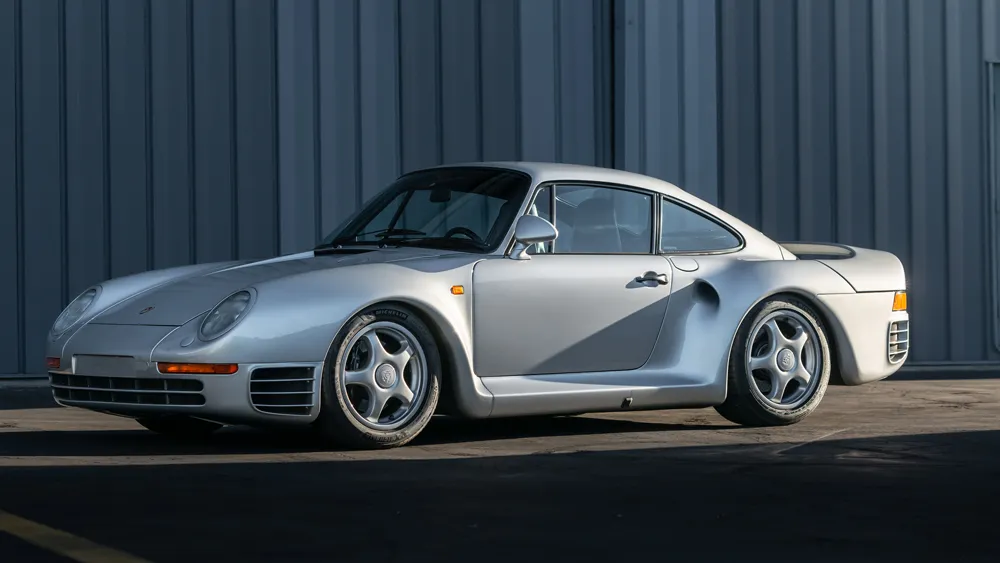
8. 1987 Porsche 959
The Porsche 959 is one of the most technologically advanced cars of the 1980s and remains a landmark achievement in automotive history.
Developed originally for Group B rally racing, the 959 was packed with innovation, twin-turbocharging, all-wheel drive, active suspension, and extensive use of lightweight materials.
Only 337 cars were built, making it one of the rarest modern Porsches. Collectors are drawn to it because of its impact on future performance cars and its engineering excellence.
The car’s 2.85-liter flat-six engine produced around 450 horsepower, propelling it to a top speed of nearly 200 mph. But it wasn’t just the numbers; it was the way the 959 delivered its power.
Thanks to its sophisticated systems, it was fast, stable, and predictable in ways no car had been before. Porsche used it as a testbed for technologies that would later appear in models like the 911 Turbo and even influence other brands’ high-performance offerings.
Another factor contributing to the 959’s appeal is how understated it looks compared to its capabilities. At first glance, it resembles a beefed-up 911.
But look closer, and you’ll notice the unique rear wing, wider arches, and complex cooling ducts. It’s a car that hides its brilliance under familiar lines. That combination of familiarity and innovation appeals strongly to enthusiasts who appreciate subtlety and depth.
Today, the 959 is a staple at major collector car auctions. Pristine examples can command millions, and their value only seems to increase as time goes on.
What makes the car special is not just its rarity or performance, but the sense that it was ahead of its time. It set benchmarks that manufacturers spent decades chasing, and that legacy gives it immense status in the collector world.
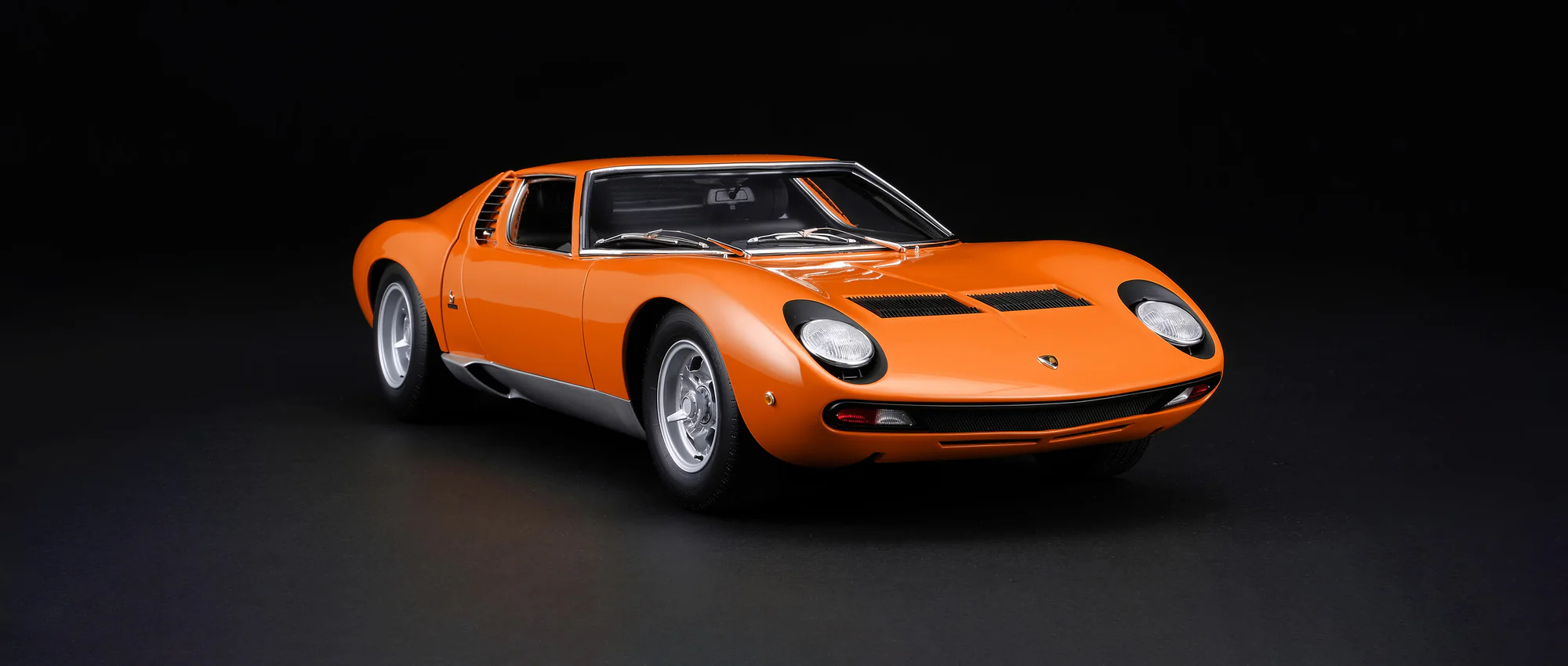
9. 1971 Lamborghini Miura SV
The Lamborghini Miura SV is widely recognized as the world’s first supercar in the modern sense. Its mid-engine layout, radical styling by Marcello Gandini at Bertone, and fierce performance redefined what a high-performance road car could be.
Introduced in 1971 as the final and most refined version of the Miura line, the SV (for “Super Veloce”) brought significant improvements in handling, power delivery, and build quality, all while preserving the stunning silhouette that had already made the car a design icon.
Unlike the earlier P400 and S models, the Miura SV featured a reworked rear suspension and wider rear tires, which drastically improved cornering stability. The engine remained the same 3.9-liter V12, but it was tuned to produce around 385 horsepower.
This allowed the SV to accelerate with greater urgency and offer a top speed north of 175 mph, very impressive for its time. The SV also replaced the shared lubrication system between the engine and gearbox, which had caused durability issues in earlier models.
Collectors love the Miura SV not just for its performance but for its story. It was developed in a time when Lamborghini was still a small, fiery company, focused more on upsetting Ferrari than playing it safe.
The Miura shocked the automotive world in the late ’60s, and by the time the SV arrived, it had matured into something truly exceptional. The combination of elegance and aggression makes the SV a centerpiece in any high-end collection.
Original Miura SVs, particularly those with matching numbers and factory colors, fetch extremely high prices at auction. Cars that were built with factory air conditioning, or those with rare trim options, generate even more interest.
Restoration quality is also crucial, as Miuras can be challenging and costly to restore correctly. When a well-documented SV crosses the auction stage, it always commands attention and often ignites fierce bidding among collectors who understand its place in supercar history.
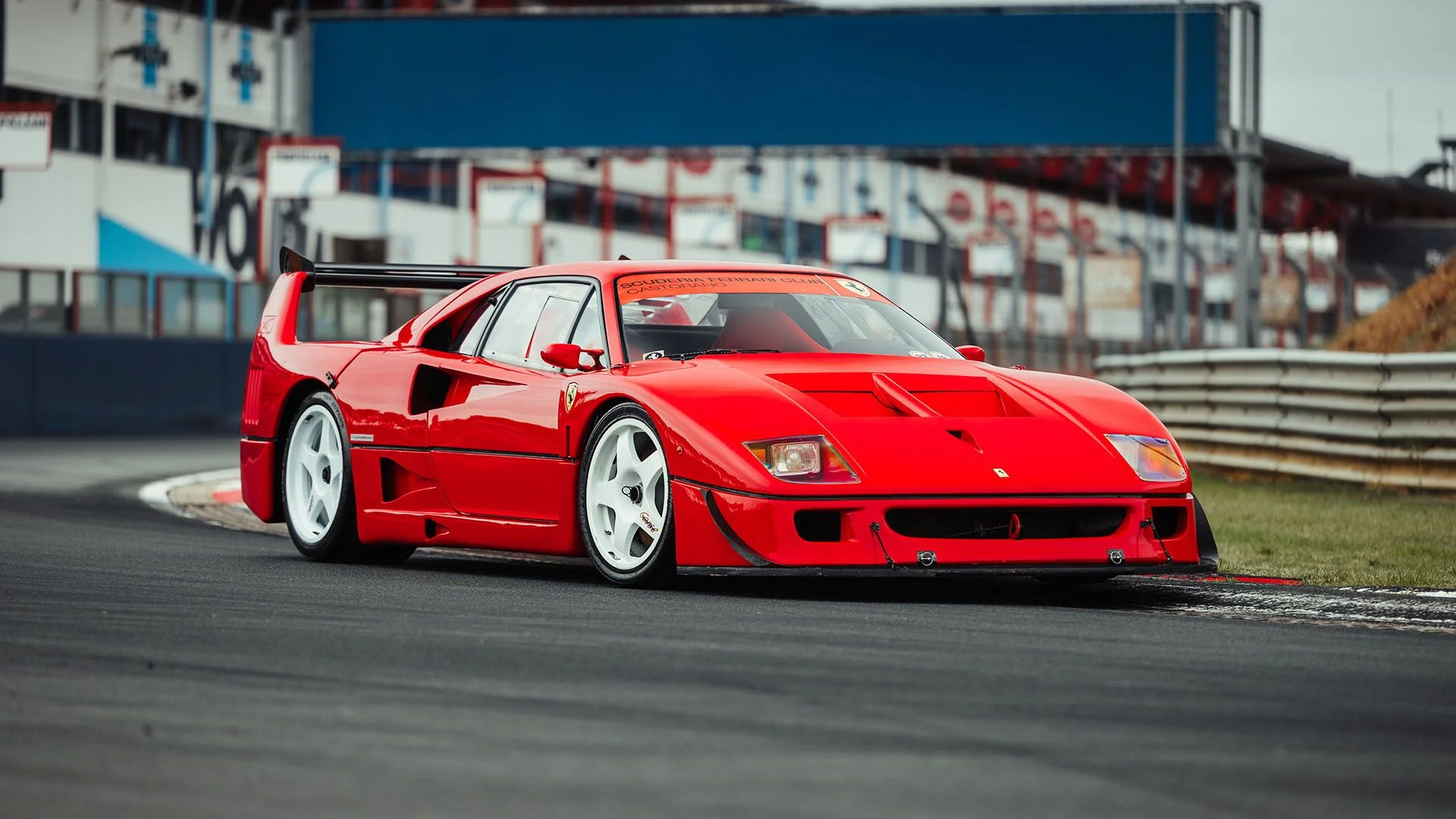
10. 1989 Ferrari F40
The Ferrari F40 holds a unique place in the hearts of collectors and enthusiasts alike. Built to celebrate Ferrari’s 40th anniversary, it was the last model personally approved by Enzo Ferrari before his death.
That fact alone makes it significant, but the car itself more than earns its place in automotive lore. It’s a brutal, uncompromising machine designed for speed and emotion, not comfort or practicality. With a twin-turbo V8 engine, lightweight construction, and minimalist interior, the F40 was unlike anything else in its era.
Its 2.9-liter twin-turbocharged V8 produced around 478 horsepower, launching the car to 60 mph in about 3.8 seconds. It was one of the first production cars to officially break the 200 mph barrier.
But the numbers don’t capture what makes the F40 special. Its power delivery was savage, its turbo lag made the acceleration unpredictable, and the rawness of the driving experience was unmatched. There was no power steering, no ABS, and no traction control. You had to respect it, and drive it with skill.
The F40’s looks matched its performance. With its low-slung profile, fixed rear wing, and large rear vents, it screamed purpose. The interior was stripped bare, featuring only the essentials.
Even the door handles were replaced with pull straps. This was a road car with racing DNA, and it made no apologies for its focus. That authenticity is one of the reasons collectors hold the F40 in such high regard, it was never softened to suit the masses.
Today, the Ferrari F40 is considered one of the most collectible modern supercars. Values have skyrocketed over the past two decades, with well-maintained and low-mileage examples routinely fetching over $2 million at auction.
The F40 represents the end of an era before electronics began dominating performance cars. It’s analog, aggressive, and iconic. That combination ensures its enduring appeal to serious collectors around the world.
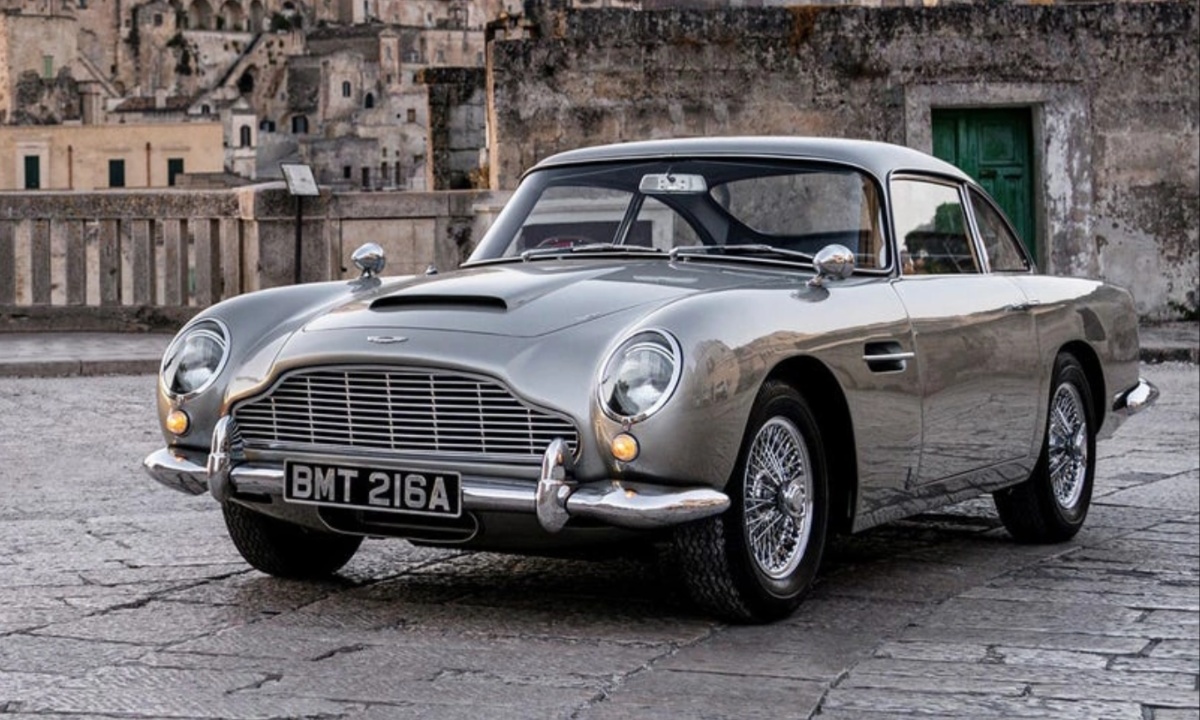
11. 1964 Aston Martin DB5
The Aston Martin DB5 has become synonymous with timeless British elegance, in part because of its prominent role in James Bond films. But beyond its silver screen fame, the DB5 is a beautifully engineered grand tourer that represents the best of Aston Martin’s craftsmanship and design ethos during the 1960s.
Powered by a 4.0-liter inline-six engine and clothed in sleek aluminum bodywork by Carrozzeria Touring of Milan, the DB5 delivered both performance and poise in equal measure.
The DB5 produced around 282 horsepower and could reach a top speed of 145 mph, impressive for its time. It came equipped with features that were considered cutting-edge, including reclining seats, electric windows, and full leather trim.
The ZF five-speed manual transmission provided smooth gear changes, and the car handled long distances with ease, making it a true GT in the classical sense. All of this was delivered with a level of sophistication that few manufacturers could match.
Collectors are drawn to the DB5 for its rarity, build quality, and of course, its association with James Bond. While the Bond connection adds cultural value, the DB5 would be a desirable collector car even without it.
Only about 1,000 units of the coupe were produced, and far fewer remain in original or restored condition. Cars that have a documented history, original engine, and factory options tend to be the most sought after at auction.
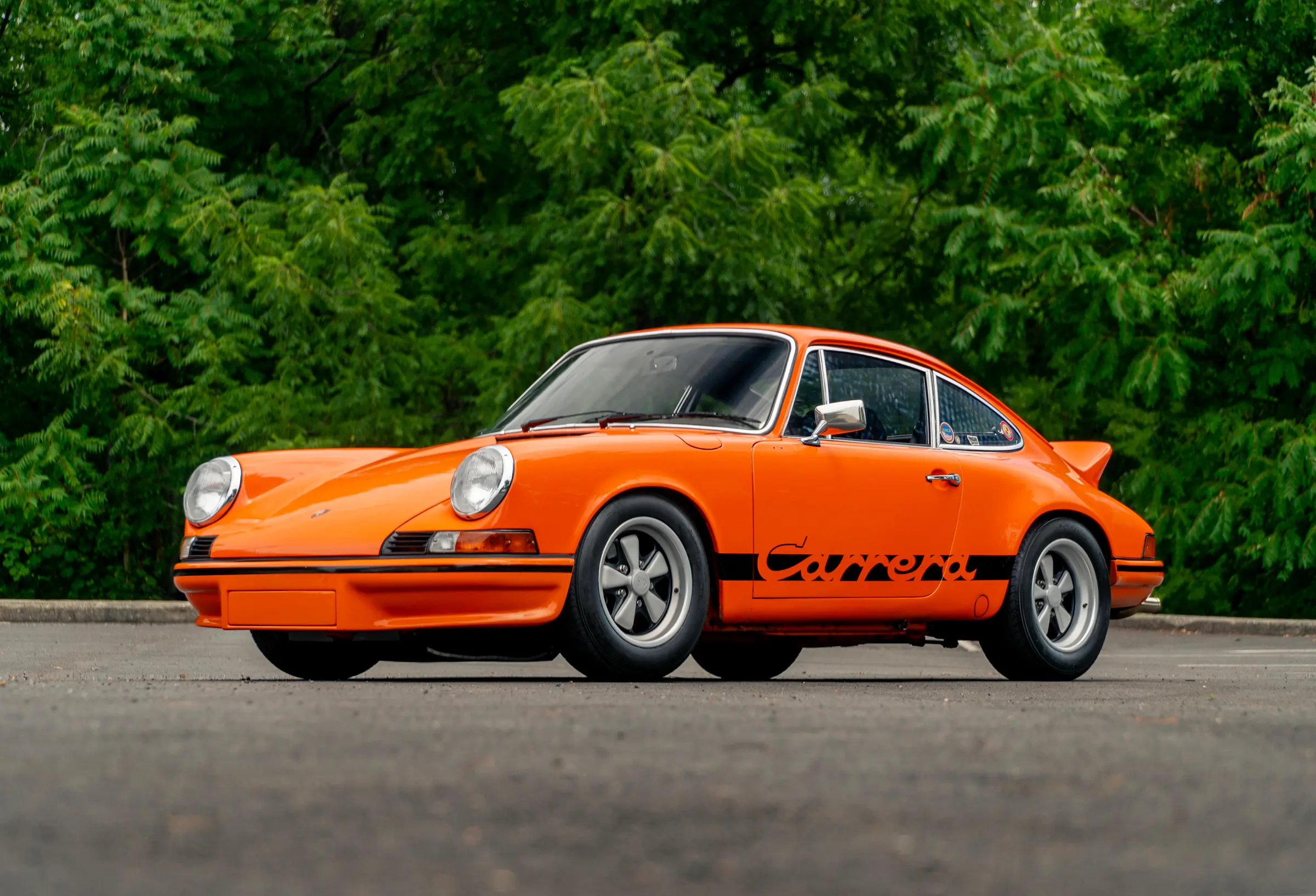
12. 1973 Porsche 911 Carrera RS 2.7
The 1973 Porsche 911 Carrera RS 2.7 is often considered the purest expression of Porsche’s performance philosophy. Built to homologate the 911 for Group 4 racing, the Carrera RS combined lightweight construction, increased power, and improved aerodynamics.
The result was a car that was not only a dominant force on the track but also a revelation on the road. Collectors today prize it for its balance, responsiveness, and historical significance.
The car featured a 2.7-liter flat-six engine that produced 210 horsepower, enough to move the lightweight chassis from 0 to 60 mph in just under six seconds. What made the RS special wasn’t just speed but how it handled.
The feedback through the steering, the predictable rear-engine grip, and the razor-sharp response created a driving experience that still holds up today. It was a car that rewarded skilled driving and punished mistakes, making it a favorite among purists.
Design details also add to its legend. The iconic “ducktail” spoiler, unique to this model at the time, improved high-speed stability and became a defining visual feature.
Lightweight components such as thinner glass, reduced soundproofing, and simplified trim were used in the lightweight “Sport” version, while the “Touring” variant offered more comfort. The balance of performance and usability makes the Carrera RS a very appealing proposition for collectors.
Auction values for the Carrera RS 2.7 have soared in recent years. Cars with original paint, low mileage, and matching numbers consistently attract strong bids, often exceeding seven figures.
