
Hybrid vehicles have become increasingly popular among drivers looking for better fuel economy without giving up everyday practicality.
While hybrids used to be viewed as a niche segment focused mostly on city driving, the technology has matured to the point where it’s being applied across sedans, SUVs, and even trucks.
However, not all hybrids are created equal when it comes to long-term reliability, especially in tough climates and road conditions. Whether it’s freezing cold winters, scorching hot summers, rough terrain, or extended commutes through mountainous areas, the reliability of a hybrid system is put to the test.
In these conditions, a few hybrid models consistently prove themselves while others tend to suffer from mechanical and electrical issues that compromise both performance and safety.
Batteries must withstand fluctuations in temperature, electrical systems should remain responsive, and transmissions can’t afford to slip under pressure.
On paper, most hybrids look fairly similar in terms of what they offer: dual powertrains, regenerative braking, and higher MPG. But once these vehicles are pushed beyond ideal driving conditions, cracks start to appear in their design and engineering quality.
This article compares five hybrid models that have proven their reliability in harsh environments against five that have repeatedly shown issues in similar settings. This is based on common owner feedback, mechanical characteristics, powertrain durability, and how the hybrid systems behave when stressed.
5 Hybrids That Stay Reliable in Harsh Conditions
1. Toyota RAV4 Hybrid
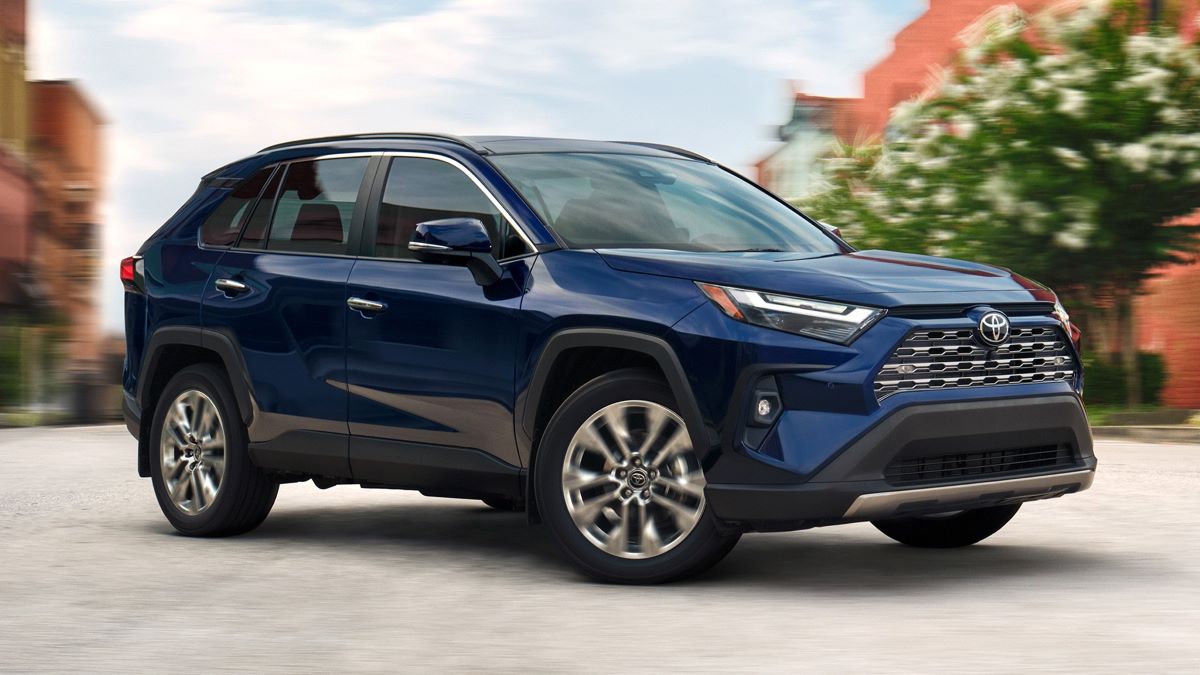
The Toyota RAV4 Hybrid consistently ranks among the most dependable hybrid SUVs, especially in climates with snow, ice, and heavy rainfall. Its electric all-wheel-drive system, known as AWD-i, uses an independent electric motor on the rear axle rather than a mechanical link, which reduces the complexity of the drivetrain.
In cold weather, this system reacts quickly without delay, giving drivers immediate traction. The hybrid battery, located under the rear seats, is well-insulated and maintains consistent performance even when temperatures drop below freezing.
Many RAV4 Hybrid owners living in northern states and Canada have reported minimal degradation of battery health and no significant cold-start issues, even after multiple winters.
What makes the RAV4 Hybrid particularly resilient is Toyota’s conservative approach to hybrid technology. The company avoids aggressive tuning that could overstrain the battery or electric motors, instead favoring longevity over high output. As a result, the hybrid system is rarely pushed to its limit, allowing it to function reliably over many years.
Even in high-heat environments, such as the southwestern U.S., the thermal management system keeps temperatures in check. Heat is typically a silent killer for hybrid components, but Toyota seems to have built a system here that quietly resists breakdown.
The RAV4 Hybrid’s suspension and ground clearance also contribute to its reliable performance in harsh road conditions. It sits higher than a typical sedan, and its underbody is protected well enough to avoid damage from loose gravel or road salt.
This kind of durability is especially important in areas where road maintenance is poor or where sudden snowfalls are common. It’s also worth noting that this model uses a nickel-metal hydride battery in some trims, which tends to handle extreme cold better than lithium-ion packs.
Drivers appreciate that the RAV4 Hybrid rarely throws unexpected warning lights or electronic errors. This speaks volumes about the quality of the wiring and sensors, which are often weak points in other hybrid systems.
Whether you’re driving in icy winds or desert heat, this model keeps on going, and that’s why it often ends up at the top of reliability lists year after year.
2. Lexus RX 500h
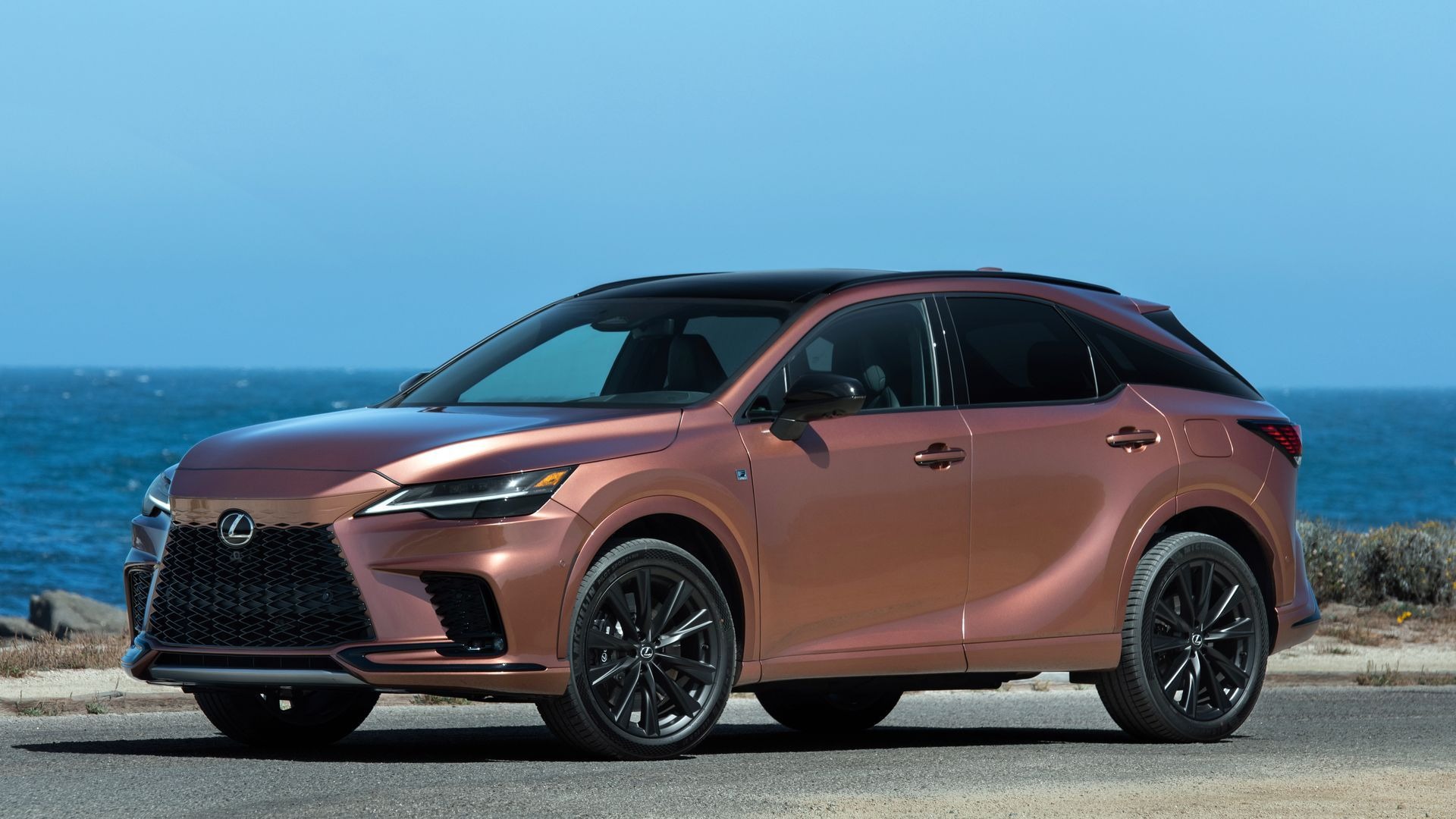
The Lexus RX 500h stands out as a luxury hybrid SUV that maintains strong reliability in harsh climates. While many luxury vehicles suffer from complicated electronics and fragile components, this model balances high-end comfort with engineering that holds up under pressure.
One reason for its durability is that it builds on the Toyota hybrid system, which has been refined for decades. Lexus adds more power and features, but it doesn’t compromise the essential reliability found in its Toyota counterparts.
In extreme heat, the RX 500h keeps its cool, literally and figuratively. Its hybrid battery system has a robust cooling system that circulates air and adjusts performance depending on outside temperatures.
This prevents overheating, especially during long drives or when the vehicle is left parked under the sun for hours. The electric motors do not overheat easily either, which is crucial in places like Arizona or Nevada. Many owners in those states report consistent performance even during heatwaves.
Cold climates are also not a problem for this vehicle. The engine warms up quickly, and the hybrid system is smart enough to switch between electric and gas power based on what will keep the system efficient and reliable.
Snowy roads are easier to handle with its well-tuned AWD system, which doesn’t lag or hesitate when traction is needed. The insulation in the cabin also contributes indirectly to reliability, by protecting sensitive electronics from sudden exposure to cold.
Lexus has made sure that even its infotainment and driver-assistance systems work without glitching in difficult weather. Touchscreens respond accurately, cameras remain fog-free, and advanced safety systems stay active without lag. These details matter because electronic failures often plague hybrids during power surges or rapid temperature changes.
The RX 500h seems to be built with an eye on consistency, and that’s exactly what you want when you live in a region where nature doesn’t go easy on your car.
3. Toyota Highlander Hybrid
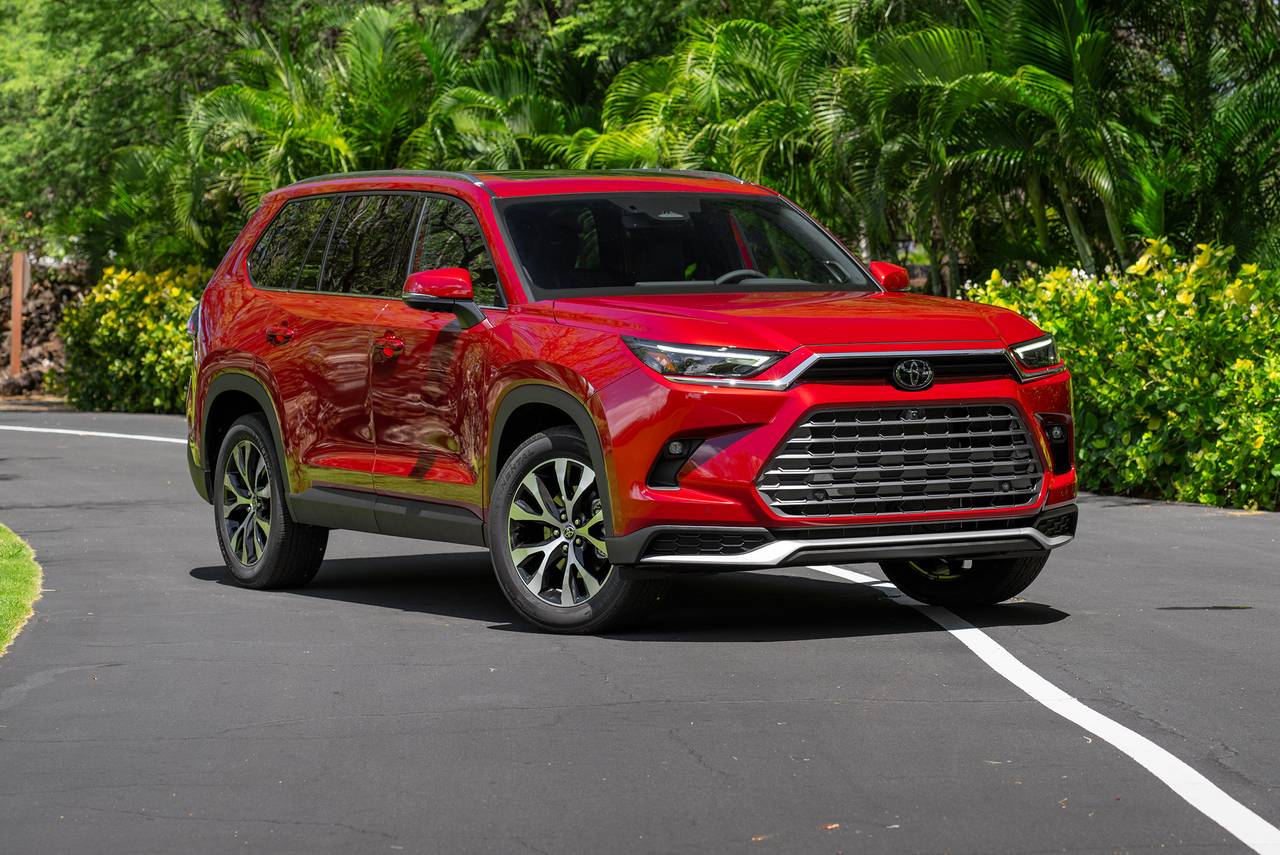
Another Toyota model that proves itself in demanding environments is the Highlander Hybrid. This midsize SUV offers three rows of seating and a hybrid system that’s not just efficient, but also mechanically sound under long-term stress.
Many fleet buyers and families who live in colder states have turned to the Highlander Hybrid because it doesn’t shut down or act unpredictably when the temperatures fall into the single digits.
The powertrain features Toyota’s 2.5-liter four-cylinder engine paired with electric motors that provide smooth transitions and quick power delivery even when the system is cold.
The hybrid battery, like in the RAV4, is kept under a layer of protection and located in a position that avoids most direct exposure to cold airflow.
In snowy regions, owners report that the Highlander Hybrid starts reliably in the morning without the hesitation that plagues many hybrids when the oil is thick and the battery voltage is low.
Hotter regions also pose no significant problems for this vehicle. The power electronics module, which manages the energy flow between the battery, motors, and engine, is designed with heat resistance in mind.
The onboard diagnostics rarely trigger unnecessary alerts, which is a common frustration in hybrids during temperature swings. This reduces trips to the mechanic and eliminates the guessing game that some hybrid owners face when warning lights come on without a clear explanation.
The suspension and drivetrain are tuned for a balanced ride, which means less mechanical wear in bumpy or poorly maintained roads. While it’s not an off-roader, the Highlander Hybrid handles gravel roads, hills, and light snow with competence.
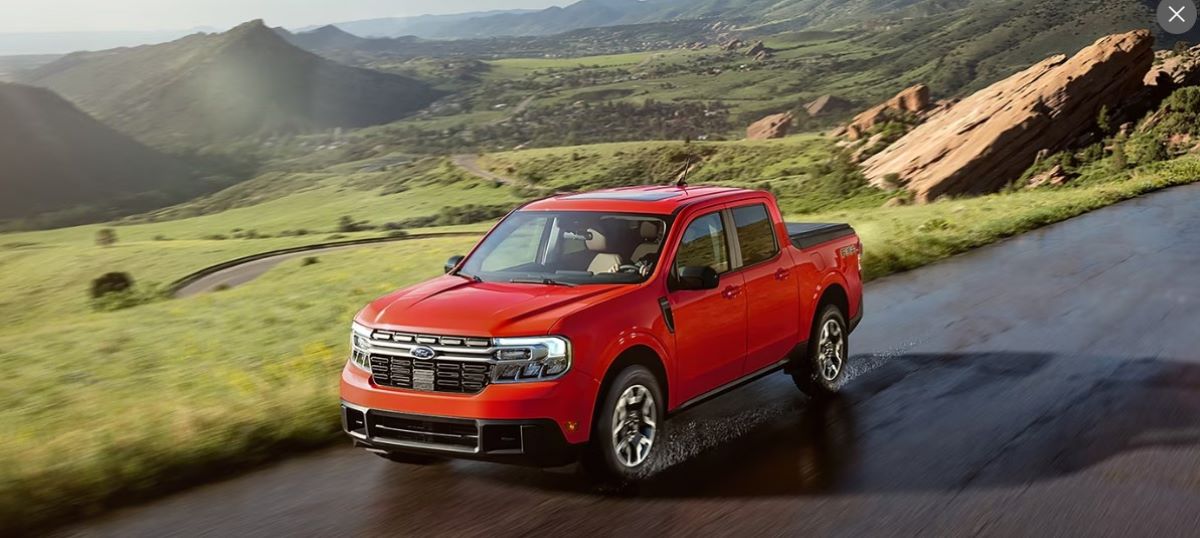
4. Ford Maverick Hybrid
The Ford Maverick Hybrid brings something new to the reliability conversation. As a compact pickup truck with a hybrid powertrain, it faces challenges that many hybrid sedans and SUVs never encounter.
Yet it performs well, especially when pushed in rural or unpredictable environments. This is surprising for a newer platform, but Ford seems to have taken extra steps to ensure this hybrid powertrain can deal with more than just urban errands.
One thing working in the Maverick’s favor is the simplicity of its hybrid layout. It uses a 2.5-liter Atkinson-cycle engine with a single electric motor and a CVT transmission. While some may criticize the CVT for its feel, it’s less prone to mechanical failure in rugged terrain than a traditional multi-speed automatic.
Owners who use the Maverick Hybrid on farms, unpaved roads, or in mountain towns have reported that it rarely experiences overheating or drivetrain complaints, even under full loads.
Cold performance is where it shines more than expected. The truck starts up easily in frigid temperatures, and while it’s front-wheel-drive only in hybrid form, the traction control system does a decent job of managing grip.
The battery stays warm enough to deliver consistent output, and the regenerative braking doesn’t lag or fail when roads are icy. For drivers who don’t need hardcore off-road ability but still require reliability in winter, this truck holds up.
In terms of hot-weather resilience, the Maverick Hybrid performs like a much more expensive vehicle. The hybrid cooling systems do their job, and the truck doesn’t display the electrical quirks that sometimes affect newer models with complex infotainment or climate control systems.
Even after extended periods of highway driving in high temperatures, there’s no noticeable dip in acceleration or responsiveness from the hybrid system. The truck remains steady, and the interior stays cool without putting extra strain on the battery or alternator.
What’s impressive is that Ford has managed to deliver this level of consistency without overcomplicating the powertrain or relying on expensive proprietary parts.
This kind of engineering restraint often pays off when conditions are less than ideal, and it seems Ford understood the environments many Maverick buyers would be driving in.
The Maverick Hybrid’s simplicity is also its strength when it comes to maintenance. Fewer moving parts and a straightforward layout mean less risk of failure when the vehicle is under pressure.
Owners have praised how easy it is to get to essential components under the hood, which is helpful when living in areas where mechanics might not be familiar with hybrids.
There’s also a strong community of DIY users who’ve taken the Maverick into remote areas and shared real-world experiences of how the hybrid system holds up during long drives through dust, mud, or slushy roads. Few compact trucks can handle the hybrid balancing act this well, and even fewer do it at this price point.
When looking at the total reliability profile of the Maverick Hybrid in harsh conditions, it stands out not because it’s perfect, but because it avoids the most common hybrid failures. It doesn’t struggle with electrical gremlins, doesn’t fall apart in heat, and doesn’t become unresponsive in the cold.
These are the three areas where many hybrids show their limits. The Maverick Hybrid clears all three, making it a surprising but solid choice for drivers who need a hybrid that won’t give up just because the weather changed or the road disappeared.

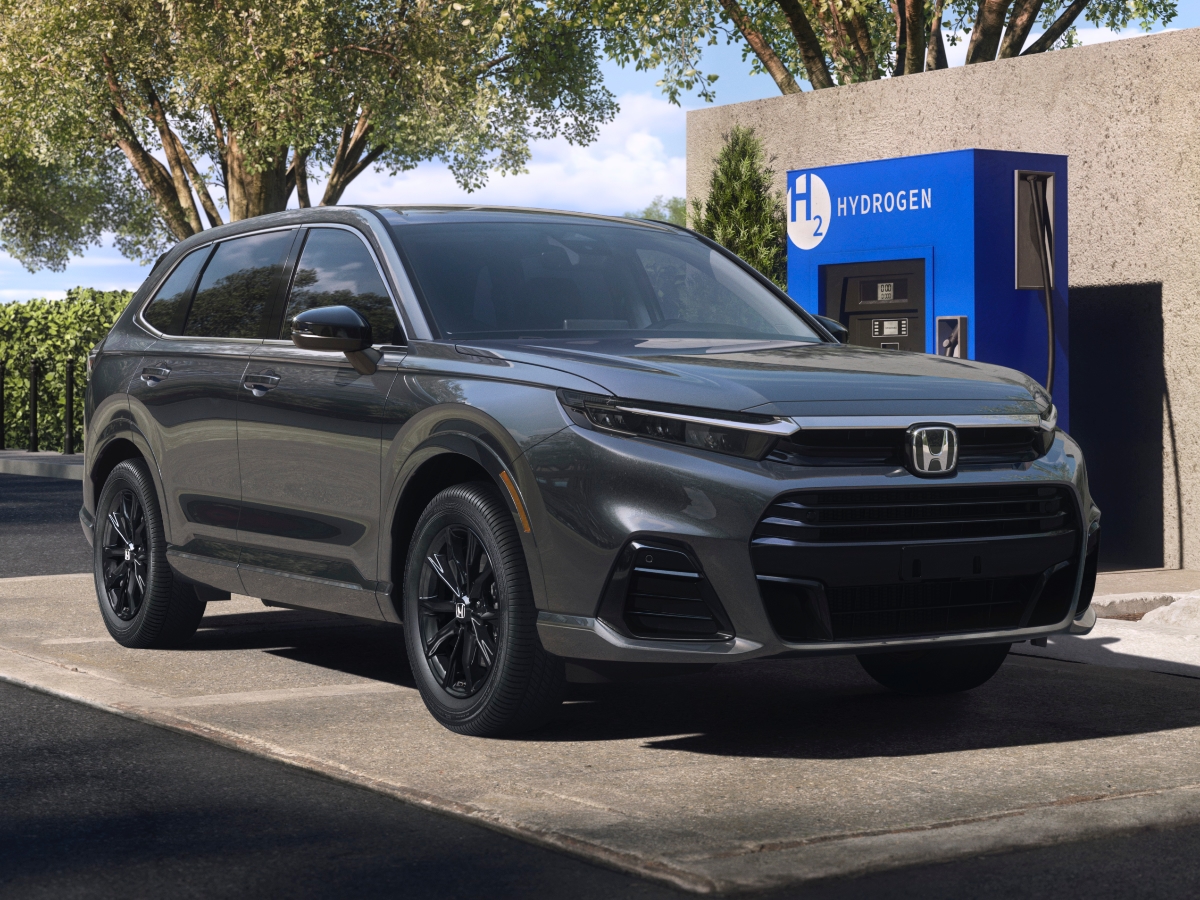
5. Honda CR-V Hybrid
The Honda CR-V Hybrid is another dependable option for drivers who need a hybrid vehicle that won’t give them trouble in less-than-perfect conditions. The CR-V platform has been around for a long time and has always emphasized usability, comfort, and low-cost maintenance.
With the addition of the hybrid system, Honda didn’t stray far from those principles. The all-wheel-drive version of the CR-V Hybrid uses a dual-motor setup that gives consistent traction without relying on mechanical complexity, and the result is a system that handles snow and slippery roads well, without hesitation or abrupt torque delivery.
In cold climates, the CR-V Hybrid starts up smoothly, thanks to a well-designed thermal management system that prioritizes battery conditioning and quick warm-up of the gasoline engine. The hybrid battery is mounted in a way that protects it from direct cold-air exposure and road splash, both of which can reduce battery performance.
Even in single-digit temperatures, the system balances its power delivery in a way that keeps cabin comfort and drivability intact. This is especially important for families or commuters who depend on their vehicle to perform without hiccups, even on early winter mornings.
High heat doesn’t create major issues for the CR-V Hybrid either. Honda’s hybrid system doesn’t overclock the motors or overuse battery capacity, which prevents the overheating and performance drop that some hybrids suffer from.
In desert climates or during extended summer drives, the air conditioning system works without putting too much demand on the hybrid system, which helps extend component life. Drivers in places like Southern California or Texas often report little to no hybrid-specific concerns, even after multiple summers with the vehicle.
One of the biggest compliments the CR-V Hybrid receives is that it doesn’t behave like a “special” vehicle. It feels normal to drive, doesn’t require unusual maintenance habits, and doesn’t exhibit strange behavior in extreme conditions.
That’s what reliability is all about: being able to count on your car to function predictably no matter the road or weather. The CR-V Hybrid delivers that consistency without being flashy or overly complex, which is why it earns its place among the most reliable hybrids on the market today.
5 Hybrids That Don’t Hold Up in Harsh Conditions
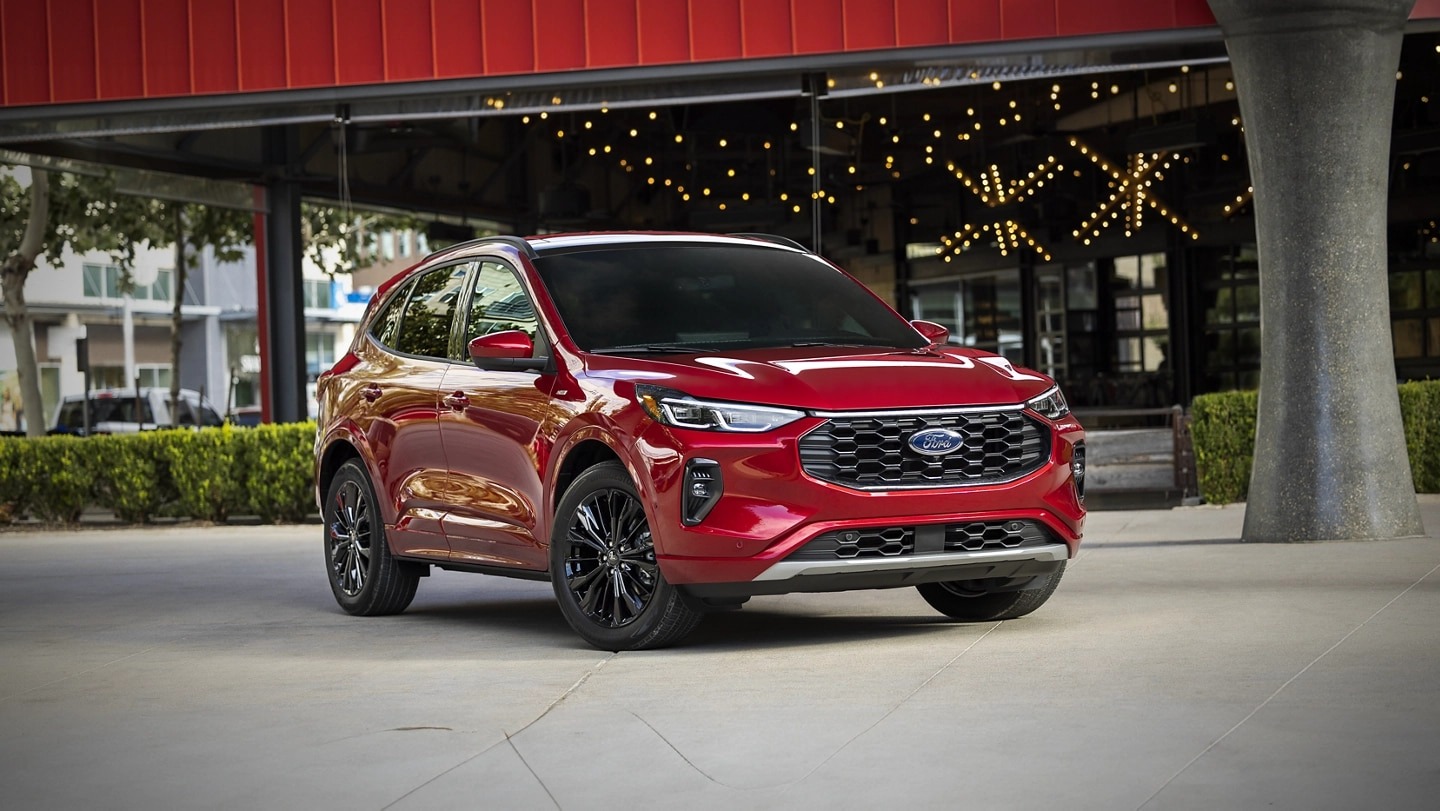
1. Ford Escape Hybrid (Latest Generation)
While the Ford Escape Hybrid showed promise when reintroduced, its performance in harsh conditions has left some owners disappointed. Unlike the Maverick Hybrid, which uses a simplified system that handles heat and cold well, the Escape Hybrid has shown more signs of stress when pushed in extreme environments.
Owners living in colder states have reported slow starts, unpredictable behavior during regenerative braking, and occasional error messages related to the hybrid system. These issues are concerning, especially since many Escape Hybrid buyers choose the vehicle expecting it to perform like its Toyota or Honda rivals in all-season driving.
One of the recurring issues is with the hybrid battery’s thermal regulation. In colder climates, the Escape Hybrid can be slow to reach operating temperature, which affects both fuel economy and performance.
More worrying is the number of reports from users in snowy regions stating that the vehicle sometimes disables its regenerative braking or enters a reduced power mode on steep hills. This kind of behavior might be acceptable in a vehicle not meant for tough use, but in a compact SUV advertised as family-friendly and adventure-ready, it’s a letdown.
Hot climates have not been kind to the Escape Hybrid either. There are frequent complaints about the battery cooling fans becoming noisy or overactive, a sign that the system may be working too hard to prevent overheating.
On very hot days, some owners have also experienced glitches in the infotainment and driver-assistance systems. While these may seem like minor problems, they add up and contribute to an sense that the Escape Hybrid wasn’t fully tested or tuned for long-term durability in harsh weather.
To be fair, the Escape Hybrid isn’t a total failure. In moderate conditions and city environments, it performs well enough. But for buyers who expect the same level of toughness and reliability found in Toyota or Honda hybrids, especially in environments with large temperature swings or rough terrain, the Escape falls short.
It lacks the kind of resilience that’s required when the environment doesn’t cooperate, and that makes it a riskier choice for buyers outside of mild-weather regions.
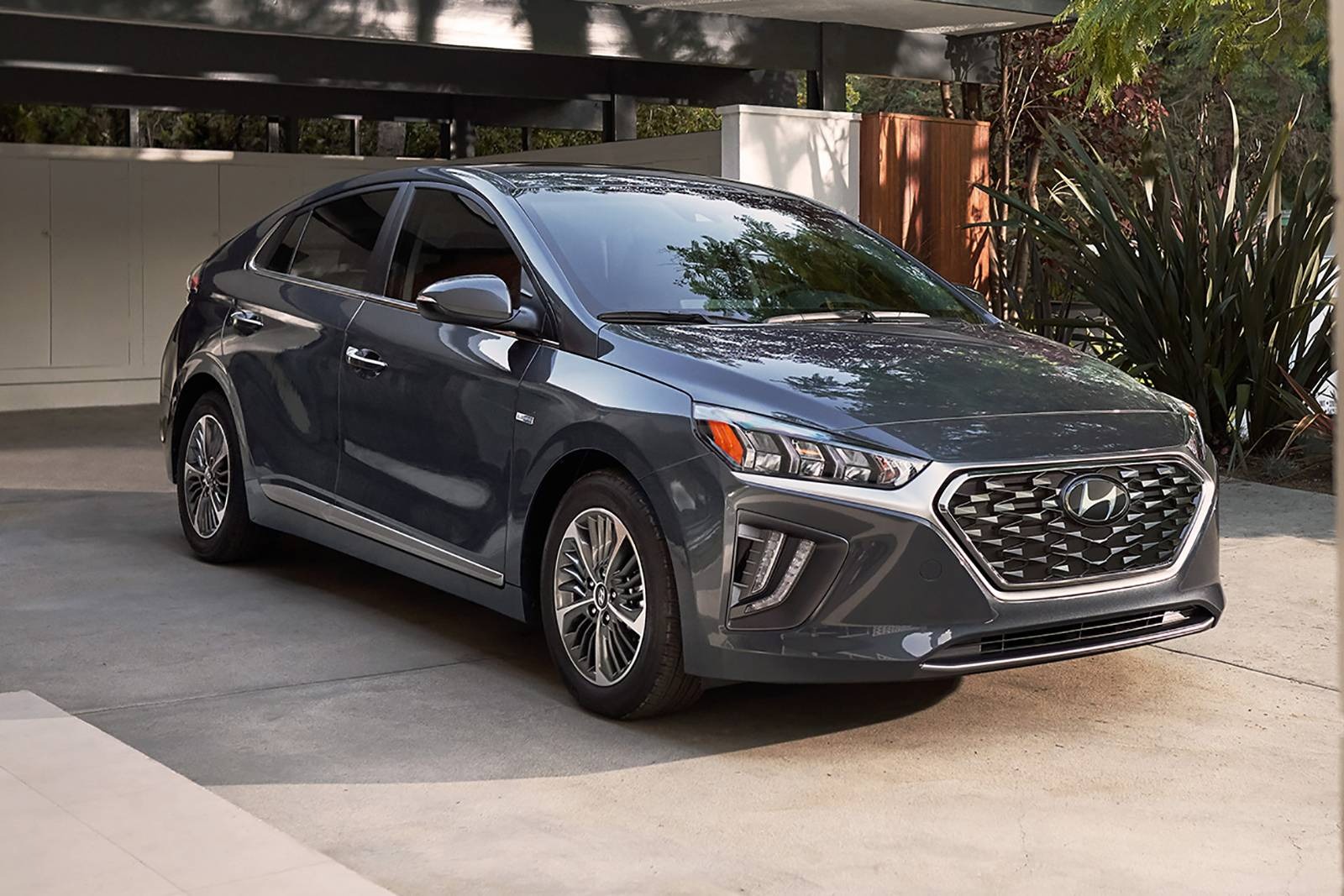
2. Hyundai Ioniq Hybrid (Pre-2022 Model)
The Hyundai Ioniq Hybrid earned praise for its exceptional fuel economy, but long-term durability in harsh conditions has not been its strong suit. In colder climates, the Ioniq Hybrid can be sluggish to start and is known for reduced battery efficiency when temperatures drop.
Some owners have reported unexpected shutdowns or battery warning lights when the car is left outside overnight during the winter. While Hyundai has made improvements over the years, the earlier Ioniq models (particularly before 2022) have not built a strong reputation for winter reliability.
The biggest problem seems to lie in the battery and inverter system, which doesn’t tolerate cold as well as the ones found in Toyota or Honda hybrids. The car often prioritizes EV mode during short drives, which, in frigid conditions, can place undue strain on the battery and result in uneven performance.
Drivers in mountainous or snowy areas have reported issues with traction, particularly because the Ioniq is only offered in front-wheel drive. Without an all-wheel-drive option, it lacks the adaptability many buyers in harsh environments are looking for.
In hot environments, the Ioniq Hybrid fares slightly better but still presents concerns. The battery pack can heat up quickly during extended drives, especially if you’re using the air conditioning heavily. When the battery gets hot, the car tends to reduce regenerative braking efficiency, which affects the driving experience.
There have also been software-related complaints, where the car’s energy management system becomes unresponsive or inconsistent during extreme heat. These issues don’t always trigger warning lights but still affect confidence in the vehicle.
The Ioniq Hybrid works well in mild climates where it’s not pushed too hard, but for buyers dealing with winter snow, mountain inclines, or desert heat, it feels underbuilt. The powertrain is optimized for economy, not resilience. If reliability across a wide range of conditions is a top priority, there are better alternatives in the segment.
While Hyundai has addressed many of these concerns in the newer models and EV versions, the earlier Ioniq Hybrid versions still have a mixed reputation when taken outside of ideal driving environments.
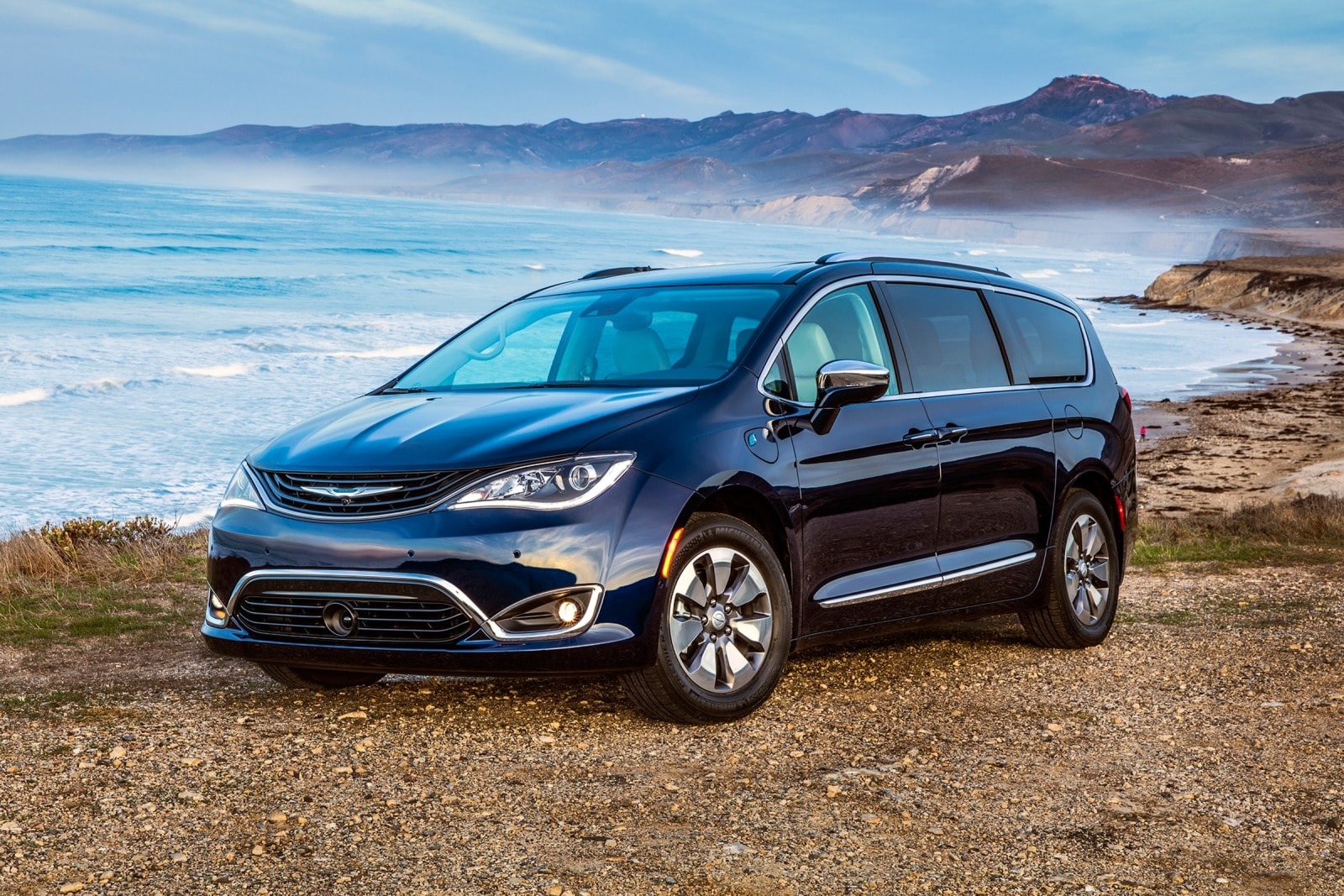
3. Chrysler Pacifica Hybrid
The Chrysler Pacifica Hybrid is one of the few plug-in hybrid minivans on the market, and while it offers great fuel economy and family-oriented features, its track record in tough environments is not as strong as it should be.
Many owners have experienced technical difficulties related to the hybrid system, especially when the vehicle is driven in areas with large temperature fluctuations.
In cold weather, issues such as hybrid battery faults, reduced electric range, and even vehicle shutdowns have been reported. Unlike some competitors that prioritize resilience, the Pacifica Hybrid seems overly dependent on conditions being stable and ideal.
In cold climates, particularly in northern states and Canadian provinces, the Pacifica Hybrid struggles to maintain consistent performance. The plug-in hybrid battery tends to lose range rapidly in freezing temperatures, and the gas engine often fails to engage smoothly when transitioning out of electric mode.
Some owners have reported warning lights appearing without clear causes, and in more serious cases, the van refuses to switch out of electric mode altogether.
These problems have been frustrating for families relying on the Pacifica as their primary mode of transportation during winter months. The complexity of the hybrid system seems to work against it in this case, creating more opportunities for failure.
Heat doesn’t do the Pacifica Hybrid any favors either. In desert areas and places with high summer temperatures, owners have noted that the vehicle becomes more prone to software glitches, including problems with the touch screen, navigation system, and battery status display.
There are also reports of the gas engine overheating or running roughly when switching between electric and gas under high loads.
This is particularly concerning in a minivan meant to carry multiple passengers and cargo. The hybrid cooling system appears to be just barely adequate, and the high weight of the Pacifica adds extra strain when driving on steep grades or in heavy traffic.
What further hurts the Pacifica Hybrid’s reputation in harsh conditions is the cost and complexity of repairs. While many hybrid systems are relatively reliable or at least straightforward to diagnose, Chrysler’s plug-in setup is known for being difficult to service.
When things go wrong, dealership visits can be expensive, and parts availability is sometimes limited, especially in rural or remote areas.
For drivers living in places where reliability matters more than luxury or plug-in range, the Pacifica Hybrid can feel like more of a liability than an asset. It may offer convenience and efficiency in theory, but in practice, it struggles to maintain that promise when the road gets tough or the weather gets extreme.
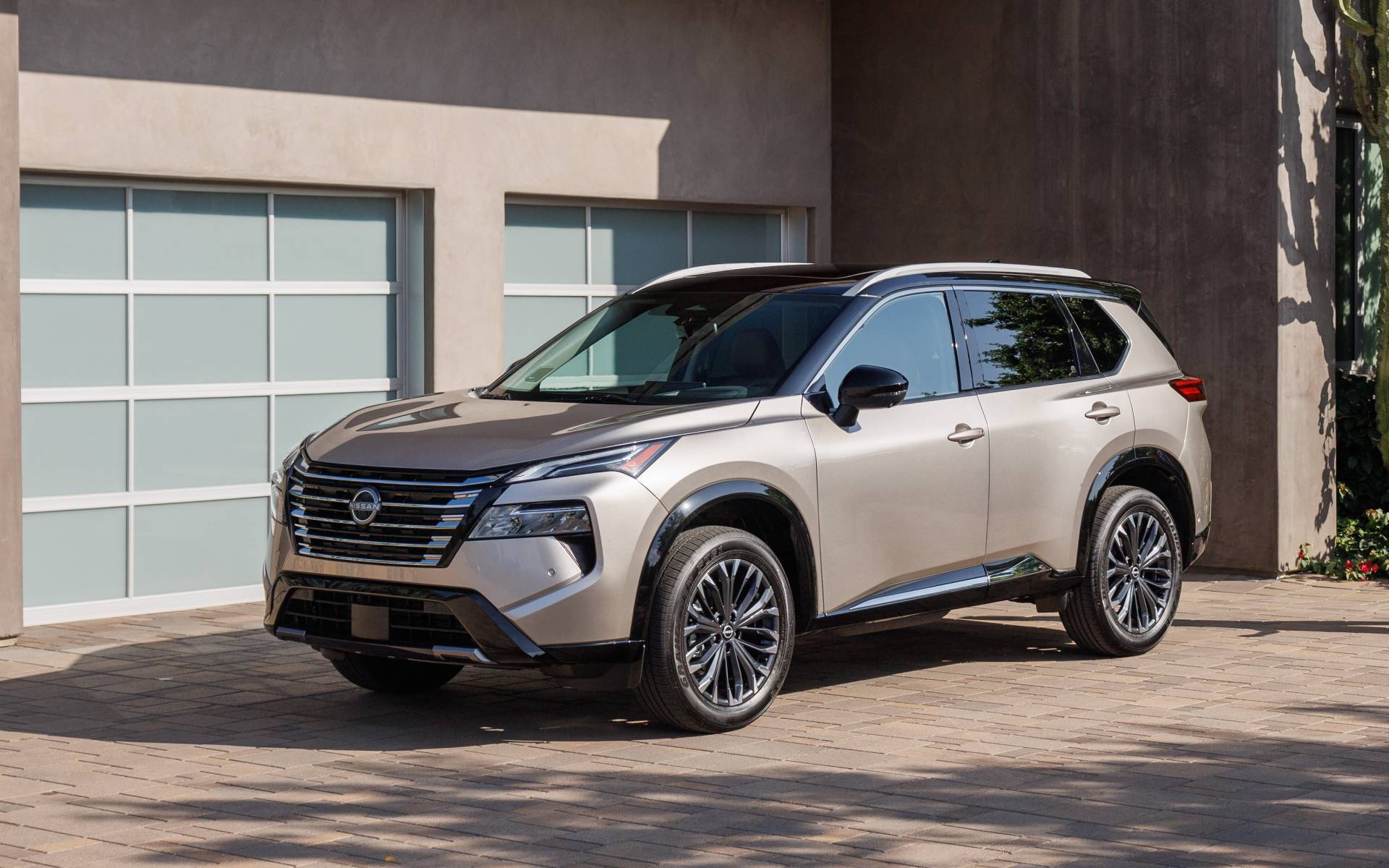
4. Nissan Rogue Hybrid (Discontinued)
The Nissan Rogue Hybrid was short-lived in the hybrid market, and its early departure wasn’t a surprise to many who experienced its inconsistent behavior in everyday use, particularly under extreme weather conditions. While the idea of a hybrid Rogue made sense on paper, the execution was flawed.
Nissan’s hybrid system, which was co-developed with other manufacturers for shared platforms, was less refined than the offerings from Toyota or Honda. This translated into problems with how the system handled both hot and cold environments, leading to performance issues that overshadowed its fuel-saving benefits.
In cold weather, the Rogue Hybrid showed a number of weaknesses. The gas engine was slow to warm up, and transitions between electric and gas power were often jarring. Several owners have described instances where the vehicle would hesitate at low speeds or fail to accelerate properly after sitting outside overnight.
In hot weather, similar complaints emerged. The hybrid system tended to overheat under stress, especially during uphill driving or when the cabin air conditioning was working hard. The electric motor and inverter system seemed especially sensitive to prolonged heat exposure.
In regions with long summers or high humidity, this translated into reduced hybrid efficiency and premature wear on components. Some users also noted that their battery range and regenerative braking performance suffered during extended heat waves, making the hybrid system feel more like a burden than a bonus.
Reliability issues weren’t just about climate. Even in regular use, the Rogue Hybrid had a reputation for unrefined software and hardware that didn’t always work harmoniously.
Warning lights would sometimes appear without explanation, and some dealerships were not well-equipped to handle the unique repair requirements of the hybrid model.
Nissan discontinued the Rogue Hybrid after just a few model years, which speaks to how poorly it performed in real-world conditions.
Owners looking for long-term use in places with harsh winters or blistering summers were better off with the standard gas-powered Rogue or switching to a more proven hybrid from a different brand.
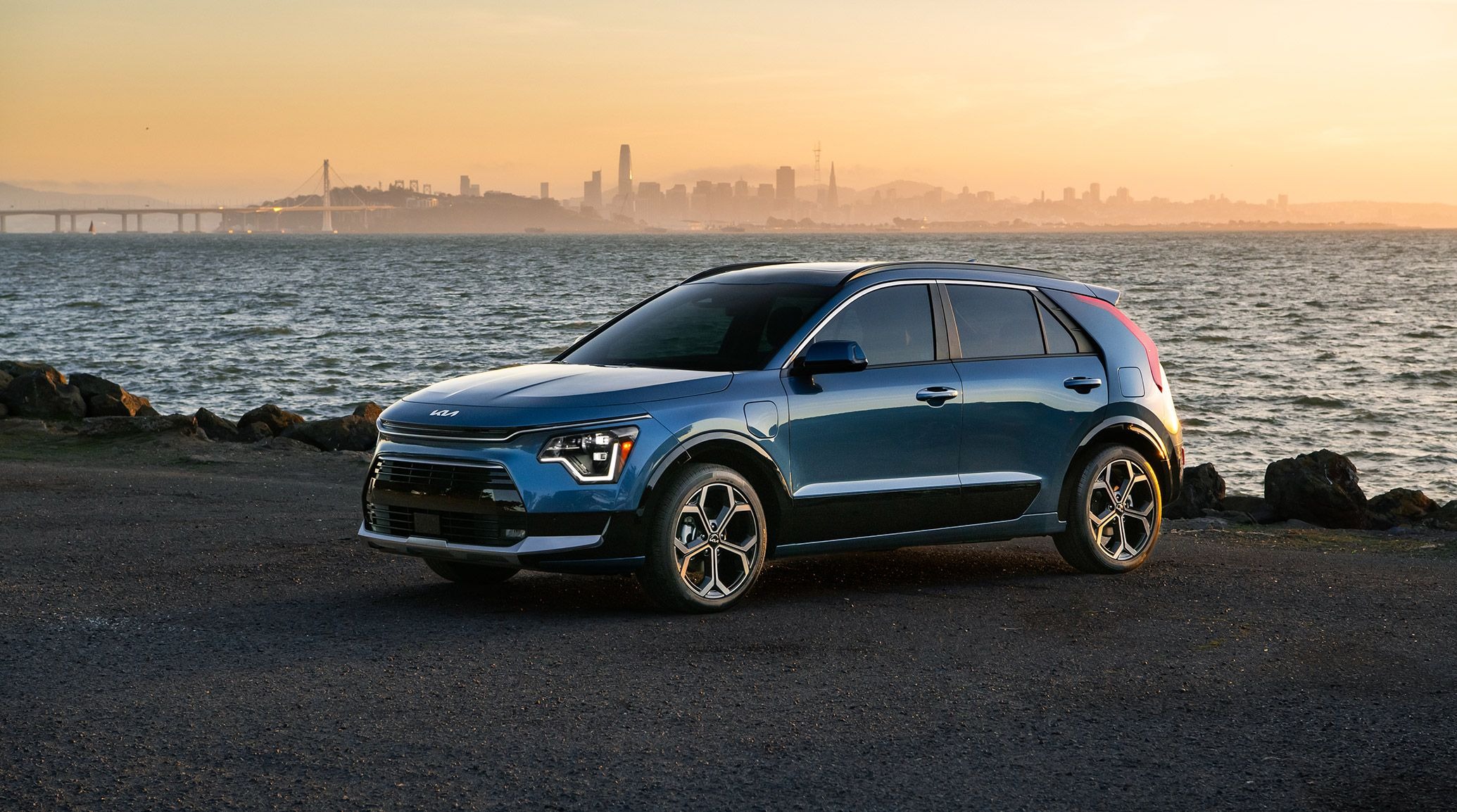
5. Kia Niro Hybrid (First Generation)
The Kia Niro Hybrid made a strong entrance into the market with an appealing price, great fuel economy, and a practical crossover-like design. However, in harsh climates and under long-term use, the first-generation model (especially pre-2020 versions) has shown reliability concerns that are hard to ignore.
While it serves urban commuters well, it doesn’t hold up as confidently in rural settings or in areas with extreme temperatures. The compact size and low ground clearance already limit its versatility, but the real problems come from the hybrid system itself when it’s put under environmental stress.
In cold environments, the Niro Hybrid often suffers from delayed responsiveness and reduced energy recovery. Regenerative braking becomes inconsistent, and the battery’s ability to hold a charge weakens significantly below freezing.
Several owners have complained that the heater relies heavily on the gas engine, which reduces fuel efficiency and causes more engine wear during frequent cold starts.
In areas with long winters, these factors can degrade performance more quickly than in mild climates. Also, because it’s a front-wheel-drive-only vehicle, the Niro Hybrid lacks the traction needed for snowy or icy roads unless winter tires are installed.
In hot climates, the system isn’t much more forgiving. The hybrid battery and inverter cooling systems are less robust than those found in more expensive hybrids, and in some cases, drivers have experienced warnings or reduced acceleration after prolonged highway driving in the heat.
The battery pack, mounted low in the body, is also more exposed to road heat and can become thermally stressed on hot asphalt. Owners in the southern U.S. have reported seeing performance drops during summer months, especially when climbing steep grades or driving with heavy loads.
These issues may not cripple the car, but they chip away at the sense of trust drivers need when relying on a vehicle daily in harsh settings.
While the Niro Hybrid remains a solid choice for drivers in temperate, city-based environments, it’s not the best pick for those who deal with freezing roads, dry heat, or mountain commutes on a regular basis.
