
The 1980s were a fascinating time for the automotive industry. On the surface, the decade appeared defined by boxy designs, increasing emissions regulations, and a global oil-conscious mindset. Most manufacturers played it safe, focusing on practicality and compliance.
Yet, beneath that conservative exterior, some cars managed to carve out a legacy far beyond what anyone predicted at the time. These weren’t necessarily the fastest or most luxurious vehicles of their era, and some were even mocked or dismissed by critics. Still, they have aged in unexpected ways, whether through cult followings, performance surprises, or pure nostalgic value.
Many of these cars were initially misunderstood, either due to their styling, odd performance quirks, or how out of place they seemed in the market. However, with time, they’ve found appreciation and admiration from enthusiasts and collectors.
It’s not just about rarity or aesthetics, but about how certain models broke the mold, challenged the trends of the day, or served as quiet pioneers for technology and design seen in later decades. Some of these vehicles now command impressive prices at auctions, while others live on through modern reinterpretations or fan communities.
The appeal of these vehicles often lies in their character. While modern cars emphasize refinement and predictability, these machines offer something more visceral. They weren’t built to be perfect by today’s standards, but that’s what makes them fascinating.
Their flaws are part of their charm, and their unexpected value today proves how unpredictable the car world can be. In many cases, manufacturers themselves seemed unaware of the long-term significance of what they were building.
Looking back, some of these models stood at the intersection of innovation and experimentation, offering glimpses of the future while still being rooted in the attitudes of the ’80s.
Also Read: 11 Best Engines That Stay Smooth After Decades of Use

1. Buick GNX (1987)
When people think of muscle cars, names like Camaro, Mustang, or Challenger come to mind. But in 1987, Buick, a brand typically associated with comfortable cruisers and elderly drivers, dropped a bomb on the performance car scene with the GNX.
Based on the Regal Grand National, the GNX took the idea to an extreme. At a time when most performance cars were still recovering from the restrictions of the ’70s, the GNX proved that American power was far from dead.
It used a turbocharged 3.8-liter V6 instead of a big V8, which turned heads even back then. Today, the fact that a Buick could embarrass Corvettes in a drag race is a piece of automotive trivia that still shocks newcomers.
The GNX wasn’t just about straight-line speed. While it certainly excelled in that department, clocking quarter-mile times under 13 seconds, it also had a menacing presence thanks to its all-black appearance and minimalist approach. Its styling aged well, likely because it was already an aggressive outlier in its own time.
Even the interior, with its analog gauges and utilitarian design, has found appreciation among enthusiasts. There’s a rawness and purity to its presentation that modern retro cars often try to imitate but rarely replicate authentically.
What’s most surprising about the GNX today is its desirability. With fewer than 550 units produced, it’s become a serious collector’s item. Prices have skyrocketed, with pristine examples fetching six-figure sums.
This kind of demand for a car that was once considered an anomaly shows how perceptions can shift dramatically over time. Back in the ’80s, few predicted that a Buick would be more sought-after than some Ferraris from the same era.
More than anything, the GNX proves that innovation and attitude can overcome brand stereotypes. Buick hasn’t returned to this level of aggression since, which only adds to the GNX’s mystique. It was lightning in a bottle, a perfect storm of performance, style, and unexpected brilliance.
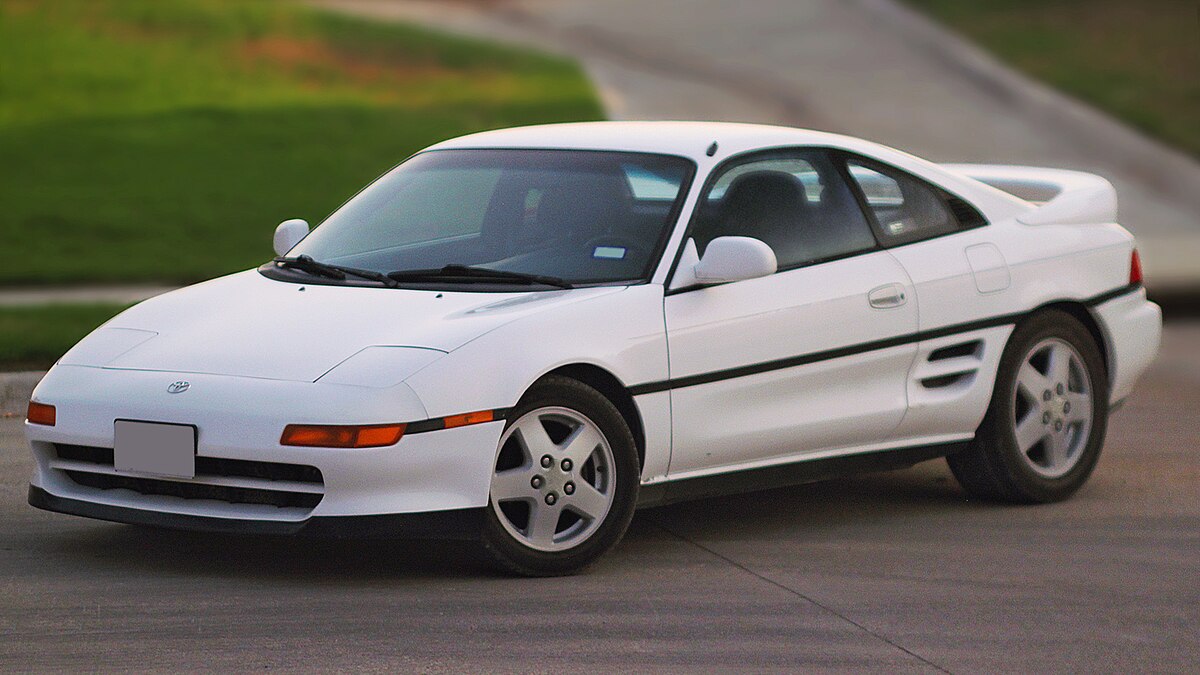
2. Toyota MR2 (1985–1989)
The original Toyota MR2 was a strange proposition in the mid-1980s. A small, mid-engine, two-seat sports car from a brand known more for reliability than excitement? Most people didn’t know what to make of it.
But the MR2 quietly built a reputation for being one of the most fun, affordable cars of its time. With its featherlight weight, razor-sharp handling, and eager engines, it delivered an experience far greater than its modest specs might suggest. Many who drove it came away surprised, and often completely hooked.
Today, the MR2 is celebrated for its purity. There’s no power steering, no traction control, and barely any sound insulation. It’s just you, the engine, and the road.
That level of mechanical connection is hard to find in modern cars, even among sports cars. It rewards skill and punishes sloppiness, making it a favorite for driving purists. The early MR2s, known as the AW11 generation, are especially prized because of their simplicity and design honesty.
The styling has aged unusually well. Its wedged profile and pop-up headlights scream ’80s, but not in a bad way. There’s a charm to its clean lines and compact stance that makes it stand out in any parking lot today.
Unlike many performance cars from the same period, it still looks fun and sporty without trying too hard. It’s also become increasingly rare to see one in good condition, which adds to its appeal for collectors.
Surprisingly, the MR2 has seen a steady climb in value, especially unmodified examples. Many were abused, neglected, or modified into oblivion during the tuner boom of the late ’90s and early 2000s.
As a result, finding a clean first-gen MR2 is a challenge, but one that enthusiasts are willing to take on. Its legacy lives on not just in Toyota’s history, but in the hearts of those who love analog driving.
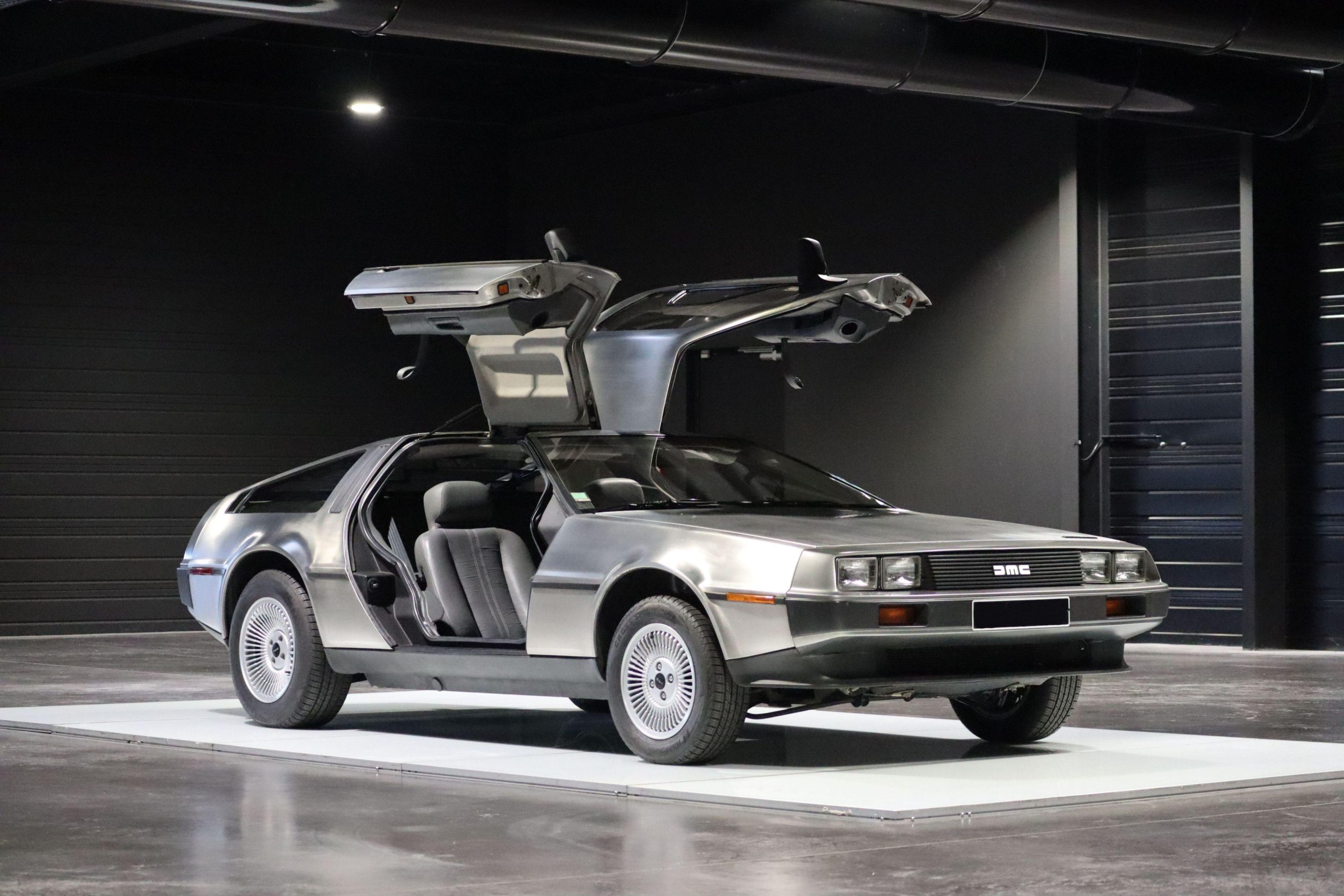
3. DeLorean DMC-12 (1981–1983)
The DeLorean DMC-12 might be one of the most iconic cars of the 1980s, thanks largely to a certain time-traveling movie. But outside of the silver screen, the DMC-12 was widely regarded as a disappointment when it launched.
Its underwhelming performance, lofty price tag, and company scandals made it more infamous than celebrated. Still, time has been kind to the DeLorean in unexpected ways. It’s not just a movie prop anymore; it’s a piece of cultural and automotive history that has defied initial expectations.
What really makes the DeLorean stand out today is its styling. The stainless steel body, gullwing doors, and angular profile give it a look unlike anything else on the road, even decades later.
While other cars of the era have faded into anonymity, the DeLorean continues to attract attention wherever it goes. It represents a bold vision that, even if imperfect, captured the imagination of an entire generation.
Driving a DeLorean today is a unique experience. It’s not fast by modern standards, and the build quality leaves much to be desired. Yet, none of that seems to matter.
Owners and fans alike are drawn to it for reasons beyond the spec sheet. It represents ambition, creativity, and risk, all things that are rare in a world of increasingly homogenized vehicles. The car’s flaws have become part of its appeal.
Perhaps the most surprising development is the continued demand and even plans for resurrection. Several companies have worked on electric versions or modernized restorations of the DeLorean, showing that interest hasn’t waned.
Collectors and younger enthusiasts alike are rediscovering the car not just because of its movie fame, but because it stands out in a way that few vehicles ever have. Against all odds, the DeLorean has secured its place as a symbol of the decade, and more than that, a car that continues to defy its own history.
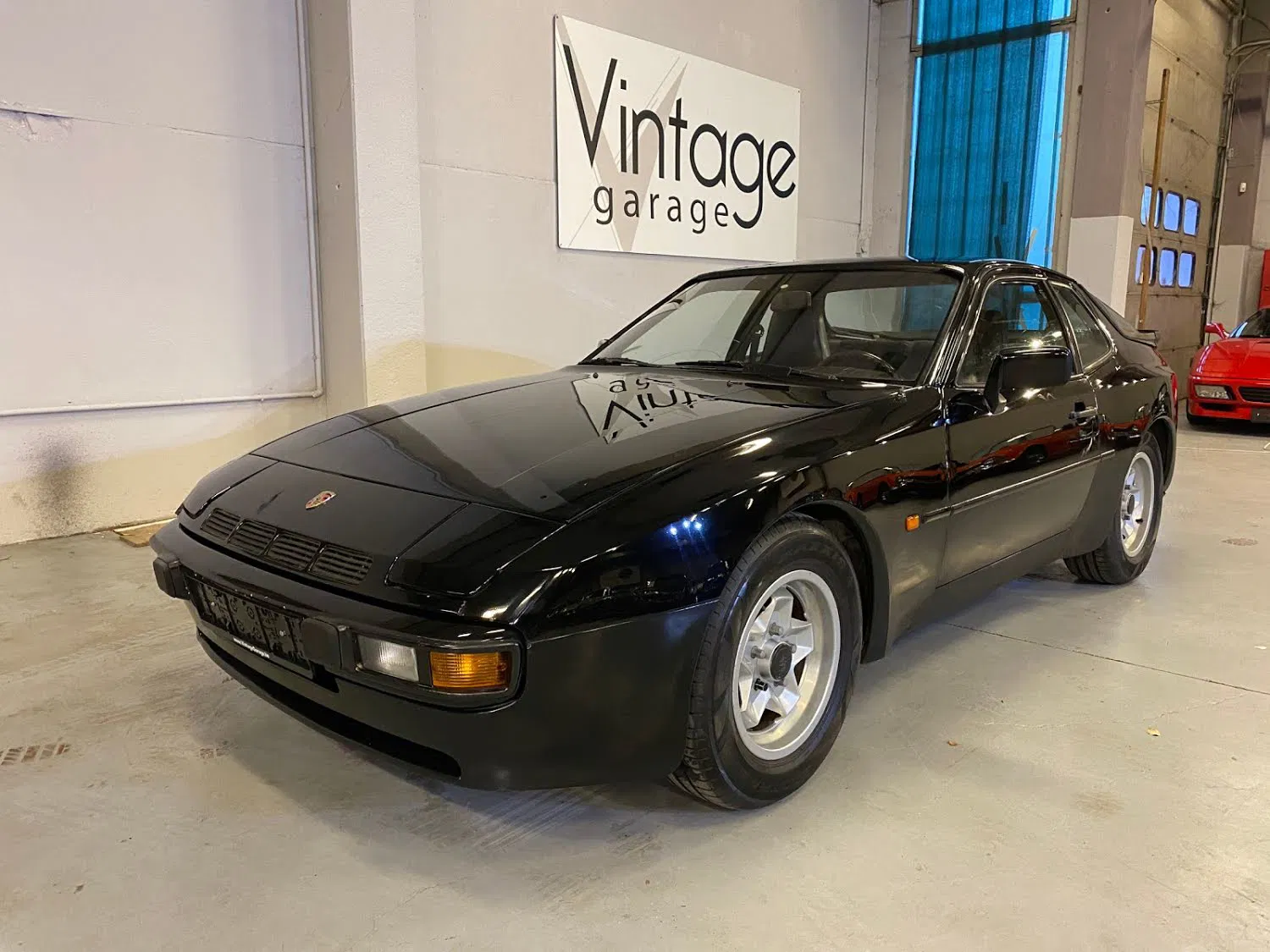
4. Porsche 944 (1982–1991)
When Porsche introduced the 944 in the early ’80s, it was seen by many as the lesser sibling to the more prestigious 911. It was front-engined, water-cooled, and relatively affordable, all things that purists frowned upon.
Yet over time, the 944 has earned a level of respect that few expected. It didn’t try to be a budget 911; instead, it carved out its own path as a balanced, driver-focused sports coupe that handled better than most of its rivals.
The real charm of the 944 lies in its driving dynamics. With near-perfect 50/50 weight distribution and responsive steering, it offers a level of precision that few cars in its class could match. It’s often described as one of the most balanced cars of its era.
Even today, driving one feels sharp and connected. Unlike many performance cars from the time, the 944 doesn’t feel like it’s fighting the driver; it works with you, corner after corner.
Visually, the 944 carries that unmistakable ’80s Porsche identity, but in a way that has aged gracefully. The flared fenders, pop-up headlights, and wide stance give it presence without being overdone. It’s a car that’s instantly recognizable, yet it doesn’t scream for attention.
For many, it’s a classic that doesn’t feel dated. As the 911 became more expensive and complicated, the 944 began to look like a purer expression of driving passion.
Today, the 944 enjoys a kind of cult status. It’s one of the most accessible ways to get into classic Porsche ownership, though rising values are beginning to change that. Many who dismissed it in the ’80s now recognize it as a genuinely rewarding and well-engineered sports car. Time has given it the credit it always deserved but never quite received in its heyday.
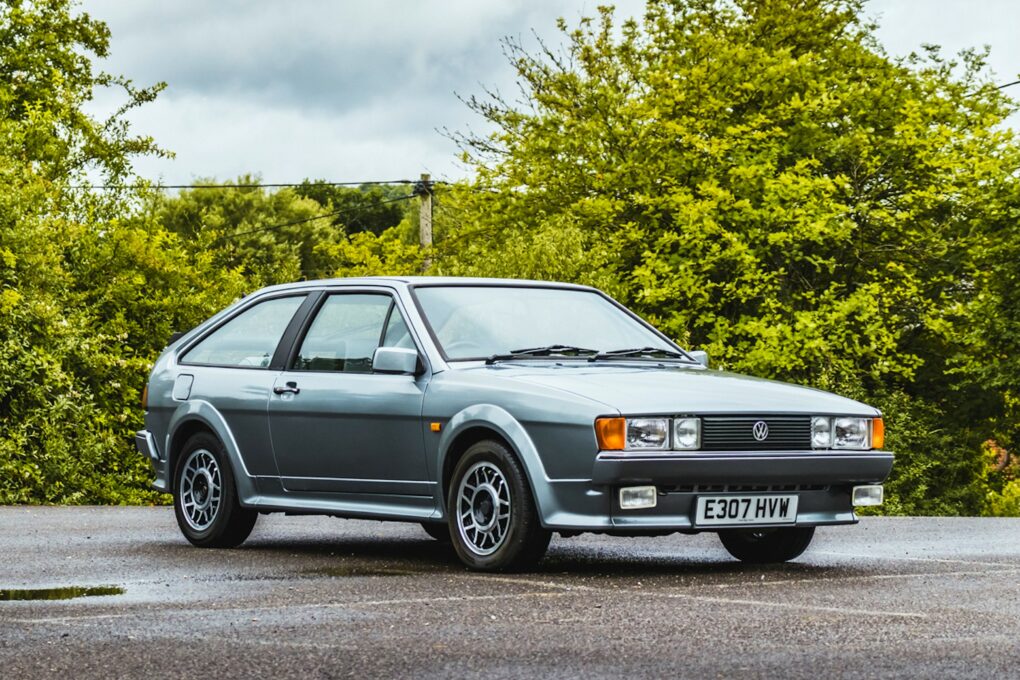
5. Volkswagen Scirocco Mk2 (1981–1992)
The second-generation Volkswagen Scirocco often flew under the radar. Introduced at a time when hot hatches like the Golf GTI were grabbing headlines, the Scirocco was sometimes viewed as the prettier but less practical cousin.
But for those who appreciated it, the Mk2 Scirocco was a revelation. It combined sharp looks with sporty handling, and it did so with the kind of lightweight, analog simplicity that enthusiasts today often crave.
The driving experience of the Scirocco is one of its greatest surprises. It’s not a fast car by today’s standards, but it feels quick thanks to its light body and responsive controls. The low seating position, direct steering, and tight suspension give it a very connected feel.
For many, it offers the best traits of an old-school European coupe without the maintenance headaches of more exotic brands. It’s a car that rewards you for pushing it, even if it’s not breaking any speed records.
Visually, the Mk2 had a distinct identity. While it shared some components with the Golf, the longer, lower body gave it a sportier look. It didn’t need to be flashy to turn heads, it just had a clean, purposeful design that has aged better than expected. Today, in an era where most cars look somewhat the same, the Scirocco’s proportions and stance are refreshing.
What really defies expectations is how rare and sought-after these have become. Many were used and abused, and few were preserved with care. As interest in analog driving rises, so does appreciation for cars like the Scirocco.
It wasn’t a superstar in its day, but in hindsight, it offered something rare: fun, style, and affordability in one compelling package. That’s a combination that stands out even more now than it did then.
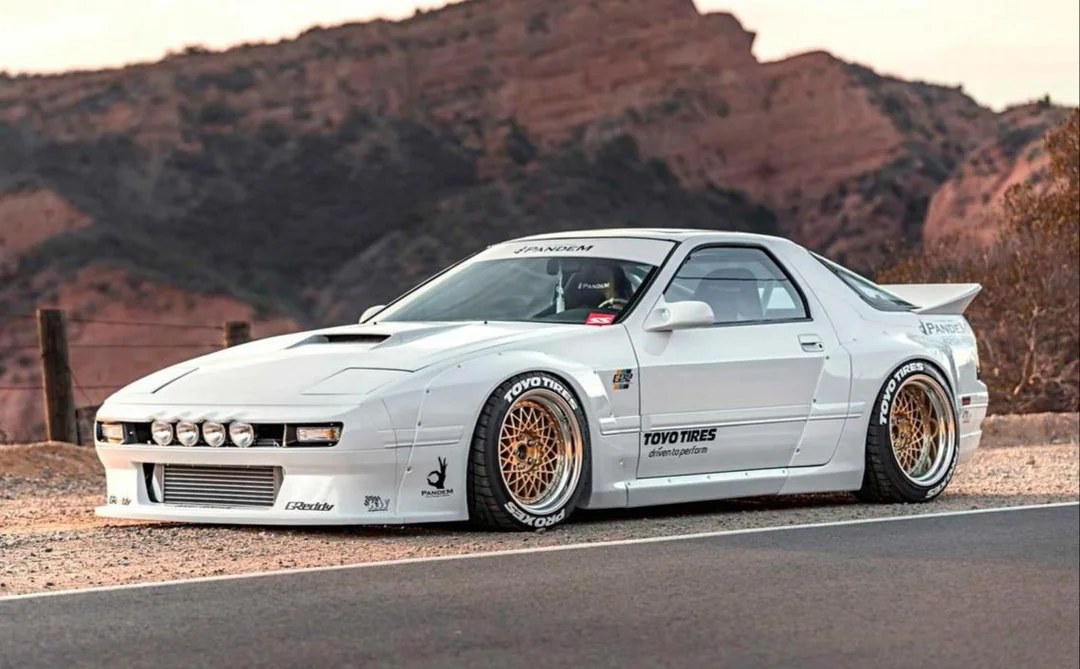
6. Mazda RX-7 FC (1986–1992)
Mazda’s RX-7 has always had a strong fanbase, but the second-generation model, known as the FC, didn’t always get the recognition it deserved. Sitting between the raw first-gen and the sleek third-gen, the FC was often overlooked.
Yet, it delivered a unique mix of turbocharged performance and balanced handling that now makes it a hidden gem of the ’80s. The rotary engine might be divisive, but it gives the RX-7 a personality all its own.
The FC RX-7 was heavily inspired by European sports cars, especially the Porsche 944. Its chassis was carefully tuned for balance and agility, with an independent suspension and rear-wheel drive setup that made it a joy to push on twisty roads.
When equipped with the turbocharged rotary, it became a serious performer. Despite modest horsepower numbers on paper, the RX-7 felt lively thanks to its lightweight construction and rev-happy engine.
Visually, the FC strikes a balance between clean design and sporty flair. The pop-up headlights, smooth lines, and understated proportions give it a timeless appeal.
It manages to look serious without being aggressive. Over the years, that restraint has helped it age gracefully. Today, it looks like the kind of car you’d expect to find in a motorsports video game or tucked away in a serious enthusiast’s garage.
Perhaps the biggest surprise is how the FC RX-7 has gone from overlooked to beloved. Values are rising, and original examples are harder to find as modified versions dominated the tuner scene in the 2000s.
Enthusiasts are beginning to appreciate the engineering and purity behind the RX-7, flaws and all. It’s not just about speed, it’s about character. And the FC has plenty of that, making it one of the most unexpected stars from the era.
Also Read: Why Owners Won’t Sell Their 300k-Mile SUVs
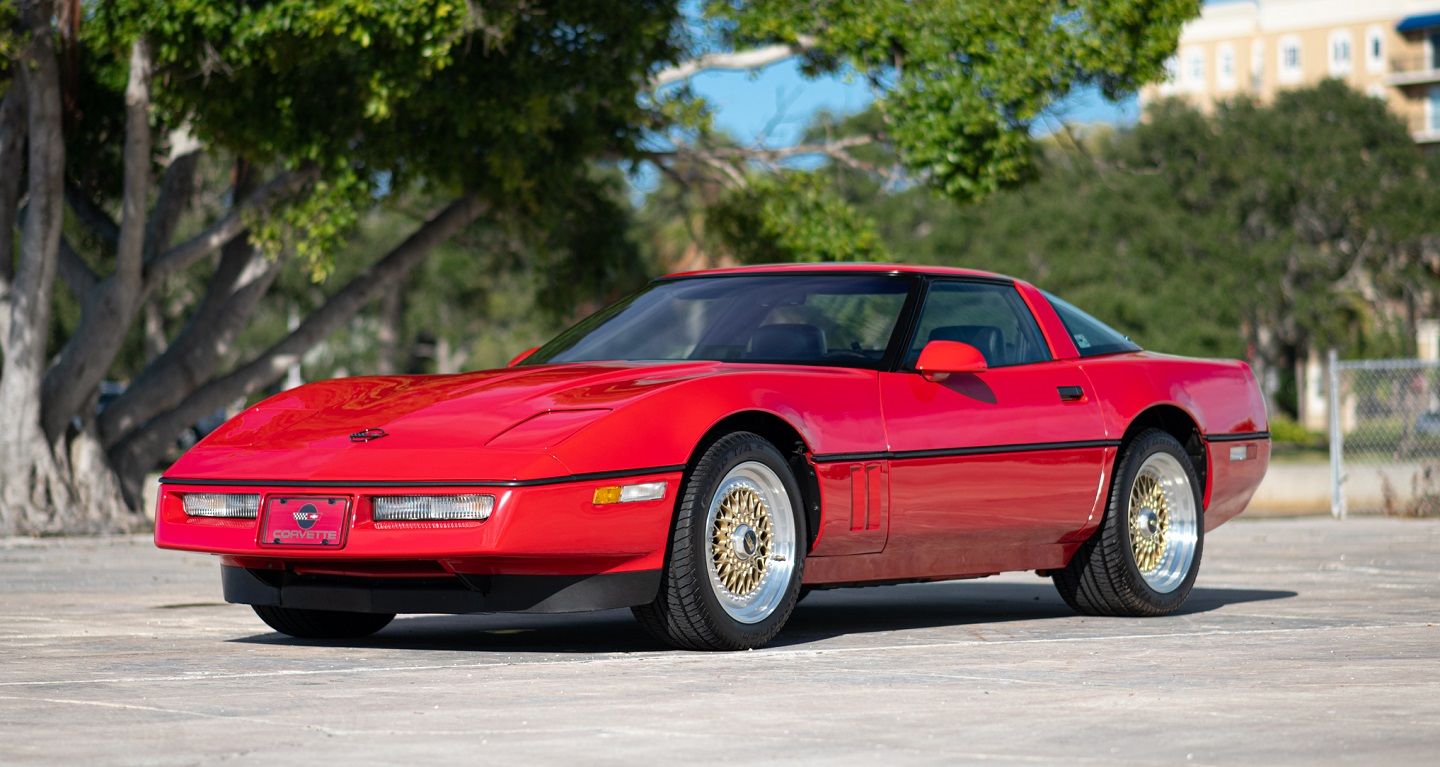
7. Chevrolet Corvette C4 (1984–1996)
When the C4 Corvette debuted in 1984, it was a radical departure from the bloated muscle cars of the previous decade. Sleek, high-tech, and packed with digital gadgetry, it was a glimpse of the future, but also a car that struggled with reliability and refinement in its early years.
Critics were divided, and many fans of the classic C3 felt alienated. However, time has been surprisingly kind to the C4. Today, it’s gaining respect as an important turning point in the Corvette’s evolution.
Performance-wise, the C4 got better with each passing year. By the late ’80s, it was genuinely quick, especially in Z51 and ZR-1 trims. The chassis was tight, the suspension was responsive, and the car finally had the grip and handling to match its looks.
While it might not feel as raw as earlier Corvettes, it offered a level of sophistication that set the stage for future generations. Drivers who give it a chance today often walk away surprised at how capable it feels, even by modern standards.
The digital dash and futuristic design were once mocked but now have retro charm. The C4’s low, wide stance and clamshell hood are distinctive features that help it stand out. It’s a car of its time, for sure, but that’s part of what makes it interesting. It doesn’t try to hide its roots. Instead, it embraces them, and that honesty gives it a kind of coolness that newer cars struggle to match.
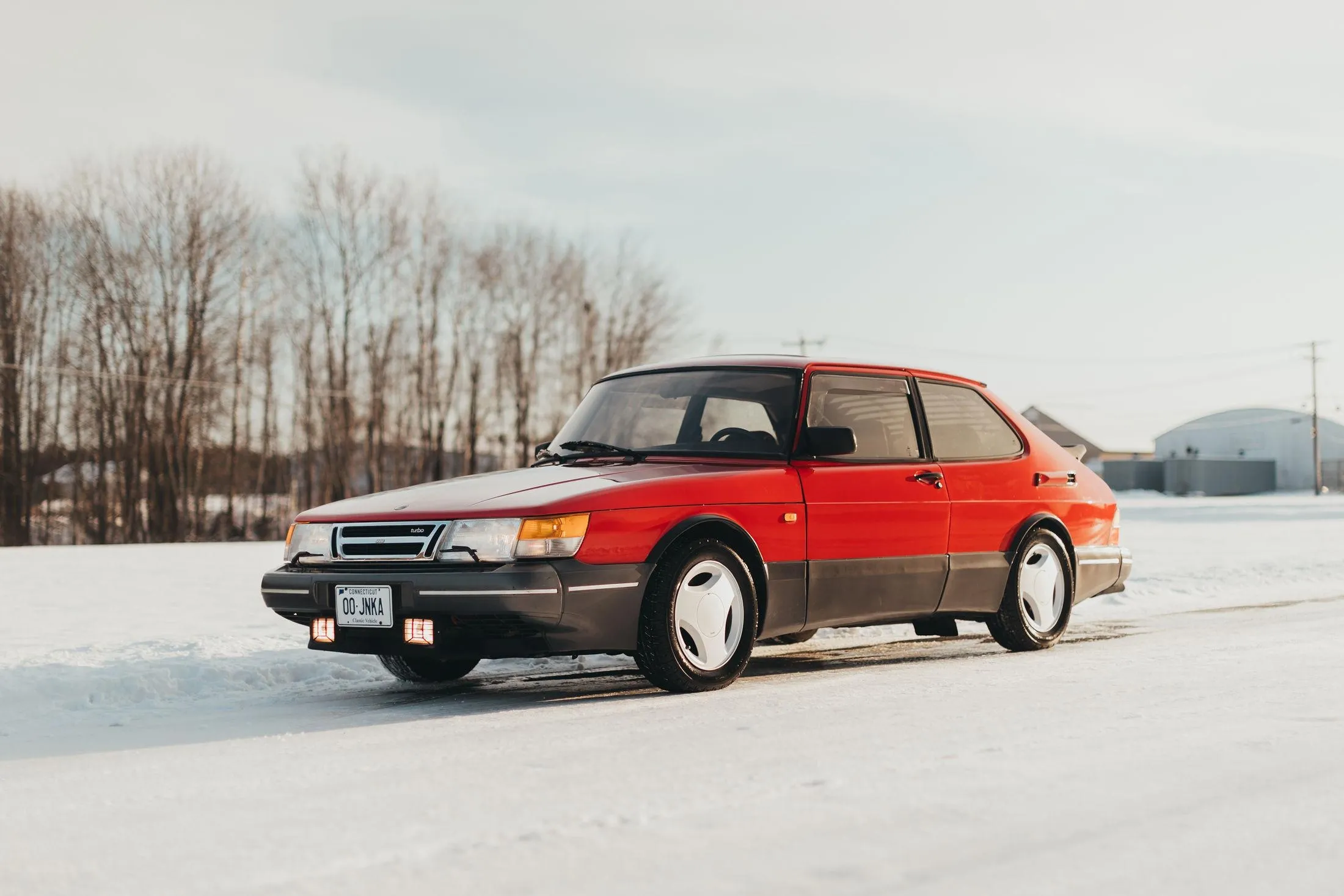
8. Saab 900 Turbo (1978–1993, focus on ’80s models)
The Saab 900 Turbo might be one of the quirkiest cars of the 1980s, and at the time, that quirkiness made it an acquired taste. It didn’t look or drive like anything else on the road. It was front-wheel drive when many performance cars weren’t, and it was powered by a turbocharged four-cylinder engine long before that was fashionable.
Yet, decades later, the Saab 900 Turbo is seen in a very different light. Rather than being a strange outlier, it’s now appreciated as a forward-thinking, well-engineered machine that punched far above its weight.
One of the most surprising aspects of the 900 Turbo today is just how ahead of its time it was. Saab treated turbocharging as a way to increase usable torque and efficiency, not just raw speed. This resulted in a car that felt strong in everyday driving without being intimidating or peaky.
Combine that with the car’s solid chassis and long-travel suspension, and you get a car that is not only fun to drive but also practical and comfortable. Even on rough roads, the Saab maintained its composure. It was the kind of performance that didn’t require a racetrack to appreciate.
Design-wise, the Saab 900 remains one of the most distinct cars of its era. The wraparound windshield, upright stance, and sloping rear hatch created a silhouette that still looks unique today. It’s instantly recognizable, and more importantly, it was functional.
Visibility was outstanding, interior space was generous, and the hatchback layout made it extremely versatile. It’s a reminder that design can be both creative and sensible at the same time, something that feels increasingly rare in today’s marketplace.
The cult following the 900 Turbo has gained in recent years is more than just nostalgia. Owners are drawn to its character, engineering integrity, and individuality.
In a world of cars that often blend into each other, the Saab stands apart, not just in appearance, but in philosophy. It was the kind of car that you had to understand to love, and now, people finally do. That’s perhaps the most surprising legacy of all.
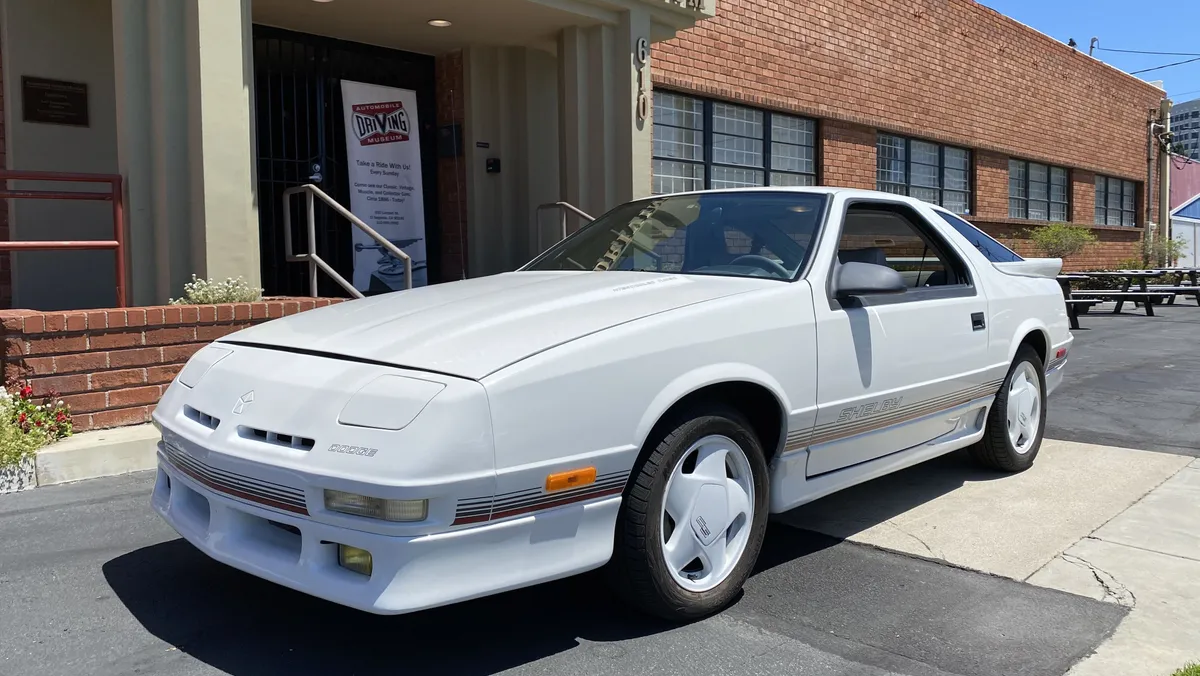
9. Dodge Daytona Shelby Z (1987–1989)
Back in the ’80s, if you said Dodge was making front-wheel-drive turbocharged performance cars, most people would have raised an eyebrow. Dodge was still largely associated with trucks, muscle cars, and utilitarian sedans.
Yet the Dodge Daytona Shelby Z, a collaboration with Carroll Shelby himself, defied every expectation. It was quick, affordable, and came packed with performance features normally reserved for much pricier sports cars. At the time, it was seen as an interesting outlier, but not a serious threat to traditional performance brands. That perception has since shifted.
What makes the Daytona Shelby Z stand out today is how genuinely competent it was. With a turbocharged 2.2-liter four-cylinder engine producing 174 horsepower and a surprisingly well-tuned suspension, it could hold its own against the likes of the Mustang and Camaro of the time.
Its handling was sharp, the brakes were strong, and it had a level of agility that people didn’t expect from a front-wheel-drive coupe. It wasn’t just about straight-line performance; it could corner and carve up backroads with real poise.
Styling was pure 80s, angular lines, pop-up headlights, and bold graphics. At the time, it was considered futuristic and aggressive. Looking back now, it carries a kind of retro charm that collectors and enthusiasts are starting to appreciate more and more.
It doesn’t look like anything on the road today, and that uniqueness is becoming a selling point. The Shelby branding also adds a layer of credibility that only enhances its appeal in the collector world.
What’s most unexpected is how these cars, once dismissed as disposable sport compacts, are now being restored and celebrated. Finding an unmodified Daytona Shelby Z is increasingly rare, and those that remain are starting to gain recognition at car shows and online communities.
It might have been overlooked in its prime, but it now serves as a reminder of a time when Dodge took real risks and actually pulled it off.
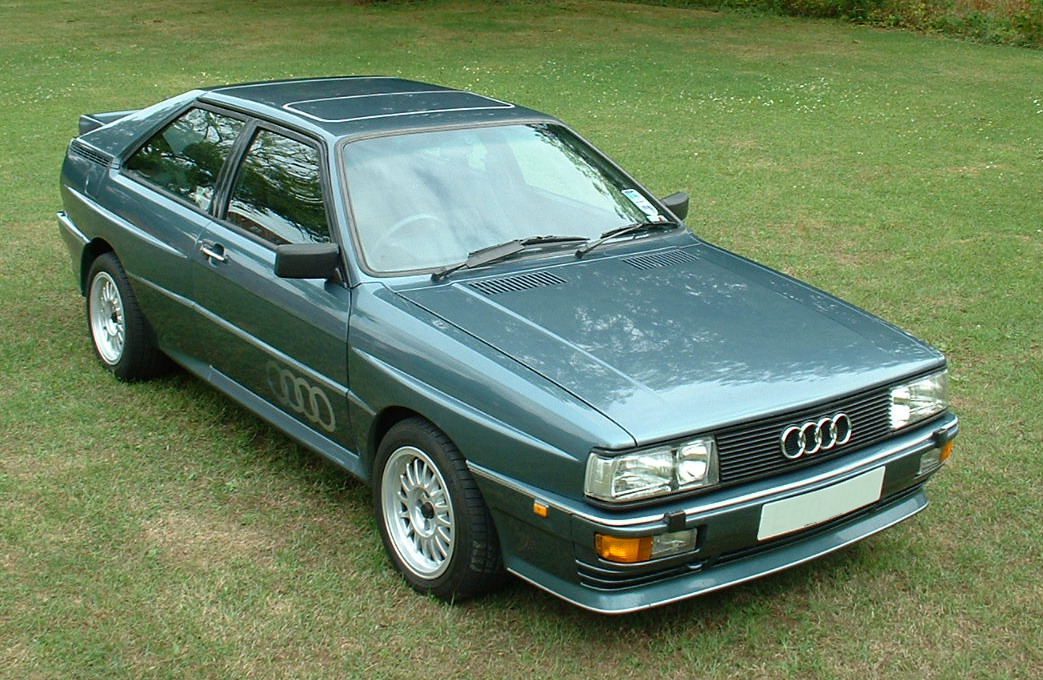
10. Audi Quattro (1980–1991)
Few cars have rewritten the rules like the original Audi Quattro. When it appeared in the early ’80s, it introduced permanent all-wheel drive to the performance car world, something that had been previously reserved for off-roaders and utility vehicles.
The Quattro was a rally-bred monster disguised as a street coupe, and though it received plenty of praise from motorsport enthusiasts, it didn’t initially make a huge splash in the consumer market. Over time, however, its reputation has grown immensely. Today, it’s seen as one of the most influential cars of the decade.
The significance of the Quattro’s all-wheel-drive system cannot be overstated. It changed the way people thought about traction, handling, and year-round performance. Suddenly, cars didn’t need to be rear-wheel drive to be fun or fast.
The Quattro proved that power to all four wheels could be used for more than just snow driving; it could be used to dominate rally stages and twisty roads. This concept would go on to shape the future of performance cars across multiple brands.
Beyond the drivetrain, the Quattro was simply a well-engineered machine. It had a solid turbocharged five-cylinder engine, a stiff chassis, and purposeful suspension tuning.
It was a car built for serious driving. Even today, its performance can feel surprisingly modern. Its design, with boxy fenders and a business-like profile, hasn’t lost its edge. There’s a raw honesty to its appearance, like it was built for a specific purpose and it was.
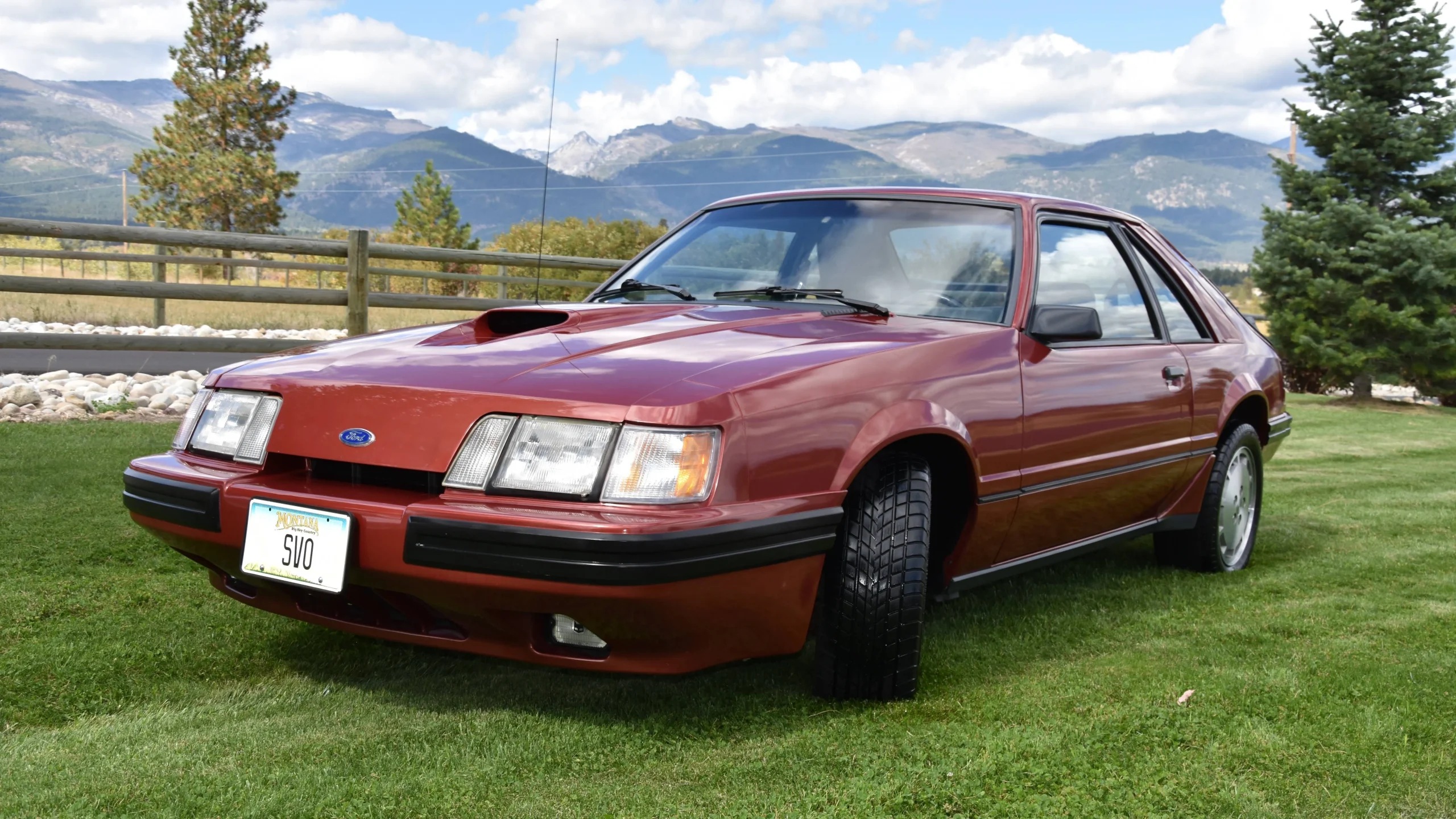
11. Ford Mustang SVO (1984–1986)
The Mustang SVO was Ford’s attempt at doing something smarter, not just faster. In a time when V8s were the default for American performance, the SVO took a different route. It featured a turbocharged 2.3-liter inline-four, independent front suspension, and more refined handling than the V8 GTs of the time.
Enthusiasts didn’t really know what to make of it, and sales reflected that confusion. But in retrospect, the SVO was a car ahead of its time, and it’s finally getting the recognition it deserves.
One of the things that makes the SVO so compelling today is that it wasn’t just about numbers. Sure, it was quick, but it was also sophisticated. The engineers at Ford wanted to create a Mustang that could go toe-to-toe with European sports cars, and in many ways, they succeeded.
The steering was sharper, the ride more controlled, and the chassis more communicative. It was a car built for drivers, not just drag strips. That focus on balance over brute force is something modern enthusiasts now crave.
Styling-wise, the SVO looked familiar but different. The offset hood scoop, dual rear spoiler, and flush headlights set it apart from the standard GT. It wasn’t loud or overdone; it was quietly aggressive, and that subtlety has aged well. It looks like a purpose-built tool, which is exactly what it was. It didn’t try to impress with chrome or stripes; it let the engineering do the talking.
Today, the SVO stands out as a rare breed: an American performance car with a European mindset. It’s appreciated by those who understand what it tried to do, even if the market wasn’t ready for it at the time.
With limited production numbers and rising awareness, the SVO has gone from being an oddball to a respected classic. Sometimes being different really does pay off, just not always right away.
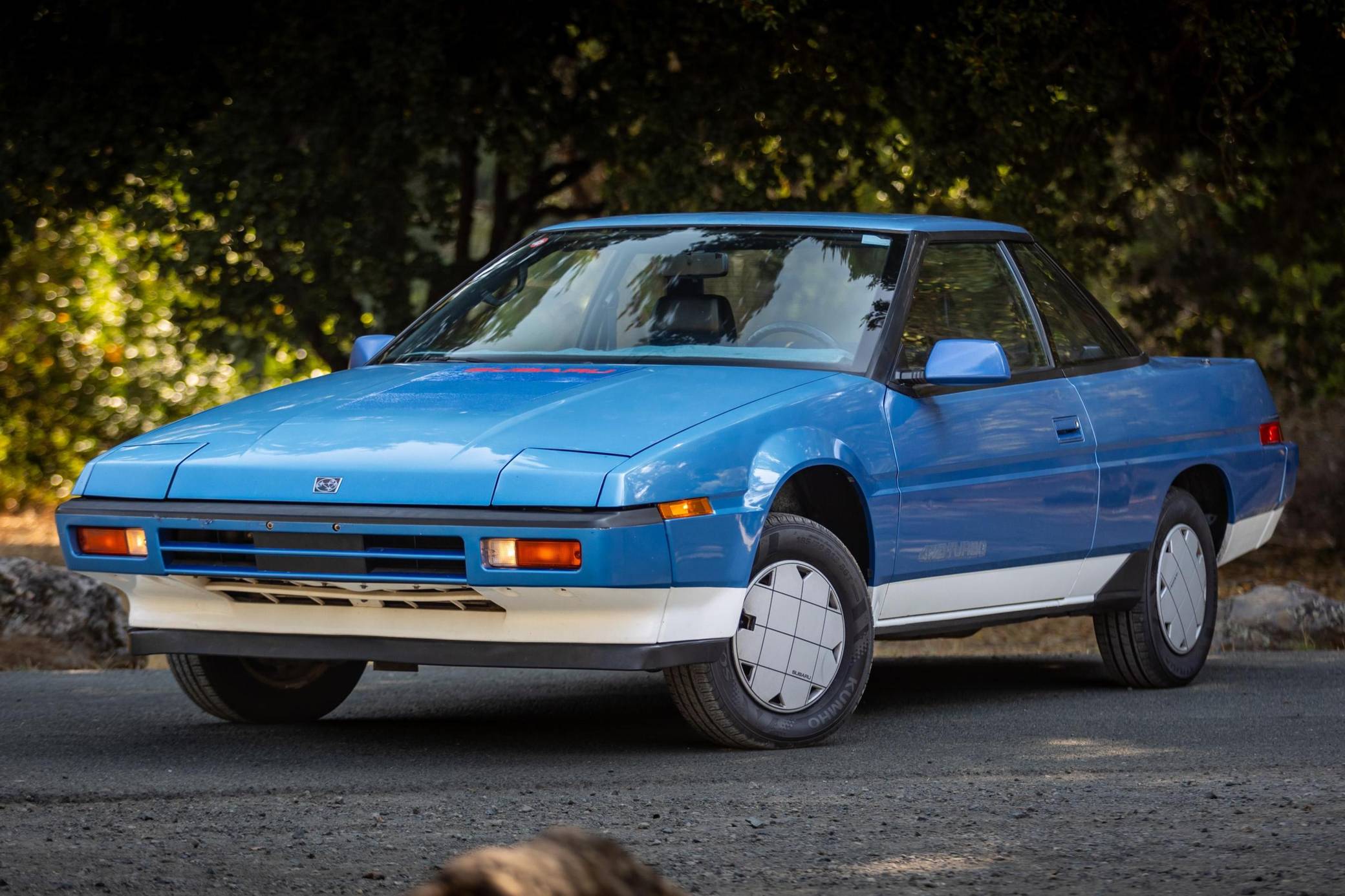
12. Subaru XT (1985–1991)
When the Subaru XT first hit the streets, it left people scratching their heads. Here was a brand known for building rugged, practical cars, now producing a spaceship-like coupe with pop-up headlights, a digital dashboard, and a steering wheel that looked like it belonged in an aircraft.
It was unlike anything else Subaru, or anyone else, had built. At the time, it was seen as too weird to be taken seriously. But today, that weirdness is exactly why it’s being celebrated.
The XT was more than just a design experiment. It came with Subaru’s signature all-wheel drive, flat-four engines, and some fairly advanced technology for its day. Features like height-adjustable suspension, a turbocharged engine option, and electronic controls were cutting-edge in the mid-1980s.
The car wasn’t just trying to look futuristic; it actually was. It may not have been the fastest car of its time, but it was a technological statement that Subaru was capable of more than just building economy cars.
Its aerodynamic profile, wedge shape, and futuristic interior design have aged better than expected. What once looked odd now looks intentional. The XT represents a time when carmakers were willing to take risks in both form and function.
Perhaps most surprising of all is the growing fan base the XT has developed. It used to be the kind of car people ignored, or worse, laughed at.
Now, it’s being preserved, restored, and shown off at meets and shows. Its rarity and unconventional nature have made it a standout piece of ’80s automotive history. In a strange twist of fate, the XT is finally getting the attention it always deserved, not despite its quirks, but because of them.
