
When it comes to long journeys, especially across varied terrain or in piles of traffic, choosing the right truck matters more than most people realize. Comfort in a truck does not only mean plush seats or climate control but also how well insulation against noise, vibration, ride quality, ergonomics, storage, fuel efficiency, and driver-assist features are handled.
A truck that performs brilliantly over short hauls and errands may reveal many weak spots when subjected to hours behind the wheel. On long stretches of highway or mountain passes, small annoyances, seat fatigue, road rumble, loud cabin noise, inadequate suspension, tend to accumulate until they become overwhelming.
Conversely trucks designed with long-haul comfort in mind manage to soften those annoyances, maintaining driver stamina, reducing fatigue, and making the time pass more pleasantly.
Many factors shape comfort in long-travel settings. Suspension and ride dampening are among the most critical, influencing how shocks, potholes, washboard roads, or expansion joints are transferred to cab and how the truck steadies itself at high speed. Cabin layout plays a role: seat adjustability, lumbar support, space for legs, and visibility matter.
Technology, adaptive cruise control, lane‑keeping assist, quiet AC systems, can dramatically reduce stress for long stretches. Fuel efficiency and range reduce how often stops are needed, impacting trip flow and rest.
Trucks that score well in these categories become trusted companions. Seats that retain support over time, suspension that handles both rough patches and smooth highway without harsh transitions, cabs that isolate noise, and systems that reduce driver work allow long‑distance driving without frequent aches, fatigue, or irritation.
On the other hand trucks that neglect these areas might feel exciting for towing or initial performance but crumble in long haul usage. They may offer power but trade off comfort; firmness in the name of ruggedness that becomes punishing past a few hours; excessive cabin noise or vibration that wears on nerves; poor storage or ergonomics that force frequent adjustments.
Below I compare five trucks that remain comfortable for long trips and five that do not. For each example I examine what works or fails: seat and interior design, ride quality, noise and insulation, and driver aids or range. Whether you value serenity, fatigue management, or simple usability over distance, these comparisons can guide you toward a truck that really holds up when the roads stretch far ahead.
5 Trucks That Remain Comfortable for Long Trips
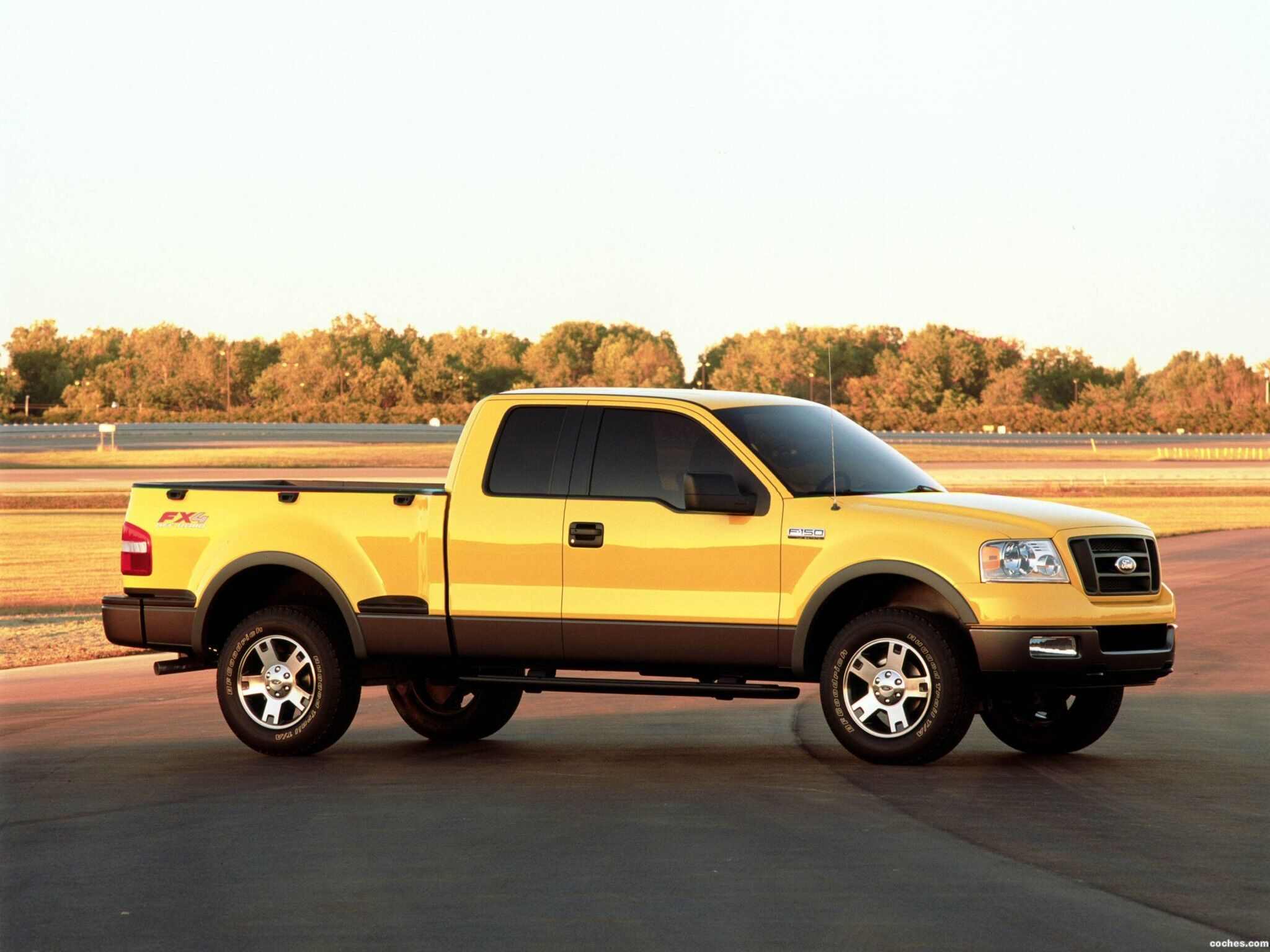
Ford F‑150 (Higher trims with coil rear springs / adaptive suspension)
Many trims of the F‑150 include a well‑tuned suspension system that smooths out rough roads without letting body roll become excessive. The higher‑end models offer adaptive dampers or selectable drive modes, allowing the driver to shift between comfort settings for highway driving and more controlled settings for towing or off‑road.
The cabin is well insulated; wind noise is minimized even at higher speeds and the structure absorbs vibration from rough surfaces fairly well. Seats in premium trims offer multiple adjustments, lumbar support, heated and cooled functions; they maintain cushioning over long hours without bottoming out.
Technology features like adaptive cruise control and lane keeping reduce strain during monotonous highway stretches, while plentiful storage and connectivity options keep the cab organized and useful.
The ride firmness is moderate, enough to preserve handling and control but soft enough to filter out smaller bumps. Road imperfections that would cause discomfort in more utilitarian trucks are absorbed without harsh jolts. Also, available all‑wheel drive or four‑wheel drive versions tend to include stabilizers and more robust chassis components that, when properly tuned, help dampen vibrations coming from wheels and drivetrain.
The noise insulation, especially around door seals, between cab and bed, seal quality in windows, helps keep drone from wind or tires from being overwhelming at 70‑80 mph. Interior materials tend toward soft plastics, nice stitching, noise‑absorbing headliners and carpets which, when combined, quiet the environment.
Storage for long trips is generous: cabins often have under‑seat storage, large center consoles, gloveboxes, pockets, even places to stow smaller bags or devices. USB and power outlet placement make recharging devices easy and meals or coffee storage manageable.
Climate control systems are capable, with dual or even tri‑zone settings on higher trims, plus rear vents so passengers or seat back cabins remain comfortable. Visibility is good, reducing strain on driver’s neck or eyes; mirrors, camera systems help during lane changes or merging, so driver can relax somewhat instead of fighting blind spots.
Fuel range on certain engine options is reasonable, especially when paired with aerodynamics or extended fuel tanks. On long routes with fewer service stations, models that include larger tanks or better mileage help reduce the number of stops.
Less frequent stops mean more time driving with less interruption. In sum, for many who drive long distances regularly, a well‑equipped F‑150 offers a balance: power, utility, and comfort without compromising too much on any front.
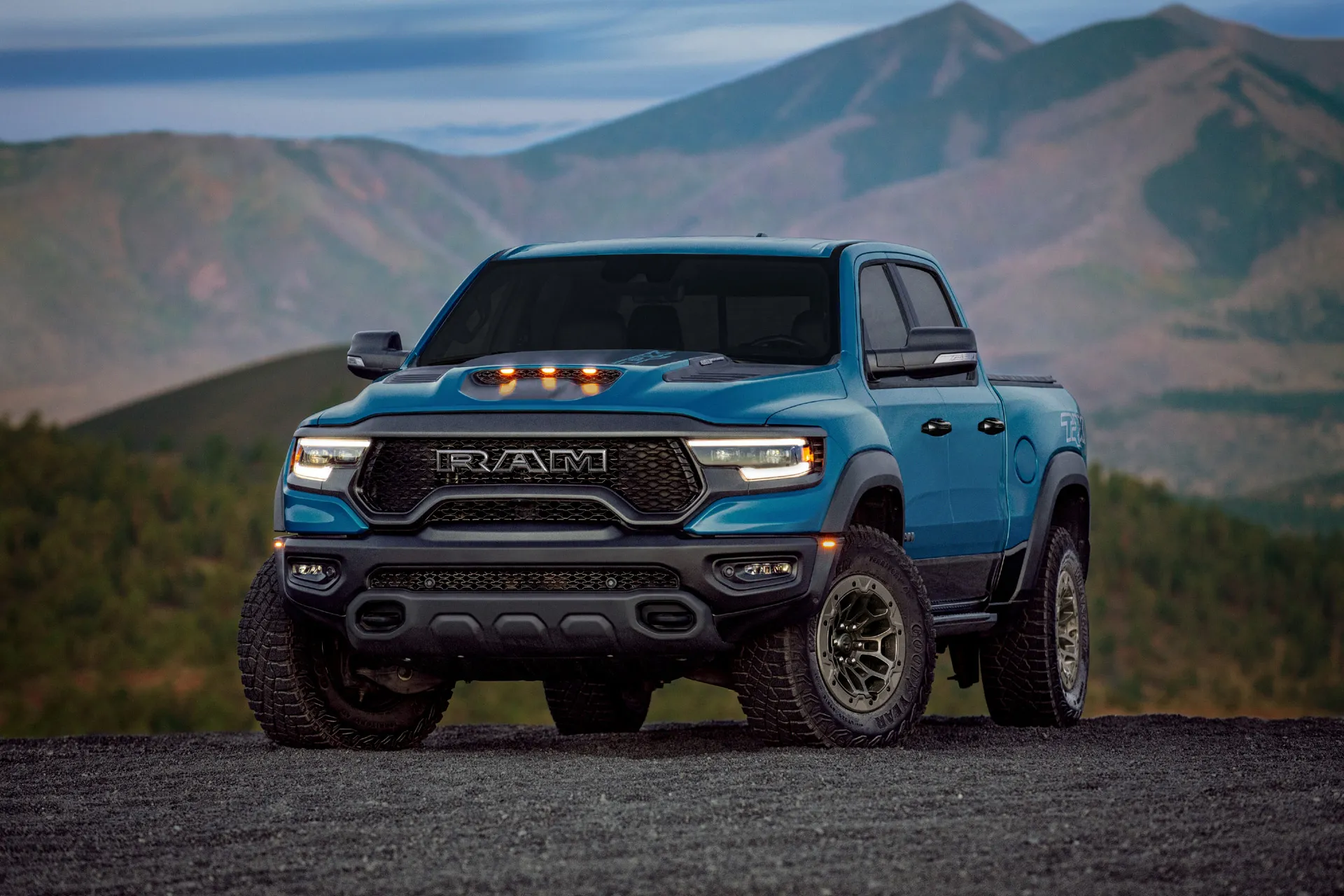
Ram 1500 (with air ride / coil springs, especially higher luxury trims)
The Ram 1500 has earned praise for its ride quality owing to coil spring rear suspension in many versions instead of the more traditional leaf springs. The available air‑suspension height adjustment or optional air ride improves smoothing of road irregularities.
This results in fewer harsh jolts passing over broken asphalt or unpaved highways. The cabin does a good job of isolating engine noise, especially diesel or V8 versions with upgraded insulation and active noise cancellation in some trims. Seats are deeply cushioned, often leather in upper trims, with excellent lumbar and thigh support. Features such as ventilated seats and massage functions in luxury packages add to long‑trip comfort.
Interior layout in the Ram 1500 is very user‑friendly. The controls are intuitive, reaching dials and switches without awkward stretching. Large touchscreen and connectivity features reduce frustration from fiddling; driver assistance helps reduce fatigue.
Rear‑seat passengers benefit from ample legroom and amenities. Storage compartments are thought out so gear, electronics, snacks, water bottles all have home. Cabin lighting, sound system quality, quiet vents, minimal rattles or squeaks all help maintain a serene atmosphere over many hours.
Climate control is efficient. Dual‑ or multi‑zone air conditioning, heating, even heated steering wheels or steering wheel heaters in some trims. Rear vents or controls for passengers reduce hotspots or cold zones. Efficient sealing around doors and well‑fitting glass reduce wind infiltration or drafts.
In colder weather or hot sun, the thermal insulation keeps cabin temperature stable, which means lower stress on both HVAC system and occupants. The available powertrains, gasoline, diesel, or hybrid, balance torque and fuel economy for extended travel. The capability to tow or carry loads doesn’t force an extreme compromise in comfort, because suspension and engine tuning are forgiving under load.
Noise, vibration, and harshness (NVH) metrics in higher trims are low. Sound damping materials, thicker glass, quieter tires help. Even over extended stretches on varying pavement types, the engine and transmission tuning avoid harshness during gear shifts; vibration is kept out of the steering wheel and floor.

Chevrolet Silverado 1500 (Premium Cab + Z71 or high trim)
In premium cab versions and trims, the Silverado 1500 offers comfort enhancements that absorb a lot of what makes long hauls unpleasant. The suspension system on higher trims is tuned for a balance: it offers enough stiffness for handling, but enough compliance for smoothing out undulating highway surfaces or expansion joints without tossing the driver.
Mirrors, camera systems, blind‑spot monitoring help reduce anxiety at highway speeds or during merges. Seats in high trims have excellent bolstering, adjustable lumbar and thigh support, multiple recline settings; sometimes cooled, sometimes ventilated; and long‑distance cushion retention is good.
The cabin is well insulated against external noise. Window glazing, door seals, firewall insulation, and sound cancellation components reduce sound from engine, tires, and wind. Especially on long highway routes where wind noise tends to dominate, Silverado’s premium trims manage to keep interior roar to a tolerable level.
Air conditioning and heating systems are responsive; climate zones for rear passengers help maintain comfort back there. Storage is generous: deep center console, large glovebox, overhead storage, door pockets, rear under seat options. USB‑C, USB‑A, power outlets, wireless charging where available help keep devices powered, which is critical when staying connected in remote areas.
Fuel efficiency depends on the engine, but newer powertrains with turbochargers or efficient V‑8s often deliver better highway mileage than older heavy trucks. Towing capacity is good, but even when carrying loads the Silverado retains composure, engine strain is moderate, suspension doesn’t bottom out badly.
Driver aids like adaptive cruise, lane keeping, forward collision warning reduce workload. Visibility is strong, with good sightlines and optional cameras. All of these factors together make this truck a reliable companion for long‑distance travel for both driver and passengers.
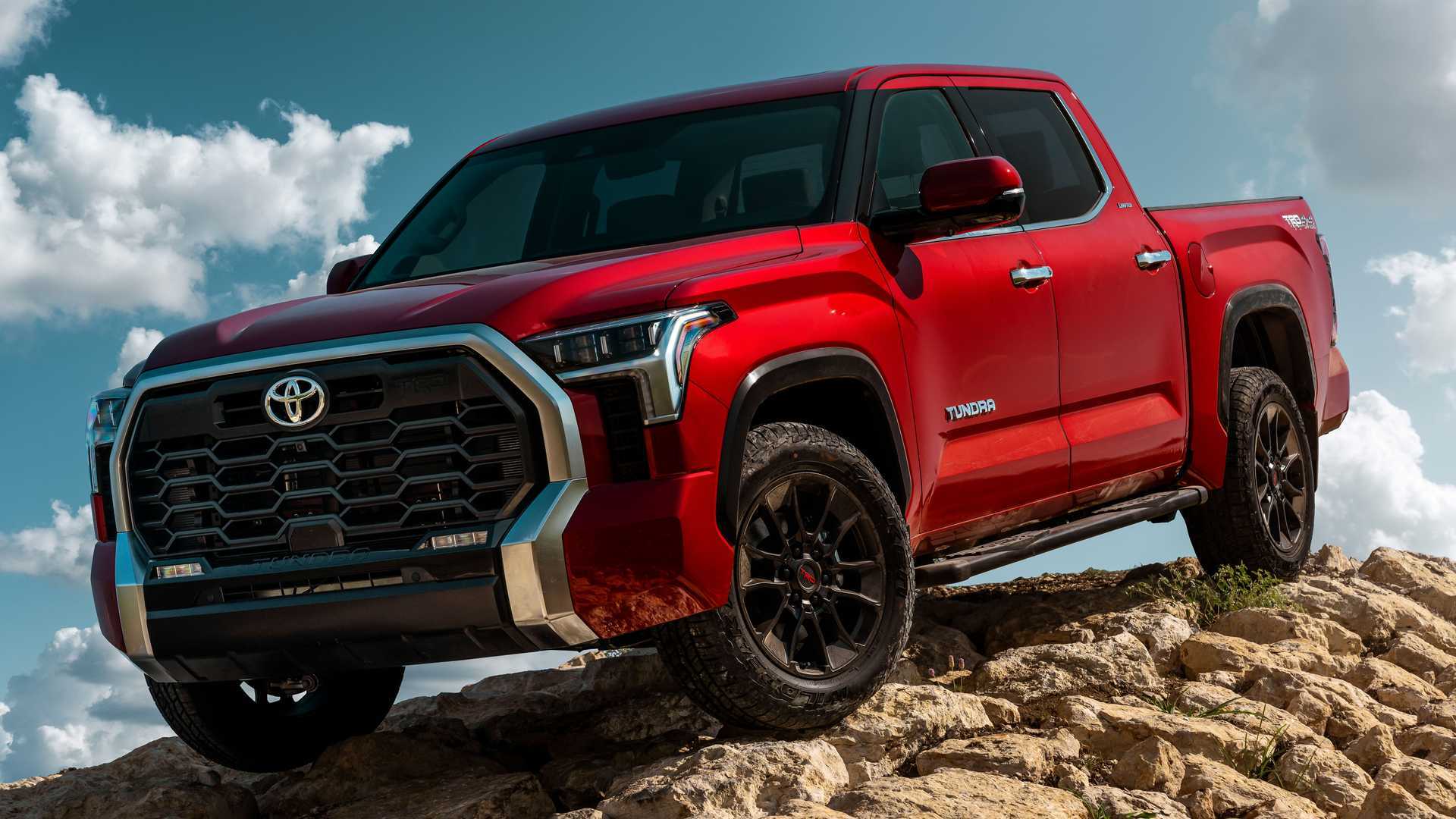
Toyota Tundra (Modern generation with hybrid or improved suspension)
The current Tundra generation, especially with hybrid powertrain, brings improvements in both ride quietness and fuel efficiency. The hybrid reduces engine noise during cruising; its torque delivery tends to be smoother. The suspension improvements in recent models help absorb bigger bumps while still holding composure in corners or when climbing grades.
Cabin design is refined: better headliner materials, tighter fit of panels, improved seal around windows. Seats are supportive, with good cushion density, adjustable lumbar support, often heated and ventilated when optioned; thigh support and side bolsters reduce fatigue from long hours.
Interior ergonomics are thoughtful: controls are placed where the driver doesn’t have to reach awkwardly; good visibility forward and to the sides; driver assist technology such as adaptive cruise, lane departure warning, blind‑spot monitors available.
Storage is abundant: large consoles, under‑seat storage, compartments for phones, bags, and drink holders well‑placed. Climate control responds well, and rear vents or air flow options extend comfort to passengers. Even the small finishing touches, ambient lighting, quieter sound systems, effective insulation, make a difference when every extra bit of comfort adds up over time.
Fuel range is enhanced with hybrid versions, meaning fewer stops at gas stations. Also engine and transmission tuning in highway cruising reduce the need for constant shifts; noise from the drivetrain stays low. NVH control is better than in older generations, especially in the cabin’s structure.
Tires in higher trims tend to be lower rolling resistance and better at dampening road irregularities. Driving aids reduce monotony and strain: cruise control, optionally adaptive, keeping the driver less tense. Passengers benefit, too, because ride smoothness and cabin quietness help them rest or relax.
Reliability and durability help maintain that long‑trip comfort over time. Trucks that do not degrade seats or suspension rapidly retain their comfort. Tundra’s good build quality often means fewer rattles, less sagging of seat cushions or springs. For someone planning many miles, that kind of long‑term durability matters almost as much as initial comfort.
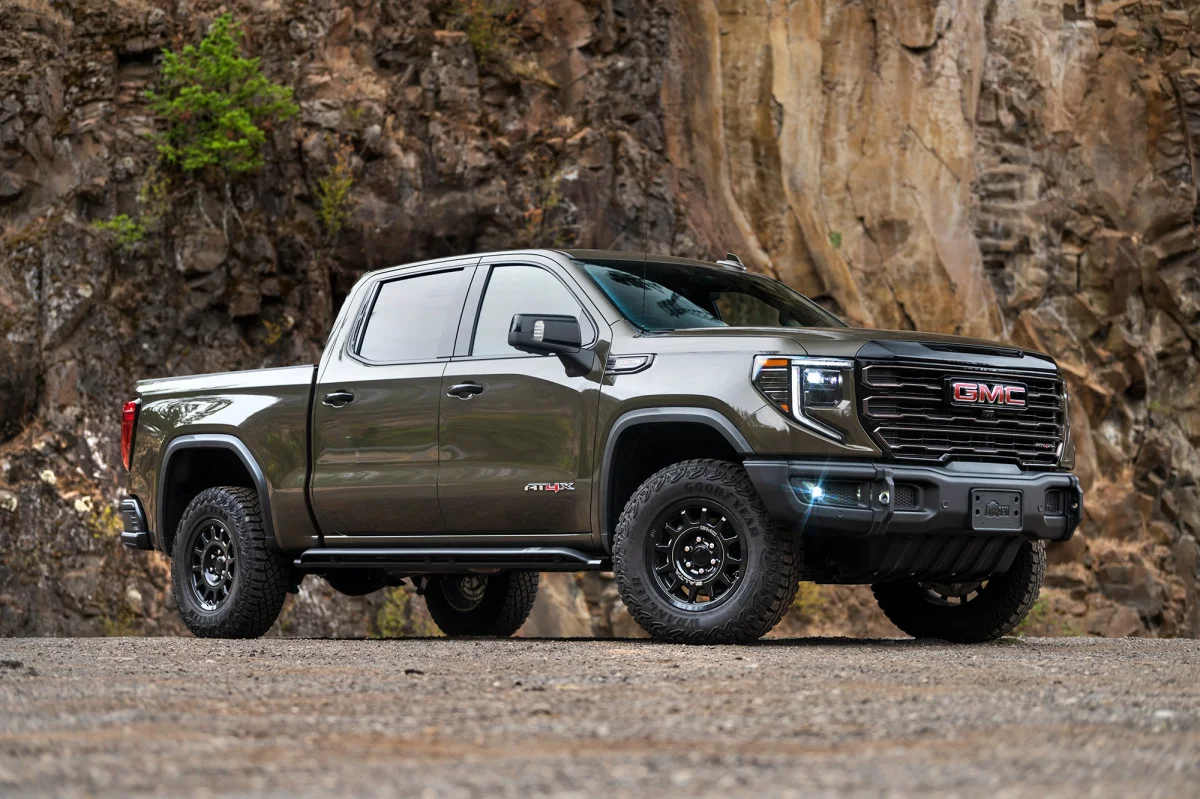
GMC Sierra 1500 (Denali or AT4 trims)
The Sierra Denali is built with luxury in mind; the AT4 with a more rugged bent that adds comfort features without sacrificing off‑road capability. Denali trims offer premium interiors with high‑quality materials, excellent seat comfort, thick carpets, good deal of sound deadening, quiet insulation.
Ride is smooth, particularly on highway or well‑paved roads; suspension tuning softens bumps while still controlling body motions. Seating options are rich; multi‑way adjustability, heating and cooling, good ergonomic layout means driver posture can be optimized and fatigue reduced.
Interior amenities are generous. Large touchscreens, premium sound systems, thoughtful control layout. Connectivity options are abundant; storage cubbies, compartments for devices, proper ventilation. Rear passengers get good legroom, rear climate vents; materials are premium throughout, minimizing squeaks or cheap‑plastic rattles.
Noise control tends to be excellent: wind, road, tire noise are reduced, especially in luxury trims. Even at highway speeds the cabin remains surprisingly calm. AC and heating systems are responsive; dual‑zone or more, ensuring both driver and passengers can adjust comfort.
Fuel‑efficiency in the right configuration is acceptable, particularly for highway cruising. Denali trims sometimes include mild‑hybrid or efficient V8s; AT4 may sacrifice a little for off‑road capability but still do a decent highway job.
Driving aids, adaptive cruise, lane keeping, camera systems, make the trip easier, reducing stress in traffic or long highway stretches. Ride quality combined with interior quiet means less frequent stopping for rest, and more relaxed parts of driving time. Seats that stay comfortable after many hours and suspension that doesn’t beat the driver help avoid fatigue.
Long‑term durability helps sustain comfort: materials that hold up, seats that don’t sag, cabin components that remain tight. Trucks that start comfortable but degrade quickly become more uncomfortable. Sierra in premium trims tends to age well. For someone planning repeated long‑distance travel, these traits matter as much as initial specification.
5 Trucks That Don’t Remain Comfortable for Long Trips
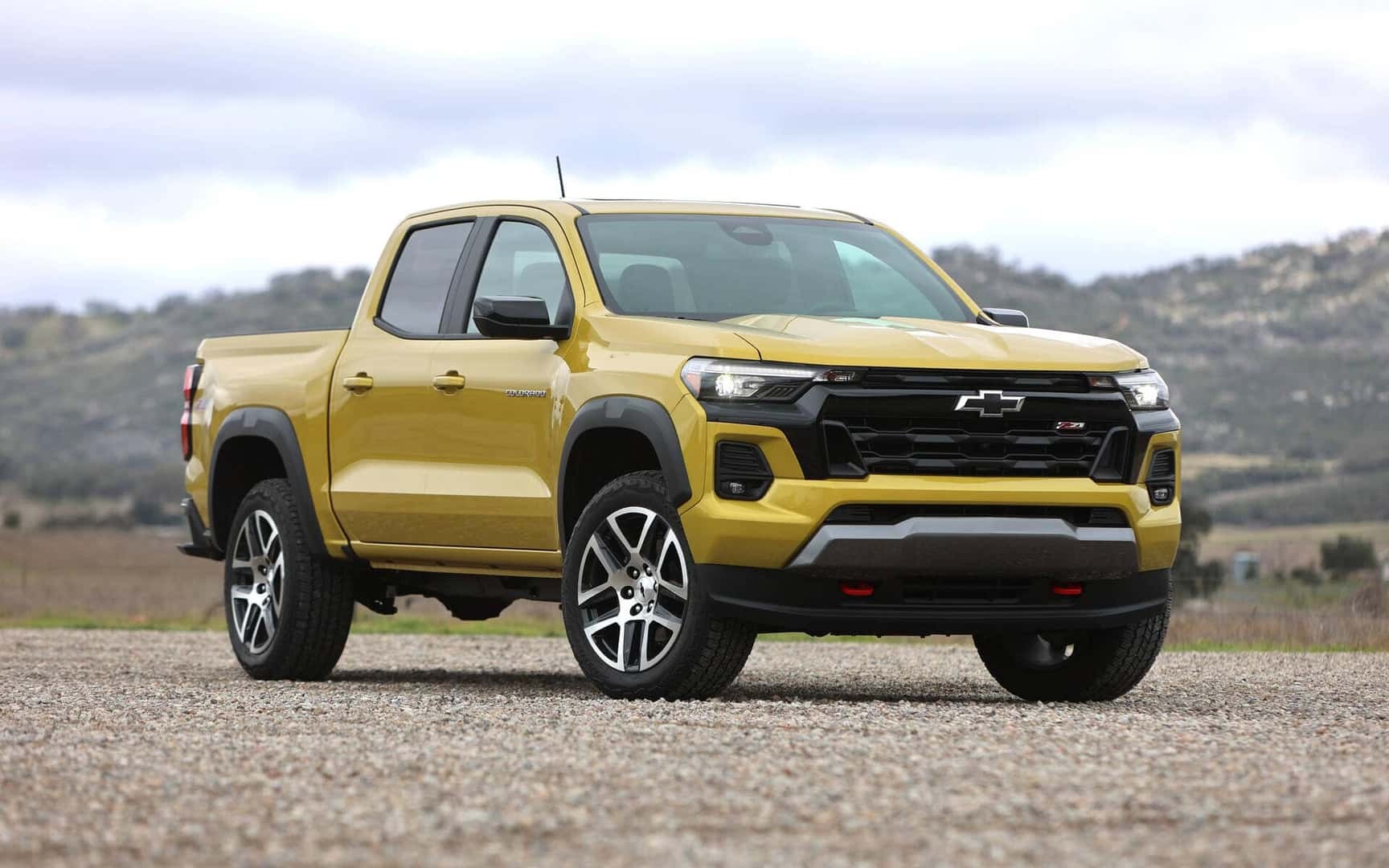
Chevrolet Colorado / GMC Canyon (Base or off‑road trims without luxury options)
These midsize trucks have appeal for utility and handling off pavement but often carry over compromises in base or rugged trims that hurt comfort on long trips. Suspension systems are usually tuned toward toughness rather than softness; leaf springs or stiff coils transmit road roughness more directly into the cab.
Tire choices in off‑road trims are often more aggressive, louder, harsher on pavement. Seats in base trims often have minimal lumbar support, limited cushioning; over many hours back or thigh soreness may develop. Noise insulation tends to be minimal: thinner door seals, simpler glass, less sound deadening material mean wind and road noise creep into the cabin.
Climate control systems are often more utilitarian in base models: single‑zone, weaker ventilation, fewer rear vents. Rear passengers may receive little airflow or comfort. Storage compartments are fewer or shallower; center consoles may be small; padding and finishing less generous leading to more vibration or rattling.
Control layout may suffer from cramped spacing, fewer adjustabilities. Visibility might be acceptable, but mirror or camera options often limited, increasing driver strain in traffic or on highways when blind spots are tricky. Driver aids may be fewer: no adaptive cruise, fewer lane‑keeping features; that means more active involvement from driver for long distances, which increases fatigue.
Fuel economy in less optimal powertrains may drop significantly under load or highway speeds. More stops required, which interrupts restful rhythm. The ride quality may feel acceptable for short distances or daily use, but after several hours, bouncing, vibration from tires, road crown or small potholes becomes noticeable.
Seats may compress or fatigue in cushioning quicker. NVH issues, engine noise, transmission chatter, wind whistling, tend to become more noticeable with cabin fatigue. Especially in windy conditions or at high speed, cabin becomes noisy enough to require raising the volume of sound systems, which can strain ears or distract.
Over time, comfort degrades more quickly in these base or off‑road trims without the extra refinements. Suspension components may creak or squeak; interior panels may rattle; seating fabric or leather wear may expose underlying structural roughness. For someone expecting long days of driving, these trucks may become tiring rather than relaxing.
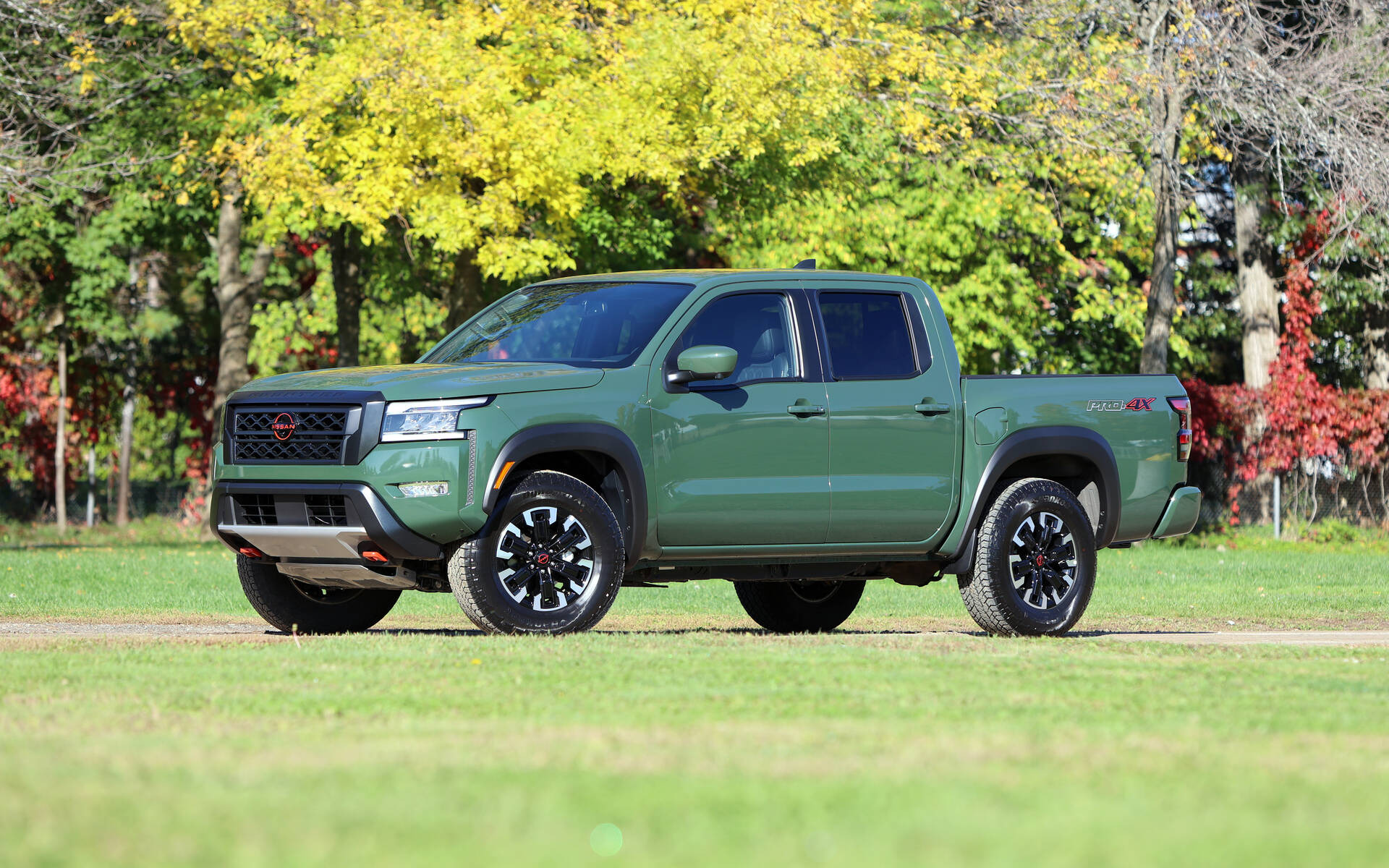
Nissan Frontier (older generation without updated interior or ride tuning)
The Frontier, especially in older models, was designed as a tough midsize truck rather than a long‑hauler. Its suspension is generally firm; road harshness, especially at speed or on rougher pavement, gets transmitted more readily. There is often more vibration felt through steering wheel and seat.
Seat cushioning may be decent at first but tends to compress over time; lumbar adjustments are limited; thigh support weaker. Cabin space is adequate but storage options are fewer; console space smaller; fewer spots to place items or devices within easy reach. Visibility may suffer from simpler mirror setup, less lighting or fewer driver‑assist features compared to newer competitors.
Noise insulation is modest. Engine noise, especially under load or acceleration, can intrude. Wind noise around mirrors or windows becomes pronounced at highway velocities. Tire noise on coarse pavement or highway expansion joints may reverberate.
Cabin materials in older interiors may have more hard plastics, simpler glazing, less insulated firewall. Climate control in some trims is basic; air vents fewer; rear seating ventilation minimal. On hot or cold days the system may struggle to maintain a comfortable temperature evenly, particularly in back seats. Heated or ventilated seats less common; comfort features fewer.
Driving aids are often more limited. Adaptive cruise or lane keeping may be unavailable in many trims. Blind spot monitoring, backup cameras maybe basic. Long highway stretches or heavy traffic require more constant driver attention.
Gearbox tuning may be less refined; gear shifts more noticeable; engine may lug or be noisy under certain conditions. This adds mental fatigue. Fuel range may be limited depending on engine and size of tank; fewer amenities to reduce stops. Frequent stops diminish the advantage of driving longer stretches in one go.
Over time wear becomes noticeable. Seats may sag; suspension bushings grow looser; rattles or squeaks in the interior increase. Comfort that seemed reasonable in early drives can become significantly less during repeated long‑distance use. For drivers who value calm, cushion, silence, this kind of fatigue adds up.

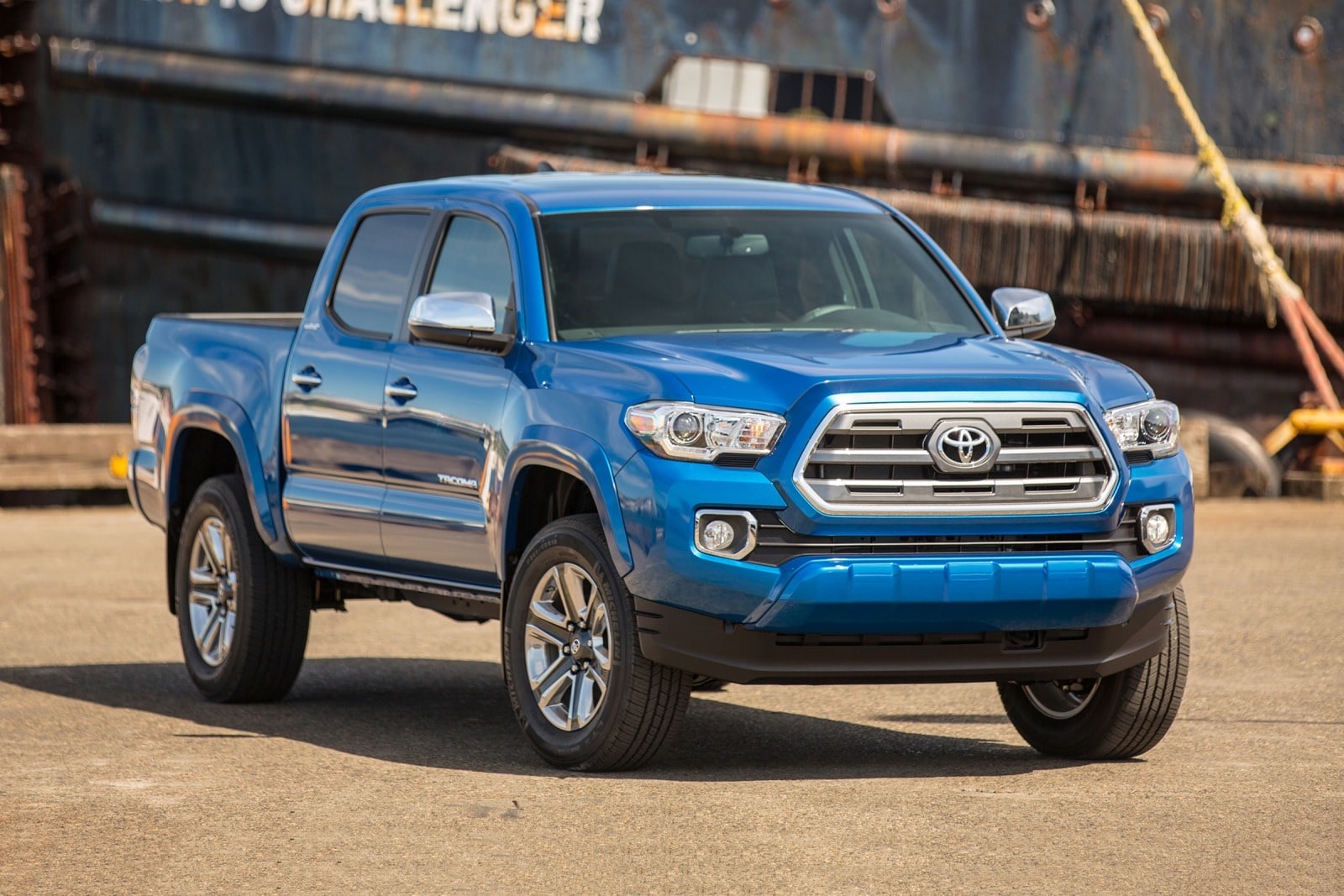
Toyota Tacoma (older non‑premium trims or with heavy off‑road gearing)
Tacoma models with off‑road gearing or rugged suspension options often prioritize durability and ground clearance over comfort. That choice leads to firmer ride, less damping of rough roads. Smaller wheels or tires with thick sidewalls may help off road but on highway they often flex and bounce, creating more road feedback or vibration.
Seat padding tends to be less plush in non‑premium trims; thigh and lumbar support minimal; long‑distance seat fatigue more likely. Cabin space is decent but storage options limited; center consoles small; rear seat comfort for adults marginal in height or legroom.
Noise suppression is also weaker. Older Tacomas may allow more transmission or engine noise in cabin. Wind noise from mirrors or window seals more noticeable. Tire roar especially on rough pavement or when speeds increase. HVAC systems may be slower to respond in extreme hot or cold; rear vents sometimes omitted or weak.
Few amenities in base trims: fewer USB ports, fewer comfort features like seat heating or ventilation. Driver‑assist features may be minimal: basic cruise control without adaptive features; fewer cameras; blind‑spot monitoring potentially absent.
In terms of ergonomics and visibility, controls may be placed for rugged utility rather than driver ease. Manual knobs for some functions, simpler materials that may vibrate or creak. Mirrors may be smaller or less adjustable. Visibility over the hood or to rear corners may be less ideal.
Long hours in traffic or highway can become tiring as driver makes small corrections, adjusts seat or mirror repeatedly, listens past noise, deals with lack of comfort. Fuel efficiency in older or base models may be lower when driven aggressively, more stops for fuel, more fatigue due to stops.
Over time, normal usage can exacerbate discomfort. Seats may compress unevenly; suspension bushings wear; rattles develop. Once firmness leads to discomfort, it often gets worse. For someone doing many hours often, this can mean more rest breaks, more soreness, or even avoidance of long trips. Comfort that is enough for weekend drives may prove inadequate when miles stretch out ahead.
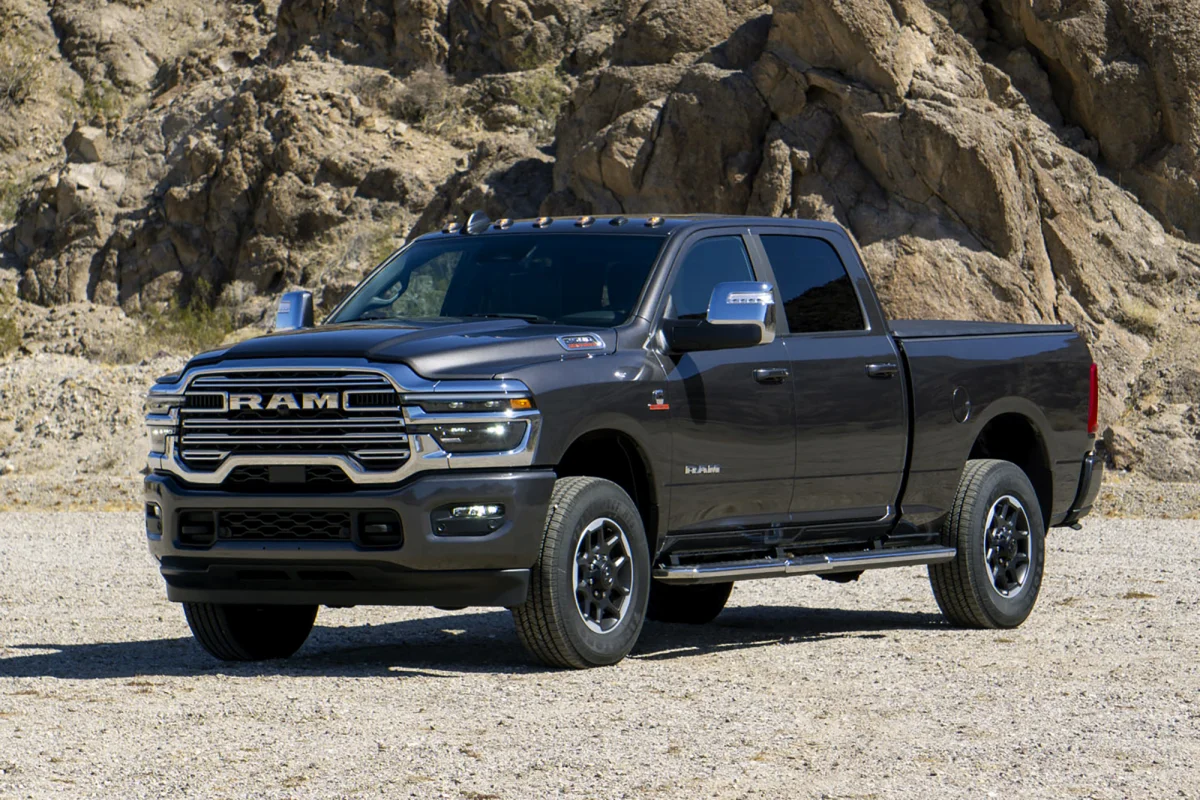
Ram 2500 / Heavy Duty versions (basic trims, severe load, rough ride)
Heavy duty trucks often are built for capacity: heavier frames, more robust axles, stronger springs. These features support towing or heavy payloads but often at the cost of ride comfort when unladen or lightly loaded. The suspension may feel harsh over small bumps; leaf springs or stiff coils transmit vibrations or jolts.
Basic or work‑oriented trims often omit softer cushions, seat heating or cooling, less adjustability. Without upgrade packages, seats may be simpler; noise insulation thinner. Cabin may rattle more, road and tire noise more apparent. Wind infiltration more noticeable at higher speeds.
Ride dampening is often sacrificed in favor of strength. When the truck is not loaded, or under light load, frame bounce or axle hop may be more pronounced. On highways or uneven surfaces, that means frequent jolts or unsettling feedback.
Transmission shifts may feel harsher, engine roar more present. Basic trims often lack adaptive dampers or comfort‑oriented drive modes. This leads to more fatigue for driver over many hours. Heat, cold, vibration all become harder to ignore.
Interior features may be sparse. Fewer amenities for passengers or driver in base versions. Climate control may not be as refined; fewer vents or less attention to cabin airflow. Rear seating room may be sufficient spacewise but less comfortable for long occupancy due to basic seat backs, less cushioning, less isolation from drivetrain or floor vibration. Storage areas may be basic or fewer in number. Connectivity or sound systems may be modest. Driver aids often more limited: fewer assistive safety features or comfort options.
Noise, vibration, harshness increase with time. Cabin may collect more rattles; door gaps or seals may allow more wind noise. Tire noise, road noise, engine vibration, these fatigue senses. Also fuel consumption of heavy duty trucks tends to be worse, meaning more frequent fuel stops; possibly more idling; tacit weight of stops adds up.
All these factors make long trips in heavier duty, basic trim trucks more physically and mentally draining compared to lighter, better refined or luxury trims.
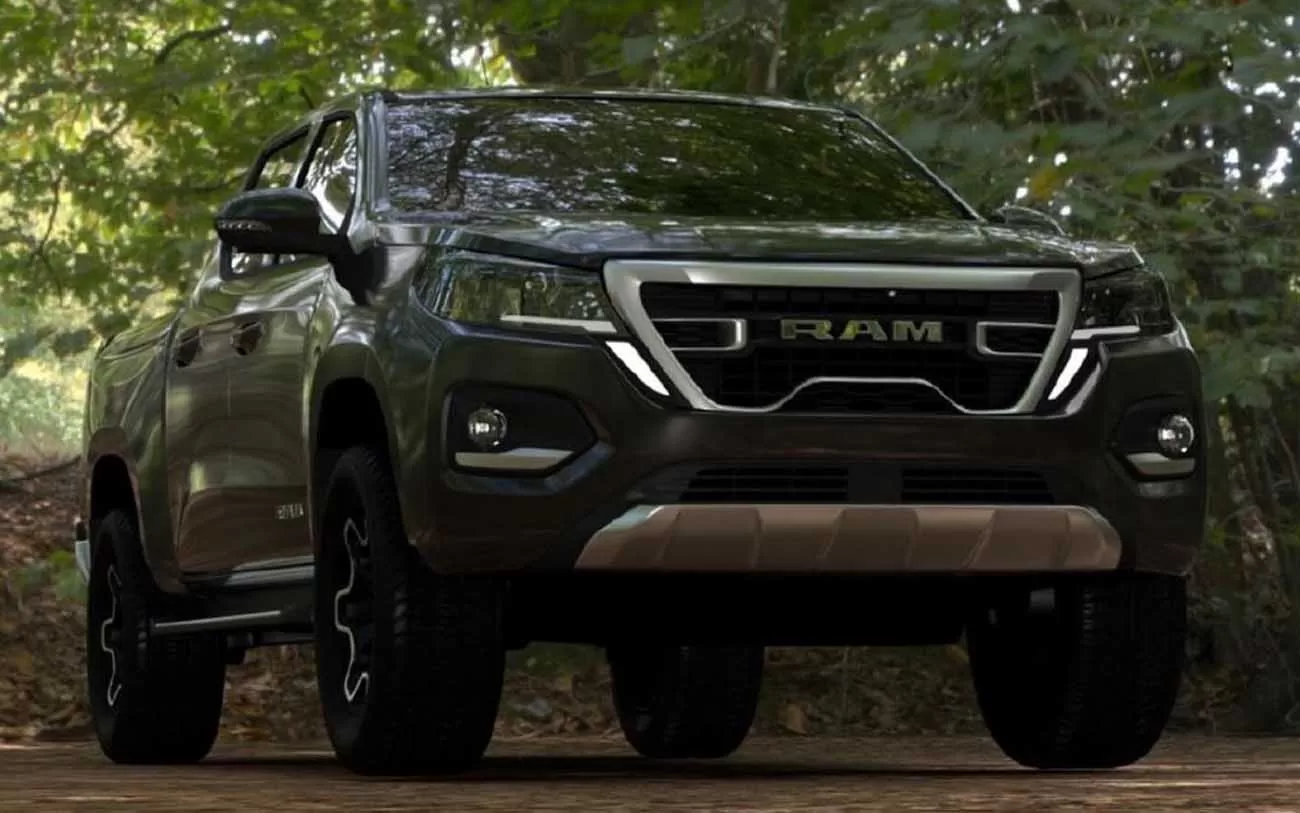
Mitsubishi Triton / RAM 1200 / Smaller entry‑level pickup models
Many smaller or entry‑level pickups are built with simplicity and durability in mind but often skimp on comfort features. Suspension systems tend to be stiffer, ride more directly connected to road. Tires are often durable, sometimes aggressive tread, leading to more road and tire noise on pavement, more vibration.
Seats are often less adjustable, less plush; base materials are thinner; lumbar support minimal; seat padding may compress faster. Cabin insulation may be weak; door seals, glass, firewall often less substantial. Noise intrusion from engine, transmission, wind more noticeable. Hearing fatigue becomes real on long highway drives.
Climate control is often minimal: basic single‑zone, fewer vents, maybe no rear vents; slower response to temperature extremes. Interior space may be more cramped; storage areas small; fewer creature comforts such as heated or cooled seats.
Driver‑assist features often fewer or absent: adaptive cruise, advanced safety features or noise reducing features may not be offered. Visibility features more basic; mirrors smaller; driver fatigue increases when merging, highway lane changes. Ergonomics often simpler, less refined; controls may be harder to reach; seats may not support posture optimally.
Fuel economy may suffer when loaded or when driving at highway speed with wind resistance or when engine working hard. Range between stops shorter, more interruptions required. Also, less comfortable seats or more vibration and noise mean driver and passenger less able to rest during stops; rest stops may require more time to recover.
On rough roads or poor surface patches, ride harshness becomes more noticeable. Over time, occupants feel more aches; driver fatigue builds sooner. For anyone expecting long trips, these drawbacks add up.
Long‑term durability in base small pickups often shows more wear in interior: thinner padding compresses, insulation degrades, cabin components loosen. What seemed acceptable in occasional use worsens when used regularly for long distances. While these trucks are rugged and useful, those traits that make them durable often conflict with what makes long travel comfortable.
