
Sedans have long been a staple of the automotive world, often associated with comfort, style, and practicality. For many drivers, a sedan represents a balance of sophistication and everyday usability. However, as these vehicles age and their mileage climbs, the question of refinement becomes critical.
Refinement can mean many things: how well the car handles the wear and tear of long-term use, the durability of its materials and mechanical components, the consistency of its driving experience, and the ability to maintain a certain level of comfort and performance even after crossing the 300,000-mile mark.
Reaching 300,000 miles is no small feat for any vehicle, and it is at this milestone that the true nature of a sedan’s build quality and design philosophy often reveals itself.
When a sedan remains refined at this level of mileage, it shows that the manufacturers prioritized longevity and quality. The car continues to feel smooth, quiet, and reliable, with minimal degradation in ride comfort or drivability.
This refinement is not just about luxury features, but about how well the car ages, how it handles its components’ aging, and whether it stays enjoyable and functional for the driver and passengers.
Conversely, some sedans struggle to keep that refined character after extended use, revealing weaknesses in engineering, materials, or design that become apparent only with time. These vehicles may start to feel rougher, noisier, or less comfortable as miles accumulate, leading to a decline in the experience.
This article compares two groups of sedans based on how well they maintain their refinement at the 300,000-mile mark. The first group consists of sedans that have proven themselves capable of holding up under long-term use, often favored by enthusiasts and owners who appreciate enduring quality.
The second group includes sedans that, despite their initial appeal or performance, tend to show significant wear and a loss of refinement after extensive mileage. By understanding what sets these cars apart, prospective buyers and current owners can make better decisions about longevity and satisfaction over the long haul.
The discussion will highlight factors such as build quality, reliability, comfort, drivability, and maintenance costs, as well as the subtle elements that contribute to a sedan’s refinement.
This focus should help paint a clear picture of which sedans truly stand the test of time and which ones tend to fall short, even if their early years show promise.
The distinction between these two groups can influence everything from resale value to daily enjoyment, and it is especially relevant for drivers who plan to keep their vehicle for many years or accumulate high mileage through frequent use.
Also Read: 12 Reputued Pickup Trucks With the Fewest Known Recalls
5 Sedans That Stay Refined at 300k
1. Toyota Camry
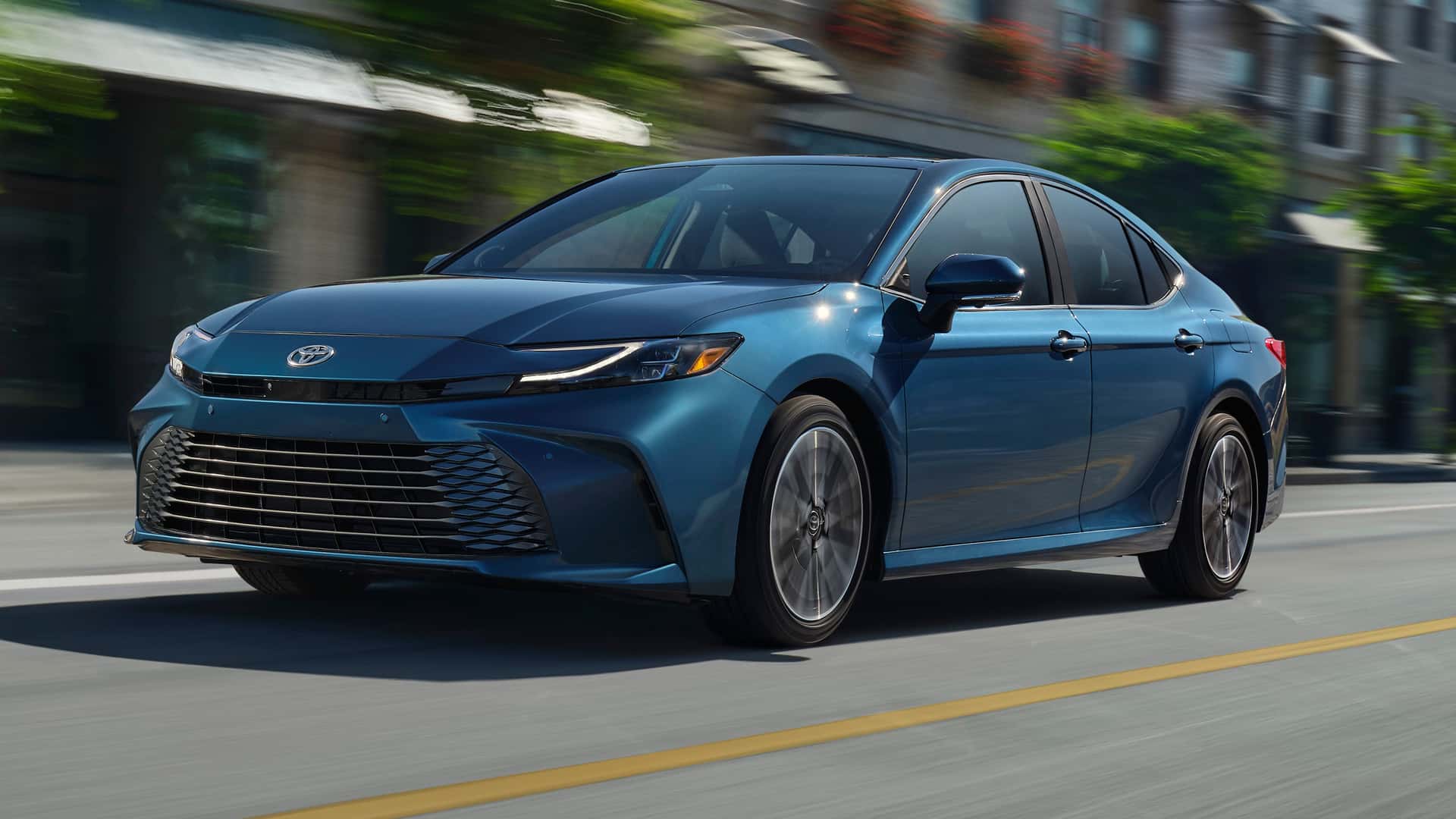
The Toyota Camry has earned its reputation as one of the most durable sedans on the market, with many owners reporting seamless performance and comfort well beyond 300,000 miles. This endurance is not accidental; Toyota has always emphasized reliability and simplicity in its engineering.
The materials used inside the cabin, including soft-touch plastics, comfortable seats, and quality trim, age well. They resist cracking, fading, and other common signs of wear.
Furthermore, Toyota’s attention to sound insulation ensures the cabin remains quiet, preventing the intrusion of road and wind noise even as seals and bushings age. The result is a driving environment that continues to feel pleasant and refined, offering a serene experience even after years on the road.
The powertrains available in the Camry, primarily its 4-cylinder and V6 engines, are for their longevity and smooth operation. These engines do not just last, they continue to deliver power smoothly and respond predictably.
Toyota’s automatic transmissions, especially the electronically controlled automatics and later the continuously variable transmissions (CVTs), have proven to be durable when maintained properly.
This mechanical durability means that drivers don’t experience the rough shifts or hesitations that often plague aging vehicles. This contributes directly to the sense of refinement, as the car still behaves predictably and comfortably on both city streets and highways.
Another key factor in the Camry’s lasting refinement is its suspension setup, which balances comfort and control in a way that keeps the ride composed even as components wear.
The shocks, struts, and bushings do eventually need replacing, but their longevity combined with Toyota’s straightforward engineering, makes this maintenance easier and less expensive.
This ensures the vehicle continues to absorb bumps and imperfections smoothly, without becoming jittery or harsh. Even at high mileage, the Camry often retains its “soft” ride quality that many drivers appreciate, reinforcing its reputation for long-term comfort.
Finally, the Camry’s well-documented history of reliability and owner satisfaction further supports its status as a sedan that stays refined. Many owners take pride in the fact that their Camry remains not just functional but pleasant and reliable even after hundreds of thousands of miles.
This reputation affects resale value positively and builds a community of enthusiasts who trust in the model’s ability to deliver comfort, quality, and performance year after year. The Camry’s ability to maintain refinement over time has made it a favorite among those who seek a dependable and enjoyable sedan that withstands the test of time.
2. Honda Accord
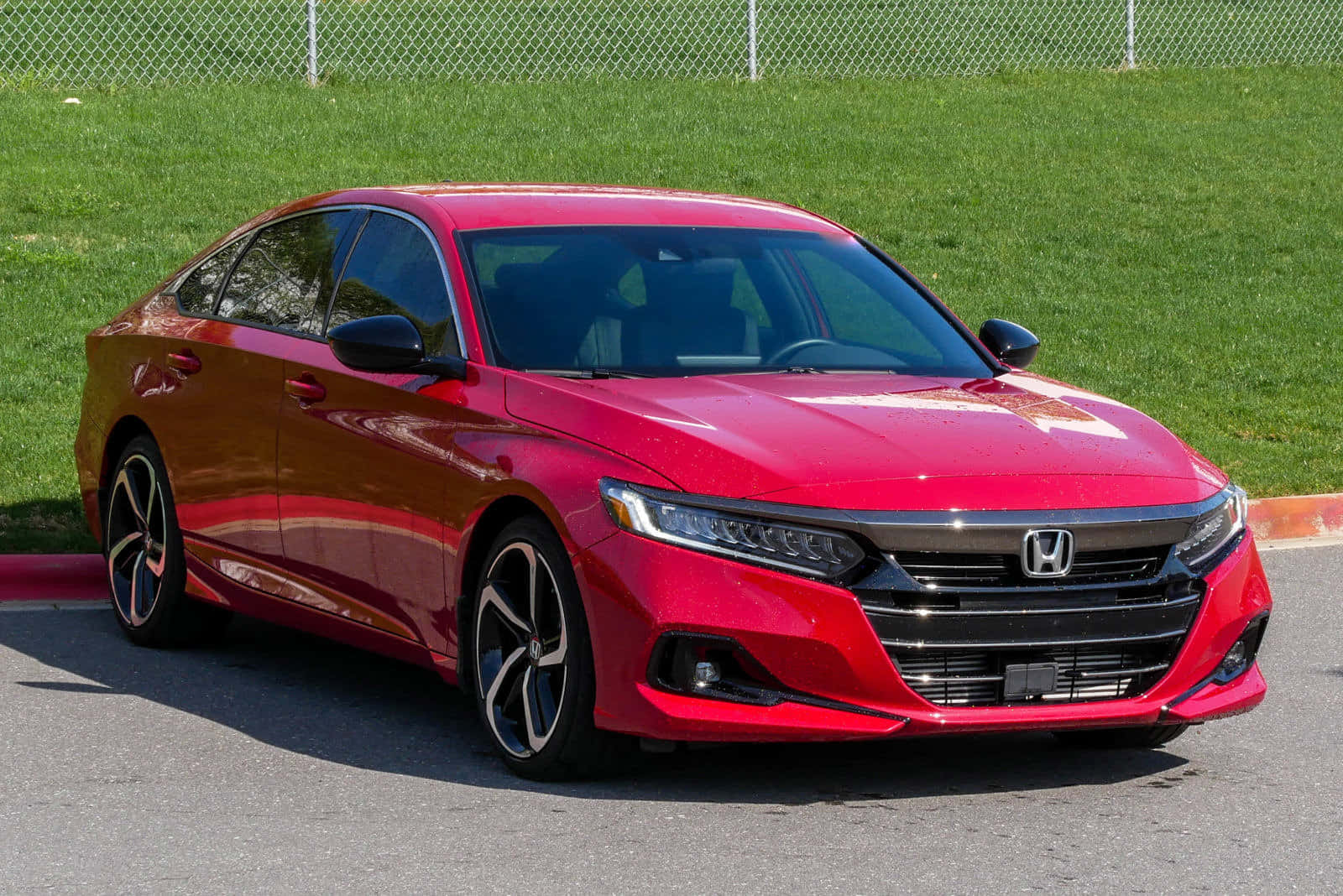
The Honda Accord is another example of a sedan known for enduring refinement, a quality that becomes even more impressive as the vehicle surpasses 300,000 miles.
Honda’s focus on engineering balance, combining strong performance with smooth, comfortable driving dynamics, means the Accord maintains a consistent level of comfort and control long after many other cars have begun to feel tired.
The cabin materials, including soft-touch surfaces, well-cushioned seats, and durable plastics, are designed to resist the typical wear and tear that would otherwise degrade the interior experience. Even after years of use, the interior feels solid and well-assembled, contributing to a refined ambiance that owners continue to appreciate.
Under the hood, the Accord’s engines, particularly the four-cylinder and V6 options, have built a reputation for longevity. These powerplants typically run smoothly without developing the roughness, knocking, or hesitation that commonly appear in older engines.
Honda’s transmission designs, including automatic and CVT options, when properly maintained, tend to retain their smoothness and responsiveness, which helps preserve the car’s refined driving character.
This consistency in mechanical performance ensures that the Accord continues to offer smooth acceleration, stable cruising, and easy maneuvering, factors that all contribute to a refined experience.
The suspension system in the Accord is also designed with longevity and comfort in mind. It uses a combination of struts and multi-link rear suspensions that keep the car stable and comfortable over rough roads and extended use.
While parts eventually require replacement, their durability ensures that the ride quality does not degrade quickly. This balance between sporty handling and ride comfort remains intact, allowing the Accord to feel just as capable and pleasant as it did when new, even after extensive mileage.
Finally, the Accord benefits from Honda’s longstanding focus on reliability and cost-effective maintenance. Owners report fewer unexpected breakdowns and generally straightforward repairs, helping maintain the vehicle’s refinement in both feel and function.
This reliability helps maintain a sense of confidence behind the wheel, ensuring the Accord remains enjoyable and polished, no matter how many miles have been logged.
3. Lexus ES
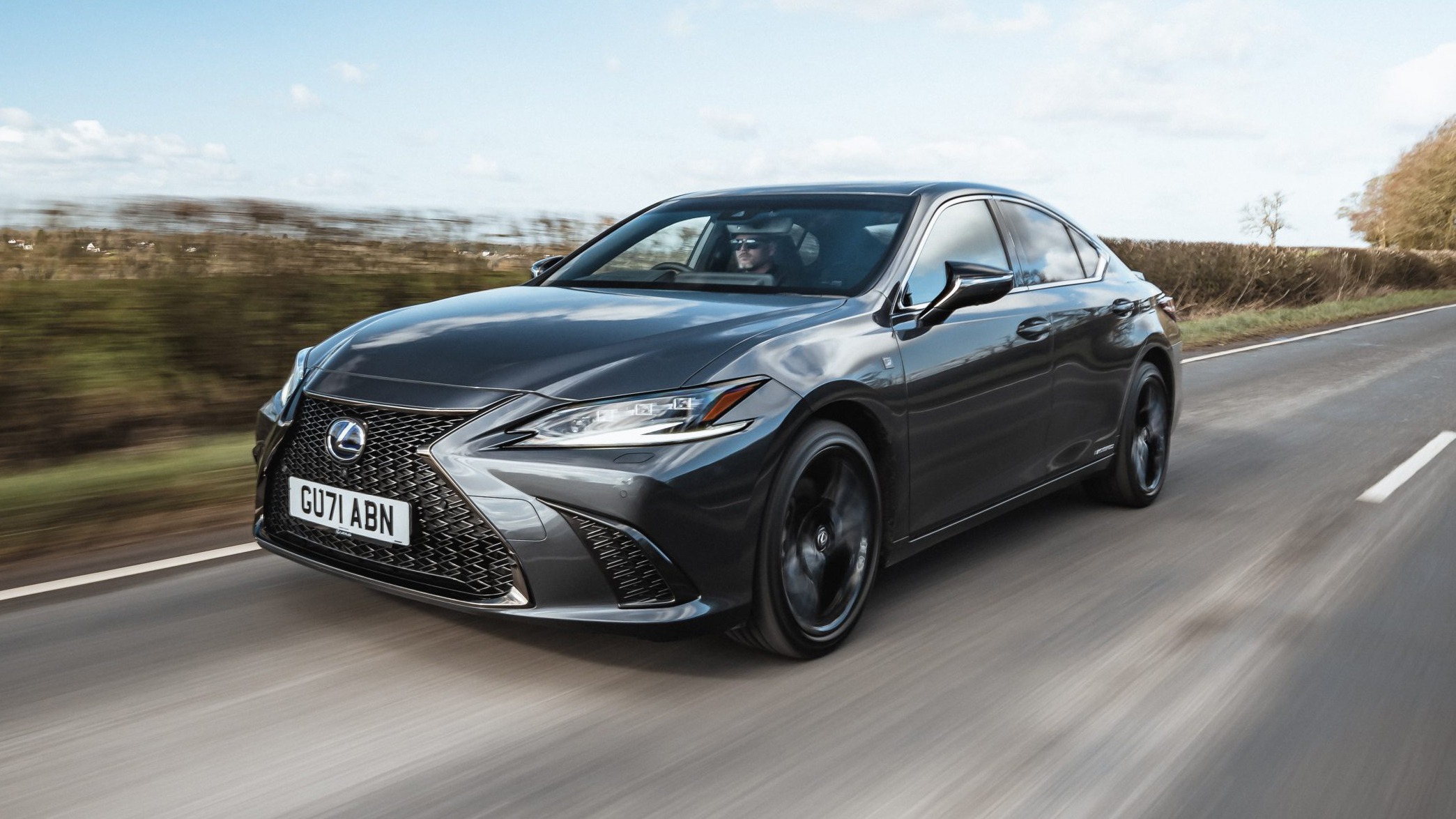
The Lexus ES is a prime example of a luxury sedan that excels at maintaining refinement beyond 300,000 miles. It stands out because it combines the durability and reliability of its Toyota underpinnings with enhanced materials, craftsmanship, and noise control that give the car a distinctly premium feel.
Inside, the cabin features high-quality leather, wood accents, and soft-touch materials that age gracefully, resisting cracks, discoloration, and wear. Lexus also employs extensive soundproofing measures, including thick insulation and tightly sealed doors, which keep the cabin remarkably quiet even as the car’s age and mileage increase.
Mechanically, the ES’s V6 engine is celebrated for smooth power delivery and long service life. This engine’s balance of performance and refinement means it rarely develops the harshness or vibrations common to older engines in other sedans.
The transmission complements this powertrain with smooth, nearly seamless shifting, ensuring the driving experience remains relaxed and composed. This level of mechanical sophistication is critical for maintaining the luxury sedan’s refined character after years of use.
The ride quality of the Lexus ES is another major contributor to its enduring refinement. The suspension system is engineered to prioritize comfort without sacrificing control, featuring advanced components that absorb road imperfections expertly.
Over time, while suspension parts do wear, their build quality ensures the car continues to glide over pavement smoothly and quietly. This luxurious ride quality, combined with the car’s quiet interior, provides a level of comfort that remains intact even after heavy mileage.
Owners of the Lexus ES often remark on the car’s ability to feel like new even after 300,000 miles, a testament to Lexus’s attention to durability and luxury.
The vehicle’s blend of reliability, craftsmanship, and advanced engineering ensures that the ES remains a benchmark for sedans that continue to deliver comfort, quietness, and a refined driving experience well beyond what many competitors can offer.
4. Mercedes-Benz E-Class
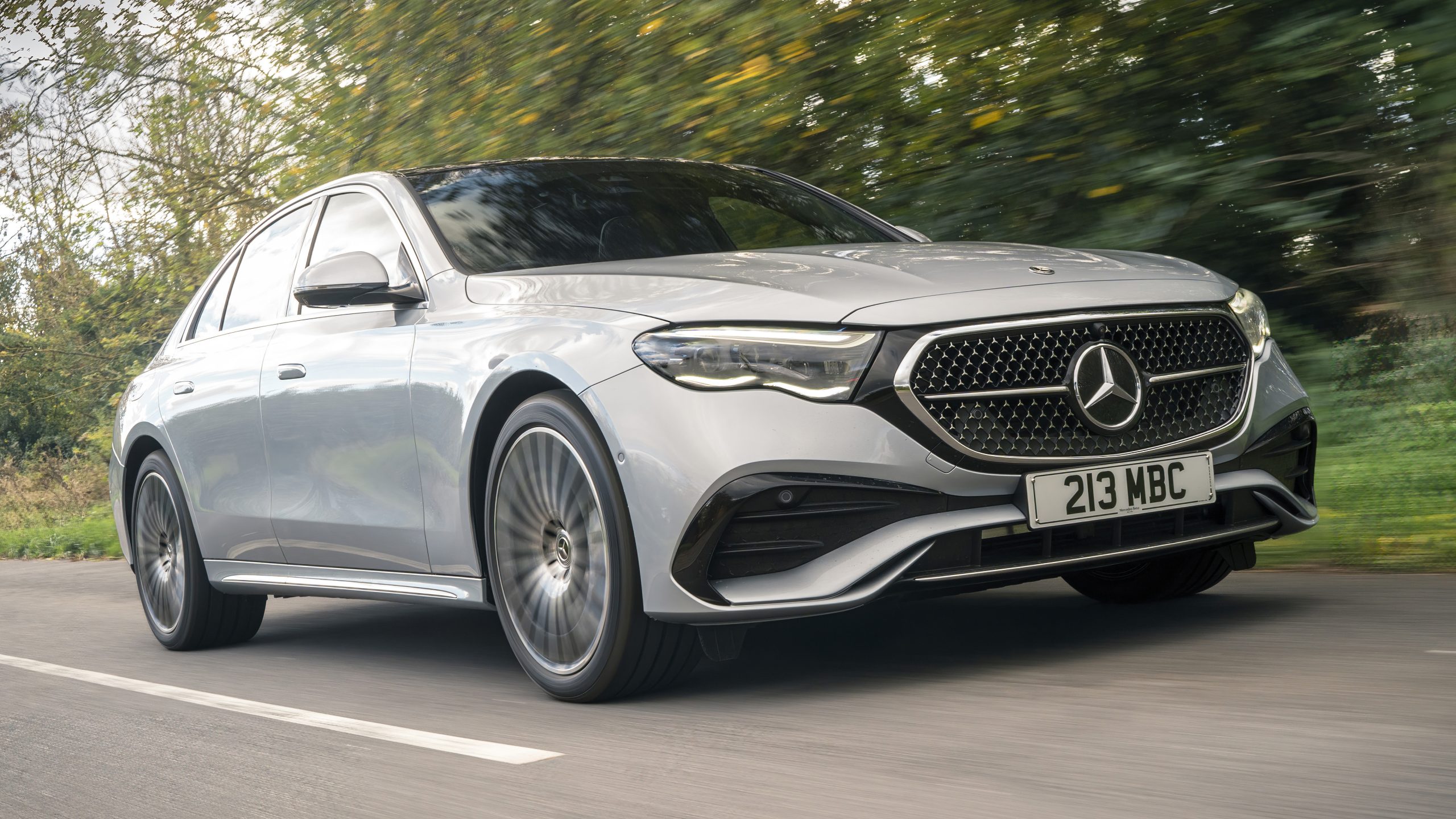
The Mercedes-Benz E-Class has long been considered a flagship for refined driving in the midsize sedan category, and its ability to retain this refinement after extensive mileage is well-documented. The car’s chassis and suspension are engineered to provide a smooth, composed ride that balances comfort and control, qualities that persist even as the vehicle ages.
The E-Class uses sophisticated suspension components like multi-link rear setups and adaptive dampers (on newer models) to smooth out imperfections on the road. These systems, when maintained properly, allow the car to maintain its elegant handling and ride quality well past 300,000 miles.
Inside the E-Class, Mercedes-Benz’s commitment to luxury is evident in the choice of materials and construction methods. High-grade leather, polished wood veneers, and soft-touch plastics age gracefully, resisting wear and tear better than many rivals.
Sound insulation is among the best in the segment, reducing wind and road noise significantly. Even after many miles, the cabin tends to remain a quiet sanctuary, preserving the sense of refinement that owners expect from a Mercedes-Benz.
Mechanically, the E-Class is built to last, with a variety of engines known for their durability when serviced regularly. Whether equipped with inline-six, V6, or V8 engines, these powerplants typically retain smooth operation and solid power delivery well beyond 300,000 miles.
Transmissions, often automatic with advanced control systems, continue to shift seamlessly if maintained, contributing to a refined driving feel. While maintenance costs can be higher, the engineering quality ensures the car remains comfortable, powerful, and responsive.
Owners of older E-Class models frequently report satisfaction with the car’s continued performance and comfort, reinforcing its reputation as a sedan that holds its refinement over time. The blend of luxury craftsmanship, solid engineering, and advanced suspension technology keeps the E-Class feeling elegant and polished, even after many years of use.
5. Subaru Legacy
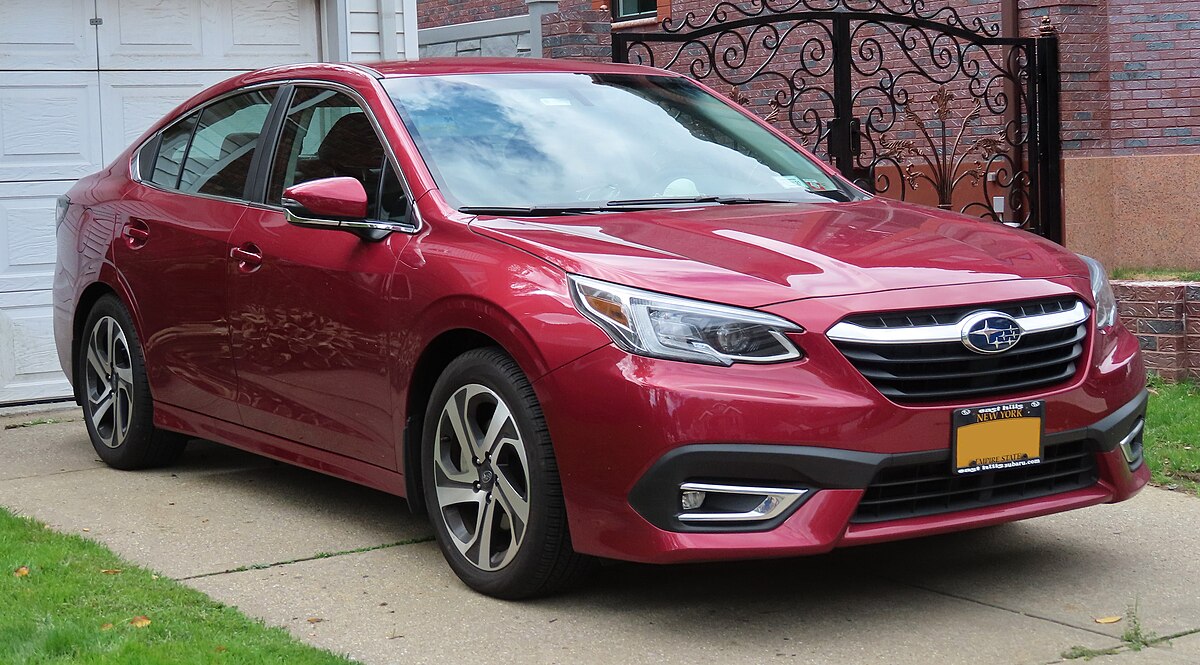
The Subaru Legacy is often overlooked when discussing sedans that maintain refinement at high mileage, but it deserves recognition for its balanced combination of durability, comfort, and driving confidence. One of its defining features is the standard all-wheel-drive system, which continues to provide excellent traction and stability even as the car ages.
This system’s longevity helps maintain the vehicle’s driving composure, especially in challenging conditions. The suspension is tuned to absorb road imperfections smoothly, contributing to a ride that remains comfortable and steady at high mileage.
Inside, the Legacy offers a cabin built with durability in mind. The materials, while not as luxurious as some competitors, are resilient and resistant to wear, helping the interior stay in good condition after years of use.
The layout is practical and driver-focused, with supportive seats and a quiet environment that reduce fatigue on long journeys. These qualities help preserve a sense of refinement, despite the car’s more utilitarian nature.
Mechanically, Subaru’s boxer engine is well-regarded for its longevity and smooth operation. The horizontally opposed design keeps the engine balanced and reduces vibrations, contributing to the car’s refined feel. Coupled with a reliable transmission system, the Legacy maintains consistent power delivery and smooth shifting over time. Routine maintenance is generally straightforward, helping owners keep their vehicle in top condition.
Many Legacy owners praise the sedan’s ability to feel stable, comfortable, and composed after crossing 300,000 miles. The car’s unique combination of all-wheel-drive capability, solid engineering, and durable materials makes it a sedan that truly stays refined through long-term use.
Also Read: 12 Trucks That Are Safer Investments Than Stocks
5 Sedans That Don’t Stay Refined at 300k
1. Chrysler 200
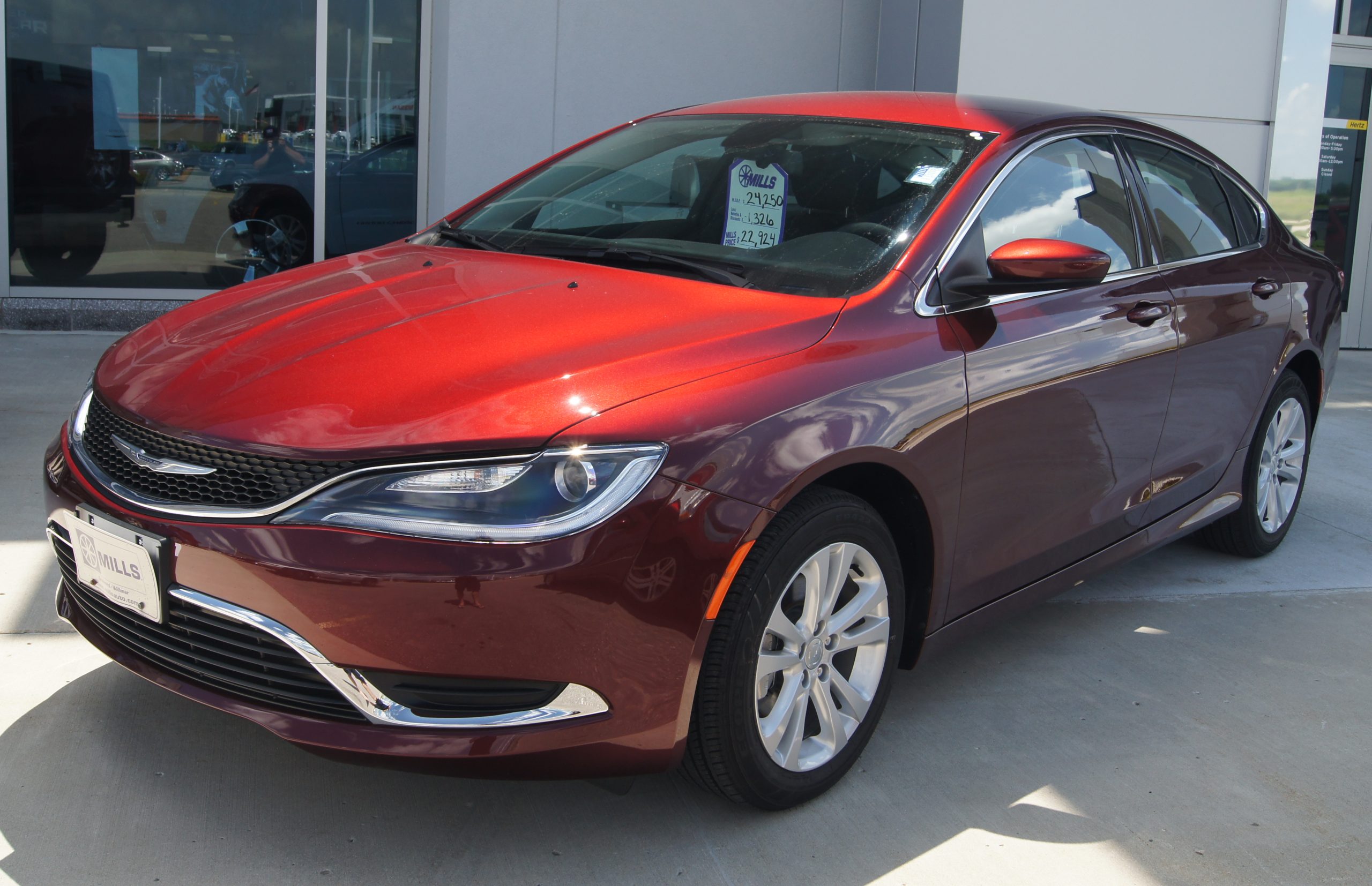
The Chrysler 200, though initially appealing for its smooth ride and stylish design, often struggles to maintain its refinement as the miles accumulate. One of the key issues lies with its suspension system, which tends to wear out faster than expected.
Components such as shocks, struts, and bushings deteriorate relatively quickly, causing the ride to become noticeably harsher.
Where the vehicle once glided over bumps with ease, owners report increased road noise, vibrations, and a less composed driving experience at higher mileage. These symptoms significantly detract from the comfort and quietness that initially made the Chrysler 200 attractive to buyers.
Inside, the 200’s interior materials also show signs of aging poorly. Unlike more durable sedans, the plastics and trim pieces often develop rattles and creaks as the car ages, contributing to a noisier cabin environment. Upholstery materials may fade, stretch, or tear more easily, reducing the sense of quality inside the car.
As a result, what once felt like a comfortable and cohesive interior starts to feel cheap and worn, diminishing the refinement. This degradation inside the vehicle makes longer drives less pleasant and negatively impacts owner satisfaction over time.
Mechanically, the Chrysler 200 faces challenges with its powertrain and electronics. The transmission, in particular, has been known to develop shifting issues, such as hesitation or rough gear changes, which interfere with the smooth driving experience expected from a sedan in its class.
Electrical gremlins can cause intermittent malfunctions with controls and driver aids, adding frustration for owners. These reliability concerns often become more pronounced after many miles, leading to increased maintenance costs and a sense that the car is less polished and dependable.
Owners who have driven the Chrysler 200 extensively often note a significant drop in refinement as the vehicle approaches or exceeds the 300,000-mile mark. The combination of a degraded suspension, aging interior materials, and mechanical issues means the car no longer delivers the smooth, comfortable, and quiet driving experience it promised.
This lack of sustained refinement can make ownership less enjoyable and may discourage long-term use.
2. Nissan Altima (Certain Model Years)
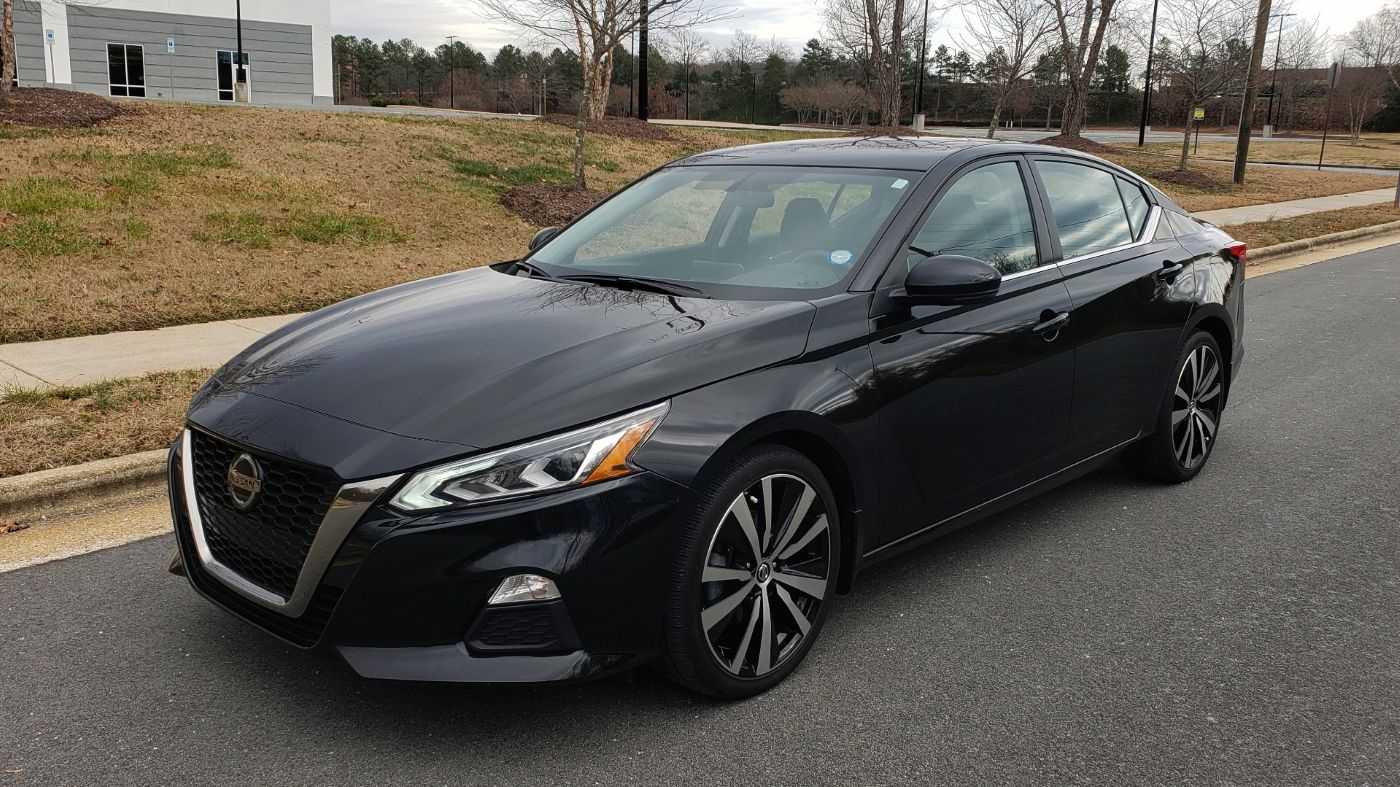
The Nissan Altima is a popular sedan that offers strong initial value and comfort but has demonstrated uneven refinement retention across some model years, especially at very high mileage. The suspension system is a frequent source of issues, with components wearing unevenly and prematurely.
This causes the ride quality to suffer, becoming rough and less controlled, which means the vehicle no longer soaks up bumps and road irregularities as effectively. The resulting increase in noise and harshness disrupts the smoothness that defined the Altima’s early years, undermining the refinement.
The interior materials of the Altima also contribute to its inability to maintain a refined atmosphere over the long term. Plastics inside the cabin tend to become brittle and prone to cracking or warping, while seat fabrics wear unevenly and lose their original luster and comfort.
The cabin’s noise insulation weakens, leading to increased intrusion of wind, road, and engine sounds, which diminishes the quiet, cozy environment expected from a mid-sized sedan. Over time, these issues accumulate and give the Altima an aged and less polished feel.
The Altima’s mechanical aspects present further challenges. The continuously variable transmission (CVT), while efficient and smooth in theory, has been known to develop reliability problems in certain model years. These can include slipping, hesitation, or sudden jerks, all of which disrupt the vehicle’s smooth acceleration and contribute to a loss of driving refinement.
Engine issues such as timing chain problems and oil consumption have also been reported, adding to maintenance concerns. Such mechanical flaws detract from the vehicle’s ability to maintain a refined driving experience over 300,000 miles.
Owners of high-mileage Altimas often report that their vehicles feel less smooth, less comfortable, and less quiet than they did when new. The decline in both mechanical and interior refinement means the car no longer meets expectations for comfort and polish, making it one of the sedans that struggle to stay refined with heavy use.
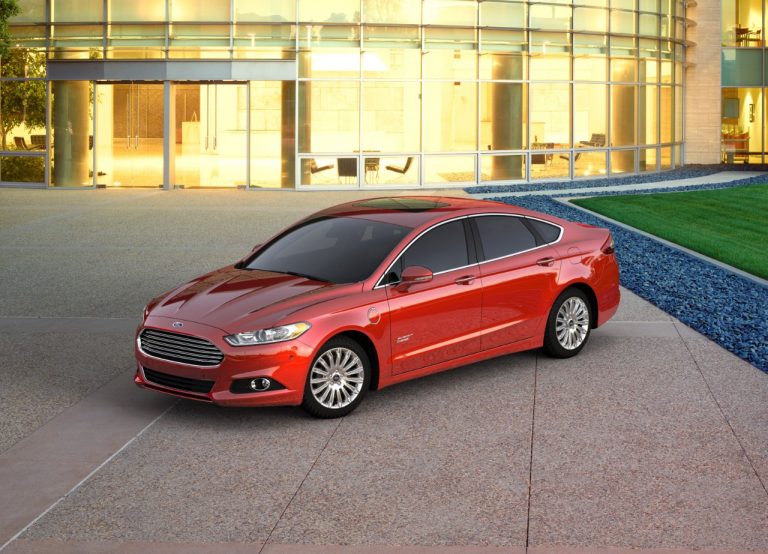
3. Ford Fusion
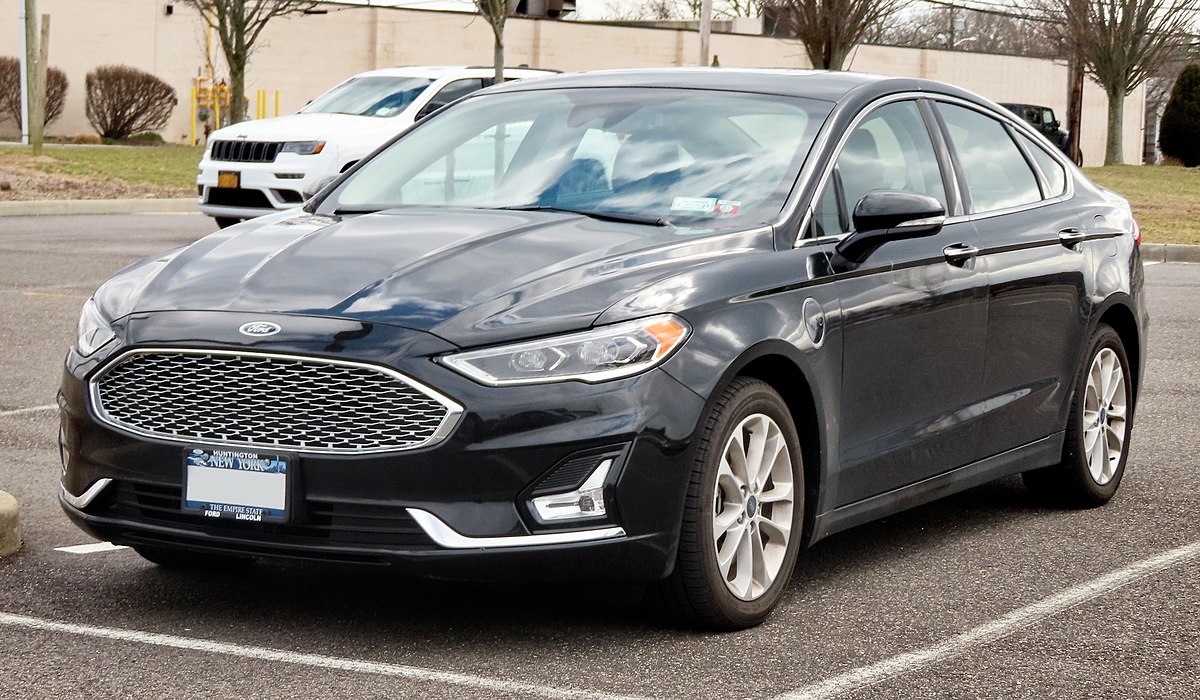
The Ford Fusion is widely praised for its initial driving dynamics and style, but it tends to show its age quickly once it reaches higher mileage. One of the most noticeable areas where refinement suffers is the suspension system. The Fusion’s sporty tuning, which offers sharp handling early on, becomes a double-edged sword as suspension components wear out.
Shocks and bushings lose their effectiveness, causing the ride to become harsher and less smooth. Road noise becomes more pronounced, and the feeling of composure that the car once had starts to disappear, making driving less pleasant and more tiring over time.
The interior materials of the Fusion are another weak point. Although the cabin feels modern and well-equipped when new, the plastics and fabric surfaces tend to degrade faster than expected. Owners report that these materials scratch easily and become loose or squeaky after prolonged use.
This increased wear and tear not only affects the visual appeal of the interior but also adds to the perception that the vehicle has lost its initial refinement. The cabin, which once felt inviting and comfortable, starts to feel cheap and less well put together.
Mechanically, the Fusion experiences issues that further contribute to a loss of refinement. Transmission problems, particularly with the automatic and dual-clutch variants, have been reported frequently, including rough shifts and delayed engagement.
These issues detract from the smooth driving experience that a refined sedan should provide. Electrical glitches and sensor failures have also been noted, adding to maintenance headaches and a sense that the car is less reliable and polished at high mileage.
The combined effect of these factors results in many Fusion owners noticing a significant decline in comfort, quietness, and refinement as their vehicles pass the 300,000-mile mark. Despite its initial strengths, the Fusion struggles to maintain the qualities that define a truly refined sedan after long-term use.
4. Chevrolet Malibu
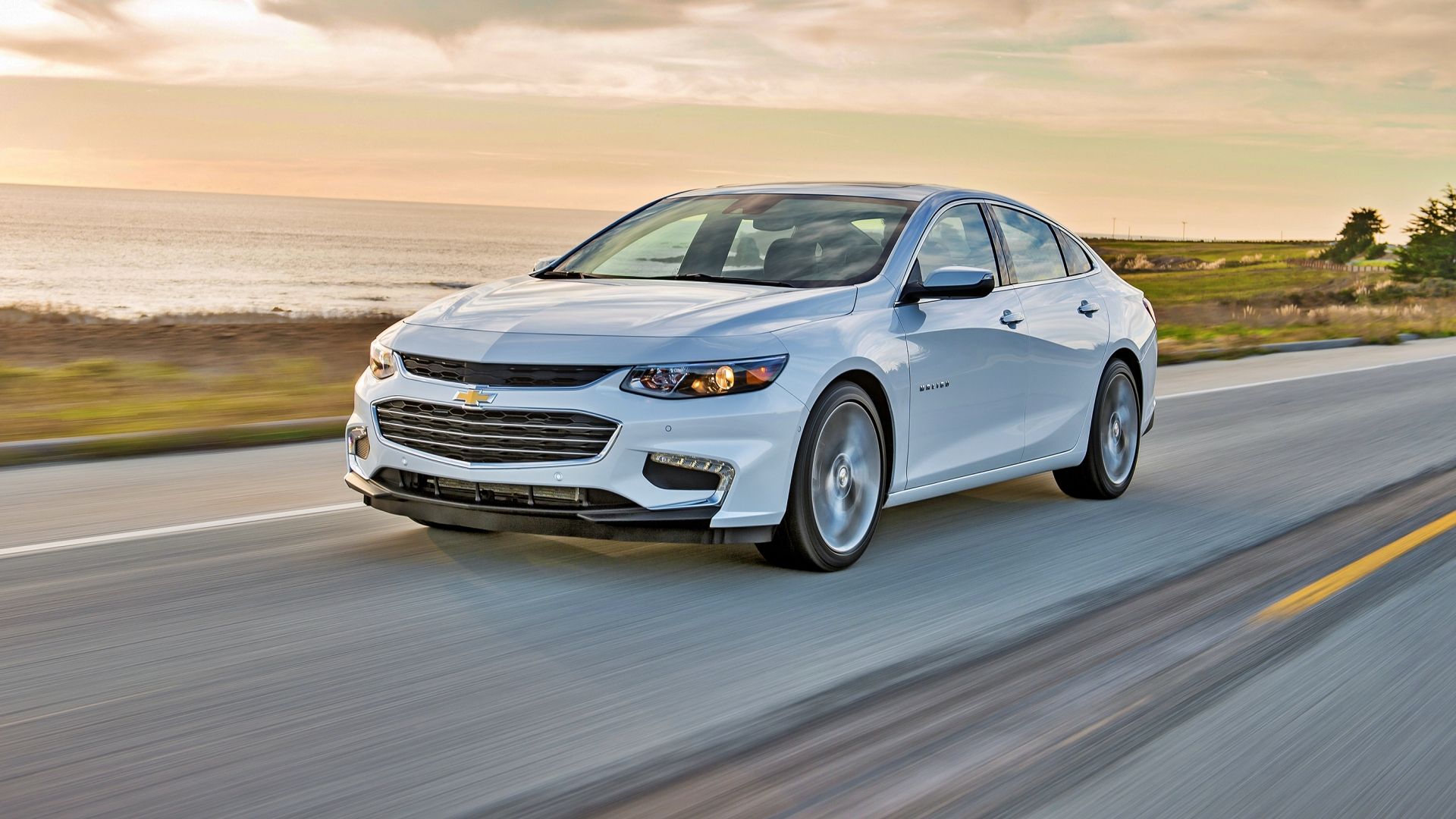
The Chevrolet Malibu offers a roomy interior and smooth ride at first, but it often fails to keep its refinement intact over time. The suspension system, initially tuned for comfort, tends to wear out prematurely, resulting in a less stable and rougher ride as miles accumulate.
Components like shocks and bushings lose their ability to absorb road imperfections effectively, leading to increased vibrations and noise inside the cabin. This reduction in ride quality makes the Malibu feel less composed and less comfortable, particularly on longer drives.
Interior quality in the Malibu also contributes to its decline in refinement. Materials such as plastics and fabrics can become brittle and prone to cracking, fading, or sagging after years of use.
Trim pieces may loosen or rattle, contributing to an annoying noise environment. These issues erode the sense of polish and cohesion inside the cabin, making the car feel less upscale and more worn than competitors that focus on durability.
Mechanically, the Malibu has had its share of challenges. Engine and transmission issues, especially with earlier model years, are not uncommon and tend to worsen with mileage.
Problems such as rough shifting, hesitation, or stalling detract from the smooth and confident driving experience a refined sedan should deliver. Additionally, electrical system faults can cause unpredictable behavior, further reducing the car’s sense of reliability and refinement.
As a result, owners often find that the Chevrolet Malibu loses much of its initial appeal after extensive use, with declining comfort, increasing noise, and mechanical issues combining to undermine the driving experience. This makes the Malibu a sedan that struggles to maintain refinement at higher mileages.
5. Hyundai Sonata (Certain Model Years)
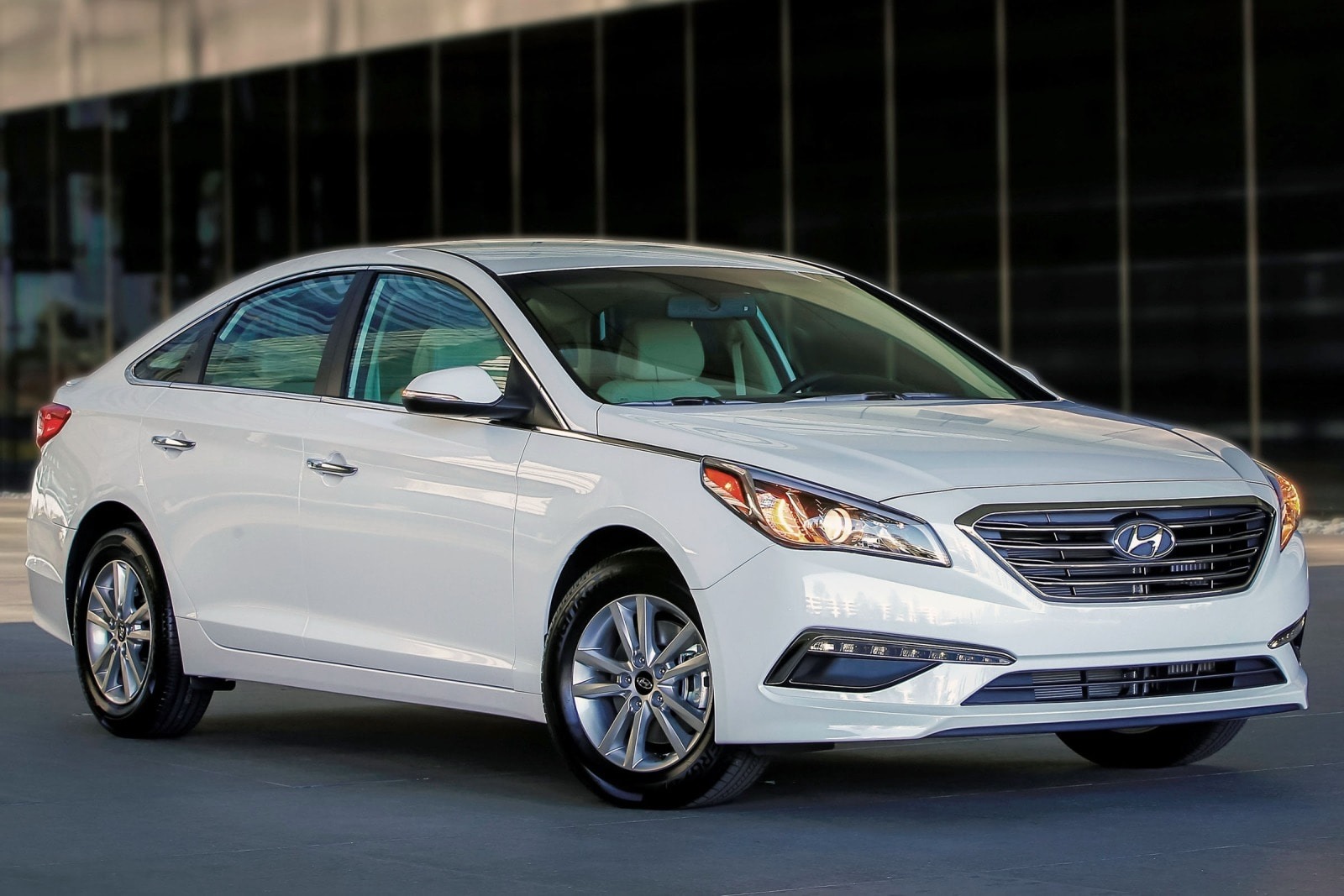
The Hyundai Sonata has made great strides in recent years but older models, particularly from the early 2010s, show difficulty retaining refinement after extensive mileage. One of the main concerns is the suspension system, which becomes less effective over time.
Shocks, struts, and other components wear out and fail to absorb bumps and road imperfections smoothly, leading to a harsher, noisier ride. This deterioration greatly affects passenger comfort, especially on longer trips where ride quality is most appreciated.
Inside, the Sonata’s cabin materials are another weak point in its long-term refinement. Soft plastics, fabric seats, and trim pieces tend to wear quickly, showing scratches, fading, and even developing rattles or squeaks.
This decline in material quality results in a less comfortable and quieter cabin environment. Where the car once felt well-crafted and cohesive, it begins to feel less put together and less inviting to drivers and passengers alike.
The vehicle’s mechanical systems have also shown signs of strain at higher mileages. Engine roughness, transmission hesitations, and occasional reliability issues have been reported.
These mechanical problems interfere with smooth acceleration and driving comfort, which are critical components of refinement. When these issues become more frequent, they reduce the vehicle’s ability to deliver a polished and pleasant driving experience.
Owners of older Hyundai Sonatas often find that their vehicles do not maintain the sense of refinement they enjoyed in the early years of ownership. Increased road noise, diminished ride quality, interior wear, and mechanical roughness combine to place the Sonata among sedans that struggle to stay refined at the 300,000-mile mark.
