
Rust is one of the biggest enemies of any vehicle, especially trucks. These machines are often used in harsh environments, exposed to mud, water, salt, and rough conditions that speed up the oxidation process, causing metal to corrode.
When trucks start to rust, it doesn’t just affect their appearance but also their structural integrity, safety, and resale value. For truck owners, especially those who rely on their vehicles for work or off-road adventures, understanding which models are more prone to rust and which ones stand the test of time can be critical.
This article compares five trucks that are known to resist rust remarkably well and five others notorious for succumbing to rust issues quickly. The goal is to help anyone interested in trucks make informed decisions based on durability and longevity, not just performance or style.
Several factors contribute to why some trucks rust faster than others. The quality of the materials used during manufacturing, the type of paint and coatings applied, and the engineering behind drainage and ventilation in the truck’s body all play significant roles.
Some manufacturers have invested heavily in anti-corrosion technology and design, while others have lagged behind. Additionally, usage patterns and geographic location can accelerate rust problems. Trucks used in coastal areas or places where roads are salted heavily during winter tend to develop rust faster.
However, even within similar conditions, some trucks handle these challenges better due to their build quality and design. Knowing which trucks resist rust and which don’t can save owners thousands of dollars in repairs and keep their vehicles on the road longer.
The following sections will highlight five trucks that have earned reputations for resisting rust under demanding conditions. These trucks usually feature robust steel treatments, effective anti-rust coatings, and smart body design that minimizes water trapping and corrosion risks.
On the flip side, the second list contains trucks that, unfortunately, have shown vulnerabilities when it comes to rust. These vehicles tend to have less effective corrosion protection, poor drainage, or use materials that don’t hold up well against moisture and salt exposure.
While some of these trucks might offer good performance or other features, their tendency to rust can become a serious problem for owners who want durability and long-term reliability.
Understanding these distinctions will provide a clearer picture of which trucks are best suited for harsh environments or heavy-duty use, and which ones might need extra care or protective measures to avoid premature rust damage.
Whether you’re buying your first truck, replacing an old one, or just curious about truck durability, this guide will offer valuable insights into rust resistance and vulnerability among popular models.
Also Read: 12 Reputued Pickup Trucks With the Fewest Known Recalls
5 Trucks That Refuse to Rust

1. Toyota Tacoma
The Toyota Tacoma has earned a well-deserved reputation for its exceptional resistance to rust, which is one of the many reasons why it remains a favorite among truck enthusiasts and professionals alike. Toyota’s approach to rust prevention starts at the manufacturing level, where high-quality galvanized steel is used extensively throughout the frame and body panels.
Galvanized steel involves coating the metal with a thin layer of zinc, which acts as a sacrificial barrier to oxidation, preventing rust from taking hold. This treatment alone gives the Tacoma a significant advantage when it comes to longevity in corrosive environments.
Additionally, Toyota employs thorough protective coatings and advanced paint processes to create multiple layers of defense against the elements. These coatings are designed to seal out moisture, salt, and road debris, which are the primary catalysts for rust formation.
The combination of material quality and coating technology means that the Tacoma can maintain its structural integrity and visual appeal far longer than many competitors, especially in harsh climates where salt and moisture are common.
Beyond the materials, the design of the Tacoma plays a critical role in its rust resistance. Toyota engineers have carefully designed the truck to include effective drainage paths, particularly in areas where water commonly accumulates, such as wheel wells, door cavities, and the undercarriage.
These drainage systems allow water to escape quickly rather than pooling in hard-to-reach places where rust usually begins. Furthermore, the Tacoma features rust-resistant fasteners and components, which helps prevent corrosion in parts that often see water exposure or contact with road salt.
The thoughtful engineering and attention to detail ensure that rust does not just form on the surface but also does not spread under the paint or into critical structural areas. This holistic approach to rust prevention distinguishes the Tacoma from many other trucks that may use similar materials but lack the same design considerations.
Toyota’s commitment to rust resistance extends to customer experience as well. Many Tacoma owners report their trucks remaining virtually rust-free after years of use in rugged off-road conditions or salty winter climates.
The truck’s ability to withstand such environments without significant corrosion issues provides peace of mind to owners who depend on their vehicle daily.
Moreover, the availability of aftermarket rust-proofing products tailored for the Tacoma allows owners to further enhance the factory protections if they plan on subjecting their trucks to extreme conditions.
The durability of the Tacoma is also reflected in its resale value, which tends to be strong even for older models, in part because of its reputation for holding up well against rust.
Finally, Toyota’s rigorous quality control processes help maintain consistency in rust resistance across production batches. This means that regardless of the year or specific model variant, Tacoma owners can generally expect the same high standards when it comes to corrosion protection.
This consistent performance is a testament to Toyota’s ongoing investment in materials science and vehicle design, making the Tacoma a dependable choice for anyone seeking a truck that refuses to rust, even under demanding conditions.
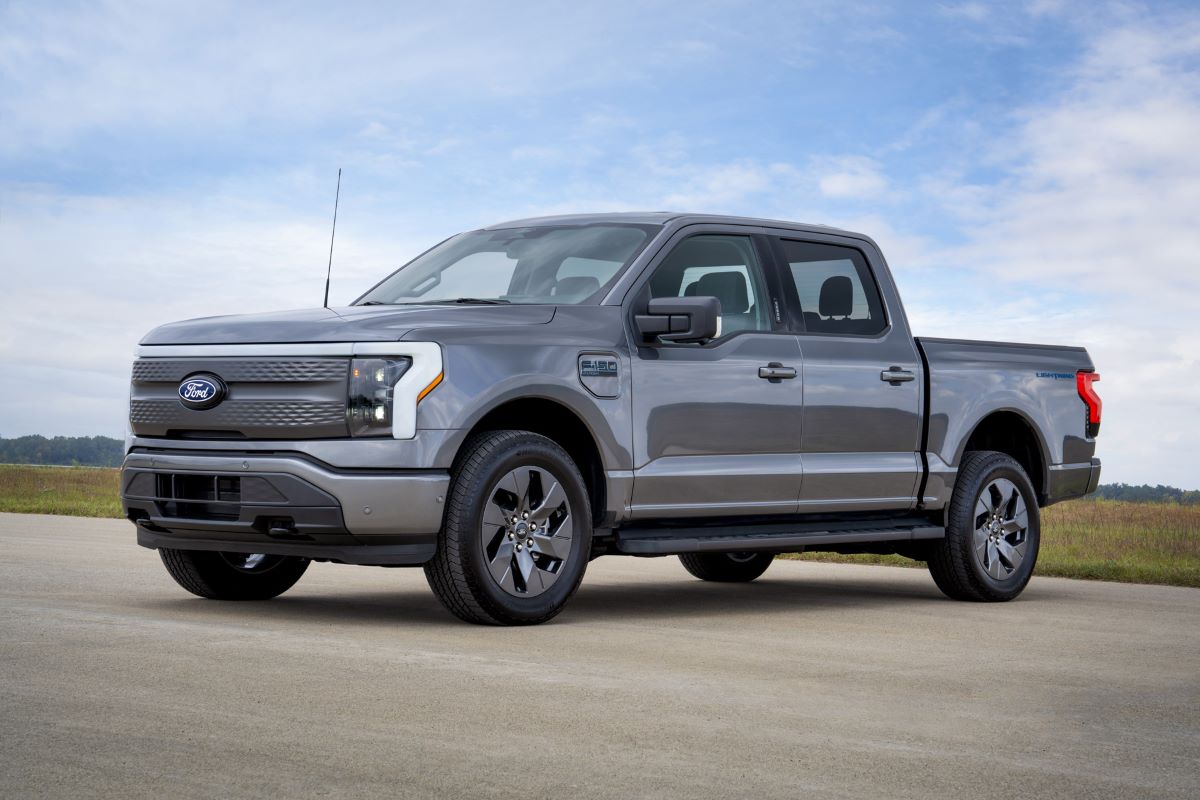
2. Ford F-150 (Recent Models)
Ford’s F-150 is one of the best-selling trucks in the world, and the recent generations have made significant strides in rust resistance, addressing many of the issues that affected older models. Ford’s approach incorporates the use of high-strength, corrosion-resistant steel alloys in critical areas of the truck’s frame and body.
These specialized alloys provide improved strength without sacrificing durability, and their corrosion-resistant properties mean that the metal is far less susceptible to the effects of moisture, road salt, and environmental contaminants.
Ford also employs galvanization techniques and advanced coatings on frame components, ensuring that the undercarriage, which is most exposed to rust-causing elements, is well protected. These treatments are complemented by modern multi-layer paint systems that provide robust barriers against chips and scratches.
This paint system is crucial since even the smallest paint defect can expose metal to corrosive elements and start the rusting process.
One of the key innovations in recent F-150 models that has contributed to rust resistance is the introduction of aluminum body panels. Starting in 2015, Ford replaced many of the traditional steel body panels with high-strength aluminum, including the hood, doors, and truck bed.
Aluminum does not rust like steel, so this shift dramatically reduced the total surface area of the truck susceptible to corrosion. While the frame remains steel, Ford compensates with enhanced anti-rust coatings and galvanization to ensure it remains protected over time.
This blend of materials balances durability, weight reduction, and rust resistance. In addition to materials, Ford pays close attention to engineering solutions that improve drainage and reduce water retention in areas prone to corrosion. Features like well-placed drain holes and sealed seams help prevent the buildup of moisture that leads to rust.
Owner feedback supports the effectiveness of these measures. Many F-150 owners report that their trucks maintain a clean undercarriage and bodywork free from rust, even after years of driving in salt-heavy winter conditions. The improved corrosion protection not only extends the truck’s lifespan but also helps preserve its resale value.
Ford’s ongoing commitment to research and development in rust prevention is evident in the way newer F-150s outperform earlier models in this area. Additionally, the availability of factory rust protection packages and easy access to aftermarket rust-proofing treatments make it possible for owners to further protect their trucks against corrosion. These efforts have helped the F-150 maintain its position as a reliable, rust-resistant full-size truck option in a competitive market.
Finally, Ford’s investment in rust resistance demonstrates how manufacturers can respond to past problems with engineering and materials innovation.
By combining corrosion-resistant steel alloys, aluminum panels, advanced paint systems, and smart design features, the F-150 sets a high standard for rust resistance in modern pickup trucks, appealing to both work-focused buyers and daily drivers who want peace of mind against corrosion.
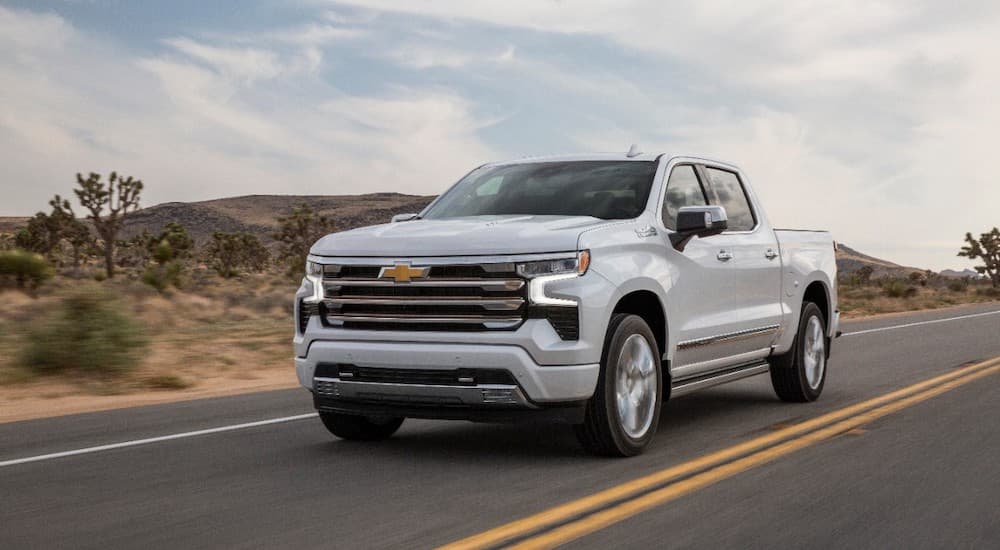
3. Chevrolet Silverado 1500
The Chevrolet Silverado 1500 is a staple in the full-size truck market, known for its strong performance and durability, and recent model years show a clear commitment to improved rust resistance. General Motors tackled rust concerns head-on by incorporating galvanized steel and advanced rust-proofing techniques across the truck’s frame and body.
This galvanization process involves dipping steel parts into zinc baths or applying zinc coatings that serve as a protective barrier against moisture and salt.
In addition, GM’s factory-applied protective coatings extend to the chassis and undercarriage, which are critical zones for rust prevention. Since these areas are exposed to road spray, dirt, and salt, robust protection here is vital for preventing corrosion that could weaken the truck’s structural components.
The Silverado also benefits from well-engineered drainage systems that allow water to escape from the wheel wells, door sills, and frame cavities. These drainage paths reduce the risk of moisture becoming trapped and causing rust. The truck’s paint system is layered and includes a clear coat that acts as a shield against scratches and environmental damage.
Paint chips are a common cause of rust initiation, so having a durable finish minimizes these weak points. GM also makes use of corrosion-resistant fasteners and hardware, preventing rust from spreading through critical joints and suspension parts.
Owners of newer Silverado models have noted that their trucks withstand years of use without major rust concerns, even in areas with aggressive winter salt use or coastal environments with salty air. This durability contributes to the truck’s reputation for longevity and helps maintain resale value.
Chevrolet’s efforts to improve rust resistance also include offering rust protection packages and recommending periodic maintenance such as undercoating, which many owners embrace to extend the life of their trucks. The Silverado’s combination of advanced materials, coatings, and smart design has made it one of the more rust-resistant full-size trucks on the market today.
Moreover, GM’s experience with previous generations that faced rust complaints likely fueled their motivation to upgrade materials and production processes. These improvements not only protect the truck but also instill confidence in buyers looking for reliable, rust-resistant trucks for heavy-duty work or daily driving in challenging conditions.
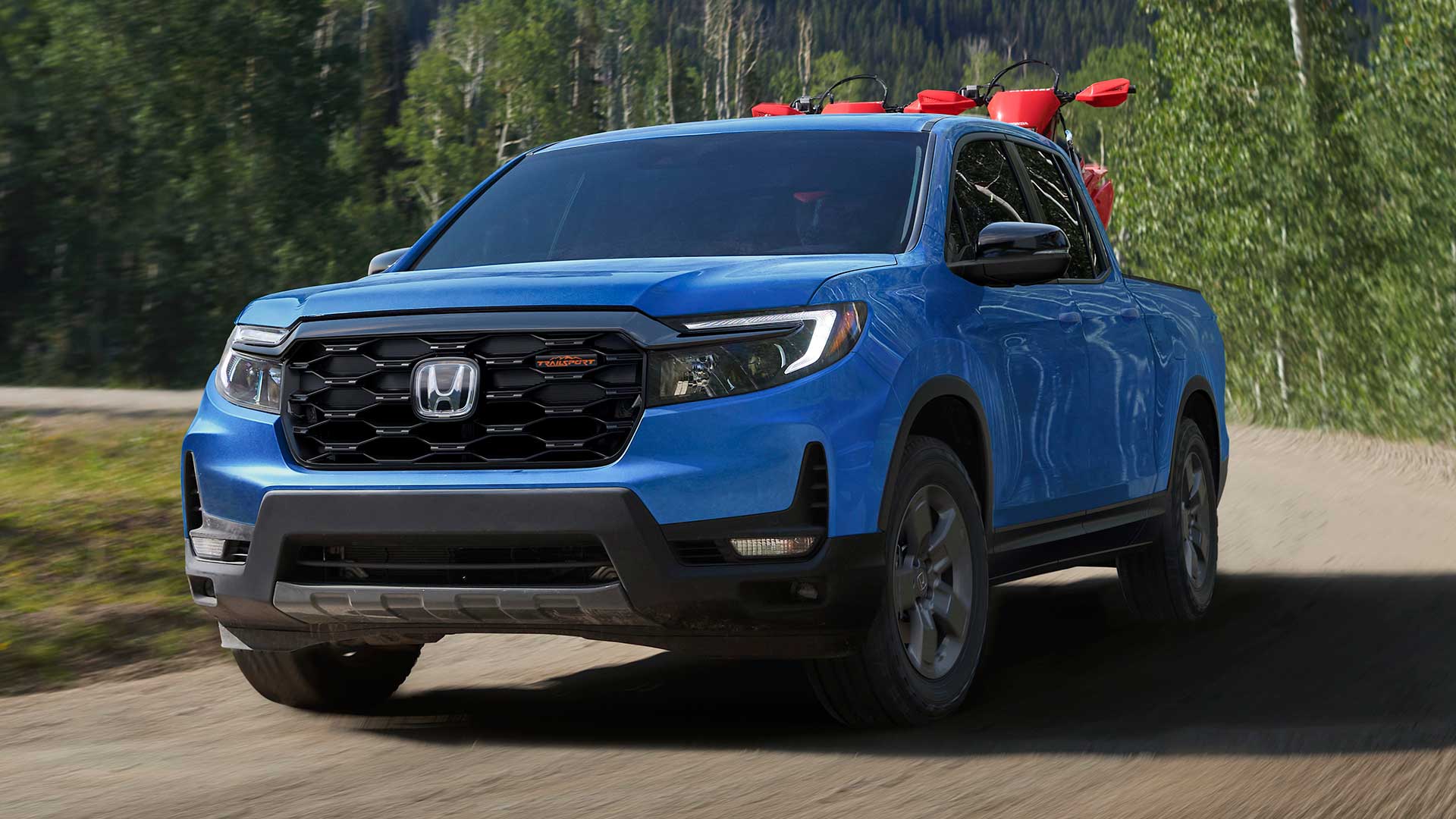
4. Honda Ridgeline
The Honda Ridgeline stands apart from most trucks because of its unique unibody construction, which contributes significantly to its resistance to rust. Unlike traditional body-on-frame trucks, the Ridgeline’s unibody design uses a single steel frame with the body integrated, allowing Honda to apply anti-corrosion treatments more effectively across the entire structure.
The Ridgeline’s body panels and frame use high-strength steel that receives comprehensive galvanization and rust-proof coatings during production. This thorough treatment significantly reduces the likelihood of oxidation, even when the vehicle is exposed to moisture, salt, or harsh weather conditions.
Furthermore, Honda employs advanced paint technologies that provide a durable finish, reducing chips and scratches that typically lead to rust spots on other trucks.
From a design standpoint, the Ridgeline minimizes water retention by sealing seams and using fewer cavities where moisture could accumulate. The undercarriage and suspension components receive protective coatings, and Honda uses corrosion-resistant hardware to prevent rust from spreading to critical joints or bolts.
This comprehensive approach ensures that rust does not just delay but often doesn’t even start under normal or heavy use. Ridgeline owners often report little to no rust issues, even after many years and extensive use in wet or salty environments. This makes the Ridgeline one of the most dependable trucks when it comes to maintaining structural integrity and appearance.
Additionally, the Ridgeline’s reputation for reliability and rust resistance is bolstered by Honda’s rigorous quality control and attention to detail throughout manufacturing.
Unlike some competitors, the Ridgeline offers a different kind of truck experience, blending practicality with the peace of mind that comes from a vehicle less likely to succumb to rust problems. For buyers who want a versatile, everyday truck that holds up well against corrosion, the Ridgeline is a compelling choice.
Honda’s proactive approach to rust prevention also aligns with its broader brand image focused on long-term durability and reliability, making the Ridgeline stand out as a rust-resistant vehicle in a market where many trucks face significant corrosion challenges.
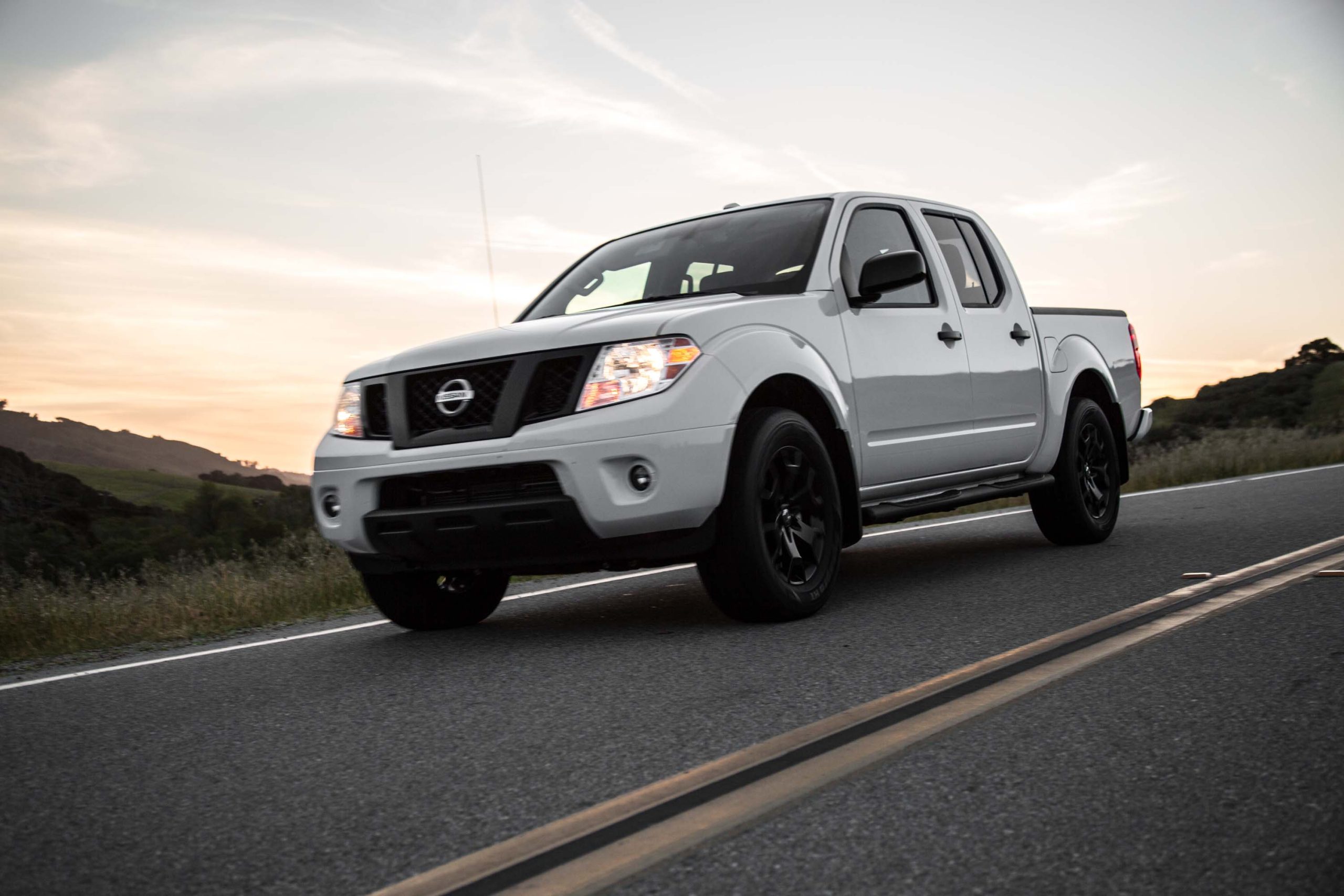
5. Nissan Frontier (Recent Models)
The Nissan Frontier has earned a solid reputation for durability over its many years in production, and recent models show considerable improvements in rust resistance compared to earlier versions.
Nissan tackled rust problems by incorporating galvanized steel for key body panels and frames, along with comprehensive undercoating and protective treatments applied at the factory.
This galvanized steel is a critical factor in preventing moisture from directly contacting bare metal surfaces and slowing the oxidation process.
The truck’s design also includes effective drainage channels to prevent water buildup in the wheel wells, door cavities, and undercarriage. These channels allow road salt and moisture to drain away quickly, reducing the risk of trapped water that accelerates rust formation.
Nissan also uses high-quality paint systems that involve multiple layers of primer, paint, and clear coat. This layering creates a durable shield that helps prevent chips and scratches from exposing the metal beneath. Fasteners, suspension components, and brake parts receive corrosion-resistant coatings to further reduce rust risk in vulnerable areas.
Many Frontier owners have reported that their trucks maintain a rust-free or rust-minimal condition for years, even when exposed to wet or salty environments. This durability makes the Frontier a dependable option for those who need a midsize truck that won’t easily succumb to corrosion.
Moreover, Nissan provides recommendations for aftermarket rust-proofing treatments and undercoating that can be applied for extra protection, especially for owners living in regions with harsh winters or frequent off-road use. Despite this, the factory protections are strong enough that many owners do not feel the need for additional treatment.
The combination of quality materials, thoughtful design, and effective factory coatings makes the Nissan Frontier one of the more rust-resistant midsize trucks on the market, appealing to buyers seeking a rugged, reliable vehicle that can stand up to years of use without serious rust problems.
Also Read: 12 Trucks That Are Safer Investments Than Stocks
5 Trucks That Do Rust Instantly
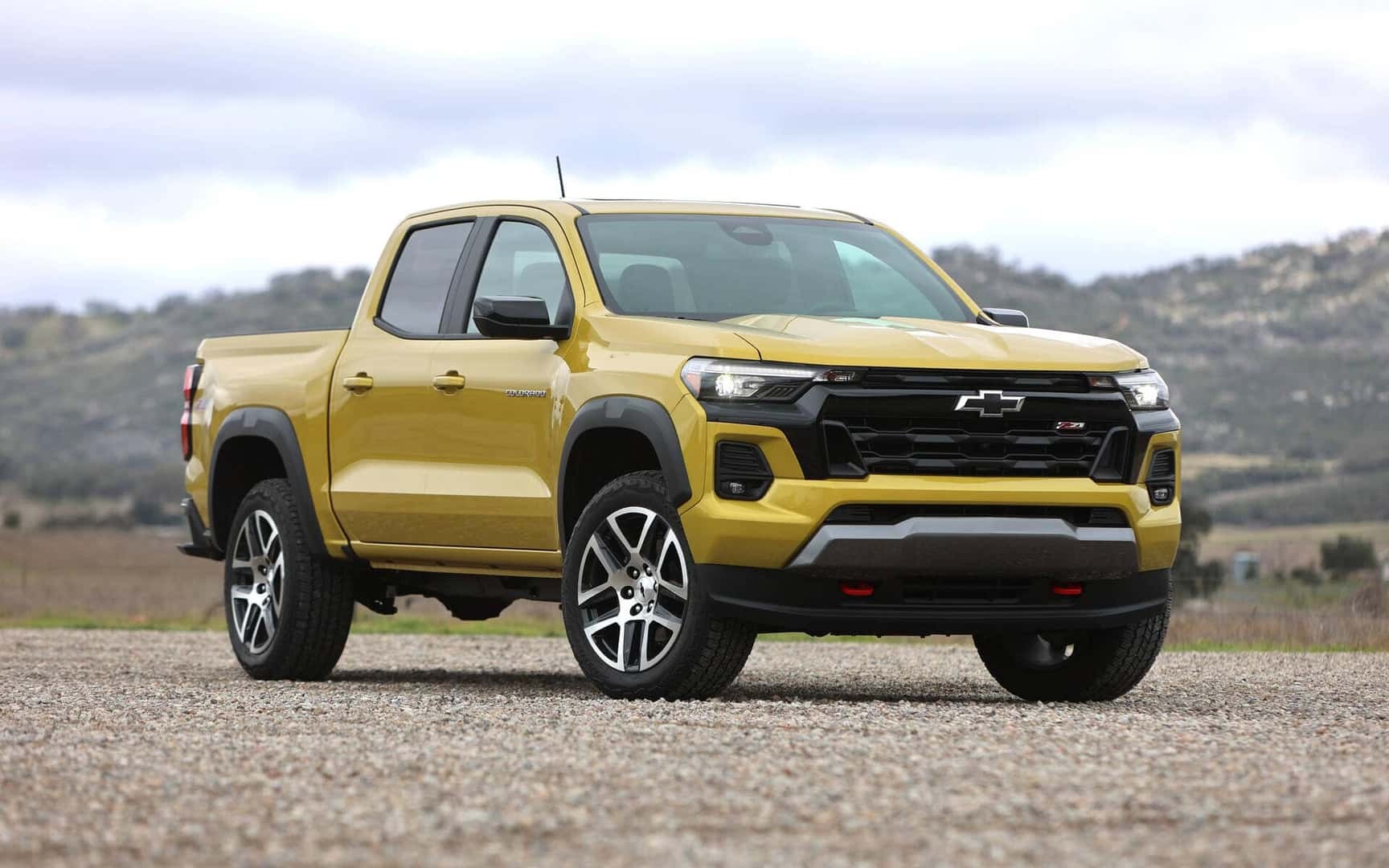
1. Chevrolet Colorado (Early Models)
The Chevrolet Colorado, particularly in its early models produced in the mid-2000s, became widely known for rust-related issues that appeared surprisingly quickly, especially in regions where winter salt is heavily used on roads. Owners frequently reported rust developing on the truck’s frame, wheel wells, and undercarriage within just a few years, sometimes even less.
This rust damage wasn’t just cosmetic; it often compromised the structural integrity of key components, leading to costly repairs and premature vehicle retirement. One of the major reasons behind these issues was the subpar corrosion protection measures used during manufacturing.
The design of the truck itself contributed to the problem, as it didn’t provide effective drainage for water trapped in the frame and other hard-to-reach areas. This accumulation created ideal conditions for rust to develop. Furthermore, the paint and clear coat applied to early Colorado trucks were more susceptible to chipping and scratching.
Such damage exposed the bare metal underneath, accelerating the rusting process. In many cases, owners noticed rust spreading along the rocker panels, fenders, and wheel arches, places notorious for collecting road grime and salt. The rust often spread quickly beneath the surface, making repairs more difficult and expensive.
The early Chevrolet Colorado serves as a cautionary example for truck buyers who prioritize durability and longevity, highlighting the importance of corrosion-resistant design and materials.
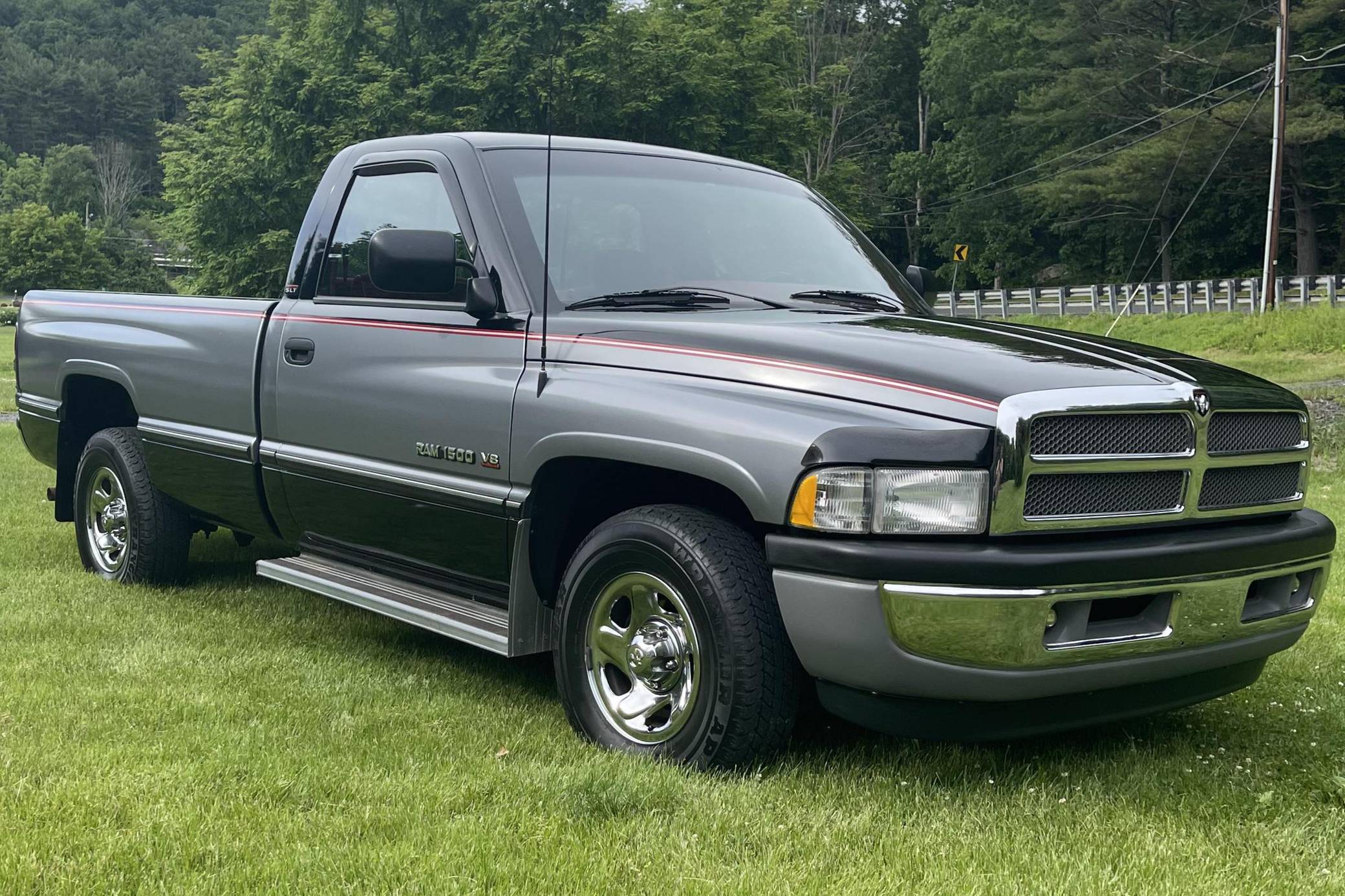
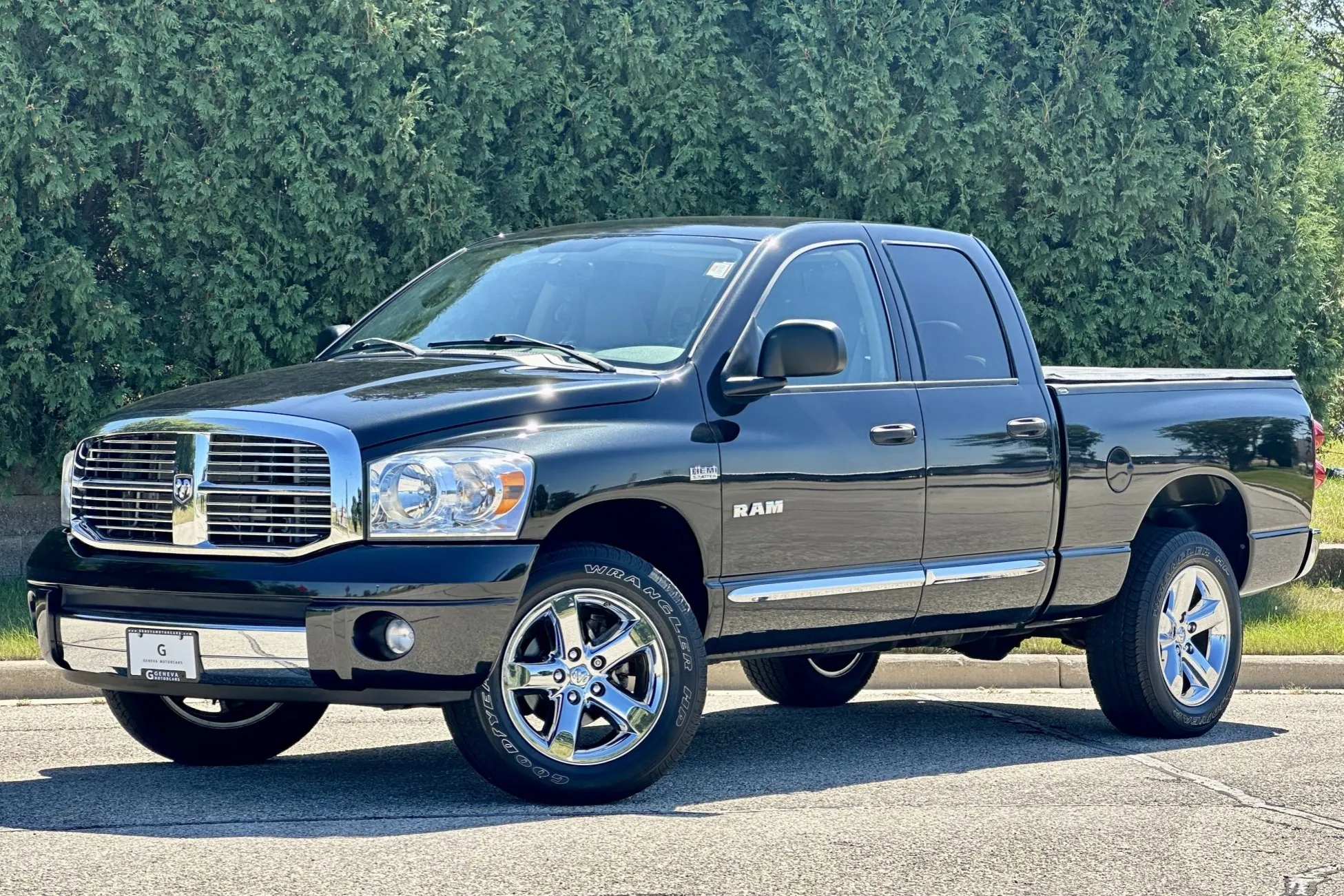
2. Dodge Ram 1500 (Early to Mid-2000s)
Dodge Ram 1500 trucks from the early to mid-2000s developed a significant reputation for rust problems, especially in areas where winter road salt is prevalent. Owners of these trucks often reported severe rust on critical structural parts such as frame rails, wheel wells, suspension components, and the truck bed itself, sometimes within five years of ownership.
This rapid corrosion was largely due to Dodge’s choices in materials and factory rust-proofing techniques during this era. The steel used in the truck’s construction often lacked adequate galvanization or protective coatings.
Additionally, certain areas of the Ram’s body design inadvertently trapped moisture, such as poorly designed drainage points and recessed sections of the frame, allowing saltwater to linger and promote rust. Once the paint was chipped or scratched, corrosion often set in immediately and spread aggressively.
Rust in these trucks wasn’t just a cosmetic issue; in some cases, it compromised safety by weakening the frame and suspension mounting points. The issue was so widespread that some Dodge Ram owners faced the costly prospect of frame replacement or extensive body repairs.
The resale value of these trucks was also affected, as rust is a major deterrent for potential buyers. Despite Dodge’s reputation for producing rugged trucks, the rust issues of this generation dented the brand’s reliability perception.
It’s worth noting that later models showed marked improvement in corrosion resistance, but the early to mid-2000s Dodge Rams remain a stark example of how neglecting rust protection can have long-lasting consequences for truck owners.
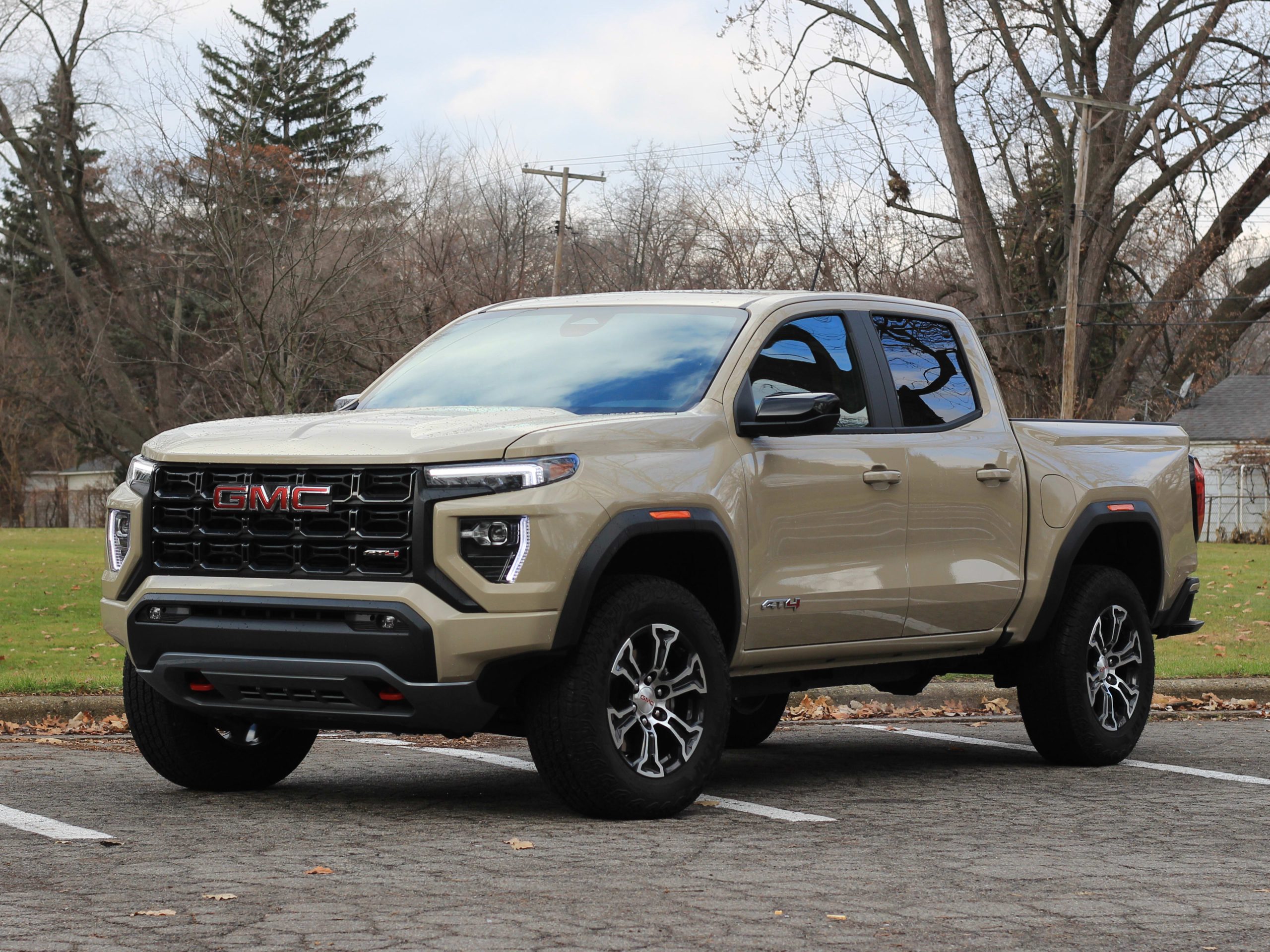
3. GMC Canyon (Early Models)
The GMC Canyon, sharing much of its underpinnings and body design with the Chevrolet Colorado, suffered from similar rust-related problems in its early model years. Many owners experienced rapid corrosion on the truck’s frame, undercarriage, wheel wells, and lower body panels within a few years, particularly in regions with heavy salt use during winter months.
The root causes of this rust were nearly identical to those in the Colorado: insufficient galvanization of the steel, inadequate rust-proof coatings, and a design that allowed moisture and road grime to accumulate in hard-to-clean areas. This buildup of salt and moisture led to accelerated oxidation and corrosion of metal parts.
The paint system on these early GMC Canyons was also more prone to chipping, which exposed unprotected steel surfaces and sped up the rusting process. Over time, rust often spread below the paint layer, causing visible bubbling and flaking, and damaging structural components.
This situation raised concerns not only about the trucks’ appearance but also their long-term safety and reliability. Many Canyon owners found themselves facing expensive rust repair bills or even premature truck retirement due to extensive frame corrosion.
While GMC and Chevrolet addressed these issues in later generations by enhancing corrosion-resistant materials and coatings, early GMC Canyon models remain notorious for rust problems. Prospective buyers of used early Canyons should be aware of these risks and inspect carefully for signs of corrosion, particularly if the vehicle spent time in rust-prone environments.
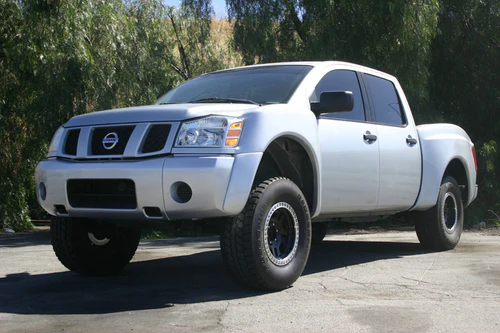
4. Nissan Titan (First Generation)
The first-generation Nissan Titan, manufactured from the early to mid-2000s, is often criticized for its susceptibility to rust, especially in colder climates or areas that apply road salt during winter. Numerous owners reported significant rust development on the frame, rocker panels, wheel wells, and other critical areas within only a few years.
The Titan’s rust issues can be traced back to the materials and manufacturing processes used at the time, which lacked sufficient anti-corrosion treatments. The steel frame, although strong in terms of load-bearing capacity, was particularly vulnerable to rust because it was not properly galvanized or coated with durable anti-rust layers.
Moreover, the design of the Titan allowed moisture to settle and stay trapped in cavities that were difficult to inspect or maintain, creating hidden rust hotspots that worsened over time. The paint used on these trucks also lacked the resilience seen in competitors, making the surface prone to chips and scratches that further exposed bare metal to moisture and salt.
Rust could quickly spread from these points of damage to other parts of the body and frame, compromising the truck’s structural integrity and safety. This premature rusting not only lowered the truck’s resale value but also made some vehicles unsafe to operate without costly repairs.
Nissan’s later Titan models incorporated better rust protection and improved materials, but the first generation remains a cautionary tale of how neglecting corrosion prevention can severely impact a vehicle’s longevity. For buyers considering used Titans from this era, thorough inspection for rust and corrosion is highly recommended.
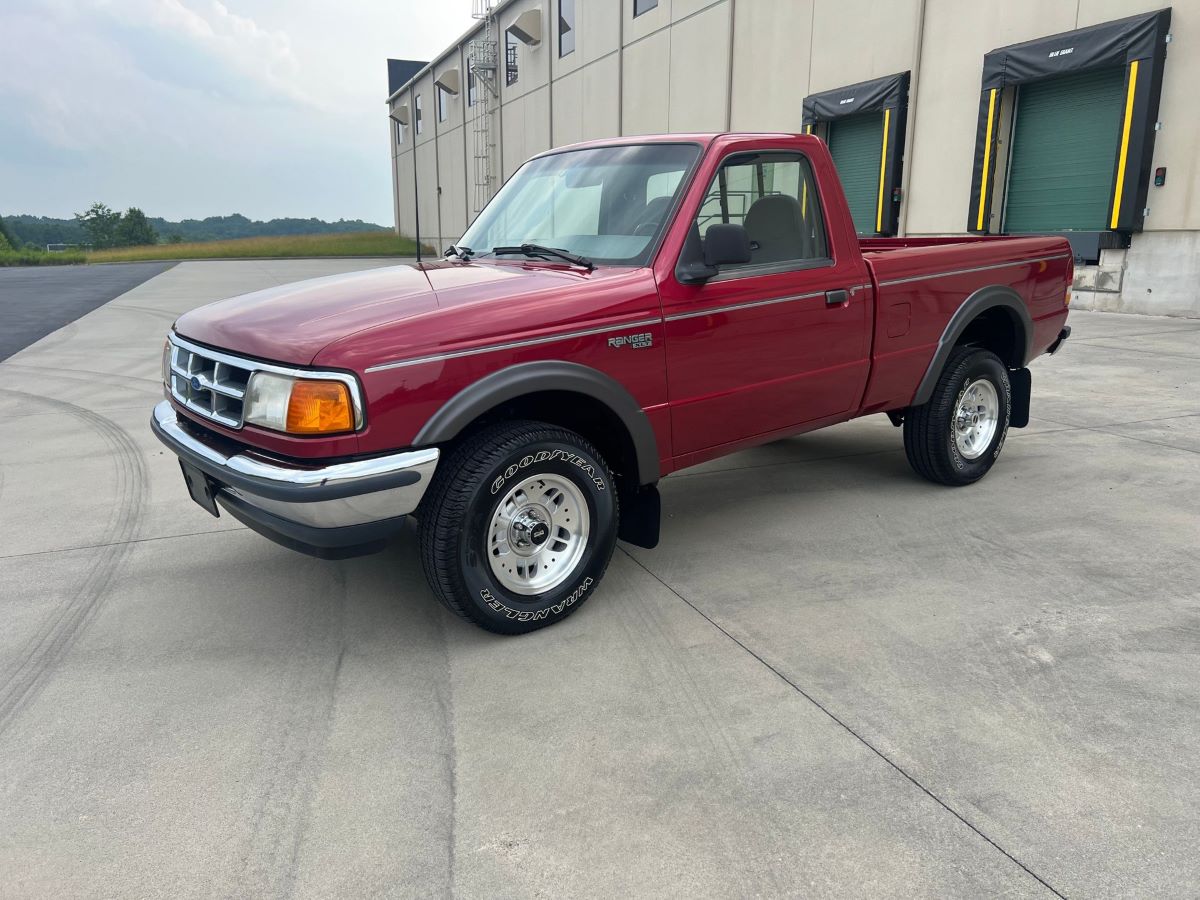
5. Ford Ranger (Early 2000s)
The early 2000s Ford Ranger is another truck widely reported to suffer from rapid rusting, especially in northern states and other areas where roads are salted heavily in winter. Rust frequently appeared on the frame, rocker panels, wheel wells, and undercarriage, often causing major problems for owners within a few years of use.
One of the main reasons behind the Ranger’s rust issues was the use of steel that lacked sufficient corrosion resistance, combined with factory applications of anti-rust coatings that were either thin or inconsistently applied.
The truck’s body design also contributed to the problem, as it did not effectively prevent moisture from collecting in recessed areas or behind body panels. Drainage holes in some parts were too small or poorly placed, leading to trapped water and salt accumulation.
This moisture exposure, paired with road salt’s corrosive effects, created an environment ripe for rapid rust development. Additionally, the paint and clear coat used on early 2000s Rangers were less resistant to chipping and scratching than those on more modern trucks, which exposed bare metal to the elements and sped up corrosion.
Rust spread not only on visible exterior surfaces but also beneath the paint and underbody, affecting structural components that are vital for vehicle safety. Owners of these Rangers often faced the choice of costly rust repairs or deciding to retire their trucks early.
Although the Ford Ranger gained a strong following for its size and reliability, these early models require significant maintenance and rust-proofing efforts for owners who want to keep them in good condition, especially in rust-prone regions.
