
Car ownership comes with many responsibilities, and one of the key factors that influences the experience is the reliability of the vehicle. When you invest in a car, it is natural to expect it to run smoothly, avoid frequent breakdowns, and save you from costly visits to the mechanic.
Some cars are known for their durability and ability to handle years of wear and tear with minimal issues. On the other hand, certain vehicles are infamous for needing constant repairs and regular visits to the shop, which can become both a financial and emotional burden.
Understanding which cars fall into these categories helps buyers make informed decisions and helps current owners anticipate potential challenges.
Cars that rarely need repairs are often a combination of solid engineering, quality materials, and consistent maintenance practices by their manufacturers. These vehicles tend to have fewer recalls, lower depreciation rates, and often maintain better resale values.
Owners can rely on them for daily commuting, long trips, and sometimes even for demanding conditions without the worry of unexpected failures. For many people, these vehicles represent peace of mind, and they often become recommended models within families and communities.
They tend to be practical, with fewer complicated systems that can go wrong, and when repairs are necessary, they are usually straightforward and less costly.
On the flip side, some cars seem to be almost always in need of attention. These vehicles might have design flaws, subpar parts, or complicated electronics that lead to constant headaches. Owners of such cars often face unexpected expenses, time lost waiting for repairs, and frustration with their vehicles’ reliability.
The problems can range from minor annoyances to serious safety concerns. This pattern of frequent repairs can tarnish the reputation of a car model and affect the brand’s image. For prospective buyers, these cars are often best avoided unless they have access to expert mechanics or are willing to accept the risk and cost of continuous maintenance.
This article looks at five cars known for their exceptional reliability and rarity of needing shop visits, contrasted with five cars that have a reputation for frequent repairs and maintenance issues. While many factors influence these experiences, such as driving habits and maintenance routines, the general trends hold across various reports and user experiences.
Whether you are buying a new car, considering a used one, or just curious about which cars keep their owners out of the repair shop, this comparison offers a clear view of the industry of car reliability.
Also Read: 5 Cars That Still Run Strong After Abandonment vs 5 That Don’t
5 Cars That Rarely Enter Shops
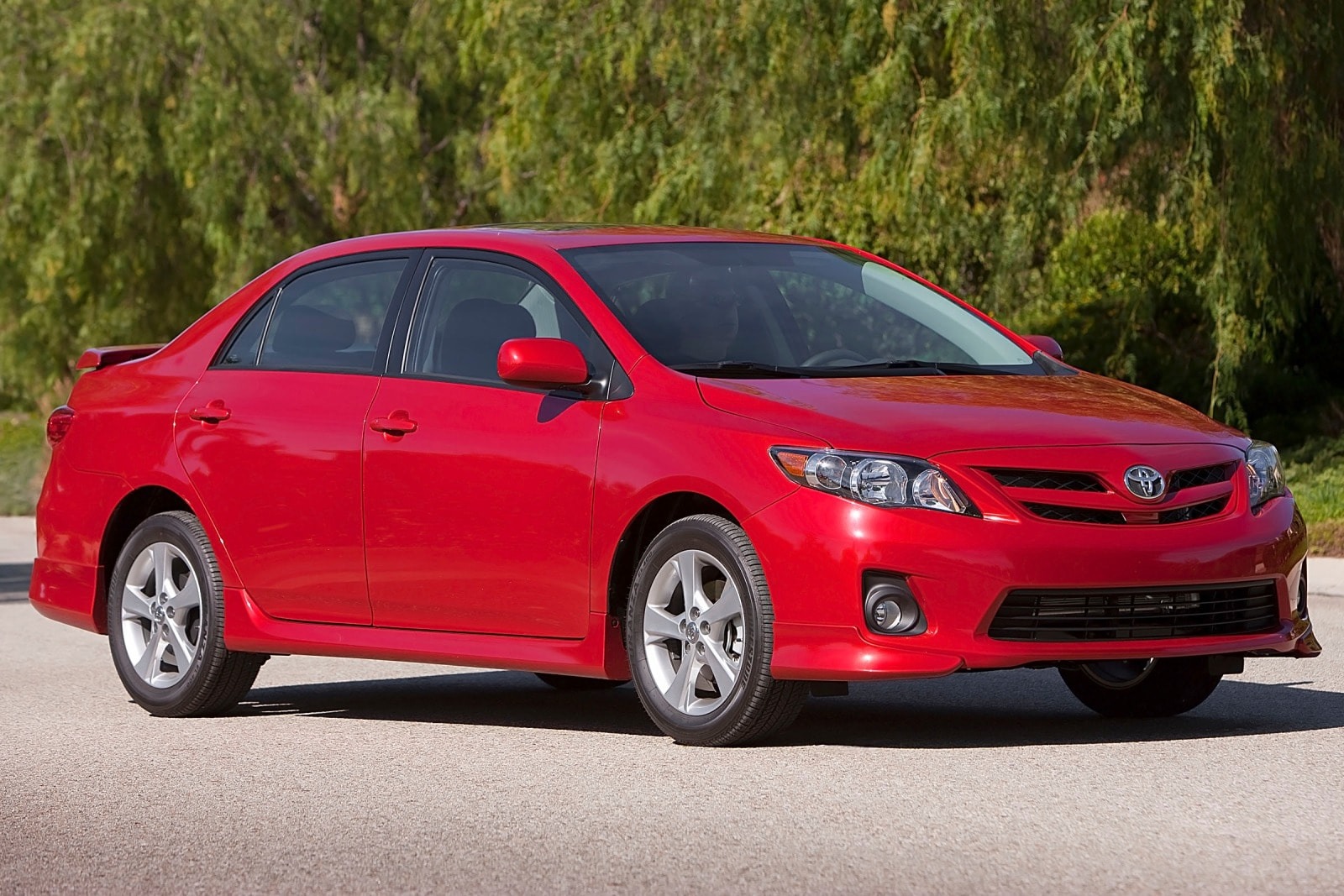
Toyota Corolla
The Toyota Corolla has earned its place as one of the most dependable cars on the road through decades of consistent performance and engineering excellence.
Since its debut, the Corolla has focused on providing reliable transportation without unnecessary complexity, which helps explain why it remains a favorite among drivers who want a vehicle that starts and runs smoothly year after year.
The simplicity of its mechanical design reduces the number of parts that can fail, and Toyota’s ongoing improvements in engine technology have made it even more robust over time.
Whether it’s the older models with carbureted engines or the latest versions featuring modern fuel injection and emissions systems, the Corolla remains steadfast in delivering reliable power and efficiency.
This reputation has been built not just on marketing, but through real-world evidence from millions of satisfied owners who have consistently reported long intervals between repairs.
One of the Corolla’s greatest strengths is its engine durability. Toyota uses engines that are designed to run efficiently and last well beyond typical expectations, often reaching mileages of 200,000 or even 300,000 miles with basic upkeep. The engine’s components are made with high-quality materials that resist wear and corrosion, which translates to fewer unexpected failures.
Maintenance for the Corolla is straightforward, involving routine oil changes, filter replacements, and brake checks, all of which are relatively inexpensive. The drivetrain is equally reliable, with transmissions that shift smoothly and resist premature wear.
Many owners find that their Corollas rarely experience transmission or engine issues, which accounts for the vehicle’s low maintenance demands and long service life.
Another aspect that contributes to the Corolla’s reliability is the availability of parts and the ease of repairs. Because the Corolla is one of the best-selling vehicles globally, replacement parts are abundant and affordable. Mechanics are generally very familiar with the model, allowing for quicker diagnosis and efficient repairs when needed.
This availability helps keep the cost of ownership low and encourages owners to adhere to recommended maintenance schedules. Furthermore, Toyota’s global network of service centers means that quality repairs and genuine parts are widely accessible. This infrastructure is a significant advantage for owners who may travel or move, knowing that they can rely on consistent service no matter where they are.
Lastly, the Corolla’s reputation extends beyond its mechanical reliability to include its build quality and user experience. The car’s interior materials and fit and finish tend to hold up well over time, avoiding issues such as rattles, worn seats, or peeling trim that can lead to repairs.
Toyota also keeps the Corolla’s electronic systems relatively simple, reducing the likelihood of electrical problems. Features like the dashboard, lighting, and basic infotainment systems are designed for durability rather than complexity.
The combination of mechanical toughness, ease of maintenance, and sensible design decisions has made the Toyota Corolla an enduring symbol of reliability and a practical choice for those who want a car that spends more time on the road and less time in the shop.
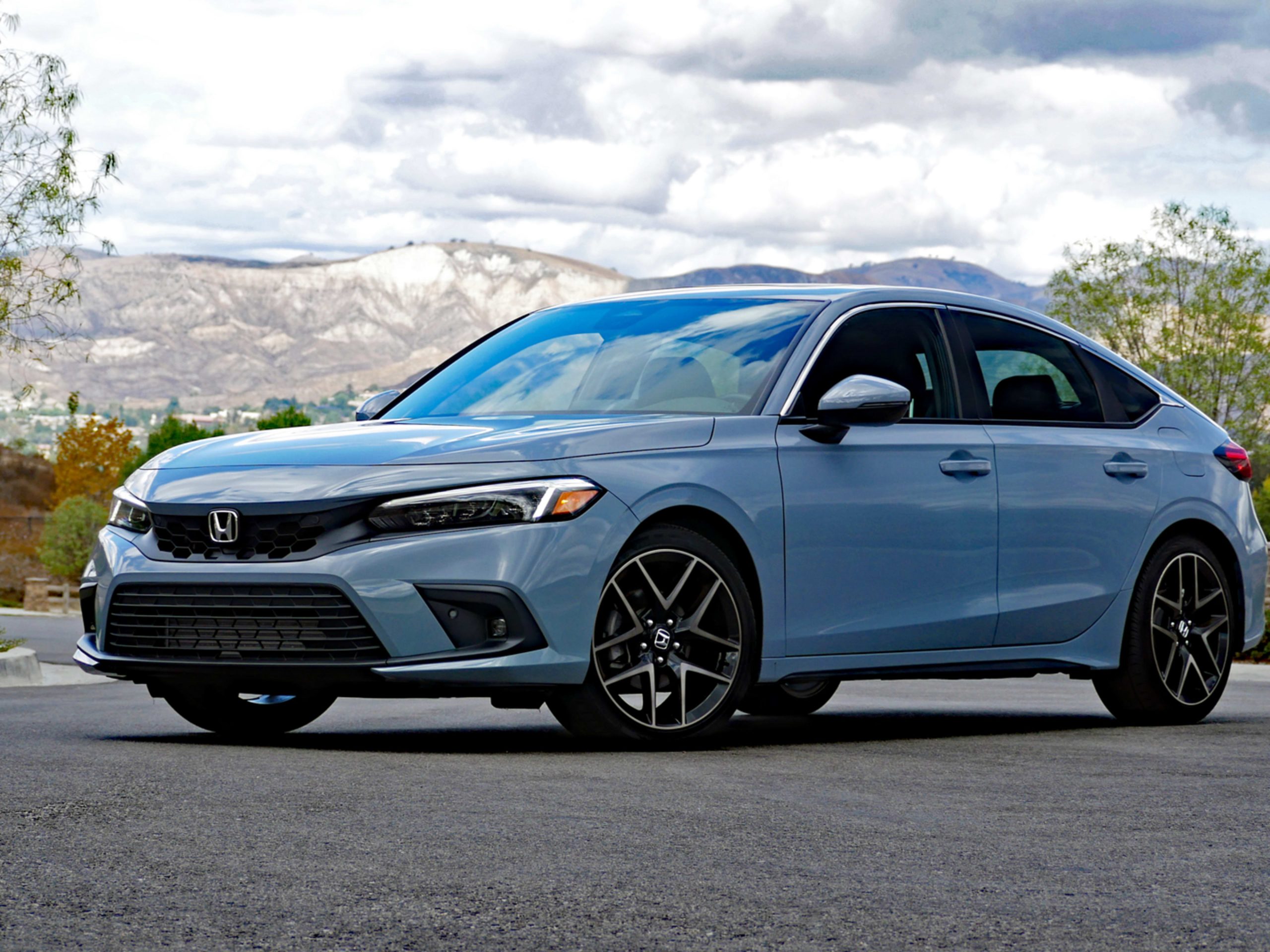
Honda Civic
The Honda Civic is widely celebrated as a dependable and well-rounded compact car that balances performance, fuel efficiency, and reliability. For years, it has been a popular choice for drivers looking for a vehicle that offers more than just basic transportation.
Honda’s reputation for producing engines that are both efficient and durable has been a cornerstone of the Civic’s appeal. These engines often remain strong well past the 150,000-mile mark, with many owners reporting trouble-free operation beyond 200,000 miles.
Honda’s approach emphasizes precision engineering and tight manufacturing tolerances, which means components wear evenly and less frequently. The Civic’s reliability is also enhanced by its straightforward mechanical design that minimizes the number of components that can fail.
The Civic’s powertrain, including both its engines and transmissions, is designed for longevity. Whether paired with a manual transmission or a continuously variable automatic transmission (CVT), the Civic’s drivetrain consistently demonstrates durability under a variety of driving conditions.
Regular maintenance such as fluid changes, belt replacements, and spark plug changes typically keeps the vehicle operating smoothly. The CVT, in particular, has undergone continuous improvement in recent years to address earlier concerns, making newer models even more reliable.
Furthermore, the Civic’s suspension system is engineered to provide a comfortable ride without sacrificing durability, which reduces the likelihood of costly repairs related to shocks, struts, and bushings.
Beyond the mechanical systems, Honda ensures that its interior electronics and components are both user-friendly and reliable. Unlike some vehicles that add complicated electronic gadgets prone to failure, the Civic strikes a balance by incorporating necessary technology without sacrificing durability.
Components such as the audio system, climate controls, and dashboard displays are built to last and usually avoid the electrical glitches that plague less reliable vehicles.
Additionally, Honda’s customer service and comprehensive warranty programs offer support that helps maintain the Civic’s excellent reliability ratings. The brand’s extensive dealer network and availability of parts contribute to easier and more affordable repairs when needed.
The Civic’s strong resale value is a testament to its reputation for reliability. Buyers in the used car market actively seek out Civics because they know these vehicles will likely remain dependable for years to come. The Civic’s fuel efficiency and lower emissions also contribute to lower operating costs, which further enhances its value proposition.
Many owners find that the Civic fits a variety of lifestyles, from young professionals to small families, offering dependable transportation with minimal worries about mechanical failures. Its balance of practicality and reliability has made it a cornerstone in Honda’s lineup and a trusted vehicle for millions around the world.
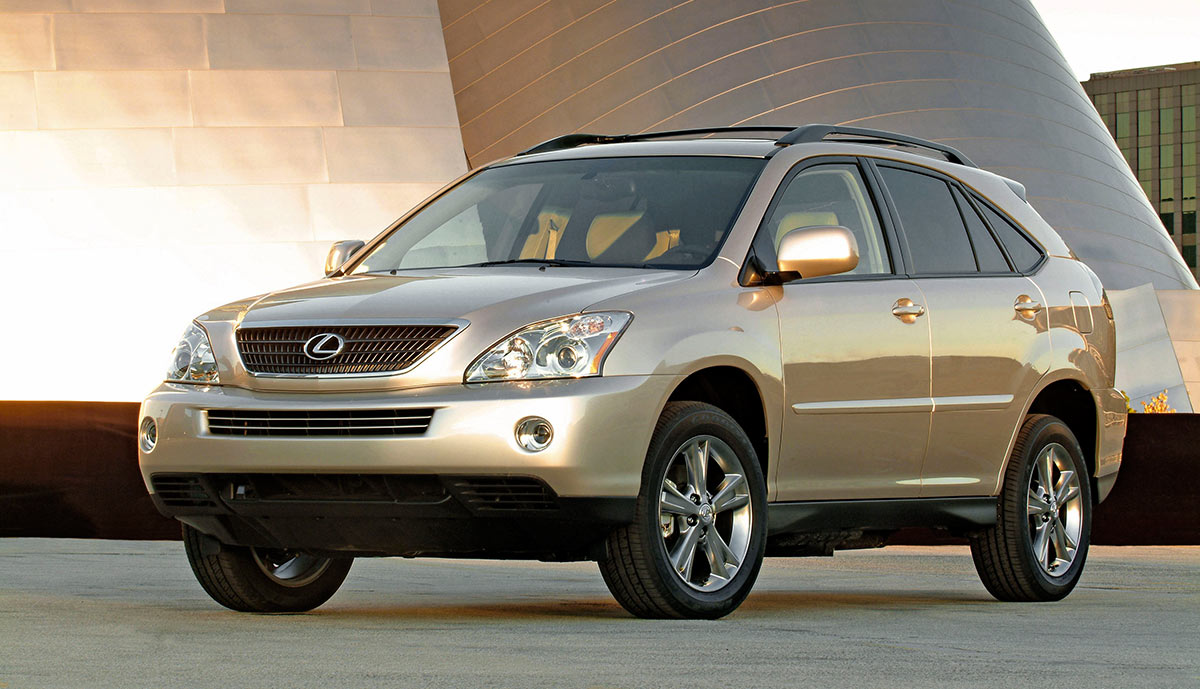
Lexus RX
The Lexus RX represents the luxury segment of reliable vehicles, showing that comfort and premium features do not have to come at the cost of dependability. As a luxury crossover SUV, the RX has been a bestseller for Lexus and is often highlighted for its smooth ride, quiet cabin, and long-lasting performance.
Lexus benefits from Toyota’s extensive engineering expertise and manufacturing standards, which are applied rigorously to ensure that the RX is built to last. Many owners of this model report driving hundreds of thousands of miles with few mechanical issues.
The RX achieves a rare blend of luxury and reliability that appeals to drivers who want upscale features without the constant worry of breakdowns or expensive repairs.
One of the key factors behind the RX’s reliability is its well-engineered powertrain. Whether equipped with a gasoline engine or a hybrid system, the vehicle uses components that have been thoroughly tested for durability and efficiency. Lexus engines are known for smooth operation and longevity, and the transmissions paired with these engines have a reputation for seamless shifting and durability.
Maintenance intervals are reasonable and clearly outlined, helping owners keep the vehicle in excellent condition without excessive expense. The RX’s suspension system enhances ride comfort without sacrificing reliability, using components designed to withstand various road conditions and driving styles.
The RX also stands out for its quality interior materials and build. Unlike some luxury vehicles that may experience issues with electronics and infotainment systems, Lexus has designed its systems to be both advanced and reliable.
The infotainment interface is user-friendly and less prone to glitches than many competitors, and the vehicle’s safety systems are designed to function reliably over time.
Lexus provides comprehensive warranties and excellent customer service, which further ensures that owners have support when service or repairs are needed. The brand’s extensive dealer network also helps maintain the RX’s excellent reputation for dependability.
Moreover, the RX holds its value well in the resale market, reflecting its reliability and desirability. Owners enjoy a luxurious driving experience with the confidence that their vehicle will remain trouble-free for years. Lexus’s reputation for quality extends beyond just the RX, reinforcing the brand’s image as a manufacturer of luxury vehicles that can be trusted.
For buyers seeking a premium SUV that avoids frequent shop visits, the Lexus RX remains a standout option that combines comfort, advanced features, and enduring reliability.
Subaru Outback
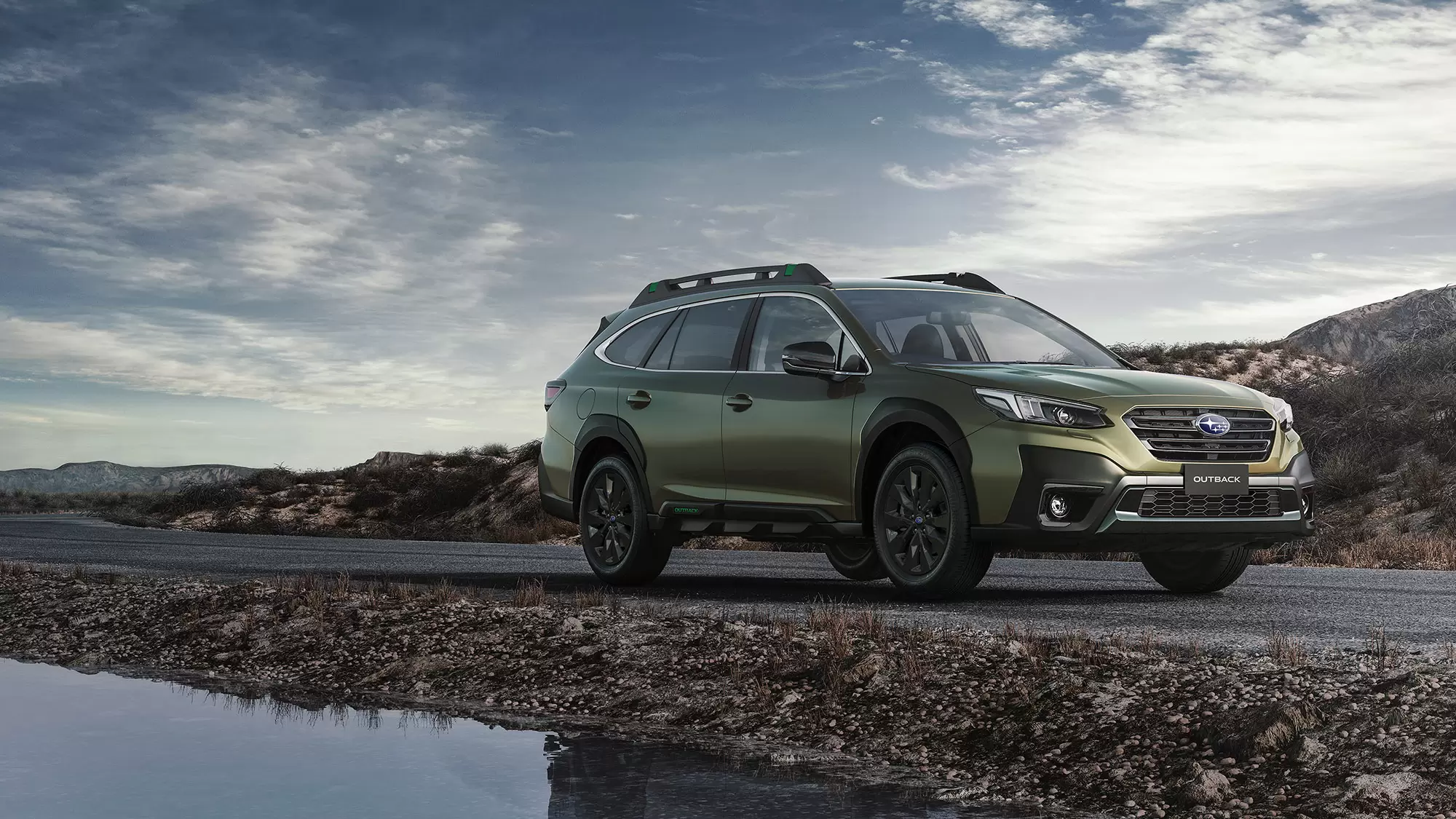
The Subaru Outback has established itself as a dependable and versatile vehicle suited for a wide range of driving conditions, especially for those who prioritize all-weather capability and ruggedness. Known for its standard all-wheel-drive system, the Outback offers safety and traction in challenging environments such as rain, snow, and light off-road use.
Beyond these features, the vehicle is praised for its long-term reliability and ability to operate with minimal downtime. Many owners report driving Outbacks well past 150,000 miles with few major mechanical issues, making it a popular choice for families, outdoor enthusiasts, and commuters alike.
Subaru’s signature boxer engine is a major factor in the Outback’s reliability. Its horizontally opposed cylinder layout helps lower the center of gravity and promotes even engine wear. The engine is designed with longevity in mind, using quality materials and advanced engineering to resist common issues like overheating and premature wear.
The symmetrical all-wheel-drive system is robust and provides consistent performance without excessive maintenance demands. The Outback’s transmission, whether manual or automatic, is built for durability, with many drivers experiencing smooth operation over the vehicle’s lifespan.
The suspension and chassis of the Outback are engineered to handle a variety of road surfaces while maintaining comfort and stability. These components are designed to endure rough conditions without frequent replacements, which contributes to the vehicle’s reputation for low maintenance.
Interior electronics and safety systems are user-friendly and have a solid track record for reliability. Subaru has invested heavily in safety features, which tend to remain operational and effective over many years, providing both peace of mind and practical dependability.
Owners also appreciate the Outback’s fuel efficiency and reasonable running costs, which complement its reliability. Maintenance intervals are well-defined, and parts availability is generally good due to Subaru’s global presence.
The brand’s growing network of service centers helps ensure that owners receive quality repairs when necessary. For those needing a vehicle that rarely requires shop visits and can handle diverse driving needs, the Subaru Outback is a reliable and versatile choice that has earned widespread acclaim.
Mazda MX-5 Miata
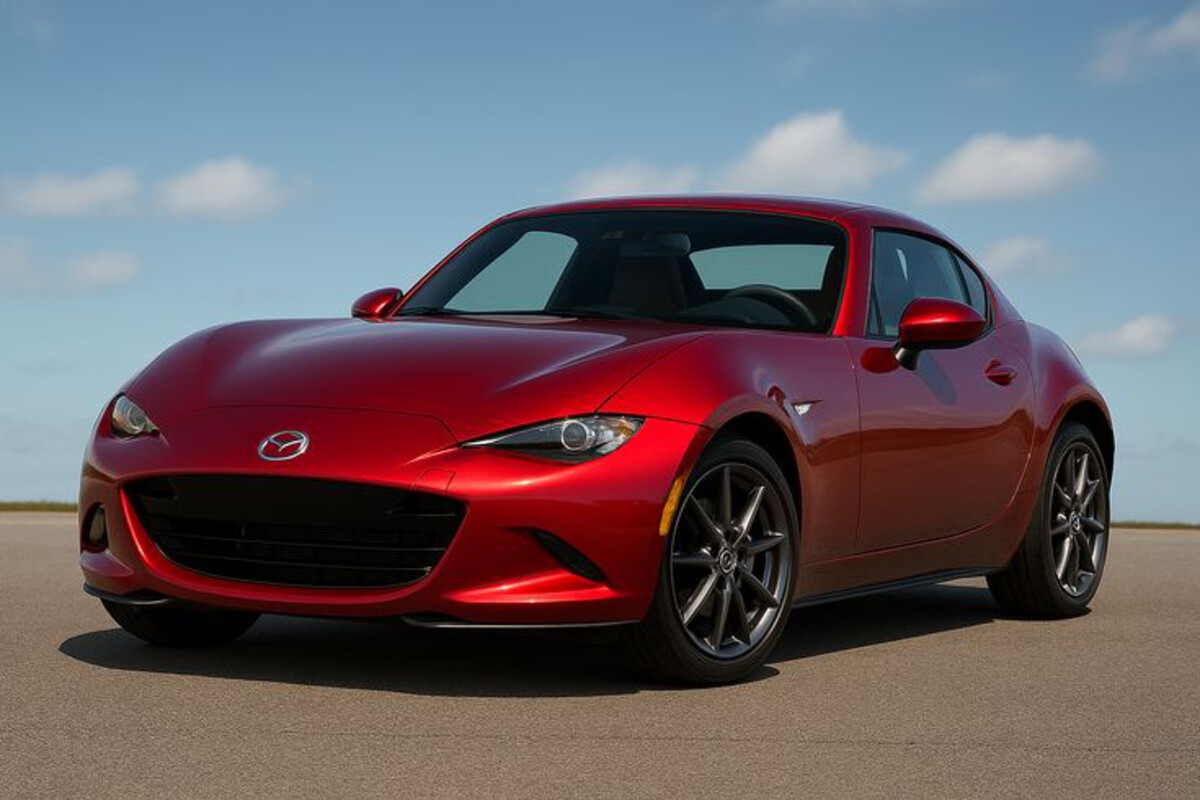
The Mazda MX-5 Miata stands out as a rare example of a sports car that combines excitement with reliability. Unlike many high-performance vehicles that require frequent and costly maintenance, the Miata is praised for its simplicity, mechanical soundness, and ease of repair.
Introduced in the late 1980s, the MX-5 has maintained a loyal following due to its lightweight design, balanced handling, and dependable components. Its enduring popularity is due in part to the fact that it can be enjoyed as a fun daily driver or weekend car without the worry of constant breakdowns or expensive shop visits.
At the heart of the Miata’s reliability is its straightforward engine and drivetrain setup. The inline-four engine is known for being robust and relatively easy to service. Regular maintenance such as oil changes, spark plug replacements, and brake servicing usually suffices to keep the car running smoothly.
The manual transmission, preferred by many enthusiasts, is mechanically simple and highly durable, while the automatic options are also reliable when maintained properly. The suspension system, which provides the Miata’s famous nimble handling, is designed to be durable and easily serviced, contributing to the car’s longevity.
The MX-5’s minimalistic approach to electronics also plays a significant role in its dependability. The lack of overly complicated infotainment and driver-assistance systems means fewer potential points of failure.
This simplicity, combined with high-quality manufacturing standards, results in fewer trips to the mechanic for electrical problems that often plague modern vehicles. Mazda’s commitment to engineering excellence ensures that each generation of the Miata improves on its predecessors while retaining the core attributes that make it reliable and fun.
Also Read: 10 Cars With the Cheapest Replacement Parts
5 Cars That Constantly Enter Shops
Jeep Grand Cherokee (Early 2000s Models)
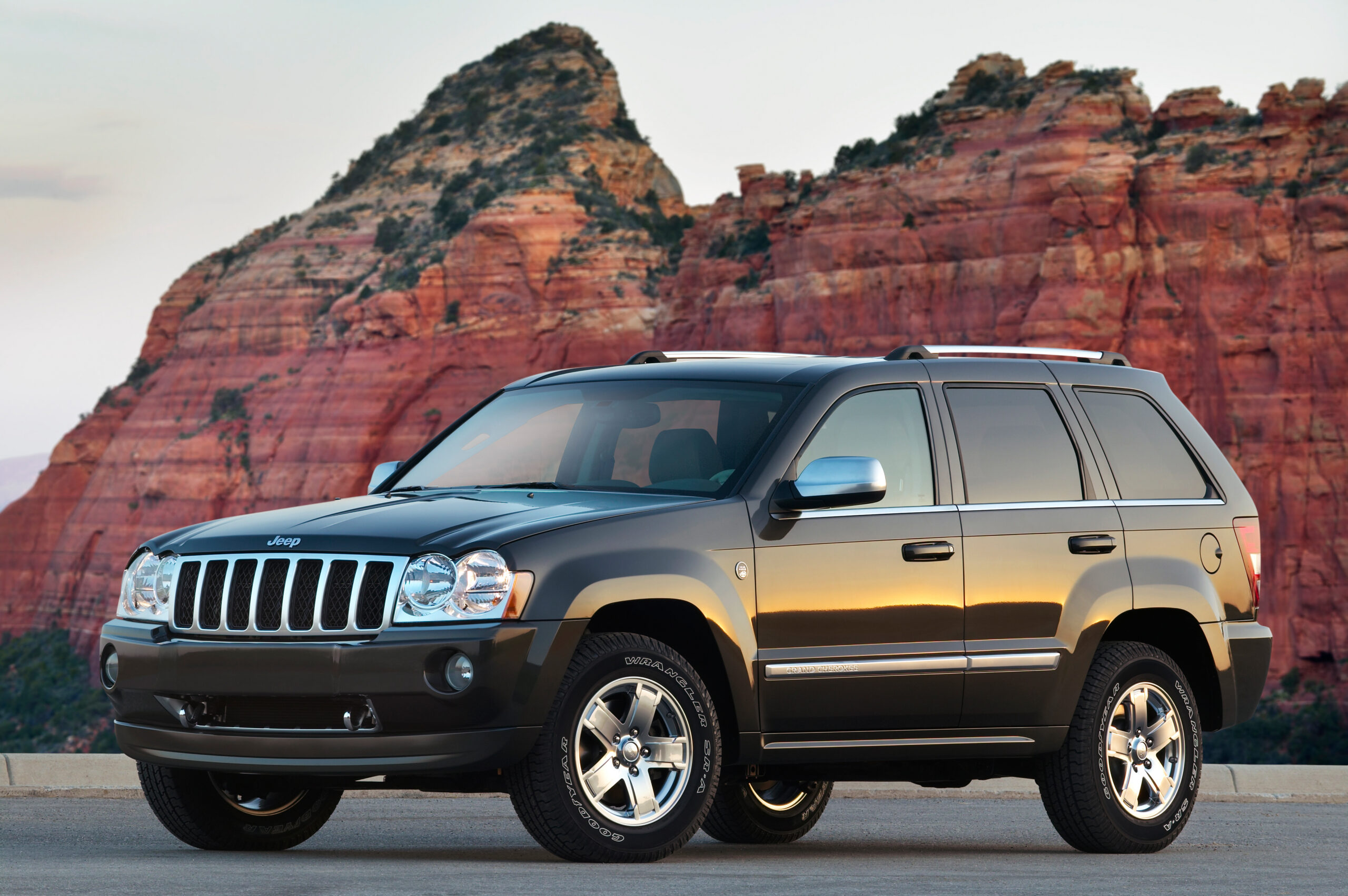
The Jeep Grand Cherokee from the early 2000s is a vehicle that, unfortunately, developed a reputation for mechanical inconsistency and frequent maintenance demands. While its rugged styling and off-road capabilities appealed to many buyers, the ownership experience often turned into a series of unplanned repair shop visits.
These models promised a balance between utility and comfort, but a wide range of recurring problems, especially in higher-mileage units, caused frustration for countless owners. At the time, the Grand Cherokee was positioned as a practical SUV that could handle both the daily commute and weekend adventures, but mechanical reliability quickly emerged as a weak point.
One of the most commonly reported problems with early 2000s Grand Cherokees revolves around the transmission system. Many owners experienced slipping, erratic shifting, or complete transmission failure, sometimes at relatively low mileage. These issues not only disrupted daily use but also led to high repair bills.
In some cases, the replacement of the entire transmission was required, a cost that could rival the market value of the vehicle itself. Transmission problems were sometimes paired with transfer case failures in the four-wheel-drive versions, adding another expensive layer to drivetrain-related issues.
These powertrain weaknesses were a major contributor to the Grand Cherokee’s tendency to land in the repair shop far too often.
The vehicle’s electrical system added another major point of concern. Owners routinely reported faulty wiring, malfunctioning sensors, flickering dashboard lights, and power window issues. Many of these electrical faults were difficult to diagnose and even harder to repair permanently.
Mechanics sometimes had to resort to trial-and-error, resulting in repeat visits for the same problem. The body control module (BCM), which manages many interior and convenience features, was prone to failure, causing unexpected malfunctions in locks, lights, and dashboard components. These inconsistencies seriously affected the ownership experience, making the vehicle unreliable not just mechanically, but also in everyday usability.
Adding to the list of concerns was the notorious air suspension system found in higher-trim Grand Cherokees. While the suspension provided a smoother ride when working correctly, it was also a constant source of trouble. Air leaks, compressor failures, and sensor malfunctions were common and typically expensive to fix.
Unlike traditional suspension systems, repairs to air suspension systems often involved specialized parts and labor, which further increased maintenance costs. Drivers who expected a comfortable and capable SUV were instead burdened with costly repairs that seemed to return with alarming frequency.
While newer models have improved significantly in quality and dependability, the early 2000s versions are frequently listed among vehicles most likely to require repairs, especially once they pass the 100,000-mile mark.
For used car buyers or enthusiasts considering one of these older SUVs, a detailed service history and thorough inspection are absolutely necessary before committing.
Fiat 500 (First Generation in the US)
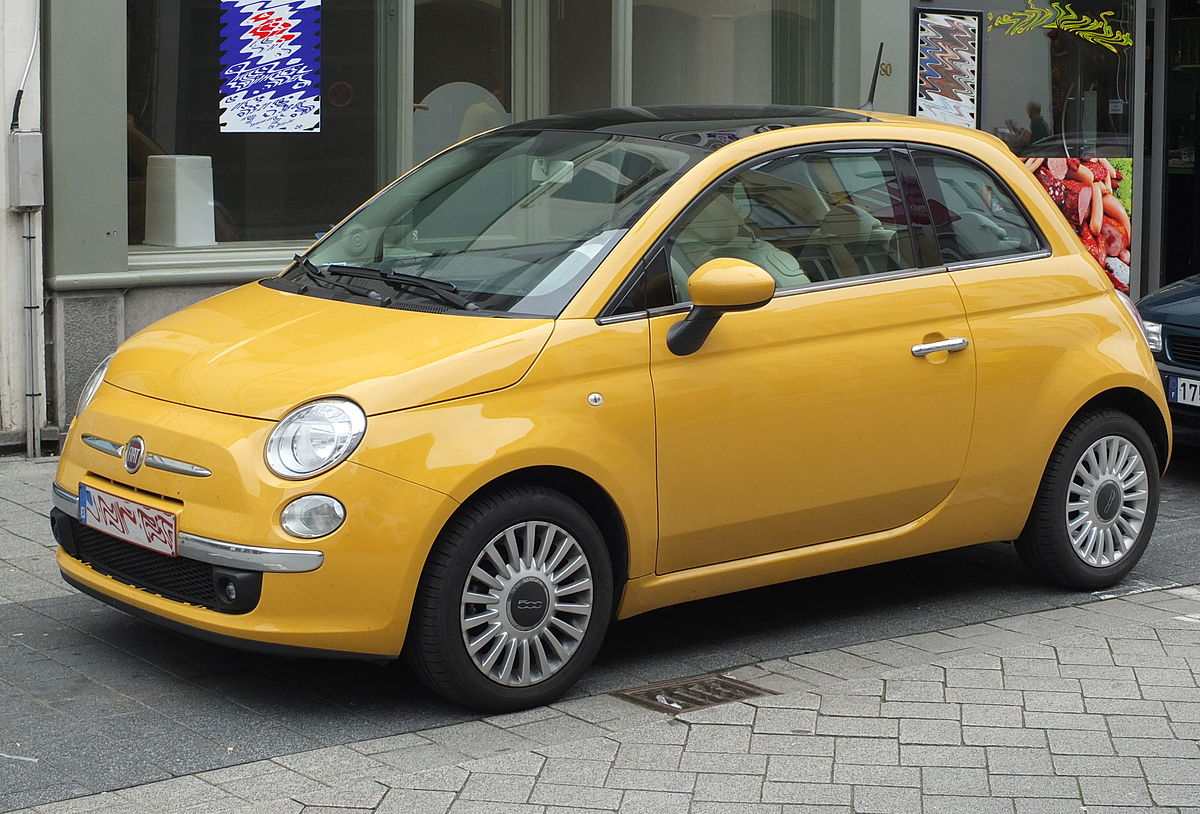
When Fiat reintroduced the 500 to the U.S. market in the early 2010s, it was met with considerable interest. The compact car’s retro styling, small footprint, and European charm made it a standout option in the subcompact segment. However, enthusiasm quickly faded as reports of mechanical and electrical problems became widespread.
The Fiat 500 quickly developed a reputation for being unreliable, with many owners expressing disappointment over the frequency of necessary repairs and the lack of durability in key areas. While it was visually appealing and fun to drive in ideal conditions, the ownership experience often involved regular shop visits for a frustrating range of issues.
The powertrain was one of the 500’s most problematic areas. The engine, while peppy on paper, often suffered from poor reliability in the long run. Drivers frequently reported misfires, rough idling, excessive oil consumption, and sudden stalling. In colder climates, cold starts became an issue, and sensors within the engine management system were prone to malfunction.
The automatic transmission, especially the Dual Dry Clutch Transmission (DDCT), was another source of major complaints. Jerky shifts, sudden failures, and transmission warning lights were all common. This led to expensive repairs that often surfaced before the vehicle even reached mid-level mileage.
Electrical problems were another hallmark of the Fiat 500’s reliability woes. Owners experienced issues with the infotainment system freezing or failing entirely, malfunctioning dashboard displays, erratic headlight and taillight behavior, and faulty power windows. In some cases, the electrical systems would cause the vehicle to enter limp mode or shut down entirely.
Diagnosing and repairing these problems proved difficult, as Fiat’s dealer network was limited in the U.S., and replacement parts were often back-ordered or expensive. As a result, even simple issues could sideline the vehicle for days or even weeks, inconveniencing owners and increasing repair bills.
The Fiat 500’s interior also suffered from premature wear and quality control problems. Many users found the cabin materials, though stylish at first glance, did not hold up well under normal use. Seats would wear quickly, dashboard plastics would rattle or come loose, and interior trim pieces were prone to breaking or discoloring.
While the Fiat 500 had a unique personality and stood out in the city car market, its reliability record significantly hindered its long-term success in North America. Fiat’s short-lived resurgence was weakened further by poor customer service and the limited availability of qualified repair technicians and dealerships.
Many owners ended up trading in or selling their vehicles prematurely, simply to avoid further repair costs. Today, the Fiat 500’s first-generation U.S. models serve as a cautionary tale of how appealing design and clever marketing can’t compensate for mechanical shortcomings.
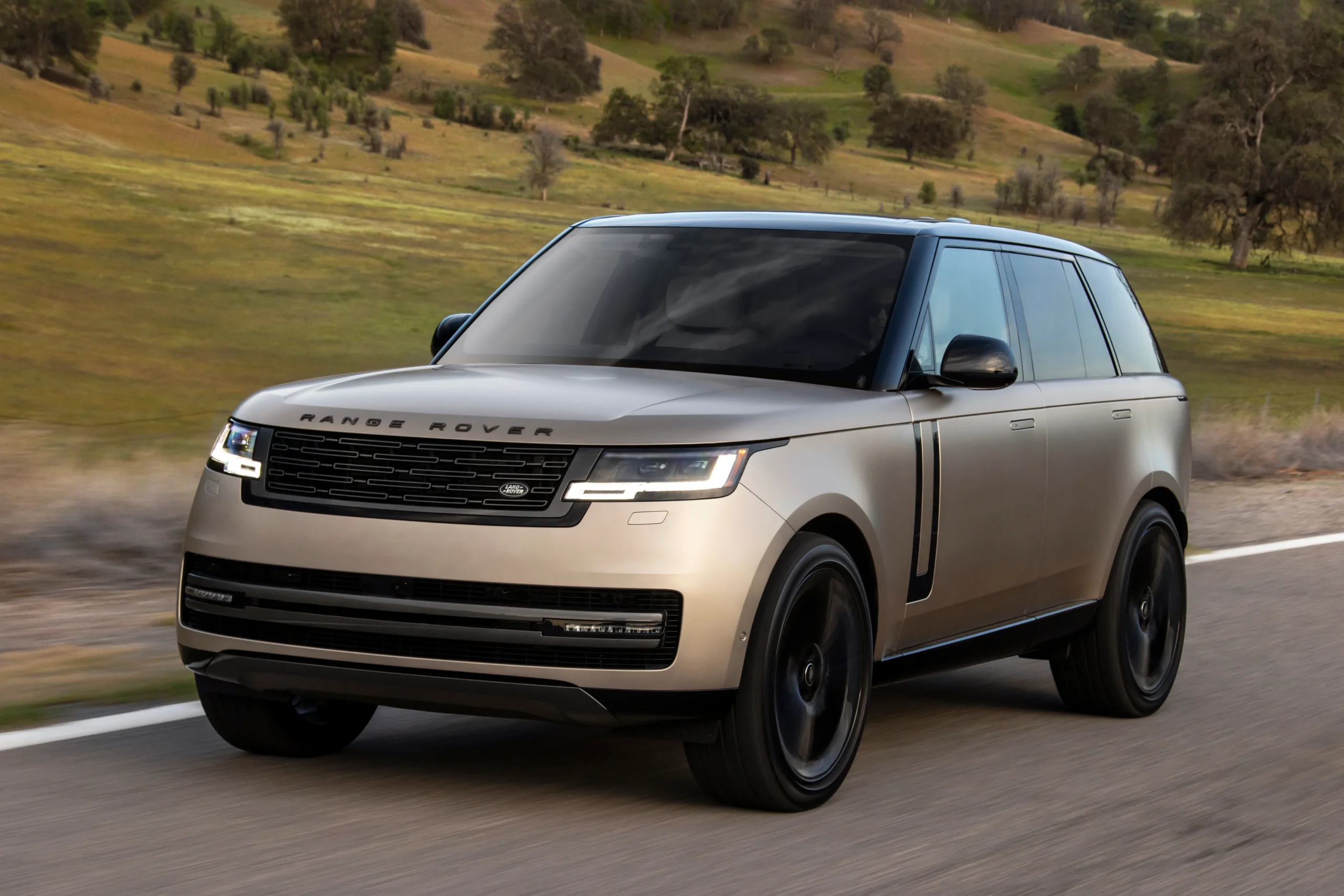
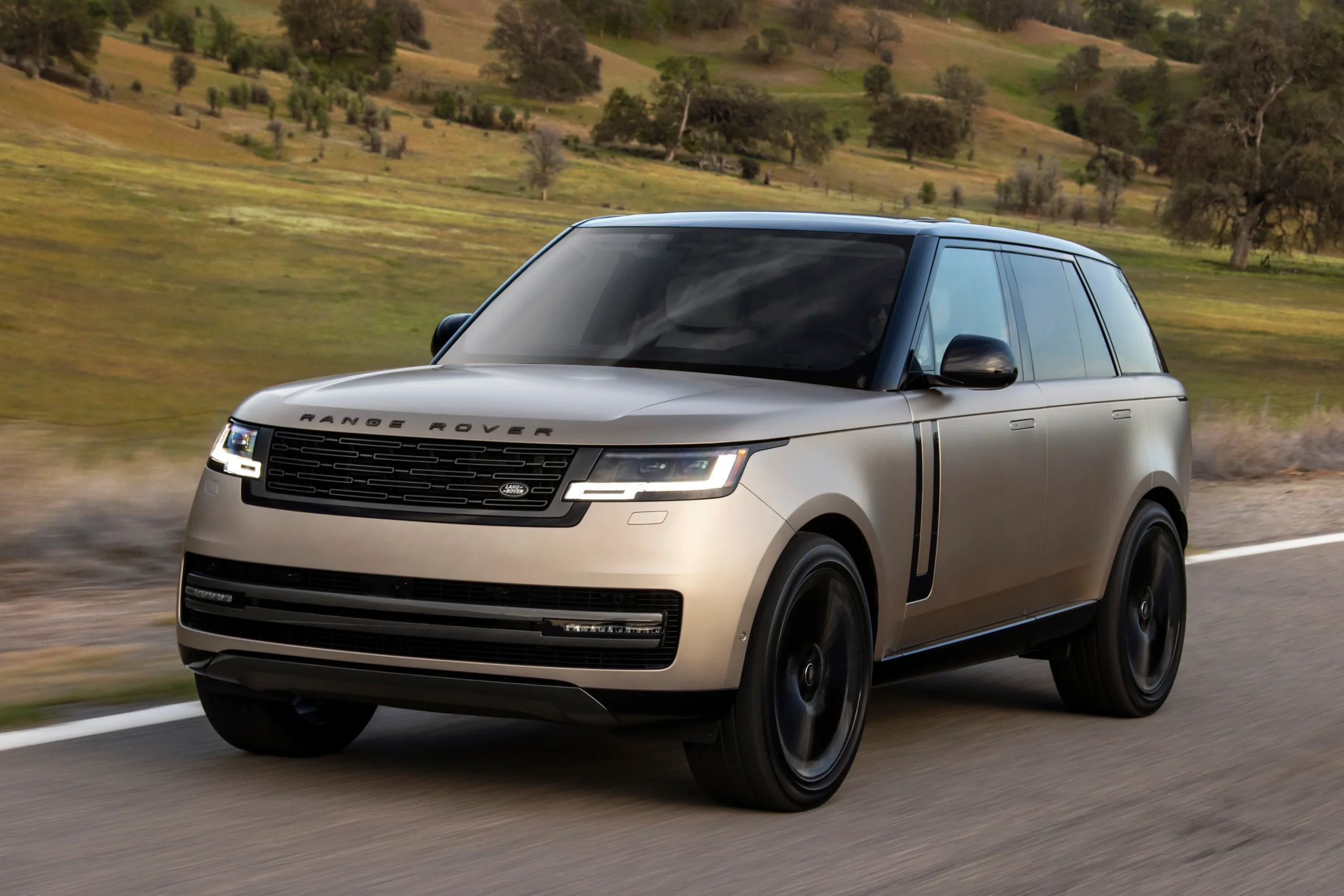
Land Rover Range Rover
The early models of the Land Rover Range Rover, particularly those from the late 1990s to early 2000s, earned an unfortunate reputation for being among the most unreliable luxury SUVs on the road. These vehicles were often praised for their stylish design, off-road ability, and interior luxury, but these positives were quickly overshadowed by chronic maintenance problems.
The Range Rover’s frequent visits to the shop became a running joke in the automotive community. Owners often found themselves dealing with a never-ending list of issues that spanned across mechanical, electrical, and electronic systems.
The engine and transmission systems in these early Range Rovers were notoriously unreliable. Coolant leaks, oil leaks, and overheating engines were widespread. The engine cooling systems were particularly problematic due to poor component quality and design flaws, which often led to warped cylinder heads and blown head gaskets.
These types of failures were expensive and time-consuming to repair. On top of that, the transmission system, especially the automatic gearboxes, would often experience sudden failure. Many of these vehicles suffered from slipping gears, delayed engagement, or complete transmission breakdowns that left them inoperable.
Adding to the mechanical woes were extensive issues with the vehicle’s complex air suspension system. This feature, while providing a smooth and adaptive ride, proved to be highly failure-prone. Owners reported sagging suspension, faulty compressors, and control module errors.
The air suspension’s components were expensive to replace and often failed repeatedly, causing owners to eventually convert to traditional coil springs just to keep the vehicle drivable. These kinds of ongoing problems were financially draining, especially for those who expected long-lasting luxury from their SUV purchase.
Electrical problems were another frequent issue. The wiring harnesses and control units were prone to water intrusion and corrosion, leading to unpredictable behavior from lights, sensors, and even the vehicle’s ignition system. Some owners experienced complete electrical failures, while others dealt with minor annoyances that became larger over time.
The on-board electronics were also known for being overly complicated and glitchy. These problems were not only difficult to diagnose but also often required specialized tools and knowledge that only certain technicians possessed, which increased repair times and costs.
Despite the brand’s improvements in more recent years, early Range Rovers still serve as a symbol of what can go wrong when luxury, complexity, and poor reliability converge in a single vehicle.
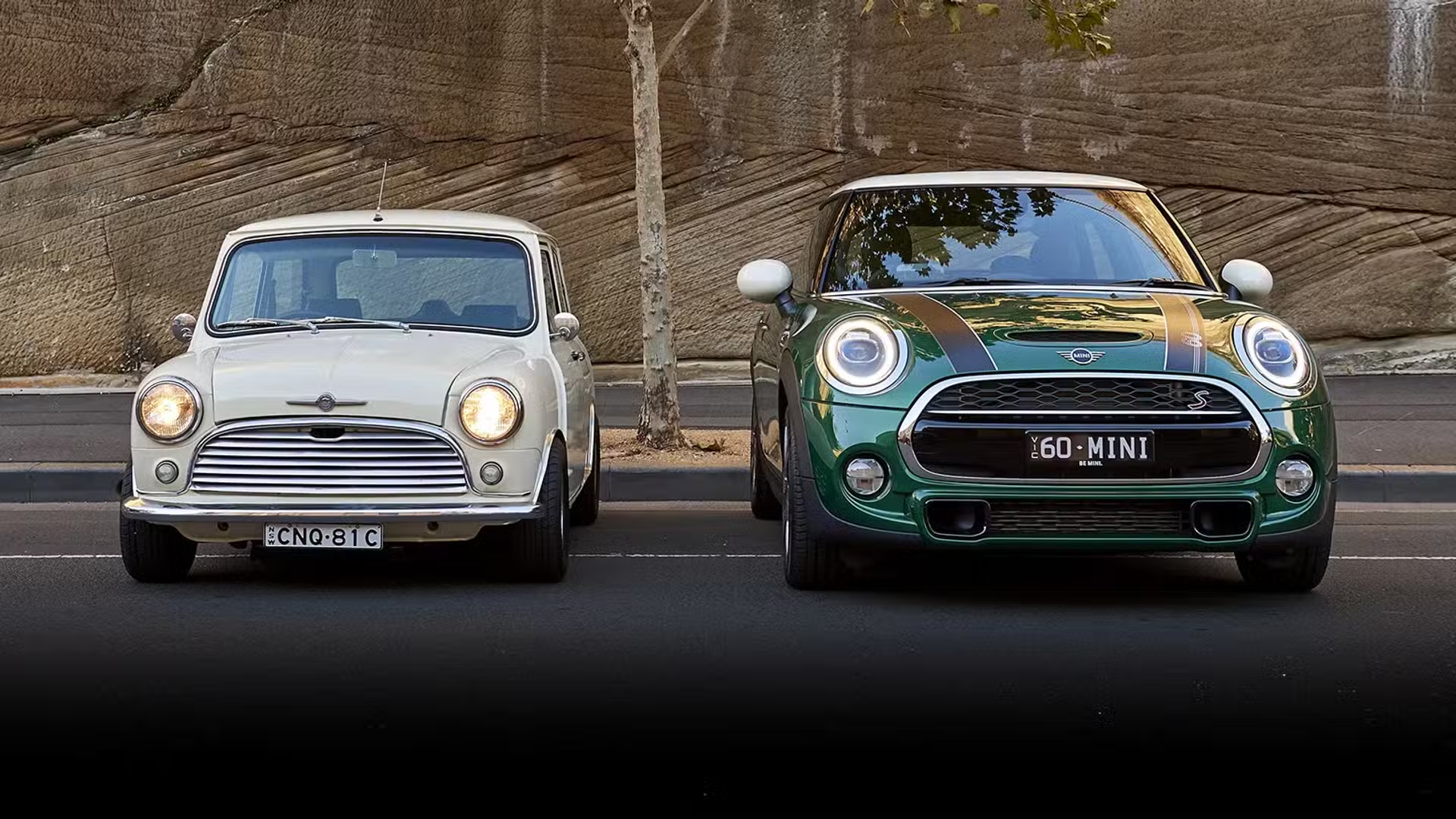
Mini Cooper (Early 2000s Models)
Mini Coopers from the early 2000s are often viewed as charming, unique, and fun to drive—but unfortunately, they are equally known for their disappointing reliability. BMW’s ownership of the brand brought a European engineering influence to the Mini, but it also introduced complex components that weren’t always suited for the long-term durability needed in North American markets.
Many Mini owners quickly discovered that the initial excitement of owning a quirky, stylish vehicle gave way to a burdensome cycle of repairs and costly maintenance. Reliability surveys during this era consistently placed the Mini Cooper near the bottom of the rankings.
In some cases, engines failed, requiring replacement. Oil leaks, overheating, and high oil consumption were also widespread, especially in higher-mileage cars. These engine problems often appeared early in the vehicle’s life, sometimes before 70,000 miles, which was unacceptable for a car of its class.
Transmission troubles were another recurring theme. The Continuously Variable Transmission (CVT) offered in the base models was particularly problematic, with many units failing before 100,000 miles. Replacement costs for the CVT were so high that many vehicles were simply scrapped or sold at a loss.
Manual transmission models were more robust but still suffered from clutch wear and gearbox problems. For a car that marketed itself to young, enthusiastic drivers, the fragile nature of these drivetrain components proved to be a major drawback.
Electrical gremlins also plagued early Mini Coopers. From malfunctioning window regulators to faulty power steering pumps and random warning lights, the electrical system lacked reliability.
The power steering pump, which was electrically driven, was prone to overheating and failure, sometimes even catching fire. These issues not only posed an inconvenience but also introduced safety concerns. Unfortunately, many owners had difficulty obtaining quick repairs due to limited parts availability and labor-intensive repair procedures.
While the car certainly had personality and driving charm, the frequent visits to the shop and the cost of ownership made it a poor long-term choice for many. Today, the early 2000s Mini Cooper is a classic case of style over substance in the used car market.
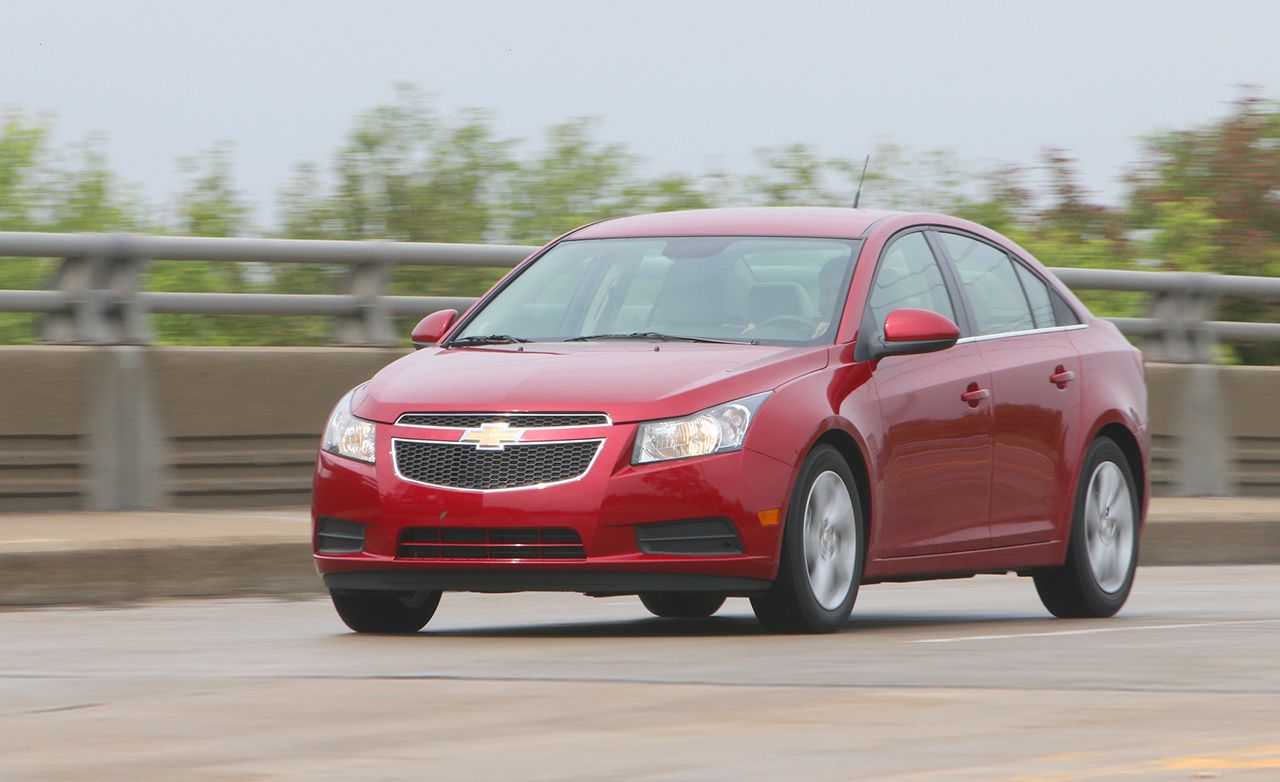
Chevrolet Cruze (2011–2015 Models)
The Chevrolet Cruze from the early 2010s was initially marketed as a solid, affordable compact car that combined modern styling, fuel efficiency, and technology. GM intended it to compete directly with reliable rivals like the Toyota Corolla and Honda Civic.
Unfortunately, the Cruze failed to live up to its promises in several key areas, especially in terms of long-term durability. Owners began reporting reliability issues relatively early in the car’s lifespan, and the model quickly gained a reputation for frequently needing repairs. For many, the Cruze experience meant repeated visits to the mechanic, even when basic maintenance had been followed closely.
One of the most significant and consistent issues was with the Cruze’s 1.4-liter turbocharged engine. While this engine was designed to offer efficiency without sacrificing power, it turned out to be quite problematic. A common failure point was the water pump, which tended to leak or fail completely around 50,000 to 70,000 miles.
In some cases, these failures led to overheating and further engine damage. The thermostat housing and coolant system components were also notoriously weak, leading to repeated cooling system issues. These problems not only affected the car’s drivability but also caused stress for owners who were forced to pay out of pocket for costly repairs.
The Cruze also suffered from an unreliable automatic transmission, particularly in early production years. Harsh shifting, gear slipping, and complete transmission failures were commonly reported. For many drivers, these issues began to appear just as the factory warranty expired, adding to the frustration.
In some cases, dealerships were reluctant to acknowledge or cover the problems under warranty, leading to a breakdown in customer trust. The transmission’s sensitivity to heat and fluid degradation meant that even a small lapse in maintenance could lead to expensive consequences, leaving owners in a constant state of anxiety over their vehicle’s future performance.
Electrical issues further contributed to the Cruze’s poor reputation. Owners regularly reported problems with faulty ignition switches, malfunctioning dashboard displays, and unpredictable warning lights. The car’s engine control module (ECM) and sensors would sometimes fail or send incorrect signals, leading to incorrect engine codes and misdiagnoses.
Power accessories like windows, door locks, and infotainment systems were prone to glitches, and in some cases, electrical faults caused the vehicle to shut down while driving. These reliability concerns turned what was intended to be a simple, affordable car into a financial burden for many.
Finally, the Cruze’s build quality left much to be desired. Interior materials wore out quickly, particularly the seat fabric and dashboard plastics. The cabin became prone to squeaks and rattles within a few years, contributing to a feeling of cheapness that disappointed many buyers.
