
Classic sport utility vehicles have long held a special place among collectors and automotive aficionados. In recent years, as tastes shift toward rugged style, usable off‑road capability, and nostalgia, many classic SUVs are seeing renewed demand.
These machines are not just transportation; they represent eras of design philosophy, mechanical simplicity, and cultural significance. In 2025 certain models are standing out because they combine relative rarity, strong provenance, parts availability, and enough performance or character to justify rising values.
For buyers and owners this signals both opportunity and responsibility. Opportunity because a well‑chosen classic SUV can show strong appreciation, responsibility because maintenance, authenticity, and documentation matter more than ever.
Some SUVs become collectible because of their history, others because they embody iconic styling or performance. Some have cultural cachet in film, television, or among off‑road communities. Others are simply built well with rugged frames, desirable mechanical layouts, or unique features that modern equivalents often omit.
As collectors realize that owning one of these SUVs is a statement of both taste and durability, prices climb. Auction results, limited production runs, and scarcity of well maintained originals all drive that trend.
This article examines ten classic SUVs that in 2025 are showing clear upward value trajectories. Each has its own story: maybe a particular model year change, complications of rarity, or unique combination of abilities. Some are from the United States, others from Europe, Japan, or Australia.
Some are extremely basic; others were pretty luxurious in their time. All share a firmness in value that many modern cars lack. Some are still affordable for many enthusiasts; others are for serious collectors who both want to drive and preserve.
When considering buying one of these rising classics it helps to know what to look for: originality of drivetrain, corrosion free body, matching numbers, documentation, condition of interior, mechanical service history, and authenticity of parts. Inflation in the classic SUV segment makes mistakes expensive.
But for those who do their homework the rewards can be great: enjoyment of driving history, owning something unique, and financial gain over time. Without more ado here are ten classic SUVs that are gaining value in 2025 and what makes each special.
1. Toyota FJ40 Land Cruiser
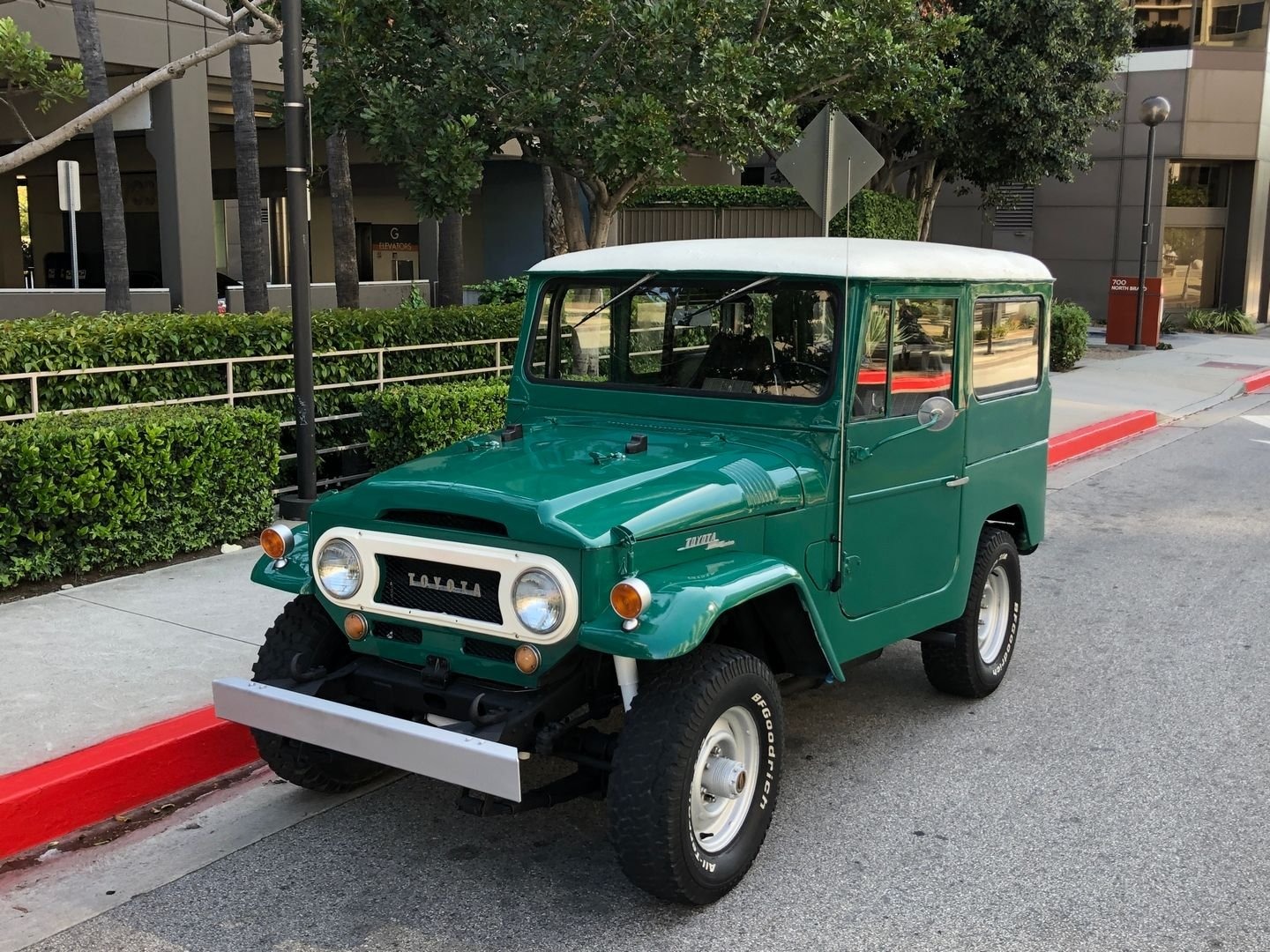
The Toyota FJ40 Land Cruiser has long been admired for rugged simplicity and rock‑solid reliability. Originally built from the 1960s through early 1980s, it earned trust in remote areas for its off‑road capability and minimal electronics.
Many surviving FJ40s still ride on leaf springs and solid axles. That mechanical purity appeals in 2025 among enthusiasts who value simplicity over the complexity of modern SUVs. Parts availability has improved via the aftermarket, and Toyota’s reputation means that even decades old components are engineered well and replacement or restoration parts are often accessible.
Rarity of good condition FJ40s is helping values rise. Many were used heavily, exposed to harsh climates, corrosion, or owner neglect. Restored examples or those in “barn find” state with rust controlled are increasingly rare. Collectors prioritize chassis condition, drivetrain matching, and preservation of original components such as bumpers, glass, and interior trim.
The more original the vehicle, the more its value tends to rise. Modified ones with lifted suspensions or non‑stock engines can be desirable in some markets but often fetch less than those that retain factory specification when targeting classic value.
Cultural cachet plays a role. FJ40s are regularly featured in off‑road magazines, social media, and gatherings where overland vehicles are featured.
Their distinct boxy silhouette with round headlights, rugged front grille, and simple sheet metal remain iconic. That aesthetic draws attention both from those who appreciate vintage vehicles and from designers seeking nostalgia. This means that nicely restored examples are more likely to command premium prices at auctions or private sales.
Price trajectory in 2025 shows strong gains. Particularly FJ40s from late 1970s, with clean older restorations or well‑preserved originals, have appreciated significantly. Buyers are willing to pay more for units with known history, minimal rust, and stock mechanicals.
Even as gas prices, import restrictions, or shipping costs rise, the desirability of the FJ40 remains high. Those who own one in good condition are often reluctant to sell, which reduces supply further. All these factors conspire to push values upward.
2. Classic Range Rover (1970‑1996, First and Second Generation)
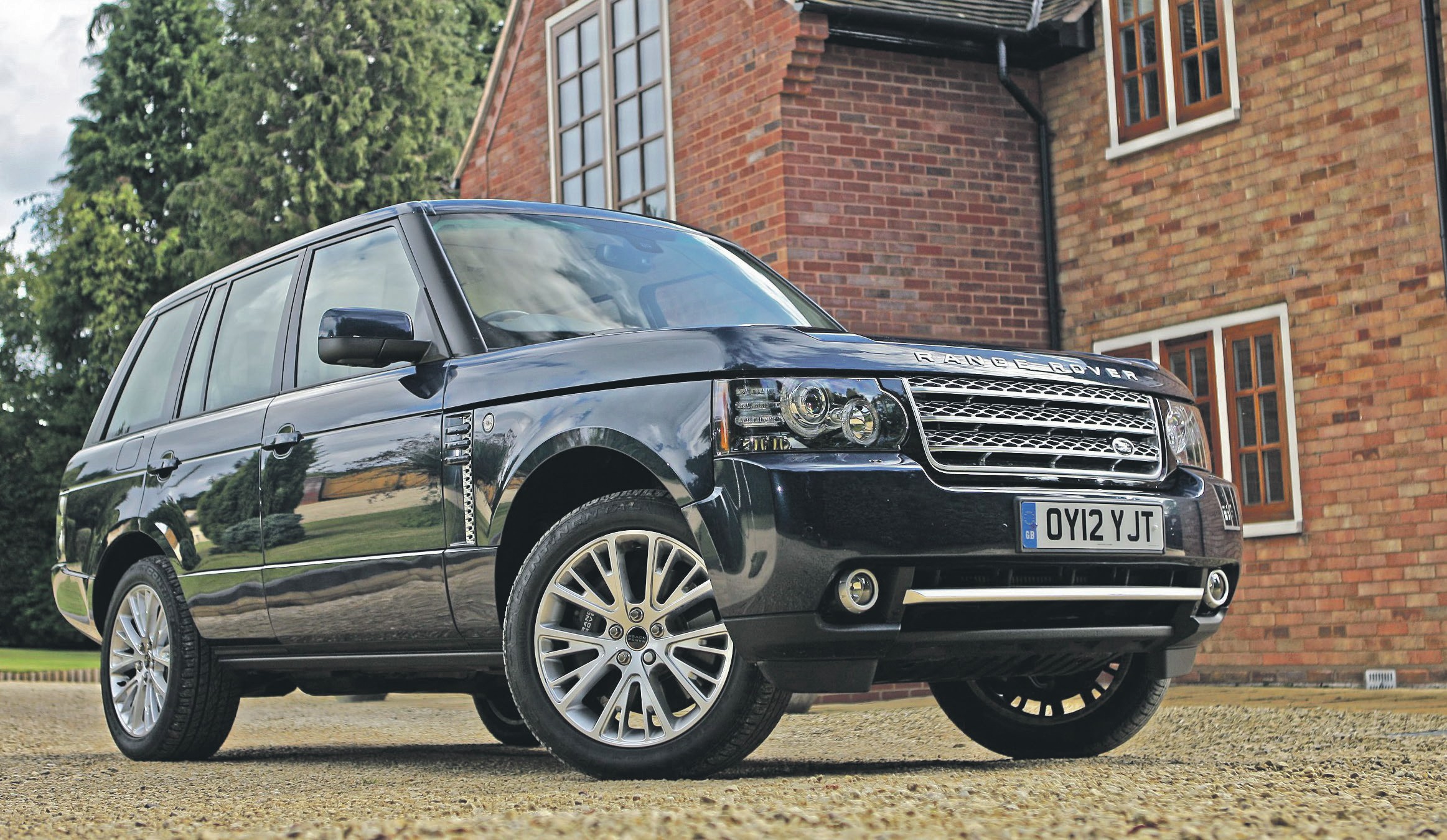
Range Rover’s first and second generation SUVs are becoming more collectible than many people expected. The early models have strong pedigree as vehicles that blended luxury and off‑road capability. The British heritage, the classic wedge‑like lines, and the famous brushed aluminium grille and wood trim combinations still draw admiration.
In 2025 these Range Rovers are prized for being among the oldest SUVs to combine reasonable comfort with serious capability. Their full‑time four wheel drive, coil springs, and permanent differentials set them apart from the rugged trucks of their time.
Mechanical issues especially rust have traditionally held these models back. But as better restoration techniques and improved protective coatings are applied, more survivors are appearing. Dealers and restoration specialists are learning ways to repair rust in rocker panels, roofs, sills, and floor pans without destroying originality.
Engines like the 3.5‑litre V8 or Rover V8 are robust when maintained. Buyers willing to invest in mechanical overhaul and body rehabilitation are rewarded, because once fixed, these classic Range Rovers offer a driving experience modern SUVs often cannot match: quiet comfort combined with real drivetrain capability.
In terms of market trends 2025 has shown strong interest especially in early short wheelbase (SWB) versions, manual transmissions, lower mileage, factory two‑door models. These are rare.
Also, those with desirable trim combinations, such as classic velour seats, wooden dashboard veneers, and original alloy wheels, are commanding premiums. Collectors are showing preference toward as much original material as possible. As originality increases, restoration modifications (even tasteful ones) sometimes detract from value among purists.
Because many variants were built in the 1980s and early 1990s, versions with surviving documentation, matching VINs, and service records are rare. Vehicles kept in dry climates, off‑road lightly, or garaged are especially prized. Value gains are strongest in such vehicles.
Range Rover’s reputation, its presence in popular media, and its status symbol appeal in many markets mean import costs, shipping, and registration fees are less of a deterrent for serious buyers. Price appreciation has been especially good in Europe, North America, and parts of Asia where classic vehicles are treasured.
3. Jeep Cherokee XJ (1984‑2001)
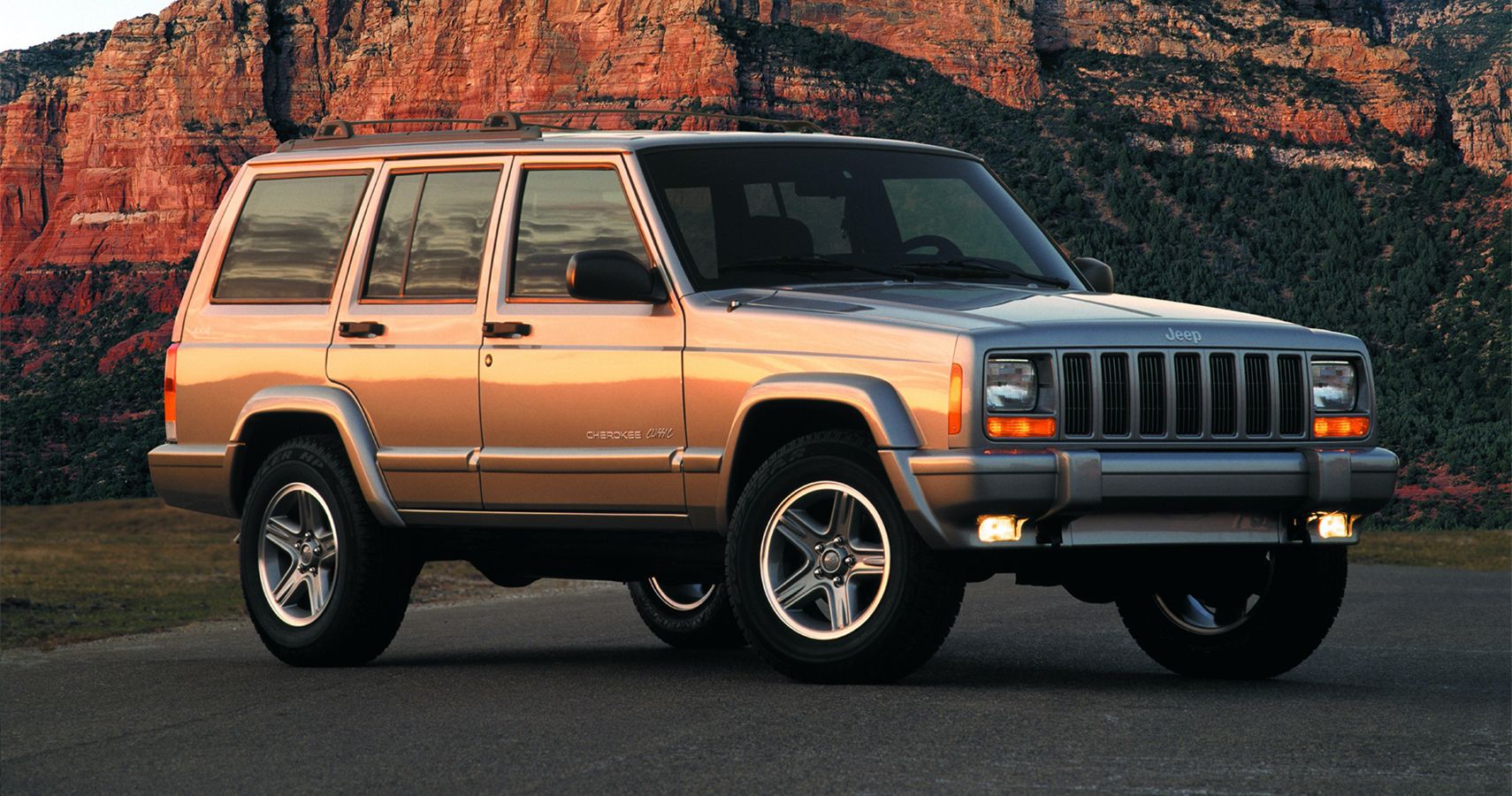
The Jeep Cherokee XJ series is being reevaluated by collectors as one of the most durable compact‑size SUVs ever built. Its unibody design, solid front and rear axles, simple suspension geometry, and relatively light weight combined to make it both tow capable and maneuverable off‑road.
In 2025 younger enthusiasts are discovering the XJ’s potential for overland builds or restomods. The spare parts ecosystem is still decent; aftermarket support for drivetrains, suspension parts, and body panels remains strong which helps reduce the risk for restoration.
Authenticity is crucial. Buyers are keen to find XJs with original 4.0‑litre inline six engines, manual transmissions, desirable trim levels. Many vehicles had optional features that today are rare, for example upgraded stereos, power windows, or cloth/leather interior packages.
Vehicles that have had minimal rust, proper service history, and are in the hands of owners who cared for maintenance are rising more in price. High mileage alone is less of a demerit if the engine has been well maintained and the interior and body are strong.
Certain years are more desirable. The late 1980s through the early 1990s where the XJ had improvements in safety, comfort, but still retained mechanical simplicity seem to show best value gain.
There is also increasing demand for two‑door versions and models with desirable combinations such as four‑speed automatic or five‑speed manual paired with four‑wheel drive. Custom builds, mild restomods, or lightly modified vehicles that respect the original look are also selling well, though stock originals continue to lead the highest valuations among serious collectors.
Another factor pushing value upward is media exposure and community support. Off‑roaders, YouTube channels, and social media pages are showing the XJ in overland builds, expedition use, and even as daily drivers. That raises awareness of what constitutes a good example.
As more people become aware of rare original pieces, prices for clean unrestored or well restored examples go up. Also, Ponchos and accessories that came with certain models are being swapped or kept, adding to perceived value for complete examples.
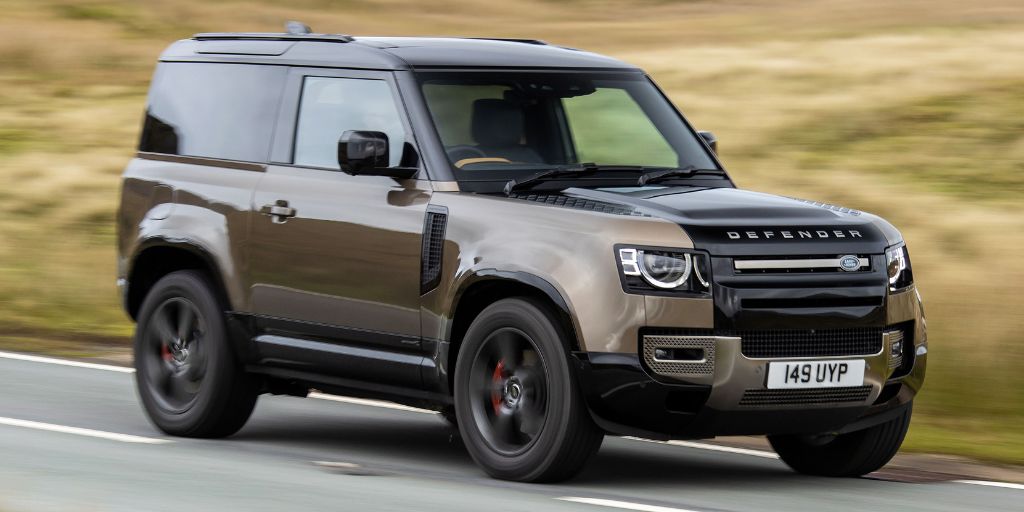
4. Land Rover Defender (classic 90/110 series, pre‑2016)
The Land Rover Defender 90 and 110 series, particularly those built before the major modernization in 2016, are highly coveted in 2025. These models have steel bodywork, live axles, simple electronics, manual gearboxes in many cases, and iconic utilitarian styling.
Their shape, the side‑hinged rear door, and rugged walk‑through door layouts make them immediately recognizable. In many markets they have become symbols of both heritage and off‑road authenticity.
The Defender’s capability in rough terrain, its legendary ability to cope with mud, water, and steep gradients continue to impress users who still want to drive, not merely display.
Value has risen because supply is shrinking. Many Defenders have been used in agriculture, as remote service vehicles, or for heavy work. They suffer corrosion, mechanical wear, or unsympathetic modifications.
Good preserved or properly restored examples are less common. Those that retain original wheel arches, floor pans, bulkheads, and the famous Salisbury axles are valued. Vehicles that have been sympathetically maintained, with documentation, and with minimal rust are drawing high interest.
There is also an appeal in certain variants: special editions, right‑hand or left of origin depending on collector location, factory hard top or soft top, and versions with minimal extra weight, or those built with lighter body features for export to harsh climates.
Shampoo or accessory packs which came with original tooling or expedition gear can enhance value. Interiors that retain original seats, basic heating rather than full air conditioning, and manual or classic automatic gearboxes add to desirability among purists.
In markets where import and registration restrictions favor older, simpler vehicles, classic Defenders are particularly prized. Even with the cost of shipping, parts, and restoration, many buyers are finding that acquiring a defender and bringing it up to good condition still costs less than purchasing an equivalent modern SUV with comparable off‑road capability.
Auction sale prices for well preserved pre‑2016 Defenders have risen sharply. Those that recently changed hands often had long waiting lists of interested buyers long before the sale date.
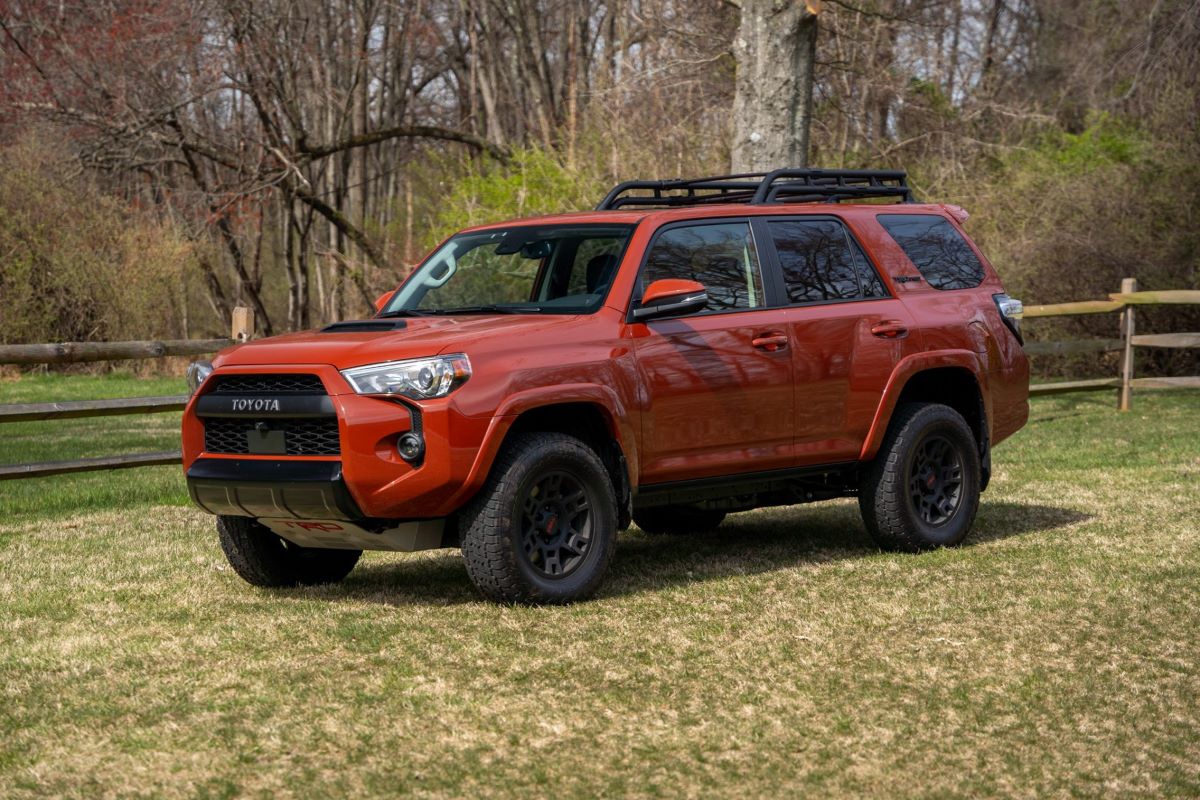
5. Toyota 4Runner (first‑ and second‑generation, especially SR5)
Toyota’s 4Runner models from the first and second generation are increasingly viewed as classic SUV investments. Built in the 1980s and early 1990s, these 4Runners combined durable Toyota mechanicals with the versatility of a removable top or optional four‑wheel drive.
Their relatively light unibody or body‑on‑frame designs, dependable straight‑six or early V6 engines, wide parts supply, and off‑road reputation make them especially appealing in 2025. While many have been used heavily or modified, those with original drivetrains and good body condition are rising most in value.
Original trim and specification matter. The SR5 trim level, which typically included upgraded interior features, better audio, and optional extras like sunroofs or power accessories, often distinguishes higher value vehicles.
Models with factory paint, original upholstery, and minimal rust are rare. Buyers also search for units that have not been badly modified or lifted to extremes. Mild suspension upgrades are acceptable in many quarters but overbuilt changes often reduce appeal in collector markets.
Another driver of value is versatility. First and second generation 4Runners have usable cargo space, roof racks, and off‑road capability that remains functional. Many owners use them for overland travel, weekend adventures, or simply as durable outdoor vehicles.
Those that have been kept mechanically sound, with solid frames, good glass, intact body seals, and responsive engines, are more likely to hold or increase value. Fuel economy is modest by modern standards but many buyers accept that in exchange for character and capability.
Increasing interest from overseas markets adds pressure to values. Importers in regions where classic status grants registration advantages are paying more.
Enthusiast communities sharing tips on restoration, sourcing parts, and maintenance raise awareness of which units are best. As more people compete for limited numbers of clean originals, prices for the nicest first‑ and second‑generation 4Runners are climbing sharply.
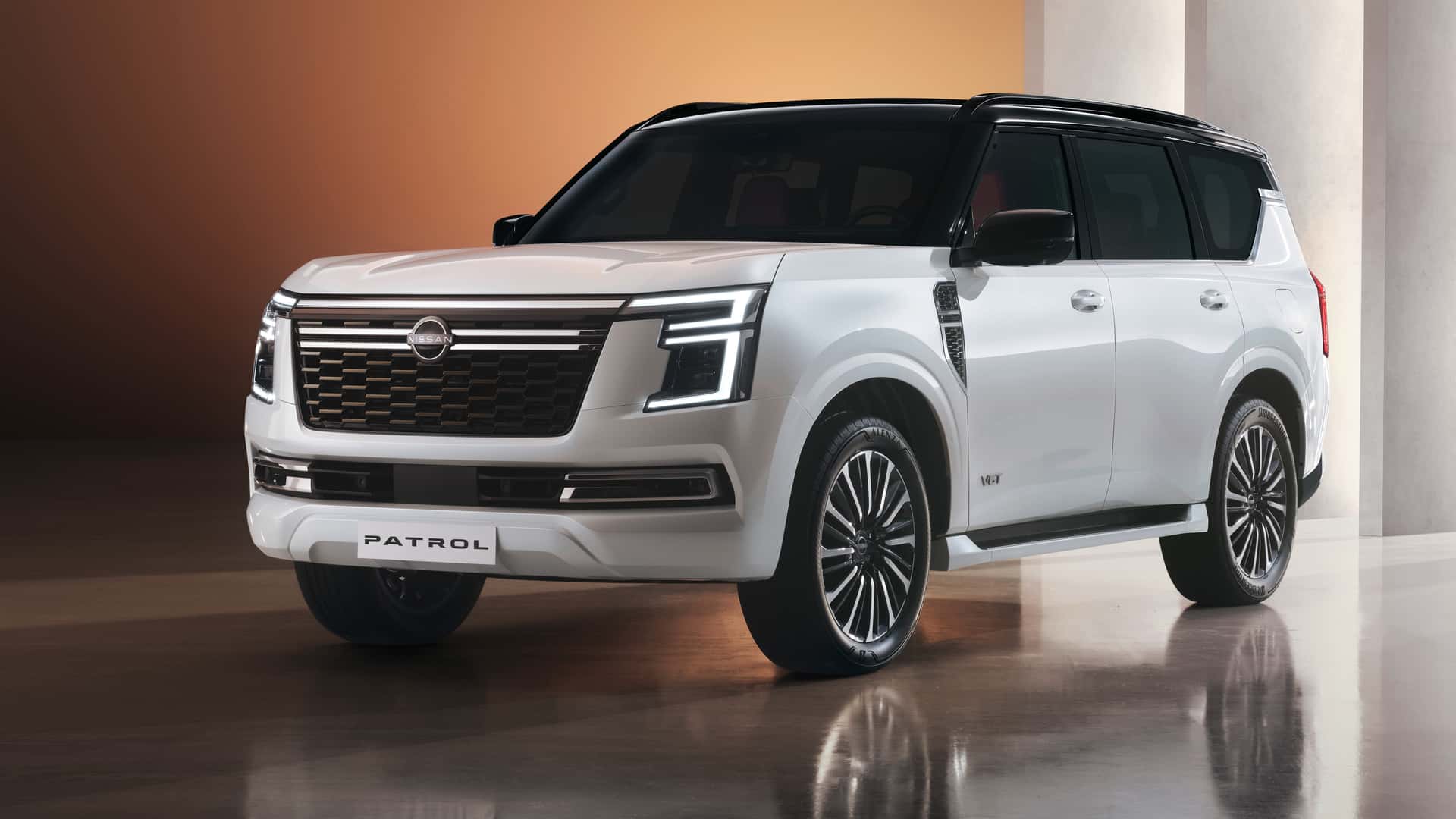
6. Nissan Patrol (particularly early 4×4 versions, Y60 / Patrol GQ)
The Nissan Patrol Y60 (known also as the GQ in some markets) is gaining collector attention in 2025. Built in the late 1980s and early 1990s, it features strong body‑on‑frame construction, solid axles, simple drivetrain options, and capacity for heavy-duty work.
For many years these were used as work trucks, expedition vehicles, or in remote zones. Many have rust, gearbox wear, or interior wear. Those that escaped heavy abuse and have been maintained or refurbished are increasingly rare and more desirable.
Originality in engine and drivetrain is important. Patrols with the six‑cylinder diesels or petrol motors that are original are preferred. Matching transfer case, proper four‑wheel drive engagement, and good condition underbody are critical.
Interior trim pieces, dashboards, correct seats, and factory gauges add to value. Vehicles with non‑standard replacements or modifications are often judged less favourably among serious collectors unless modifications are reversible.
Design and purpose contribute to its rising status. The Patrol Y60 has impressive ground clearance, ample torque, and reputation for toughness. Often deployed in arid terrains, desert expeditions, or mountainous regions, they have proven themselves under harsh conditions.
That reputation bolsters demand from buyers who want something proven rather than trendy. A Patrol that still runs well, has clean chassis, and does not rattle or creak becomes more appealing in comparison to newer SUVs loaded with electronics that often degrade with time.
Strong interest internationally, especially from places where off‑road capability is essential, helps drive prices. Import demand from enthusiasts in Europe, North America, Australia is pushing values upward.
Also restored examples with upgraded braking, mild suspension work, or improved interiors (while retaining factory layout) are fetching more. Auctions and private sales show that Patrols in good condition are trading for sums that used to be reserved for more glamorous badges.
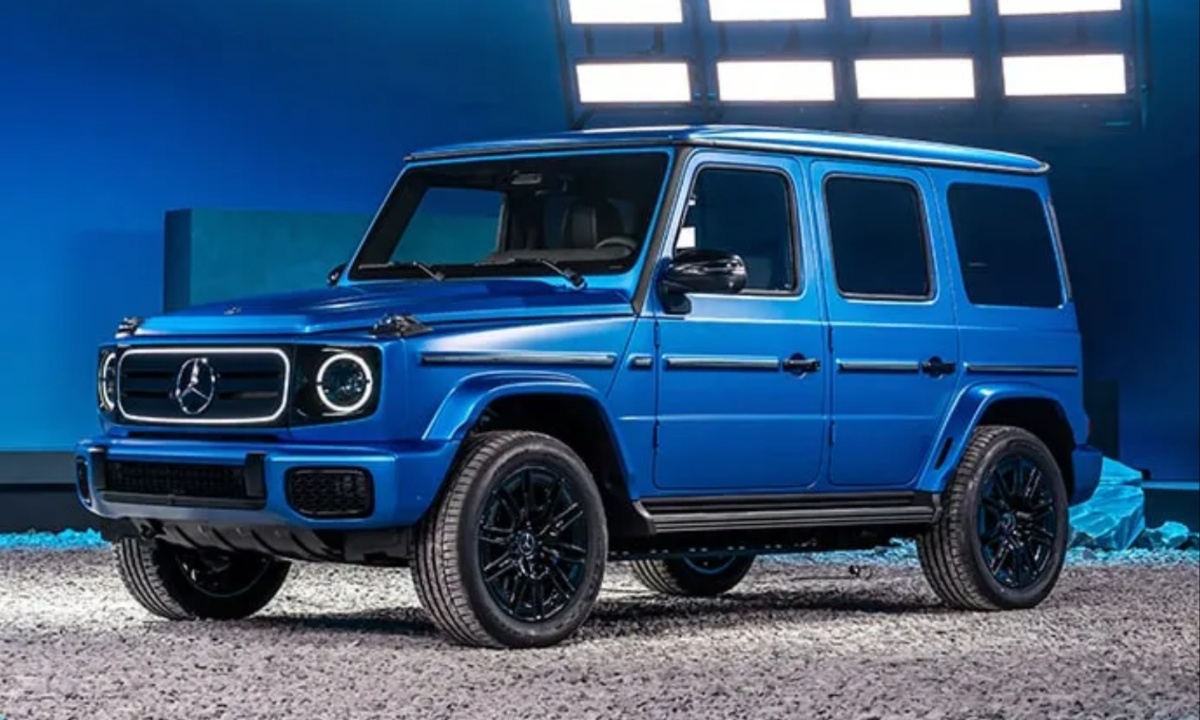
7. Mercedes‑Benz G‑Class
The Mercedes‑Benz G‑Class has been an icon of rugged luxury for decades. Early versions from the 1970s through the 1990s are especially desirable now.
These models have boxy bodywork, robust ladder frame structure, simple mechanicals in many cases, and a reputation for durability that matches their premium image. Many were built for military, agricultural, or commercial duty before luxury appointments became the norm. That heritage adds authenticity, which collectors prize in 2025.
Values are rising especially for G‑Classes with manual transmissions, solid lockers, simplified interiors, minimal modern electronics. Purists look for early military spec variants or models with heavy duty leaf springs or early coil suspensions.
Matching engine blocks, original benches or seat covers, correct badges, correct wheels matter. Vehicles that have been modified with non‑factory panels or heavy restyling are usually less valuable unless modifications are reversible and documented.
Another factor supporting their rise is the dual appeal of off‑road prowess and prestige. A classic G‑Class offers the look and aura of a high‑end luxury item but retains serious capability. That allows them to attract both collectors and affluent buyers who want usable heritage rather than show only.
They perform respectably off‑road when well maintained, and many owners drive them regularly. They handle mud, snow, and rough roads better than many modern luxury SUVs that sacrifice capability for comfort.
Supply is constrained. Rust in floor pans, frames, doors, and roof panels is a common problem. Early examples often need restoration. Very few survive in totally original condition with service records intact.
As more of them are restored authentically, those which remain unrestored or minimally altered become more rare. Auction houses have recorded sales where early Mercedes Gs in good condition command prices once reserved for exotic cars.
8. Ford Bronco (first generation, 1966‑1977)
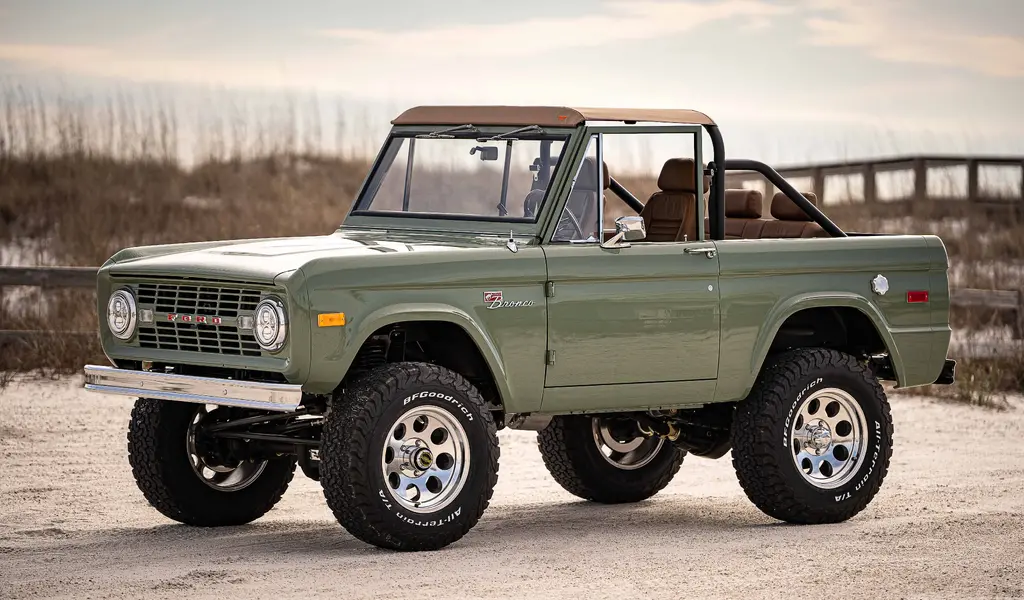
The first generation Ford Bronco built between 1966 and 1977 is one of the classic American SUVs now seeing strong value gains. Designed initially for compact off‑road use, it had short wheelbase, simple powerful engines, minimal creature comforts, and a rugged character.
Over the years it has become symbolic of American adventure, beach culture, and classic styling. Demand for undamaged or nicely restored examples has been increasing in 2025 among both domestic and international buyers.
Original parts and matching numbers are essential. Engines, transmissions, axles, and body panels that are correct for year and model add premium. Also trim details like seat patterns, steering wheel styles, badges, taillights are important.
Many surviving early Broncos have been modified heavily or rusted out. Those that have remained in good shape or have been correctly restored are commanding rising prices. Buyers paying more for units with original drivetrain and minimal body patching.
Street presence and design appeal matter. The Bronco’s upright windshield, removable top, prominent grille and round headlights make it instantly recognizable.
When done well, restorations which pay attention to finish, paint colour authenticity, and interior detail do very well in resale or auction. Bronco‑owner networks, clubs, vintage adventure tours, and media have boosted awareness. That helps create peer value: when similar examples are selling well, others follow.
Regulatory and import costs can affect value depending on region. But for collectors willing to absorb shipping and restoration costs, the Bronco offers good return potential.
Especially two‑door short wheelbase units, factory V8s, and good matching bodies are rising fastest. Vehicles that have spent long periods in dry climates and avoided rust are in greatest demand. Consequently their scarcity is pushing up value more than modest ones.
9. Chevrolet Blazer K5 (1969‑1991)
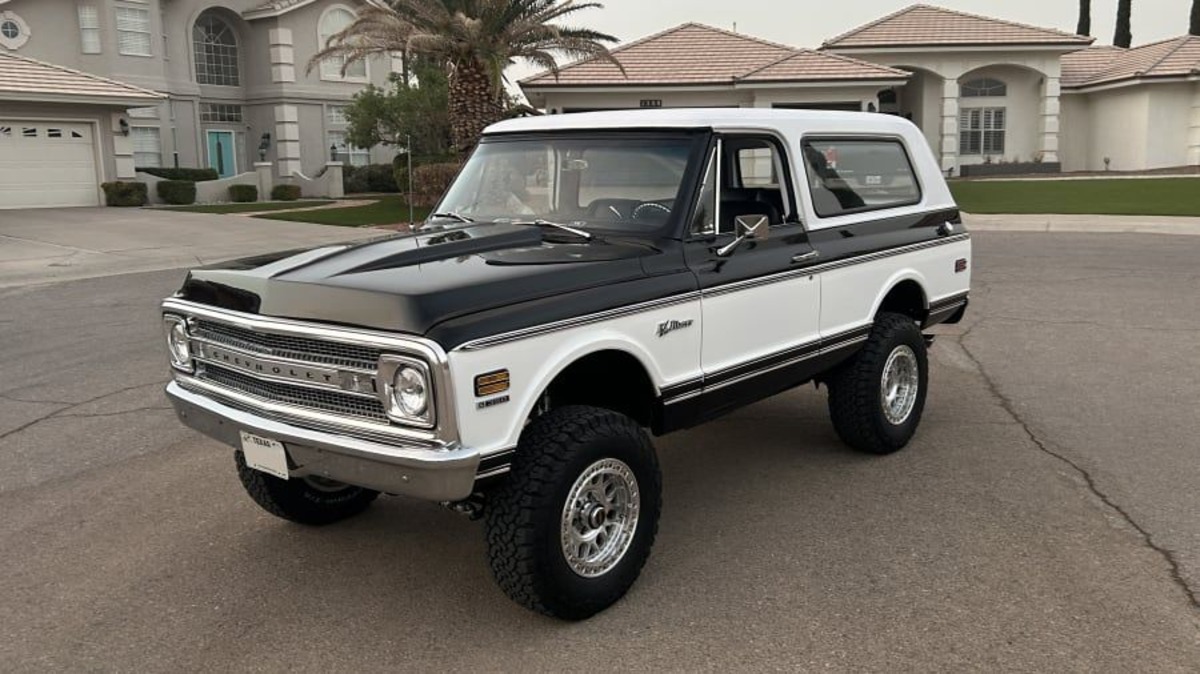
The Chevrolet Blazer K5 is one of the American full‑size SUVs whose classic status is growing. Built with rugged frames, large displacement V8 engines, heavy axles, and capable four wheel drive, the K5 was designed for serious towing, hauling, and trail duty.
Over time many have been modified, repowered, or worn out. In 2025 interest is strongest in those that retain original drive train, correct four wheel drive components, and original trim. Buyers favor clean bodywork, solid frames, and correct interiors more than highly customized show vehicles in many cases.
Desirability is also driven by style. The Blazer’s long hood, big chrome bumpers, simple slab sides, big wheels and large glass areas speak to a period of bold American design.
As tastes return toward those classic proportions many buyers prefer these over modern SUVs with swoopy styling and plastic cladding. The chrome work, distinctive grille, and large variants with windows behind the rear wheels are especially sought after. Vehicles retaining factory paint colours or correct matching repaint colours fetch higher prices.
Use and condition matters. Many K5s have seen harsh winters, rust, damage or extensive modifications. Those with minimal rust, good frame condition, and usable interior trim parts are more valuable.
Complete restored examples with correct engine options (such as big V8s), Four Wheel Drive engagement, and factory wheels often lead sales. Also well documented maintenance history, clear title, and honest restoration practices increase buyer confidence.
Because of rising fuel costs and stricter emissions, K5s are not always practical for everyone. But for buyers who accept their thirst and are attracted to size, power, and style, the K5 becomes compelling. In several auctions and private sales in 2025, K5s in excellent condition have sold for sums that exceed what many expected just a few years ago. As fewer unrestored bodies survive, prices for good examples are rising sharply.
10. Toyota Land Cruiser 80 Series
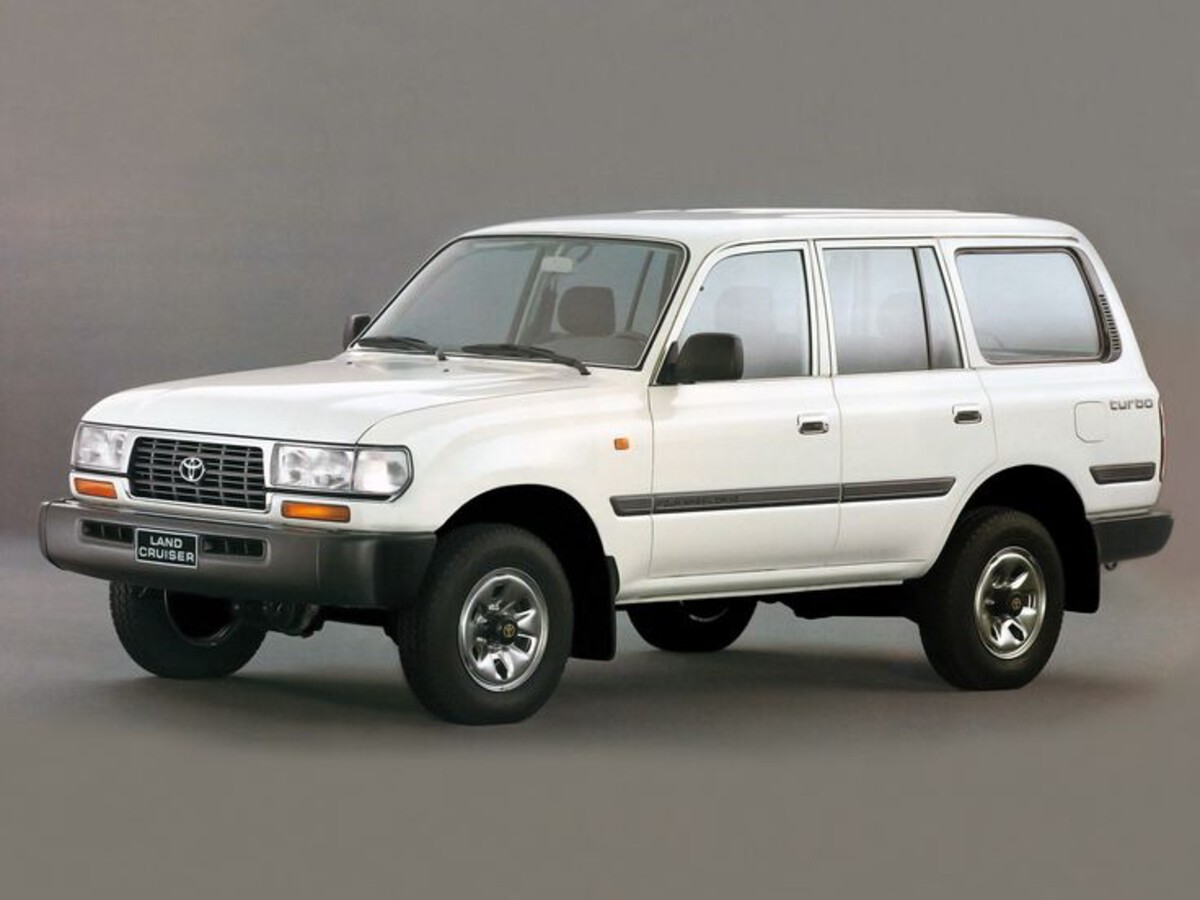
The Toyota Land Cruiser 80 Series, particularly from the early to mid‑1990s, is increasingly seen as one of the most desirable classic SUVs. The 80 Series combined reliable Toyota six‑cylinder petrol and diesel engines, strong chassis, locking differentials on many trims, excellent suspension articulation, and a reputation for lasting extremely high mileages.
Many were used as expedition or overland machines, meaning a reasonable number survive with upgrades. But those that are original, low mileage, and with matching drivetrain components command rising values.
Condition of the frame, body and drivetrain is essential. Many 80 Series SUVs are rusted in undercarriage, rock sliders, wheel wells. Those that have been well preserved in dry climate or stored indoors tend to have far fewer issues.
Matching transfer cases, undamaged differentials, correct transmission type (manual where offered), and original interior trim including seats, dashboards foot pedals increase desirability. Aftermarket parts are available, but correct factory parts remain more valuable in collector markets.
The 80 Series is appreciated both for utility and lifestyle appeal. Owners use them for overlanding, remote‑region expeditions, camping, or simply as reliable daily drivers where robustness matters. Their carrying capacity, roof rack options, large cargo space, and strong aftermarket support make them a versatile choice. Buyers often judge value by both how it drives and how faithfully it has been preserved or restored.
Price growth in 2025 reflects rising demand globally. Importers in many countries where classic SUVs are permitted are bringing in 80 Series models in good condition and paying premiums.
Clean low‑mileage right of origin models or those that have been lightly modified but preserved original appearance are trading for high sums. Rarity of unmodified examples, particularly in regions with harsh winters or salty roads, increases their collectible status.
11. International Harvester Scout II (1971–1980)
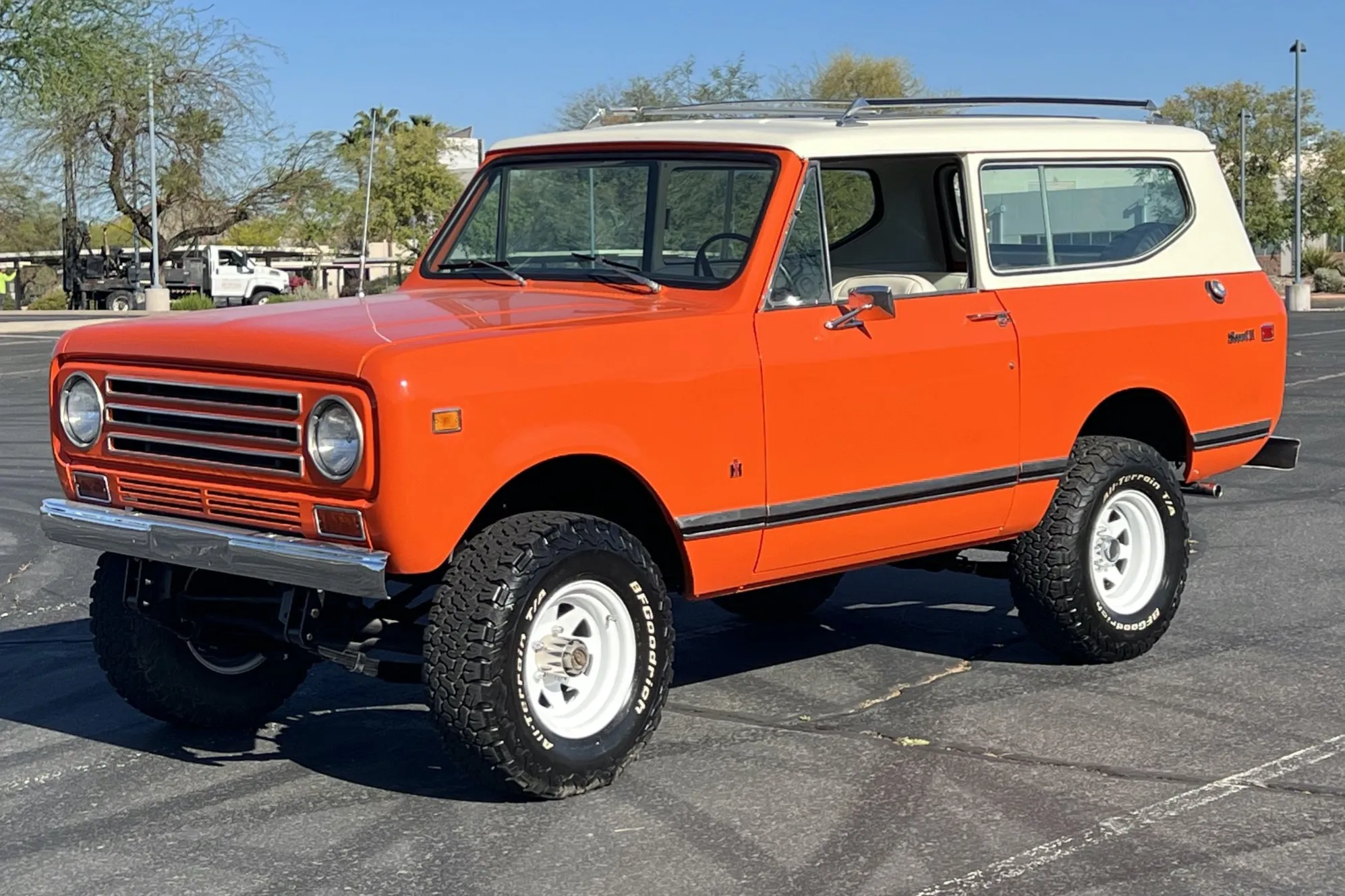
The International Harvester Scout II is gaining renewed attention in 2025 as collectors search for authentic, rugged American SUVs with personality and heritage. Built between 1971 and 1980, the Scout II was a response to early Broncos and Jeeps, but it carved its own path with solid engineering, a no-nonsense design, and impressive off-road ability.
Though the International brand is no longer a household name in consumer vehicles, the Scout’s loyal following has grown steadily, especially as enthusiasts seek vintage trucks that haven’t been overexposed in the classic SUV boom.
Originality is a major factor in rising values. The Scout II came in various trims, including Rallye, Traveler, and the Terra pickup version. Models with original factory paint schemes, uncut wheel wells, and matching drivetrain components are far more valuable than those that have been heavily modified or poorly restored.
Many Scouts were used in rural or off-road environments, and rust is a chronic problem, especially in the rear quarters, rocker panels, and floors. Buyers who find solid examples or properly restored units are paying increasingly high prices as clean inventory shrinks.
The Scout II’s mechanical setup appeals to traditionalists. It was available with several engines, including the 304 and 345 V8s, as well as inline-six options. The 4×4 system was robust, and manual transmission versions are now highly sought after. The simplicity of the drivetrain and ease of repair add to the model’s appeal.
Many owners choose to upgrade brakes, cooling, and ignition systems for reliability, but retaining the factory look is preferred for higher collector value. Aftermarket support has improved, but finding original parts still takes effort, which adds to the reward of ownership.
As the Scout name is being revived under new ownership (Volkswagen’s electric Scout is in development), renewed interest in the original has pushed prices upward. Nostalgia plays a part, but the Scout II’s honest design and real-world capability are what keep it desirable.
Unlike more mainstream classics, the Scout still feels like a hidden gem to many, and its values reflect a vehicle that’s moving from underappreciated to iconic. In auctions and private sales, clean examples of the Scout II are now demanding prices that rival those of more recognizable SUVs, and for good reason.
