
The 2000s were a transitional decade for the automotive world. It was a time when analog performance met digital precision, when reliability and engineering focus often took priority over infotainment screens and electronic gimmicks.
Many of the cars produced during this period hit a sweet spot, offering engaging driving experiences, solid build quality, and designs that have aged far better than some might expect.
While today’s cars may boast more horsepower, sharper emissions controls, or advanced driver assistance systems, there are still many vehicles from the 2000s that can hold their own in performance, engineering purity, and even desirability.
Modern cars are often heavier, more isolated, and sometimes overloaded with features that detract from the actual driving experience. The charm of the 2000s lies in how these cars balance old-school feel with modern enough technology to keep them relevant.
Whether it’s a high-revving naturally aspirated engine, a lightweight chassis, or a six-speed manual that hasn’t been phased out in favor of CVTs and automatics, these cars remind enthusiasts what it’s like to really drive.
Some of them weren’t necessarily the fastest on paper, but their blend of simplicity, feel, and raw character puts them on a different plane compared to many of today’s offerings.
Enthusiasts still seek them out, collectors continue to chase the cleanest examples, and for good reason: these machines were special then, and they’re still special now. Some may even argue they’re more rewarding to own and drive than what’s currently available at double or triple the price.
Also Read: 5 Engines That Handle Stop-and-Go Traffic vs 5 That Break Early
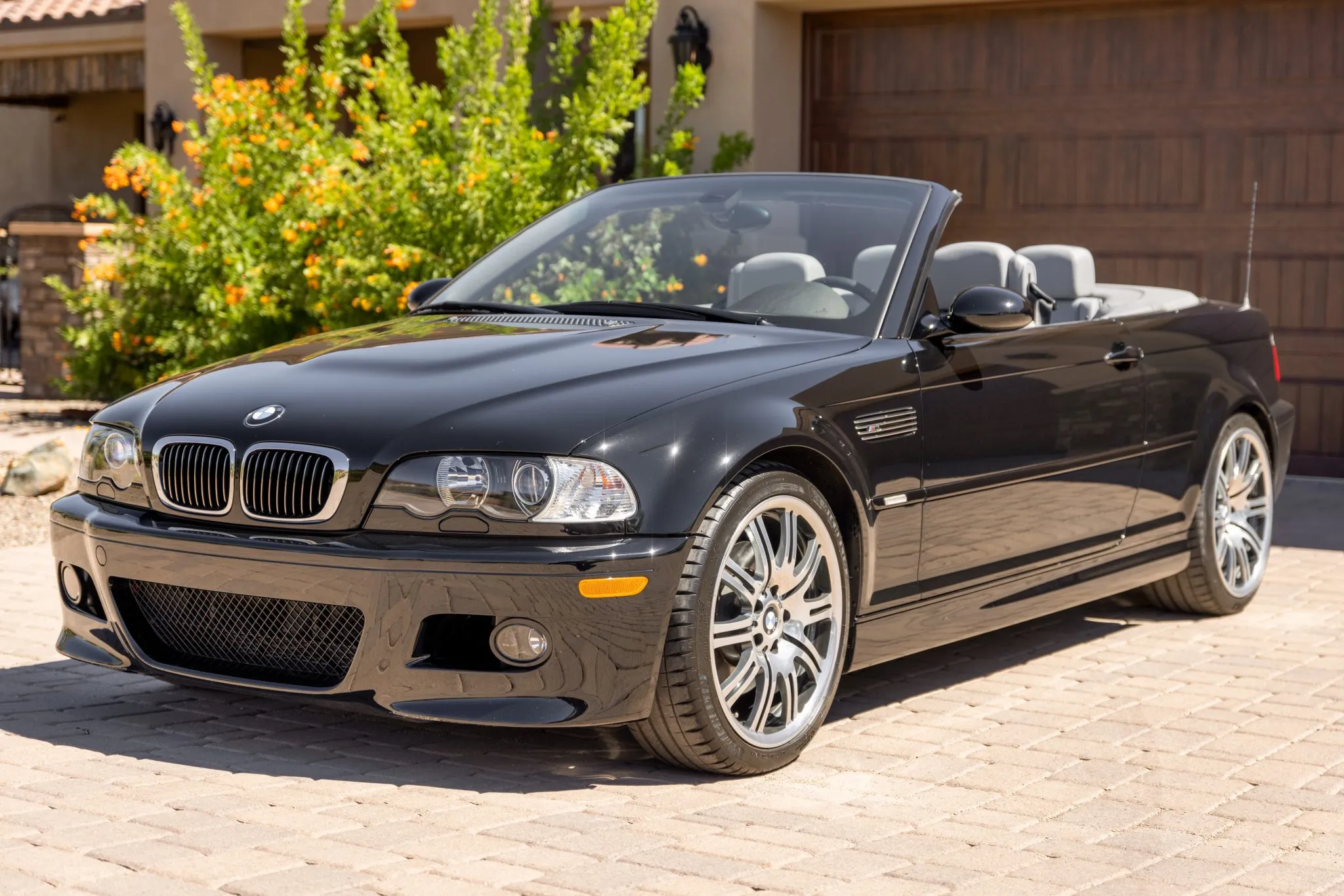
1. 2003 BMW M3 (E46)
The E46 M3 is often considered one of the best M cars ever made. It had a perfect blend of size, weight, power, and engagement. The 3.2-liter inline-six engine produced 333 horsepower and could rev all the way up to 8,000 RPM.
It was available with a manual transmission or the SMG gearbox, but purists often opt for the six-speed stick. The chassis balance, precise steering, and rear-wheel-drive layout gave it an agility and feedback few modern M cars can match.
Modern M cars are undeniably faster and packed with technology, but they’ve become significantly heavier and more insulated. The E46 still feels connected, with just the right amount of rawness that allows the driver to feel every aspect of the road.
There’s no fake engine sound pumped through the speakers, no overly complex drive modes to toggle through, just a seat-of-the-pants experience that never gets old. It’s no wonder these cars have held their value so well.
Another reason this M3 stands out is its size. Compared to today’s cars, it’s compact and manageable. You can place it easily on tight roads or winding mountain passes. That adds to the driver’s confidence, and the natural mechanical grip is something that doesn’t need electronic trickery to manage. It’s the kind of car that gets better the harder you drive it.
Reliability-wise, the E46 M3 has a few known issues, like the VANOS system and rear subframe, but these are well-documented and can be addressed. Once sorted, it becomes one of the most rewarding cars from that era. Even against modern competitors, the E46 M3 often feels more alive and more driver-focused.
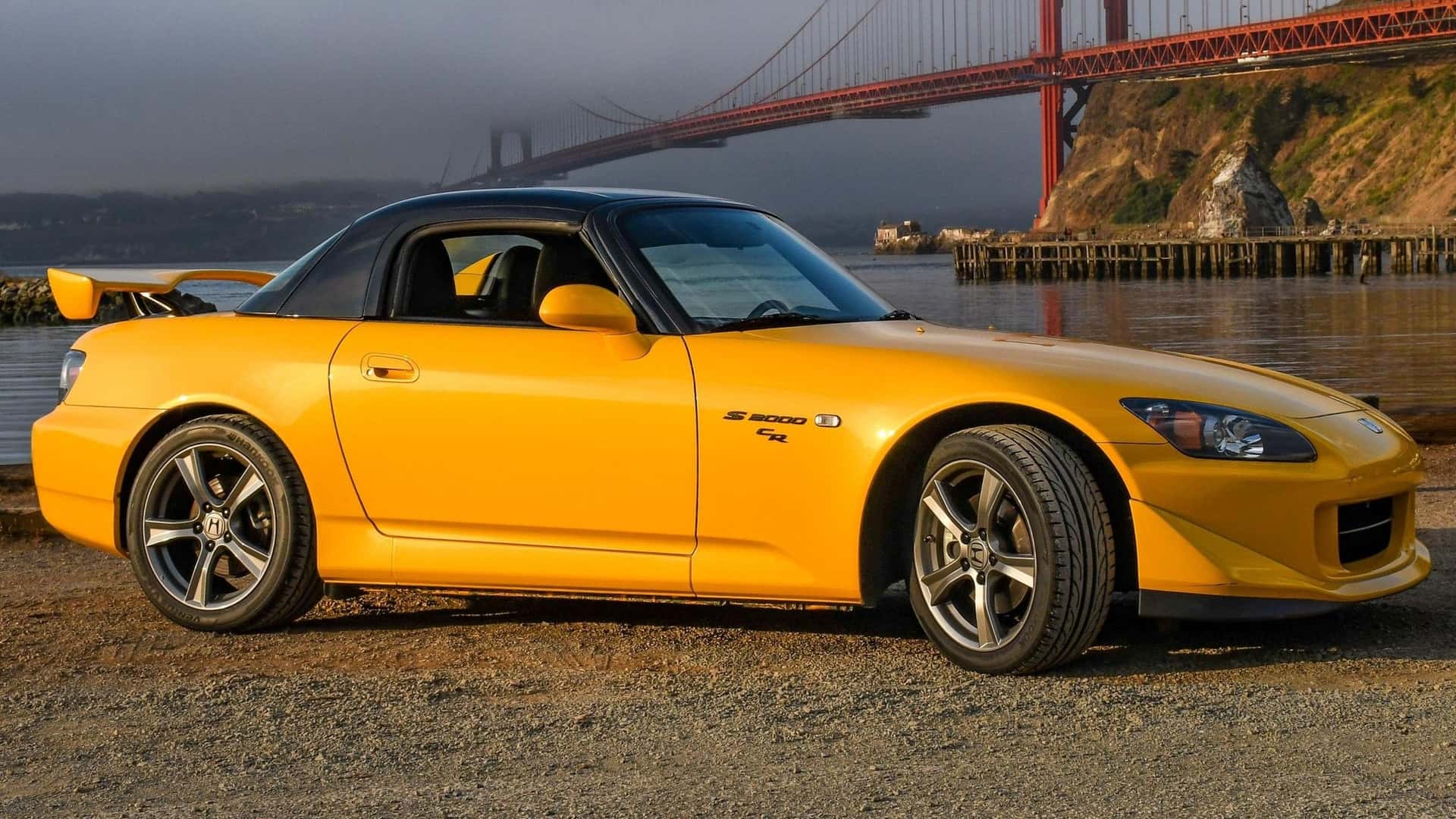
2. 2006 Honda S2000
The Honda S2000 is a car that built a reputation on high-revving thrills and precise handling. With a 2.2-liter four-cylinder engine revving to nearly 8,200 RPM, and a chassis that feels like it was designed around a race track, the S2000 remains one of the most engaging sports cars ever built. No turbochargers, no all-wheel-drive trickery, just raw, naturally aspirated purity.
The balance and lightness of the S2000 make it feel more alive than many of today’s turbocharged sports cars. While newer models may have more torque or technology, they often lack the visceral experience that comes from wringing out a high-revving engine through one of the best manual transmissions ever made. The S2000’s gearbox is short, notchy, and incredibly satisfying to use.
In terms of styling, it has aged gracefully. The proportions are spot-on, and the cockpit is clean and purposeful. While many modern cars try to inject sportiness with aggressive body kits and digital displays, the S2000 keeps things simple. That simplicity is part of its appeal, and it contributes to the lightweight package that enhances handling.
Another advantage the S2000 holds over newer cars is its reliability. It was built with Honda’s typical attention to detail and overengineering.
As long as it’s properly maintained, it will outlast many newer turbocharged engines and dual-clutch gearboxes. The S2000 isn’t just a great car from the 2000s, it’s a benchmark that still makes modern sports cars work hard to justify themselves.
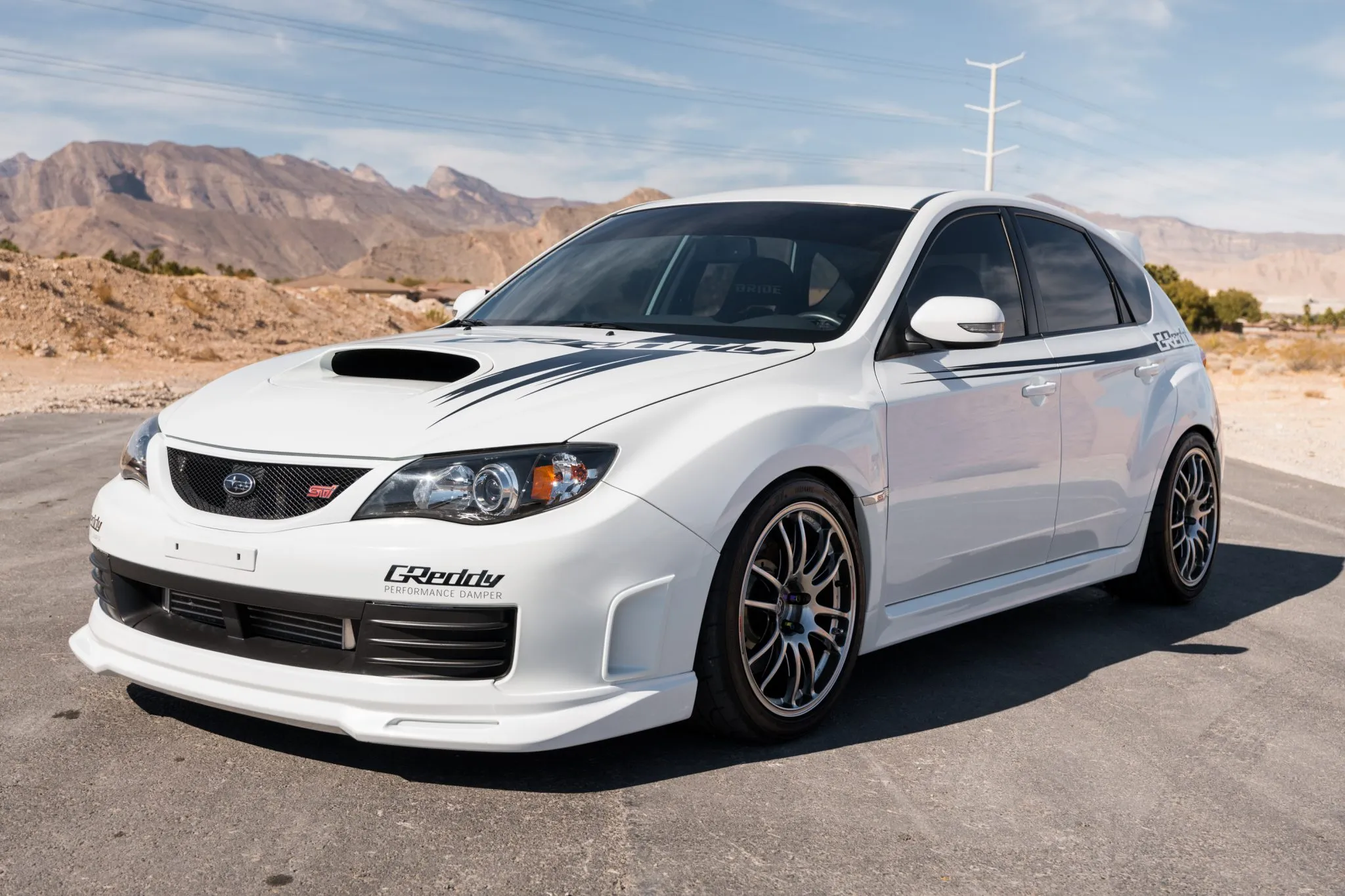
3. 2004 Subaru Impreza WRX STI
The 2004 WRX STI marked a turning point in affordable performance. With a turbocharged flat-four engine, all-wheel drive, and a rally-bred heritage, it offered a level of grip and power that few cars in its class could match. It wasn’t just quick, it was brutal in its delivery, especially with the short gearing and aggressive turbo spool.
Even today, its performance remains relevant. It hits 60 mph in just over five seconds, and the all-wheel drive system gives it an edge in real-world conditions that many rear-wheel-drive sports cars struggle with.
You can drive it hard in the rain, on dirt, or through snow, and it still feels composed. That kind of versatility isn’t always found in modern cars, which often rely on stability control and torque vectoring to stay composed.
Another strong point is the way it communicates with the driver. The steering is direct, the chassis is communicative, and the mechanical feel is ever-present. There’s no artificial filtering between driver and road. Even compared to today’s STI or WRX variants, the 2004 model feels more raw, more connected, and more willing to reward a skilled driver.
The design may look dated to some, but it has a functional, no-nonsense appearance that reflects its performance goals. No oversized screens or gimmicks, just a driver-focused cabin and rally-derived performance. Many owners who’ve tried both generations often say the 2004 still feels like the “real” STI.
4. 2007 Mazda MX-5 Miata (NC)
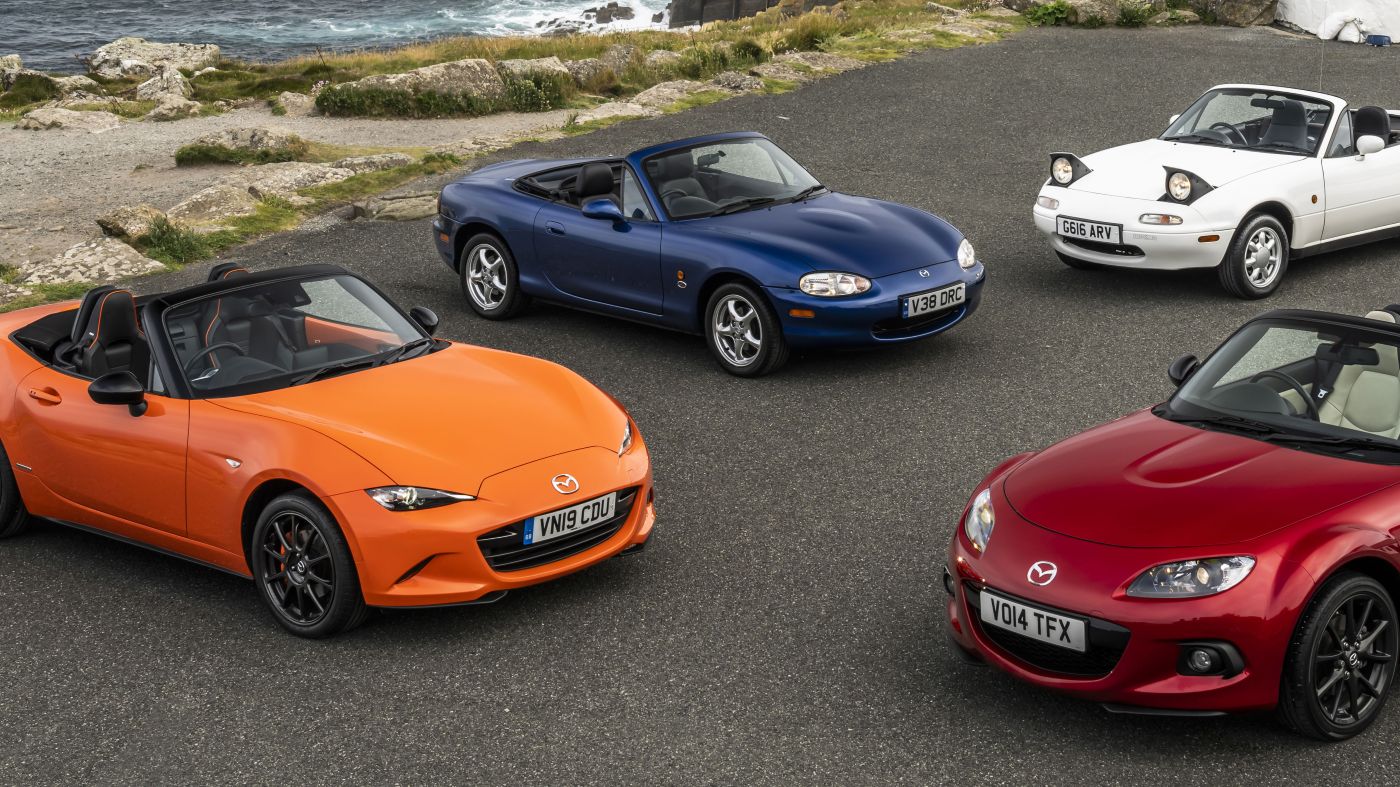
The NC-generation Miata is often the most overlooked, but it remains one of the best-driving cars of its time. It was slightly larger than the NA and NB, but still kept the core philosophy alive, lightweight, rear-wheel drive, and a responsive chassis. With a 2.0-liter engine and perfect weight distribution, the NC Miata was a car that prioritized driving feel over outright speed.
Modern convertibles often weigh hundreds of pounds more due to electronic folding roofs, added safety systems, and luxury features.
That weight dulls the connection to the road. The NC Miata, even with its slightly increased size, still kept the spirit of the original alive. It’s a car you can enjoy at legal speeds, something that’s becoming increasingly rare today.
The handling is sharp and predictable. You don’t need massive horsepower to enjoy this car. In fact, part of the charm is how accessible the limits are. You can push it hard without feeling like you’re risking your license. This makes it a favorite among autocrossers and track-day enthusiasts.
Affordability is another factor. The NC can still be found for reasonable prices, and maintenance is straightforward. It’s not trying to be anything it’s not. It’s just a well-built, fun-to-drive car that still puts smiles on faces more effectively than many of today’s more complicated machines.
5. 2005 Acura NSX (Final Year of First Generation)
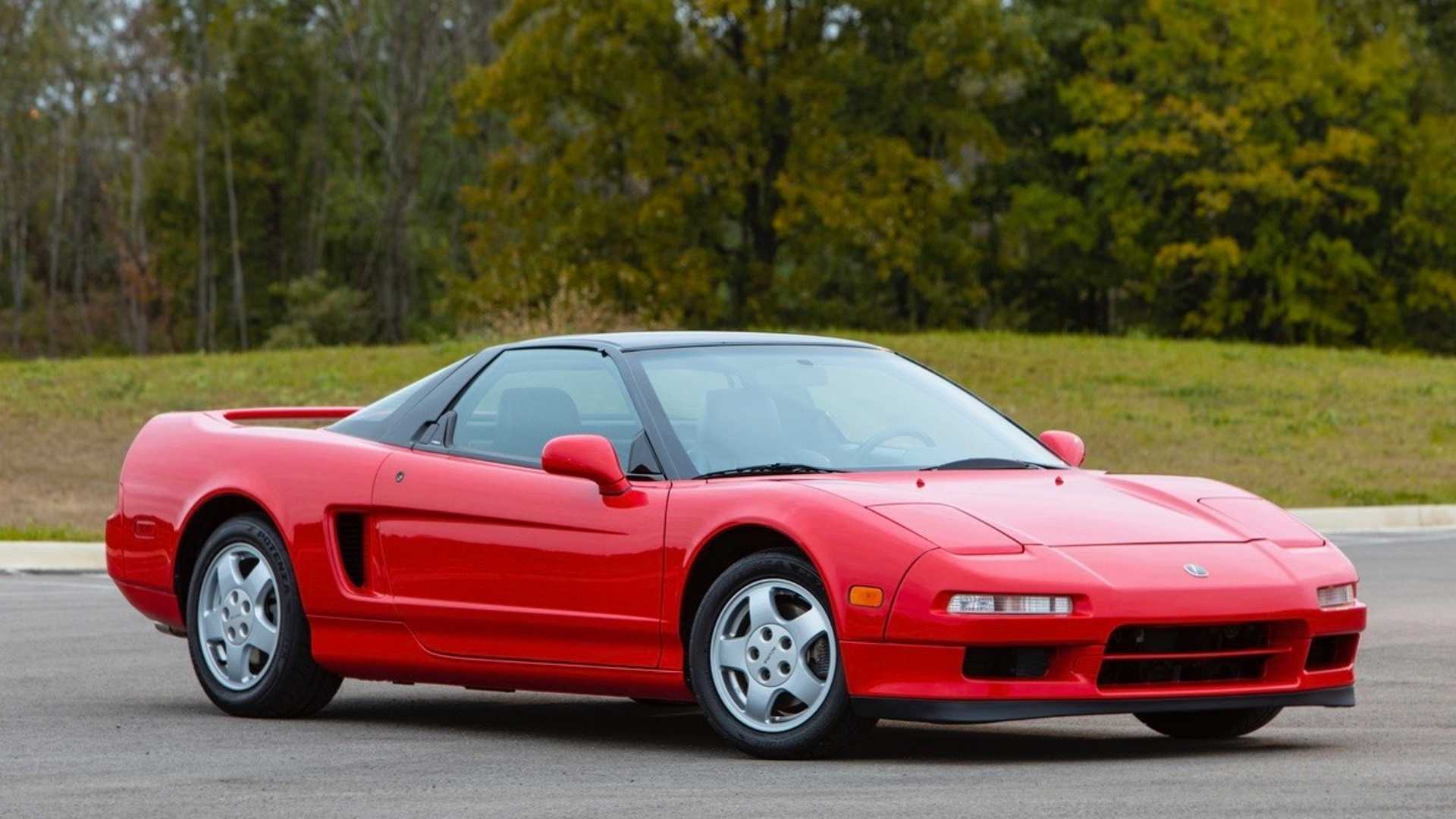
By the time 2005 rolled around, the original Acura NSX had already cemented its place in automotive history. It was one of the few truly exotic cars that could be daily driven without falling apart or draining a wallet through maintenance.
Though its roots trace back to the early ’90s, the 2005 model represented the final and most refined version of Honda’s vision of a user-friendly supercar.
The 3.2-liter V6 engine was naturally aspirated and produced around 290 horsepower, which may not sound groundbreaking today, but it was the way the car delivered that power, smooth, linear, and with that unmistakable Honda VTEC surge, that made it unforgettable.
More importantly, the chassis balance and the mid-engine layout gave it an edge in driving purity that most modern performance cars simply can’t replicate.
Modern supercars have more horsepower, more complex electronics, and more aggressive marketing, but many lack the cohesion of the NSX’s design. It was a car engineered by purists for purists, with input from none other than Ayrton Senna during development.
Everything was designed to serve the driver, from the thin A-pillars for improved visibility to the razor-sharp steering feel. There’s a tactile connection in the NSX that’s often lost in today’s power-saturated, grip-obsessed machines.
It doesn’t rely on trick differentials, active aero, or selectable drive modes. What you get is a fixed, perfectly tuned setup that responds to skill and input, not button pushing.
There’s also something enduring about the way the car looks. The pop-up headlights were gone by 2005, but the sleek, purposeful silhouette remained. It still turns heads not because it shouts for attention, but because of how clean and balanced its proportions are.
Where some modern designs are overwhelmed with creases, vents, and fake aggression, the NSX remains confident without being loud. It’s a reminder that form and function can coexist beautifully.
Values of the original NSX, especially the later models, have skyrocketed for good reason. They represent a kind of mechanical excellence and philosophical purity that simply doesn’t exist in most modern offerings.
The newer NSX, while powerful and capable, trades the original’s surgical simplicity for hybrid complexity. That trade-off is one that many driving enthusiasts still struggle to embrace, which is why the 2005 NSX remains a standout.
6. 2008 Audi R8 (V8 Manual)
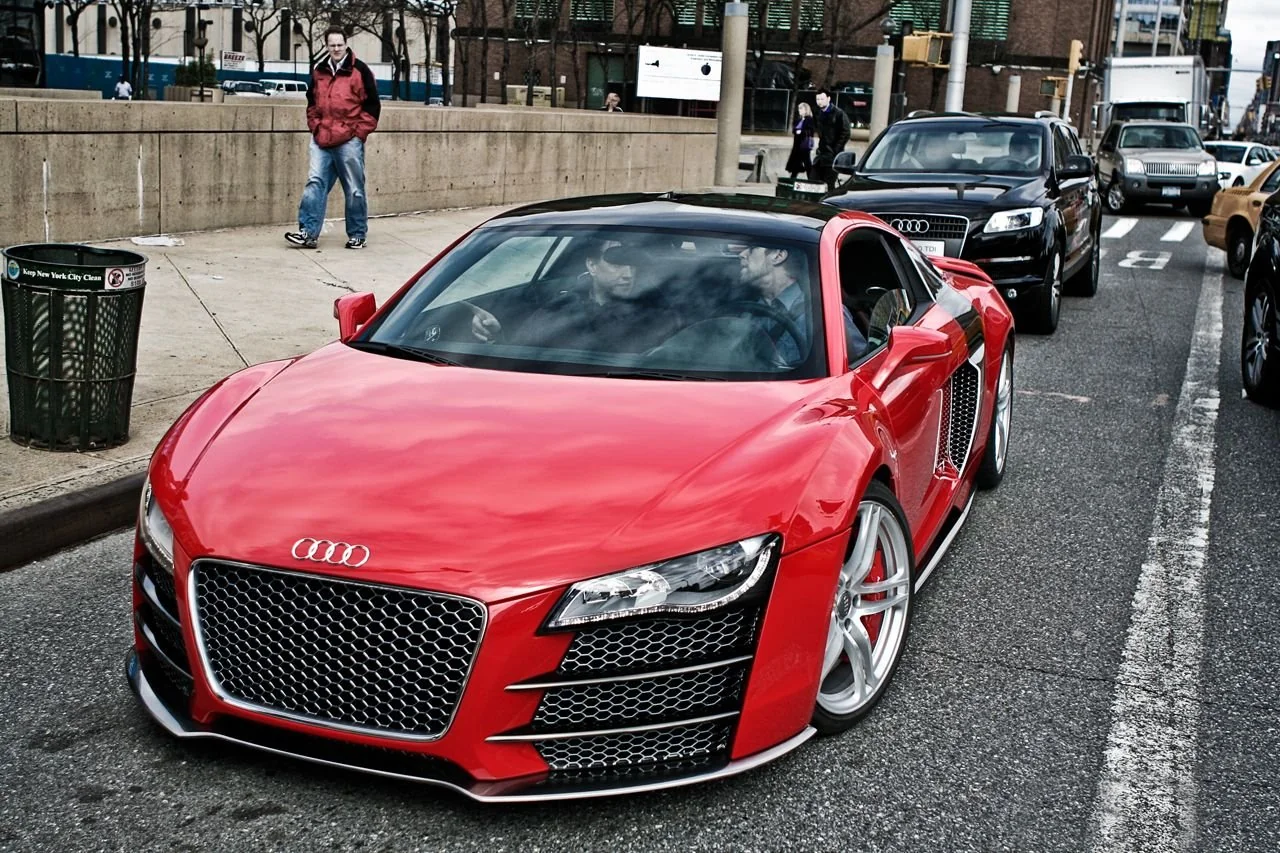
The original Audi R8 arrived like a bolt of lightning in the mid-2000s. Based on the same architecture as the Lamborghini Gallardo, but with Audi’s refinement and sensibility, the R8 brought supercar aesthetics and performance to a more accessible and everyday-usable package.
The early models came with a naturally aspirated 4.2-liter V8 producing 420 horsepower, and crucially, they offered a gated six-speed manual transmission. That combination alone makes it special, but it’s how well the R8 blends everyday usability with exotic-car drama that continues to impress.
While today’s supercars are quicker on paper, they often come paired exclusively with dual-clutch gearboxes and layers of digital safety nets. The manual R8 offers a more organic experience. You can feel the mechanical interaction in every shift, hear the raw bark of the V8 right behind your head, and experience all of it without being overwhelmed by settings or screens.
There’s a sense of occasion every time you drive it, even if you’re just going to get groceries. And yet, it’s comfortable and refined enough to drive daily, a rare trait among mid-engine sports cars.
Another key factor that makes the early R8 special is its design. It still looks modern today. The proportions are timeless, the details are unique without being excessive, and the signature side blades give it identity without leaning into gimmick.
Where many of today’s supercars are visually overcomplicated, the first-generation R8 maintains clarity and intent in its design. It looks exotic, but it doesn’t scream for attention, which ironically draws more of it.
The V8 R8 has quietly become a future classic. Enthusiasts who appreciate analog engagement and refined performance are now turning back to these early models as alternatives to today’s more digital-focused machines. It may not be the fastest car in 2025’s market, but when it comes to feel, presence, and soul, the 2008 R8 holds its own, and then some.
Also Read: 11 Best Engines That Stay Smooth After Decades of Use
7. Porsche 911 GT3 (996)
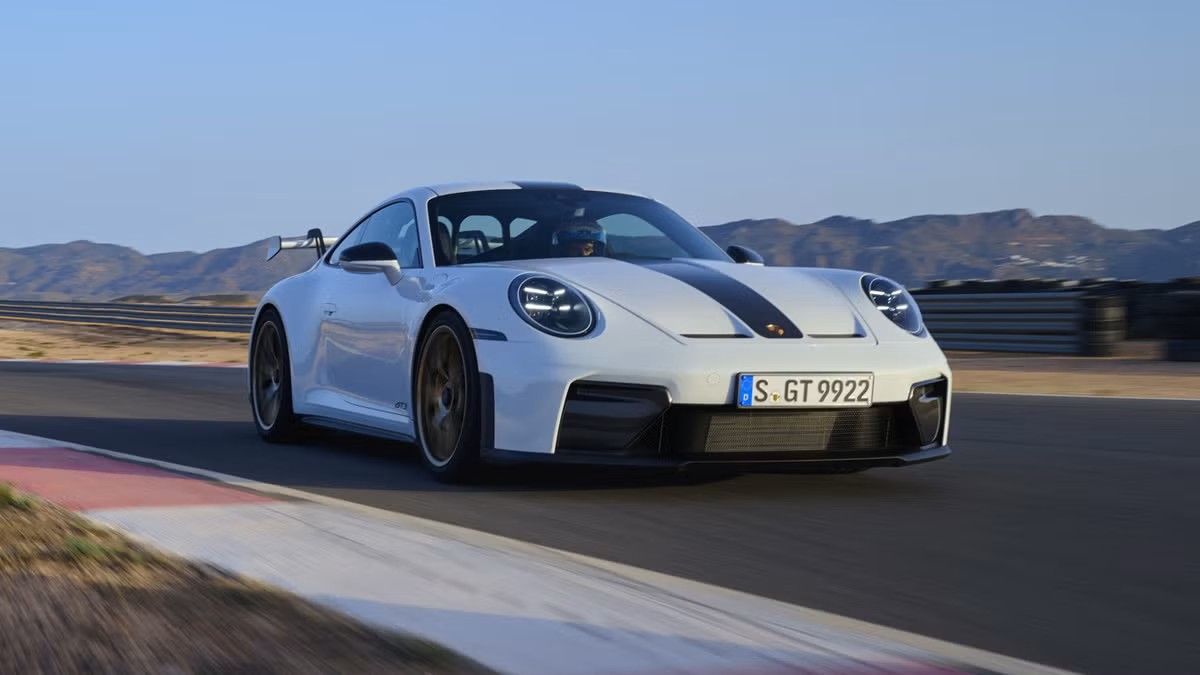
The 996-generation GT3 marked the beginning of what would become one of Porsche’s most revered sub-brands. While the base 996 models often draw criticism for their styling and engine issues, the GT3 stood apart as a raw, track-ready weapon built with motorsport DNA.
It featured a naturally aspirated 3.6-liter flat-six engine derived from Porsche’s racing program and a manual gearbox paired with a chassis that was built for engagement over comfort. Even today, this car is a scalpel on twisty roads and remains a serious tool on track.
What truly separates this GT3 from modern equivalents is its purity. There are no drive modes, no adjustable suspension settings, and no electronics managing the throttle or brakes. It’s just you, the engine, the gearbox, and the road. That lack of interference allows the driver to build a deeper connection with the car.
Modern GT3s are faster and more refined, yes, but they’re also heavier and more reliant on systems that dampen the rawness. The original 996 GT3 asks more from the driver, and in return, it gives back an experience that feels genuinely earned.
The 996 GT3 also benefits from a more compact and lithe footprint. Modern performance cars have grown in size, making them harder to place on narrow roads or tight corners.
The earlier GT3 feels nimble and light on its feet. Its steering, unfiltered and hydraulic, provides feedback that’s often dulled in today’s electric systems. There’s a delicacy to how the car reacts that reminds you why analog performance is so treasured.
Values of the 996 GT3 have been climbing steadily, and enthusiasts are starting to see it as the last of an era, especially before Porsche started adding electronic wizardry and PDK gearboxes.
It’s a car that doesn’t make excuses or hide behind tech. It simply delivers a driving experience that’s focused, mechanical, and deeply satisfying. Even two decades later, few modern cars provide that same connection.
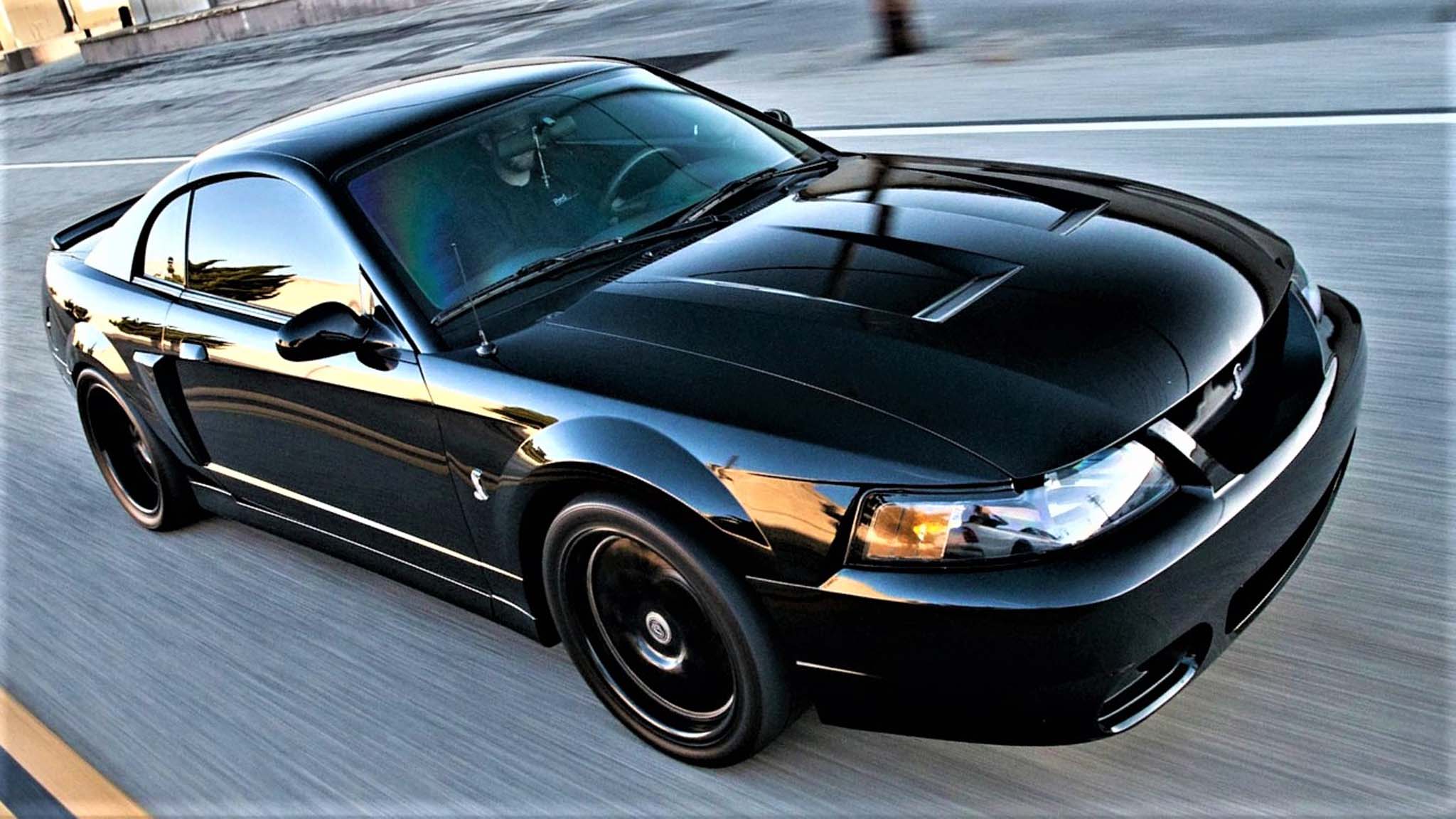
8. 2003 Ford SVT Cobra (Terminator)
The 2003 Ford Mustang SVT Cobra, nicknamed the “Terminator”, was a serious departure from the typical Mustang formula of the time. It came with a supercharged 4.6-liter V8 that produced 390 horsepower, although most agreed it was underrated.
The real number was likely over 420. It also had an independent rear suspension, a big step forward from the solid rear axle found in other Mustangs. It wasn’t just fast in a straight line; it handled, too.
Even today, the Terminator Cobra can surprise modern muscle cars. Its tuning potential is massive. With simple modifications, these cars can produce 500–600 horsepower reliably, and they do it with a mechanical toughness that’s hard to find.
Modern Mustangs are certainly more refined, but the raw character of the Terminator, the blower whine, the heavy clutch, the firm suspension, feels more special in an era where most performance cars have been smoothed out for broader appeal.
Another reason the SVT Cobra still stands out is its presence. The design is simple but purposeful. The hood vents, aggressive stance, and clean lines give it an attitude that’s aging well.
You don’t see many on the road anymore, and that rarity adds to the appeal. It looks and feels like something built during a time when engineers had more influence than marketers.
Inside, it’s certainly dated, but that’s part of the charm. You won’t find screens or ambient lighting. Instead, you get analog gauges, a beefy shifter, and just enough creature comforts to make daily driving possible.
But when you hit the throttle and feel that torque build, none of that matters. It’s a reminder that brutal simplicity, when done right, can be far more thrilling than digital perfection.
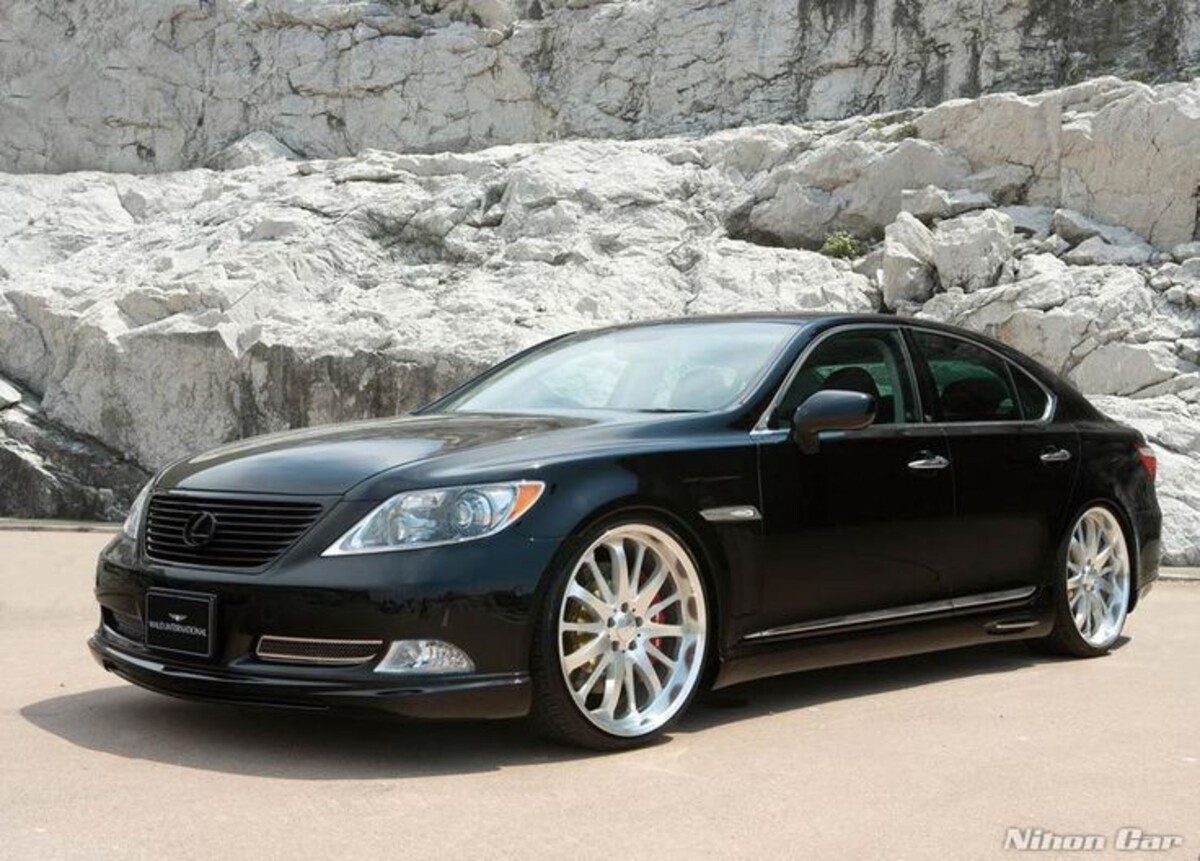
9. 2007 Lexus LS 460
The 2007 Lexus LS 460 doesn’t come to mind as a performance car, but in the luxury sedan world, it made a significant impact. It was the fourth generation of the LS series, and it combined cutting-edge refinement with Toyota’s legendary reliability in a way that no European brand managed to match at the time.
It featured a 4.6-liter V8 engine producing 380 horsepower and introduced the first-ever eight-speed automatic transmission in a production vehicle. While modern luxury sedans now offer even more gears and turbocharged efficiency, few do so with the quiet confidence and smoothness that the LS 460 delivered right out of the gate.
Compared to many modern luxury sedans, the LS 460 still feels surprisingly advanced. It rides with exceptional composure, isolates passengers from harshness without being floaty, and delivers consistent, predictable performance. There’s no fuss or drama, just refined progress.
The infotainment might feel dated today, but unlike many newer systems, it’s intuitive and doesn’t bombard you with updates, warnings, or touchscreen distractions. It was built during a time when user experience was about seamless operation, not about burying basic functions under layers of menus.
One of the reasons the LS 460 continues to impress is how well it’s aged. The build quality is exceptional, tight panel gaps, quiet cabins, and long-lasting materials inside and out. It’s not uncommon to see these cars still running strong with over 200,000 miles on the odometer, and they still feel solid.
That kind of longevity and build precision has become increasingly rare as complexity and cost-cutting affect modern manufacturing standards, even among luxury brands.
Where many of today’s high-end sedans are designed to impress on paper with horsepower figures and tech specs, the LS 460 delivers in the ways that matter long term.
It doesn’t try to be sporty or brash; instead, it quietly outclasses many newer vehicles by excelling at comfort, craftsmanship, and reliability. It may not stir the soul the way a sports car does, but as a piece of automotive engineering, it remains remarkably capable and relevant.
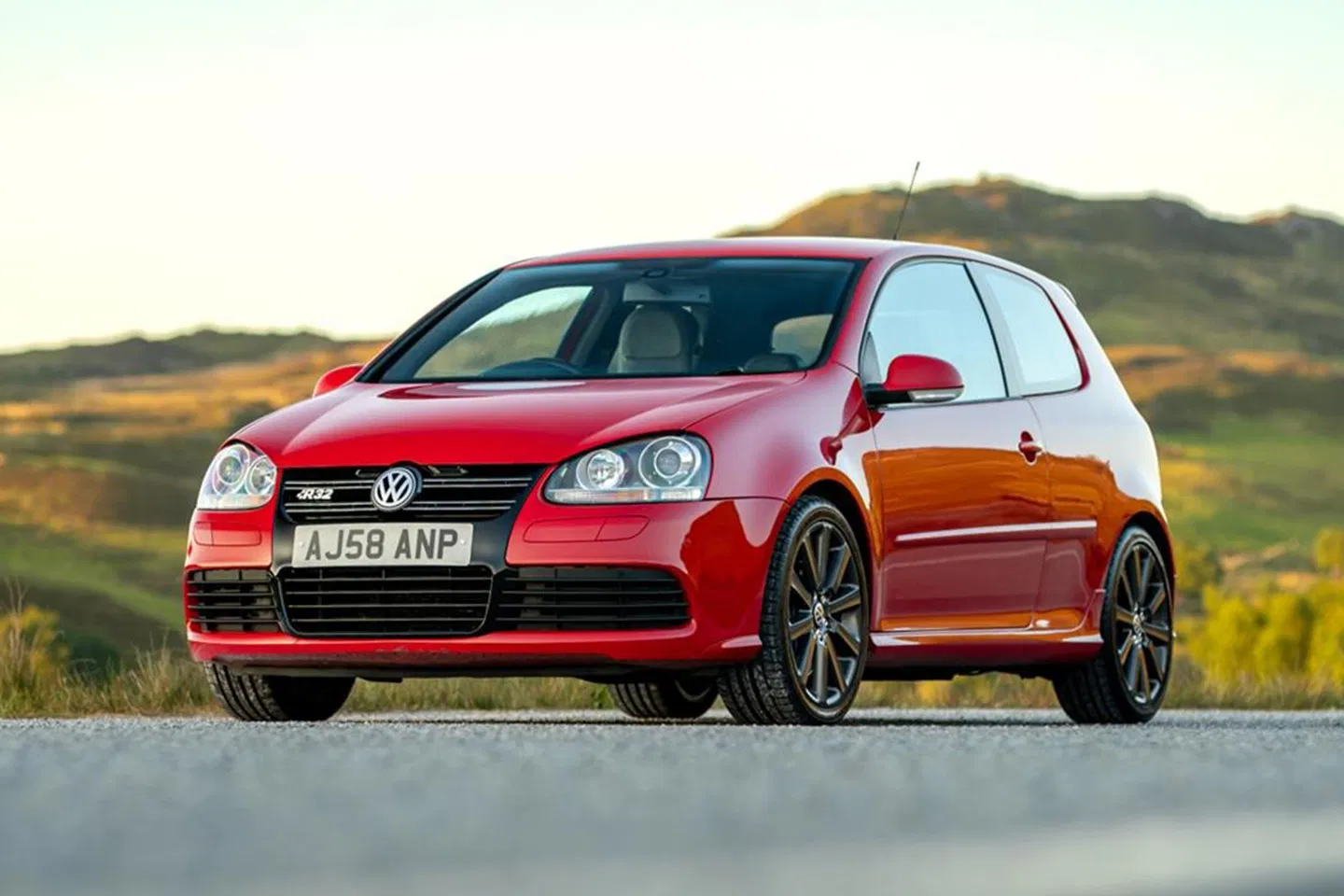
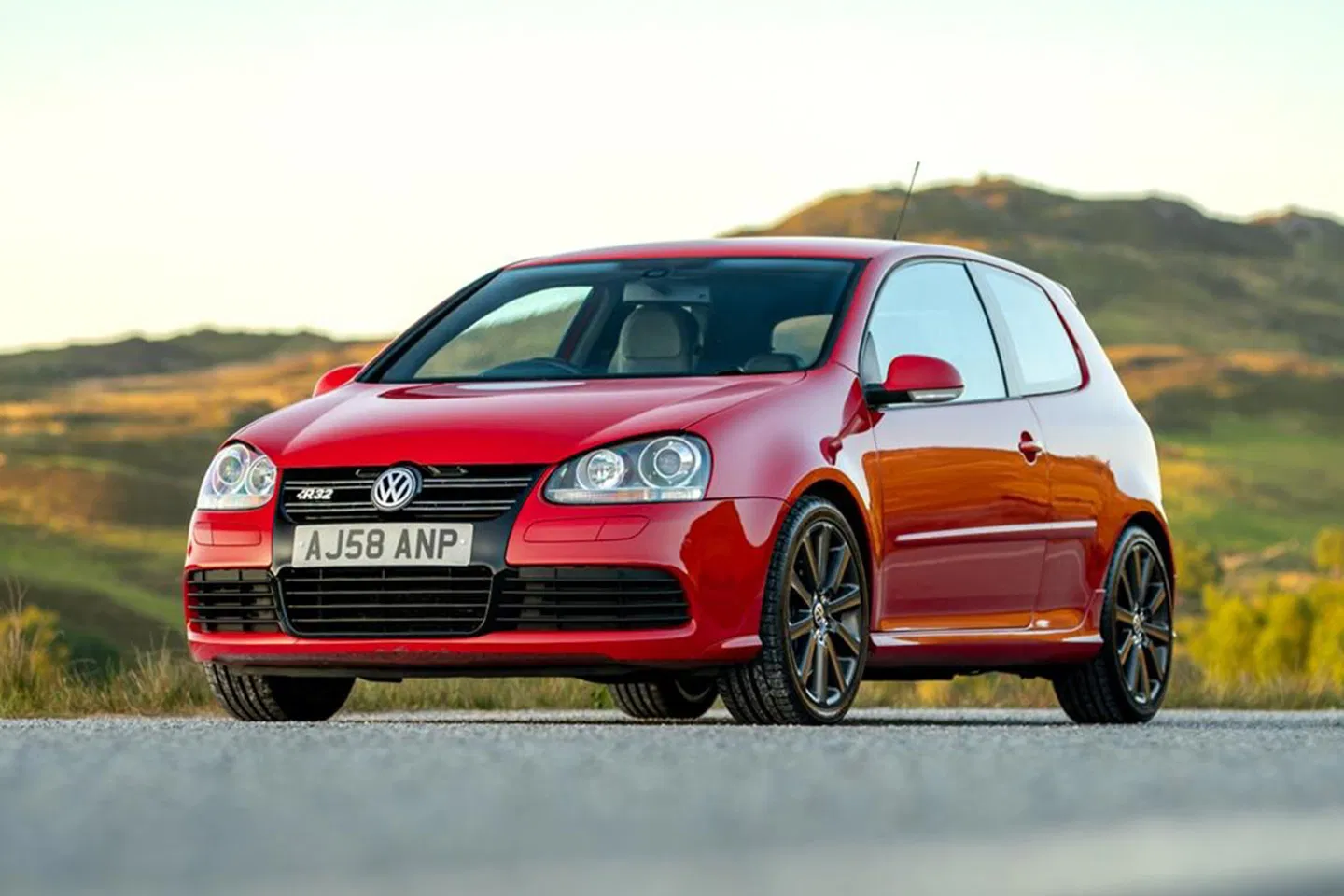
10. 2004 Volkswagen Golf R32
The 2004 Golf R32 was one of the most exciting hatchbacks of its time. It packed a 3.2-liter narrow-angle VR6 engine under the hood, good for 240 horsepower, paired with Volkswagen’s Haldex-based all-wheel-drive system and a six-speed manual transmission.
It was more than just a hot hatch, it felt like a rally-bred machine wearing a refined, German tuxedo. At the time, it sat well above the standard GTI in both performance and feel, and even today, the original R32 has a kind of mechanical honesty that modern hatches struggle to match.
Modern hot hatches often rely on turbocharging, front-biased grip, and digital interfaces to create performance. While faster in outright numbers, many lack the sense of occasion the R32 provides. The VR6 engine sounds like nothing else in the class, deep, growling, and soulful, especially when paired with a less restrictive exhaust.
The weight of the clutch, the short throws of the gearbox, and the grip from the AWD system all contribute to a driving experience that feels purposeful and mechanical.
Inside, the R32 was well-appointed for its time. Leather sport seats, aluminum pedals, and subtle blue gauge lighting gave it a premium feel. Unlike newer cars overloaded with screens and customization settings, the R32 kept things focused.
Everything you needed was there, placed thoughtfully and designed to enhance the connection between car and driver. It wasn’t pretending to be something it wasn’t, it simply did its job with confidence and clarity.
These days, the original R32 has become a sought-after classic. It’s not just because of nostalgia but because it represents a balance of refinement and performance that has slowly disappeared. The VR6 engine is no longer in use, replaced by more efficient but less characterful turbo fours.
And while the newer Golf R is undoubtedly quicker and more tech-laden, it doesn’t quite capture the raw charm that the 2004 R32 offers every time you fire it up and row through the gears.
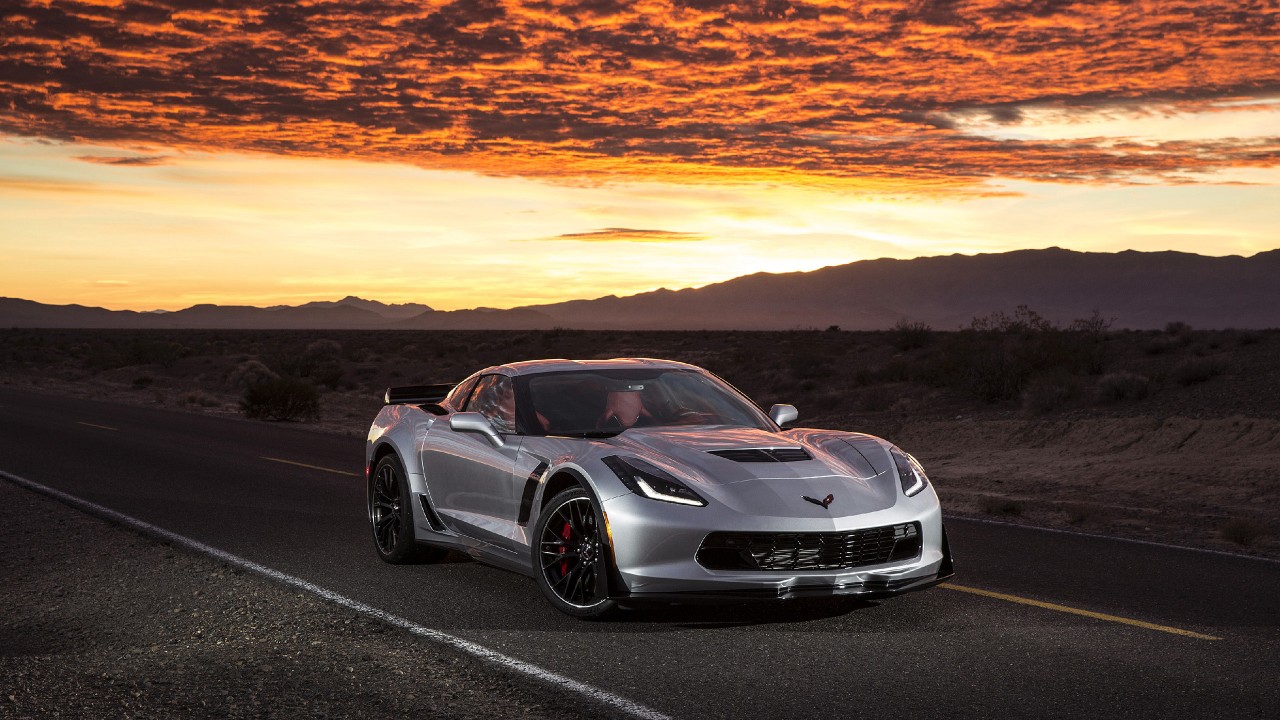
11. 2006 Chevrolet Corvette Z06 (C6)
When the C6 Z06 arrived in 2006, it hit like a hammer. This was a Corvette built with purpose. It featured a 7.0-liter naturally aspirated LS7 V8 that made 505 horsepower, and it weighed under 3,200 pounds.
That combination made it one of the most powerful and lightest cars in its class. Even now, it’s a car that can challenge or beat much newer sports cars on track, in a straight line, or on the street. It’s a brutally effective machine, but also one with surprising finesse when driven with care.
The C6 Z06 feels connected in a way many modern performance cars do not. There are no turbos to mask throttle response, no filters between your foot and the engine.
The LS7 is responsive, torquey, and sounds like thunder when pushed hard. It doesn’t need artificial drama or synthetic sound generators, it simply delivers raw performance through a naturally aspirated V8 that revs to 7,000 RPM. Very few modern cars offer that kind of visceral, unfiltered experience.
The chassis was also special, with aluminum construction and advanced materials like carbon fiber used in strategic areas. This wasn’t just a hot version of the base Corvette, it was a purpose-built track car that still had air conditioning and a radio.
The suspension was stiff but manageable, and the steering was direct and heavy in a way that modern electric systems often fail to replicate. When you drove it hard, it felt alive, not antiseptic or computer-managed.
Prices for clean C6 Z06s have risen, and it’s easy to see why. It offers a level of performance that rivals cars costing three or four times as much, with a personality that never feels synthetic.
Modern Corvettes, especially the C8, have changed the formula entirely with mid-engine layouts and dual-clutch gearboxes. Impressive, yes, but the C6 Z06 is still the last word in front-engine, manual-transmission American muscle refined for the track.
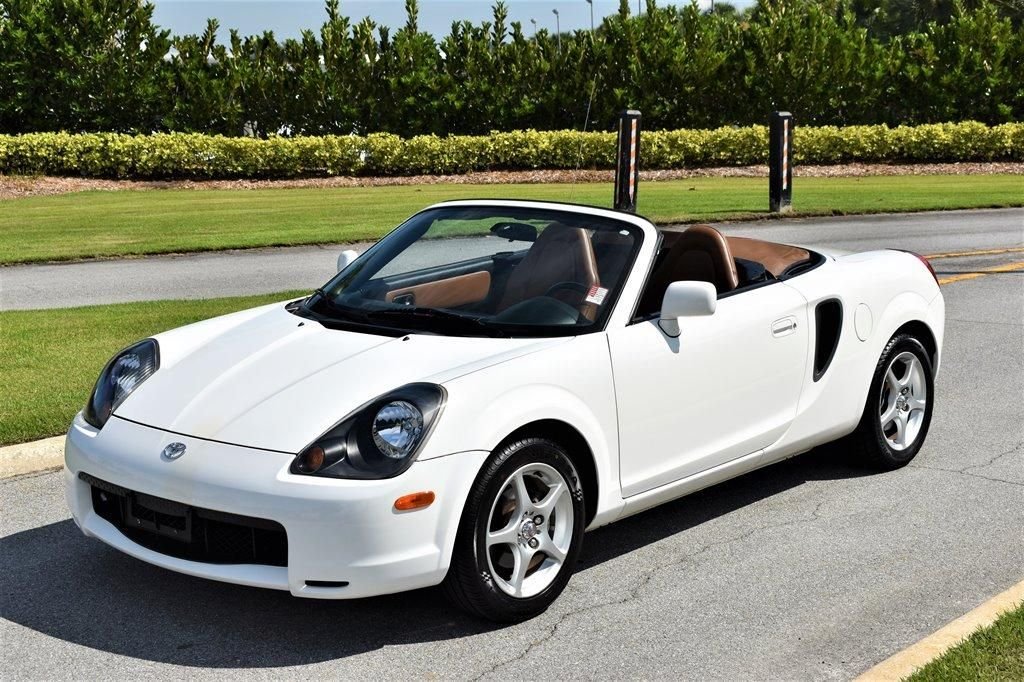
12. 2002 Toyota MR2 Spyder
The 2002 Toyota MR2 Spyder was a quirky little mid-engine roadster that didn’t set the world on fire in terms of sales, but it has aged surprisingly well. In fact, it’s more appreciated now than it ever was when new.
With its lightweight design, rear-wheel-drive layout, and superb balance, the MR2 Spyder is arguably one of the most entertaining small sports cars Toyota has ever produced. It wasn’t fast, only about 138 horsepower from its 1.8-liter engine, but the joy of driving it had nothing to do with straight-line speed.
Where the MR2 excels is in feel and balance. The mid-engine setup means the car rotates beautifully through corners, with a sense of agility that few cars, past or present, can match.
Steering is immediate and full of feedback, and the manual gearbox is crisp and perfectly suited to the car’s character. Modern equivalents often rely on grip and power, but the MR2 makes you focus on momentum, on lines, on smooth inputs. It teaches you how to be a better driver.
Another strength is the simplicity of the car. There’s very little to go wrong, and the minimalist interior keeps distractions to a minimum. The soft top is manual and lightweight.
The controls are intuitive. There’s no touchscreen, no digital gauge cluster, just a pure driving environment where everything has a purpose. That’s rare in today’s market, where even budget cars are stuffed with screens and software.
Today, clean MR2 Spyders are getting harder to find. Enthusiasts and collectors are beginning to appreciate the unique formula Toyota delivered. It may have been misunderstood in its time, but it stands as a reminder that a great sports car doesn’t need to be fast; it just needs to feel alive.
