
When it comes to buying a car, many people focus on performance, fuel efficiency, and styling. However, one of the less talked-about yet extremely important aspects of a vehicle’s long-term satisfaction is the durability of its interior, especially the seats.
Seats are among the most frequently used parts of a car, enduring daily pressure, friction, and spills. Over time, seats can tell a story, either one of lasting quality or early wear and tear that diminishes comfort and aesthetic appeal.
The quality of seat materials, construction methods, and design choices can significantly impact how seats hold up after thousands of miles and years of use.
Cars with seats made from premium materials such as high-grade leather, durable synthetic fabrics, or well-stitched cloth tend to resist cracking, tearing, and fading for longer periods. The way manufacturers treat the seats with protective coatings or extra padding can also extend their life.
On the other hand, cars that cut corners on upholstery quality or use materials that are less resistant to wear often face problems like fading, surface cracking, fabric pilling, and structural sagging after relatively short usage. This can negatively affect not just comfort but resale value and driver satisfaction.
In this article, the first half will cover five car models known for having seats that last the test of time, focusing on the reasons behind their durability. The second half will examine five cars notorious for having seats that wear out quickly, exploring what causes their seats to degrade prematurely.
Whether you are shopping for a new car or thinking about maintaining your current ride, understanding how different vehicles stand up to the challenge of daily use can help you make more informed choices.
Also Read: 11 Best Engines That Stay Smooth After Decades of Use
5 Cars With Long-Lasting Seats
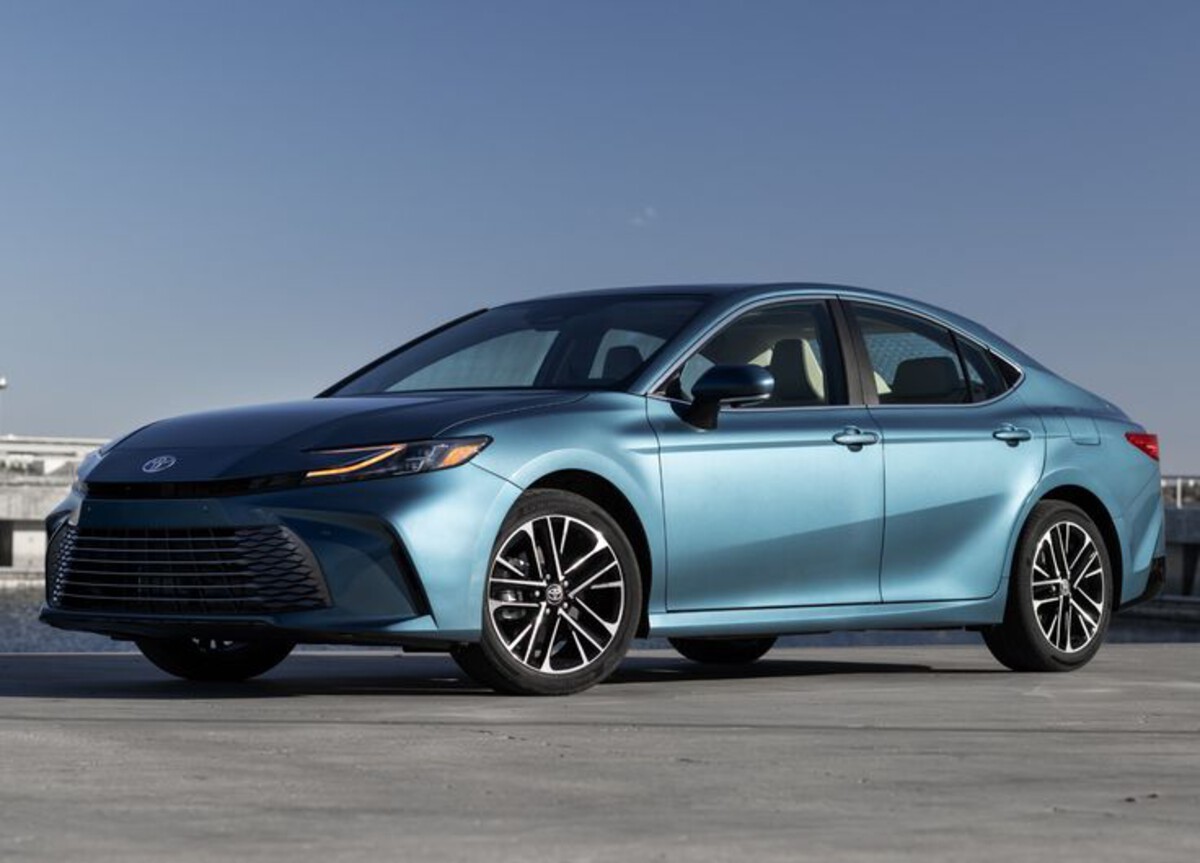
Toyota Camry
The Toyota Camry’s reputation for reliability goes well beyond its engine and mechanical components; it extends into the very fabric of its interior, especially the seats.
Toyota employs tightly woven, durable cloth in its base models, which is engineered to resist abrasion, fading, and pilling, common issues that cause seats to look worn out prematurely.
This cloth is designed not only to endure daily use but also to remain comfortable for the driver and passengers over years of wear. In higher trims, Toyota opts for premium leather that has been treated to withstand cracking and damage caused by sunlight and frequent friction.
The leather seats are supple yet robust, striking a balance between luxury and durability that few competitors achieve at similar price points.
Beyond the materials themselves, Toyota emphasizes quality stitching and ergonomic seat construction. The seams are reinforced and strategically placed to minimize stress points where tearing might otherwise occur. Additionally, the cushioning inside Camry seats uses foam that retains its shape even under heavy or repeated use.
This combination of material and construction quality means that owners often find their seats stay supportive and visually appealing well past the 100,000-mile mark. It’s not uncommon to see used Camrys with interiors that feel nearly new, an indication of Toyota’s commitment to long-lasting quality.
Another factor contributing to the Camry’s seat longevity is Toyota’s attention to protective treatments. The leather surfaces receive finishes that repel stains and moisture, making the seats easier to clean and less prone to damage from spills or sweat.
Regular maintenance with conditioning products can further extend the life of the leather, but even without rigorous care, the material tends to be quite forgiving. This durability also helps maintain resale value, as cars with intact, well-preserved interiors command higher prices in the used market.
The Camry’s seats also support a wide range of driver sizes and preferences, thanks to adjustable features and thoughtful design. This ergonomic focus reduces uneven wear patterns caused by drivers sitting in awkward positions or leaning heavily on one side.
The Toyota Camry’s seats combine material science, craftsmanship, and user-focused design to create an interior that withstands the test of time, which is one of the many reasons why it continues to be one of the best-selling sedans worldwide.
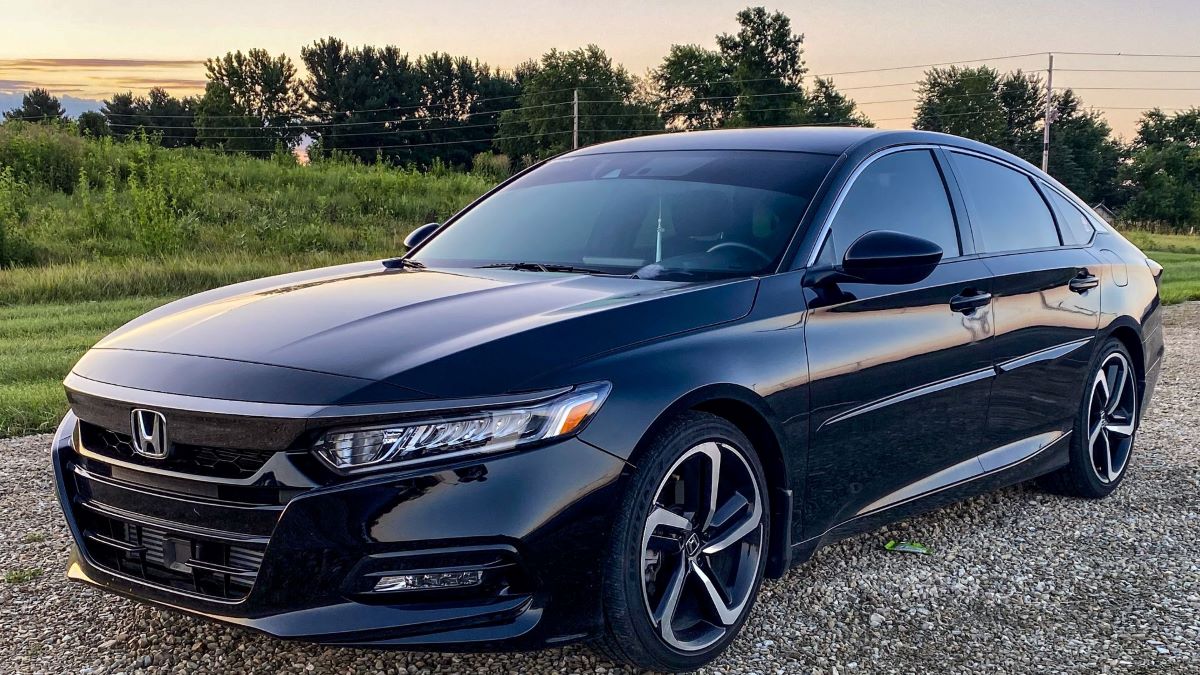
Honda Accord
The Honda Accord has long been a benchmark for midsize sedans, known not only for its driving dynamics and reliability but also for its high-quality interior materials, particularly the seats. Honda has invested considerable effort into selecting upholstery materials that balance comfort, aesthetics, and durability.
Many trims of the Accord feature synthetic leather, often referred to as “leatherette,” which provides the luxurious look and feel of real leather but with greater resistance to cracking, staining, and fading. This material is engineered to be more resilient against UV damage, ensuring the seat surfaces maintain their color and texture for years, even under prolonged sun exposure.
Honda also prioritizes the quality of foam cushioning beneath the upholstery. The foam is designed to resist deformation and compression, allowing the seats to retain their original support levels even after thousands of hours of driving.
This is particularly important for daily commuters or families who spend long periods in the vehicle. The combination of a firm yet comfortable cushion with a tough, flexible surface material helps prevent common issues like sagging, which can lead to discomfort and an aged appearance.
Stitching quality in the Accord is another key element contributing to seat longevity. Honda uses reinforced thread and consistent sewing patterns that help prevent seams from unraveling under stress.
Seams around the edges of the seats, where wear is often concentrated, are particularly robust, limiting damage from getting in and out of the car. This attention to detail in construction reduces the risk of fabric fraying or tears, ensuring the seats maintain their structural integrity over time.
Lastly, many Accord owners appreciate the built-in treatments aimed at preserving the upholstery’s condition. Anti-fading coatings and UV blockers are applied during manufacturing, and Honda recommends routine cleaning and conditioning to maintain the finish.
The net effect is a seat that not only looks fresh but also remains comfortable and supportive for a long time. Given these factors, the Honda Accord is widely regarded as one of the vehicles with the best seat durability in its class, appealing to drivers who want a blend of luxury and longevity without paying premium prices.

Subaru Outback
The Subaru Outback is a vehicle that caters to adventure seekers and families alike, and its interior, including the seats, reflects the need for durability in diverse environments. Subaru’s choice of upholstery materials is heavily influenced by this lifestyle focus.
Outback seats often come with durable cloth fabrics designed to resist staining, pilling, and fading. In models equipped with leather or leatherette, the materials are specially treated to be water-resistant and stain-repellent.
This treatment allows the seats to endure mud, water, and dirt brought in from outdoor activities without showing premature signs of wear. Such resilience is a key factor in the Outback’s popularity among those who require a rugged yet comfortable interior.
Beyond the surface materials, Subaru strengthens the seats with reinforced stitching and extra padding to withstand frequent use, even under tough conditions.
The foam used is not only supportive but also designed to recover quickly after compression, meaning the seats maintain their shape and comfort level over time. This is particularly important for off-road trips or long drives where passenger comfort must not degrade despite rough terrain or heavy use.
Many owners living in areas with harsh weather conditions, such as snow or heavy rain, praise the Outback’s seat durability. The materials’ water resistance helps prevent moisture from seeping into the cushions and causing mildew or permanent damage.
The fabric also dries quickly and can be cleaned with minimal effort, which prolongs seat life and keeps the interior looking newer. Subaru also implements ergonomic design principles, reducing stress on certain areas of the seats to avoid uneven wear or premature sagging.
The combination of rugged materials, thoughtful construction, and practical design means the Subaru Outback offers seats that truly last for the long haul. Whether used as a daily driver in the city or a weekend vehicle for outdoor adventures, the Outback’s seating stands up well to the challenge of time and elements. This durability enhances the ownership experience and helps maintain the vehicle’s value and appeal over several years.
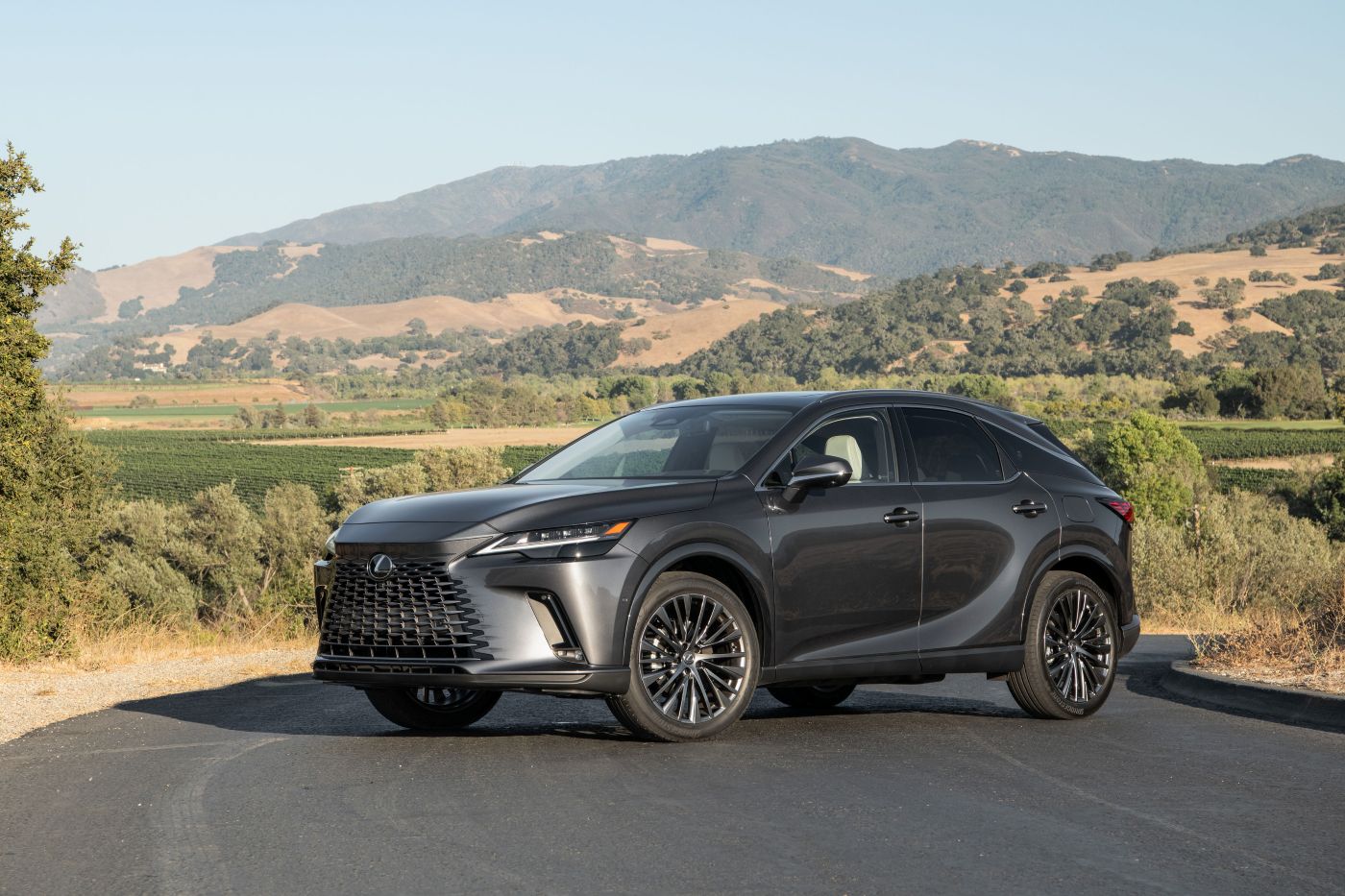
Lexus RX
The Lexus RX represents the luxury SUV segment’s high standards not only in performance and technology but also in interior quality, especially the seats. Lexus uses some of the finest leather available in the automotive industry, sourced and treated to maximize softness without sacrificing durability.
Unlike cheaper leathers that crack and fade over time, the RX’s upholstery undergoes multiple treatments that increase resistance to moisture, oils, and sunlight. This process ensures that the leather remains supple and visually appealing for years, making the RX’s seats feel both elegant and resilient.
The seats themselves are engineered to provide superior comfort and maintain their shape even after extensive use. Lexus uses multi-density foam layers that support the body and reduce fatigue, while also being resilient enough to avoid permanent compression or sagging.
This is crucial in a luxury vehicle where the seat’s feel and support contribute heavily to the driving experience. Reinforced stitching patterns reduce wear along seams, especially in bolstered areas that tend to face greater stress during entry, exit, and cornering.
Additional features, such as seat heating, cooling, and advanced lumbar adjustments, complement the high build quality. These components require precise engineering to avoid adding stress to the seat materials, and Lexus has carefully integrated them to maintain seat durability.
Owners of the RX often remark that the leather and cushioning feel as good after years of use as when the vehicle was new, which is a testament to Lexus’s focus on quality control and craftsmanship.
The RX’s seats also benefit from ongoing maintenance recommendations and factory-applied protectants, which help preserve their premium condition. With proper care, the seats resist fading, cracking, and other signs of aging that can plague lesser-quality leather.
This longevity not only enhances comfort but also protects the vehicle’s resale value, making the Lexus RX a top choice for buyers who want luxurious and durable seating in one package.

Volvo XC90
The Volvo XC90 blends Scandinavian design with practical durability in its approach to seating. Volvo places a strong emphasis on using upholstery materials that are not only luxurious but also engineered for longevity.
The leather used in the XC90 is typically full-grain or top-grain, which is known for its toughness and resistance to wear. For those choosing fabric options, Volvo selects high-performance textiles that are both comfortable and durable, often treated with stain-resistant coatings that make cleaning easier and prevent permanent damage.
One standout feature of the XC90 seats is the ergonomic design supported by resilient foam cushions. The foam layers are carefully crafted to maintain their shape and provide consistent support, reducing the risk of sagging or discomfort over time.
The company’s commitment to comfort also means the seats are shaped to distribute weight evenly, minimizing high-pressure areas that could accelerate wear. This attention to detail in both material and form results in seats that feel inviting for daily commutes and long trips alike.
Stitching quality is another hallmark of Volvo’s seat durability. The XC90 employs reinforced seams and double stitching in key areas, which enhances structural integrity and prevents fabric from pulling apart even with frequent use.
The seat frames themselves are made from robust materials that resist bending or breaking, adding to the seats’ lifespan. Volvo also offers features such as removable and washable seat covers on some trims, an uncommon but practical solution that contributes greatly to maintaining seat condition.
Volvo’s focus on safety extends to the seats as well, with built-in features that do not compromise durability. The materials used are chosen to withstand the forces involved in crash scenarios while remaining comfortable for everyday use.
Many XC90 owners note that their seats look and feel just as good after years of heavy use, making the vehicle a prime example of how thoughtful design and quality materials contribute to long-lasting seating.
Also Read: 5 Engines That Handle Stop-and-Go Traffic vs 5 That Break Early
5 Cars With Seats That Wear Out Quickly
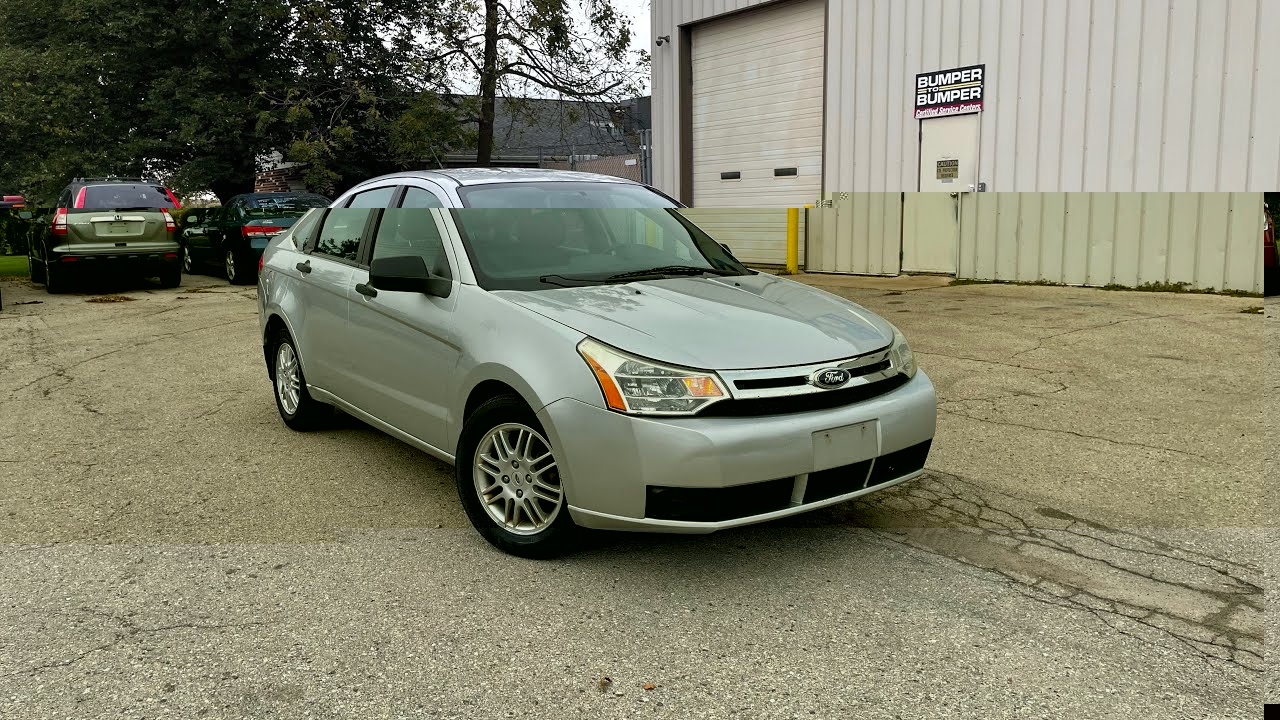
Ford Focus (Early Models)
The Ford Focus, especially models released in the late 2000s and early 2010s, faced numerous complaints regarding seat durability. While the Focus performed well mechanically for a compact car, Ford seemed to compromise on interior quality to keep production costs low.
The cloth materials used on the base trims were relatively thin and lacked the robust weave found in competitors. Over time, these fabrics began to show signs of wear like fuzziness, pilling, and fabric thinning, especially on high-contact areas such as the driver’s seat bottom and backrest. This deterioration often occurred well before the 100,000-mile mark, which disappointed many long-term owners.
Another common issue involved fading and discoloration of the seat fabric. Exposure to sunlight caused the materials to lose their original color, particularly in models with lighter-colored interiors. This was further worsened by Ford’s use of fabric that lacked strong UV protection.
In warmer climates or areas with consistent sunlight, the seats began to look washed out within just a few years. Owners who parked their Focus outdoors often noticed that the driver-side bolster would lose color significantly faster than the passenger side, highlighting a flaw in how the materials aged unevenly.
The seat padding in early Focus models also left much to be desired. The foam cushioning underneath the fabric tended to compress unevenly, leading to lopsided seats that became uncomfortable during longer drives.
This issue wasn’t limited to older vehicles; many owners reported these symptoms within the first 40,000 miles. Once the padding began to sag, it became more difficult to maintain proper driving posture, reducing comfort and causing back strain for some drivers.
In addition to materials and cushioning problems, Ford’s quality control with stitching and seam placement was inconsistent. Seams along the edges of the seats began to fray or split over time, especially in trims with sportier seat bolsters.
In some cases, owners resorted to seat covers within a couple of years to hide the damage or prevent it from getting worse. This kind of wear doesn’t just impact comfort; it also affects the perceived quality of the car’s interior, especially during resale evaluations.
While the Ford Focus offered affordability and practical value, the interior design, especially the seat quality, didn’t meet the long-term expectations of many buyers.
Those who bought the Focus for its low initial cost often found themselves spending more later on professional cleaning, reupholstering, or aftermarket solutions just to maintain a usable and clean interior. It’s one of the clearest examples of how cutting costs in interior materials can damage long-term satisfaction.
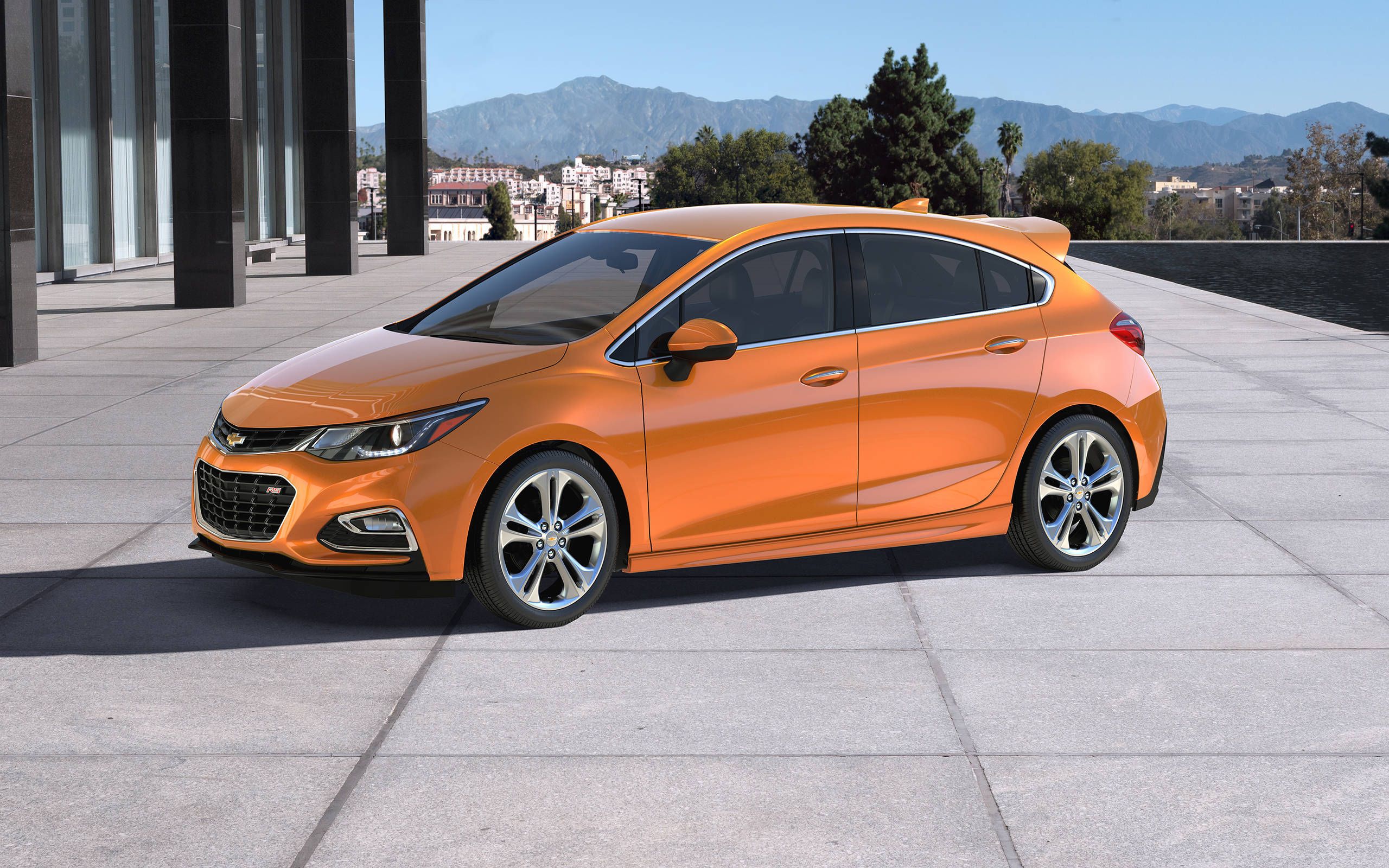
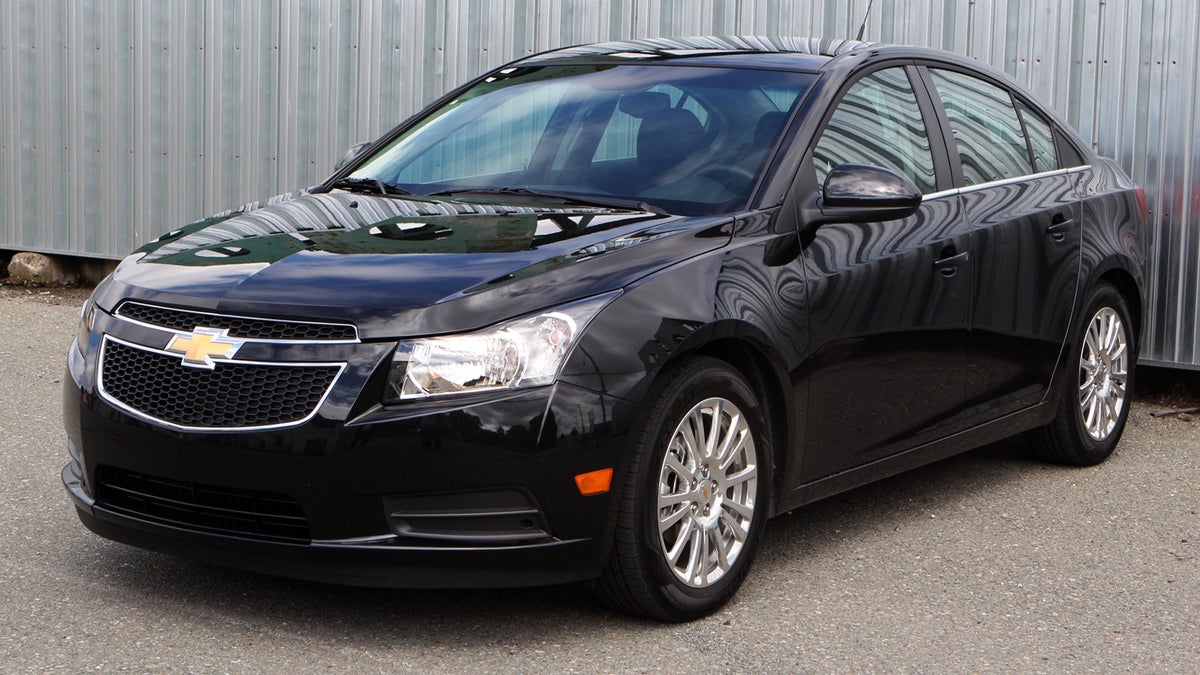
Chevrolet Cruze
The Chevrolet Cruze gained popularity as a fuel-efficient, compact sedan with modern styling, but its seats have consistently been a weak point. Many Cruze models, especially from the first generation, featured cloth upholstery that felt comfortable at first but quickly began to wear down under regular use.
The fabric’s texture became rough, pilled, or faded, particularly on the edges of the seats where drivers and passengers entered and exited the vehicle. Within a few short years, the seats often appeared much older than the vehicle’s actual age, diminishing the appeal of the car’s cabin.
A significant contributor to the Cruze’s seat wear was the softness of the fabric itself. While soft to the touch, it lacked resilience and showed friction damage far more rapidly than more tightly woven alternatives.
This became especially noticeable on the driver’s seat, where contact with jeans, belts, and bags accelerated the breakdown of the fabric surface. Moreover, the Cruze lacked high-quality protective coatings that are now common in longer-lasting interiors. This made the fabric more vulnerable to stains and spills, which were hard to remove once absorbed.
Another common issue with Cruze seats involved the foam padding. The seat foam in several trims compressed quickly, especially in the bottom cushion.
Drivers would often notice that the padding became uneven, creating uncomfortable pressure points or sagging areas. This resulted not only in reduced comfort during long drives but also contributed to the visible aging of the seats. Once the foam lost its form, the seat covers became baggy, giving the entire interior a worn and neglected look.
The Cruze also struggled with stitching issues. In some models, particularly those from earlier years, seams on the edges of the seat began to come apart. This issue often appeared around the 40,000–60,000-mile range and was more prominent in vehicles that were regularly used for commuting.
The lack of reinforced stitching and edge piping meant that even a well-maintained interior could begin to unravel, literally, over time. Once stitching began to fray, the fabric was much more likely to tear under stress.
Despite its merits in fuel economy and general affordability, the Cruze fell short in seat longevity, especially in trims that didn’t include leatherette or more premium materials. Owners looking for long-term reliability from their interior often found themselves disappointed.
This has had an effect on resale value as well, with many used Cruze vehicles showing far more seat wear than others in the same category and price range. The Cruze serves as a reminder that interior material selection is just as important as drivetrain reliability.
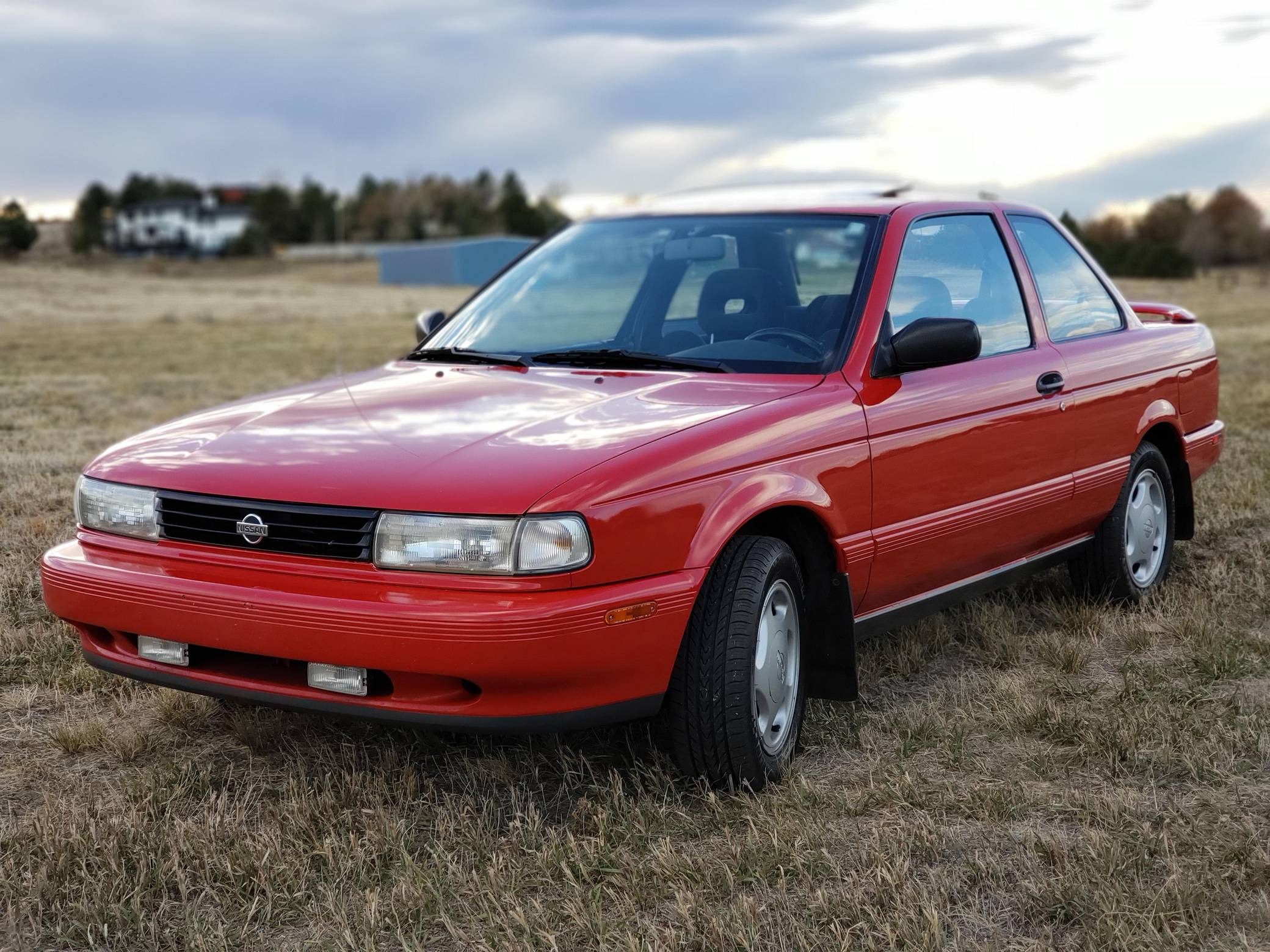
Nissan Sentra
The Nissan Sentra, while often praised for its affordability and basic dependability, has struggled with interior quality, especially when it comes to seat durability. Many Sentra models from the 2010s used thin fabric upholstery that quickly showed signs of distress.
The materials used in these trims lacked density and wore down quickly in areas subjected to regular movement and friction. Drivers frequently noticed that the seat edges and backrests would lose their texture and begin to fray after a relatively short time, leading to a cabin that aged far faster than expected.
Color fading was another significant problem for Sentra seats. Sunlight exposure, particularly in areas with warm climates, caused dark fabrics to bleach and lose their uniform appearance.
This fading often occurred unevenly, giving the interior a blotchy, inconsistent look. Unlike higher-end models that include UV-protected surfaces, the Sentra’s lower trims skipped these coatings, making them highly susceptible to environmental damage. Owners who didn’t use sunshades or protective seat covers often noticed visible fading in less than three years.
Padding and seat structure also proved problematic. The foam used beneath the upholstery was soft and prone to early compression.
Drivers began to feel hard points under the cushioning, indicating that the foam had degraded or shifted. This led to reduced driving comfort and, in some cases, discomfort that affected posture during long trips. When the foam began to collapse, it also affected the seat’s shape, causing fabric to bunch or wrinkle, further accelerating the visual and physical wear.
Stitching quality was inconsistent across Sentra trims. In lower-end models, seams were often single-stitched and not reinforced, making them more likely to split with time and regular use.
Owners who frequently entered and exited the car found that the seat edges wore down particularly fast, with loose threads and even tearing in high-stress areas. This wasn’t just a cosmetic issue; it compromised the structural integrity of the seat cover, making further damage inevitable.
The long-term effect of all these problems was a cabin that felt tired and worn well before the car reached high mileage. While the Sentra remained a budget-friendly and fuel-efficient option, it failed to deliver the kind of interior durability that many buyers hope for in a long-term purchase.
For individuals who spend a lot of time in their car, these seat issues became a daily annoyance, leading some to invest in aftermarket seat covers or seek professional reupholstery services, expenses that could have been avoided with better factory materials.

Jeep Compass (Early Models)
Early models of the Jeep Compass, particularly those manufactured before 2017, faced criticism regarding interior quality, and the seats were often one of the most frequently mentioned points of concern. While the Compass was designed with rugged appeal, the interior materials fell short of the expectations associated with the Jeep brand.
The cloth upholstery in base trims was not well-suited for heavy use, wearing thin after only a few years of regular driving. Many users reported that the fabric on the seats began to fray or become fuzzy, which gave the cabin a dated and neglected appearance early in the vehicle’s lifespan.
The outdoor-focused lifestyle many Jeep owners enjoy made the lack of seat durability even more apparent. Seats were prone to staining, and the materials did not resist water well, despite the Compass being marketed as an adventurous SUV.
Without stain protection or water-repellent treatments, seats absorbed moisture, which sometimes led to permanent discoloration or unpleasant odors if not quickly addressed. These flaws stood out even more when compared to competitors like the Subaru Outback, which emphasized rugged seat durability.
The padding under the Compass’s seats also drew complaints. The foam used in earlier models was not dense or supportive enough to resist breakdown. After a few years of use, especially by larger drivers, the seat cushions lost their firmness and shape.
This not only reduced comfort but also created uneven wear on the fabric, further hastening the aging process of the seat. In some cases, metal supports beneath the foam became more noticeable, making long drives uncomfortable and increasing the risk of fabric tearing.
Seams and stitching were also underwhelming. Several owners experienced seam splits on the outer bolsters of the seats where entry and exit are most frequent.
The thread used did not hold up well under stress, and the stitching itself was not reinforced, resulting in visible damage within just a few years of ownership. These quality control issues gave the impression that cost-cutting was prioritized over longevity during the Compass’s interior design phase.
While Jeep addressed some of these concerns in later models, early Compass vehicles remain a cautionary tale for how rugged branding must be matched by rugged materials.
Many owners resorted to seat covers, heavy-duty cleaning regimens, or aftermarket upgrades to keep the seats presentable. For a vehicle meant to symbolize adventure and durability, the early Compass’s seating materials missed the mark in delivering long-term reliability.

Hyundai Elantra (Older Models)
The Hyundai Elantra, particularly models from the late 2000s to early 2010s, was often praised for offering good value for money. However, one area where it consistently underperformed was seat longevity. The cloth seats in base trims used materials that looked modern and comfortable initially but were not designed for extended durability.
The fabric was thin and susceptible to everyday friction, leading to early signs of wear on seat bottoms and side bolsters. Even drivers with average use patterns noticed fading, fuzzing, and fabric thinning within the first few years of ownership.
Sun damage played a major role in the aging of Elantra seats. Without effective UV protection, the seat fabric quickly faded in sunny environments. Light-colored interiors were particularly vulnerable, often developing yellow or gray tints over time.
This discoloration gave the cabin a worn and outdated look, even if the vehicle was mechanically sound. Rear seats were also affected, especially in models without rear window tinting, resulting in inconsistent wear across the cabin.
The padding breakdown was another problem for many Elantra owners. The foam inside the seats lacked resilience and began to compress unevenly with regular use. This led to a loss of comfort and poor posture during driving.
Once the foam broke down, it created hollow spots in the cushions, making the seat covers loose and creating pressure points that contributed to driver fatigue. The lack of seat firmness was a frequent complaint in user reviews, particularly from those who used the car for long commutes.
The seat stitching in older Elantra models also failed to meet expectations. Seams along the seat edges often started to unravel, particularly around the thigh and back support areas. This damage was accelerated by movement during entry and exit.
Once the seams began to give way, they opened the door to more significant fabric tearing and exposed the foam beneath, further degrading the interior’s appearance and comfort.
Despite the Elantra’s strengths in fuel economy and low running costs, its weak interior materials made it a less-than-ideal choice for those seeking a car with long-lasting seats.
Owners often had to invest in protective covers or pay for interior repairs well before the car was ready to be retired. While newer models have improved, the older generations serve as a reminder of how seat quality can significantly impact a vehicle’s long-term satisfaction.
