

When it comes to cars, much of the attention often goes to speed, performance, and design on the outside. However, the interior is equally important, as it defines the driving experience and comfort for both the driver and passengers.
Some car interiors, despite the passing of decades, remain remarkably well-preserved, showcasing craftsmanship, materials, and design quality that have stood the test of time.
It is a rare feat for a car’s interior to look fresh and almost untouched after 20 years, given the wear and tear from regular use, exposure to sunlight, and changing trends in design.
But certain models, due to their build quality, choice of materials, and sometimes sheer luck in how they were maintained, continue to offer an inviting and pristine cabin environment even after two decades.
These cars stand as a testament to durability, quality, and timeless design. The interiors of such vehicles typically feature high-quality leather, well-constructed plastic and metal trims, and designs that do not look outdated or cheap over time.
Moreover, these interiors provide not just a sense of luxury or comfort but also a nostalgic glimpse into the automotive styling and technology of their era.
From Japanese sedans with their reputation for reliability and practical design to European cars that emphasize luxury and material excellence, the cars on this list have earned a reputation for interiors that look and feel almost new after twenty years.
This article highlights ten cars whose interiors remain in remarkable condition after 20 years. Some are known for the durability of their materials, others for their elegant design that has aged gracefully, and a few for the meticulous care owners have devoted to preserving their cabins.
Each model has its own story, from mass-produced everyday cars to limited-run luxury sedans, yet they share a common quality: their interiors still look inviting, fresh, and well-maintained two decades after their release. Let’s explore the interiors of these vehicles and understand what makes them stand apart from the rest.
Also Read: 12 Cars That Increased in Value Despite Mileage
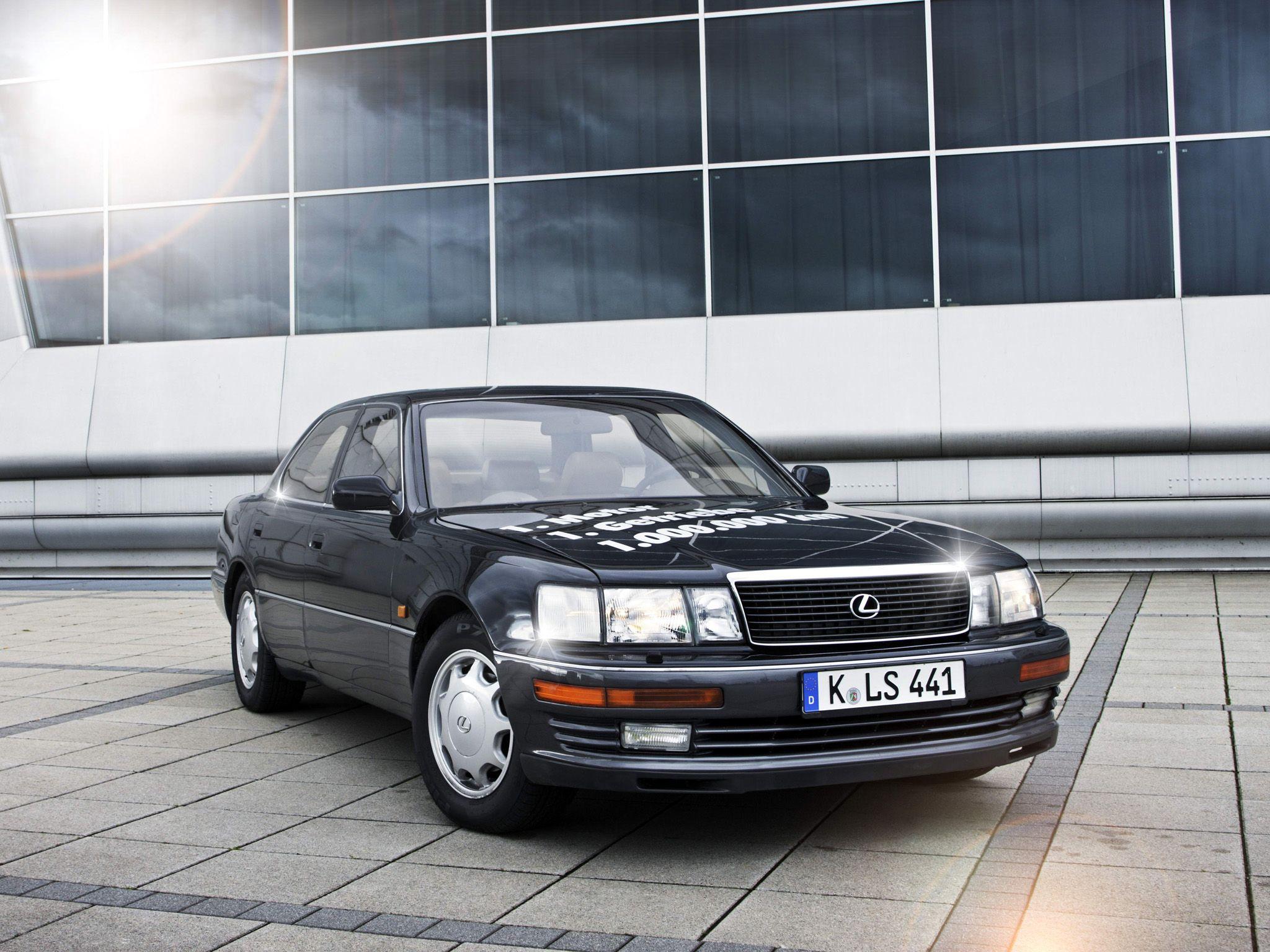
1. Lexus LS400 (First Generation)
The Lexus LS400, launched in the late 1980s, quickly established itself as a flagship sedan that challenged European luxury brands. One of its most attributes was its interior, which combined understated elegance with exceptional build quality.
Two decades later, the first-generation LS400 interiors often remain pristine, with leather seats that retain their softness and minimal signs of cracking or wear. The dashboard materials, including wood trims and soft-touch plastics, are known for their durability, resisting fading and cracking that often plague cars of this age.
The cabin’s design is simple yet highly functional, reflecting a philosophy centered on driver comfort and user-friendly controls. Unlike some cars from the same era that have interiors that feel cluttered or cheap today, the LS400’s layout still feels balanced and logical.
The attention to detail, such as the fit and finish of panels and the quality of switchgear, has contributed to many LS400s still looking fresh inside. The leather seats, combined with thick carpeting and solid sound insulation, have aged gracefully and show the careful craftsmanship Lexus employed.
Owners of the LS400 often report that their interiors have remained remarkably intact, even when exposed to the sun or heavy use. Part of this is thanks to Lexus’s choice of high-grade leather and premium materials, which are less prone to degradation compared to lower-end substitutes.
Additionally, the lack of overly complex electronic gadgets means fewer points of failure, contributing to the longevity of the interior. The minimalist but elegant wood accents add a timeless touch, which has not gone out of style even as interior design trends have evolved.
Furthermore, the LS400 was one of the first cars in its class to include features like automatic climate control, power-adjustable seats with memory, and a well-designed instrument cluster. These elements were not only advanced for their time but have held up well both functionally and visually.
This car’s interior durability is a reflection of Lexus’s broader commitment to quality, reliability, and owner satisfaction, making it a prime example of a 20-year-old interior that looks and feels new.

2. Toyota Land Cruiser 80 Series
The Toyota Land Cruiser 80 Series is revered for its ruggedness and reliability, but its interior quality is equally impressive for a vehicle built with off-road capability in mind.
More than 20 years since its production, many examples still boast interiors that look fresh, clean, and durable. The materials used in the Land Cruiser’s cabin were selected to withstand not only the passage of time but also harsh environmental conditions, such as sun exposure, dirt, and moisture.
Inside, the 80 Series features a simple but robust design with quality upholstery, solid plastics, and wood trim that has retained its character over the years. The seating materials, whether fabric or leather, have proven resistant to tearing and fading.
Unlike many off-road vehicles that prioritize ruggedness over comfort, the Land Cruiser balances both, offering a comfortable and durable environment that has proven its worth to drivers around the world. This balance of ruggedness and refinement is evident even decades after the car left the factory.
The dashboard and controls remain functional and intact, with buttons and switches that have not succumbed to wear or sticking. Many owners report that the interior plastics have resisted cracking and discoloration, a common problem for vehicles of this age.
The air conditioning system and other interior components often continue to work well, thanks to Toyota’s engineering philosophy emphasizing durability. Additionally, the roomy cabin layout ensures that despite the utilitarian nature of the vehicle, it does not feel cramped or cheap inside.
Another factor contributing to the Land Cruiser’s interior longevity is the community of owners who tend to maintain these vehicles meticulously. Given the Land Cruiser’s reputation as a lifelong vehicle, many owners invest in regular cleaning, conditioning of leather, and protection against UV damage.
This care, combined with Toyota’s high manufacturing standards, means the 80 Series interiors are often found in surprisingly good condition, still looking and feeling close to new even after two decades.
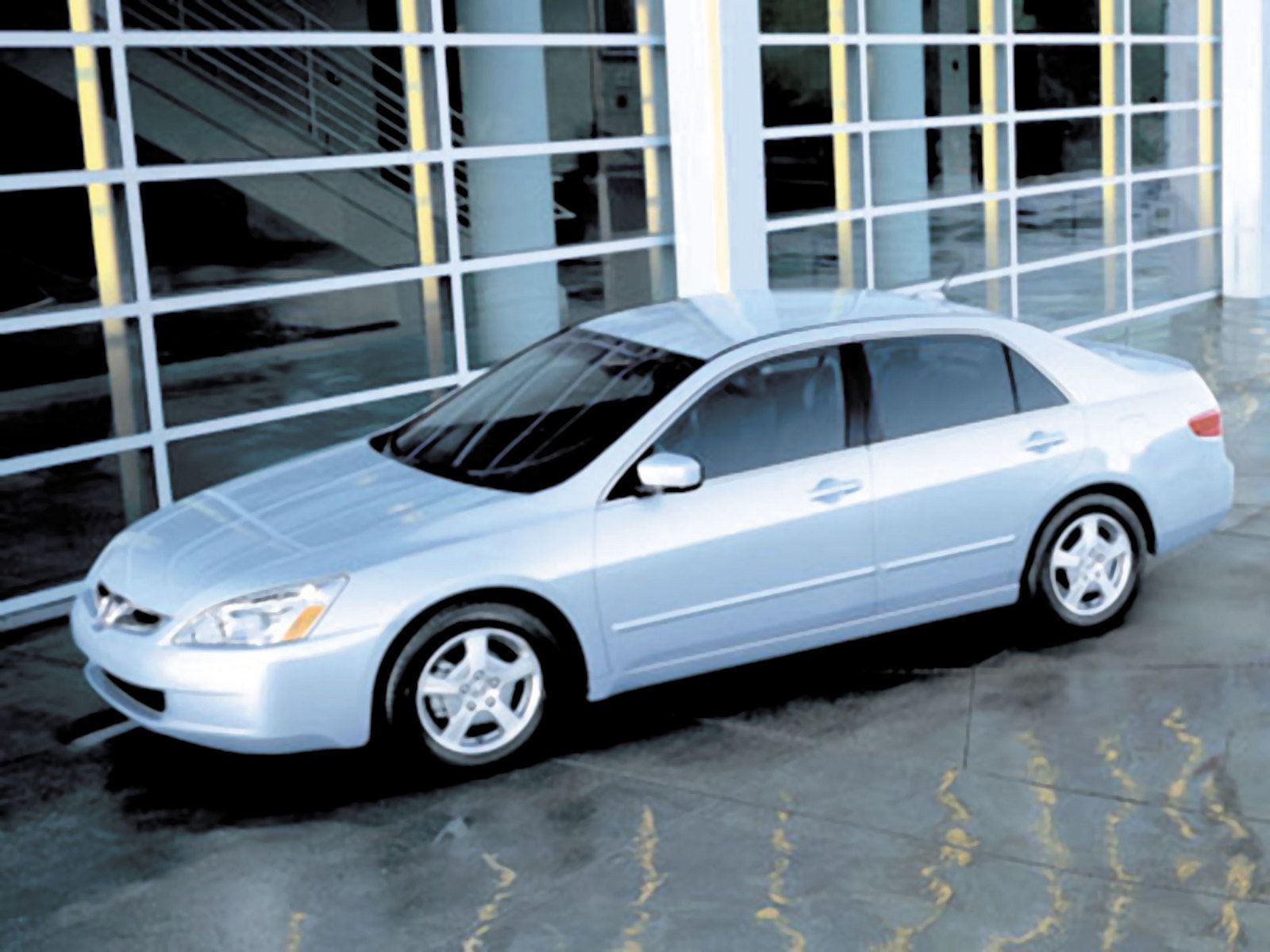
3. Honda Accord (Fifth Generation)
The fifth-generation Honda Accord, produced from the early to mid-1990s, is often cited as one of the most reliable midsize sedans of its time. What many enthusiasts admire, aside from its mechanical durability, is the way its interior has aged.
Even 20 years on, many Accords from this generation feature interiors that look clean, orderly, and surprisingly modern for their age. The design favored simplicity and ergonomic layout, with easy-to-reach controls and durable materials that have proven resilient.
The interior materials, including seat fabrics and plastics, have held up well against wear, fading, and stains. The upholstery does not usually suffer from excessive cracking or tearing, partly due to the quality of materials and partly due to the model’s widespread use of practical cloth seats.
The dashboard’s textured plastics resist scratches and fading, which helps keep the cabin looking fresh. Unlike some cars where interiors can feel fragile or cheap after years of use, the Accord’s cabin remains solid and reliable.
Furthermore, the design of the dashboard and instrument panel is straightforward and uncluttered, which has helped it avoid the dated look that affects many cars from the 1990s.
The clear analog gauges and straightforward button layout continue to provide good usability and visual appeal. Many owners find the interior still comfortable and practical for daily use, with no significant wear and tear visible on the steering wheel or gear shifter even after heavy use.
The combination of durability and design quality makes the fifth-generation Accord’s interior a lasting space that retains a sense of newness.
The car was designed to appeal to a broad market, and Honda’s attention to detail in crafting a reliable and comfortable interior has resulted in cabins that withstand both time and daily use with impressive resilience.
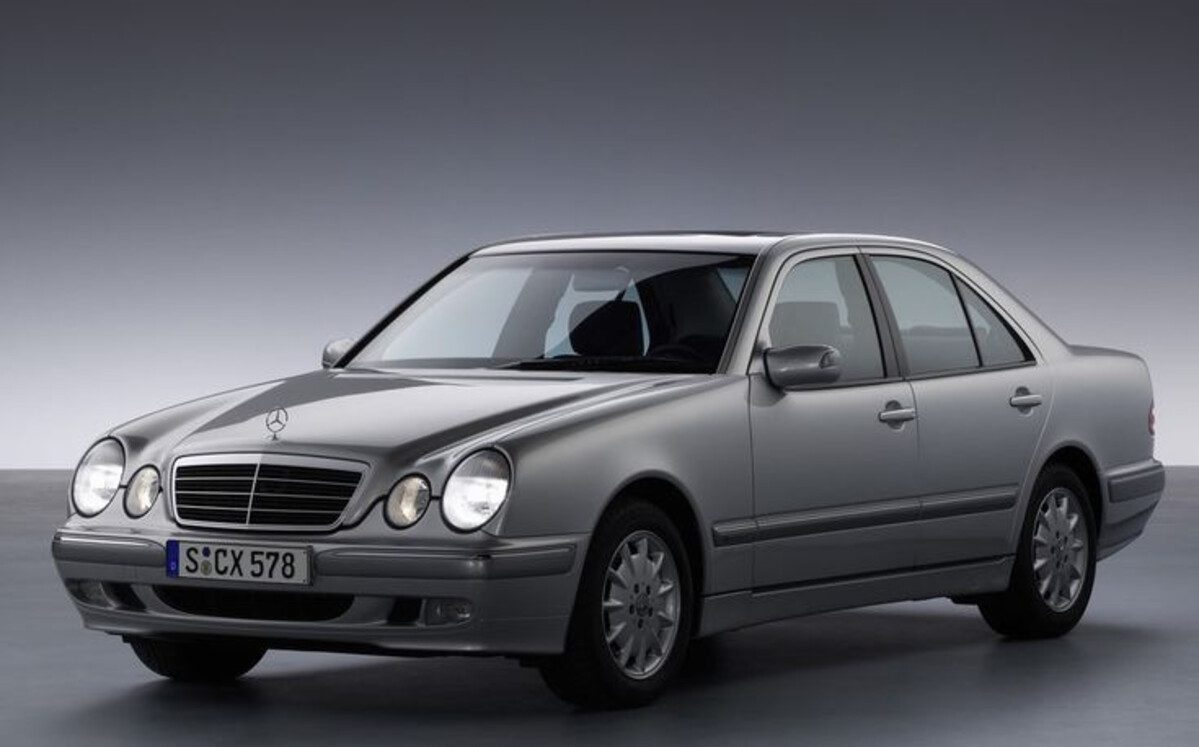
4. Mercedes-Benz E-Class W210
The Mercedes-Benz E-Class W210, produced throughout the late 1990s, is widely appreciated for its elegant and well-crafted interior.
Even after 20 years, many of these cars feature interiors that still look luxurious and well-maintained, thanks to the brand’s focus on premium materials and meticulous build quality. The use of real wood trim, supple leather, and well-finished plastics contributes to an atmosphere of lasting quality and comfort.
Leather seats in the W210 often retain their supple feel and show minimal signs of cracking or fading, especially if they have been cared for properly.
The wood accents, usually made from walnut or similar materials, continue to add warmth and sophistication to the cabin. The dashboard’s design, with its smooth lines and analog instrument cluster, maintains a classic Mercedes aesthetic that has not aged poorly compared to more modern, plastic-heavy interiors.
The cabin’s ergonomics were designed to prioritize comfort and usability, with controls that remain intuitive and responsive. Even after years of use, buttons and switches tend to function smoothly, which is a testament to Mercedes-Benz’s attention to engineering detail.
The sound insulation and materials also help reduce noise and vibrations, contributing to a premium experience that owners continue to enjoy decades later.
Mercedes owners often emphasize the importance of regular maintenance and conditioning of leather and wood surfaces to preserve the interior’s appearance.
Many W210 cars that remain in good condition are those that have been cherished by their owners, undergoing frequent cleaning and protection against UV damage. This care, combined with the inherent quality of materials used, allows the W210 E-Class interiors to still look refined and elegant long after their production.
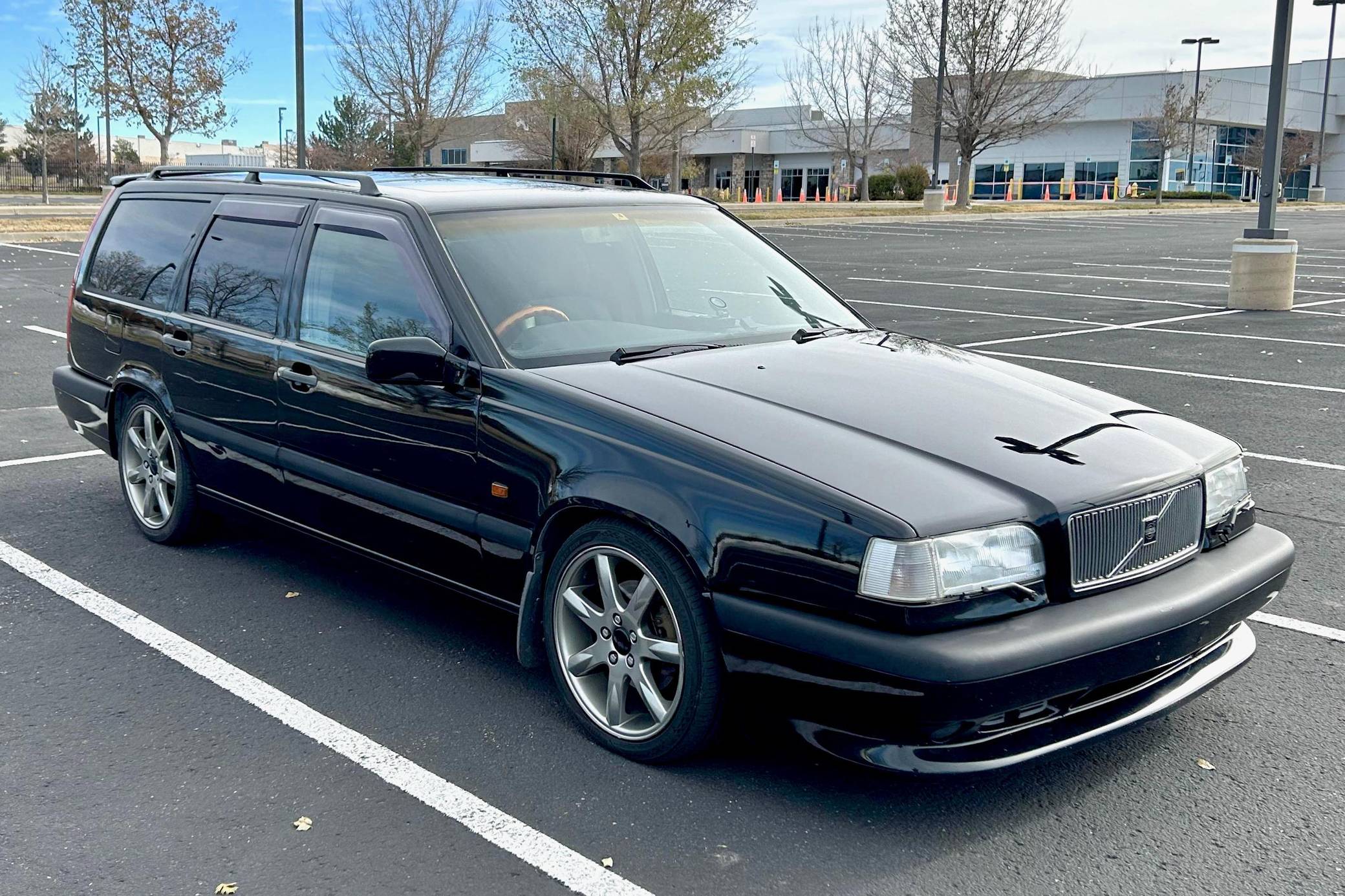
5. Volvo 850
The Volvo 850, produced in the 1990s, is for its combination of safety, comfort, and practicality. Beyond its reputation for being one of the safest cars of its time, the 850 also features an interior that has proven to be durable and long-lasting.
Two decades later, many Volvo 850 interiors look fresh, clean, and free from major wear or tear, showcasing the company’s focus on quality materials and simple yet functional design.
The upholstery and trim materials in the 850 are durable and resistant to stains, fading, and cracking. The fabric seats have a reputation for longevity, while the plastics used on the dashboard and door panels tend to resist warping and discoloration.
This resilience ensures that the cabin maintains a clean and tidy appearance even after years of use. The simple but effective design philosophy means that the interior avoids feeling outdated or cluttered, maintaining a timeless look.
The 850’s cockpit was designed with ergonomics and driver comfort in mind, featuring controls and displays that remain easy to use and read.
The straightforward layout contributes to a sense of order and functionality, which has helped the interior age well. Many owners appreciate the clean lines and practical storage solutions that make the car feel spacious and comfortable despite its compact size.
The longevity of the Volvo 850’s interior is also a result of the brand’s reputation for building cars meant to last. The interiors were designed to withstand daily wear and the effects of time, reflecting Volvo’s broader commitment to durability and practicality.
As a result, many 850s remain visually appealing and comfortable, proving that a well-made interior can continue to look new even after many years.
Also read: 10 Cars That Outlast Multiple Generations in Families
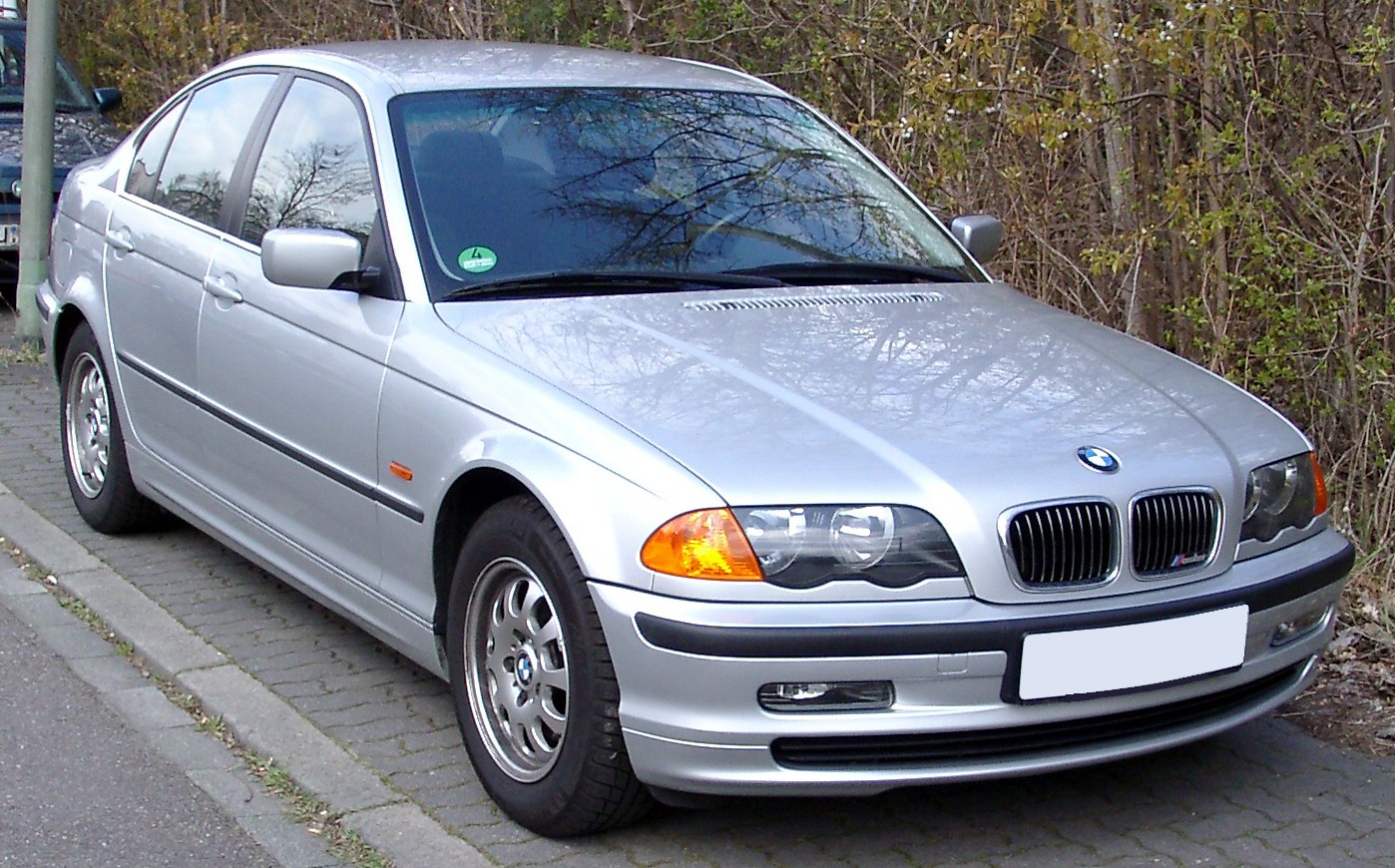
6. BMW 3 Series E46
The BMW E46 3 Series, produced in the late 1990s and early 2000s, is renowned for combining sporty driving dynamics with a refined and durable interior.
Twenty years on, many E46 interiors still look sharp and feel solid, highlighting BMW’s commitment to quality materials and thoughtful design. The use of high-grade leather, metal trim, and well-finished plastics gives the cabin a premium feel that stands the test of time.
Leather seats in the E46 generally maintain their suppleness and resist excessive wear, especially when regularly conditioned.
The dashboard and door panels incorporate soft-touch materials that help avoid the brittle, cracked look common in older vehicles. The interior layout, with its driver-focused design, keeps controls intuitive and accessible, which enhances the experience even after years of use.
Owners often praise the fit and finish of the E46 interior, noting that the panels and trim pieces tend to remain well-aligned and free from rattles or looseness.
The analog gauges and center console design continue to look modern, without the dated feel that affects some cars from the same period. The car’s sound insulation and seat comfort also contribute to an interior environment that still feels inviting and well-cared-for.
Regular maintenance, such as cleaning and conditioning of the leather and attention to interior electronics, plays a role in preserving the E46’s cabin.
Many vehicles remain in excellent condition due to the dedication of their owners and the inherent quality of BMW’s materials and craftsmanship. The result is an interior that continues to look fresh and feel engaging, even after two decades.
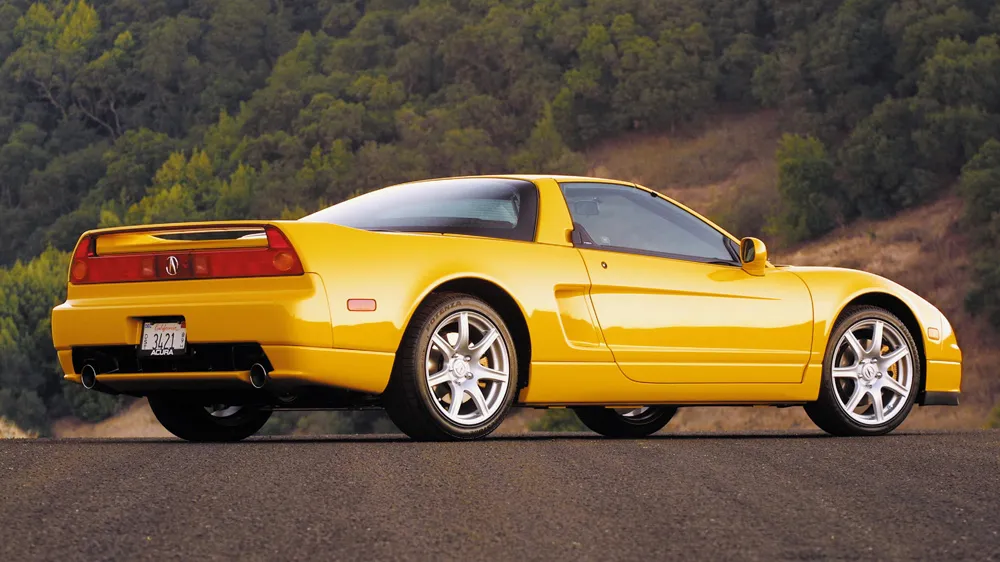
7. Acura NSX (First Generation)
The first-generation Acura NSX is celebrated not only for its performance but also for its driver-focused and durable interior. Twenty years later, the NSX interiors often remain in excellent condition, with seats, dashboard, and controls showing minimal signs of wear.
The cabin was designed with simplicity and functionality, using high-quality materials that resist degradation over time.
The leather seats maintain their shape and softness, rarely showing significant cracking or damage, thanks to premium leather and careful design. The dashboard, instrument cluster, and center console are constructed from durable plastics and metal accents that retain their appearance and tactile quality.
Unlike many sports cars that prioritize performance at the expense of interior comfort, the NSX offers a cabin that balances driver engagement with lasting quality.
The layout is minimalist but well-thought-out, with controls within easy reach and an uncluttered design that feels timeless. The materials do not easily fade or discolor, even with exposure to sunlight, which is crucial for a sports car often driven in open-air conditions or in bright environments.
Many owners have reported that the interior of the NSX feels just as fresh as the day it was purchased, making it one of the best-preserved cabins from the 1990s.
The durability of the NSX’s interior can be attributed to both the quality of materials used and the fact that many of these cars were driven carefully and maintained rigorously by enthusiasts. This combination results in interiors that remain pristine and comfortable, standing as a shining example of how sports cars can also offer longevity inside.
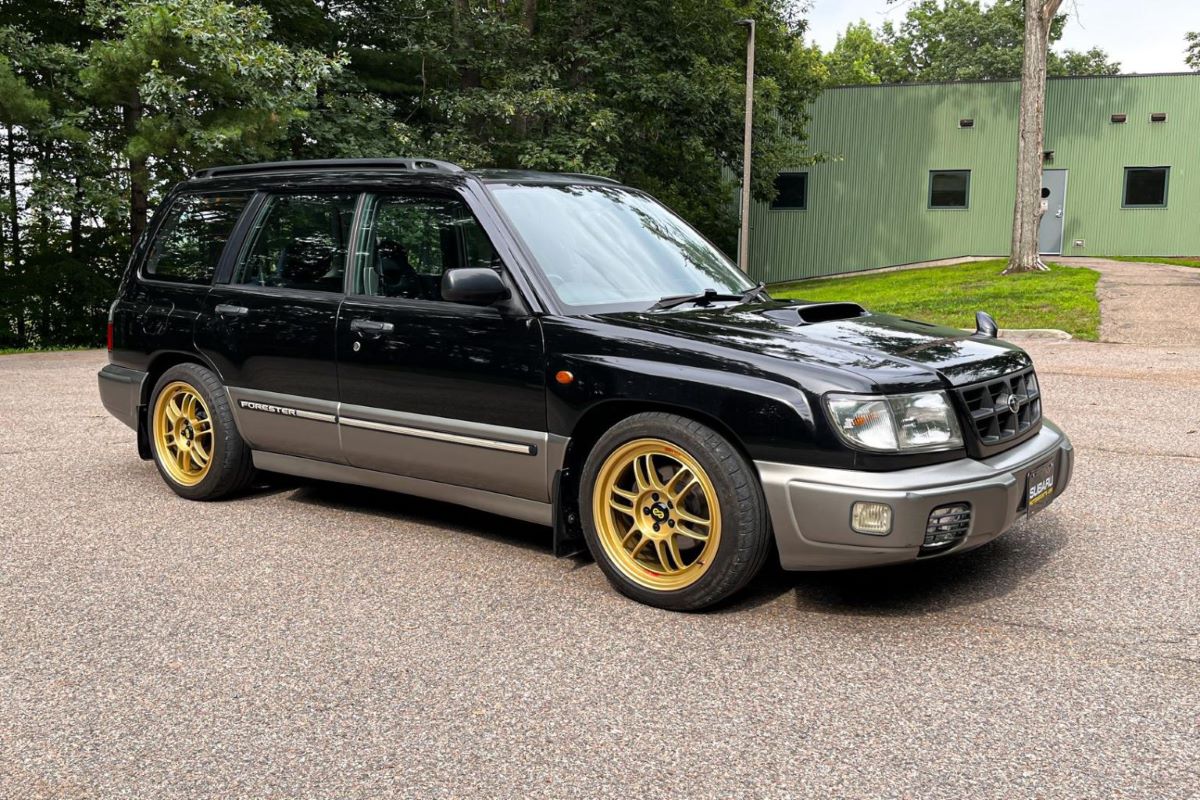
8. Subaru Forester (First Generation)
The first-generation Subaru Forester, introduced in the late 1990s, is known for its practicality, reliability, and surprisingly durable interior.
Despite its utilitarian roots as a compact SUV, many Forester interiors still look clean and well-maintained after 20 years. The cabin materials are chosen for durability and ease of cleaning, making the interior resilient to wear and tear from daily use and outdoor activities.
The seat fabrics are tough and stain-resistant, while the plastics on the dashboard and door panels resist scratching and fading.
Unlike some SUVs of its era that use cheap materials, the Forester’s interior balances cost-effectiveness with long-lasting quality. The design is straightforward and functional, which helps the cabin avoid feeling dated or worn out even after extended use.
The layout of the Forester’s interior emphasizes practicality, with simple controls and a spacious feel. The large windows and upright seating position contribute to a bright, airy atmosphere, which many owners appreciate even today. The controls remain easy to operate, and the cabin environment feels inviting and fresh despite its age.
Owner maintenance also plays a role in the longevity of the Forester’s interior. Many Foresters are kept clean and protected from harsh environmental effects, which preserves the cabin’s condition. This, combined with Subaru’s engineering focus on durability, results in interiors that can still look new and comfortable after two decades of use.
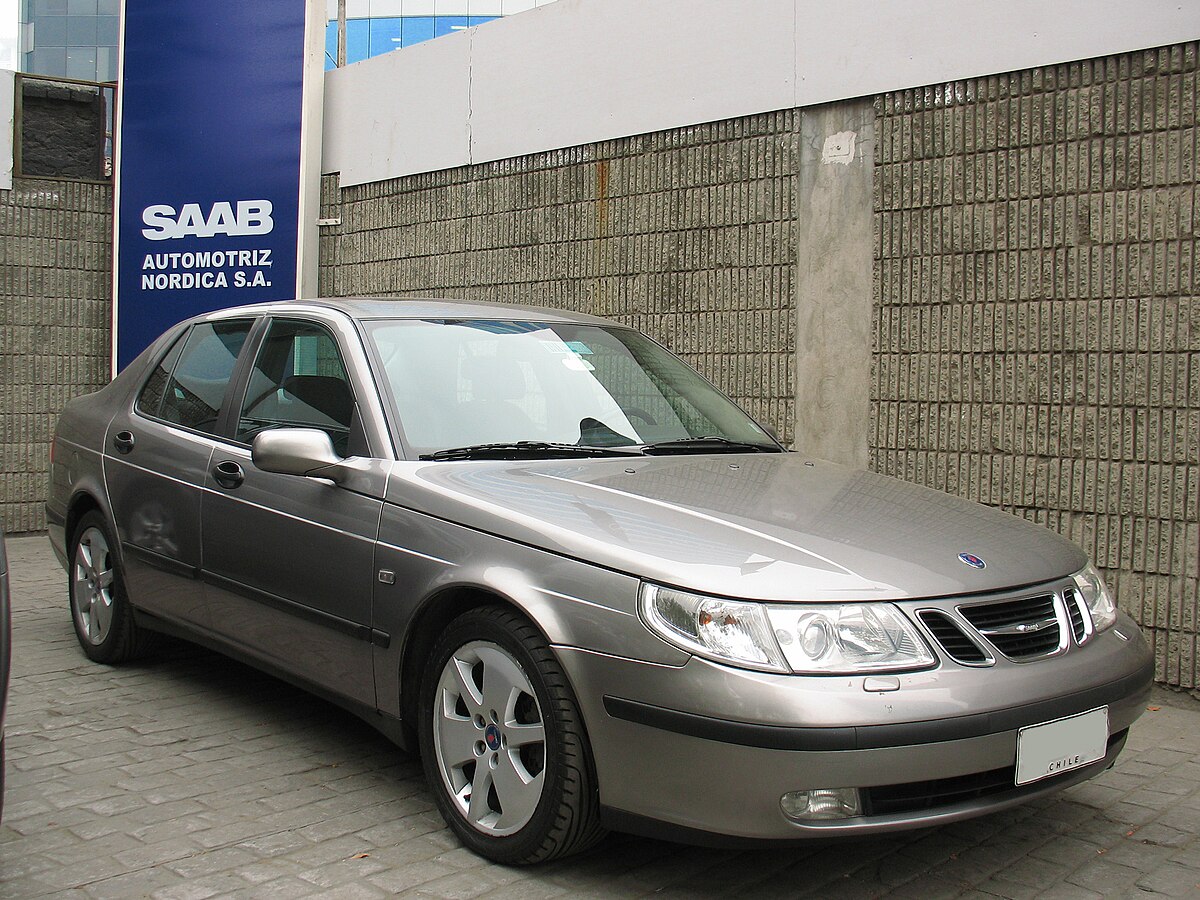
9. Saab 9-5 (First Generation)
The Saab 9-5, particularly the first generation produced in the late 1990s and early 2000s, is recognized for its unique blend of Scandinavian design and solid build quality.
The interiors of these cars have aged surprisingly well, with many examples retaining a fresh, clean look and feeling remarkably comfortable despite their age. Saab used high-quality materials that have resisted cracking, fading, and wear over the years.
The seats, often upholstered in leather or high-quality fabric, maintain their comfort and appearance due to careful craftsmanship and material choices.
The dashboard features soft-touch plastics and well-designed wood or metal trim that continues to look elegant and functional. Saab’s signature wraparound dashboard design also contributes to a feeling of safety and enclosure that remains relevant and comfortable even after 20 years.
Functionally, the interior controls and instruments have held up well, with switches and buttons that maintain their tactile feel and responsiveness.
The layout avoids clutter and focuses on driver convenience, with many features ahead of their time in terms of usability. Additionally, the build quality means that rattles and loose panels are rare, helping the cabin maintain its integrity over the years.
Enthusiasts who have preserved their Saab 9-5 interiors often credit the brand’s attention to detail and quality as key reasons for the lasting freshness of the cabins.
Many of these cars have been carefully maintained and regularly cleaned, further extending the life and appearance of the interior. The result is a vehicle interior that remains a point of pride for owners decades after production.
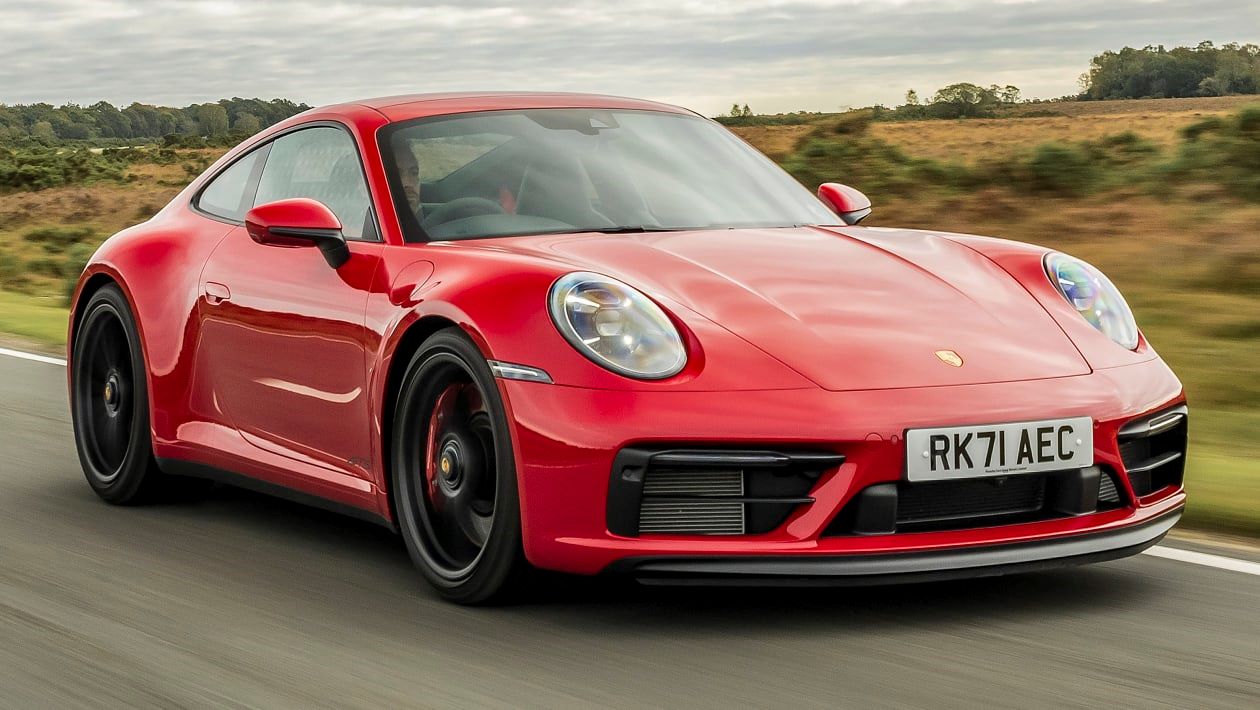
10. Porsche 911 (993 Generation)
The Porsche 911 from the 993 generation, produced in the mid to late 1990s, combines iconic design with exceptional interior quality. This generation of the 911 is often praised for interiors that remain timeless and in excellent condition even 20 years later.
The combination of high-quality leather, durable plastics, and expert craftsmanship means that these cabins continue to look fresh and inviting.
The leather seats in the 993 generally retain their shape, comfort, and appearance with proper care. The dashboard and center console feature well-finished materials that resist fading, cracking, and peeling.
Porsche’s commitment to detail is evident in the tight panel gaps, solid feel of controls, and use of materials that balance luxury and sportiness.
The interior design itself is classic and functional, with clear, analog instrumentation and a driver-focused layout that remains relevant today. The cabin manages to avoid feeling dated, partly due to the restrained design language and partly due to the premium materials used.
The sound insulation and comfort features contribute to a driving environment that remains comfortable and engaging even after many years.
Owners of the 993-generation Porsche 911 often take pride in maintaining their interiors meticulously, using high-quality cleaning and conditioning products to preserve leather and trim.
This dedication, combined with Porsche’s original material choices, results in interiors that still look almost new, making the 993 a benchmark for interior durability and style among sports cars.
