
Hybrid vehicles have become a popular choice among drivers who want to balance fuel efficiency with environmental consciousness. As gasoline prices fluctuate and governments push for greener alternatives, hybrids have carved a solid niche in the automotive market.
But owning a hybrid is not just about the immediate savings on gas or the appeal of cutting emissions. Many buyers consider long-term reliability and durability, especially for those who plan to keep their cars for many years or hundreds of thousands of miles.
The question of whether a hybrid can truly last as long as a traditional gasoline vehicle is a critical concern for potential owners.
Hybrids are often viewed as complex machines due to their combination of an internal combustion engine and an electric motor powered by a battery pack. This complexity sometimes raises doubts about longevity and repair costs. However, many hybrids have proven their reliability by running smoothly well beyond 250,000 miles.
These models tend to have solid engineering, robust battery management systems, and dependable powertrains that contribute to their longevity. On the flip side, some hybrids have struggled to reach these high mileages without significant issues, often linked to battery degradation, costly repairs, or component failures.
Understanding which hybrids maintain their performance and dependability after extensive use can help buyers make informed decisions. It also sheds light on the evolving technology and engineering behind these vehicles.
This article presents a comparison between five hybrids known for their durability past 250,000 miles and five that are less likely to reach that milestone without major problems. By examining these vehicles’ strengths and weaknesses, owners and prospective buyers can get a clearer picture of what to expect from hybrid ownership in the long run.
Also Read: 5 Cars That Rarely Cause Buyer’s Regret vs 5 That Always Do
5 Hybrids That Run Smooth Past 250k
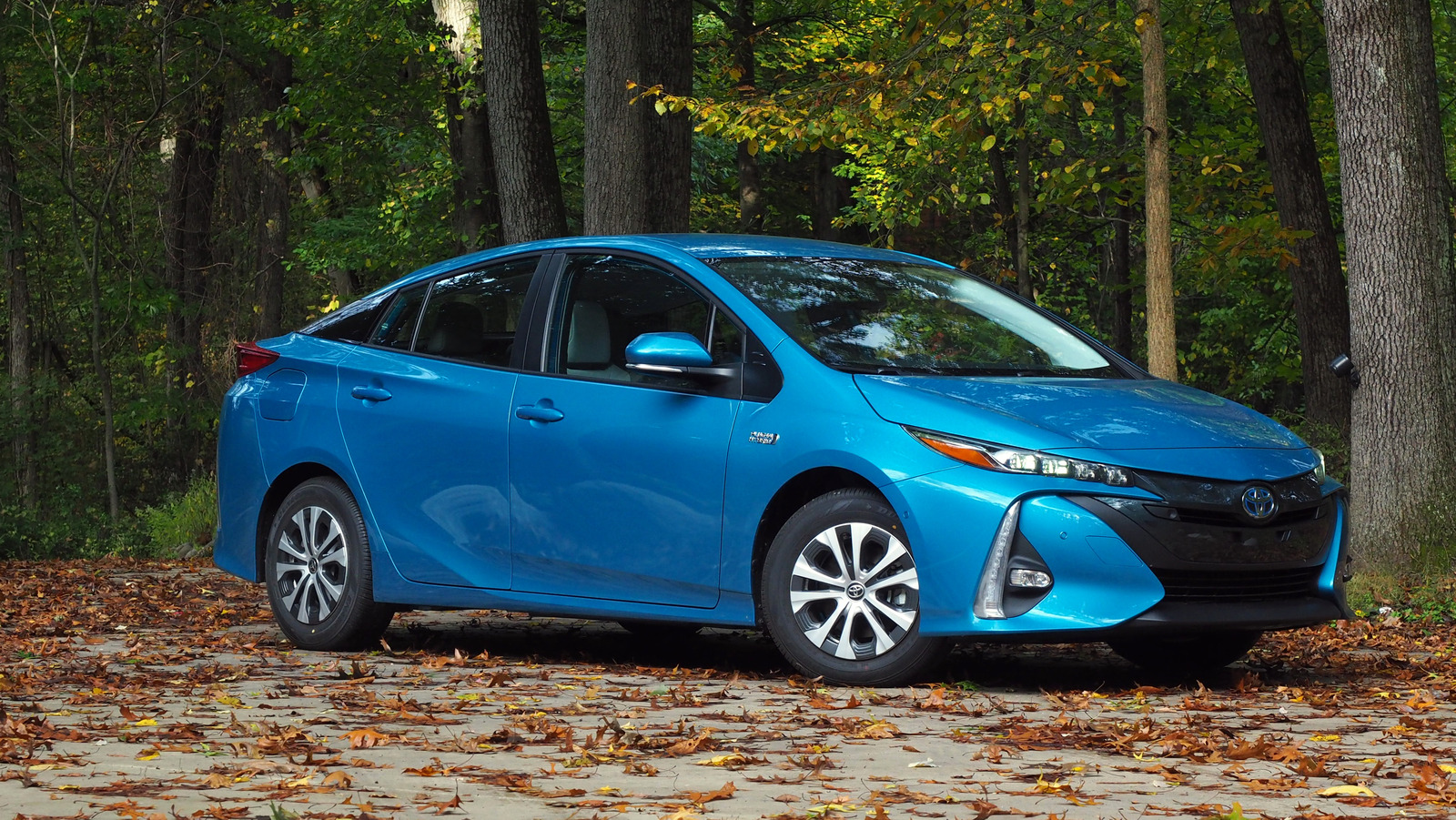
1. Toyota Prius
The Toyota Prius has become synonymous with hybrid reliability for good reason. Since its initial launch in the late 1990s, the Prius has consistently demonstrated an ability to remain dependable well into the higher mileage ranges. Toyota’s engineering team has focused on building a hybrid system that prioritizes longevity and efficiency without sacrificing reliability.
The hybrid battery pack, which is often a concern for buyers, tends to last beyond 150,000 miles under normal use, and many owners report the battery lasting over 200,000 miles before requiring replacement. This durability is thanks to Toyota’s advanced battery management system that regulates charging and discharging carefully to reduce wear and tear.
Beyond the battery, the Prius features a relatively simple yet highly efficient internal combustion engine that doesn’t face the extreme stresses of conventional vehicles, largely because the electric motor assists in many driving situations. This reduces engine strain and mechanical wear, contributing to the vehicle’s long lifespan.
Additionally, the regenerative braking system helps reduce brake wear significantly, leading to fewer maintenance costs over time. The powertrain and chassis are built with high-quality materials, and the vehicle’s software is regularly updated to optimize performance and efficiency.
Toyota’s widespread dealer network and well-established parts availability also play a crucial role in the Prius’s longevity. Repair costs are generally affordable compared to luxury hybrids, and the availability of both OEM and aftermarket parts allows owners to maintain their vehicles without excessive expenses.
Owners who follow recommended maintenance schedules, including regular oil changes, brake inspections, and hybrid system checks, tend to see their Priuses continue running smoothly long past 250,000 miles.
Finally, the Prius’s design encourages gentle driving habits that naturally reduce wear. Many Prius owners use their vehicles for daily commuting and city driving, where the hybrid system shines. This style of use, combined with Toyota’s reputation for quality, makes the Prius a standout hybrid for long-term reliability.
The balance of fuel savings, low maintenance, and proven durability continues to attract drivers looking for a vehicle that can truly stand the test of time.
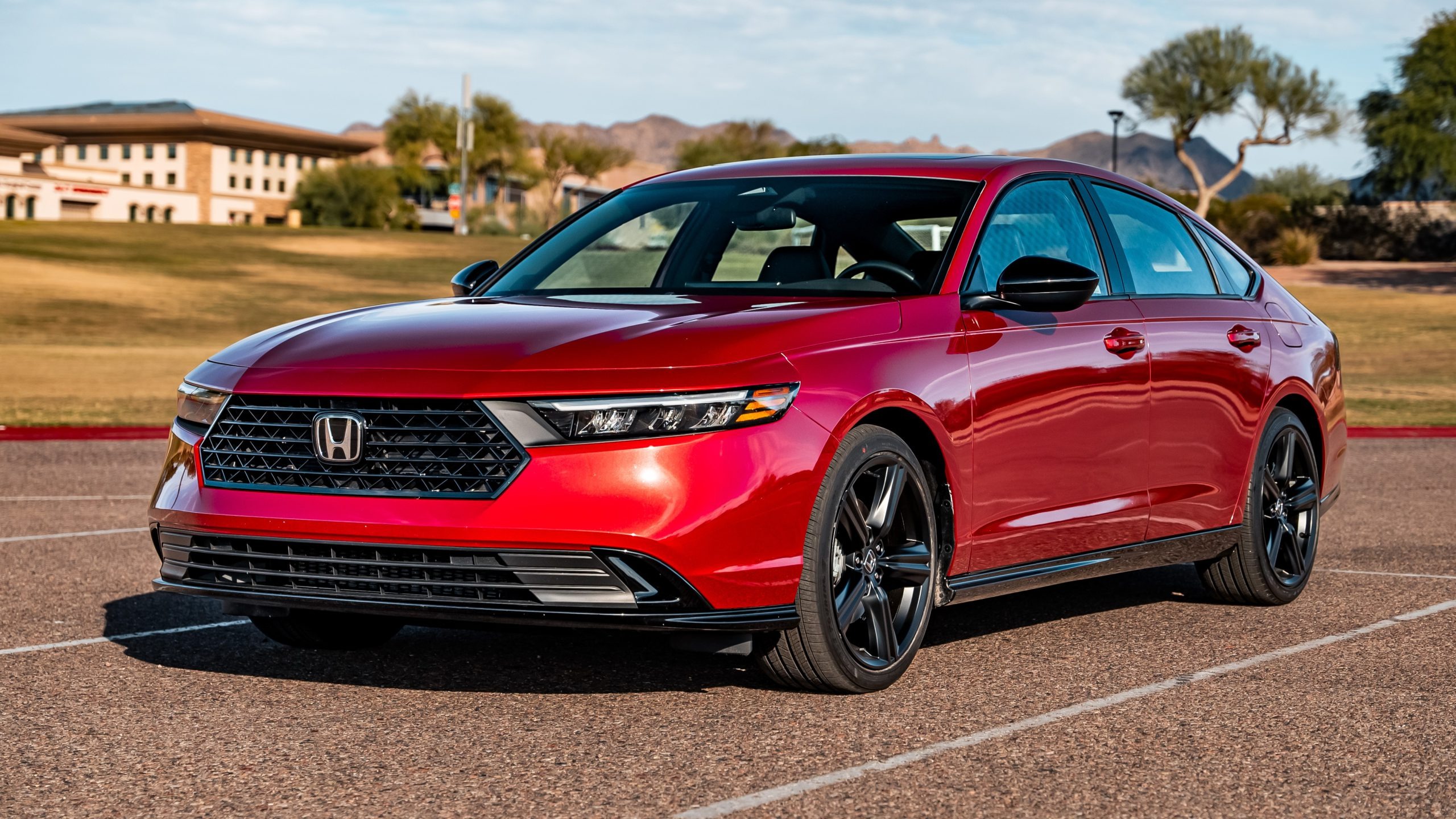
2. Honda Accord Hybrid
The Honda Accord Hybrid is widely regarded as one of the more durable hybrids on the market, boasting a reputation that blends Honda’s legendary engine reliability with efficient hybrid technology. Honda took great care in designing the Accord Hybrid to balance power, fuel efficiency, and long-term dependability.
The hybrid powertrain, which combines a gasoline engine with an electric motor, operates with smoothness and precision, leading to less mechanical stress during everyday driving. This contributes to the durability of the vehicle, allowing many owners to comfortably exceed 250,000 miles.
One of the most important factors in the Accord Hybrid’s longevity is its battery pack, which benefits from Honda’s intelligent battery management system. This system actively monitors battery health, temperature, and charge levels to avoid damage that could reduce the pack’s lifespan.
As a result, many owners report no need for battery replacement even after high mileage, a significant advantage considering the potential cost of hybrid battery repairs. The integration of the engine and electric motor also means less wear on individual components, since power delivery is shared efficiently between the two systems.
The engine and transmission used in the Accord Hybrid are robust and derived from Honda’s extensive experience building durable vehicles. The gasoline engine is tuned to operate under less strain, especially at highway speeds, where the electric motor can assist.
The continuously variable transmission (CVT) employed by Honda is well-engineered, providing smooth gear shifts and reducing mechanical friction that might otherwise accelerate wear. Furthermore, the Accord Hybrid’s body and suspension components have been praised for holding up well under the stress of high-mileage driving.
Maintenance and repair for the Accord Hybrid remain accessible and affordable relative to luxury hybrids. Honda’s large service network and widespread availability of parts ensure that owners don’t face prohibitive costs or wait times for repairs.
Many Honda Accord hybrids remain on the road well past 250,000 miles because owners take advantage of routine maintenance, such as timely oil changes, brake servicing, and hybrid system diagnostics, which help preserve the vehicle’s performance and reliability over time.
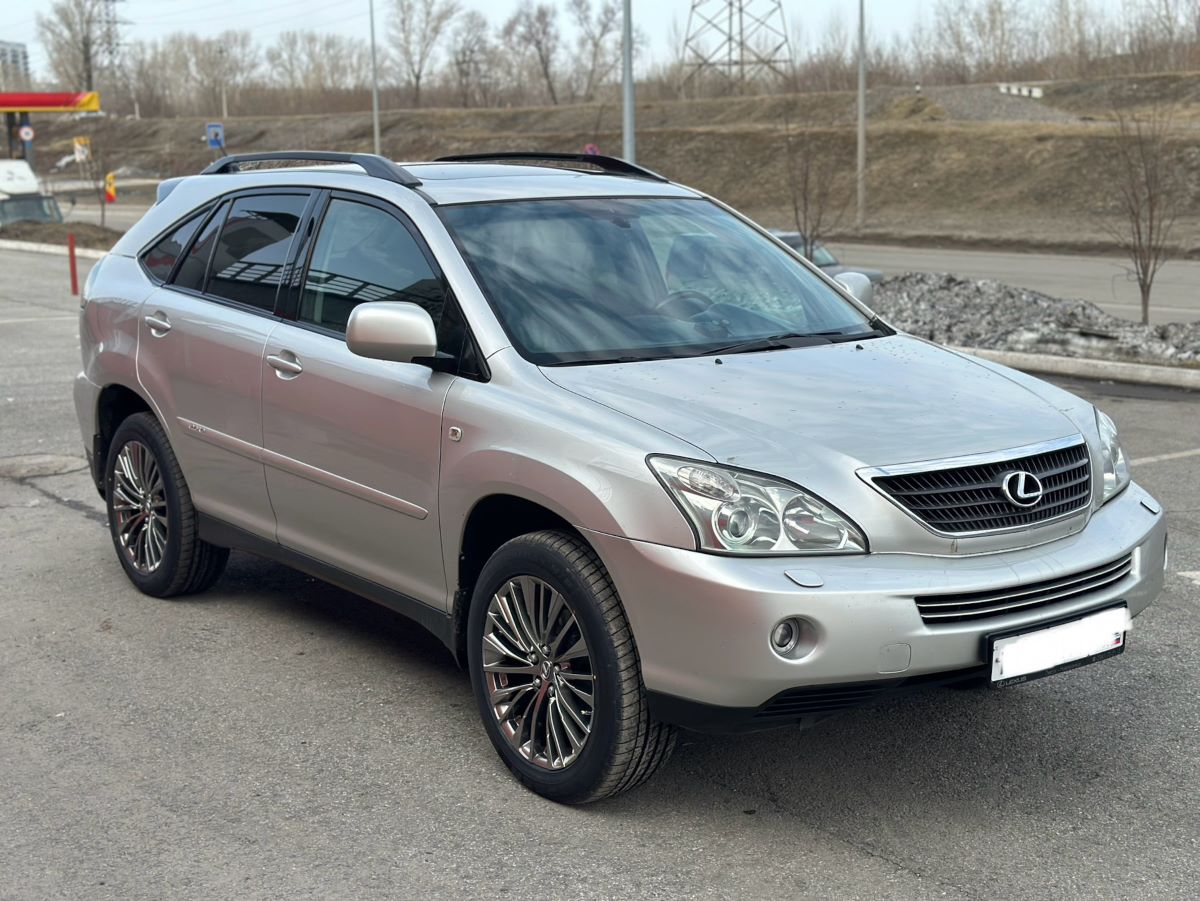
3. Lexus RX 400h
The Lexus RX 400h was a groundbreaking model when it arrived, blending luxury, utility, and hybrid technology into one package. Its success in the market is largely due to its combination of Toyota’s reliable hybrid system and Lexus’s commitment to high build quality and comfort.
This hybrid SUV is frequently noted for its ability to remain smooth and trouble-free even after hundreds of thousands of miles, which is a testament to the durability of its engineering and components. The RX 400h’s hybrid system, based on the Toyota Prius but modified for increased power and load, is designed to endure the heavier SUV chassis while maintaining efficiency.
The hybrid battery in the RX 400h tends to be remarkably durable, partly because the system includes sophisticated battery cooling to prevent overheating and degradation. The electric motors and engine work in harmony, sharing the load to avoid excessive wear on any one component.
Many owners have reported reaching and surpassing 250,000 miles with little to no battery replacement needed, which is impressive given the vehicle’s size and weight. This makes the RX 400h one of the most dependable hybrid SUVs on the market.
In addition to its powertrain durability, the RX 400h benefits from Lexus’s reputation for refined craftsmanship. The suspension system, brakes, and other mechanical components are engineered for longevity, delivering a comfortable and stable ride throughout the vehicle’s life.
The interior materials and build quality also stand the test of time, making it a desirable option for buyers who want both luxury and reliability.
Dealer support and maintenance resources for Lexus vehicles are robust, with many dealerships offering specialized knowledge in hybrid servicing. Genuine Lexus parts are widely available, and the brand’s warranty and extended service plans provide peace of mind.
Owners who maintain their RX 400h with regular service and care often find the vehicle retains its smooth operation and high performance well beyond 250,000 miles, proving that luxury hybrids can be just as durable as their non-hybrid counterparts.
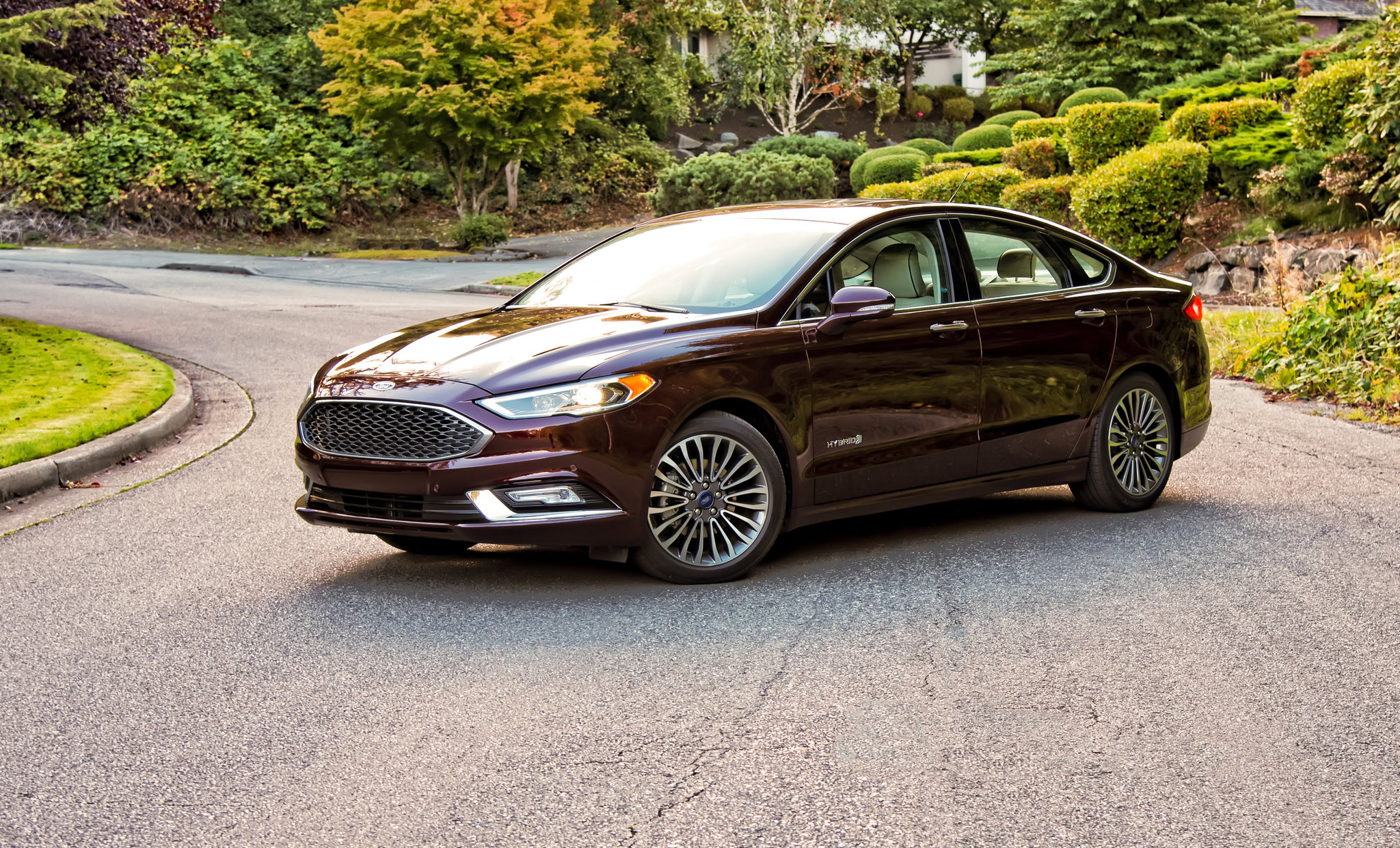
4. Ford Fusion Hybrid
The Ford Fusion Hybrid is a practical and efficient midsize sedan that has gained a reputation for reliability and durability, especially in recent model years. While Ford’s early hybrid efforts had mixed reviews, the Fusion Hybrid has consistently improved its hybrid system to offer dependable performance and fuel savings without sacrificing longevity.
Many Fusion Hybrid owners report driving their vehicles past 250,000 miles while experiencing few major mechanical issues, a testament to Ford’s advancements in hybrid engineering.
One of the key reasons for the Fusion Hybrid’s durability is its powertrain balance. The vehicle’s four-cylinder engine and electric motor work in tandem through a hybrid control system that manages power delivery intelligently, reducing strain on both the engine and battery.
This helps extend the life of components, especially the transmission, which has been engineered to accommodate hybrid driving conditions effectively. The battery packs in the Fusion Hybrid are known for their reliability, with many lasting well beyond the warranty period when the vehicle is properly maintained.
The mechanical components beyond the hybrid system also contribute to the Fusion Hybrid’s long-lasting performance. The chassis, suspension, and braking systems have been designed to handle the unique demands of a hybrid, including the extra weight of the battery pack.
Regenerative braking not only improves efficiency but also reduces wear on traditional brake components, leading to fewer replacements and lower maintenance costs over time.
Ford’s extensive dealer network and commitment to improving hybrid technology means that owners have access to specialized maintenance and parts. Repair and upkeep costs tend to be more affordable compared to luxury hybrid vehicles, making the Fusion Hybrid an attractive choice for those who want a hybrid that can go the distance.
With regular oil changes, battery checks, and transmission servicing, many Fusion Hybrid owners find their cars running smoothly past the 250,000-mile mark.
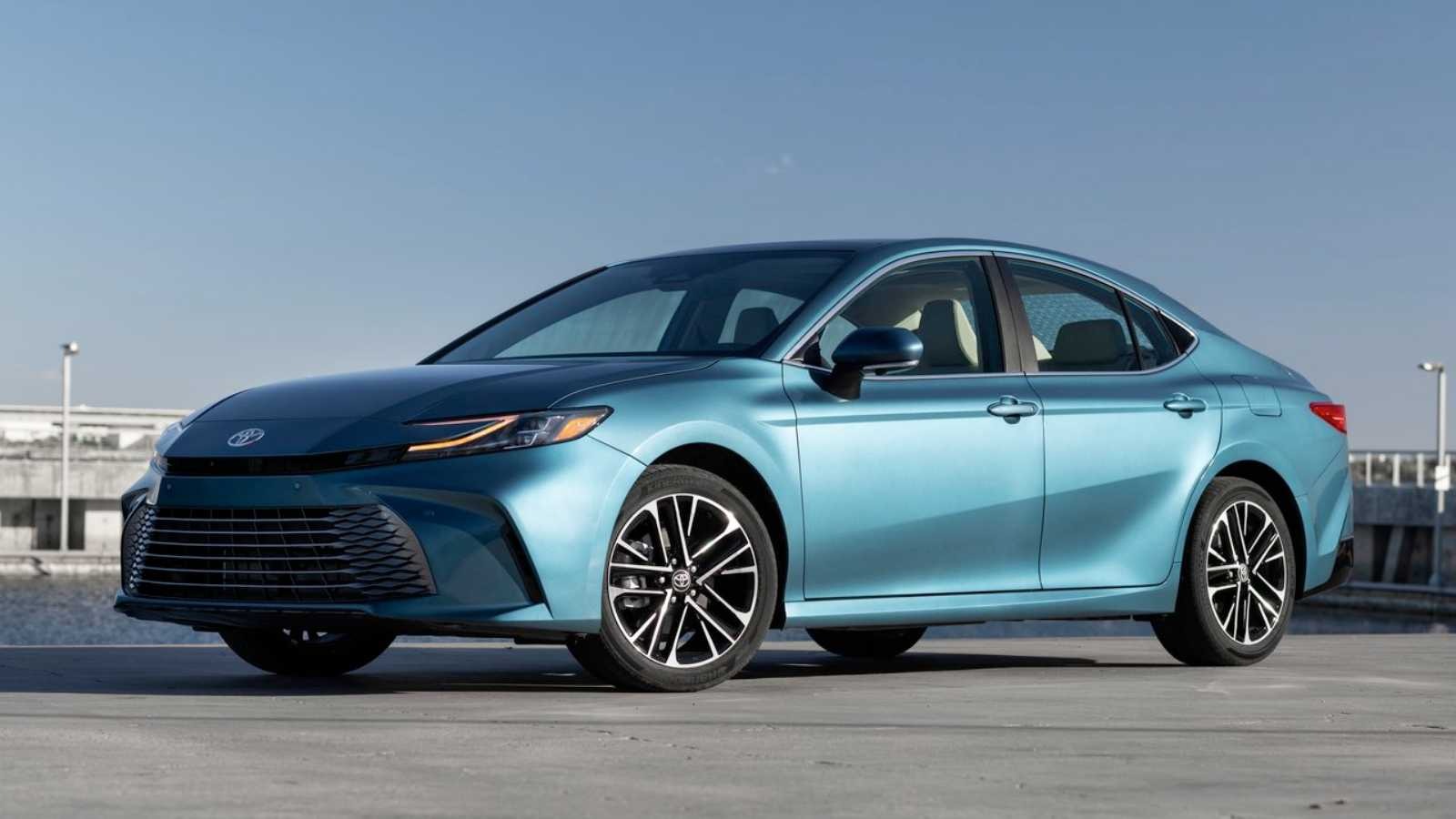
5. Toyota Camry Hybrid
The Toyota Camry Hybrid combines the trusted reliability of the Toyota Camry with the fuel efficiency and eco-friendliness of hybrid technology.
As one of the most popular midsize hybrids on the market, the Camry Hybrid is often praised for its smooth performance and long-lasting durability. Toyota’s expertise in hybrid systems is clearly reflected in the Camry Hybrid’s ability to consistently deliver reliable power and maintain high mileage with relatively low maintenance requirements.
Central to the Camry Hybrid’s longevity is the vehicle’s hybrid battery and powertrain, which are designed to work seamlessly together. The hybrid system efficiently switches between electric and gasoline power, minimizing strain on the engine and prolonging the life of both components.
The battery pack, supported by Toyota’s sophisticated battery management system, is known to last well beyond 150,000 miles with proper care, with many vehicles reaching or exceeding the 250,000-mile threshold.
The Camry Hybrid’s engine and continuously variable transmission (CVT) have been engineered for durability and smooth operation. The CVT eliminates the shock of gear changes, reducing wear on transmission components and contributing to a quieter, more comfortable ride.
Toyota’s engineering also ensures that the vehicle’s cooling and electrical systems support the hybrid technology effectively, preventing premature failures or overheating.
Owners of the Camry Hybrid benefit from Toyota’s extensive service network and readily available parts. Regular maintenance, including oil changes, brake inspections, and hybrid system diagnostics, helps keep the vehicle running reliably for many years.
With a balance of performance, comfort, and proven hybrid technology, the Toyota Camry Hybrid remains a top choice for those seeking a hybrid that can deliver smooth, trouble-free driving well beyond 250,000 miles.
Also Read: 5 Cars That Survive The American Rust Belt vs 5 That Disintegrate
5 Hybrids That Don’t Run Smooth Past 250k
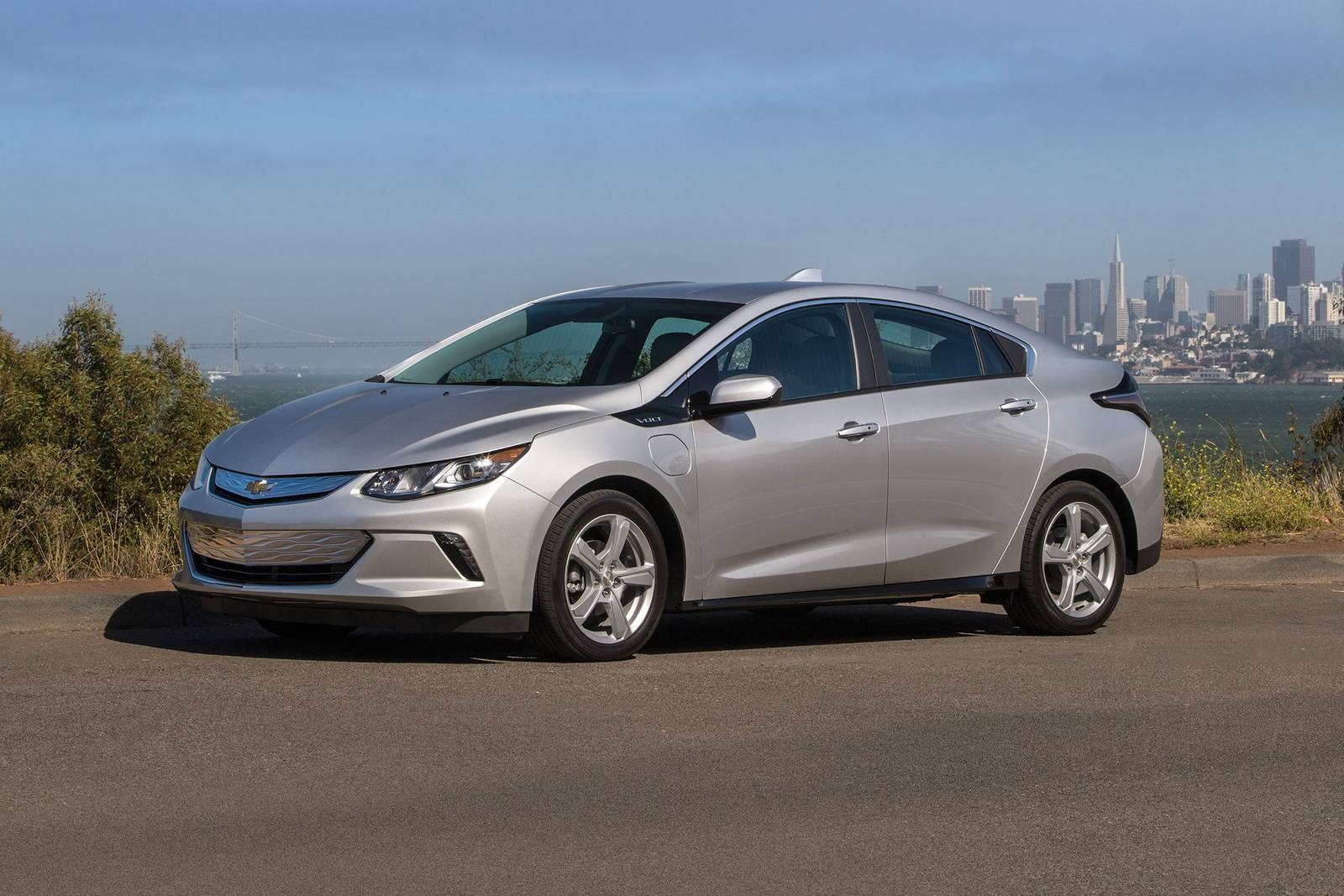
1. Chevrolet Volt (First Generation)
The first-generation Chevrolet Volt was a bold and innovative step in hybrid technology, introducing plug-in capability to extend electric-only driving range significantly. However, despite its pioneering features, the Volt’s complex hybrid system has presented challenges for long-term reliability, especially as the vehicle ages and mileage climbs.
One of the primary concerns is the battery pack, which, while supported by GM’s strong warranty program, tends to degrade noticeably after extensive use.
Many Volt owners have encountered reduced battery capacity and diminished electric range well before reaching 250,000 miles, and the high cost of replacement batteries can be a major deterrent for keeping the car on the road.
In addition to battery wear, the Volt’s thermal management system has been prone to issues. Proper cooling of the battery is critical to longevity, and malfunctions in this system have led to overheating and, in some cases, premature battery failure. This adds to repair complexity and expense.
The integration of electric motors, gasoline engine, and battery pack requires precise coordination, which places significant demand on the vehicle’s electronics and software. As the car ages, these systems can become less reliable, with owners reporting occasional software glitches, sensor errors, and electrical faults that affect drivability.
The powertrain of the Volt, while generally solid in mechanical terms, experiences more stress than traditional hybrids because of its plug-in capabilities and frequent electric-only driving modes. This can lead to accelerated wear on components such as the electric drive unit and transmission system, especially if the vehicle is not maintained meticulously.
Furthermore, GM’s dealer network, while extensive, has sometimes been criticized for lacking specialized knowledge in hybrid repairs during the early years of the Volt’s release, making service less straightforward for owners.
The first-generation Chevrolet Volt is a vehicle that requires careful maintenance and sometimes costly repairs to maintain smooth operation as mileage increases.
It is not as proven or resilient as some of its Japanese hybrid counterparts and is generally not recommended for owners looking for a hybrid that will consistently perform without major issues past 250,000 miles. The Volt’s pioneering technology came with growing pains, which continue to affect its long-term durability.
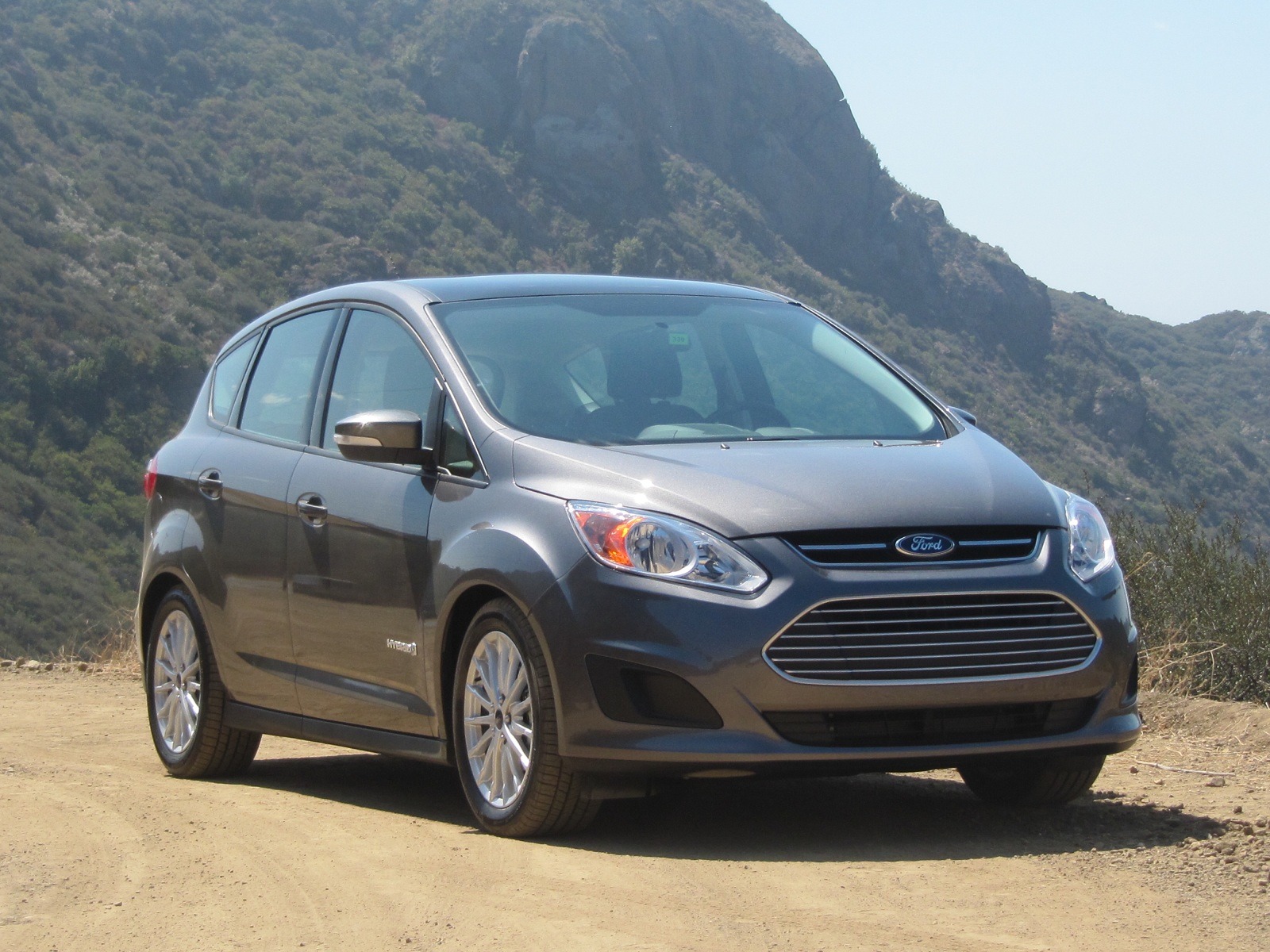
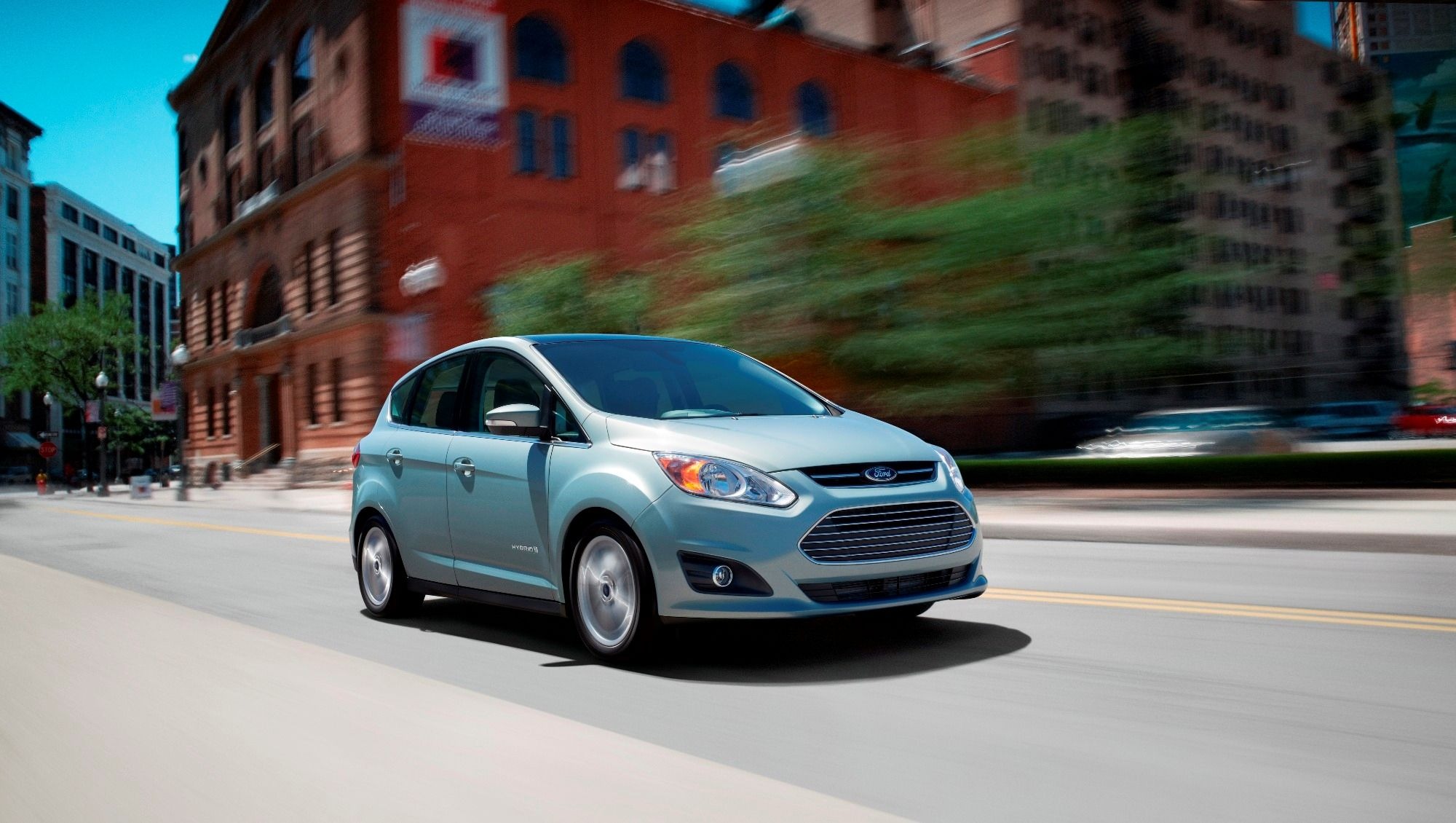
2. Ford C-Max Hybrid
The Ford C-Max Hybrid, introduced as a practical and fuel-efficient compact hybrid, has struggled to maintain reliability in the long term, particularly when driven to high mileage. One of the main problems with the C-Max lies in its hybrid battery pack, which tends to degrade faster than those found in comparable hybrids from other manufacturers.
Battery performance issues typically arise well before 250,000 miles, with owners noticing a sharp decline in electric driving range and increased fuel consumption as the battery loses capacity. Because battery replacement costs are high and the process can be complicated, many owners find it difficult to justify investing in extensive repairs.
Beyond the battery, the C-Max is known for transmission troubles that plague some model years. The continuously variable transmission (CVT), which is crucial for delivering smooth hybrid power, has exhibited signs of premature wear and failure in numerous vehicles.
Drivers report issues such as rough shifting, hesitation, and in some cases, complete transmission breakdowns. These transmission problems often require expensive repairs or replacements, further reducing the car’s appeal as a long-lasting hybrid option.
Electronics and sensor malfunctions have also been relatively common in the C-Max, with owners encountering dashboard warning lights and drivability issues linked to hybrid system sensors and control modules.
The complexity of the vehicle’s hybrid system means that diagnosing and fixing these issues can be time-consuming and costly, especially when specialized knowledge or equipment is needed. The combination of battery, transmission, and electrical system issues means the C-Max often struggles to maintain smooth performance at high mileage levels.
While Ford has made improvements in newer hybrid models, the early C-Max hybrids remain less reliable for long-term ownership. Their propensity for battery degradation and mechanical failures limits their ability to run smoothly past 250,000 miles without significant repairs. For buyers focused on longevity, the C-Max may not be the best choice among hybrid vehicles.
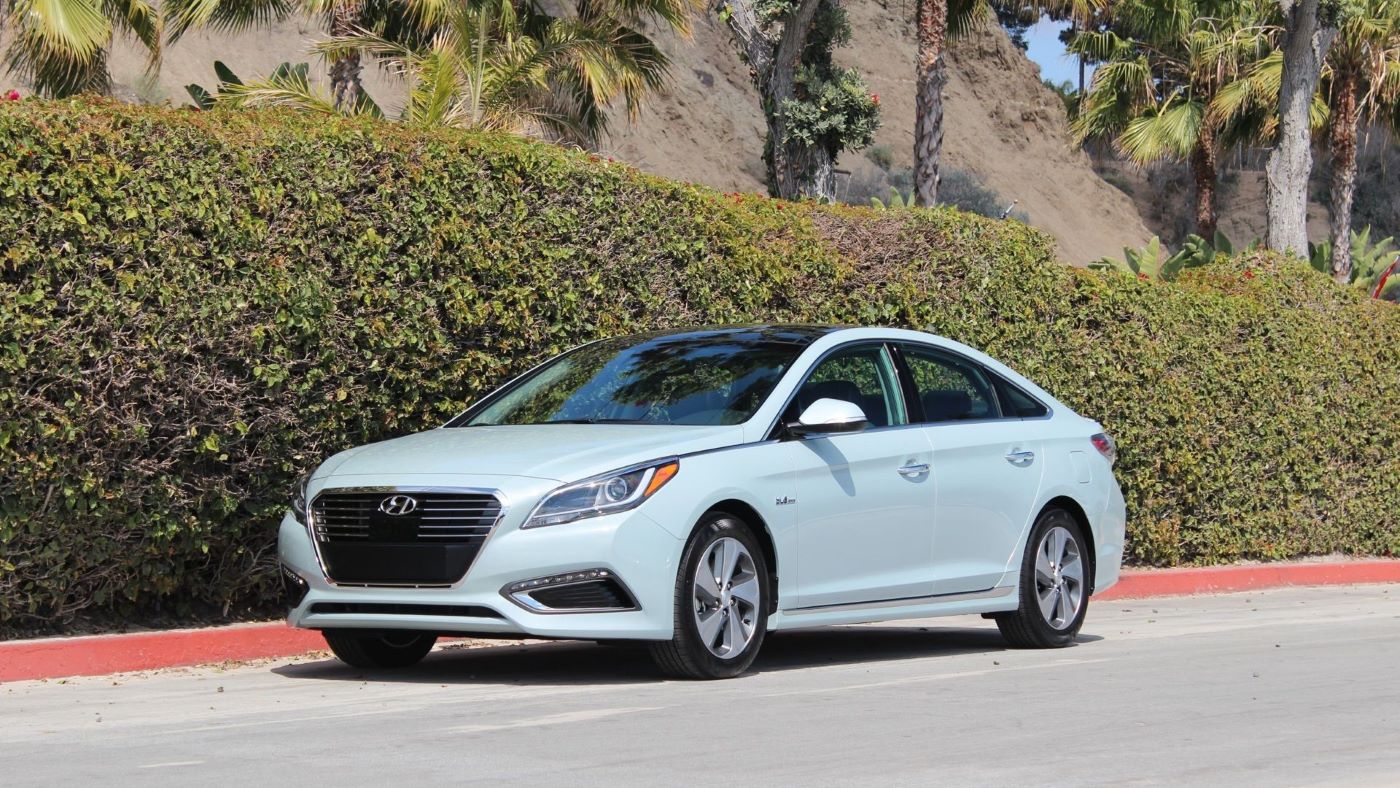
3. Hyundai Sonata Hybrid (Early Models)
The early models of the Hyundai Sonata Hybrid entered the market with promise, offering stylish design and attractive fuel economy figures. However, as these vehicles have aged and mileage has accumulated, many owners have experienced issues that undermine their long-term reliability.
One of the most significant problems is the durability of the hybrid battery pack. Early Sonata Hybrids have batteries that tend to degrade faster than those in competitors like Toyota or Honda, resulting in diminished electric assist capabilities and reduced fuel efficiency well before reaching the 250,000-mile mark.
In addition to battery concerns, the Sonata Hybrid’s six-speed automatic transmission has shown signs of mechanical wear and operational problems at higher mileages. Shifting irregularities, delayed engagement, and occasional transmission failures have been reported.
These issues often lead to costly repairs or replacements, which can detract from the vehicle’s value as a dependable long-term hybrid. The transmission problems also put additional stress on the engine and hybrid system, potentially accelerating the deterioration of other components.
The electrical and hybrid control systems in early Sonata Hybrids have also presented challenges. Drivers sometimes report dashboard warning lights and error codes related to the hybrid system, which require diagnosis with specialized tools.
Repairing these issues can be expensive and complex, particularly as the vehicle ages and parts become less available. Moreover, some owners have noted that the vehicle’s regenerative braking system may lose effectiveness over time, which reduces the hybrid’s efficiency and driving experience.
While Hyundai has made strides in improving the reliability and durability of its hybrid models in later years, the early Sonata Hybrid generation is less likely to run smoothly past 250,000 miles without encountering significant issues. Owners should be prepared for the possibility of expensive battery replacements and transmission repairs, which can diminish the vehicle’s appeal for those seeking a trouble-free, long-lasting hybrid.
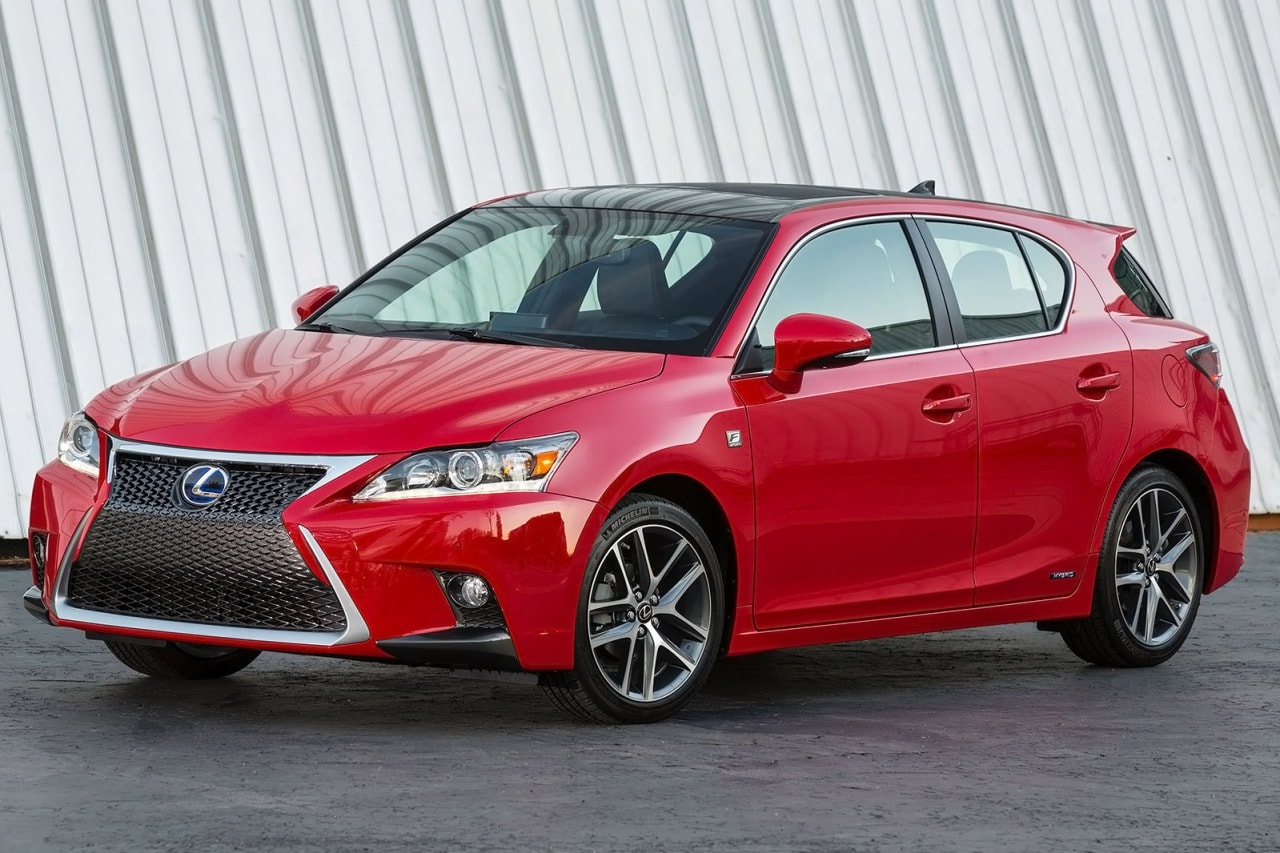
4. Lexus CT 200h
The Lexus CT 200h, despite being a Lexus model and benefiting from the brand’s general reputation for reliability, has faced durability challenges as the vehicle ages and mileage accumulates. Many owners have reported hybrid battery capacity loss or outright failure earlier than expected, with some vehicles requiring battery replacements well before reaching 250,000 miles.
Although the CT 200h uses a similar battery technology as the Toyota Prius, its compact design and driving dynamics sometimes lead to accelerated battery wear, particularly in urban environments with frequent stop-and-go traffic.
The hybrid system in the CT 200h, while smooth and efficient when new, can begin to show signs of strain at higher mileages. Owners have noted occasional hesitation or jerking during acceleration, which can often be traced back to battery health or sensor issues within the hybrid control system.
Battery replacement is not only costly but also less straightforward than on some other hybrids, partly due to the CT 200h’s unique packaging and compact architecture.
Beyond battery concerns, the CT 200h’s electrical system and related components sometimes develop faults that affect drivability and reliability. Dashboard warning lights for the hybrid system are not uncommon, and diagnosing these issues can require specialized tools and expertise. Replacement parts, particularly for older models, may be more difficult to source, increasing repair times and costs.
While Lexus dealerships typically provide strong support for hybrid maintenance, the CT 200h is generally considered less durable than other Lexus hybrids or Toyota models when it comes to high-mileage reliability. The combination of battery degradation, electrical issues, and repair complexity means that the CT 200h often struggles to maintain smooth operation past 250,000 miles without major interventions.
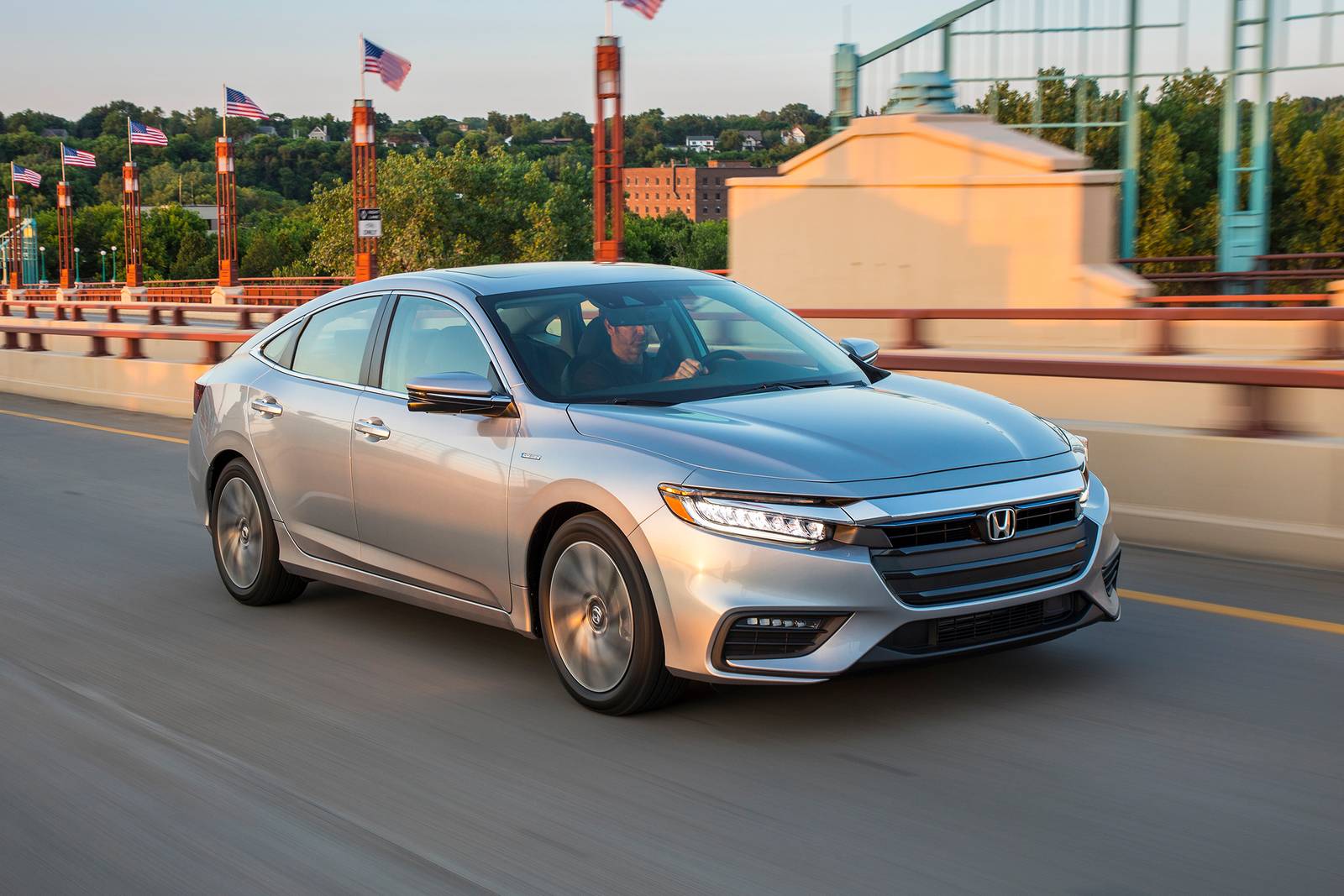
5. Honda Insight (First Generation)
The first-generation Honda Insight was one of the first hybrid vehicles available to the public and is historically significant for pioneering hybrid technology in the U.S. market.
However, the technology in this early model was still developing, and as a result, the Insight’s hybrid system and battery components were not as durable or advanced as those in more modern hybrids.
The lithium-ion battery pack, while innovative at the time, tends to lose capacity relatively quickly, with many owners reporting significant battery degradation or failure before hitting the 200,000-mile mark.
The small engine combined with the hybrid assist system places considerable strain on other drivetrain components, which can lead to increased mechanical wear over time. Additionally, replacement parts for the first-generation Insight have become scarce and expensive as the model ages, making repairs both difficult and costly.
Battery replacements, in particular, can be a major investment, often requiring specialized service due to the vehicle’s unique design and limited availability of compatible components.
Furthermore, the first-generation Insight’s hybrid system control technology is outdated compared to today’s standards, lacking the sophisticated battery management and thermal controls that help extend battery life in newer models.
This means that the system is more vulnerable to damage from deep discharges and temperature extremes, which accelerate wear and reduce reliability.
For these reasons, the first-generation Honda Insight is generally not recommended for drivers looking for a hybrid that will run smoothly past 250,000 miles. While it remains an important milestone in hybrid history, its technological limitations and aging components make it less suitable for high-mileage, trouble-free ownership.
