
Automobile dealers have changed their priorities in recent years. Shifts in consumer preferences toward electric powertrains, advanced driver assistance features, connectivity, sustainability, and brand prestige are transforming which vehicles become hot commodities.
In 2025, dealers are not just looking to stock what always sold before. They are looking ahead to what customers will want, what will retain value, what is efficient to maintain, and what will attract attention. This means that some models that were once niche are now in high demand.
Some that seemed futuristic have become mainstream. Some that once were luxury are now being judged by the same criteria as mass market offerings. In this landscap,e certain cars stand out. Dealers chase them because they can yield strong margins, steady resale value, and strong customer interest.
A combination of factors influence which cars dealers chase. First there is regulation. Emission mandates in many countries push producers toward electric or hybrid powertrains. Buyers increasingly demand clean, efficient cars, especially in urban areas where fuel costs, charging infrastructure, and emissions matter.
Second there is technology. Autonomous or semi‑autonomous features, over‑the‑air update capability, large infotainment screens, advanced connectivity are no longer optional extras. Third, there is prestige and emotional desirability. Sports cars, performance variants, and luxury models still draw people in.
Fourth there is utility. Trucks, SUVs, vehicles with flexible interiors and cargo space attract buyers who need more than commuting capability. Fifth there is cost of ownership. Maintenance, fuel or electricity costs, depreciation, insurance all matter heavily for both dealers and buyers.
In 2025 the intersection of these factors identifies certain models as especially attractive for dealers to acquire, promote, and keep in stock. Some are electric, some are high performance, some are luxury, some are mainstream but especially desirable. Dealers expect these to sell quickly, to hold their value, to benefit from positive word of mouth, to reduce inventory risk.
Many of these models also benefit from manufacturers’ incentives, favorable supply chain status, strong brand momentum. What follows are twelve cars that in 2025 dealers are chasing. For each car I describe what makes it desirable, what challenges it may face, and why it is especially interesting from both the dealer and customer perspective.
Also Read: 12 Trucks That Win Owner Loyalty for Decades
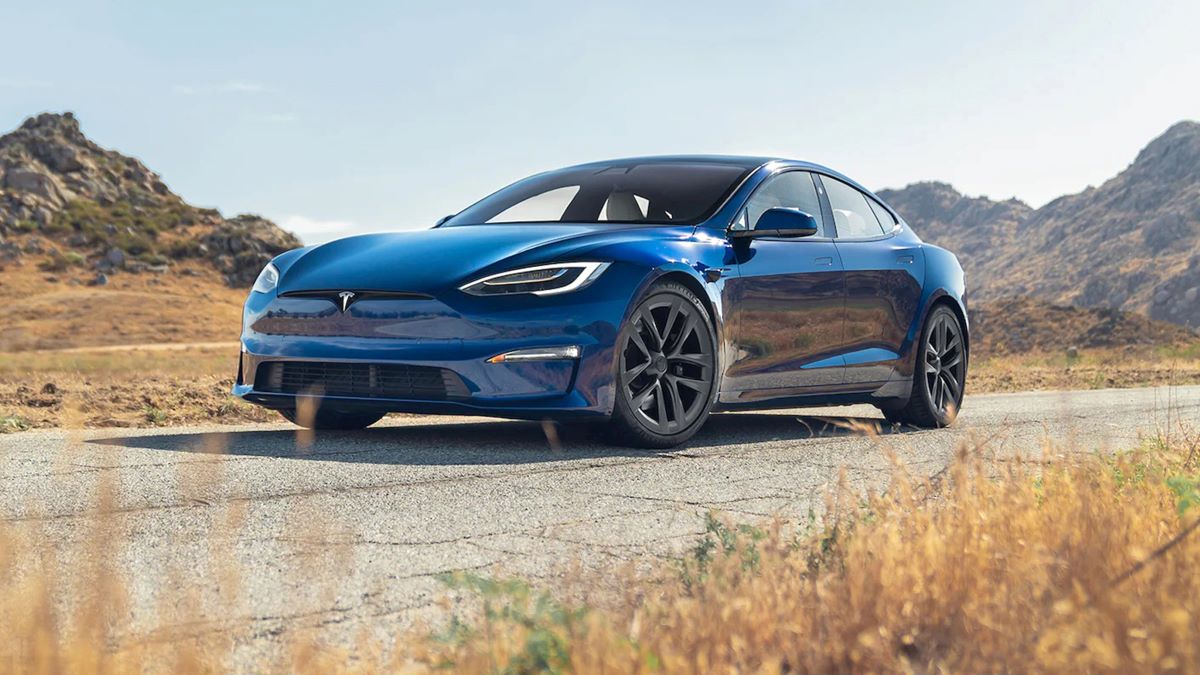
1. Tesla Model Y
Tesla Model Y combines many traits that dealers find irresistible in 2025. It is an electric SUV with strong brand recognition, broad appeal, and relatively lower cost among Tesla’s lineup. It has become, in many markets, one of the best sellers.
For dealers the Model Y represents a vehicle that draws in customers even if they do not buy it because visitors like to see an electric SUV that is ready for production, that has modern tech, and that signals that this dealer is future oriented and up to date.
The demand for Tesla Model Y is driven by performance and range. It offers compelling electric driving range paired with fast acceleration. It has the infrastructure support that comes from Tesla’s Supercharger network. That reduces one of the major barriers for EV adoption.
Dealers see fewer concerns about customer satisfaction related to range anxiety because Tesla has invested heavily in charging. That means after‑sales support tends to be less of a headache than for some newer brands trying to build similar networks.
Another reason dealers chase Model Y is resale value. Tesla vehicles in many markets tend to retain value better than many other EVs or even internal combustion vehicles. That is because demand often outpaces supply, the name carries strong residual value, and buyers of used Teslas are willing to pay for feature upgrades like autopilot or battery condition.
For a dealer that wants to minimize inventory risk the Model Y is attractive: it is less likely to sit in the lot for long, and its depreciation over the first few years tends to be more forgiving.
Challenges exist however. Supply chain issues, raw material costs for batteries, regulatory scrutiny over software and safety can impose risk. Also competition from new electric SUVs from legacy automakers or startups may push Tesla to continue innovating.
Dealers must also manage customer expectations about features, updates, and delivery punctuality. Still the balance of desirability, technology, resale value and brand promise makes the Tesla Model Y one of the top cars dealers are chasing in 2025.
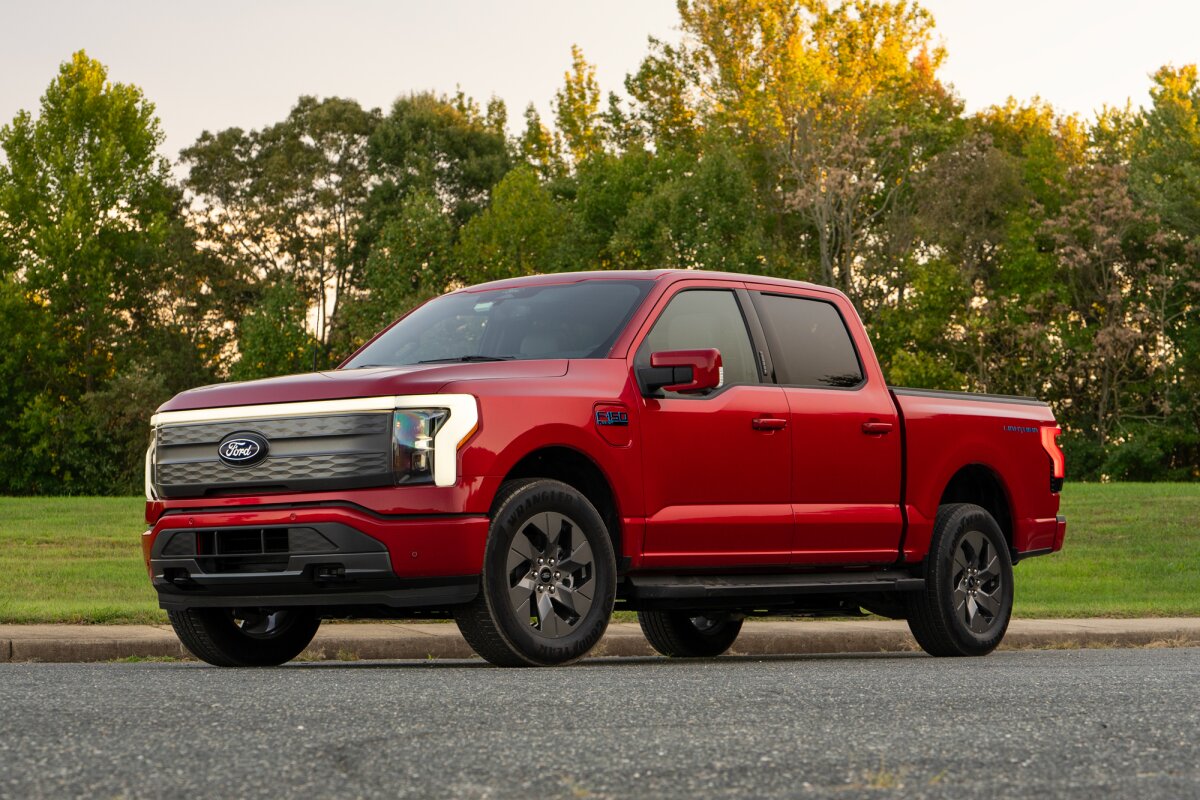
2. Ford F‑150 Lightning
Trucks are always attractive to dealers, especially in regions where trucks are more than workhorses but cultural icons. The Ford F‑150 Lightning fits that description and adds the electric element.
It takes one of the most popular truck lines in history and gives it battery‑electric capability. Dealers see that as a big plus because many customers want the utility and toughness of an F‑150 with lower fuel and maintenance costs, with instant torque and smoother driving.
One of the reasons the Lightning is desirable is the payload, towing capability, and adaptability. It is capable of handling many of the tasks traditionally assigned to ICE trucks while doing so with fewer moving parts.
That means potentially less maintenance, fewer oil changes, simpler drivetrain. For commercial customers or fleet buyers this can cut operational costs. Dealers know that fleets represent large, recurring orders rather than single retail sales. Being able to offer a truck that is both EV and rugged gives them a competitive edge.
The F‑150 Lightning also appeals to regional markets with challenging terrain or rural requirements. The bed space, off‑road capable variants, and robust build all matter.
Beyond that the prestige of driving a well known truck brand name with modern features, digital dashboards, home energy integration and smart charging pushes its desirability over plain ICE trucks. Dealers often promote the Lighting at shows and community events to showcase their modern capabilities leading to strong local demand.
Still there are hurdles. Charging infrastructure for large electric trucks remains less common in some areas. Battery weight impacts range when towing or hauling heavy loads. The higher upfront cost may deter some buyers even if total cost of ownership is favorable long term.
Also regulatory and tax incentives vary by region and affect whether the Lightning can compete effectively in price. Dealers chasing the F‑150 Lightning must navigate incentive programs, understand rebate rules, and explain to customers where EV charging or electrical infrastructure upgrades may be necessary.
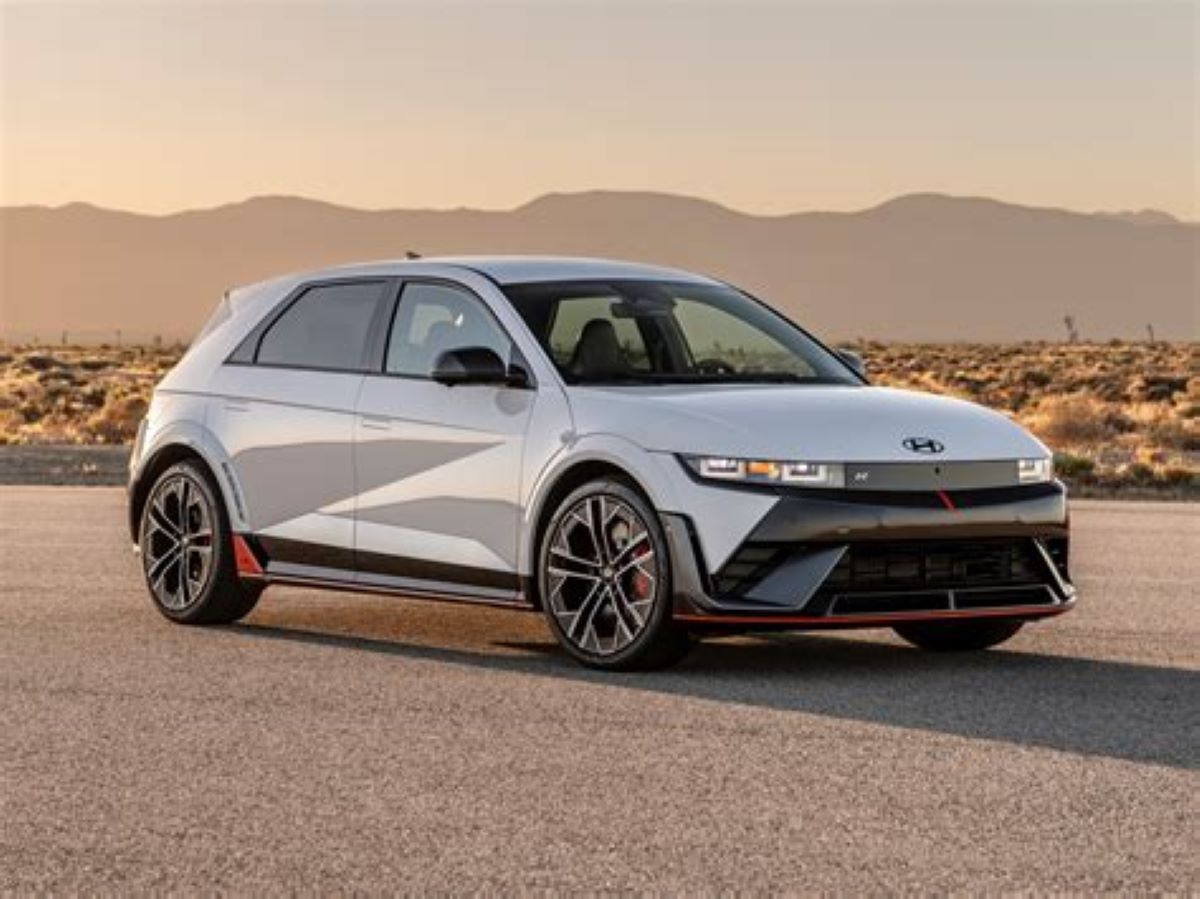
3. Hyundai Ioniq 5
Hyundai Ioniq 5 is another EV that dealers are keen to stock. It is more mainstream than many luxury brands and it combines a stylish design with practical performance.
Its interior space, fast‑charging capability, good build quality and appealing aesthetics make it attractive to both early adopters and more cautious buyers. Dealers see it as a model that helps introduce customers to electric driving without asking them to pay luxury brand prices.
One major advantage of Ioniq 5 is its charging speed and efficiency. It supports ultra fast charging and efficient energy use so that range charging time ratio is competitive.
Many potential EV customers fret over how long charging takes and how far they can go. The Ioniq 5 eases many of those worries. For dealers, vehicles that reduce those pain points tend to sell more easily, generate fewer complaints, and prove better for brand reputation.
Another strong point is design and comfort. The Ioniq 5 has clever interior layout, good materials, flat floor, roomy cabin and a unique aesthetic. These help make it feel modern and pleasant both for daily commuting and longer trips.
For families especially, that combination of space, comfort and efficiency makes it a go‑to choice. Dealers know that many customers start with family needs: whether there is room for child seats, luggage, groceries. The Ioniq 5 often checks those boxes.
Risks and challenges must be managed. Battery supply costs, raw material volatility, demand might strain production capacity. Also competing EVs from both luxury and tech‑startup brands push the bar.
Dealers must ensure they have the charging infrastructure to support sales and set clear expectations for after‑sales. Warranty and maintenance support for EV parts is also something customers assess carefully. Still given its balance of price, performance, style, range and comfort, Ioniq 5 is among the models many dealers want in their inventory in 2025.
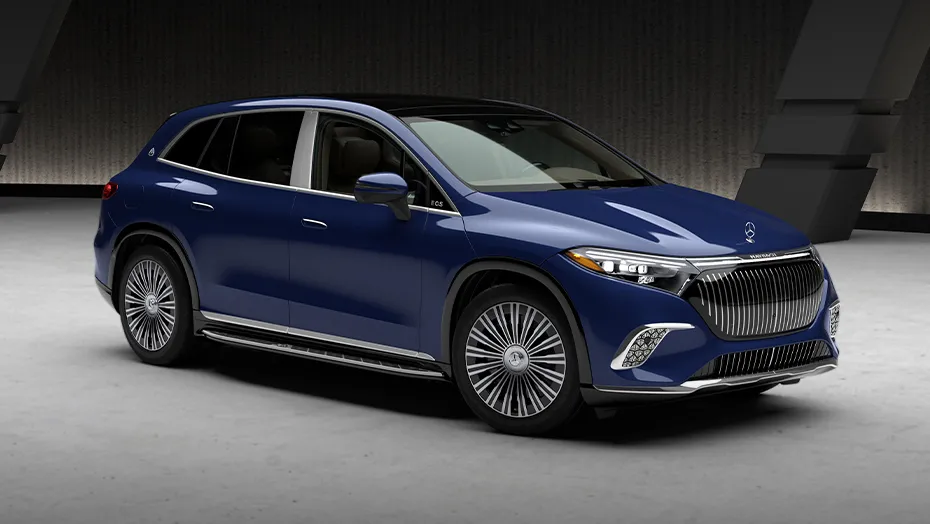
4. Mercedes‑Benz EQS
Luxury sedans still matter even if SUV sales dominate. The Mercedes‑Benz EQS stands as a symbol of what full electric luxury can offer. It has high end craftsmanship, advanced features, silence, prestige.
Dealers love having a car like this in their showroom because it draws high‑net‑worth buyers, it moves profit margins, and it signals that the dealership is capable of handling complex, highly trimmed electric models.
One large reason the EQS is desirable is its interior technology. High quality materials, attention to detail, cutting edge audio systems, adjustable ambient lighting, panoramic displays and advanced driver assistance all come standard or as options. Customers drawn to luxury expect a refined ride, precious seating comfort and acoustic insulation.
The EQS delivers on those. Dealers know those features often lead to loyal customers who return for service, accessories, upgrades.
Another reason is its range and smooth ride. EQS models tend to offer long electric range, battery thermal management, quiet ride quality, and high performance variants.
For those who expect prestige sedans to offer more than just a brand badge, the EQS provides the dimensions, the weight, the engineering that match those expectations. That allows dealers to justify higher price tags and more elaborate options. Margin per unit on a fully loaded EQS is significantly higher than on many mainstream EVs.
That said there are challenges. Maintenance cost, complexity of electronics, need for specialized technician training and charging compatibility all matter. Luxury customers expect service to match the vehicle. Any gap in experience can damage reputation. Also the initial purchase price is high which restricts the pool of buyers.
Tax, import duties, regulatory compliance for some markets may add cost. Dealers must also manage delivery delays if supply chain issues affect high end components. Still the returns are sizable making Mercedes‑Benz EQS a heavily chased car in 2025.
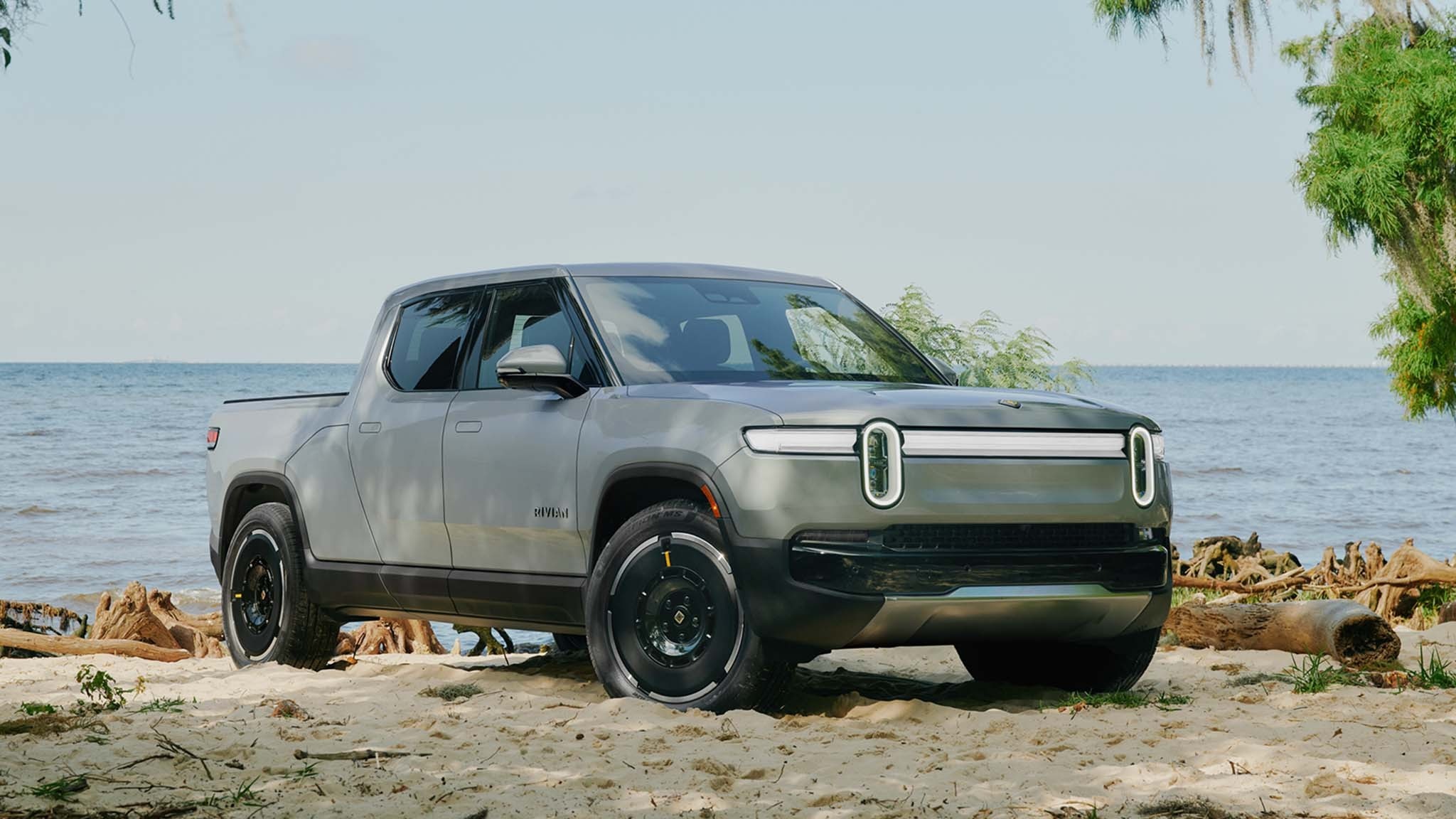
5. Rivian R1T
Adventure oriented electric pickups are rarer than mainstream SUVs. Rivian R1T has managed to grab attention because it combines offroad capability, modern tech, strong range, and utility.
Dealers looking for niche volume or to capture lifestyle buyers view R1T as a differentiating product. It appeals to buyers who want trucks that can handle both work and recreation.
One characteristic that draws dealer interest is its offroad credentials. Ground clearance, all‑wheel drive, rugged underbody protection, smart drive modes for sand, mud and water crossings.
Buyers who want more than just driveway‑to‑office driving want something they can take on rough roads, take camping, haul gear. Rivian R1T offers that lifestyle. Dealers often see that customers in rural, semi rural, or outdoor‑recreation markets are willing to pay premium for those features.
Another big factor is the tech inside. Large touchscreen interface, over‑the‑air updates, strong driver assistance, integrating towing as part of the digital control system.
Connectivity and modern convenience features make the experience more akin to software centric high end cars. Dealers know that many customers attracted to EV trucks expect them to be futuristic as well as tough. R1T manages both.
Risks for dealers include cost of charging when towing, weight of battery pack and its implications for payload, long lead times for parts, the novelty of repairs.
Also warranty support, service center setup, and resale value trail of newer brands need to be managed. Charging infrastructure for large trucks in remote regions often lags. Despite those challenges the Rivian R1T is one of those rare models that promise both utility and lifestyle which makes dealers chase it.
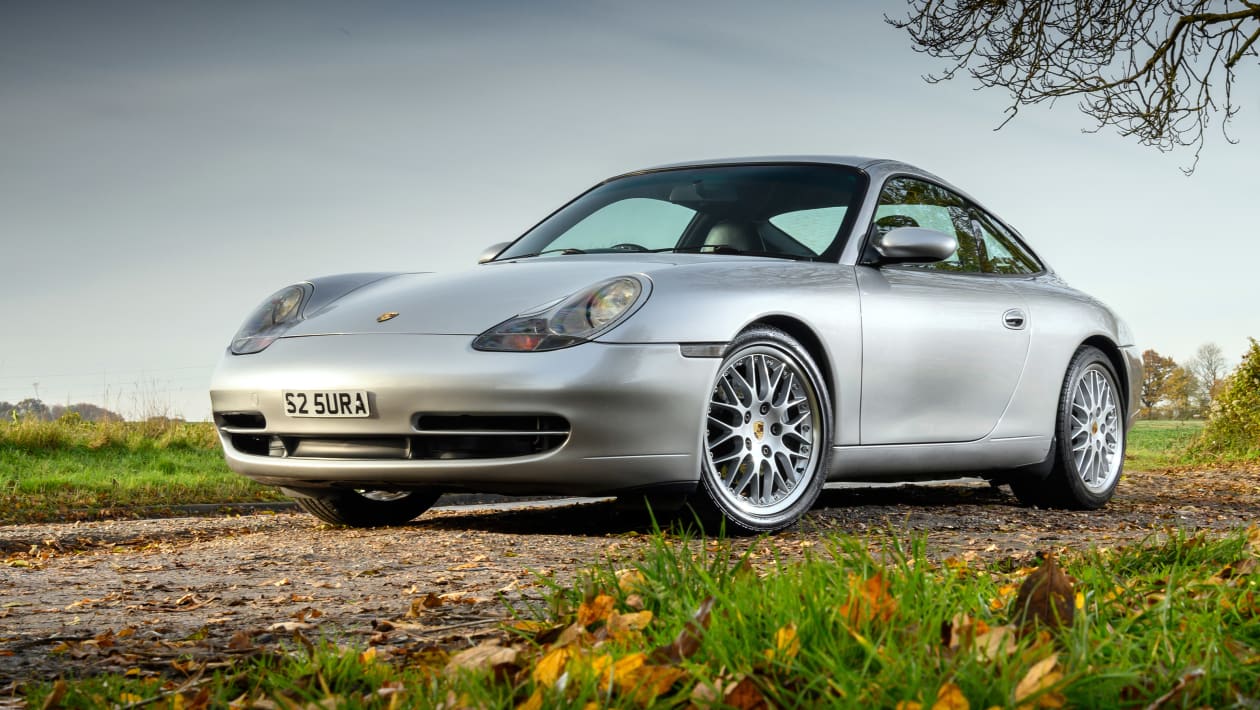
6. Porsche 911
Performance and heritage matter. The Porsche 911 has been iconic for decades and continues to be so. In 2025 it remains a benchmark for sports cars: sharp handling, precise engineering, brand prestige, high resale value. Dealers love the 911 because it draws enthusiasts, press attention and helps elevate the brand presence of a dealership.
One factor is its wide appeal across variants. From the more accessible Carrera to the high performance Turbo and GT models, there are multiple trims that appeal to different buyers.
Some want the base model for lifestyle driving, others want track capable versions. Dealers can stock variants so they have something to match budgets, tastes, aspirations. That diversity helps manage risk: if one variant is slow, another may sell faster.
Another reason is durability and reputation. The 911 is known for build quality, engineering consistency, strong maintenance records. That tends to reduce warranty claims, and helps used 911s retain value. Buyers of sports cars pay attention to residuals.
Dealers know that cars with strong secondary market performance are safer bets. It also means used 911s often have demand, enabling certified pre owned programs to thrive.
There are downsides. High maintenance costs, high insurance premiums, specialized servicing. Buyers must be educated about running costs. Also regulatory compliance for performance cars is becoming stricter in many markets.
Fuel economy, emissions, noise regulations, sometimes weight restrictions are issues. But for many dealerships the prestige, margin, and emotional pull of the Porsche 911 make it a car well worth chasing.
Also Read: 12 Trucks With the Longest-Lasting Frames in 2025
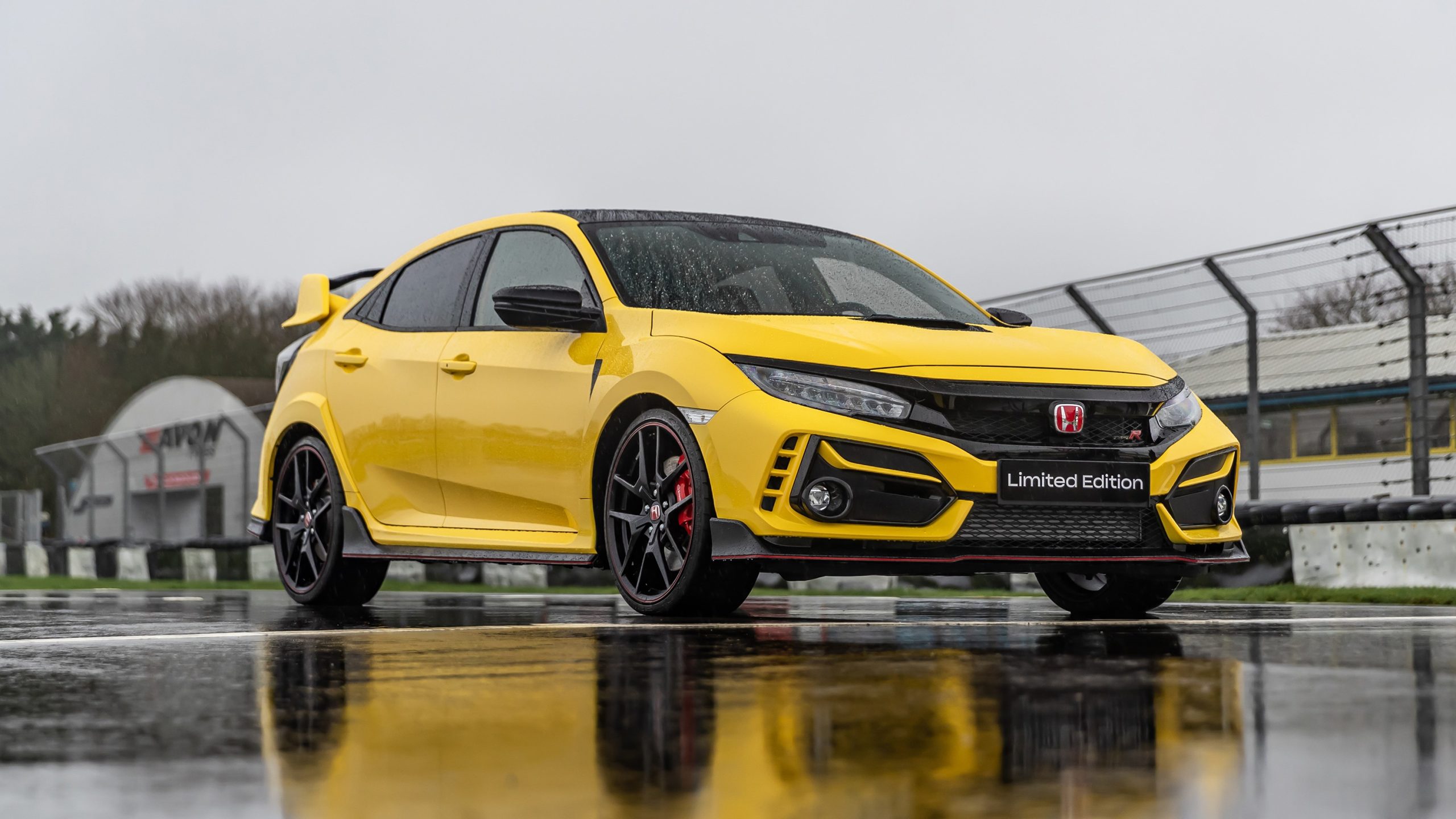
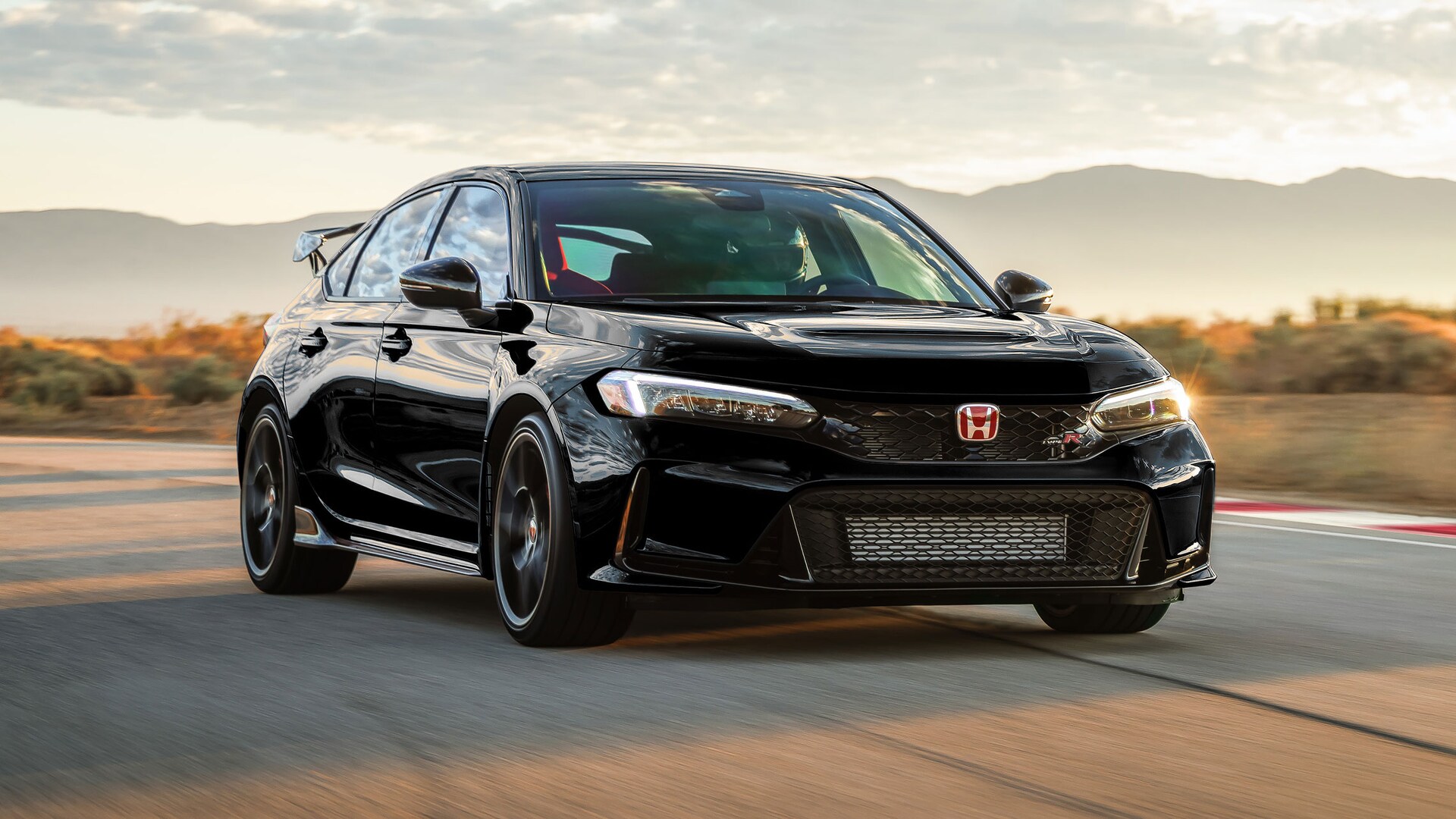
7. Honda Civic Type R
Hot hatches retain a special place among enthusiasts. The Honda Civic Type R brings performance, practicality, and brand loyalty together. It is fun to drive, but usable daily. That makes it a strong option for dealers when they want to offer something exciting without going fully exotic or too expensive for most buyers.
The first attraction is driving dynamics. The Type R is built for sharp response, cornering, brake feel, steering feedback. Buyers who drive for pleasure appreciate that.
It offers performance without compromising everyday usability. That dual‑use character means broader market interest: people who usually drive to work and back but want something entertaining on weekends or twisty roads.
Another strength is Honda reliability. Type R variants generally share much of the underlying durability and maintenance expectations of the regular Civic line.
Parts availability tends to be good. Service networks are broad. That means that the ownership experience is more predictable than some more specialist performance cars. Dealers see that reliability as a selling point: fewer surprises, less cost of warranty, more confidence for the buyer.
Challenges include regulatory limitations, especially emissions or fuel efficiency in some markets. Insurance costs for performance cars are elevated. Also pricing can put the Type R out of reach for many in emerging markets. Competition from other manufacturers making sporty hatchbacks or compact performance sedans is increasing.
Dealers must also ensure that they can properly service performance brakes, suspensions, and cooling systems. Still many dealers view the Civic Type R as a desirable way to attract enthusiasts to showrooms, generate excitement, and build brand loyalty.
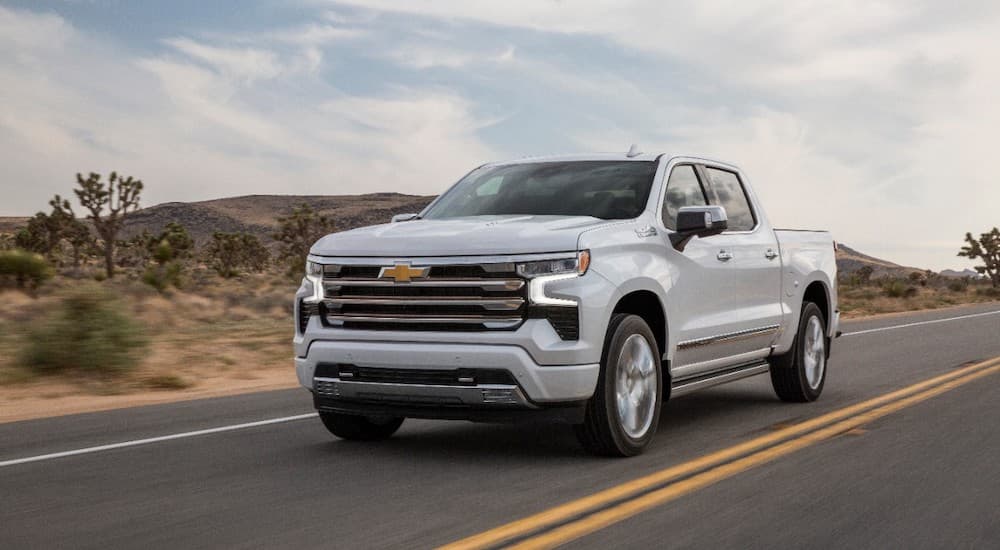
8. Chevrolet Silverado EV
Full size trucks are under transformation. The Chevrolet Silverado EV attempts to combine everything that truck buyers care about with what EV buyers demand. For dealers operating in areas where trucks are popular this model has the potential to be a big mover. It appeals to commercial users, fleet buyers, those who want towing and payload without fossil fuel costs.
One of its main attractions is capability. Silverado EV promises high torque, strong towing capacity, large payload volumes. It also offers versatility in bed design, modular storage, accessory options.
For those who use trucks for work, for hauling, for landscaping or construction, these are not just nice extras they are mission critical. Dealers know that customers in these segments tend to be less price sensitive on purchase cost if lifetime utility is strong.
Another draw is range and charging speed. Chevrolet has been working to provide high battery capacity, fast charging support, and battery warranties that matter. For many buyers of large electric trucks range under load is important. Without realistic range numbers with towing or under heavy payload the value proposition falls apart.
Dealers track how well these trucks perform in real life. If Silverado EV delivers acceptable drop in range under load many customers will prefer it over traditional fuel alternatives.
There are hurdles. Size and weight of EV trucks impose challenges for local regulations, road wear, charging station compatibility. Upfront cost remains high. Infrastructure for charging large trucks at home or on job sites can be limiting.
Also maintenance of large battery packs, cooling, braking regeneration systems, collision repair are more demanding. Dealers must be able to support customers not just at purchase but over entire ownership. But for many the Chevrolet Silverado EV is worth stocking because of its predicted demand and the transition toward electrified trucks.
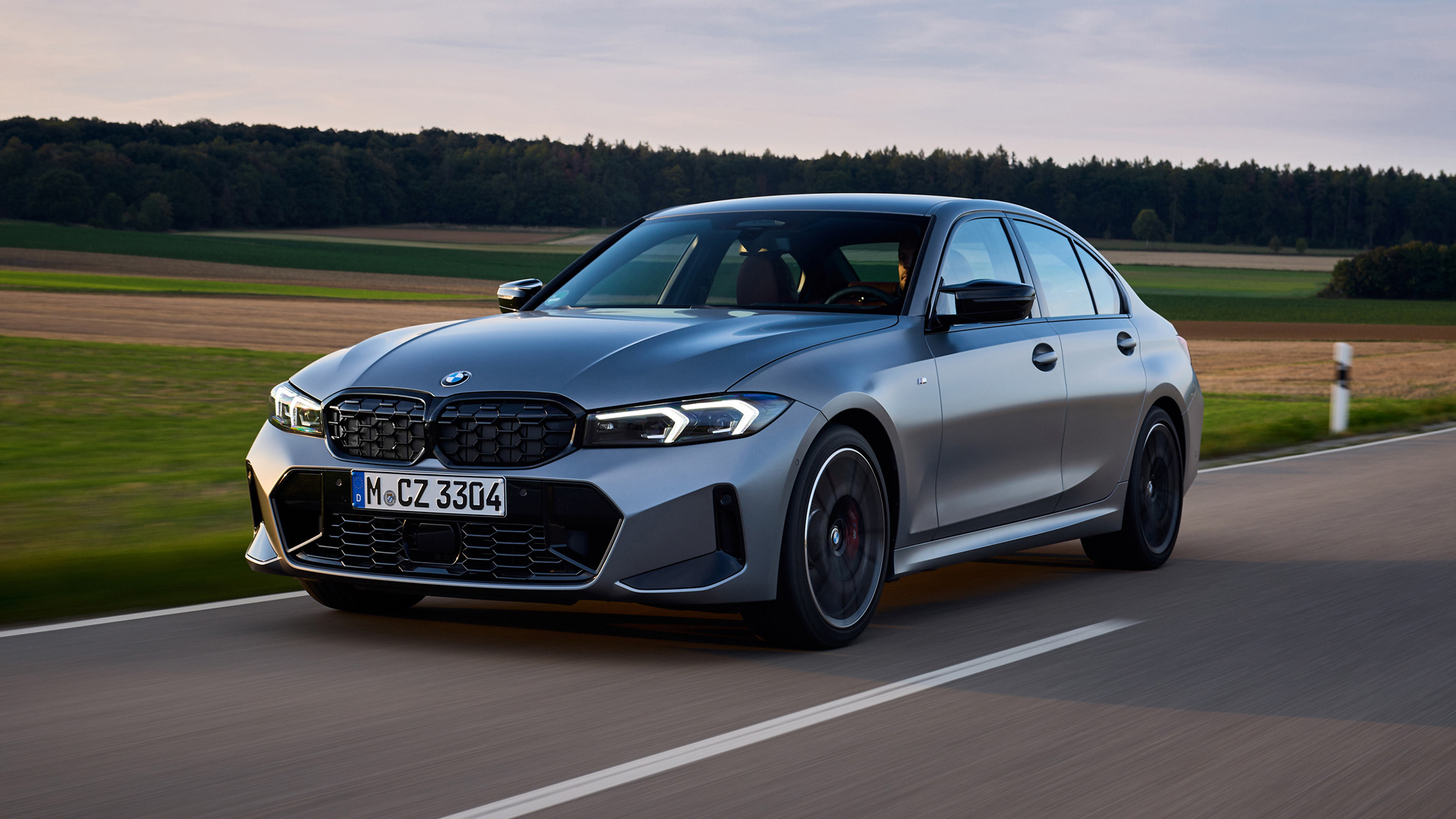
9. BMW 3 Series
The BMW 3 Series has long been a benchmark for sporty yet practical luxury sedans. In 2025 it continues to matter for dealers who want to offer vehicles that appeal to both executive buyers and those stepping up from mainstream brands.
It blends performance, comfort, prestige and efficiency. Dealers seeking cars that move fairly reliably and retain value often put the 3 Series high on their list.
One appeal is choice. The 3 Series is offered in multiple powertrains, including plug‑in hybrid, ICE, possibly mild hybrid or fully electric variants depending on market.
That allows dealers to cater to different customer priorities: fuel economy, performance, emissions, incentives. Some buyers still prefer traditional combustion engines while others want low emissions or electric drive. The 3 Series gives flexibility.
Risks include competition from both luxury rivals and electric entrants. Increasing regulation pressures fuel economy and emissions standards so ICE or hybrid versions may need upgrades. Technology features that buyers expect, connected infotainment, driver aids, must be current and well supported.
Also pricing and import duty can affect cost to buyer and margin for dealer. But because the 3 Series tends to hit many consumer sweet spots it remains one of the smart choices for dealers in 2025.
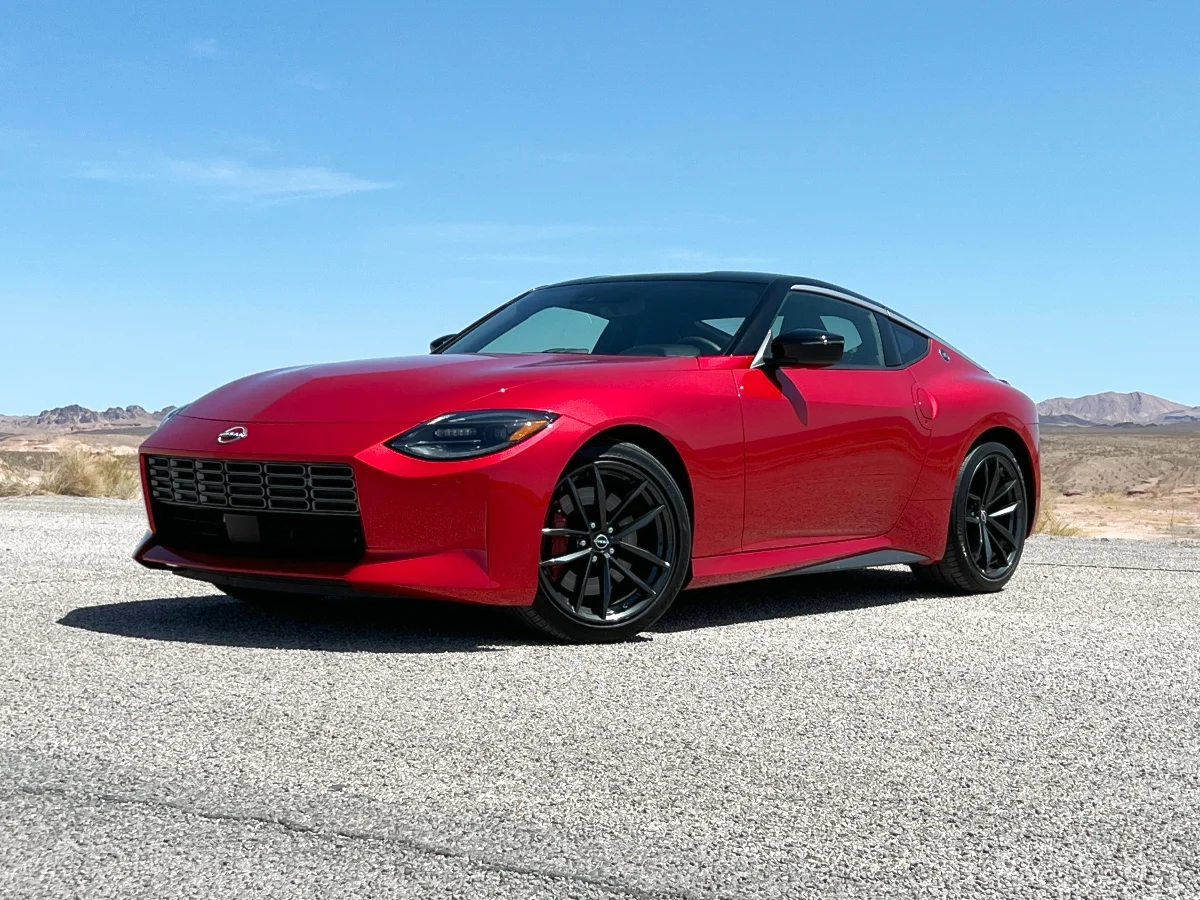
10. Nissan Z
Sports‑car purists still look for style, heritage and driving feel. Nissan Z continues to represent affordability among performance two‑door cars. It blends retro cues with modern engineering and offers enough refinement to be daily usable.
In markets where buyers want performance without supercar price tags the Nissan Z is attractive. Dealers see that because it can serve both as aspirational purchase and a rung down from more expensive exotic cars.
One of its draws is engine performance and character. The Z uses a potent powerplant, good chassis tuning, rear‑wheel drive layout, manual transmission or sporty automatic options.
That gives the kind of visceral feedback many drivers crave. Noise, handling, gear shifts, throttle response are part of the appeal. Dealers understand that this kind of direct driving appeal has loyal following.
Second strength is styling and emotional appeal. The design references earlier Z cars. It looks sporty, sleek but not overblown. Buyers who like distinctive designs rather than generic crossovers see the Z as a choice. That helps a dealer stand out, shows that their inventory is not all SUVs or electric sedans. It draws attention at shows, social media, during test drives or when spotted on the street.
Challenges involve running costs, fuel efficiency, insurance, service for performance parts. Also two‑door sports cars have narrower audiences. Practicality is limited: less cargo, fewer seats, sometimes less comfort.
Regulatory pressure on performance cars in some markets is increasing. But because of its cost relative to performance and its appeal, Nissan Z is among the cars many dealers believe are important to have in 2025.
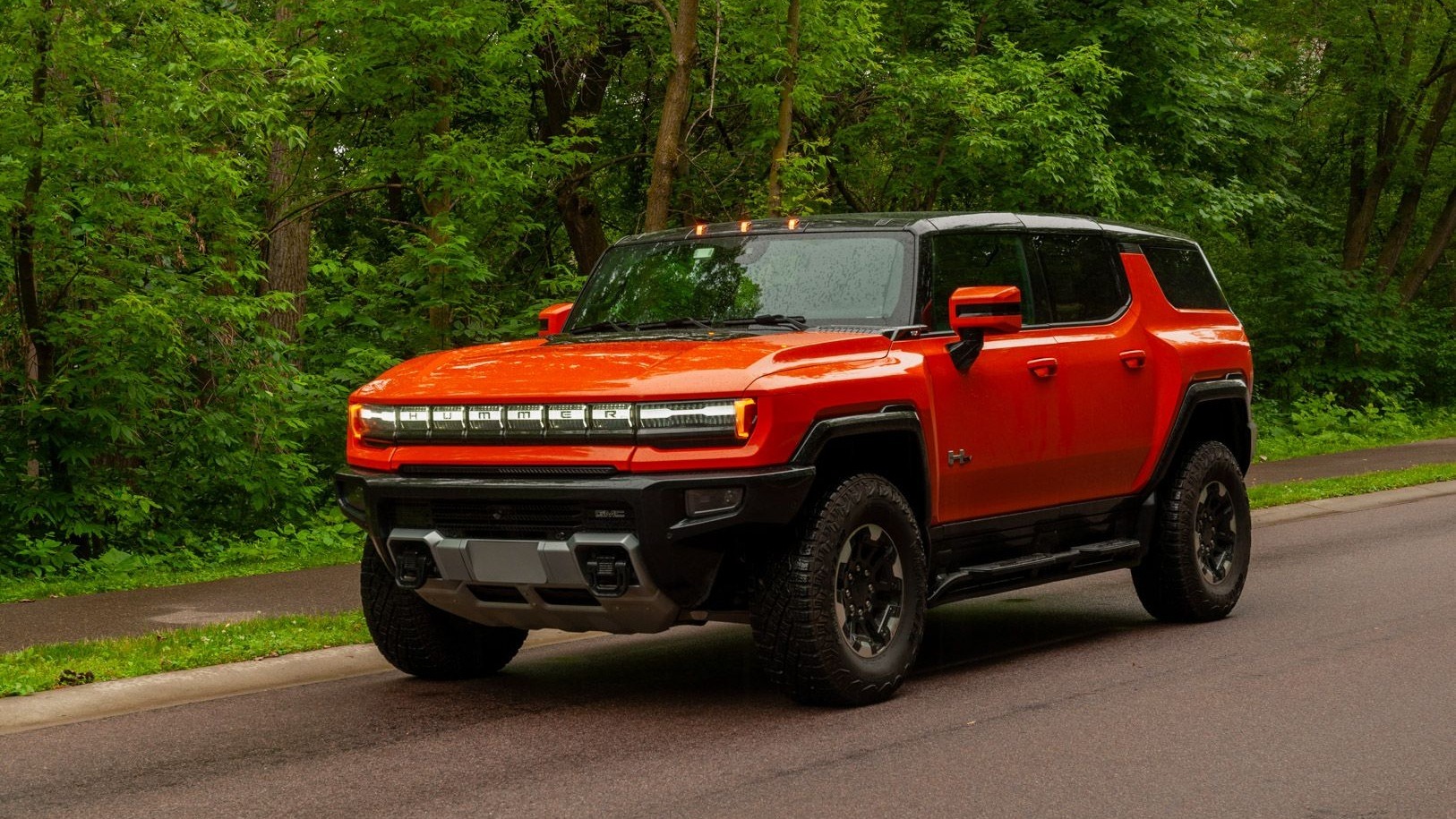
11. GMC Hummer EV
The revival of Hummer as an electric brand has caught attention. GMC Hummer EV is about bold styling, impressive offroad tools, large size and premium features. Dealers who want to show they can do bold, rugged, futuristic offerings see the Hummer EV as helpful. It makes a statement in the lot that this dealership is not just sensible but adventurous as well.
One thing dealers like is its off‑road capability. Adaptive suspension, underbody protection, multiple drive modes for terrain, high ground clearance and good wheel travel. It is heavy and powerful.
The prowess appeals to buyers who want features for travelling rough roads or for outdoor lifestyle. Also for those wanting status symbols: something large, electric, advanced, tough, which turns heads.
Another pulled feature is luxury inside. Premium materials, advanced sound systems, large displays, comfort and convenience plus capability. The cabin is designed to feel high end even while rugged. For dealers selling premium electric trucks or SUVs having this makes margins better. Buyers at this end expect refinement as well as utility. The Hummer EV tries to deliver.
Weaknesses include size and weight, leading to range limitations, charging infrastructure requirements, cost of ownership. Also cost of the vehicle itself is high. Spare parts and maintenance for very specialized components may be complex.
Additionally some jurisdictions have restrictions or taxes on large heavy vehicles. But even with those downsides dealers see the Hummer EV as one of the marquee models worth pursuing in inventory.
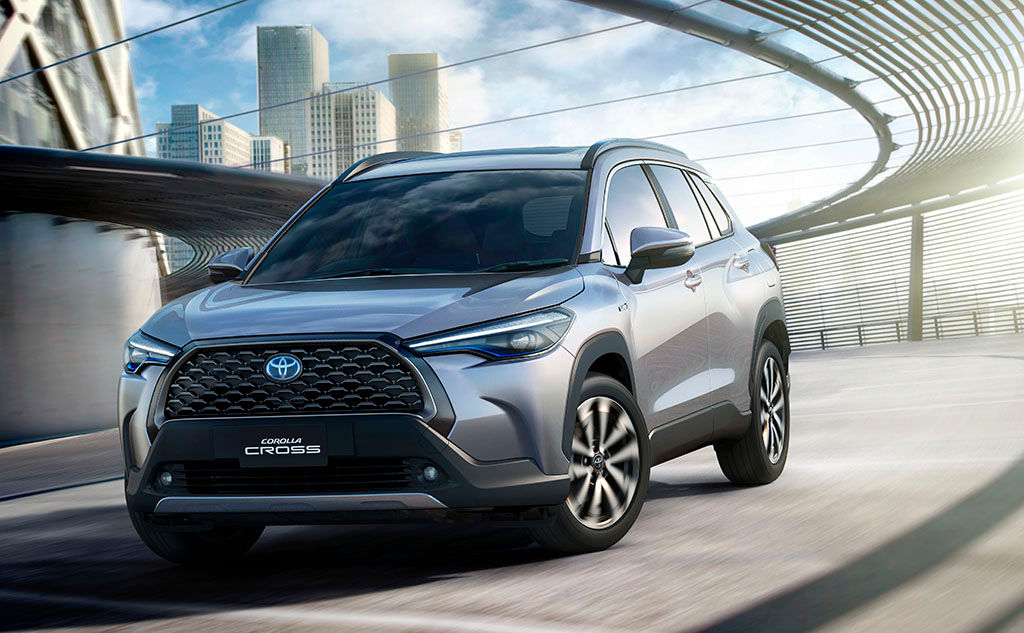
12. Toyota Corolla Cross / Corolla Hybrid
While performance and luxury get attention it is often the bread and butter models that make the difference for dealers. The Toyota Corolla Cross or its Hybrid variants are exactly that kind of model.
They combine trusted reliability, strong brand reputation, efficient powertrains and good value. Dealers count on models like this to provide steady volume, to bring in traffic, to serve customers who want affordable, efficient daily transport.
One reason for chasing Corolla Hybrid or Cross relates to fuel economy. Hybrid systems reduce fuel consumption, emissions and running cost. In regions where EV infrastructure is not yet reliable or where fuel costs are high but subsidies or incentives for hybrids exist these models offer a compromise.
Buyers can enjoy better fuel efficiency without making full EV commitment. Dealers know many buyers buy for total cost of ownership rather than just sticker price.
Another advantage is reliability and low maintenance. Toyota has long reputation for products that last. Spare parts are widely available. Dealers often have good service knowledge and infrastructure for these cars. Warranty claims tend to be predictable. That reduces surprises and helps with profitability and customer satisfaction in service and parts departments.
The Corolla Cross variant adds practicality. More cargo room, higher ride height, more versatility especially in urban settings with occasional rough roads or when carrying family or gear. The hybrid powertrain variant offers better traffic efficiency.
Dealers prefer being able to show a model that balances everyday usability with low running cost and brand dependability. Volume on these models tends to be consistent. Profit per unit may be lower than for luxury or performance models but total turnover and value retention make Corolla Cross or Corolla Hybrid models essential in many dealer lineups.
