
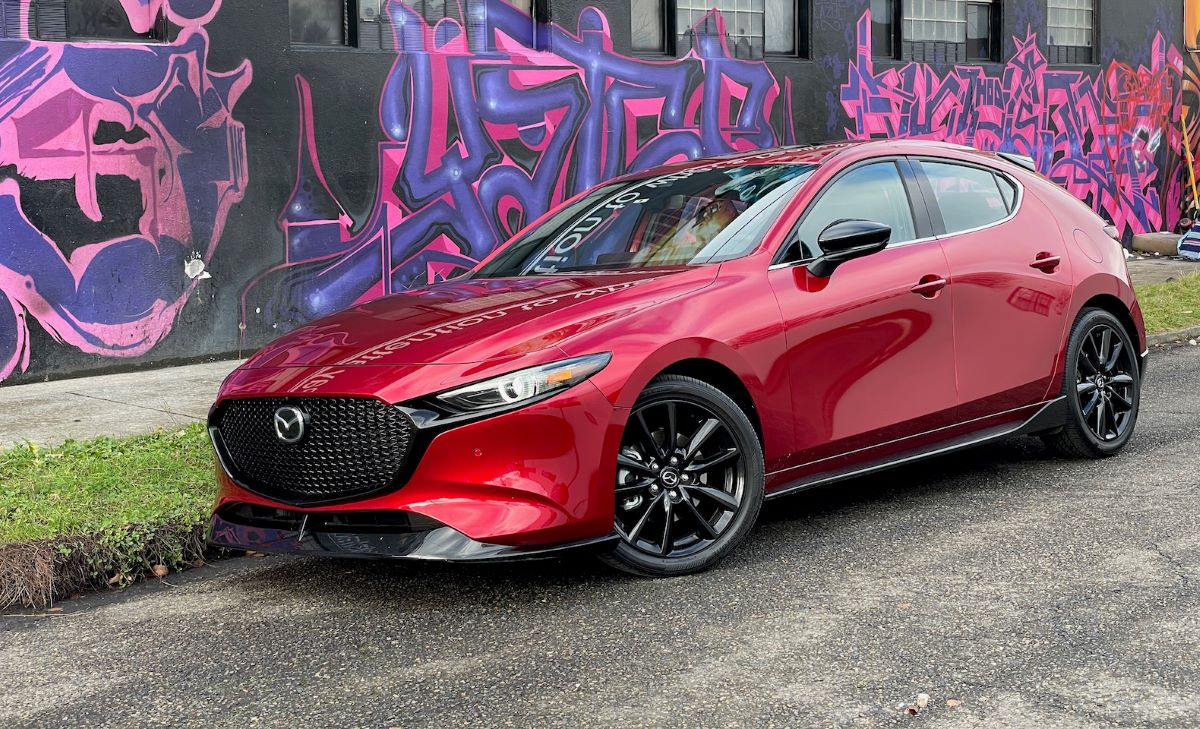
City driving is a unique test of a car’s durability. Unlike highway travel, urban use pushes vehicles through constant stop-and-go traffic, frequent short trips, tight parking spaces, potholes, and higher idling time.
These conditions slowly wear down key mechanical parts and reveal whether a car was built for endurance or simply dressed up to appear durable.
Manufacturers often highlight long-term reliability or rugged performance in ads, but longevity in cities demands something different. It’s not just the engine that matters.
Transmission performance in heavy traffic, how well the suspension tolerates rough pavement, how the cooling system handles hot idle conditions, and the cost and ease of repairs all factor in.
Some cars prove themselves over time, not through flashy features but by showing up every day without issue. These are the ones cab companies, delivery services, and everyday commuters quietly swear by.
On the other hand, some vehicles, despite their visual appeal or high-end branding, fail to hold up in cities. Maybe their transmissions are too sensitive for frequent shifting. Maybe parts wear out quickly when they’re meant to last much longer in light-duty or highway settings.
In this article, we’ll look at two groups: five cars that are known to go the distance in urban environments, and five that often disappoint sooner than they should. Each has its story, its strengths, and its weak spots.
Also Read: 10 Cars That Laugh at Harsh Winters
Cars That Last Longer in Cities
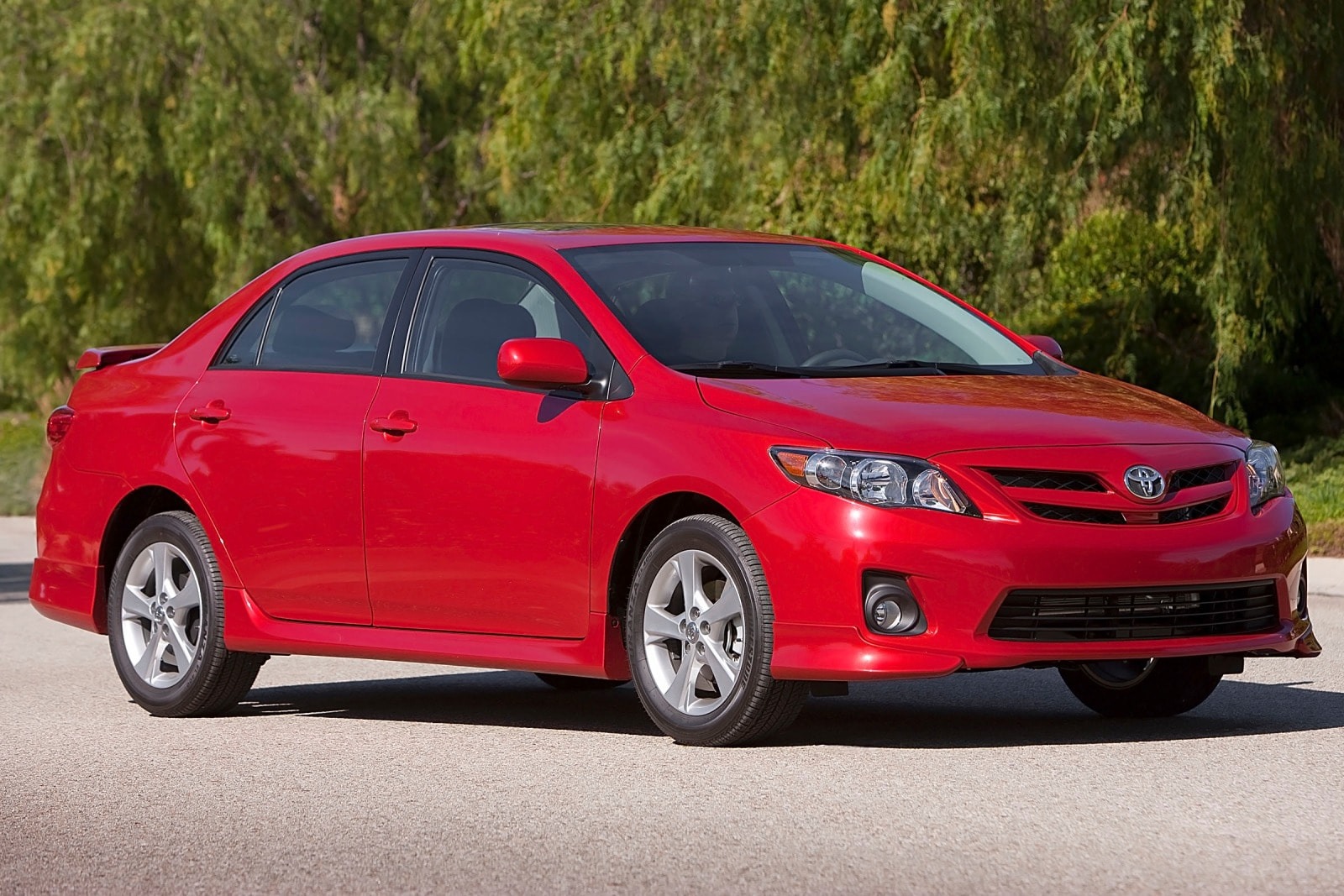
1. Toyota Corolla
The Toyota Corolla has long built its reputation not on flashy innovation but on consistent, predictable performance. In city environments, this trait becomes its biggest asset.
Many cars fall apart in urban settings due to constant braking, slow speeds, and short driving distances that never allow the engine to reach optimal operating temperature.
Most importantly, Toyota doesn’t overload the Corolla with unnecessary technology in base models, which keeps the number of components that could fail to a minimum. This mechanical simplicity is critical in stop-and-go driving where cars undergo frequent minor mechanical stress.
City wear is not just about what’s under the hood, though. The Corolla is small enough to navigate dense traffic without feeling cramped, yet it’s solid enough to absorb rough road conditions.
It handles potholes and road seams without suffering from premature suspension issues, and it can squeeze into tight parking spots without frequent bumper scrapes.
Its relatively high ride height for a compact sedan also means fewer underbody impacts, which can become a recurring problem for lower-slung vehicles. Another advantage is the way the Corolla tolerates heat cycles. In cities, cars often heat up and cool down repeatedly throughout the day.
This stresses gaskets, fluids, and electronic components, but the Corolla’s conservative engineering keeps it stable through all that. Engine cooling systems are well-designed, rarely overheating even during summer months when cars idle in long lines of traffic.
Finally, the intangible value of predictability gives peace of mind. Corolla owners rarely have to deal with sudden transmission failure, baffling electrical issues, or software bugs that prevent the car from starting.
This is especially important for people who rely on their car to get to work, pick up family, or run time-sensitive errands.
It may not have the flash of a European compact or the aggressive edge of sportier rivals, but the Corolla proves its worth every day by showing up, running reliably, and asking for little in return.
That’s the essence of what makes a car last in a city: not its performance in perfect conditions, but its ability to keep going in difficult, repetitive, imperfect ones.
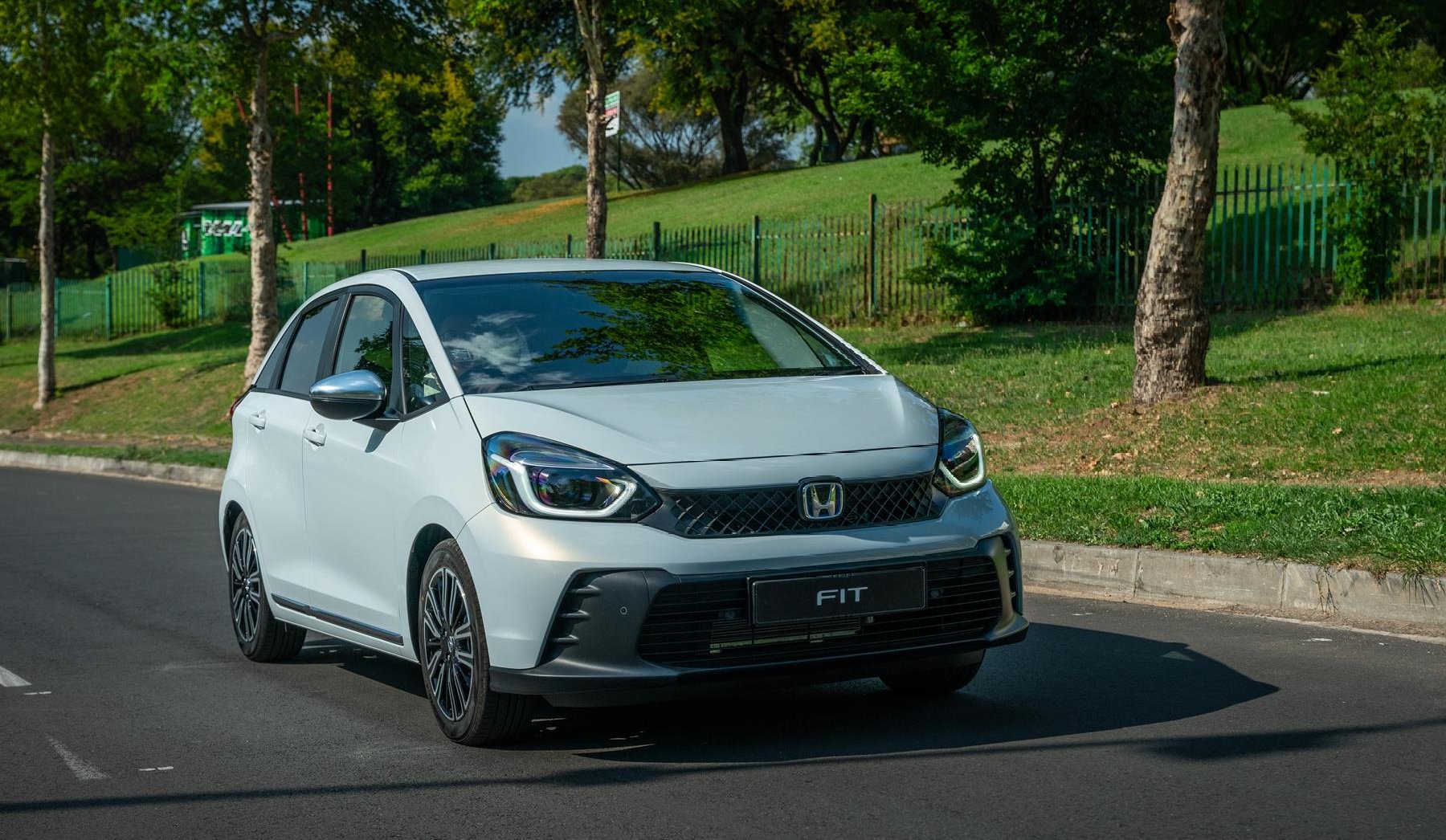
2. Honda Fit
At first glance, the Honda Fit might seem too small and too modest to be a lasting contender in any tough driving environment, but city life turns out to be where it performs best.
It’s not just its compact size that makes it ideal, though that certainly helps when parking in tight spots, it’s the mechanical durability and thoughtful engineering that have made the Fit a cult favorite among urban drivers.
Under the hood, it uses a proven four-cylinder engine that’s been refined over multiple generations. It’s not powerful, but it’s resilient. It warms up quickly, handles low-speed movement smoothly, and never feels overworked during short city trips.
More importantly, Honda has a track record of building engines that hold up well even when maintenance schedules are stretched a little, a reality for many city dwellers who don’t always get to a garage on time.
The CVT transmission in later models is one of the best-tuned of its kind. While CVTs often get a bad reputation for being noisy or fragile, the Fit’s is different. It’s designed to handle daily grind driving without overheating or developing premature wear.
It transitions smoothly in low-speed traffic, doesn’t jerk or hesitate, and avoids the shuddering that plagues CVTs in other models. In earlier versions of the Fit with a conventional automatic, the performance is just as reliable, if not better.
The suspension also deserves mention. Despite the small size of the car, it doesn’t feel fragile. It absorbs bad road conditions far better than most subcompacts, and it stays quiet and solid over time, even after years of being bounced around on rough pavement.
Internally, the Fit holds up surprisingly well. The interior materials aren’t luxury-grade, but they’re durable and designed to survive heavy use. Seats remain firm and supportive even after tens of thousands of miles, and the simple dashboard layout means fewer buttons and electronics could fail.
This practicality extends to the cargo space, where the Fit’s “Magic Seat” system turns it into a miniature cargo van. In a city where space is always tight, having a tiny car that can suddenly carry large items is a huge bonus.
Whether you’re a weekend mover, a music gear hauler, or someone who just likes being prepared, the Fit offers flexibility that few other small cars can.
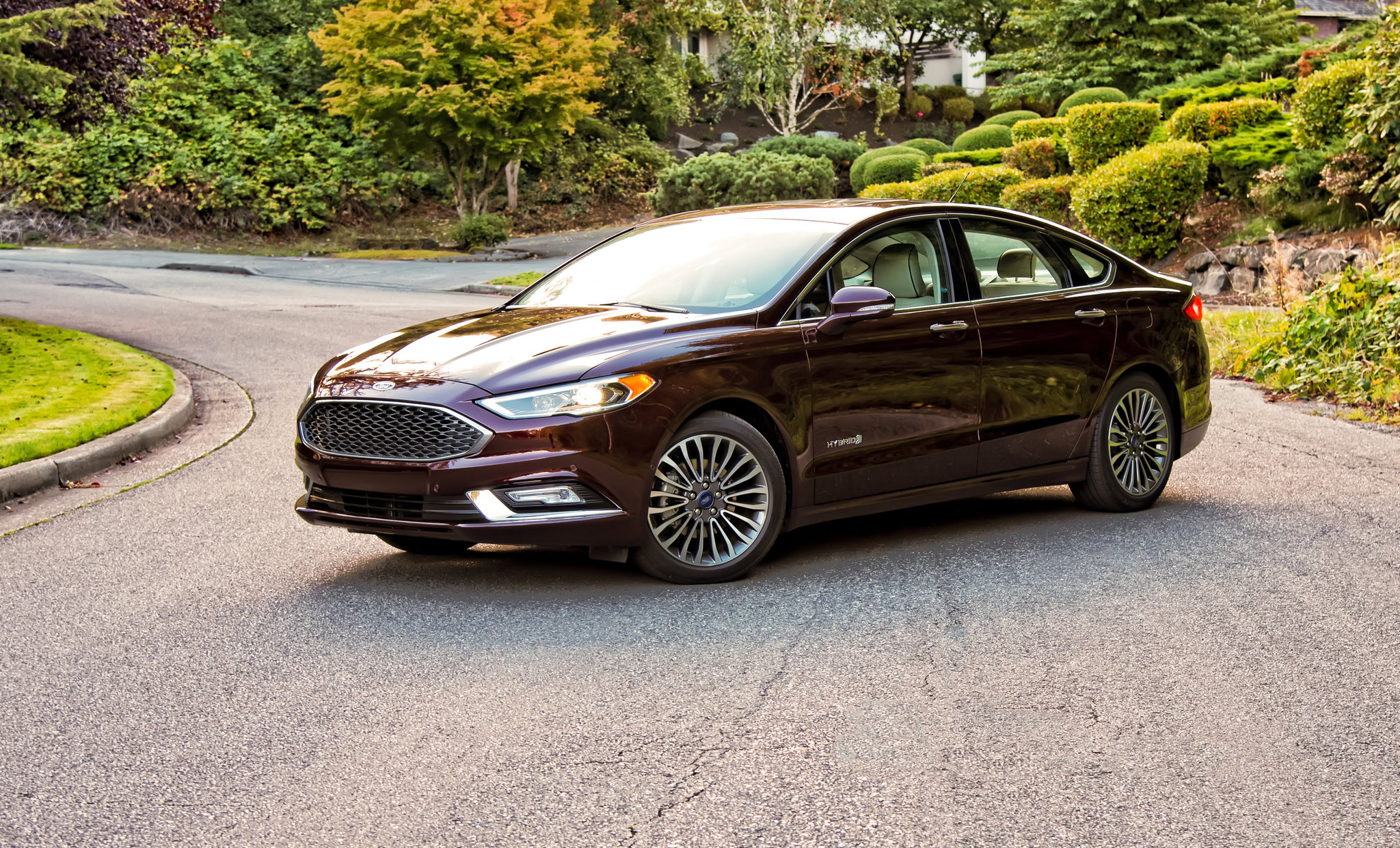
3. Ford Fusion Hybrid
Among the few hybrid sedans that manage to combine fuel efficiency with durability in city driving, the Ford Fusion Hybrid is a quiet success story.
While some hybrids falter under long-term use due to battery degradation or expensive component failures, the Fusion Hybrid has proven itself to be both economically and mechanically viable for urban dwellers.
It has been widely adopted by municipal fleets, taxi services, and Uber drivers, all of which speak volumes about its reliability. Its combination of an Atkinson-cycle gasoline engine with an electric motor ensures less wear on traditional engine components.
In stop-and-go traffic, the electric motor does most of the work, allowing the gasoline engine to rest, which slows down the aging process of internal combustion parts.
The Fusion uses kinetic energy from braking to recharge its battery, reducing dependency on conventional braking and extending the life of those components. Over tens of thousands of miles, this makes a real difference in maintenance costs.
When it comes to maintenance, the Fusion Hybrid is more manageable than people expect from a hybrid vehicle. Battery packs typically last well over 150,000 miles, and when repairs are needed, they aren’t as financially painful as they might be for competitors like the Prius.
The Fusion uses a lot of off-the-shelf Ford parts, making basic repairs familiar territory for many mechanics. It’s a car that blends old and new technology in a way that doesn’t create long-term complications, which is exactly the kind of balance city drivers need. It saves on gas, stays reliable, and doesn’t complicate your life when something eventually needs fixing.
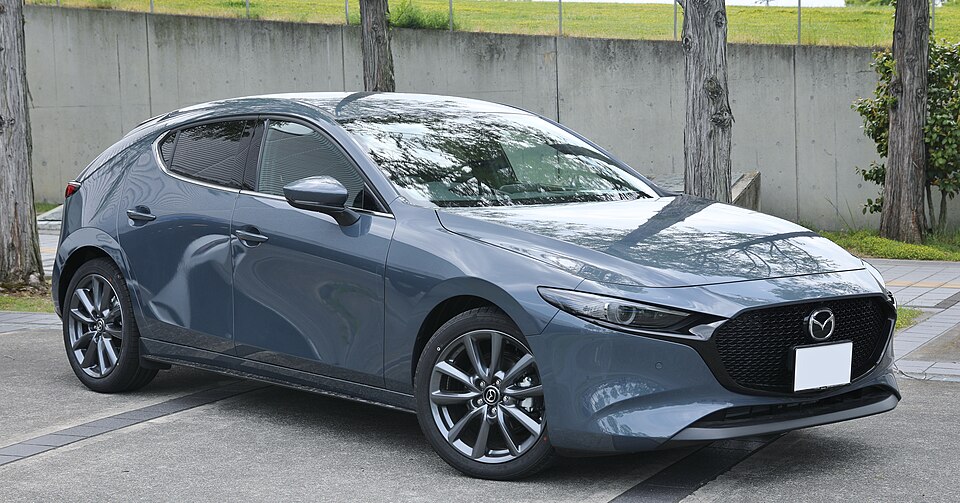
4. Mazda3
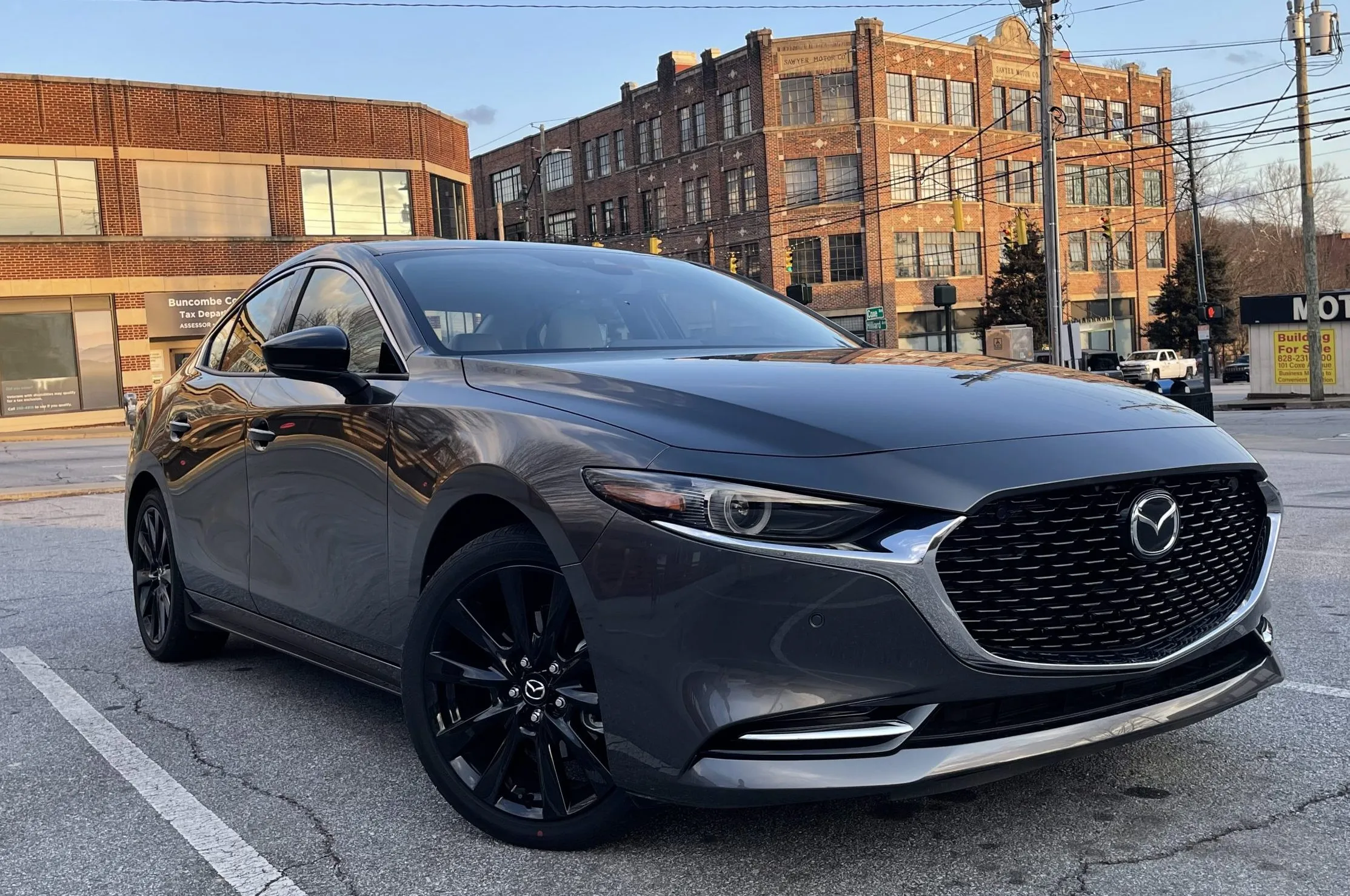
The Mazda3 walks the line between performance and practicality, and surprisingly, it excels in urban environments where many cars in its class struggle. Unlike other compacts that feel stripped down or budget-focused, the Mazda3 was designed with a clear attention to driving feel and long-term structural integrity.
Mazda’s SkyActiv engine technology is another major asset. Instead of relying on turbochargers or other high-stress performance additions, Mazda optimized combustion, reduced weight, and improved efficiency using high-compression naturally aspirated engines.
This results in a powertrain that not only delivers decent city fuel economy but also holds up remarkably well under the kind of slow, repetitive driving that defines urban use.
These engines warm up quickly, tolerate idle time, and have proven to resist the kind of internal wear that short trips and heat cycling often cause in other small cars.
They are relatively simple to service and are known for running well even when they rack up miles at a slow but steady pace. While other manufacturers shifted toward small-displacement turbo engines, Mazda stayed focused on mechanical balance and long-term reliability, a choice that continues to pay off for urban owners.
The Mazda3’s transmission also contributes to its urban longevity. Mazda did not follow the trend of overly complex CVTs in most of its line-up and stuck with traditional torque-converter automatics in many models, especially in earlier years.
These automatics are smoother, more durable, and require less maintenance over time, especially in heavy traffic conditions.
The suspension is tuned to absorb shocks without transferring every bump and dip into the cabin. More importantly, it doesn’t wear out as quickly as some of its rivals, thanks to Mazda’s attention to build quality and material durability.
Bushings, mounts, and links hold up well, and major components like struts and control arms often last well beyond the 100,000-mile mark with minimal signs of degradation. This gives the Mazda3 a stable and composed ride, even after years of urban punishment.
It’s easy to overlook these “comfort” systems when talking about longevity, but in cities where wear-and-tear is higher, they often make the difference between a car that feels old after five years and one that still feels new after ten. For city drivers who care about both durability and a little fun, the Mazda3 remains one of the most rewarding and reliable compact cars available.
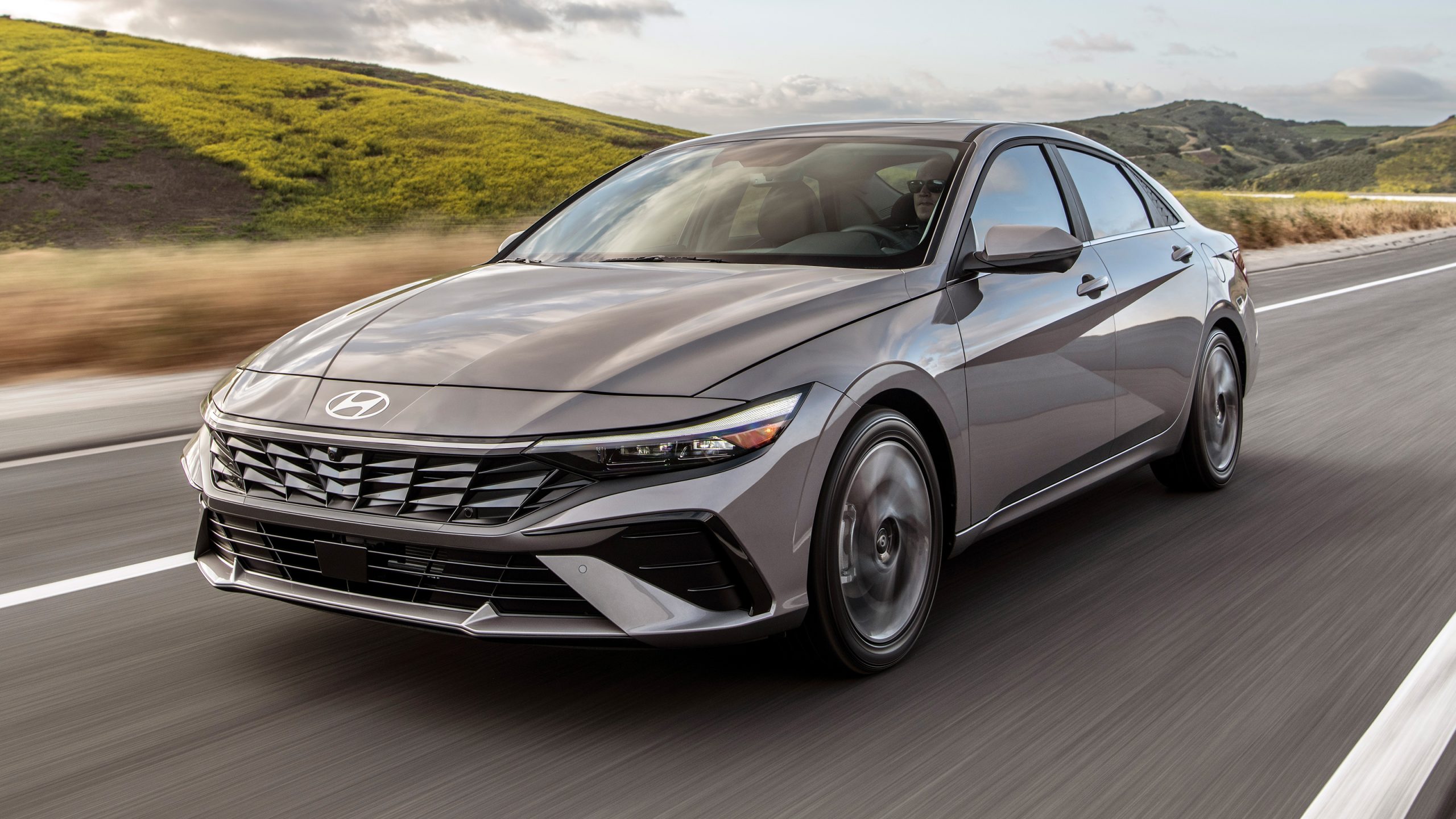
5. Hyundai Elantra
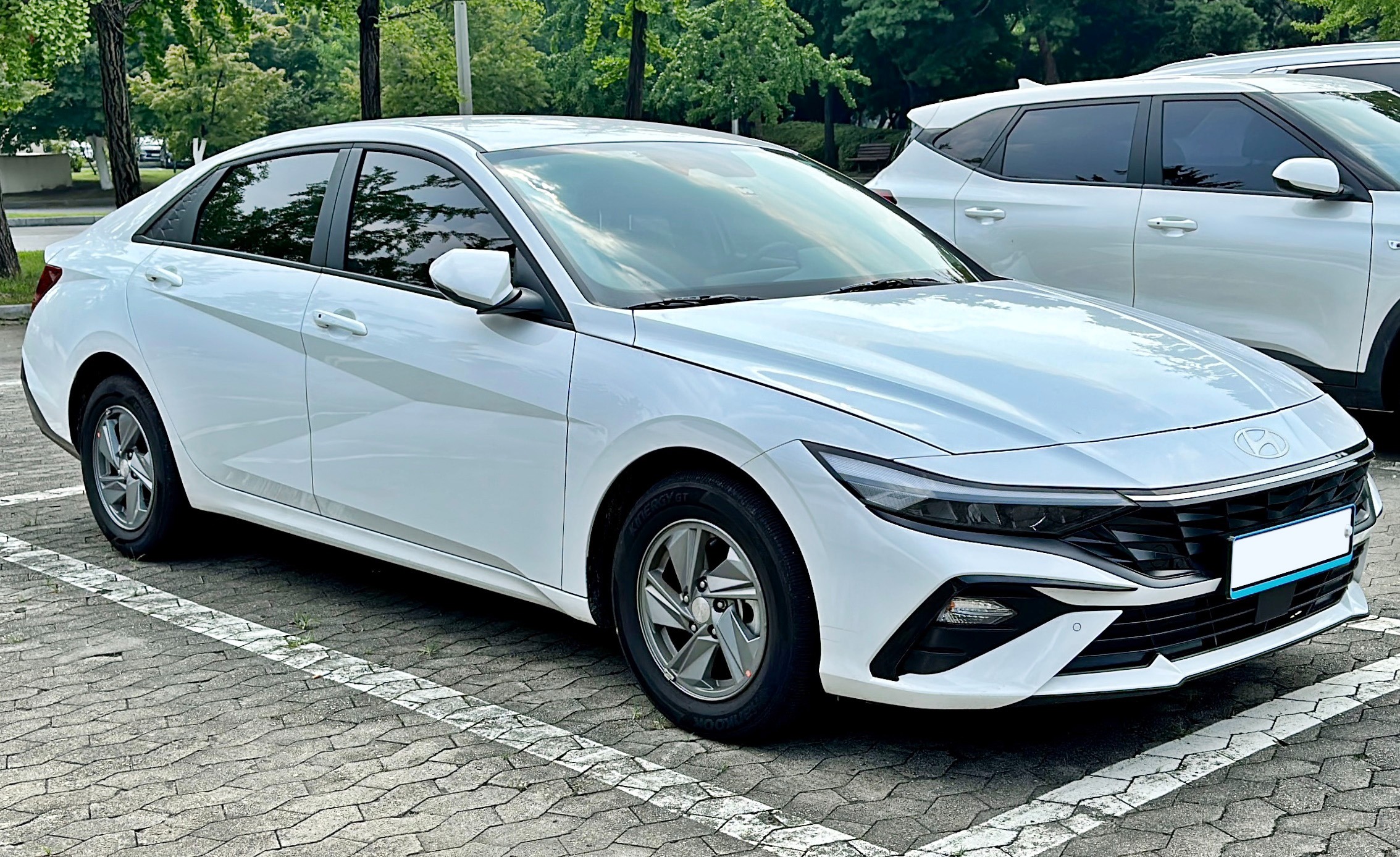
The Hyundai Elantra has significantly improved its reputation over the past decade, transforming from a budget-friendly option into a solid, reliable compact sedan that performs well in urban environments.
City driving demands vehicles that can handle frequent starts and stops, exposure to rough pavement, and the challenges of tight parking spaces, and the Elantra meets these challenges better than many expect.
In addition to a robust powertrain, the Elantra benefits from a well-calibrated suspension that balances ride comfort with durability. Urban streets are rarely smooth, and potholes or uneven surfaces are a fact of life for city cars.
Another strength of the Elantra is its maintenance accessibility and cost. Hyundai’s rapid growth in the U.S. market means parts are readily available and affordable, and the company has a strong network of service centers and mechanics familiar with their vehicles.
Additionally, the Elantra has benefited from Hyundai’s long warranty coverage, which historically covered powertrain components for up to 10 years or 100,000 miles. This warranty reflects Hyundai’s confidence in the car’s durability, and it provides peace of mind for urban owners who face the inevitable wear and tear of city life.
Inside the cabin, the Elantra offers solid build quality and materials that hold up well over time. Frequent use of the car in short urban trips means door panels, seats, and controls are constantly being touched, pushed, and sometimes slammed shut.
Lastly, the Elantra’s combination of fuel efficiency and smooth drivability makes it a favorite for those who spend a lot of time in city traffic. The car handles stop-and-go driving without strain, and the power delivery is predictable and steady, reducing driver fatigue in dense traffic conditions.
Drivers appreciate the responsive steering and tight turning radius, which make navigating crowded city streets and parking lots less stressful.
Combined with Hyundai’s proven durability and growing reputation for quality, the Elantra stands as a reliable, long-lasting choice for urban drivers who want a car that balances comfort, economy, and toughness.
Also Read: 10 SUVs That Rarely Rust Even in Snow States
Cars That Last Longer in Cities
1. Toyota Corolla
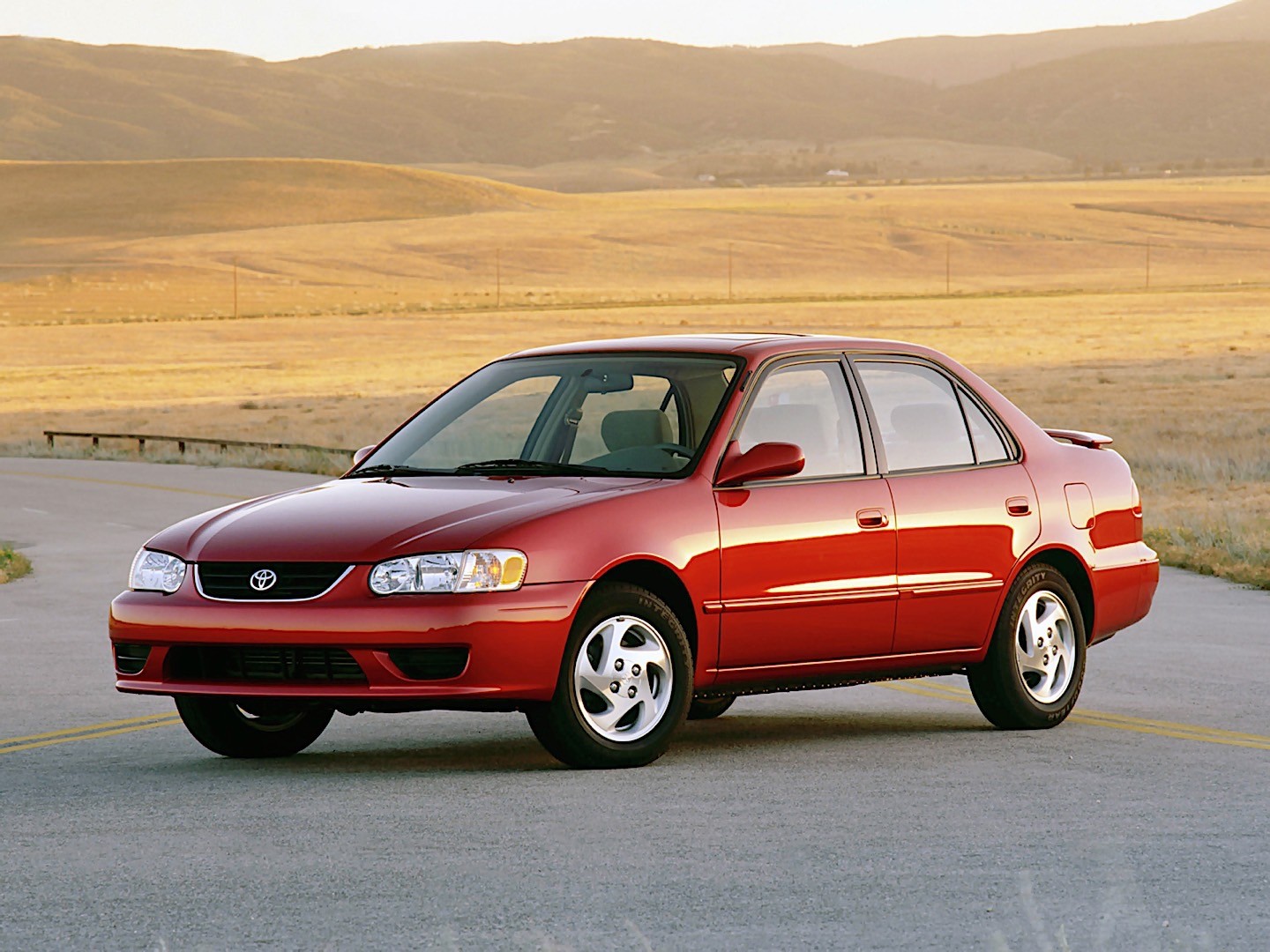
The Toyota Corolla has long been synonymous with reliability and practical durability, especially in the stop-and-go chaos of city driving. Its strength lies not in flashy features or cutting-edge technology but in well-established engineering that emphasizes consistency over time.
Its naturally aspirated four-cylinder engines deliver reliable power without pushing components to their limits, avoiding the risk of early wear common in high-performance or turbocharged units.
The transmissions, whether conventional automatic or newer CVT, provide smooth and predictable shifting, minimizing mechanical shocks that can accumulate damage over time.
Toyota’s emphasis on mechanical simplicity and robust design means fewer components are prone to failure, which is a critical advantage in the constant stop-start conditions of urban traffic.
Beyond the powertrain, the Corolla’s chassis and suspension design contribute significantly to its longevity in cities.
The car strikes a balance between compact size and a sturdy frame, allowing it to absorb impacts from potholes, speed bumps, and uneven roads without suffering structural or mechanical damage that often plagues lighter or poorly built competitors.
Its slightly higher ride height compared to other compact sedans reduces the chance of scraping the underbody on city infrastructure, which is often full of curbs and ramps. The suspension system itself is built with durable components designed to resist wear from constant vibration and jarring road surfaces.
The Corolla also shines when it comes to maintenance costs and parts availability, two factors that greatly influence a vehicle’s lifespan in the city.
Frequent small accidents, cosmetic damage, and regular wear and tear are common in urban settings, and the Corolla benefits from an extensive parts network that keeps repair costs low.
Since Toyota has been producing the Corolla for decades with consistent design elements, many replacement parts are shared across multiple model years. This makes sourcing affordable, high-quality components easier than for cars with frequent redesigns or complex proprietary parts.
Finally, the Corolla’s long-term reliability is backed by real-world user experiences and industry reputation. Many owners report reaching 200,000 miles or more with minimal major repairs, a testament to the car’s durability.
2. Honda Fit
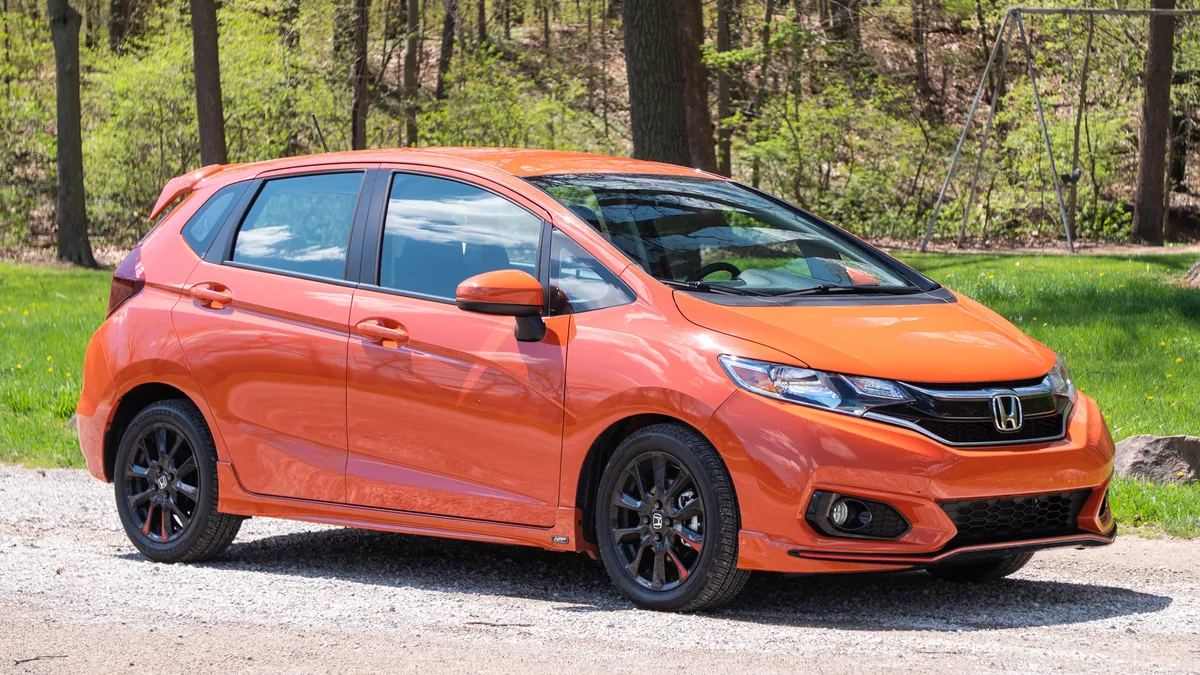
The Honda Fit might appear diminutive and simple, but it is a marvel of urban engineering that combines compact size with surprising versatility and longevity.
City driving demands more than just a small footprint; it requires a car that can endure repetitive cycles of acceleration and braking, navigate tight spaces with agility, and handle rough, uneven surfaces without compromising structural integrity.
The Fit’s engine is a core strength in this regard. Using a naturally aspirated four-cylinder engine known for its reliability and efficiency, the Fit delivers enough power to smoothly handle city traffic without being overburdened.
The engine’s design emphasizes durability, running efficiently even with frequent short trips that often cause problems like carbon buildup or premature wear in less well-engineered powertrains.
Its suspension components, including bushings, struts, and shock absorbers, are designed with durable materials that resist wear, even after years of city driving. This is crucial because poor suspension durability can lead to expensive repairs and a compromised driving experience.
Moreover, the Fit’s maneuverability, tight turning radius, and excellent visibility make it easy to avoid minor collisions, helping to preserve its physical condition. Its ability to handle tight parking spots without requiring repeated adjustments also reduces the risk of body damage, contributing to its long-term resilience.
The interior of the Fit is another area where longevity shines through thoughtful design. The cabin materials, though not luxurious, are robust and resistant to wear and tear that comes with constant use.
Urban drivers often find themselves in stop-and-go traffic, frequently opening and closing doors, adjusting seats, and interacting with controls multiple times a day.
The Fit’s seats retain their shape and comfort over long periods, and the plastics and fabrics used in the interior resist cracking, fading, and stains better than many competitors.
The dashboard layout is intentionally straightforward, minimizing the number of electronic components that could malfunction with time and heavy use.
Maintenance and repair considerations further cement the Fit’s reputation as a city car that lasts. The car benefits from a vast network of service centers and mechanics experienced with Honda’s reliable platform, making routine servicing and unexpected repairs less costly and more accessible.
Parts are plentiful and affordable, allowing owners to keep the vehicle in good condition without financial strain. The Fit is also known for being a favorite among second-hand buyers, often retained and passed down within families or used for small business purposes like deliveries, which speaks to its robust construction and ease of upkeep.
The combination of efficient fuel consumption, durable build, and strong parts availability ensures the Honda Fit remains a trustworthy companion for urban drivers who need a car that can handle the demands of city life while standing the test of time.
3. Ford Fusion Hybrid
The Ford Fusion Hybrid stands out among hybrid sedans for its ability to combine fuel efficiency with long-term reliability in the demanding environment of city driving. Urban driving places unique stress on vehicles, with frequent stops, idling, and low-speed maneuvering that can strain traditional engines and transmissions.
However, the Fusion Hybrid’s dual powertrain cleverly mitigates these challenges. By blending an Atkinson-cycle gasoline engine with a reliable electric motor, the car reduces wear on the internal combustion components by frequently relying on electric power at low speeds.
This hybrid system effectively distributes workload, extending the life of engine parts that would otherwise degrade faster under constant stop-and-go conditions.
The gasoline engine is optimized for longevity rather than high performance, emphasizing steady, controlled power delivery that is less prone to breakdowns and mechanical stress.
A key advantage of the Fusion Hybrid is its regenerative braking system. Urban driving forces brakes to work harder and wear out faster due to the constant need to slow down and stop.
The regenerative braking system captures kinetic energy during braking and uses it to recharge the hybrid battery, significantly reducing the wear on traditional brake pads and rotors.
Inside, the Fusion Hybrid offers an interior built to withstand the rigors of urban use. City cars endure heavy door use, frequent changes in driver and passenger, and long periods spent idling in traffic.
The Fusion’s cabin materials, from upholstery to control panels, are designed for durability and comfort, resisting fading, wear, and breakage over time.
Seats retain their support and cushioning, helping reduce driver fatigue during extended commutes. The infotainment and climate control systems have proven dependable, avoiding the glitches and malfunctions that can plague newer technology-laden vehicles after a few years.
These elements contribute to a pleasant driving experience that remains consistent even after tens of thousands of city miles.
When it comes to repairs and servicing, the Fusion Hybrid offers advantages not typical of many hybrid vehicles. Ford’s broad dealership and repair network ensures that owners have easy access to knowledgeable mechanics and affordable parts.
Battery life is generally excellent, often lasting well beyond 150,000 miles with minimal loss of capacity, which is important given the high stop-and-go nature of city driving.
In contrast to some hybrids with expensive or difficult-to-replace components, the Fusion Hybrid uses many off-the-shelf parts shared with other Ford vehicles, simplifying maintenance and reducing costs.
The car’s proven durability and balanced powertrain make it one of the best options for city drivers looking for a hybrid that won’t fall apart quickly or incur heavy repair bills.
4. Mazda3
The Mazda3 offers a compelling combination of driving enjoyment and practical durability that is well-suited for the urban environment. While many compact cars prioritize price over build quality, the Mazda3’s design philosophy emphasizes engineering excellence, which pays dividends in city durability.
This attention to build quality extends to materials used in the suspension, which resist wear and fatigue, contributing to a longer lifespan for key components such as control arms and bushings. This means fewer trips to the mechanic and more confident driving over city streets.
Mazda’s SkyActiv engine technology is a standout feature that supports the car’s urban durability. Instead of adopting turbocharged or overly complex engines, Mazda focused on optimizing natural aspiration, improving combustion efficiency, and reducing internal friction.
The result is an engine that warms up quickly, operates efficiently under frequent short trips, and resists common issues like carbon buildup or overheating that plague many small cars in stop-and-go traffic. The power delivery is smooth and predictable, reducing the strain on transmission and drivetrain components.
This balance of efficiency and reliability makes the Mazda3 a perfect fit for city driving conditions, where mechanical stress is often uneven but constant.
Moreover, Mazda’s choice to use mostly traditional torque-converter automatics in many models avoids the potential pitfalls of fragile CVTs, providing better durability and lower maintenance costs in the long run.
The Mazda3 also excels in its interior durability, an often-overlooked factor in urban car longevity. The materials and construction quality inside the cabin resist wear from constant use, including frequent door openings, seat adjustments, and interaction with controls.
Seats maintain firmness and support over time, preventing the sagging that can make long commutes uncomfortable. The dashboard and control surfaces remain intact and functional, resisting the peeling and fading common in lesser vehicles.
This durability extends driver comfort and satisfaction, important for those who spend a great deal of time in their car during daily commutes or city errands. The combination of solid materials and intelligent design makes the Mazda3’s interior environment one of the more resilient in the compact segment.
The tight turning radius and responsive controls mean drivers can avoid repeated scraping or parking lot dings, which often lead to costly repairs or cosmetic damage. Over time, this ability to avoid minor collisions helps preserve both the car’s appearance and structural integrity.
For urban drivers who want a car that combines sporty handling with a reputation for toughness, the Mazda3 remains one of the best choices that lasts well beyond typical city-car lifespans.
5. Hyundai Elantra
The Hyundai Elantra has evolved from a simple economy car to a strong contender in the compact sedan market, especially for city drivers who demand durability without sacrificing comfort or efficiency.
Urban environments expose vehicles to a relentless barrage of challenges: stop-and-go traffic, constant braking, road debris, and the occasional parking lot scrape.
The Elantra’s powertrains, primarily consisting of efficient four-cylinder engines with advanced fuel injection and cooling systems, are engineered to handle these conditions with impressive longevity.
The engines are designed to warm up quickly and maintain stable operating temperatures during short trips, which are common in city driving but tough on engines that rely on longer runs to stay healthy.
This reduces the risk of wear-related problems such as gasket failures or oil breakdown, common in cars not optimized for frequent stops and slow traffic.
The suspension system of the Elantra is another key factor in its city endurance. Hyundai engineers have calibrated the suspension to provide a smooth, comfortable ride while using durable components that resist premature wear.
This means the Elantra can take on potholes, uneven roads, and speed bumps without suffering the rattles, misalignments, or broken parts that shorten the lifespan of many other compact cars.
The use of sturdy bushings, reinforced mounts, and corrosion-resistant materials means that the suspension system retains its integrity longer, lowering maintenance frequency and cost. This durability is especially important in cities, where poor road conditions are common and can quickly degrade less well-built vehicles.
Maintenance accessibility and cost are strong points for the Elantra as well. Hyundai’s significant market presence and growing reputation for quality mean that replacement parts are abundant and affordable.
Owners can find service easily, even outside major metropolitan areas, which encourages regular upkeep and helps prevent small issues from becoming costly repairs.
Hyundai’s long warranty coverage, which often includes powertrain protection for 10 years or 100,000 miles, further reinforces confidence in the car’s long-term reliability.
This warranty not only covers major components but also encourages buyers to maintain their vehicles properly, contributing to the Elantra’s solid performance over many miles of city driving.
Finally, the interior durability and design of the Elantra enhance its suitability for urban life. City cars endure more than just mechanical stress; their interiors face constant use as drivers repeatedly enter and exit the vehicle, adjust controls, and carry passengers or cargo.
The combination of durable materials and practical features makes the Elantra a comfortable and enduring companion for those who face the unique demands of urban mobility daily.
