
Durability in a car isn’t just about how long it can run under normal conditions. True toughness comes through when a vehicle keeps going strong after being pushed well past what most machines are designed to handle.
While many manufacturers claim their vehicles are reliable, only a few models have earned a reputation for lasting multiple decades through rough ownership, harsh climates, minimal maintenance, and high mileage.
These vehicles become legends not just because of their engineering, but because owners often rely on them through some of the most demanding situations imaginable.
They aren’t pampered in garages or treated like collectibles. Instead, they live on farms, deserts, construction sites, back roads, war zones, and urban streets full of potholes. And through it all, they keep running.
These cars were not just designed for comfort or aesthetics. They were made with utility in mind. Their parts are often simple, mechanical, and widely available, making repairs straightforward and cheap.
Many of them come from an era when vehicles didn’t rely heavily on computers or complex electronics, meaning they could be fixed with basic tools and a bit of determination.
Even newer versions of these models often carry that same DNA, proving that longevity isn’t always a matter of age, but of how a car is put together from the start.
There’s also a cultural aspect to these machines. People form bonds with vehicles that stay dependable when everything else fails. These cars earn trust through sheer consistency, and in return, drivers pass their stories down through generations.
It’s not unusual to find models on this list still running after hundreds of thousands of miles or even well past the million-mile mark. In fact, some have been documented in high-mileage clubs or featured in mechanic shops as badges of honor.
This list isn’t about the fastest or the most luxurious. It’s about machines that keep moving when lesser vehicles give up. They have a common thread: endurance.
Whether built in Japan, Germany, America, or elsewhere, they prove that resilience often matters more than glamour. These ten vehicles have become known not just for lasting a long time, but for taking abuse that most cars wouldn’t survive.
Also Read: 10 SUVs That Rarely Rust Even in Snow States
1. Toyota Land Cruiser
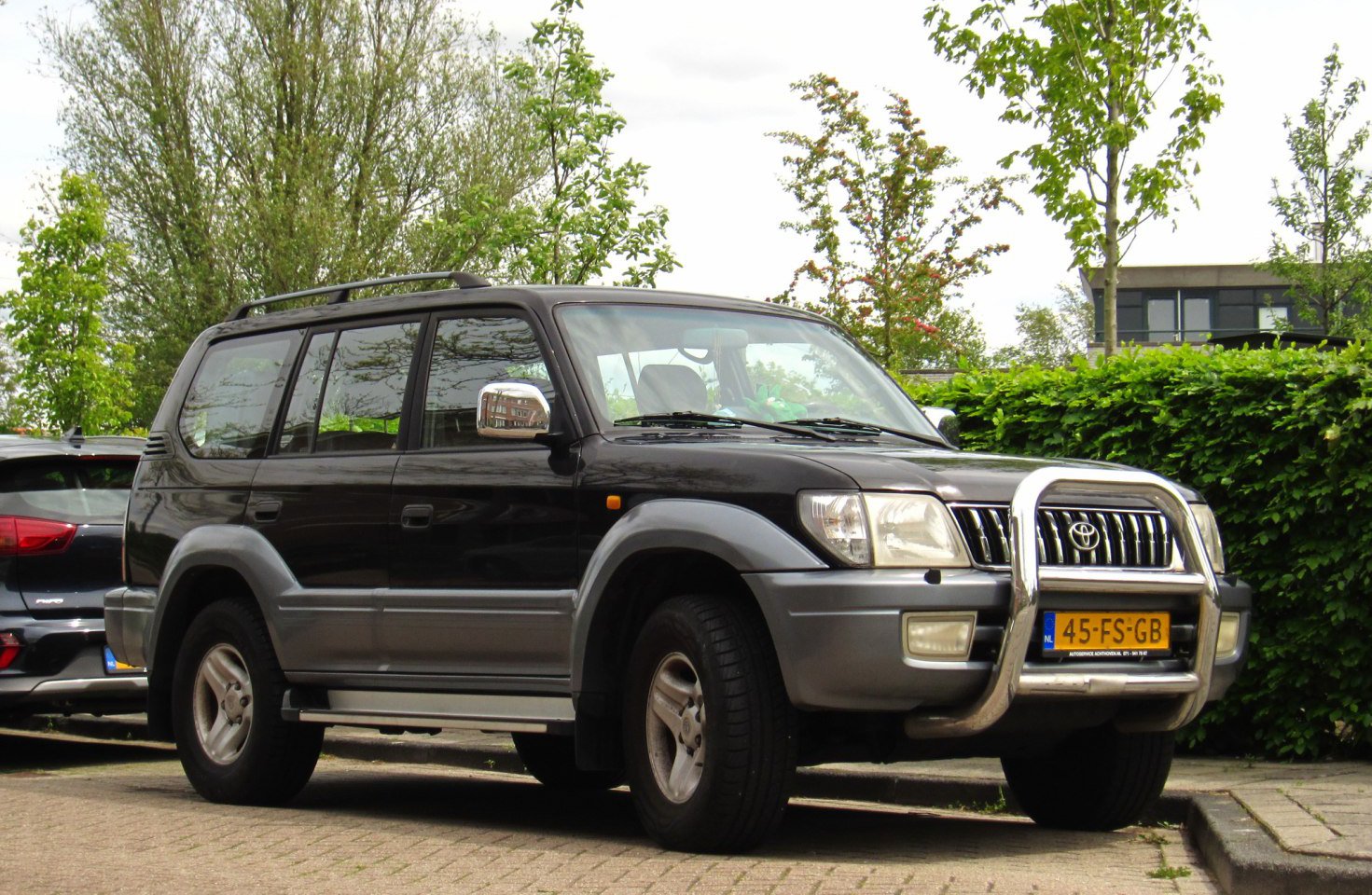
The Toyota Land Cruiser is not a car you buy for short-term use. It’s a vehicle that people often own for decades, passing it down through families or using it in the most remote parts of the world. It has seen use in deserts, rainforests, and warzones, all without much complaint.
Its global reputation as a vehicle that never quits is built on its real-world performance, not marketing slogans. Owners know that it may not be flashy, but it will always get you where you need to go.
Whether you’re in a rural part of Africa or the Australian Outback, the Land Cruiser is a common sight, usually covered in dust and still hauling heavy loads.
One of the biggest strengths of the Land Cruiser is its mechanical simplicity in earlier generations. The engines are overbuilt, and the transmissions are known for lasting well beyond what most people consider normal.
Even in the more modern versions, Toyota has managed to retain that core durability, with owners often reporting 300,000 to 500,000 miles with just regular maintenance.
Unlike many modern SUVs that prioritize comfort or gadgets, the Land Cruiser sticks to a formula that focuses on rugged capability. It’s not trying to be a luxury car. It’s trying to last.
Land Cruisers also age gracefully because Toyota ensures spare parts are available for years, even decades, after production. There’s also a huge community of Land Cruiser enthusiasts and mechanics who know the ins and outs of these machines.
That means even if something does go wrong, getting it fixed doesn’t require dealing with rare parts or specialized tools. The vehicle was designed to be repairable even in the field, by someone with basic tools and limited resources. That mindset is part of what keeps it going for so long.
Perhaps what really sets the Land Cruiser apart is that it isn’t just durable on paper. It survives in real life, in places where failure means more than just a tow truck.
It’s a vehicle that thrives in extreme heat, brutal cold, and chaotic roads. Some models from the 70s and 80s are still in use today, a testament to Toyota’s original engineering. That’s not nostalgia; that’s quality that stands up to hard use.
2. Volvo 240
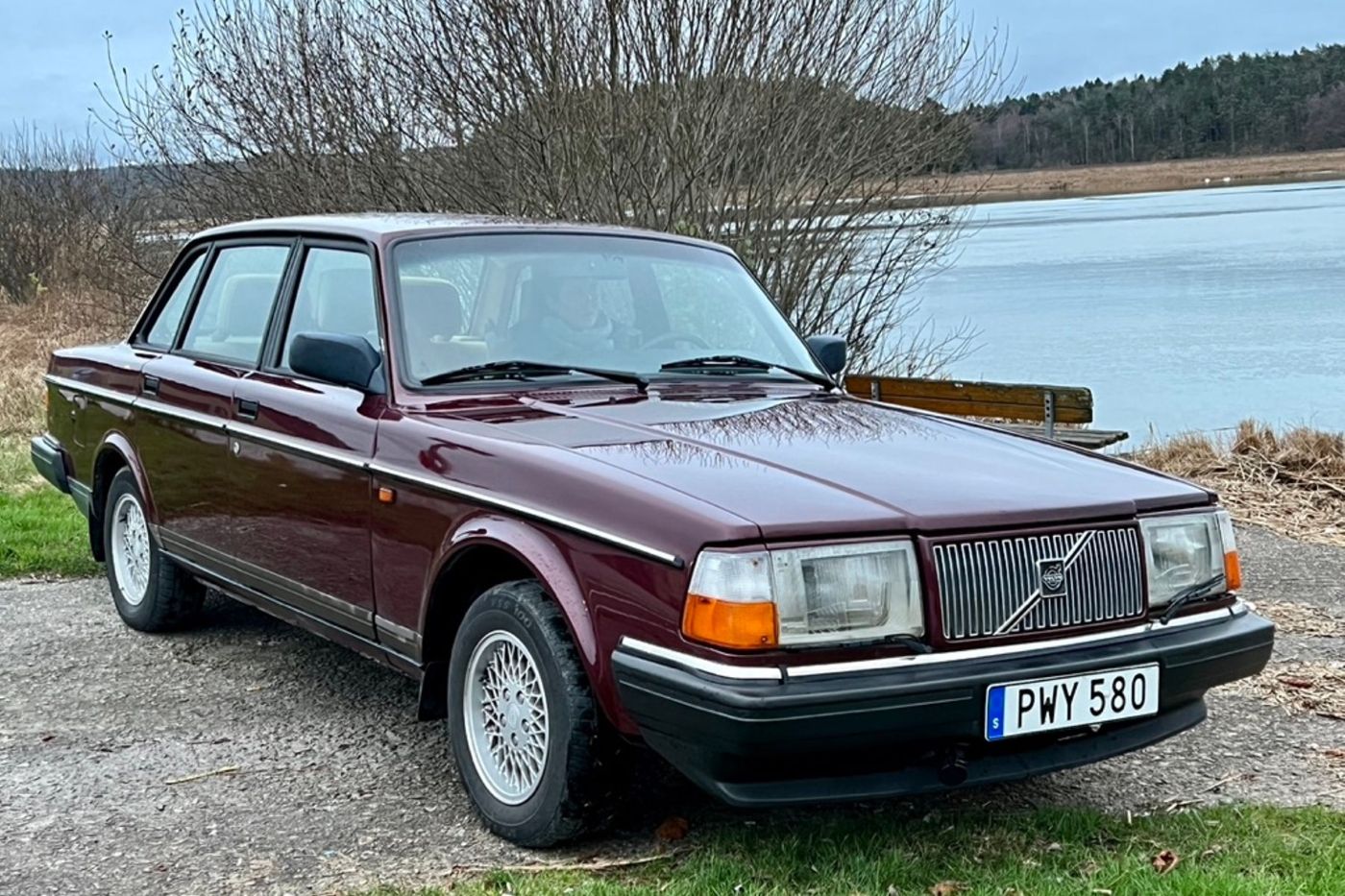
The Volvo 240 may not be the first vehicle that comes to mind when you think about toughness, but its boxy design hides a level of reliability that few cars can match. Produced from 1974 to 1993, the Volvo 240 became known for its ability to take abuse and just keep going.
It was a favorite among taxi fleets, rural families, and budget-conscious drivers who valued function over fashion. Its long production run means there are still many on the road today, even though some of them are pushing four decades of continuous service.
The car’s build quality is what gives it an edge. Its body panels are thick, the interiors are basic but tough, and the engine bay is relatively easy to work in. The inline-four engines in these vehicles are not powerful, but they’re incredibly long-lasting.
Mechanics often report seeing 240s come in with 300,000 or more miles, still running on their original engine and transmission. That’s the kind of lifespan most modern vehicles can only dream of. Routine maintenance is key, but even when neglected, these cars often hold together longer than they should.
One of the reasons the Volvo 240 became a legend is its resistance to rust and weather-related damage. That made it especially popular in colder regions like Scandinavia, Canada, and parts of the northern United States.
Where other cars would rot away, the 240 would hold on, thanks to good factory rustproofing and a body that wasn’t afraid of harsh road salt or freezing temperatures. Even the suspension was tough, designed to handle potholes and poorly maintained roads with minimal fuss.
Beyond durability, the Volvo 240 also earned respect for being safe. It was one of the safest cars of its era, which contributed to its use in families and by drivers who needed something dependable for the long haul.
Its reputation for durability isn’t based on off-road capability or aggressive design. It’s built on the idea that a car should just work, every day, year after year. And for many people, the 240 has done just that.
3. Honda Civic (older generations)
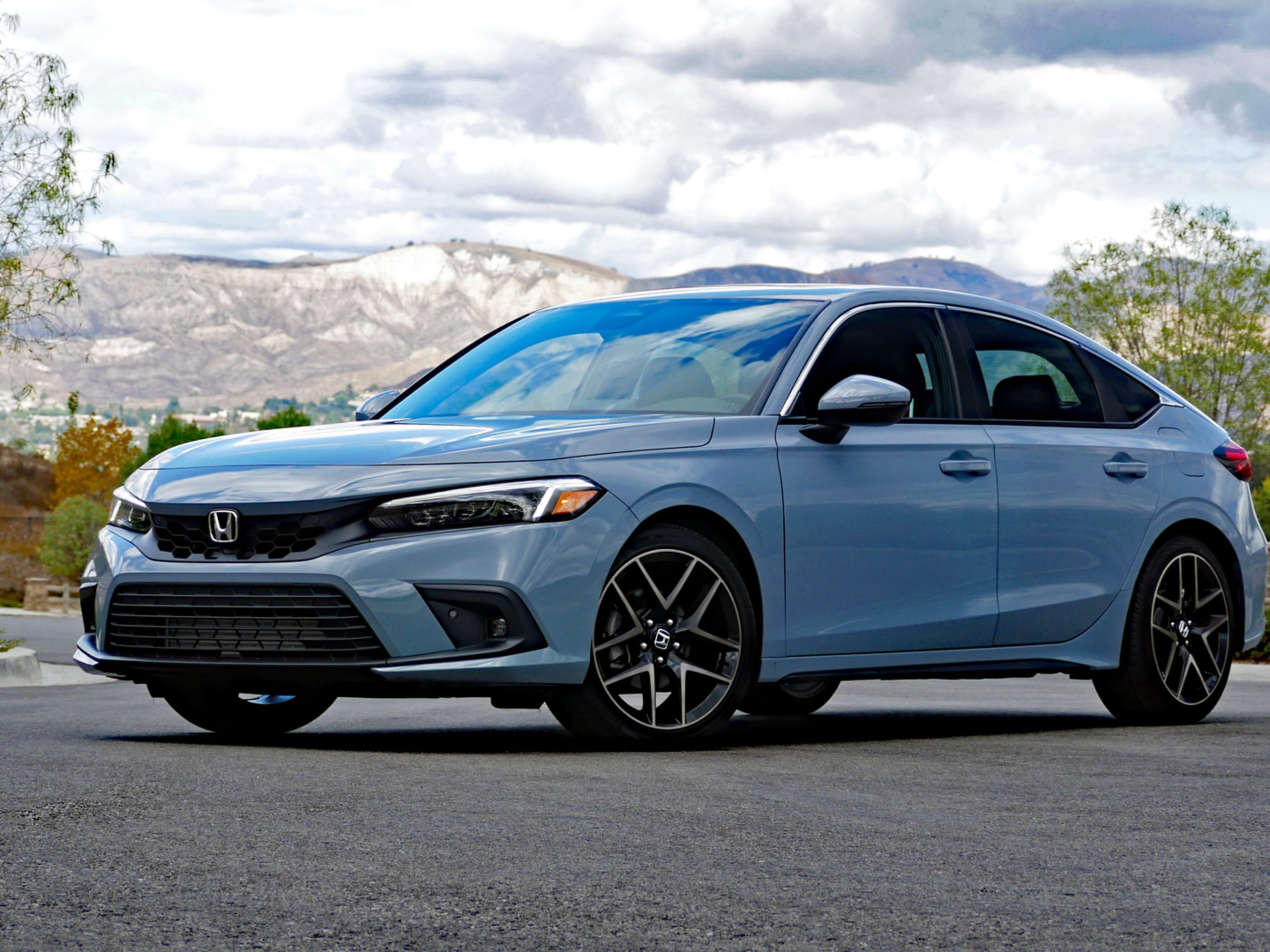
The Honda Civic is a name that has been associated with economy and efficiency for decades, but the older generations of this model were more than just fuel savers. They were also incredibly tough. Particularly from the late 1980s through the early 2000s, Civics became known for their reliability under harsh conditions.
They were often the go-to cars for first-time drivers, city commuters, and people who just needed a cheap, trustworthy vehicle. Yet even when neglected or modified heavily, these cars continued to run far longer than expected.
A big part of the Civic’s strength lies in its simple, lightweight design and the reliability of its inline-four engines. These engines, especially the D-series and B-series, could run for hundreds of thousands of miles with only basic oil changes and occasional timing belt replacements.
Even when poorly maintained, many Civics refused to quit. Their small size also meant less stress on the components, making wear and tear less of an issue over time. Many were pushed to their limits by teenage drivers and still lived to see the next owner.
Mechanically, the older Civics were built to be easy to fix. Their parts are widely available, and many components are interchangeable between model years.
This made them extremely popular in the DIY mechanic community. Even those with little automotive knowledge could often figure out basic repairs or find cheap fixes. Their popularity also led to a massive after market community, so even performance parts and rebuild kits became affordable and easy to find.
Despite being considered a compact, almost throwaway car by some, the Civic earned its reputation the hard way: by simply not giving up. There are stories of Civics that have been totaled multiple times, rebuilt in garages, and then driven cross-country without complaint.
Others have crossed the half-million-mile mark without needing a major rebuild. These cars might not look like much, but when it comes to surviving abuse, few compacts come close.
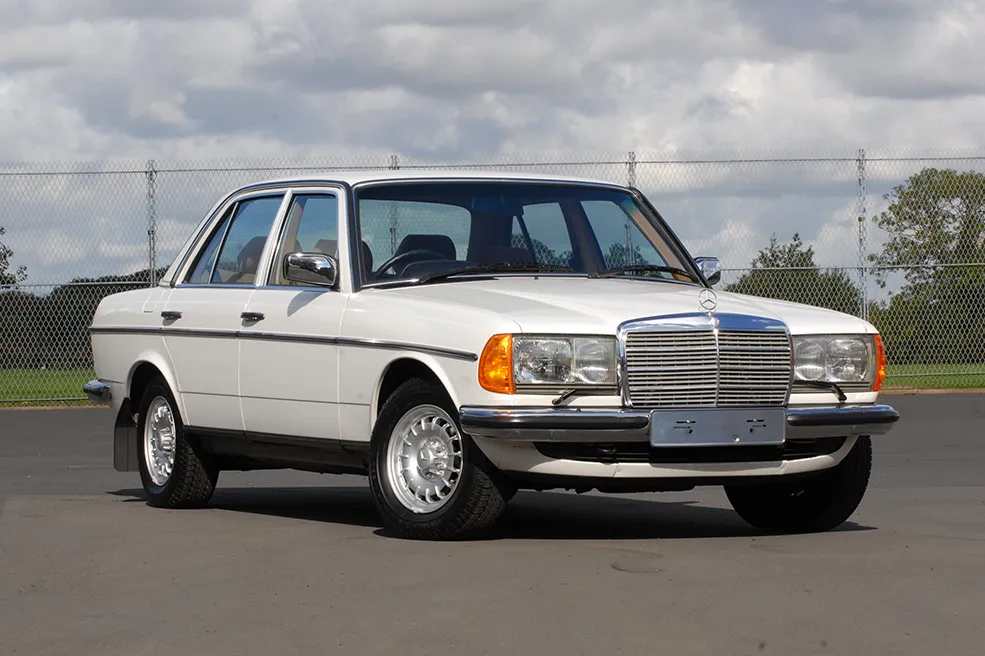
4. Mercedes-Benz W123
What makes the W123 stand out even more is its global service record. In countries with poor roads, extreme climates, and little access to professional mechanics, the W123 still found a home.
It was not uncommon to see these cars being used as taxis in places like Nigeria, Egypt, or Lebanon, racking up hundreds of thousands of miles while being poorly maintained and sometimes overloaded beyond reason.
The car’s robust suspension system and strong chassis allowed it to navigate dirt roads, potholes, and rough terrains with minimal breakdowns. It was not a car designed only for autobahns and urban streets; it was made to survive wherever people needed reliable transportation.
One of the main reasons the W123 is still on the road today is due to the simplicity and durability of its engines, especially the OM617 diesel engine.
These engines are notoriously slow but have an almost unmatched lifespan. They are tolerant of poor-quality fuel, can be fixed with basic tools, and rarely suffer catastrophic failures.
When they do require work, most repairs are straightforward and parts are still available through both OEM and aftermarket suppliers.
This accessibility keeps older models in circulation, even in countries with limited automotive infrastructure. Some owners have driven these cars every day for over 30 years, with the car only asking for oil changes and a timing chain every now and then.
While newer Mercedes-Benz models have shifted toward luxury and electronics, the W123 remains a symbol of an era when durability was prioritized above all else. It was a car made by engineers who had the freedom to build things to last, rather than to maximize short-term profits.
In the eyes of many long-term owners, the W123 isn’t just a car; it’s a tool that never fails. Whether hauling cargo in a dusty village or transporting executives in a city decades ago, the W123 has performed its role with quiet consistency.
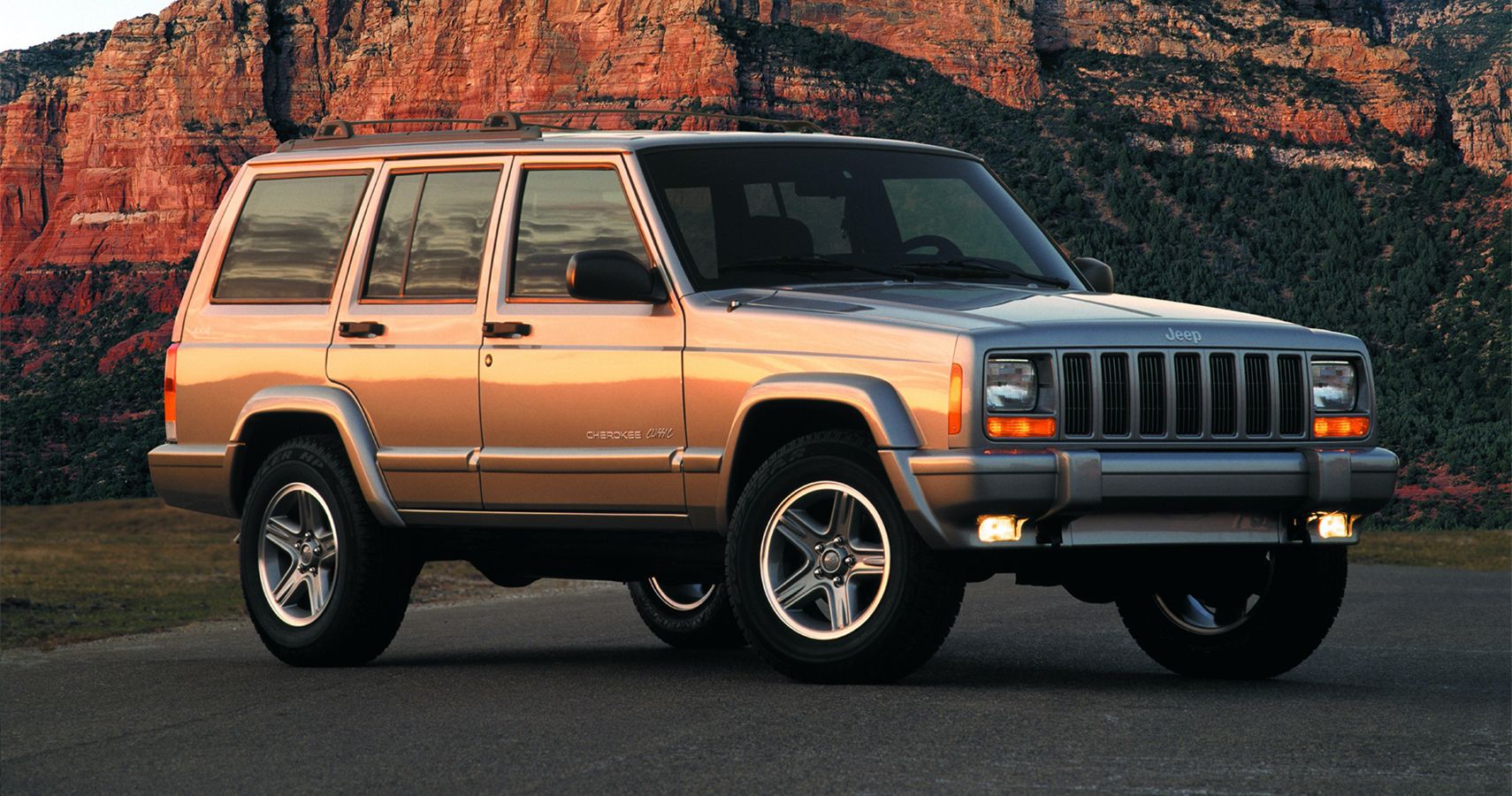
5. Jeep Cherokee XJ
The Jeep Cherokee XJ, produced from 1984 to 2001, is often described as one of the most resilient SUVs to ever come out of the American auto industry.
Built during a time when Jeep still had a focus on utility over comfort, the XJ quickly became a favorite among off-roaders, rural dwellers, and anyone needing a vehicle that could take a beating without falling apart.
Its boxy shape and spartan interior made it a practical choice, but its legendary 4.0-liter inline-six engine is what really gave it a reputation for surviving years of hard use.
The 4.0L engine used in the Cherokee XJ is widely considered one of the best American engines ever built. It’s strong, simple, and can often keep running well past 300,000 miles with minimal internal work. Even when abused off-road, neglected in maintenance, or subjected to extreme climates, this engine keeps turning over.
Many XJs have been used as trail rigs for decades and are still active, with owners citing the vehicle’s rugged drivetrain and durable axles as key components that rarely fail. Combine that with a solid frame and good suspension geometry, and you get a vehicle built to withstand constant punishment.
One major advantage the XJ had was its versatility. It could be a family hauler during the week and a trail beast on the weekends. It was also relatively lightweight for an SUV, which meant it didn’t wear out its own components as quickly as heavier trucks often do.
Its unibody construction, while criticized by some at the time, turned out to be an asset, giving it a rigid structure without the added weight of a full frame. This helped reduce wear on joints and suspension parts while still offering durability when driven aggressively or in rugged terrain.
Today, even though production ended over two decades ago, the Cherokee XJ remains a common sight in off-road parks, back roads, and suburban neighborhoods alike. Parts availability is still strong, and the community around the XJ continues to keep these vehicles alive.
Also Read: 10 SUVs That Rarely Rust Even in Snow States
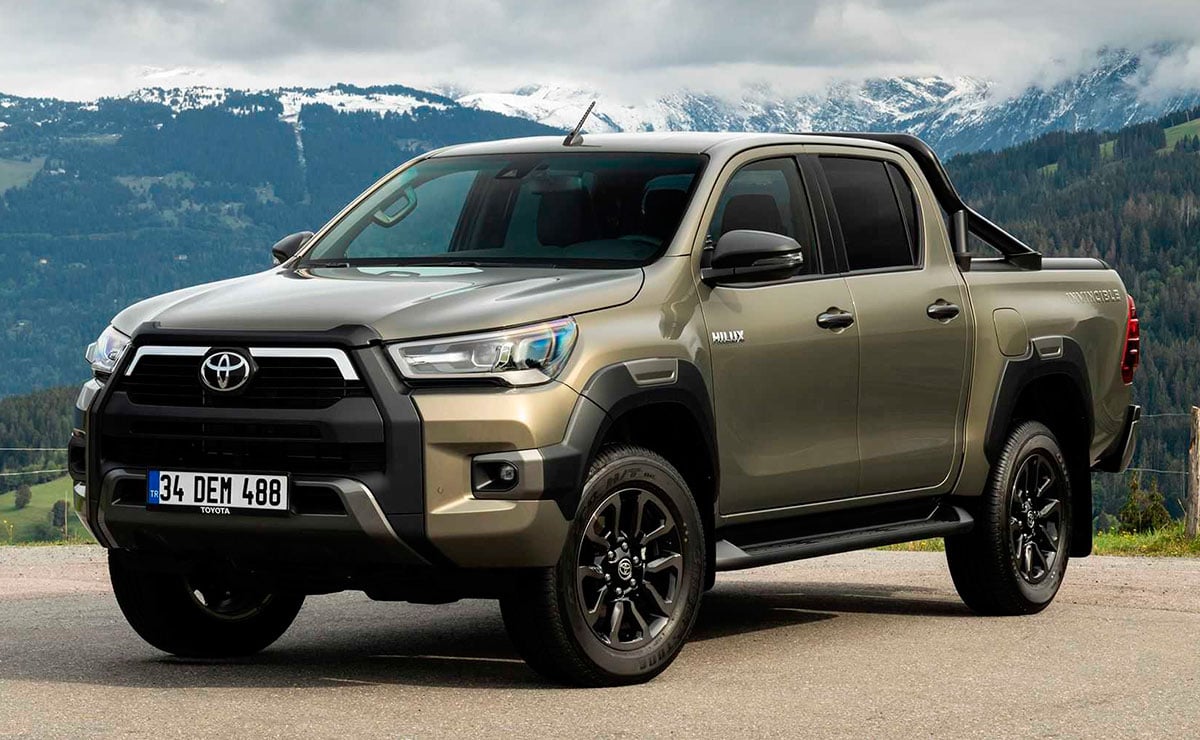
6. Toyota Hilux
Few vehicles in history have become a cultural icon specifically because of how impossible they are to destroy, but the Toyota Hilux managed to do just that. Known globally as the workhorse of both peace and conflict, the Hilux has built a reputation for surviving where most trucks would simply fall apart.
Its fame was amplified by television and real-world use in some of the most inhospitable places on the planet. Farmers, rebels, military forces, humanitarian aid workers, and small business owners alike have relied on this truck for decades, often running it into the ground, and then beyond it.
One of the reasons the Hilux stands out is because of its robust drivetrain and simple engineering. Whether equipped with diesel or petrol engines, the Hilux was made to be fixed in the field with minimal resources.
Its body-on-frame construction adds an extra layer of durability, allowing it to withstand impacts and stress that would cripple a unibody design.
The suspension is also built with abuse in mind, offering enough strength to carry overloaded beds, traverse rough trails, and handle years of wear without significant issues. This durability has earned it legendary status, especially in regions where a broken-down vehicle can mean more than just an inconvenience.
Unlike many trucks that become unreliable as they age or when pushed beyond their factory specifications, the Hilux thrives under pressure. There are thousands of examples of Hilux trucks running with half a million kilometers or more, often in countries with harsh environments like Afghanistan, Somalia, and rural South America.
These trucks are often covered in dents and rust, with faded paint and homemade modifications, but the engine still turns over and the wheels still roll. That kind of reliability isn’t built by accident; it’s the result of decades of design focused on durability over everything else.
For those who have owned a Hilux, the vehicle becomes more than just transportation. It becomes a dependable partner, a machine that can be trusted even when the odds are against it. While modern trucks often lean heavily into luxury and electronics, the Hilux maintains its reputation by keeping things practical, strong, and built to last.
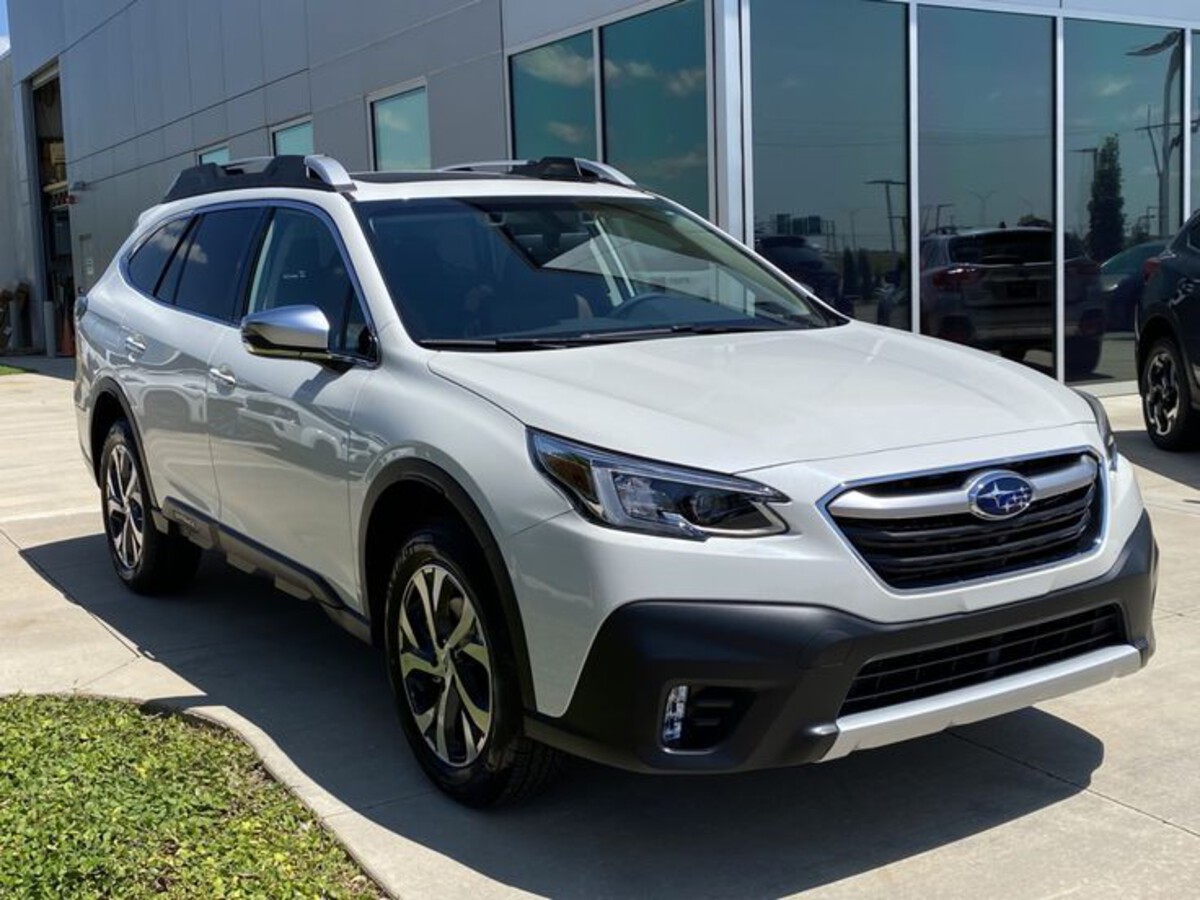
7. Subaru Outback (early models)
The Subaru Outback, particularly models from the late 90s to mid-2000s, carved a unique space for itself in the world of long-lasting vehicles. While it wasn’t built for extreme off-road use like a Land Cruiser or a Jeep, the Outback managed to balance daily usability with all-terrain capability in a package that proved surprisingly durable.
It became especially popular in mountainous and snowy regions where its symmetrical all-wheel-drive system helped it conquer bad weather and rough trails without hesitation. Even today, it’s not uncommon to see twenty-year-old Outbacks still running around with faded paint, rusty wheel wells, and six-figure mileage counts.
One of the biggest strengths of the Outback lies in its design philosophy. Subaru focused on combining a comfortable wagon body with light off-road capability and a high degree of mechanical simplicity.
The flat-four engines, while not as long-lived as Toyota’s best, still proved themselves as reliable when properly maintained. And even when not perfectly maintained, many Outbacks refused to quit.
They became a favorite of outdoors enthusiasts, rural families, and those who just wanted a dependable car that could handle a dirt road or snow-covered hill without getting stuck.
The suspension systems in early Outbacks were built to take a beating. They weren’t meant for hardcore rock crawling, but they could handle washboard roads, potholes, and years of loaded camping trips.
Many owners bought them new and kept them for decades, racking up hundreds of thousands of miles while using them for everything from commuting to off-grid exploration.
The fact that Subaru’s AWD system is full-time and requires no driver input made it ideal for people who needed grip without having to think about it. This made it an ideal winter vehicle in places like Colorado, Vermont, and the Pacific Northwest.
Despite some common issues like head gasket failures, the Outback’s overall construction allowed it to endure more abuse than most wagons in its class. The interiors were simple, the electronics were limited, and the drivetrains were generally tough.
When something did break, repairs were usually affordable, and the enthusiast community was always willing to help others keep their cars running. For those who needed a reliable car that could also handle a muddy trail or snowy pass, the early Subaru Outback delivered, and continues to do so, even decades later.
8. Ford Crown Victoria (Police Interceptor & Civilian Models)
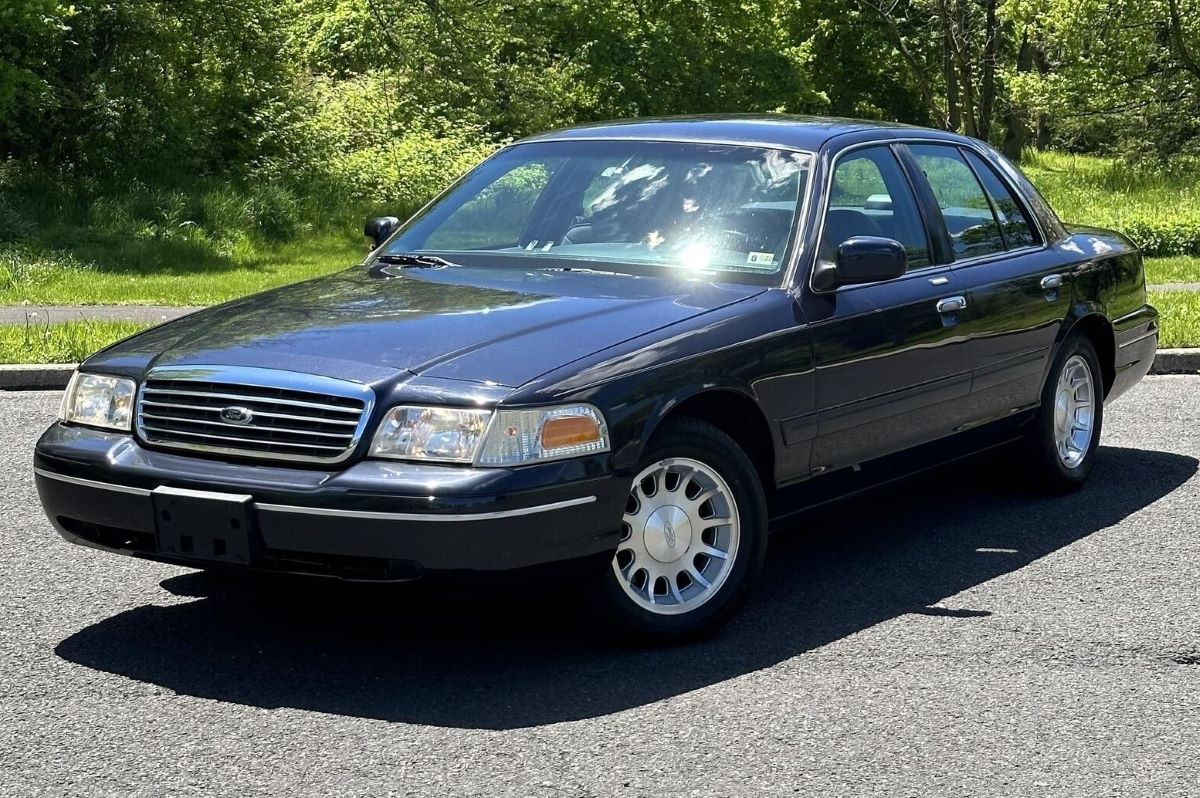
The Ford Crown Victoria, especially in its Police Interceptor form, has become a symbol of resilience and overbuilt American engineering.
Produced from the early 90s until 2011, it was the last of the body-on-frame sedans from Detroit and one of the few full-size cars that could take constant abuse and keep functioning without major mechanical failures.
While civilian versions were common among retirees and taxi fleets, the real abuse came in law enforcement, where these cars were driven aggressively every day, often idling for hours, getting pounded over curbs, and loaded with heavy gear, all without significant downtime.
At the heart of the Crown Vic’s durability is the 4.6-liter V8 engine. It wasn’t a powerhouse, but it was known for its long-term reliability and ability to keep running even after high mileage and hard usage.
Police departments across the country racked up 200,000 to 300,000 miles on these cars before finally auctioning them off, at which point they often went on to serve as taxis or daily drivers for years to come.
The body-on-frame construction meant that even after impacts or rough roads, the structural integrity of the vehicle held up better than unibody cars in the same category. It was the kind of platform you could beat on and still expect to drive home at the end of the day.
One reason these cars remained on the road for so long was the sheer simplicity of their mechanics. Unlike modern sedans filled with finicky electronics and computer systems, the Crown Victoria relied on traditional American engineering.
Its rear-wheel-drive layout, overbuilt transmission, and robust suspension setup made it not just easy to maintain but incredibly forgiving when driven hard.
Police fleets and cab companies kept them running with standard maintenance and cheap replacement parts. When something did go wrong, it was rarely catastrophic. Many problems could be solved with basic tools and off-the-shelf components.
Today, years after production has ended, Crown Victorias are still a common sight. Former police units often live second and third lives as private vehicles, especially among people who want a tough, low-cost, full-size car that doesn’t fall apart.
They might not offer luxury, advanced technology, or modern styling, but what they deliver is consistency and strength. In an age where planned obsolescence is common, the Crown Vic remains a reminder that durability and simplicity can still stand the test of time.
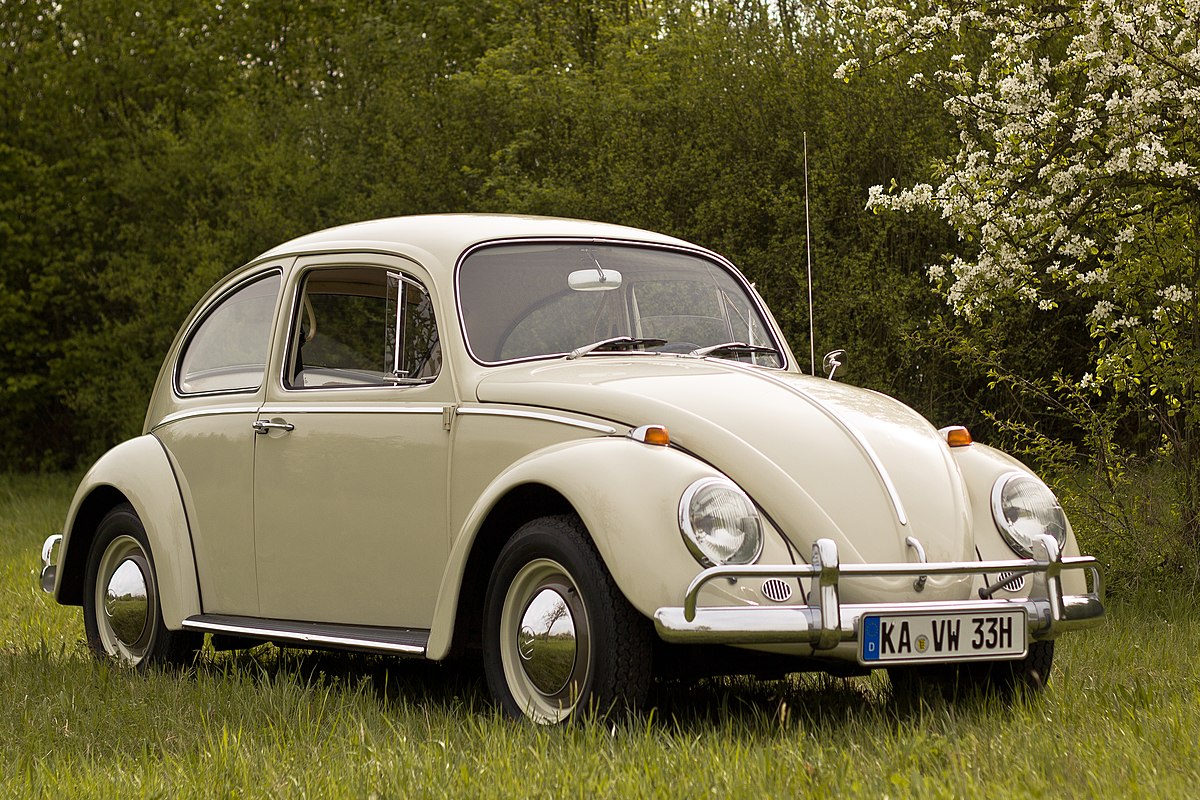
9. Volkswagen Beetle (Classic, Air-Cooled Models)
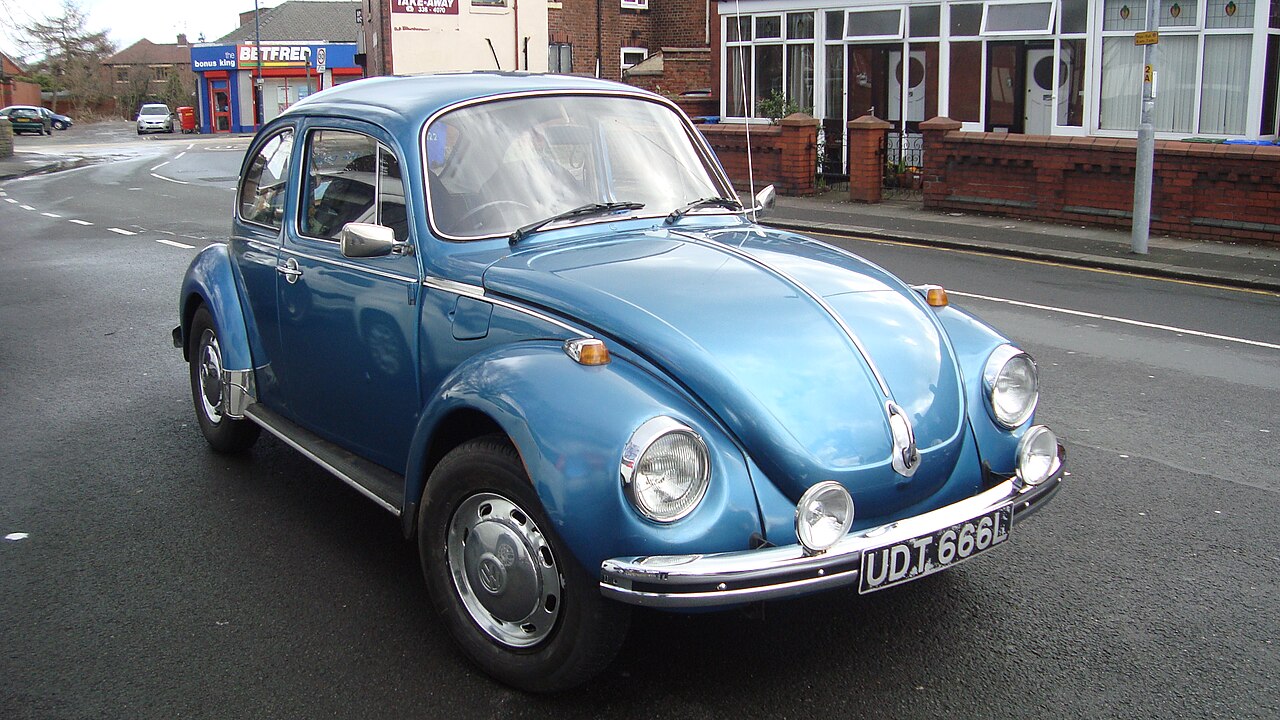
The original Volkswagen Beetle, with its unmistakable shape and rear-mounted air-cooled engine, is one of the most recognized and historically significant cars ever built. But its legacy is not just about popularity, it’s also about sheer longevity.
Designed in the 1930s and produced all the way until 2003 in some parts of the world, the classic Beetle earned a reputation for being nearly indestructible.
Its simple design, rugged construction, and reliable engine allowed it to survive years of use in every imaginable environment, from snowy mountain towns to arid deserts, and everything in between.
What made the Beetle so durable was the lack of unnecessary complexity. The air-cooled engine didn’t require a radiator, coolant, or water pump, eliminating several points of failure. The flat-four engine was easy to work on and could often be rebuilt in a backyard or driveway without much trouble.
Its mechanical simplicity meant fewer things could go wrong, and when something did, repairs were inexpensive and straightforward. Even inexperienced mechanics could learn how to maintain and fix these cars with a repair manual, some basic tools, and patience.
Another factor that contributed to the Beetle’s resilience was its lightweight construction combined with a strong chassis. While not intended for performance or speed, the car could take a beating and still keep running. It was a favorite among students, backpackers, rural workers, and people in developing countries for exactly that reason.
In Mexico and Brazil, the Beetle became a workhorse for decades, used as taxis, delivery vehicles, and even ambulances in some cases. Many owners drove them hard with minimal upkeep, and still the cars managed to keep going for hundreds of thousands of kilometers.
Today, countless classic Beetles are still on the road, often maintained by enthusiasts but just as often found running reliably in quiet corners of the world where people value a machine that just works.
The Beetle didn’t succeed because it was flashy or luxurious, it succeeded because it was honest, dependable, and built with durability in mind. Few cars in history have such a long service life across such diverse environments. That alone puts the air-cooled Beetle in a class of its own.
10. Lexus LS400
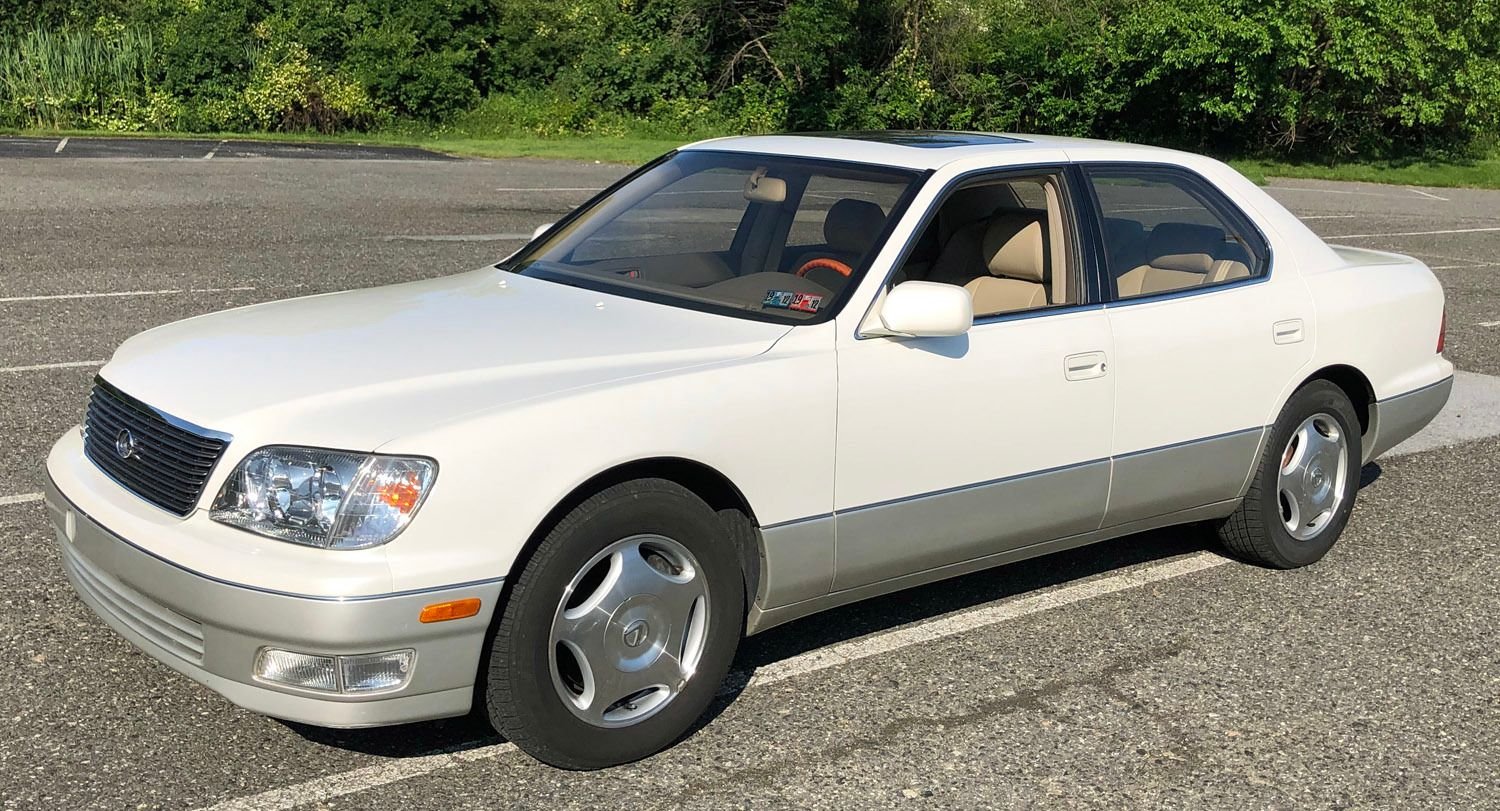
The Lexus LS400 arrived in 1989 as Toyota’s first major push into the luxury car market, but instead of just building something comfortable or stylish, Toyota overengineered the LS400 in a way that made it one of the most durable sedans of all time.
At the time, luxury vehicles were not known for longevity. They were often expensive to maintain, loaded with delicate features, and prone to expensive failures. The LS400 turned that expectation on its head. It was smooth, quiet, refined, and it could survive hundreds of thousands of miles without complaint.
At the center of its longevity was the legendary 1UZ-FE V8 engine. Built like a tank, this all-aluminum, dual overhead cam engine was so well-engineered that many early models are still running today with minimal engine wear, despite mileage counts well into the 300,000 or 400,000 range.
This engine wasn’t just powerful; it was balanced, smooth, and surprisingly easy to maintain. Paired with a robust automatic transmission and Toyota’s attention to detail, the LS400 proved that a luxury car could also be bulletproof.
Aside from its mechanical reliability, the LS400 was built with exceptional quality control. Panel gaps were uniform, electrical components were high-grade, and the interior materials were made to last.
Unlike many modern luxury vehicles that age poorly due to failing electronics or delicate plastics, the LS400’s interior often holds up remarkably well, even after decades of use.
The suspension system, while offering a smooth ride, was also durable and could handle rough roads far better than other cars in its class. As a result, the LS400 became a quiet hero among high-mileage car enthusiasts and budget-conscious buyers looking for something that would last.
Even today, it’s not unusual to find early 1990s LS400s still commuting daily, often with very little major work ever done to them.
They may not get the attention of more exotic nameplates, but those who know cars recognize the LS400 as one of the finest examples of what happens when a company prioritizes engineering excellence. It wasn’t built to impress for a few years and fade, it was built to last, and it continues to do just that.
