
Car values usually go in one direction the moment you drive them off the lot: down. Depreciation is a harsh reality of car ownership, and for most vehicles, it’s inevitable. Buyers accept this as a trade-off for convenience, safety, and transportation. But every now and then, certain cars resist this trend.
They manage to hold their value year after year, sometimes even increasing in price depending on demand, condition, and rarity.
These are the outliers in an industry where losses are typically expected. Whether it’s due to limited production numbers, legendary reliability, or strong enthusiast followings, some vehicles just don’t follow the normal depreciation curve.
The reasons these cars avoid steep value drops aren’t always the same. Some vehicles earn cult status, which pushes resale values up.
Others are built in limited quantities, creating scarcity that keeps the demand high. Certain models carry reputations for rock-solid reliability, which attracts buyers who are willing to pay a premium for peace of mind.
There are also cases where a car plays a unique role in a brand’s history, making it more collectible over time. What’s important is that each car on this list has been able to maintain a market value that’s surprisingly stable, especially compared to its competitors.
This list includes both modern and older models. Some are still in production, and others have become automotive icons.
The common thread between them is that they retain value far better than the average car. In a world where most vehicles lose around 50 to 60 percent of their value within five years, the following ten stand apart.
They are not necessarily the fastest, most luxurious, or most technologically advanced, but each has proven to be a safe bet against the forces of depreciation.
Anyone looking for a car that won’t drain their bank account over time would do well to consider the models on this list. Whether you’re a collector or a daily driver, these vehicles tend to reward their owners in the long run.
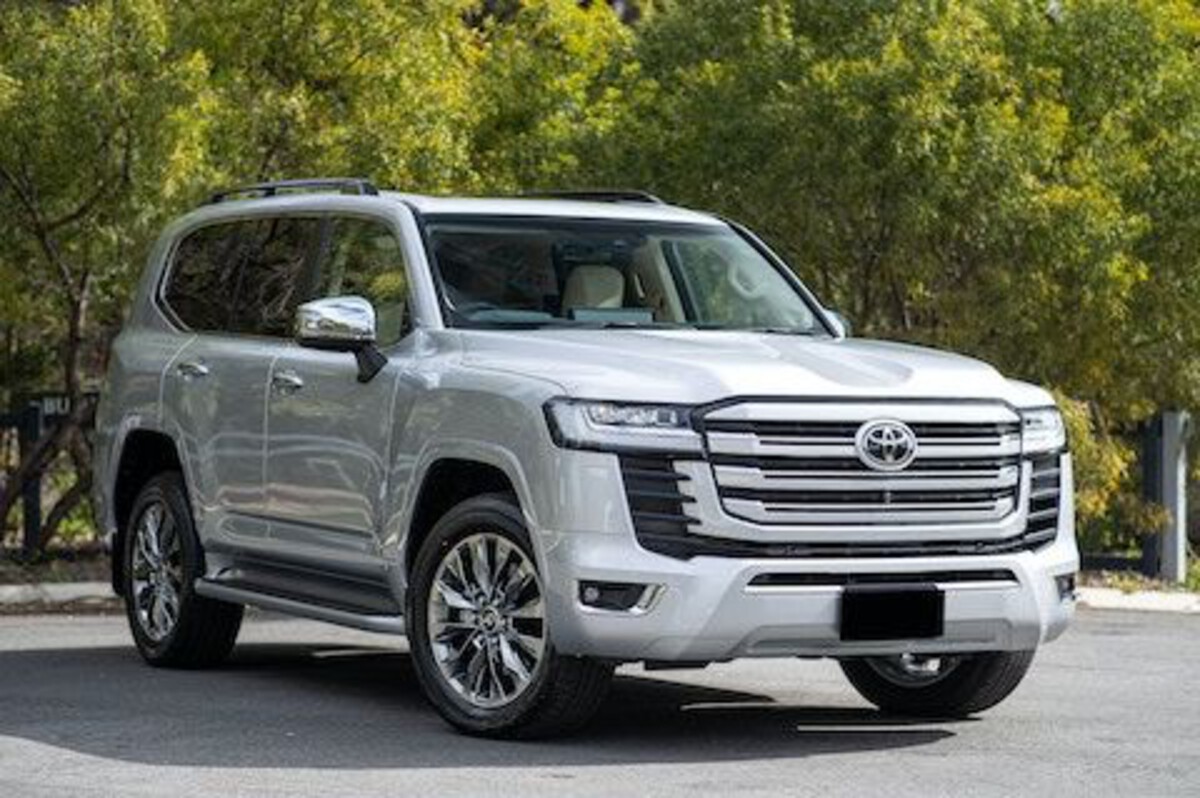
1. Toyota Land Cruiser
The Toyota Land Cruiser has a reputation that stretches back over six decades. Its longevity is built on durability, dependability, and an almost mythic sense of reliability.
Whether it’s crossing deserts, climbing mountain roads, or commuting through the suburbs, the Land Cruiser rarely breaks down and often requires minimal maintenance.
These factors make it highly sought after on the used market. Even models from twenty years ago are still commanding impressive prices, especially those that have been maintained with care.
Toyota has always positioned the Land Cruiser as a luxury off-roader, and that image has helped it retain a special kind of prestige. Buyers recognize that they’re not just paying for a big SUV, but for an overbuilt machine that feels solid no matter the age.
Its simple mechanical systems in earlier models, along with its bulletproof V8 engine in later versions, make it easy for owners to drive these vehicles well past 300,000 miles. That kind of longevity directly affects resale value. When buyers know a vehicle will last, they’re willing to pay more for it, even secondhand.
The scarcity of Land Cruisers also plays a major role in their ability to avoid depreciation. In many countries, Toyota sells the model in very limited numbers. In the United States, for instance, the Land Cruiser was never a volume seller.
This exclusivity makes used models more desirable. And now that Toyota has discontinued the Land Cruiser in several markets, demand has only increased. Buyers are snapping up old ones at a premium, especially those with low mileage and a clean history.
Another key reason for the Land Cruiser’s strong value is its reputation overseas. In many parts of Africa, the Middle East, and Australia, these SUVs are viewed as essential survival tools. Because they can be used in extreme environments and are easy to maintain, they enjoy global demand.
That demand helps keep prices up even in regions where they are no longer sold. All these factors combined make the Land Cruiser one of the safest bets in the automotive world when it comes to resisting depreciation.
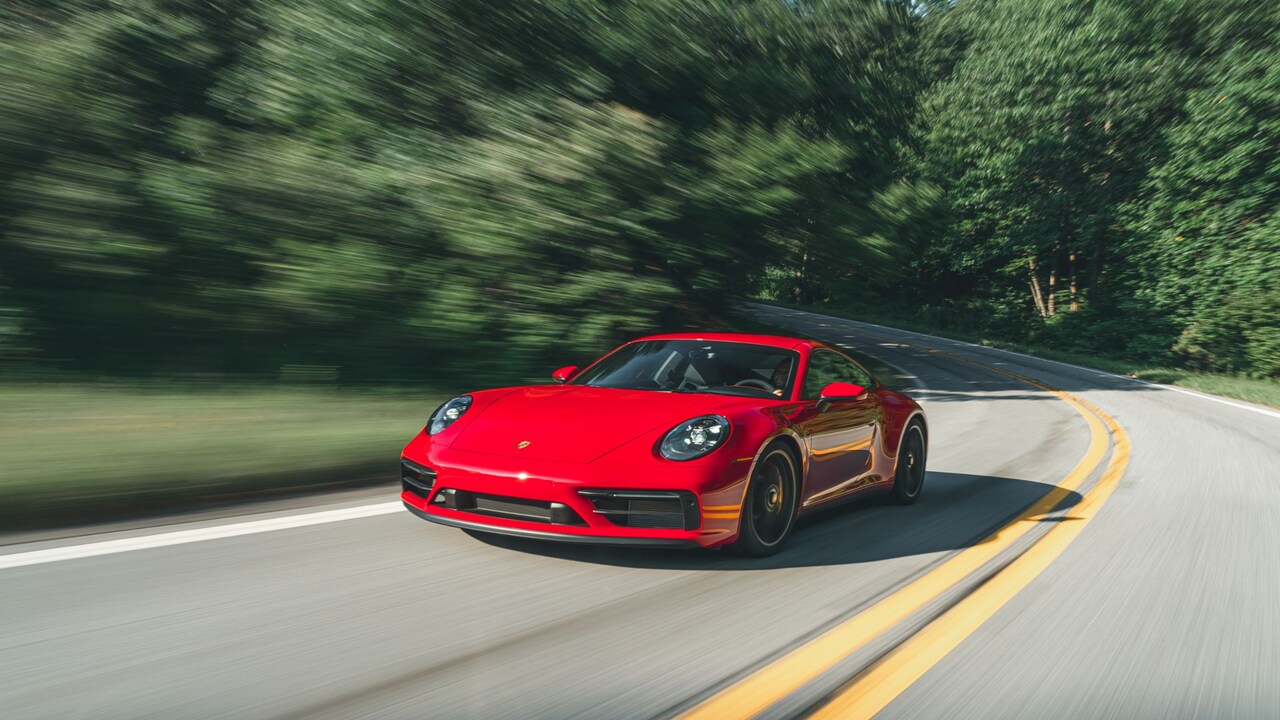
2. Porsche 911
The Porsche 911 is a legend for many reasons, and its ability to hold value is just one more reason why it stands out. With a shape that has changed very little over the decades, the 911 carries an unmistakable identity that appeals to both collectors and casual drivers.
Its consistent performance, timeless design, and precision engineering have helped the 911 build a strong resale market. Buyers trust the name and are often willing to pay top dollar, even for older models.
Unlike many sports cars that experience massive drops in value shortly after purchase, the 911 tends to level off. In fact, some models increase in price once they reach a certain age.
The air-cooled models from the 1970s to the mid-1990s, for instance, have seen steady appreciation over the years. These vehicles are now viewed as collector cars, and their value continues to rise due to their mechanical simplicity and historical significance in Porsche’s lineup.
Another reason the 911 resists depreciation is that Porsche doesn’t flood the market. Production numbers are carefully managed, and limited-edition variants are often produced in small quantities. This strategy keeps demand healthy and inventory tight.
Combine that with Porsche’s solid reputation for build quality and performance, and you have a car that commands respect in both new and used form. Even base models hold their value better than many high-end rivals.
The 911 also benefits from strong community support. There are countless clubs, forums, and events dedicated to the car, which helps maintain interest and demand.
When buyers feel confident they’re joining a broader community of enthusiasts, they’re more likely to view the purchase as an investment rather than a risky expense. It’s this lasting emotional connection, coupled with the car’s performance and scarcity, that keeps the 911 at the top of the list for value retention.
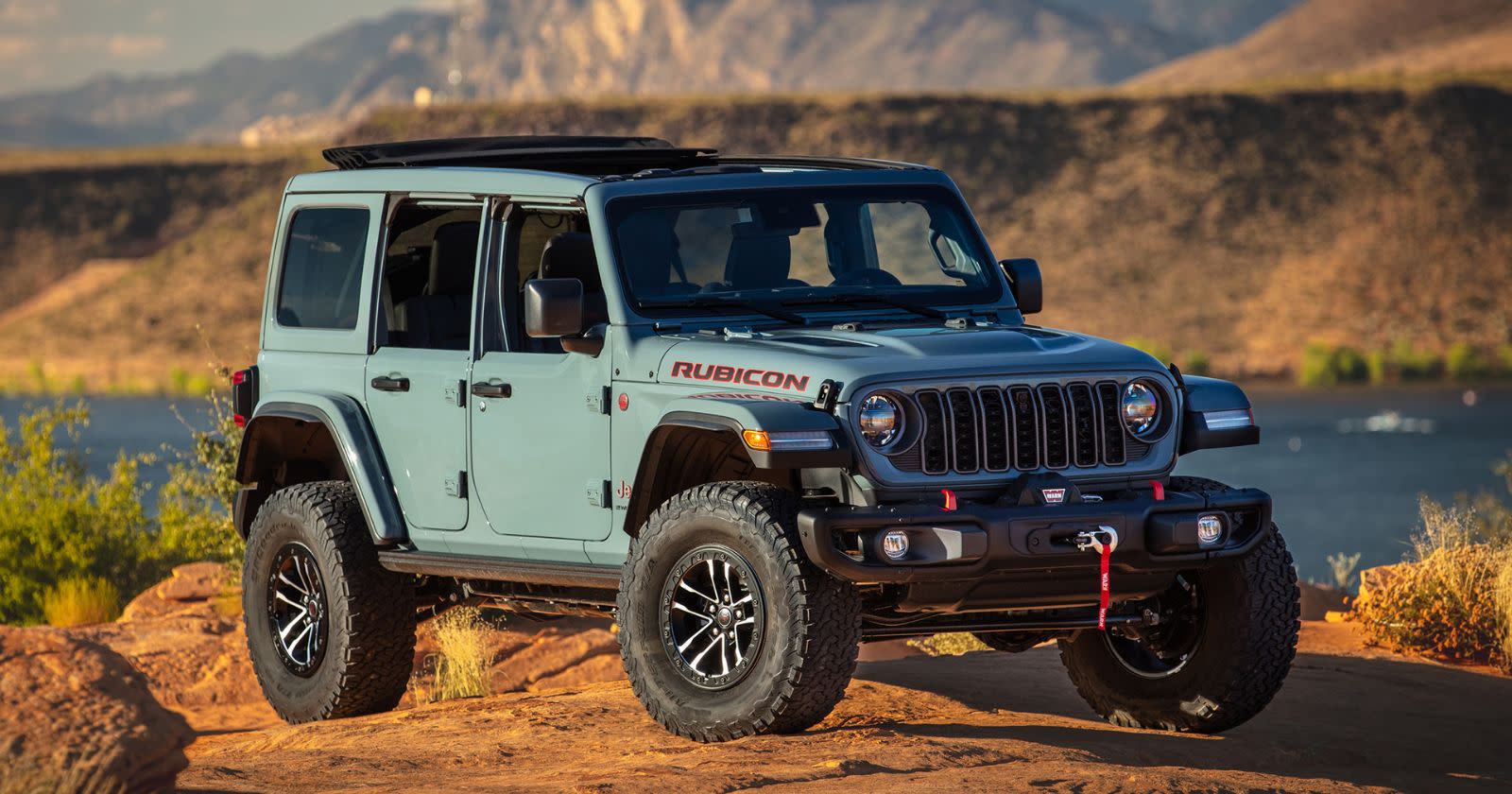
3. Jeep Wrangler
The Jeep Wrangler is one of the few American vehicles that holds its value in almost every version. Its rugged design, off-road capability, and iconic shape give it a distinct identity that rarely goes out of style.
The Wrangler is not for everyone, but for those who want a go-anywhere vehicle that’s also easy to modify, it’s close to perfect. That strong niche appeal plays a big part in keeping resale values high.
One of the biggest factors behind the Wrangler’s value retention is its durability. Built on a body-on-frame platform, the Wrangler is designed to take abuse. Whether it’s rock crawling, deep mud, or snow-covered trails, this vehicle can handle it. That toughness translates to long-term confidence, even among used buyers.
Many people looking for used Wranglers are less concerned about luxury and more interested in mechanical reliability and off-road performance.
The customization scene around the Wrangler is also a significant value booster. Owners often personalize their vehicles with lifts, winches, tires, bumpers, and more. While heavy modification can hurt resale value on some cars, it often helps the Wrangler.
Buyers see these mods as upgrades rather than liabilities. A well-maintained, tastefully modified Wrangler can fetch a higher price than a stock version. This keeps the used market vibrant and prices relatively stable.
Another major factor is that Jeep doesn’t really change the Wrangler too drastically with each generation. While features and interior quality improve, the formula remains the same.
This consistency means that even older models don’t look out of date, making them more appealing over time. That timeless design, combined with loyal brand fans and real off-road ability, puts the Wrangler in a unique position where depreciation is much less of a concern than with most vehicles.
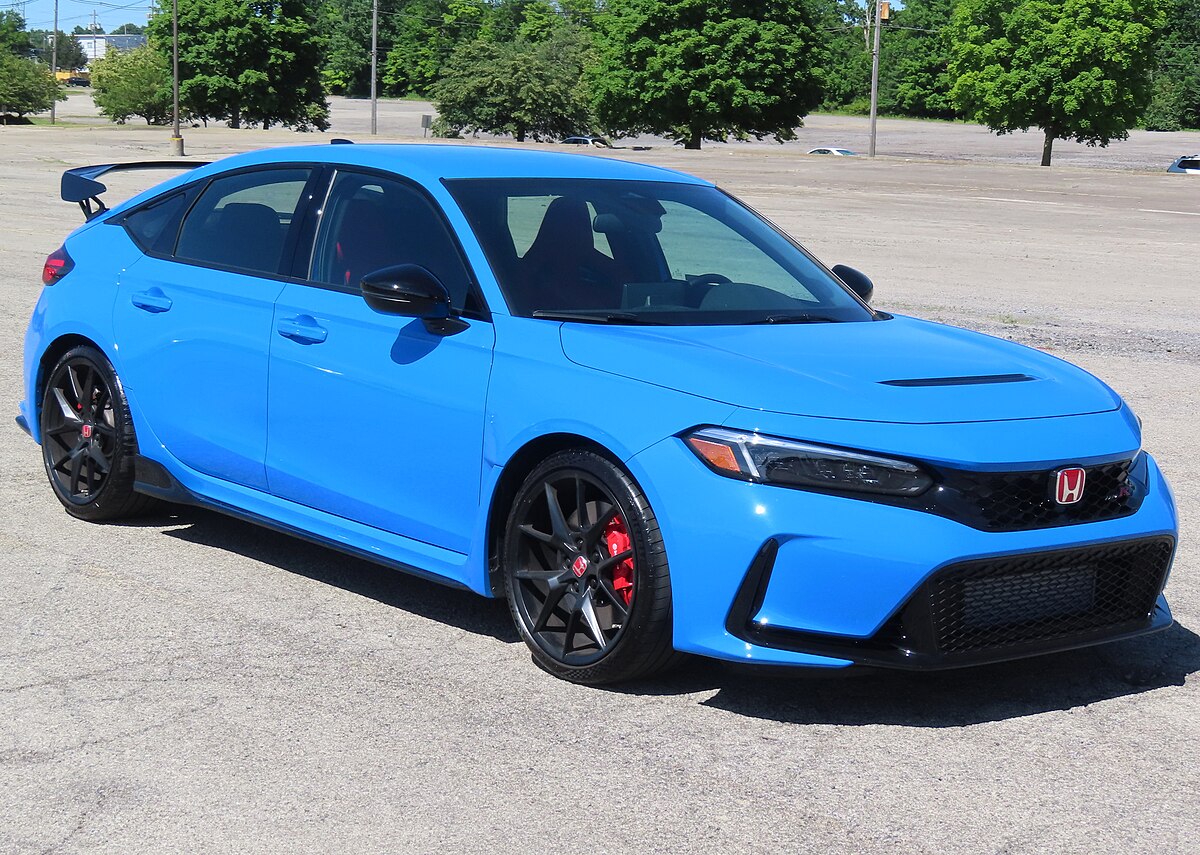
4. Honda Civic Type R
The Honda Civic Type R has become something of a unicorn in the performance hatchback market. Known for its high-revving turbocharged engine, razor-sharp handling, and everyday usability, it appeals to driving enthusiasts who don’t want to sacrifice practicality.
Because Honda doesn’t mass-produce this car in large volumes and its reputation for performance is strong, used models often go for close to their original purchase price.
One key reason for the Civic Type R’s value retention is that it’s not just a sporty version of a commuter car. It’s been engineered with serious track potential and fine-tuned to be more than just a marketing exercise.
From the suspension geometry to the aerodynamics, everything serves a purpose. Buyers recognize this attention to detail and are willing to pay more for a car that offers real performance with long-term reliability.
Another factor is that the Civic Type R has a strong global following. Fans in the US, Europe, and Asia have created a loyal community that drives demand. Each time a new generation is released, interest spikes in both the latest model and previous versions. Limited availability also fuels the demand. When a product is both respected and hard to get, its value rarely drops as fast as more common models.
Finally, the Civic Type R benefits from Honda’s reputation for longevity. Unlike many performance cars that are expensive to maintain and repair, the Type R shares many components with the standard Civic.
That makes parts cheaper and repairs more straightforward. Buyers appreciate this balance between performance and practicality, which keeps used values high. Whether you’re looking at a recent model or one from a previous generation, odds are you’ll pay a premium for a clean example.
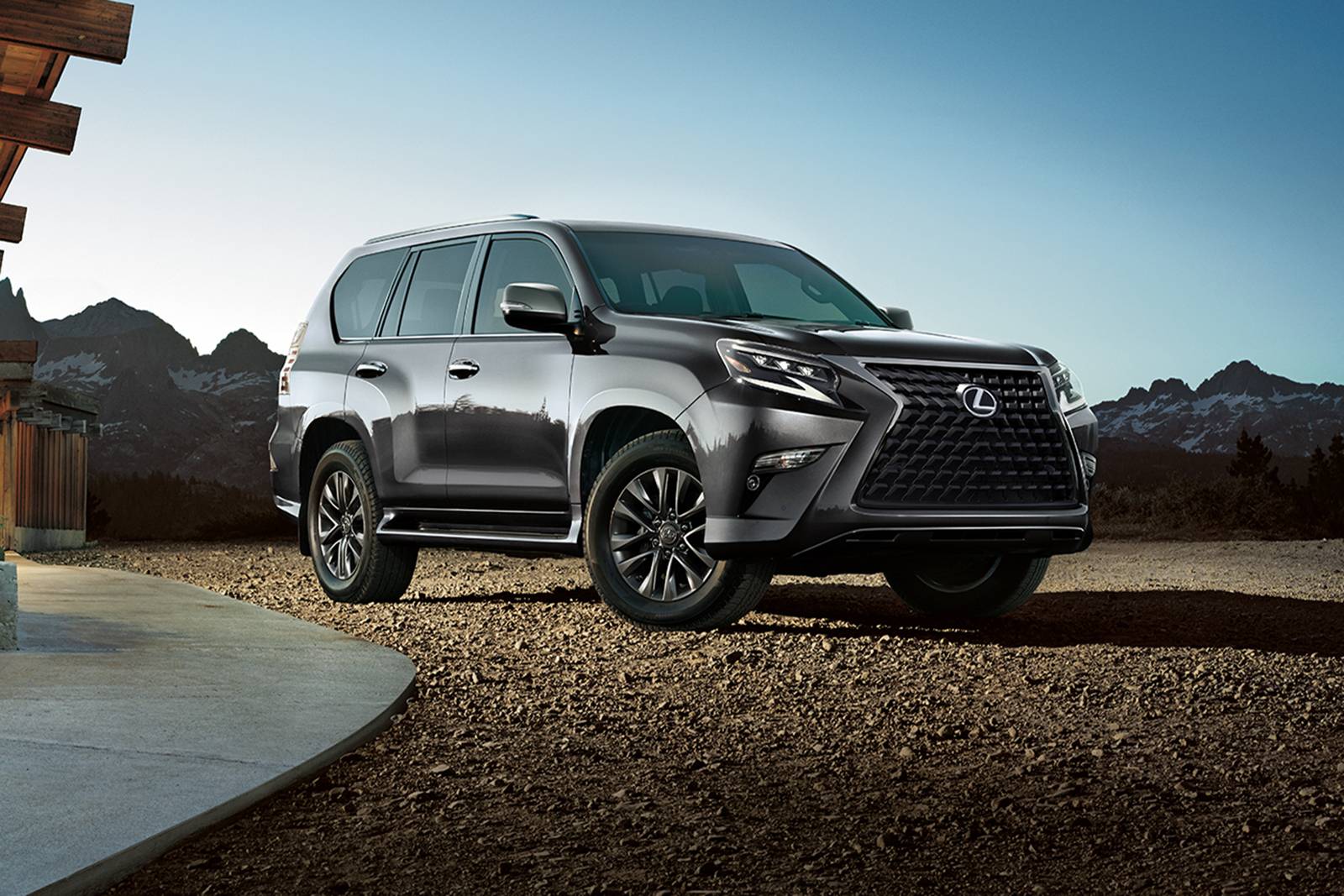
5. Lexus GX
The Lexus GX is one of those rare luxury SUVs that blends comfort with genuine off-road ability. It’s often overlooked in favor of more popular luxury nameplates, but that quiet presence works in its favor when it comes to value. Underneath, it shares a platform with the Toyota Land Cruiser Prado, known worldwide for its toughness.
That mechanical foundation gives the GX a kind of durability that many other luxury SUVs can’t claim. As a result, demand remains high even for models that are several years old.
What also helps the GX is Lexus’ reputation for reliability. The brand consistently ranks among the highest in long-term dependability, and the GX is one of the strongest examples of that. Its 4.6-liter V8 engine is under-stressed, smooth, and known for lasting well beyond 200,000 miles with minimal issues.
In the used market, buyers looking for a luxury SUV that won’t be a maintenance nightmare often land on the GX. They may not be drawn in by flashy tech or cutting-edge design, but they know they’re getting something that’s built to last.
In terms of features, the GX has aged well. Even older models offer solid comfort, quality interior materials, and advanced safety tech for their time. The SUV’s body-on-frame construction means it can handle towing, rough roads, and heavy use in ways that unibody crossovers can’t.
That gives it a dual-use case: it can function as a family SUV during the week and an adventure vehicle on weekends. This kind of versatility supports higher resale values because the pool of potential buyers is larger. People who want an SUV that can do more than just commute are often willing to pay a premium for a GX.
Another element that helps the GX resist depreciation is its low-key image. Unlike more flamboyant luxury SUVs, the GX isn’t typically leased in high volumes or driven into the ground by status-seeking owners. That results in cleaner examples being more available in the used market.
Combine that with global demand for Toyota-based SUVs, and you get a vehicle that consistently sells well years after its initial release. It may not get all the attention, but that quiet dependability is exactly what helps it hold its value so well.
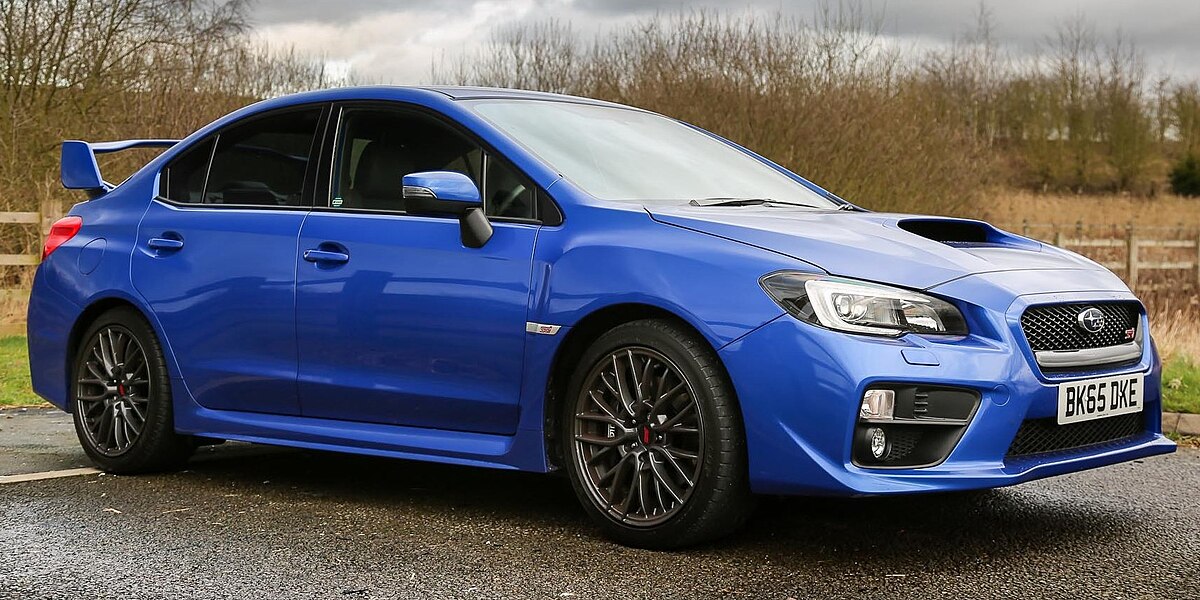
6. Subaru WRX STI
The Subaru WRX STI has earned a solid reputation as a rally-bred performance car that can handle all types of weather. Thanks to its all-wheel drive system, turbocharged engine, and aggressive styling, it appeals to a wide variety of enthusiasts.
What’s impressive about the STI is how well it retains value compared to most other compact performance cars. Even models that are over a decade old can sell for strong prices if they’re in good condition. That consistency makes it a favorite for those who want an engaging car that won’t depreciate quickly.
A big part of the STI’s value retention comes from the loyalty of its fanbase. Subaru has built a community around this car, fueled by rally history and enthusiast culture.
Owners are often deeply involved with their vehicles and maintain them well, which helps keep the secondhand market full of good examples. Also, many people who want an STI can’t justify the price of a new one, so they look for lightly used ones, pushing up demand and keeping resale values strong.
The STI also benefits from being one of the few performance cars that can truly be driven year-round. Its all-wheel drive system gives it a practical advantage over many rivals that are rear-wheel drive and less usable in snow or rain.
This makes it a smart buy for people who live in colder climates but still want something fun to drive. That usability factor means STIs tend to see more consistent demand across seasons, further insulating them from sharp depreciation.
Finally, the car’s mechanical setup contributes to its lasting appeal. It has a relatively simple and proven drivetrain, which makes maintenance easier and more affordable than many European performance cars.
While some criticize Subaru’s EJ engine for not evolving much, its familiarity actually boosts confidence in long-term ownership. When people know what to expect mechanically, they’re less hesitant to buy used. These practical and emotional factors combine to keep the WRX STI at the top of the list for value retention among sports sedans.
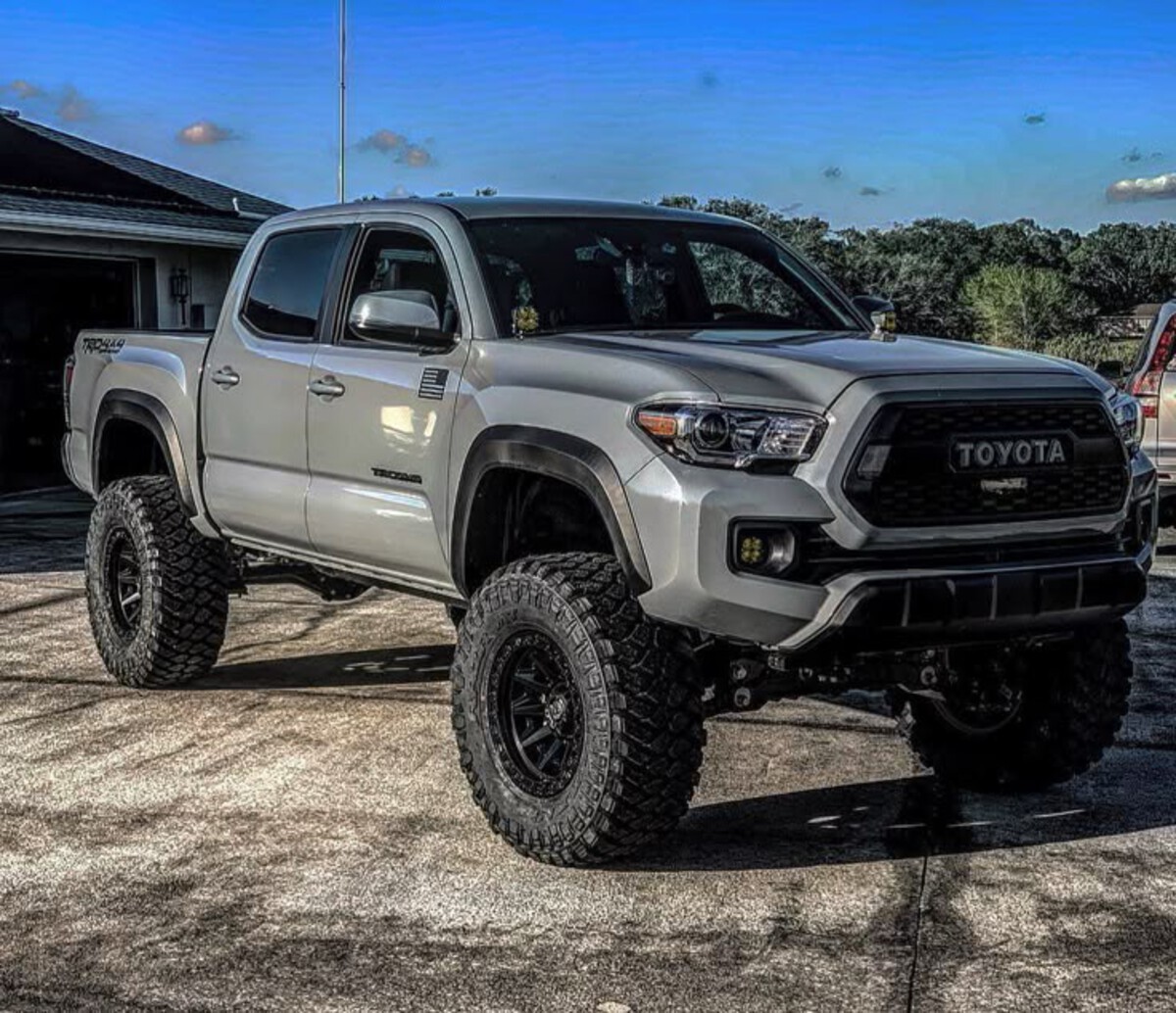
7. Toyota Tacoma
The Toyota Tacoma has long been considered one of the most dependable mid-size trucks on the market, and that reputation plays a major role in its incredible resale value. It’s not unusual for used Tacomas with over 100,000 miles to sell for close to their original sticker price.
This kind of market behavior is rare, especially for trucks, which often see heavy use. The Tacoma, however, is seen as a long-term investment, and that perception helps it avoid the steep drops in value that affect most other vehicles.
One of the key advantages of the Tacoma is its simple and robust engineering. The truck isn’t overloaded with complicated electronics or experimental technologies. Instead, it sticks to proven components that can handle years of abuse.
The engines, particularly the 4.0-liter V6 from earlier generations and the 3.5-liter V6 in newer models, are known for being able to go well beyond 200,000 miles with minimal issues. Combined with a strong chassis and solid build quality, the Tacoma offers reliability that few trucks can match.
Tacomas also benefit from a strong aftermarket scene. Whether it’s lifts, wheels, bumpers, or overlanding gear, there’s a huge ecosystem of products made specifically for this truck. Owners often modify their Tacomas to match personal preferences, and unlike with many vehicles, this can actually boost resale value.
Well-done upgrades are viewed as assets, not liabilities, by buyers who are looking to avoid the cost and hassle of modifying a truck themselves. This culture of customization supports strong pricing even for higher-mileage trucks.
The final element that keeps Tacoma values high is demand across multiple buyer types. Contractors, outdoor adventurers, urban commuters, and even families all find something to like in the Tacoma.
That broad appeal gives it stability in the market. Even when fuel prices rise or the economy tightens, demand for used Tacomas rarely drops significantly.
That consistency gives buyers confidence and helps keep depreciation in check. When people believe a vehicle is always in demand, they’re less afraid to invest upfront, which further supports high resale values.
8. Mercedes-Benz G-Class (G-Wagon)
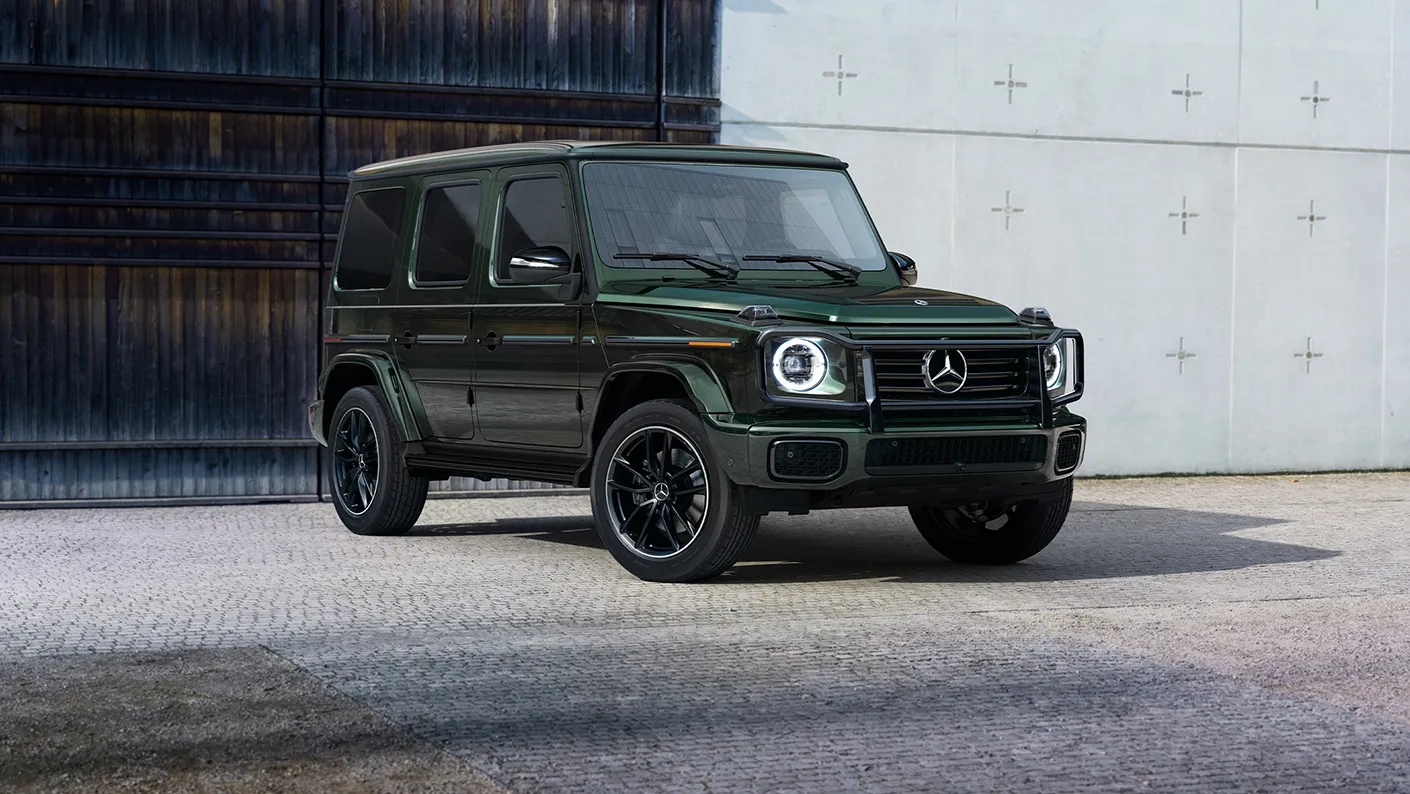
The Mercedes-Benz G-Class, commonly known as the G-Wagon, is an unusual mix of luxury and ruggedness that commands strong resale values. Its boxy design hasn’t changed much in decades, and that consistency is part of its charm.
Unlike most luxury SUVs that fade into obsolescence quickly, the G-Class maintains a timeless look and appeal. This design, coupled with limited production numbers and high original prices, makes it a surprisingly stable asset in the used luxury market.
One reason the G-Wagon holds its value so well is its reputation for quality. While early versions were originally designed for military use, modern G-Wagons are packed with luxury features while still maintaining off-road capability.
The combination of leather, wood trim, and locking differentials is rare, and buyers are drawn to that contrast. When a vehicle manages to be both a status symbol and a functional tool, it tends to attract a wider range of buyers, which strengthens the resale market.
Another major factor is the image the G-Wagon projects. It’s become an icon among celebrities, influencers, and high-profile professionals, which creates a strong emotional appeal.
That kind of aspirational value helps prop up prices even when a vehicle is several years old. Buyers are often less concerned with performance specs and more focused on the lifestyle associated with owning a G-Class. This emotional connection translates into a willingness to pay a premium, especially for well-kept examples with low mileage.
The G-Class also avoids the trap that many luxury vehicles fall into: heavy depreciation from expensive maintenance. While service can be costly, the G-Wagon’s mechanical systems are built to last, particularly in the older models.
Newer versions benefit from modern tech but still maintain that sturdy feel. In the long run, the combination of luxury, performance, heritage, and street presence helps the G-Wagon resist depreciation better than most other vehicles in its price range. It’s not just a showpiece, it’s a rolling asset.
9. Mazda MX-5 Miata
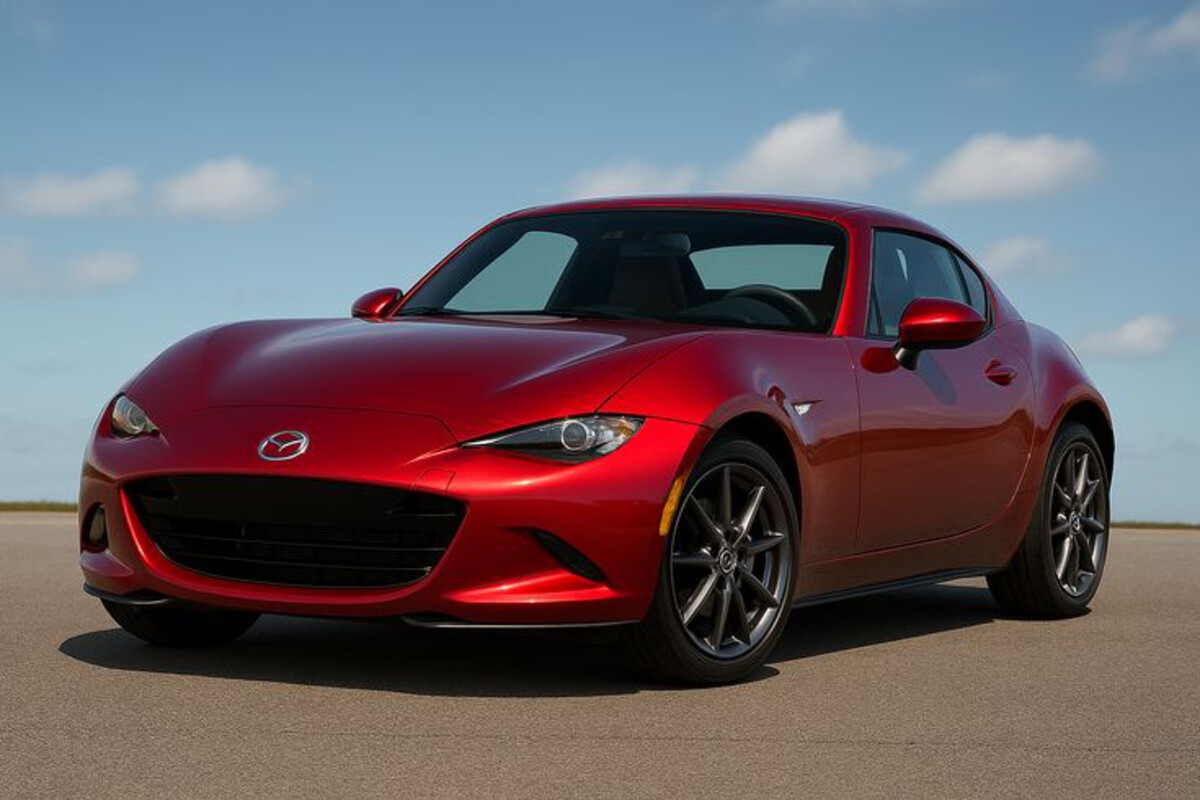
The Mazda MX-5 Miata is one of the most iconic affordable sports cars ever built, and its ability to resist depreciation over time is impressive, especially considering its price point.
From the first-generation NA models introduced in 1989 to the latest ND versions, the Miata has maintained a strong position in both the enthusiast community and the used car market.
Its lightweight design, mechanical simplicity, and fun-to-drive nature have helped it become a staple for those looking for pure driving enjoyment without breaking the bank. Because of this, clean examples have become harder to find, and when they do appear, they’re often listed at surprisingly high prices.
One of the reasons for the Miata’s value retention is that it has always stuck to its core philosophy: low weight, rear-wheel drive, and a focus on handling over outright power. While competitors have come and gone, the Miata has stayed true to its roots.
That consistency means owners know what they’re getting, and new buyers are drawn in by the reputation of the previous generations.
Unlike many sports cars that become bloated or lose their identity over time, the Miata has only gotten better while staying loyal to its original purpose. This clarity of character helps keep resale values high, especially for well-maintained, unmodified versions.
Enthusiast demand also plays a big role in supporting the Miata’s market. Car communities around the world have embraced the model, not just for casual weekend driving but for track use, autocross, and even road trips. The car’s low operating costs and strong aftermarket support make it an easy platform to work with.
Because parts are affordable and the car is relatively simple to work on, buyers often don’t mind paying a premium for a clean Miata. That confidence in ownership experience helps keep demand high even for older cars with more mileage, as long as they’ve been properly taken care of.
Another factor contributing to the Miata’s low depreciation is its unique place in the market. There are very few alternatives that offer the same blend of reliability, handling, and fun at this price point. Most rear-wheel drive roadsters are either much more expensive or less reliable.
Because the Miata occupies this sweet spot, it enjoys limited competition. That scarcity of comparable options means resale values remain high, and the car is frequently considered a smart buy for anyone who values engaging driving over straight-line speed.
Over the decades, this little roadster has proven that a great driving experience doesn’t have to come with a depreciation penalty.
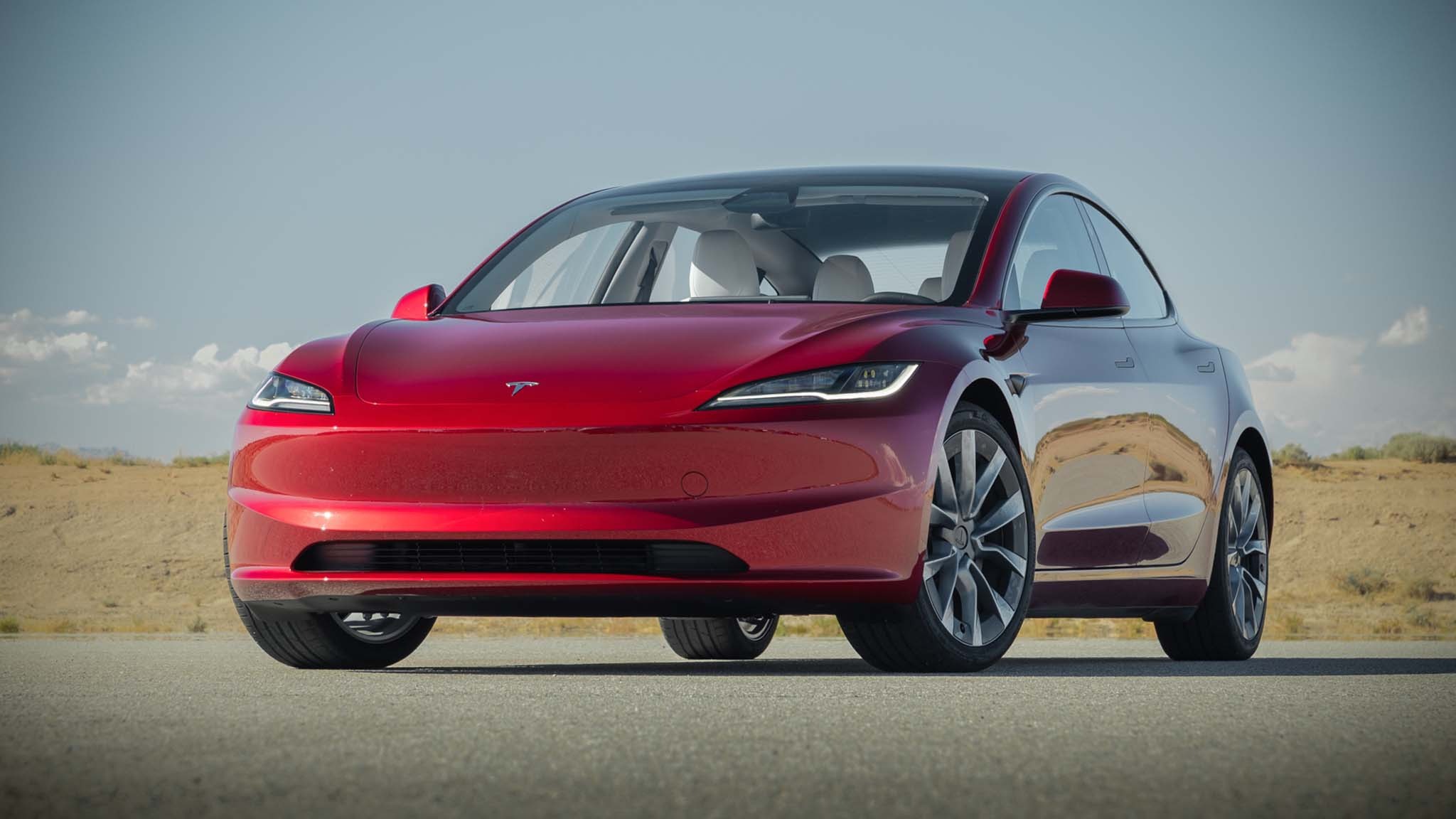
10. Tesla Model 3
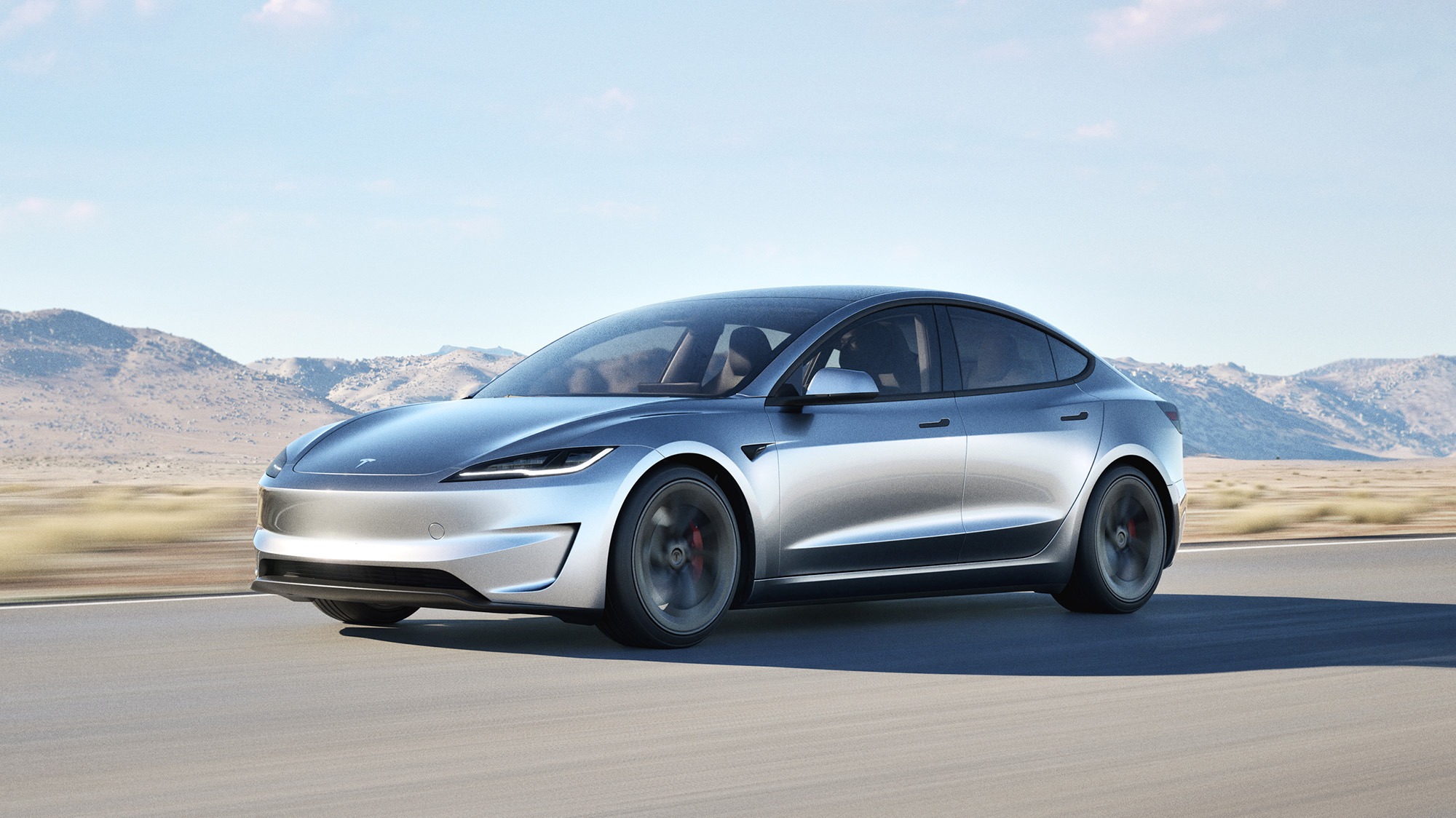
The Tesla Model 3 has changed the perception of what an electric vehicle can be, not just in terms of performance and technology, but also in how it holds value.
While most electric cars depreciate faster than their gasoline counterparts due to concerns over battery life and fast-moving technology, the Model 3 breaks this pattern.
It has become one of the few electric vehicles that actually retain their value at a rate comparable to, or better than, many gas-powered competitors. Strong demand, brand recognition, and software-driven improvements have all helped the Model 3 defy the usual depreciation curve.
One of the most important factors driving the Model 3’s value retention is demand. Tesla has a strong brand following, and the Model 3 remains one of the most accessible vehicles in its lineup.
Even with high production numbers, the car continues to be in demand in the used market, particularly because it offers long range, quick acceleration, and access to Tesla’s charging network.
Used buyers often see it as a cost-effective way to join the EV movement without waiting for new vehicle delivery times or paying for full-price upgrades. This demand helps support strong resale prices, even for older models.
Another element helping the Model 3 resist depreciation is Tesla’s approach to technology. Unlike traditional automakers, Tesla regularly pushes over-the-air updates that improve the car’s functionality over time.
This means that a Model 3 purchased a few years ago might still receive new features, bug fixes, and performance improvements, something that is extremely rare in the automotive industry.
As a result, older models don’t feel obsolete as quickly as other vehicles, electric or otherwise. This continued relevance helps the cars maintain their appeal on the secondhand market, where buyers are looking for tech-forward experiences without paying brand-new prices.
Battery longevity also plays a significant role. Early concerns about EV batteries degrading rapidly over time have proven mostly unfounded in Tesla’s case. The Model 3’s battery packs are showing good long-term performance, and Tesla offers warranties that help ease concerns for used buyers.
When you combine this with low maintenance costs and a minimalist, modern interior that doesn’t age quickly, you get a vehicle that feels current and performs reliably even after several years.
For many buyers, the total package is compelling enough to pay a strong price for a used Model 3, helping it stand out as one of the few electric vehicles that sidestep traditional depreciation trends.
