
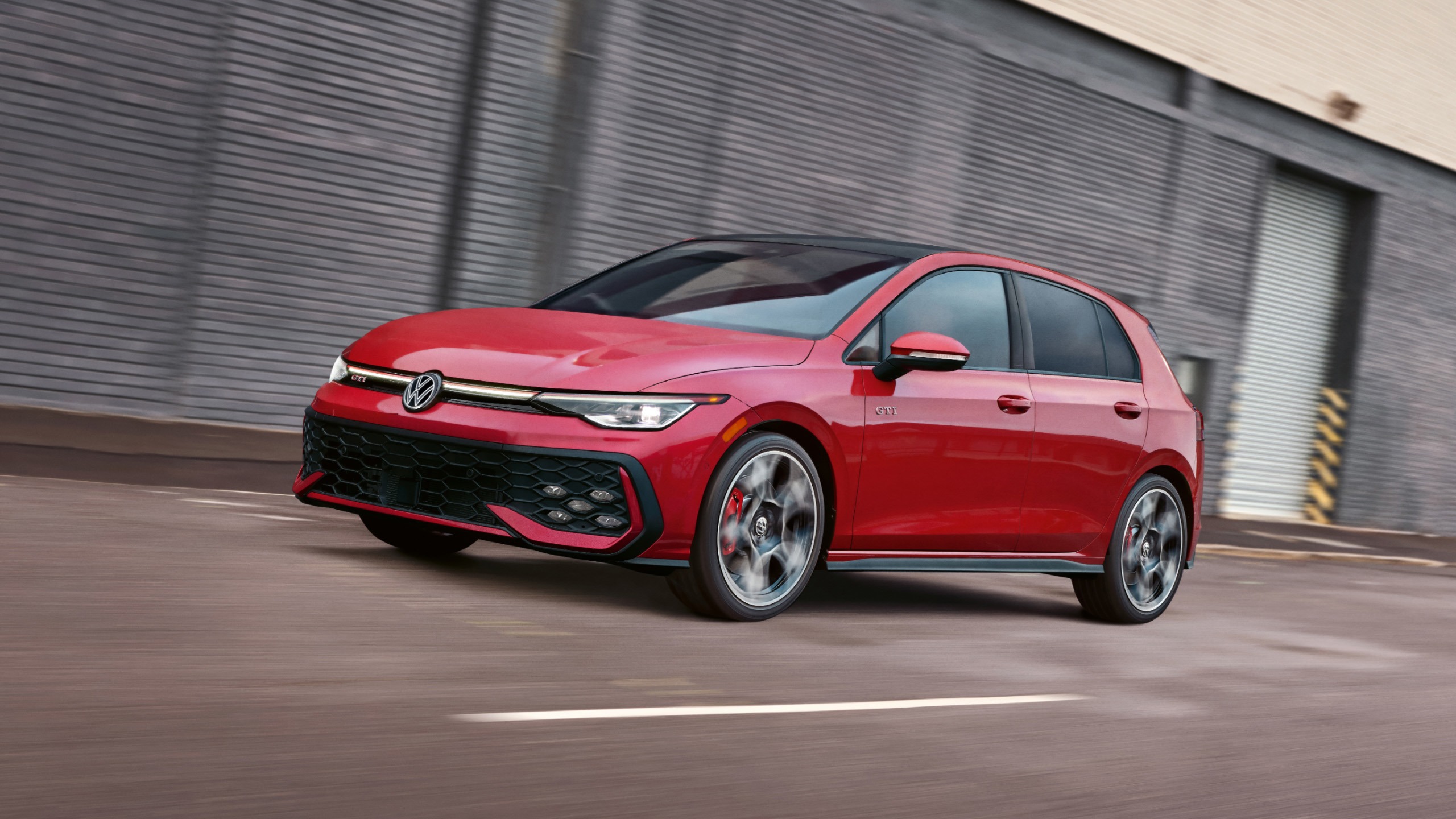
Winter can be brutal, not just on people but also on vehicles. The cold temperatures, icy roads, and salted surfaces test every mechanical component of a car. Some vehicles prove they were built for this punishment, taking on snowy backroads, frozen highways, and sub-zero temperatures without a hitch.
Others, however, show their weaknesses the moment conditions become less than perfect. From frozen door locks to unreliable transmissions, not every car is made equal when the season changes.
In regions where winter is more than just a season but a serious challenge, drivers come to rely on vehicles that can start every morning, grip slippery roads, and survive months of harsh wear and tear.
All-wheel-drive systems and high-torque engines tend to give some vehicles an edge, while poor-quality electrical systems, fragile suspensions, and thin body panels can spell disaster for others.
There’s also the matter of routine maintenance; some cars are designed to require very little fuss to keep going in cold weather, while others seem to throw warning lights just because the temperature dropped below freezing.
This article lists five cars that are well-known for handling winter abuse with resilience, reliability, and confidence. These are the kinds of vehicles you’ll see in driveways after a blizzard, still running without trouble.
5 Cars That Handle Winter Abuse
1. Subaru Outback
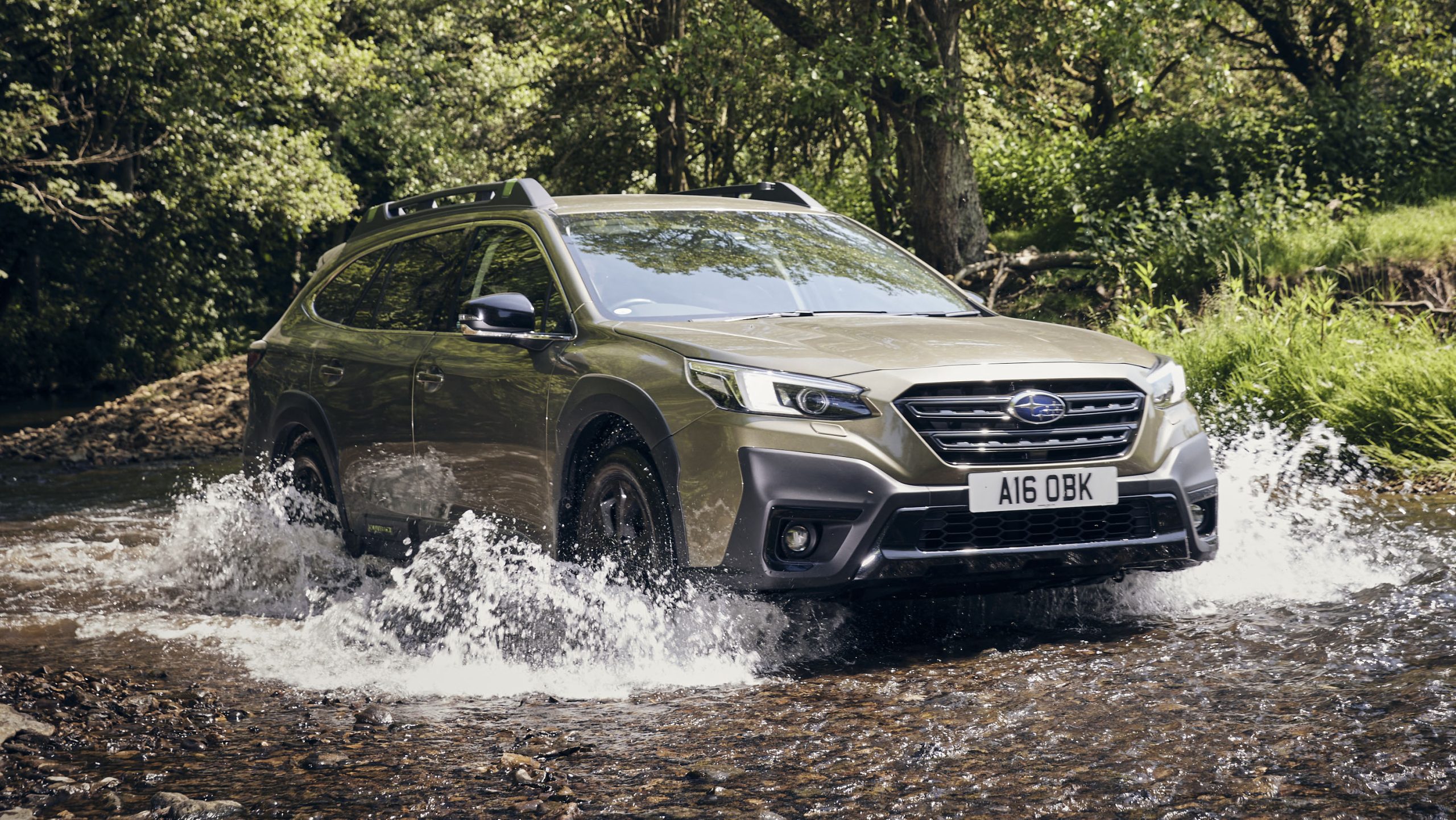
The Subaru Outback has earned a reputation as one of the most reliable and capable vehicles when facing harsh winter conditions. Its hallmark feature is the symmetrical all-wheel-drive system, which provides power to all four wheels evenly, increasing traction and stability on slippery surfaces.
Unlike many vehicles that rely on front- or rear-wheel drive, the Outback’s AWD keeps the wheels from spinning out during snowstorms or icy patches. This makes it easier for drivers to maintain control even when roads are poorly cleared or covered in packed snow.
Additionally, the Outback’s higher ground clearance compared to typical sedans allows it to clear deeper snow and avoid getting stuck. This clearance, combined with sturdy tires often designed specifically for all-season or winter use, ensures that the car handles steep inclines, unplowed side streets, and rural winter roads with relative ease.
Under the hood, the Subaru Outback features a boxer engine design, where the pistons lie flat and move horizontally. This lowers the vehicle’s center of gravity, which greatly enhances stability on slippery or uneven terrain.
The engine’s power delivery is smooth and consistent, helping to reduce sudden wheel spin. The availability of a turbocharged engine in some models adds extra torque for situations where more power is needed, such as climbing icy hills or accelerating out of snow banks.
Starting the vehicle in freezing conditions is typically reliable, thanks in part to Subaru’s engineering that emphasizes robust cold-weather performance. In cold climates, batteries and fluids are often pushed to their limits, but the Outback’s systems are designed to handle this strain, reducing the risk of no-start conditions on frosty mornings.
The Outback’s winter-focused features extend to the interior and exterior as well. Heated seats, heated side mirrors, and windshield wiper de-icers come standard on many trims, which contribute to driver comfort and safety. These features help clear ice and snow quickly, which is critical for maintaining visibility during winter storms.
The vehicle’s design avoids overly complicated electronic systems that might malfunction in extreme cold. While some cars suffer from frozen door locks or cracked plastic components, the Outback has been praised for its durability and thoughtful engineering in these areas.
Moreover, its intuitive traction control and stability assist systems work seamlessly to adjust power and braking to individual wheels, preventing spinouts and helping drivers maintain composure during unpredictable road conditions.
Another crucial factor that helps the Subaru Outback withstand winter abuse is its corrosion resistance. Salt and chemicals used to melt ice on roads can accelerate rust formation, which damages vehicle frames and components.
Subaru has taken steps to improve rust-proofing measures by applying enhanced coatings to the underbody and vital suspension parts. These protections reduce the likelihood of rust eating away at the vehicle’s structural integrity, especially in areas that frequently use road salt.
Drivers who regularly use their Outbacks in snowy environments report that the cars maintain their structural soundness for many years. This durability is essential because winter is harsh on cars, and a vehicle that can resist these effects will offer more value and reliability over time. The combination of mechanical toughness, smart design, and corrosion resistance makes the Outback a top choice for winter driving.
2. Toyota 4Runner
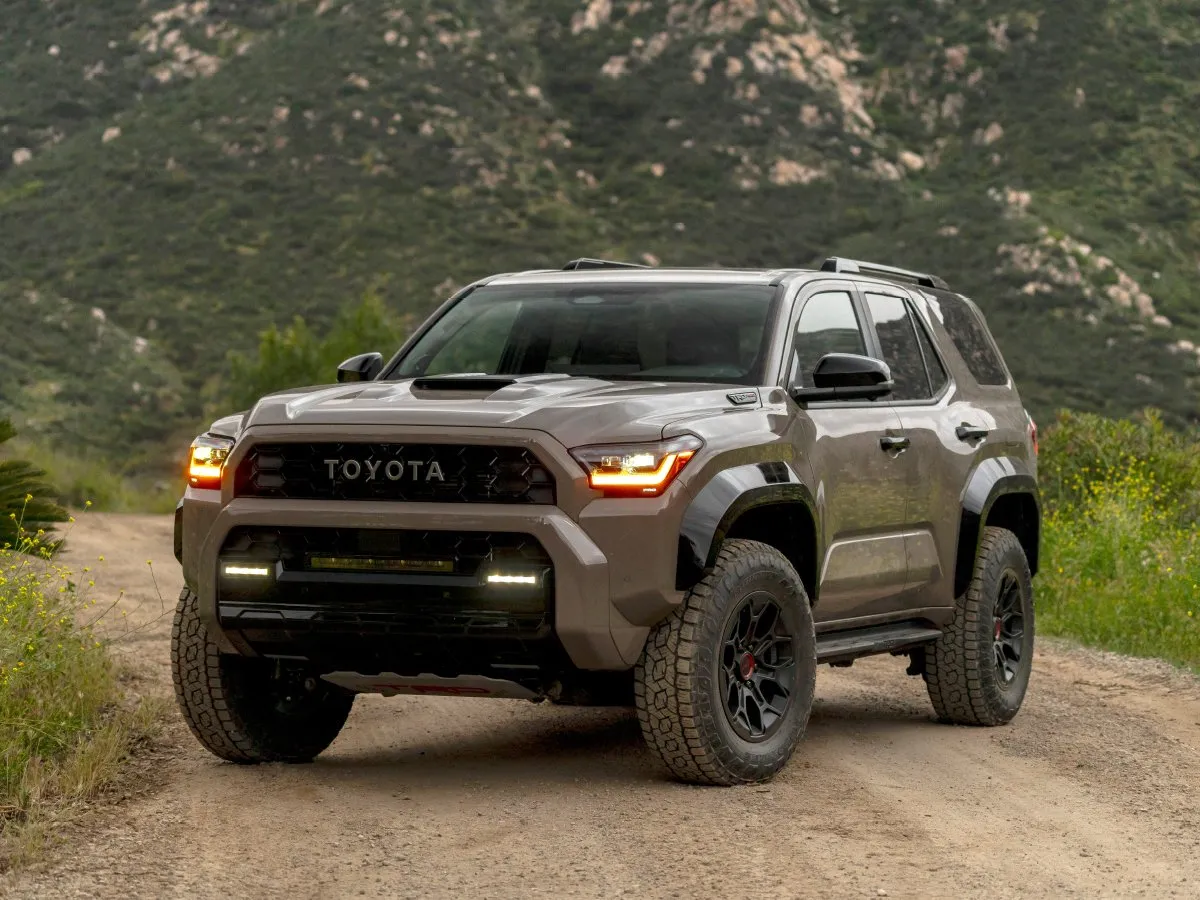
The Toyota 4Runner is widely regarded as one of the most durable SUVs on the market when it comes to tackling winter conditions. Built with a truck-like body-on-frame construction, the 4Runner is designed to endure rough environments, making it well-suited for snowy and icy roads.
Unlike unibody SUVs, which tend to be lighter and sometimes less durable, the 4Runner’s frame gives it extra rigidity and strength. This structural toughness helps it handle the pounding that comes from driving on ice-covered potholes, frozen gravel, and salt-sprayed highways.
The vehicle’s off-road heritage is evident in its robust suspension components and drivetrain, both of which are less likely to break down under the stress of cold weather.
A key feature that enhances the 4Runner’s winter capability is its part-time four-wheel-drive system. When engaged, this system sends power to both the front and rear wheels, improving grip on snow and ice. The 4Runner also offers a locking rear differential, which prevents one wheel from spinning freely while the other remains stuck.
This feature is particularly helpful in deep snow or when climbing steep, icy hills where traction is uneven. Moreover, the 4Runner’s high ground clearance enables it to drive through deep snowdrifts without damaging the undercarriage. Many other SUVs with lower ride heights risk scraping snow off-road or becoming stuck in unexpected ruts, but the 4Runner’s elevated stance keeps it moving where others fail.
Underneath the hood, the 4Runner’s engine is known for its reliability and simplicity. Its V6 engine avoids unnecessary complexity, reducing the chances of cold-weather mechanical issues like frozen fuel lines or oil thickening.
The power output is well suited for winter driving, delivering enough torque for climbing snowy slopes and accelerating through slippery intersections. The cooling and heating systems in the 4Runner are robust as well, allowing the engine to reach optimal operating temperatures quickly in freezing weather.
This helps minimize wear and tear during cold starts, which is one of the most common causes of engine damage in winter. Drivers often praise the 4Runner for its ability to start easily after sitting overnight in sub-zero temperatures without requiring block heaters or special winter fuels.
The 4Runner’s interior is designed for function over luxury, but this practicality works well for winter use. Heated front seats and steering wheels are common options, making the cabin comfortable during long cold-weather trips.
The climate control system is powerful enough to defrost and demist windows rapidly, reducing the risk of impaired visibility on snowy mornings. Inside the cargo area, features like roof racks and towing hooks allow drivers to bring along skis, snowboards, or even small trailers, catering to active winter lifestyles. These utilitarian details make the 4Runner not just tough but also highly adaptable for people who spend a lot of time outdoors during winter months.
3. Volvo XC70
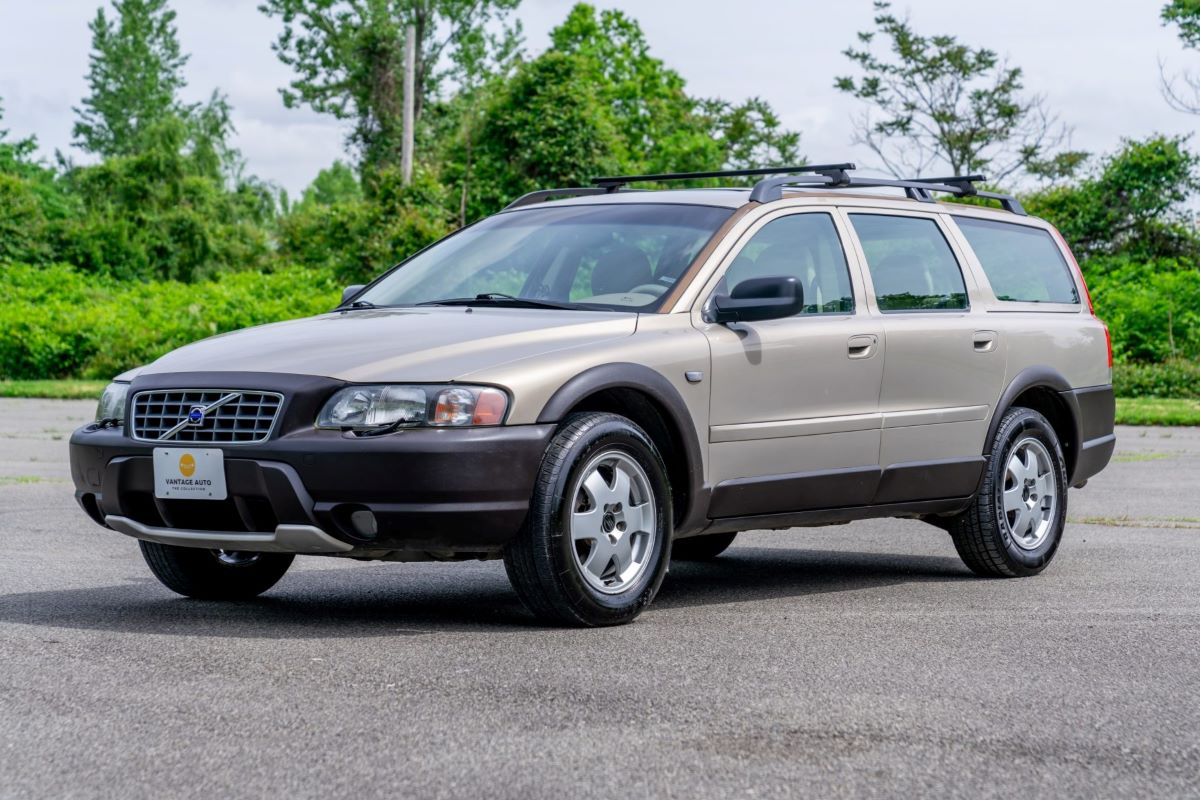
The Volvo XC70 is often praised for its cold-weather preparedness, a result of Swedish engineering that emphasizes durability and safety in harsh climates. Though Volvo discontinued this model in recent years, it remains a favorite among drivers who need a rugged wagon capable of handling ice, snow, and frigid temperatures.
Its all-wheel-drive system is one of the highlights, distributing power between the front and rear wheels in a way that maximizes traction without sacrificing control. The system automatically adjusts torque delivery based on road conditions, making it easier to drive on snow-covered highways or icy urban streets. This intelligent AWD helps prevent wheel slip and maintains forward momentum when others would struggle to get moving.
One of the XC70’s standout features is its focus on insulation and cabin comfort in cold weather. The vehicle incorporates thick layers of sound and heat insulation throughout the body, reducing heat loss and making it easier to maintain a warm interior during long winter drives.
The heating system is powerful and efficient, with options like heated front and rear seats, heated windshield wiper nozzles, and heated mirrors to prevent ice build-up. These details are especially important during short winter days when drivers often need to warm up quickly before setting off. The XC70’s robust climate system means that the windshield defrosts rapidly, helping maintain clear visibility even in heavy snowfall or freezing rain.
Volvo’s commitment to safety extends beyond just AWD and heating systems. The XC70 is equipped with advanced traction control, anti-lock brakes, and electronic stability control, all designed to work harmoniously in slippery conditions.
These systems intervene when the vehicle detects instability, applying brakes to individual wheels and adjusting power to keep the car on its intended path. For drivers who must navigate snowy roads or icy parking lots daily, these features provide peace of mind and reduce the chances of accidents. Many Volvo owners report feeling safer during winter months compared to driving other vehicles that lack such integrated safety technology.
Durability and corrosion resistance are additional strengths of the XC70. The underbody and suspension components are treated with rust-proof coatings, and the body panels are tightly sealed to prevent moisture intrusion. Road salt and moisture are among the biggest threats to vehicle longevity in snowy climates, and the XC70’s design helps mitigate these risks.
Drivers who have owned XC70s for more than a decade often report minimal rust problems even after years of exposure to harsh winter conditions. This resilience contributes to the vehicle’s reputation as a dependable companion for winter driving, combining comfort, safety, and toughness in one package.
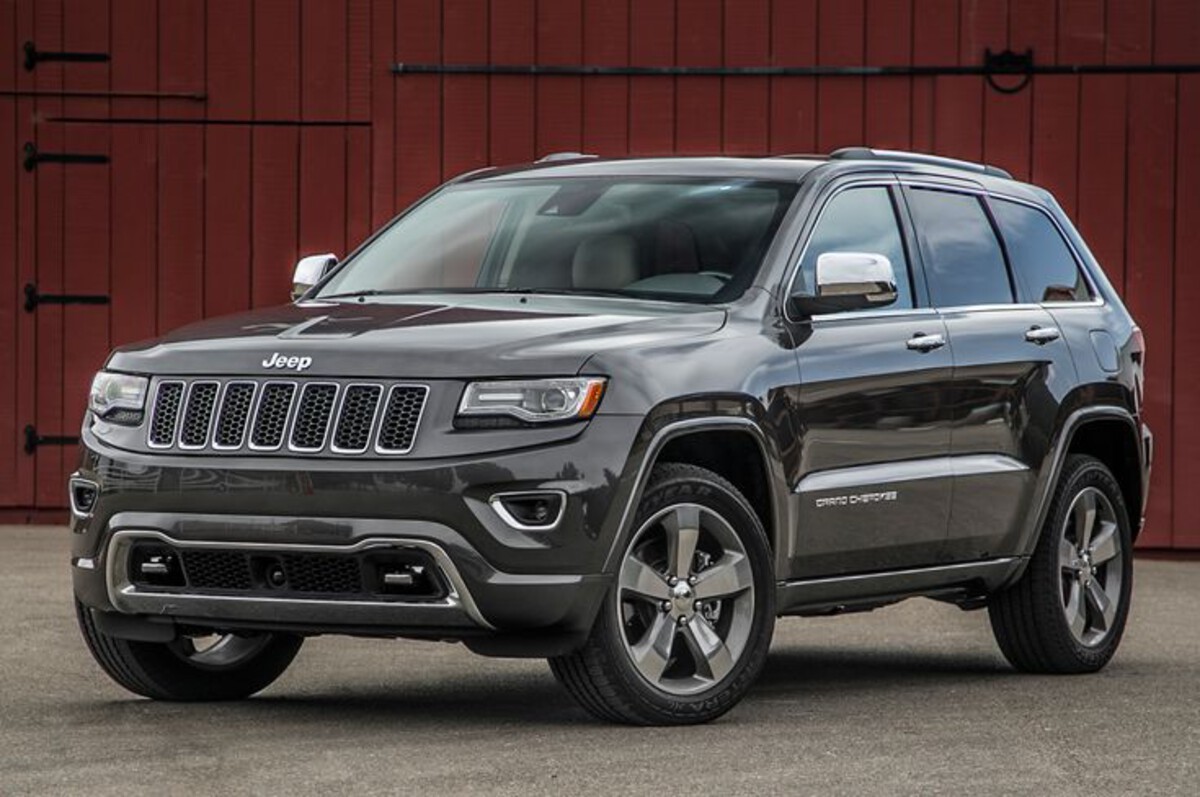
4. Jeep Grand Cherokee
The Jeep Grand Cherokee is synonymous with ruggedness and off-road capability, traits that translate well to handling winter’s toughest conditions. Its available four-wheel-drive systems, including the Quadra-Trac and Quadra-Drive II setups, provide excellent traction control on snow and ice.
These systems actively monitor wheel spin and automatically send torque to the wheels with the most grip, allowing the vehicle to maintain forward momentum on slippery surfaces. The Grand Cherokee’s ability to adapt to changing road conditions is one of the reasons it is trusted by drivers in snow-heavy regions. Whether climbing icy hills or navigating packed snow-covered streets, the Grand Cherokee offers confidence behind the wheel.
Suspension and ride quality also make the Grand Cherokee a winter standout. Its suspension system balances comfort with the ability to handle rough and uneven terrain, a common challenge in winter driving where roads can be damaged by freeze-thaw cycles.
The Grand Cherokee’s ride is smooth enough for daily commuting but tough enough to endure the abuse of snowy back roads and slushy parking lots. The vehicle’s ground clearance is adjustable in some trims, allowing drivers to raise the vehicle for better snow clearance or lower it for improved highway stability. This flexibility is particularly useful in winter, as conditions can change rapidly from deep snow to wet pavement.
Durability is another hallmark of the Grand Cherokee. Jeep has engineered this SUV to withstand harsh conditions, using strong materials and components that resist wear from salt, cold, and moisture. The drivetrain components are robust and well-protected from road debris and corrosion.
Rust prevention measures are built in, with factory-applied coatings on the undercarriage and strategic use of corrosion-resistant metals in vulnerable areas. These protections help the Grand Cherokee retain its structural integrity even after years of winter use, which can be a major selling point for those who rely on their vehicles to get through tough winters without frequent repairs.
Comfort and convenience features make the Grand Cherokee more than just a rugged winter machine. Many trims include heated seats, heated steering wheels, remote start, and powerful climate control systems that help drivers stay warm and comfortable even in sub-zero temperatures.
Quick defrosting systems clear ice and frost from windows in minutes, making mornings easier and safer. The combination of capability, durability, and comfort makes the Grand Cherokee a well-rounded choice for winter drivers who need an SUV that won’t quit when the weather turns cold and snowy.
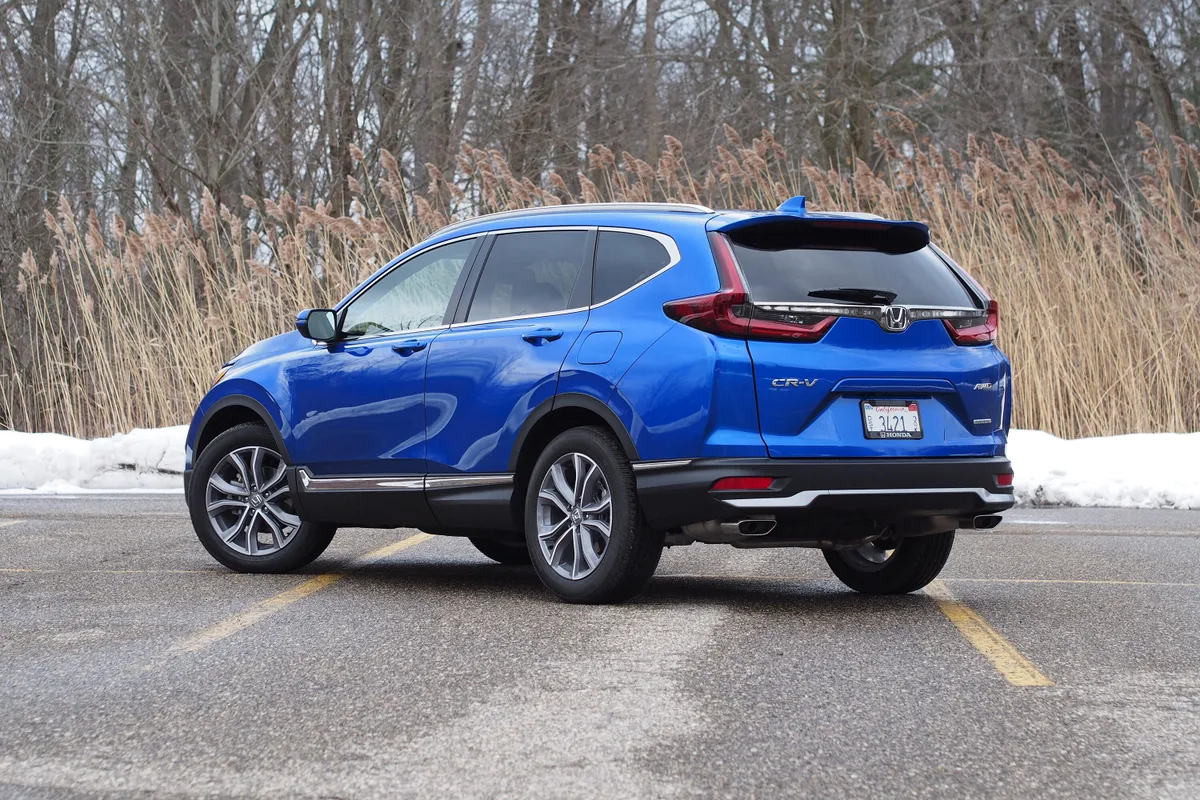
5. Honda CR-V (AWD Models)
Though often overshadowed by larger SUVs, the Honda CR-V equipped with all-wheel drive is a reliable and practical choice for winter driving. Its AWD system is designed to detect wheel slip quickly and transfer torque to the wheels with the best traction, helping the vehicle maintain control on slippery surfaces.
While not as rugged as some trucks or off-road-focused SUVs, the CR-V’s system provides a noticeable boost in stability and safety compared to two-wheel-drive models. This makes the CR-V an excellent choice for drivers living in regions with moderate snow or occasional ice, where nimbleness and reliability matter more than extreme off-road ability.
The CR-V’s predictable handling is a key advantage in winter. The vehicle’s suspension is tuned for balance, providing a stable ride that helps drivers avoid oversteer or understeer on slick roads. Electronic stability control works behind the scenes to intervene if the vehicle senses it is losing grip, applying brakes and adjusting power to keep the car on its intended path.
This makes the CR-V a forgiving vehicle, especially for drivers who may not be accustomed to winter driving conditions. The responsiveness of the AWD and stability systems gives drivers confidence to navigate tricky situations like icy corners, snow-packed hills, and sudden stops.
The engine and transmission of the CR-V are also noteworthy for their reliability in cold weather. Honda has engineered the drivetrain to start consistently in low temperatures, with fewer reports of cold-related failures compared to other compact SUVs.
The CR-V’s engine warms up relatively quickly, reducing wear from cold starts, and its transmission shifts smoothly even when fluid viscosity increases in freezing weather. These factors contribute to a vehicle that doesn’t leave drivers stranded or struggling on the coldest mornings. Maintenance needs are minimal, making it an economical choice for winter drivers who want a dependable vehicle without a lot of fuss.
Inside the cabin, the CR-V focuses on comfort and functionality during winter months. Many trims come equipped with heated seats and heated mirrors, which are important for maintaining comfort and visibility. The vehicle’s climate control system is efficient at quickly clearing fog and frost from the windows, ensuring the driver has a clear view at all times.
Though not as luxurious as some larger SUVs, the CR-V provides practical features that make winter driving less stressful. For many drivers, this combination of reliability, safety, and comfort makes the CR-V an excellent choice for everyday winter transportation.
5 Cars That Break Fast
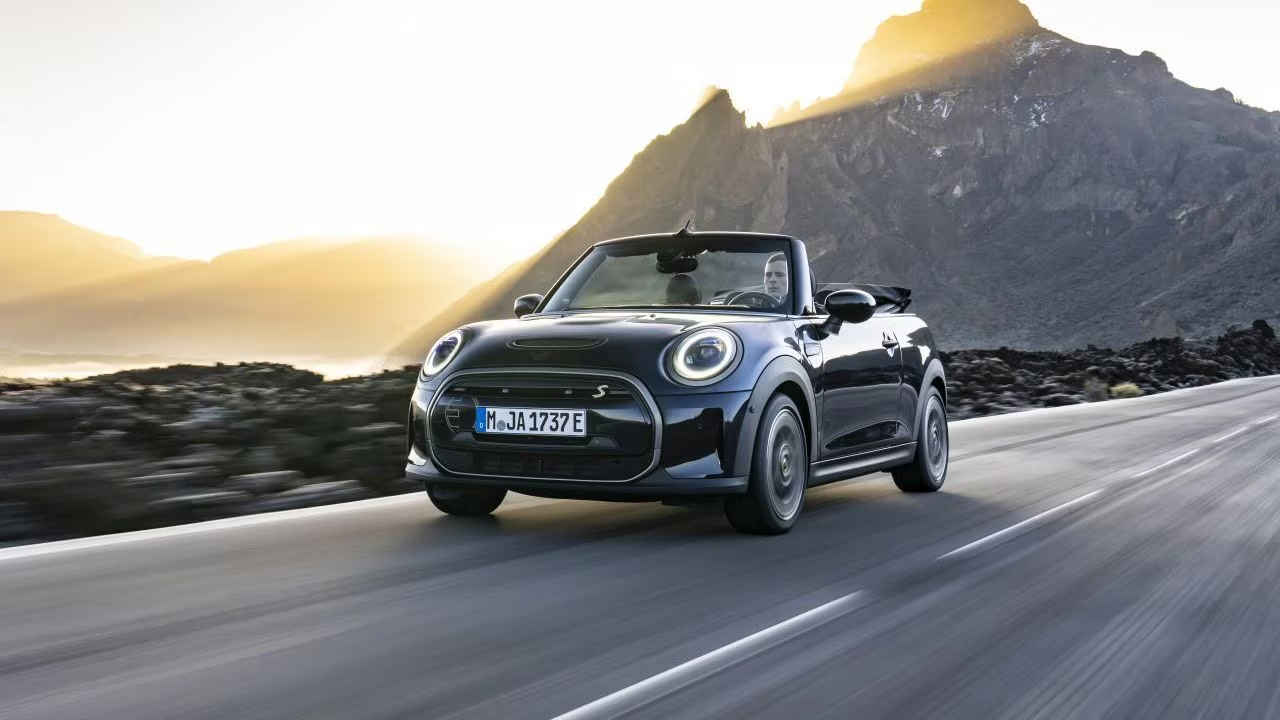
1. Mini Cooper
The Mini Cooper is known for its sporty handling and compact size, but these qualities don’t necessarily translate into winter resilience. While the car is agile and fun on dry pavement, it struggles in snowy and icy conditions due to its front-wheel-drive layout paired with a low ground clearance.
In heavy snow, the Mini often finds itself trapped because it simply can’t clear deep drifts or maintain traction on slippery surfaces. Its small tires and relatively narrow stance limit the amount of grip it can generate, which becomes especially problematic when winter roads are covered in packed snow or ice.
The Mini Cooper also lacks the sophisticated all-wheel-drive systems found on some newer models, leaving it at a distinct disadvantage compared to vehicles designed with winter driving in mind.
Cold weather exposes additional weaknesses in the Mini Cooper’s design. The vehicle’s electrical components can be prone to failure during harsh winters, especially if exposed to moisture and freezing temperatures repeatedly. Common issues reported by Mini owners include malfunctioning door locks, faulty sensors, and electrical glitches in the infotainment system.
These failures are often exacerbated by the presence of road salt and moisture that enter the car’s electrical systems during winter. Because the Mini is designed more for style and urban driving than for ruggedness, some of its plastic components, seals, and wiring are less durable when subjected to winter’s harsh demands.
The engine and transmission in the Mini Cooper, while peppy and responsive in warmer months, can also show weaknesses in the cold. The turbocharged engines often require extra care in winter to prevent turbo lag or oil thickening, which can affect performance and reliability. Additionally, the dual-clutch transmissions found in many newer Minis sometimes struggle with smooth shifting when cold, leading to jerky starts or hesitation.
These drivetrain quirks become more apparent during the winter months when the engine and transmission fluids thicken and electronic controls are less responsive. For drivers who rely on their vehicles in freezing weather, these challenges can be frustrating and lead to breakdowns or costly repairs.
Lastly, the Mini Cooper’s durability and rust resistance leave something to be desired in winter conditions. Its lower ride height means the underbody is exposed to salt, slush, and water spray, accelerating corrosion on vulnerable components such as the exhaust system, brake lines, and suspension parts.
While newer Minis have improved in this regard, older models often develop rust issues quickly if regularly driven on salted roads. This corrosion can lead to mechanical failures or structural weakness, causing the car to break down faster than more rugged vehicles. For owners living in snow-prone areas, the Mini Cooper’s combination of limited traction, electrical vulnerabilities, and rust susceptibility make it a poor choice for consistent winter use.
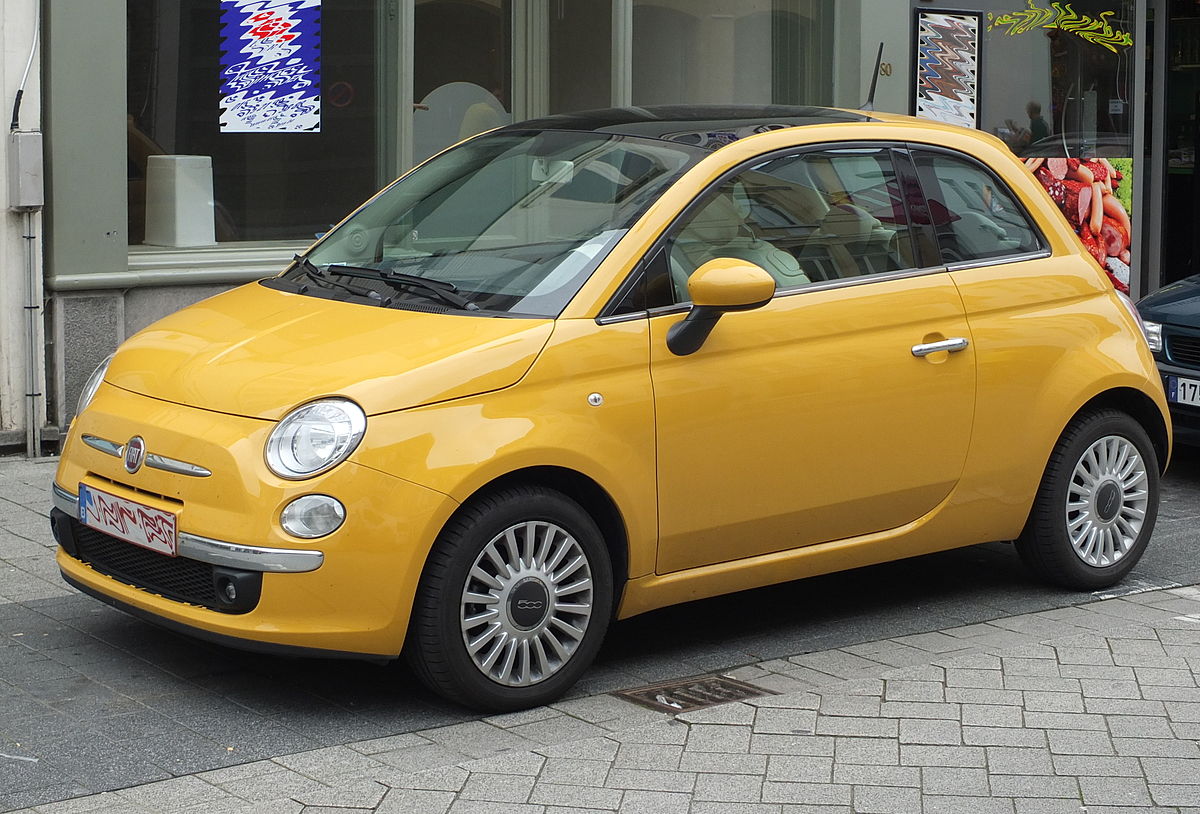
2. Fiat 500
The Fiat 500 is a charming city car with a distinctive retro style, but its design and engineering are not suited to harsh winter environments. This small vehicle features front-wheel drive, which can manage light snow, but its tiny wheels and minimal ground clearance limit its ability to navigate through deeper snow or icy roads.
Drivers often report problems with the Fiat 500 getting stuck in snowbanks or struggling on slick hills. The car’s compact size also means it lacks the weight needed to keep the tires firmly planted on the road during winter storms, leading to frequent wheel spin and loss of control. Without an available all-wheel-drive option, the Fiat 500 simply isn’t equipped to handle severe winter conditions.
The Fiat’s electrical and mechanical components are known to be vulnerable in freezing weather. Problems such as battery drain, malfunctioning sensors, and inconsistent ignition systems are common complaints during the winter months.
Engine performance in the Fiat 500 is another concern during winter. The small engines, typically naturally aspirated or turbocharged three-cylinders, can be sensitive to cold starts. Oil thickening and fuel mixture problems sometimes lead to rough idling and stalling in freezing temperatures.
Transmission systems, particularly the automatic versions, may hesitate or shift harshly when cold, contributing to a jerky driving experience that can be dangerous on slippery roads. Because the vehicle lacks advanced traction control systems found in more winter-ready cars, the Fiat 500 can lose grip easily, especially on ice or compacted snow.
Lastly, the Fiat 500’s body and undercarriage are prone to corrosion in snowy climates. Road salt and moisture frequently lead to rust on exposed metal parts, particularly the wheel wells, exhaust, and suspension components. The car’s lightweight design means there is less structural protection against the elements, causing rust to spread more rapidly than in sturdier vehicles.
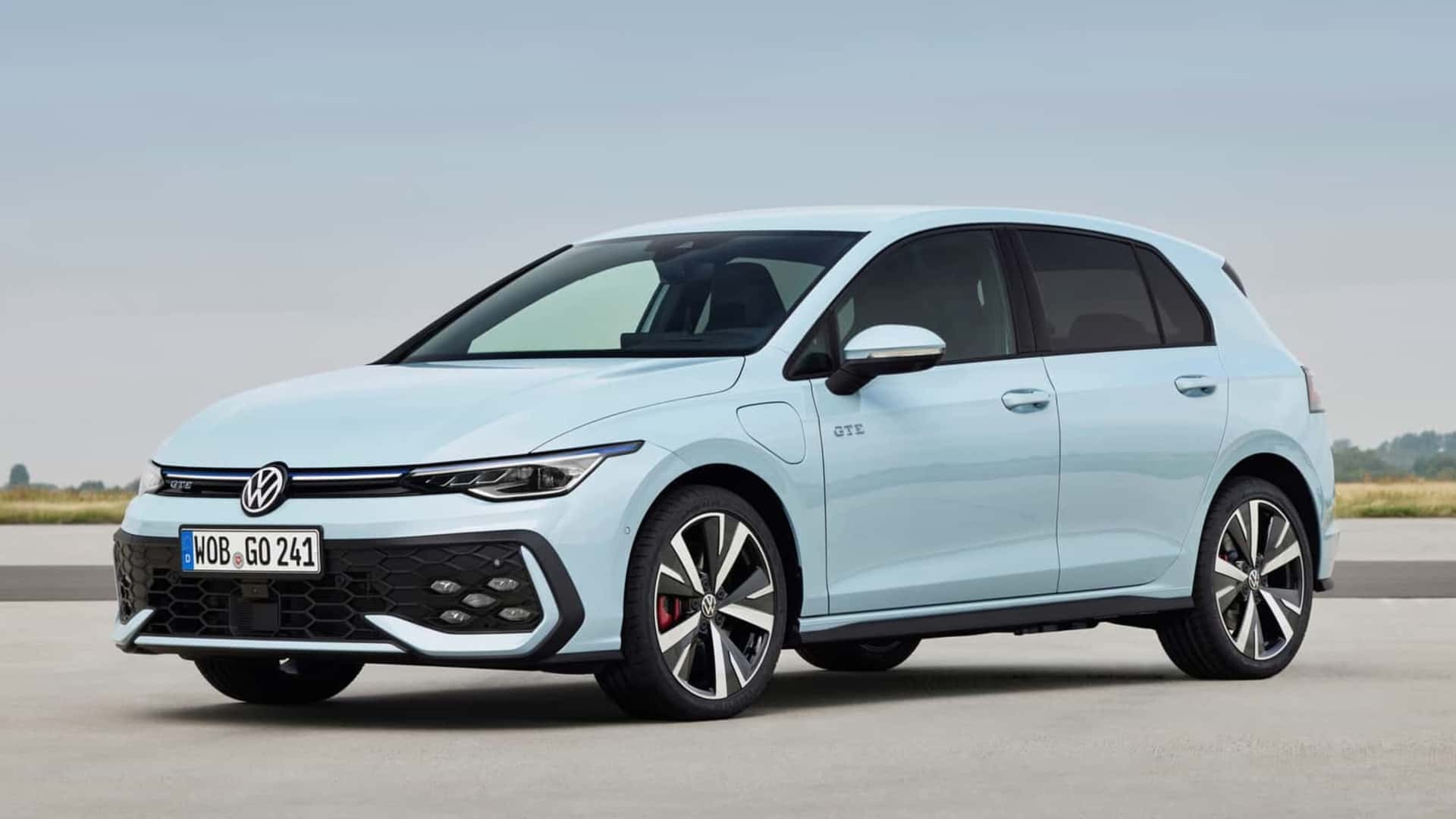
3. Volkswagen Golf (Certain Models)
The Volkswagen Golf has long been a popular compact car, but certain models, especially those without all-wheel drive, struggle in winter environments.
Many Golfs come equipped with front-wheel drive, which can handle mild snow, but the car’s relatively low ground clearance and sporty suspension setup limit its ability to perform well on deeper snow or ice.
Drivers report that in heavy snow, Golfs can feel unstable or prone to sliding, especially when accelerating or braking. The Golf’s tires, often performance-oriented on sportier trims, can be ill-suited for winter unless replaced with dedicated snow tires. This mismatch increases the likelihood of accidents or getting stuck during winter weather.
In addition to traction challenges, Volkswagen Golfs have had recurring issues with electrical reliability in cold conditions. Sensors, especially those related to the anti-lock braking system (ABS) and traction control, sometimes malfunction when exposed to moisture or freezing temperatures.
These malfunctions can trigger warning lights and reduce the effectiveness of stability aids precisely when they are needed most. Owners also report problems with the car’s central locking system freezing, as well as issues with the infotainment system freezing or rebooting unexpectedly. These problems not only reduce driving confidence but also increase the chance of breakdowns in winter.
The Golf’s engine and transmission also face challenges during prolonged cold spells. Many models use turbocharged four-cylinder engines, which can be sensitive to cold starts and oil viscosity changes. Some drivers report hesitation or rough shifts in the automatic transmissions when the car is cold, which can be unsettling on slick roads.
Although the Golf includes stability and traction control systems, these technologies are only as effective as the vehicle’s ability to maintain contact with the road. Without proper winter tires, the Golf’s performance can quickly degrade in snow and ice, making it unreliable in severe winter conditions.
Finally, rust is a concern for Volkswagen Golfs exposed to salted roads regularly. The car’s low profile means salt spray hits many vulnerable parts of the undercarriage, including brake lines, wheel arches, and suspension mounts. Over time, this exposure can cause corrosion that affects the vehicle’s handling and safety.
While Volkswagen has improved corrosion protection in newer models, older Golfs often show significant rust damage in winter climates. This deterioration, combined with mechanical and electrical vulnerabilities, means that Golfs without AWD or winter tires are more likely to break down quickly under winter abuse.
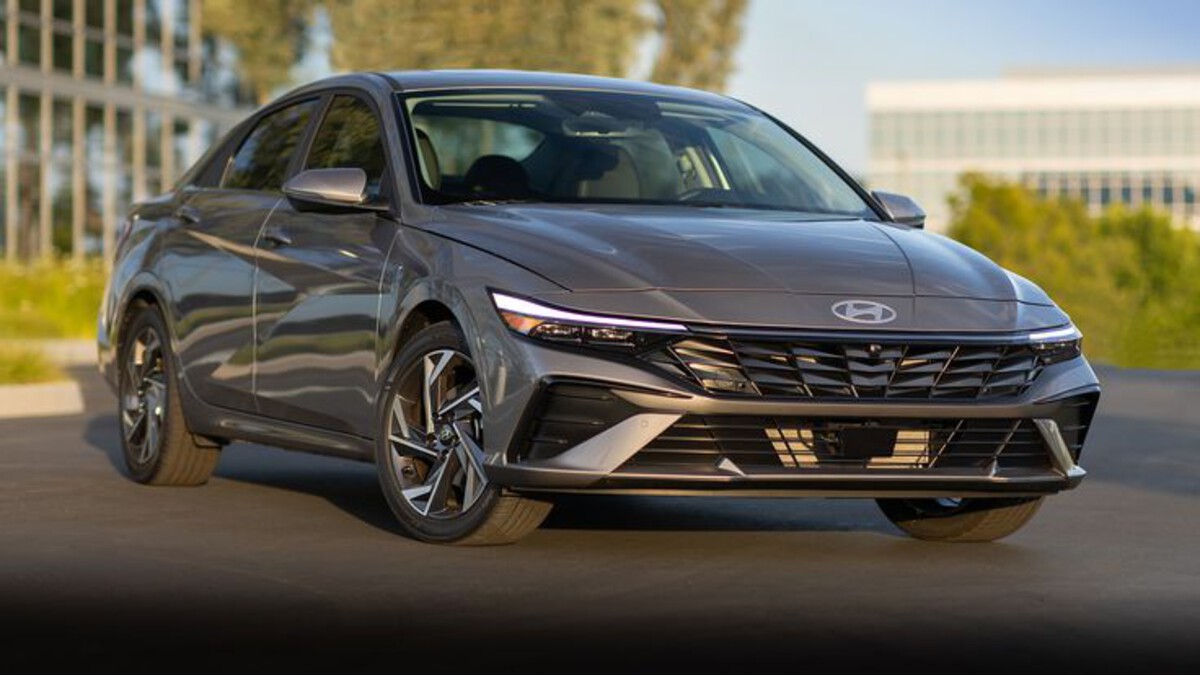
4. Hyundai Elantra
The Hyundai Elantra is an affordable and efficient compact sedan, but it is not designed with severe winter conditions in mind. Most Elantras come with front-wheel drive only, and their low ride height means they struggle in snowy or icy situations. Drivers in cold climates often experience difficulty maintaining traction, especially on untreated roads or in deep snow.
The vehicle’s tires, which are generally optimized for fuel efficiency rather than winter grip, can lose traction easily. Without an all-wheel-drive option, the Elantra depends heavily on electronic traction control systems that sometimes fail to compensate adequately for slippery surfaces, leading to frequent skidding or sliding.
Winter weather exposes some of the Elantra’s electrical and mechanical weaknesses. For instance, the battery and starter motor can struggle in freezing temperatures, leading to no-start conditions or sluggish ignition. In addition, sensors critical to safety systems like ABS and stability control are sometimes prone to malfunction when exposed to moisture and salt.
These electronic glitches can cause warning lights to illuminate, which can be distracting or confusing for drivers unfamiliar with the issue. The Elantra’s heating and defrost systems, while adequate for mild winters, may not warm the cabin quickly enough in extremely cold weather, reducing comfort and safety by limiting visibility through frosted or foggy windows.
The engine and transmission of the Elantra face further challenges in cold climates. The vehicle typically uses naturally aspirated or turbocharged four-cylinder engines, which are susceptible to issues like oil thickening and delayed warming during cold starts.
The transmission, especially in CVT-equipped models, can display hesitation or shuddering when the system is cold, negatively impacting smoothness and control. These drivetrain issues, combined with traction difficulties, can make winter driving in an Elantra more stressful and less reliable. The lack of rugged features or off-road capability means the car is easily overwhelmed by even moderate snow or ice conditions.
Rust and corrosion are also concerns for Hyundai Elantras in winter environments. The vehicle’s low clearance places it in direct contact with road salt and slush kicked up by other vehicles, accelerating corrosion on the undercarriage, brake lines, and suspension parts. O
wners living in snowy climates report that the Elantra’s body panels and wheel wells can develop rust relatively quickly if exposed to salted roads regularly. This deterioration compromises both safety and appearance, often leading to higher maintenance and repair costs. For those living where winter is severe, the Elantra may not offer the durability needed to withstand years of harsh weather without frequent breakdowns.
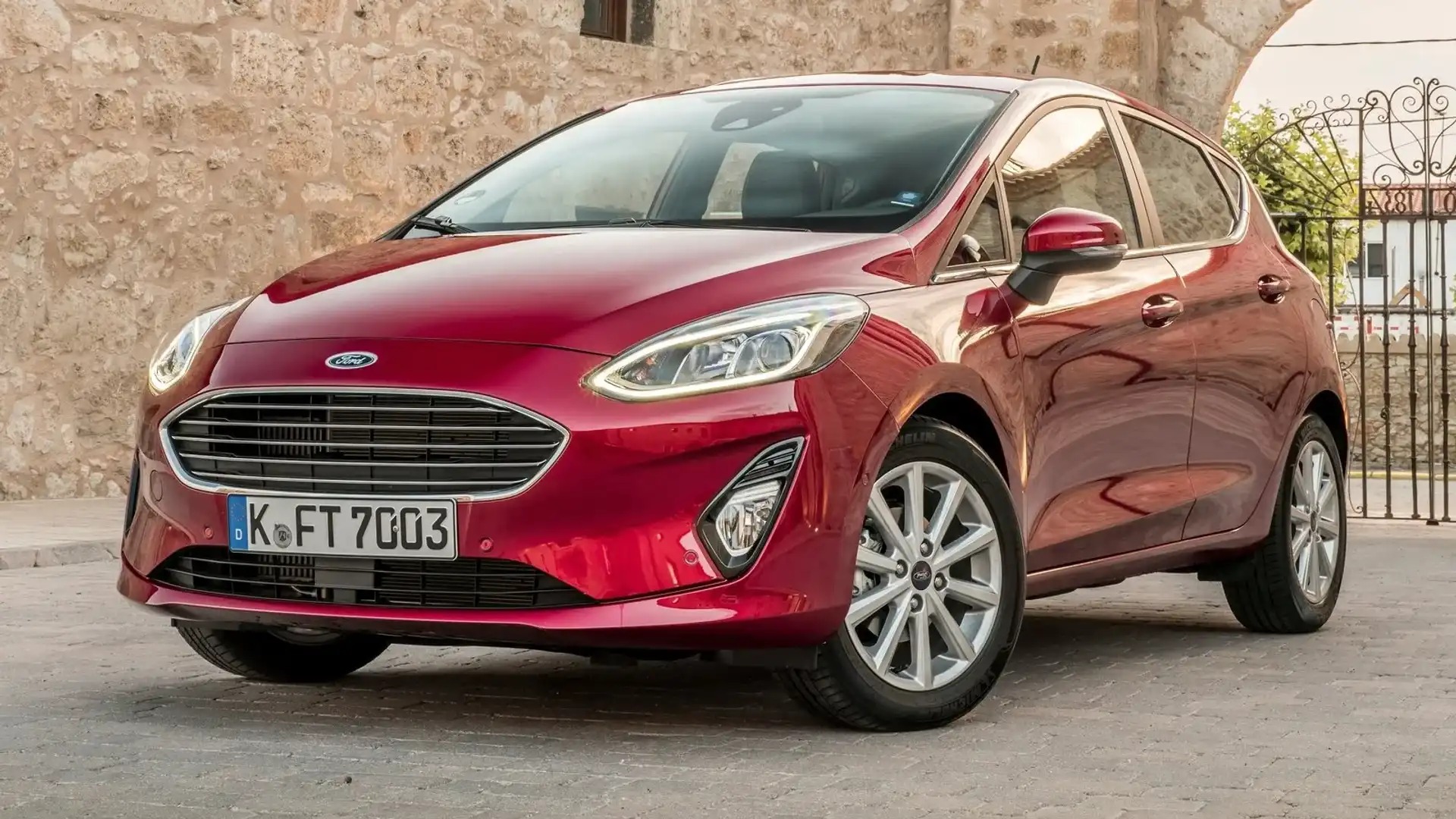
5. Ford Fiesta
The Ford Fiesta is a popular subcompact car, but it tends to break down faster in winter conditions compared to more rugged vehicles. The Fiesta’s front-wheel-drive system offers basic traction, but its low ground clearance and small wheels make it difficult to handle snowbanks and icy surfaces effectively.
Drivers have reported the Fiesta becoming easily stuck in deep snow or struggling with hill starts on icy slopes. The car’s lightweight design means it can be easily pushed around by strong winds or slippery roads, making it less stable in harsh winter weather. While newer Fiesta models have improved traction control systems, these cannot fully compensate for the lack of AWD and the vehicle’s small tire footprint.
Electrical issues become more pronounced in the Fiesta during winter. Many owners have reported problems such as battery failures, freezing door locks, and malfunctioning sensors in cold weather. The wiring and electronic modules in the Fiesta are often tightly packed and vulnerable to moisture, leading to shorts or corrosion-related faults.
These electrical glitches can affect critical systems like engine management, climate control, and safety features, causing intermittent failures or warning lights. The Fiesta’s infotainment system also has been known to freeze or reboot during extreme cold, which can be distracting or frustrating during winter drives.
Mechanically, the Fiesta’s engine and transmission may face challenges during winter months. Its small engines, typically three- or four-cylinder units, can experience rough idling, stalling, or hesitation when cold. Automatic transmissions, including dual-clutch versions found in some models, sometimes shift harshly or unpredictably in freezing conditions.
These drivability issues reduce confidence when starting off on icy roads or making slow maneuvers. Without robust winter tires or added weight, the Fiesta’s handling in snow and ice is further compromised, increasing the likelihood of accidents or breakdowns.
