
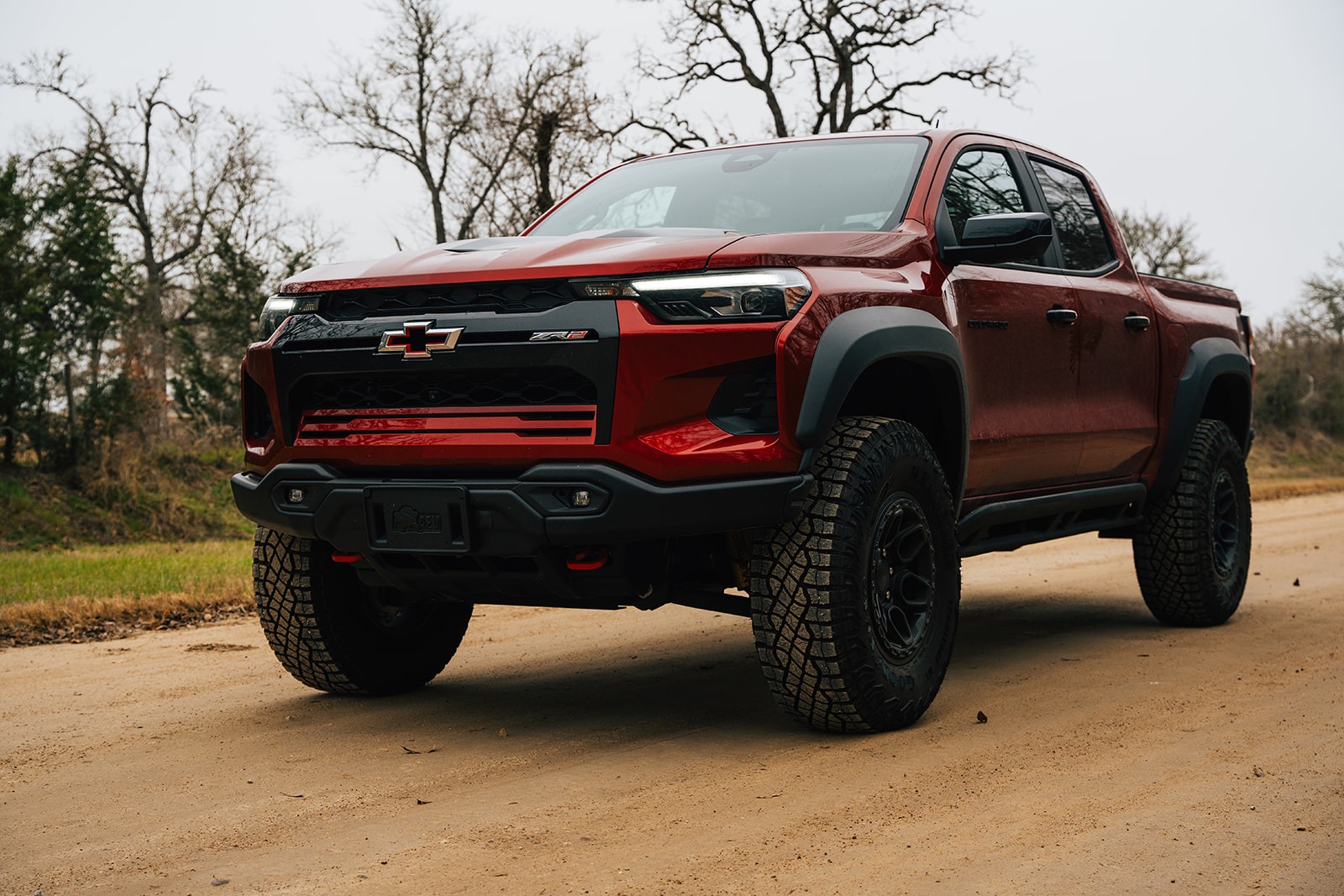
Pickups have long been more than just utility vehicles. For many, they are workhorses, daily drivers, family haulers, and sometimes even prized possessions passed from one generation to another.
The pickup market is a massive part of the automotive industry, especially in regions where heavy-duty capability, rugged performance, and long-term dependability matter most.
However, while some pickups gain reputations for lasting 20 or even 30 years with proper care, others earn infamy for falling apart before the odometer even hits six digits.
There’s a clear difference between pickups that are built to stand the test of time and those that are simply not up to the task.
Some trucks develop loyal fanbases because of their legendary engines, overbuilt frames, and resistance to wear. Others might look great on the dealership floor but begin to deteriorate once they hit the 5- or 6-year mark.
These issues can range from failing transmissions and rust-prone frames to poor interior quality or expensive electronic malfunctions. For long-term truck owners and buyers looking for a vehicle that won’t leave them stranded or deep in debt with repair bills, knowing which pickups last is crucial.
This article takes a closer look at both ends of that spectrum. We’re comparing 5 pickups that outlast generations, known for their durability and reputation for pushing past 300,000 miles, with 5 pickups that often struggle to make it past the 10-year mark, due to reliability concerns or costly issues that plague their lifespans.
Each section provides context, real-world observations, and common problems or praises that these trucks have earned over the years.
The goal isn’t just to label some pickups as “good” or “bad.” It’s about showing patterns in engineering, manufacturing, and long-term ownership experiences. While no truck is immune to problems, and no vehicle will last forever without maintenance, there are clear standouts on both sides.
Pickups That Outlast Generations
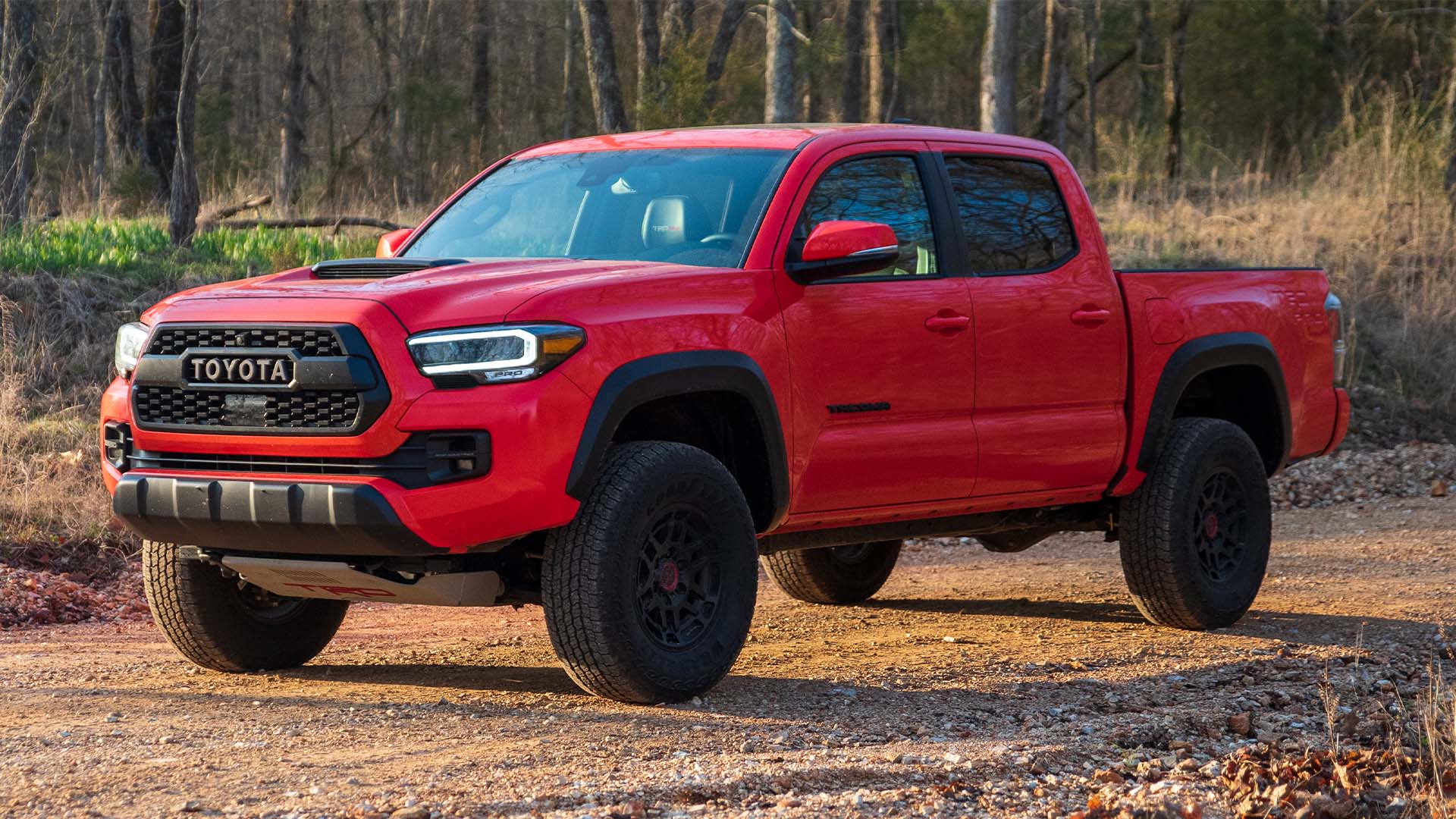
1. Toyota Tacoma
The Toyota Tacoma has earned its place as a legend in the midsize pickup category. Known for its reliability, simplicity, and ability to handle both city and off-road driving with ease, the Tacoma has become a long-lasting favorite among owners who expect decades of dependable service.
One of the Tacoma’s strongest points is its engine lineup. From the older 2.7L 4-cylinder to the 3.5L V6 in newer models, Toyota’s engines have a reputation for surviving hard use with minimal mechanical issues.
These powertrains are known to cross 300,000 miles without any major overhauls, as long as the truck receives regular maintenance. Unlike many competitors, Tacoma models tend to have fewer random failures, and the components are often overbuilt for the truck’s size.
The simplicity of the Tacoma is another reason why it stands the test of time. While some trucks are loaded with complex electronics and hard-to-diagnose computer systems, the Tacoma keeps many systems straightforward, especially in older models.
This design philosophy makes it easier for owners or local mechanics to maintain and repair the truck over time. The availability of parts, both aftermarket and OEM, adds to its appeal for long-term ownership.
Off-road durability is another reason the Tacoma enjoys a loyal following. Many owners push these trucks to the limit on trails, in desert conditions, or across rough terrain, yet they continue to run strong.
The TRD models in particular are equipped with hardware that can withstand severe punishment, from upgraded suspension components to skid plates and locking differentials.
This means that even with a rough life, Tacomas often remain mechanically sound. It’s not uncommon to see ten- or fifteen-year-old models still being used for off-road adventures every weekend, showing few signs of mechanical fatigue.
For people who need a truck that won’t give up when the conditions get difficult, the Tacoma proves its worth again and again.
This reputation didn’t happen overnight. It’s the result of consistent engineering choices, conservative updates, and a focus on dependability over flash.
While some may say the Tacoma feels dated compared to more modern pickups in terms of infotainment or ride comfort, that’s a tradeoff many are willing to make in exchange for knowing the truck will likely last longer than the car next to it in traffic. It’s a clear case of function winning out over fashion.
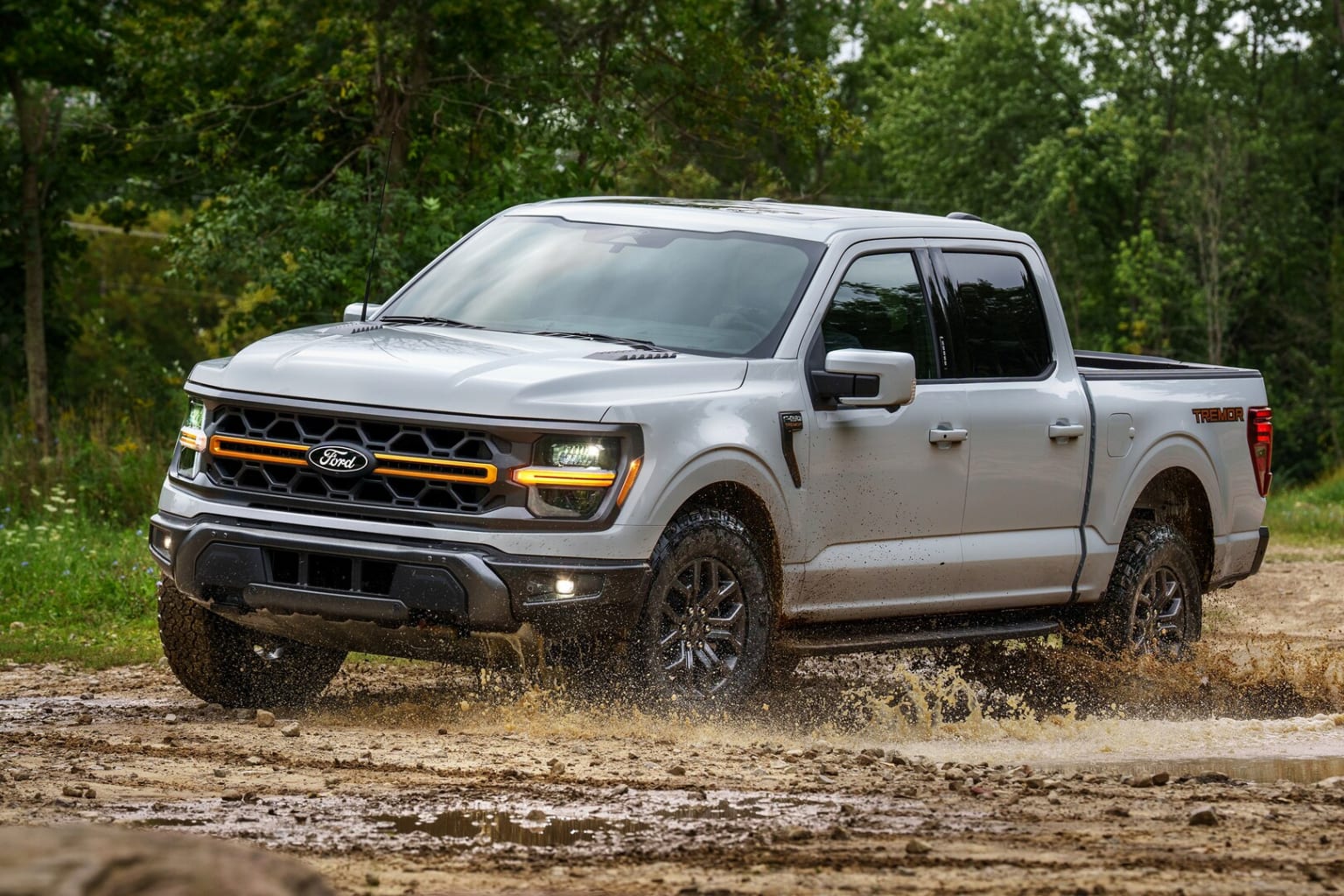
2. Ford F-150 (Older Models)
When looking at the full-size pickup segment, the Ford F-150 has been the best-selling vehicle in the United States for decades, and with good reason.
While not all F-150s have aged equally well, the older models, especially those from the late 1990s to early 2000s, earned a reputation for dependability and ease of ownership.
The 4.6L and 5.4L Triton V8 engines, when properly maintained, are known for reaching high mileage thresholds with fewer catastrophic issues.
These engines were simple, durable, and capable of delivering decent torque for work use. The basic nature of the older F-150s meant that fewer sensors, modules, and electronics could fail, leading to a longer lifespan with fewer headaches for owners.
Another advantage these trucks had was their frame and body construction. While later models began to shift toward aluminum for weight savings, the older steel-bodied F-150s were built to withstand more abuse.
With proper rust protection or maintenance in climates that favor corrosion, many of these trucks remain structurally sound even after 15 or 20 years.
The suspension and drivetrain components on these earlier trucks were also built to be tough. Solid rear axles, leaf springs, and simple 4WD systems allowed for consistent performance with minimal maintenance.
As long as fluid changes were kept up, these trucks had no problem towing, hauling, or handling farm work without falling apart.
Parts availability and repair costs also play a large role in the long-term success of a truck, and the F-150 excels here. Because these models were produced in such high numbers, replacement parts are affordable and easy to find.
Whether it’s a control arm, fuel pump, alternator, or even engine components, parts can often be sourced locally without much trouble.
Moreover, countless mechanics are familiar with these trucks, meaning that repairs are generally straightforward and labor costs stay reasonable.
This combination of widespread availability and a broad base of knowledge has allowed the F-150 to remain a favorite among those who want a reliable full-size truck without a lot of ongoing expense.
Of course, no truck is perfect. Some of the earlier Triton V8s had spark plug issues or timing chain noise as they aged, but these problems were manageable and well-documented, with known fixes. The key takeaway is that many of these trucks remain on the road today, with odometers well past the 200,000-mile mark.
Owners often cite their satisfaction with the truck’s long-term performance, especially if they’ve had it since new. In fact, many families keep these trucks in the driveway even after upgrading, simply because they’re still useful.
Whether used for towing, winter driving, or just moving furniture, the older F-150s continue to prove that solid engineering and simple design can result in a truck that truly lasts.
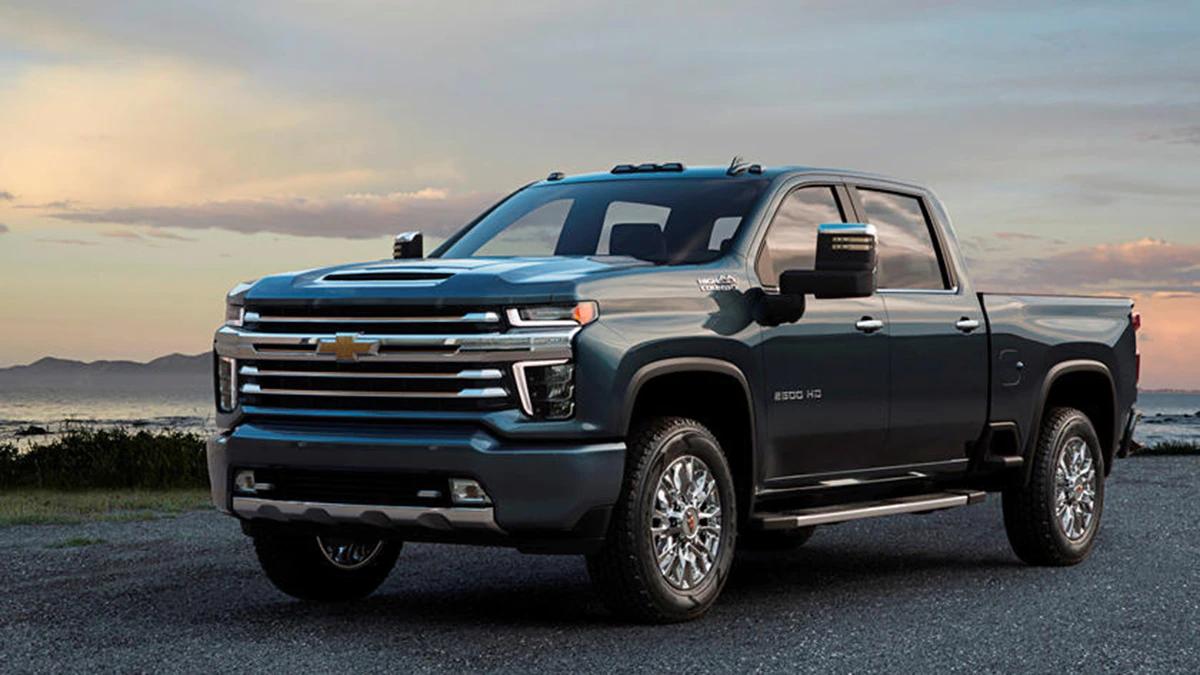
3. Chevrolet Silverado 2500HD (Duramax Era)
The Chevrolet Silverado 2500HD, especially those equipped with the Duramax diesel engine, has built a solid reputation for durability, raw power, and lasting value.
Introduced in the early 2000s, the Duramax engine lineup gave GM a serious contender in the heavy-duty diesel truck market, competing directly with Ford’s Power Stroke and Ram’s Cummins.
What sets the Duramax-powered Silverado apart is the combination of strong engine internals, reliable Allison transmissions, and a chassis built for heavy work.
These trucks were designed for people who needed to tow heavy loads regularly, haul large equipment, or simply wanted a truck that wouldn’t flinch at long-term abuse. With proper maintenance, it’s not uncommon to see these trucks pushing well past 300,000 miles with original engines and transmissions still intact.
A big part of the Silverado 2500HD’s long life comes from its robust drivetrain components. The Duramax engine is built with forged internals and has proven to be resilient under both towing stress and long highway hauls.
Combined with the Allison 5-speed and later 6-speed automatic transmissions, owners get a powertrain that can take on years of tough driving without major failure.
The transmission in particular is often praised for smooth, consistent shifting even under load. The marriage between the Duramax and the Allison has created one of the most respected pairings in the diesel pickup world, one that fleet operators and independent owners alike have learned to trust.
In rural areas, construction sites, and farms, you’ll often see these trucks still performing their duties after a decade or more in service.
Owners can often perform maintenance themselves or find a knowledgeable local mechanic without needing specialized tools or dealership visits. Rust can be an issue in salt-heavy climates, especially on early 2000s models, but this was more of a body and frame concern than a mechanical one.
Many owners have addressed the issue by applying aftermarket coatings or replacing specific panels over time. Because the underlying mechanical components remain so solid, these cosmetic issues don’t often affect the truck’s function.
There’s a strong aftermarket scene supporting these trucks, offering everything from upgraded fuel systems to suspension kits, but even in stock form, they continue to perform well.
Unlike some trucks that age quickly after warranty expiration, the 2500HD with the Duramax engine often feels like it’s just getting broken in at the 100,000-mile mark. That kind of longevity, paired with proven power, makes this truck one of the most enduring pickups in the heavy-duty segment.
4. Toyota Tundra (First and Second Generations)
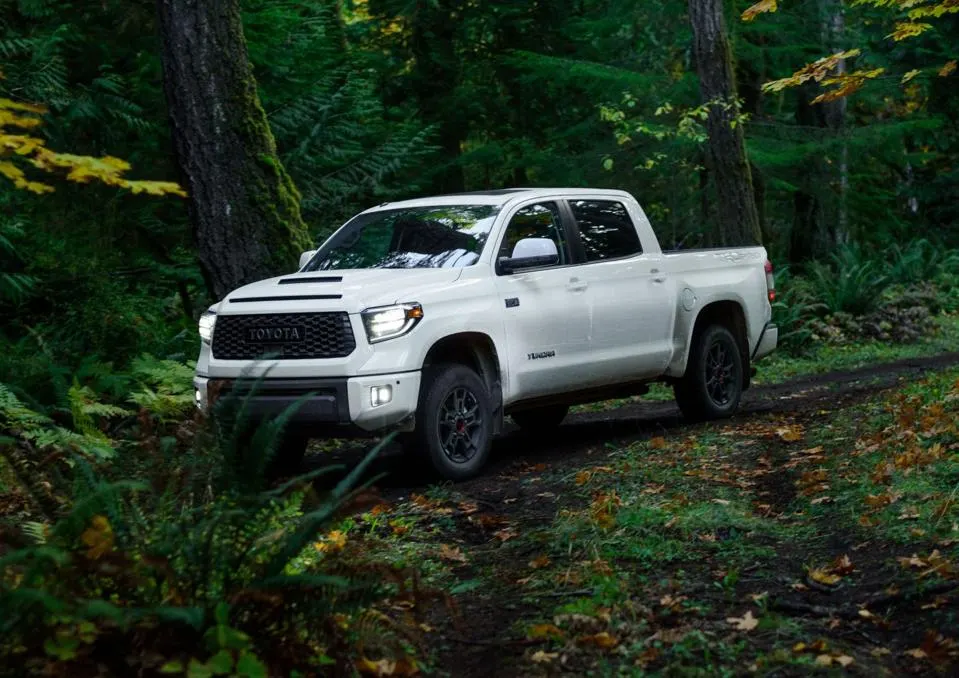
The Toyota Tundra may not have the market share dominance of the Big Three’s full-size trucks, but what it lacks in numbers, it makes up for in long-term reliability.
First launched in 1999, the Tundra was Toyota’s answer to the full-size American pickup, and while early models were closer in size to a Tacoma, their engineering was unmistakably solid.
The real standout, however, came with the second generation released in 2007. With a beefier frame, more powerful engines, and larger dimensions, the Tundra positioned itself as a serious contender, and it quickly gained a reputation as one of the longest-lasting trucks in the segment.
Whether equipped with the 4.7L or the legendary 5.7L V8, the Tundra consistently demonstrated impressive reliability and minimal mechanical issues over time.
The engine has strong internals, excellent cooling, and a relatively straightforward design that makes it easy to maintain. Pair that with Toyota’s consistently reliable automatic transmissions, and the result is a drivetrain that simply doesn’t quit.
These trucks are often used for towing boats, campers, and heavy loads without skipping a beat, and the lack of widespread transmission failures adds to the confidence owners have in putting them to work year after year.
Another area where the Tundra shines is build quality. From interior fit and finish to the strength of body panels, the materials Toyota used hold up exceptionally well over time.
Unlike some domestic rivals where dashboards crack or trim falls apart after five or six years, Tundra interiors often stay intact and functional well into their second decade.
Frame rust was an issue on certain earlier models, particularly those built before 2008, but Toyota launched several recall campaigns to address those problems, including full frame replacements in extreme cases.
Once that hurdle was cleared, newer models benefitted from improved rust protection and continued to carry on the Tundra’s reputation as a dependable long-term option.
Although Toyota hasn’t always kept up with the rapid pace of feature updates and technology integration seen in American trucks, this slower rate of change has worked in the Tundra’s favor when it comes to longevity. Fewer unnecessary gadgets mean fewer failure points.
That’s not to say the Tundra is outdated, but its focus has always leaned more toward dependability than novelty. That mindset has helped it earn the trust of long-term owners who value substance over sizzle.
5. Ram 2500 with Cummins Diesel
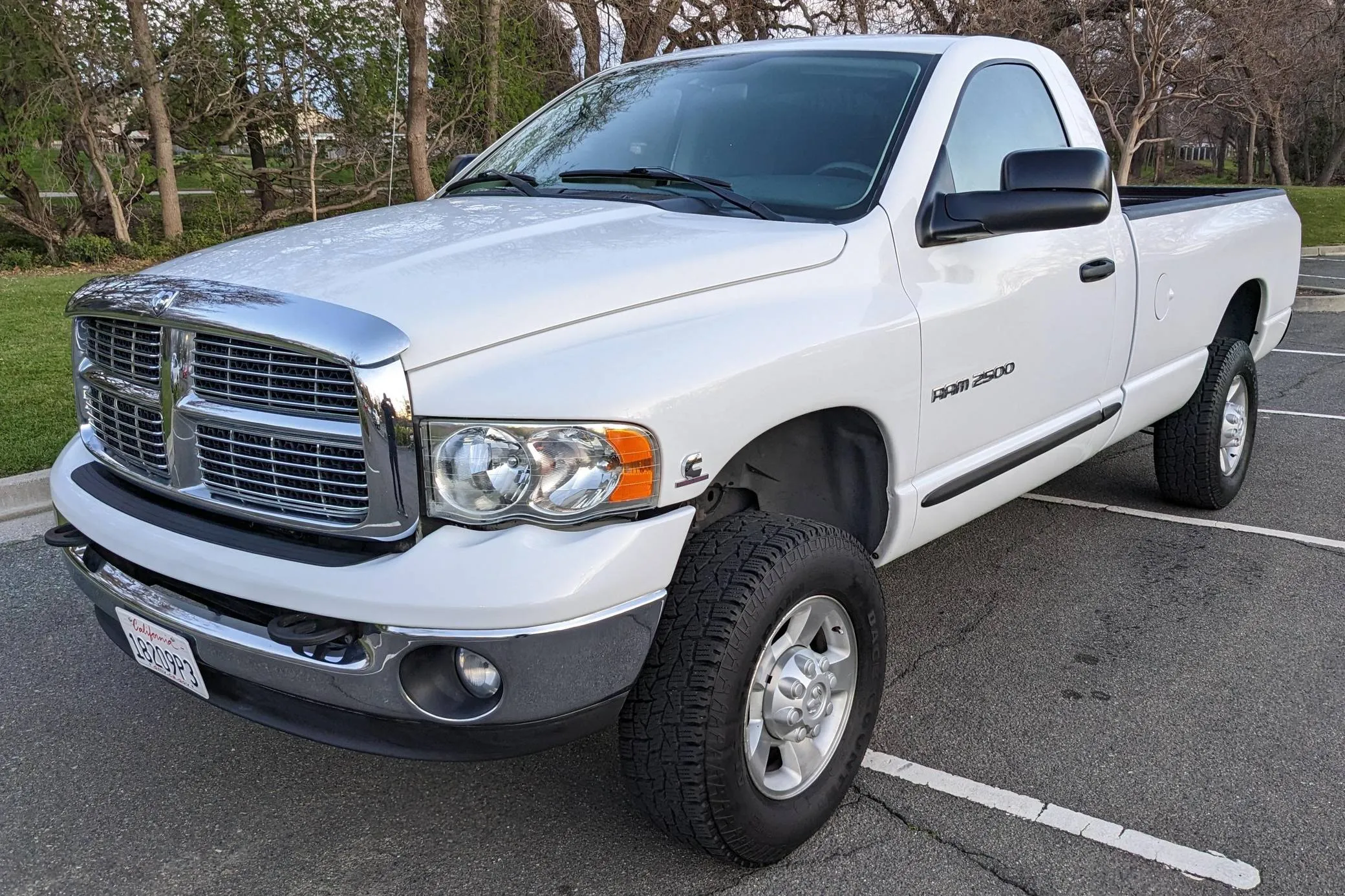
Few names in the truck world carry the same weight as “Cummins,” and for good reason. The Ram 2500 equipped with the Cummins diesel engine is widely considered one of the most durable and long-lasting pickups ever built.
Introduced into the Dodge/Ram lineup in 1989, the Cummins engine transformed the Ram 2500 into a go-to workhorse for people who needed relentless towing capability, torque, and bulletproof reliability.
The early 5.9L 12-valve engines are legendary, but even the later 24-valve 5.9L and the newer 6.7L variants continue to impress with their ability to run reliably for decades.
It’s not uncommon to find older Ram 2500s with half a million miles still hauling heavy loads or serving as primary farm vehicles. The Cummins engine is a primary reason why these trucks outlast so many others.
One of the most defining characteristics of the Cummins-powered Ram 2500 is its overbuilt engine design. These engines are based on commercial-grade diesel platforms, designed with longevity in mind from the start.
With strong cast-iron blocks, forged steel crankshafts, and high-torque output even at low RPMs, these engines are built to endure stress most gas engines would struggle to handle.
Many truck owners report minimal wear and tear even after hundreds of thousands of miles, provided basic maintenance is performed regularly.
Oil changes, fuel filter swaps, and cooling system maintenance go a long way in keeping these engines running nearly forever. The long service intervals, combined with fewer moving parts than a V8, contribute to the Cummins’ reputation for mechanical endurance.
While the engine itself is a standout, the rest of the Ram 2500 package is also designed for longevity. Heavy-duty axles, durable frames, and capable suspension systems make these trucks suited for long-term hauling and rough work environments.
The manual transmission options that were available for many years also contributed to the long life of the drivetrain, particularly for owners who wanted maximum control and fewer complications from automatic gearbox failures.
Even automatic-equipped models, especially those matched with conservative tuning and proper maintenance, often last far longer than expected. Over time, Ram has improved transmission options for the Cummins models, addressing concerns from earlier years and making later models more refined and reliable.
That said, owning a Ram 2500 with a Cummins diesel is not without its responsibilities. These trucks require attentive maintenance, and parts can be expensive compared to gas-powered pickups.
However, the tradeoff is clear: fewer catastrophic failures, more predictable wear, and the ability to tow, haul, and perform under stress for years without falling apart.
This makes them a favorite among business owners, ranchers, RV haulers, and even enthusiasts who appreciate a truck that isn’t just tough for a few years, but for an entire generation.
Unlike many trucks that start to show their age quickly, the Ram 2500 with a Cummins engine often just keeps going. In many cases, the body or interior gives out before the engine does, which says everything you need to know about what makes this truck a lasting legend.
Pickups That Don’t Make 10 Years
1. Chevrolet Colorado (Early Models)
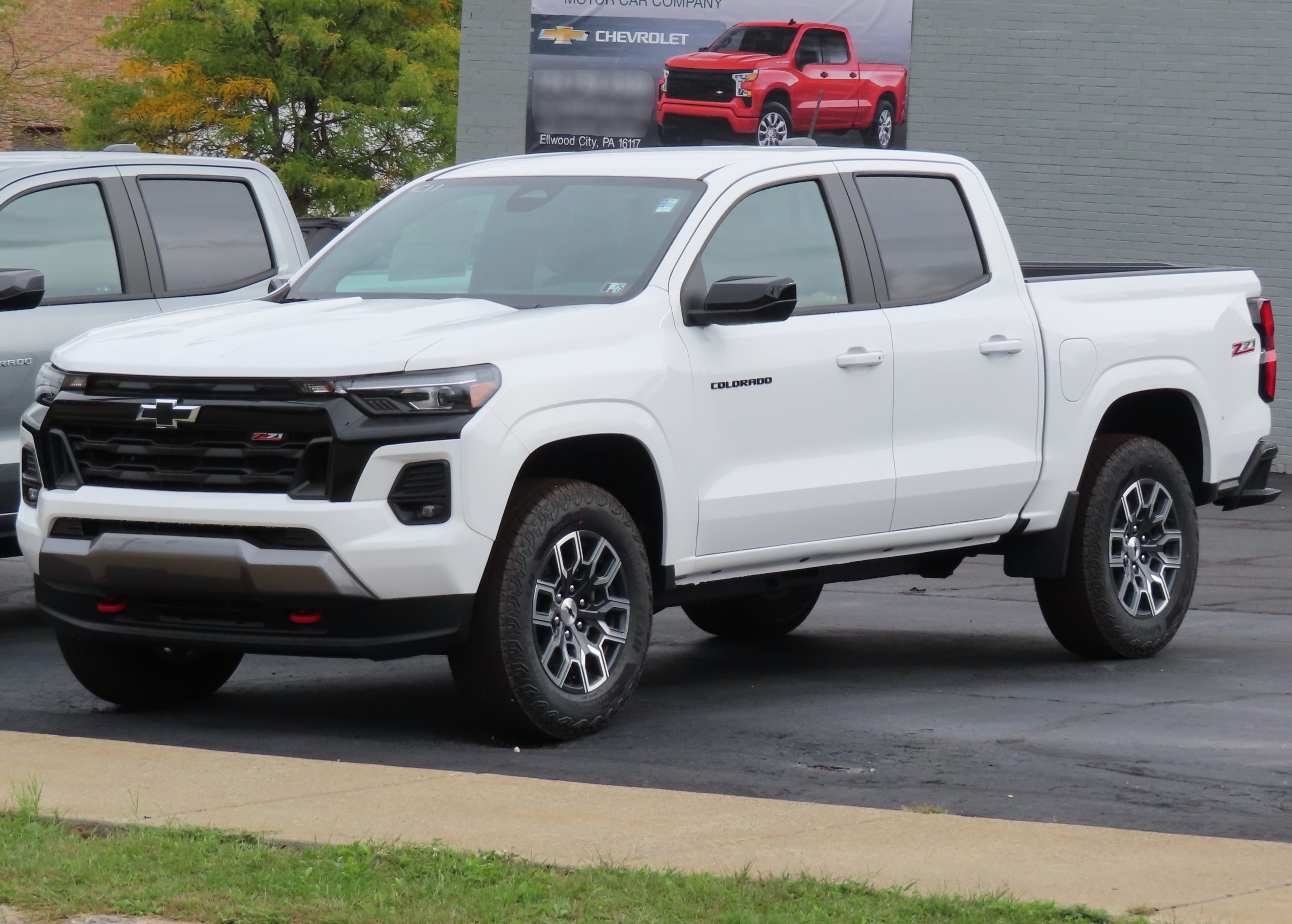
When the Chevrolet Colorado was introduced in the early 2000s as a replacement for the aging S-10, many expected it to be a solid entry in the midsize truck segment.
Unfortunately, the early models, particularly from the 2004 to 2009 range, quickly developed a reputation for mediocrity and reliability problems that made them difficult to recommend for long-term ownership.
One of the biggest issues with these early Colorados was the underwhelming engine options. The 2.8L and 3.5L inline-five engines were not only awkwardly configured but also proved to be unreliable over time.
Engine problems ranged from persistent valve issues to faulty timing chain tensioners and head gasket failures. Performance was underwhelming even when new, and longevity simply wasn’t in the cards for many of these trucks.
Beyond the powertrain, build quality was another recurring problem. Interior materials felt cheap and wore down quickly, often showing signs of aging well before the five-year mark. Plastics cracked, buttons failed, and seats developed rips or collapsed padding.
These signs of wear, combined with electrical issues like faulty instrument clusters, failing power window regulators, and intermittent sensor problems, made the Colorado feel old and tired far earlier than expected.
While some owners may have been willing to tolerate a rough interior if the truck ran well, that simply wasn’t the case here. Many owners reported a long list of issues appearing before the truck even hit 100,000 miles.
The frame and suspension weren’t without flaws either. Rust on the undercarriage and frame components became a problem, especially in areas with harsh winters and road salt. Ball joints and control arms wore out faster than average, and many trucks developed sloppy steering or clunky front ends.
Combine this with the fact that the four-speed automatic transmission used in many early models wasn’t known for durability, and it’s easy to see why many Colorados didn’t last long-term.
The cost of repairing these failures often outweighed the value of the truck, leading many owners to move on or scrap them once the problems piled up.
While later generations of the Colorado improved considerably, the early models failed to inspire trust or long-term confidence. These trucks were built at a time when GM was facing financial challenges, and it often felt like corners were cut to save money during production.
For buyers who picked up a Colorado expecting a long-lasting midsize truck, the reality often included unexpected expenses, breakdowns, and frequent visits to the repair shop.
By the 7- to 10-year mark, many of these trucks had already reached the end of their useful life, especially for owners who hadn’t babied them with obsessive maintenance.
Even then, major components often failed too early, making these Colorados one of the more forgettable entries in pickup history.
2. Nissan Titan (First Generation)
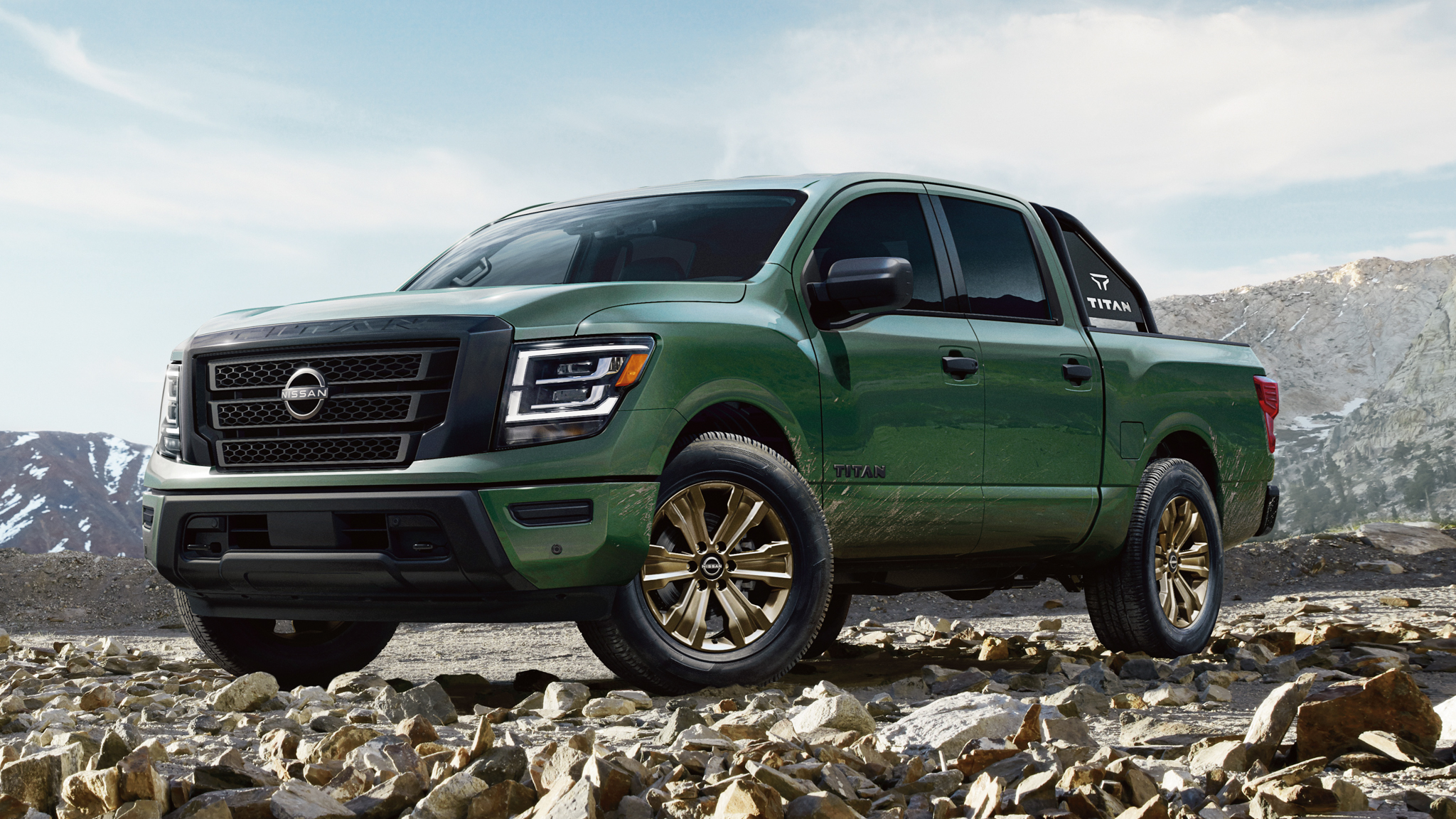
The first-generation Nissan Titan, introduced in 2004, aimed to challenge the dominance of American full-size pickups by offering a bold design, strong performance, and a competitive feature set. Initially, the Titan seemed promising, with its 5.6L V8 offering solid horsepower and torque numbers.
Another major issue came from the truck’s braking system. Owners regularly reported warped rotors and brake fade, even under moderate use. Nissan attempted to address the issue with a service campaign and revised parts, but the problem persisted in many vehicles.
On top of that, there were also frequent problems with the truck’s transmission. While the 5-speed automatic wasn’t the worst in its class, it wasn’t particularly strong either.
Slipping, rough shifting, and early wear led many Titan owners to face transmission repairs or replacements before the truck even hit the 100,000-mile mark.
These issues made it hard for the Titan to live up to the expectations of buyers who were used to tougher, more reliable full-size offerings from Ford, Chevrolet, and Ram.
Interior wear and build quality also contributed to the Titan’s inability to age gracefully. Door handles broke, seats sagged, and dashboards faded or cracked prematurely.
Electrical gremlins became increasingly common as these trucks aged, with power window failures, malfunctioning gauges, and failing sensors among the most frequent complaints.
For a full-size truck that many hoped would be a dependable alternative to the Big Three, the Titan ended up feeling like a rushed product. Nissan didn’t seem to invest in the long-term durability required to keep these trucks on the road for 10 or more years without constant repair bills.
Despite some die-hard fans who appreciated the Titan’s towing capability and V8 performance, the resale value of these trucks dropped significantly as reliability concerns became widespread.
Many early Titans were retired well before reaching the 10-year mark, either due to drivetrain failures or because the cost of keeping them roadworthy outweighed their value.
Nissan eventually made improvements in later model years and with the second-generation Titan, but the damage to the truck’s image had already been done.
For many early adopters, the first-generation Titan became an example of potential that was never fully realized, and a truck that simply didn’t have what it took to go the distance.
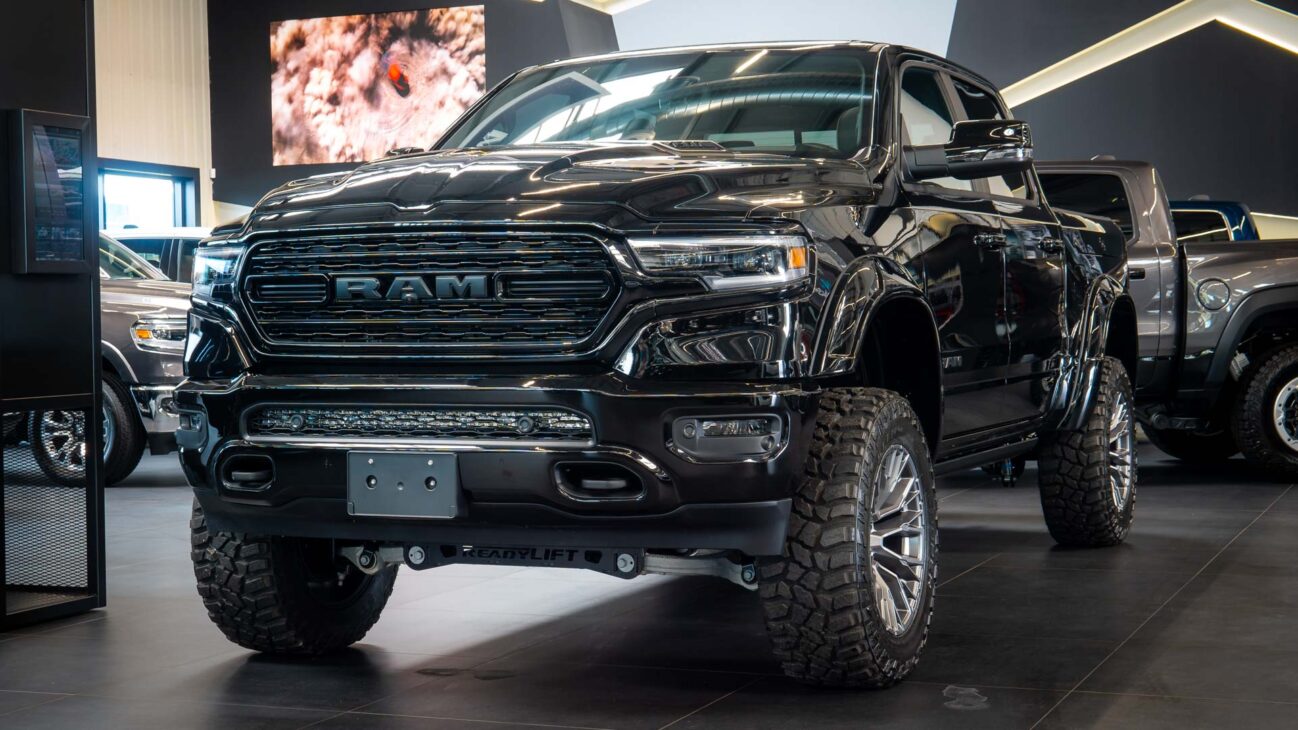
3. Ram 1500 (Pre-2010 Models)
The Ram 1500, particularly models built before 2010, often struggled to deliver the kind of reliability expected from a full-size truck.
While the Ram name has always been associated with powerful engines and aggressive styling, the reality for many early Ram 1500 owners was a vehicle plagued with build quality issues, frequent mechanical failures, and below-average long-term durability.
One of the most common problems involved the truck’s suspension and steering systems. Owners frequently reported premature wear of ball joints, tie rods, and control arms, some requiring replacement before 60,000 miles.
These components are not cheap to fix, and many drivers found themselves making the same repairs multiple times. The infamous “death wobble” experienced in some models added to the frustration, making the truck feel unstable even at moderate highway speeds.
The HEMI, while powerful and respected for its output, suffered from problems with exhaust manifold bolts breaking, valve seat failures in earlier versions, and an inconsistent track record with lifter and camshaft wear in high-mileage examples.
Pair those issues with the weaker four-speed automatic transmissions in some trims, and you had a combination that too often led to expensive repairs and shortened truck lifespans.
Interior quality was also a sore point for owners of pre-2010 Ram 1500s. Cheap plastics, rattling panels, and fragile components like glove boxes and center consoles didn’t hold up over time.
Dashboards were particularly prone to cracking and even disintegrating entirely in sun-exposed regions, leading to a widespread reputation for poor cabin durability. Electronics, too, were hit or miss.
Power window regulators, radio displays, and even ignition switches sometimes failed well before the vehicle reached 100,000 miles.
These problems not only affected daily use but added to the perception that these trucks were not built with longevity in mind, especially when compared to more reliable competitors in the same price range.
Even today, it’s rare to see a high-mileage, pre-2010 Ram 1500 in good condition unless it has been completely overhauled or restored.
For buyers looking for a dependable truck with minimal surprises, this generation of Ram 1500 often missed the mark, and it continues to serve as a cautionary tale in used truck buying circles.
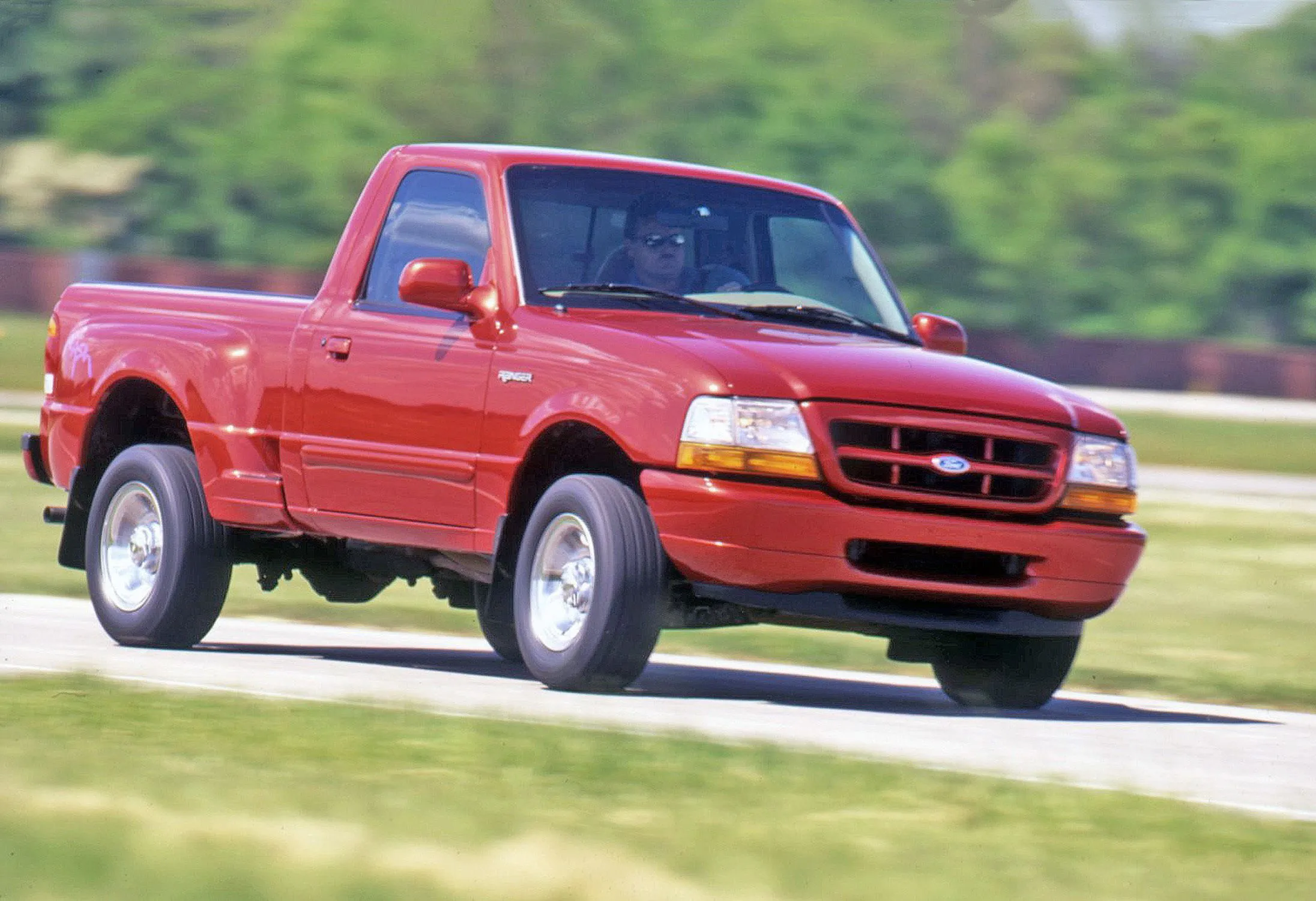
4. Ford Ranger (1998–2011 Models)
The Ford Ranger from 1998 to 2011 holds a strange place in the truck world. On one hand, it has a loyal following due to its compact size, simple design, and affordable pricing. On the other hand, these same traits contributed to its tendency to fall short in terms of long-term durability.
While not as mechanically disastrous as some trucks on this list, the late-model Rangers still carried a host of issues that prevented them from becoming truly long-lasting vehicles. One of the main problems was the aging platform.
Engine reliability varied greatly depending on the configuration. The base 2.3L and 3.0L engines were generally reliable, but underpowered for truck duties. Meanwhile, the 4.0L SOHC V6, which was more commonly found in higher trims, had well-documented issues with timing chain tensioners and guide failures.
These failures often occurred well before 100,000 miles and required engine removal to repair, making the cost prohibitive for many owners. Transmission issues were also common, particularly with the 5R55E automatic, which suffered from rough shifting, solenoid problems, and early wear.
Add to that various vacuum leaks, faulty sensors, and aging fuel system components, and the picture becomes clear: while these Rangers were affordable, they often didn’t hold up to long-term use without headaches.
Another major downfall was frame and body rust. In northern climates, the Ranger was especially vulnerable to rust on the rear frame rails, leaf spring hangers, and floor pans. Many trucks had structurally compromised frames by their 8th or 9th year, sometimes even earlier.
Ford issued safety recalls for certain components, but the corrosion was often widespread and expensive to address.
Owners who used their Rangers for work or outdoor recreation found that even relatively low-mileage examples could suffer serious rust damage. It wasn’t uncommon for these trucks to be retired not because the engine failed, but because the frame was no longer safe or economically viable to repair.
Although the Ranger remained popular due to its small size, simplicity, and low price, those benefits didn’t translate into long-term reliability.
By the time these trucks hit the 8–10 year mark, many were facing significant rust problems, drivetrain issues, or transmission wear that made them less appealing to keep on the road.
For many owners, the cost of keeping them running eventually outweighed their utility. While they were great for short-term, light-duty use, they simply didn’t have the engineering or structural integrity to last like some of their midsize or full-size counterparts.
This generation of the Ranger, despite its nostalgic charm, serves as a reminder that a low initial price doesn’t always equal long-term value.
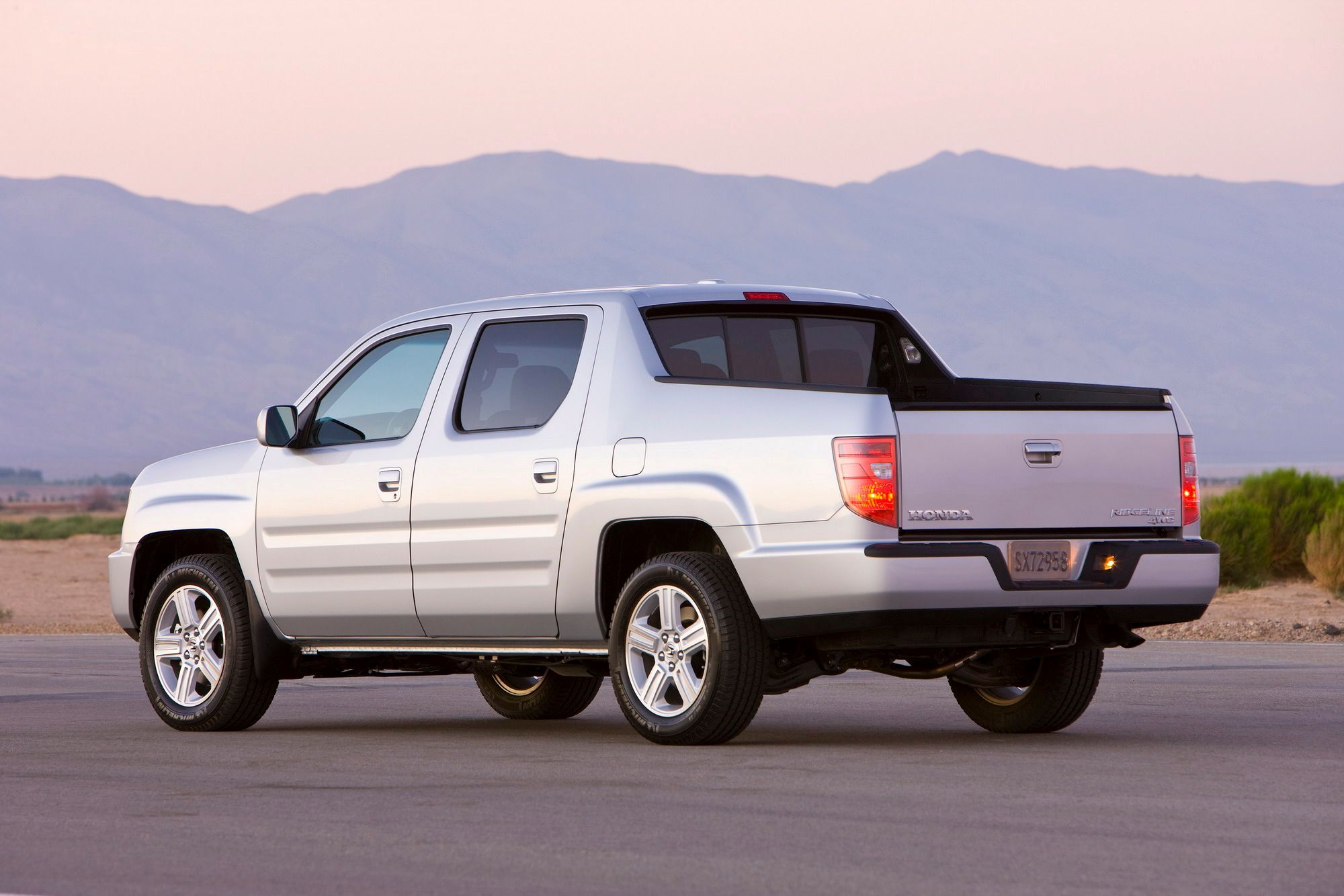
5. Honda Ridgeline (First Generation)
The first-generation Honda Ridgeline, produced from 2005 to 2014, was a bold attempt by Honda to enter the pickup market with a different philosophy. Instead of building a traditional body-on-frame truck, Honda chose a unibody design based on a modified SUV platform.
This approach gave the Ridgeline a smooth ride, excellent handling, and unique features like the in-bed trunk and dual-action tailgate. However, the very design choices that made it innovative also limited its longevity compared to conventional trucks.
The Ridgeline was never marketed as a heavy-duty work truck, and its components reflected that. The unibody structure, while strong for everyday driving, didn’t offer the durability required for hard labor, towing heavy trailers, or off-road abuse, limiting its lifespan in tougher conditions.
Transmission issues, including slipping or rough shifting, cropped up in some models around the 80,000 to 100,000-mile range.
Additionally, the Ridgeline’s suspension setup, designed more for comfort than rugged use, meant that parts like control arms, bushings, and shocks wore out more quickly when the truck was pushed beyond its intended use. These mechanical factors made it challenging for the Ridgeline to compete with traditional pickups on longevity.
The Ridgeline’s interior and build quality often exceeded expectations in terms of comfort and finish, but even that had its downsides. Interior plastics and trim pieces, while better than many American pickups of the era, tended to suffer from sun damage and cracking in hot climates.
Parts availability was another hurdle for some owners, particularly outside of urban areas, where fewer specialized mechanics could service the unique components.
Ultimately, the first-generation Honda Ridgeline carved out a niche as a comfortable, car-like truck for suburban drivers who valued ride quality and everyday usability over traditional truck toughness. However, that same focus limited its ability to last a decade or more under demanding conditions.
Owners who used the Ridgeline as a lifestyle vehicle or daily driver with moderate loads generally had fewer problems, but those who pushed it toward work truck duties often faced premature wear and mechanical issues.
In terms of long-term ownership, the Ridgeline didn’t stand up as well as many full-size or midsize trucks, reinforcing the idea that innovation and comfort sometimes come at the expense of longevity.
Though the second-generation Ridgeline improved on many weak points, the first generation remains an example of a pickup that rarely outlasted the decade mark without significant repairs.
