
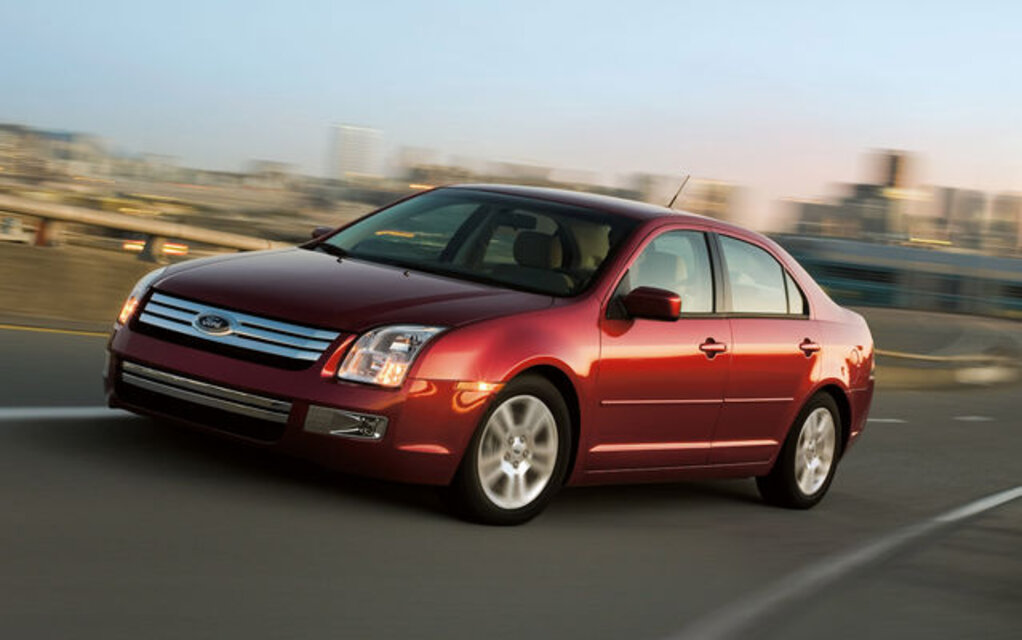
Ford has long been a staple in the American automotive industry, offering a range of vehicles that span trucks, SUVs, and sedans. Among these, Ford sedans have been a popular choice for many drivers looking for a blend of style, performance, and affordability.
However, like any automaker, Ford’s sedans have had their ups and downs when it comes to reliability. Some models have built reputations for being dependable and low-maintenance, while others have faced consistent issues that frustrate owners.
Understanding which Ford sedans tend to be more reliable and which ones might bring headaches can be a valuable guide for anyone considering a used or new Ford sedan. This article breaks down five Ford sedans known for their reliability and five that have historically been more prone to problems.
Reliability in sedans is often judged based on how often a car needs repairs, the cost and complexity of those repairs, and how long the vehicle can maintain good performance without major breakdowns. Ford sedans have evolved over the decades, moving through various generations of design, engineering, and technology.
Early models sometimes struggled with mechanical issues, while later generations often benefited from advancements in manufacturing quality and improved components.
It’s also important to note that how a vehicle is driven and maintained plays a significant role in its longevity, but there are patterns that emerge from reported problems and owner feedback that help identify which models are more or less reliable on average.
This article is divided into two parts: the first highlights five Ford sedans that have earned reputations for staying reliable over time, while the second covers five models that have been known to experience more frequent breakdowns or persistent issues. These lists are based on common reports from automotive experts, repair shops, and owner experiences.
While no car is completely free from problems, the reliable models often require fewer repairs and maintain better value, while the less reliable ones tend to demand more attention and can result in higher ownership costs. By reviewing these models, potential buyers can better navigate the used car market or decide whether a newer Ford sedan is the right choice for their needs.
5 Ford Sedans That Stay Reliable
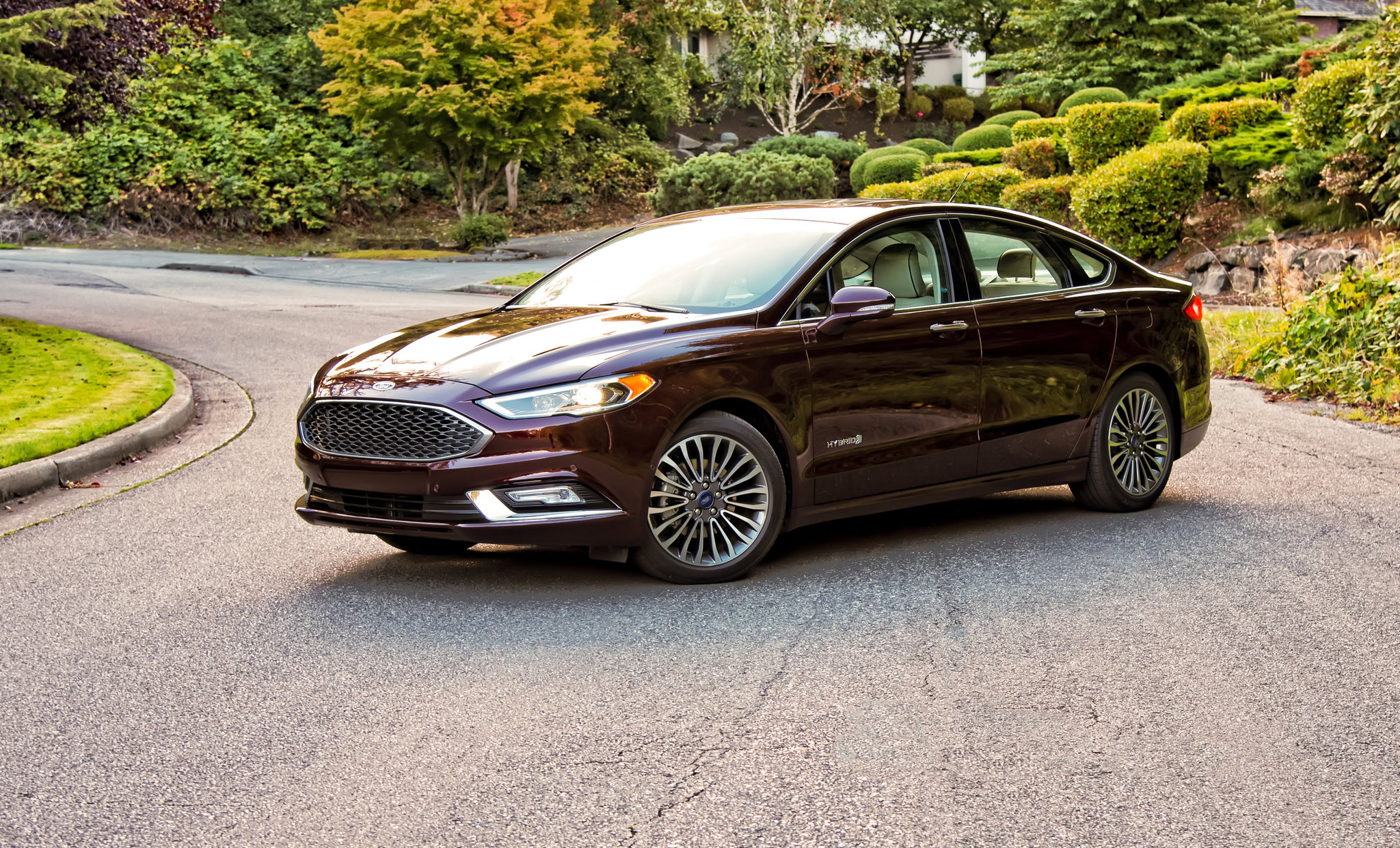
1. Ford Fusion (2013–2016)
The Ford Fusion models produced between 2013 and 2016 have gained a solid reputation for their dependability and driving satisfaction. This particular generation marked a turning point for the Fusion as it combined sleek styling with a more refined driving experience than many previous models.
One reason the Fusion became known for reliability is its mechanical simplicity compared to newer cars that often cram in more complex electronics and turbocharged powertrains. The Fusion was designed with a balance in mind, offering a choice of engines that were well-proven and not overly complicated.
Buyers appreciated how the car delivered solid fuel efficiency, comfortable handling, and a quiet cabin, all without the constant worry of costly repairs or breakdowns. The 2013–2016 Fusion was also well-received by both consumers and critics for its quality, which was reflected in owner satisfaction surveys and fewer reported issues relative to other sedans in its class.
During these years, Ford offered the Fusion with several engine options, including a 2.5-liter naturally aspirated four-cylinder engine and turbocharged EcoBoost engines of 1.5 and 2.0 liters. The naturally aspirated 2.5-liter engine stood out for its reliability due to its straightforward design and robust construction.
It avoided the complexity and heat-related issues often associated with turbocharged engines, which meant fewer repairs and longer service intervals. The EcoBoost engines, while providing more power and better fuel economy on paper, had a generally good track record when properly maintained.
The transmissions paired with these engines, primarily a six-speed automatic, were also noted for their smooth shifting and durability. Unlike some earlier Ford transmissions known to cause headaches, the units in these Fusions mostly avoided catastrophic failures and required standard maintenance to stay in good condition.
Safety features and technology are often areas where newer cars can introduce reliability challenges, but the Fusion managed this transition fairly well during this generation. Ford incorporated advanced driver assistance systems like adaptive cruise control, lane-keeping assistance, and blind-spot monitoring, but these systems rarely caused significant mechanical or electrical failures in these models.
The car’s electrical architecture was solid, and Ford worked to ensure that these features added convenience without sacrificing reliability. This was an achievement because it allowed the Fusion to compete with rivals in offering modern amenities while maintaining dependable operation.
For many drivers, this combination was a key factor in choosing the Fusion over other sedans that were either less reliable or lacked advanced safety features.
Beyond the mechanical aspects, the interior quality of the 2013–2016 Ford Fusion contributed to its reputation as a long-lasting sedan. The materials used inside were durable, and the design aimed for a premium feel at a competitive price point.
Many owners found that the seats retained their comfort and appearance even after years of use, and the dashboard controls remained responsive without developing glitches.
The Fusion’s ride was often described as smooth and composed, helping reduce driver fatigue and enhancing daily driving comfort. Together, these factors resulted in an ownership experience that was not only affordable but also enjoyable.
For buyers seeking a midsize sedan that could reliably handle both daily commutes and longer trips, the Ford Fusion from this era remains a strong contender.
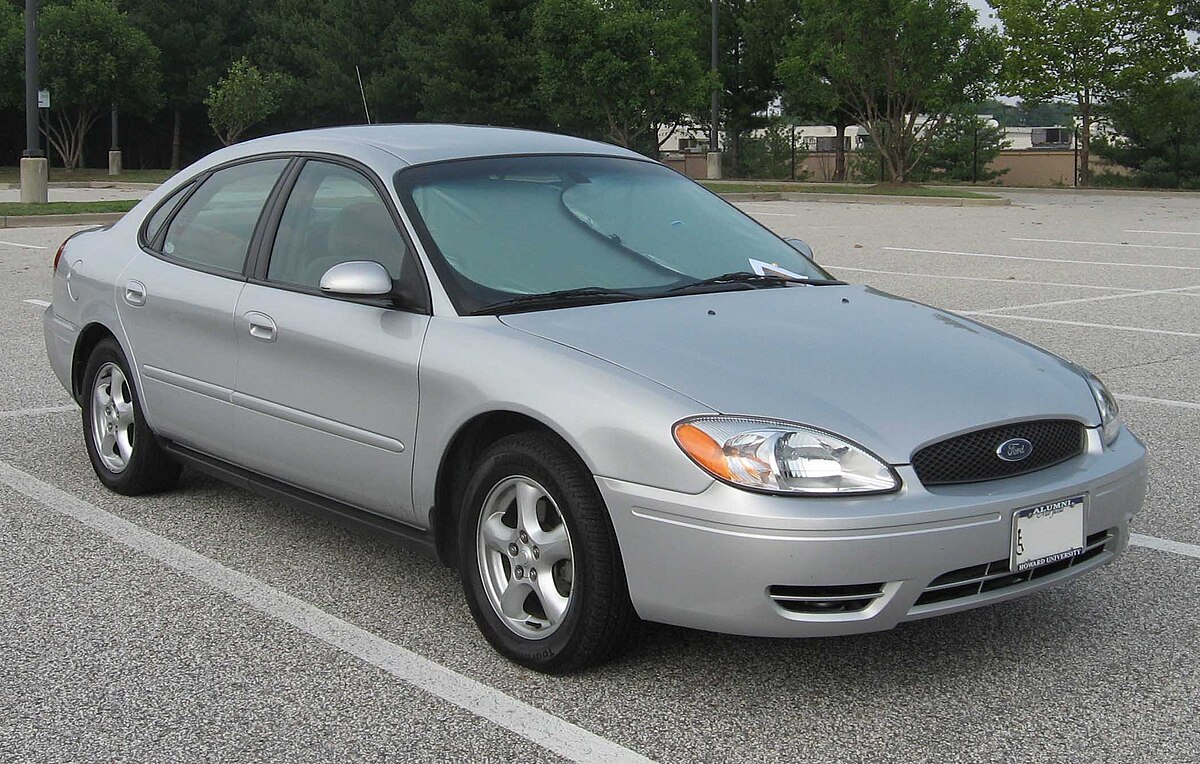
2. Ford Taurus (2010–2012)
The Ford Taurus models manufactured between 2010 and 2012 stand out as some of the more reliable large sedans produced by Ford in recent years. Known for its spacious interior and smooth ride, this generation of the Taurus aimed to blend comfort with durability, making it popular among families and fleet buyers such as police departments and rental companies.
One of the main reasons these models gained a positive reliability reputation is their robust mechanical setup. The Taurus in these years was equipped with a 3.5-liter V6 engine that provided a solid combination of power and efficiency without being overly complicated or prone to frequent breakdowns.
This engine was well-regarded for its durability, and many owners reported that with regular maintenance, the Taurus could easily surpass 150,000 miles without major engine repairs.
In addition to its reliable powertrain, the Taurus also benefited from a transmission that generally performed well. The six-speed automatic transmission paired with the V6 was smooth and responsive, with fewer complaints of rough shifting or failure compared to earlier Ford sedans.
The suspension system contributed to a comfortable, controlled ride, absorbing road imperfections without transferring harshness into the cabin.
Furthermore, the Taurus’s build quality improved significantly during these years, with Ford addressing many fit-and-finish issues that had affected previous models. This translated into a more solid-feeling vehicle that was less likely to suffer from rattles, squeaks, or premature wear of interior materials.
Safety and convenience features were also in the 2010–2012 Taurus. The car included options like electronic stability control, advanced airbags, and antilock brakes, all of which worked reliably according to owner feedback and crash-test results.
While the Taurus was not a sports sedan by any means, it was recognized for being a dependable and safe choice for families. Its large interior space, with roomy rear seats and a sizeable trunk, made it practical for long-distance travel and everyday errands alike.
The combination of comfort, space, and reliability helped solidify the Taurus’s position as a full-size sedan that could stand up to years of use without frequent or costly repairs.
The longevity of these Taurus models has been supported by strong community and aftermarket support. Replacement parts are widely available and affordable, and many owners found that simple maintenance tasks such as oil changes, brake servicing, and cooling system upkeep could be done without extensive labor costs.
The Taurus’s reputation for lasting performance means that it continues to be a popular choice in the used car market, especially for buyers who want a large sedan that balances reliability with comfort and utility.
When properly maintained, the 2010–2012 Taurus can provide many years of dependable service, making it a vehicle worth considering for those in the market for a dependable full-size sedan.
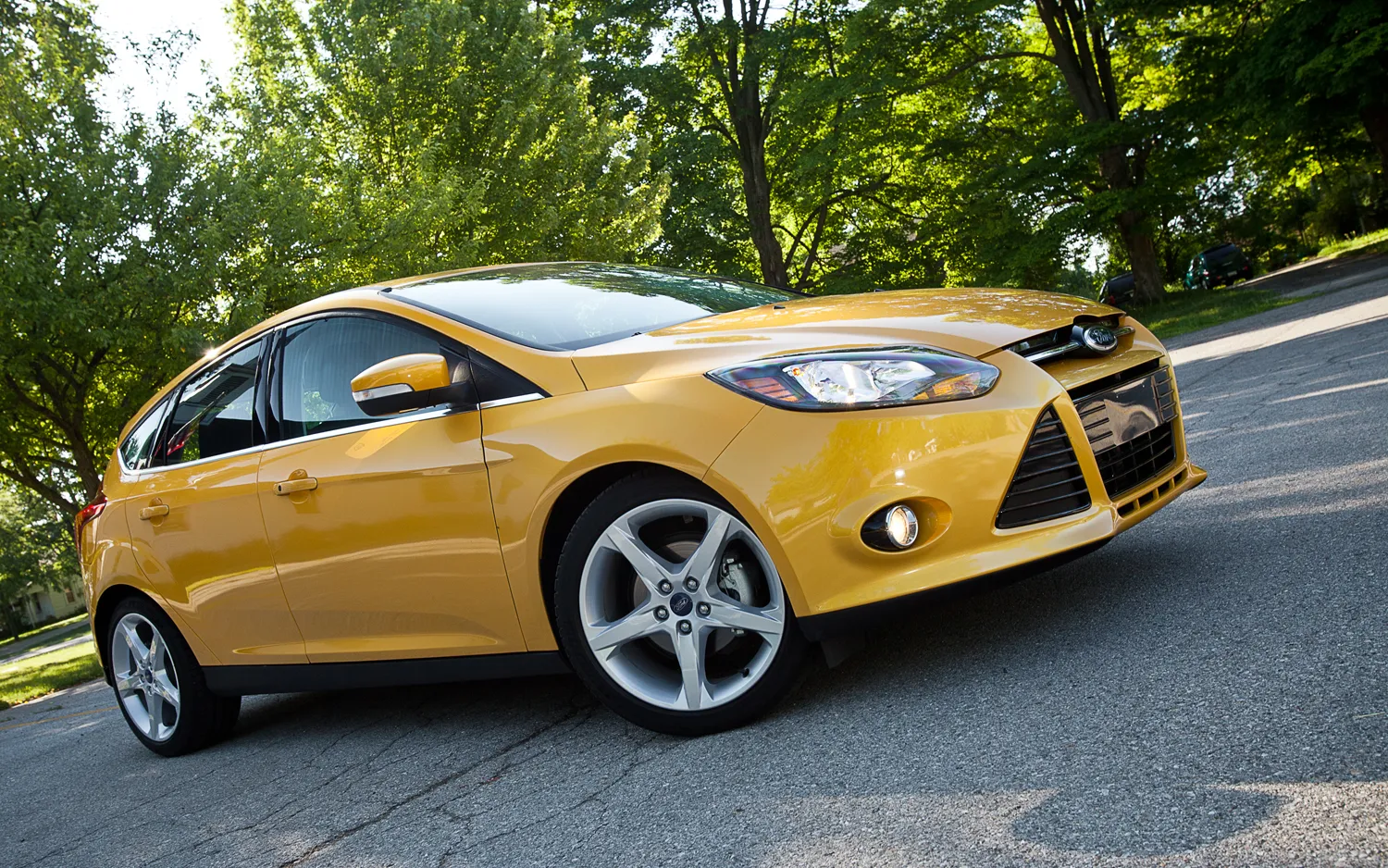
3. Ford Focus (2012–2016)
The Ford Focus from 2012 through 2016 is generally seen as one of the more dependable compact sedans Ford has offered. This generation improved significantly over earlier models by addressing many reliability concerns, especially in relation to the drivetrain and electronic systems.
The Focus was designed to appeal to younger buyers and urban commuters by offering a stylish look, agile handling, and an efficient powertrain. Its balance between affordability, fuel efficiency, and practicality made it a popular choice.
The naturally aspirated 2.0-liter four-cylinder engine, in particular, was favored for its simplicity and robustness, which contributed to fewer mechanical issues compared to turbocharged alternatives.
One of the reasons the Focus was considered reliable during these years is the relative absence of major engine or transmission problems, especially in models without the dual-clutch Powershift transmission. The standard automatic and manual transmissions performed well when serviced regularly, and the engines were not prone to overheating or excessive oil consumption.
Owners reported that basic maintenance like timing belt changes, spark plug replacements, and brake servicing could be handled easily, often at a reasonable cost. The Focus was also noted for its responsive steering and composed suspension, which enhanced driving enjoyment without compromising durability.
The interior of the Focus was well-appointed for a compact car and used materials that resisted wear better than many competitors at the time. Seats, dashboard, and door panels were designed to handle the rigors of daily driving, and many owners reported minimal fading, cracking, or squeaking after years of use.
The car also featured user-friendly infotainment options that were less prone to glitches compared to some other vehicles in its segment. These factors contributed to a positive ownership experience, where the car felt fresh and functional long after purchase.
Another factor in the Focus’s reliability was its widespread availability and the relative ease of obtaining replacement parts. The vehicle’s popularity meant that mechanics were familiar with it, leading to quicker and more cost-effective repairs when necessary.
Ford also offered regular software updates and recalls to address minor issues promptly, which helped maintain the vehicle’s dependability. The 2012–2016 Ford Focus strikes a strong balance between affordable ownership and reliability, making it a smart option for those needing a dependable compact sedan.
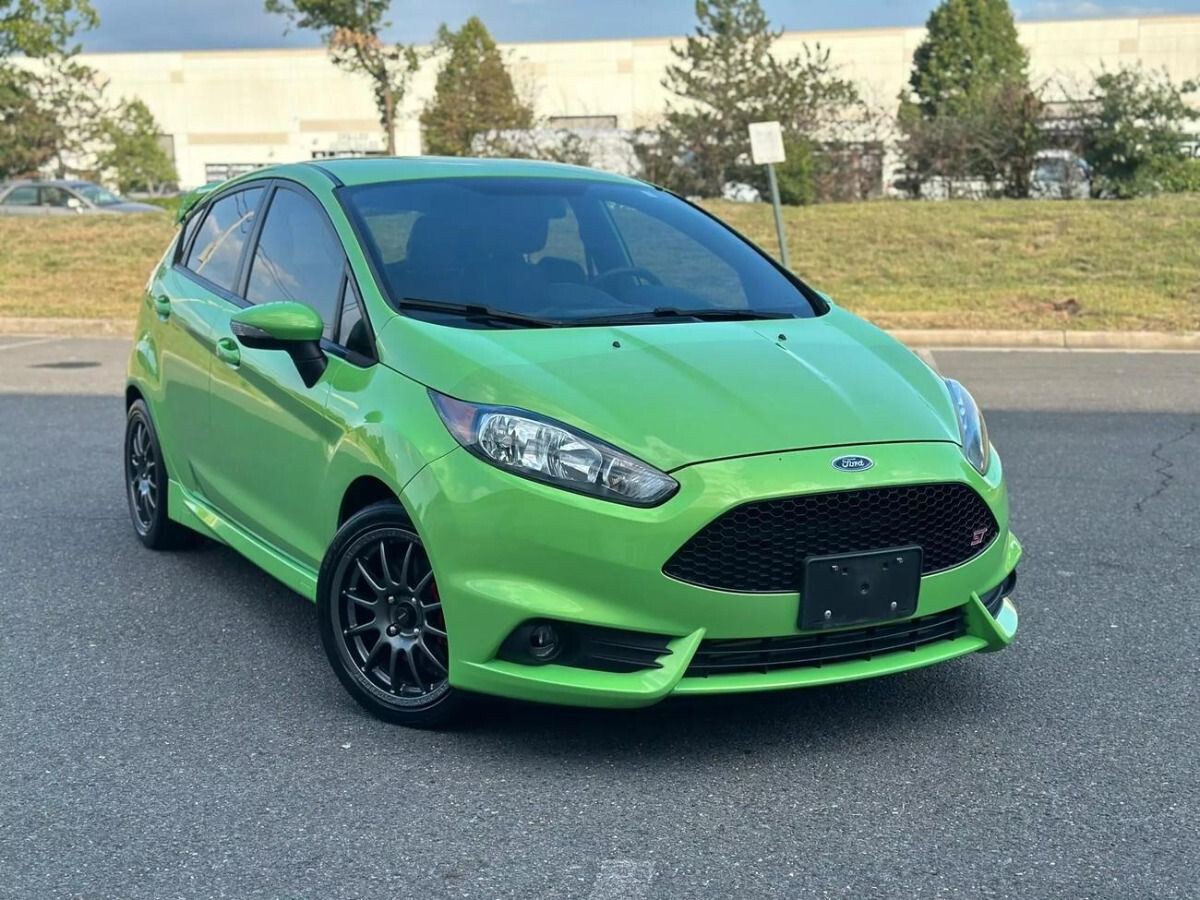
4. Ford Fiesta (2011–2016)
The Ford Fiesta from model years 2011 to 2016 earned praise for being a reliable and economical subcompact sedan that managed to deliver an engaging driving experience without sacrificing dependability.
The Fiesta was designed to appeal to drivers who wanted a small car with sharp handling and impressive fuel efficiency but were wary of the typical reliability concerns that can plague smaller vehicles with complex turbocharged engines.
By offering a variety of engine options, including a straightforward naturally aspirated 1.6-liter four-cylinder engine, the Fiesta provided buyers with choices that leaned toward mechanical simplicity and long-term durability.
This generation of Fiesta stood out because it avoided many of the common pitfalls of earlier subcompact cars, such as frequent electrical failures or fragile mechanical components. Owners appreciated that the engines were built to last, and routine maintenance like oil changes, brake jobs, and filter replacements was generally uncomplicated and affordable.
Although Ford introduced turbocharged EcoBoost engines in some trims, it was the naturally aspirated engines that garnered the best reviews in terms of reliability. Transmission options included both manual gearboxes and a six-speed automatic, and the manual transmissions in particular were recognized for their robust design and smooth operation.
The Fiesta’s compact size did not mean a sacrifice in safety or comfort. Ford designed this model with a strong safety cage and incorporated features such as airbags, electronic stability control, and anti-lock brakes, which helped it earn good safety ratings.
Interior materials were chosen to withstand the wear and tear typical of subcompact car usage, with many owners reporting that the seats and controls held up well over time. The driving dynamics were praised for being more engaging than many competitors, which made the Fiesta a popular choice among younger drivers and those seeking a more fun-to-drive small sedan.
Additionally, the Ford Fiesta’s low cost of ownership was a major factor in its reputation for reliability. Parts were readily available and relatively inexpensive, and the car’s fuel economy helped reduce running costs.
Its simplicity meant fewer trips to the mechanic for unexpected repairs, and the vehicle’s build quality minimized annoying issues such as rattles or electrical glitches. This combination of affordability, safety, and dependable performance makes the 2011–2016 Fiesta a standout subcompact sedan for buyers looking for a small car that is both fun and reliable.
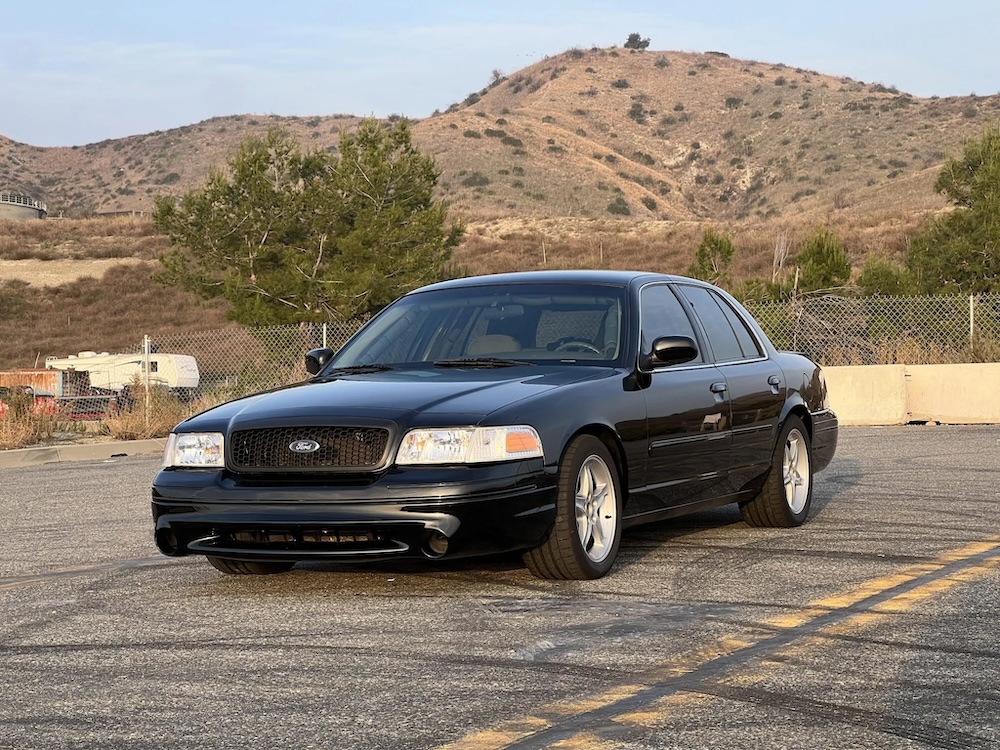
5. Ford Crown Victoria (2003–2011)
The Ford Crown Victoria, especially the models made between 2003 and 2011, is widely regarded as one of the most reliable full-size sedans ever produced by Ford. Its reputation stems largely from its use as a police cruiser and taxi, where durability and reliability are essential.
The Crown Victoria was designed with a body-on-frame construction and a straightforward mechanical setup, which allowed it to withstand the rigors of heavy use while remaining relatively easy and inexpensive to repair. This makes it a favorite among drivers who value simplicity, toughness, and longevity over flashy features or modern design cues.
A major factor in the Crown Victoria’s reliability is its 4.6-liter V8 engine. This engine was built to handle high mileage and heavy loads with minimal issues. Unlike many modern engines that rely heavily on complex electronics and forced induction, the Crown Victoria’s V8 was naturally aspirated and mechanically simple, which contributed to its long life.
The engine responded well to routine maintenance and was not prone to common problems such as overheating, oil consumption, or premature wear. This durability extended to the drivetrain and suspension, which were designed to be rugged and easy to service.
The Crown Victoria’s construction also played a key role in its longevity. The body-on-frame design is unusual for sedans, but it allowed for greater resistance to wear and tear, especially in terms of structural integrity and collision safety.
Additionally, the vehicle’s suspension and braking systems were designed to endure the demanding conditions of law enforcement use, which meant that civilian owners benefited from components built to a higher standard of durability. Many Crown Victorias have been known to reach well over 200,000 miles with minimal major repairs, a testament to the vehicle’s engineering.
While the Crown Victoria might lack some of the modern comforts found in newer sedans, its simplicity is a strength when it comes to reliability. The interior, though basic, was spacious and built with durable materials that aged well over time.
The absence of complicated electronics meant fewer electrical gremlins and system failures, which often plague more modern vehicles. For drivers who prioritize a dependable and long-lasting vehicle, especially in environments where toughness matters, the Ford Crown Victoria remains a standout choice even years after production ended.
5 Ford Sedans That Constantly Break
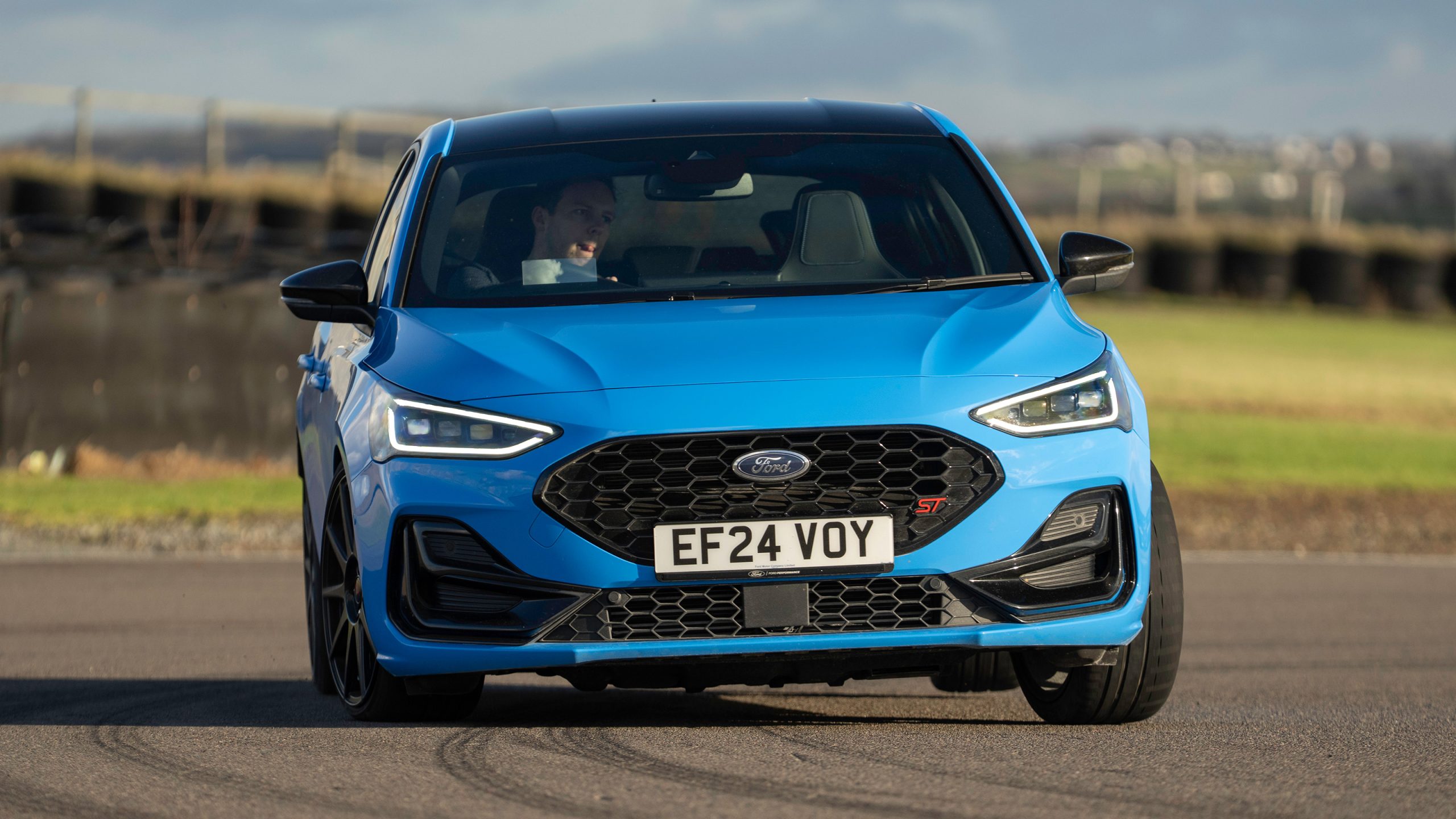
1. Ford Focus (2012–2016) with Powershift Transmission
While the 2012–2016 Ford Focus is generally regarded as reliable when equipped with traditional automatic or manual transmissions, models fitted with the Powershift dual-clutch transmission have become infamous for their persistent problems.
This transmission was Ford’s attempt to combine the fuel efficiency of a manual gearbox with the convenience of an automatic. However, instead of delivering a smooth experience, many owners experienced frequent shuddering, hesitation, and jerky shifts.
These issues often began to appear relatively early, sometimes within just a few thousand miles of ownership. The root causes typically involved premature wear of the clutch packs and problematic software calibration. The result was a transmission that could easily become unreliable and costly to repair.
The Powershift transmission problems created a significant headache for owners. Unlike a traditional automatic, this dual-clutch setup required highly precise maintenance and was much more sensitive to driving style and conditions.
Many drivers complained that the car would lurch forward unexpectedly or hesitate when accelerating, leading to a frustrating and sometimes unsafe driving experience.
Repairing or replacing the transmission was often expensive, and some owners faced repeated visits to the dealership for attempts at software fixes or component replacements that did not fully solve the underlying issues. This has led to a lot of negative reviews and legal actions in some markets, including extended warranties and buyback programs.
Aside from transmission issues, the 2012–2016 Focus also faced other mechanical and electrical problems. Some owners reported early failure of the clutch itself, premature wear of suspension components, and occasional electrical glitches affecting features such as power windows and infotainment systems.
While not every Focus with the Powershift had all these issues, the combination of transmission failures with these other annoyances contributed to the model’s reputation for unreliability during this period. Consumers looking for dependable daily transportation often regretted purchasing these models, leading many to opt for alternative sedans that did not have the same pattern of persistent breakdowns.
The challenges with the Powershift Focus also impacted resale values, as prospective buyers were wary of inheriting transmission problems that could lead to costly repairs. Some dealers and independent mechanics became wary of these models, and finding parts or reliable service was occasionally difficult outside of Ford dealerships.
Ford’s response included several technical service bulletins and software updates, but these fixes were often only temporary solutions. For anyone considering a used Ford Focus from this generation, a thorough inspection and preferably a version without the Powershift transmission are recommended to avoid these ongoing issues.
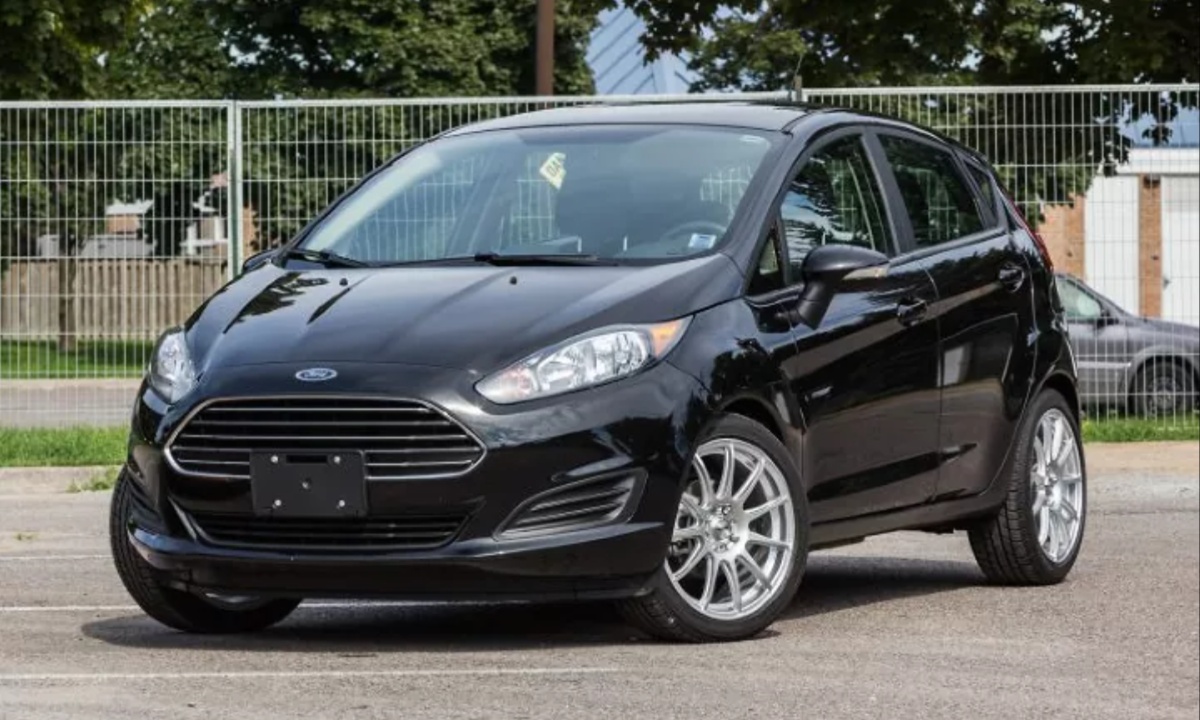
2. Ford Fiesta (2011–2016) with Transmission Issues
The Ford Fiesta produced between 2011 and 2016 shares a similar reputation with the Focus regarding transmission reliability, especially when equipped with the dual-clutch Powershift gearbox. Owners frequently reported problems including harsh shifting, delayed acceleration, and complete transmission failure.
These issues were particularly prevalent in automatic versions, with manual transmissions generally being more reliable. The clutch packs within the Powershift system would wear out prematurely, often necessitating expensive repairs or even full transmission replacements.
The frustration with these failures often overshadowed the otherwise attractive qualities of the Fiesta, such as its fuel efficiency and compact size.
Beyond the transmission, other mechanical and electrical issues plagued the Fiesta during these years. Some owners encountered problems with the fuel system, including fuel pump failures that led to engine stalling or rough running. Electrical components such as door locks, windows, and dashboard controls sometimes malfunctioned or required frequent resets.
The suspension also had its share of complaints, with worn-out bushings and noisy struts being common issues after relatively short periods of ownership. These problems contributed to higher maintenance costs and a general sense of unreliability that made the Fiesta less appealing compared to competitors.
The cost of addressing these problems often negated the initial savings from buying a Fiesta, and many owners expressed frustration over the lack of long-term durability. Ford did attempt to address some of the issues with extended warranties and technical updates, but many repairs required significant labor and expense.
The recurring transmission failures, in particular, discouraged many consumers from choosing the Fiesta as a long-term vehicle. This eroded the car’s reputation in the market and resulted in lower resale values. Potential buyers are often advised to look for manual transmission models or to avoid certain production years altogether.
Despite its small size and nimble handling, the Fiesta’s tendency toward mechanical and electrical failures means it does not rank highly among reliable small sedans.
Many drivers who once enjoyed the car’s driving dynamics found themselves burdened with unexpected repair bills. The reliability concerns have been a major factor in Ford’s reevaluation of transmission technologies and have influenced the company’s shift away from dual-clutch transmissions in newer models.
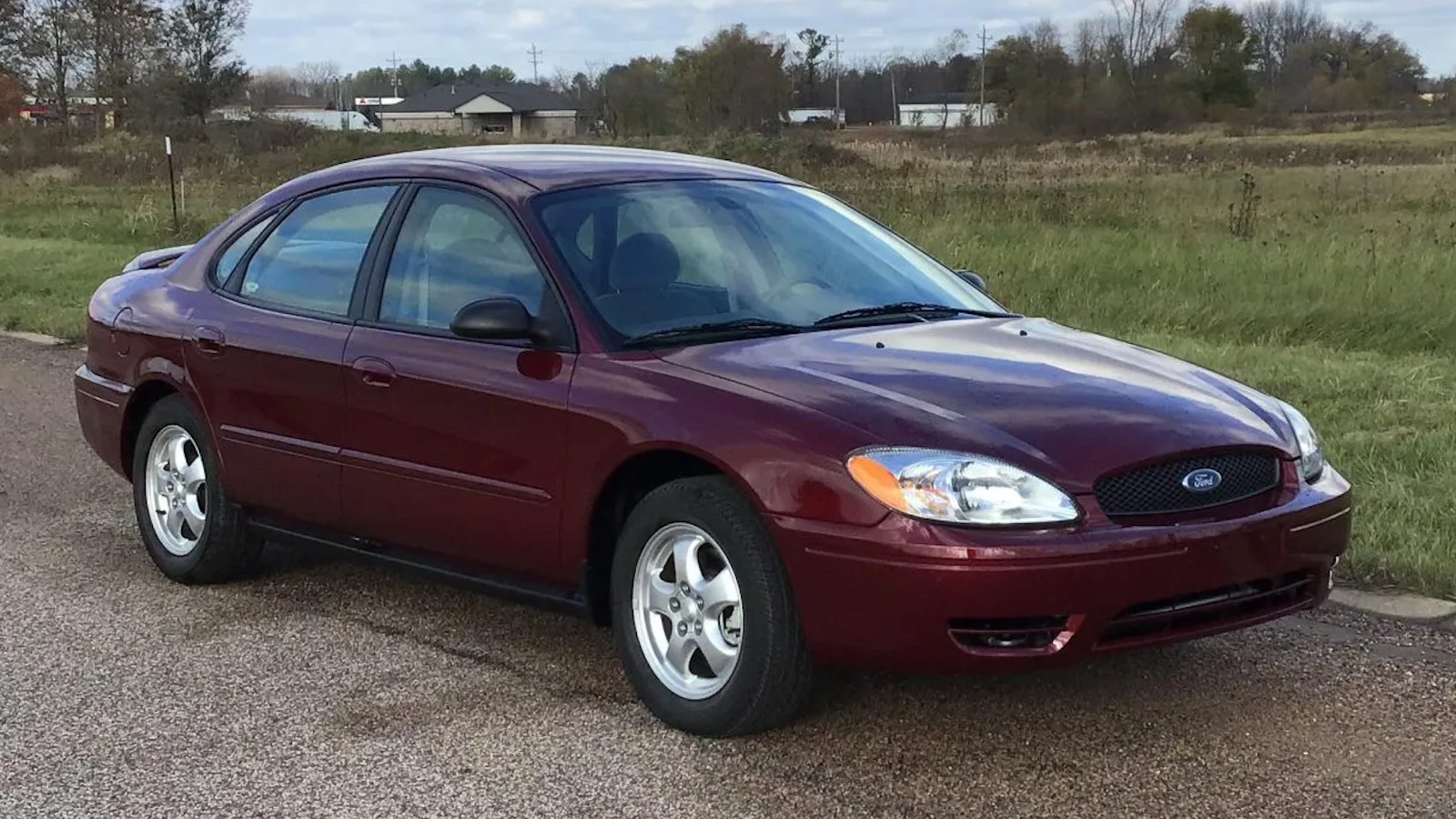
3. Ford Taurus (2013–2016) with Engine Problems
The Ford Taurus models from 2013 to 2016, while praised for their spacious interiors and comfort, have been reported to suffer from recurring engine issues that detract from their reliability. One of the more common problems involved excessive oil consumption, where engines would burn oil at rates much higher than expected.
This problem often required frequent top-offs between oil changes and could lead to engine damage if ignored. In some cases, the engine would develop knocking noises or suffer from premature wear, leading to expensive repairs or even the need for engine replacement.
The 3.5-liter V6 engines in these Taurus models were sometimes prone to issues with the timing chain and associated components. Timing chain problems can cause serious engine damage if not addressed promptly, and many owners reported rattling noises or check-engine lights signaling trouble with this system.
Repairing timing chain issues can be costly and labor-intensive, further increasing the total cost of ownership. Additionally, some Taurus owners experienced failures in the cooling system that contributed to engine overheating and reduced engine lifespan.
Besides engine-specific problems, electrical and sensor failures were also common. Faulty sensors could trigger warning lights, cause erratic engine performance, or result in stalling. The combination of engine and electrical troubles made ownership more stressful and costly than anticipated for many buyers.
Ford did provide technical service bulletins and recalls to address some of these issues, but the underlying problems persisted for a significant number of vehicles. The cumulative effect was a model that, despite its otherwise strong qualities, was hampered by serious reliability concerns.
This unreliability affected the Taurus’s standing among large sedans and negatively impacted resale values. Owners who invested in maintenance and repairs sometimes felt burdened by recurring problems that limited the car’s usability and lifespan.
For potential buyers, it is important to check for proper maintenance records and any repair history related to engine or timing chain issues when considering a used 2013–2016 Taurus. Without careful attention, these problems can turn what should be a comfortable, spacious sedan into a money pit.
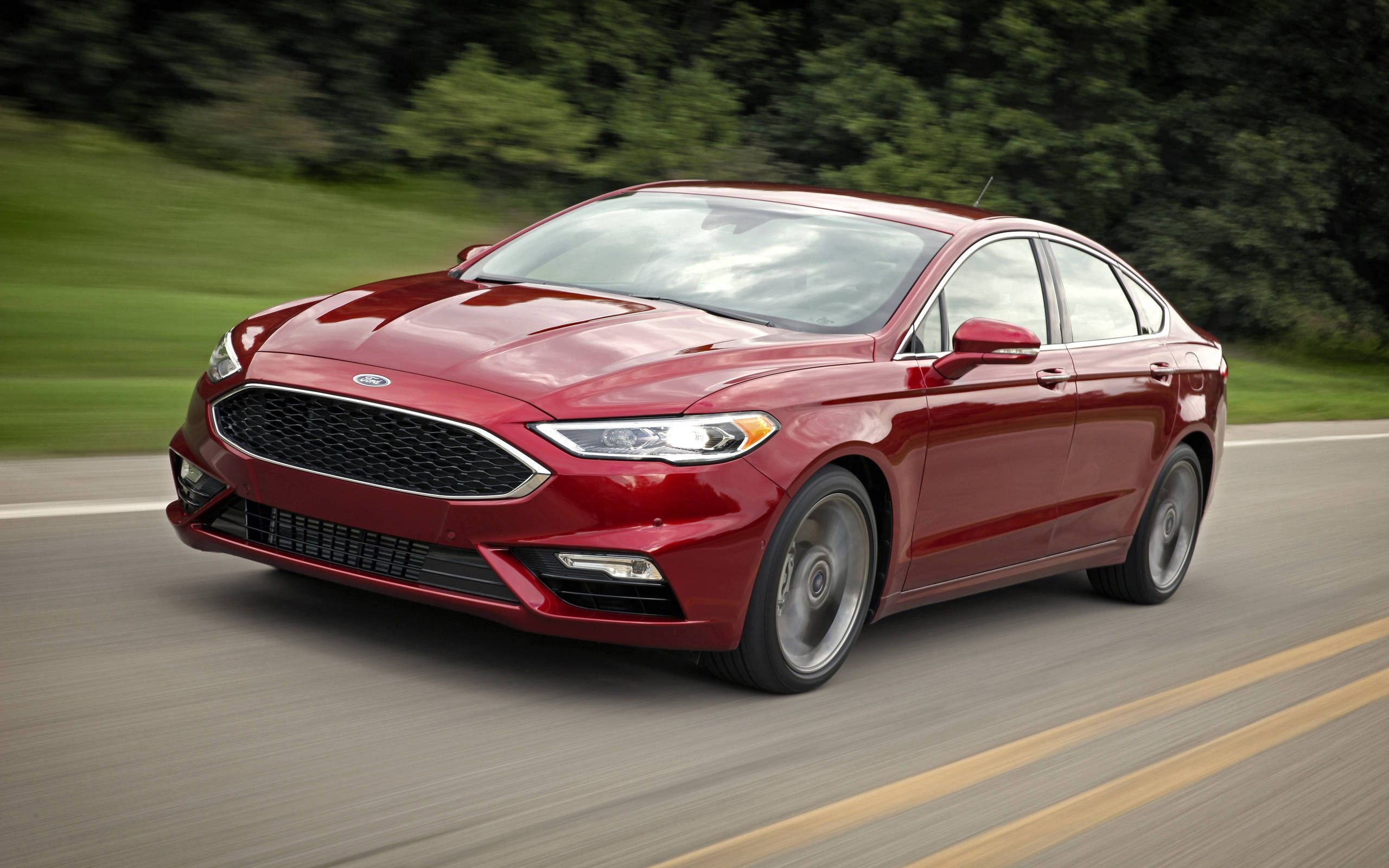
4. Ford Fusion (2017–2019) with Electrical and Transmission Problems
The Ford Fusion from model years 2017 to 2019 has been reported to experience a range of electrical and transmission issues that have affected its reputation for reliability. One of the more significant concerns involves the transmission, particularly the 6-speed automatic used in these models.
Owners have reported problems such as harsh shifting, delayed engagement, and in some cases, complete transmission failure. These issues sometimes manifest as jerks or hesitations when accelerating or shifting between gears, creating an unpredictable driving experience. The cost to repair or replace the transmission can be substantial, adding to the frustration of owners.
Electrical problems in these newer Fusion models also pose challenges. Common complaints include malfunctioning infotainment systems, issues with power locks and windows, and glitches in advanced driver assistance features.
Some owners have reported random failures of the vehicle’s computer modules, which can trigger warning lights and cause intermittent drivability problems. These electrical gremlins not only diminish the driving experience but also complicate diagnostics and repairs, often requiring dealer-level intervention to properly address.
In addition to mechanical and electrical issues, some Fusion owners have encountered problems with sensors and wiring harnesses that lead to inconsistent engine performance or false alerts from safety systems.
These intermittent faults can make it difficult to diagnose issues, resulting in repeated service visits and prolonged downtime. The effect is a car that, despite being modern and well-equipped, struggles to provide dependable performance without frequent maintenance.
The 2017–2019 Fusion’s reliability problems have impacted its resale value and owner satisfaction ratings. While it offers attractive styling and a comfortable ride, the potential for costly repairs related to the transmission and electrical systems makes it a less appealing choice for buyers prioritizing long-term dependability.
Those interested in this generation of Fusion are advised to have the vehicle thoroughly inspected and to be prepared for the possibility of future repairs related to these known issues.
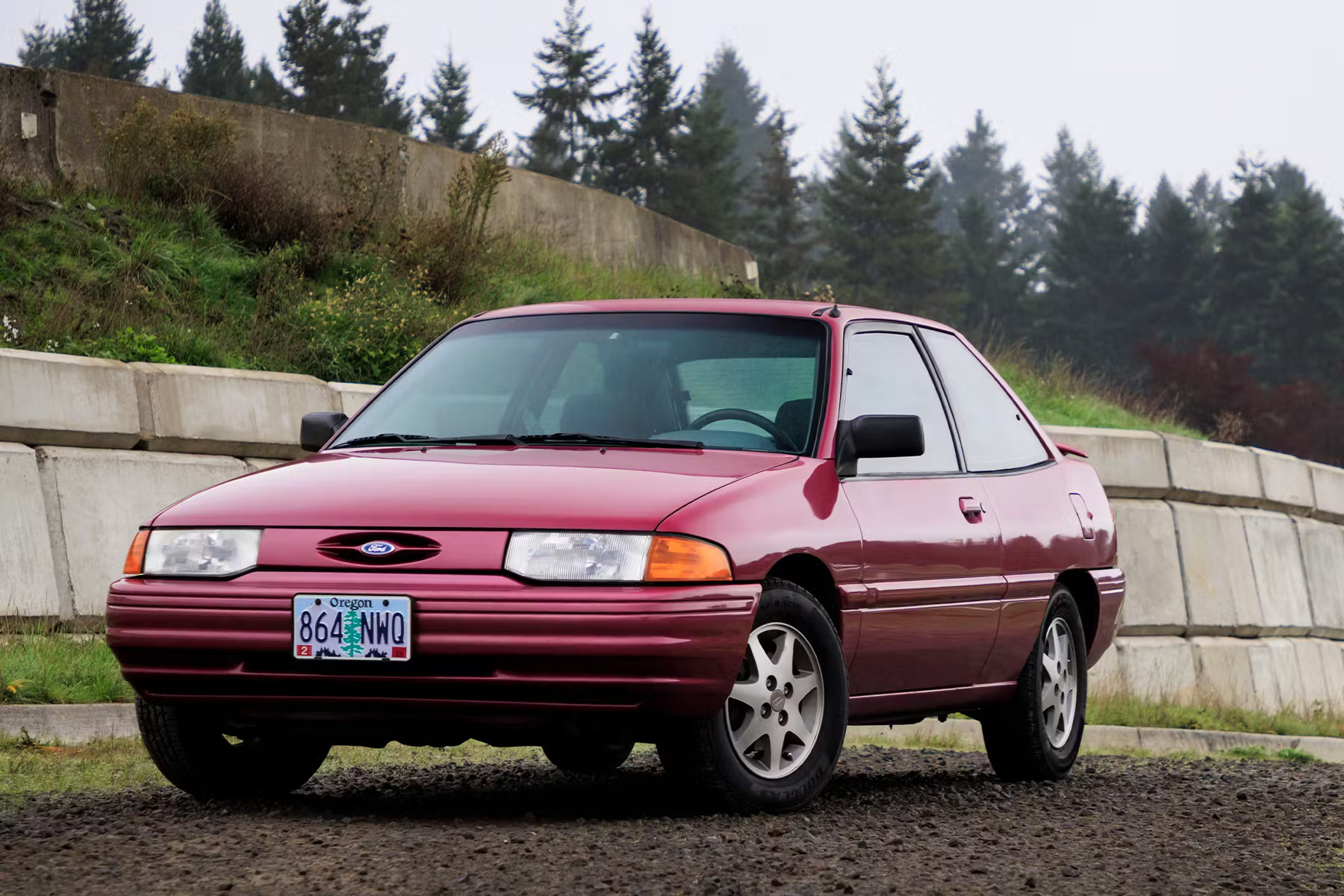
5. Ford Escort (2015–2017) with Numerous Mechanical Issues
The Ford Escort models produced between 2015 and 2017 have earned a reputation for numerous mechanical problems that negatively impact their reliability. Despite being marketed as an affordable and practical compact sedan, the Escort suffered from issues ranging from engine malfunctions to suspension failures.
One common complaint was frequent engine stalling and rough idling, which owners found both inconvenient and potentially dangerous in traffic situations. These problems were often linked to faulty sensors or fuel system irregularities that disrupted smooth engine operation.
The Escort also faced frequent issues with its transmission, including slipping gears and delayed engagement. While not as severe as the Powershift problems found in some other Ford models, the Escort’s automatic transmission often required repairs that were unexpected for a car in this price range.
Suspension components were also prone to premature wear, leading to noisy rides and reduced handling performance. This combination of drivetrain and suspension troubles resulted in a vehicle that was less reliable and more expensive to maintain than buyers had hoped.
Electrical problems added to the Escort’s woes, with owners reporting malfunctions in dashboard instruments, lighting systems, and electronic controls. These glitches often caused frustration and made diagnosing problems more difficult for mechanics.
The build quality also left much to be desired, with reports of rattles, loose trim pieces, and interior components that wore quickly. These factors further contributed to the Escort’s poor reputation among used car buyers.
The Escort’s reliability issues significantly affected its resale value and consumer confidence. Many owners found themselves spending more on repairs than anticipated, leading to negative word-of-mouth and diminished demand.
While the car had potential as an economical choice, the frequency of breakdowns and mechanical failures overshadowed its appeal. Buyers interested in a budget compact sedan are usually advised to consider alternatives with better track records for reliability and longevity.
