
When choosing an SUV, many buyers focus on performance, style, safety, and comfort. However, one often overlooked yet crucial aspect is the vehicle’s electrical reliability. Modern SUVs rely heavily on complex electrical systems, from infotainment and navigation to engine control and safety features.
Electrical issues can cause significant inconvenience, costly repairs, and even safety risks. That’s why knowing which SUVs tend to have fewer electrical problems and which models are more prone to such issues can save owners time, money, and frustration.
Electrical problems in vehicles can manifest in different ways. Some SUVs experience minor issues, like malfunctioning interior lights or audio systems, while others might have more severe concerns, such as battery drainage, alternator failures, or faulty wiring that affects engine performance or safety features.
Electrical issues may stem from design flaws, manufacturing defects, or poor-quality components. It’s also worth noting that newer SUVs, packed with advanced technology, are more susceptible to complex electrical glitches if the systems are not well-integrated or thoroughly tested.
In this article, you will find a clear distinction between five SUVs that rarely encounter electrical problems and five that have a reputation for frequent electrical troubles.
This comparison can help prospective buyers and current owners understand which models have demonstrated reliability in electrical systems and which ones have struggled.
This knowledge becomes valuable not just for purchasing decisions but also for anticipating maintenance needs and managing repair costs. While no vehicle is entirely immune to issues, patterns in reliability reports and owner feedback offer insights into which SUVs stand out in this particular category.
The SUVs listed here come from various manufacturers and span different price ranges and segments. Their electrical reliability is based on long-term consumer reports, expert reviews, and owner experiences.
By highlighting both sides, the dependable and the problematic, this article offers a balanced perspective that can assist you in making a more informed choice.
Whether you prioritize a hassle-free driving experience or want to avoid hidden repair expenses, understanding the electrical reliability of these SUVs is a step in the right direction.
5 SUVs That Rarely Have Electrical Problems
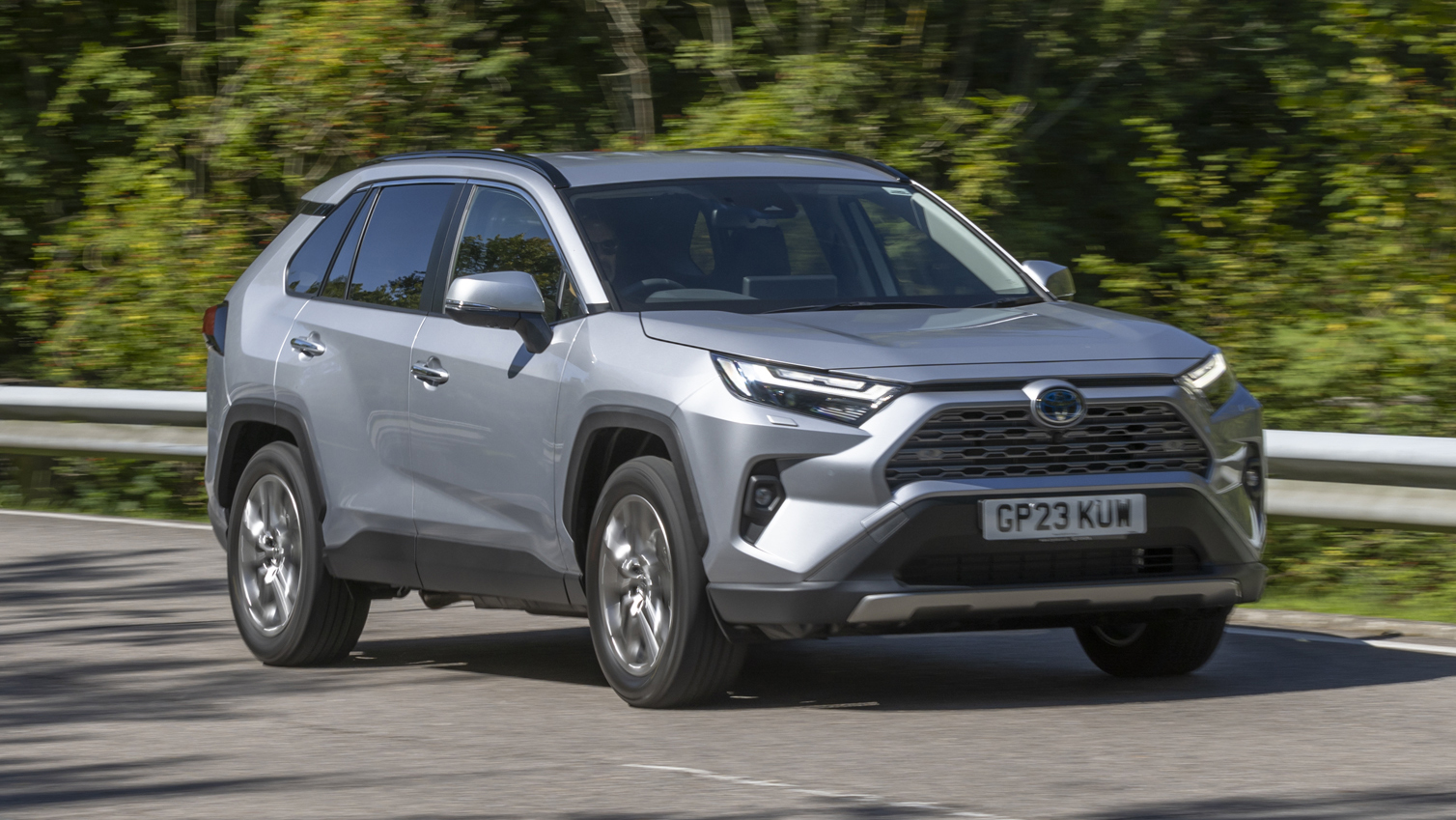
1. Toyota RAV4
The Toyota RAV4 consistently stands out in its class for electrical reliability, a testament to Toyota’s dedication to building vehicles that emphasize durability and user-friendly technology. Unlike some competitors that cram their SUVs with overly complicated electronics, the RAV4’s electrical systems are designed with simplicity and efficiency in mind.
This approach reduces the likelihood of failure in essential components such as the wiring harness, power control modules, and onboard sensors. Drivers commonly praise the reliability of the RAV4’s lighting system, power windows, and especially the infotainment unit, which rarely experiences glitches or freezing issues.
The electrical components are also well insulated and protected from environmental factors such as moisture or heat, which are often culprits behind electrical malfunctions in vehicles.
Additionally, the hybrid variants of the RAV4 bring together mechanical and electrical systems in a way that is carefully engineered for longevity.
Toyota has decades of experience with hybrid technology, allowing it to implement battery management systems and electronic control units that maintain optimal performance while avoiding common electrical problems such as unexpected battery drain or sensor misreads.
Many owners report trouble-free experiences even after several years of use, highlighting Toyota’s ongoing commitment to quality control and engineering excellence.
The company’s ability to integrate software updates remotely or during routine service appointments helps keep the electrical system running smoothly, minimizing the need for costly repairs.
Toyota’s proactive approach to quality control and recall management also plays a significant role in the RAV4’s reputation. When electrical issues are detected in any production batch, Toyota typically issues swift recalls or service bulletins to correct the problem before it becomes widespread.
This responsiveness builds trust among consumers who might otherwise be wary of owning a vehicle with complex electronic systems. The extensive dealer network and strong customer support infrastructure further ensure that any isolated electrical concerns are resolved promptly, often at no charge to the owner.
In conclusion, the Toyota RAV4 provides a dependable and stress-free ownership experience when it comes to electrical components. The combination of thoughtfully engineered systems, Toyota’s established hybrid expertise, and a strong emphasis on quality control helps the RAV4 maintain a solid reputation in this crucial area.
Buyers looking for a compact SUV that won’t leave them grappling with frequent electrical repairs often find the RAV4 to be a reassuring choice, delivering consistent performance and reliability.
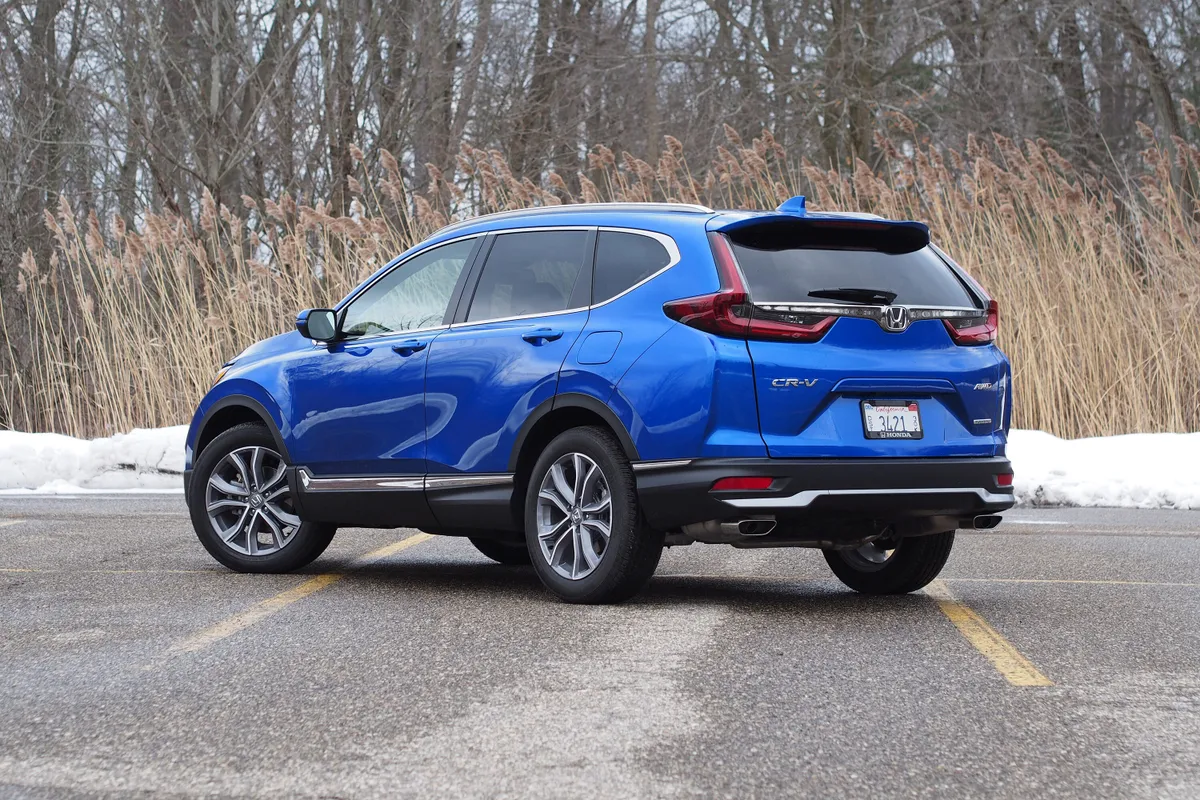
2. Honda CR-V
The Honda CR-V has carved out a strong position in the SUV market not just for its dependability but specifically due to the reliability of its electrical systems. Honda’s design philosophy often favors mechanical simplicity combined with well-integrated technology, which reduces the chances of electronic failure.
Electrical systems in the CR-V, from its power window controls to the onboard computer and infotainment system, typically perform without unexpected interruptions.
The company’s rigorous testing processes ensure that all components meet high durability standards before the vehicle reaches customers, leading to fewer warranty claims related to electrical problems compared to many competitors.
Moreover, Honda employs straightforward wiring schematics and uses high-quality materials to reduce the risk of corrosion, wear, or loose connections over time. This attention to detail is vital because many electrical issues in vehicles arise from faulty wiring or poor connector design.
The CR-V’s design also allows for easier diagnostics and repairs if a problem does occur, which can save owners significant time and money.
Owners report that software updates or resets for infotainment and engine management systems are generally quick fixes and rarely point to more serious underlying electrical faults.
In recent years, as the CR-V incorporated more advanced features like adaptive cruise control, lane assist, and touchscreen displays, Honda has successfully managed to maintain its electrical reliability.
The company’s hybrid models deserve special mention as well, with their carefully balanced electrical and mechanical components working harmoniously to avoid issues like battery depletion or sensor failure.
Owners appreciate the CR-V’s consistent startup performance, the absence of random error lights, and the dependable operation of electronic accessories.
Beyond the hardware, Honda’s customer service and warranty policies provide additional reassurance to buyers. The company is known for honoring warranties and addressing electrical issues proactively through recalls or extended coverage programs.
These factors contribute to the CR-V’s reputation as a dependable, low-maintenance SUV that drivers can count on for years without worrying about frustrating electrical glitches.

3. Subaru Forester
The Subaru Forester is not only a favorite for those who need reliable all-wheel-drive performance but also a model recognized for its strong electrical system reliability.
Subaru has dedicated significant effort toward refining the integration of its electronic control units, sensors, and wiring harnesses, which leads to smoother operation of the vehicle’s electrical functions under various driving conditions.
The Forester’s advanced safety systems, such as EyeSight Driver Assist Technology, rely on cameras and sensors that require flawless electrical connectivity.
Fortunately, these components tend to perform consistently without frequent errors or failures, allowing drivers to benefit from enhanced safety without disruption.
The design philosophy at Subaru places great emphasis on durability, which includes protecting electrical components from environmental hazards like moisture, salt, and dirt, common causes of electrical problems in vehicles driven in harsh weather or off-road environments.
The company’s use of weather-resistant connectors and robust wiring insulation contributes to the Forester’s reputation for electrical resilience. Maintenance is also relatively straightforward, with many components accessible for inspection and repair, which reduces labor costs and repair times when issues do arise.
Subaru’s proactive recall and service campaign history demonstrates a commitment to addressing potential electrical issues early. If problems with wiring, sensors, or battery systems emerge, Subaru typically acts swiftly to prevent them from affecting a wider customer base.
This ongoing commitment is especially important given the Forester’s popularity in regions where weather extremes can challenge electrical systems.
Battery and alternator performance in the Forester is another highlight, as these components are less prone to premature failure compared to those in many rival SUVs.
This reliability reduces the risk of unexpected breakdowns or the need for emergency roadside assistance, providing peace of mind to owners who depend on their Foresters for daily commuting and outdoor adventures alike.
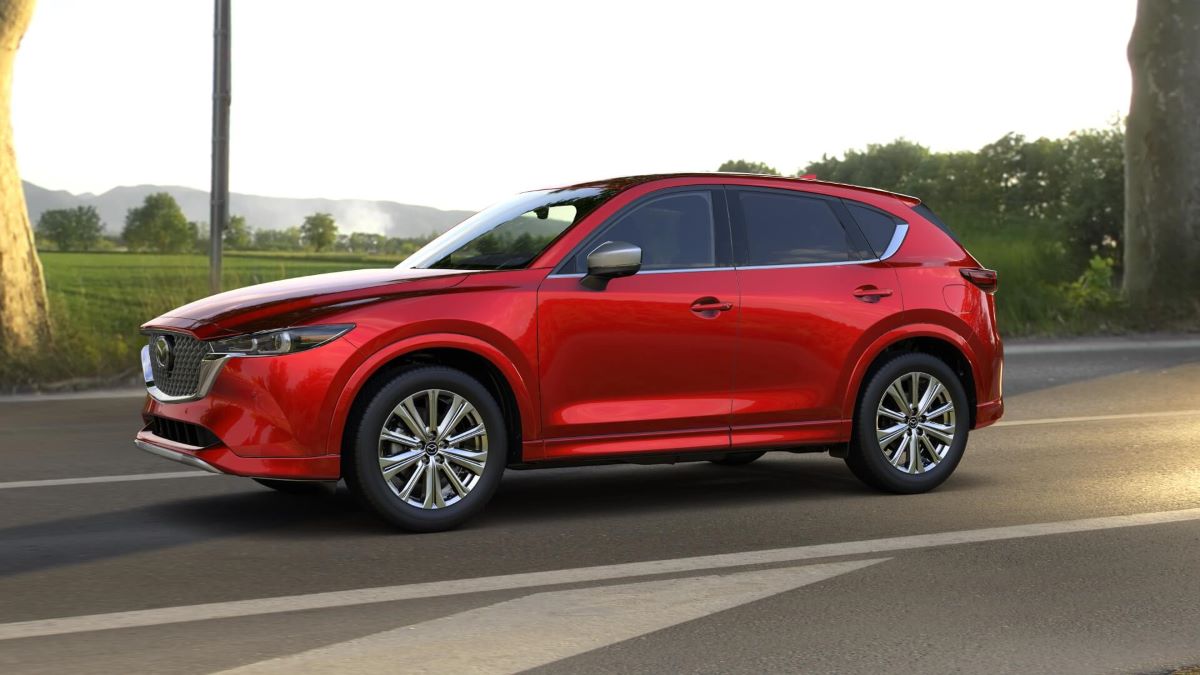
4. Mazda CX-5
The Mazda CX-5 is often praised not only for its sporty handling and elegant design but also for its solid reliability, especially in terms of electrical systems. Mazda’s engineering team focuses on producing an electrical architecture that balances modern convenience with robustness.
This balance means that features such as the touchscreen infotainment, electronic climate controls, power-operated seats, and advanced safety sensors rarely malfunction or require frequent repairs.
By avoiding overly complex or unnecessary electronic add-ons, Mazda ensures that the CX-5’s electrical system is less vulnerable to faults than those of some competitors who aggressively pursue tech-heavy interiors.
In addition to design simplicity, Mazda places a strong emphasis on quality control in manufacturing. The company sources reliable electrical components and employs stringent testing protocols during assembly to minimize the risk of wiring faults or defective modules making their way into finished vehicles.
This process contributes to the vehicle’s low rates of warranty claims and owner complaints related to electrical issues. Furthermore, Mazda’s use of a modular wiring harness simplifies troubleshooting and repairs, as technicians can isolate and address problems without extensive disassembly.
Owners frequently note the absence of battery or charging system problems in the CX-5, which are common electrical failures in many SUVs. This is partly due to Mazda’s attention to component durability and effective battery management systems that prevent overcharging or premature wear.
The automaker’s customer support and warranty coverage also add an extra layer of security for buyers concerned about potential electrical repairs.
The CX-5 offers an excellent combination of technology, comfort, and reliability. Its electrical systems, while modern and feature-rich, remain dependable and resilient, contributing to a low-stress ownership experience. Drivers who want a stylish and well-equipped SUV without the constant worry of electrical failures often find the Mazda CX-5 meets their expectations perfectly.
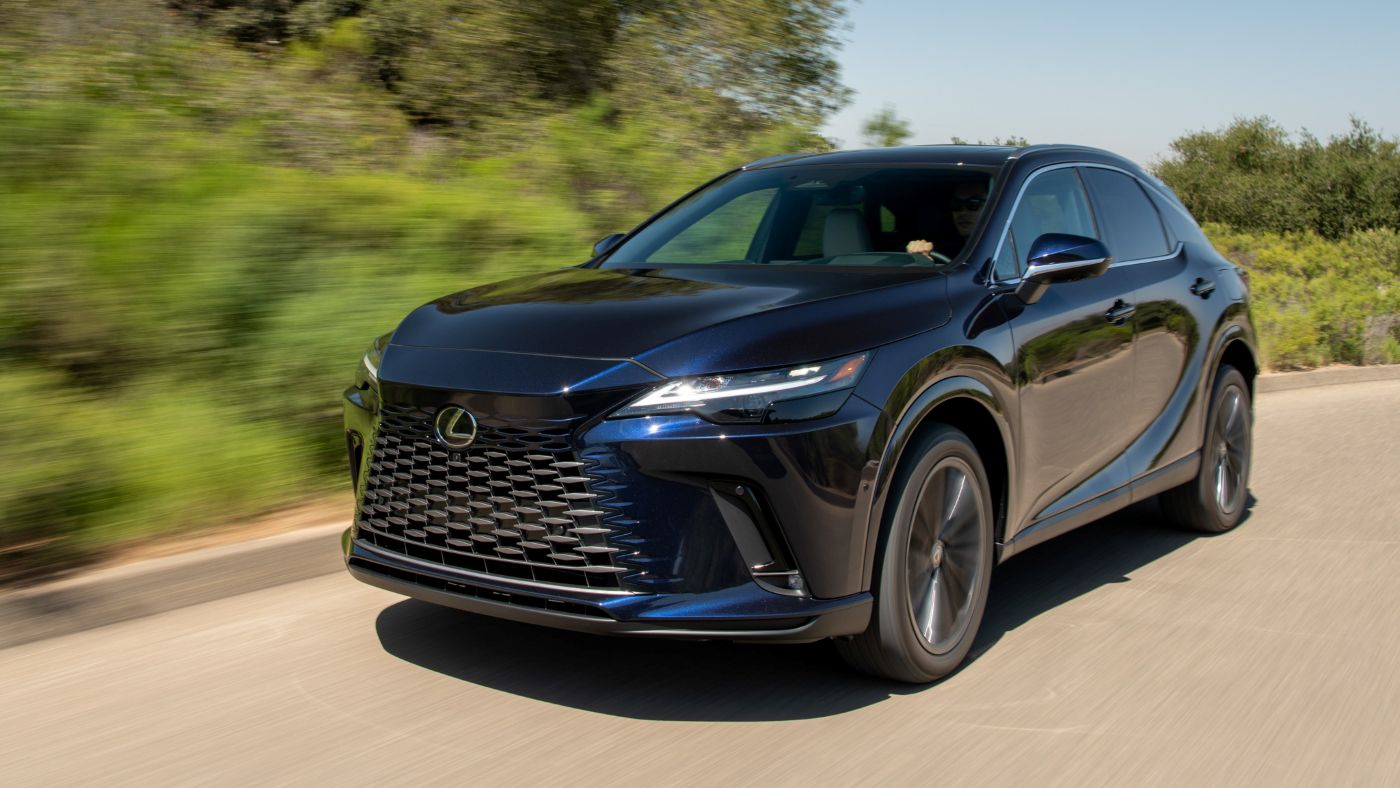
5. Lexus RX
The Lexus RX represents the upper end of SUV reliability, particularly when it comes to electrical systems. As the luxury division of Toyota, Lexus benefits greatly from the parent company’s renowned engineering standards and attention to detail.
This pedigree results in an SUV whose electrical components, from high-resolution displays and premium audio systems to advanced safety features, work flawlessly over long periods.
Lexus combines sophisticated technology with rugged dependability, ensuring that even the most complex electronic systems perform without frequent interruptions or breakdowns.
The RX’s hybrid models deserve special mention for their electrical reliability. Lexus uses high-quality battery cells, advanced thermal management, and sophisticated control electronics to maintain the hybrid system’s health and performance.
Owners rarely report issues such as battery failure, faulty sensors, or charging system problems. Lexus also employs rigorous testing protocols to ensure that wiring harnesses and connectors meet strict durability standards, reducing the likelihood of corrosion or loose connections that could lead to electrical faults.
Customer satisfaction is further enhanced by Lexus’s excellent after-sales service and comprehensive warranty coverage. Should any electrical component require repair or replacement, Lexus dealerships typically provide swift and professional service, minimizing inconvenience to owners.
This level of service reinforces the RX’s standing as a luxury SUV that delivers both cutting-edge technology and peace of mind.
In addition, Lexus continuously refines its software and hardware through over-the-air updates and dealership visits, keeping the RX’s electrical systems current and efficient.
This proactive maintenance helps prevent many issues before they arise, contributing to the SUV’s reputation for long-term reliability in the electrical domain. For buyers who want an upscale vehicle with a track record of solid electrical performance, the Lexus RX is an outstanding choice.
5 SUVs That Always Have Electrical Problems
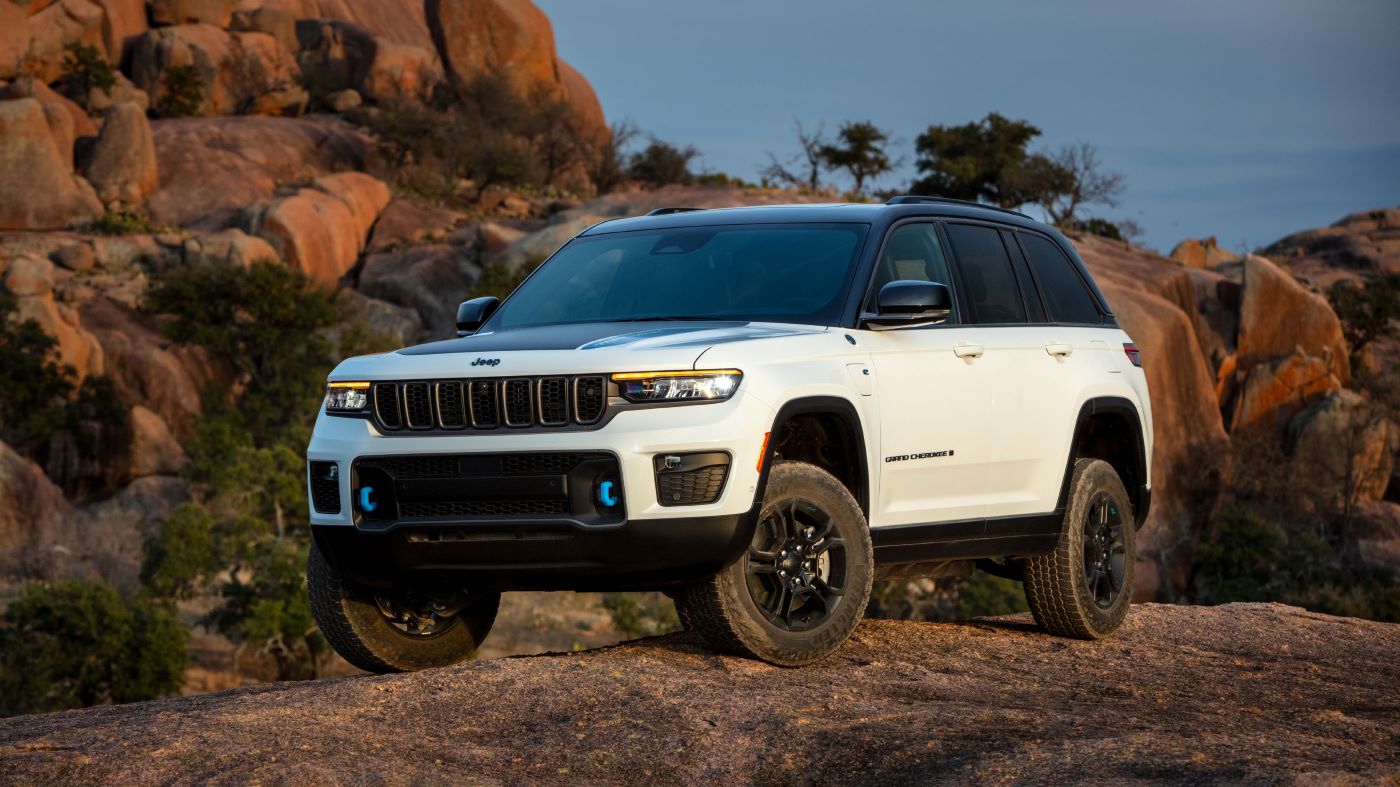
1. Jeep Grand Cherokee
The Jeep Grand Cherokee is often praised for its rugged off-road abilities and aggressive styling, but it has a well-documented history of persistent electrical issues that frequently frustrate owners. One of the most common complaints involves the vehicle’s wiring harnesses, which have been known to suffer from poor insulation and weak connectors that cause intermittent shorts or power loss.
These electrical faults can trigger warning lights across the dashboard, such as the check engine light or airbag warnings, sometimes without clear diagnostic codes, making repairs complicated and time-consuming.
Furthermore, the infotainment system in many model years has been notorious for freezing, rebooting unexpectedly, or failing to connect reliably with smartphones, which diminishes the ownership experience.
Battery-related problems are also widespread among Grand Cherokee owners. Many report abnormal battery drainage, which causes the vehicle to fail to start after being parked overnight or even during short stops.
The root causes range from faulty alternators to parasitic draws caused by malfunctioning modules or accessories that remain powered when they shouldn’t.
The complexity of the Grand Cherokee’s electrical system, compounded by aging components and design flaws, makes these problems frequent and expensive to diagnose and repair.
Additionally, issues with power windows, door locks, and lighting systems are commonly reported, often stemming from failing relays or switches. Another point of concern is the vehicle’s sensor network, which plays a critical role in engine management and safety features.
Owners have experienced frequent failures of sensors such as the throttle position sensor, camshaft position sensor, and tire pressure monitoring system, all of which depend on stable electrical connections to function properly.
These failures can cause the engine to enter limp mode or result in a loss of essential safety features, posing a risk to drivers and passengers. Despite Jeep’s attempts to improve the electrical architecture in recent models, the Grand Cherokee continues to struggle with reliability in this regard.
The cumulative effect of these electrical issues significantly impacts owner satisfaction and vehicle reliability ratings. Many Jeep owners find themselves making multiple trips to the dealership or independent mechanics to address recurring electrical faults.
The cost of repairs and the inconvenience of intermittent failures lead some buyers to seek extended warranties or avoid certain model years altogether. Its electrical components remain a weak point, underscoring the importance of careful research before purchasing a Grand Cherokee.

2. Land Rover Discovery
The Land Rover Discovery is widely admired for its luxury and off-road performance but has long been plagued by electrical problems that undermine its reputation for reliability.
The Discovery’s intricate electrical system includes numerous electronic control modules that manage everything from lighting and climate control to the vehicle’s terrain response system.
Unfortunately, many owners report frequent malfunctions in these systems, often accompanied by cryptic warning messages and erratic behavior. Electrical gremlins such as flickering dashboard lights, inoperative power windows, and malfunctioning infotainment units are common and can persist despite repeated repairs.
A particularly troublesome area for the Discovery is its lighting system. Owners have experienced issues where headlights, taillights, or interior lighting suddenly fail or behave unpredictably, sometimes leaving drivers in unsafe conditions.
These problems are often traced back to faulty relays, wiring faults, or failing control modules that are difficult to access and costly to replace. Compounding these issues is the vehicle’s tendency to experience battery drain, which can leave owners stranded if the battery discharges completely due to parasitic electrical loads.
The Discovery’s reputation is further hurt by frequent failures in critical engine management sensors and electronic throttle controls. These components rely on stable electrical signals to maintain performance and emissions compliance.
Electrical faults in these areas can lead to engine stalling, reduced power output, or activation of limp mode, which severely limits the vehicle’s drivability. Owners report that diagnosing these issues can be frustrating, as error codes may be vague or non-existent, requiring specialized diagnostic tools and expertise.
Land Rover has acknowledged some of these electrical problems through recalls and service campaigns, but many owners feel the issues persist despite these efforts.
The high cost of repairs and the frequent need for dealership visits weigh heavily on the ownership experience. For prospective buyers seeking a reliable luxury SUV, the Discovery’s ongoing electrical challenges serve as a significant deterrent, despite the vehicle’s strengths in design and capability.
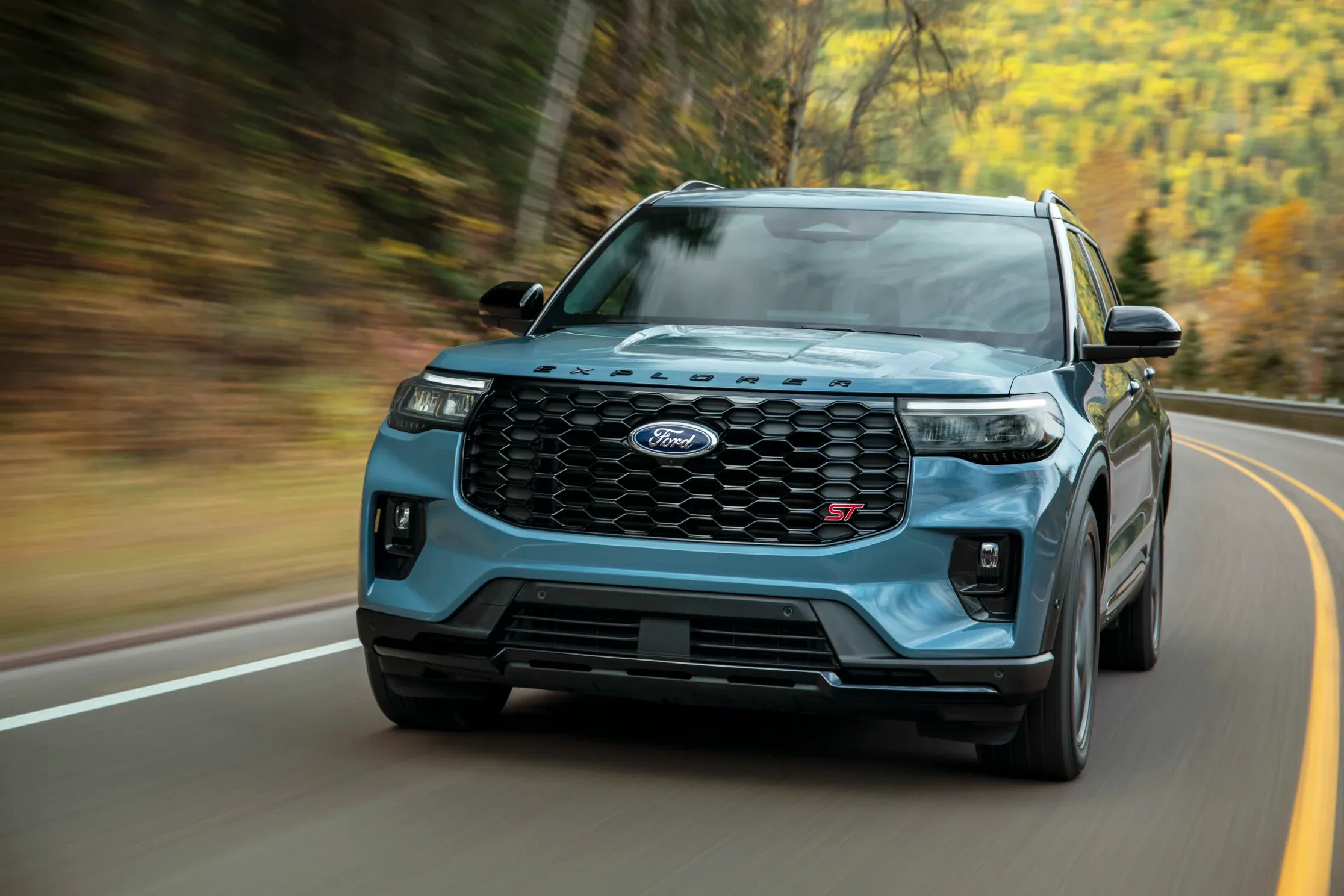
3. Ford Explorer
The Ford Explorer is a staple in the midsize SUV segment, known for its spacious interior and family-friendly features, yet it suffers from electrical reliability issues that have become a major source of complaints.
Owners often face problems with the vehicle’s wiring and electronic modules that affect a wide range of systems, including the power seats, rearview camera, and instrument cluster.
These problems sometimes result in erratic behavior such as unresponsive controls, flickering displays, or malfunctioning sensors, all of which can detract from the driving experience and create safety concerns.
One of the most common electrical faults reported by Explorer owners involves battery drain and alternator failures. These problems manifest as vehicles that won’t start unexpectedly or experience frequent electrical resets.
The vehicle’s complex electrical architecture, which integrates numerous control modules for entertainment, safety, and powertrain management, can sometimes lead to parasitic power draws.
This drains the battery even when the vehicle is off, requiring multiple battery replacements over the SUV’s lifespan. Electrical shorts or faults in the wiring harness further contribute to these problems, complicating the diagnosis and repair process.
Infotainment issues also plague the Explorer, with owners citing freezing touchscreens, dropped Bluetooth connections, and erratic GPS performance. These issues are often caused by software bugs or faulty electronic control units and may require repeated software updates or hardware replacements.
While Ford has issued technical service bulletins and recalls to address some of these problems, many Explorer owners still report recurring electrical malfunctions that reduce their satisfaction with the vehicle.
Furthermore, failures in safety-related electrical systems, such as blind-spot monitoring and adaptive cruise control, have been documented, sometimes leading to inaccurate warnings or system shutdowns.
These problems can undermine the vehicle’s safety performance and frustrate owners who expect these features to work reliably. The combination of these electrical challenges results in lower reliability ratings and increased maintenance costs, affecting the Ford Explorer’s competitiveness in a crowded SUV market.
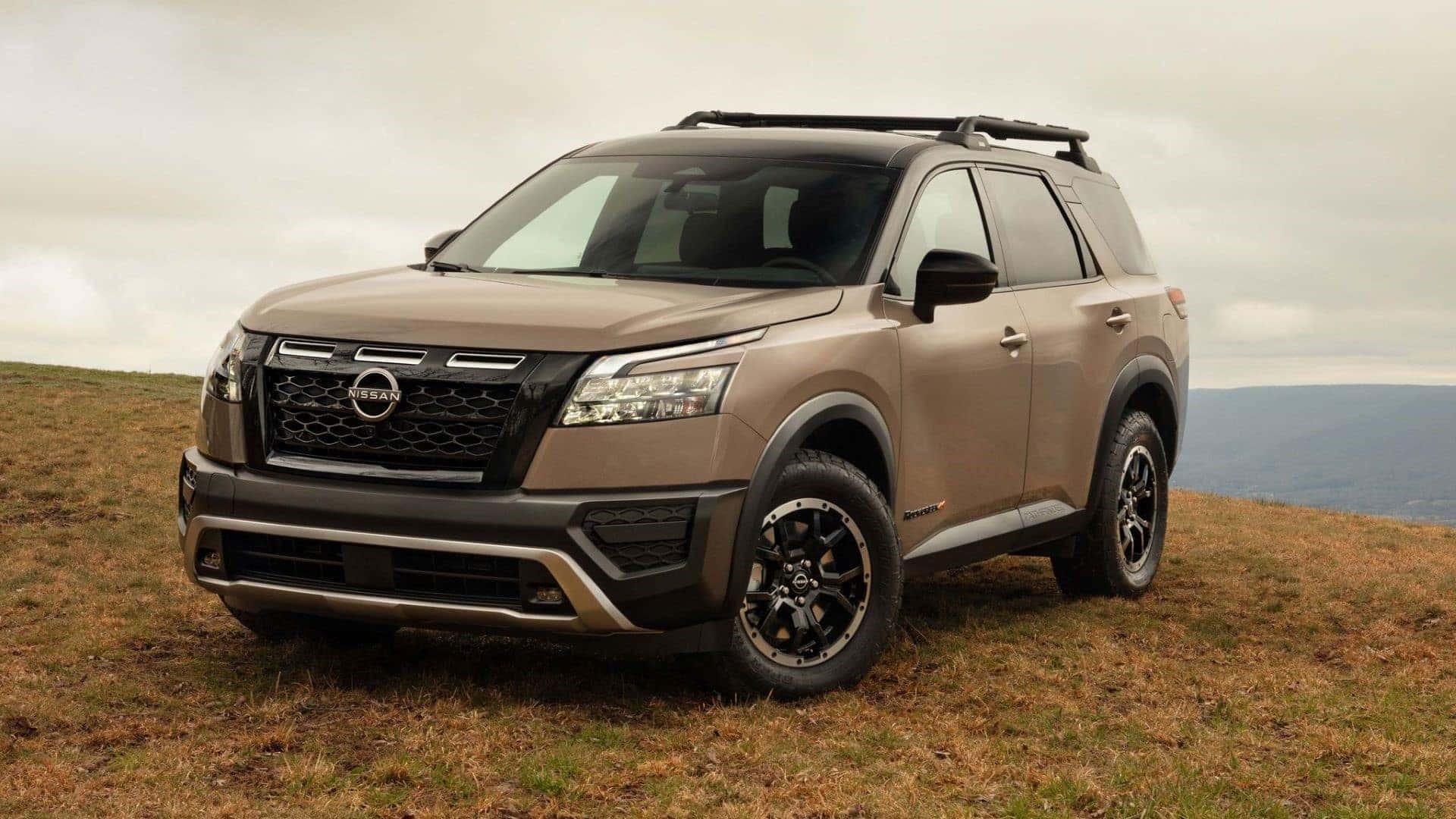
4. Nissan Pathfinder
The Nissan Pathfinder has historically struggled with various electrical problems that contribute to its reputation for lower reliability compared to rivals. Many owners report issues with the vehicle’s wiring and electrical components that affect critical systems such as power windows, dashboard electronics, and infotainment units.
Problems such as flickering interior lights, malfunctioning instrument clusters, and unresponsive touchscreens are common complaints, especially in certain model years where wiring harnesses or connectors were prone to degradation.
Battery and charging system failures are another frequent problem in the Pathfinder. Owners often experience rapid battery drain or alternator malfunctions, leading to vehicles that fail to start unexpectedly or have difficulty maintaining electrical power during operation.
These issues are typically linked to parasitic electrical loads or defective wiring components that are hard to isolate and repair. The complexity of the Pathfinder’s electrical system means these problems can sometimes manifest in unexpected ways, such as sudden shutdowns of electronic accessories or erratic sensor behavior.
Engine management sensors and safety electronics have also been cited as sources of trouble. Faulty wiring or poor connections can cause the engine control unit to receive incorrect signals, resulting in reduced performance, increased emissions, or activation of warning lights.
Similarly, safety systems that rely on electrical components may intermittently fail or provide false alerts, reducing driver confidence in these features.
Nissan’s attempts to resolve these issues through recalls and service bulletins have met with mixed success, leaving some owners wary of the Pathfinder’s long-term electrical reliability.
These persistent electrical concerns contribute to increased repair costs and downtime, impacting the vehicle’s value proposition. While the Pathfinder offers attractive features and space, its electrical system weaknesses may lead potential buyers to consider alternative SUVs with stronger reliability records.
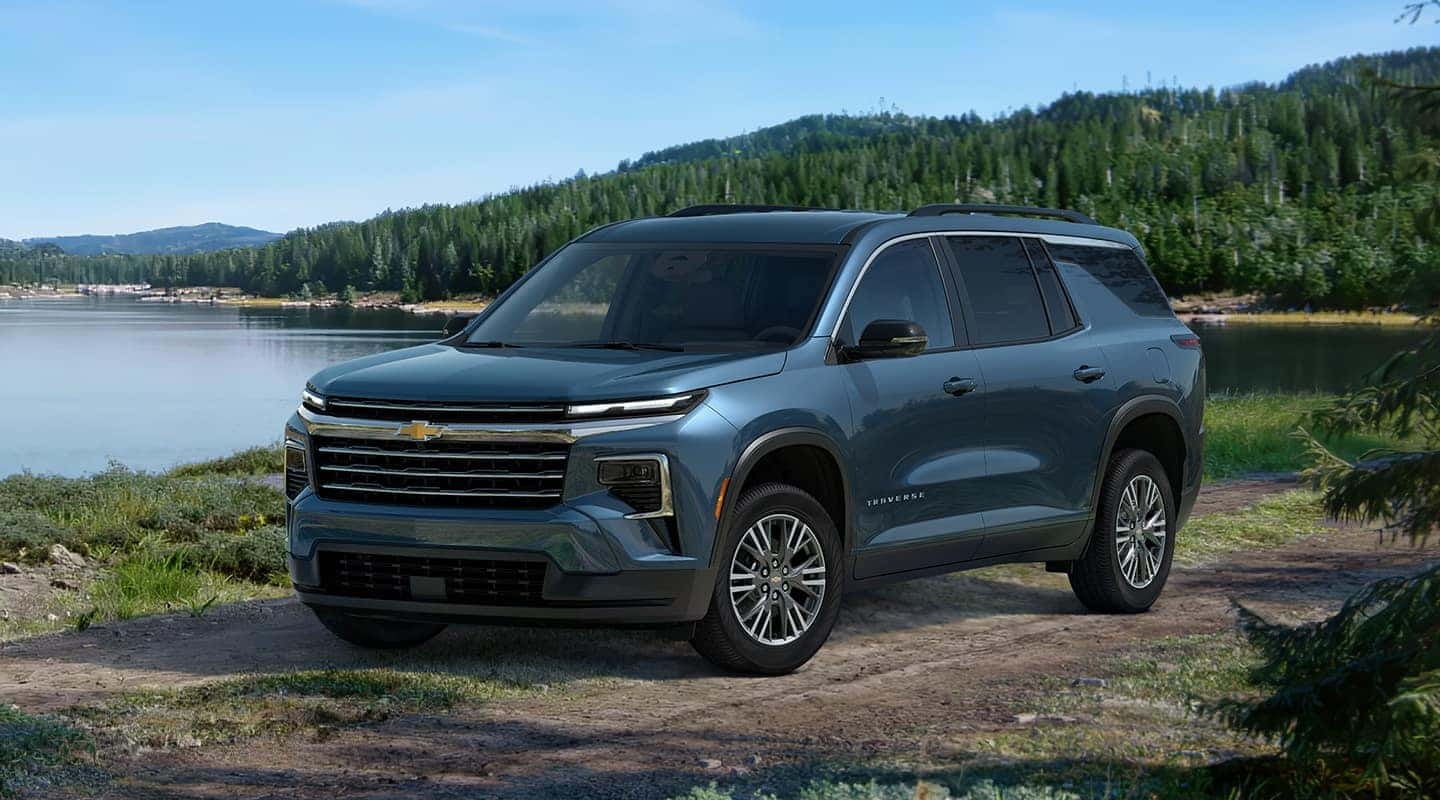
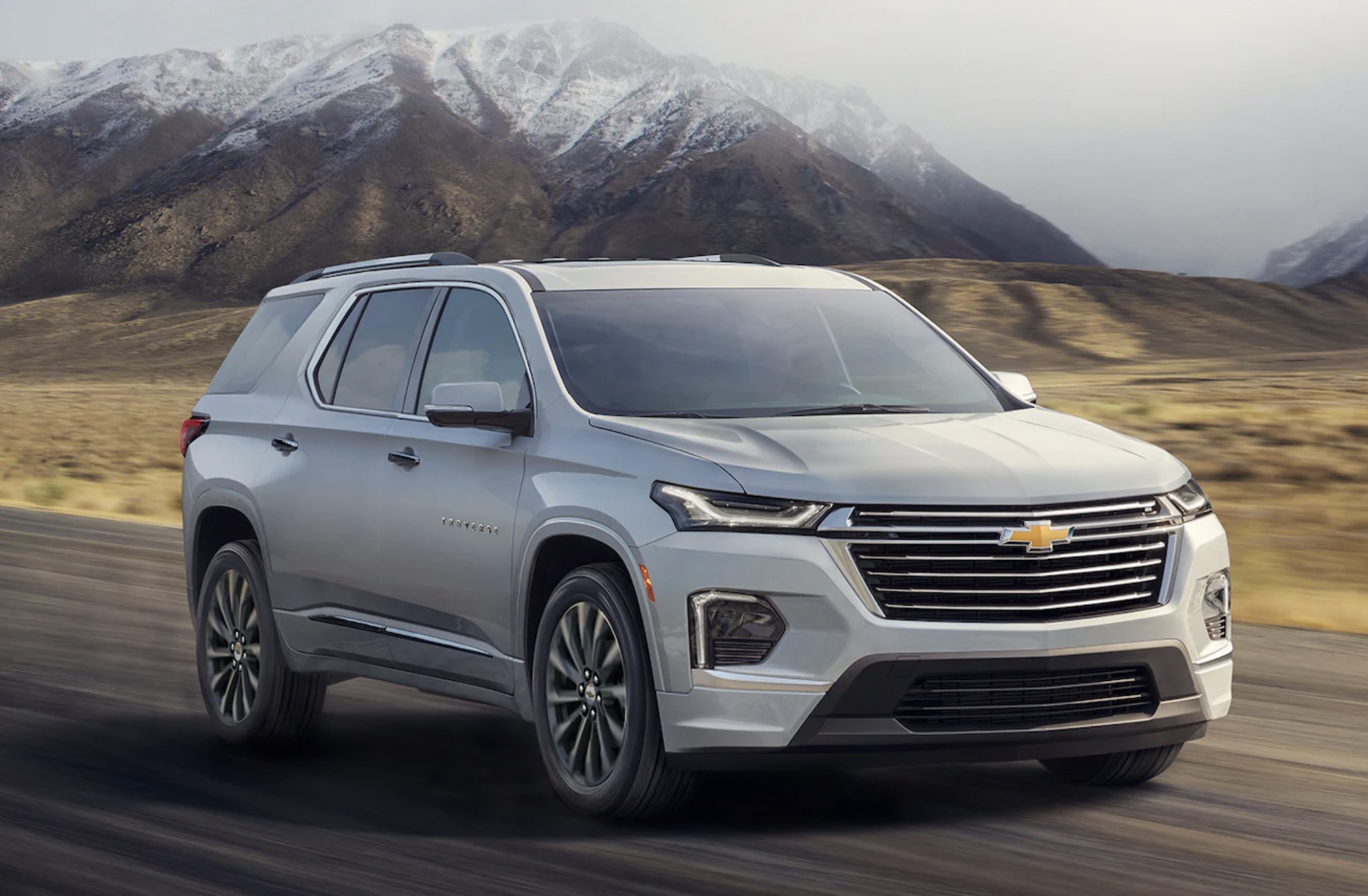
5. Chevrolet Traverse
The Chevrolet Traverse is a midsize SUV designed for families, offering spacious interiors and a comfortable ride, but it also carries a reputation for troublesome electrical systems.
Many Traverse owners report issues with the vehicle’s power accessories, lighting controls, and infotainment features. Electrical malfunctions range from minor annoyances like dashboard indicator lights flickering or power windows failing to operate to more serious problems involving the battery and electronic control modules.
Battery drainage is a particularly common issue in the Traverse. Several owners have encountered situations where the vehicle would not start due to a drained battery caused by parasitic electrical draws or charging system failures.
These problems often require multiple visits to repair shops, as diagnosing the exact source of the drain can be complex given the Traverse’s integrated electronic systems. Alternator failures also contribute to the battery charging problems, sometimes necessitating expensive replacements.
The Traverse’s infotainment system has been criticized for software bugs that cause freezing, random reboots, or loss of connectivity. While Chevrolet has issued software updates to improve performance, many owners continue to experience glitches that detract from the driving experience.
Additionally, wiring issues have been reported that affect lighting systems and safety features, such as lane departure warnings and automatic braking, which rely heavily on stable electrical connections.
Repairing electrical problems in the Traverse can be costly and time-consuming due to the vehicle’s complex electronic architecture.
These ongoing issues diminish owner satisfaction and can lead to decreased resale values. Buyers looking for a reliable family SUV might find the Traverse’s electrical system challenges a significant drawback despite its otherwise appealing attributes.
When considering the purchase of an SUV, reliability in every system, especially the electrical components, is crucial for ensuring a hassle-free ownership experience.
Electrical systems govern a wide range of functions, from essential safety features and engine management to comfort and convenience technologies, making their dependability a top priority for drivers.
The five SUVs highlighted as rarely having electrical problems, such as the Toyota RAV4, Honda CR-V, Subaru Forester, Mazda CX-5, and Lexus RX, demonstrate that thoughtful engineering, rigorous quality control, and well-designed electrical architectures can significantly reduce the risk of faults.
These models benefit from durable wiring, high-quality components, and software that is stable and regularly updated, helping owners avoid the frustration and expense associated with frequent electrical repairs.
On the other hand, SUVs like the Jeep Grand Cherokee, Land Rover Discovery, Ford Explorer, Nissan Pathfinder, and Chevrolet Traverse illustrate the challenges that can arise when electrical systems are overly complex, poorly insulated, or simply not designed with long-term reliability in mind.
Recurring problems such as battery drainage, faulty wiring, sensor failures, and unreliable infotainment systems not only diminish the ownership experience but can also pose safety concerns. The financial burden of repeated repairs and diagnostic challenges further discourages many potential buyers.
While these SUVs may offer compelling features or strong performance in other areas, their electrical system issues highlight the importance of thorough research and consideration before making a purchase.
Choosing an SUV with a proven track record of electrical reliability can save time, money, and stress. For buyers prioritizing peace of mind and dependable performance, vehicles like the Toyota RAV4 and Lexus RX stand out as safe bets.
Meanwhile, those considering models with known electrical challenges should weigh the potential maintenance costs and inconveniences carefully. Awareness of these differences empowers consumers to make informed decisions tailored to their needs and priorities.
