
Buying a car is often a combination of practicality, personal preference, and budget. However, one aspect that many car owners come to value over time is longevity. While flashy features, horsepower, and stylish designs may draw people to showrooms, it’s how long the vehicle lasts that defines a car’s true worth.
People tend to form a bond with vehicles that run reliably year after year with minimal fuss, especially when that longevity is unexpected. Some vehicles stay on the road long after others in their class have been retired, making them stand out not just for durability, but also for how they quietly overachieve.
Reliability is often thought to belong to specific brands, especially those with reputations for producing efficient and well-built cars. Yet, some models manage to surprise even the most experienced car owners. Sometimes it’s a matter of engineering, and sometimes it’s a combination of simple design, affordable maintenance, and consistent performance.
What’s remarkable is how some cars keep going despite years of heavy use, changing climates, and rising mileage. For many owners, these cars become more than transportation; they become trusted companions through job changes, growing families, and life’s unpredictable turns.
Expectations vary when someone buys a car. Some are happy if their vehicle lasts a decade, while others may push it for as long as possible. But a handful of vehicles have a reputation for exceeding even the most generous expectations.
These are the ones that don’t just last a long time, but seem to resist aging altogether. Whether it’s a rugged SUV, a dependable sedan, or a practical compact, certain cars manage to clock hundreds of thousands of miles and still show up every morning ready to go.
This list features 12 vehicles known for outlasting their projected lifespans. They might not always be the most luxurious or exciting cars on the road, but they carry a reputation for sticking around long after others have given up.
These cars have earned the respect of drivers through years of consistent performance and resilience, often going beyond what anyone predicted when they were first driven off the lot.
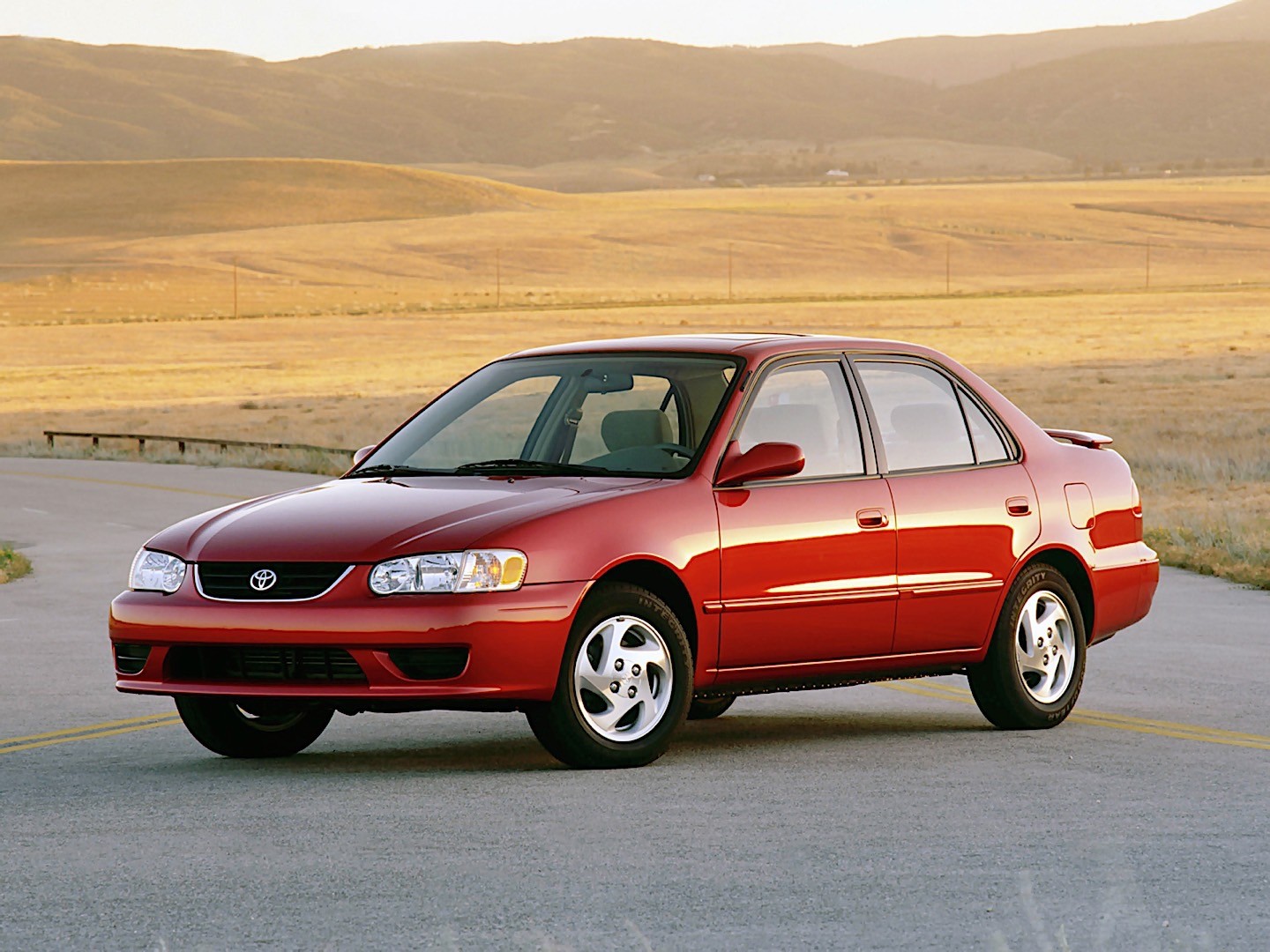
1. Toyota Corolla
The Toyota Corolla has long been a staple of reliability. It’s one of those cars that people buy expecting simple transportation, and end up driving for well over a decade without major issues.
The Corolla doesn’t promise groundbreaking technology or bold styling, but it delivers consistent performance, affordable maintenance, and solid fuel economy. Many owners are shocked when they realize they’ve passed 200,000 miles without any serious mechanical trouble.
What helps the Corolla achieve such longevity is its design philosophy. Toyota engineers favor tried-and-true components, keeping the engine and transmission configurations relatively simple and easy to repair. The Corolla also benefits from Toyota’s rigorous quality control.
Each generation builds on a platform that has already proven itself reliable, reducing the chances of unexpected breakdowns. This kind of continuity results in a car that holds together even under years of stress.
Routine maintenance is another area where the Corolla shines. Parts are widely available and affordable, and there are countless mechanics familiar with its systems. Even amateur car enthusiasts can often manage basic repairs and upkeep.
The car’s ability to run efficiently with minimal attention means many owners forget just how old or high-mileage their vehicle has become. This passive reliability builds confidence and satisfaction over time.
Drivers often share stories of handing down their Corolla to a teenager, only to see it last another five or ten years. It becomes a symbol of practicality, not because it’s flashy, but because it just keeps going. Owners who buy a Corolla expecting to replace it in five or six years often find themselves still driving it fifteen years later, wondering if they even need something new.
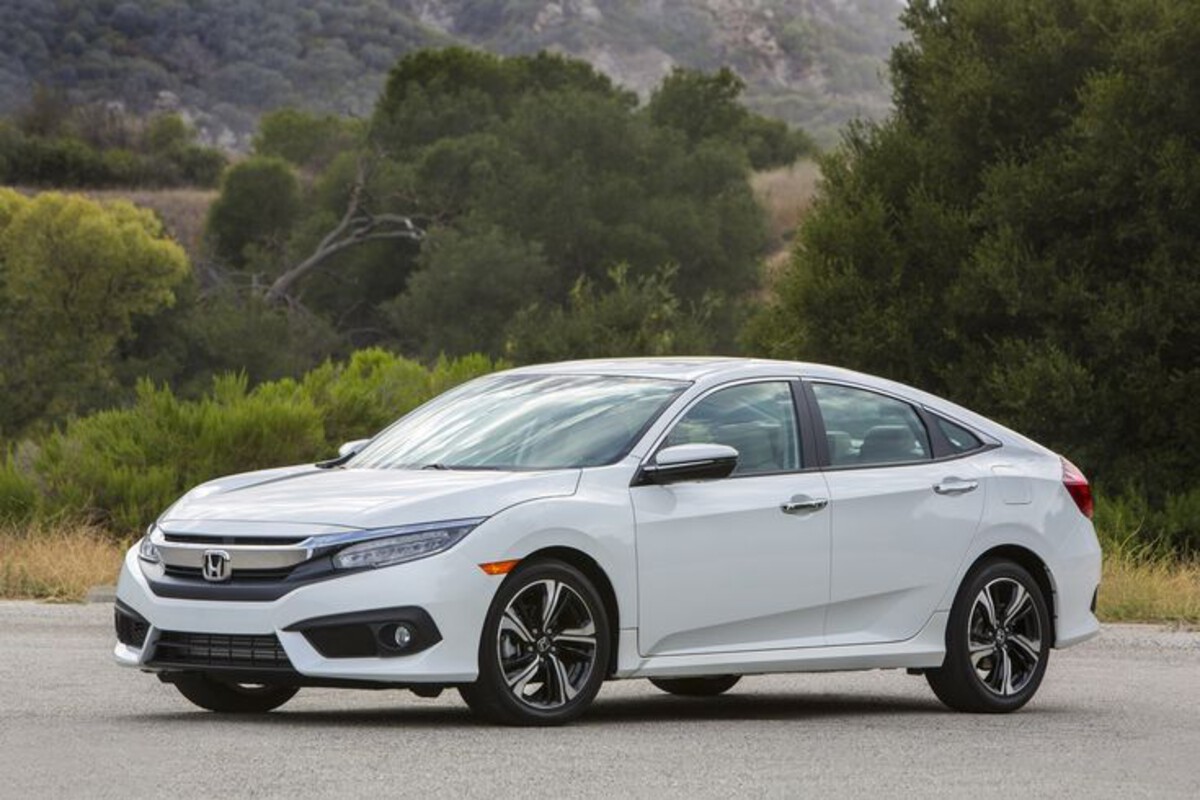
2. Honda Civic
The Honda Civic has been a benchmark for long-lasting compact cars. Known for its efficient engines and clever design, the Civic consistently ranks among the most dependable vehicles in its class.
Many people buy it expecting a low-cost commuter car, but end up with a vehicle that’s still running strong twenty years down the line. It’s not uncommon to find Civics on the road with over 250,000 miles and original parts still functioning.
One of the reasons the Civic lasts so long is its build quality. Honda puts a lot of focus on engineering efficiency. The engines are known for being nearly bulletproof when properly maintained, and the transmissions, particularly the manuals, have an impressive track record.
Over the years, the Civic has maintained a balance between innovation and proven performance, which has helped extend its reliability across multiple generations.
Another factor that plays into the Civic’s longevity is the culture around it. Enthusiasts often choose Civics as project cars, which means there’s a large community dedicated to preserving and repairing them.
There are countless resources, aftermarket parts, and tutorials for keeping a Civic running or even restoring one. This level of community support helps many Civics live far beyond their expected lifespans.
It’s also worth noting that the Civic adapts well to various driving styles and environments. Whether it’s used for city commuting, highway travel, or even light racing modifications, the car handles wear and tear remarkably well.
People who expect to trade it in after a few years are often surprised to find that it still feels solid and reliable long after most other vehicles would start to show their age.
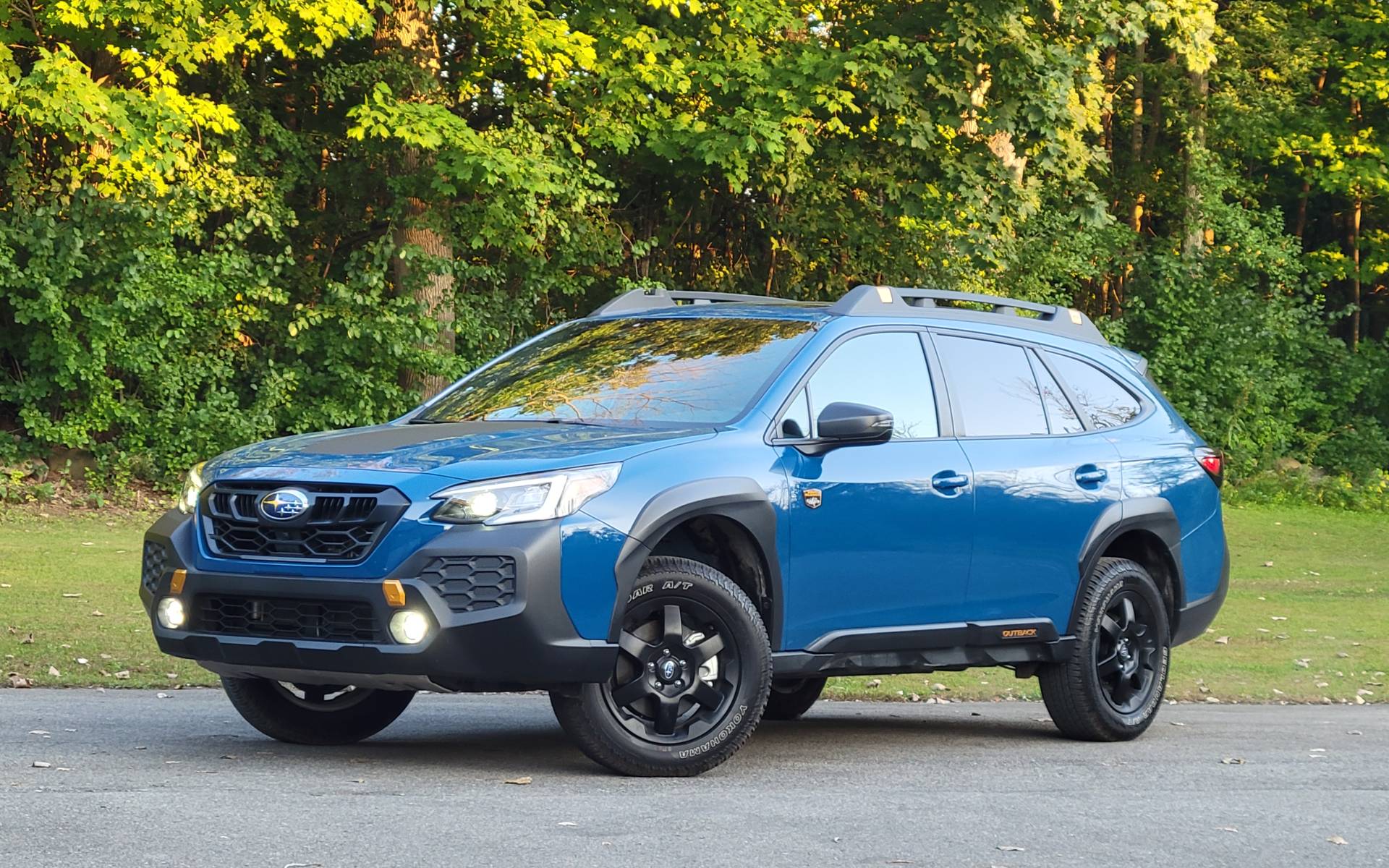
3. Subaru Outback
The Subaru Outback has a unique place on this list because it’s not just a long-lasting car, it’s a vehicle people come to trust in tough conditions.
Originally marketed as a wagon with SUV capabilities, the Outback gained a reputation for being able to handle snow, dirt roads, and rough terrains with confidence. What surprises many owners is how long their Outback continues to perform under demanding conditions.
Subaru’s signature all-wheel-drive system is part of what gives the Outback its edge. Unlike many competitors that offer all-wheel drive as an optional feature, it’s standard in the Outback.
This means the drivetrain is built to last under more strenuous use. Combined with the Boxer engine layout that provides a low center of gravity, the Outback maintains stability and performance even as it ages.
What catches many owners off guard is the car’s resilience. They expect the all-wheel-drive system or the engine to wear out after years of harsh winters or cross-country road trips, but the Outback keeps holding up.
It becomes a go-to vehicle for families, outdoor enthusiasts, and rural drivers who value its practicality. People expect a useful car, but they end up with one that stays useful far longer than anticipated.
Even when issues arise, the repairability of the Outback contributes to its lifespan. Subaru has kept the Outback’s design relatively consistent over the years, so replacement parts are available and familiar to mechanics.
When combined with regular maintenance and sensible driving habits, the Outback frequently surprises owners by continuing to run smoothly well into its second decade of life.
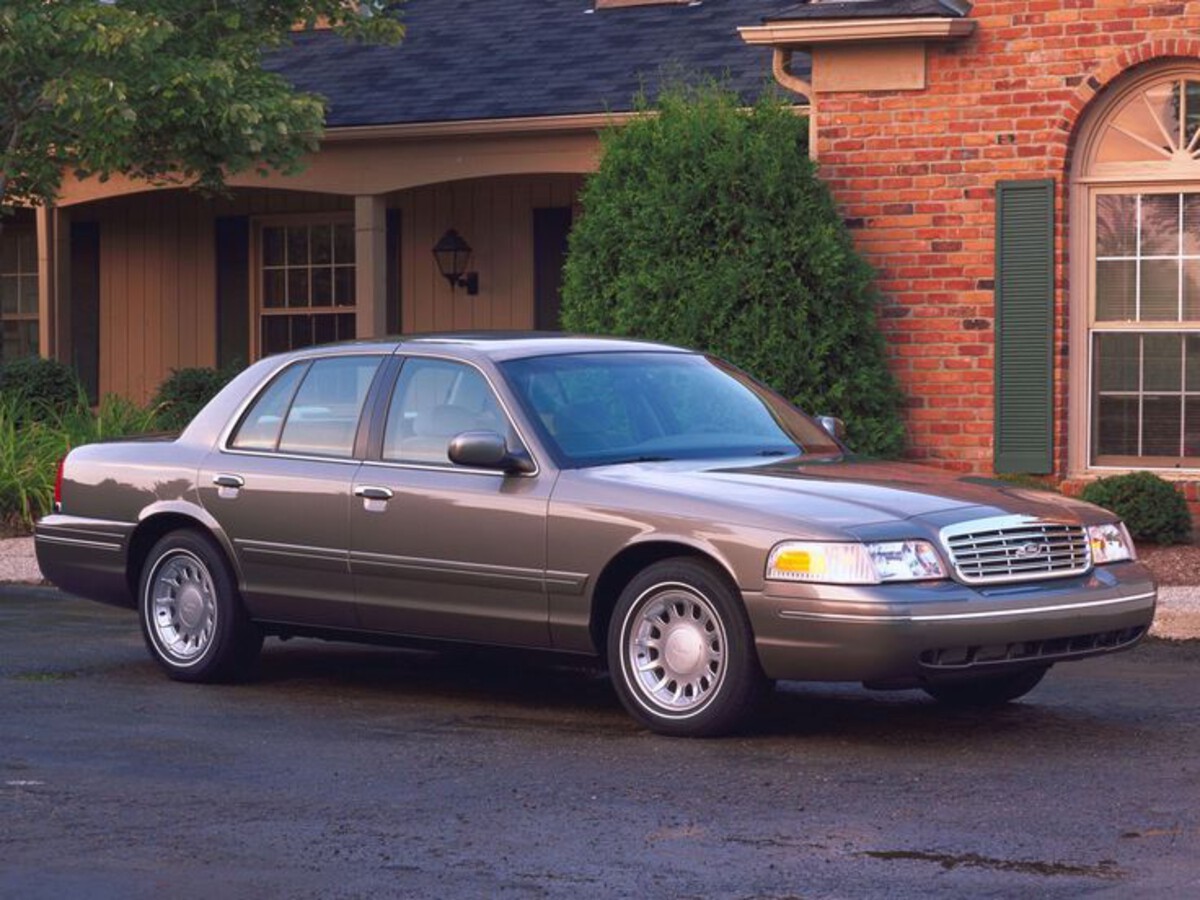
4. Ford Crown Victoria
The Ford Crown Victoria is a car that outlived expectations so thoroughly that it became a legend in its own right. Known for its use in police departments and taxi fleets, this car built a reputation for taking abuse and continuing to function like nothing happened.
While most people never considered the Crown Vic a personal car of choice, those who did often found themselves owning a tank that could keep going well past 300,000 miles.
Much of the Crown Vic’s longevity can be attributed to its body-on-frame construction and a simple but powerful V8 engine. This kind of layout, more common in trucks, allows for easier repairs and makes the car more resistant to structural damage. It also gave the car an edge in durability, especially under high-stress situations like police pursuits or constant city driving in taxi service.
What also contributed to the car’s unexpected lifespan was its simplicity. With fewer high-tech features than newer vehicles, there was less that could go wrong.
Basic electronics, straightforward mechanical systems, and a generously sized engine bay made repairs and replacements easier and cheaper. The car wasn’t necessarily refined, but it was dependable in a way that surprised people who originally bought it as a practical choice.
Even years after its discontinuation, the Crown Victoria remains a common sight on American roads. Used models are still being sold with high mileage, and many are still in service for government fleets or being passed between owners who need a reliable, no-nonsense car. People who bought one thinking it would be a temporary solution often found it hard to part with a vehicle that just refused to die.
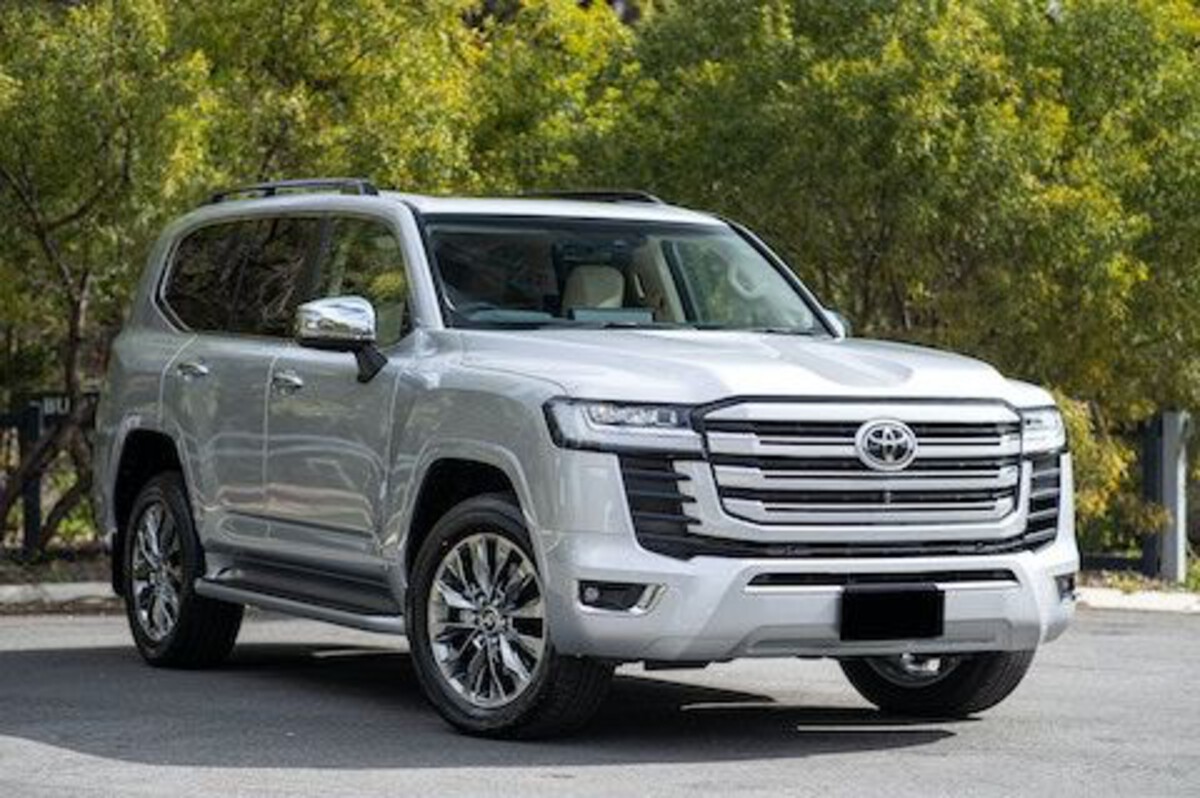
5. Toyota Land Cruiser
The Toyota Land Cruiser is more than just a vehicle; it’s a global symbol of reliability and endurance. Known for tackling the harshest environments from deserts to jungles, the Land Cruiser often surprises owners not just with its off-road capability, but with how long it stays mechanically sound.
Buyers typically expect a tough SUV, but what they end up with is a long-term partner that seems to run forever, often with minimal repairs despite years of abuse.
One key reason for the Land Cruiser’s longevity lies in Toyota’s commitment to overengineering the model. The components are built for extremes, hot climates, rugged terrain, and long-distance travel in areas where breaking down simply isn’t an option.
This engineering philosophy means the Land Cruiser isn’t just durable under normal circumstances; it thrives in situations that would break lesser vehicles. The result is a machine that keeps operating reliably long after its expected lifespan.
Maintenance plays a role, of course, but Land Cruiser owners often report going hundreds of thousands of miles with only routine service. The engines are known for running smoothly even with significant mileage, and the transmissions rarely give out unless severely neglected.
Suspension components and frame integrity hold up well, particularly on older models that used solid axles and heavier materials. Unlike newer SUVs that prioritize comfort over durability, the Land Cruiser leans hard into the latter, and owners quickly come to respect that.
There are countless stories of Land Cruisers being handed down through generations or sold after 20 years only to keep performing for the next buyer. Its resale value is remarkably strong, in part because of its known track record.
People who purchased a Land Cruiser expecting ten good years frequently find themselves driving the same vehicle two decades later, still impressed with how capable and dependable it remains.
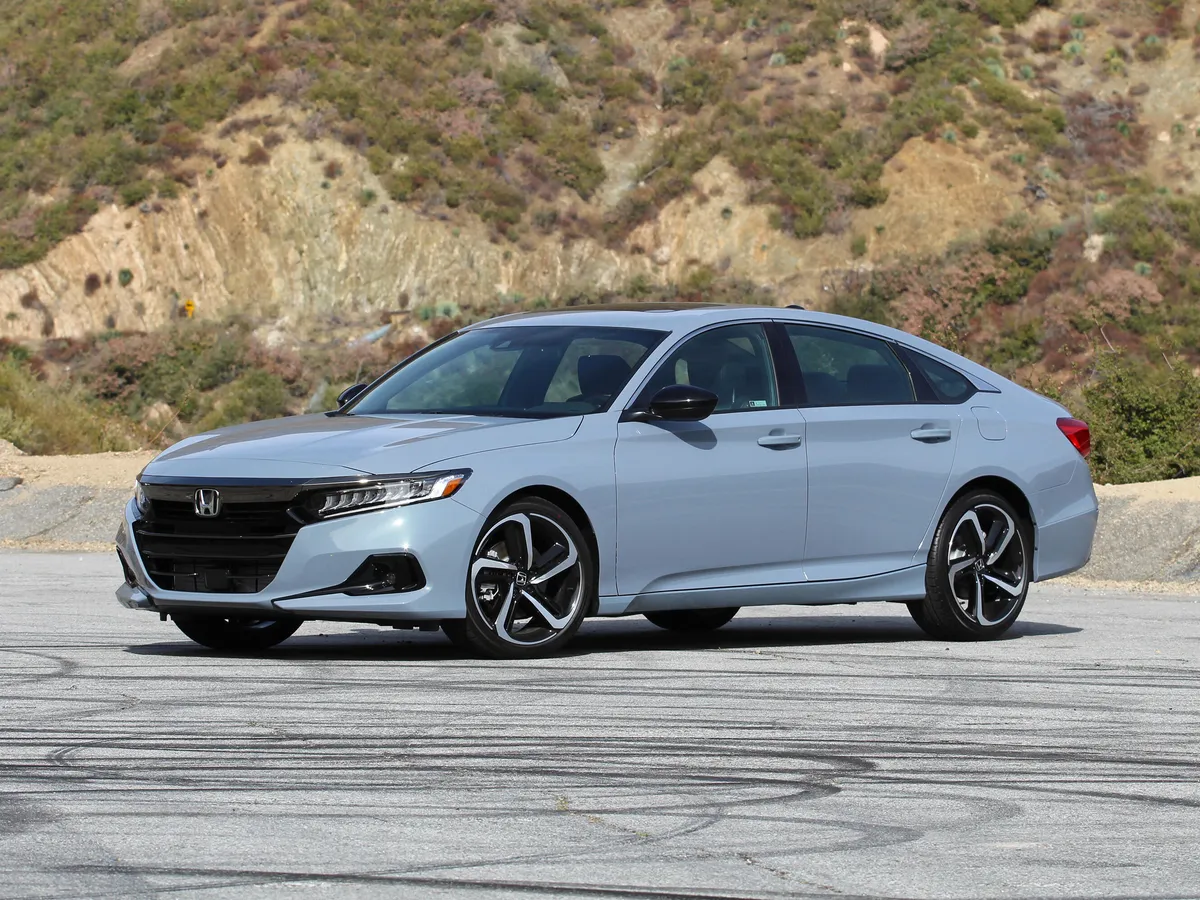
6. Honda Accord
The Honda Accord is a textbook example of a car that outlasts initial expectations. At first glance, it’s a sensible sedan meant for commuting and family life.
But once it hits the road, it becomes clear that the Accord offers far more than just practicality. Owners who initially bought it for budget-conscious reasons are often amazed when their Accord surpasses 200,000 miles with little more than basic upkeep.
A big part of the Accord’s long life comes down to its engineering precision. Honda’s attention to detail when designing engines and transmissions means these vehicles can handle wear and tear exceptionally well.
Whether you’re dealing with a four-cylinder or V6 model, the powertrains are smooth, responsive, and designed to last. The transmissions, particularly in earlier models, are known for shifting cleanly even after years of hard use, especially when fluid changes are done on schedule.
Another strength of the Accord lies in its driving dynamics. While it’s a family sedan, it offers a more engaging experience than many of its competitors. That might not seem like it would contribute to longevity, but it does in the sense that the car feels solid and responsive well into old age.
The chassis doesn’t loosen up the way many other sedans do. It remains planted and refined, even after thousands of hours on the road, which gives owners more confidence in its aging process.
Additionally, the Accord has long enjoyed strong aftermarket and parts support. Whether it’s original equipment or third-party replacements, the parts are accessible and reasonably priced.
That means even if something does fail, say, an alternator or a suspension component, the fix isn’t a major financial burden. People often keep their Accords for a decade or longer without feeling like they’re pouring money into a sinking ship. That kind of cost-to-reliability ratio keeps it running longer than most people ever expect.
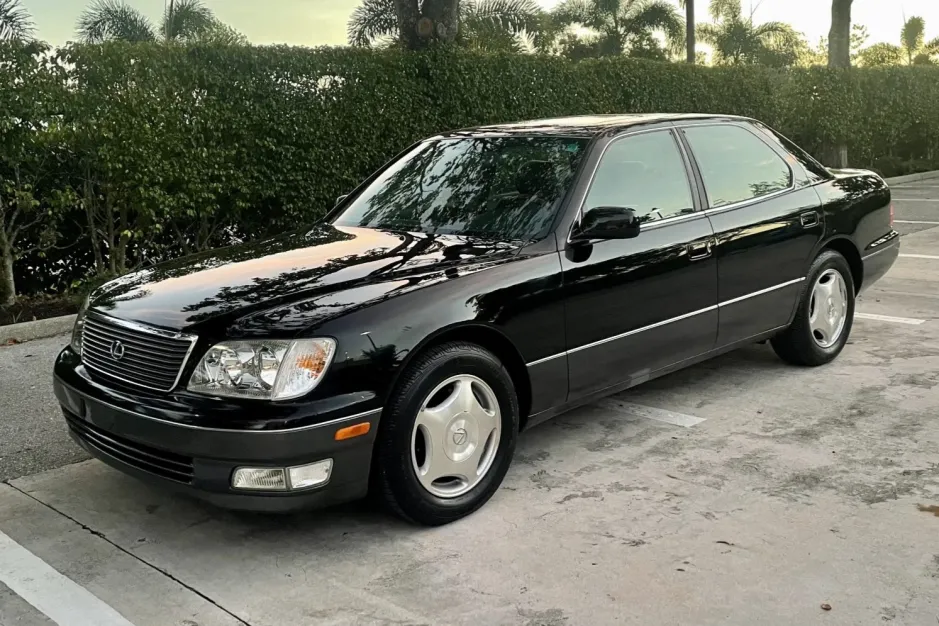
7. Lexus LS400
The Lexus LS400 came into the market as Toyota’s ambitious foray into luxury cars, but it ended up becoming a quiet symbol of mechanical perfection.
Unlike many luxury vehicles that come with high upkeep costs and complicated systems that wear down over time, the LS400 proved to be unusually reliable. Owners often buy it for the smooth ride and refined interior, but years later find themselves astonished that the car just won’t quit.
What really makes the LS400 exceptional is its engineering. When Lexus developed the car in the late 1980s, they invested an enormous amount of time and money to ensure it would not only rival German luxury cars but also surpass them in long-term reliability.
The result was a V8 engine that has since earned a reputation for being one of the most dependable engines ever made. It runs quietly, efficiently, and keeps performing well into the 300,000-mile range with only standard maintenance.
Beyond the powertrain, the LS400’s build quality is another reason it endures. The interior materials were designed to last, with soft-touch plastics, high-quality leather, and solid buttons that don’t feel cheap or break easily.
Even after decades, it’s not unusual to see an LS400 with everything still working, power windows, climate control, seat motors, in full functioning order. That level of durability is rare in any car, let alone a luxury vehicle.
Despite its age, the LS400 has developed something of a cult following, not just because it’s a luxury icon, but because of how incredibly well it holds up.
Many used car buyers specifically seek out this model, knowing it has a good chance of being trouble-free even after twenty or more years on the road. For something that was originally bought as a status symbol, the LS400’s most enduring quality turns out to be how long it stays out of the repair shop.
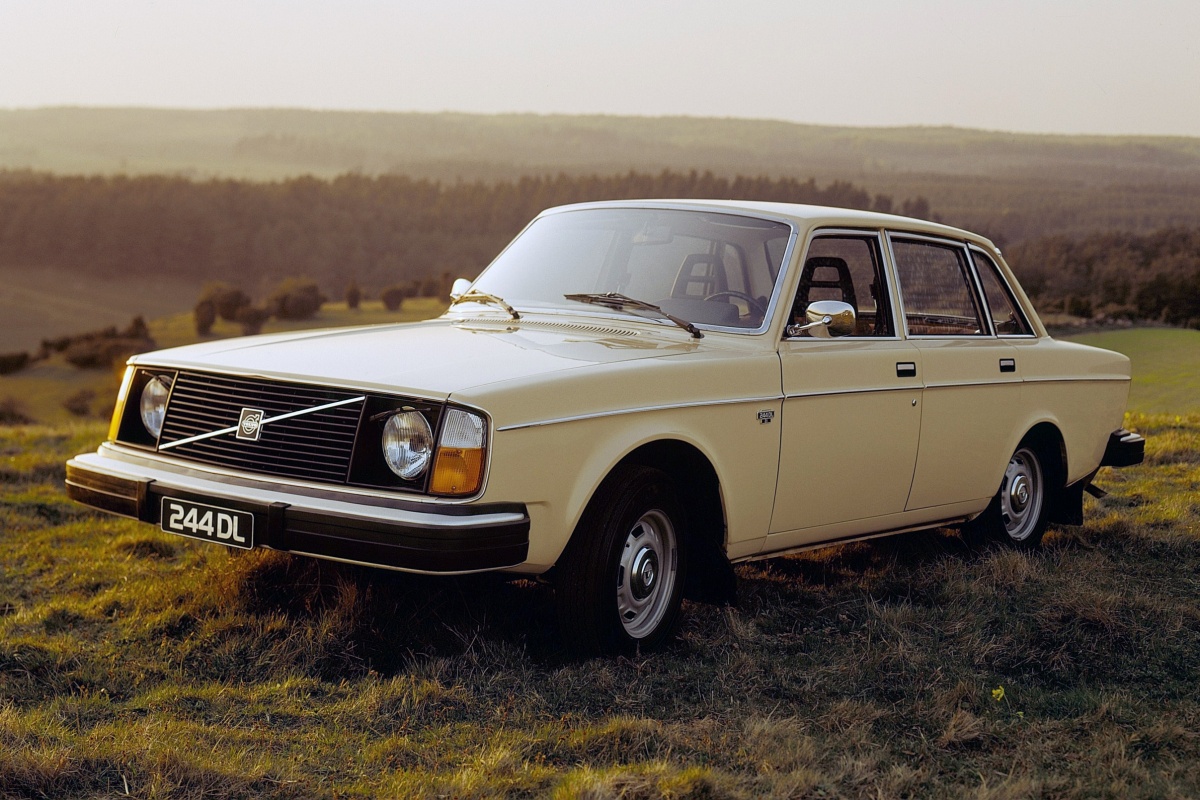
8. Volvo 240
The Volvo 240 is practically a stereotype of a long-lasting car, and for good reason. Known for its boxy shape and unassuming looks, the 240 developed a reputation over the decades for being nearly indestructible.
People originally bought it because they believed it was safe and practical. What many discovered, however, was that it also had the endurance of a military truck in disguise.
At the heart of the 240’s resilience is its design simplicity. The car wasn’t burdened with unnecessary features or overly complex systems. The engines were straightforward, with a focus on longevity rather than performance. The result was a vehicle that didn’t strain itself.
It didn’t overheat easily, didn’t break down often, and didn’t require expensive parts to keep running. The chassis and suspension were overbuilt for their purpose, which helped the car soak up thousands of miles without complaint.
Another factor that contributes to the 240’s surprising lifespan is the community around it. Owners form a sort of club, often passing down their Volvos to kids, friends, or family members.
There’s a wealth of shared knowledge about how to repair them, and parts are still fairly easy to come by. That culture of care, combined with the car’s solid construction, means it gets more attention and upkeep than most older cars do, extending its life even further.
Many Volvo 240s from the 1980s and early 1990s are still on the road today, with odometers that have rolled over more than once. Drivers often joke that the car will outlive them, and in some cases, it actually has.
The 240 doesn’t just perform well for a long time, it changes people’s expectations of what a car should be able to do. It quietly redefined longevity, not with flashy technology, but with persistence and durability.
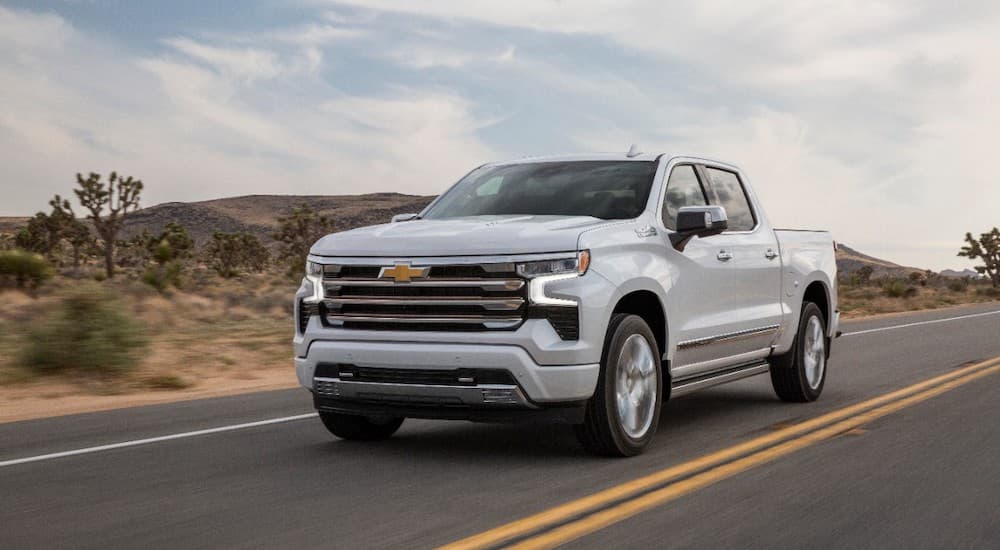
9. Chevrolet Silverado 1500
The Chevrolet Silverado 1500 isn’t just a workhorse; it’s a long-distance runner in truck form. People often buy these trucks expecting to haul, tow, and beat them up a bit.
What they don’t expect is that, with regular care, a Silverado can keep doing all of that for hundreds of thousands of miles. Even after years of hard work, many Silverados keep starting up each morning without fail.
A lot of that reliability can be credited to the engine options. Whether equipped with a V6 or one of GM’s dependable V8s, the Silverado’s powerplants are made for endurance.
The small-block V8s, in particular, have a reputation for going the distance with minimal issues. These engines are designed to take a beating and keep delivering power consistently, which is exactly what you want from a pickup that may spend its life towing or carrying heavy loads.
The Silverado’s frame construction and suspension are also built with longevity in mind. The chassis doesn’t twist or break easily under pressure, and the leaf-spring setup in the rear has proven durable over time.
This structural integrity keeps the truck feeling solid even after years of wear and tear. While cosmetics might fade and interiors may wear down, the core mechanical parts of the Silverado often keep functioning well past the point where other trucks start falling apart.
Another benefit is the wide availability of parts and mechanical knowledge. Chevy trucks are extremely common in the U.S., which means it’s easy to find a mechanic who knows how to fix one.
This keeps repair costs lower and helps extend the truck’s useful life. Drivers who thought they’d replace their Silverado after five or six years often find themselves still using it after a decade or more, still confident in its ability to do the job.
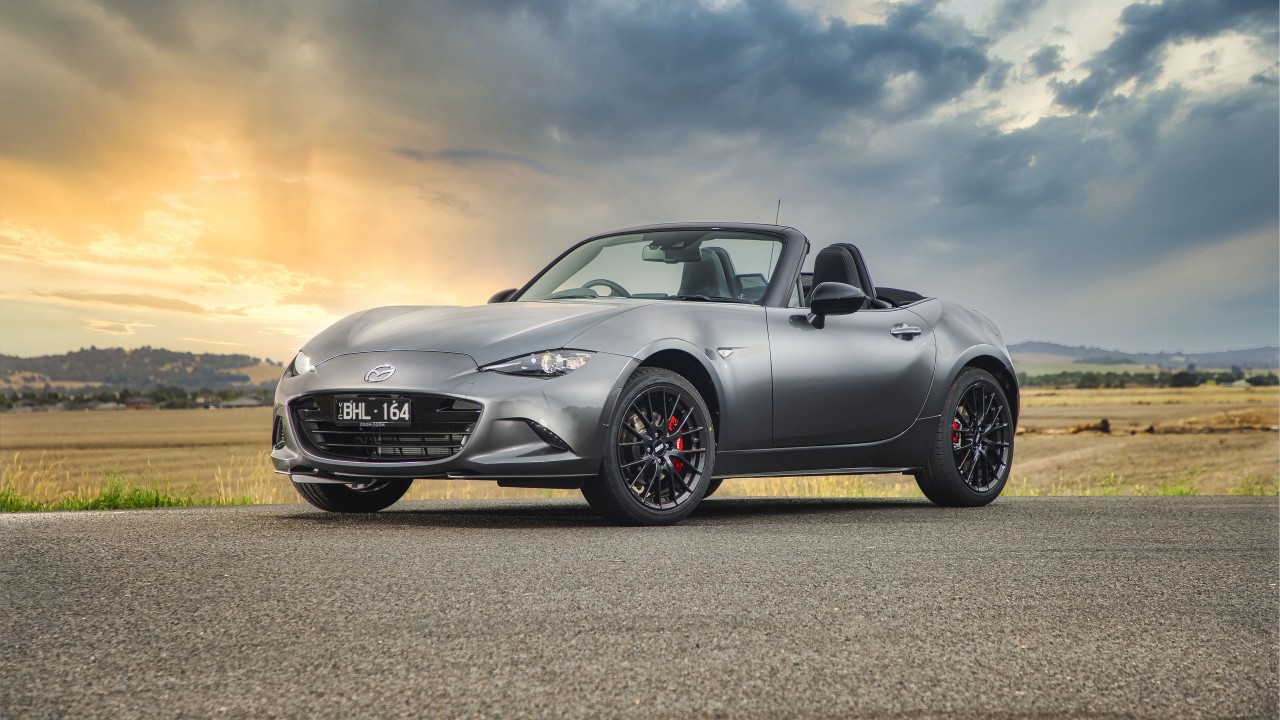
10. Mazda MX-5 Miata
The Mazda MX-5 Miata might seem like an unlikely candidate for a longevity list, given its compact size and sporty nature. But it turns out this roadster is one of the most reliable sports cars ever made.
Designed for pure driving fun, the Miata also delivers surprising durability, often outlasting expectations by a wide margin. Owners may buy it thinking they’re getting a weekend toy, but many end up driving the same car twenty years later.
Part of what makes the Miata so enduring is its mechanical simplicity. Mazda focused on light weight and balance rather than cramming the car with power or complicated features.
This approach resulted in a car that doesn’t stress its components too much. The engine is small but lively, the manual transmission is bulletproof, and the suspension is sturdy. The Miata doesn’t strain itself, it just performs smoothly and reliably.
Another reason the Miata outlasts expectations is the passion of its owners. People love this car. There are massive online communities, forums, and clubs dedicated to keeping Miatas on the road.
That means there’s no shortage of information, replacement parts, or support for doing everything from minor repairs to full restorations. This kind of grassroots backing helps ensure that Miatas don’t get scrapped; they get fixed, rebuilt, and driven.
Despite its age, even first-generation Miatas from the 1990s are still common on the road. Many have surpassed 200,000 miles without needing an engine rebuild.
Others have been passed down, tuned up, and kept running because they’re so enjoyable to drive. It’s rare to find a sports car with this level of staying power, but the Miata manages it through smart engineering and a loyal community.
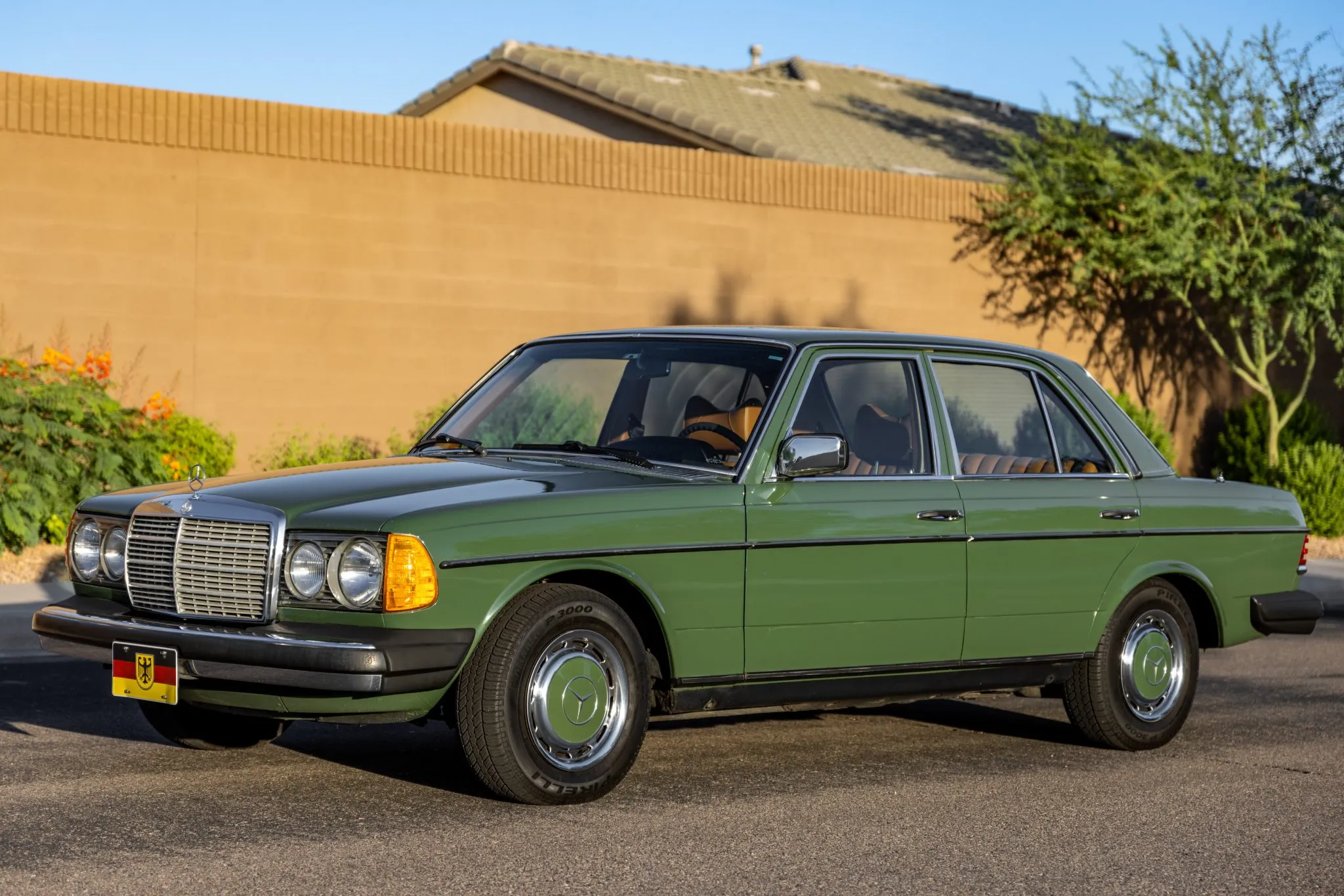
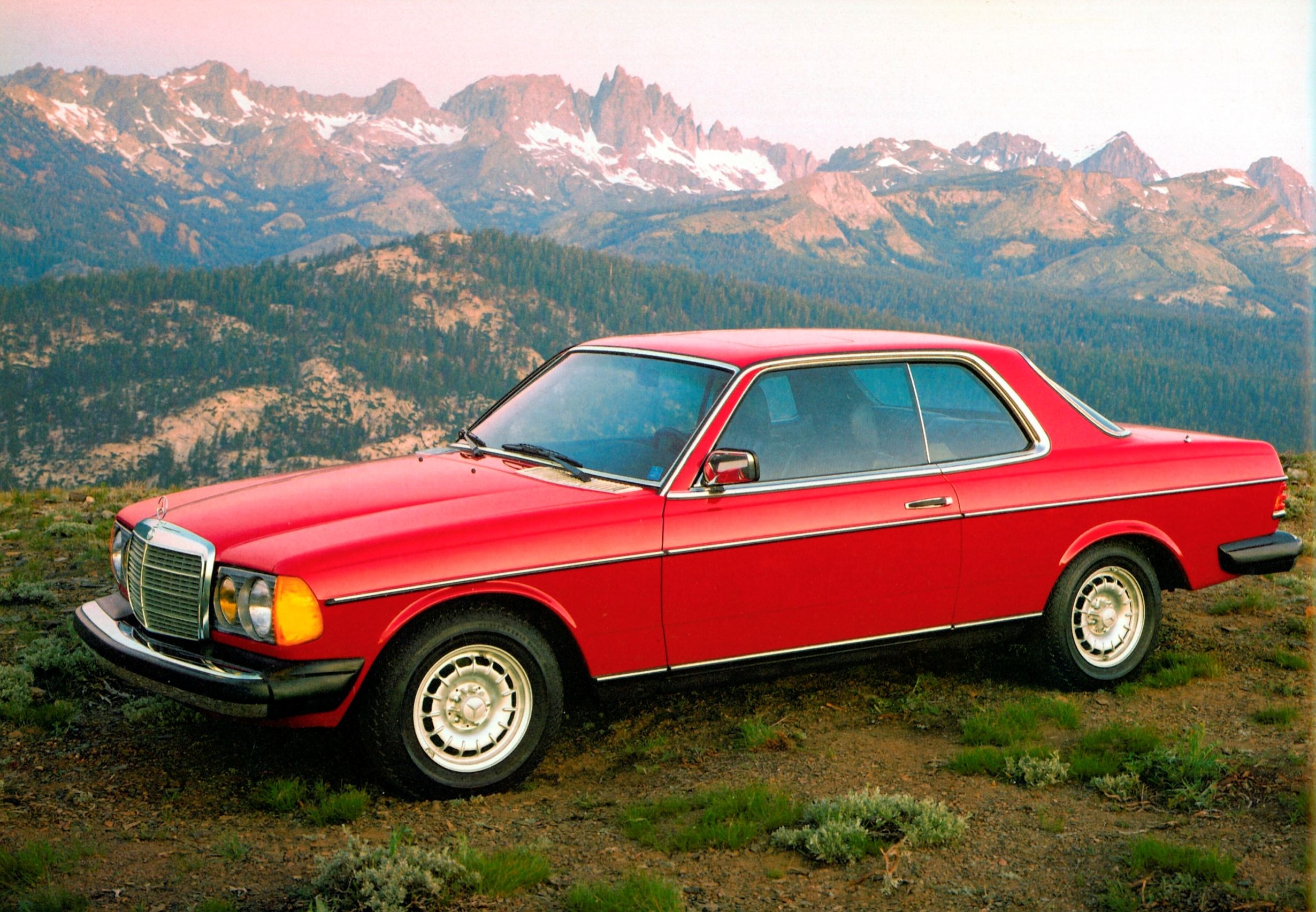
11. Mercedes-Benz W123
The Mercedes-Benz W123 series, produced from the late 1970s to the mid-1980s, holds an almost mythical status when it comes to reliability.
These sedans and wagons were built like tanks, yet delivered a refined ride and timeless style. Owners who bought them in the ’80s often assumed they’d last ten or fifteen years. Few realized they were buying a car that could keep running comfortably, for a lifetime.
One of the reasons the W123 lasts so long is the sheer quality of materials used in its construction. Mercedes didn’t cut corners. The metal was thicker, the switches were more robust, and everything from the engine components to the door hinges was designed with durability in mind.
These vehicles were made in an era where the brand’s goal was to engineer the best cars in the world, regardless of cost. That mindset paid off in the long run.
The diesel variants, in particular, became famous for their longevity. With regular oil changes and a little care, the diesel engines could go 500,000 miles or more. These engines were slow, but nearly indestructible. The cars were also designed to be serviceable.
Mechanics loved working on them because the layout made sense, and parts were designed to be replaced without excessive labor. This kept ownership costs surprisingly reasonable for such a high-end vehicle.
Even now, you can find W123s on the road in places like Africa and the Middle East, where they serve as taxis, transport vehicles, or daily drivers. These cars endure brutal conditions with grace. For many original buyers, what started as a symbol of luxury ended up being the longest-lasting vehicle they ever owned, one that set a benchmark for mechanical excellence that few have matched since.
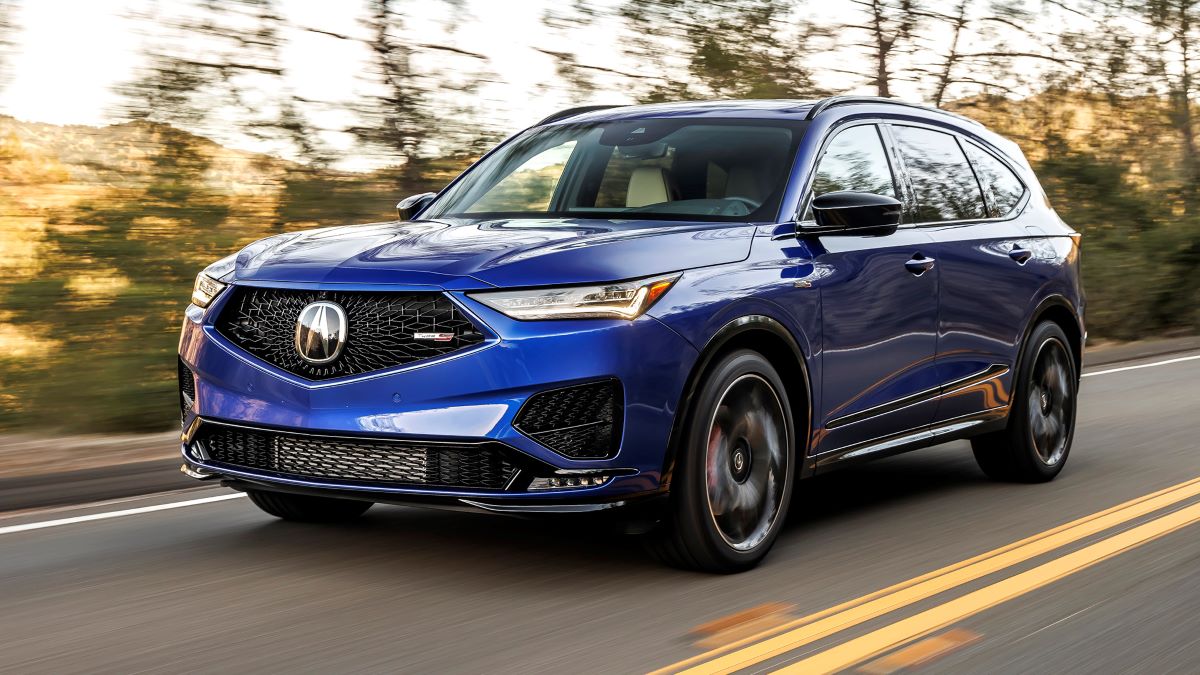
12. Acura MDX
The Acura MDX is a luxury crossover that has proven its durability in a way few expected. Buyers are often drawn to its upscale features, advanced technology, and smooth performance, but are later surprised by how many years and miles it can handle without major issues.
While luxury SUVs can sometimes be associated with expensive repairs and finicky electronics, the MDX breaks that mold by being remarkably consistent and dependable.
A big part of that success comes from Acura’s connection to Honda’s engineering philosophy. The MDX shares platforms and components with other Honda models, including the Pilot and Odyssey, which means it benefits from the same level of reliability.
The engines are strong, the transmissions have improved over generations, and the suspension is designed to handle both comfort and durability. It’s a luxury SUV that doesn’t act fragile, which helps it stay on the road longer than expected.
For many buyers, the MDX starts as a status vehicle. But over time, it becomes more than that, a daily driver, a road trip favorite, and eventually, a trusted family hauler.
When people start realizing they’re at 200,000 miles and still comfortable behind the wheel, they often laugh at how long the vehicle has lasted. It becomes a pleasant surprise that sticks around far longer than anyone thought it would.
